

Carpentry Workshop for Woodwork
A carpentry workshop for woodwork is a full-cycle production facility where an order travels from sawing and cutting to size through milling, sanding, painting and assembly, all in one place. The equipment includes CNC machines, panel saws and milling lines, so the workshop takes on both one-off parts and serial batches in wood, plywood, MDF, particleboard, MFC, acrylic glass, plastic and aluminium. Below: which materials we machine, what stages the work is built from, who these services suit, and how long it takes to manufacture to a client’s drawing.
Carpentry workshop: wooden and sheet-material products for any request
Twenty years ago, decent woodworking was something only large shops with a crowd of machine operators could afford. Things are different now. Precision to a tenth of a millimetre and reasonable lead times are available even on a single order — one part for a specific project. Across Europe, demand for wooden and panel products grows year after year, and clients increasingly look not for a separate sawyer or painter, but for a single site where a part goes through the whole chain. When cutting, milling and assembly live under one roof, there is no hassle of hauling semi-finished parts between contractors and no argument over who is to blame for a defect at the seam between stages.
A carpentry workshop that confidently handles not only solid wood and edge-glued panel, but also MDF, particleboard, MFC, plywood, OSB, acrylic glass, plastic and aluminium turns into a universal contractor. One client needs a clean MFC cut for a kitchen, another an intricate milled facade, a third a curved acrylic cut for a display case. A broad material range alone is not enough: without steady precision, any complex geometry or sanding for painting becomes a lottery. That is why the emphasis is on repeatability — so the second part in a batch fits exactly like the first.
Wood does not forgive carelessness. The very same board behaves differently depending on moisture, grain direction and how it was dried. It is not enough to switch on the machine — you have to understand what will come out and build in an allowance for the material’s behaviour in advance. Panels have their own story: MFC has a brittle edge that is easy to chip with the wrong feed rate, plywood has layers that tend to lift. Every millimetre pulls the next stage along with it: cut it crooked and it won’t line up during assembly; under-sand it and it will show through the paint.
Today’s client needs not just a “cut it and hand it over” performer, but a contractor who thinks ahead. Who will suggest making the router radius a touch larger, or the edge will crumble. Who will name a realistic deadline rather than the one that is pleasant to hear. Who will find a workaround where the standard technology stalls. This is especially valuable in fields where deadlines are tight: furniture production before a kitchen fit-out, a store fit before opening, an ad stand before an exhibition. Two days late and the whole project grinds to a halt.
The benefits of working with professionals

Modern equipment
Panel saws, CNC and milling machines — precision, speed and quality guaranteed

Extensive experience and expertise
We know how to handle wood and sheet materials — reliably, precisely, professionally

Fast order fulfilment
Fast and without compromising quality. We value your time and our commitments

A full range of services in one place
Cutting to size, sawing, milling, sanding, painting, assembly — all in-house, with no middlemen
Trusted materials and consumables
We work only with quality materials, so you can be confident in the result

An individual approach to every client
We work to your drawings, create a machining program for the task and account for every detail
It all starts with the first conversation, and the difference is already noticeable here. It is not the client bending their idea to what the machine can do — on the contrary, production adapts to the task. Is there a DXF drawing? We work from it. Is there only a photo and dimensions scribbled on a napkin? We’ll figure it out from those too. A fleet where a panel saw stands next to a CNC router calmly handles both familiar solid wood and modern panels such as compact laminate. That is why a complex project does not turn into an endless string of reworks: less on-site fitting, fewer after-the-fact corrections.
The technology is chosen to suit the specific part, not the other way round. Need perfect geometry and a dozen identical blanks? We go to the CNC, where the program repeats the contour without deviation. Need a smooth, flowing line or a neatly finished end? We use hand milling, where the master’s touch comes through. Need a tight joint with no gap? A sliding cross-cut saw does the job, giving a smooth cut at 90 or 45 degrees. Breaking the task down into stages like this is exactly what insures against surprises: even a non-standard request resolves into clear operations.
Geography is no obstacle: orders travel to different parts of Europe, and a part from the next city and a part from three thousand kilometres away come out with the same precision. The logistics are set up so that distance does not stretch lead times several times over. This is especially valued by companies running projects in several cities at once: a retail chain orders identical fixtures for all its outlets, while a furniture maker assembles a project in another region from parts that arrive ready-made.
Another point that decides a great deal is an honest working logic from enquiry to finished product. Price and deadline are named up front and don’t resurface as new figures along the way. The client doesn’t have to work out which cutter to use for the chamfer or which grit to take under the lacquer — it’s enough to explain what the result should be. From there, the process engineer translates the goal into the language of machines and operations. This lifts from the client precisely the part of the headache they turned to professionals for in the first place.


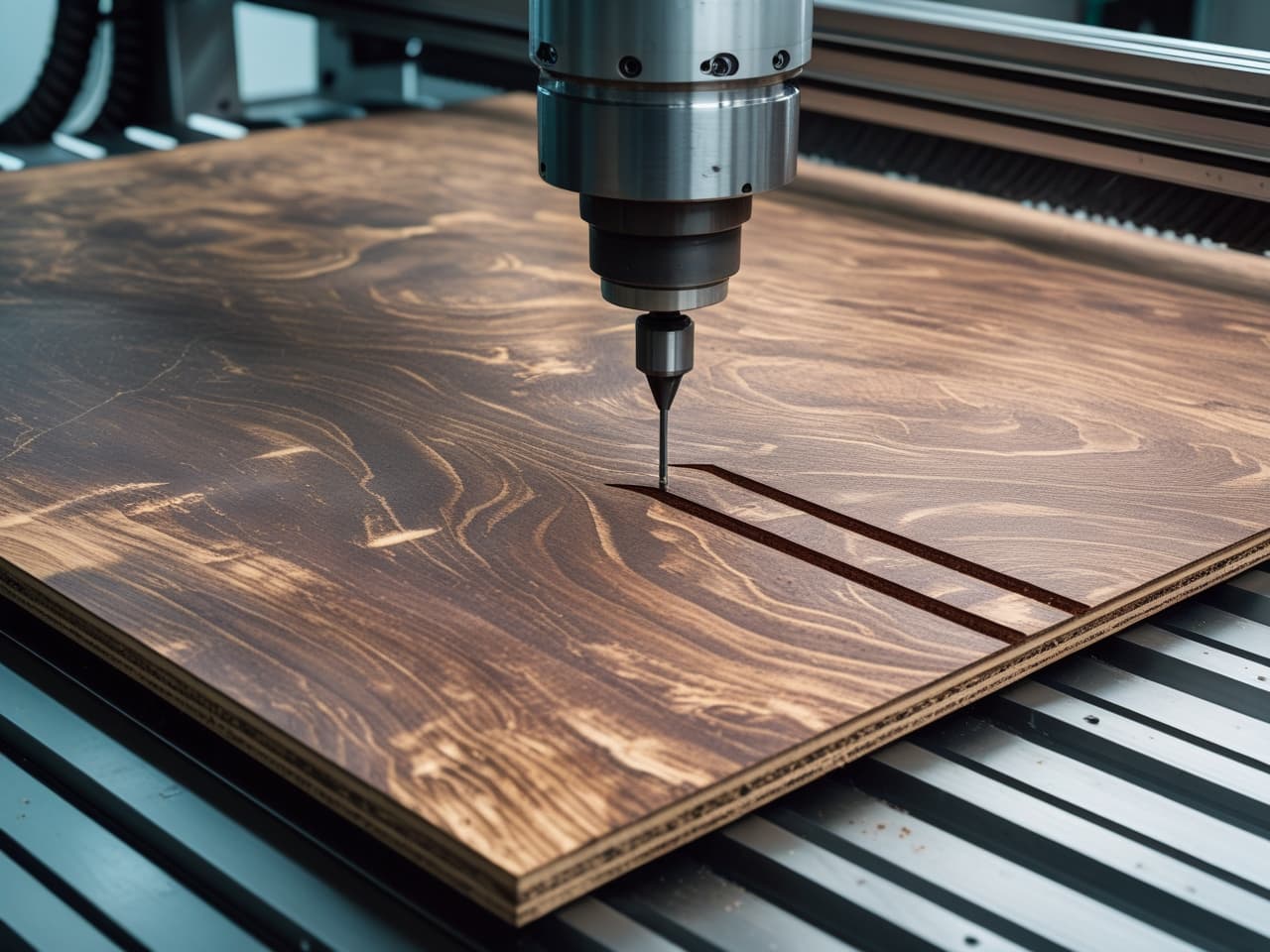


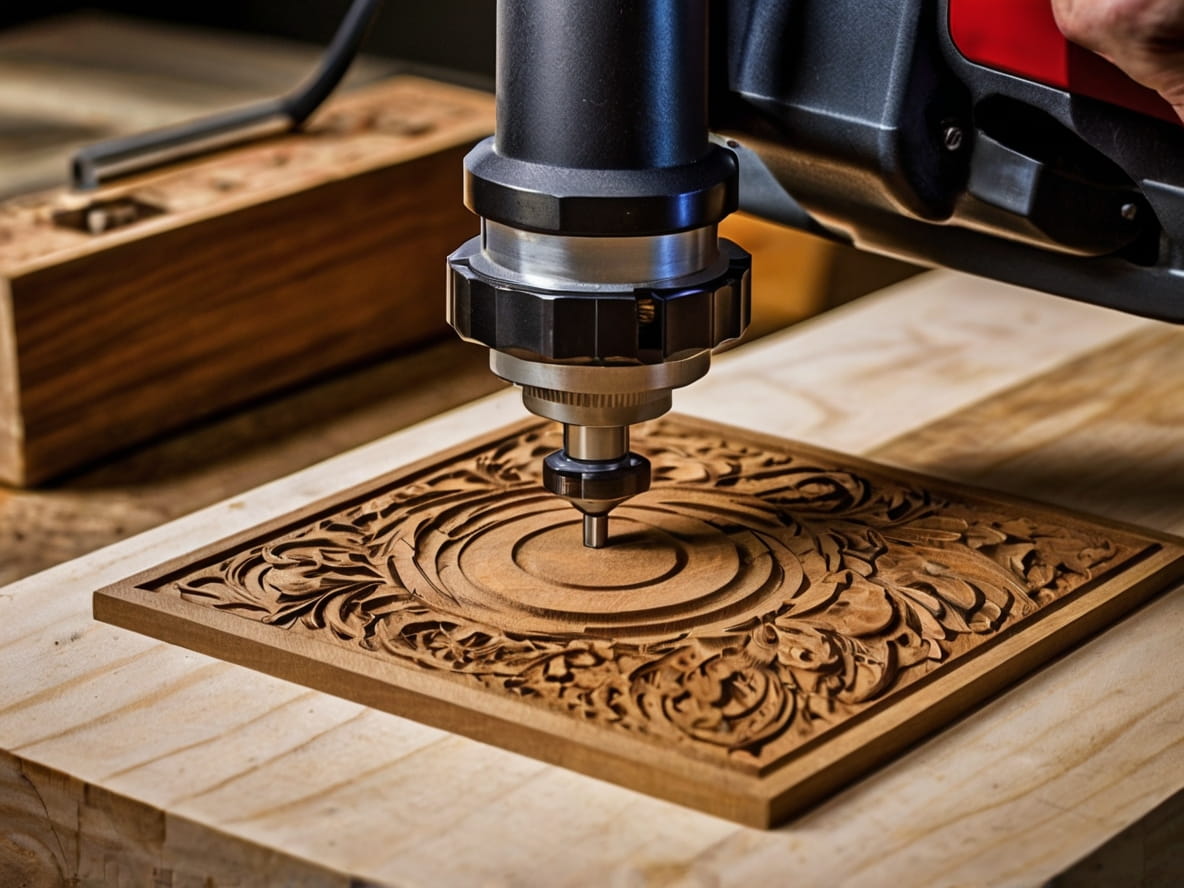


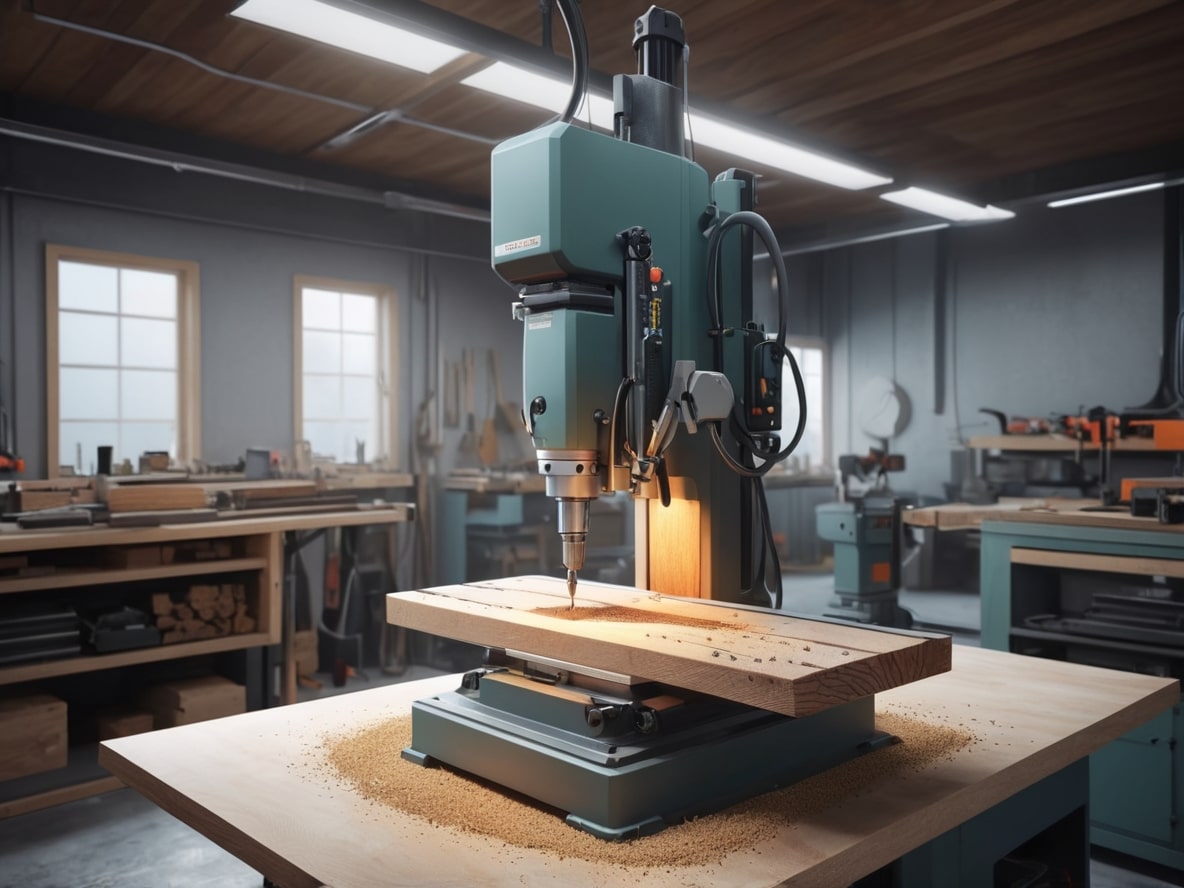


The workshop’s capabilities cover the whole chain — from the first cut of a board to the final coat of lacquer and assembly of the finished product. For large-scale production this eases the load on their own shop in peak season, while for a private customer it delivers a result without running around a dozen contractors. Below is a brief look at what each stage involves, so it’s clear what an order is built from.
Cutting takes two paths. A classic panel saw copes excellently with straight cuts across a sheet and gives a clean, chip-free edge. Where a shaped line or grooves are needed right along the cut, the CNC steps in. Rip cuts, cross cuts and angled cuts are all available — the blank comes out immediately in the dimensions the next stage needs, with no extra trimming.
Cutting to size covers a long list of materials: plywood, MDF, particleboard and MFC, acrylic glass, plastic, thin aluminium. The geometry can be anything — from a simple rectangle to a contour with internal cut-outs and rounded corners. The work follows the customer’s ready drawing, and if there is no drawing, a cutting layout is drawn up on the spot. At the same time, the program arranges the parts across the sheet so that less goes to offcuts — a direct saving on material.
Milling is perhaps the most common operation. On a flat surface it means grooves, recesses, seats for fittings, chamfering and neat rounding. In three dimensions it means 3D relief, carved panels, decorative overlays with a pattern. The very same router runs technical grooves for a shelf in the morning and cuts an openwork screen to a designer’s sketch in the afternoon. All of it happens within the walls of a single workshop, with no parts handed off elsewhere.
Cutting is not limited to a straight line. The contour can be as intricate as you like — letters for a sign, the silhouette of a logo, a shaped overlay. Boards and battens, plastic, acrylic glass, thin aluminium all go into the work. Such parts most often end up in interior fit-outs, exhibition stands, display windows and non-standard furniture fittings, where an exact shape and a clean, burr-free edge matter.
Sanding is done by hand, on machines or on automatic lines — the choice depends on the shape of the part and what the result should be. A coarse grit is used for the first coat, a fine one towards the finish, and so on over several passes. Both bare wood and an already-painted surface between coats get sanded. Then, if wanted, painting: the compound is sprayed on in a separate booth, and parts are dried in a clean area where no dust drifts in from the shop. This is exactly what decides whether the coating goes on evenly or comes out grainy.
When the client needs not a scatter of parts but a finished product, assembly steps in. The elements are joined into a single whole — glued, drawn together with confirmat screws, seated on dowels, fitted with hardware. If needed, the product is packed straight away: in a transport crate for shipping or in neat packaging for retail. In other words, what comes out is not a blank, but an item ready to install or sell.
Any of the services is tuned to the specific project, and volume is not the point here. You can come for a single operation — say, ripping an MFC sheet to given dimensions — and leave with finished parts. Or you can hand over the whole project: from buying the material through to assembly and packaging. The workshop works not to a conveyor-belt template of “we only do it this way,” but from the required result back to the way to achieve it.
Most operations rest on numerically controlled machines. The advantages are clear: precision the hand cannot repeat, minimal waste, and identical quality whether it’s the first part in the batch or the hundredth. The control program is written right in the workshop from the drawing, but if the customer already has a ready cutting file, that is accepted for work too and, where necessary, adapted to the specific machine.
Milling doesn’t end at grooves and joints. The same tool makes the technical part — recesses, joints, seats — and pure decor: an ornament on a facade, a carved monogram, a soft rounding of a corner. That is why the workshop turns out not only working “for-the-job” parts, but also one-off designer pieces, where what matters is not function but appearance and the character of the surface.
Sanding is almost never a single pass. It is broken into stages and matched to the material, the desired effect and what comes next — lacquer, oil or paint. Before painting this step is decisive: any scratch or under-sanded spot will inevitably show through the finish and spoil the whole picture. If the surface has small flaws, chips or dents, they are first filled, left to dry, and only then brought to smoothness.
Painting can be a single coat or several — depending on what we’re after. Sometimes the task is purely protective: sealing the wood against moisture and UV. Sometimes it’s decorative: an even coloured facade, a deep gloss or, conversely, a matte surface with the texture brought out. It’s all applied by hand, with control at every coat — that way it’s easier to adapt to the shape of the part, work around tricky spots and catch it in time if something goes on wrong.
Assembly varies in depth. Sometimes it’s a simple joining of a couple of parts, sometimes a full assembly of the product with hardware followed by packing in whole batches, as happens on serial orders. This format suits those who need a turnkey product: you get the boxes and go straight to the store shelf or the site’s fitters, with no interim finishing of your own.
How a carpentry workshop works: the stages of woodworking
Consultation
Receiving drawings or developing a plan
Agreeing lead times and cost
Launch into production
Quality control at every stage
Finishing
Packaging and preparation for shipment
Delivery or pickup
The work is built on a clear scheme, with no grey areas. The first step is taking on the task. The client brings what they have: a ready drawing, a short description, a freehand sketch or simply an idea in words. The more specific the input, the faster a plan takes shape. Not enough data? No problem: what’s missing is filled in on the spot, and the geometry, cut points and machining are agreed, so it doesn’t turn out later that the groove ended up on the wrong side.
Next comes the technical preparation, invisible to the customer, but it is precisely what determines the outcome. The CNC program is written, the amount of material with an allowance for trimming is calculated, and cutters and blades are selected for the specific task. Where the machining is by hand, a spec is drawn up with parameters: what radius on the milling, to what grit to sand, where to cut. This stage saves time later — there’s no need to improvise at the machine.
Once the preparation is behind us, the machining itself begins. The material is cut, milled, sanded and painted in strict sequence — you usually can’t swap the stages around without losing quality. On complex milling and non-standard parts, an intermediate check kicks in: measure, compare against the drawing, catch the deviation early. It’s cheaper to stop and correct one blank than to send the whole batch to scrap.
The final stage is assembly and packaging. The parts are joined, checked for dimensions and fit, and confirmed to line up as intended on the drawing. Then packaging is chosen to suit the task: neat retail packaging if the product goes on display, or dense transport packaging with a crate if it has far to travel. After that the finished product is shipped or handed to the customer in whatever way suits them — self-collection, a carrier or delivery.


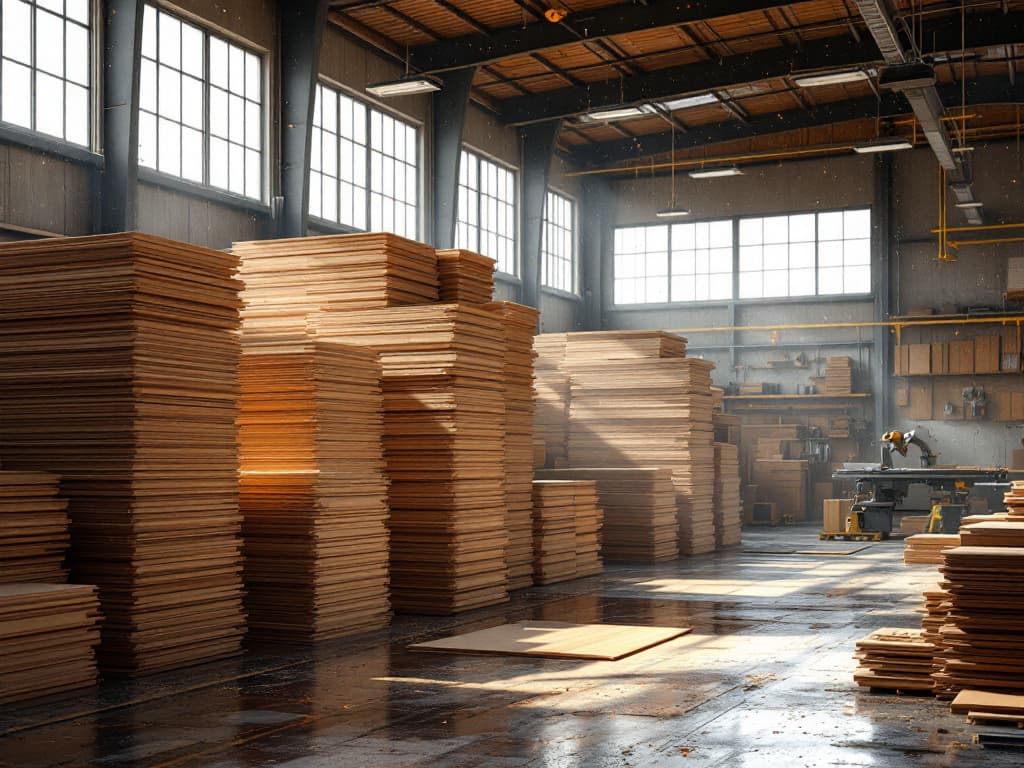



Production capabilities cover the entire machining cycle and the full range of materials: solid wood and plywood, MDF, particleboard, MFC and fibreboard, plastic, acrylic glass, thin aluminium. For the customer this is freedom — there’s no need to fit the project to “what they can do here.” Interiors, retail fixtures, advertising, furniture, packaging — for every field there is both a material and a way to machine it, and more often a combination of the two in a single product.
Everything is built on cutting to size. It is done on panel saws and on the CNC — depending on what matters more in the specific task: speed on straight sheets or a complex contour. Angled cuts, intricate geometry and joints with minimal gap are all available. When there are many parts, software optimisation kicks in: parts are laid out more tightly across the sheet, waste drops, and the process itself runs faster thanks to a well-thought-out cutting order.
Milling comes next. The path can be straight or curved, involving chamfering, grooving and cutting out shaped elements. Part of the work is done by automatic machines, part by the master’s hands, and this is no whim: on long, identical parts automation wins, while on a complex one-off shape or a delicate material hand finishing comes out more precise. The combination of the two approaches is what gives the right adaptation to the shape.
Cross-cutting is responsible for clean geometry and the correct fit of parts to one another. Without it, joints wander, and in furniture every extra millimetre shows up as a skewed facade or a gap at the joint. Sliding cross-cut saws are used — a saw like this passes the part under load and leaves a smooth cut with no tear-out, whether it’s a right-angle cut or a 45-degree cut for a mitred frame.
Sanding sets the character of the surface — from a deliberately rough texture to a mirror smoothness under lacquer. Sanding machines, hand sanders and final hand finishing in hard-to-reach spots are all involved. This is how the surface is prepared for painting or oil impregnation. The point is not only beauty: properly sanded wood sealed with a coating absorbs less moisture, doesn’t crack and lasts noticeably longer than untreated wood.
Finishing means painting, lacquer, oil or other protective and decorative compounds. They are applied with a spray gun in a separate booth, not “on the fly” in a dusty corner of the shop. The difference is tangible: the coat goes on evenly, without runs or debris, and drying in a clean area leaves no stuck-on dust specks. This affects both the appearance and how the coating behaves after a year of use.
Assembly closes the chain: scattered elements turn into a single object. The format is flexible — you can assemble a single prototype to test the idea in the flesh, or put a serial batch into a flow with identical packaging and preparation for shipment. A prototype, by the way, often pays for itself: it reveals weak points in the design before money has been invested in the whole series.
Every decision here is honed for the result, not for a pretty process. The CNC pulls out industrial-grade precision even on a single part — the very one for which an ordinary shop has no reason to set up a line. That is exactly why people come to the workshop for furniture, for load-bearing structural elements, for decorative inlays, where an error of half a millimetre is already visible to the eye.
A wide set of materials makes the workshop truly universal. There’s no need to keep a separate sawyer, a separate miller and a separate painter in your address book and then sync up their deadlines. The whole cycle runs on one site. This saves time on coordination, simplifies control — there’s a single party to hold accountable for the result — and makes both the deadlines and the quality far more predictable.
Flexibility of setup is another trump card. For a non-standard product a separate program is written, a cutter of the right diameter is chosen, and the geometry is recalculated for the specific material thickness. And where it’s a matter of a series, ready templates and jigs come into play: they speed up machining and guarantee that all the parts come out like twins. In essence, the same machine can work both as a “jeweller” and as a “conveyor” — it’s only a question of preparation.
Control stands at the input and at the output, and this is no formality. Before the run, dimensions and drawing are checked, and it’s verified that exactly the right material of the right thickness has been delivered — a panel mixed up by a couple of millimetres can wreck the whole assembly. After machining, a final check takes place: measurements, fit, surface cleanliness. This double barrier cuts off mismatches and deviations before they ever reach the customer.
How wooden products are manufactured
First, the goal is clarified. What exactly is needed: to make individual parts, to assemble a finished structure, simply to cut sheets to size, or to bring a surface to a finish. Everything else depends on the answer. Then the scope of work and a realistic deadline are calculated — with no vague “roughly in a week or so.” If the drawing is raw, it’s refined; if the machining is on the CNC, the control program is prepared. Only after that does the material go under the tool.
Next is the question of material. Either the customer brings it themselves — in which case the panel or board is checked for suitability before work — or it’s purchased for the project, so there’s no guessing about quality. Then comes the primary machining: cutting, milling, cross-cutting. On critical orders, an intermediate check is wedged in between stages so as not to drag a possible error further down the chain.
The next step is sanding, painting or oiling the surface. The choice of compound is not a matter of guesswork: the species and properties of the material are taken into account, where the product will stand (a damp kitchen and a dry living room are different stories) and how it should look. An outdoor part needs durable protection, an interior inlay a pleasant-to-the-touch surface and an exact shade.
The final stage is assembly, packaging and handover to the customer. The whole journey is accompanied by technical control, so that the finished product matches the original drawing on every parameter, rather than “roughly coinciding.” This end-to-end control from enquiry to shipment is exactly what the client is, in essence, paying for: a predictable result with no unpleasant discoveries at unpacking.
Our portfolio — finished products
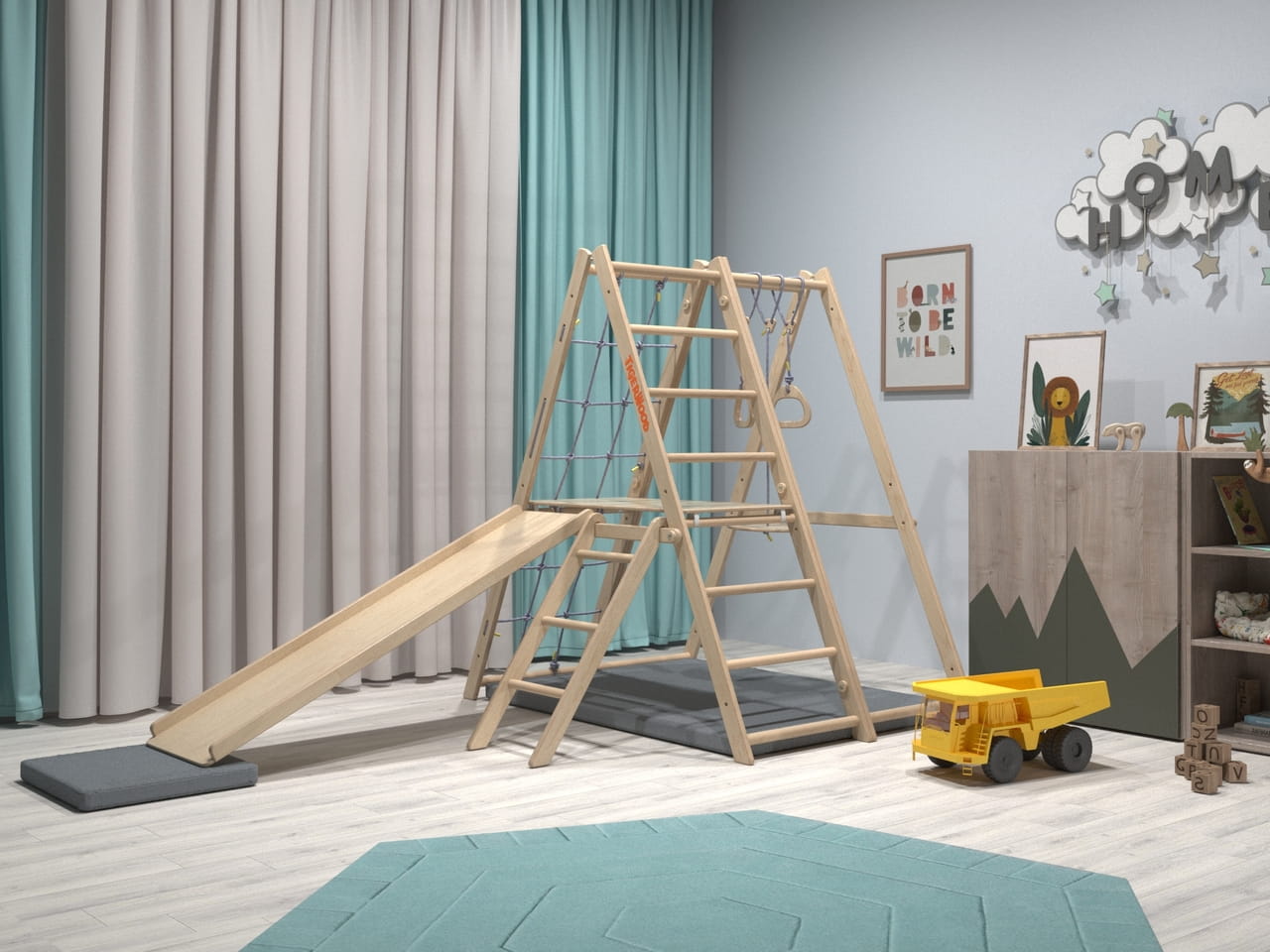
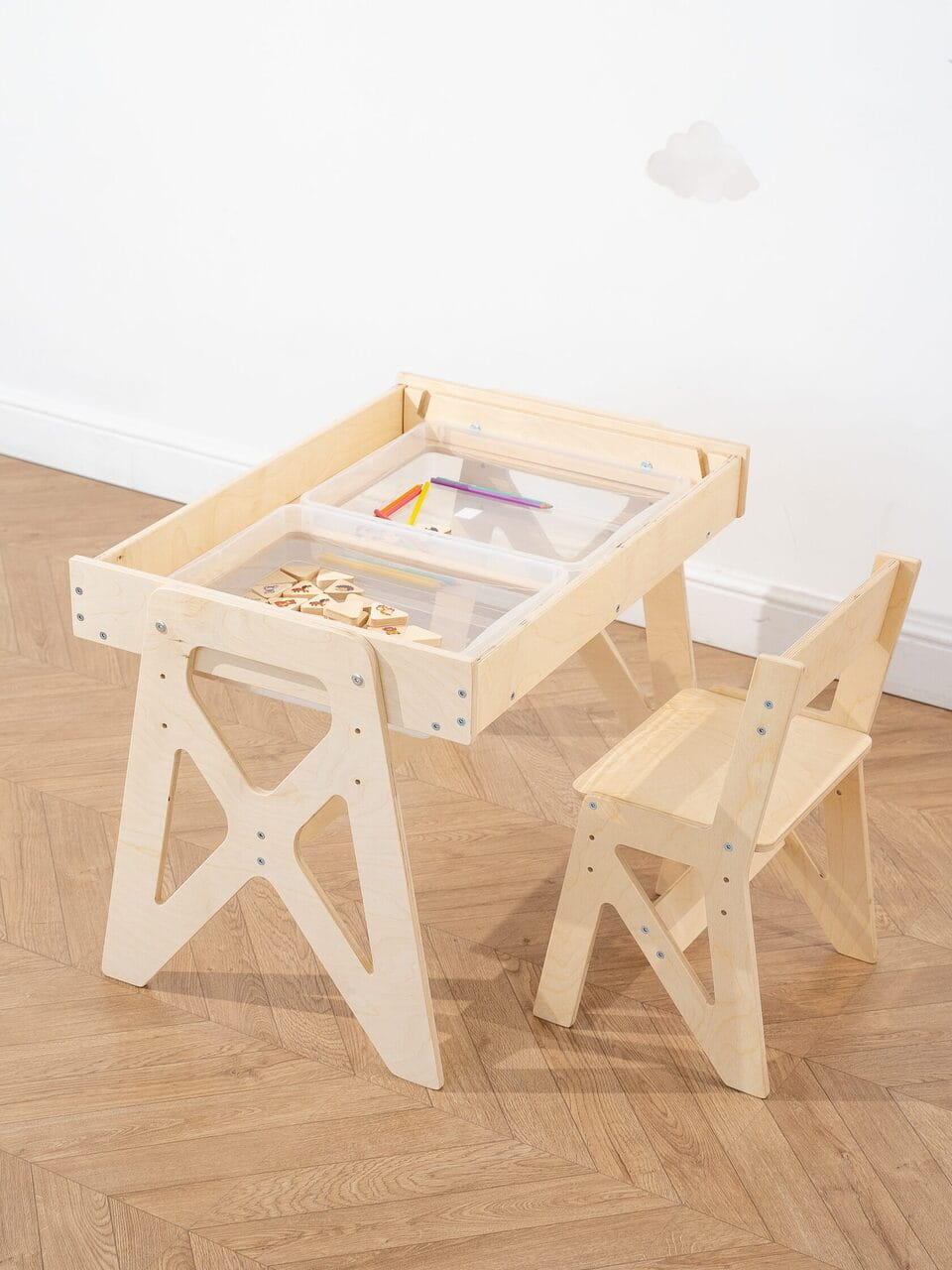


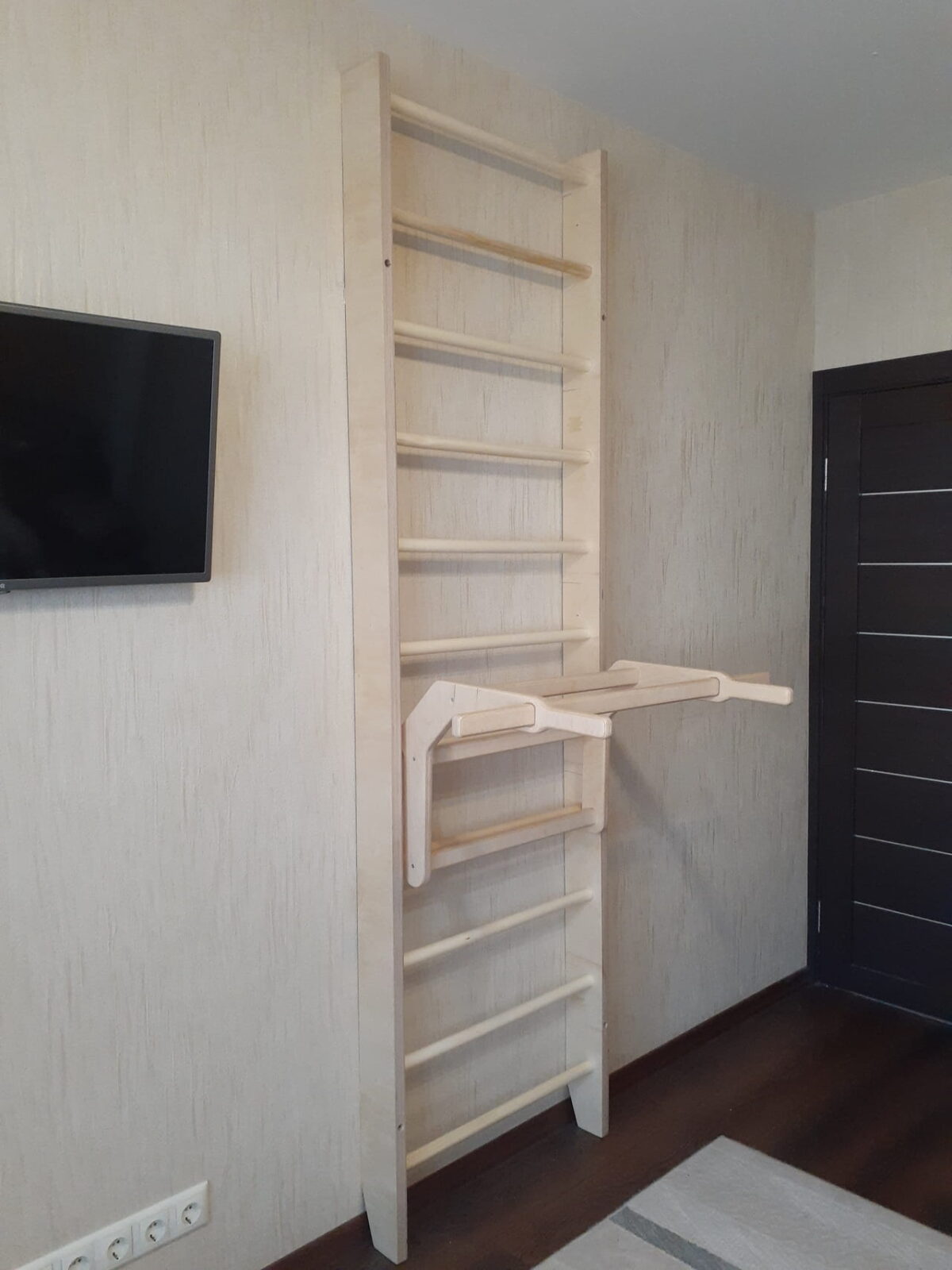
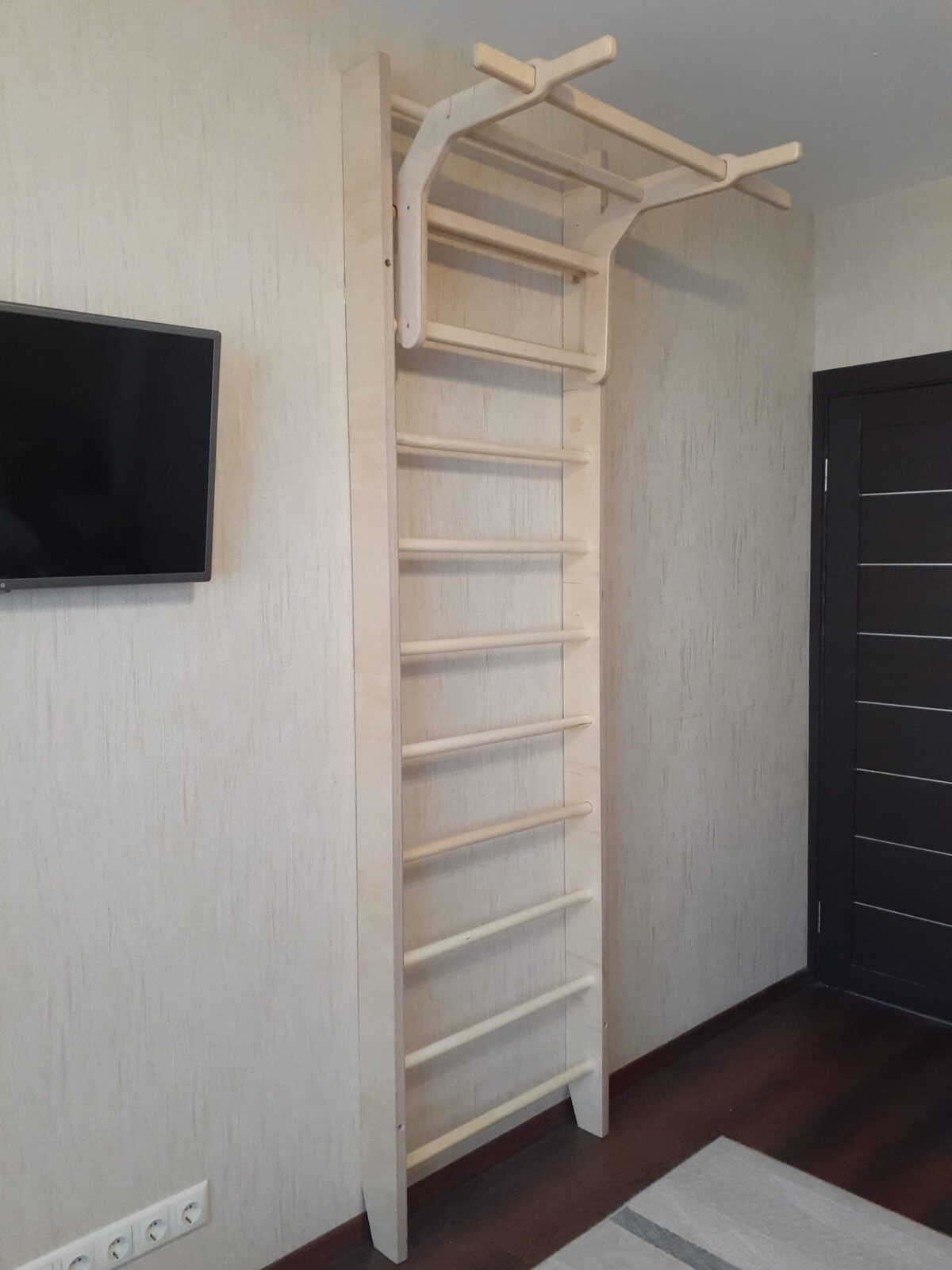
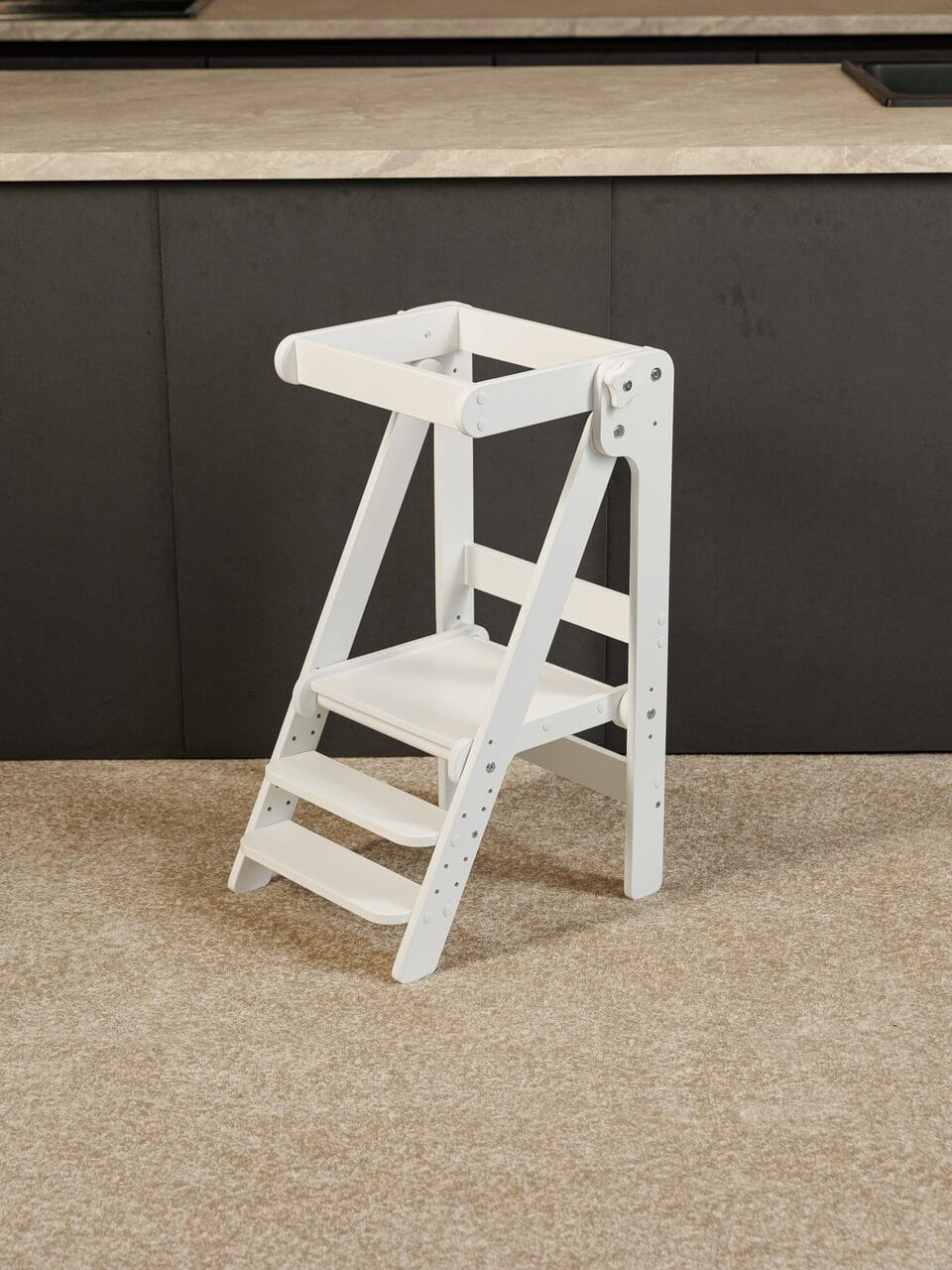
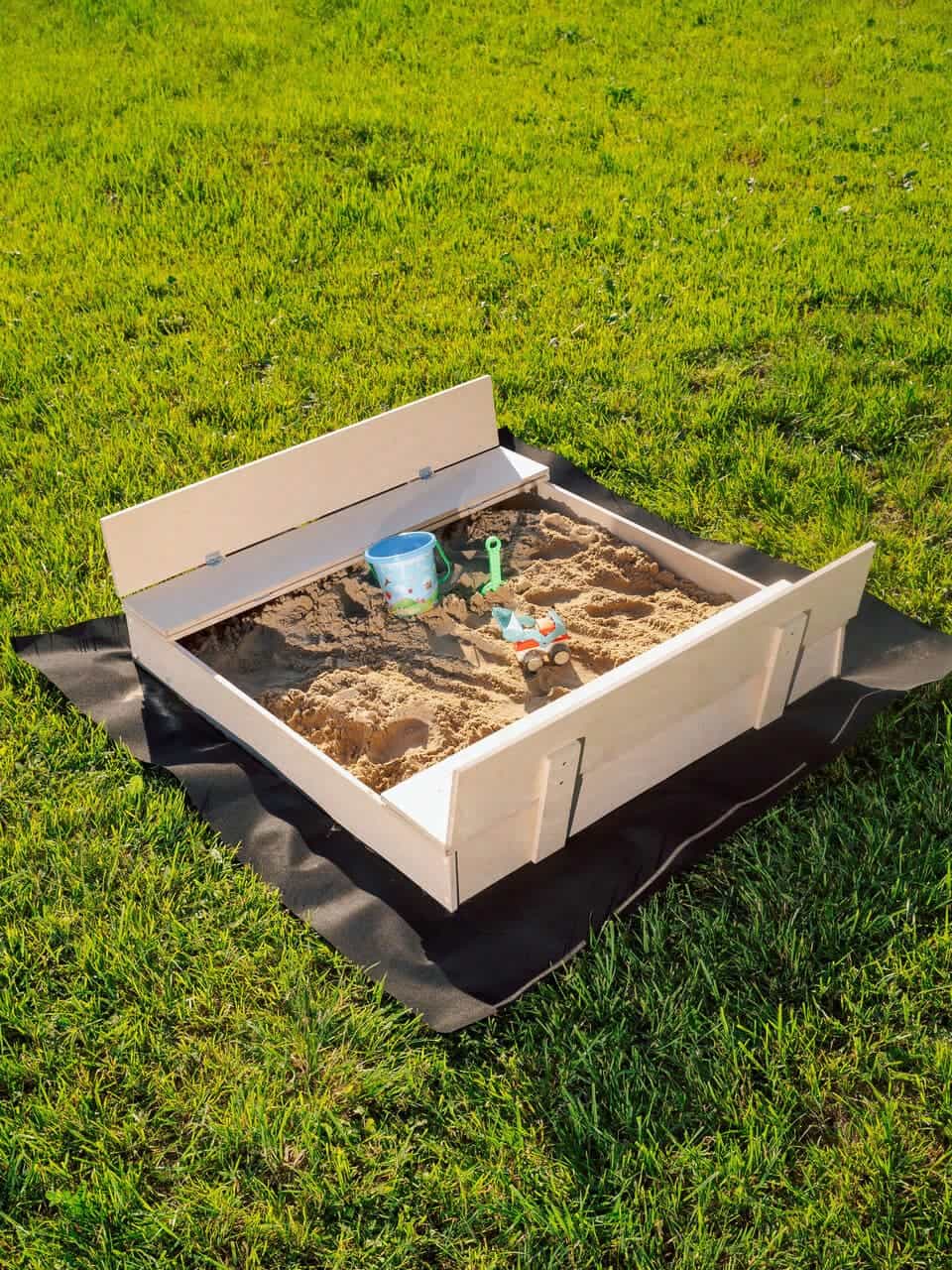

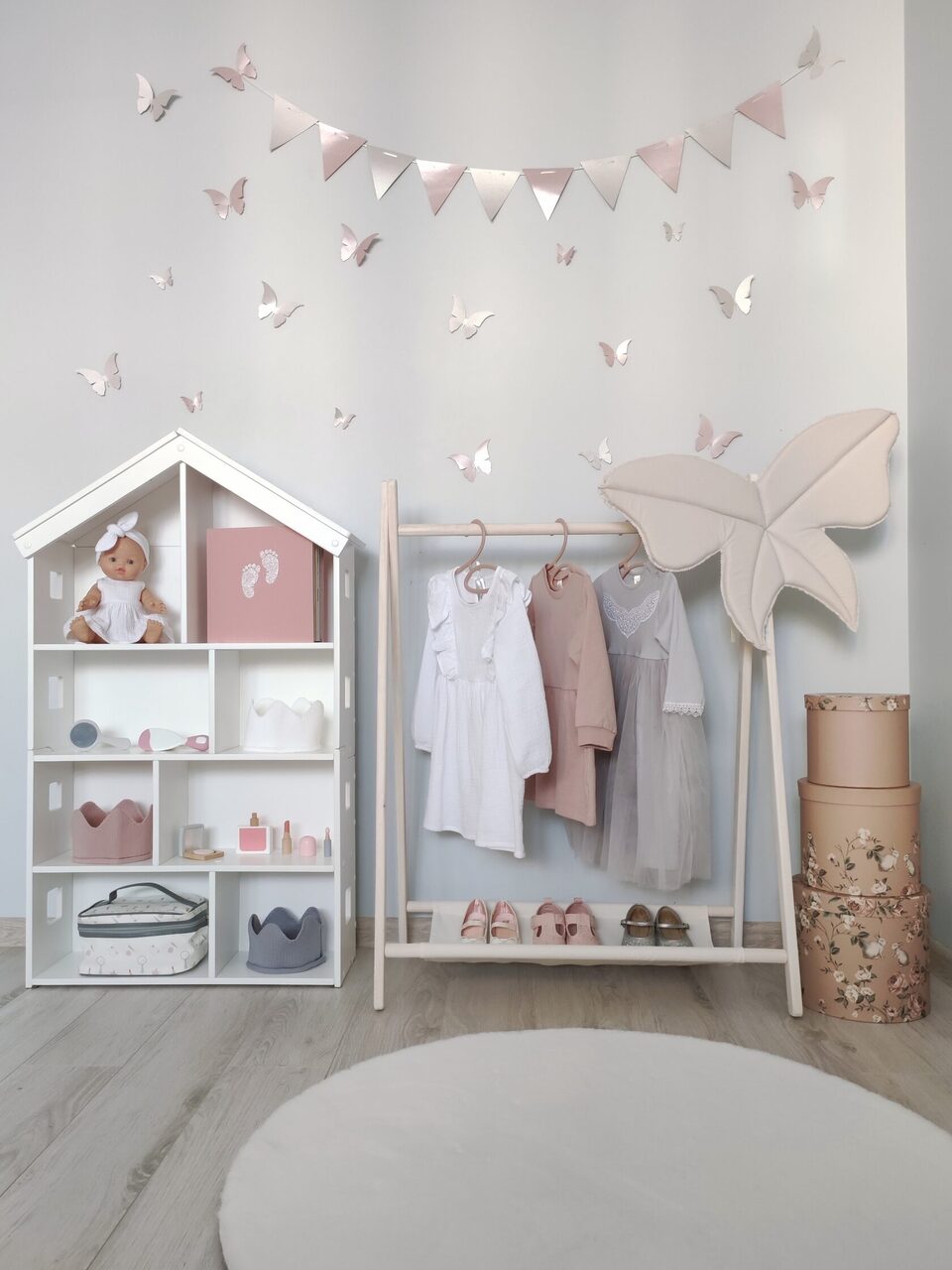

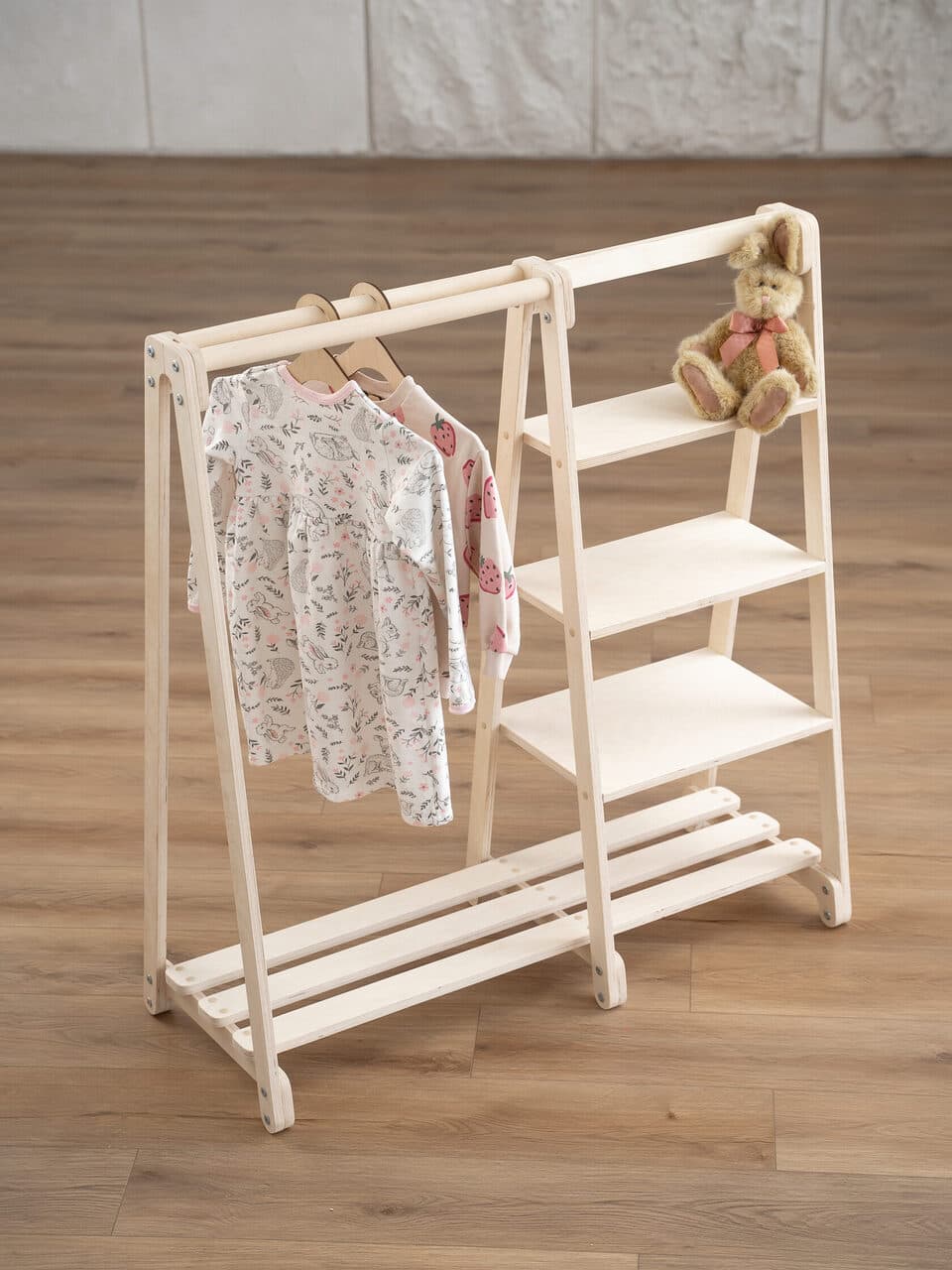
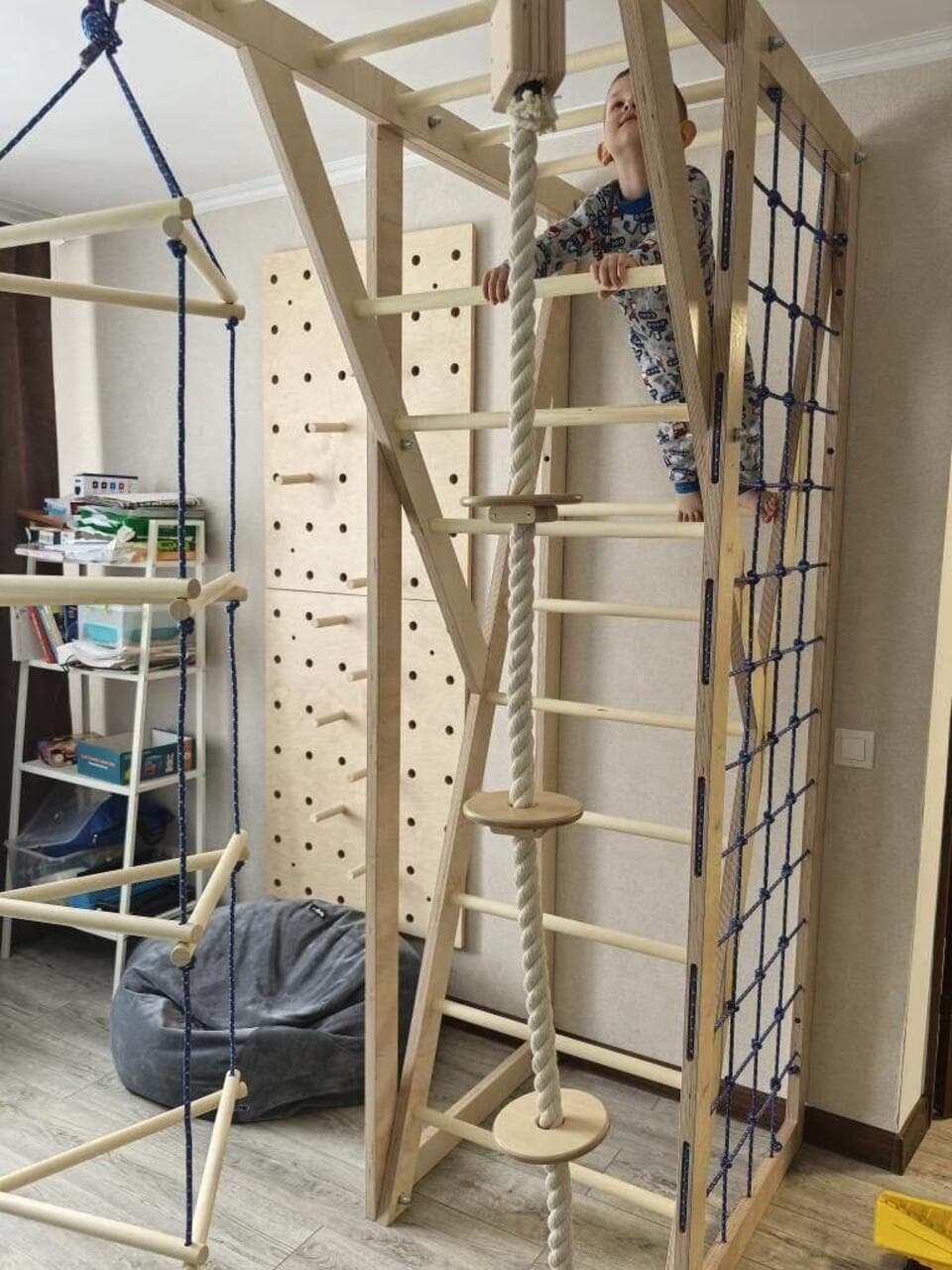
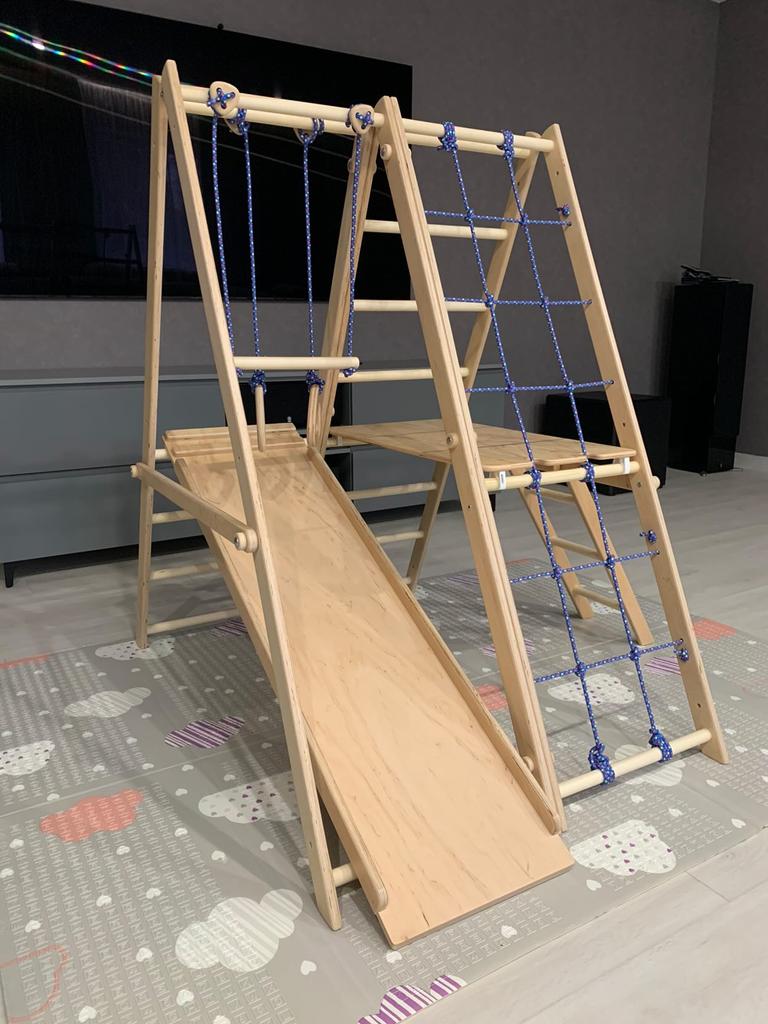

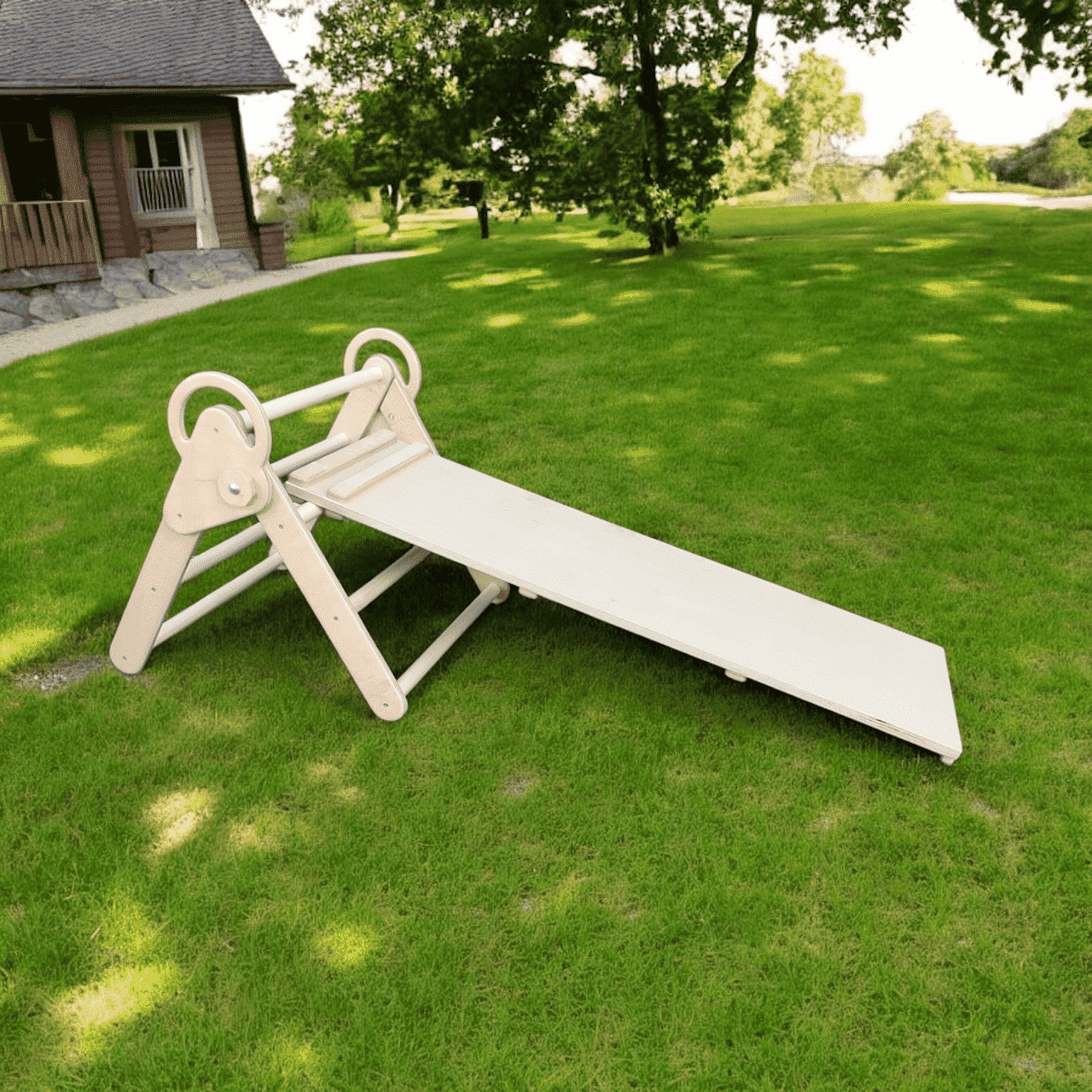

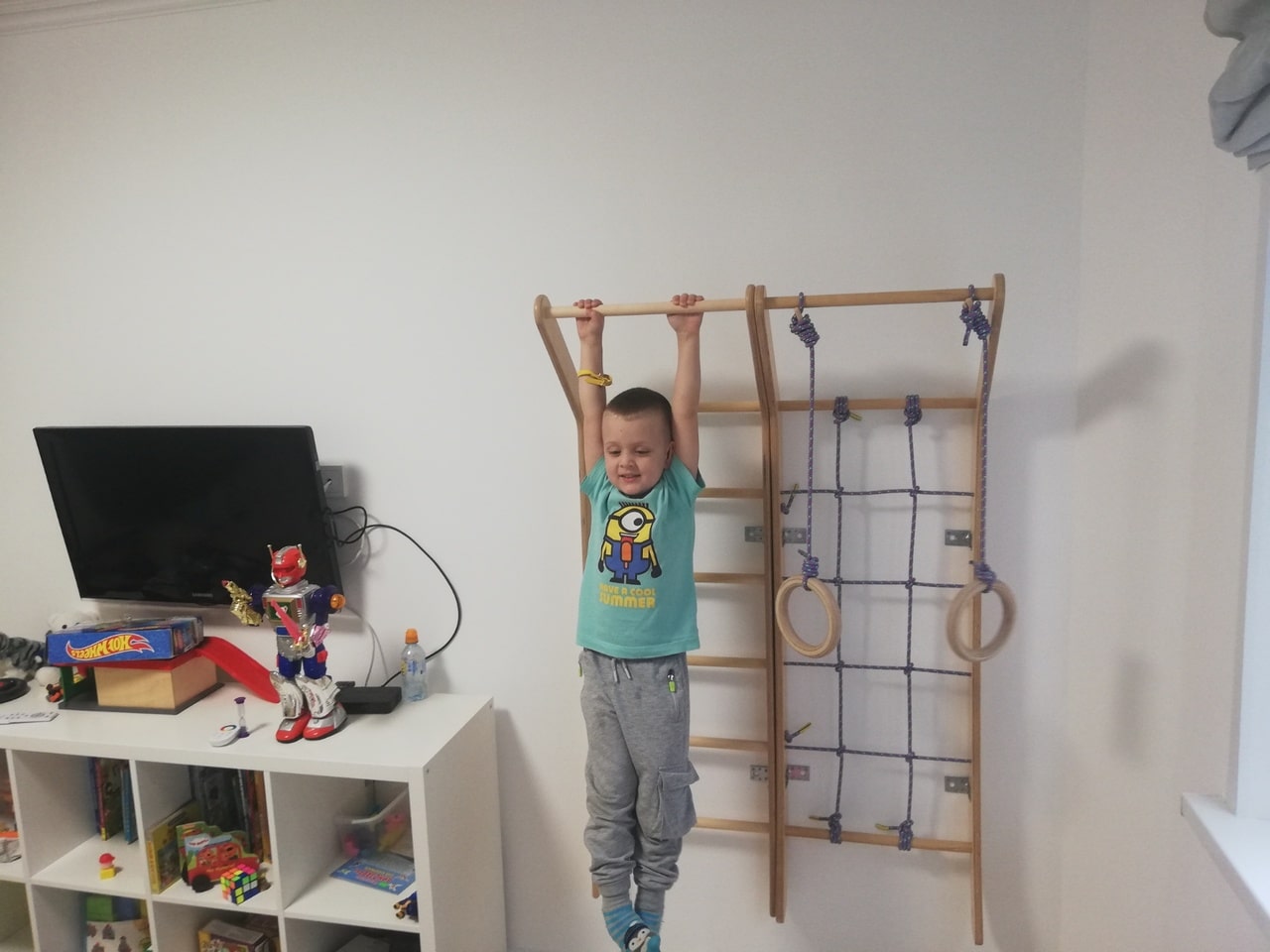


Run through the completed work and the picture is a varied one: furniture facades, ad stands, decorative panels, reception desks, display cases, retail fixture elements. A separate and beloved theme is the interior. Carved panels, ceiling inserts, shaped surrounds for niches and mirrors — things you rarely buy ready-made and almost always make for a specific space.
There have been facades with complex geometry — radius milling, deep grooving, rounded edges that can’t be done on a straight machine. We’ve cut acrylic glass and plastic for exhibition displays, where a perfect transparent edge matters. We’ve made samples for designers and architects: first a single prototype for approval, and after sign-off, a series into production. This path from idea to batch we’ve walked more than once.
Requests for cutting MDF and MFC for kitchens, wardrobes and other cabinet furniture come in regularly — this is, perhaps, the most frequent request. We’ve built stands and display cases for stores, cut plates and decorative overlays. A separate category is preparing parts for assembly in another region: the customer receives a set of precise blanks and assembles the project at their own site, without a cutting section of their own.
Who uses a carpentry workshop’s services

Furniture makers

Interior designers

Advertising companies

Exhibition stand builders

Art studios

Cafés and restaurants

Construction firms

Retail equipment manufacturers

Furniture factories

Private craftsmen

Custom orders

Manufacturing companies

Museums and exhibition halls

Architects

Theatres and film studios

Educational organizations

Children’s products manufacturing

Repair specialists

Online stores

Sole proprietors
Who turns to us? A notable share of customers are furniture makers and assemblers who need precise cutting or ready parts, so as not to spend time on their own sawing. Interior designers and architects come often: it matters to them to get a complex decorative element exactly as it’s drawn in the project, without loose interpretations of “that’ll do.”
Trading companies and retail are regulars for counters, display cases, advertising panels and non-standard equipment for points of sale. They have their own logic: a chain’s fit-out has to be identical everywhere, so they order in batches. Production enterprises come for milling of technical parts, assembly of packaging and preparation of components that are easier to outsource than to keep a separate section for.
Builders, installation crews and private developers value large, precise cuts, milling for utilities, holes for wiring and frame assembly — the sort of thing that on site takes long and comes out crooked with hand tools. There’s also a stream of private clients: one needs an interior element, another furniture blanks for self-assembly, a third a decorative panel for a wall. An order for a single part is just as normal here as an order for a hundred.
Comprehensive woodworking in a carpentry workshop — reliable, precise
What a modern carpentry workshop includes
A carpentry workshop that keeps cutting, milling, sanding, painting and assembly in-house is no longer a “fetch-and-carry” operation, but a standalone link in the chain of any project. It calmly takes both a single part and a serial batch. Hence the wide circle of those it helps: businesses with retail fixtures, craftsmen with their one-off pieces, builders on site, designers with non-standard ideas.
Why an all-round approach beats narrow specialisation
When all operations — from cutting to packaging — are under one roof, the number of places where something can go wrong drops sharply. There’s no handoff of blanks between shops, no parts lost in transit, no mismatch at the seam between contractors. Lead times are shorter because there’s no need to wait in a queue at a neighbour’s. Communication is simpler: one manager runs the order from start to finish. This format is chosen by those who care not about a one-off good result, but about consistency time after time.
How precision is ensured at every stage
Precision rests on a bundle of techniques: the CNC sets the repeatability of the contour, hand finishing removes what the machine leaves behind, sanding with a matched grit brings the surface out, and booth painting seals the result with an even coat. Together this gives a cleanliness of machining you wouldn’t be ashamed to put in a display window or show at an exhibition. That is why the finished products are equally at home in an interior, on a sales floor and in a private bespoke project.
Who this suits
The circle of customers is wide: furniture makers, designers, builders, store owners, architects, manufacturing companies. Each has their own task and their own language — some think in drawings, some in photos from Pinterest. But one simple wish unites them: to get a precise, clean, well-engineered result and not assemble it piece by piece from five different performers. A full-cycle carpentry workshop is exactly what covers this.
A full-cycle carpentry workshop: what’s worth knowing before ordering
What follows is a plain-language rundown for those turning to a carpentry workshop for the first time and not wanting to overpay or get the wrong thing. Below are the materials and what is usually made from them, what the price is built from, how long to wait for different types of order, and the mistakes customers most often make. All of it from practice, not from generalities.
Materials and what is usually ordered from them
Every material has its own character, and the choice affects the price, the service life and how the part behaves under the tool. Solid wood is beautiful and repairable, but fears swings in humidity. MFC is cheaper and more stable, yet finicky at the edge. Plywood is strong and holds fasteners, while MDF mills perfectly for 3D relief. The table below is a short cheat sheet to get your bearings.
| Material | What’s good about it | What’s most often made |
|---|---|---|
| 🌳 Solid wood | Strength, a noble look, can be restored | Countertops, edge-glued panels, stairs, decor |
| 🪵 Plywood | Holds fasteners, bends, stable in geometry | Frames, boxes, curved forms, stands |
| 🟤 MDF | Uniform structure, ideal for milling and painting | Carved facades, 3D panels, painted parts |
| ⬜ MFC | Ready coating, inexpensive, a large choice of decors | Cabinet furniture, kitchens, wardrobes, shelves |
| 🔲 Acrylic glass and plastic | Transparency, lightness, a clean edge | Display cases, plates, exhibition structures |
| 🩶 Thin aluminium | Light, unafraid of moisture, a neat cut | Profiles, frames, fit-out elements |
If you’re in doubt about the choice — that’s normal. It’s easier to describe the task and the operating conditions, and the right material will be suggested at the discussion stage. It often turns out that expensive solid wood isn’t needed on a particular project, and painted MDF will cope just as well and cost less.
What the order price is built from
The question “how much does it cost” without details usually stays without a precise answer — and that’s honest, not an excuse. The price is assembled from several components, and each of them can be estimated in advance. Understanding this arithmetic helps you not be surprised by the quote and see in advance where you can really save and where you shouldn’t.
- 📐 Complexity of geometry. A straight cut is cheaper than a shaped contour with internal cut-outs and rounded corners.
- 🧱 Material. Its cost plus consumption accounting for offcuts — a tight layout of parts saves the sheet.
- 🔁 Run size. A single part is dearer per unit; a series works out cheaper thanks to jigs.
- 🎨 Finish. A bare part, sanding, a single-coat paint job or a complex coating — different budgets.
- 🛠️ Assembly and packaging. A set of blanks or a turnkey finished product — also a difference in price.
- ⏱️ Urgency. A standard queue is cheaper than “needed yesterday” work off-schedule.
The most common way to save without losing quality is to hand over a clean, well-thought-out drawing and not rush the deadlines. Reworks due to inaccurate data and working in crunch mode are usually what add to the quote the very percentages you wanted to avoid.
How long to wait: lead times by order type
Lead time is the second most frequent question after price. An exact date is always calculated for the specific order, but experience gives clear guidelines. They help with planning: for example, to understand whether the carpentry workshop will manage to prepare parts before the furniture fit-out or the store’s opening date.
| Order type | Lead-time guideline | Example |
|---|---|---|
| ✂️ Cutting to size / sawing | 1–2 days | Ripping MFC sheets for a wardrobe |
| 🔧 Parts with milling | 2–4 days | Facades with grooving and rounding |
| 🎨 Product with painting | 4–7 days | A painted panel or counter |
| 🪑 Turnkey assembly | from 5–7 days | A ready display case or reception desk |
| 📦 Serial batch | by arrangement | A set of fixtures for a chain |
The coating usually takes the longest to dry — here haste harms the result, and it’s better to allow an extra day than to end up with runs. So if the project is tied to a date, it’s sensible to get in touch early and leave a margin, rather than bring a drawing “for the day after tomorrow.”
Common customer mistakes
Most slip-ups happen not at the machine, but at the task-setting stage. Here’s what most often gets in the way of a first-time-right result — and what is easy to foresee.
- ❌ Dimensions “from memory.” One wrong measurement drags a re-cut of the whole part along with it. Better to measure twice.
- ❌ No allowances. A forgotten gap for the edge or assembly — and the parts don’t come together.
- ❌ Saving on material where it doesn’t belong. A panel too thin under load sags within a month.
- ❌ Finish “I’ll paint it myself later.” Without a booth and preparation, the coating often goes on worse than expected.
- ❌ Urgency at the last minute. Drying and complex machining can’t be sped up at the snap of a finger.
There’s no harm if you didn’t account for some of this — that’s what the dialogue before the run is for. A good carpentry workshop asks these questions itself before the cut, not after, when correcting is already expensive.
One contractor or several
The temptation to assemble a project from the cheapest performers is understandable: cutting on the cheap here, discounted milling there. On paper it’s a saving, in practice a risk. Every seam between contractors is a place where time is lost, mismatches surface and the argument over who’s to blame for a defect begins. A single cycle in one workshop is a touch dearer in the moment, but usually wins out in the end — thanks to the deadlines, the integrity of the result and one party responsible for it all.
A simple example from practice: a customer cut MFC in one place, took it for edge-banding to another, and entrusted assembly to a third. At the seam, dimensions “drifted” by a couple of millimetres, the facades didn’t come together, and the rework ate up the entire difference in price plus two weeks of time. When the same operations run one after another on a single site, that scenario simply doesn’t arise.
The equipment that precision rests on
Fine words about quality mean nothing without the machines that deliver that quality. Every piece of equipment in the workshop covers its own part of the work, and it’s precisely their combination that gives the full cycle. A brief word on what stands in the shop and why.
- 🤖 CNC machine. Cuts and mills to a program, repeating the contour without deviation. It’s used for complex geometry, 3D relief and series of identical parts.
- 📏 Panel saw. A fast, clean, chip-free cut of a sheet — the basis of cutting MFC, MDF and plywood.
- 🪚 Sliding cross-cut saw. Precise 90 and 45 degree angles, a smooth cut for joints and frames.
- 🌀 Sanding machines and tools. Bring the surface out to the needed grit — from coarse to mirror-smooth.
- 💨 Paint booth. Even application of the compound and drying in a clean, dust-free area.
None of these machines makes a product whole on its own. The value is precisely in the chain: a blank passes without loss from cutting to milling, from there to sanding and into the booth, and at the output is assembled into a finished item. A carpentry workshop differs from a standalone cutting section precisely in that it leads a part through all these hands under a single control.
Industries and typical tasks
To make it easier to fit the workshop’s capabilities to your own field, here’s a table of typical requests by industry. It’s not exhaustive — rather, it shows how varied the tasks are that get covered by one and the same set of operations.
| Industry | What is ordered | Common material |
|---|---|---|
| 🪑 Furniture | Facades, cabinets, countertops, parts for assembly | MFC, MDF, solid wood |
| 🛍️ Trade and retail | Display cases, counters, shelving, reception desks | MFC, plywood, acrylic glass |
| 📢 Advertising and signage | Stands, signs, letters, plates | Plastic, acrylic glass, MDF |
| 🏠 Interior and decor | Carved panels, inserts, surrounds | MDF, solid wood, plywood |
| 🏗️ Construction | Frames, elements for utilities, large cuts | Plywood, solid wood, OSB |
| 🏭 Manufacturing | Technical parts, packaging, components | Plywood, fibreboard, plastic |
If your task isn’t in the table, that doesn’t mean it won’t be taken on. Rather the opposite: non-standard requests are the most interesting part. It’s enough to describe what you need to get, and a solution will be picked from the same operations, just in a different combination.
How to prepare an order so everything goes smoothly
A good order starts not with the machine, but with a clearly stated task. The clearer the input data, the fewer clarifications, reworks and surprises on the bill. A little preparation on the customer’s side saves both parties time and nerves.
- 📝 Describe the task in words: what the product is, where it will stand, what load it carries.
- 📐 Attach dimensions or a drawing — even freehand, but with real figures.
- 🎨 Decide on the finish: a bare part, sanding, painting, shade.
- 🔢 Specify the quantity — a single part or a batch, this affects the price and lead time.
- 📅 Name the desired date if the order is tied to an event.
- 🧱 Say whose material it is: yours, or to be purchased for the project.
You don’t have to come with a perfect tech package — half the orders start with the phrase “I need something like this, help me figure it out.” The workshop’s job is precisely to translate an everyday description into the language of drawings and operations. But the more input at the start, the shorter the path to a finished product.
Why precision decides everything
In woodworking there are no “minor” deviations. An error of half a millimetre on one part seems trivial, but during assembly it adds up with the neighbouring ones and turns into a skewed facade or a gap you can see the wall through. That is precisely why precision is not a marketing figure but a working necessity. On the CNC it’s held to within 0.1 mm, in hand machining to about a millimetre, and both values are matched to the task, not plucked from the air.
Repeatability matters no less than precision. When you need twenty identical shelves or a hundred advertising plates, it’s critical that the last one is no different from the first. The program on the machine doesn’t tire and doesn’t “lose its eye,” so the series comes out even from start to finish. Hand finishing meanwhile removes what the machine leaves behind — this is how engineering meets the neatness of live work.
A separate topic is waste. Precise cutting and a well-planned layout of parts across the sheet mean less material goes to offcuts. For the customer this is a direct saving, and for production a clean, predictable process. A trifle rarely thought about at the start, but which on a large batch adds up to a noticeable sum.
A one-off order or an ongoing partnership
The carpentry workshop is equally open to those who’ve come for a single part and those looking for a contractor for the long haul. A one-off order is when you need to quickly close a specific task: cut sheets, mill a couple of facades, assemble one display case. Here everything is simple: you described it, agreed it, collected it. No obligations for the future, no subscription fee — just work and a result.
An ongoing partnership is another story and another level of convenience. Furniture shops, ad agencies and retail chains come, over time, to see that it’s easier to keep one proven source of parts than to search for a new performer each time and explain their requirements all over again. A carpentry workshop that already knows a client’s specifics works faster: fewer approvals, predictable quality, priority in the queue in the hot season. Many arrive just so — with a single trial order, and stay for years.
What the services of a carpentry workshop include
So that it’s all in one place, here’s a short summary of what can be ordered. In essence this is the full cycle, broken into clear operations — they’re taken both separately and as a bundle.
- ✂️ Sawing and cutting to size of wood and sheet materials to dimensions and drawings.
- 🔧 Milling — grooves, recesses, chamfers, roundings, 3D relief and decor.
- 🪚 Cross-cutting to precise angles for joints and frames.
- 🌀 Sanding with a matched grit for the desired finish.
- 🎨 Painting and coating with lacquer or oil in a booth.
- 🪑 Assembly and packaging of finished products for transport or sale.
This set is what makes the carpentry workshop a universal point: there’s no need to distribute stages among different performers and reconcile their deadlines. One enquiry — and a part goes the whole way from board to finished item.
Guaranteed result and quality control
Control here is built into the process, not tacked on for show at the end. On the input, the drawing, dimensions and material are checked: the wrong MFC decor or an extra millimetre of thickness is caught before the cut, while it still costs nothing. Along the way, intermediate measurements are taken on critical operations. On the output, the product is checked whole — geometry, fit, surface cleanliness. The customer gets what was on the drawing, with no “by eye” discrepancies.
If something does raise a question, it’s easier to resolve precisely because the whole order passed through one set of hands. There’s no need to work out at whose stage the problem arose — responsibility for the result isn’t smeared across contractors, but lies with a single workshop. For the client this is the real guarantee: it’s clear who to hold accountable.
Working with customers from other regions
Distance long ago stopped being a barrier. The carpentry workshop takes orders from all over Europe: the drawing goes for approval remotely, the parts are made and sent by carrier. For a client in another city everything looks just as simple as for a neighbouring one — the only difference is the delivery method, not the quality or the approach.
This especially helps those running projects in several locations at once. A chain orders identical fixtures for all its stores and receives them to a single standard. A furniture maker assembles a project in another region from parts that arrived ready-made and saves on their own cutting. The remote format doesn’t complicate the work — with a clear drawing and agreed details, the result is predictable no matter where the customer is.
Finish coatings: lacquer, oil or paint
The choice of coating affects both the appearance and how the product will survive years of use. There’s no universal answer — it all depends on where the item will stand and what result is needed. A short comparison will help you get your bearings before talking about an order.
| Coating | What it gives | Where it’s fitting |
|---|---|---|
| ✨ Lacquer | A durable film, gloss or matte, brings out the texture | Countertops, furniture, parts under load |
| 🫒 Oil | A natural look, repairability, a pleasant texture | Solid wood, “wood-look” joinery, interiors |
| 🎨 Paint | Any colour, dense coverage, an even surface | MDF facades, decor, advertising elements |
Often the decision is made right in the dialogue: you describe the conditions — is the room damp, will the surface get worn, is a specific shade needed — and the coating is picked to match. Sometimes modest oil is more worthwhile, sometimes there’s no getting by without a durable lacquer.
Myths that make customers hesitate
Plenty of stereotypes have built up around woodworking that stop people from turning for help in time. Let’s sort out the most persistent ones.
- 💭 “No one will take on a single part.” They will. A one-off order for a single part is an ordinary matter, not a favour.
- 💭 “CNC is only for big batches.” No. The program pays for itself already on a complex one-off shape that can’t be repeated by hand.
- 💭 “You can’t bring your own material.” You can. It’ll be checked for suitability and put into work.
- 💭 “There’s nothing to do without a ready drawing.” A description and dimensions are enough — the drawing will be prepared on the spot.
- 💭 “It’s unrealistic to order from another city.” It’s realistic: the parts will be made and sent by carrier.
How to tell a good carpentry workshop
If you’re choosing who to entrust an order to, here’s a simple checklist. It works both for this workshop and for any other — by these signs you can see you’re dealing with a contractor, not a lottery.
- ✅ Names the deadline and price up front, not “after the fact.”
- ✅ Asks questions about the drawing before the cut, not after.
- ✅ Works with different materials and honestly says where each is more fitting.
- ✅ Shows precision in figures, not in generalities.
- ✅ Takes both single parts and series, not turning down the “small stuff.”
- ✅ Is responsible for the whole cycle, not just a single operation.
How to care for wooden products
A finished product will last longer if you follow a couple of simple rules. Wood is a living material, it reacts to humidity and temperature, but with sensible handling it calmly serves for decades.
- 💧 Avoid sharp swings in humidity — they make wood dry out or swell.
- 🧴 Wipe surfaces with a soft cloth without aggressive chemicals, especially oil coatings.
- ☀️ Protect from prolonged direct sun — it fades the colour and dries out solid wood.
- 🛠️ An oil coating can easily be refreshed yourself if needed; lacquer is harder, but also lasts longer.
- ⚖️ Don’t overload shelves and countertops beyond their rated capacity.
These little things are rarely spelt out when ordering, but it’s precisely they that determine whether an item will still please you in five years as much as on the first day. If you wish, care conditions will be suggested specifically for your product and coating.
Carpentry workshop, factory or private craftsman
When something needs to be made from wood, people usually choose between three options: a large furniture factory, a private craftsman in a “garage,” and a full-cycle carpentry workshop. Each has its own niche, and it’s fairer to compare them on the merits than to insist that one option is always better.
| Criterion | 🏭 Factory | 🔨 Private craftsman | 🛠️ Full-cycle workshop |
|---|---|---|---|
| One-off order | Unprofitable | Taken on | Taken on |
| Precision / repeatability | High | Depends on the person | High (CNC) |
| Flexibility on the task | Low | High | High |
| Lead time on a small order | Slow | Fast | Fast |
| Full cycle | Yes | Not always | Yes |
A factory is good on large series, but won’t get involved with a single part or a non-standard one. A private craftsman is flexible and fast, however the result depends heavily on the specific person and their workload, and a full cycle with booth painting is far from something everyone has. A carpentry workshop occupies the golden mean: it takes both a single piece and a batch, holds industrial precision on the CNC and covers the whole path from board to finished product under a single responsibility.
What an order looks like in practice: three examples
So that all of the above doesn’t stay theory, here are three ordinary orders of the kind that pass through the workshop regularly. Different tasks, different materials — but the logic is the same everywhere.
Kitchen facades. The customer brings the dimensions of the openings and a photo of a kitchen they liked. From these a drawing is prepared, MDF is cut, a frame with a light rounding is milled on the facades, they’re sanded and painted a matte shade in the booth. What comes out is a set of finished facades that just need hanging. The lead time is about a week, most of which goes on drying the coating rather than the machining itself.
A retail counter. A store needs a display case for an opening two weeks away. Here a combination of materials comes into play: an MFC frame, transparent acrylic-glass inserts, overlays with a milled logo. Everything is cut, cut to contour, assembled into a finished structure and packed for transport. The customer gets not a set of parts, but a counter that can go straight onto the sales floor.
A decorative panel. A designer sends a sketch of a carved pattern for a wall in the living room. The task is one-off, there’s no point repeating it, but the cleanliness of the lines matters. A solid-wood panel is milled on the CNC along the pattern’s contour, the recesses are finished by hand, sanded and coated with oil to preserve the natural texture of the wood. The result is a one-of-a-kind item for a specific interior.
Three different orders — and in every case the path is the same: task, drawing, machining on the right machines, control, finish. Only the materials and the set of operations change. It’s precisely this repeatable logic that lets the carpentry workshop take on a kitchen, a display case and one-off decor without switching to a “different mode.”
Drawings, file formats and order volume
A couple more practical questions that come up in almost every discussion. First — in what form to send the drawing. Second — whether there are limits on order size. We’ll answer in order, so no blank spots remain.
With files, everything is flexible. Ideally there’s a vector drawing in DXF or DWG — from it the machine program is assembled fastest of all. But a PDF will do, and a picture with dimensions, and even a freehand sketch photographed on a phone. The main thing is that the overall dimensions and key points are clear. If the format is inconvenient for production, the file will be converted to a working form on our side — that’s part of the preparation, not a reason to refuse.
On volume there are no hard limits. There’s no lower bound of “come only from ten parts” — a single blank is an order too. The upper limit is purely physical: the machine dimensions and the sheet size. In such cases a large product is simply divided into parts that are then joined during assembly. So both a small and a large project fit within the workshop’s capabilities — the only question is how to break it down into stages sensibly.
The discussion of an order itself commits you to nothing. You can simply describe the task, attach dimensions or a photo — and get a guideline on price and lead time before anything goes into work. It’s precisely at this stage that useful details surface: that the material is worth taking a touch thicker, that the finish is simpler to do in the shop than at home, that the part is more convenient to split into two pieces. Such a conversation saves both money and time, and usually removes half the questions the customer came with.
To bring it all together briefly: a full-cycle carpentry workshop is a way to get a precise product from wood or sheet material without running around contractors, with clear deadlines, an honest price and control at every step. All that’s left is to describe the task — the rest will be broken into stages and brought to a finished result. It doesn’t matter whether you need a single part for a specific project or a batch for a whole chain: the approach doesn’t change, only the scale does. And that is exactly why people come back to the carpentry workshop — once you’re convinced a part arrives exactly to size and exactly on time, there’s no point looking for another performer.
Which materials do you machine?
Into the work goes wood in all its usual forms — boards, edge-glued panels, battens — as well as plywood, particleboard, MFC, MDF, fibreboard, acrylic glass, plastic and thin aluminium. But we don’t take on hard metals (steel, thick rolled stock): that’s no longer carpentry but metalwork, and it needs different tools.
Is manufacturing to individual drawings possible?
Yes, this is the main format of work. A drawing is accepted in practically any form — DXF, DWG, PDF, a freehand sketch or even a photo with dimensions. If there’s no ready drawing, the project will be prepared on the production side: questions about the geometry will be settled, a solution proposed and agreed before the run.
What cutting methods are used?
In play are panel saws for a clean cut of a sheet, cross-cut saws for precise angles and CNC routers for a shaped contour. But we don’t use a chainsaw or a band saw — they give a rough cut, unsuitable for precise carpentry.
How long does production take?
The lead time comes down to volume and complexity. A simple order — cutting or a few parts — is usually ready in 1–3 days. Complex products with multi-stage machining and serial batches are calculated separately and agreed in advance, so the date is real and not “down to luck.”
Is there delivery?
Yes, delivery is arranged to anywhere in Europe. The method and cost depend on the dimensions, weight and address, so the terms are discussed individually for the specific order.
Can I bring my own material?
Yes, you can bring your own material. Before starting, it’s inspected for suitability — geometry, moisture and the absence of hidden defects are checked. It’s an honest step: if a panel is warped or delaminating, it’s better to find out before the cut than after.
What is the machining precision?
On the CNC precision reaches 0.1 mm — the level at which the parts of a batch can’t be told apart. Hand milling holds at about 1 mm, which is more than enough for most decorative and furniture tasks. The specific tolerance for your product is clarified at the preparation stage.
Is assembly carried out?
Yes, assembly is part of the services. Parts are glued, drawn together with fasteners, joined into a finished structure and, if needed, packed — for transport or for retail. In other words, you can collect not a set of blanks, but an assembled product.
Is serial production possible?
Yes, serial batches are produced. Templates and jigs are prepared for them, which speed up the cycle and guarantee the uniformity of the parts across the whole run. The larger the series, the more noticeable the gain in price per unit and in lead time compared with piece-by-piece manufacturing.
Reach us in whatever way suits you best
Call us, message us on a messenger app or reach out via social media — choose whichever way suits you
🗺️ We take orders from clients across all of Europe
💬 Useful information and articles

Eco-friendly and safe materials for modern wood production
Eco-friendly and safe materials for modern wood production In recent years we increasingly think about what the things around us are made of. A home, furniture, a floor, a kitchen, a

How to Correctly Choose Between Plywood, MDF, Particleboard, and MFC for Different Tasks
How to Correctly Choose Between Plywood, MDF, Particleboard, and MFC for Different Tasks In the world of woodworking and furniture making, every material has its own story. Plywood, MDF, particleboard, and

Cutting sheet wood materials at different angles: why and how it is done
Cutting sheet wood materials at different angles: why and how it is done Working with wood materials is not just sawing. To get a truly high-quality and durable product, you have

Recommendations for choosing sheet materials for indoor and outdoor projects
Recommendations for choosing sheet materials for indoor and outdoor projects In woodworking, choosing the right sheet material is like laying a foundation for a builder. What you pick at the very
The best techniques for high-quality hand and machine sanding of wood products and wood-based materials
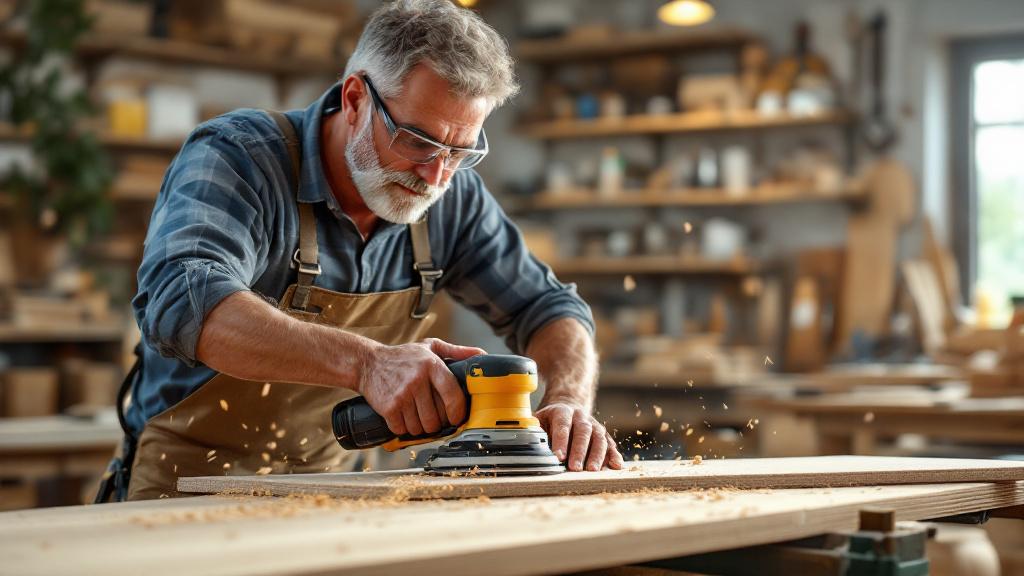
The best techniques for high-quality hand and machine sanding of wood products and wood-based materials Today we are going to talk about a process that turns an ordinary wooden blank into
What to Know About the Properties and Processing of OSB Boards Before Buying
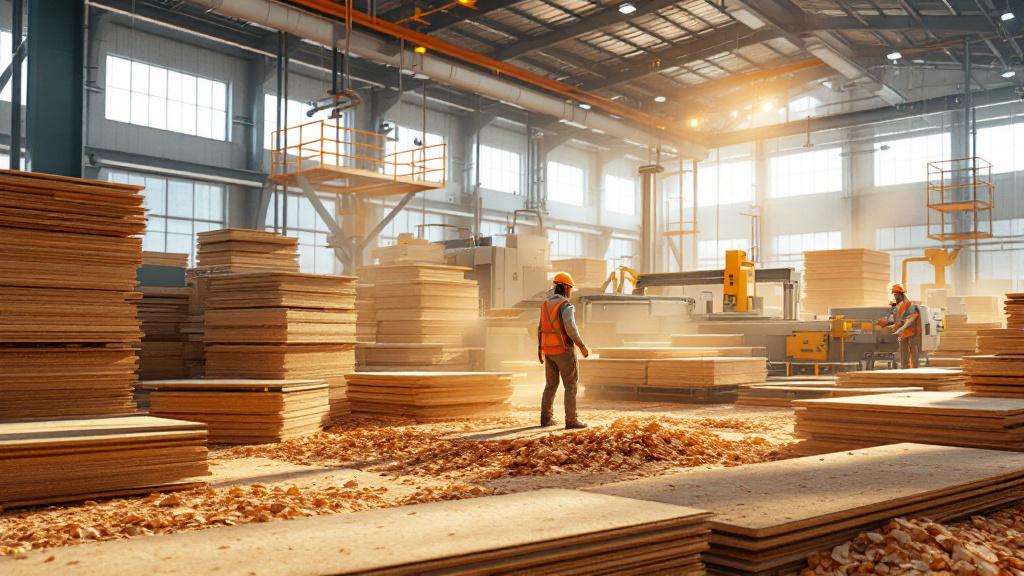
What to Know About the Properties and Processing of OSB Boards Before Buying If you have ever dealt with building a house, finishing a room, or making wooden furniture, you have

The advantages and possibilities of CNC milling for precise machining of parts
The advantages and possibilities of CNC milling for precise machining of parts At first glance, wood is a simple, straightforward material. But turning a rough beam into something truly beautiful and
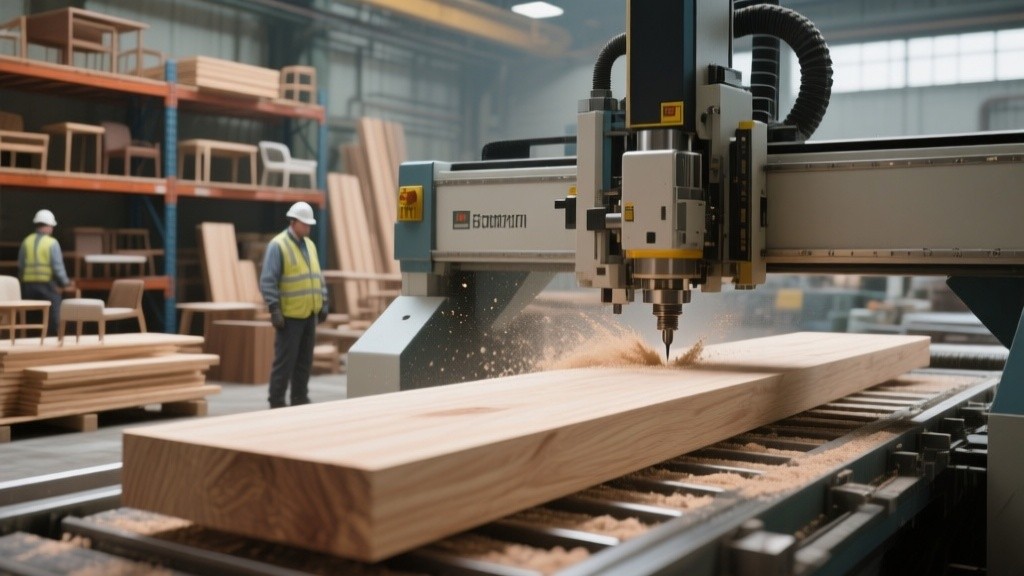
How a CNC router works and why it is needed in furniture production
How a CNC router works and why it is needed in furniture production Imagine a workshop of the future, where intricate patterns appear on wood with mathematical precision and furniture parts
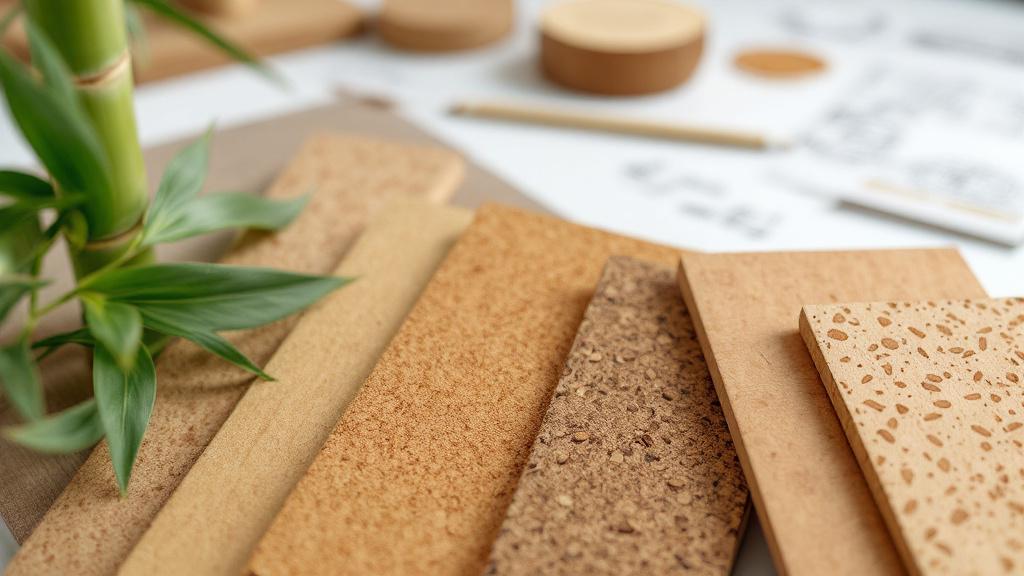
Comparing wood materials for furniture making: pros and cons
Comparing wood materials for furniture making: pros and cons Furniture making is always a delicate balance between aesthetics, practicality and technological possibilities. In our trade, when it comes to working wood
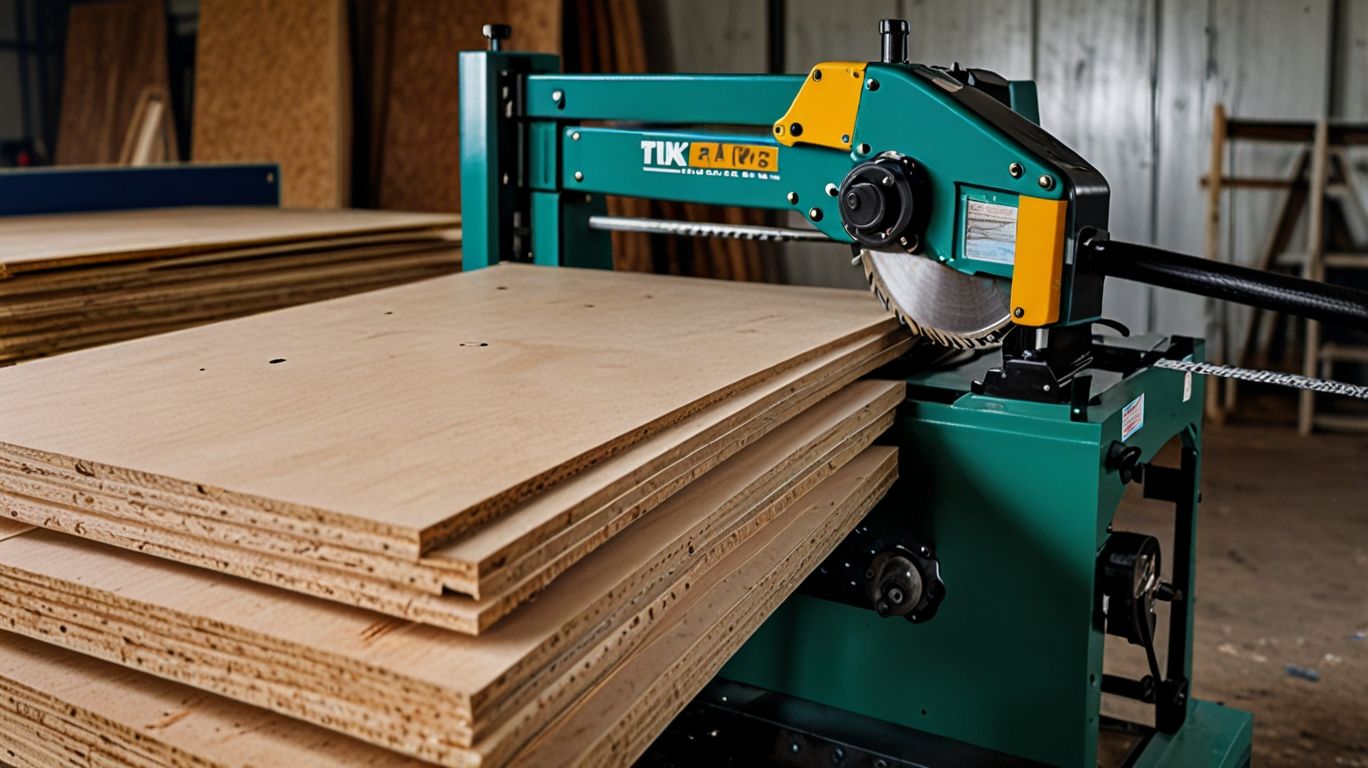
Technological aspects of sawing and ripping timber and sheet materials
Technological aspects of sawing and ripping timber and sheet materials When we work with wood, we often forget that behind every beautiful product — whether a chair, a table or even
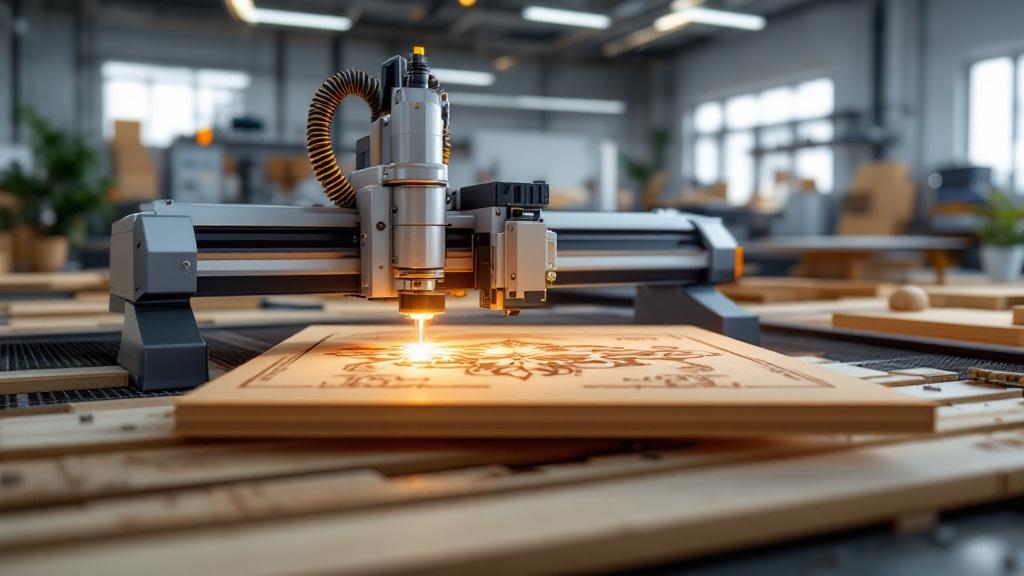
Features of 2D and 3D cutting of wood and composite materials: from sheet to volume
Features of 2D and 3D cutting of wood and composite materials: from sheet to volume Every product made of wood or its derivatives begins with giving the material a shape. Whether
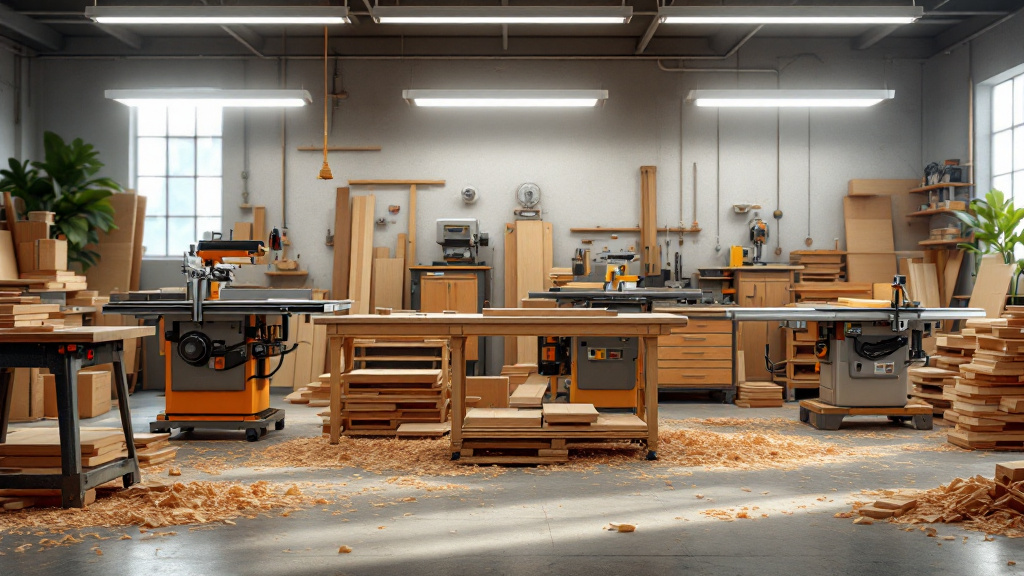
Panel saws for wood: why you need them and how they boost efficiency
Panel saws for wood: why you need them and how they boost efficiency In woodworking, precision and productivity are decisive. How neatly and how quickly the material is cut affects not