
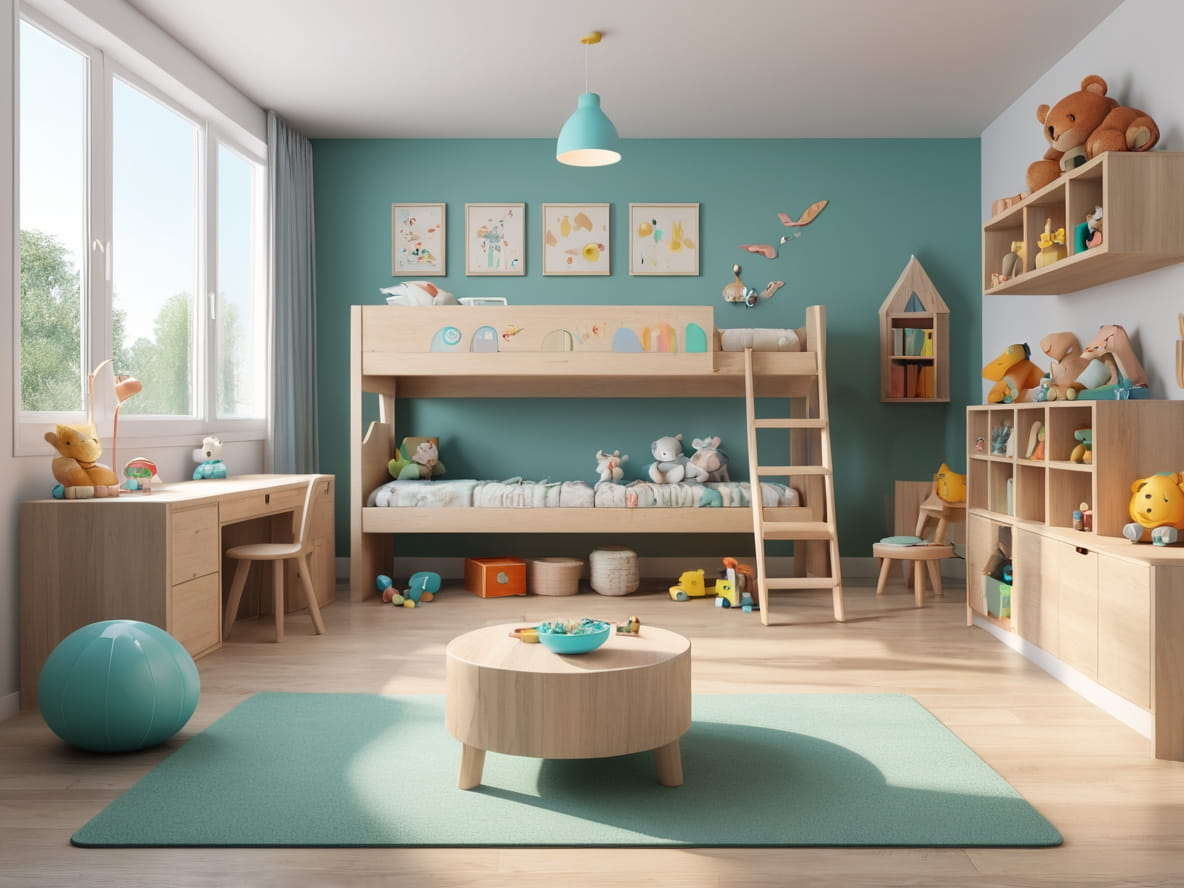
Wooden kids’ products
Wooden kids’ products are a category of items for children made from natural raw materials: toys, educational sets, and outdoor play equipment — wall bars, slides, swings, ladders, playhouses, pull-up bars. We work with plywood, particleboard, MFC, MDF and solid wood (pine, oak, beech), coatings free of toxic substances, wholesale supply across Europe. Below: what kinds of wooden kids’ products there are, what their safety is built on, how made-to-order production works and who needs such items.
Manufacturing wooden kids’ products: from toys to sports complexes
Wooden kids’ products are a broad and varied category: from a rattle and a shape sorter to an entire outdoor play complex. Demand for them stays high because parents and institutions alike increasingly choose natural over plastic. Under this umbrella we make toys, educational sets, wall bars, slides, swings, ladders, playhouses, pull-up bars — everything a child plays with and learns through.
It’s no accident that wooden toys rank first in demand. They are pleasant to the touch, last for years and, on top of that, aid development — teaching children to count, sort and assemble. Play equipment like playhouses and swings serves a different purpose: it lets a child burn off energy while training coordination, motor skills and strength.
Safety here is not a box to tick but the foundation of everything. Every joint is designed so that no sharp corners or small parts remain that a toddler could put in their mouth. Stability is calculated separately: a slide or wall bar must not wobble or tip over under the weight of an active child.
Such items cannot be made in a hurry. You need both hands that know the material and raw materials free of chemicals — the eco-friendliness of the wood and coatings comes to the fore already at the board-selection stage, not in the finished product.
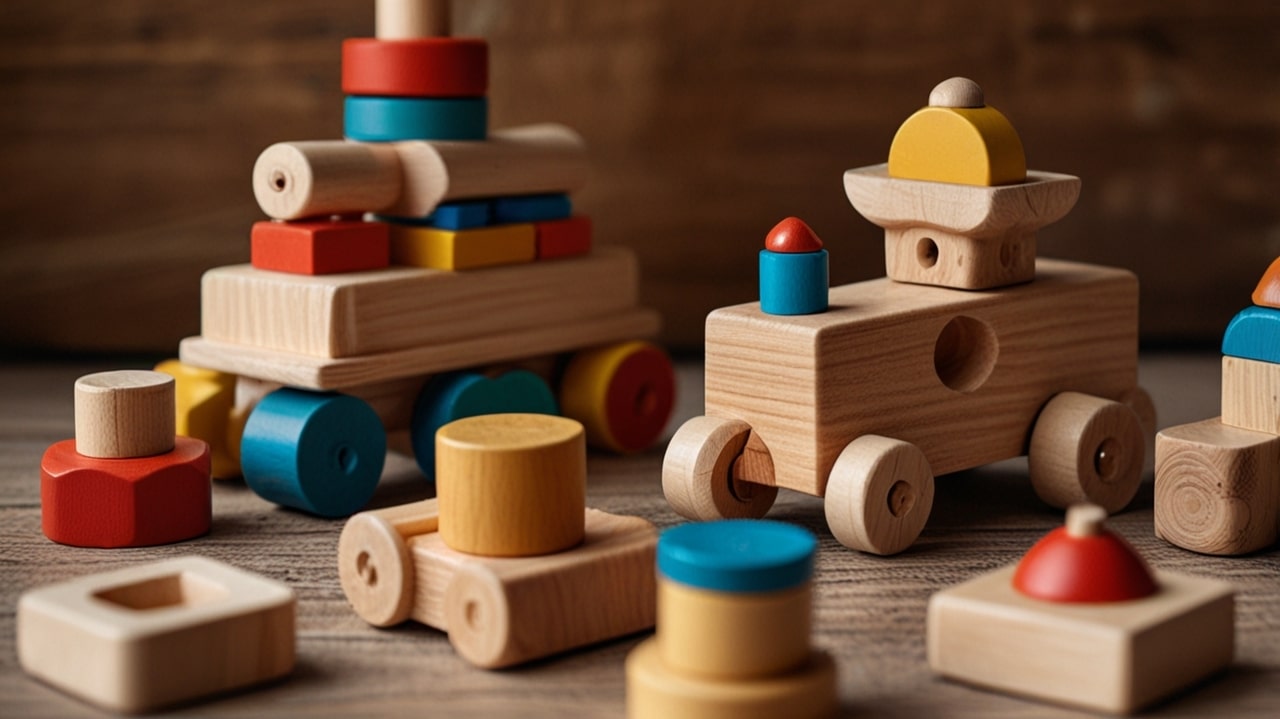
Toys
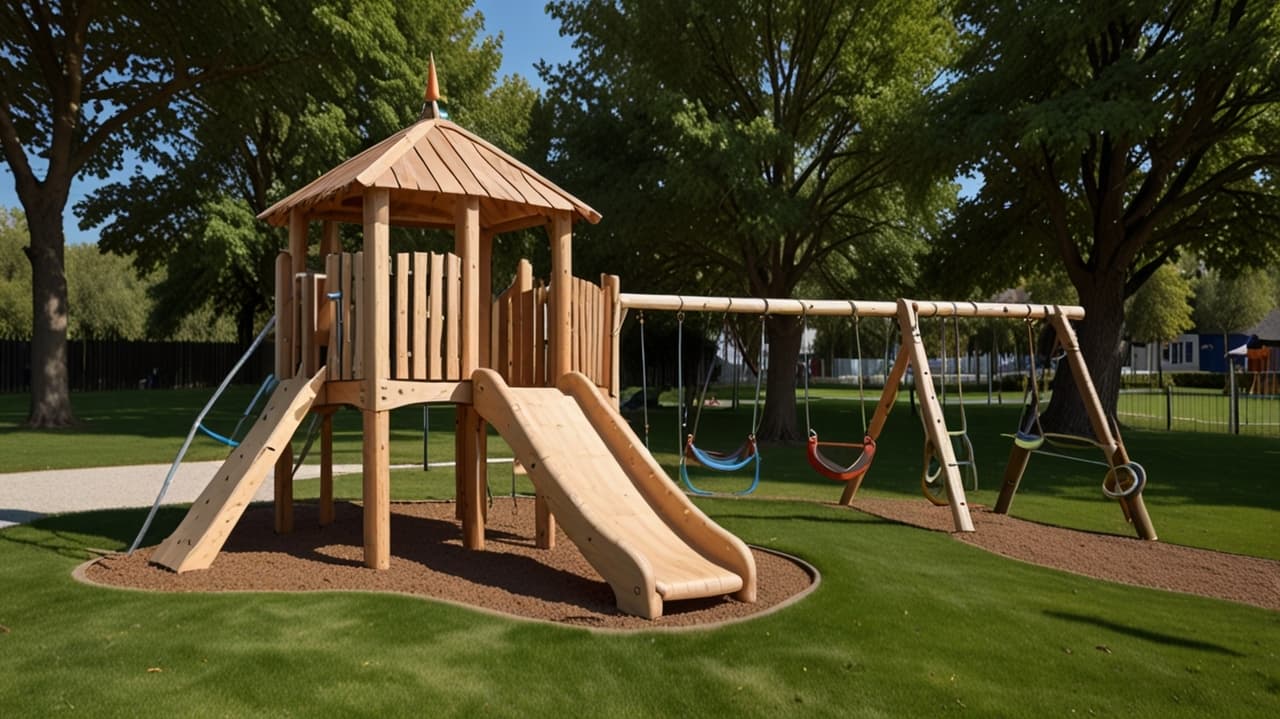
Playgrounds
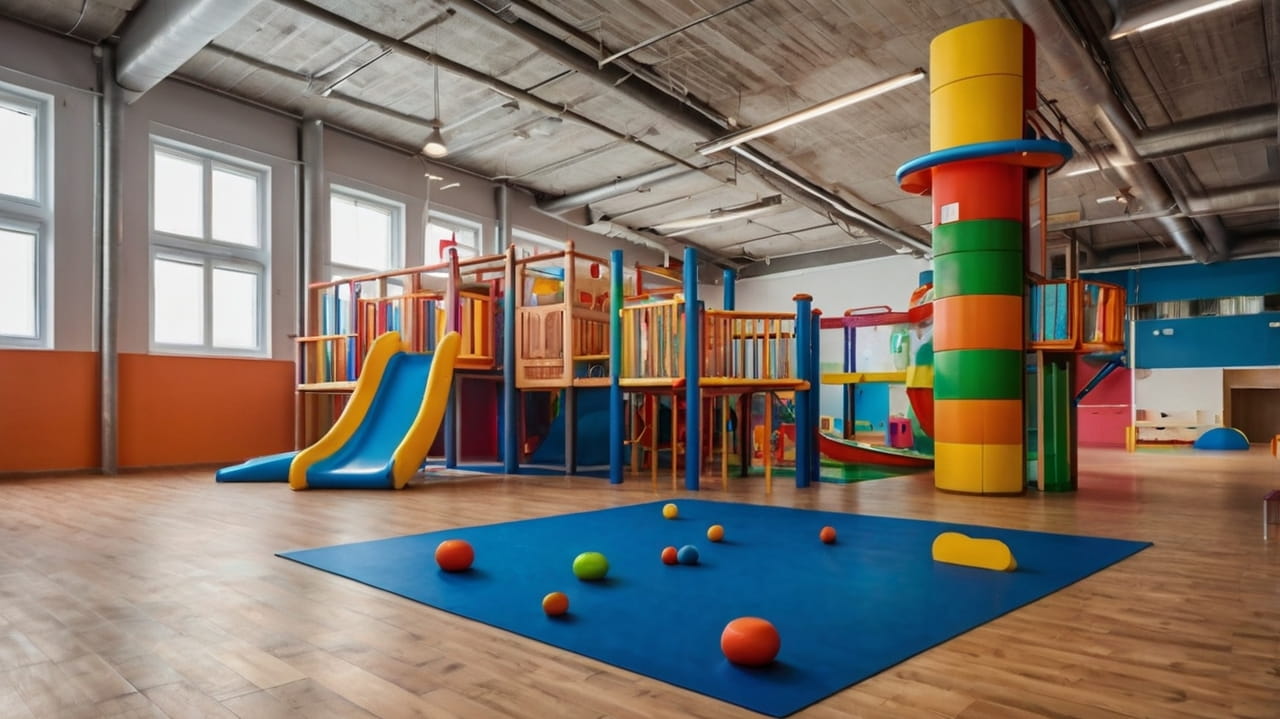
Complexes
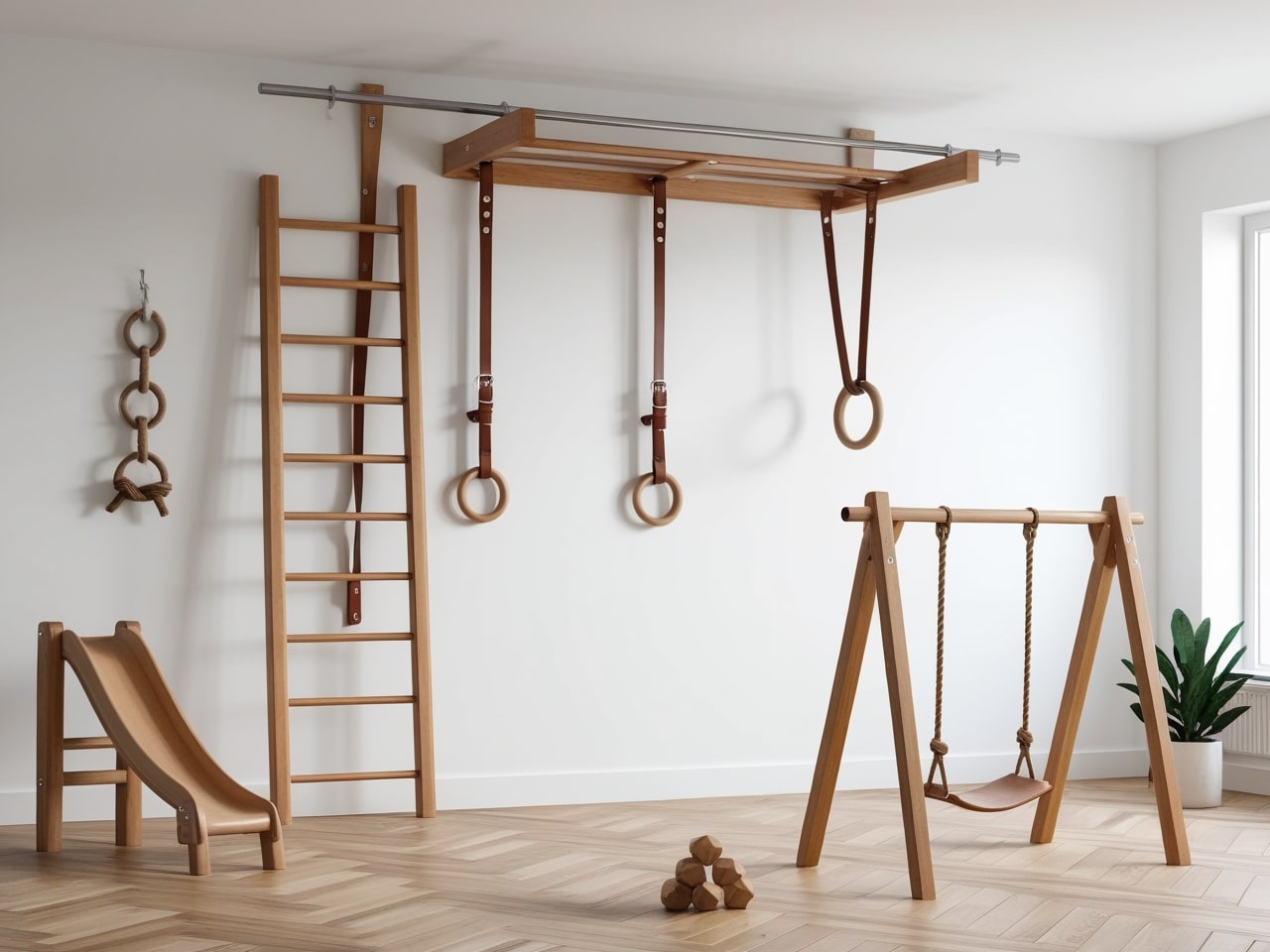
Wall bars
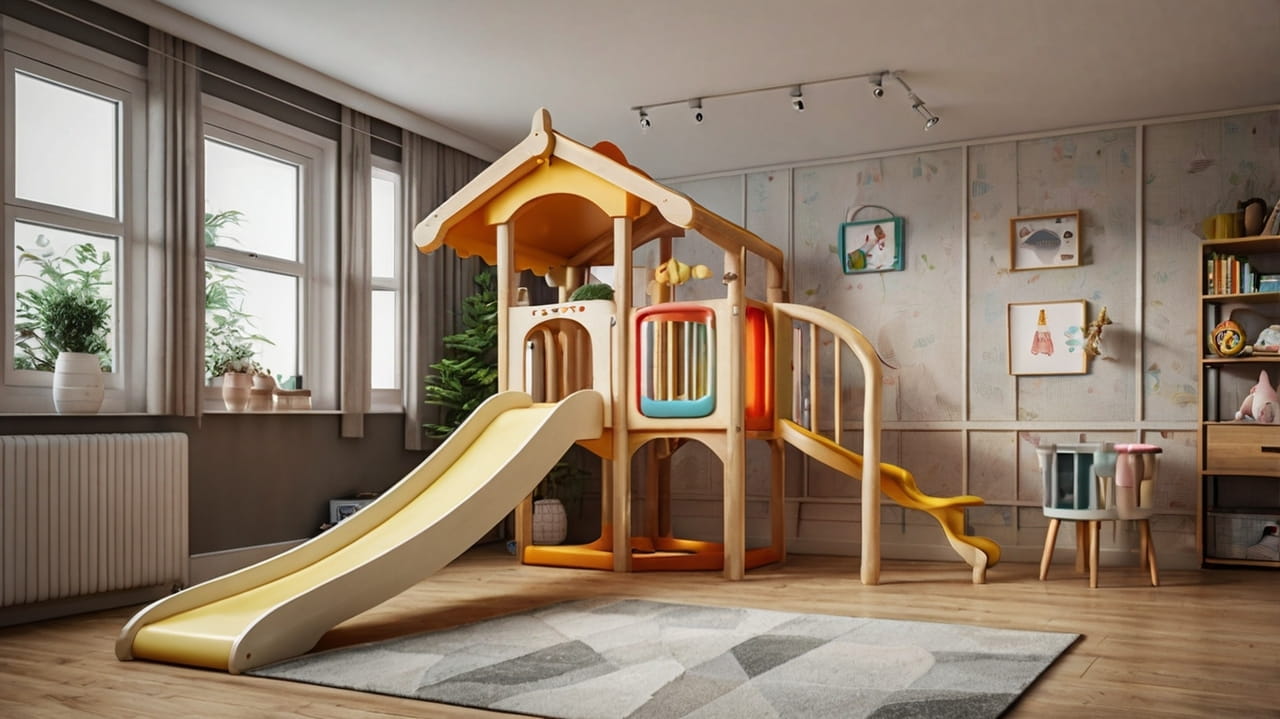
Slides
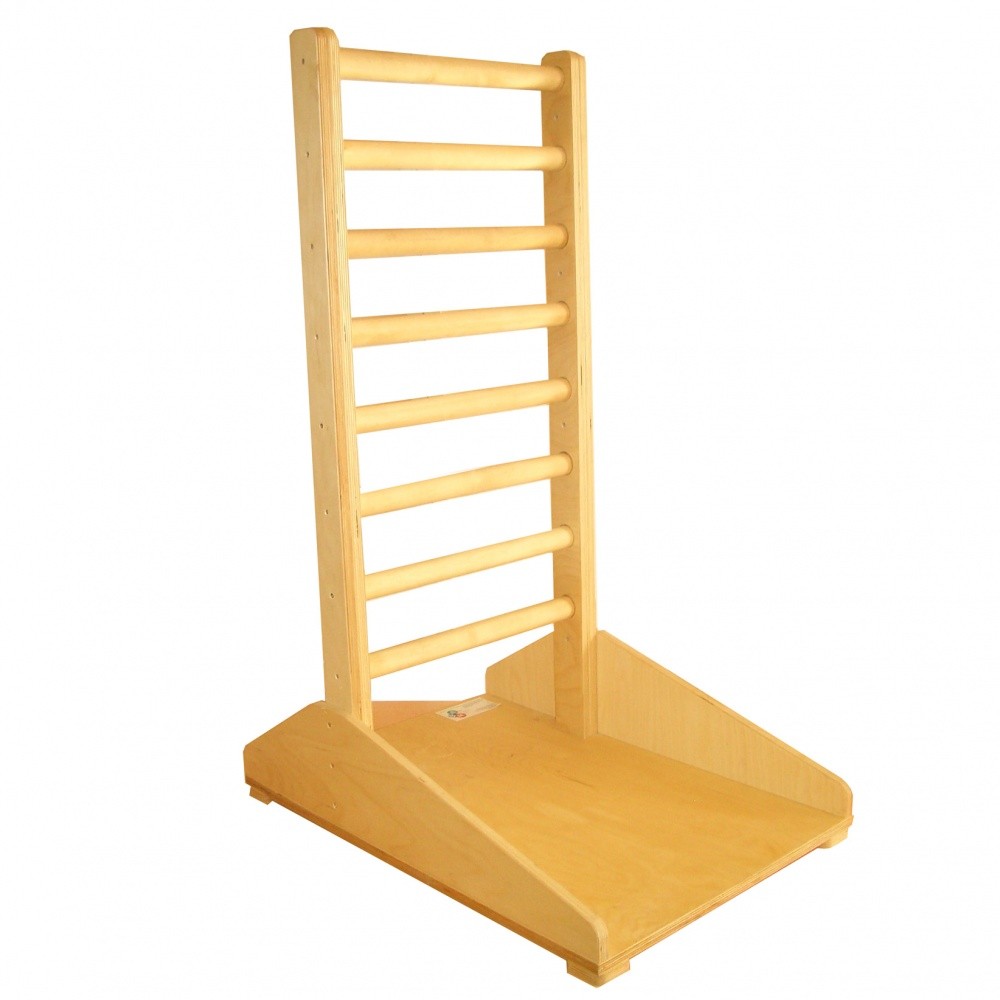
Ladders
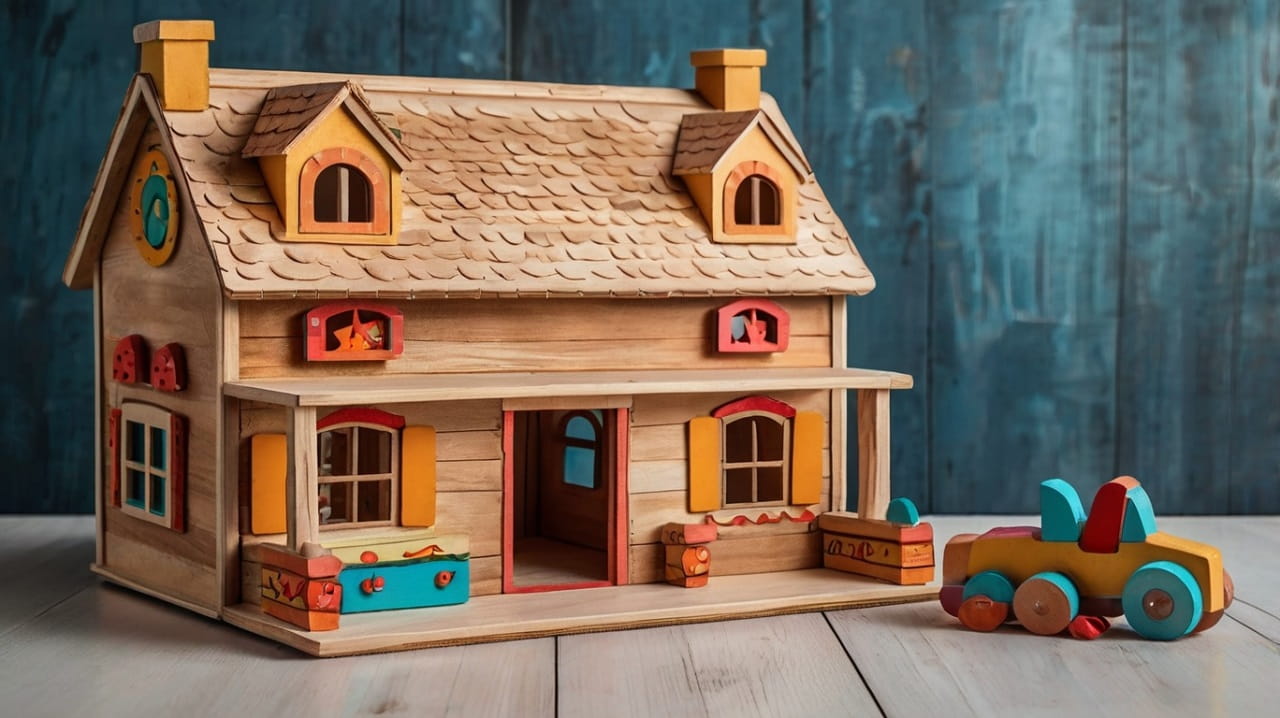
Playhouses
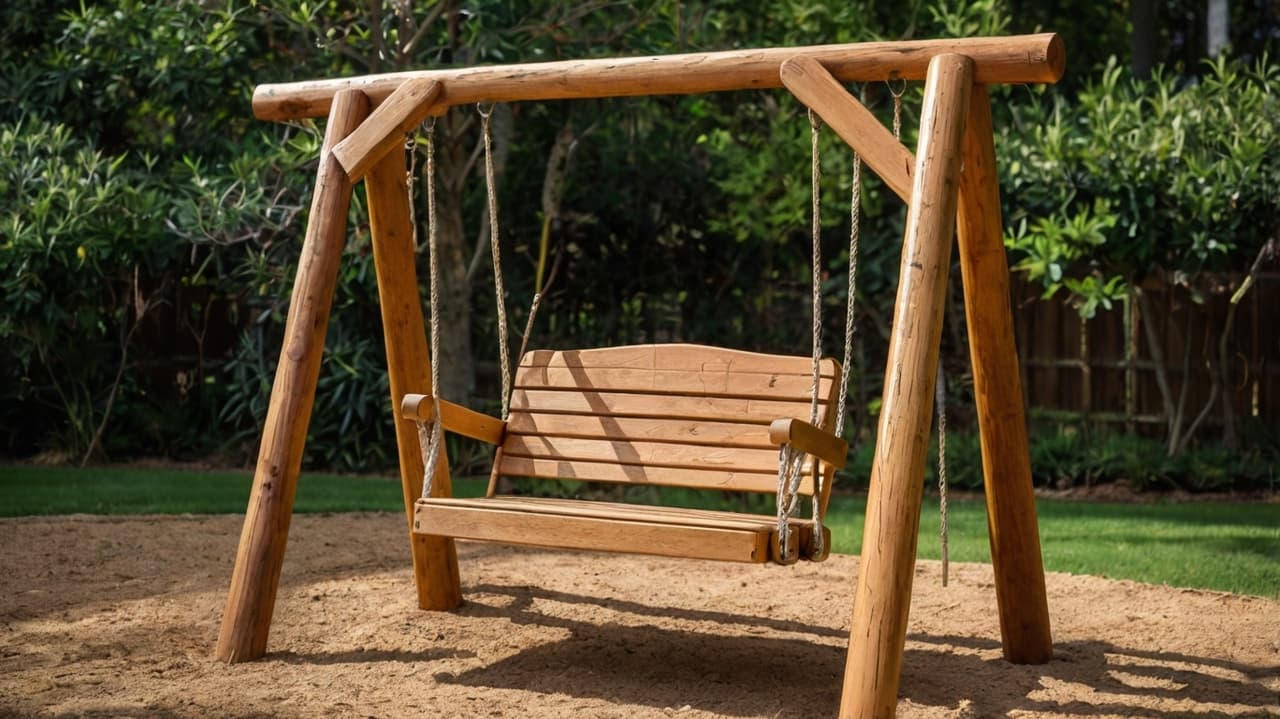
Swings
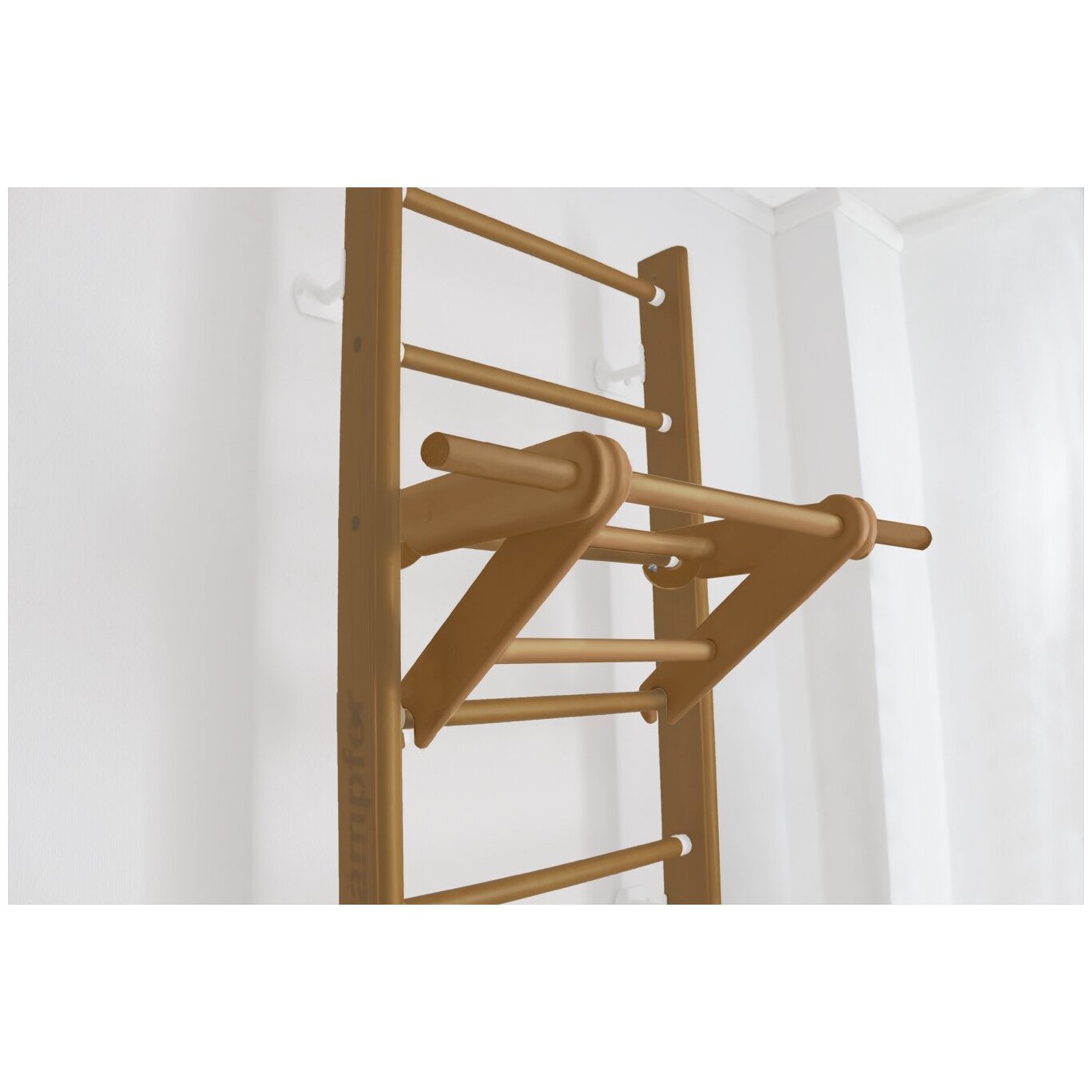
Pull-up bars
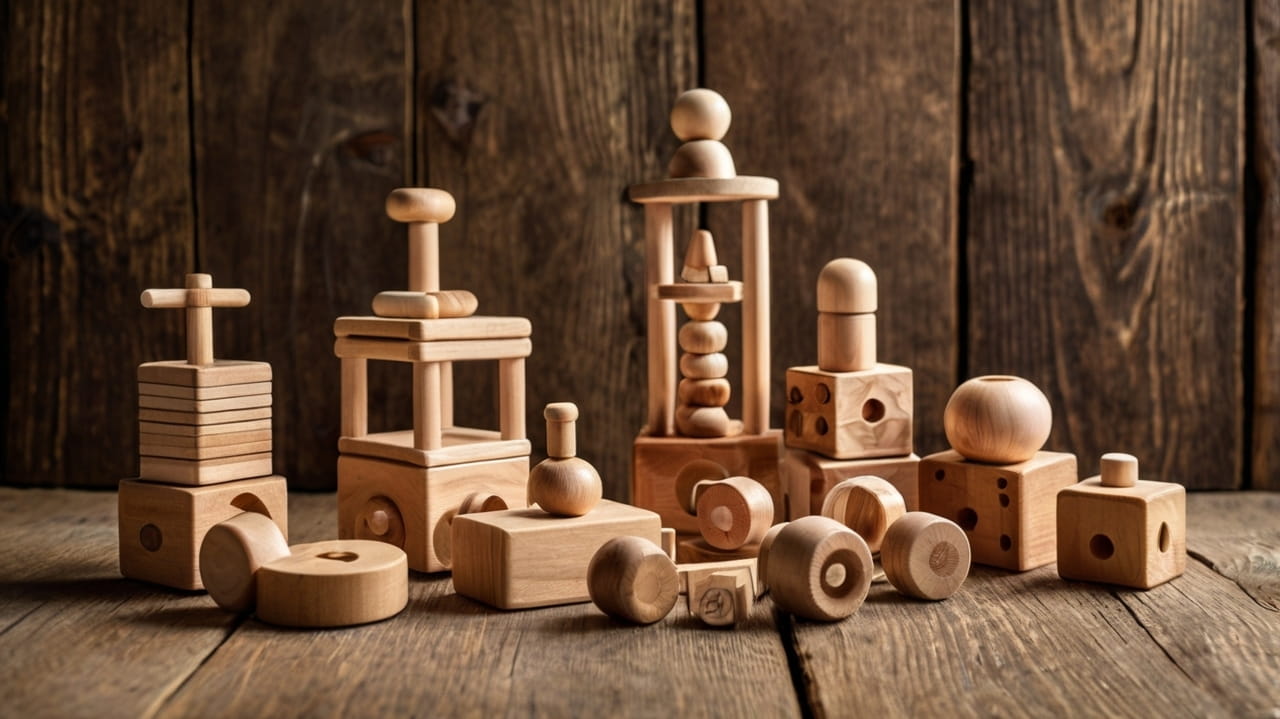
Educational
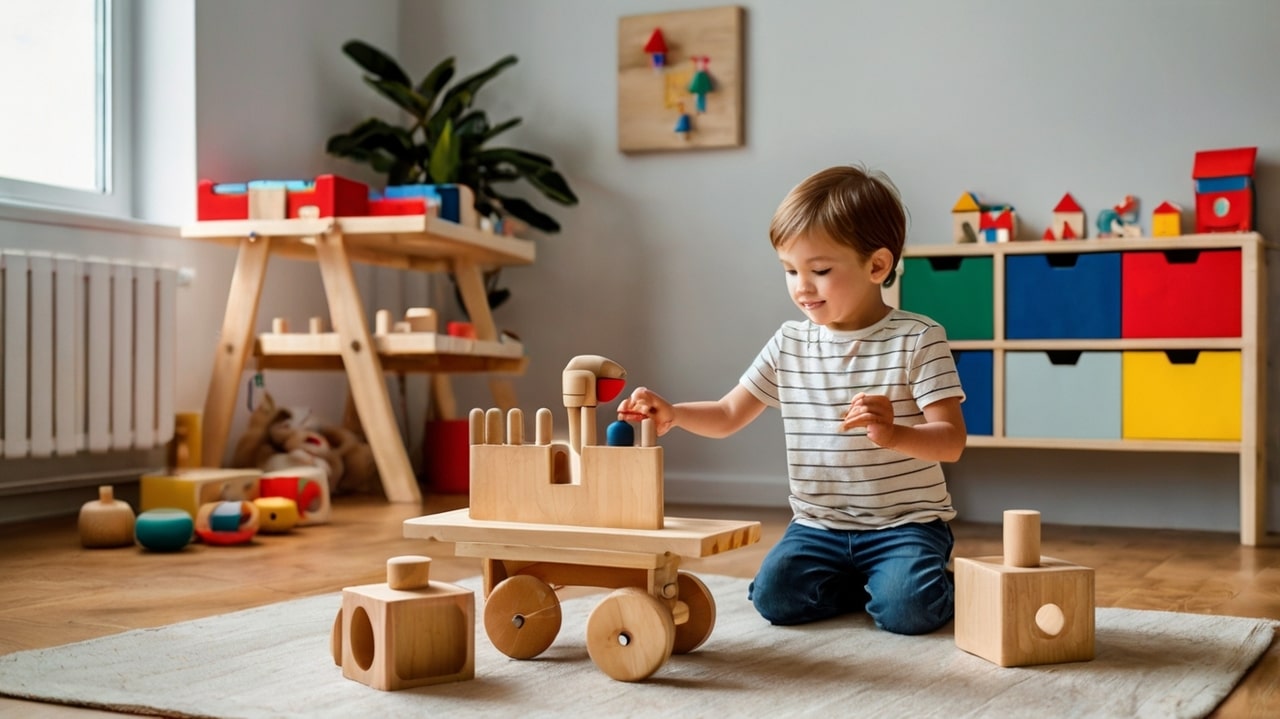
Montessori
Specifics of manufacturing wooden kids’ products: safety and durability
Manufacturing wooden kids’ products has its own specifics, all of it built around two words: safe and long-lasting. The material must be clean in composition, free of toxic impregnations, with no sharp edges or parts a child could get hurt on. This is not a wish but an entry requirement.
We use wood free of harmful chemicals, with coatings on a safe base. Pine, oak and beech are chosen most often: they look handsome, last a long time and machine well — yielding both smooth shapes and intricate contoured parts.
The second pillar is strength and stability. A slide and swings must bear a real load, while a wall bar or pull-up bar must withstand daily active play without losing rigidity. Calculations are made with a safety margin, because the cost of a mistake here is a child’s injury.
The small details matter just as much. Every part is sanded smooth — no burrs, no splinters. It is on such inconspicuous things that the reputation of a safe product rests.
How wooden products are manufactured
Stages of manufacturing wooden kids’ products: from idea to finished item
An item’s journey is divided into several stages, and each one matters. It all starts with design: either a custom order for a specific task or the development of a new product to meet market demand. On paper we set the dimensions, the safety margin and the future safety.
Next comes material selection, where the focus is strictly on eco-friendliness and the item’s intended use. For lightweight toys and educational sets, soft species like pine are more convenient, while for swings and wall bars, where strength is needed, denser wood is chosen.
Then the parts are made and pre-processed. The wood is finished so that no unevenness, cracks or chips remain. All elements are sanded and impregnated with an antiseptic — protection against moisture and rot extends service life many times over.
Then comes assembly. The method depends on the design: in some cases dowels and glue are enough, in others connectors and reinforced joints are required. The key at this step is for the finished item to stand rigid and not loosen over time.
Quality control rounds it all off. The item is checked for stability, strength and compliance with safety standards. It ships to the client only after this inspection, not before.
Reasons to choose made-to-order production of kids’ products
The main argument for ordering wooden kids’ products is predictable safety and eco-friendliness. The items are made from certified natural raw materials, so they are both harmless and durable at once. Quality here is not just a claim but backed by documents.
The second advantage is flexibility. Made to order, you get not a standard catalogue item but a solution tailored to your request: the size, colour and set of features you need. This helps stores and brands that want to offer the customer something of their own rather than the same thing everyone else has.
In the mass-market segment, corners are often cut on materials and technology. Here the logic is the opposite: safety, strength and eco-friendliness matter more than low cost. The result is an item you can entrust to a child without a second thought.
The benefits of working with professionals

Modern equipment
Panel saws, CNC and milling machines — precision, speed and quality guaranteed

Extensive experience and expertise
We know how to handle wood and sheet materials — reliably, precisely, professionally

Fast order fulfilment
Fast and without compromising quality. We value your time and our commitments

A full range of services in one place
Cutting to size, sawing, milling, sanding, painting, assembly — all in-house, with no middlemen
Trusted materials and consumables
We work only with quality materials, so you can be confident in the result
An individual approach to every client
We work to your drawings, create a machining program for the task and account for every detail
Benefits of working with a manufacturer of wooden kids’ products
Working directly with a manufacturer of wooden kids’ products gives a seller of toys, furniture or play complexes several benefits at once. First, a product that both meets safety standards and appeals to the buyer with its look and natural feel. Such a range is easier to sell.
Second, reduced risk. Products made to standard easily satisfy both customer requirements and inspections by regulatory authorities. For a kids’-products business this is critical: a single safety complaint hits your reputation harder than a month of advertising.
Third, a custom batch made to order. Material, design and functionality are chosen for the specific client, so what reaches the shelf is an exclusive, not the mass-market goods every competitor already carries.
And fourth, service and lead times. The order arrives on time and in the agreed volume, so the seller’s supply chain doesn’t break and the sales season isn’t derailed.


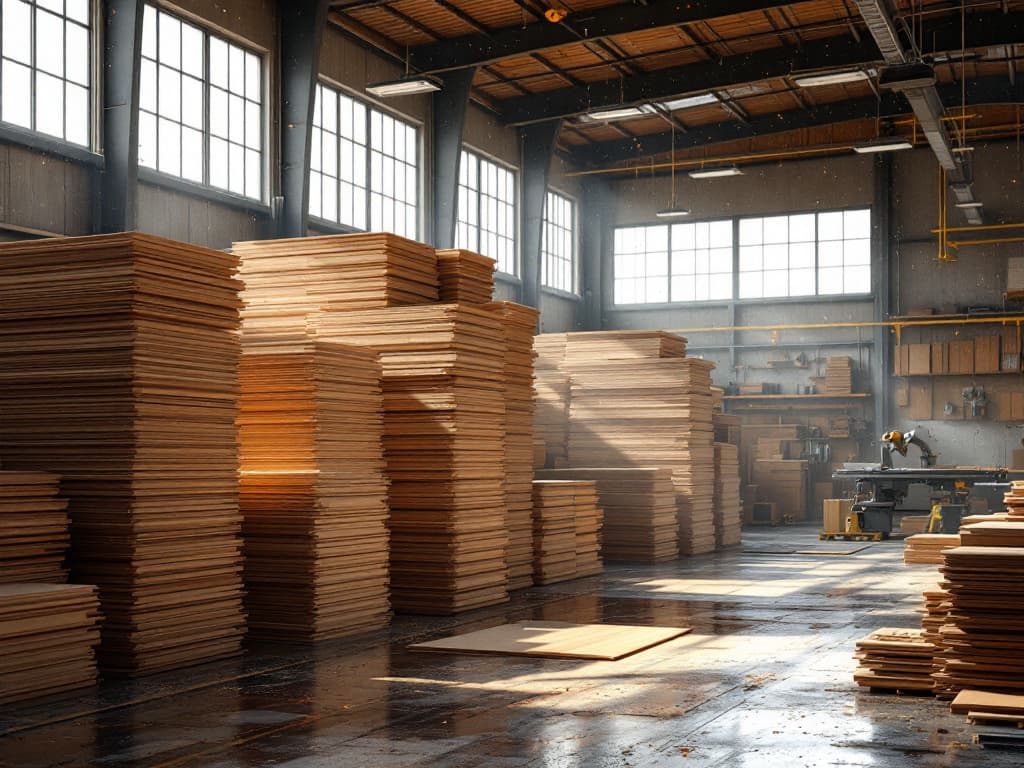


A variety of wooden product categories: what else can be ordered?
Besides kids’ products, we handle a wide range of other wooden items. Furniture for the office and home, fittings for cafés and restaurants, solutions for the garden and country house — all in various models and styles. The office line includes chairs, desks, shelving units and cabinets that come together into a comfortable workspace.
Furniture for cafés and restaurants combines looks, wear resistance and easy maintenance. Tables, chairs, bar counters and other interior details are made from various wood species — a suitable option is chosen for the venue’s concept.
For plots and country houses there is a garden line, resistant to weather swings and outdoor damp. Benches, tables, swings and other elements add comfort outdoors and last for many seasons in a row.
Our portfolio — finished products
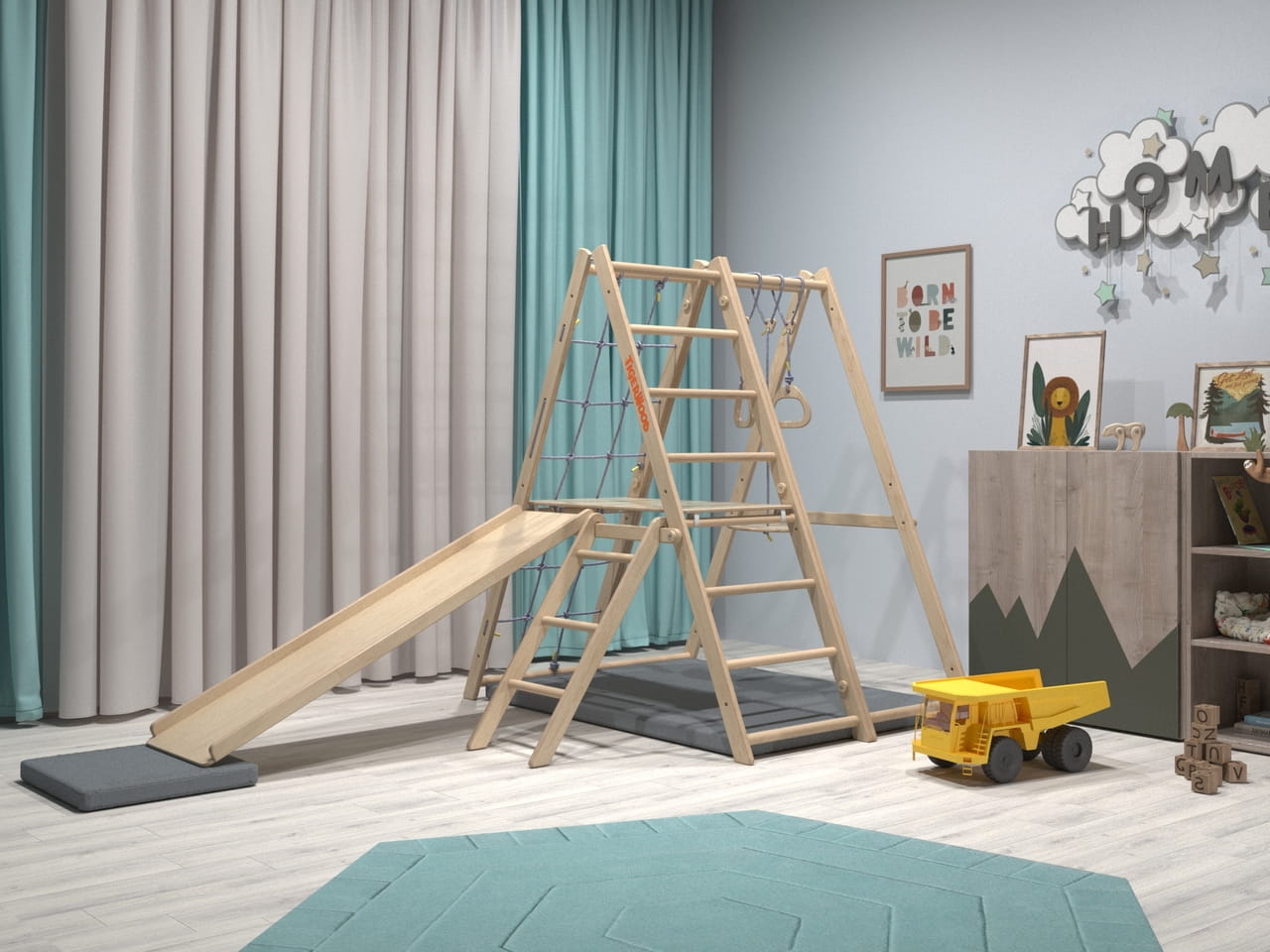
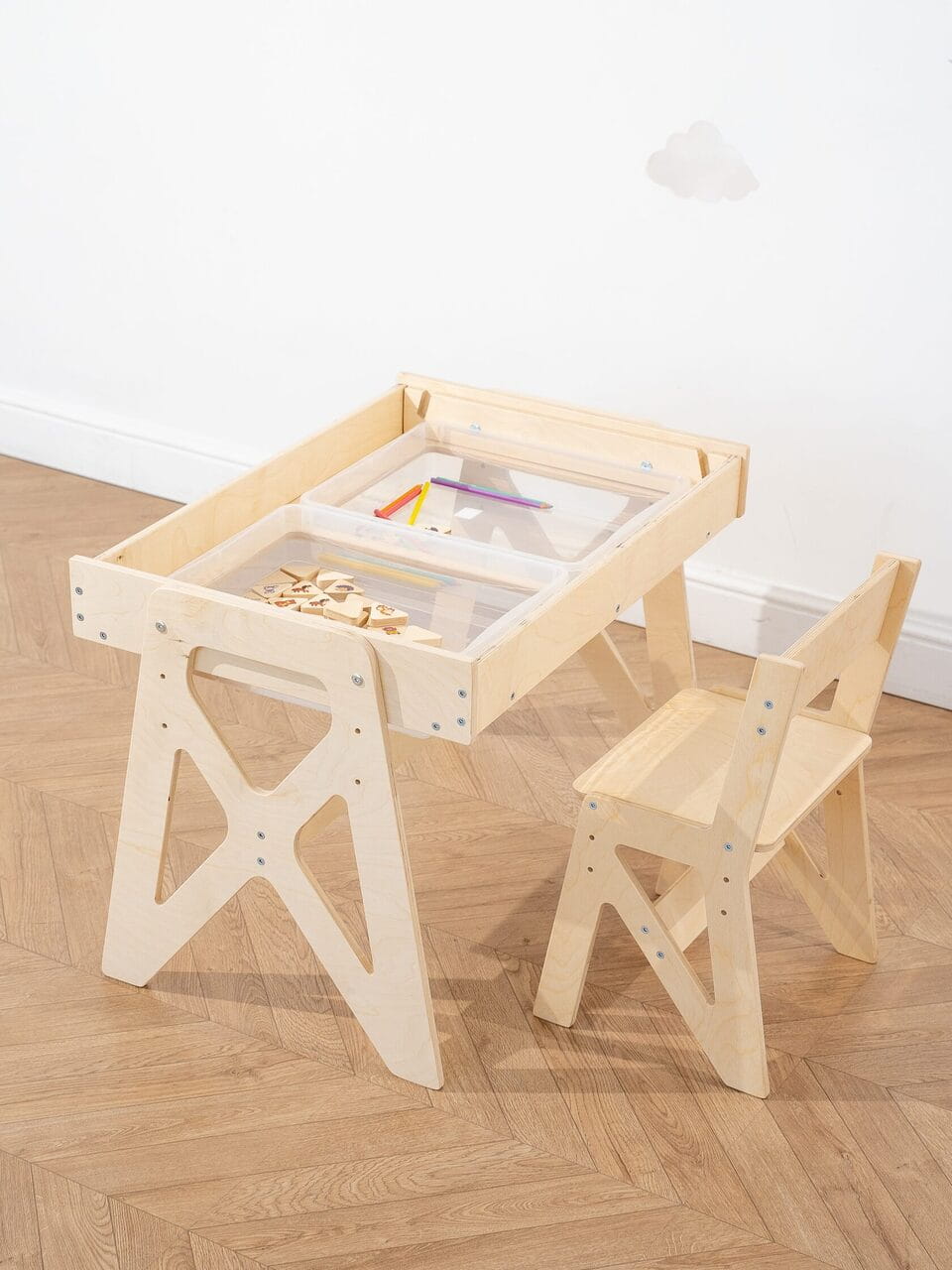


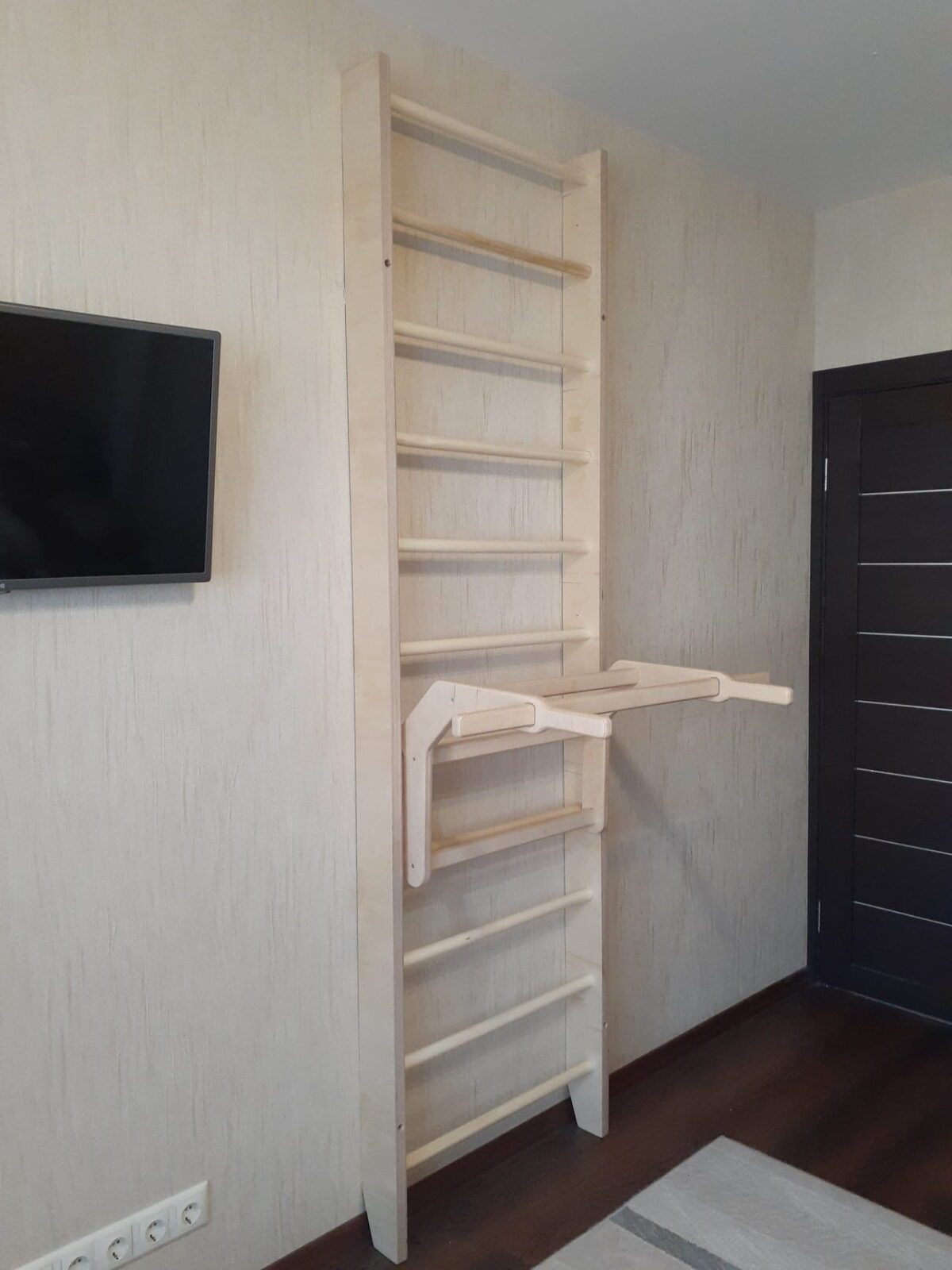
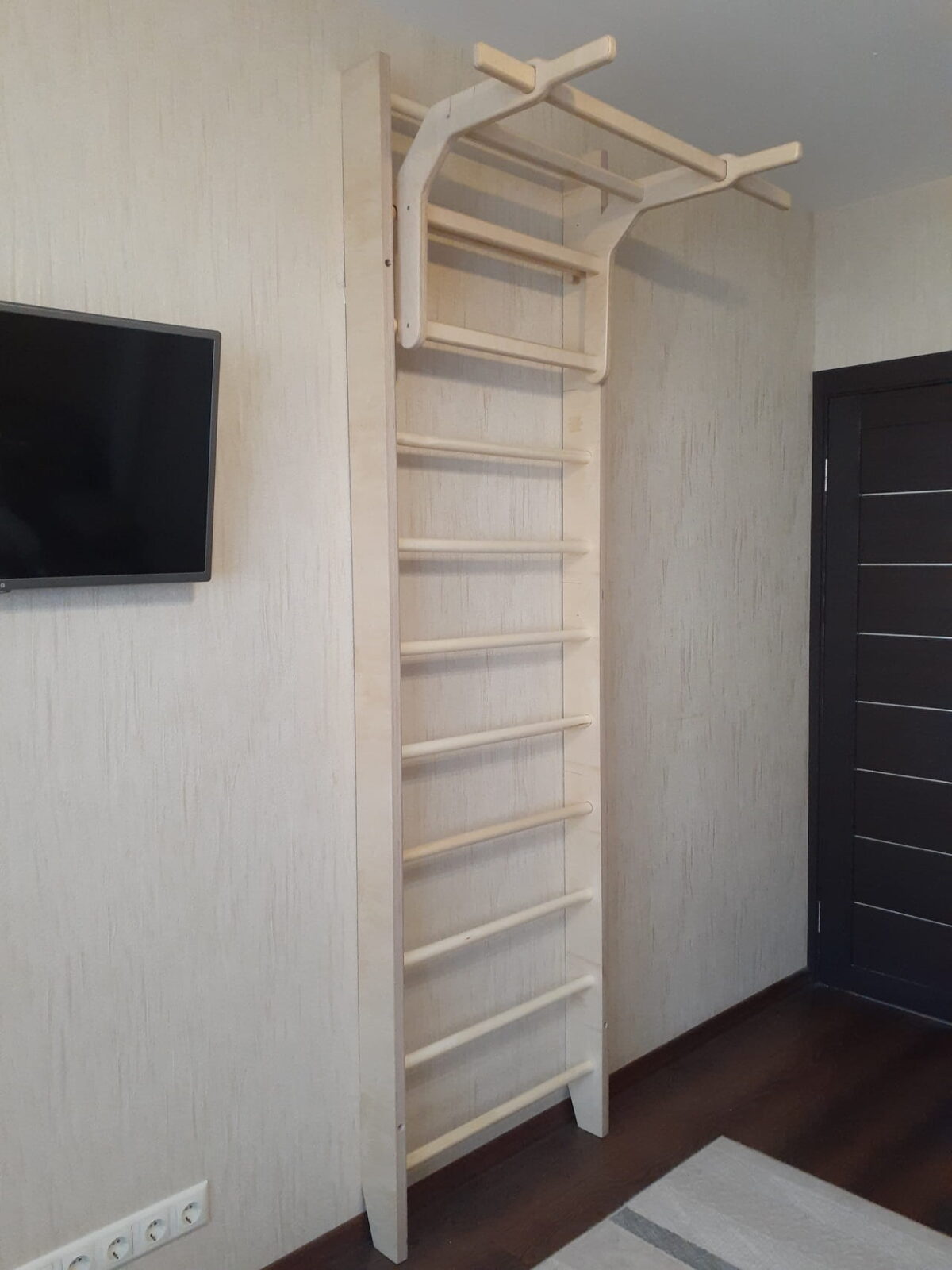
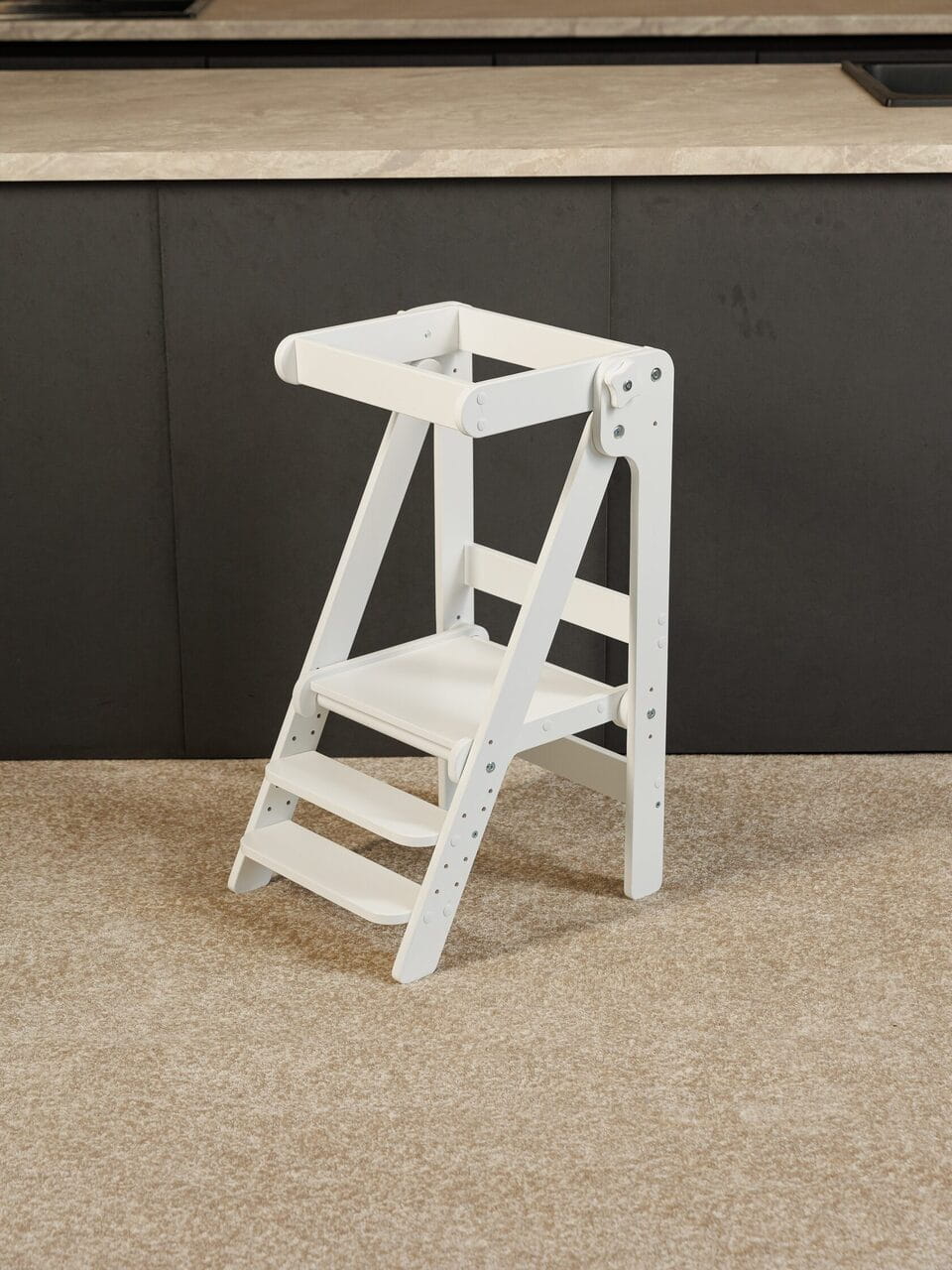
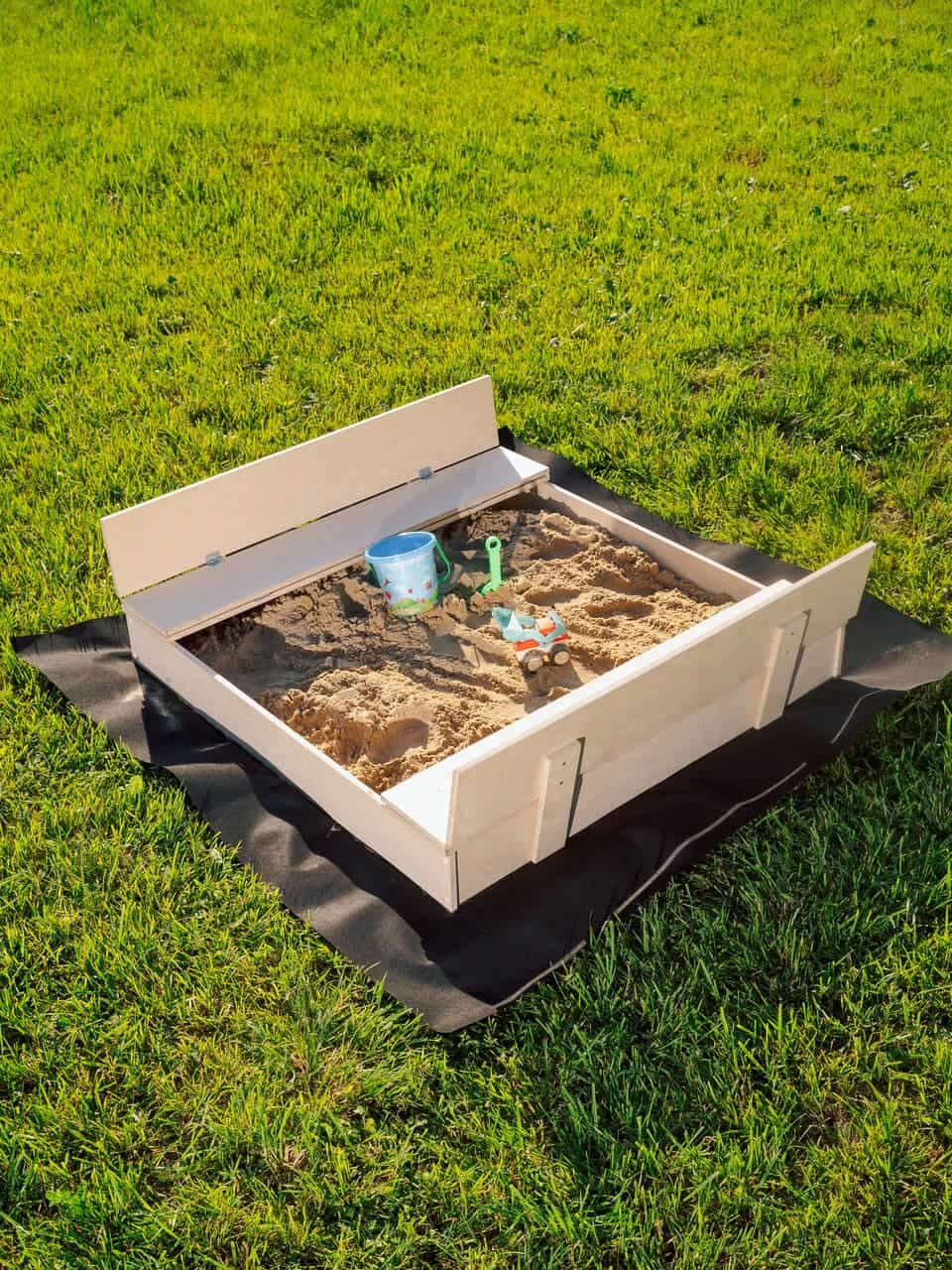

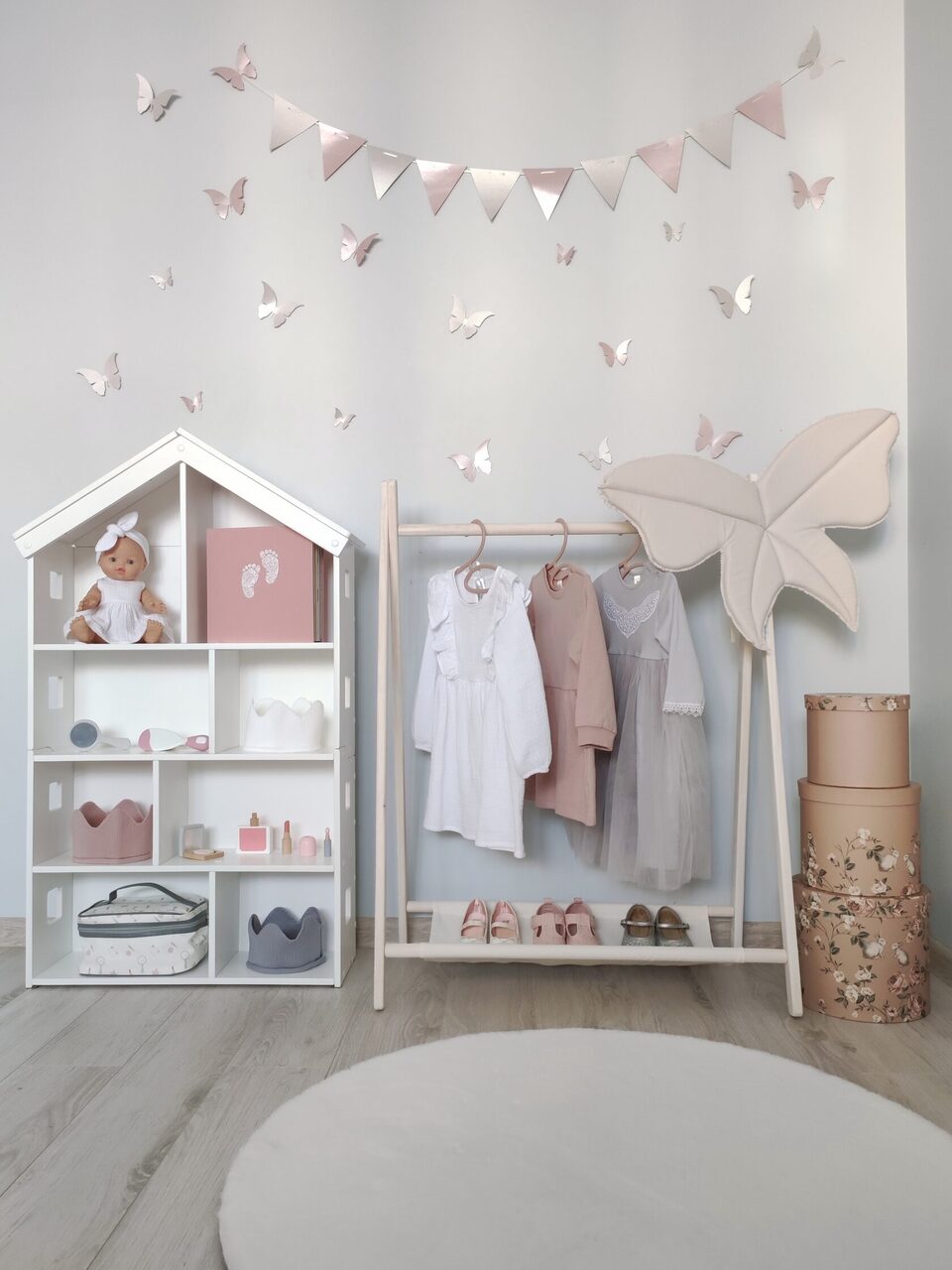

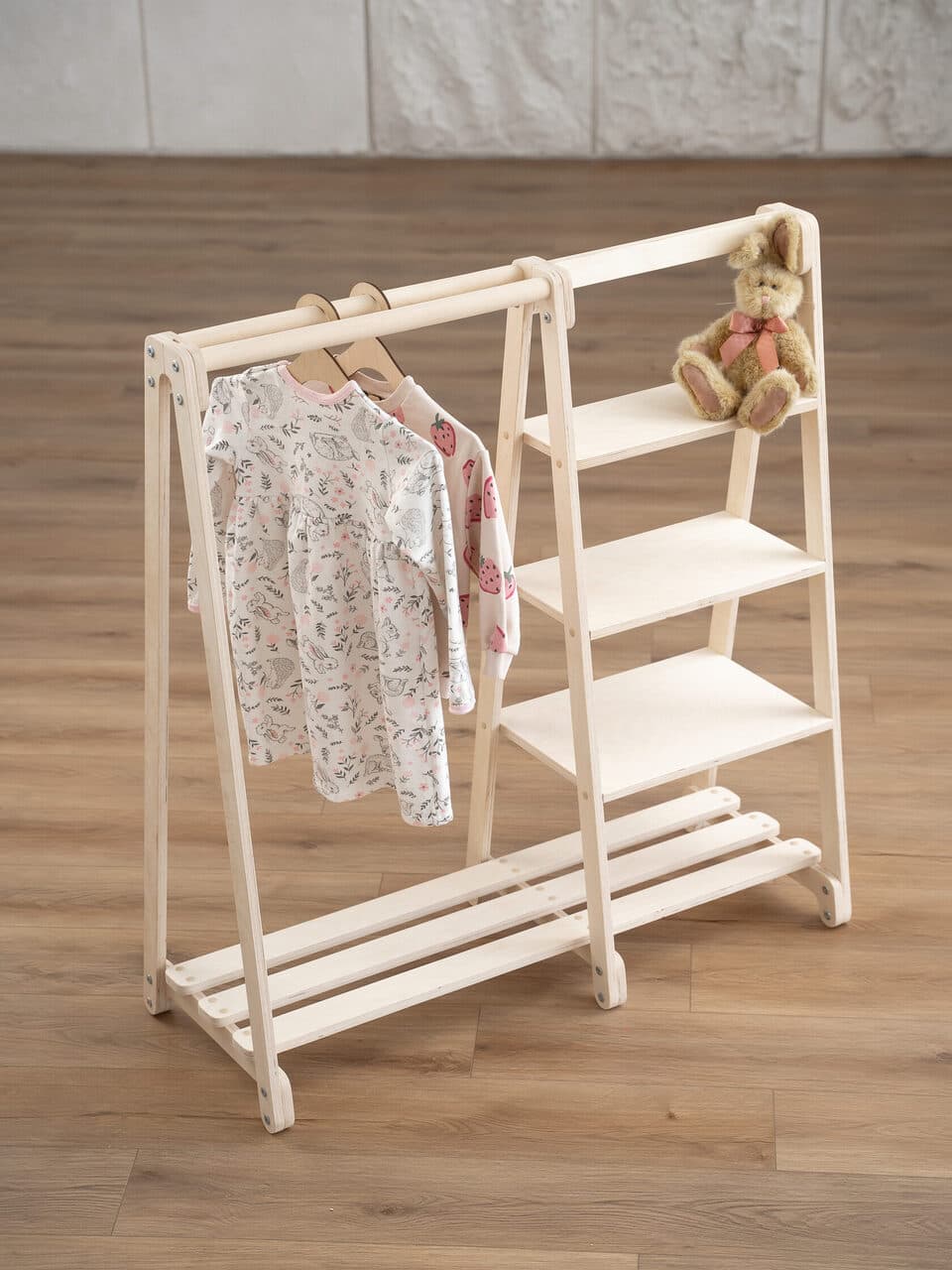
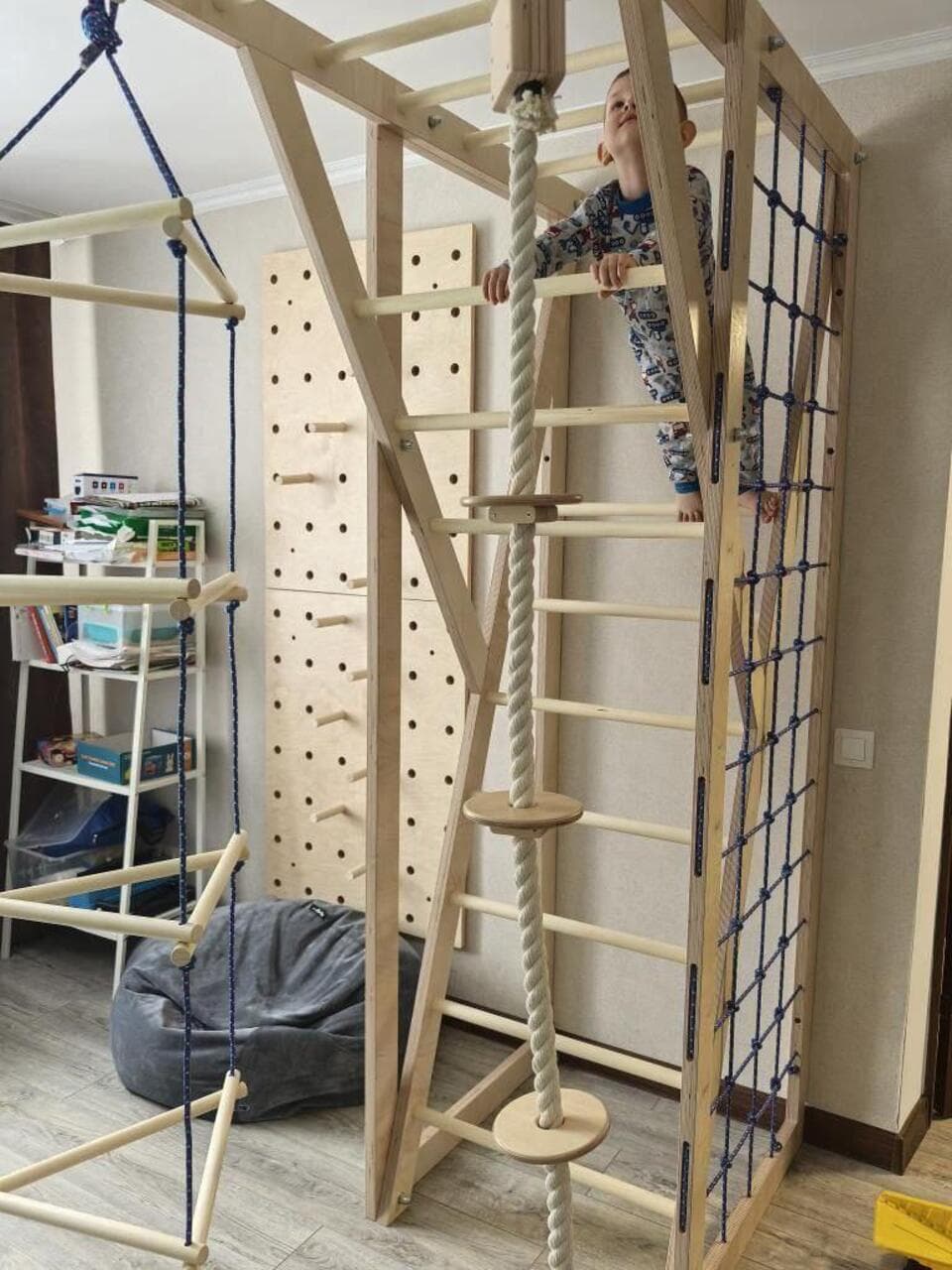
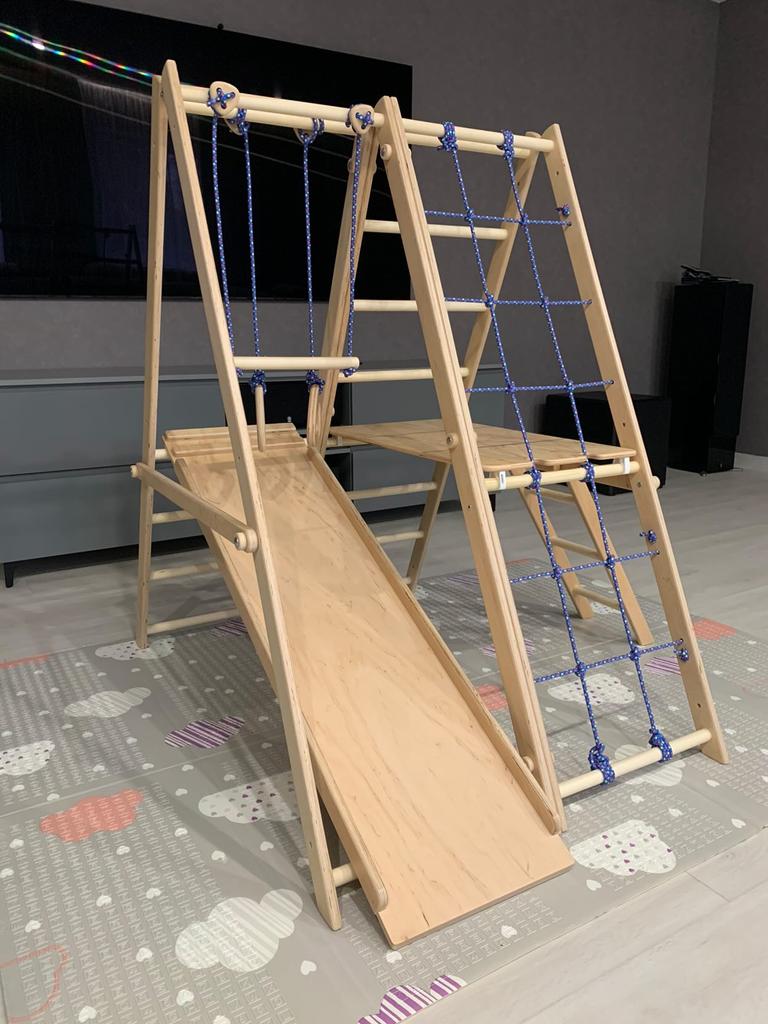

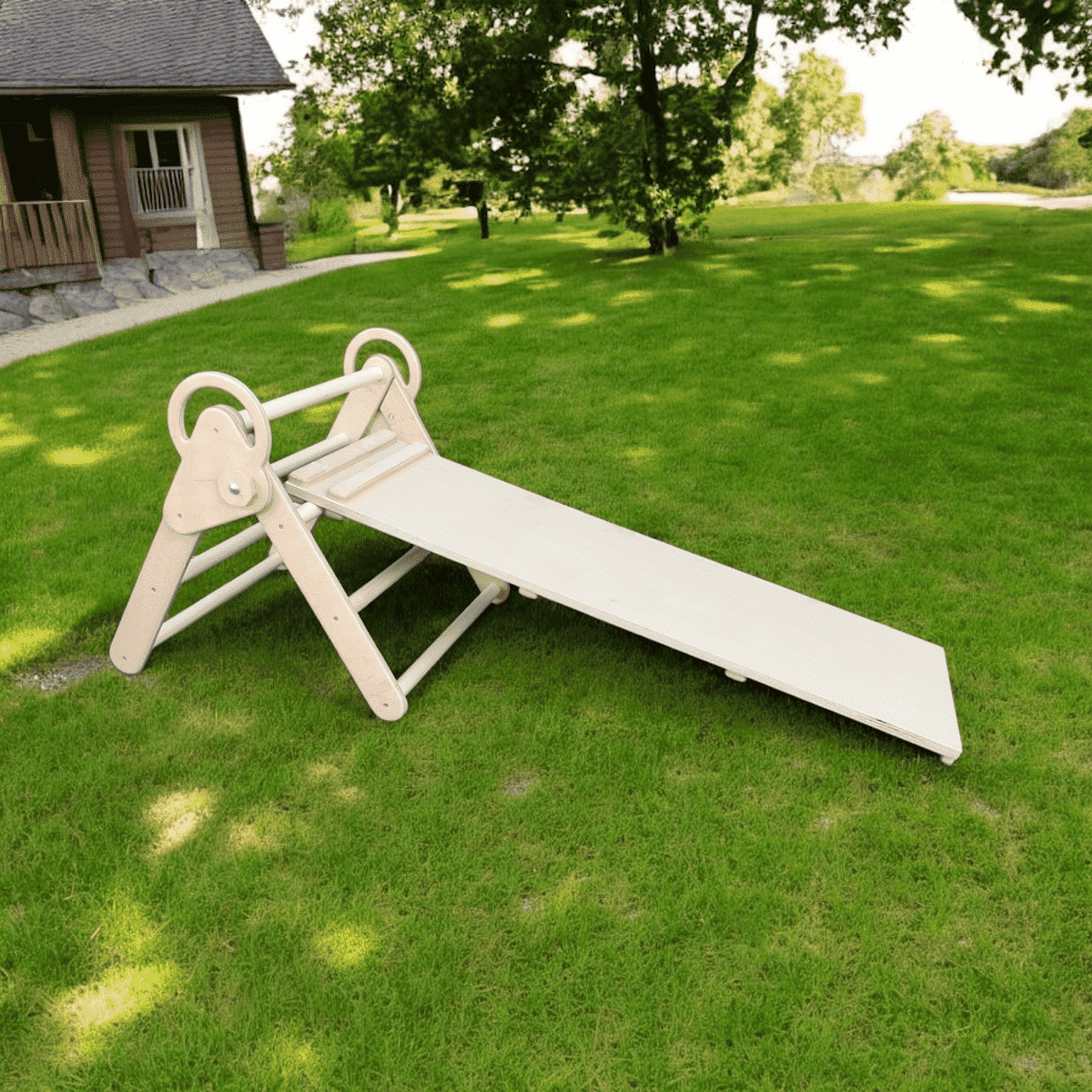

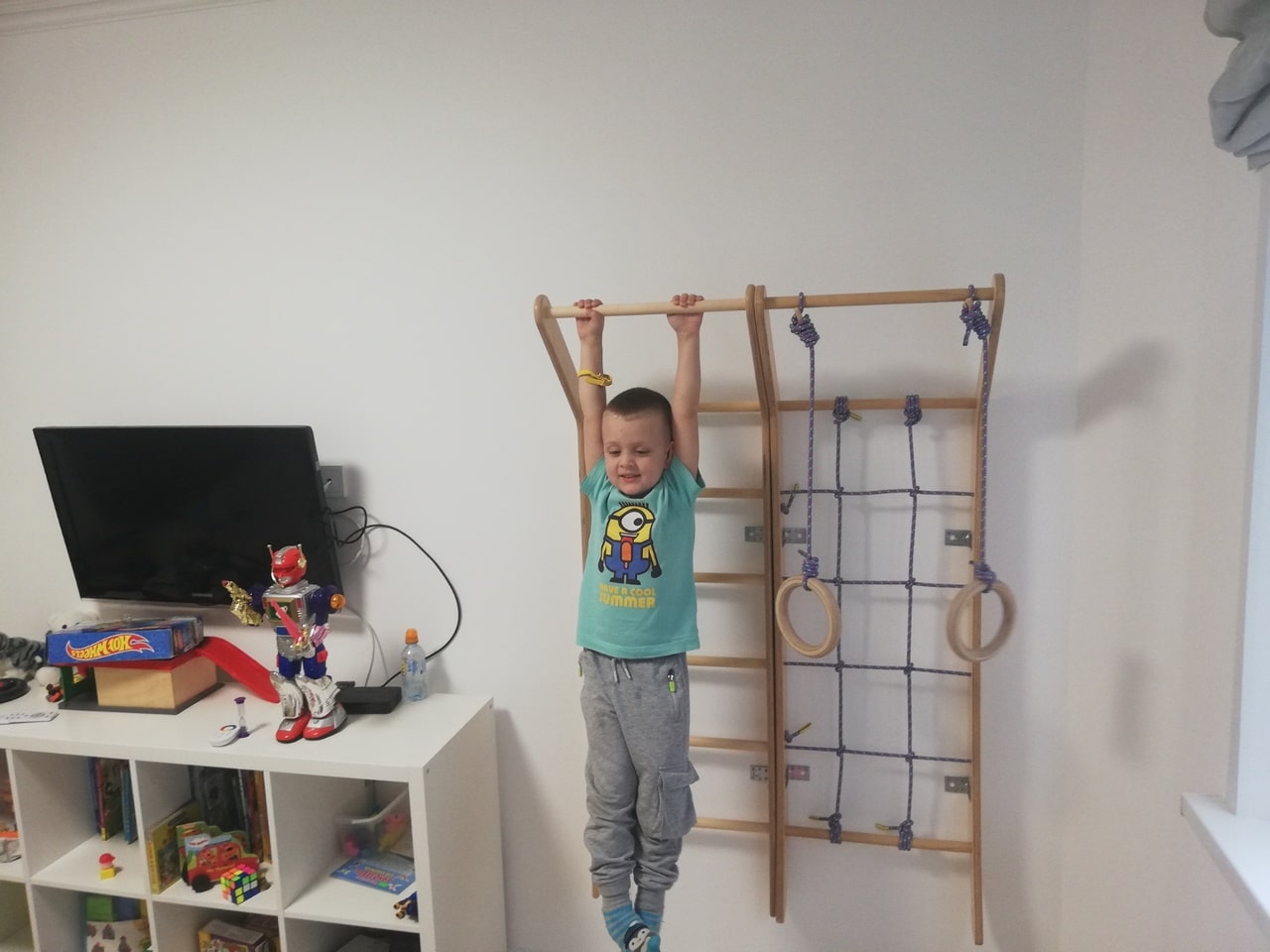


Examples of our work in manufacturing wooden kids’ products
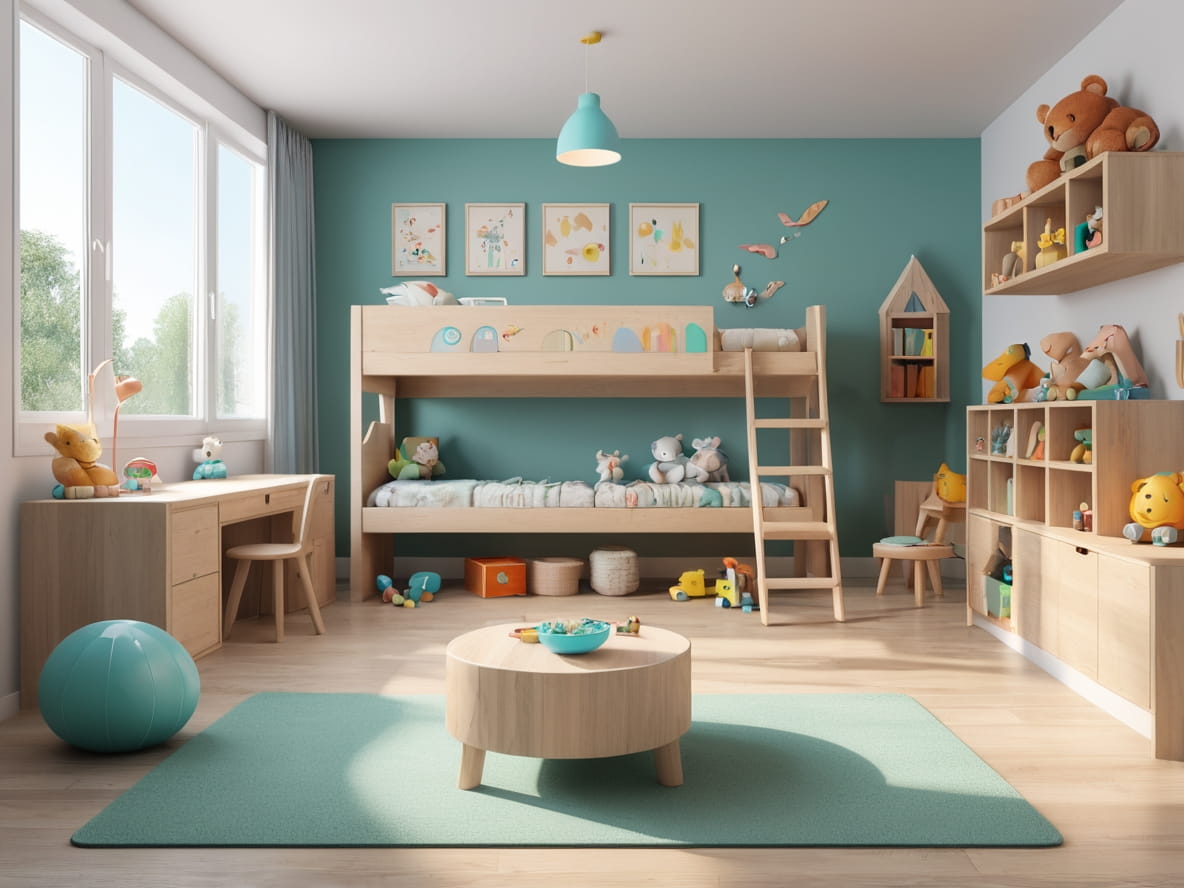
Completed projects are the best way to show both product quality and experience. Every item goes through design and testing, so its safety and service life can be vouched for. Among the examples are play complexes and educational toys made with an eye to the clients’ wishes.
One of the projects is playgrounds where everything is geared toward physical activity and coordination. The complex includes ladders, slides, swings, safe pull-up bars and wall bars. Each is assembled individually, for a specific room or open site.
Another example is wooden toys that become learning aids. Many are made using the Montessori method: they develop motor skills, attention and concentration. Quality control for such items is especially strict — they are constantly in children’s hands.
Who uses a carpentry workshop’s services

Furniture makers

Interior designers

Advertising companies

Exhibition stand builders

Art studios

Cafés and restaurants

Construction firms

Retail equipment manufacturers

Furniture factories

Private craftsmen

Custom orders

Manufacturing companies

Museums and exhibition halls

Architects

Theatres and film studios

Educational organizations

Children’s products manufacturing

Repair specialists

Online stores

Sole proprietors
The range of clients is broad. First and foremost, these are stores and companies selling kids’ products online and offline. It’s important for them to keep only safe, certified items on the shelf: a reputation in this niche is earned over years and lost in a single scandal.
Next come large retail chains and wholesalers supplying kindergartens, schools and entertainment centres. They need steady supplies and broad coverage: from small toys to sports complexes and play equipment.
A separate category is those who build open-air playgrounds: in parks, courtyards and on private grounds. Such clients take large complexes with slides, swings, pull-up bars and ladders.
Finally, companies that design children’s-room interiors. They order furniture that doesn’t just sit there but works toward the child’s development, combining benefit and function.
An overview of wooden kids’ products: quality, safety, an individual approach
Putting it all together, it becomes clear why wooden kids’ products are gaining popularity. Safety, eco-friendliness and individuality make them a sound choice for a child. Wood is pleasing to the eye and lasts a long time without harming health.
Environmental standards are at the core here. Every material is tested for harmful substances, and this is not a formality but a guarantee that the item is safe. Such an approach meets both market demand and sensible care for children.
Add to this custom ordering and a wide choice of models for a specific client’s needs. Safety is confirmed by certificates, so there’s no need to worry about durability or compliance with standards.
It’s no accident that wooden items for children are chosen by both small stores and large wholesalers. It comes down to the combination of strength, functionality and pleasing looks. And in essence this is not just a product but part of upbringing: a toy develops imagination and motor skills, and parents value that.
Wooden kids’ products: what the client needs to know
What follows is a practical breakdown for those who buy or order wooden kids’ products: what categories exist, what to look for in safety, how price and lead times work, and where clients most often go wrong. No fluff, straight to the point.
Categories of wooden kids’ products
The range is wide, and it’s easier to keep it in mind by groups. Some items teach, others entertain, and others develop the child physically. Below is a short map of categories to match against your own request.
| Category | What’s included | What it develops |
|---|---|---|
| 🧩 Educational toys | Shape sorters, puzzles, stacking rings, Montessori sets | Motor skills, logic, attention |
| 🏠 Play furniture | Playhouses, kitchens, little tables, shelving units | Role play, independence |
| 🤸 Sports complexes | Wall bars, pull-up bars, rings, ropes | Strength, coordination, agility |
| 🛝 Outdoor equipment | Slides, swings, ladders, sandboxes | Activity, balance |
| 🎨 Decor for the nursery | Shelves, letters, height charts, wall panels | Comfort and room styling |
The lines between groups are blurred: the same slide can be a small indoor version or an outdoor complex spanning a whole playground. So when ordering, it’s more important to describe not the category but the scenario — where it stands, who plays, what the load is. From there a suitable solution is matched to the task.
Safety: what to look at first
When it comes to children, safety outweighs everything else, and it should be judged by concrete signs rather than promises on the label. First, the coating. Varnishes and paints must be on a safe base, free of heavy volatile substances, so a child can put the toy in their mouth without consequences. Second, geometry. Rounded corners and burr-free edges rule out cuts and bruises from a sharp edge.
Third, the size of parts. For younger ages, small elements that can be swallowed or inhaled are unacceptable, so items for toddlers are designed large and solid. Fourth, stability. A complex, shelving unit or swing must not tip over when a child hangs on the edge; for tall furniture, wall mounting is provided. Fifth, the strength of the joints: connections are calculated with a margin, since children’s play is a constant dynamic load, not careful use.
A good manufacturer raises these questions themselves before the start rather than brushing them aside. If there are certificates for the item’s materials and coatings, they are shown without being asked twice. That is the practical marker that what you’re looking at is not a homemade knock-off but a well-thought-out kids’ product.
Age and choosing the right item
The same product doesn’t suit both a one-year-old and a seven-year-old. For the youngest, large parts, smooth shapes and no small pieces matter — shape sorters, pull-along toys and simple stacking rings are the norm here. For preschoolers, role-play sets, play kitchens and playhouses come into play, where the child acts out scenarios from adult life. Schoolchildren are more interested in sports and construction: a wall bar, a pull-up bar, assembly sets.
When ordering, it’s worth stating the age group right away — dimensions, height, load and the type of coating all depend on it. A mistake with age usually doesn’t surface immediately: the item may look nice, but for a toddler it’s too big and hazardous, while for a schoolchild it’s already boring. That’s why age is one of the first questions discussed at the outset.
Materials and coatings
The choice of species and coating determines the look, the service life and the safety. Soft pine is cheaper and lighter, convenient for making toys and lightweight structures. Beech and oak are denser and stronger, chosen where endurance matters: sports complexes, loaded joints, parts that will outlast more than one generation of children. Panel materials — plywood, MDF, MFC — go into cabinet-type play furniture and large flat parts.
| Material | Why it’s good for kids’ products |
|---|---|
| 🌲 Pine | Light, inexpensive, warm to the touch — toys, lightweight items |
| 🌳 Beech | Dense and strong — loaded parts, long-lasting toys |
| 🪵 Oak | Maximum wear resistance — sports complexes, furniture that lasts for years |
| 🪆 Plywood | Strong, holds its shape — contoured parts, cabinets, decor |
| ⬜ MDF / MFC | A flat surface for painting and printing — play furniture |
The coating is chosen to match the purpose. For toys that will certainly end up in the mouth, safe oils and waxes or certified children’s varnishes make sense. For furniture and outdoor complexes, resistance to abrasion and moisture matters more. Outdoor items additionally need protection from UV and precipitation, otherwise the wood will quickly grey and crack. If you’re unsure which coating is appropriate, just describe where and how the item will live — a suitable formula will be suggested.
What makes up the price
The cost of a wooden kids’ product is made up of several components, and understanding this arithmetic helps you see in advance where you can save without losing quality.
- 📐 Design complexity. A simple shelf is cheaper than a multi-part play complex with a dozen joints.
- 🌳 Wood species. Pine is more economical; oak and beech are pricier but more durable.
- 🎨 Coating. Bare wood, sanding, oil or multi-layer varnish — different budgets.
- 🔁 Batch size. A single piece costs more per unit; a batch is more cost-effective thanks to the tooling.
- 🖌️ Custom design. A unique shape, colour and branding add to the price.
- ⏱️ Urgency. Work outside the general queue is priced separately.
The most reliable way not to overpay is to send a clear brief and not rush the deadlines. Rework due to imprecise inputs and crunch mode are usually what add the extra percentage points to the estimate. But safety and coating are not where you should cut costs: that is precisely the line item where a cheap solution backfires.
Wholesale, batches and working with business
A separate large layer of orders is wholesale. Kids’-product stores, marketplace sellers and chains supplying kindergartens and schools buy wooden items in batches and under contract. Three things matter to them: consistent quality from batch to batch, meeting deadlines, and documents confirming safety. For a production run, tooling and templates are prepared, so parts come out identical and the price per unit is lower than for one-off making.
A sensible step before a large batch is a sample. First one piece is made, the client examines, tests and approves it, and only then does the full run start. This catches revisions while they cost nothing, and no batch that turns out unsatisfactory arrives at the warehouse. For a business that answers to its own customers, this insurance pays off in full.
Common mistakes when ordering
Most mishaps happen not at the machine but at the task-definition stage. Here’s what most often gets in the way of getting the right result the first time.
- ❌ Age not specified. Without it, it’s easy to end up with an item that’s wrong in size and load rating.
- ❌ Cutting costs on the coating. Cheap varnish on a child’s toy is a bad idea in every sense.
- ❌ Forgotten stability. Tall furniture without wall mounting is a tip-over risk.
- ❌ Dimensions by eye. Especially critical for outdoor complexes, where everything has to fit on site.
- ❌ Last-minute urgency. Coating drying and quality control can’t be sped up on command.
It’s no big deal if you’ve missed some of this — that’s exactly what the conversation before the start is for. A good contractor asks these questions themselves before cutting, not after, when fixing it is already expensive.
How quality control works
Quality control of wooden kids’ products is built into the process rather than tacked on for show at the very end. At intake, the raw material is checked: the board’s moisture, the absence of knots in dangerous spots, the material’s cleanliness of composition. A panel or beam with a defect is weeded out before it reaches the tool, because a hidden crack in a children’s structure is not cosmetic but a matter of injury. Then, during machining, intermediate checks are done at critical joints, especially where the load is calculated.
The final inspection is the strictest. The item is examined for stability, joint strength, the absence of sharp corners, burrs and small parts a child could tear off. The coating is checked for how it lies, for runs and missed spots. Only after passing this barrier does the product go to the client. This end-to-end control from board to shipment is, in essence, what the buyer of children’s goods is paying for: predictable safety with no unpleasant surprises on unpacking.
A separate advantage of working with a single manufacturer is a clear zone of responsibility. When the item has passed entirely through one pair of hands, there’s no need to figure out at whose stage a problem arose. There’s someone to hold accountable, and for a business that itself answers to its own clients, that is worth a great deal.
Delivery and assembly
Finished items are shipped across Europe. Small toys and sets travel compactly, while large complexes and furniture are often transported disassembled — this is safer for the corners and coating and cheaper in logistics. Each item is packed with the journey in mind, so that edges and painted surfaces arrive without scuffs. For a client in another region, the process looks just as simple as for a neighbouring city: the only difference is the delivery method.
Large outdoor complexes and tall furniture often require on-site assembly. Here it’s important that a clear diagram comes with the item and that all holes and connections are prepared in advance, with the necessary allowances. Then installation goes without on-site fitting and without the risk that the structure ends up wobbly after assembly. Delivery and installation terms are agreed for the specific order and its dimensions.
How to care for wooden items for children
Proper care noticeably extends the life of a wooden toy or complex. Wood doesn’t like prolonged damp or sharp swings in humidity: they cause it to dry out or swell, and the coating cracks. So indoor items are kept away from radiators and open water, while outdoor ones are inspected once a season and, if needed, have their protective layer renewed. Regular dry or slightly damp wiping with a soft cloth removes dust without harming the surface.
Only mild, safe cleaning products should be chosen — aggressive chemicals both harm the coating and are undesirable for a child. Every so often it’s worth checking the fasteners on loaded structures: tightening loosened joints on a swing or sports complex. It’s a five-minute job that prevents loosening and extends service life by years. Such simple rules are what set apart an item that still delights after five years from one that has come loose in a single season.
Custom orders and branding
One of the main advantages of made-to-order production is the ability to move away from standard models. For a specific client, the dimensions, shape, colour and set of elements are changed, and themed styling is added. This lets a store or brand stand out: on the shelf sits not the same product everyone has but its own line with a recognisable character. For learning centres and kindergartens, complexes are custom-built to fit exactly their floor area and lesson scenario.
Branding is also feasible: a logo, corporate colours, an engraved name. For a business building its own brand of kids’ products, this is a way to turn an ordinary wooden item into part of its corporate identity. Such an order starts with discussing the idea and a sketch, which is then translated into a drawing and a finished product. Just describe what you want to get — the rest will be broken down into stages.
Wood versus plastic: an honest comparison
Plastic kids’ products are cheaper and lighter — that’s a fact, and in some scenarios they are appropriate. But wood has arguments that, for many parents and institutions, tip the balance. A wooden toy is more pleasant to the touch, has no volatile chemicals, is noticeably more durable and ages gracefully rather than developing microcracks and fading within a season. Such an item you can pass on to a younger child or sell on the secondary market without embarrassment.
There’s a pedagogical side too. A natural material — its weight, texture and even smell — gives a child a richer sensory experience than smooth, uniform plastic. Many developmental methods, including Montessori, are deliberately built precisely on wooden aids. So choosing wood is not only about eco-friendliness and durability but also about the quality of play and learning.
A glossary of terms for the client
When discussing an order, words come up that are familiar to production but vague to the buyer. A short explanation will clear up any misunderstandings before the start.
| Term | What it means |
|---|---|
| 🌀 Sanding | Bringing the surface to a smooth finish so no burrs remain |
| 🛡️ Antiseptic | An impregnation that protects wood from moisture, mould and rot |
| 🔩 Drilling for hardware | Drilling holes for fasteners to a precise layout |
| 📚 The Montessori method | An approach where the child learns through independent play with aids |
| 🧷 Wall mounting | Securing tall furniture against tipping over |
A one-off order or regular supply
Wooden kids’ products are ordered both individually and on a regular basis. The one-off format is simple: you describe the task, agree on it, and collect the finished item — convenient for a private client fitting out a nursery, or for testing a new product before purchasing. It imposes no future obligations.
Ongoing cooperation is more advantageous for those who sell kids’ products or supply institutions. Once production already knows the client’s specifics, deliveries go faster and more predictably: fewer approvals, consistent quality, priority in the busy season before the start of the school year. Many arrive exactly this way — with a single trial batch — and stay for years, once convinced by the result.
More questions about wooden kids’ products
Can I order a single custom item? Yes, a one-off order is routine. Even a single playhouse or height chart to your own sketch will be made without requiring you to take a whole batch.
Do you paint in the colour I need? Yes, the colour is matched from a sample or catalogue and kept consistent across the whole batch. Child-safe coatings are used — this is discussed separately at the outset.
Is the item suitable for outdoor use? Yes, for outdoor complexes durable species and coatings with protection against moisture and UV are used. It’s important to say up front that the item will stand in the open air — both the material and the treatment depend on it.
If your question isn’t on the list, it’s easiest to ask it during the discussion. What makes wooden kids’ products convenient to order is that the entire path from idea to finished item is led by a single provider, and responsibility for safety isn’t spread across multiple contractors.
The equipment that quality rests on
Even parts, precise holes and smooth edges don’t appear on their own — behind them stands the right fleet of machines. A panel saw gives a clean, chip-free cut of the sheet, which is especially important for visible parts of play furniture. A CNC router cuts contoured elements, rounds corners and chamfers edges by program, repeating the contour without deviation, so a run of identical parts comes out as if copied. Drilling equipment places holes for fasteners strictly to the layout, and nothing needs fitting during assembly.
Sanding plays a special role. It is precisely what turns a blank into a child-safe item: removing burrs, smoothing edges, preparing the surface for the coating. For kids’ products this stage is done especially thoroughly, in several passes with different grits. And it’s all rounded off by the paint area, where the coating lies evenly and dries dust-free. The chain of these operations under one roof is what gives a consistent result — a part moves from stage to stage without loss rather than travelling between different contractors.
Sample orders from practice
So that the possibilities don’t remain abstract, here are a few typical orders. A kindergarten was refreshing its play area and ordered a set: several little tables with rounded corners, toy shelving units at child height and a small playhouse for role play. Everything in soft tones, with a coating safe for constant contact, and with the tall elements mounted to the wall. The batch was made to a single standard so the area would look cohesive.
Another order was an outdoor playground for a private property. Here strength and weather resistance came to the fore: a complex with a slide, swings, a ladder and a small pull-up bar made of dense wood, coated with a formula protecting against moisture and UV. The structure was calculated with a load margin and supplied with a clear installation diagram. A third example is an online store of educational toys that needed a run of shape sorters and sets based on the Montessori method with branded engraving. First a sample was made and approved, then the production run was launched.
Three different orders — and in every case the logic is the same: discussing the task, design, selecting material and coating, manufacturing, control, shipment. Only the scale and emphasis change. It is precisely this repeatable scheme that makes it possible to take on a single playhouse, a run of toys or an entire playground alike.
Seasonality and planning
Kids’ products have noticeable seasonality, and it’s worth factoring in when planning. Before the start of the school year, kindergartens, schools and learning centres update their equipment en masse, and the manufacturing queue is denser at that time. Outdoor complexes and garden play equipment are ordered more often in spring, ahead of the country-house season. The pre-holiday months raise demand for toys and gift sets. Those who account for these waves in advance get both better lead times and calmer, unhurried work.
The practical takeaway is simple: if an order is tied to a date — children arriving at a renovated kindergarten, a playground opening, the start of seasonal sales — it’s sensible to get in touch in advance and leave a time buffer. The coating usually takes the longest to dry, and rushing the drying at the expense of safety is out of the question here. An early request puts the order in the queue without a crunch and removes the risk of not making the target day.
Stability and anti-tip protection
Stability deserves a separate discussion, because it is precisely what most household injuries are linked to. Tall shelving units, cabinets and play structures are designed so that the centre of gravity stays low and the base wide. For furniture a child might use as a ladder, wall mounting becomes mandatory: even the most stable cabinet tips over if someone hangs on the top shelf. These solutions are built in at the design stage rather than tacked onto a finished item.
For swings, slides and sports complexes, anchoring and the load on the joints are calculated separately. Outdoor structures are firmly fixed in the ground or on the site so that swaying doesn’t loosen the base. None of this is overcaution but the norm for children’s equipment: it’s better to build in an extra safety margin than to deal with the consequences. A good manufacturer raises these questions themselves, before the client even thinks of them.
Sustainability and sensible use of material
The eco-friendliness of wooden kids’ products is not only about a safe composition but also about a careful attitude to the material. Precise cutting and a well-thought-out layout of parts on the sheet mean less waste — and therefore less strain on the budget and less raw material thrown away in vain. Large offcuts often go into small parts of the same order — little shelves, inserts, decor elements. For production this is a clean, predictable process, and for the client a direct saving.
Wood in itself is a renewable and biodegradable material, and therein lies its significant advantage over plastic. An item lasts a long time, and when its life does finally end, it doesn’t turn into non-degradable waste. For parents and institutions to whom conscious consumption matters, this is an additional argument in favour of wooden kids’ products.
How to prepare an order
For an order to go smoothly, it helps to gather a few inputs in advance. This is a short guide that removes most of the clarifications at the outset.
- 🎯 Describe the item and the scenario: what it is, where it stands, who uses it and how.
- 👶 State the children’s age — dimensions, load and coating depend on it.
- 📐 Attach dimensions or a sketch, even a rough one.
- 🎨 Decide on the colour and type of coating.
- 🔢 Specify the quantity — a single item or a batch.
- 📅 Let us know the desired date if the order is tied to an event.
You don’t have to come with a ready-made technical brief — half of orders start with the words “I need something like this, help me figure it out.” The job of production is precisely to translate that into a drawing and a safe design. But the more inputs there are at the outset, the shorter the path to the finished item and the fewer revisions along the way.
To sum it all up briefly: wooden kids’ products are about safety, durability and real benefit for the child. Just describe the task and the age, and the rest — material, coating, strength calculation, control — will be handled by production, which will bring the item to a finished result, safe and on time.
Certificates and compliance with standards
For children’s products, documents are not bureaucratic red tape but a working instrument of trust. Certificates confirm that materials and coatings have been tested for harmful substances and that the design meets safety requirements. A store or chain needs such papers not only for peace of mind but also to pass inspections by regulatory authorities and to work with marketplaces, where without supporting documents a product simply won’t be admitted to the platform. That’s why items are made with an eye to the current standards, not on a “that’ll do” basis.
For the end buyer, the presence of a certificate is a clear signal that this is a well-thought-out product, not a homemade knock-off. A parent choosing a toy for their child increasingly looks at precisely this. So for a business, properly prepared documentation turns into a competitive advantage: it removes objections and makes the sale easier. And it’s this approach that sets a systematic manufacturer of kids’ products apart from a random provider.
Outsourcing production for business
Keeping your own woodworking production for a children’s line makes sense only with steady large volumes. For most stores, brands and sellers it’s more advantageous to outsource manufacturing. This removes the costs of machines, a workshop, staff and a raw-material warehouse, and in return provides finished goods of the right quality and in the right quantity. Your own resources meanwhile stay free for what the business does best — sales, marketing, working with the customer.
This format is also flexible in scale. In the season, when demand for kids’ products rises, the batch is simply increased rather than dealing with your own workshop being overloaded. In a quiet period there’s no need to pay for idle equipment. In essence, made-to-order production works as an extension of the client’s business, adapting to its rhythm — and at the same time takes responsibility for the quality and lead times of the finished products.
Why a single site pays off in the end
The temptation to assemble an order from the cheapest providers is understandable: cutting is cheaper here, painting is discounted there, assembly is entrusted to a third party. On paper it’s a saving, in practice it’s a risk that is especially out of place in children’s products. Every handoff between contractors is a place where time is lost, mix-ups surface and an argument begins over who’s to blame for the defect. And a defect in a kids’ product is not cosmetic but a potential injury and a blow to the store’s reputation.
A single cycle at one site is slightly more expensive in the moment but wins in the end — through lead times, the integrity of the result and one party responsible for safety. When cutting, sanding, painting and assembly run in sequence under shared control, parts don’t “drift” in size and quality is maintained across the whole batch. For those who answer to their customers’ parents, this predictability is the main argument.
Combined materials in a single item
Many children’s items are assembled from several materials at once. A playhouse frame of solid wood, walls of plywood, flat MDF fronts for painting, a back panel of thin board. It’s convenient to run such a set in one place: each material is machined in its own mode, and the output is a coordinated set of parts for a single item. There’s no need to split the order across different contractors and then reconcile their dimensions and colours.
This is especially important when an item must look cohesive. Mismatches in shade and at the joints from a split order easily catch the eye, and for a kids’ product, where neatness matters, that is unacceptable. When the whole set is made at one site to a single specification, the parts match in both colour and geometry, and the finished item looks like a single whole rather than something assembled from random pieces.
How to tell a good manufacturer
If you’re choosing whom to entrust a kids’-products order to, there are several clear signs of a reliable contractor. By them you can see that this is systematic work, not a lottery.
- ✅ Raises safety questions themselves before the start rather than brushing them aside.
- ✅ Shows certificates for materials and coatings without being asked twice.
- ✅ States the lead time and price in advance, not “after the fact.”
- ✅ Is ready to make a sample before a large batch.
- ✅ Is responsible for the whole cycle, not just a single operation.
- ✅ Checks the children’s age and the usage scenario.
If even half of these points aren’t met, it’s worth being wary. In kids’ products the cost of a mistake is too high to skimp on the provider’s reliability. The easiest way to vet a contractor is with a trial order: a small batch will show the quality, the precision and how communication is set up.
The developmental function as part of the value
A distinct value of wooden kids’ products is that many of them don’t just keep a child occupied but work toward development. Shape sorters and stacking rings train fine motor skills and logic, role-play furniture develops imagination and social skills, sports complexes take care of physical fitness and coordination. A parent buying such an item pays not only for a toy but for the benefit, and that’s worth conveying in the product description.
For a store and a brand, the developmental function is a strong selling argument. A buyer more readily chooses something that helps a child grow rather than merely entertains. So when developing items it makes sense to build in this logic from the start: to think through which skill a given toy trains and to make it convenient for children’s hands specifically. A good manufacturer understands this task and helps embody it in a concrete design.
In the end, a wooden kids’ product sits at the intersection of several needs at once: safety, eco-friendliness, durability and developmental benefit. It’s this combination that makes it sought after by parents, institutions and the businesses that build their range on these products.
Warranty and what to do about defects
Finished wooden kids’ products come with a warranty, and that’s not an empty line. If within the agreed period a manufacturing-related defect appears — a glue joint has come apart, the coating has peeled, a part has warped — the matter is resolved in the client’s favour. Importantly, when working with a single manufacturer it’s easier to get to the causes: the item has passed entirely through one pair of hands, and there’s no need to figure out whose stage failed. For a store this means predictability: it’s clear whom to contact and how quickly the problem will be closed.
Naturally, the warranty doesn’t cover the consequences of improper use — outdoor furniture left for years without renewing its protection, or a structure loaded beyond its rating. That’s why simple care recommendations usually come with the item. Following these rules both extends the service life and preserves the right to replacement in disputed cases. This honest approach to warranty is part of the reputation that a manufacturer of kids’ products guards especially carefully.
Supplies for kindergartens, schools and chains
A separate large segment is supplying educational and entertainment institutions. Kindergartens, schools, learning centres and play rooms buy wooden equipment in batches and hold it to higher requirements: reinforced strength for intensive use, durable coatings, a full set of safety documents. Items for such clients are designed on the assumption that dozens of children will use them daily, not a single child at home.
Working with chains and institutions usually goes by specification and contract, with clear deadlines and volumes. Here the ability to hold a single standard across the whole batch is especially valued: if several groups or branches are being outfitted, the furniture and equipment must be identical. For such tasks tooling is prepared, and before a large delivery a sample is agreed. This removes the risk of receiving a batch in which something falls short of expectations when there’s nowhere left to return it.
Design and styling to fit the interior
Wooden kids’ products are also valued for fitting easily into an interior. The natural texture goes with any styling, and the paint can be matched to the room’s palette or the venue’s corporate identity. For a nursery in a private home this is a chance to put together a cohesive space where furniture, shelves and decor echo one another. For a learning centre or store it’s a way to create a recognisable, pleasant atmosphere that works for the brand.
Design doesn’t come at the expense of function, though. A beautiful shelf stays stable, and a stylish playhouse stays safe. A good manufacturer keeps the balance between looks and practicality, because in a children’s item one doesn’t work without the other. Just describe the desired style and show an example, and the solution will be adapted to the specific space while preserving both safety and comfort for the child.
Trends in the kids’-products market
Demand for wooden kids’ products grows year on year, and behind it lie several enduring trends. Parents are ever more conscious about the composition and origin of the things they surround their child with, and natural wood beats plastic on all the “emotional” points. Developmental aids built on tactile experience are gaining popularity, as is furniture that grows with the child and lasts for more than one year. A separate trend is minimalist, calm design in natural tones, which looks equally good both in a nursery and in a shot for the store’s social media.
For a business this means a clear direction: what is made of wood safely, sustainably and with well-considered benefit finds its buyer ever more easily. And so investing in a quality range of wooden kids’ products is a bet not on a passing fad but on long, steady demand. All that’s needed is to settle on a line and find a manufacturer who covers quality, volumes and documents alike.
What materials are used to make kids’ products?
We use only eco-friendly, safe materials — pine, oak, beech. The wood is treated with antiseptics and varnishes free of toxic substances so the item stays harmless even for the very youngest.
Which toys and complexes are the most popular?
The demand leaders are play complexes with ladders, slides, swings and wall bars. Close behind are educational toys based on the Montessori method, which build motor skills and aid learning.
How long do wooden toys and complexes last?
With normal care, wooden items last for decades. The materials are wear-resistant, so both a toy and a complex easily outlast more than one child.
How is product safety ensured?
Every item goes through control at all stages: stability, the absence of sharp corners and of small parts that could be swallowed are checked. Only after that does the product go to the client.
Can I order a custom project?
Yes, a custom project is routine. A play complex or furniture is made taking into account the dimensions of the room or site and your design wishes.
What advantages do wooden toys have over plastic ones?
Wood is more durable and eco-friendly than plastic and has no harmful chemicals. On top of that, such toys develop motor skills, creativity and attention better — the pleasant texture engages the child more strongly.
What equipment is suitable for schools and preschools?
Play complexes, wall bars, swings and other elements suit schools and kindergartens — they are installed both indoors and outdoors, depending on the task.
How are product deliveries carried out?
Delivery is adapted to the client’s deadlines and the specifics of the order. Both large wholesale batches and shipment on individual requests are possible.
What certificates and guarantees does the product have?
All products are certified to safety standards and undergo checks for eco-friendliness and material purity. Every item comes with a warranty.
How do I care for wooden toys and furniture?
Care is simple: wipe them regularly and inspect for damage. As for cleaning products, use only mild, safe ones so as not to spoil the surface.
Reach us in whatever way suits you best
Call us, message us on a messenger app or reach out via social media — choose whichever way suits you
🗺️ We accept orders from clients across Europe
💬 Useful information and articles
Eco-friendly and safe materials for modern wood production
Eco-friendly and safe materials for modern wood production In recent years we increasingly think about what the things around us are made of. A home, furniture, a floor, a kitchen, a

How to Correctly Choose Between Plywood, MDF, Particleboard, and MFC for Different Tasks
How to Correctly Choose Between Plywood, MDF, Particleboard, and MFC for Different Tasks In the world of woodworking and furniture making, every material has its own story. Plywood, MDF, particleboard, and

Cutting sheet wood materials at different angles: why and how it is done
Cutting sheet wood materials at different angles: why and how it is done Working with wood materials is not just sawing. To get a truly high-quality and durable product, you have

Recommendations for choosing sheet materials for indoor and outdoor projects
Recommendations for choosing sheet materials for indoor and outdoor projects In woodworking, choosing the right sheet material is like laying a foundation for a builder. What you pick at the very