
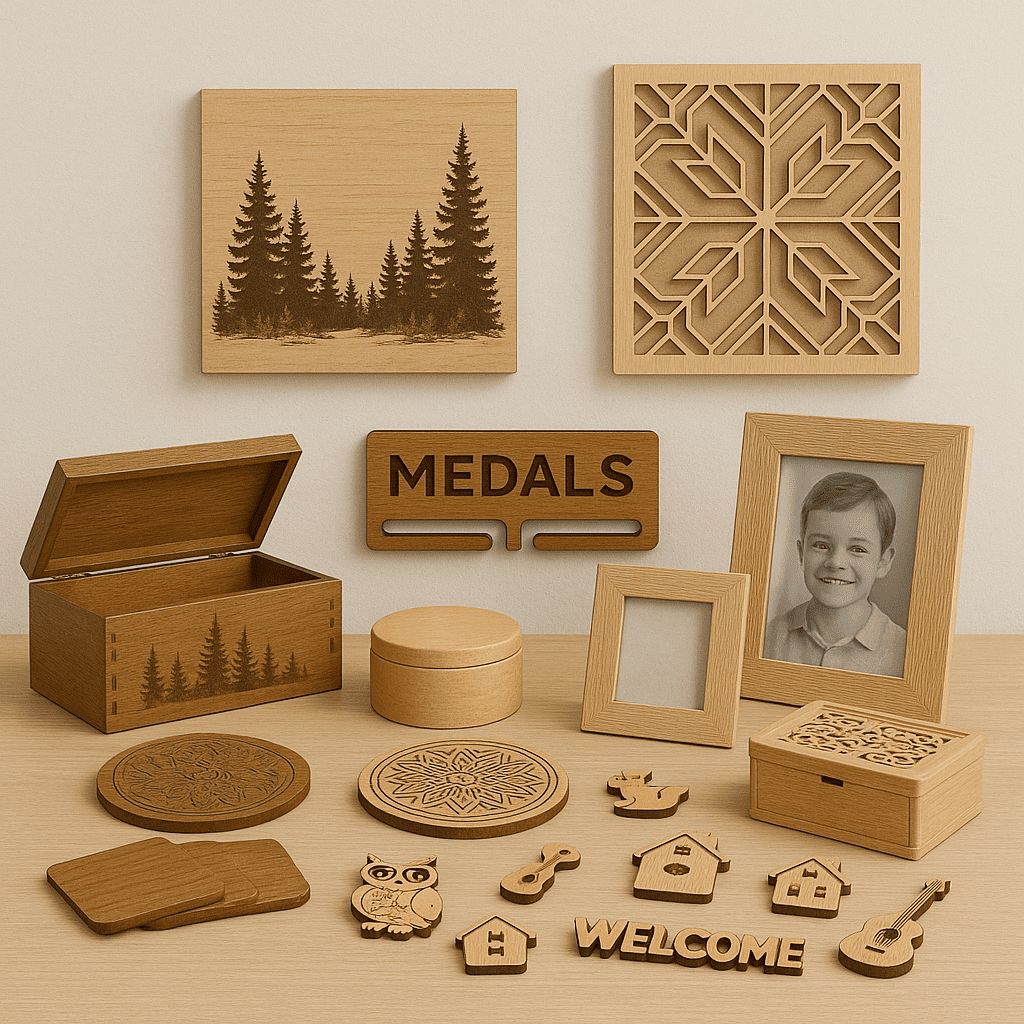
Wooden souvenirs
Wooden souvenirs are batches of wooden keepsakes for a brand or for retail: magnets, boxes, stands, photo frames, badges, awards and gift sets. Production runs from the mock-up to the finished print run with engraving, painting and packaging, precisely repeating every detail across the batch. Below: what exactly we make, of which stages an order consists, who it suits and how long it takes.
The warmth of wood in souvenir form: wooden souvenirs
Wooden souvenirs stand apart among wooden products for wholesale supply. The category is huge: from purely decorative trinkets to useful items with a twist. And people buy them not for function — for mood. A person takes off the shelf not just a coaster, but a piece of memory of a trip, a symbol of a city or a pleasant token of attention. That is why such products have their own logic: emotion matters more than usefulness.
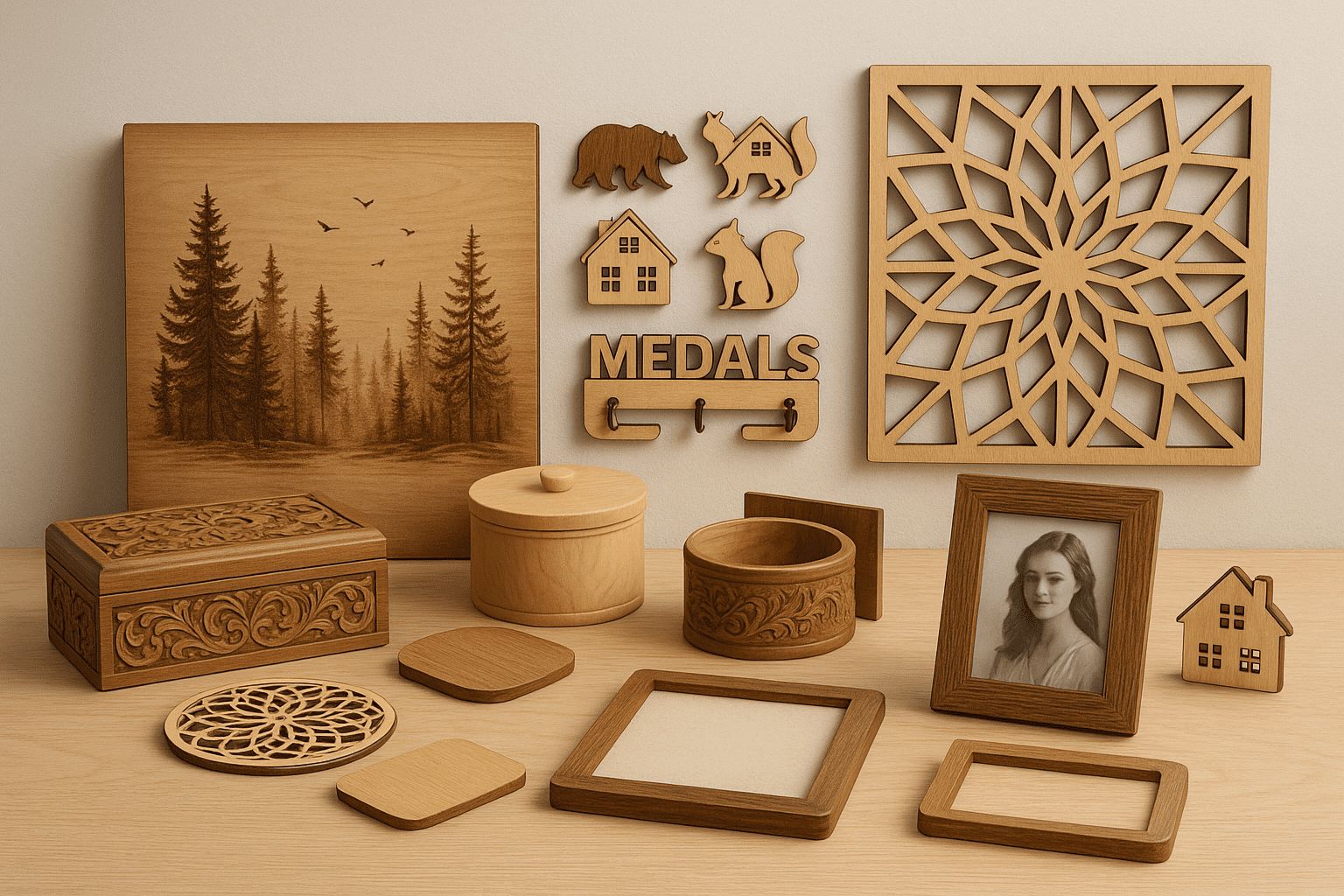
The main feature is high customisation. In a single supply, dozens of shapes, patterns and styles easily coexist. Photo frames, boxes, panels, stands, medal holders, magnets — each item is essentially a separate little art object, even if produced in a print run. Both understated shapes and complex carving, engraving, and a combination of wood with other materials are used. Two identical orders almost never happen.
For all its apparent simplicity, a wooden souvenir requires almost jeweller’s precision. Everything matters at once: the quality of the joints, the smoothness of the surface, precise proportions, the repeatability of geometry in every unit of the batch, clean lines with no chips or unfinished edges. Appearance is decisive here — it is precisely by it that the buyer decides in a second whether to take it or walk past.
Wooden souvenirs are needed by tourism, the corporate sector, the gift sphere, branded lines. In wholesale this category is convenient for its flexibility: a mass print run goes to a chain of shops and a marketplace, and a small turnkey series to a specific event or collection. Wood in this role works as a universal carrier of an idea: it takes on the image of a city, a company’s logo, and an author’s drawing.
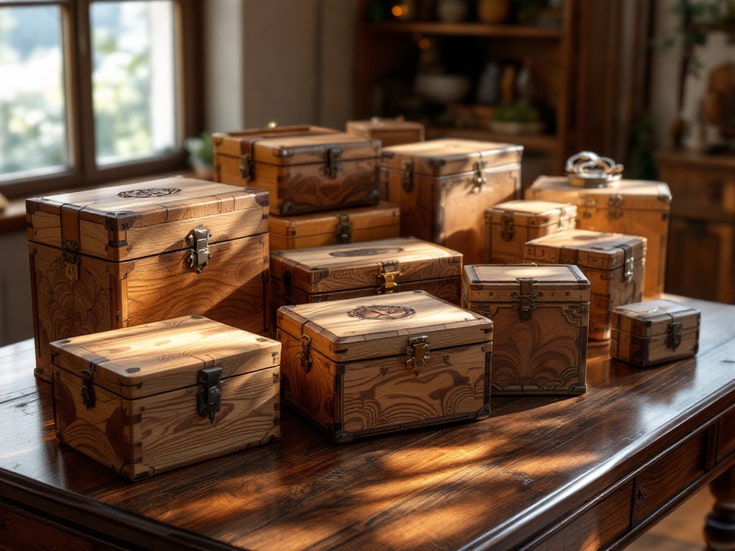
Boxes
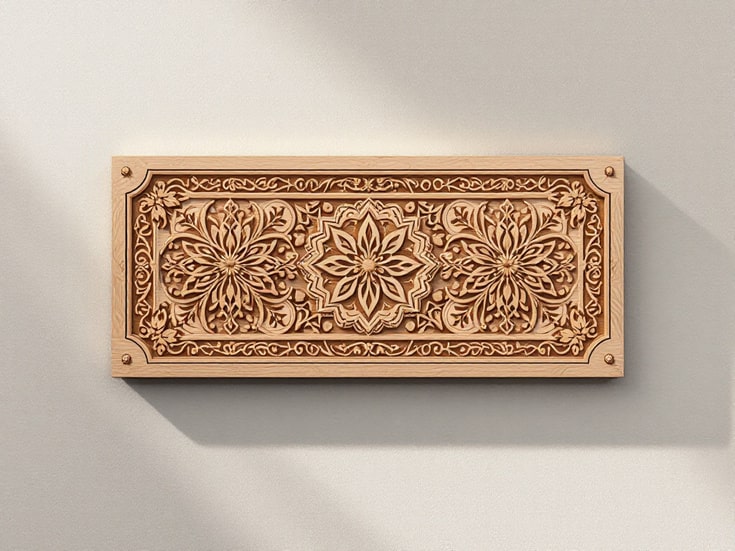
Panels
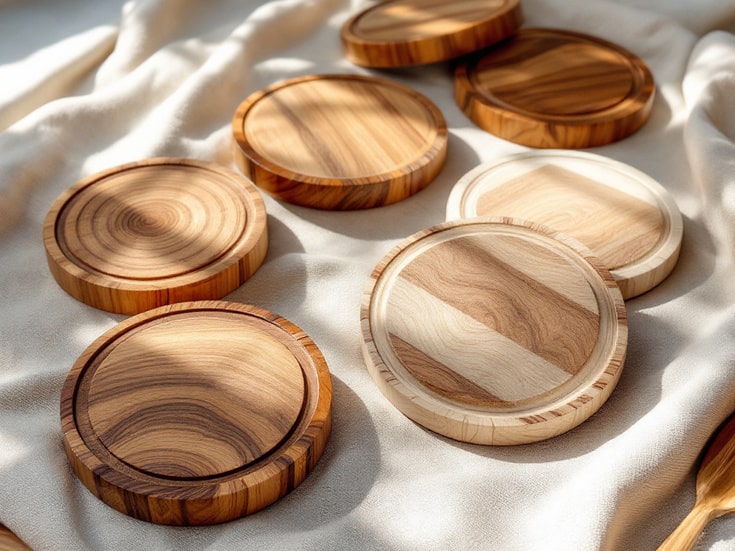
Stands
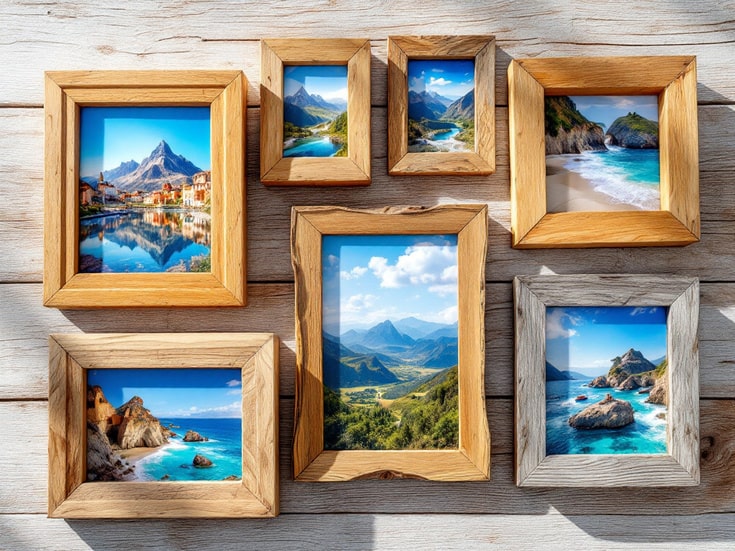
Photo frames
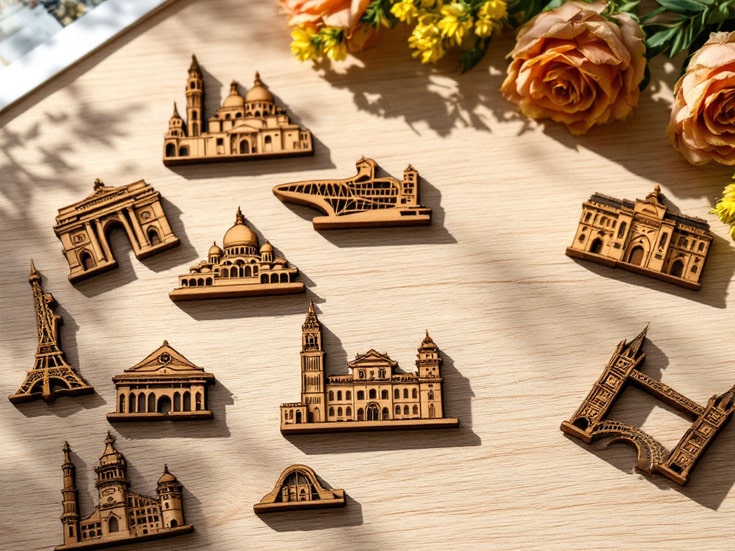
Magnets
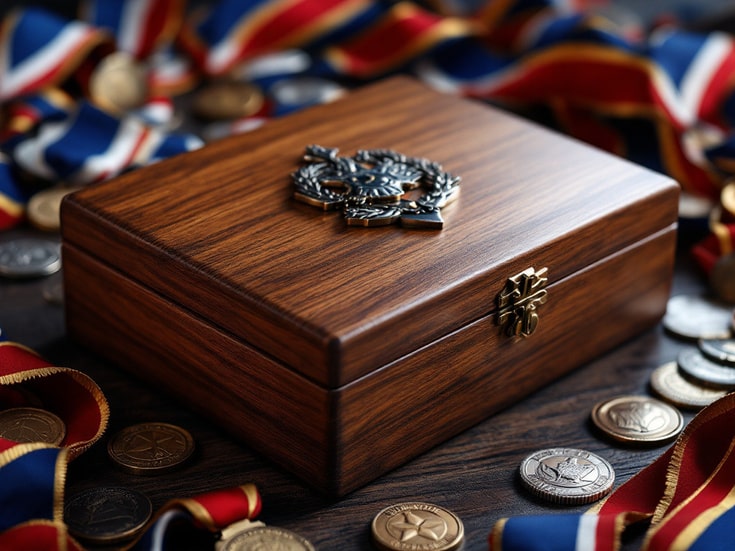
Medal holders
Mastery in the details: features of producing wooden souvenirs
A souvenir is always about aesthetics. The item must catch the eye, be memorable and convey the very idea for which it was created. Hence the requirements: careful processing of every detail, considered proportions, a clean surface. Carelessness cannot be hidden here — on a small object any flaw is as visible as on the palm of your hand.
The souvenir segment is characterised by many designs at once. Production is tuned to a specific project, and within one order different shapes and styles are calmly produced. One customer needs a strict corporate line in a single tone, another a colourful set of tourist magnets with city views. Both fit into one print run without loss of quality.
Such items are often asked to have additional decorative processing. Engraving, embossing, painting, staining, inlays of other materials come into play. It is precisely the finishing details that turn a simple wooden blank into a finished souvenir: a logo on a box, the outline of a city on a magnet, a personalised inscription on a stand. Without this step the object remains a semi-finished piece.
Packaging is also part of the product, not a trifle at the end. A souvenir is often supplied with a separate box, kraft wrapping or a gift bag — especially if it is a corporate present or an item for the gift shelf. Good packaging adds value and protects the item on the road, so it is thought through in advance, together with the print run itself.
A separate topic is seasonality. Large batches of wooden souvenirs are often tied to holidays, festivals, tourist peaks. Before New Year come Christmas tree ornaments and gift sets, for city events — themed magnets and keepsake items. Because of this it makes sense to plan orders in advance: in the hot season the queue is tighter, and manufacture needs a reserve of time.
How wooden products are manufactured
Precision and style: the production stages of wooden souvenirs
It all begins with a concept. Usually this is joint work with the customer: the idea, the souvenir’s purpose, the style, the material, the method of application are discussed. At this stage the item’s future look is born — from the overall shape to details like the placement of the logo. The more specific the inputs, the fewer corrections later.
The next step is preparing the models. A prototype is made, the assembly, joints and connections are checked, one looks at how the part looks in the flesh, not only on the screen. Often it is precisely on the sample that small things surface that one wants to correct: a wall a little too thin here, a pattern that calls for a different scale there. It is cheaper to catch this here, before launching the print run.
Then come cutting, sanding, assembly. Photo frames and stands need precise milling of the contour and grooves, boxes need neat joints with no gaps. Small parts are especially demanding: here any extra millimetre immediately catches the eye. That is why at this stage much attention is paid to the cleanness of the edge and to repeatability.
After basic assembly the artistic finishing begins. This can be painting, staining, lacquer, engraving, embossing, applying a logo. It is precisely the finish that sets the character: the same box body under a dark stain and under a light oil looks completely different. Here the souvenir finally turns from a blank into a finished product.
The whole cycle takes from a few days to a few weeks — depending on the complexity of the design, the size of the print run and the type of finish. A simple batch of magnets is made quickly, a series of boxes with engraving and gift packaging takes longer. The exact time is named for a specific order, taking into account seasonal workload.
Solutions for the customer’s goals: the benefits of custom souvenir production
Made-to-order production of wooden souvenirs gives a business room to manoeuvre. The item is fitted to the task: to the corporate style, to the theme of the event, to the shop’s range. There is no need to choose from what is in stock — the thing is created for a specific goal from scratch.
The first weighty plus of this approach is flexibility. You can take a standard shape and simply apply a logo, or you can develop a unique model for a collection. The print run is also any size: from a small trial batch to a large volume for a chain. This lets you test an idea with a small series and, if there is demand, scale up quickly.
The second plus is a quick reaction to the market. A new trend has appeared, an event is coming, a promotion has launched — a dedicated series of souvenirs is prepared for it promptly. An own mock-up and a well-oiled production give the speed you never get when buying a ready range from intermediaries.
A souvenir often plays the role of a present or branded gift, and here precision and neatness of execution are especially important. A crooked logo or an untidy joint on a gift from a company hit its own reputation. That is why such items get a stricter approach: they represent not only themselves but also the one who gives them.
The capacity allows us to produce both small batches and large volumes. This is convenient both for a small shop with a trial order and for a chain that needs a single range for all its points. The same mock-up scales to the required print run without re-shooting or reworking, and quality stays uniform across the whole volume.
The benefits of working with professionals
Modern equipment
Panel saws, CNC and milling machines — precision, speed and quality guaranteed

Extensive experience and expertise
We know how to handle wood and sheet materials — reliably, precisely, professionally

Fast order fulfilment
Fast and without compromising quality. We value your time and our commitments

A full range of services in one place
Cutting to size, sawing, milling, sanding, painting, assembly — all in-house, with no middlemen
Trusted materials and consumables
We work only with quality materials, so you can be confident in the result

An individual approach to every client
We work to your drawings, create a machining program for the task and account for every detail
Reliability in the details: the advantages of cooperation in the field of wooden souvenirs
Cooperation in the field of wooden souvenirs is built on clear interaction, predictability and attention to detail. It matters to the customer not only to get a beautiful thing but also to be confident in the timelines, volumes and stability of quality from batch to batch. These things are agreed in advance, so there are no surprises at shipment.
The key point is stability of quality. A souvenir is not an ordinary utilitarian object but a carrier of emotion and image, and inconsistency in a batch is noticed at once. When out of a thousand magnets half are slightly lighter and the logo drifts by a millimetre, the whole line suffers. That is why repeatability is kept under control at every stage.
No less important is transparency of timelines. Souvenir supplies are often tied to dates — openings, festivals, holidays — and a delay devalues the whole order. A themed magnet that arrived after the event is no longer of use to anyone. That is why the deadline is fixed in advance and planned with a reserve for seasonal workload.
Another plus is the ability to scale the order. Souvenirs are taken both in a small print run as a trial and in large volumes for a chain or a major event. A well-oiled production allows the quantity to be increased without loss of quality, and the customer to flexibly adjust the volume to real demand rather than guessing in advance.


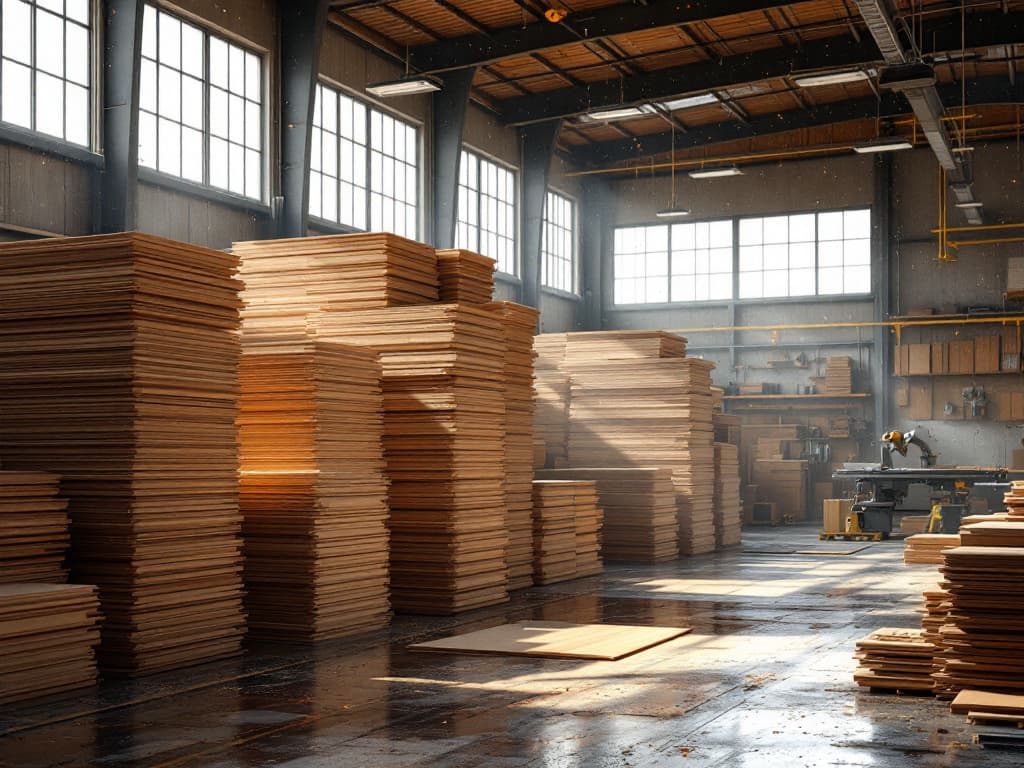

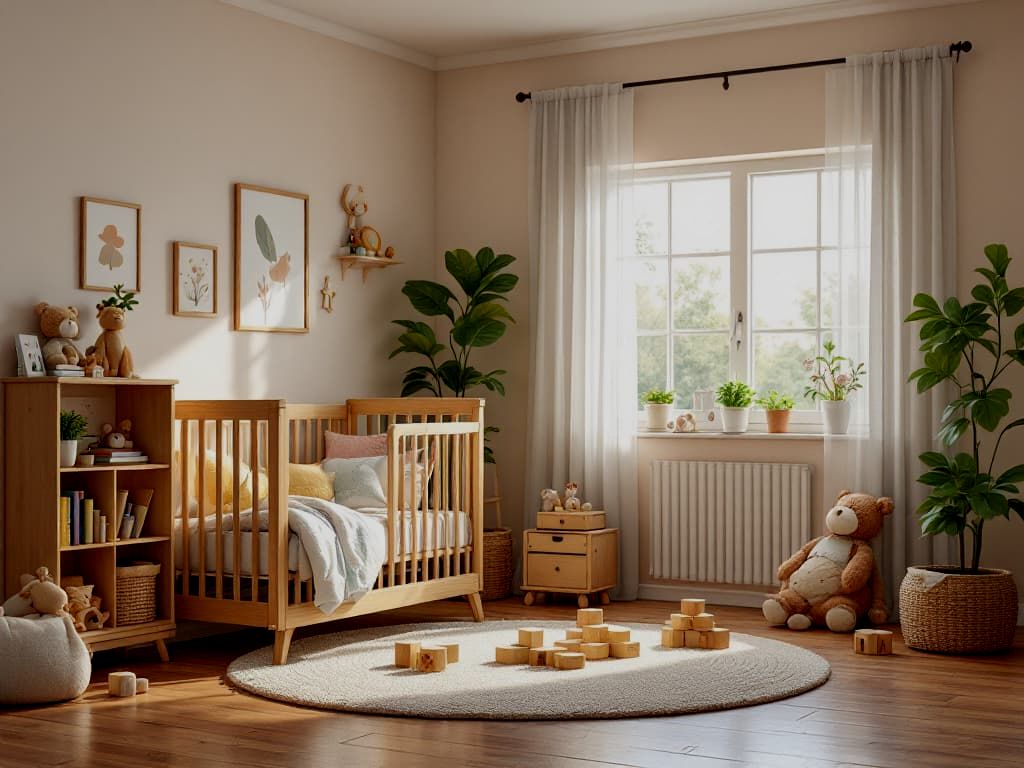
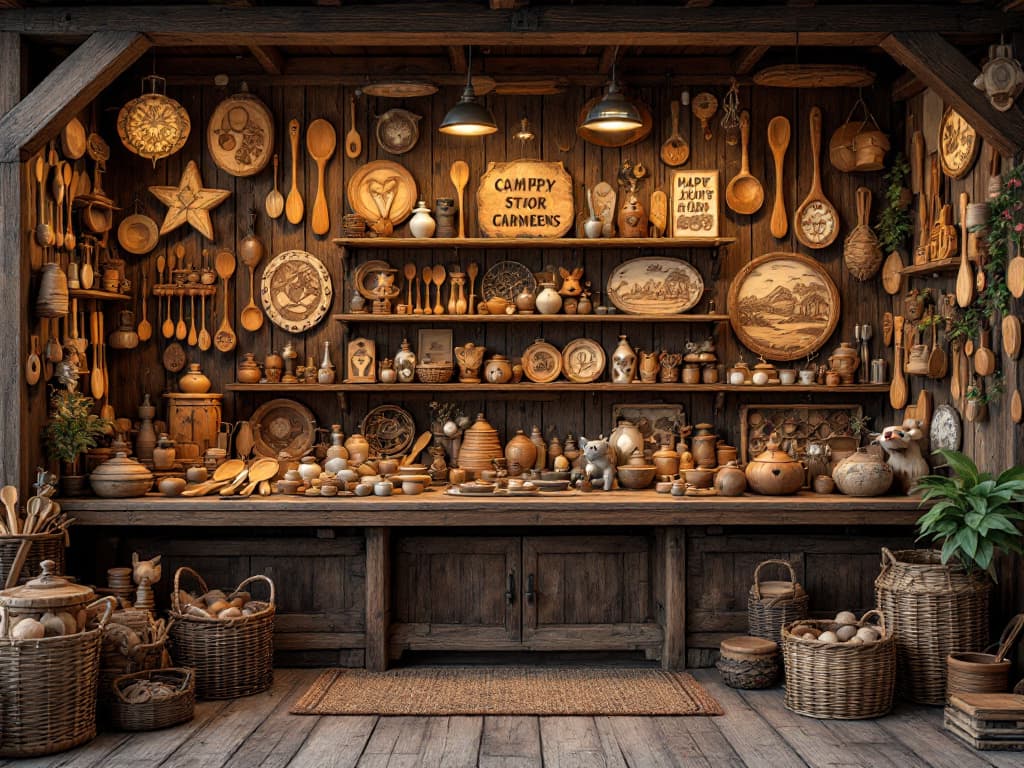

A range for any task: an overview of the directions of wooden product manufacture
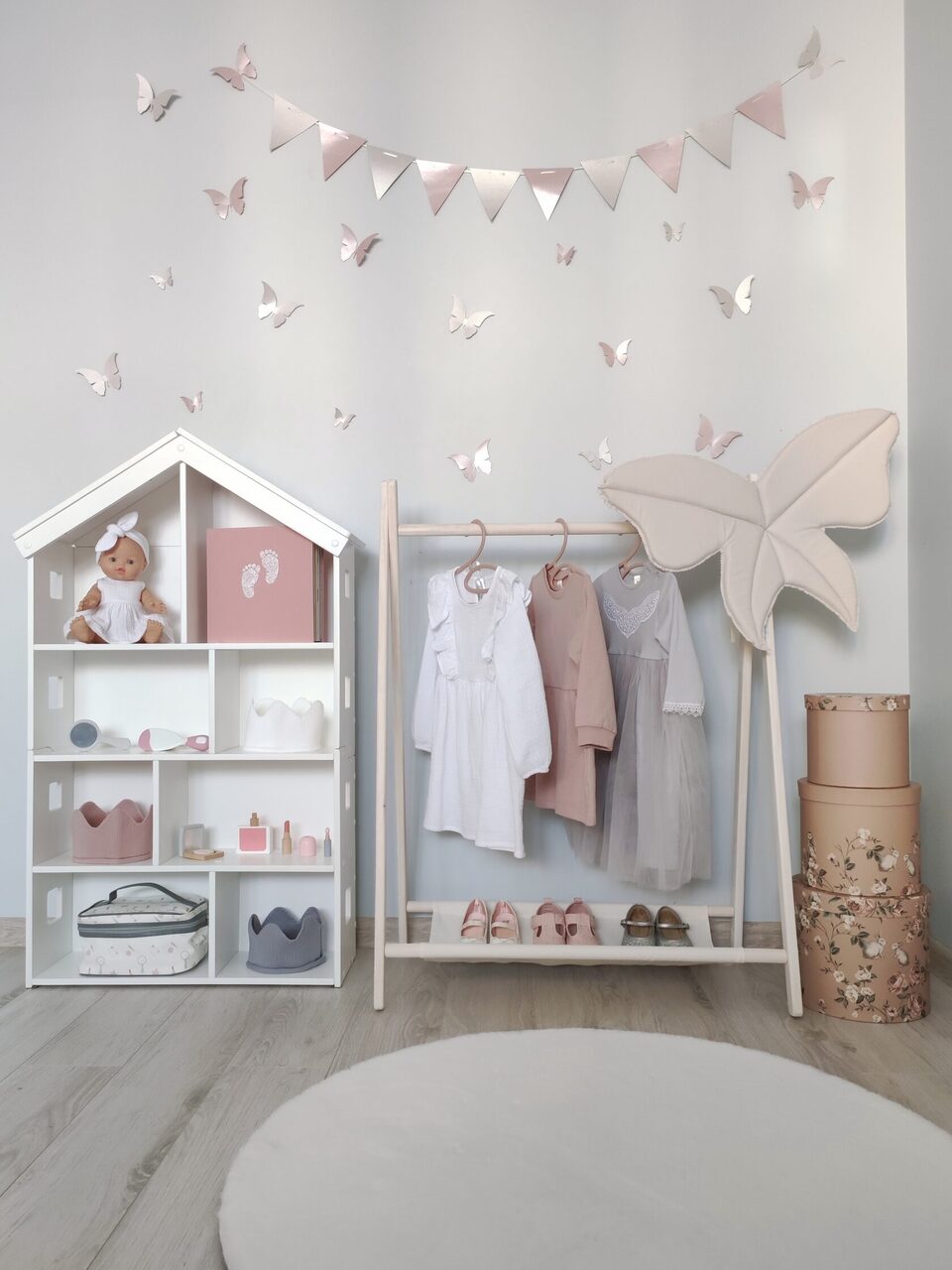
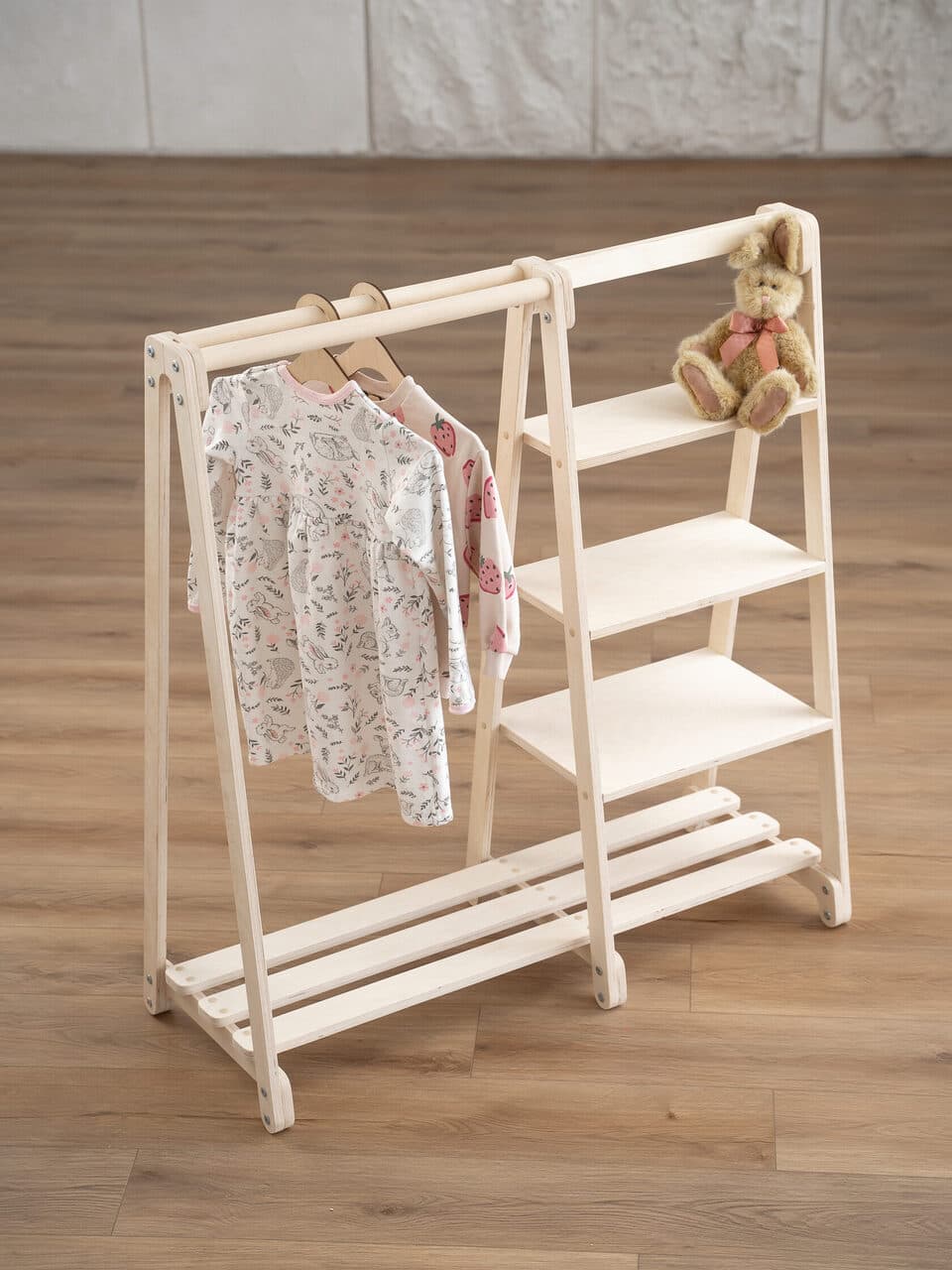
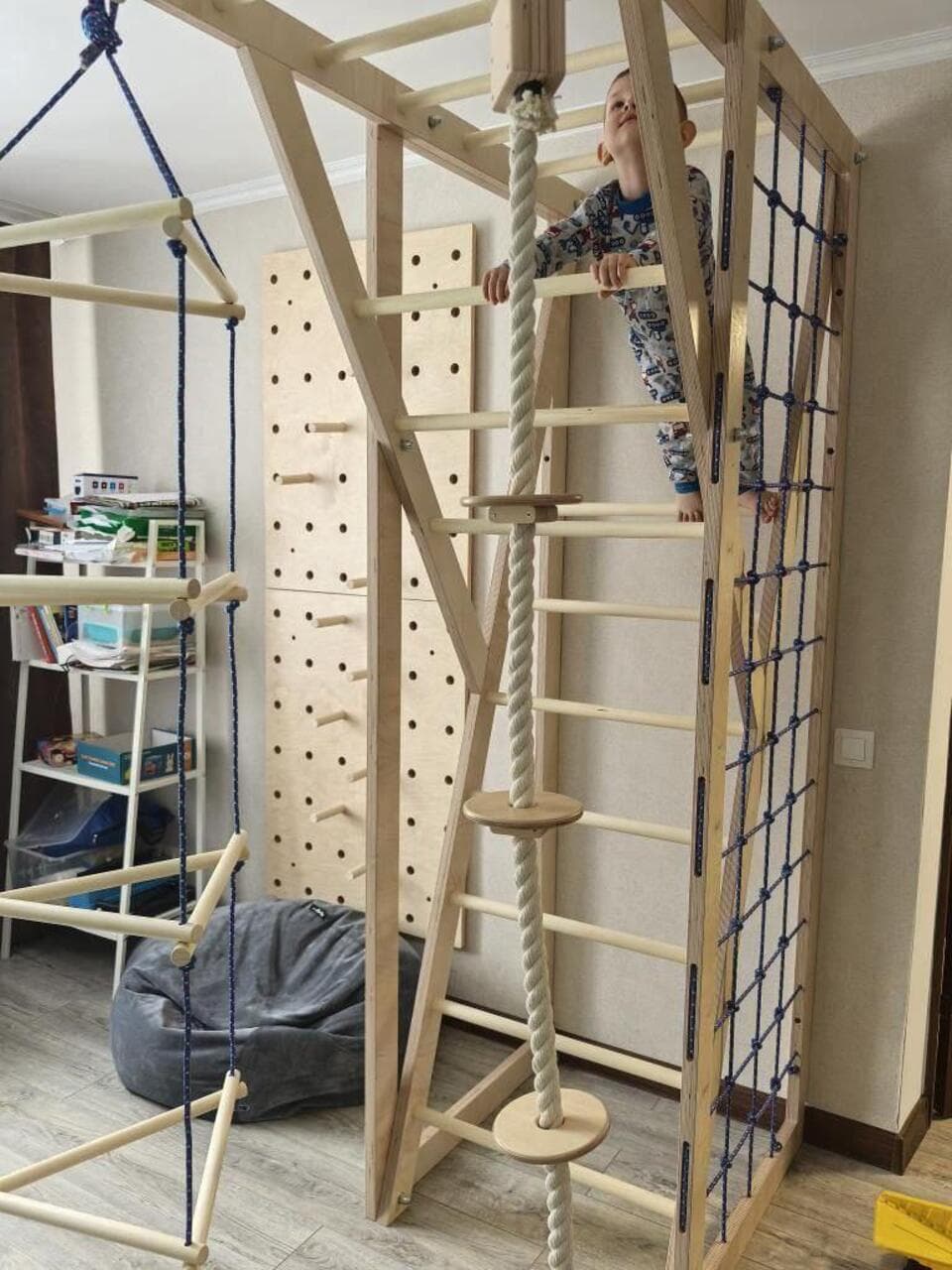
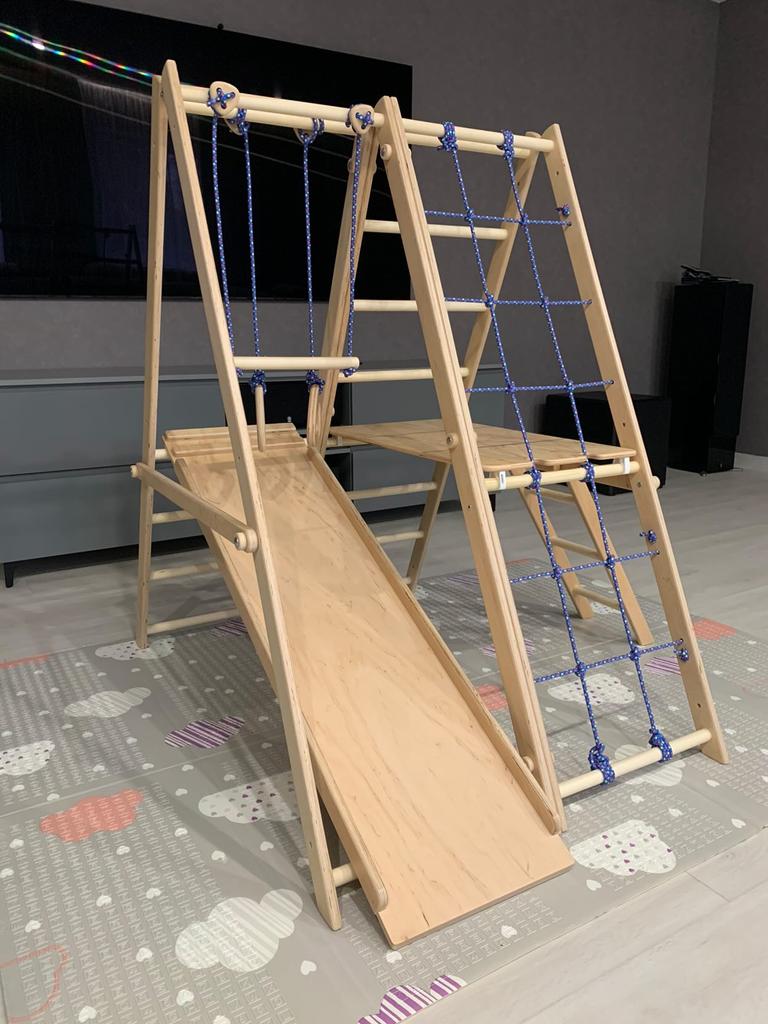
The manufacture of wooden products spans several product directions, and each has its own specifics, technology and buyer. Souvenirs here sit alongside sports, household items and pet products — they are united by the material and the approach, but each category has its own requirements for strength, processing and appearance.
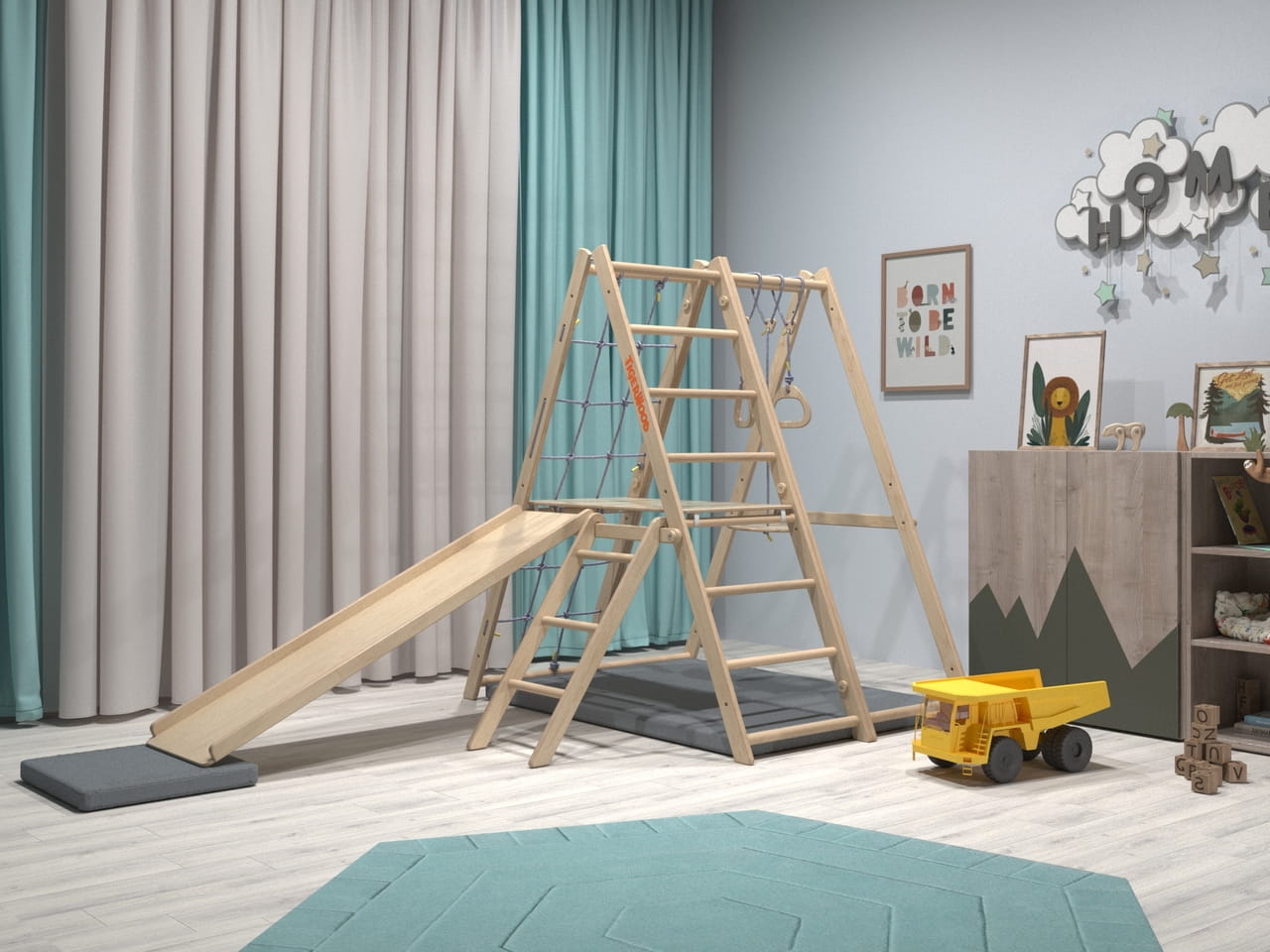
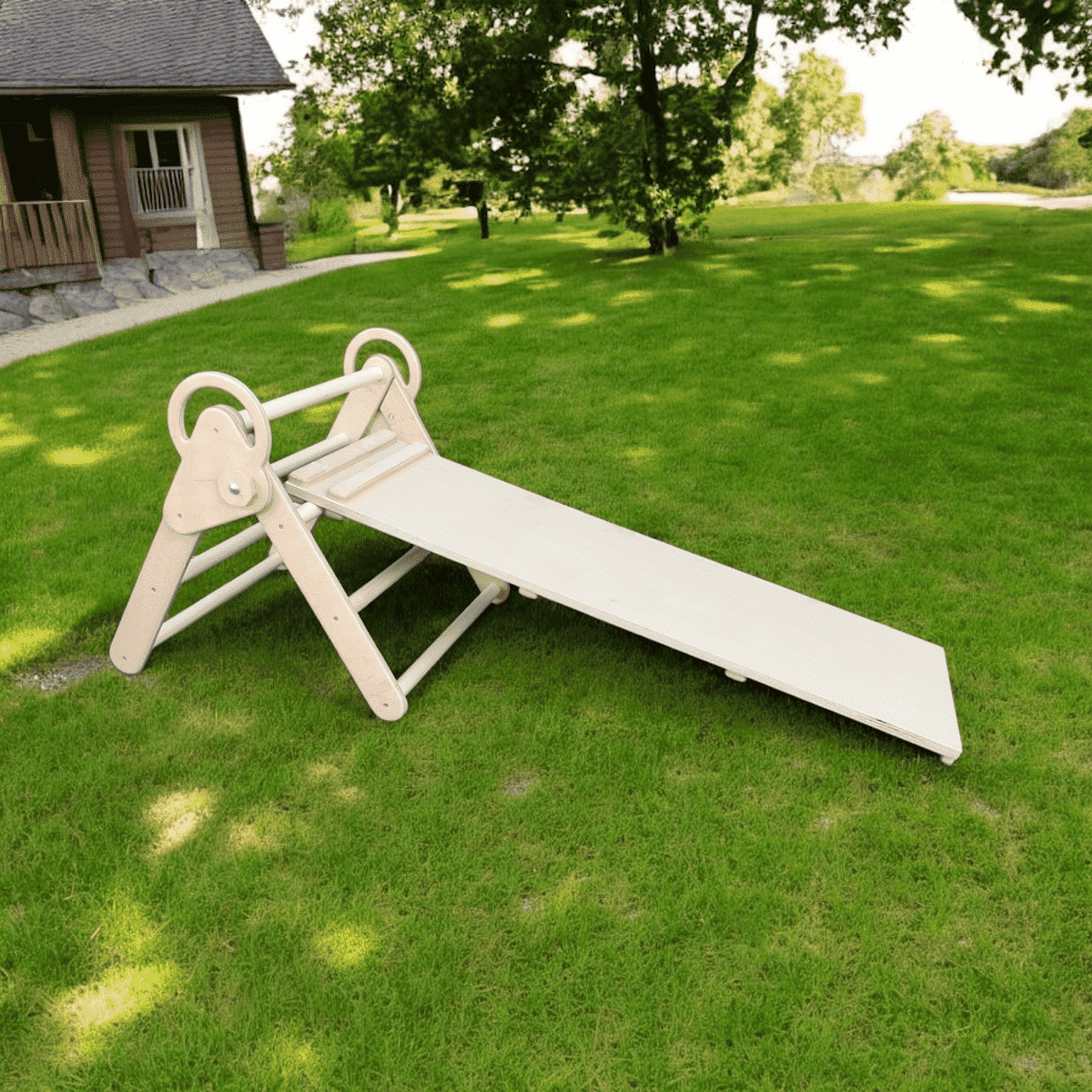
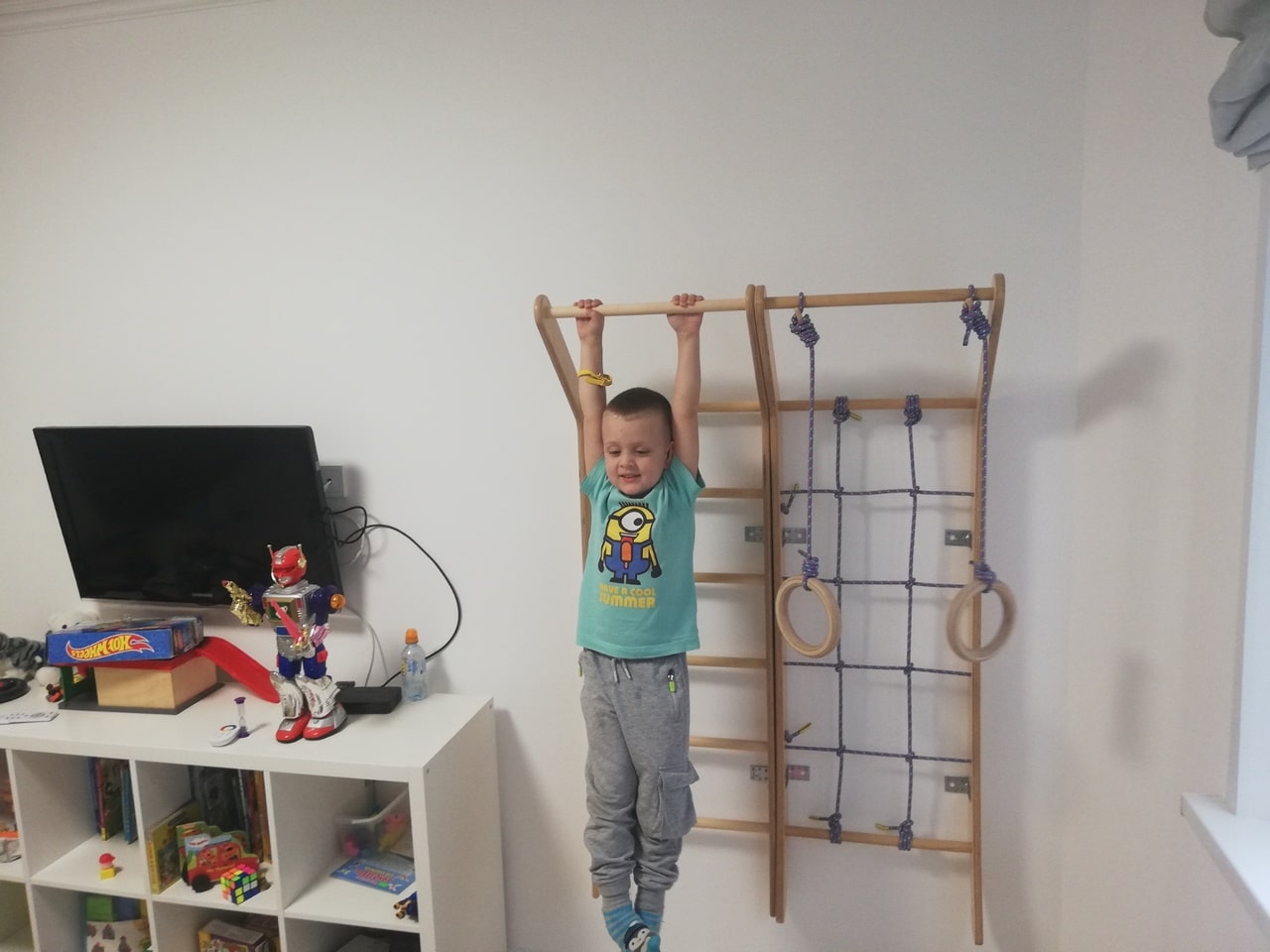
One of the directions is sports items: wall bars, rings, supports, elements of outdoor and home complexes. Here strength and safety come first, since such things bear a load. Wood of strong species is taken, carefully sanded and sealed with a coating so there are no splinters or cracking.
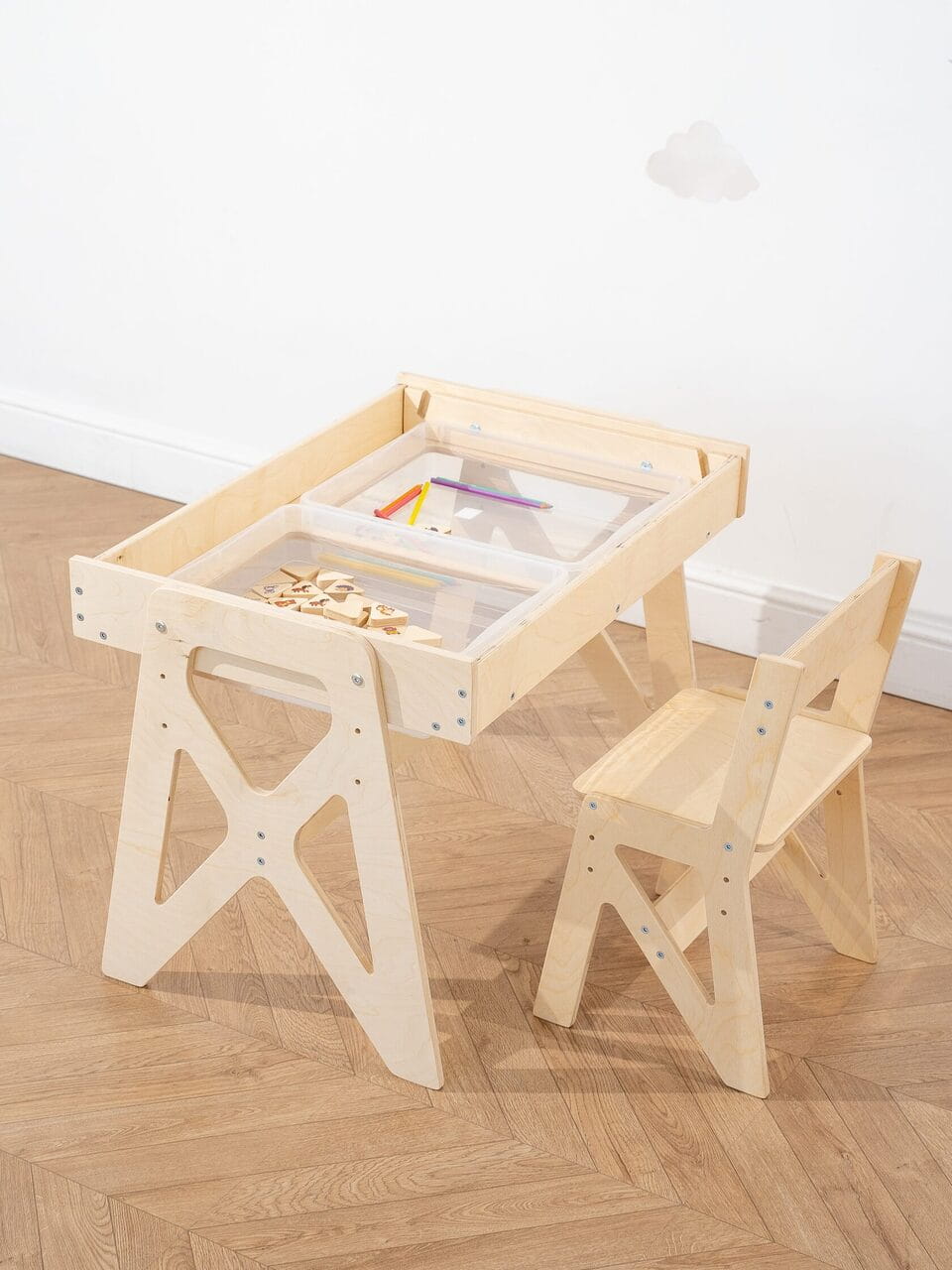
Household wooden items are another lively block: drying racks, hangers, stands, crates, boxes and other utensils for home and country house. Here practicality and wear resistance are valued. The thing must withstand daily use, moisture, weight, so the emphasis is on a reliable structure and a durable coating.
A separate direction is items for animals: kennels, houses, beds, ladders, play complexes. The material is chosen to be safe, without toxic impregnations, with a smooth finish and no sharp edges. A pet is in constant contact with the item, so the requirements for eco-friendliness and quality of finish are especially strict here.
The souvenir line is also actively developing: photo frames, magnets, boxes, stands, panels, awards and keepsake items. This is the most “emotional” category, where appearance and personalisation are decisive. It is precisely souvenirs that most often go with engraving, a logo and in gift packaging.
Each direction has its own technology, type of processing and method of packaging. But at the core of all of them lies a common foundation: precise cutting, neat assembly, quality finish and control of every unit. Thanks to this one production covers different product groups without losing in quality in any of them.
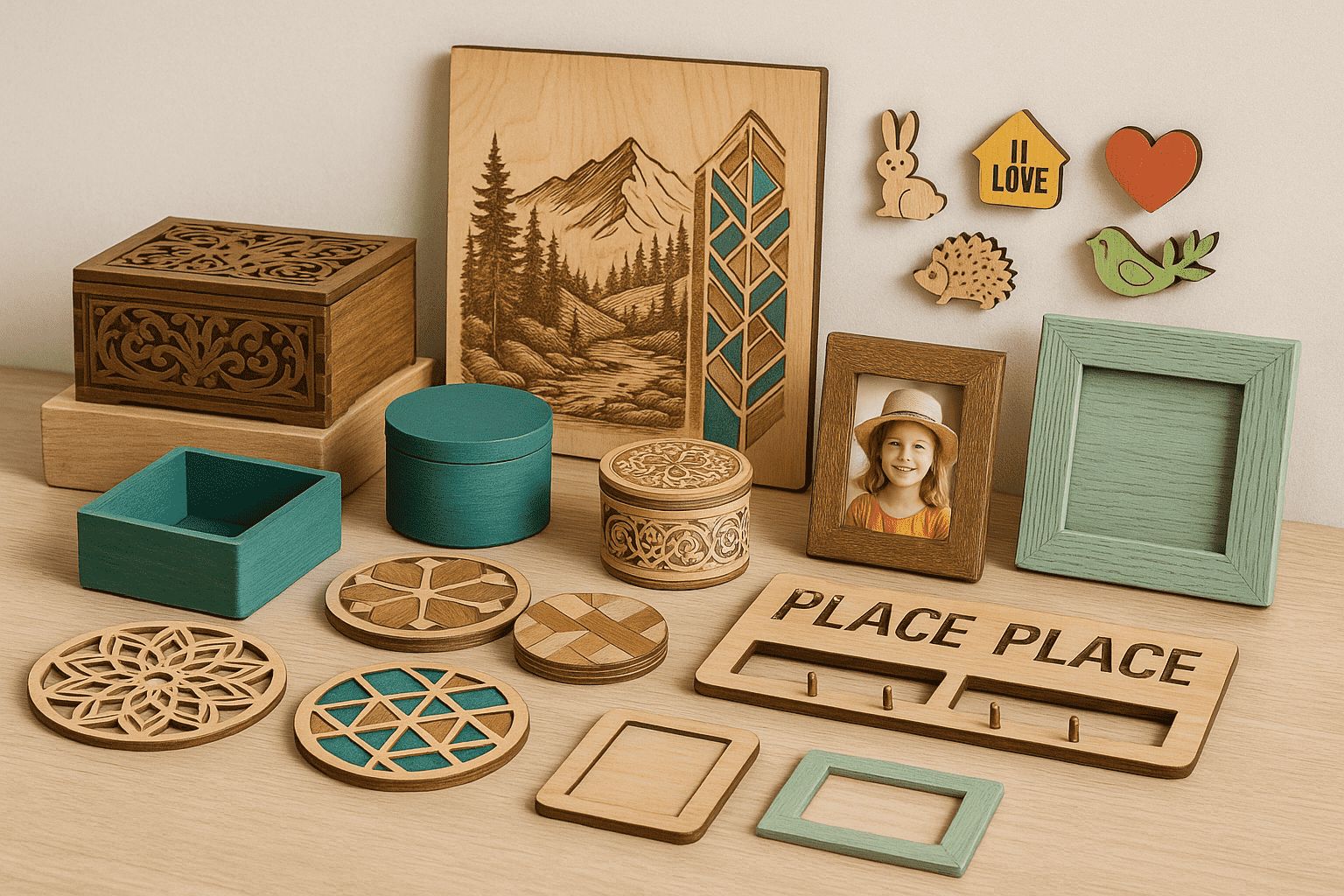
Our portfolio — finished products


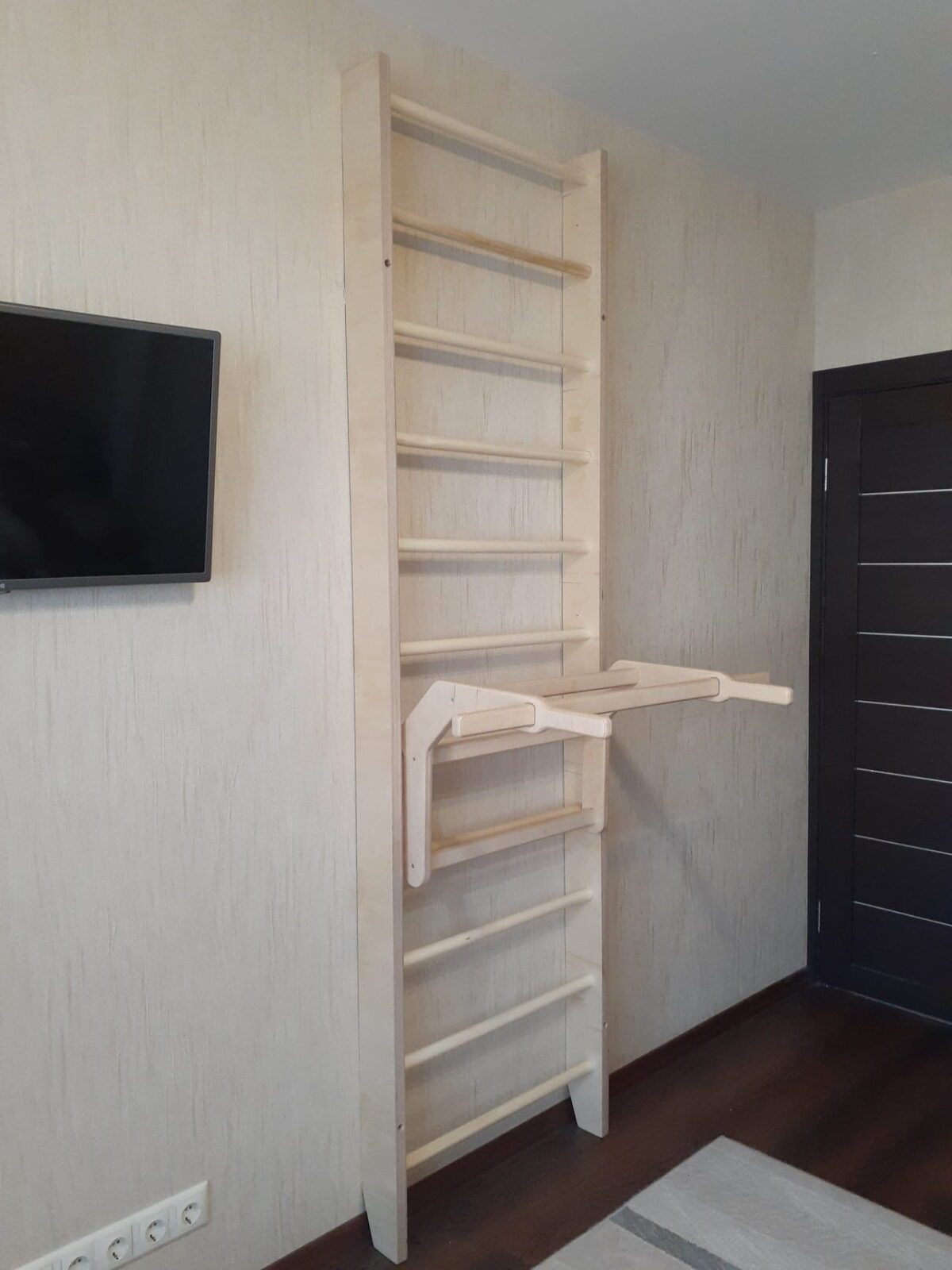
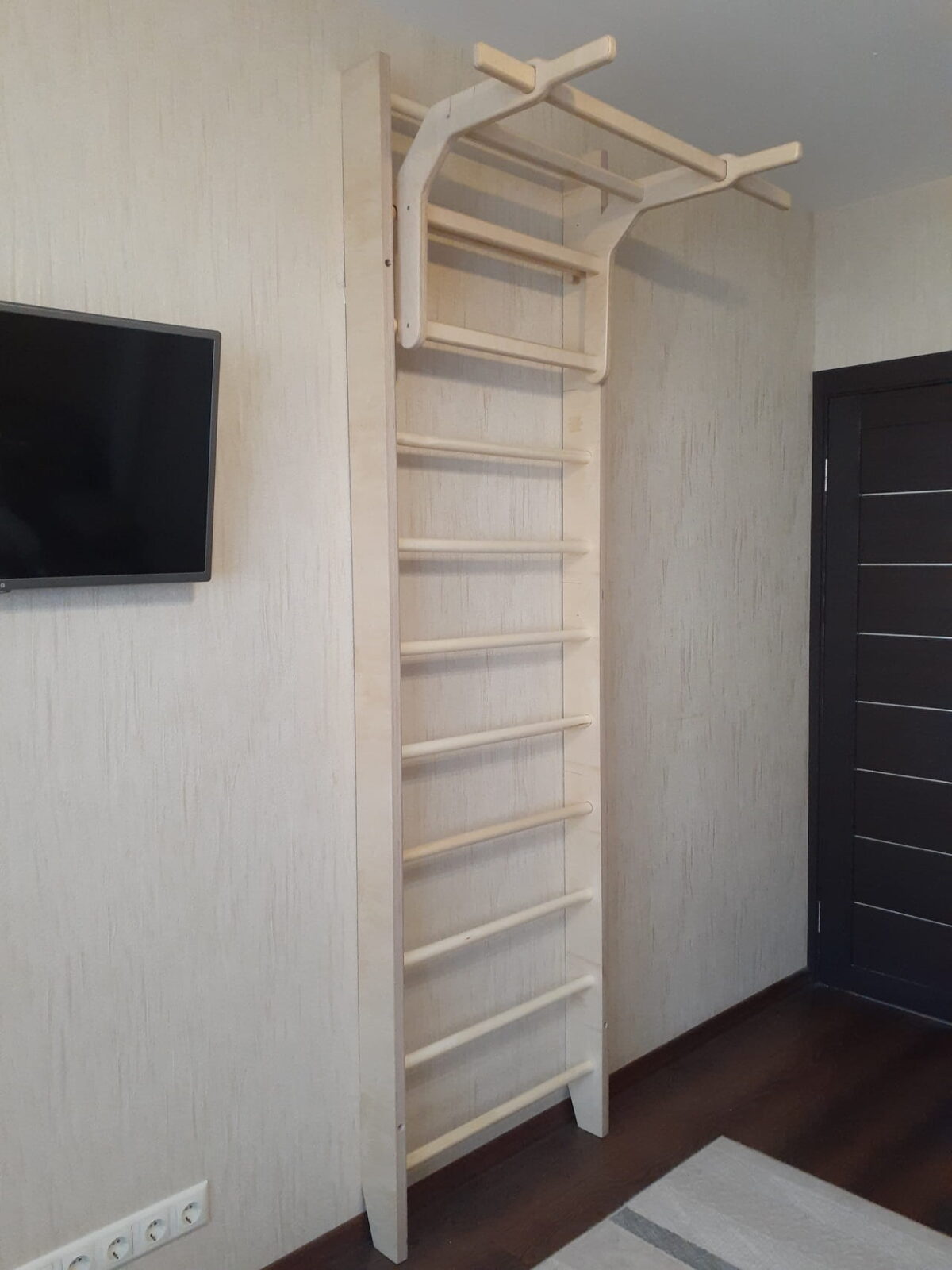
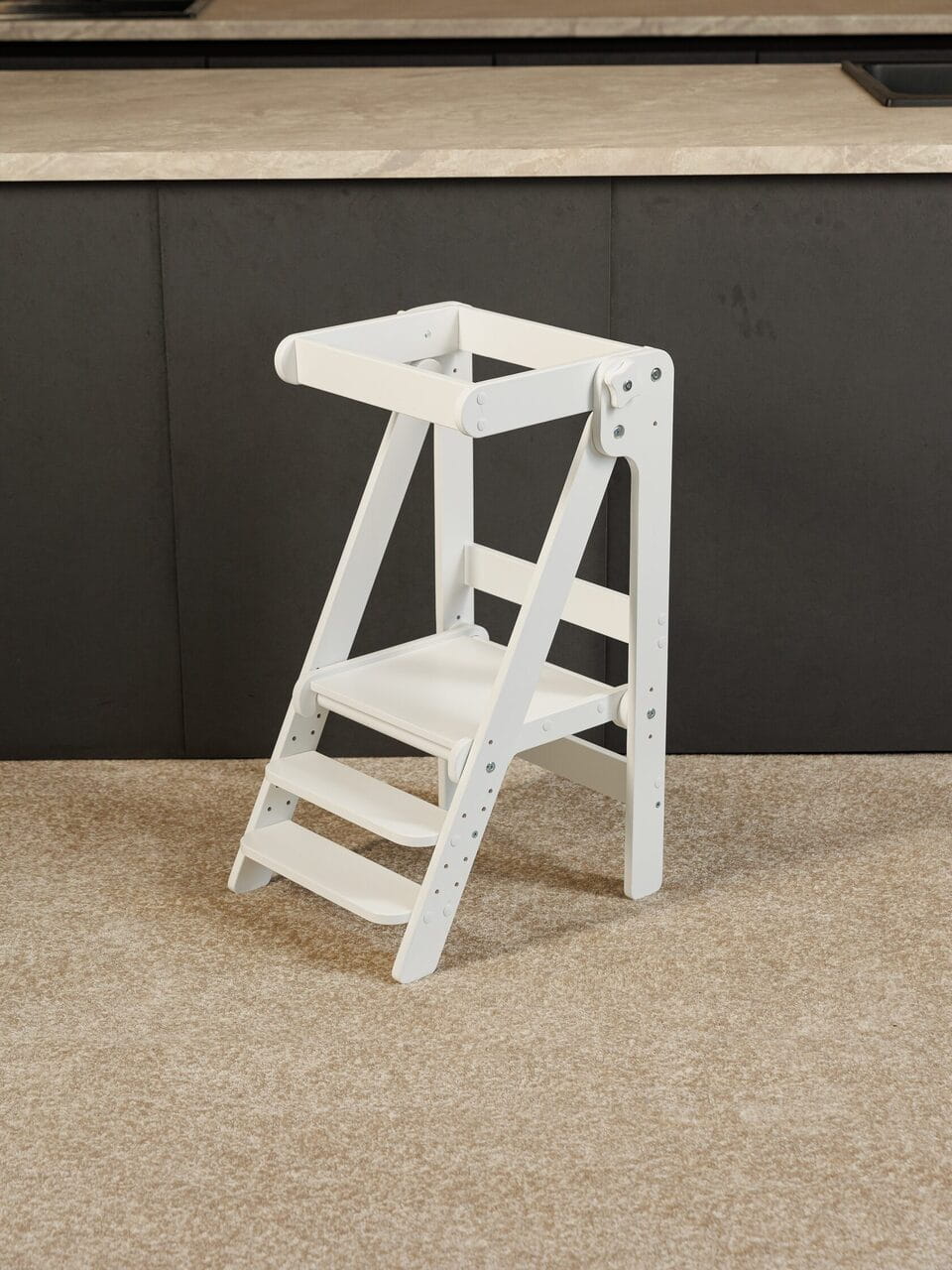
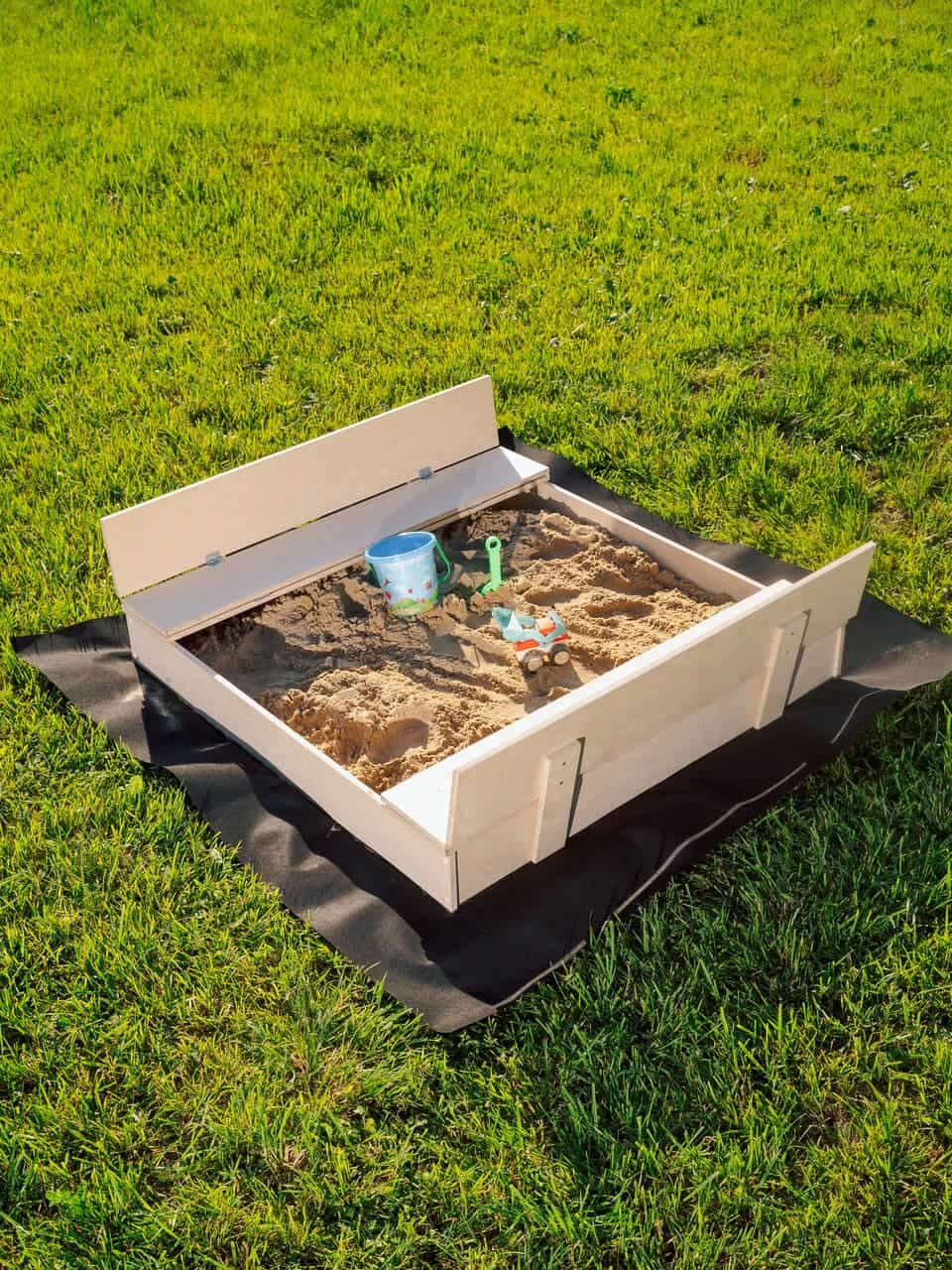






Realised ideas: examples of completed orders for wooden souvenirs
Behind our work with the souvenir category are dozens of realised projects, from small trial series to large print runs for a chain. Below are a few examples that give an idea of what tasks are covered and what the result looks like.
One of the popular formats is photo frames. For one of the projects we produced a batch of frames from birch plywood with engraving and soft rounding of the corners. The task was to get identical neat items in a large print run, with a clean edge and an even tone across the whole series — and this was handled without inconsistency.
Another example — a series of boxes for the gift packaging of jewellery. The order included applying a logo and a delicate finish under the brand: precise dimensions for the insert, neat hinges, a smooth surface for the coating. Such items work for the mark’s image, so the details were treated fastidiously.
An interesting case — tourist magnets for a region with a large flow of visitors. The basis was contour images of local landmarks. The print run was large, and the main challenge was to hold uniform quality across the whole volume: so that the hundredth magnet differed from the first neither in shape nor in tone.
We also made medal holders for sports tournaments — with competition logos, a non-standard suspension shape and the possibility of personalisation. Here it was important to combine the strength of the structure with a neat appearance: the thing is both functional and commemorative, so carelessness in the finish is inadmissible.
The examples show that a souvenir is not just an object but a reflection of an event, a brand, a territory. In each case not only the appearance matters but also the story the item conveys.
Who uses a carpentry workshop’s services

Furniture makers

Interior designers

Advertising companies

Exhibition stand builders

Art studios

Cafés and restaurants

Construction firms

Retail equipment manufacturers

Furniture factories

Private craftsmen

Custom orders

Manufacturing companies

Museums and exhibition halls

Architects

Theatres and film studios

Educational organizations

Children’s products manufacturing

Repair specialists

Online stores

Sole proprietors
Customers for wooden souvenirs: who chooses turnkey production
The circle of buyers of wooden souvenirs is broad and varied. Orders come from big business, from small private initiatives, and each has its own task. Someone needs a corporate gift, someone an item for the shelf, someone a keepsake for an event. For each scenario a suitable format and print run are chosen.
Large online shops and sellers bet on unusual, aesthetic products that stand out in search results and in photos. A wooden souvenir with engraving looks pricier than a plastic analogue and sells better as a gift. For such customers a stable range and the ability to quickly repeat a successful item matter.
Tourism companies, museums and regions with active tourism order magnets, boxes and items with local symbolism. For them a souvenir is a way to take away a piece of a place. Here recognisable images, neat engraving and large print runs for the season, when the flow of visitors is at its peak, are valued.
Event organisers and companies order medal holders, keepsake gifts, personalised souvenirs. Such things are handed out at conferences, tournaments, anniversaries, and they stay with the recipient for a long time as a reminder of the event. That is why personalisation, decent packaging and precise hitting of the deadline matter to them.
Retail chains and outlets in the gift segment look for universal products for various occasions: photo frames, boxes, stands, decor. They need a fast-moving range that sells steadily year-round and a reliable supplier able to promptly restock popular items without interruptions.
Another group of customers are companies that pack and sell products under their own brands. They need items without labelling or with the ability to apply their logo, so as to fit the souvenir into their line. For such partners a clean blank, stable quality and flexibility in volumes matter.
Wooden souvenirs: a guide to production and sales
What the souvenir category includes
Wooden souvenirs are a special segment where not so much function as impression matters. The category includes decorative and keepsake items: magnets, boxes, panels, stands, awards, Christmas tree ornaments. They are united by one thing — they exist for emotion, not for utilitarian benefit, and are judged first of all by the eye.
The production approach to souvenirs
Making such products requires both technology and a creative approach. Engraving, carving, a combination of wood with other materials, and hand finishing often come into play. The standard machine set is here supplemented with artistic finishing — it is precisely that which turns a precise blank into a souvenir with character.
The capacity and flexibility of processes allow us to take on orders of any complexity. A dedicated technology is chosen for each souvenir: somewhere neat laser engraving is enough, somewhere three-dimensional milling and multi-layer painting are needed. Thanks to this, both simple mass items and complex author’s pieces are realised.
Where wooden souvenirs are in demand
The main buyer of wooden souvenirs is business: retailers, sellers, trademarks, organisations, municipalities, event agencies. Private orders exist too, but wholesale sets the tone. For business such a souvenir is a working tool: it sells, is given as a gift, works for brand recognition.
Wooden souvenirs are especially appropriate where visual effect and aesthetics are valued. Gift shelves, tourist stalls, corporate sets, branded merch — everywhere an object should not merely perform a function but make an impression and be memorable. That is precisely the strength of wood as a material for souvenirs.
A catalogue of popular wooden souvenirs
To make it easier to gauge what exactly can be ordered, here is a summary of popular items. The list is not exhaustive — rather it shows how varied wooden souvenirs can be and for what tasks they are taken on. Almost any of these things is made both in a basic form and with personalisation for a brand or an event.
| Item | Common material | Typical finish |
|---|---|---|
| 🧲 Magnets | Birch plywood | Engraving, painting |
| 🎁 Boxes | Plywood, solid wood | Staining, lacquer, logo |
| 🖼️ Photo frames | Plywood, solid wood | Rounding, engraving |
| 🏆 Awards and medal holders | Plywood, solid wood | Engraving, suspension |
| 🥂 Stands | Solid wood, plywood | Sanding, oil |
| 🎄 Christmas tree ornaments | Thin plywood | Contour cutting, painting |
| 📛 Badges and keyrings | Plywood | Laser engraving |
If the item you need is not in the table, that is no reason to be disappointed — a non-standard shape is precisely the most interesting. It is enough to describe the idea and purpose, and the material, method of processing and finish will be selected for it. Often out of a simple conversation is born a thing that none of the competitors has.
Engraving and personalisation
Personalisation is what a wooden souvenir is most often ordered for. A company logo, a city outline, the recipient’s name, the date of an event — it is precisely these details that turn a faceless blank into a thing with an address and a meaning. Wood holds engraving excellently: the lines come out crisp, and the mark itself does not wear off over time, as happens with printing on plastic.
There are several methods of application, and the choice depends on the material, the print run and the desired look. Engraving gives a neat contrasting mark and reads well even on small badges. Embossing works where relief without burning is needed. Painting and hand-painting add colour. The techniques are often combined: for example, an engraved outline of a landmark plus a light tinting of the background. Within one batch the drawing is repeated identically on every unit, which is critical for corporate orders.
One practical point worth knowing in advance: very small text and thin lines on a coarse texture read worse than on a smooth light surface. That is why for complex engraving birch plywood is often recommended — it gives an even light background and clean contrast. Such nuances are usually discussed at the mock-up stage, so the result does not disappoint after the print run.
Materials for souvenirs and their character
The appearance, the price and how the finish will lie all depend on the choice of material. Birch plywood is valued for its light even tone and clean engraving, oak or beech solid wood for its noble texture and the weight that gives the item a sense of expensiveness. Each option has its own niche, and there is no universal “best” here — there is the one suited to a specific task.
| Material | What it is good for | Where it is appropriate |
|---|---|---|
| 🪵 Birch plywood | Light tone, clean engraving, inexpensive | Magnets, badges, mass print runs |
| 🌳 Oak / beech | Density, texture, solid look | Awards, premium boxes |
| 🌲 Pine | Lightness, warm shade, affordability | Decor, large items |
| 🍶 Ash | Expressive grain, strength | One-off author’s pieces |
If the choice of material raises doubts, it is easier to describe what the souvenir should turn out like and in what price segment it sells. It often turns out that expensive solid wood is not needed in a specific case, while neat plywood with good engraving looks no worse and noticeably lowers the print run’s cost. Such a calculation is done before launch, so that budget and result meet.
Corporate gifts and branded merch
A separate large layer of orders is corporate. Companies take wooden souvenirs for conferences, anniversaries, for clients and employees, into corporate gift sets. Wood here works for the brand’s image: it is perceived as a natural, “warm”, non-disposable material, which means the gift too reads as considered rather than perfunctory.
The key requirement of a corporate order is flawless execution and a single standard across the whole batch. The logo must sit evenly on every unit, the tone must match, the packaging must look decent. A crooked print or a chip on a gift from a company hits its reputation harder than the absence of a gift altogether. That is why such print runs get a stricter approach and tighter control: the whole batch is checked, not a sample.
It is convenient that the base item can be obtained in advance and the branding added for a specific promotion. This helps agencies and companies that work for several clients: they keep a neutral blank and apply the logo to order. This shortens the timeline and there is no need to start production from scratch each time.
Print runs and what the price is made of
The question of cost without details usually stays without a precise answer, and that is honest. The price of a souvenir batch is assembled from several components, and each can be estimated in advance. Understanding this arithmetic helps you not be surprised by the estimate and see in advance where you can really save.
- 🔢 Print run. The larger the batch, the lower the price per piece thanks to tooling and layout.
- 🧩 Complexity of the shape. A simple contour is cheaper than a figured item with fine carving.
- 🖋️ Finish. Engraving, painting, staining, combining — each layer adds to the price.
- 🧱 Material. Plywood is more economical than oak solid wood at a comparable look.
- 🎀 Packaging. An individual gift box is dearer than a group one.
- ⏱️ Urgency. Work outside the general queue in the peak season is counted separately.
The simplest way to lower the cost without loss of quality is to settle the mock-up in advance and not leave the order to the last moment before the season. Rework due to an imprecise mock-up and rush deadlines are exactly what add to the estimate the very percentages you wanted to avoid.
Souvenir packaging
Packaging for a souvenir is not a trifle at the end but part of the impression. A beautiful box or kraft wrapping adds perceived value to the item and often decides whether the gift is bought or not. For corporate sets packaging is downright obligatory: it sets the tone even before the recipient sees the souvenir itself.
There are several options — from simple group packaging for retail display to an individual gift box for a specific item. At the same time packaging performs a utilitarian task: it protects the souvenir on the road, so the engraving does not get scratched and the corners do not get crushed when a large batch is sent. The format is agreed in advance, together with the print run itself, so that everything arrives intact and in presentable condition.
Lead times by order type
The exact date is always calculated for a specific order, but from experience there are clear benchmarks. They help with planning — for example, to understand whether a batch will make it to an exhibition, a holiday or the tourist season. What usually takes longest is not the cutting itself but the finishing and the drying of the coating, so for complex items it is worth allowing a reserve.
| Order type | Lead-time benchmark | Example |
|---|---|---|
| 🧲 Simple batch | from 5 working days | Magnets with engraving |
| 🎁 Item with finishing | 1–2 weeks | Boxes with a logo |
| 🏆 Complex print run | 2–3 weeks | Awards and gift sets |
| 🎄 Seasonal large volume | by agreement | A New Year series for a chain |
If the order is tied to a date, it makes sense to get in touch in advance and leave a reserve, rather than bringing the mock-up “for the day after tomorrow”. In the peak season the queue is tighter, and haste hits the quality of the finish. A calm schedule almost always gives a better result than a race in the final days.
Frequent customer mistakes
Most mishaps happen not at the machine but at the task-setting stage. Here is what most often prevents getting a souvenir batch right the first time — and what is easy to foresee.
- ❌ A logo too small. On a small magnet thin lines merge — the mock-up should be checked at real size.
- ❌ An order right up against the date. The season and drying do not speed up at the snap of a finger, and quality suffers.
- ❌ No approved sample. Without a prototype small flaws surface only on the print run.
- ❌ Saving on packaging. A good souvenir in a crumpled box loses half its effect.
- ❌ Texture not accounted for. Complex engraving on a dark coarse surface reads worse than on a light smooth one.
It is no big deal if some of this was not accounted for — that is what the dialogue before launch is for. A good production asks these questions itself before the print run, not after, when fixing is already costly and slow.
Wood versus plastic and metal
A souvenir can be made from anything, but wood wins where the impression matters. Plastic is cheaper in bulk but reads as disposable and does not carry that tactile warmth. Metal is solid but cold and dearer to process in small forms. Wood, on the other hand, combines naturalness, a pleasant texture and an adequate price — and that is precisely why a wooden magnet or box is perceived as a more “valuable” gift than their plastic analogues.
There is a practical side too. Wood takes engraving and painting excellently, combines easily with other materials, is eco-friendly and pleasant in the hand. For the gift and tourist segment, where emotion is decisive, these qualities outweigh. Where absolute moisture resistance or an ultra-low price at huge print runs is needed, wood yields — and this is honestly stated at the choice stage.
How to prepare a mock-up
A good souvenir starts with a clear mock-up. The clearer the source data, the fewer corrections and the more precise the result. A little preparation on the customer’s side saves time for both sides.
- ✏️ Describe the item: what it is, where it will be sold or to whom it is given.
- 📐 Attach dimensions or a reference — even an approximate one.
- 🖋️ Send a logo or drawing in vector form if engraving is needed.
- 🎨 Decide on the material and finish, or ask for advice.
- 🔢 State the print run — the price and time depend on it.
- 🎀 Mention the packaging and the date, if the order is for an event.
You do not have to come with a ready tech pack — half the orders start with the phrase “I want something like this, help me figure it out”. The production’s task is precisely to translate the idea into a mock-up and a technology. But the more inputs at the start, the shorter the path to the finished print run.
A one-off order or regular supplies
Production is equally open both to a one-off batch for a specific event and to regular supplies. A one-off order is simple: the mock-up is agreed, the print run is produced, taken away. No obligations for the future — only a result for the task.
Ongoing cooperation is more convenient for those who sell souvenirs year-round or regularly prepare corporate gifts. Retail chains, tourist stalls, event agencies over time become convinced that it is easier to keep one proven source than to look for a new performer each time and explain the requirements anew. When the client’s specifics are already known, repeat print runs go faster, and quality is predictable from batch to batch.
Delivery of finished batches
Finished souvenirs are shipped across Europe. Batches are packed so that the engraving does not get scratched and the items are not crushed or broken on the road — this is especially important for large volumes and fragile shapes. Delivery conditions are agreed for the dimensions, weight and address.
For a customer from another region the process looks as simple as for a neighbouring city: the mock-up is agreed remotely, the print run is manufactured and dispatched by carrier. A repeat order is even simpler than the first — the mock-up and parameters are saved, and the new batch is produced exactly the same, which is convenient for seasonal restocking of fast-moving items.
A glossary of terms
When discussing an order, words come up that are familiar to production and hazy to the customer. A short glossary will remove misreadings before the start.
| Term | What is behind it |
|---|---|
| 🖋️ Engraving | Applying a drawing or text by burning a mark on the surface |
| 🧩 Mock-up | A vector file with the item’s shape and the drawing for application |
| 🧪 Prototype | A trial sample before launching the whole print run |
| 🎨 Staining | Tinting wood to the desired shade while preserving the texture |
| 🔁 Repeatability | The sameness of all units in the batch |
| 📦 Print run | The volume of a batch of identical items |
More questions about wooden souvenirs
Will you make a souvenir from my sketch? Yes, this is the main format. A sketch or a reference is enough — a working mock-up will be prepared from it, the shape and application agreed, and then the print run produced. The customer does not need to know graphics programs.
Can I order a trial sample? On a print run this is a sensible step. First one piece is made, you look at it and approve it, and only then the whole batch is launched. This way corrections are caught while they cost nothing.
How small a detail can realistically be made? Fairly small — it is a question of the ratio of size, material and method of application. Very tiny lines read better on smooth light plywood; the real limits for your mock-up will be suggested at the preparation stage.
Will the colour match across the whole batch? Yes, the tone is held across the whole print run — this is part of quality control. Small nuances of perception depend on the lighting, but within one order the items will be in one tone.
Do you take on mixed materials? Yes, wood is often combined with metal, glass, fabric or acrylic within one item. Each material is processed in its own mode and then assembled together — this is how composite souvenirs and gift sets come about.
To sum it all up briefly: wooden souvenirs are a way to get a keepsake or gift item with character, in a print run from a small trial series to a large volume, with personalisation and in decent packaging. It is enough to describe the idea — the rest will be laid out into stages, made and brought to a finished print run on time.
The equipment on which quality rests
A neat souvenir is impossible without the right equipment, and talk of beauty without it means little. The precise contour of a small part, clean engraving, the even grooves of a box — all this is the result of machines’ work, not of luck. Laser engraving gives a fine crisp mark even on a small badge; CNC milling equipment cuts the contour and relief to a program, repeating the shape without deviation on every unit of the batch.
It is precisely the pairing of machine precision and hand finishing that distinguishes a solid souvenir from a handmade knock-off. The machine ensures repeatability, and the master’s hands remove what the machine leaves — take off burrs, bring out the surface, assemble small joints. On a print run this is fundamental: the buyer who took the hundredth magnet must not notice that it differs from the first. That is why the tooling is set up for a specific shape and the mode is kept stable across the whole volume.
A separate role belongs to the painting and drying zones. Finishing is applied in a clean space, without dust, and drying takes place in a separate zone so that particles from the workshop do not stick to the fresh layer. On this depends whether the coating lies evenly or comes out grainy — and on a souvenir, which is judged up close and in the hand, any such defect immediately catches the eye.
Quality control across the whole batch
A souvenir is the face of a brand or of the memory of a place, so control here is not a formality but a necessity. Inspection goes not by sample but across the whole batch: each item is checked for conformity to size, cleanness of engraving, evenness of tone, quality of assembly and finish. Things with chips, a shifted logo or uneven colour are rejected before shipment.
Special attention goes to repeatability. When out of a thousand magnets some are slightly lighter and the drawing drifts by a millimetre, the whole line suffers, even if individually each object is not bad. That is why a reference sample is kept at hand and the batch is compared against it during production. This approach cuts off inconsistency at an early stage, not when the customer has already unpacked the boxes.
If a disputed point does arise, it is easier to resolve precisely because the order went through one pair of hands — from mock-up to packaging. Responsibility for the result is not smeared across contractors, and it is clear to the customer whom to hold to account. For a business that values its name, this predictability is often more important than the lowest price.
How a souvenir works for sales
For retail a wooden souvenir is not just a product but an impulse purchase, often decided in seconds at the till or on the display. The natural texture, the pleasant heft in the hand, the neat engraving — all this works on the desire to take the thing off the shelf. Compared with a plastic analogue, a wooden object looks pricier and is bought more readily as a gift, which means it brings the shop a bigger margin at a similar demand.
The visual online plays a role too. Marketplace sellers long ago noticed that wooden souvenirs look good in photos and stand out in search results among the same old cheap goods. The natural material is photogenic, and personalisation adds uniqueness to the product listing. That is why a unique, aesthetic souvenir often becomes not only a source of profit but also a way to draw attention to the seller’s whole range.
Another working scenario is the souvenir as part of the customer experience. A café adds a wooden magnet to an order, a hotel gives a guest a keepsake coaster, a museum sells a themed box in the shop at the exit. In all cases the object extends contact with the brand or place far beyond the visit itself — and does so the better the more finely it is executed.
A seasonal calendar of orders
The souvenir market has a pronounced seasonality, and understanding its rhythm helps plan orders without haste. The hottest period is before New Year: Christmas tree ornaments, gift sets, corporate presents for the holidays. Demand rises sharply at this time and the production queue tightens, so it makes sense to plan such batches well in advance, ideally a couple of months ahead.
The second steady peak is the tourist season. Regions with an active flow of visitors restock magnets, boxes and items with local symbolism in advance for spring and summer. In separate waves come orders for specific events: festivals, sports tournaments, city celebrations, corporate anniversaries. Each such event is a binding to a hard date, where a delay devalues the whole print run.
The conclusion is simple: the earlier a seasonal order is discussed, the more calmly it goes and the lower the risk of overpaying for urgency. Regular clients are in this sense at an advantage — their tasks are already familiar to the production, and in peak periods it is easier for them to get priority in the queue.
Assembling gift sets
A separate sought-after story is not a single souvenir but an assembled gift set. Wooden elements in it often serve as the base: a bottle stand, a box for small things, a board with engraving, to which accompanying items are added. Such a set is perceived as worth more than the sum of its parts and works well both as a corporate gift and as an item for the gift shelf.
Assembling a set is also logistics: it matters that all elements match in style, wood tone and level of finish, otherwise the set looks put together in a hurry. When the wooden parts are made at one production to a single mock-up, this coherence is achieved naturally. Plus considered packaging that holds the items in place and turns the set into a whole, complete gift.
Ecology and a conscious gift
Demand for wooden souvenirs is also fuelled by the general turn to conscious consumption. A natural material that does not turn into plastic waste in a week increasingly wins in the buyer’s eyes. Wood is biodegradable, pleasant to the touch and associated with quality and durability — which means a gift made from it too reads as considered and respectful rather than a perfunctory trinket.
For business this is a clear vector. Companies to whom the image of a responsible brand matters willingly choose wooden merch over plastic: it better reflects values and lives longer with the recipient. With competent finishing in safe coatings such a souvenir is harmless and serves for years, remaining an unobtrusive reminder of who gave it. Investing in a quality wooden line is a bet not on a one-off fashion but on steady and growing demand.
It is enough to settle the idea and format — and then wooden souvenirs go the familiar path: mock-up, sample, print run, finishing, packaging, shipment. A single performer leads the order from sketch to finished boxes, and there is someone to answer for the result.
Trends in the wooden souvenir market
Demand for wooden souvenirs shifts from year to year towards personalisation and local identity. The buyer is less and less interested in a faceless magnet “the same everywhere” and more and more in a thing with the character of a specific city, event or brand. Hence the growth in orders for items with unique engraving, author’s illustrations, recognisable outlines of landmarks. Mass production and individuality have stopped contradicting each other: a print run can be large yet tied to a place and a meaning.
The second notable trend is minimalism and natural aesthetics. Calm shapes, the natural tone of wood, laconic engraving instead of colourful printing. Such a souvenir is equally appropriate on a shop shelf and in a shot for social media, which matters to sellers and brands living off the visual. Wood here fits the demand perfectly: it looks natural and “expensive” in itself, without extra decor.
For business all this means a clear vector: a wooden souvenir made with quality, eco-friendliness and considered personalisation finds its buyer ever more easily. Investing in such a line is a bet on steady demand, not on a one-off wave. It is enough to find a manufacturer who will cover both quality of execution and the required volumes and timelines for the season.
Working with customers from other regions
Distance long ago stopped being a barrier. Orders for souvenirs are accepted from all over Europe: the mock-up is agreed remotely, a sample is sent for approval if needed, and the finished print run leaves by carrier. For a client from another city the process looks as simple as for a neighbouring one — the difference is only in the method of delivery, not in the quality or the approach.
This especially helps tourist regions and chains that need a single range for several points in different cities. A batch is manufactured to one mock-up and distributed where needed, keeping uniform quality at all addresses. And on a repeat order, when a fast-moving item has sold out, the restock is done quickly — the parameters are saved, and the new batch is produced exactly the same, without re-agreeing.
Another example from practice
An illustrative case is a gift set for a corporate client for the company’s anniversary. The set included a wooden box with an engraved logo, an accessory stand and a keepsake plaque with the date, all in a single tone and style, in a shared gift box. The task was not just to make the items but to assemble a whole gift that is pleasant to hand over and not embarrassing to put on a table.
The difficulty was in coherence: all elements were made from one material, to a single mock-up, with the same finish, so the set looked as intended rather than assembled from random things. The print run went through complete control — the logo on every unit was compared against the reference, the tone was held across the whole batch. The result went to the customer on time, right for the date of the event, and this is perhaps the main criterion of a successful souvenir order: the right thing, in the right quantity and precisely on time.
Where to start an order
Discussing a souvenir order commits you to nothing. It is enough to describe the idea, the purpose and the approximate print run — and already at this stage the order of the price, the real timeline and the suitable material become clear. Useful details also surface here: where the logo will read better, whether it is worth making a trial sample, what packaging is appropriate for the specific task. Such a conversation saves both money and time, removing half the questions before launch.
It is worth saying separately about a reserve of time. Souvenirs are a seasonal product, and in hot periods a calm schedule almost always gives a better result than a race in the final days before an event. That is why the earlier a batch is discussed, the higher the chance of getting it exactly as intended and precisely for the required date. A single performer leads the order from sketch to finished packed boxes, and there is someone to answer for the result.
Which materials are used in the manufacture of wooden souvenirs?
Most often birch, pine, beech come into play, less often oak or ash. Where lightness and clean engraving matter, birch plywood works excellently. The species is selected for the task: for tone, for the method of finish, for the required strength of the item.
Can I order an individual design?
Yes, for each project a dedicated mock-up is developed. You can apply a logo, inscription or image, choose the shape, size, type of finish and packaging. In essence the souvenir is assembled for you from scratch rather than fitted from a ready catalogue.
What are the minimum and maximum order volumes?
The minimum print run usually starts from 50–100 units — the exact figure depends on the complexity of the item. The upper limit is bounded only by timelines: large volumes are produced in batches, while quality and repeatability stay uniform across the whole print run.
How long does producing a batch take?
The time depends on the volume and complexity. On average — from 5 working days to a few weeks. Simple mass items are prepared faster, complex items with engraving, multi-layer finishing and gift packaging take longer. The exact date is named for a specific order.
Can the products be used for branding?
Yes, the products often go without labelling or with the ability to apply a logo. This is convenient for those who sell under their own brand or prepare corporate gifts: the base item is obtained in advance, and the corporate symbolism is added for a specific task.
What packaging is used?
Individual, gift and group packaging are provided. The option is agreed in advance and selected for the item and its purpose: one solution for the retail shelf, another for a corporate present. Packaging protects the souvenir on the road and adds value to it.
Are there seasonal limitations?
Demand for wooden souvenirs rises noticeably before holidays, events and in the tourist season. There are no hard limitations, but in peak periods the queue is tighter, so it makes sense to order large batches in advance, with a reserve of time for manufacture and delivery.
How is quality control carried out?
Each item is checked by hand for conformity to size, finish, assembly and decorative elements. Things with chips, uneven tone or a shifted logo are rejected. Such control across the whole batch guarantees that the buyer gets uniform quality, not a lottery.
Reach us in whatever way suits you best
Call us, message us on a messenger app or reach out via social media — choose whichever way suits you
🗺️ We accept orders from clients across Europe
💬 Useful information and articles
Eco-friendly and safe materials for modern wood production
Eco-friendly and safe materials for modern wood production In recent years we increasingly think about what the things around us are made of. A home, furniture, a floor, a kitchen, a

How to Correctly Choose Between Plywood, MDF, Particleboard, and MFC for Different Tasks
How to Correctly Choose Between Plywood, MDF, Particleboard, and MFC for Different Tasks In the world of woodworking and furniture making, every material has its own story. Plywood, MDF, particleboard, and

Cutting sheet wood materials at different angles: why and how it is done
Cutting sheet wood materials at different angles: why and how it is done Working with wood materials is not just sawing. To get a truly high-quality and durable product, you have

Recommendations for choosing sheet materials for indoor and outdoor projects
Recommendations for choosing sheet materials for indoor and outdoor projects In woodworking, choosing the right sheet material is like laying a foundation for a builder. What you pick at the very