
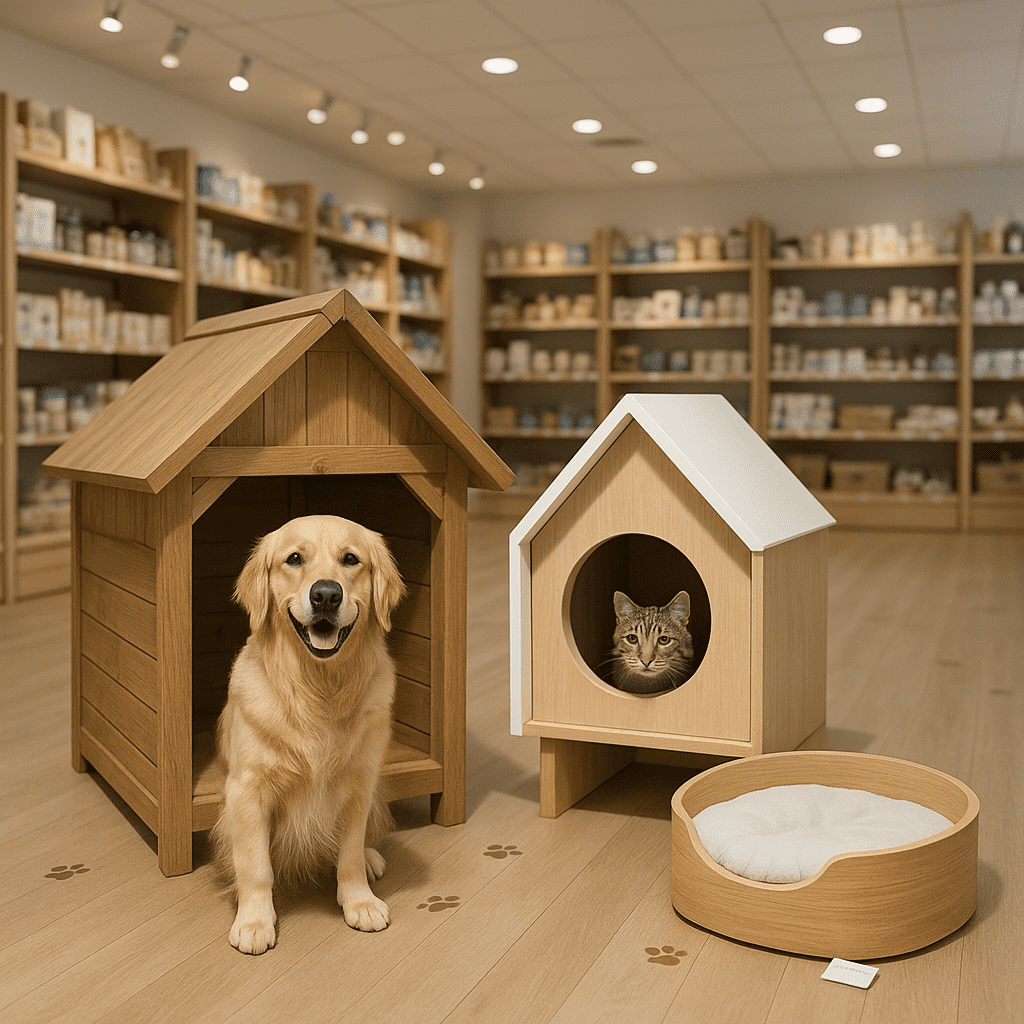
Wooden pet products
Wooden pet products are houses, kennels, beds, scratching posts, feeders, ladders and play complexes made to order from plywood, softwood solid wood and birch. Our workshop takes on both a single sample and a serial batch for pet shops, marketplaces and brands, keeping dimensions, safety and finish under control. Below: what we make, from what, how the process works from drawing to packaging, who it suits and how long a batch takes to produce.
Wooden pet products: what production covers
The segment here is broad: from a cosy cat house to an insulated kennel that overwinters outdoors. The same category takes in beds, ladders and ramps, feeders, play complexes and all sorts of small comfort items for a pet. Such products are ordered less often by individuals piece by piece, and more by those who need a reliable contractor for volume: pet shops, brands with their own line, marketplace sellers, regional chains. What matters to them is not a one-off wonder but even quality from batch to batch.
Wood beats plastic and textiles not only in looks. It is stronger, lasts longer and does not scare a pet with artificial smells. But beauty here is secondary — the animal’s habits come first. A house must be warm and must not tip over when a cat jumps onto it from the side. A ladder must hold the weight and not be slippery. A feeder must wash easily and not absorb the smell of food. All this is built into the design, not fitted in afterwards.
Wood has properties that mean more for a pet than for a person. It gives no static shock, holds warmth, releases no chemicals into the air and readily accepts any coating. And it lets you take anatomy into account: the height of a cat bed’s rim, the slope of a ramp for an elderly dog, the width of the entrance for a specific breed. The result is not just a “box with a hole” but an item thought through for the animal.
Appearance cannot be written off either. The owner looks at the item every day, and few want a crude box sticking out in the middle of a bright living room. That is why houses are made compact, shelves neat, feeders understated, so they do not clash with the interior but look like part of it. For apartment products this often matters no less than the pet’s own comfort.
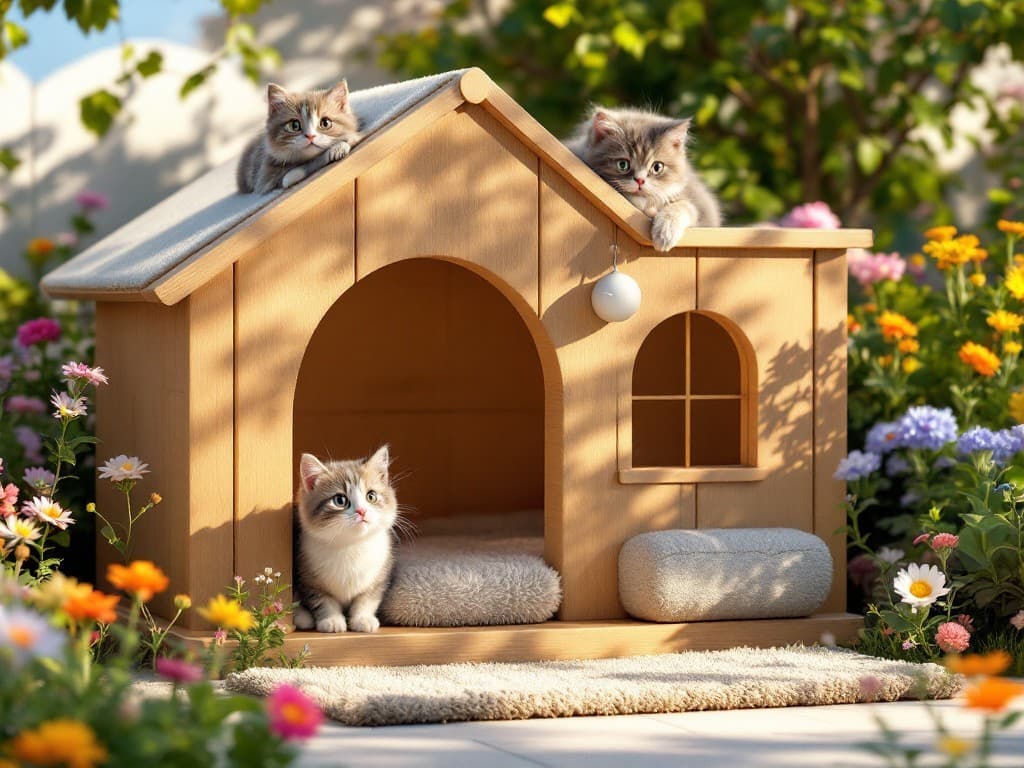
Houses
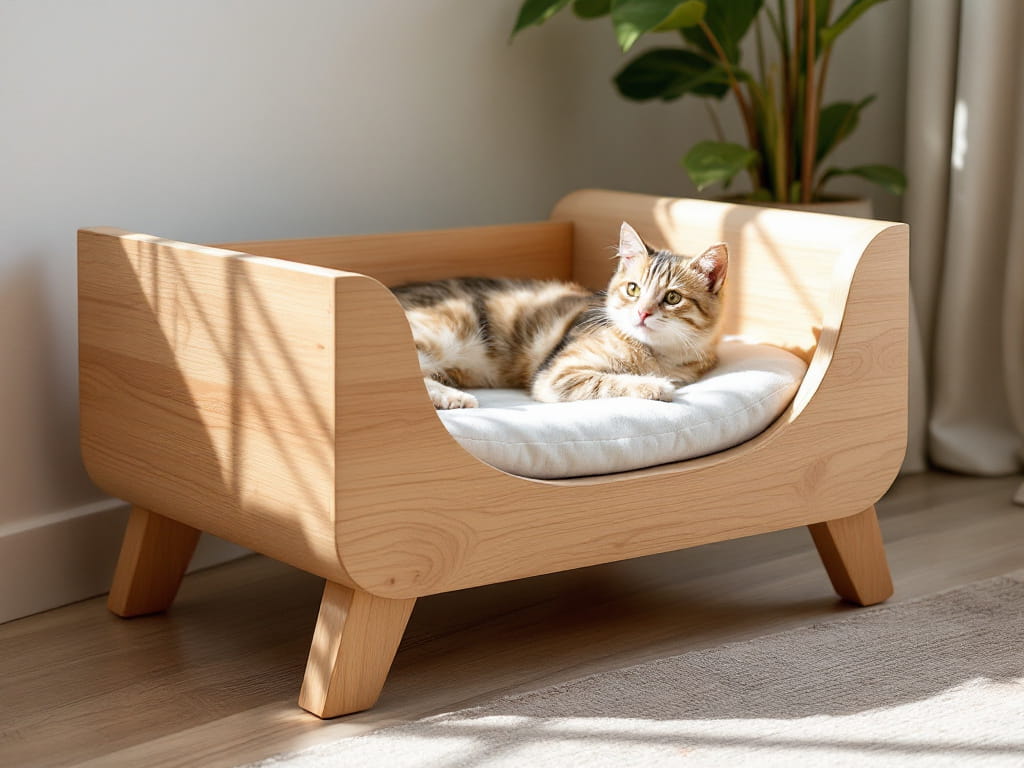
Beds
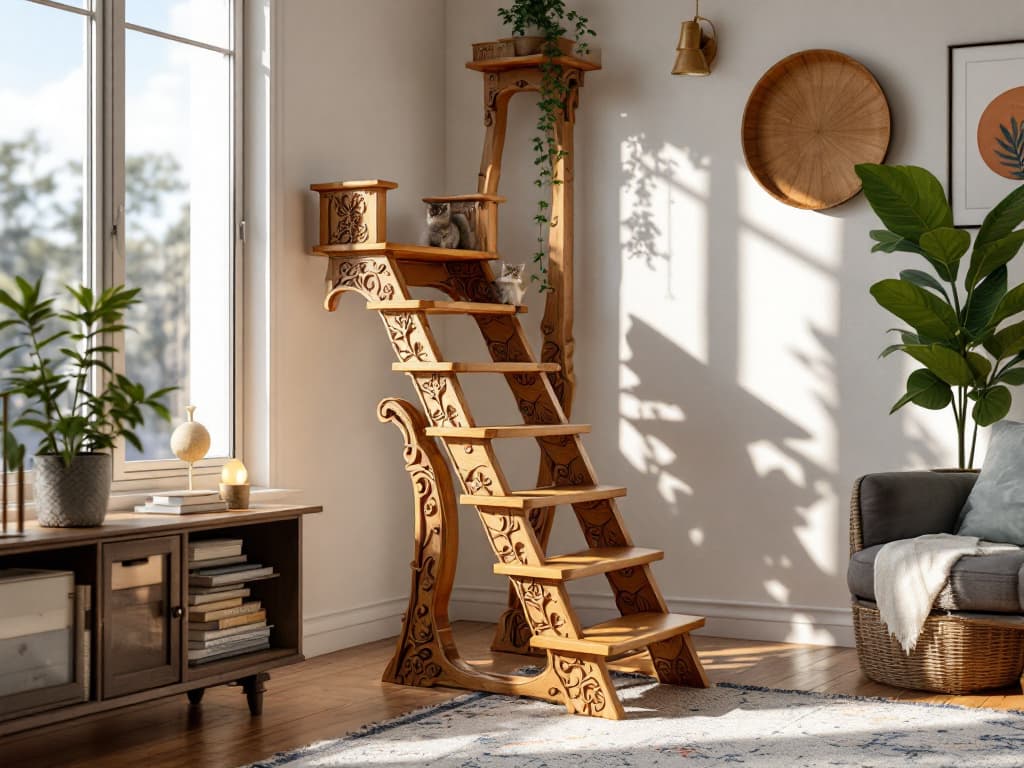
Ladders

Complexes
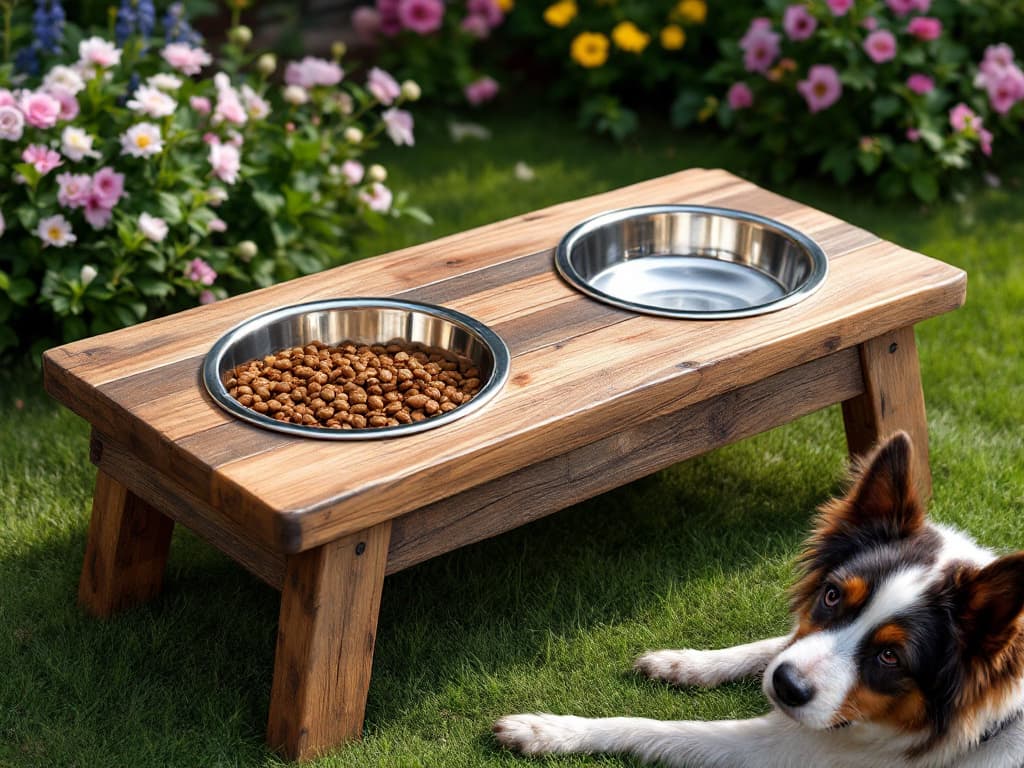
Feeders
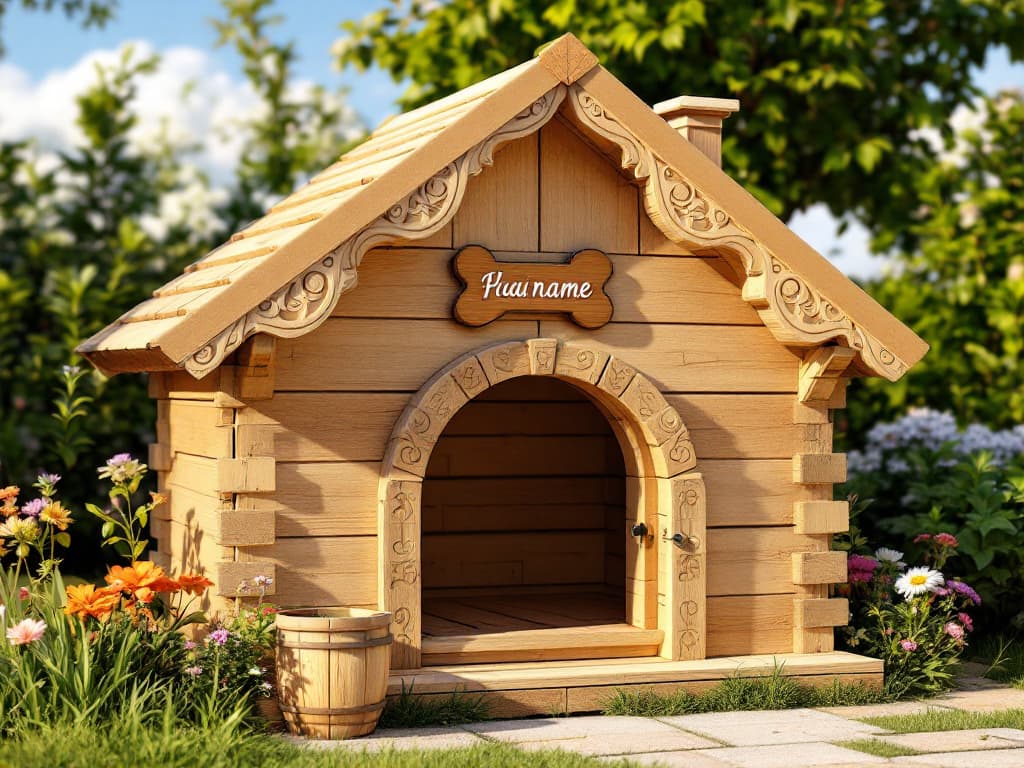
Kennels
Functional nuances and technological features of the wooden pet product category
Each item solves its own narrow task, and there are no trifles here. A pet will not read the instructions or handle things carefully — which means safety has to be designed in. A bed must have no sharp corners or slippery bottom. A house must stand rock-solid even when jumped on at a run. A ladder and a complex must hold both a light kitten and a large adult dog without play or creaking. All this is calculated in advance, not tested on a live animal.
There is also a technical contradiction: an item must be sturdy yet not heavy, otherwise it is awkward to move and expensive to ship. The balance is found through the material. Most often pine, birch and plywood are used — they are easy to work, do not crack and allow the form to be bent. Where an item will go outdoors, moisture-resistant grades and a protective impregnation are added to ordinary wood: rain and frost are no threat to a kennel or outdoor enclosure only with the right material.
The item is designed by mentally walking across it on paws. The entrance to a house is made without a high threshold or with a gentle ramp, so an elderly pet does not stumble. A cat complex is fitted with scratching posts, platforms and hideaways — cats need both height and a place to hide. Ramps get a non-slip surface and reinforced fixing. And the final sanding brings every surface to a smoothness so that not a single splinter reaches the animal or its owner.
Feeders and stands have their own story — they are in constant contact with water and food. That is why they are sealed with a coating that is unafraid of moisture and food and washes off easily. Some models have seats built in from the start for removable bowls or integrated dishes. The key requirement is simple: the item must wash in a single motion and not absorb odours, otherwise the owner will soon tire of it.
Style is another lever. One and the same item in terms of function can be presented in different ways: strict classic, light Scandinavian minimalism, emphatically natural eco. This widens the audience: a city apartment in neutral tones and a log country house suit different versions, while their function is one and the same. For a brand this is a chance to build a whole line from a single base design.
How wooden products are manufactured
How wooden pet products are created: production stages from drawing to finished item
The path from idea to finished item consists of several stages, and each affects the outcome. It all begins with the design. Here looks and usefulness converge: how it will look and how it will behave under the animal. A house and a bed are calculated for the size and weight of the future occupant — for a chihuahua and for an alabai these are different things. Ladders and complexes are designed with a stability margin so the structure does not wobble during energetic play.
Next the material is selected — and this is no formality. Timber is checked for strength and cleanness: resin pockets, cracks and irregularities are rejected at once, because they will show up in use. For indoor items soft species and moisture-resistant plywood are taken; for outdoor kennels and open complexes, dense solid wood or moisture-resistant materials that are then also sealed with protective compounds. This choice directly determines whether an item lasts a season or years.
Then the parts are cut and milled on professional equipment — to a template, so the second blank repeats the first. All edges and surfaces go through sanding: for pet products this is not cosmetics but safety, since a chip or a burr easily injures a pet. Along the way, seats for bowls, holes for fasteners, recesses for ramp steps and other functional elements laid out in the design are cut.
At assembly the parts are joined, hardware is fitted and the joints are reinforced where the main load will fall. Where needed, textile or rubber pads are added, scratching posts are wound on, and decor is attached. Then comes finishing: oil, lacquer or paint that meets safety standards, since an animal often tries the item with its teeth. Sometimes the surface is stained or brushed to emphasise the wood’s texture, if the line’s design calls for it.
The finale is inspection. The item is assessed for stability, symmetry and conformity to the stated parameters: rocked, examined, measured. Only after passing this control does the item go into protective packaging and on — to the client or to the warehouse. This way defects are cut off before shipment, rather than surfacing at the buyer’s.
Wooden pet products: the advantages of this kind of production
The main trump card of wooden pet products is a combination hard to achieve in other materials: practical, durable and, at the same time, beautiful. Such an item does not hide in a corner but becomes part of the setting. In the pet-products segment this matters doubly: the owner chooses not only by the animal’s comfort but also by whether the item fits their home. Wood covers both demands at once.
The production logic is simple — every item for a specific task. A kennel must keep warm, a ladder must hold and not slip, a feeder must wash easily. And all of it built to serve for years, not for a single season until the first breakdown. Durability here is a commercial argument: it is far easier for a shop, a brand and a distributor to sell a product that is not returned under warranty and that earns good reviews.
A separate plus is flexibility. Wood readily adapts to a bespoke project: a non-standard size, an original shape, applying a logo and labelling. For a brand this is a chance to assemble its own recognisable line rather than sell the same as everyone else. Engraving a name, a signature shade, a unified packaging style — all this is realised on wood without trouble and noticeably raises the product’s value in the buyer’s eyes.
There is also a reputational side. Wood reads to the buyer as an eco-friendly alternative to synthetics, and demand for the natural and safe is only growing. For a company that positions itself as a responsible manufacturer, a wooden line adds weight: this is not empty marketing but a real argument for an audience that consciously chooses what the things for its pet are made of.
The benefits of working with professionals

Modern equipment
Panel saws, CNC and milling machines — precision, speed and quality guaranteed

Extensive experience and expertise
We know how to handle wood and sheet materials — reliably, precisely, professionally

Fast order fulfilment
Fast and without compromising quality. We value your time and our commitments

A full range of services in one place
Cutting to size, sawing, milling, sanding, painting, assembly — all in-house, with no middlemen

Trusted materials and consumables
We work only with quality materials, so you can be confident in the result

An individual approach to every client
We work to your drawings, create a machining program for the task and account for every detail
Why cooperation on the production of wooden pet products is a strategically sound decision
Working with a specialised production covers several business pains at once. First of all it is scale: steady supplies with predictable quality and lead time. For a brand tied to marketplaces and chains this is critical — a missed shipment or a batch differing in colour from the previous one hits both the rating and the shelf. One reliable contractor removes this headache better than a dozen random performers.
An in-house production base gives room to manoeuvre: quickly launch a new model, refresh the line for the season, adapt an item to a specific audience’s request. We can work both from the customer’s ready drawing and from scratch — from a sketch and requirements for an idea to a working design. The second path is especially valued by those who have a concept but no designer of their own.
Another argument is end-to-end control, from choosing the board to sealing the box. It cuts the defect rate, which means fewer returns and higher buyer trust. At the same time logistics costs fall: there is no need to shuttle back and forth what has not passed inspection. And a wooden item made to the technology is easily repaired and withstands use in any conditions — whether in a warm apartment or in an outdoor enclosure under the open sky.
The format is equally convenient for a startup only just assembling its first range and afraid of investing in dead stock, and for a large customer needing even volumes month after month. For the first it matters to be able to start small; for the second, that quality does not slip as the print run grows. Production covers both scenarios.




An overview of related directions: other categories of wooden products
Pet products are just one of the directions; alongside them run other product categories from the same wood, each for its own segment. One of them is household items: drying racks, hangers, boxes, crates, organisers. The forms are simple, but the benefit is daily, and the design is easy to tailor to a specific retail chain’s requirements — from dimensions to the way it is packed.
A separate topic is sports items: wall bars, push-up handles, balance boards, rings and other equipment for home workouts. Demand for them is kept up by sellers in the home-fitness niche and by makers of sports equipment. Here strength and precise geometry come first, since such items bear body weight.
Steady demand also goes for advertising products — wooden structures for shops and exhibitions: signs, three-dimensional letters, stands, pointers, panels. Wood looks pricier than plastic and readily takes branding, so it is willingly used for displays where the aim is to impress rather than merely convey text.
In the children’s category, toys, furniture, educational aids and interior elements are made. The requirements here are as strict as they get: safety, eco-friendliness and a look that pleases both the child and a fastidious parent. Plus age binding — what suits a schoolchild must not be given to a toddler. Wood meets these requirements better than many materials.
All in all it turns out that woodworking covers several niches at once, and the business gets one universal, eco-friendly and easily adaptable material for the most varied lines — from pet products to advertising and children’s items.
Our portfolio — finished products
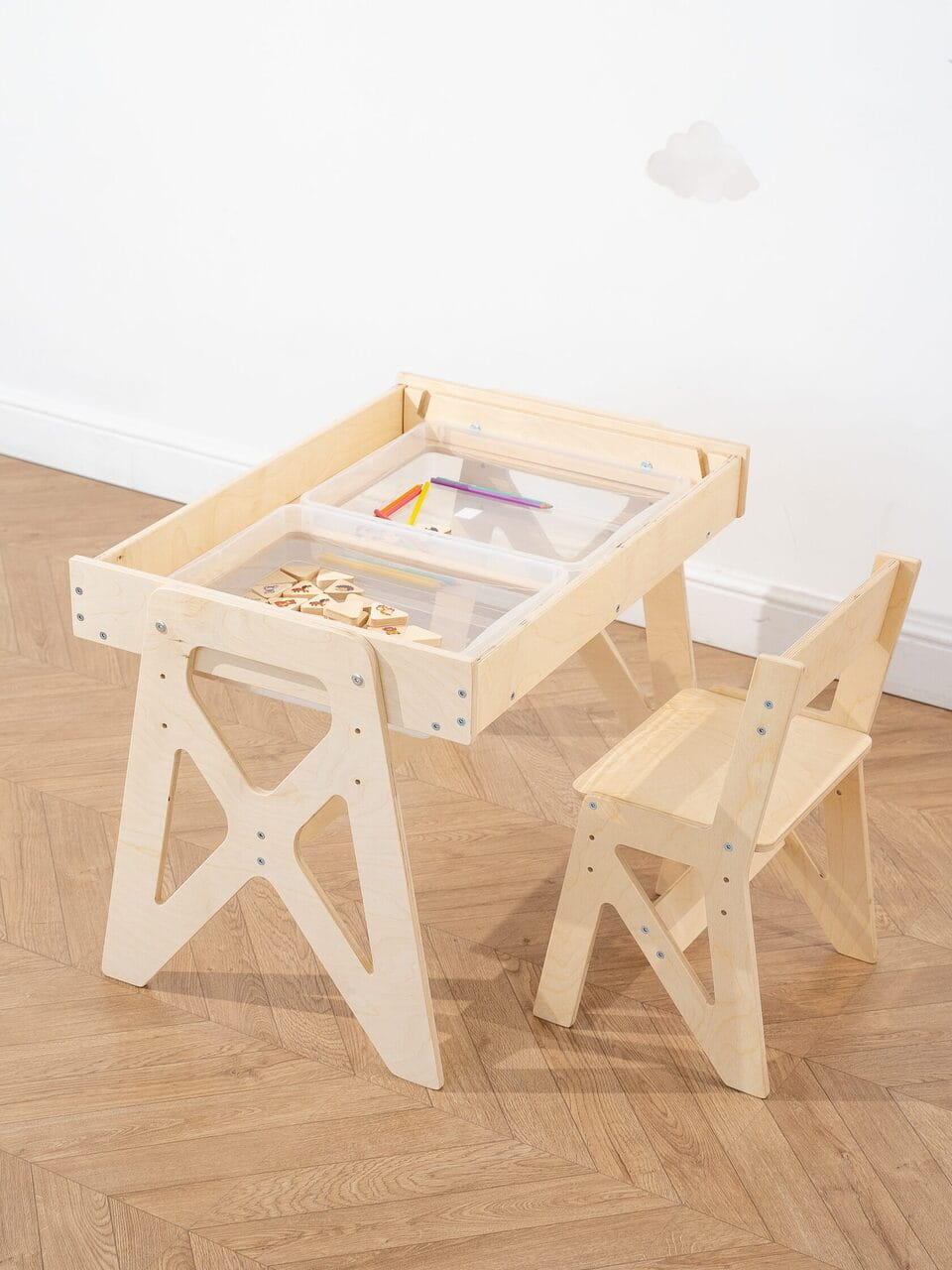


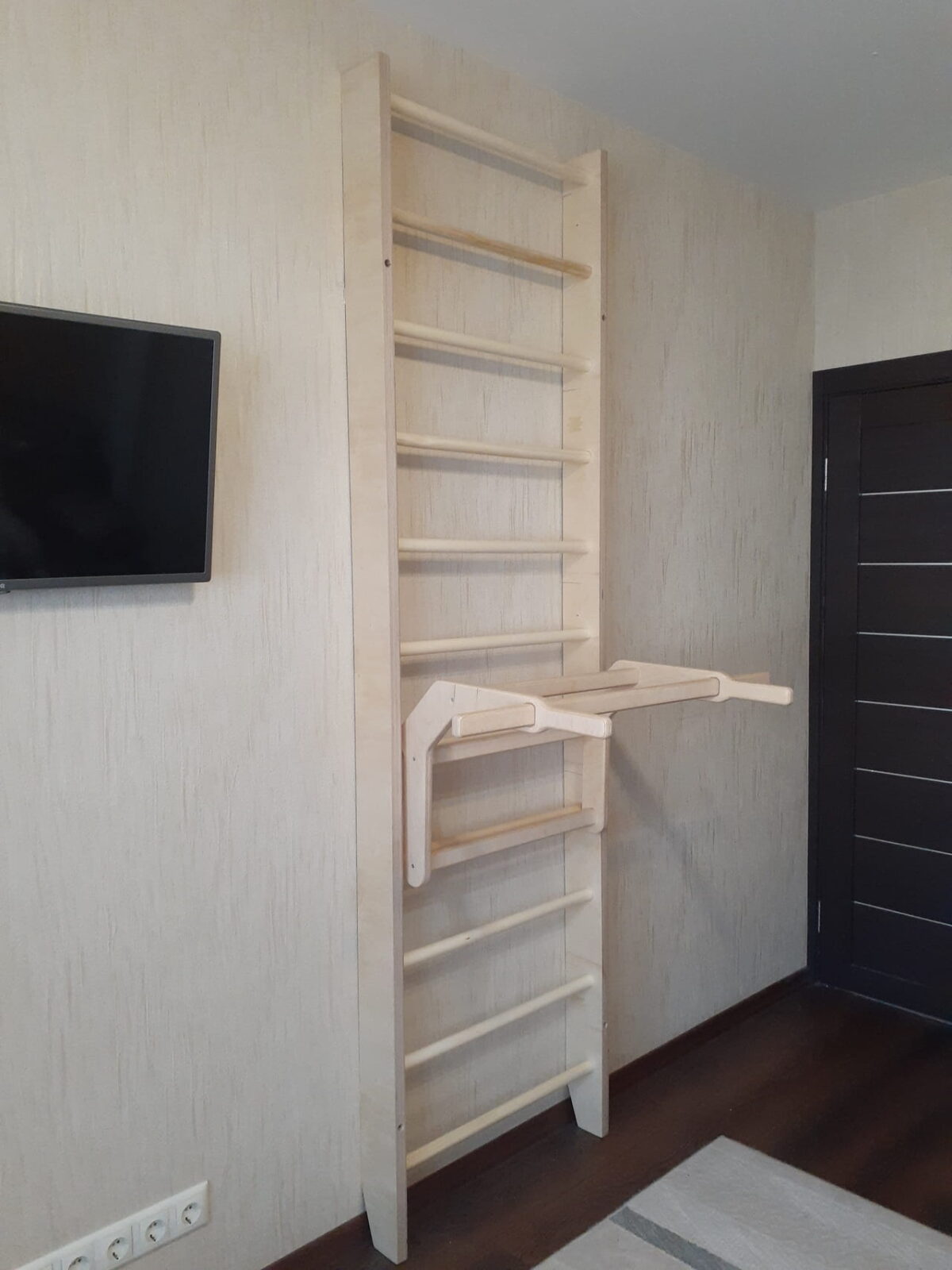
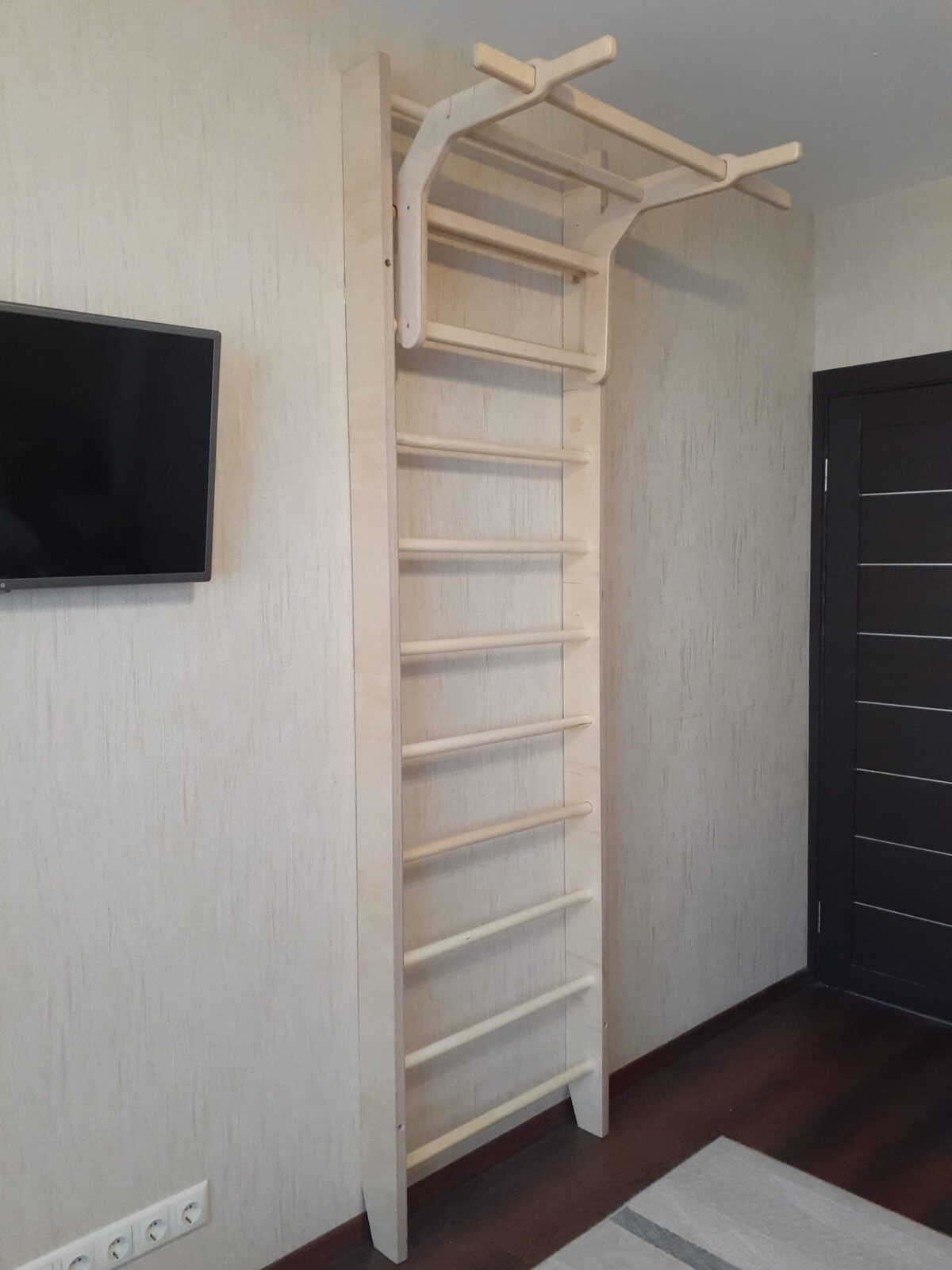
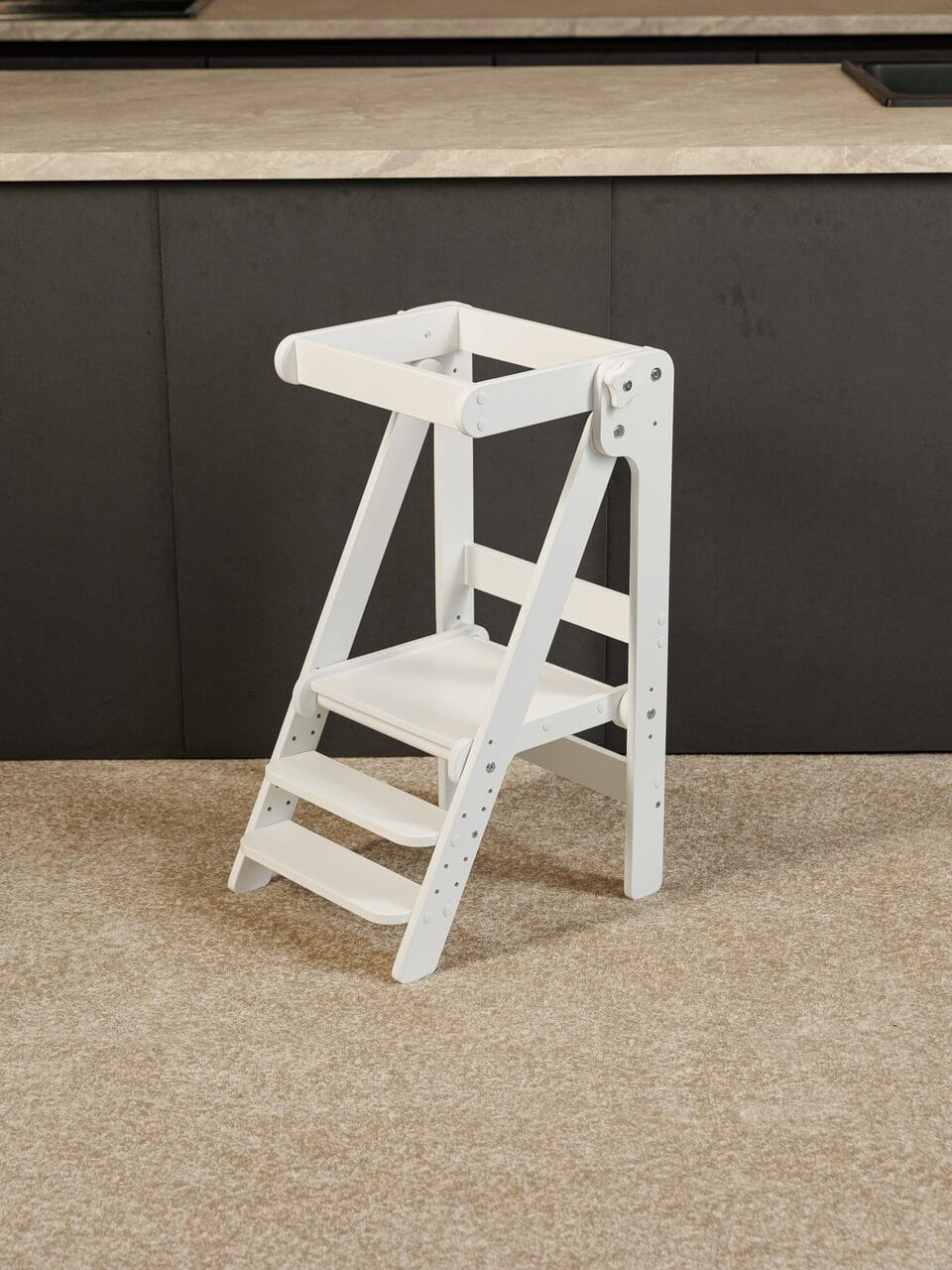
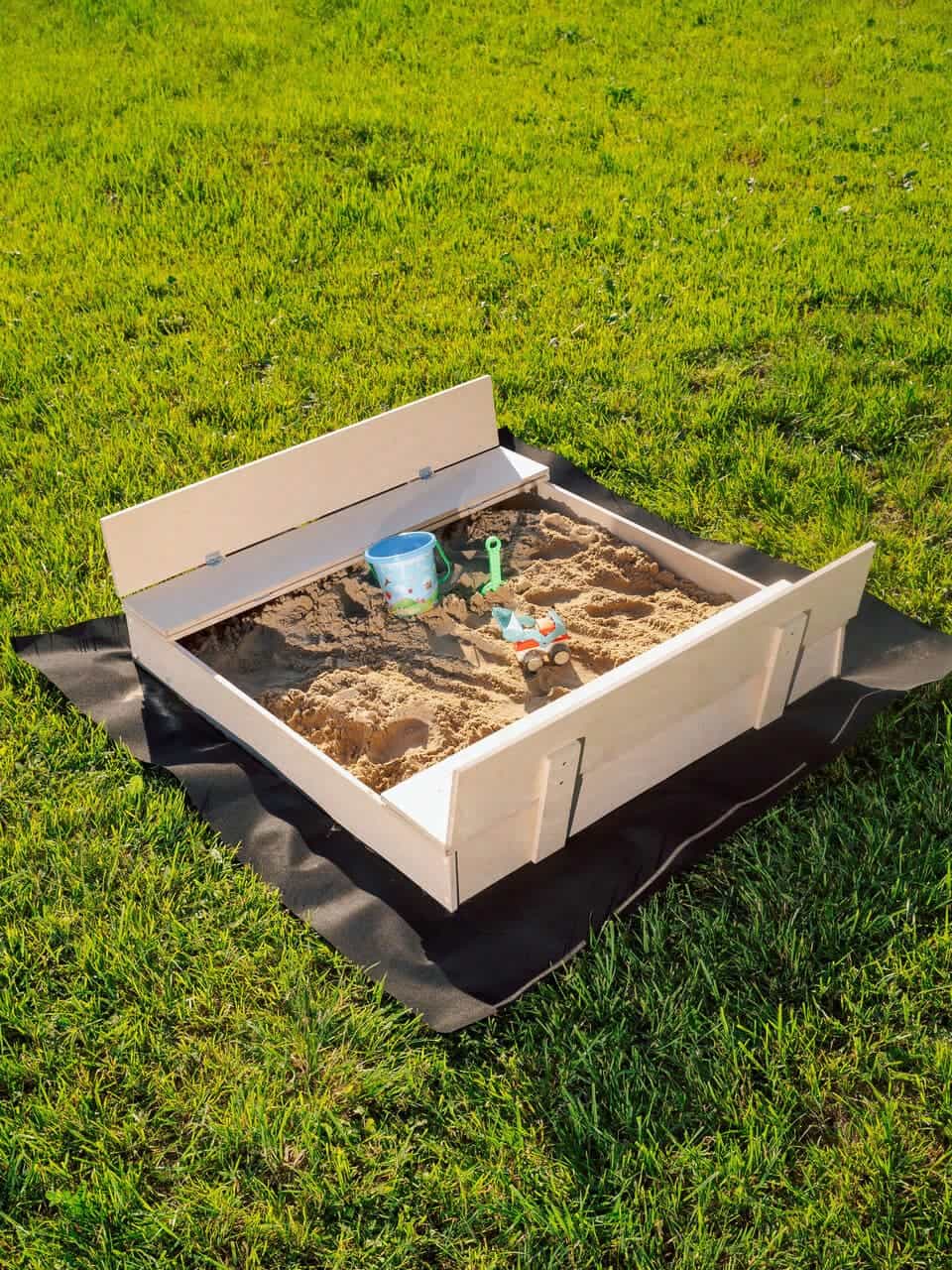

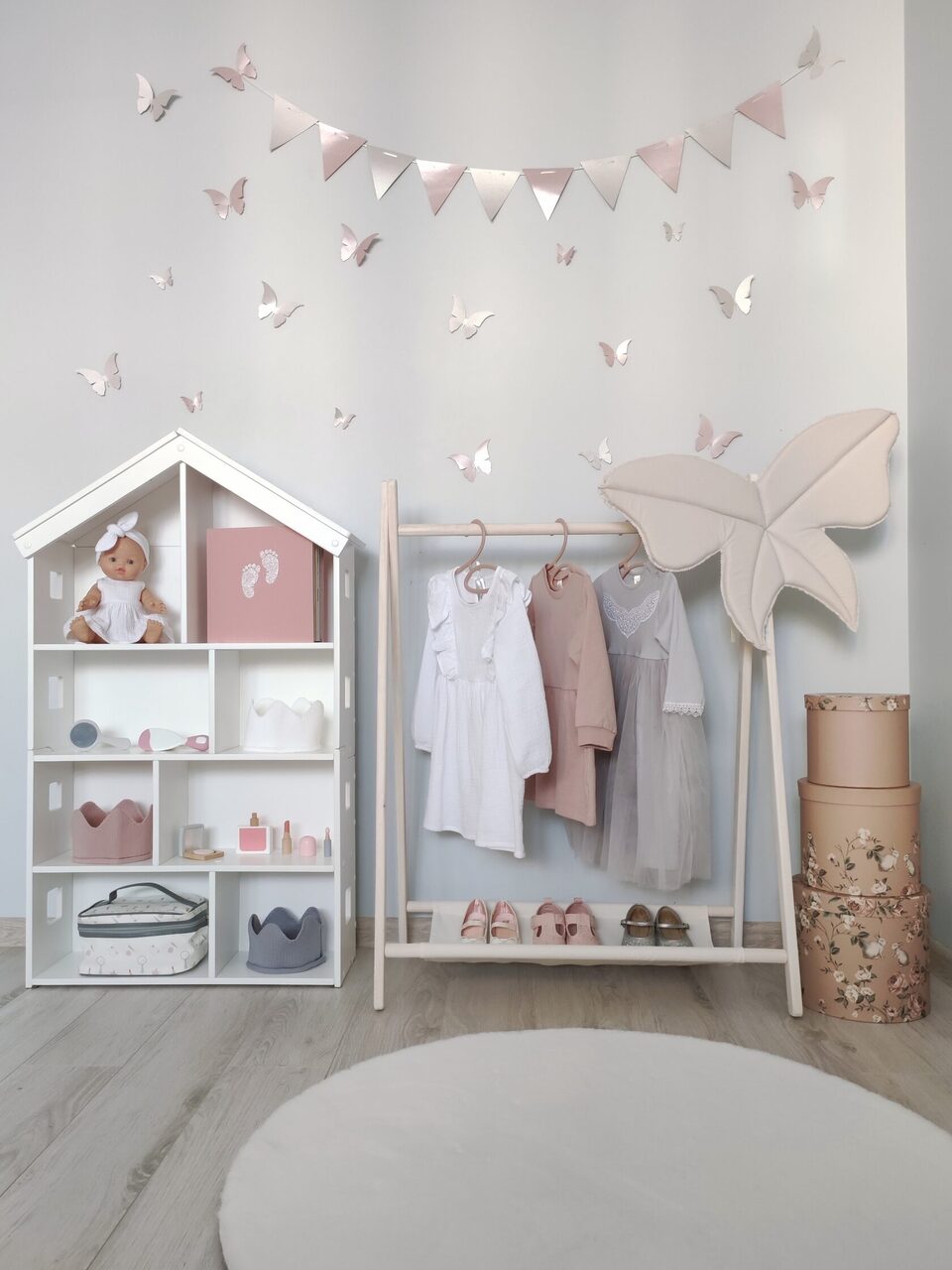

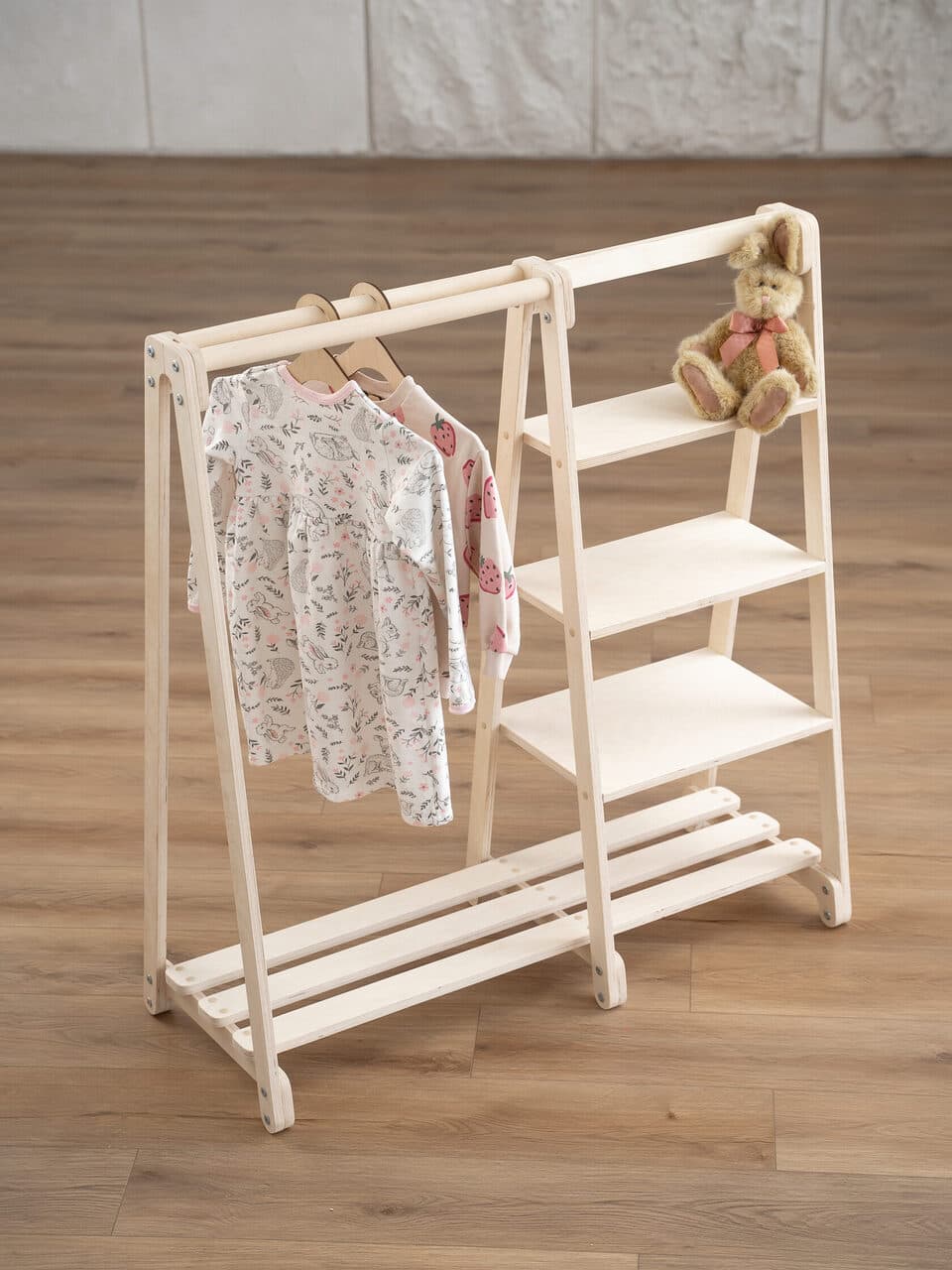
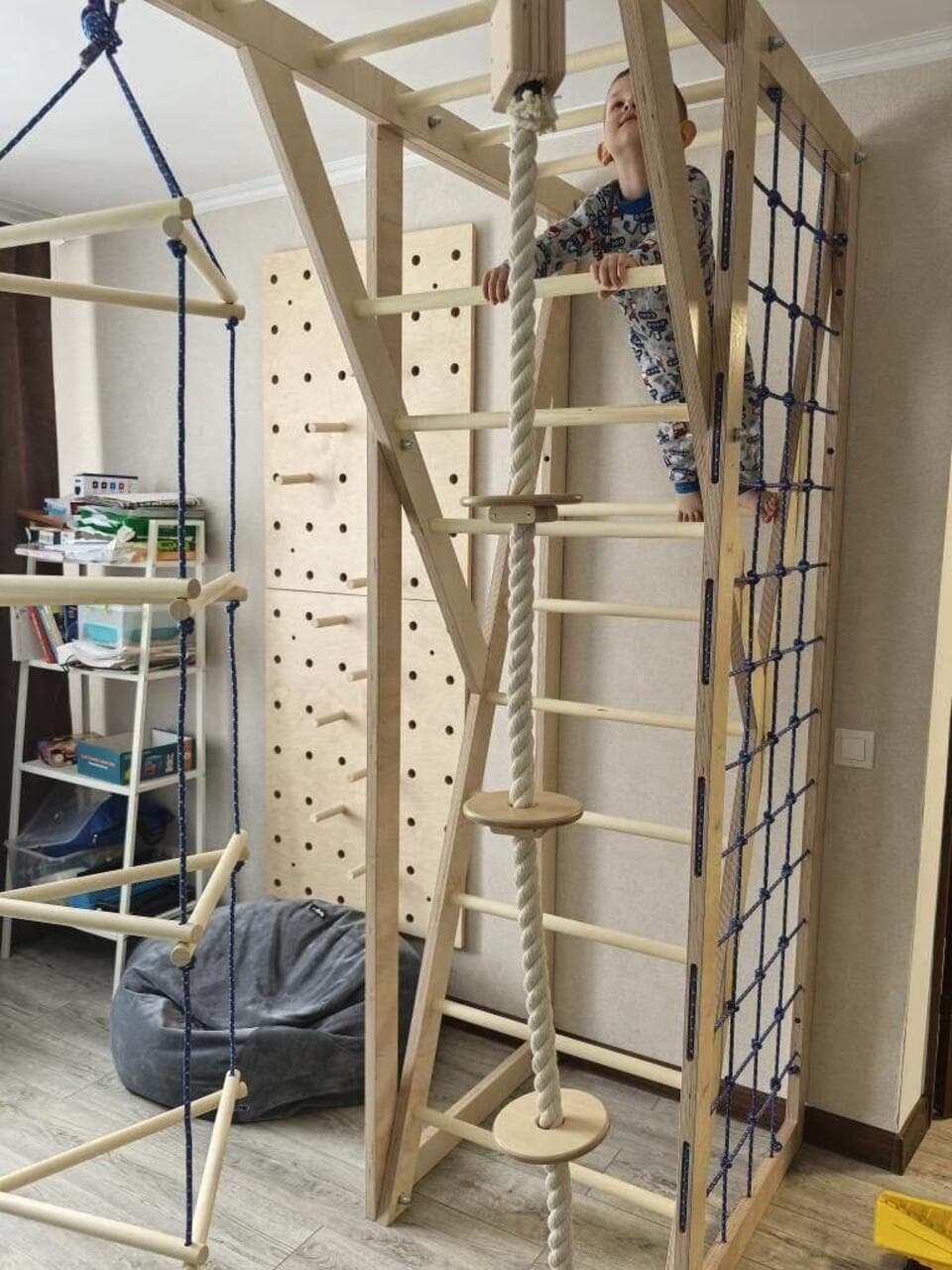
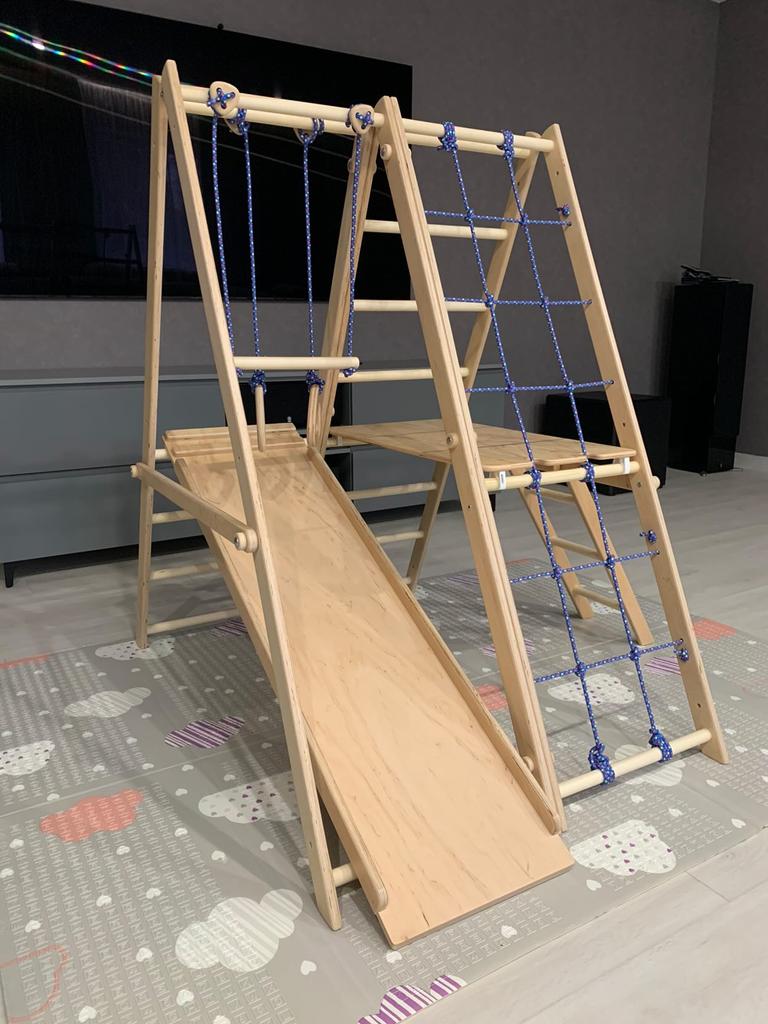

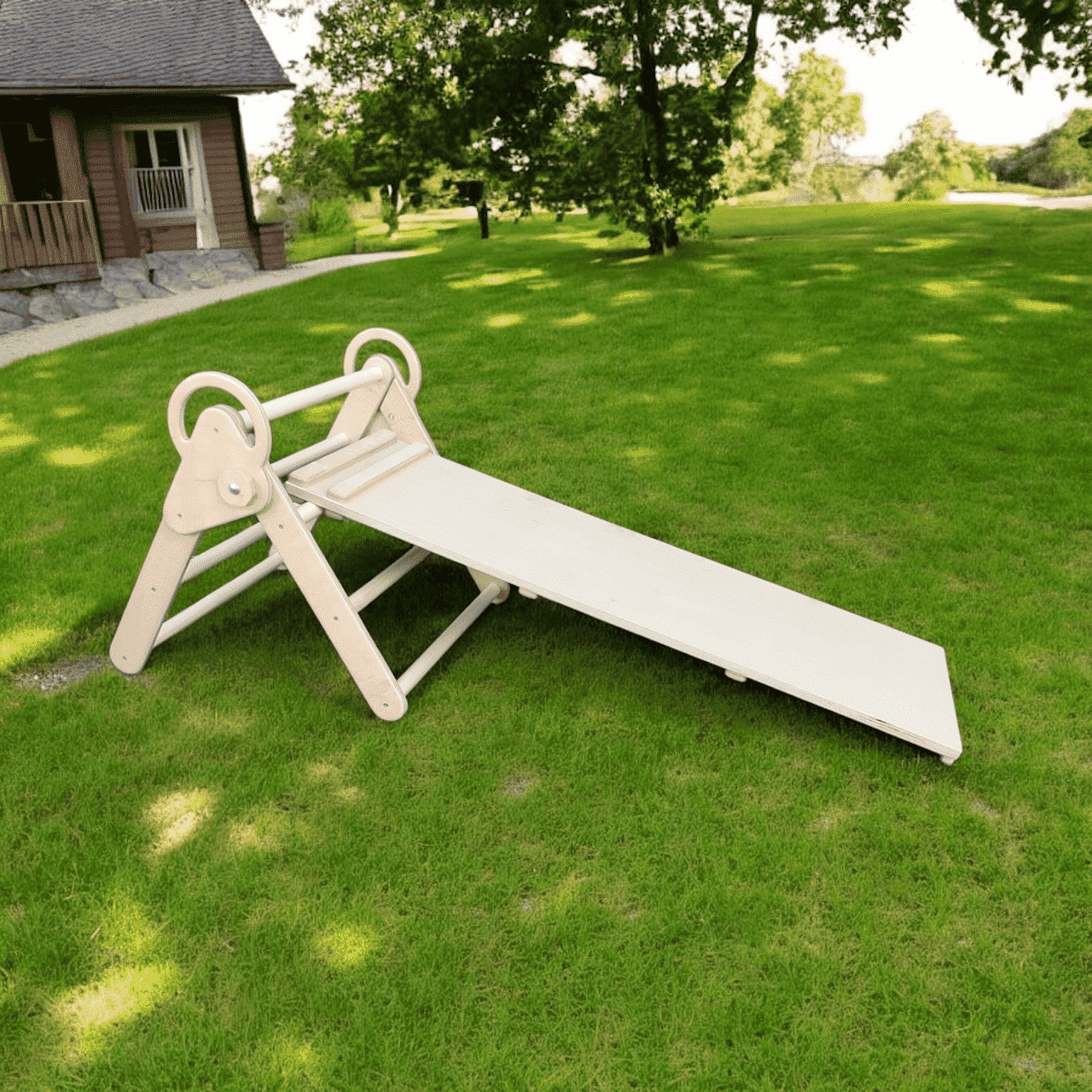

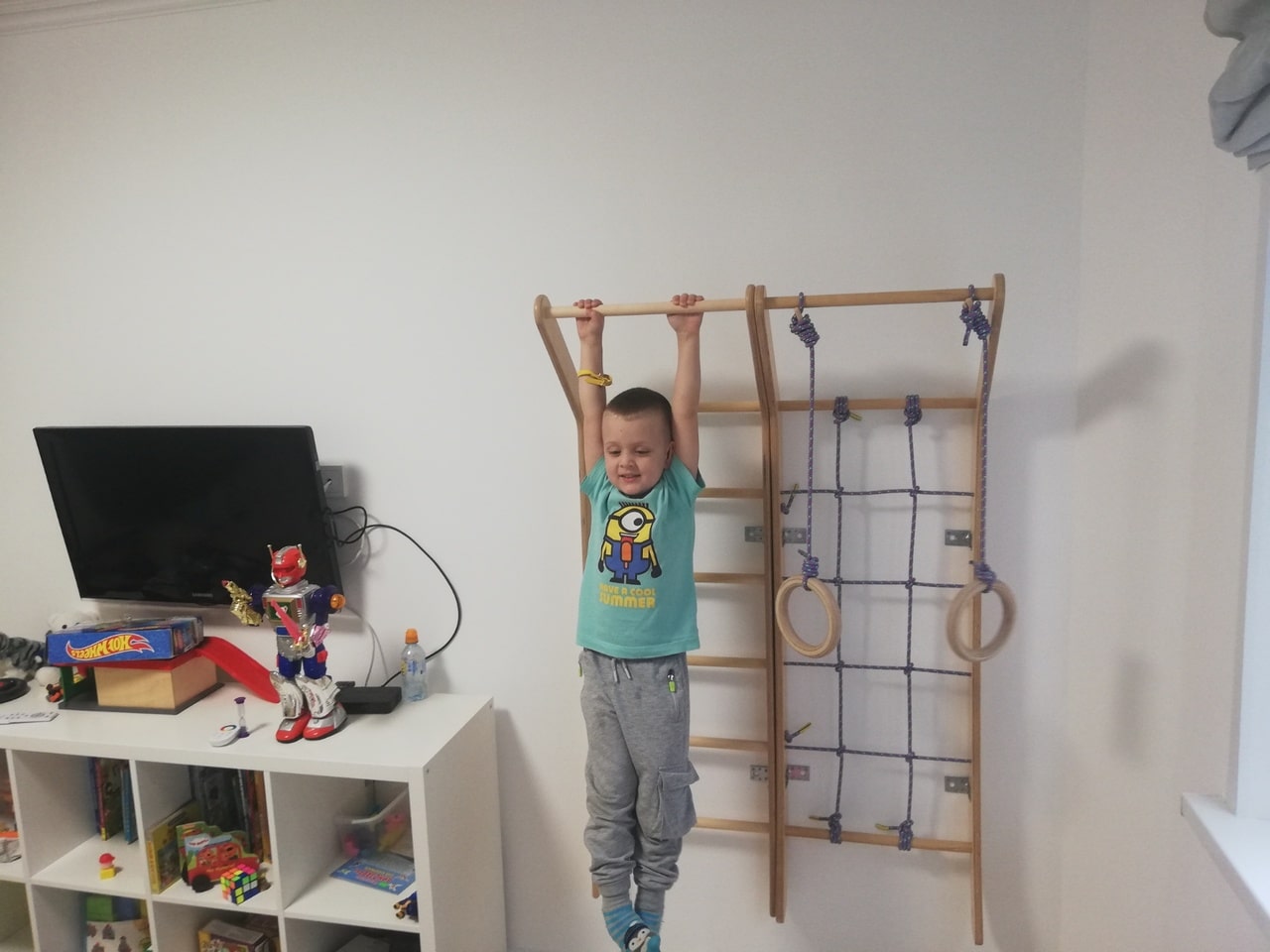


Inspiring solutions: examples of completed wooden pet products
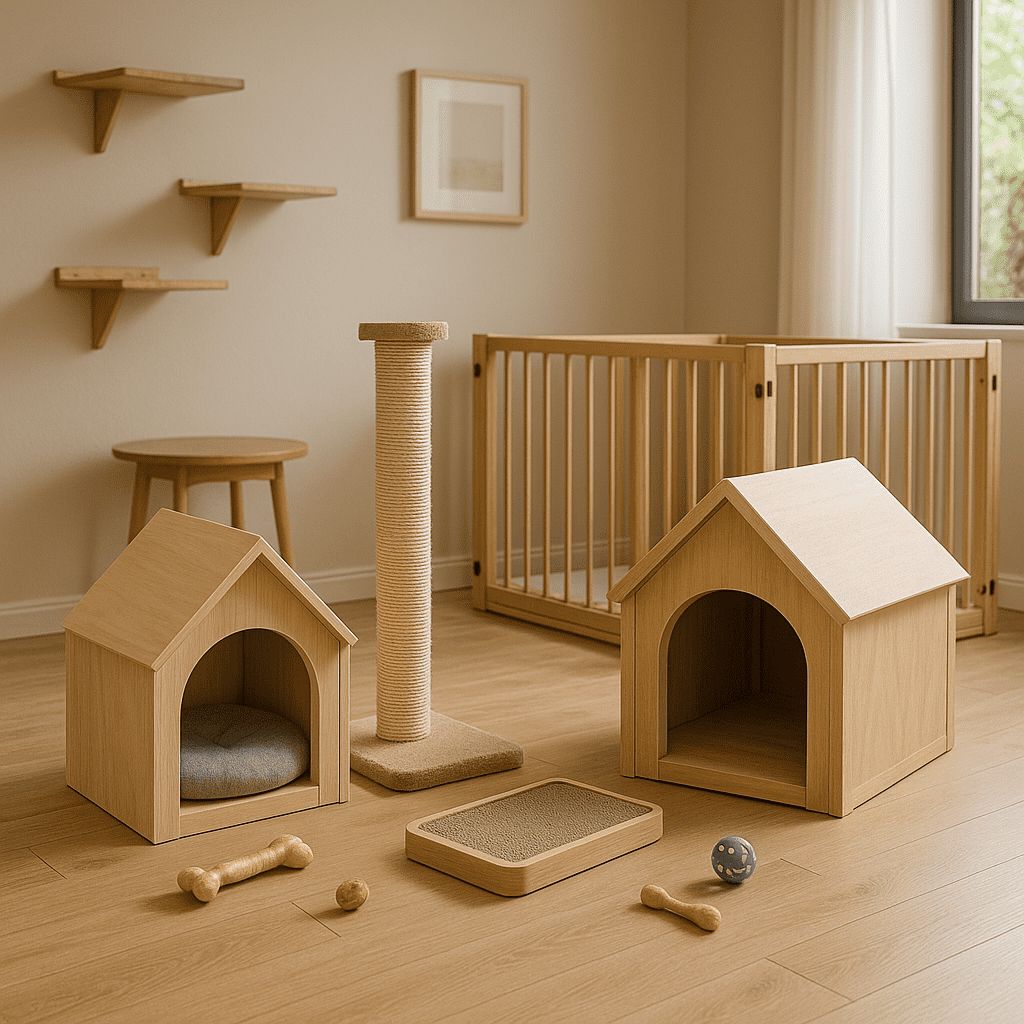
If you go through the completed projects, the picture is colourful — we have worked with large retailers, with chains of pet shops, and with online sellers. One memorable case: a series of cat beds with flowing lines and fabric upholstery sewn straight into the plywood frame. It came out light, stable and pleasant to the touch, and thanks to the shape and material the bed settles into an interior and adapts to different room styles.
Another order — outdoor kennels with double walls and an insulated roof, developed for northern regions. Here everything revolved around warmth and resistance to swings: a thaw today, minus twenty tomorrow. Each element was pre-treated with moisture-resistant compounds, and the joints were reinforced with concealed fasteners so the structure would not warp over the very first winter.
For one client we assembled a whole series of suspended shelves and ladders for cats — not separate shelves, but a system of transitions, ramps and platforms. The timber was brought to a soft-to-the-touch surface and sealed with an odourless lacquer, which is essential for cats. In the end the wall gained a real climbing route, turning an ordinary apartment into a playground for the pet’s activity.
We also made compact feeders with separate compartments for water and dry food. The body is moisture-resistant plywood with a protective finish, the bowls are metal, built in. The model won over customers working with products for puppies and small breeds: small, stable, easy to wash, and neat enough in appearance that you do not want to hide it under a table.
In each of these projects the item is not a semi-finished piece “off the shelf” but a precise fit to the client’s task: its own dimensions, its own material, its own way of packing and conformity to the brand’s corporate style. It is precisely this tuning to a specific request that distinguishes serial made-to-order production from a ready range.
Who uses a carpentry workshop’s services

Furniture makers

Interior designers

Advertising companies

Exhibition stand builders

Art studios

Cafés and restaurants

Construction firms

Retail equipment manufacturers

Furniture factories

Private craftsmen

Custom orders

Manufacturing companies

Museums and exhibition halls

Architects

Theatres and film studios

Educational organizations

Children’s products manufacturing

Repair specialists

Online stores

Sole proprietors
Who becomes a customer for wooden pet products
Who orders? Mostly retail chains, marketplaces, pet shops and brands with their own line. They all need two things: even supplies and stable quality, with no surprises from batch to batch. A separate category is wholesalers who distribute pet products across regions; for them volume, transport packaging and a predictable schedule matter.
A notable share of customers are marketplace sellers. They love wooden pet products because the buyer perceives them as eco-friendly and beautiful, and on a listing such a product looks appealing. Especially valued are models with an unusual design, for which one is not ashamed to ask an above-average price, easy to care for and allowing branding under one’s own name.
Startups also come, assembling a line from scratch. It matters to them to reach the market quickly with something of their own and to get a ready production solution, rather than build a workshop themselves. Orders come both for mass niches — accessories for cats and dogs — and for narrow ones: products for rodents, birds, and sometimes exotic pets, for which nothing ready is to be found on a shop shelf.
Sometimes an item is born for a themed project: a gift set, a limited collection, an interior solution from the “pet as part of the home” series. Here usefulness alone is not enough — presentation matters, so the product reads as an element of the concept rather than a separate utilitarian thing. Such orders are closer to design than to ordinary production and require close work on the visuals.
It is this varied audience that dictates the main requirement for production — flexibility. One has to work precisely with details, keep different product formats and packaging options, because what suits a large chain does not fit a niche startup, and vice versa. There is no universal template here; there is tuning to each one.
Wooden pet products: a summary of the category and key production accents
Wooden pet products as a commercial product
Wooden pet products long ago outgrew the status of niche exotica and became an independent category with steady wholesale demand. Brands and distributors use it to strengthen their range and set themselves apart from competitors on plastic. And the buyer votes with their wallet for naturalness, durability and a pleasant-to-the-touch surface. All together it makes for solid sales potential and a product that looks good both on the shelf and in the hand.
Materials that set the tone for quality
The basis of almost the entire line is plywood, softwood solid wood and birch: strong, light, obedient to work. But not all material is alike, so the timber is selected: checked so there are no knots in unsuitable places, so the surface is even and the drying correct. An under-dried board will later warp the item, and all the careful work will go to waste. Both the service life, the look and the convenience depend on this selection.
Design oriented to the animal’s comfort and the aesthetics of the space
Appearance carries just as much importance as function. In production, not only the dimensions and shape are kept in mind but also how the item will look: shade, texture, the character of the surface. For houses, beds and accessories going into city apartments this is especially crucial — there the item stands in plain view and inevitably becomes part of the interior.
Order flexibility and a focus on mass production
The category’s strong side is scalability. The processes are set up so that production equally takes on a large batch and a pilot series of a couple of dozen pieces. For the customer this is room to manoeuvre: you can cautiously test a new line, launch a seasonal collection for a holiday and not freeze money in a large print run while demand is still unclear.
Quality control and packaging — the finishing touch
Final control puts the full stop: the precision of assembly, the quality of processing and the stability of the structure are checked. A unit that has passed inspection is packed in packaging that protects the item on the road — with wooden things the corners and edges suffer first. The packaging can also be made under the client’s brand: with its own labelling, labels and an enclosed instruction for the end buyer.
Wooden pet products: what a customer should know
Next — an analysis without generalities for those choosing a contractor for their pet-product line. Below is gathered what people most often ask about: what is made for which pets, from what materials, how the price is calculated, how long to wait for a batch, and where customers get burned. All of it from the practice of serial production, not from a promotional brochure.
What is made for different pets
A cat, a dog, a rodent and a bird are four different worlds of requirements, and a well-made wooden pet product always takes into account whom it is for. A cat needs height, a hideaway and a scratching post: it thinks in verticals, likes to climb higher and observe. For a dog area, strength and warmth matter more — especially when it comes to an outdoor kennel, where at stake is not comfort but the animal’s health in winter. Small rodents and birds require delicate processing without toxic impregnations and without gaps a paw can get stuck in.
| Pet | Popular items | What is critical |
|---|---|---|
| 🐱 Cats | Houses, beds, scratching posts, wall complexes | Height, hideaway, stability |
| 🐶 Dogs | Kennels, beds, enclosures, bowl stands | Strength, warmth, moisture resistance |
| 🐹 Rodents | Houses, ladders, play elements | Smoothness, safe impregnations |
| 🐦 Birds | Perches, houses, feeders | Non-toxicity, no gaps |
If your scenario is not in the table, it does not mean it will not be taken on. Rather the opposite: narrow niches like products for exotic pets or ferrets are often the most interesting, because nothing ready for them is to be found on a shelf. It is enough to describe the animal and the task, and the design will be selected to fit them.
Materials and why the choice matters so much
Material in pet products is not a line in an estimate but a question of safety and service life. Plywood is good in that it is strong, holds fasteners and is unafraid of complex shapes, so bed and complex frames are made of it. Softwood solid wood, most often pine, goes where volume and warmth are needed at a reasonable weight. Birch is valued for its density and even surface for a finish. And for everything that stands outdoors or contacts water, moisture-resistant materials with mandatory protective treatment are brought in.
| Material | What it is good for | Where it is used |
|---|---|---|
| 🪵 Plywood | Strong, holds fasteners, bends | Frames, beds, complexes |
| 🌲 Pine | Light, warm, affordable | Houses, kennels, shelves |
| 🌳 Birch | Dense, even for coating | Parts for finishing, accessories |
| 💧 Moisture-resistant grades | Unafraid of water and frost | Outdoor kennels, enclosures, feeders |
A separate subtlety is selecting timber within a single species. A board with a resin pocket, a hidden crack or under-dried does not go into production: such a part will warp the item within a month, and all the careful assembly will prove in vain. It is precisely at this stage, invisible to the buyer, that the difference is set between an item that serves for years and one that falls apart by the end of the season.
Safety: why this is not an empty word
With pet products, safety cannot be tucked into a note in fine print — the animal is in constant contact with the item and often tries it with its teeth. That is why all surfaces are sanded to smoothness, so that not a burr, not a splinter remains. Only coatings that contain no toxic substances are used: odourless lacquer, safe oil, paint that meets standards. Sharp corners are rounded, and the structure is calculated so that it does not tip over or pinch a paw.
There are also non-obvious little things that surface only in practice. A gap of a certain width, harmless in appearance, can become a trap for a rodent’s paw. Too smooth a ramp turns into a slide down which an elderly dog slips instead of climbing. A good production knows these pitfalls in advance and avoids them at the drawing stage, not after buyer complaints.
Coatings and finishing
Finishing in pet products solves three tasks at once: it protects the wood, ensures safety for the animal and sets the appearance. Oil preserves the natural texture and is pleasant to the touch, which matters for things a pet snuggles up to. Odourless lacquer gives a more durable film and washes easily — indispensable for cat shelves and feeders. Paint seals the surface with a dense colour and lies well on plywood when a bright line under a brand is needed. For outdoor items, moisture protection goes over everything, without which wood does not last long outside.
The choice of coating is not a matter of taste at random. Where the item will stand, whether there will be contact with water and food, and how often it will have to be washed are all taken into account. A feeder needs a surface that does not absorb odours and washes off in a single motion. For a house in an apartment, a pleasant texture and precise shade matter more. For an outdoor kennel — resistance to rain and ultraviolet. The right choice of finish saves the owner nerves and the brand returns.
What the price is made of
The question “how much does it cost” without details stays without a precise answer, and that is honest. The price is assembled from several clear components, each of which can be estimated in advance. Understanding this arithmetic helps you not be surprised by the estimate and see in advance where you can really save and where saving is not worth it.
- 📐 Complexity of the model. A simple bed is cheaper than a multi-level complex with transitions and hideaways.
- 🧱 Material. Its cost plus consumption, accounting for offcuts and rejects.
- 🔁 Print run. A single piece is dearer per unit; a series works out cheaper thanks to tooling.
- 🎨 Finish. Bare wood, oil, lacquer or complex painting — different budgets.
- 🏷️ Branding and packaging. A logo, a custom box, an enclosed instruction.
- ⏱️ Urgency. Work outside the general queue is counted separately.
The most reliable way to keep the budget is to send a clear brief and not push the deadline at the last moment. Rework due to imprecise inputs and a rush mode usually add to the estimate the very percentages you wanted to avoid. On a series the saving accrues by itself: the larger the batch, the lower the per-unit price and the more predictable the result.
Lead times by order type
The exact date is calculated for a specific order, but from experience there are clear benchmarks. They help plan a line launch or restocking for the season, so that a wooden pet product arrives not after the rush but in time for it.
| Order type | Benchmark | Example |
|---|---|---|
| 🧪 Sample / prototype | from a few days | A test bed before the series |
| 📦 Trial series | 10–15 working days | A batch to test demand |
| 🏭 Large batch | 15–25 working days | Supply to a chain or a marketplace |
| 🎁 Themed collection | by agreement | Gift sets for the season |
What usually drags on longest is not the machining itself but the agreement of parameters and the drying of the coating. So if a delivery is tied to a date, it makes sense to approach production early and allow a small reserve, rather than bringing a task “for yesterday”. Regular customers usually find it easier to get priority in the queue during the hot season.
Frequent customer mistakes
Most mishaps happen not at the machine but at the task-setting stage. Here is what most often prevents getting the desired result the first time — and what is easy to foresee.
- ❌ Sizes “by eye”. A house that does not fit the pet — and the product does not work, however beautiful it may be.
- ❌ Saving on the finish. A cheap coating on a feeder absorbs odour and quickly loses its look.
- ❌ Ignoring moisture protection. An outdoor kennel without treatment does not survive the first winter.
- ❌ Material too thin. Under the animal’s weight the structure starts to wobble and creak.
- ❌ Urgency at the last moment. Coating drying and assembly do not speed up at the snap of a finger.
It is no big deal if you did not account for some of this — that is what the dialogue before the start is for. A good production asks these questions itself before cutting, not after, when fixing is already costly. This especially concerns sizes: measuring the pet twice is easier than re-cutting the whole batch.
Wood versus plastic: an honest comparison
Plastic in pet products is cheaper in the moment, and pretending otherwise would be dishonest. But if you count not the price on the tag but the service life and the buyer’s perception, the picture changes. A plastic house cracks over time in the frost, fades in the sun and accumulates static that makes fur cling. Wood ages more nobly: it can be lightly sanded and the coating refreshed, it holds warmth and does not scare a pet with artificial smells. To the buyer a wooden item reads as care and quality, not as a consumable for a season.
Hence the commercial logic too. On plastic it is hard to build a premium line and justify a high price — the market is glutted with it. Wood, on the other hand, lets you set yourself apart: the same house of plywood with a neat finish sells dearer than a plastic analogue and brings more margin per unit. For a brand that wants not to jostle in the lower price segment but to grow in price and perception, wooden pet products are a working tool, not a nod to the fashion for the natural.
A one-off order or regular supplies
The format of cooperation varies. A one-off order is when you need to quickly close a specific task: test a model, top up the range for a promotion, make a batch for a particular contract. Everything is simple here — agreed, made, shipped, with no obligations for the future. Such a path is convenient for probing a niche or checking demand before investing seriously.
Regular supplies are another level of convenience and a different economics. When production already knows the brand’s specifics, its requirements for packaging and tolerances, work goes faster: fewer approvals, predictable quality, priority in the queue in season. Chains and marketplace sellers most often come to this — from a single trial batch, but stay for a regular flow, because a stable contractor rids you of the main headache: disruptions and inconsistency from supply to supply.
Branding and working with marketplaces
For a marketplace seller the product is not only the thing itself but also how it looks on the listing and in the buyer’s hands. Wood wins here: in a photo it looks pricier and “warmer” than plastic, and the ability to apply a logo and hold a corporate shade turns an ordinary house into a recognisable brand product. Engraving a name, a unified packaging style, an enclosed instruction — all this raises the average check and works for repeat purchases.
The technical side for the platforms matters too. Dimensions and weight affect logistics and the tariff, packaging must survive the warehouse and delivery without loss of presentable appearance, and a batch must be uniform, so the listing does not gather complaints of “it arrived not as in the photo”. A production that understands these nuances saves the seller both money and rating. So for marketplaces it is important not just to make a beautiful item but to hold the standard from the first unit to the last.
Delivery and packaging of batches
Finished items are shipped across Europe. With wooden pet products, during transport the corners, edges and protruding elements like ramps and shelves suffer first, so packaging is thought through separately — not just to “wrap” but to fix things so the item arrives in presentable condition. For fragile models additional protection is built in; for large kennels, reinforced packaging for the carrier.
Packaging can be adapted to a brand: with its own labelling, label and instruction for the end buyer. This is convenient for those working with retail and marketplaces, where the box is part of the buying experience. For a customer from another region the process looks as simple as for a neighbouring city: agreement remotely, manufacture and dispatch by carrier, with the only difference being the delivery time.
Quality control and a guarantee of results
Control is built into the process, not tacked on at the end for show. At the input the timber and parameters are checked, along the way the assembly and processing at critical joints, at the output each unit is examined for stability, smoothness and conformity to the sample. For pet products this is fundamental: one part with a burr or play — and it is not abstract quality that suffers but a specific animal, and after it the brand’s reputation.
If a disputed point arises, it is easier to resolve precisely because the whole batch went through one pair of hands. There is no need to work out at whose stage the error occurred — responsibility is not smeared across contractors. For the customer this is the real guarantee: it is clear whom to hold to account, and there is someone to promptly fix the batch, rather than bat the claim around in circles.
Care of wooden pet products
A wooden item will serve longer if a couple of simple rules are followed, and it is useful to pass these on to the end buyer — for example, with an enclosed instruction. Wood reacts to humidity and temperature, but with reasonable handling it calmly serves for years.
- 💧 Do not leave in constant damp — even treated wood suffers from it over time.
- 🧽 Wipe with a soft cloth without aggressive chemistry, especially feeders and surfaces where the pet eats.
- ☀️ Periodically refresh outdoor items with a protective compound — this extends the service life.
- ⚖️ Do not exceed the rated load on shelves and ramps.
- 🔩 Once a season check the fasteners on outdoor structures and tighten if needed.
These little things are rarely spelled out at purchase, but it is precisely they that determine whether the item will delight in a few years as much as on the first day. For a brand an enclosed care note is also a way to raise loyalty: the buyer sees the care and returns more willingly.
A glossary of terms for the customer
When discussing an order, words come up that are familiar to production and hazy to someone who came for a pet-product line. A short decoding will remove misreadings before the start.
| Term | What it means |
|---|---|
| 📐 Brief | A description of the item with dimensions, materials and requirements |
| 🧪 Prototype | The first sample to test the idea before launching the series |
| 🔁 Tooling | Templates and jigs that speed up producing a batch |
| 🌀 Sanding | Bringing the surface to smoothness without burrs |
| 💧 Moisture protection | Impregnation and coating against water and rot |
| 🏷️ Branding | Applying a logo, labelling, corporate styling |
More questions about wooden pet products
Can I start with a single sample? Yes, this is a sensible first step. A prototype shows both the quality of execution and how the model is perceived in the flesh — and only then is the series launched. Often corrections are caught on the sample while they cost nothing.
Will you help with the design if I only have an idea? Yes. It is enough to describe the pet, the task and the approximate look — the drawing and layout will be prepared on our side. A ready brief speeds up the start but is not obligatory.
How uniform will the items in a batch turn out? When working to templates and tooling, the parts repeat from unit to unit — that is the very point of serial production. The inconsistency that hits a marketplace listing is ruled out here by control at the output.
What about ecology and waste? Wood is a renewable material, and precise cutting reduces waste to a minimum. For a brand betting on naturalness, this is also an honest argument in communication with the buyer, not an empty slogan.
If your question did not make the list, it is easier to ask it during the discussion. Wooden pet products are convenient in production precisely because the whole path from idea to packed batch is led by a single performer, and there is someone to answer for the result.
How to choose a pet-product manufacturer
If you are choosing to whom to entrust your line, here is a simple guide. It works both for this production and for any other — by these signs you can see whether before you is a contractor or a lottery where quality depends on the mood.
- ✅ Names the deadline and price in advance, not “upon completion”.
- ✅ Asks questions about the design and the pet before cutting, not after.
- ✅ Is ready to make a sample before the series.
- ✅ Works with different materials and honestly says which is more appropriate where.
- ✅ Keeps quality uniform across the whole batch, not just on the first unit.
- ✅ Answers for the whole cycle — from board to packaging — under one responsibility.
It is worth separately checking how the contractor handles defects and corrections. Readiness to promptly fix a batch and a clear zone of responsibility mean more over the long run than beautiful photos in a portfolio. With pet products this is especially important: behind a poor-quality item stands a living animal, and the price of a mistake here is higher than in ordinary decor.
Seasonality of demand
Pet products have their own seasonal waves, and it is useful to build them into the supply plan. Outdoor kennels and insulated houses are traditionally snapped up closer to the cold, when owners start thinking about their pet wintering in the yard. Gift sets and decorative items give a surge before the holidays. Indoor complexes and beds move more evenly year-round, but they too have peaks tied to promotions and sales on marketplaces.
Knowing these waves helps you not be late. Ordering a batch of kennels a week before the frosts almost guarantees missing the season, because production and drying take time. It is wiser to approach the contractor early, with a reserve, and regular clients usually find it easier to get priority in the queue at the peak. Planning here directly turns into revenue or into missed profit.
Combined materials in a single item
Many pet products are not pure wood but a smart combination of materials. A plywood bed frame is complemented with soft fabric upholstery, a feeder with removable metal bowls, a cat complex with a rope scratching post and rubber anti-slip pads. Wood here acts as the load-bearing base that holds the shape and load, while other materials add comfort and function.
It is convenient when such a combined assembly is put together at a single site. There is no need to take the wooden frame to one contractor for upholstery, to another for hardware, and align their timelines. When an item goes the whole way under one control, the parts sit together without gaps, and the output is a whole product ready for sale rather than a set of semi-finished pieces.
The equipment on which quality rests
Behind the even quality of pet products stand specific machines. A panel saw and a rip saw give precise parts to size, a router cuts contours, holes for bowls and functional recesses, sanding equipment brings the surface to smoothness without burrs. It is precisely the pairing of these operations that lets a model be repeated serially, so the twentieth bed differs in no way from the first. Hand tools do not give such repeatability for all the effort.
The value here is precisely in the chain under one roof. A blank passes without losses from cutting to milling, from there to sanding, assembly and finishing, and at the output is packed into a finished batch. Wooden pet products differ from a handmade knock-off precisely in that every part passes through all these hands under a single control, rather than being assembled by eye in a garage.
Where to start an order
Starting is easier than it seems. Discussing the task commits you to nothing: it is enough to describe what item is needed, for which pet, in what volume and with what requirements for packaging and branding. If you have a drawing or a reference — attach it; if not, we will help build the design from scratch. Already at this stage useful details surface: which material to take, which finish is more appropriate, how to split the batch so as not to overpay.
To bring it all together: wooden pet products are a way to assemble a sturdy, safe and beautiful range under your own brand without your own workshop, with clear timelines, an honest price and control at every step. All that remains is to describe the task — the rest will be laid out into stages and brought to a packed batch, ready for shipment to retail or a marketplace.
Repairability as an argument
One of wood’s underrated merits is that it is repaired rather than thrown away. A ramp has loosened, the coating has worn, a scratching-post pad has come unstuck — all this is restored in a few operations, and the item lives on. Plastic in a similar situation usually goes to the landfill whole. For the end buyer this is a tangible saving, and for the brand a reason to speak honestly about the durability of its line, without embellishment.
In practice repairability turns into a service argument too. Some customers build communication around it: they offer the buyer a coating refresh or replacement of a worn element instead of buying a new product. This strengthens loyalty and sets a thoughtful brand apart from those who sell disposable things. Wood as a material supports such a strategy better than any synthetic analogue.
Sets and upselling
Wooden pet products combine well into sets, and this is a direct way to raise the average check. A house together with a bed and a feeder in a single style is perceived as a considered solution rather than a set of random items, and sells dearer than the same things separately. For the gift segment this is especially advantageous: a neat set in branded packaging practically asks to be a present for a pet owner.
The unified style here holds because the whole set is made at a single site from agreed materials and in one finish. The inconsistency inevitable when assembling a set from different contractors is ruled out here. In the end the brand gets not only individual products but also ready sets for seasonal promotions and gift occasions — and that is another sales line with almost no additional investment in development.
Working with customers from other regions
Distance long ago stopped being a barrier. Orders for wooden pet products are accepted from all over Europe: the drawing and sample are agreed remotely, the batch is manufactured and dispatched by carrier. For a customer from another city everything looks as simple as for a neighbouring one — the difference is only in the time and method of delivery, not in the quality or the approach to work.
This especially helps those selling in several regions at once. A single item standard across all points, predictable transport packaging, shipments on schedule — all this lets the range be kept even regardless of geography. The remote format does not complicate the work: with a clear brief and an approved sample the result is predictable, wherever the customer is and wherever the finished batch goes.
Which wood species are used for production?
Most often pine, birch and plywood are used — they are strong, hold their shape and are easy to work. For outdoor items moisture-resistant grades are taken or a protective impregnation is added, so that rain and frost do not spoil the thing in the first season.
Can products be ordered to an individual design?
Yes, this is the main format of work. The item will be made to a brief, a drawing or even a freehand sketch. Practically everything changes: dimensions, colour, design elements, branding under your name.
How are items packed before dispatch?
Each unit is packed in transport packaging suited to the delivery conditions, so the edges and corners do not suffer on the way. On request individual packaging will be arranged — with a logo, a label and an instruction for the end buyer.
What volumes can you work with?
Production is geared to wholesale and series, but there is no hard minimum. You can launch a large batch, or a trial series — to test demand before investing in a print run.
How is safety of the products for animals ensured?
Safety is built into the design. All items are sanded to smoothness and sealed with compounds free of toxic substances. There are no sharp corners, and the shape and dimensions are calculated for the animal’s anatomy, since a pet often tries the item with its teeth.
Can a collection be created under the customer’s brand?
Yes, a whole line can be assembled under the customer’s brand — with its own design, labelling and packaging to your requirements. This is exactly what brands turn to made-to-order production for.
How long does producing a batch take?
The time depends on the volume, the complexity of the model and the current workload. On average it is from 10 to 25 working days from the moment all parameters are agreed. The exact date is named for a specific order, not “by eye”.
Which items are most popular among customers?
Top of the demand are beds, houses, kennels, feeders, ladders and play complexes. Best-selling are models where practicality goes hand in hand with modern design: it matters to the buyer that the item both serves and does not spoil the interior.
Is it possible to do moisture protection?
Yes, if needed the item is treated with moisture-protective impregnations and lacquers. For outdoor kennels, enclosures and everything that contacts water this is a mandatory step that noticeably extends the service life.
Where can such products be used?
Such items are equally appropriate at home, at a country house and outdoors, and also in places where animals are present in numbers: pet hotels, shelters, vet clinics and pet shops. The material and treatment are selected for the specific conditions of use.
Reach us in whatever way suits you best
Call us, message us on a messenger app or reach out via social media — choose whichever way suits you
🗺️ We accept orders from clients across Europe
💬 Useful information and articles
Eco-friendly and safe materials for modern wood production
Eco-friendly and safe materials for modern wood production In recent years we increasingly think about what the things around us are made of. A home, furniture, a floor, a kitchen, a

How to Correctly Choose Between Plywood, MDF, Particleboard, and MFC for Different Tasks
How to Correctly Choose Between Plywood, MDF, Particleboard, and MFC for Different Tasks In the world of woodworking and furniture making, every material has its own story. Plywood, MDF, particleboard, and

Cutting sheet wood materials at different angles: why and how it is done
Cutting sheet wood materials at different angles: why and how it is done Working with wood materials is not just sawing. To get a truly high-quality and durable product, you have

Recommendations for choosing sheet materials for indoor and outdoor projects
Recommendations for choosing sheet materials for indoor and outdoor projects In woodworking, choosing the right sheet material is like laying a foundation for a builder. What you pick at the very