
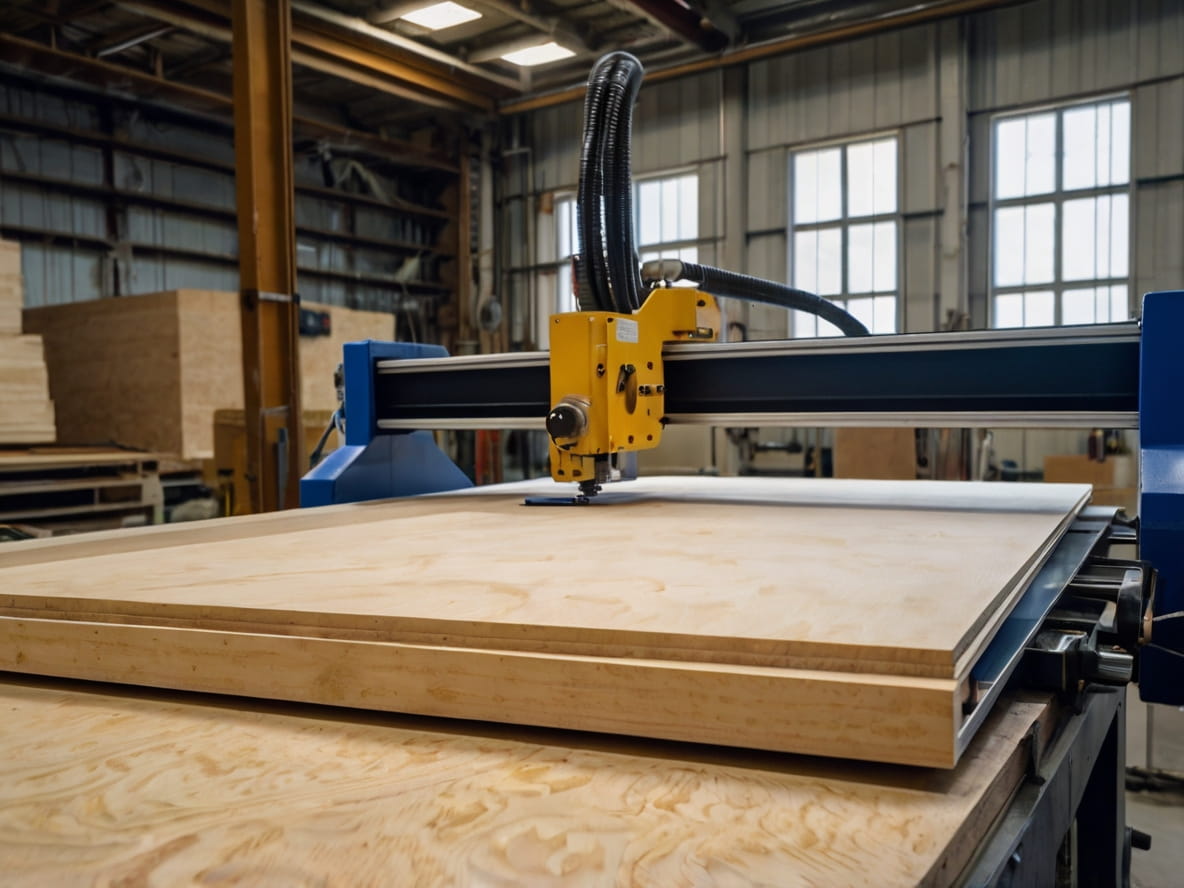
Machining of wood and materials
Machining of wood and sheet materials is the full set of operations that turn a blank of solid wood, plywood, MDF, particleboard or MFC into a finished part: sawing and cutting to size, milling, grooving, cross-cutting, drilling, sanding and painting. Everything runs on professional equipment, including CNC, so accuracy stays within tenths of a millimetre on a single part as well as on a production batch. Below is what materials we work with, the stages that make up wood machining, who needs it, how long it takes and how to place an order remotely.
Machining of wood and sheet materials
A rough board or a bare sheet of board is not yet a part, only a blank. Turning it into something that fits into furniture, a structure or a display is exactly the job of machining. This covers a whole set of operations: sawing and cutting to size, milling, grooving, cross-cutting, drilling, sanding, painting. Each one gives the material the property it needs — precise geometry, a smooth surface, protection from moisture. In the end the part is ready for assembly or sale and needs no rework on the customer’s side.
MDF, particleboard, plywood, MFC, edge-glued panel — the materials look similar, but they behave differently under the tool. MDF has a uniform dense structure, it takes fine milling well and does not crumble when threaded. Particleboard has a loose core that is easily torn up by the wrong feed rate. MFC is fragile at the edge, edge-glued panel is sensitive to humidity. That is why each one gets its own settings and its own tool, rather than one universal approach for everything. The result of this approach goes into furniture, construction, finishing and one-off structures.
The point of machining is not just to “improve” a blank, but to hit the project’s technical requirements exactly. The part must fit into its system without adjustment on site — meet the neighbouring elements, take the hardware, bear the load. There are no trifles here: a wrong groove or an extra millimetre in thickness will show up already at assembly. Modern machines and a well-thought-out process are precisely what deliver the repeatable accuracy at which the finished product lasts a long time and does not disappoint six months later.
The benefits of working with professionals

Modern equipment
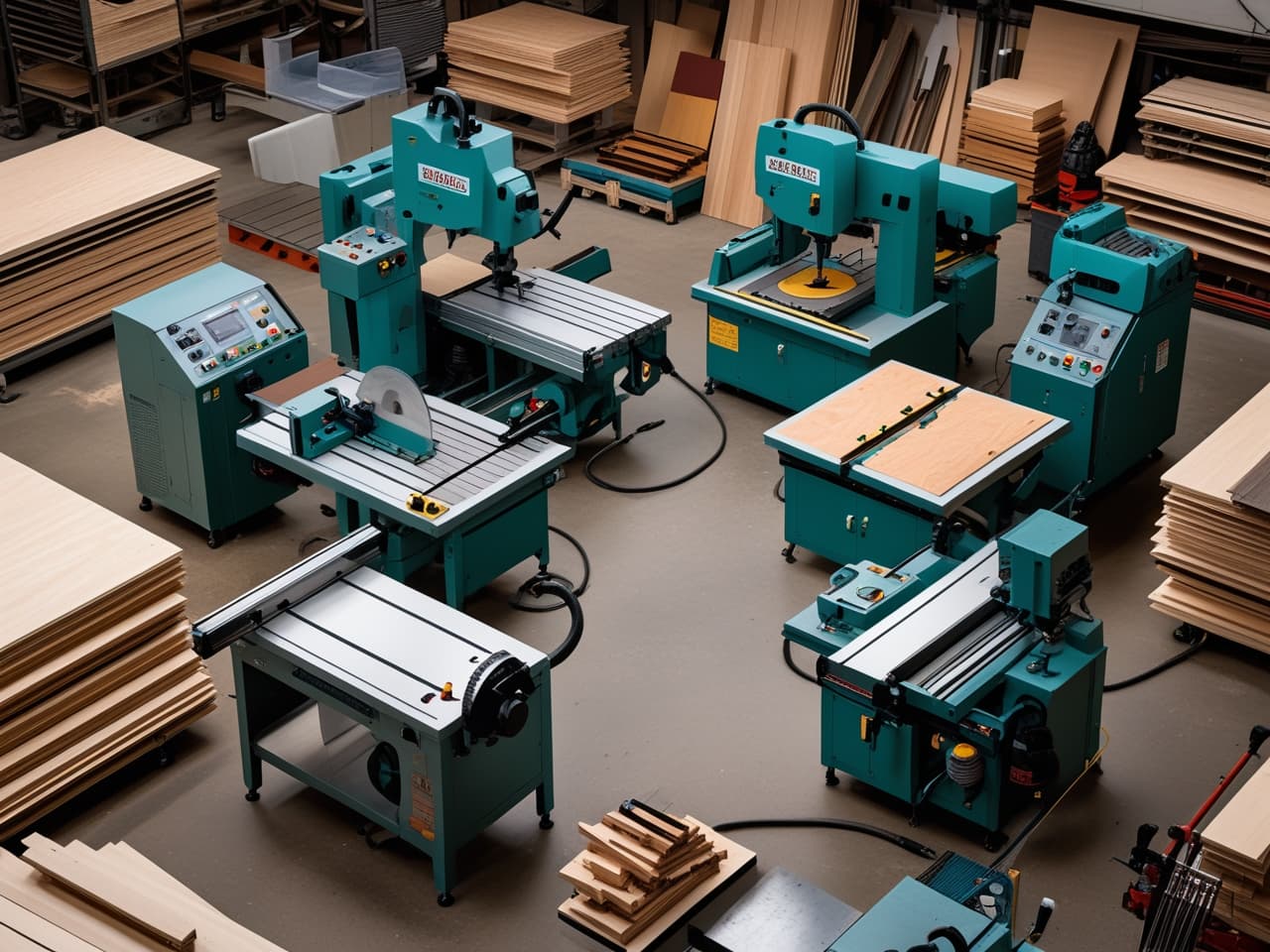
Panel saws, CNC and milling machines — precision, speed and quality guaranteed

Extensive experience and expertise
We know how to handle wood and sheet materials — reliably, precisely, professionally

Fast order fulfilment
Fast and without compromising quality. We value your time and our commitments

A full range of services in one place
Cutting to size, sawing, milling, sanding, painting, assembly — all in-house, with no middlemen
Trusted materials and consumables
We work only with quality materials, so you can be confident in the result

An individual approach to every client
We work to your drawings, create a machining program for the task and account for every detail
Service features — Machining of wood and sheet materials
A good result starts with knowing the material. MDF and particleboard call for care: a loose or compressed structure is easily deformed by too aggressive a feed or a blunt tool. MFC and edge-glued panel are tougher mechanically, but rushing backfires here too — a chip on the laminated edge or a tear on the panel edge will spoil the look of the finished part. That is why cutting speed, cutter type and the order of operations are chosen for the specific board rather than taken out of habit.
Precise fitting is a topic of its own. It almost always matters to the customer that the part sits in its place without a file: groove into groove, size to size. This is especially critical when a single structure is assembled from dozens of elements and an error on each adds up to a misalignment. Specialised equipment helps hold such accuracy — CNC routers, panel saws — which repeat the set contour identically on the first blank and on the hundredth.
The second advantage is a variety of operations under one roof. Need to bring a surface to smoothness — sanding does the job. Need colour or protection — painting comes in. Need a seat for a hinge or a groove for a shelf — grooving is done. Need precise dimensions and a clean end — sawing and cross-cutting are called in. The client does not piece the part together with different contractors: the whole set of techniques is available on site, and operations follow one after another without wasting time shipping blanks around.
Stages of machining wood and boards
Consultation
Receiving drawings or developing a plan
Agreeing lead times and cost
Launch into production
Quality control at every stage
Finishing
Packaging and preparation for shipment
Delivery or pickup
Stages of service delivery — Machining of wood and sheet materials
Every order goes through several steps, and the first of them is not the machine but analysing the task. It is determined which material to work with, what its characteristics are and what should result in the end. Board thickness, wood species, load on the future part, service conditions — all of this affects the methods used for machining. The more precise the inputs at the start, the fewer surprises later and the shorter the path to a finished result.
Once the material and requirements are clear, the equipment is prepared. Its own machinery is set up for sanding, painting or cutting: modes are set, cutters, blades and abrasive of the right grit are selected. Tool accuracy and machine setup are checked separately — a blunt cutter or a knocked-off setting is invisible at this stage but will show up as defects in the finished part. This preparation eats up time, but it is exactly what determines whether the whole batch comes out even.
Next comes the machining itself, and here the set of operations depends on the order. One part will need only sawing and sanding, another will need grooving for hardware, a third — contour milling and painting. Operations follow a strict order: first shape and size, then surface, coating at the end. Reordering them is usually impossible without a loss of quality. Accuracy is held at every step so that the part matches the drawing rather than “roughly hits” it.
Quality control closes the chain. Finished parts are checked against the drawing — dimensions are measured, geometry, surface cleanliness and fit are verified. The point is simple: catch a possible defect here, not when the batch has already gone to the client and entered their line. One rejected part at the output is far cheaper than a failed assembly on the customer’s side because of a missed deviation.
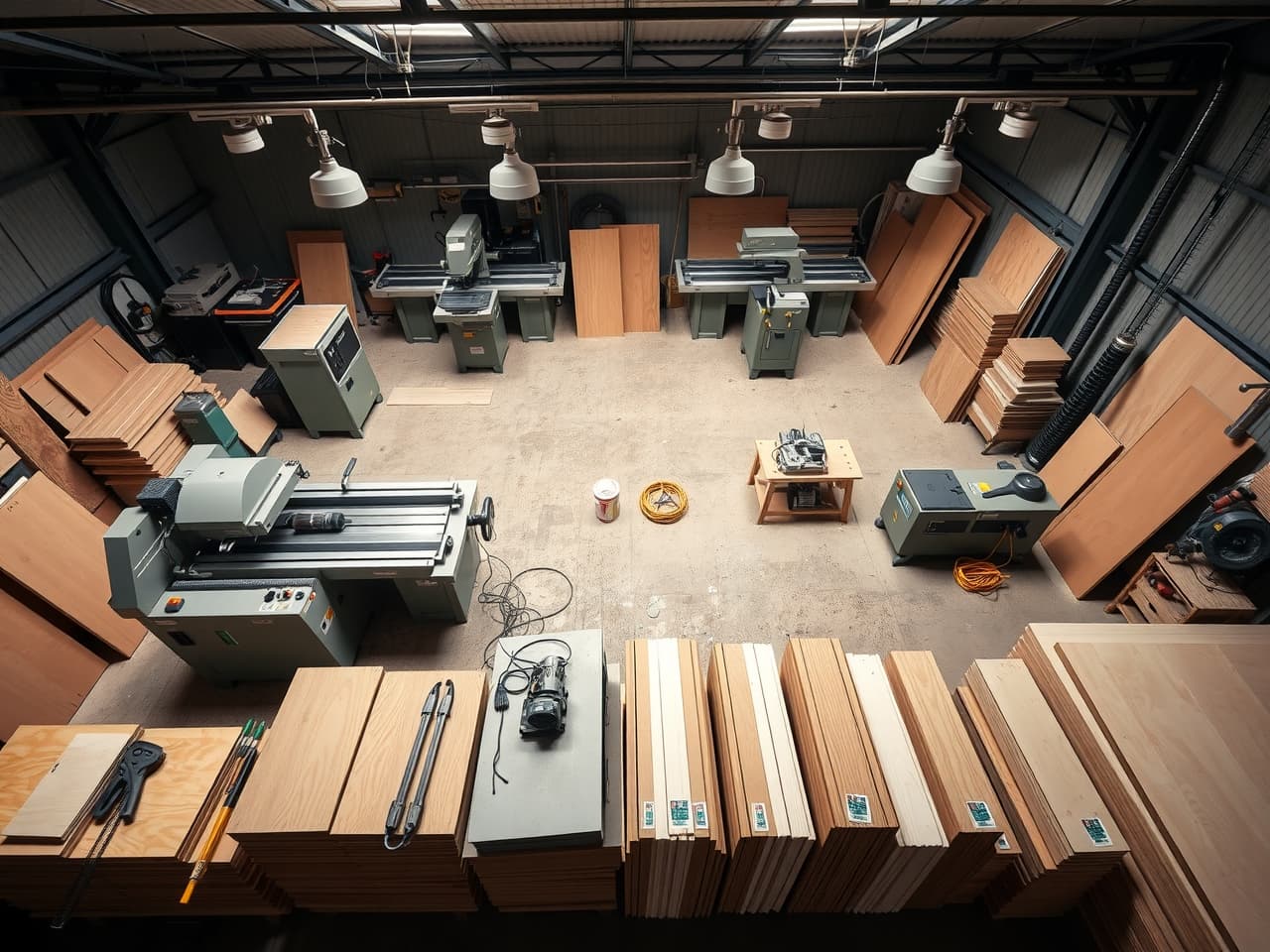
Service advantages — Machining of wood and sheet materials
Why bother with full machining at all if you can just cut to size? The difference is in service life and in the look of the finished item. A machined part takes a beating better: sanding and coating close the wood off from moisture, abrasion and temperature swings, which otherwise dry out and crack untreated solid wood. Put simply, a painted and sanded front will last for years, while a bare board will start to swell from the first splash in a kitchen.
The second plus is accuracy, and with it the speed of assembly. When all parts arrive exactly to size, furniture goes together like a construction kit: nothing needs filing on site, adjusting or reworking. For a furniture maker and a builder this is a direct saving of time and hands during installation. It is especially noticeable at volume: a hundred identical accurate parts save far more man-hours than it seems on a single piece.
There is also a purely visual side. A sanded and coated surface looks quite different from a rough blank: even colour, a texture pleasant to the touch, a neat edge. In furniture and interior finishing this is half the battle — the buyer looks at the appearance first and only then at strength. A skilful finish can even lift an inexpensive material, making it worthy of an expensive interior.
Finally, machining makes a part more functional. Grooving for hinges, holes for confirmat screws, slots for shelves and the back panel — all of these are seats prepared in advance for hardware and mechanisms. All the customer has to do is assemble, rather than drill and chisel by hand at the risk of missing. Such a part essentially arrives already “smart”: everything needed to assemble the finished product is provided for in it.
Why choose machining services for wood and sheet materials
Outsourcing wood machining is more profitable than it seems at first glance. There is no need to buy machines, run a workshop and train people — the contractor already has all of that. Modern equipment on its own raises quality and cuts the defect rate, while precise cutting leaves less waste. Together this lowers cost price: you pay for finished parts, not for your own line standing idle and sheets written off as shavings.
The second point is work tailored to the specific task rather than to a single template. Every order is analysed separately: what dimensions, what material, what coating, where the part will work. Someone who deals with different boards and species every day will usually suggest a sensible solution — for example, where expensive solid wood is excessive and where, on the contrary, you cannot cut corners. Such a dialogue before the start saves both money and nerves.
Speed is another argument in favour of a contractor. A well-run line and people who do this every day get through an order faster than a one-off attempt to do everything on your own. For those pressed by deadlines — furniture before move-in, equipment before opening, a batch before shipment — this gain in time is often more important than a couple of percent difference in price.
Related services often come with it: help with choosing the material, refining the drawing, advice on the design, packing for transport. Little things like the tip “this part is better split in two” or “use a thicker board here” save the customer a separate stage of thinking. In the end the cooperation turns out not to be a plain “hand it over, take it back”, but comes with feedback that improves the result.


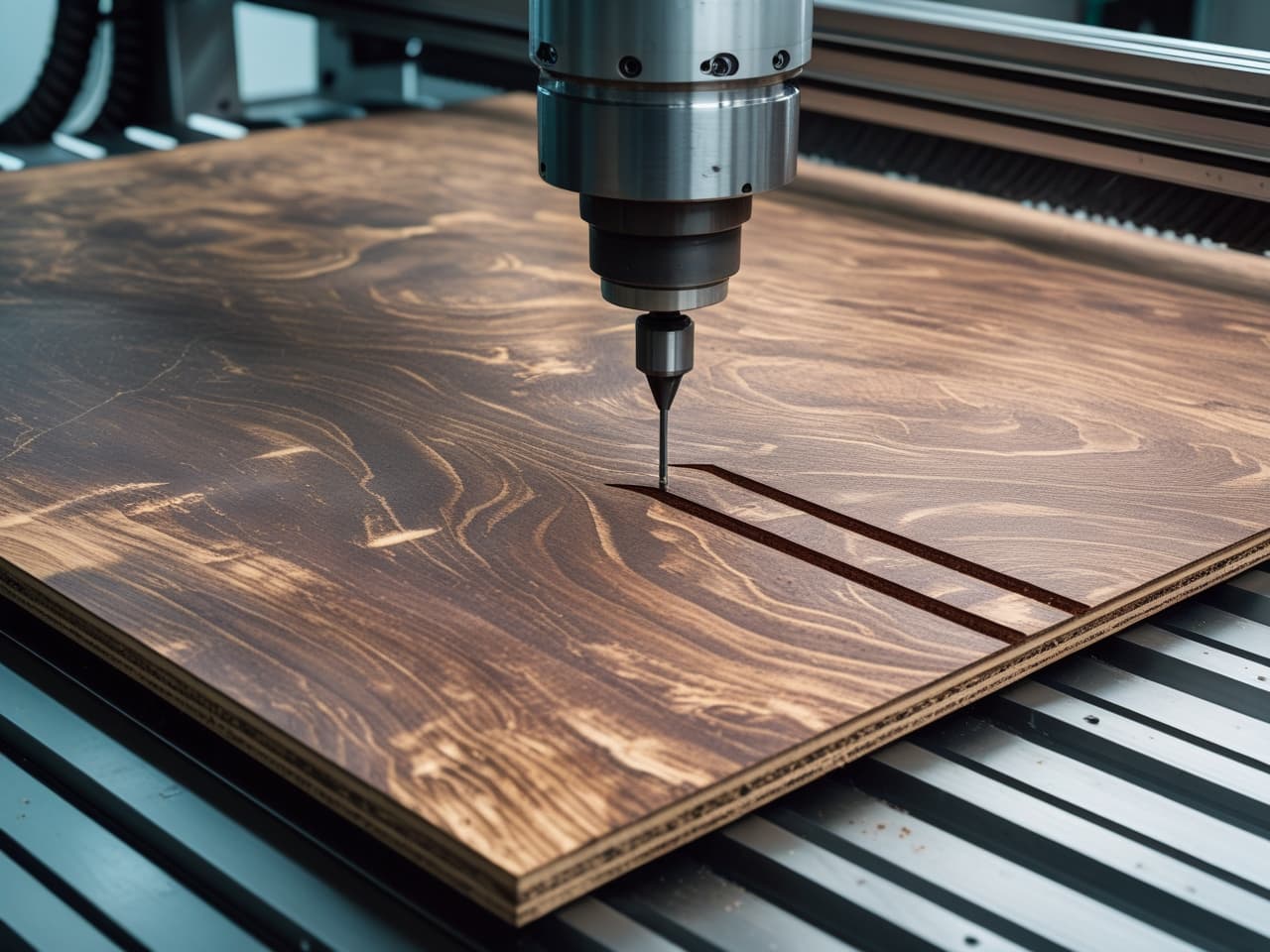






All types of woodworking and sheet-material machining services
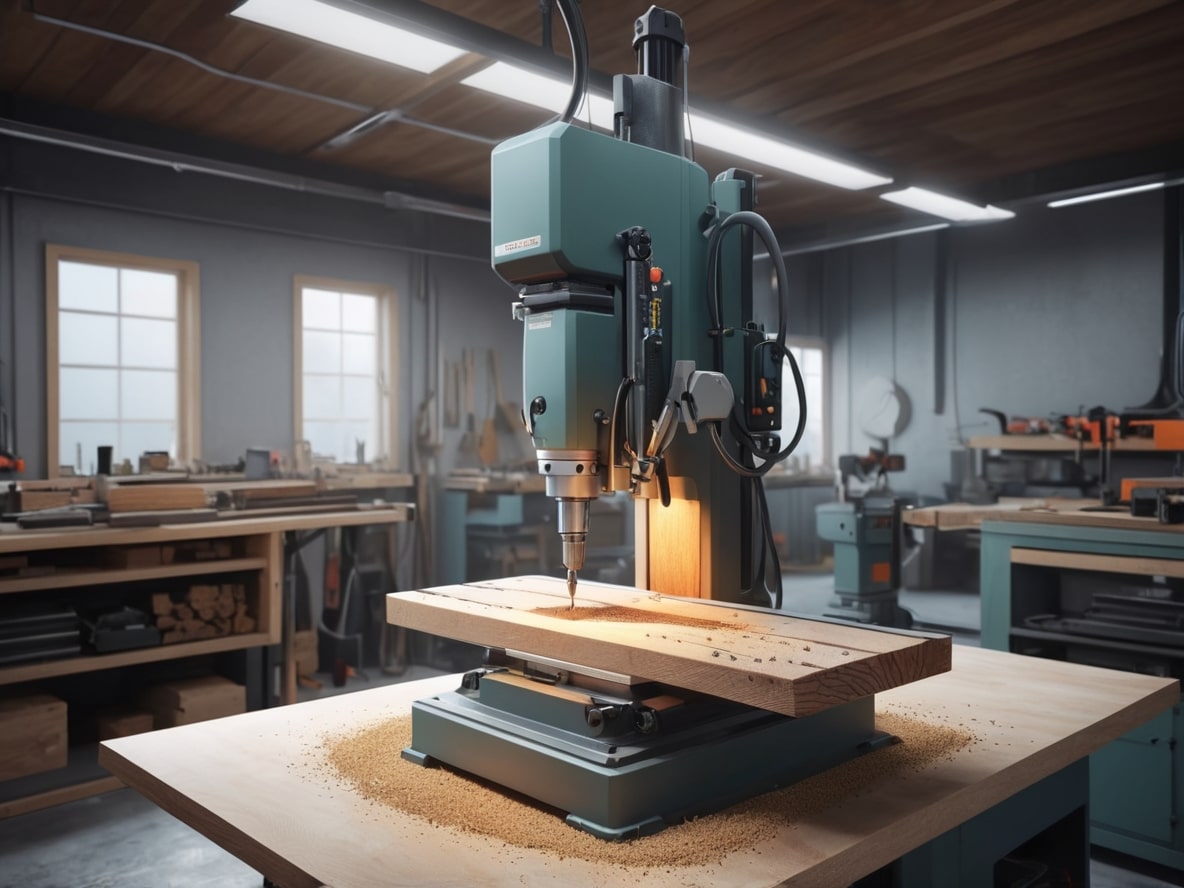
The machining package is made up of separate operations, and each closes off its own part of the task. Sawing is the basic one: the blank is cut precisely to the given dimensions, setting the geometry of the future part. It may seem a trifle, but whether the assembly comes together later depends precisely on an even cut. In furniture and construction a crooked edge on the saw drags defects into all the following stages, which is why everything starts with it.
Cross-cutting puts the ends of the blanks in order — levels them to a precise angle so that parts meet tightly, butt to butt, without gaps. Without this step the assembly “wanders” and the facing lies crooked. Grooving solves a different task: it makes recesses and slots in the material for hardware, locks, hinges, fastenings. In essence, these are seats prepared in advance that turn a plain part into one ready for installation.
Painting works on two fronts at once: it sets the appearance and protects the material from moisture and wear. There are plenty of options — matte or gloss, opaque colour or a clear coat that highlights the wood texture. It is preceded by sanding: it brings the surface to smoothness, removes irregularities and fibre, prepares the material for coating. Without quality sanding any paint will go on in patches and reveal every scratch, so these two operations almost always go together.
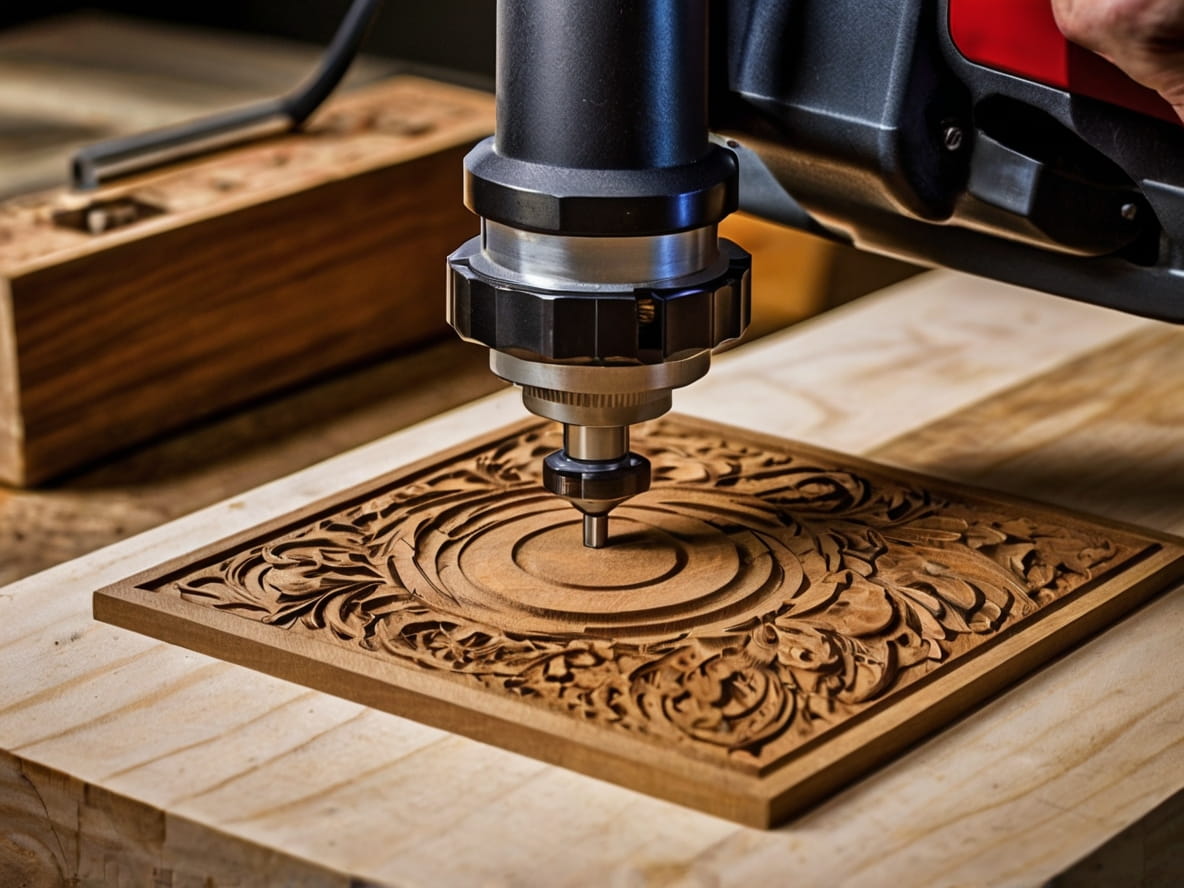
Milling opens the way to complex solutions — both technical and decorative. It makes grooves and joints, and also carved patterns, three-dimensional relief, a shaped contour that a straight tool cannot reproduce. Everything here rests on accuracy and holding dimensions, and high-precision CNC equipment provides them: the program guides the cutter along the contour identically, however many parts are needed.
Our portfolio — finished products
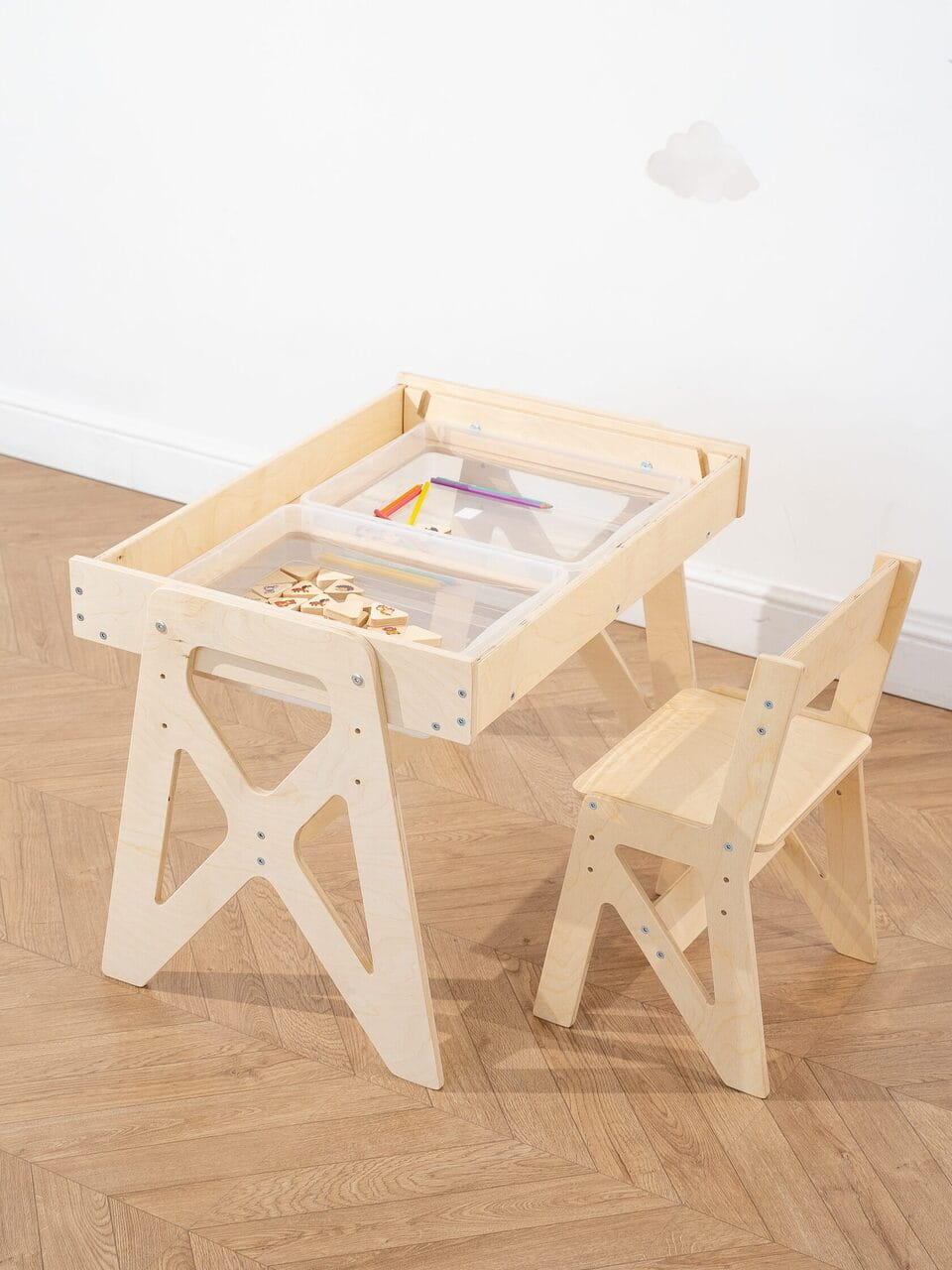


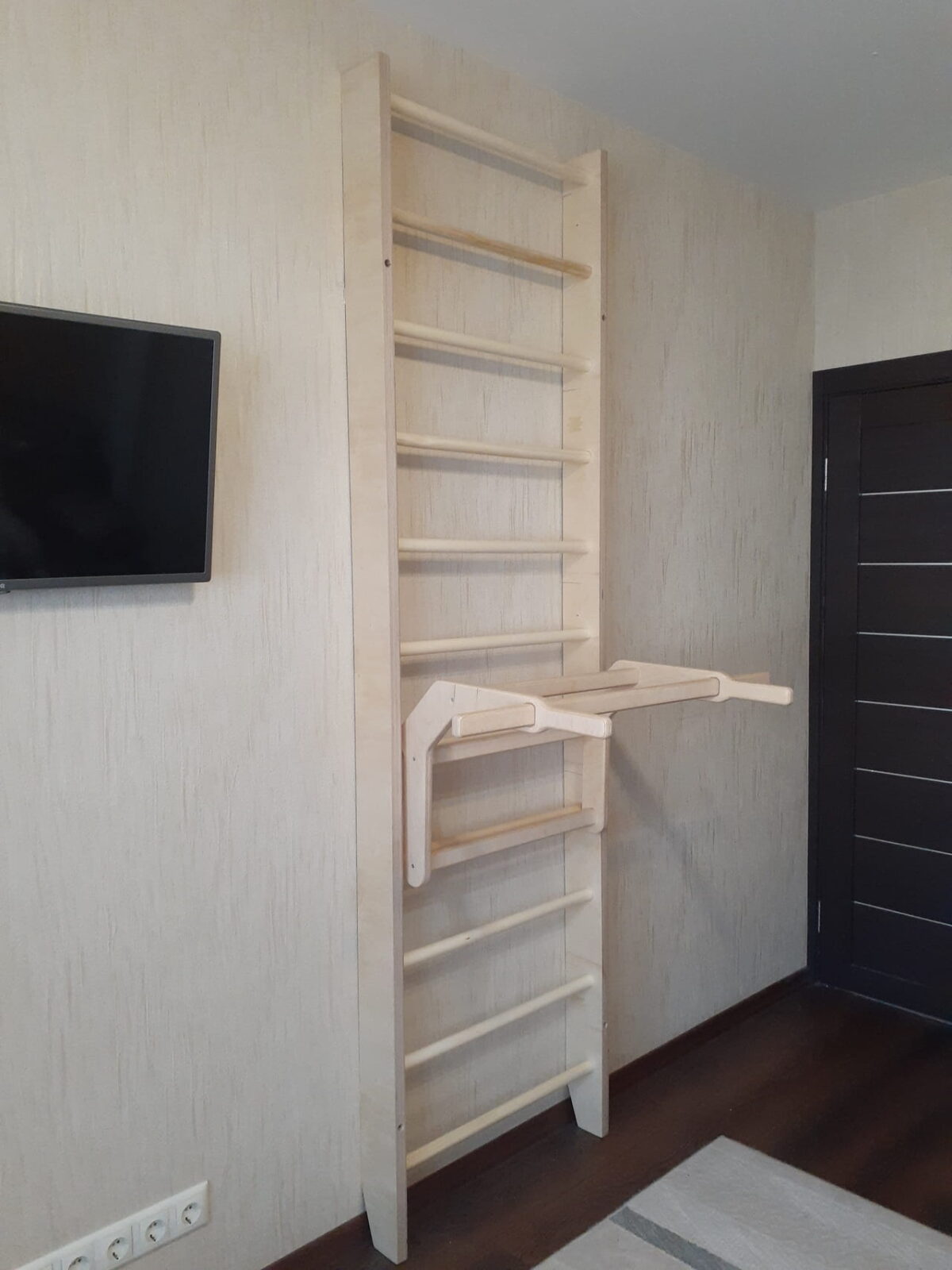
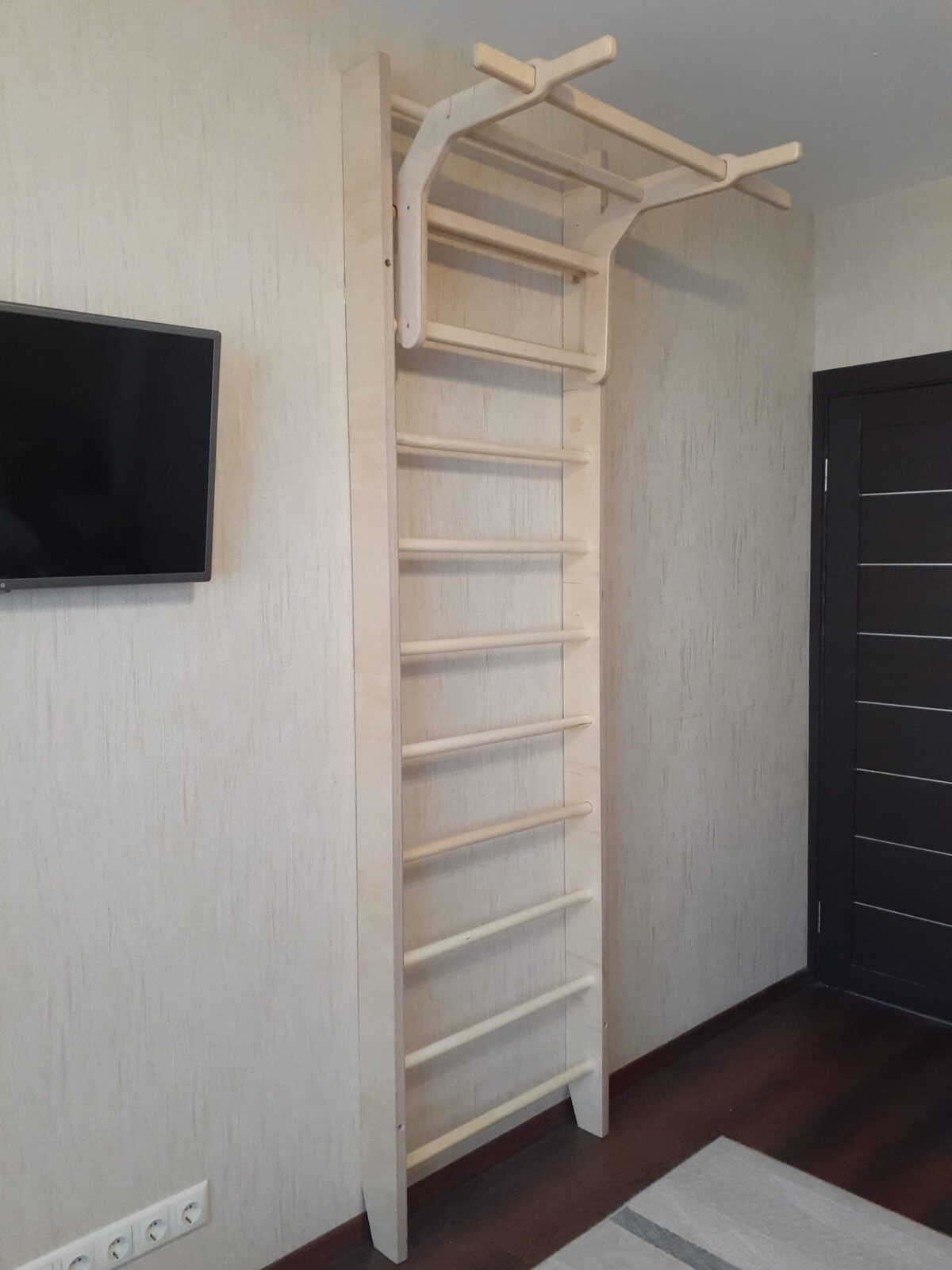
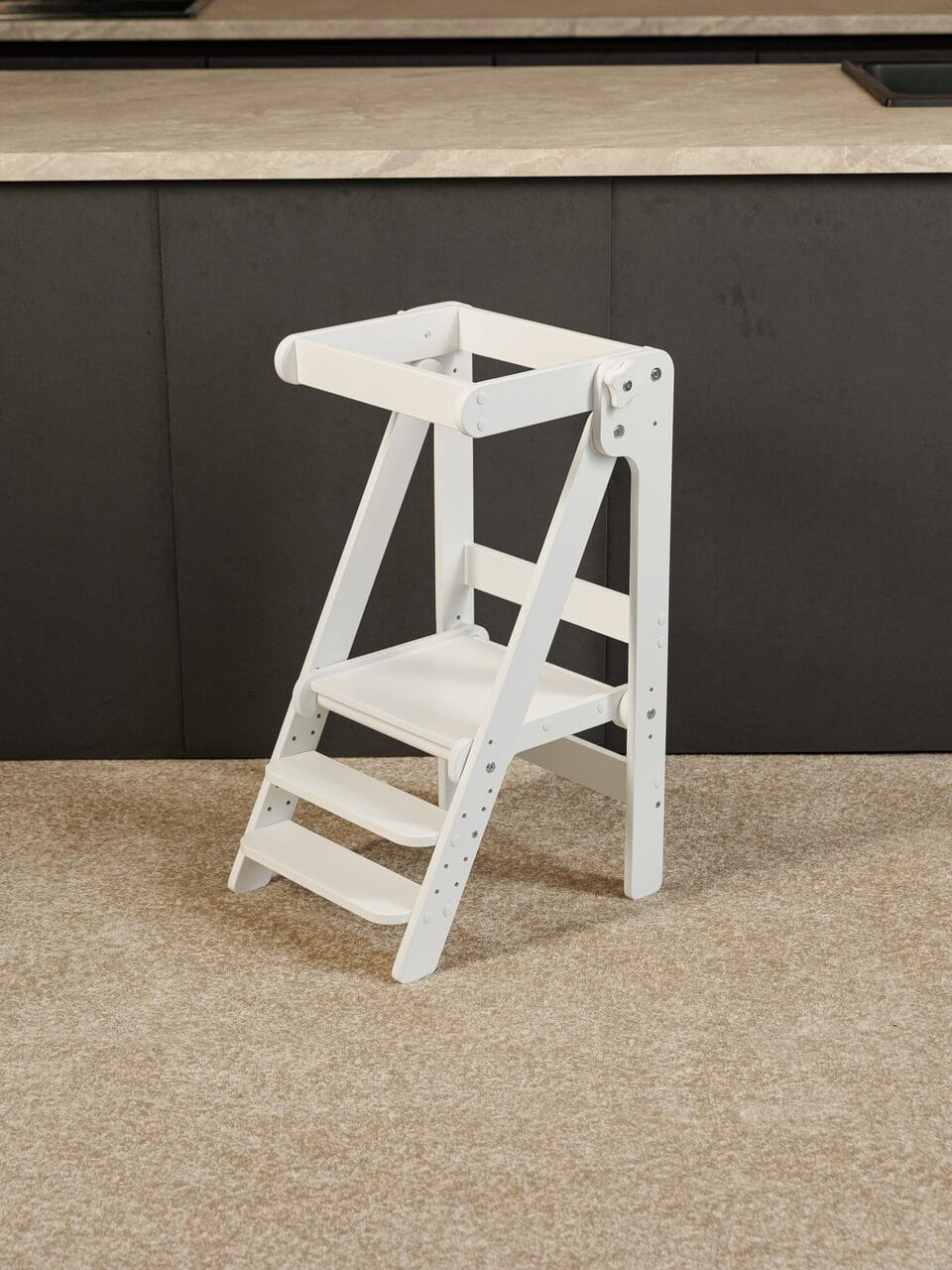
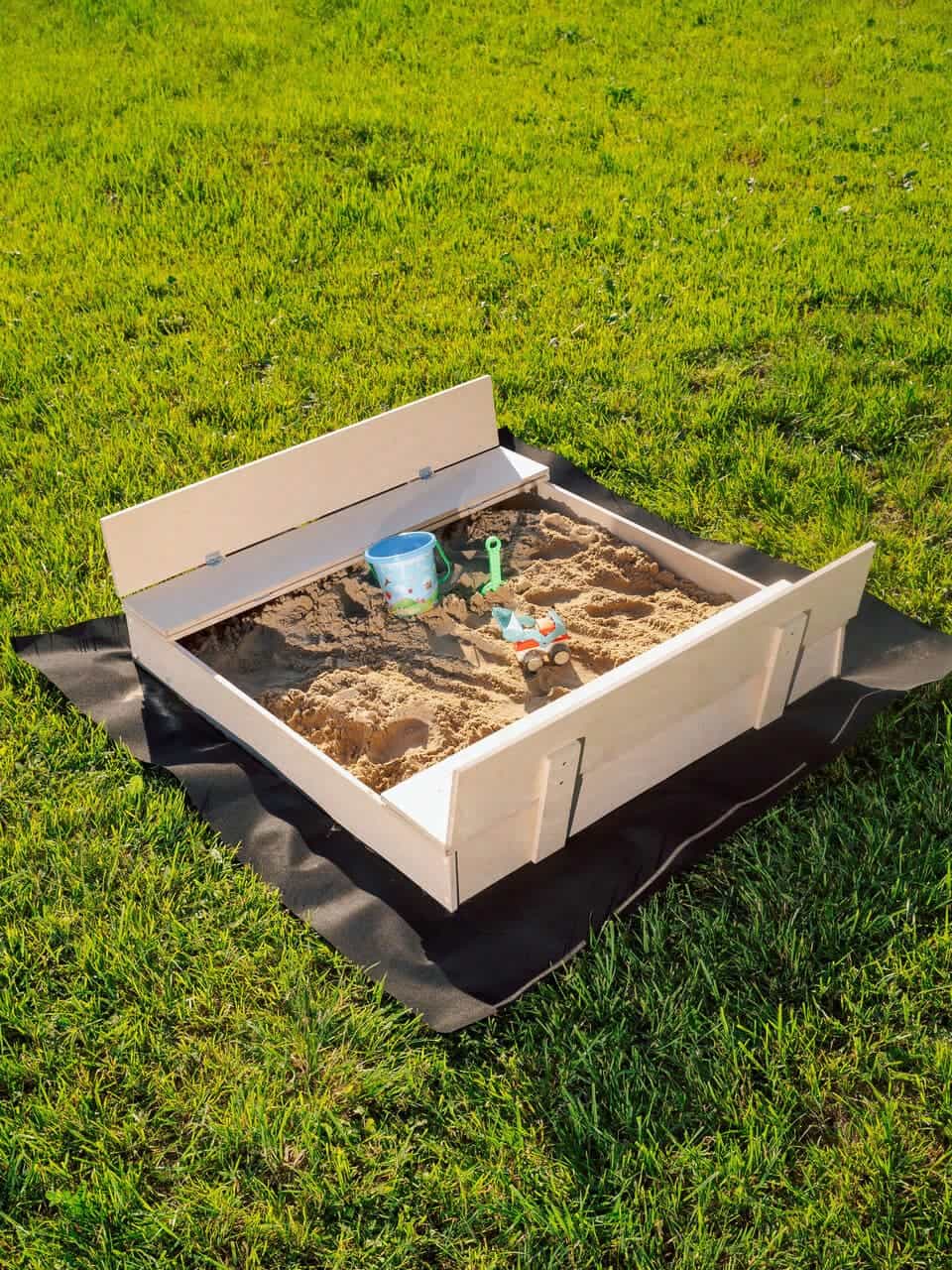



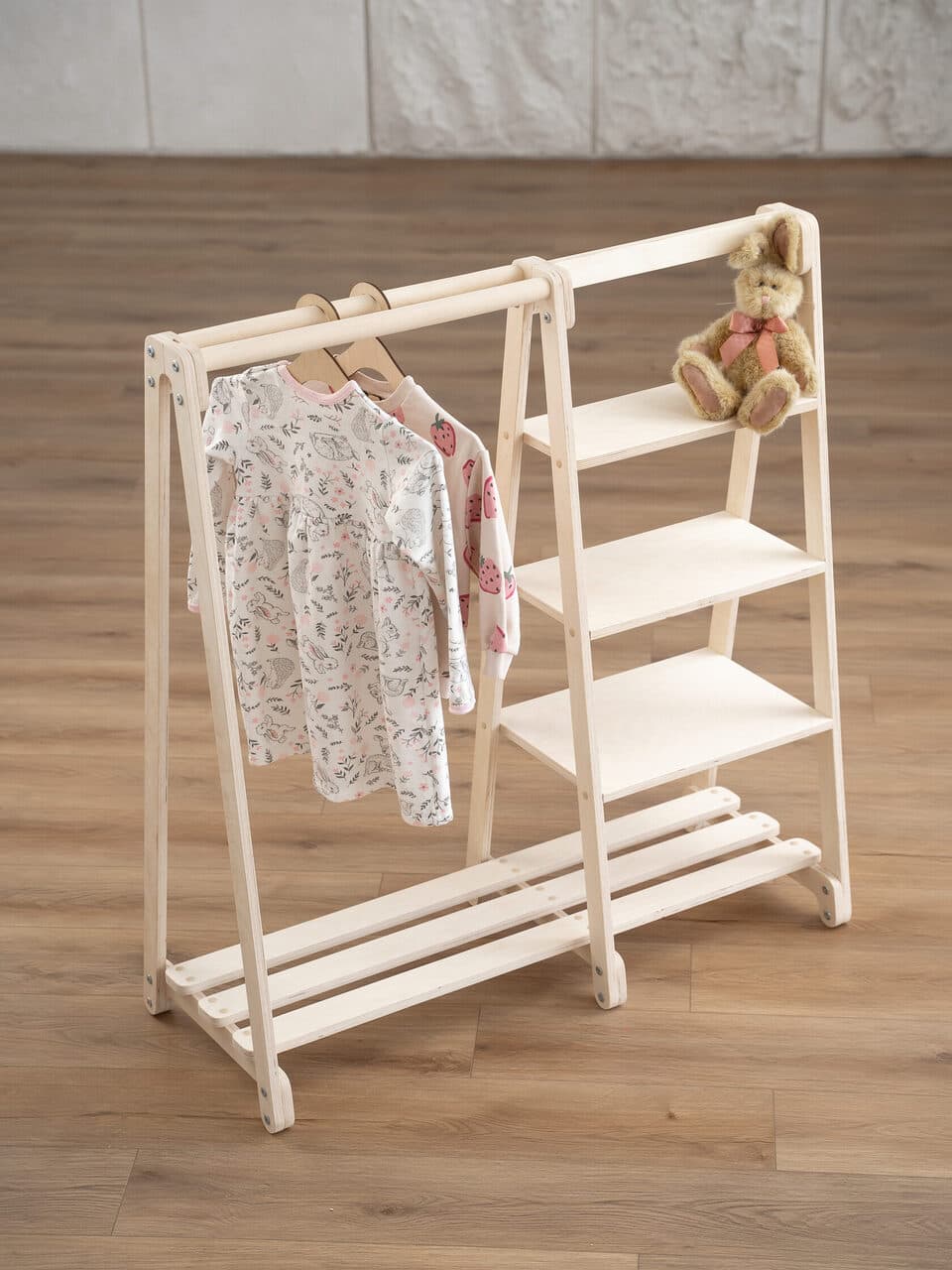
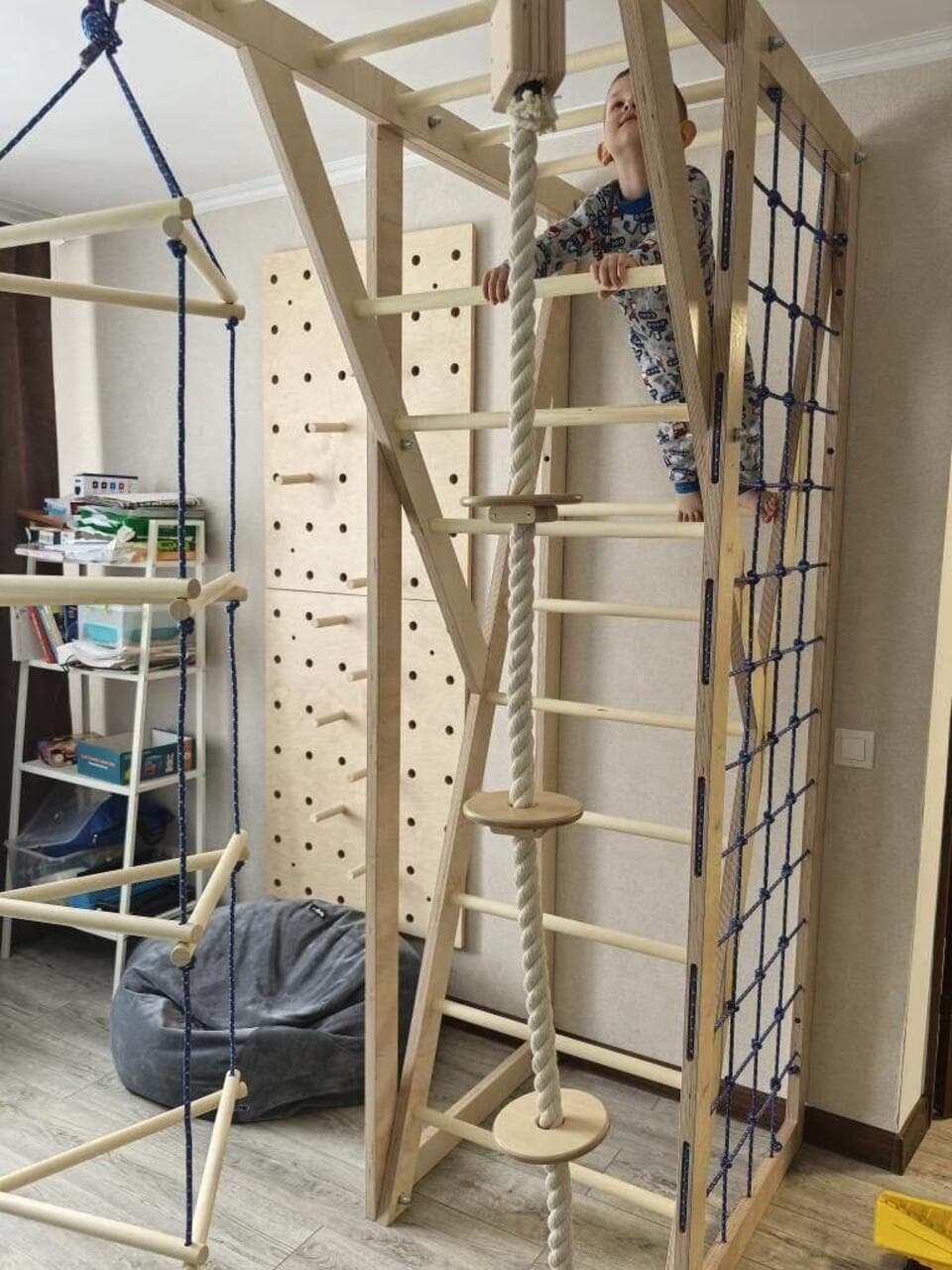
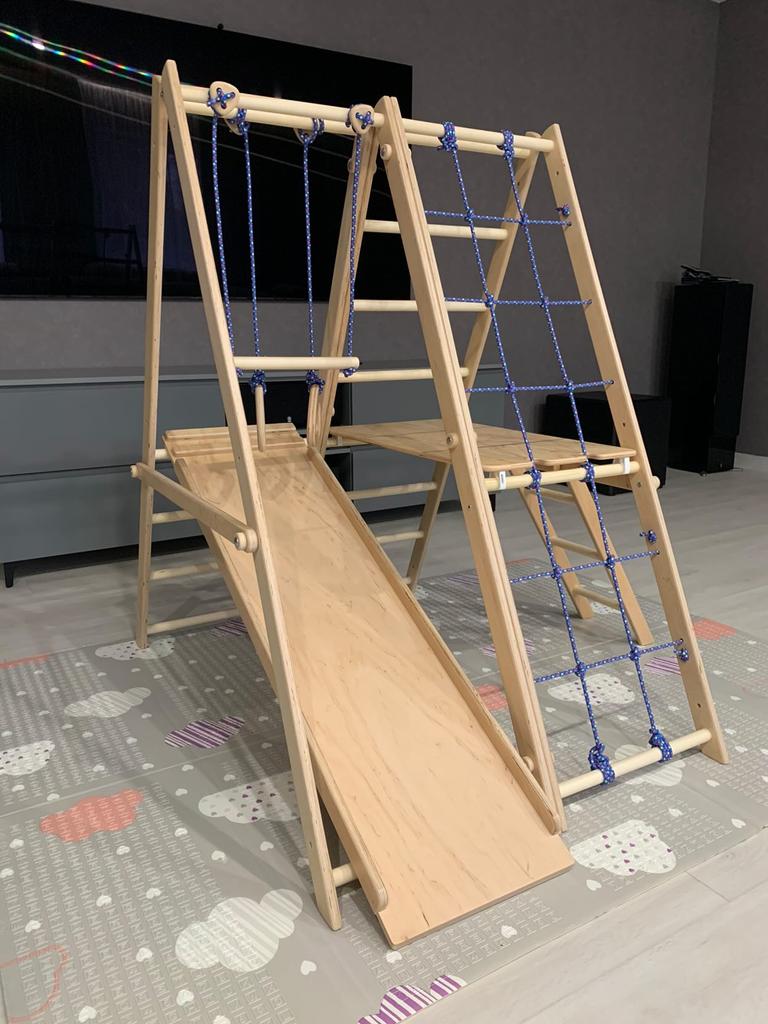

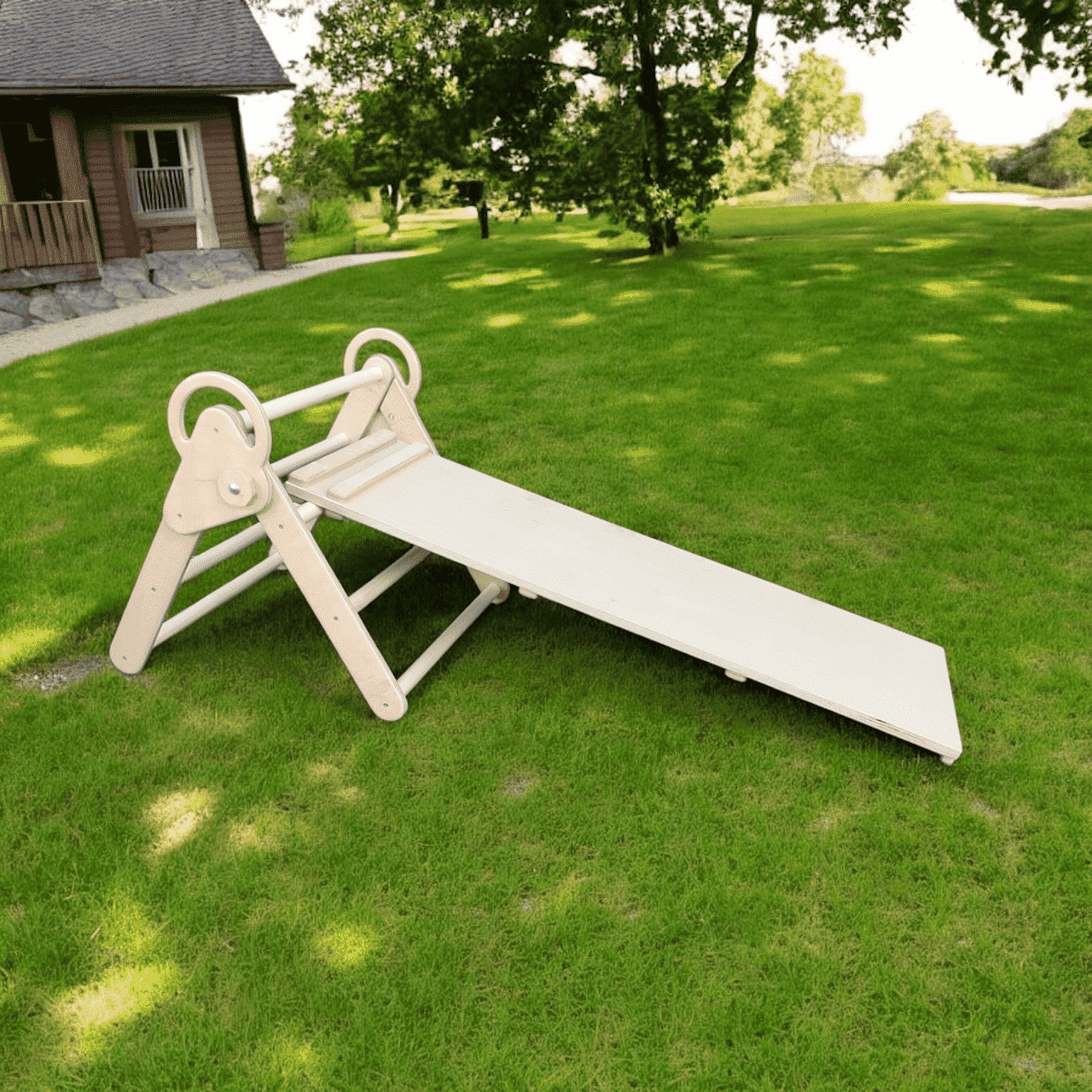

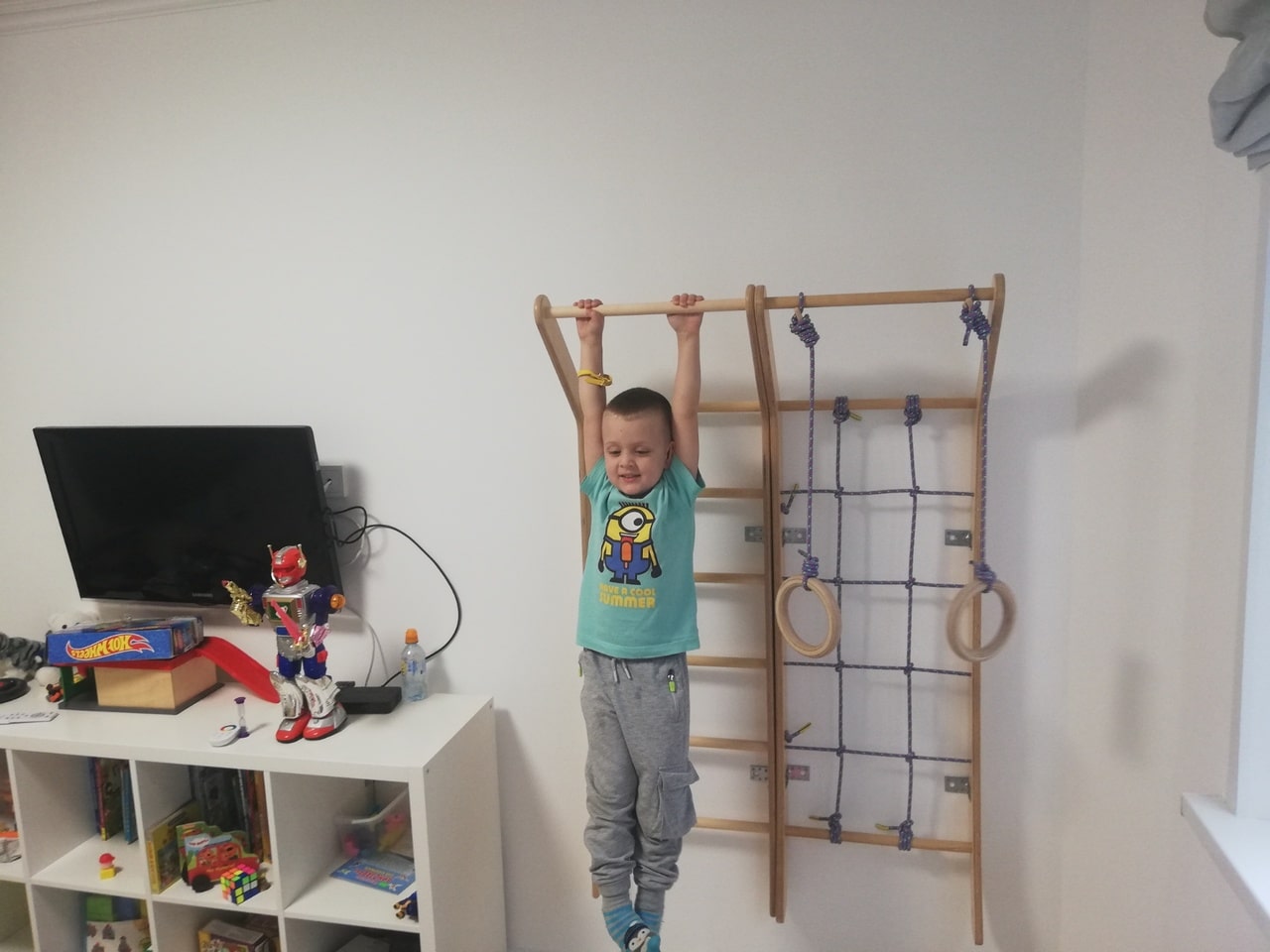


Real tasks and solutions — Examples of completed work
So as not to stay in theory, here are a few real orders from different segments. One of them is a large batch of MDF panels with painting for a chain of furniture stores. The work included precise cutting to size, cross-cutting and coating with durable paints strictly to the customer’s catalogue: the colour had to match across every store in the chain. The volume was sizeable, so the uniformity of each panel was critical.
Another order was plywood for a company that assembles building modules. The sheets were sanded and grooved strictly to the customer’s drawings so that all elements would fit into each other on site without adjustment. The cost of an error here is high: the module is assembled on site, and if a groove is off by a couple of millimetres, it has to be reworked in the field rather than in the workshop. So the emphasis was on precise, repeatable joining.
Orders for sawing and sanding edge-glued panels regularly come in from small workshops and joinery shops that need parts for their own individual projects. Such clients often have no panel saw or sanding machine of their own, but they do have an idea and a drawing. By adding grooving and cross-cutting to the sawing, we could hand them almost-finished elements — and assembly on their side went noticeably faster.
A separate category is marketplace sellers. They need particleboard and MFC cut accurate to the millimetre, both standard and to non-standard sizes for their products. Such orders came with mandatory labelling of every part: this makes it easier to pack parcels and not mix up positions in the warehouse. In essence, machining was built into their logistics — the parts arrived already labelled and ready to ship to the buyer.
Who uses a carpentry workshop’s services

Furniture makers

Interior designers

Advertising companies

Exhibition stand builders

Art studios

Cafés and restaurants

Construction firms

Retail equipment manufacturers

Furniture factories

Private craftsmen

Custom orders

Manufacturing companies

Museums and exhibition halls

Architects

Theatres and film studios

Educational organizations

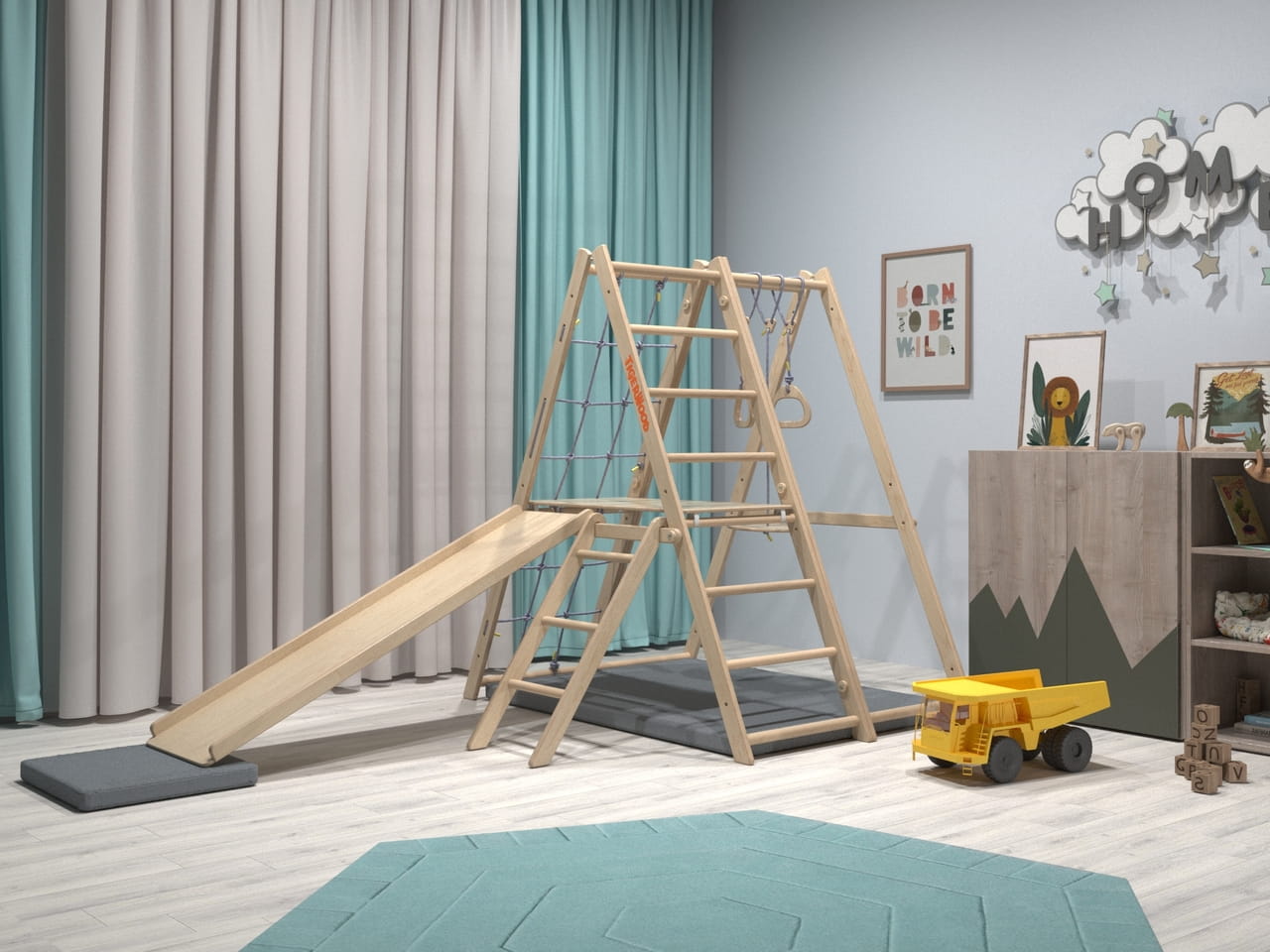
Children’s products manufacturing

Repair specialists

Online stores

Sole proprietors
Who orders machining of wood and board materials
The circle of customers is wide, and each has their own interest. In first place are furniture manufacturers: for them everything is decided by cutting accuracy, careful sanding and an even coating, since the goods the buyer will see are assembled from these parts. Next come joinery workshops, which make one-off items to order and pull in machining where they lack their own equipment for a particular operation.
A noticeable share is taken by construction companies. They need elements for partitions, frames, formwork, finishing — usually large and precise, which take a long time and come out uneven when made by hand on site. This includes both large developers and contracting organisations in a B2B format, for whom a steady flow of identical parts and predictable lead times to fit the construction schedule matter most.
Online shops and marketplace sellers write in often — they order blanks for flat-pack furniture, stands and other mass-market goods, where low cost price and accuracy at scale matter. Partners also include those who make retail equipment, do interior styling or assemble packaging from wood and boards. For all of them, machining is a way to obtain finished components without setting up their own production.
That said, it is not only about the big players. Small businesses and private craftsmen are frequent guests too — they need a small batch or even a few parts to their own dimensions, and no one tells them “come back for a thousand pieces”. The geography is not limited to a single city either: orders travel across all of Europe. Convenient logistics help, along with the ability to agree all parameters remotely without coming in person.
Machining service for wood and board materials
The technology of machining wood and board materials
Behind the general word “machining” stands a whole series of operations, and each prepares the blank for its role in production. Sanding, grooving, cross-cutting, painting — each has its own machine and its own technology that cannot be departed from without a loss of quality. Together they deliver the three things it is all done for: dimensional accuracy, a neat appearance and functionality of the finished part. Remove one operation and something in the result will inevitably sag.
Versatility of materials in the work
Plywood, MDF, MFC, particleboard, edge-glued panel, OSB — each has its own technical and performance habits, and there is no universal approach here. MDF is good for fine carving and milling because it does not crumble on small relief. Plywood is for strong, loaded structures — it holds fasteners well. MFC is for inexpensive cabinet furniture with a ready decorative coating. Knowing these differences is what allows machining to be done correctly: not to try, say, to cut fretwork out of particleboard or to bend what was not made for it.
Practical value for different customers
The main practical benefit is that machining takes the load off the customer’s production. The contractor closes the whole technical cycle: from the first cut to painting and packing. The furniture maker gets components ready for installation or sale and does not keep an extra workshop for it. The builder gets precise elements that assemble without adjustment. The seller gets blanks accurate to the millimetre with minimal waste, and therefore minimal overpayment for material. Each saves their own thing: time, money or space.
Guaranteed accuracy and stability of geometry
Industrial equipment removes the human factor where it gets in the way. A hand tires, an eye grows dull, but a CNC machine repeats the set parameters for thickness, length and width identically all day long. All operations run under control, so part number one hundred is no different from part number one. On large batches this is decisive: when every blank has to fit the template exactly, handwork simply does not give the required stability.
Integration into production chains
Machining is easy to build into your own logistics without disruptions. Supply can be run on a schedule — in batches by the required dates rather than all at once. Order parameters are recorded, so a repeat run is done from settings already agreed, without a new round of clarifications. This scheme is especially handy for those who regularly take the same volume: set it up once and after that orders run like clockwork, with a predictable result.
Wood machining: materials, operations and result
So that wood machining does not remain an abstraction, let us break it into clear parts: which materials we work with and how they behave, what each operation gives, what makes up price and lead time, and which mistakes most often hinder the customer. All of this is practical guidance rather than general phrases, and it will help you set the task more precisely even before the call.
Materials and their behaviour under the tool
Half the success of machining lies in the correctly chosen material. The same technique on solid wood and on particleboard gives a different result, and a cutter ideal for MDF will tear up plywood. The short table below gathers the essentials: what each material is good at, where its weak point is and what it is usually chosen for.
| Material | Strong side | Weak point | Where used |
|---|---|---|---|
| 🌳 Solid wood | Strength, look, repairability | Afraid of humidity swings | Worktops, panels, decor |
| 🪵 Plywood | Holds fasteners, strong | Can delaminate at the edge | Frames, modules, boxes |
| 🟤 MDF | Uniformity, fine milling | Heavy, afraid of water without coating | Carved fronts, decor |
| ⬜ MFC | Ready coating, cheap | Fragile edge, chipping | Cabinet furniture |
| 🔳 Particleboard | Inexpensive, available | Loose core | Bases, hidden parts |
| 🟫 OSB | Strength, moisture resistance | Coarse texture | Construction, formwork |
Not sure what to choose — that is fine. It is easier to describe where the part will stand and what load it will bear, and a suitable material will be suggested. A common story: the customer asks for expensive solid wood, but in practice the task is closed by painted MDF — both cheaper and more practical for that case.
Operations and what they give
Wood machining is not a single action but a set of operations that come together for a specific part. They are taken separately or as a bundle. Here is what does what.
| Operation | What it does | Why it is needed |
|---|---|---|
| ✂️ Sawing and cutting | Cuts the blank to size | Sets the part’s geometry |
| 🪚 Cross-cutting | Levels ends to an angle | Tight joints without gaps |
| 🕳️ Grooving | Makes grooves and pockets | Seats for hardware |
| 🔩 Drilling | Holes by layout marks | Fasteners, hinges, confirmats |
| 🔧 Milling | Contour, relief, chamfer | Shape and decor |
| 🌀 Sanding | Brings out the surface | Preparation for coating |
| 🎨 Painting | Applies colour and protection | Look and moisture resistance |
The order of operations is almost always the same: first shape and size, then seats, then the surface and coating at the very end. Break the order and, for example, sanding an already-assembled part turns out twice as long, while painting an under-sanded one is pointless. That is why the process engineer lays out the blank’s route in advance rather than deciding on the go.
What the cost of machining is made up of
The exact amount cannot be named without details, and that is honesty, not a dodge. The cost is assembled from several clear components — knowing them, it is easy to estimate the budget in advance and to understand where you can really save.
- 📐 Complexity. A straight cut is cheaper than shaped milling with relief and grooving.
- 🧱 Material. Its price plus consumption including offcuts — a dense layout saves the sheet.
- 🔁 Quantity. A single part costs more per piece, a series is more favourable thanks to the setup.
- 🎨 Finish. A bare part, sanding or painting in several coats — a different budget.
- 📦 Packing and labelling. Especially for sellers and delivery across Europe.
- ⏱️ Urgency. Work out of turn always costs more than the standard schedule.
The most reliable way not to overpay is to send a clear drawing and not to rush the deadlines. Rework due to inaccurate data and a crisis mode are exactly what add to the estimate those percentages you wanted to avoid.
Lead times by order type
The exact date is calculated per order, but there are benchmarks. They help with planning — for example, to understand whether a batch will make it to shipment or the parts to furniture assembly.
| Order type | Benchmark | Example |
|---|---|---|
| ✂️ Sawing / cutting only | 1 day | Ripping MFC sheets to size |
| 🔧 With grooving and milling | 2–4 days | Parts with grooves for hardware |
| 🎨 With painting | 4–7 days | Painted MDF fronts |
| 📦 Production batch | by agreement | Panels for a store chain |
The coating takes longest to dry, and rushing here does harm — better to allow an extra day than to get runs. If the order is tied to a date, it is worth getting in touch in advance and leaving a margin.
Common customer mistakes
Most mishaps happen not at the machine but when setting the task. Here is what most often gets in the way of a right-first-time result.
- ❌ Dimensions “by eye”. One wrong measurement and the part goes for recutting. Better to measure twice.
- ❌ Forgotten allowances. No clearance for the edge or assembly — the parts do not come together.
- ❌ Too thin a board. Saving on thickness turns into sagging under load.
- ❌ “I’ll paint it myself later”. Without a booth and preparation, coating often goes on worse than expected.
- ❌ Urgency at the last moment. Drying and complex milling cannot be sped up at the snap of a finger.
It is nothing to worry about if something here has been overlooked — that is exactly what the conversation before the start is for. A competent contractor asks these questions themselves before the cut, while it is still easy and cheap to fix.
How to prepare an order for machining
A good order begins with a clear task. The clearer the inputs, the fewer clarifications and reworks. A little preparation on the customer’s side saves time for both parties.
- 📝 Describe the part: what it is, where it stands, what load it bears.
- 📐 Attach dimensions or a drawing — even by hand, but with real figures.
- 🧱 State the material and thickness, or ask for it to be chosen.
- 🎨 Decide on the finish: bare part, sanding, painting, shade.
- 🔢 Give the quantity — a single part or a batch.
- 📅 Report the desired date if the order is tied to an event.
You do not have to come with a perfect technical package — many orders start with the phrase “I need something like this, help me figure it out”. The contractor’s job is precisely to translate an everyday description into the language of drawings and operations.
Wood machining for business needs
Wood machining is rarely an end in itself — almost always a specific business stands behind it: furniture, construction, retail, advertising. Below is which industries orders spread across, how coatings differ, which myths hold customers back and how to tell a savvy contractor from a random one.
Industries and typical tasks
To fit the possibilities to your own field, here is a summary of typical requests. It is not exhaustive, but it shows how varied the tasks are that one set of operations closes.
| Industry | What is ordered | Common material |
|---|---|---|
| 🪑 Furniture | Fronts, carcasses, parts for assembly | MFC, MDF, solid wood |
| 🏗️ Construction | Module elements, partitions, formwork | Plywood, OSB, solid wood |
| 🛍️ Retail | Counters, display cases, shelving | MFC, plywood, MDF |
| 📢 Advertising | Stands, letters, signs | MDF, plywood, plastic |
| 📦 Marketplaces | Blanks for flat-pack furniture, labelling | MFC, particleboard, plywood |
| 🏠 Interior | Panels, inserts, decor | MDF, solid wood, plywood |
If your task is not in the table, that is not a refusal but a reason to discuss it. Non-standard requests are solved with the same operations, just in a different combination.
Finishing coatings: what wood is closed off with
The finish affects both the look and the service life. There is no universal one — it all depends on where the part stands and what result is needed. A short comparison will help you get your bearings.
| Coating | What it gives | Where appropriate |
|---|---|---|
| ✨ Lacquer | Durable film, gloss or matte | Worktops, furniture under load |
| 🫒 Oil | Natural look, easy to refresh | Solid wood, “wood-look” interior |
| 🎨 Paint | Any colour, opaque cover | MDF fronts, decor, advertising |
Often the decision is made right in the conversation: you describe the conditions — humidity, abrasion, the shade needed — and the coating is chosen to suit them. Sometimes oil is enough, sometimes a durable lacquer is indispensable.
Myths about wood machining
Stereotypes have piled up around the topic, because of which customers put off getting in touch. Let us take apart the persistent ones.
- 💭 “They won’t take a single part”. They will — a one-off order is an everyday matter.
- 💭 “CNC is only for series”. No, it pays off even on a complex one-off shape.
- 💭 “You can’t use your own material”. You can — it will be checked and put into work.
- 💭 “It’s useless without a drawing”. A description and dimensions are enough — the drawing will be prepared.
- 💭 “You can’t order from another region”. You really can: the parts will be made and shipped.
How to choose a machining contractor
If you are deciding whom to trust with an order, here is a simple checklist. By these signs you can see that you have a contractor before you, not a lottery.
- ✅ States the lead time and price in advance.
- ✅ Asks questions about the drawing before the cut, not after.
- ✅ Works with different materials and honestly advises which is more appropriate where.
- ✅ Shows accuracy in figures.
- ✅ Takes both one-off parts and series.
- ✅ Is responsible for the whole cycle, not just one operation.
Working with regions
Distance is no obstacle: an order for wood machining can be placed from any city. The drawing is agreed online, the parts are made and go out by a transport company. For a client from another region it all looks just as simple as for a neighbouring one — the only difference is the delivery method. This is especially helpful for those running projects in several locations: a chain gets identical parts to a single standard, while a furniture maker assembles a site far from their own workshop out of ready blanks.
One-off order or ongoing cooperation
Wood machining is equally available both to those who come for a couple of parts and to those looking for a contractor for the long term. A one-off order is when you need to quickly close a specific task: rip sheets, mill fronts, sand a batch of panels. Described, agreed, taken away — with no obligations for the future. This format is convenient for private individuals and small workshops that have no equipment of their own for a rare operation.
Ongoing cooperation is about convenience over the long run. Furniture shops, construction companies and sellers come to see over time that it is easier to keep a single trusted source of parts than to look for a new contractor each time and explain the requirements anew. A contractor who already knows the client’s specifics works faster: fewer approvals, recorded parameters for repeat runs, priority in the hot season. Many come this way — from a single trial order, and stay for the long term.
What the full machining cycle includes
So that everything is in one place, here is a brief summary of the operations. In essence this is the full cycle broken into clear steps — they are taken separately or as a bundle.
- ✂️ Sawing and cutting of wood and boards to sizes and drawings.
- 🪚 Cross-cutting to precise angles for tight joints.
- 🕳️ Grooving of slots and pockets for hardware.
- 🔩 Drilling of holes by layout marks.
- 🔧 Milling — contour, relief, chamfer, decor.
- 🌀 Sanding with grit selected to match the finish.
- 🎨 Painting and coating with lacquer or oil.
- 📦 Packing and labelling for transport and logistics.
It is exactly this set that turns a contractor into a single point: there is no need to distribute the stages among different performers and reconcile their timelines. One request — and the blank travels the whole path from a sheet to a part ready for assembly.
Quality control and guarantee of the result
Control is built into the process rather than tacked on at the end for show. On entry the drawing, dimensions and material are checked — the wrong decor or an extra millimetre of thickness is caught before the cut, while it costs nothing. Along the way intermediate measurements are taken at critical operations. At the output the part is checked in full: geometry, fit, surface cleanliness. The customer gets what was in the drawing, without “by-eye” discrepancies.
If a question does arise, it is easier to resolve because the order passed through one pair of hands. There is no need to find out at whose stage the failure occurred — responsibility is not smeared across contractors but lies with a single performer. For the client this is the real guarantee: it is clear whom to hold accountable.
How machining solves the task: short examples
A turnkey kitchen for a workshop. A small furniture shop sent a kitchen drawing, but had no panel saw or paint booth of its own. The boards were cut to size, grooved for hinges and handles, and the fronts painted in a matte shade. The shop got a ready set and simply assembled the kitchen — without sawdust and fuss with paint.
A batch of signs for a seller. A marketplace seller needed identical MDF parts with a milled contour and labelling. Everything was cut, milled, labelled and packed piece by piece. The warehouse received positions ready to ship — all that remained was to stick on the address label.
Plywood for building modules. The company needed precise parts with grooving for joining on site. Everything here rested on repeatability: hundreds of elements had to assemble without adjustment. CNC machining gave the required accuracy, and the on-site installation went without rework.
Care for finished wooden products
A finished product will last longer with a couple of simple rules. Wood reacts to humidity and temperature, but with sensible handling it calmly serves for decades.
- 💧 Avoid sharp humidity swings — they dry out or swell the wood.
- 🧴 Wipe surfaces with a soft cloth without aggressive chemicals.
- ☀️ Protect from long direct sun — it dries solid wood and fades the colour.
- 🛠️ An oil coating is easy to refresh yourself; lacquer lasts longer but is harder to repair.
- ⚖️ Do not overload shelves and worktops beyond the design load.
Wood machining by CNC and by hand
Some operations are done by automation, some by the craftsman’s hands, and that is no accident. Each approach has its own zone where it is objectively stronger. CNC wins where repeatability and a complex contour are needed: the program does not tire and cuts the hundredth part the same as the first. Handwork comes into its own on delicate materials, one-off shapes and finish detailing, where feeling the tool matters. In a real order they are usually combined.
| Criterion | 🤖 CNC | 🔨 Handwork |
|---|---|---|
| Repeatability | Maximum | Depends on the craftsman |
| Complex contour | Easy by program | Long and hard |
| One-off shape | Needs a program | Flexible and fast |
| Finish detailing | Limited | Indispensable |
| Series | Cost-effective | Slow |
So the question “CNC or by hand” hardly arises in practice — the question is which operation to close with which. A competent process engineer distributes the stages so that automation does its part and the craftsman does theirs, and the output is a part that is both accurate and neat.
Why accuracy decides everything
In wood machining there are no “minor” deviations. Half a millimetre on one part seems a trifle, but at assembly it adds up with the neighbouring ones and turns into a misaligned front or a gap through which you can see the wall. So accuracy is not a pretty figure but a working necessity. On CNC it is held within 0.1 mm, in handwork around a millimetre, and both values are chosen for the task rather than taken at random.
Repeatability matters no less. When you need twenty identical shelves or a hundred parts for flat-pack furniture, it is critical that the last is no different from the first. The machine does not “grow dull-eyed”, so a series comes out even from start to finish, while hand detailing removes what the machine leaves. This is how technology combines with the neatness of live work.
Material saving and waste
Precise cutting and a well-thought-out layout of parts on the sheet mean fewer offcuts. For the customer this is a direct saving: more useful parts come out of the same sheet, and less paid-for material goes into shavings. On a large batch a difference of a couple of percent in consumption adds up to a noticeable sum. Plus a tidy process is easier to predict for lead times — fewer surprises with a shortage of blanks in the middle of the work.
File formats and order volume
Two questions come up in almost every discussion. In what form to send the drawing and whether there are size limits. On files everything is flexible: ideally a vector in DXF or DWG, but PDF will do, as will an image with dimensions and a hand sketch. The main thing is that the dimensions and key points are clear; an inconvenient format will be converted into a working form for you.
On volume there are no rigid limits. There is no lower bound of “we only take from a batch” — a single part is an order too. The upper limit is purely physical: the machines’ dimensions and the sheet size. A large item in such cases is simply split into parts that join at assembly. This is how both a small and a large project fit within the possibilities of machining — it is only a question of how to break it into stages competently.
Wood machining for series production
A series lives by its own laws. Here what matters is not so much the perfection of one part as the fact that all parts come out identical. Tooling and templates are prepared for the run, the program is fine-tuned — and after that the process runs steadily, without manual adjustment of every blank. The cost per piece drops as a result: the setup was paid for once and spread across the whole batch. So a large order is almost always more favourable per part than a dozen one-offs.
Combined materials in one product
A real product rarely consists of a single material. In a display case an MFC carcass sits next to clear acrylic inserts; in furniture the carcass is particleboard and the front painted MDF; in decor solid wood is supplemented with plywood for rigidity. Machining in one place is exactly what allows such a “mix” to be put together: all parts are cut and fitted to each other on one site, so at assembly they come together without gaps and surprises that crop up when different performers made the parts.
From drawing to shipment: how an order proceeds
So that it is clear how it all works in practice, here is the path of a typical order. First the client sends a drawing or dimensions and says what should result. The process engineer calculates the material, lead time and cost, refines the drawing if needed and writes the program for the machine. Then comes cutting, then the operations in turn: grooving, milling, sanding, painting. Between stages — control. Finally the parts are packed, labelled if needed and shipped. At every step the result is checked against the original task, so the client gets exactly what was ordered.
For this path to go smoothly, a few things are usually clarified at ordering — it is useful to think them through in advance.
- 📋 Exact dimensions of the part and permissible tolerances.
- 🧱 Material and thickness — your own or chosen for the task.
- 🔧 The operations needed: sawing only or the full cycle with finish.
- 🎨 The type of coating and shade, if painting is required.
- 📦 The packing and delivery method, especially for another region.
To bring it all together: machining of wood and sheet materials is a way to obtain precise, assembly-ready parts without your own workshop, with clear lead times and control at every stage. Solid wood, plywood, MDF, MFC, particleboard, OSB — each material has its own settings, each task its own bundle of operations. All that remains is to describe what is needed and pass on the dimensions — the rest will be broken into stages and brought to a result.
Glossary: wood machining terms in plain words
Wood machining has grown a professional jargon in which the customer easily gets lost. A short decoding will help you speak the same language as the shop and set the task more precisely.
| Term | What it is in practice |
|---|---|
| 🔩 Grooving | Removing part of the material — a groove, rebate, pocket for a joint or hardware |
| 📐 Chamfer | A bevelled edge of the part: both for safety and for the look |
| 🪚 Cross-cutting | A precise cut to size at the required angle with a clean cut |
| 🌀 Grit | The coarseness of the abrasive in sanding: the higher the number, the smoother the surface |
| 🎯 Boring | Drilling holes for fasteners and hinges by layout marks |
| 💧 Material moisture | It determines whether the part will warp after machining |
| ✨ Finish | The final coating: lacquer, oil or paint |
Combinations of operations for typical tasks
Rarely is a single operation needed in pure form. More often wood machining is a bundle of steps, and the order in it is no accident. A few typical routes below show how a blank’s path to a finished part comes together.
- 🪑 Furniture part: cutting → boring for hardware → edging → sanding.
- 🎨 Painted front: cutting → relief milling → sanding → primer → painting.
- 🏛️ Solid-wood decor: CNC contour milling → hand detailing → sanding → oil.
- 📦 Part for assembly: sawing → cross-cutting to size → drilling → geometry check.
More questions about wood machining
Can you machine a part that was already started elsewhere? Usually yes. Blanks are often brought in for rework — to finish the milling, bring out with sanding or close off with a coating. First the state of the material is assessed and a solution is proposed.
What to do if I don’t know myself what machining is needed? Describe the result: where the part will stand, what load it bears, how it should look. From these inputs a set of operations will be chosen. Wood machining is good precisely because the task is broken into clear steps by a specialist, not by the customer.
Is it realistic to reproduce a part if more is needed? Yes, if the work was done on CNC: the program is saved and the second batch will come out the same as the first. For hand operations repeatability is a little lower, but the geometry is still held to the drawing.
How do I know the machining was done well? By even geometry without misalignment, a clean edge without chips and a smooth surface without scratches under the finish. All of this is checked at the output inspection before handover to the customer.
Do you take on non-standard materials? Within wood and boards — yes: solid wood, plywood, MDF, particleboard, MFC, as well as acrylic and plastic. Hard metals are not taken — that is no longer a joinery task.
If a task does not fit the typical scenarios, it will still be broken into stages and brought to a result. It is easier to describe what is needed once and get a finished part than to piece its machining together with different performers.
Wood machining for different materials: a short cheat sheet
Each material behaves under the tool in its own way, and competent wood machining begins with understanding these habits. Solid wood is alive and breathes, board is stable but capricious at the edge. The table below is a quick guide to what is watched for.
| Material | Feature in the work | What is watched |
|---|---|---|
| 🌳 Solid wood | Reacts to humidity, beautiful texture | Grain direction, warping |
| 🪵 Plywood | Layers can tear on the cut | Sharp tool, clean cut |
| 🟤 MDF | Uniform, mills excellently | Dust, finish for painting |
| ⬜ MFC | Ready coating, fragile edge | Chips, careful feed |
How long does a properly machined part last? With careful use — many years. The key is in the finish: wood closed off with a coating absorbs less moisture and does not crack. A bare untreated surface ages faster.
Does machining affect the final price of the item? Yes, and noticeably. The more operations and the more complex the finish, the higher the cost. But competent wood machining pays off through service life and appearance — reworking a cheap result is usually more expensive.
Where to start if you haven’t ordered machining before? With a simple description of the task and dimensions — even approximate ones. The rest will be clarified during discussion: the material suggested, the order of operations proposed, the lead time and price named. The first order always seems harder than it is: in practice it is enough to explain what should result in the end.
And one more practical point: it is more profitable to order machining as a package of operations at once rather than one at a time. When a part goes through the whole route in one place, no time is lost on shipping between performers and no small discrepancies build up at the joints — the result comes out both faster and cleaner.
What materials can be handed over for machining?
Both solid wood with edge-glued panel and board materials are taken — plywood, MDF, OSB, MFC, particleboard. Combined orders are no problem either: one product may combine, for example, a plywood carcass and an MDF front.
Is painting done after machining?
Yes, after mechanical machining a part can be coated — with paint, lacquer or oil, matte or gloss. The type of coating is chosen to suit the material and the conditions in which the item will work.
Can grooving and milling be done to an individual drawing?
Yes, grooving and milling to your own drawing is a normal format. It is enough to pass on the technical brief or a drawing with dimensions, and the work will proceed strictly by those parameters, without loose interpretations.
What volumes are available for production?
Any volume: from a single part to production batches on an industrial scale. There is no lower bar of “we only take from so many pieces” — a one-off order is just as normal as a large run.
Is remote order agreement possible?
Yes, the whole order can be arranged remotely. The request, the agreement of dimensions and drawings, the delivery terms — everything is settled online, there is no need to come in person. This is convenient for clients from other cities and regions.
What is the order lead time?
The lead time comes down to volume and complexity. Simple orders are usually ready in one to two working days, more labour-intensive ones in several. The exact date is named once the parameters and the run are clear.
How are finished products packed?
Finished parts are packed for transport: shrink film, stretch wrap or cardboard with fixing so that nothing shifts or gets scratched on the way. The packing method is chosen to suit the route and the item’s fragility.
Is delivery to the regions provided?
Yes, delivery is set up across all of Europe through transport companies. The method and cost depend on the dimensions and the address — they are agreed for the specific order.
Can I order only cross-cutting or sawing?
Yes, any operation can be ordered separately — sawing only, cross-cutting only, sanding, painting or grooving only. You do not have to take the full cycle: exactly the stage you are missing is covered.
How do I place an order?
Placing an order is simple: pass on the material parameters, a drawing or technical brief — and the lead time and cost will be calculated from them. If something is missing or you have doubts, a specialist will advise how best to do it.
Reach us in whatever way suits you best
Call us, message us on a messenger app or reach out via social media — choose whichever way suits you
🗺️ We accept orders from clients across all of Europe
💬 Useful information and articles
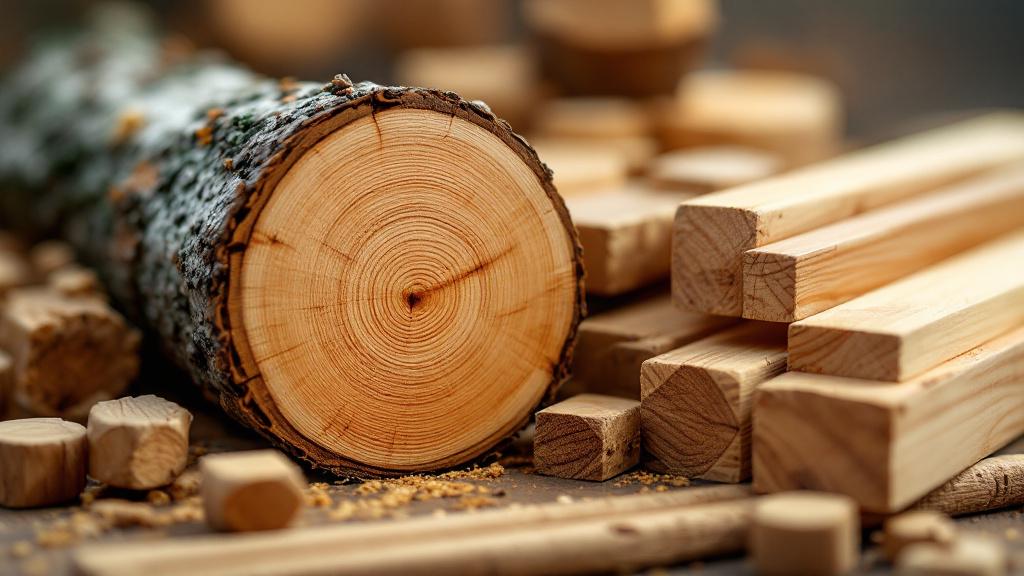
Eco-friendly and safe materials for modern wood production
Eco-friendly and safe materials for modern wood production In recent years we increasingly think about what the things around us are made of. A home, furniture, a floor, a kitchen, a

How to Correctly Choose Between Plywood, MDF, Particleboard, and MFC for Different Tasks
How to Correctly Choose Between Plywood, MDF, Particleboard, and MFC for Different Tasks In the world of woodworking and furniture making, every material has its own story. Plywood, MDF, particleboard, and

Cutting sheet wood materials at different angles: why and how it is done
Cutting sheet wood materials at different angles: why and how it is done Working with wood materials is not just sawing. To get a truly high-quality and durable product, you have

Recommendations for choosing sheet materials for indoor and outdoor projects
Recommendations for choosing sheet materials for indoor and outdoor projects In woodworking, choosing the right sheet material is like laying a foundation for a builder. What you pick at the very