
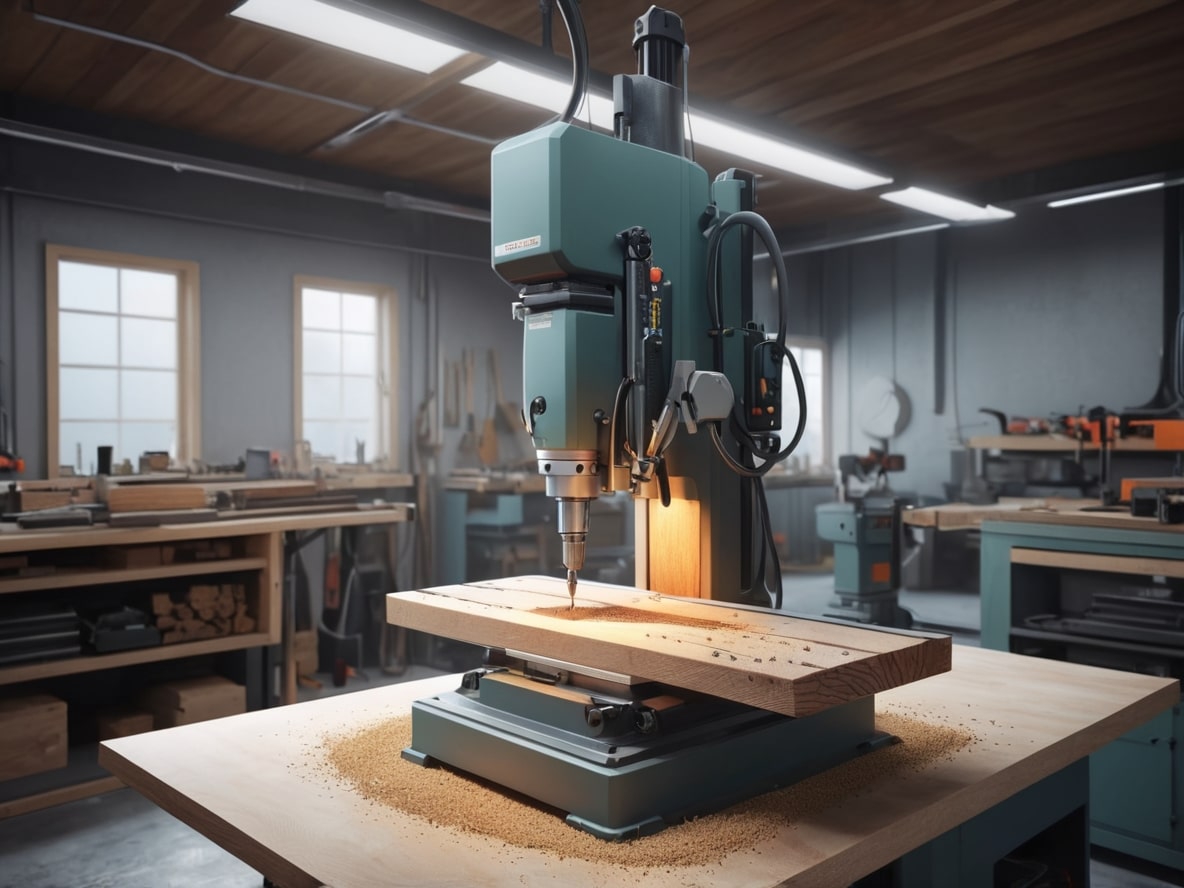
Drilling holes in wood
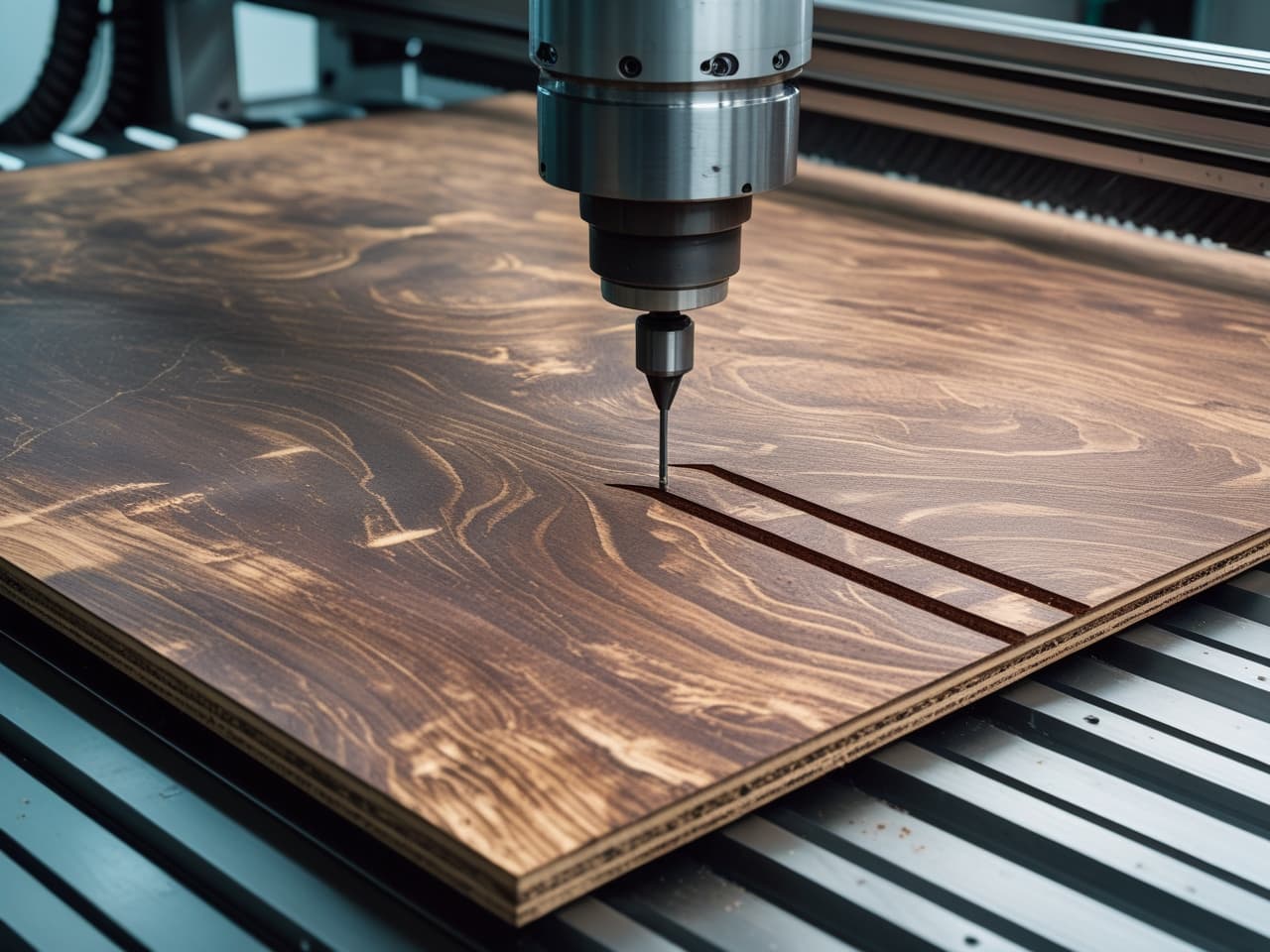
Drilling holes in wood and panel materials is precise system boring for fittings, fasteners, hinges and shelf supports in plywood, particleboard, MFC, MDF and solid wood to your drawings. The work is done on machines, so diameter, depth and position are held identical whether on a single part or a serial batch, and the edge of the hole stays free of chips. Below: which materials we drill, what kinds of holes there are, what stages an order goes through, how long it takes and who needs the service most often.
Drilling holes in wood and panel materials: about the service
Drilling holes is the operation without which hardly any product made of wood or panels comes together. It is precisely into ready holes that hinges, confirmat screws, dowels, shelf supports and all the other fittings sit. The materials are the usual ones: MDF, particleboard, MFC, plywood, OSB, edge-glued panel. Most often this is a link in the furniture-making chain, but orders also come from builders and from those who make retail equipment or decor — anywhere parts need to be joined together precisely.
Holes vary widely in purpose. Some are for fasteners and fittings, others are through holes for utilities and wiring, still others are blind, to a set depth, for a dowel or shelf support. There are decorative ones too: for lighting, for inset pieces. On a CNC machine every hole comes out where intended and at the same diameter as the next one. This repeatability is what sets machine boring apart from drilling by eye: the parts then fit together without adjustment.
Behind the apparent simplicity lies precision. A hole must be drilled to a strictly set depth and diameter, and exactly perpendicular to the surface. Be off by a couple of degrees or a millimetre in the marking, and the hinge sits skewed, the front starts to catch, and the dowel won’t enter its mating hole. Hence the requirements: the more precise the boring, the stronger and more durable the assembled product, and the fewer the gaps and play in the finished furniture.
Three parameters decide everything: depth, diameter and the position of the hole relative to other points on the part. Shift even one coordinate and the whole boring layout drifts. Specialised boring machines keep exactly these three parameters stable from part to part, without accumulating error. That is why drilling holes is one of the most sought-after operations in woodworking: neither serial furniture nor one-off orders can do without it.
The benefits of working with professionals
Modern equipment
Panel saws, CNC and milling machines — precision, speed and quality guaranteed

Extensive experience and expertise
We know how to handle wood and sheet materials — reliably, precisely, professionally

Fast order fulfilment
Fast and without compromising quality. We value your time and our commitments

A full range of services in one place
Cutting to size, sawing, milling, sanding, painting, assembly — all in-house, with no middlemen
Trusted materials and consumables
We work only with quality materials, so you can be confident in the result

An individual approach to every client
We work to your drawings, create a machining program for the task and account for every detail
Features of drilling holes in different materials
Each material drills in its own way, and there is no universal setting here. Density, thickness and the internal structure of the panel dictate the rotation speed, the feed and the type of bit. MDF, particleboard and MFC, similar on the outside, behave differently under the tool: in one place it matters not to tear the fibres, in another not to chip the laminated coating. So before the work begins you size up what you are dealing with, rather than running everything in one go.
MDF is a uniform, dense board that drills cleanly and predictably, which is why it is favoured for boring. But precisely because of its density it does not forgive a blunt tool: the bit must be sharp, otherwise the edge of the hole scorches and fuzz is left inside. Yet with the right feed MDF gives just about the neatest hole of all panel materials — smooth walls, a crisp edge.
Particleboard, and especially MFC, is a separate story. The laminated coating tends to chip at the edge of the hole if the bit enters with a jolt or with a blunt edge. To prevent this, special bits with scoring edges are used and the tool’s entry is carefully controlled — smoothly, without impact. The right setting gives a clean hole even on glossy MFC, where any chip immediately catches the eye.
Plywood and OSB are stiffer and more layered, and they bring their own trouble. Plywood likes to leave tear-out and burrs where the bit exits the back — the top veneer layer lifts if you don’t put support underneath or ease off the feed towards the end. OSB, with its coarse chips, demands a sharp tool, otherwise it tears the edge. Pick the right bit and setting, and both materials drill cleanly, without cracks or fuzz at the edge.
Besides the bit itself, the result is affected by the machine setting: the speed, the feed rate, the heat in the cut zone. Too high a speed on a dense material and the edge scorches; too rough a feed and chipping appears. For each material its own combination of these parameters is chosen. It is exactly this tuning to the specific board, rather than working at one speed for everything, that keeps rejects to a minimum.
Stages of drilling wood and panel materials
Consultation
Receiving drawings or developing a plan
Agreeing lead times and cost
Launch into production
Quality control at every stage
Finishing
Packaging and preparation for shipment
Delivery or pickup
The stages of carrying out the drilling of wood and panel materials
It all starts not with the machine but with the marking. From the drawing or boring map, the coordinates of every hole are set on the part — where the centre is, what diameter, to what depth. This stage determines the outcome: shift a point by a couple of millimetres and the fitting will sit crooked at assembly. So the more precise the input data from the customer, the fewer the queries and the more predictable the result. If the coordinates are set carelessly, they have to be agreed again, and that takes time.
Next the tool is chosen for the task. The bit diameter to the specific fitting or fastener, the type of bit to the material: one for a clean hole in MFC, another for a blind socket in solid wood. Part thickness is taken into account too: a through hole in a thin board and a blind one in a thick panel call for different approaches. The right bit is half the success: with it the hole comes out even, without fuzz or chips.
Then comes the drilling itself — accurate to fractions of a millimetre. Stability matters here: speed, feed force and depth are held even across the whole batch, so the hundredth part is no different from the first. For critical holes, depth stops and jigs that set exact position are engaged. On difficult materials the heat is watched so the edge does not scorch. All of this is what makes machine boring so predictable.
The final step is inspection. Finished holes are checked against the task: the right diameter, the right depth, whether the centres are in place relative to other points on the part. If needed, burrs are removed, edges are countersunk for the screw head, the hole is cleared of fuzz. Only after this check does the part move on — to assembly or to the customer. Such outgoing inspection cuts off rejects before they surface at installation.
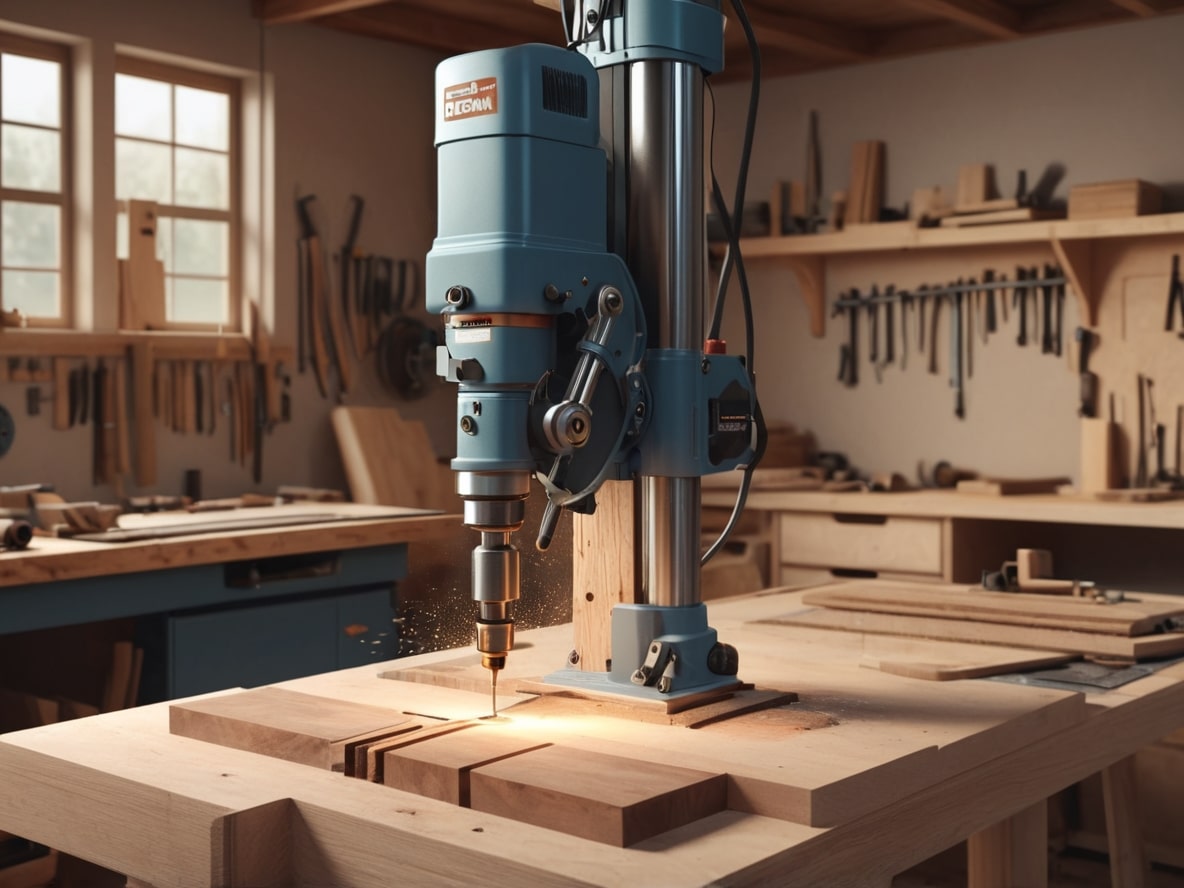
Advantages of drilling wood and panel materials
Why is machine boring preferred to a hand drill? There are several reasons, and the first is precision. The machine holds the diameter, the depth and the perpendicularity in a way the hand cannot repeat however hard it tries. And for assembly this is critical: when all the holes are strictly in place, parts sit against each other without play or adjustment, fronts hang level, drawers run smoothly. Precise hole drilling saves hours at installation.
The second plus is versatility. The very same holes solve completely different tasks: seating hinges and runners, fastening for confirmat screws, sockets for dowels, holes for lighting or wiring. So the service is needed far beyond furniture — in construction, in fit-out, in equipment manufacture. Anywhere parts need to be joined precisely and reliably, it comes down to boring.
The third point is the simplicity and appropriateness of the method. Where a round hole for a fastener is exactly what is needed, drilling beats both laser and router: it is faster, cheaper and leaves no melted edge. Not every task should be solved with complex technology — sometimes drilling neatly is the most rational solution. And a wide choice of bits makes it possible to work with the full range of materials, from soft board to dense solid wood.
Speed is another argument. Machine boring goes fast, and on a series the time gain becomes decisive: set the program once and a batch of parts runs through the same way, without pauses to reset. In furniture production, where the count runs to dozens and hundreds of identical parts, this directly affects both the deadline and the cost per unit.
And finally, quality. A properly set machine minimises cracks, chips and torn edges — the very defects that spoil the look and hinder assembly. A clean hole is not only aesthetics: fittings sit in it evenly, fasteners hold as they should, and the part does not crack under load. Together these five reasons explain why boring is entrusted to production rather than done with a drill on the knee.
Advantages of ordering hole drilling from a production shop
Outsourcing boring to a business pays off for several reasons. The first is access to equipment and expertise without your own investment. A CNC boring machine, tooling, a trained operator — all of this costs money and space, and only pays off with constant load. By ordering hole drilling from a production shop, you get consistent quality and precision without buying a machine that would sit idle half the time.
The second reason is flexibility for the specific task. A non-standard diameter, an unusual hole layout, a rare material — all of this is solved individually rather than cut off with a ‘we don’t do that’. Behind it usually stands experience with different boards: from soft fibreboard to dense plywood and finicky MFC. It is this experience that suggests which bit and which setting will give a clean result on your material.
The third is speed and rush orders. Productive equipment lets a batch be closed quickly, which helps when deadlines are tight. And because the machine works not for your one order but constantly, the price per part comes out reasonable — cheaper than keeping your own section for rare tasks. For a small workshop this is direct savings on both equipment and people.
And the fourth — boring is rarely ordered in isolation from the rest. Usually right there you can remove burrs, countersink edges, and at the same time cut or rout the part and ship the finished item by carrier. When all this is done in one place, the customer does not assemble the product piece by piece from different contractors or juggle their deadlines — the part goes through the whole path under one control and arrives ready for assembly.








A range of services for machining wood and panel materials
Drilling holes is almost never the only operation on a part. Alongside it go cutting, routing, sanding — and it is convenient when all of this is available on one site. Each operation requires its own tool and skill, but the point is different: the customer does not need to cart the blank between different shops. Below, briefly, is what usually goes together with boring so the part comes out fully finished.
Cutting to size gives the part its shape and dimensions. On a panel saw a sheet is cut to size with a clean edge, and a shaped contour is made on CNC. It makes sense that boring is convenient to order right after cutting: the part is already the right size, and all that remains is to drill holes to its datums. That way dimensions do not drift and there is no need to coordinate the blank between two contractors.
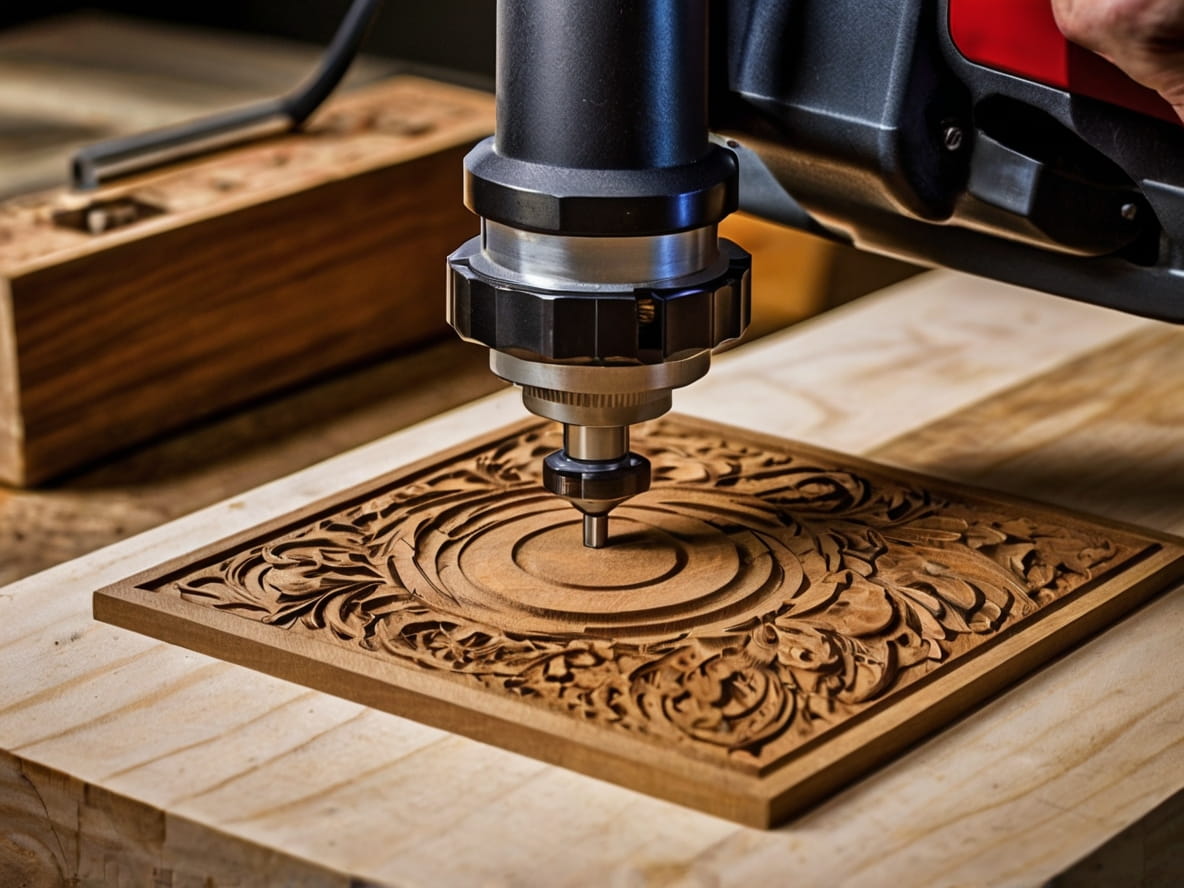
Routing adds to the part what a bit cannot do: grooves, rebates, a shaped contour, decorative relief. Boring and routing often go in pairs — for example, when a front has both a groove for glass and holes for hinges. Work is done both by hand and on CNC: the program gives precision and repeatability on a series, hand finishing where a living form or the delicate machining of a single part is needed.
Sanding puts the surface in order before finishing. It removes small irregularities, brings out the edges, prepares the part for lacquer, oil or paint. For visible elements this is a mandatory step: any scratch shows through the coating, so the surface is smoothed in several passes, from coarse grit to fine. After boring, sanding also removes fuzz and burrs around the holes.
Sawing divides a sheet or board into parts of the set size — almost any project starts with it. All these operations are taken both separately and in combination: you can order only the boring of finished parts, or hand over the material whole and get back cut, routed, drilled and sanded elements ready for assembly. The format is chosen to suit exactly what you need.
Our portfolio — finished products
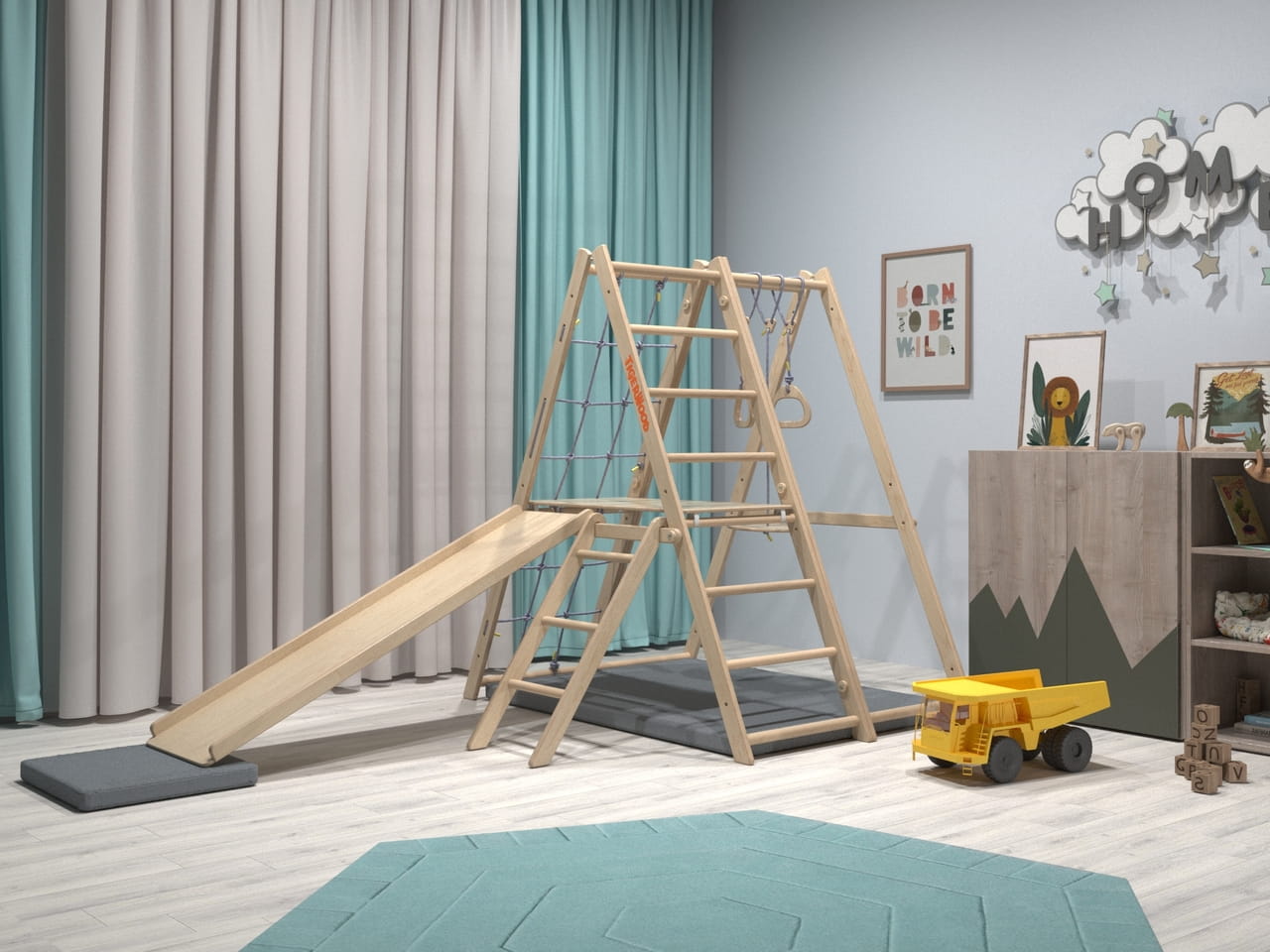
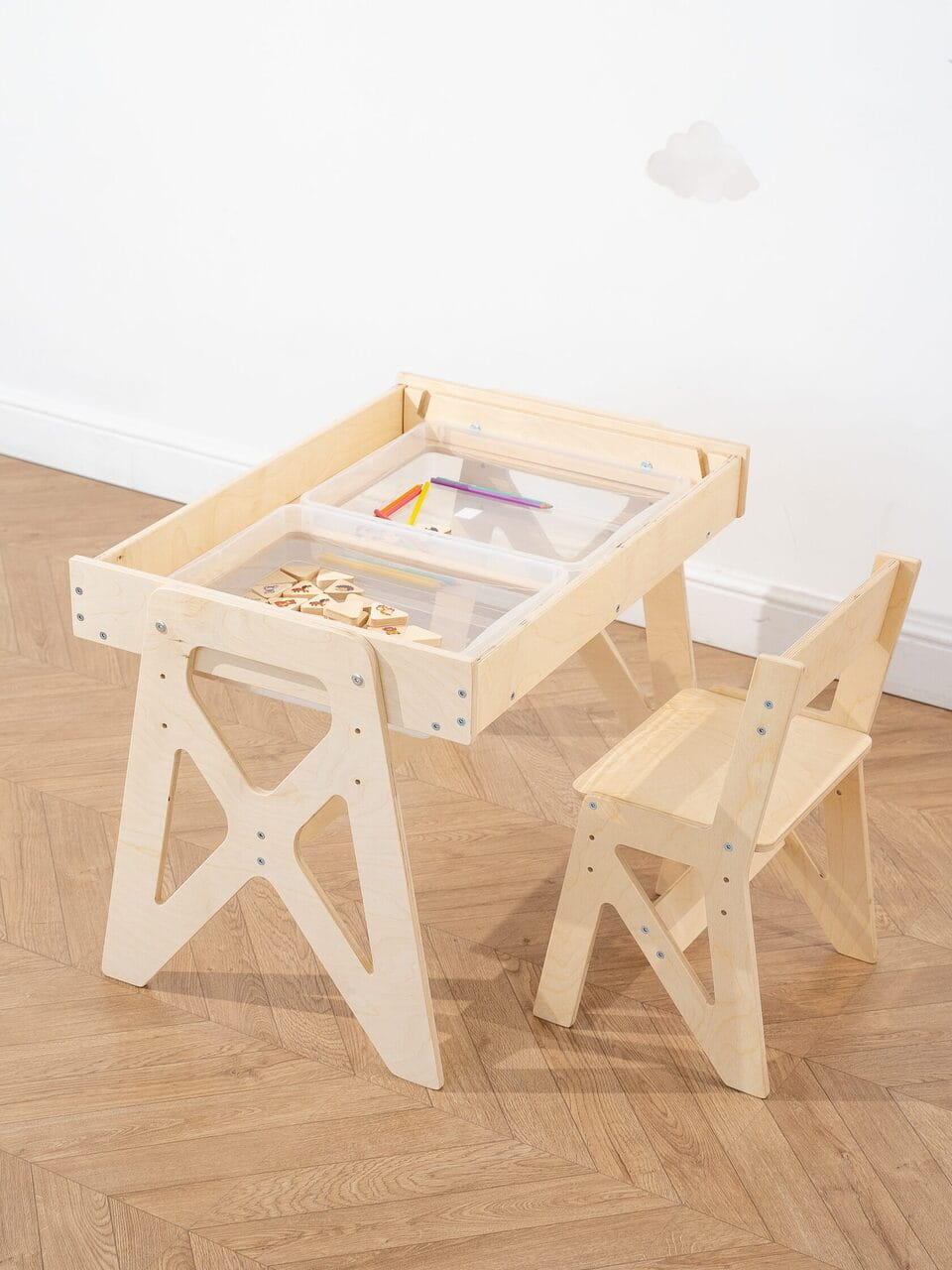


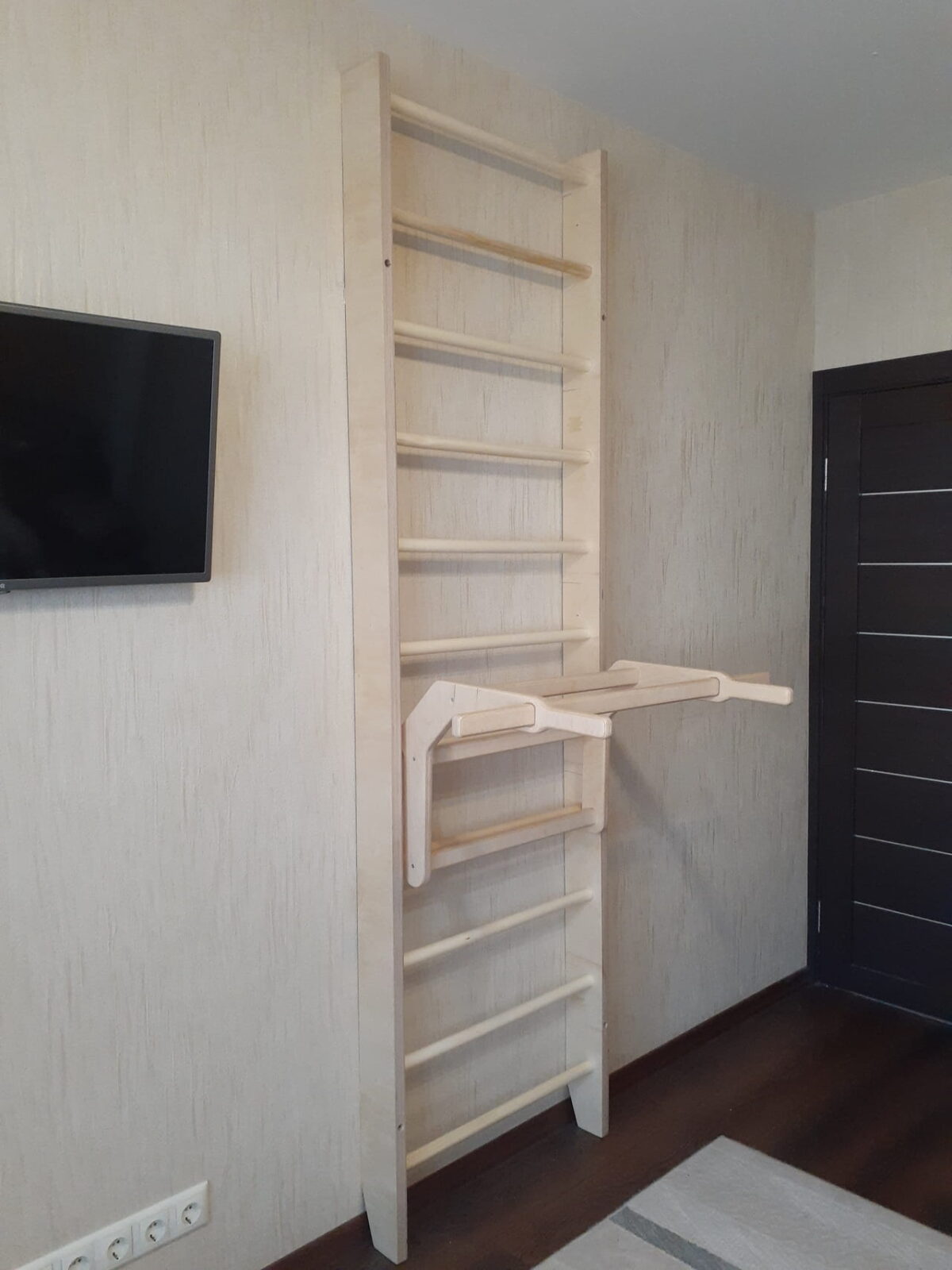
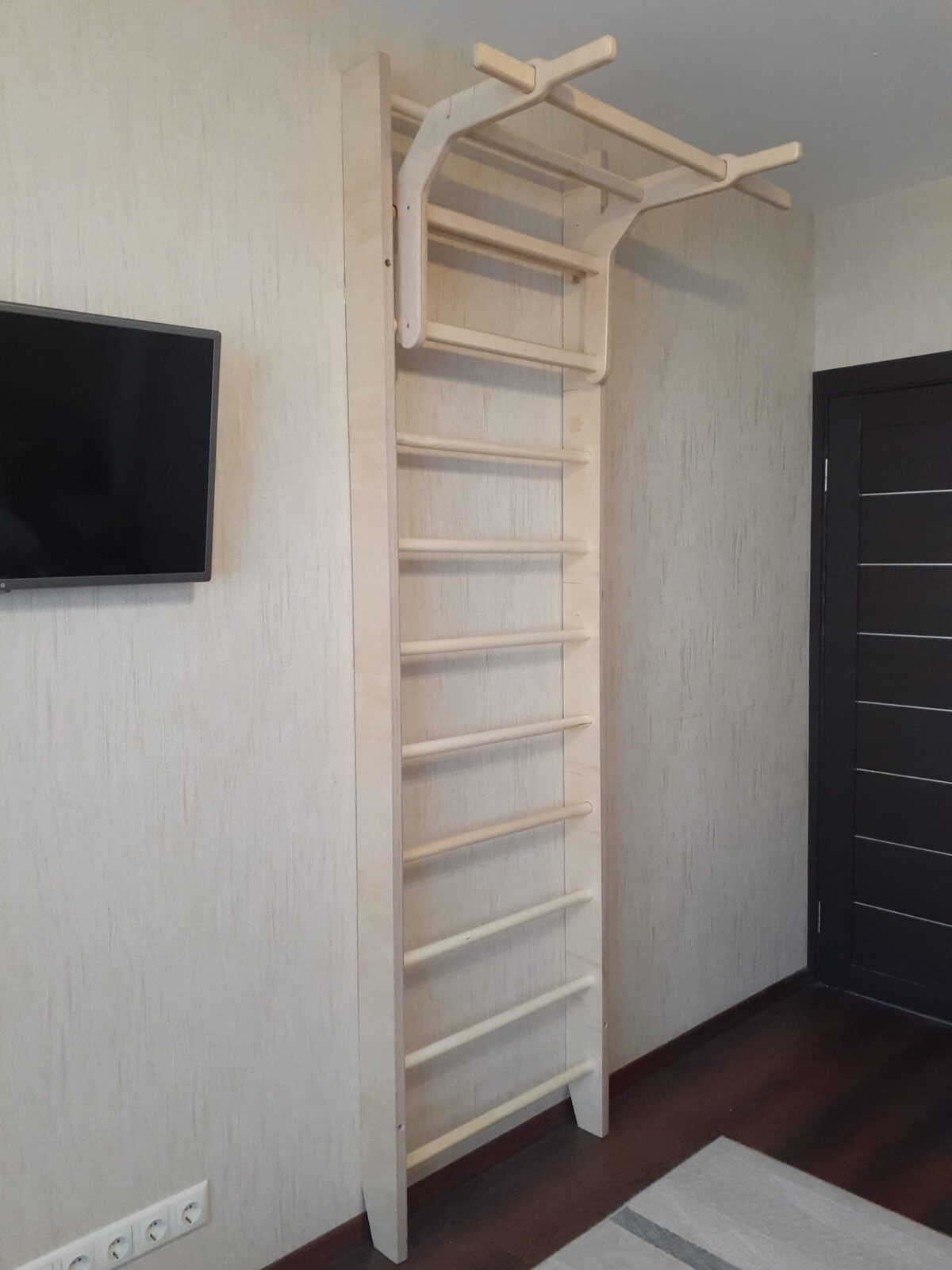
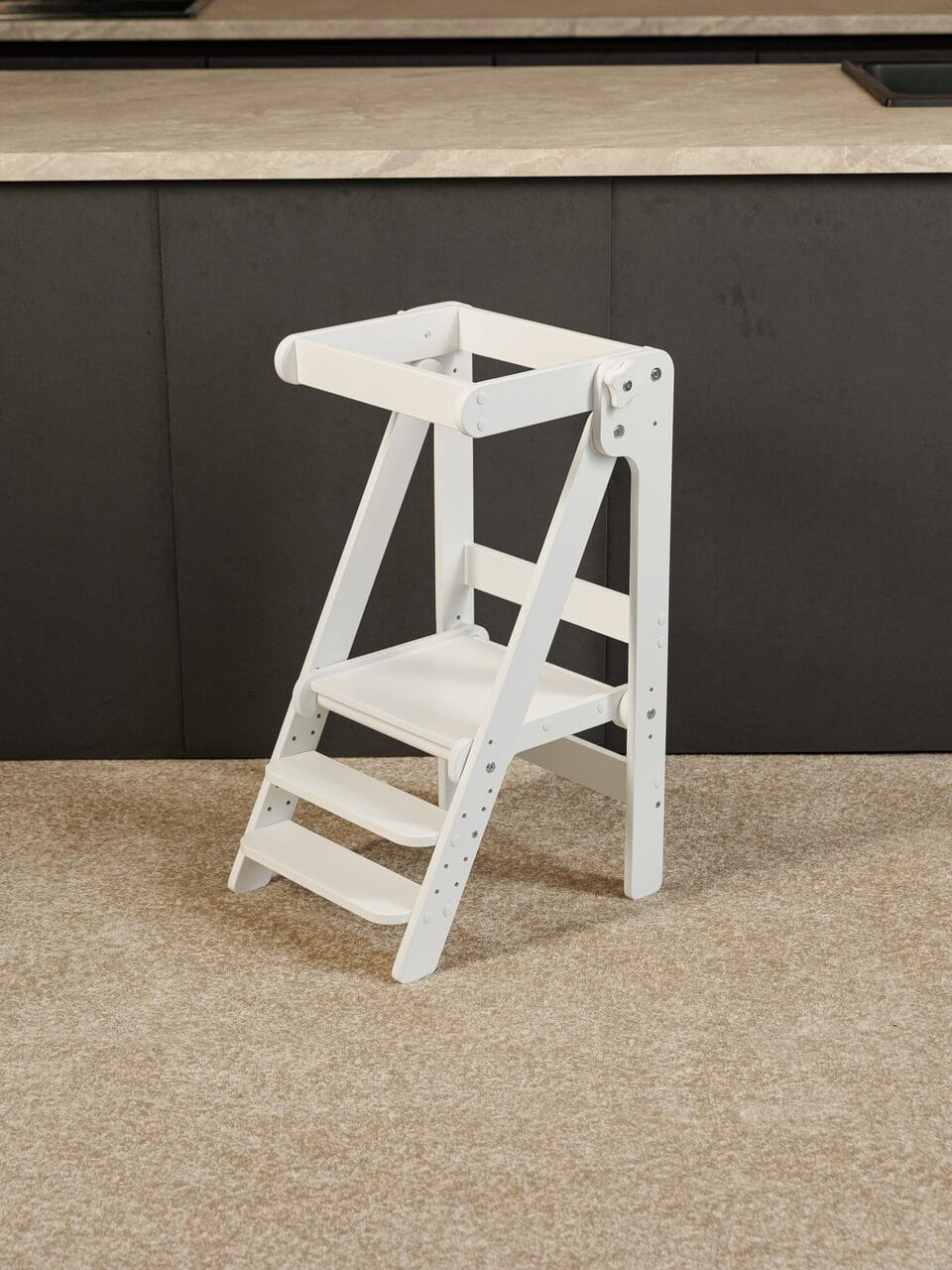
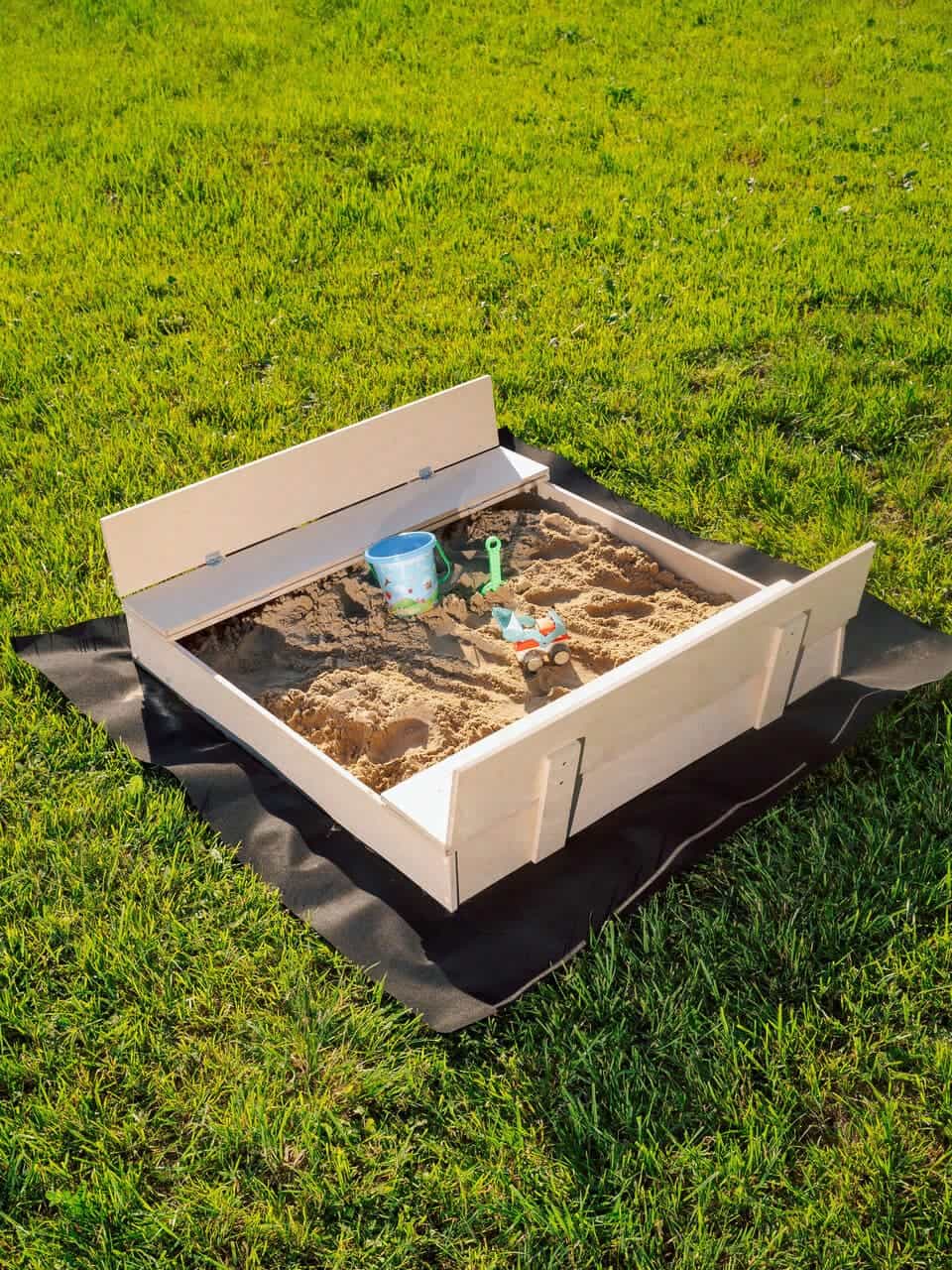



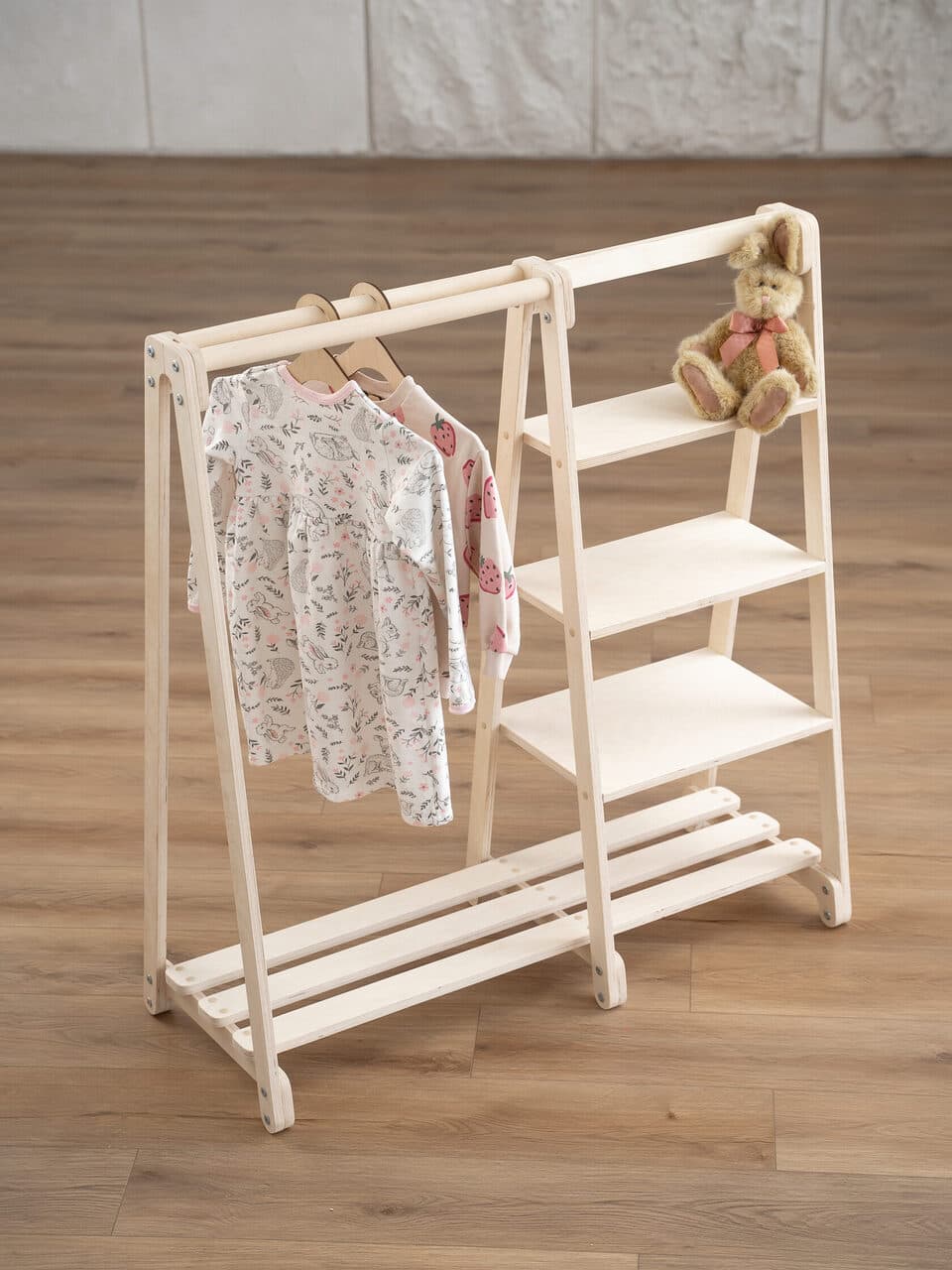
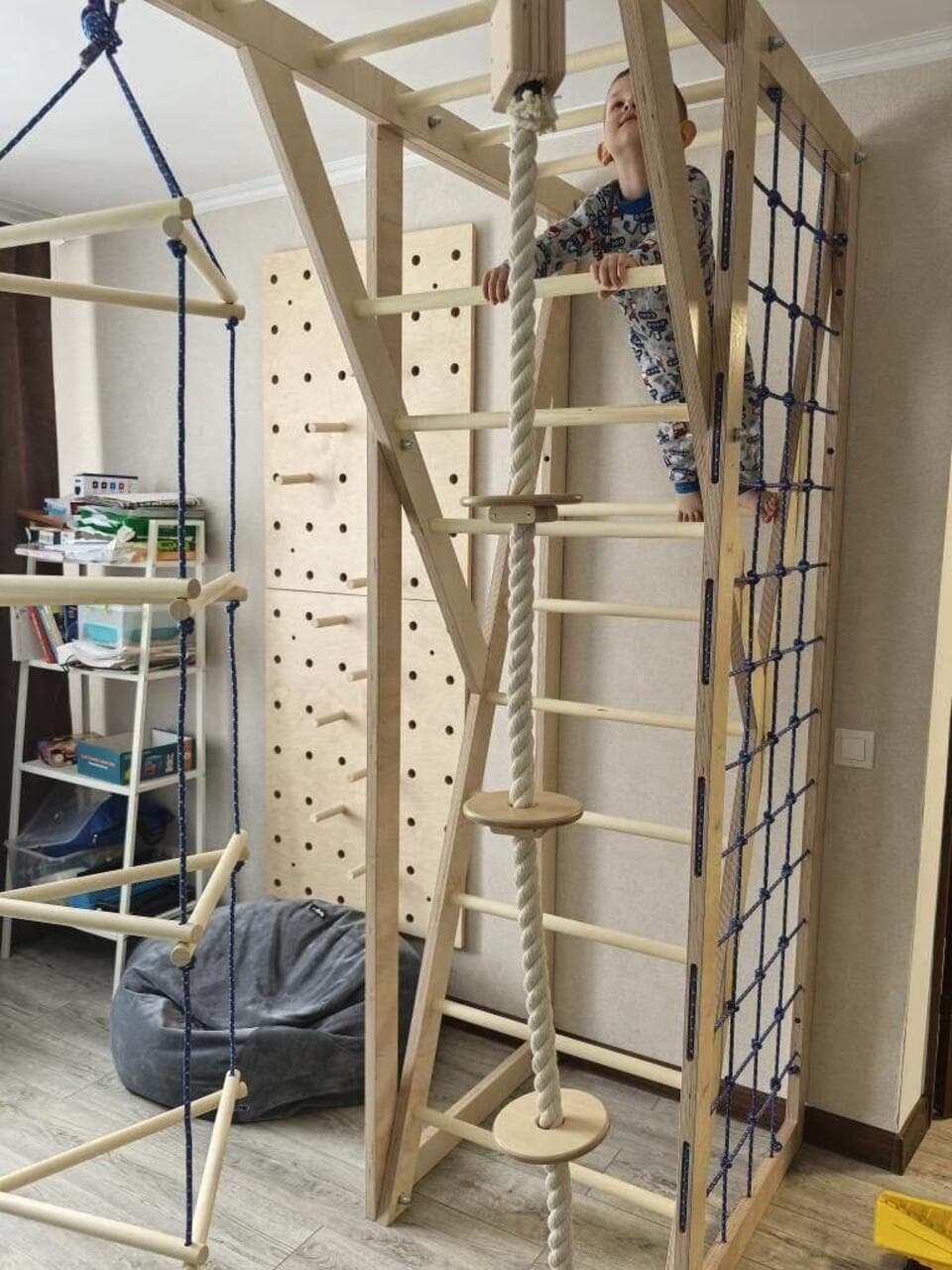
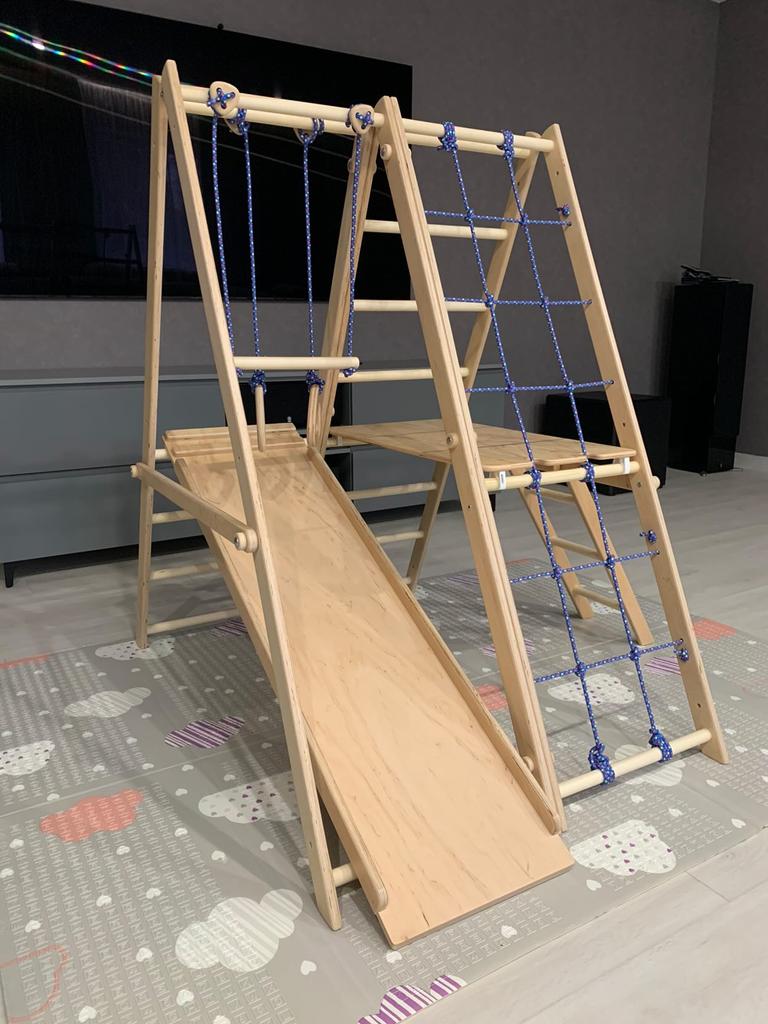

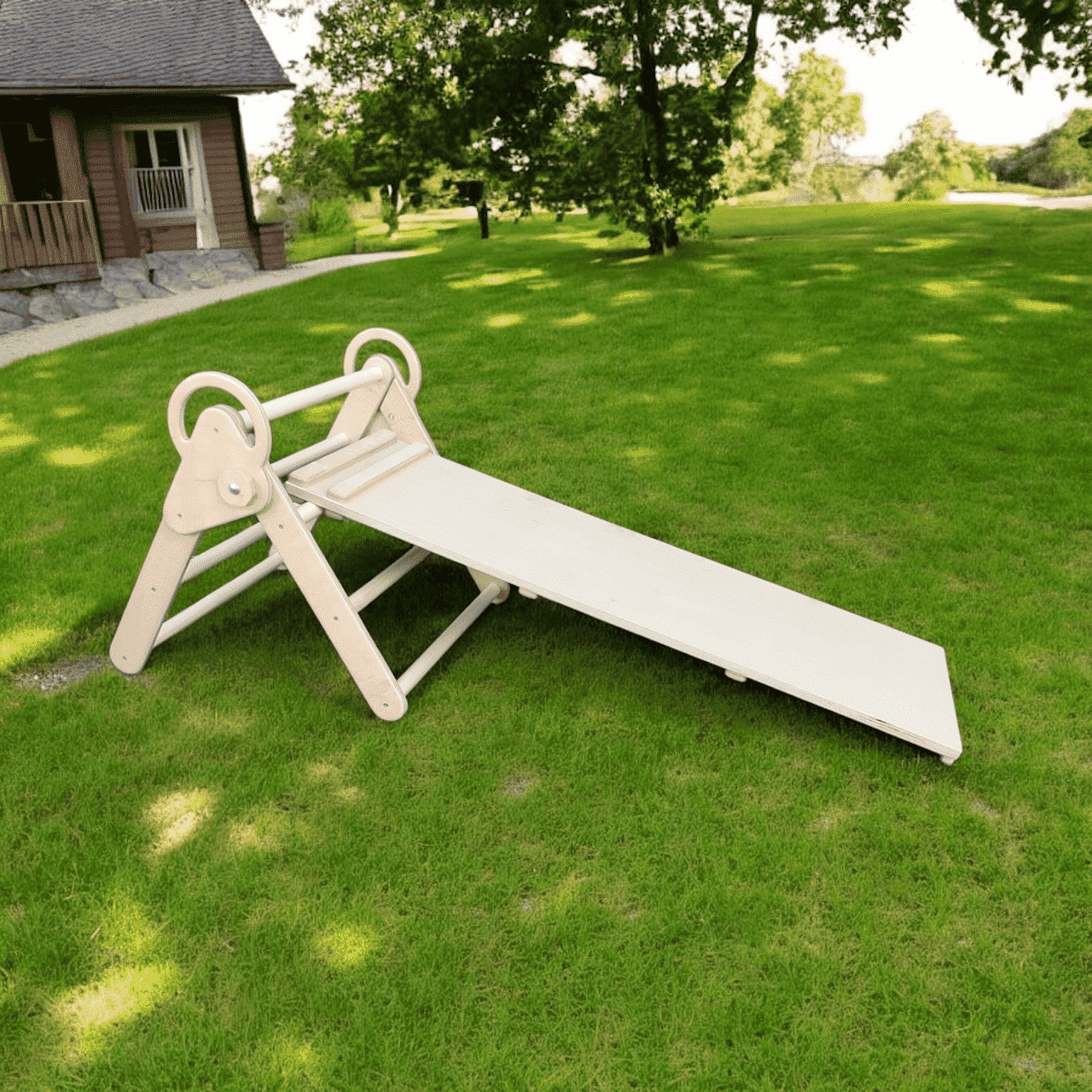

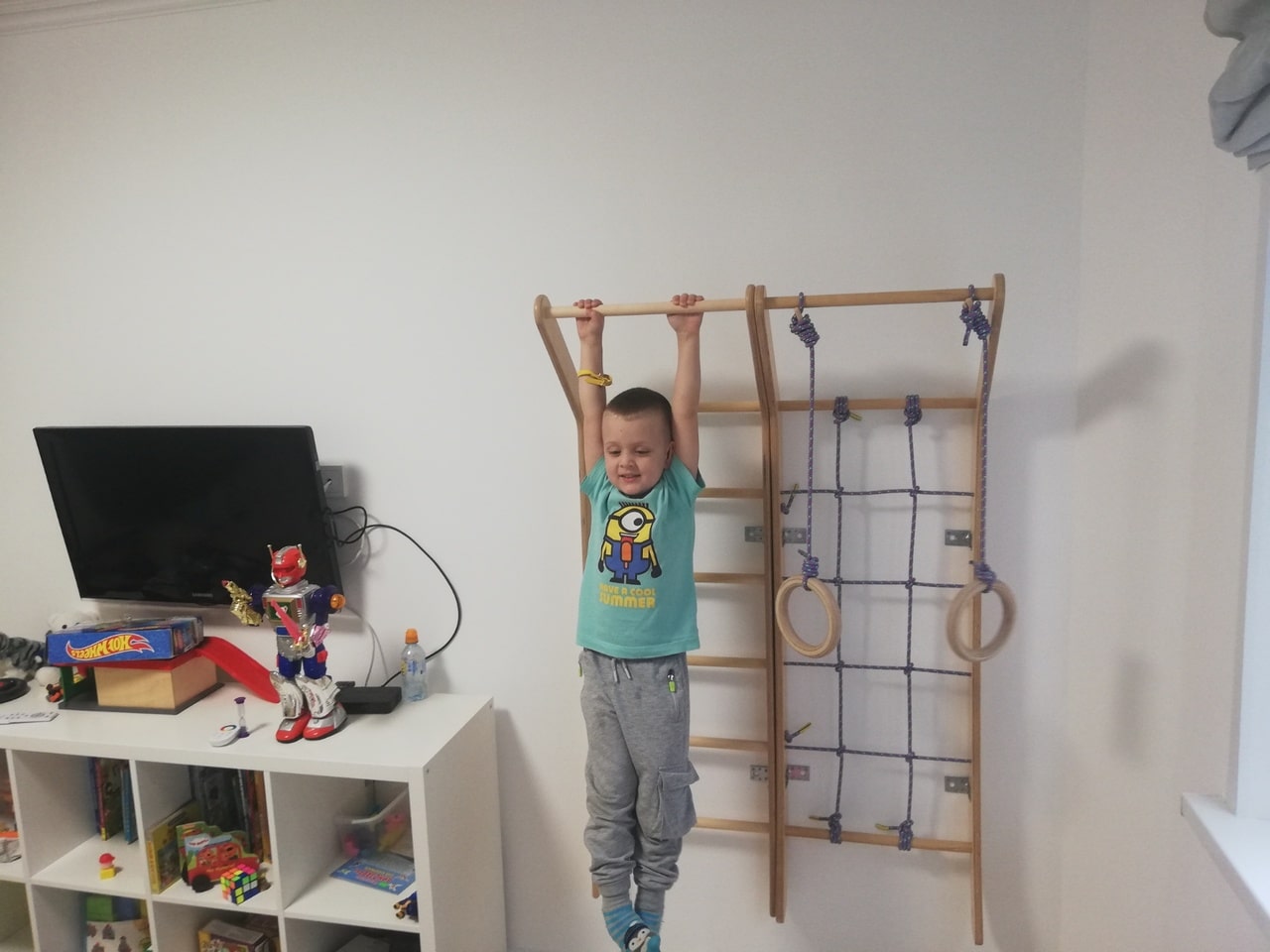


Projects involving drilling
If you go through the completed orders, the picture is varied — from a routine series to one-off tasks. The most frequent guest is the boring of furniture parts: holes for hinges, runners, handles, confirmat screws and dowels. It is precisely their accuracy that determines whether doors sit level and drawers run smoothly. Such orders come in a steady stream, because without them no cabinet and no kitchen comes together.
For builders the tasks are different: holes for frame fasteners, runs for electrical wiring, ventilation, utilities. Here the cost of a mistake is higher — a wrongly placed hole can weaken the structure or wreck the installation of engineering systems. So such orders are made strictly to the drawing, with a double check of coordinates, so everything lines up on site the first time.
In design and decor, boring becomes a tool of creativity. Holes for hidden lighting, sockets for inset pieces, perforation as part of a pattern — here not only precision matters but also the neatness of the visible edge. Such orders come from designers and decorators who need not a standard but a bespoke result for a specific interior or display.
In furniture the matter is not limited to standard boring. There are complex layouts too: sockets for concealed fittings, holes for non-standard hinges, seats for inset elements. The trickier the fitting, the more important the exact positioning — here you can no longer get by with marking by eye, you need machine boring to a verified hole map.
Who uses a carpentry workshop’s services

Furniture makers

Interior designers

Advertising companies

Exhibition stand builders

Art studios

Cafés and restaurants

Construction firms

Retail equipment manufacturers

Furniture factories

Private craftsmen

Custom orders

Manufacturing companies

Museums and exhibition halls

Architects

Theatres and film studios

Educational organizations

Children’s products manufacturing

Repair specialists

Online stores

Sole proprietors
Who orders the drilling service
The circle of customers for hole drilling is wide. First of all these are furniture makers — from large factories to private craftsmen who need precise boring of parts. Design studios and interior designers come for non-standard solutions. Door and window manufacturers order it, where without accurate holes and marking you cannot assemble the product. Shops and material suppliers turn to it too, needing boring as part of preparing products for sale.
A separate category is those for whom a series matters. Large manufacturers and retail chains order boring in batches where the sameness of every part is critical. Here too are companies making structural elements for building sites, and furniture producers with a constant flow of same-type orders. For them machine boring is not a luxury but a necessity: by hand such a volume with the needed precision cannot be managed.
For such enterprises boring is not a one-off service but a built-in link of production. Almost every part passes through it: somewhere holes for fittings, somewhere for fasteners, somewhere for decorative or functional elements. So a reliable drilling contractor is more valuable to them than a chance performer — the rhythm of the whole assembly depends on the stability of this link.
The drilling service for wood and panel materials — particleboard, MFC, plywood, MDF
Bringing it all together, the service looks like this: drilling holes in wood and panels — particleboard, MFC, plywood, MDF and solid wood — for fittings, fasteners and functional tasks, to your dimensions and layout. Holes of any shape and diameter: through and blind, round for a dowel, sockets for a hinge cup. All of this is done so that the part then assembles without adjustment and serves without play.
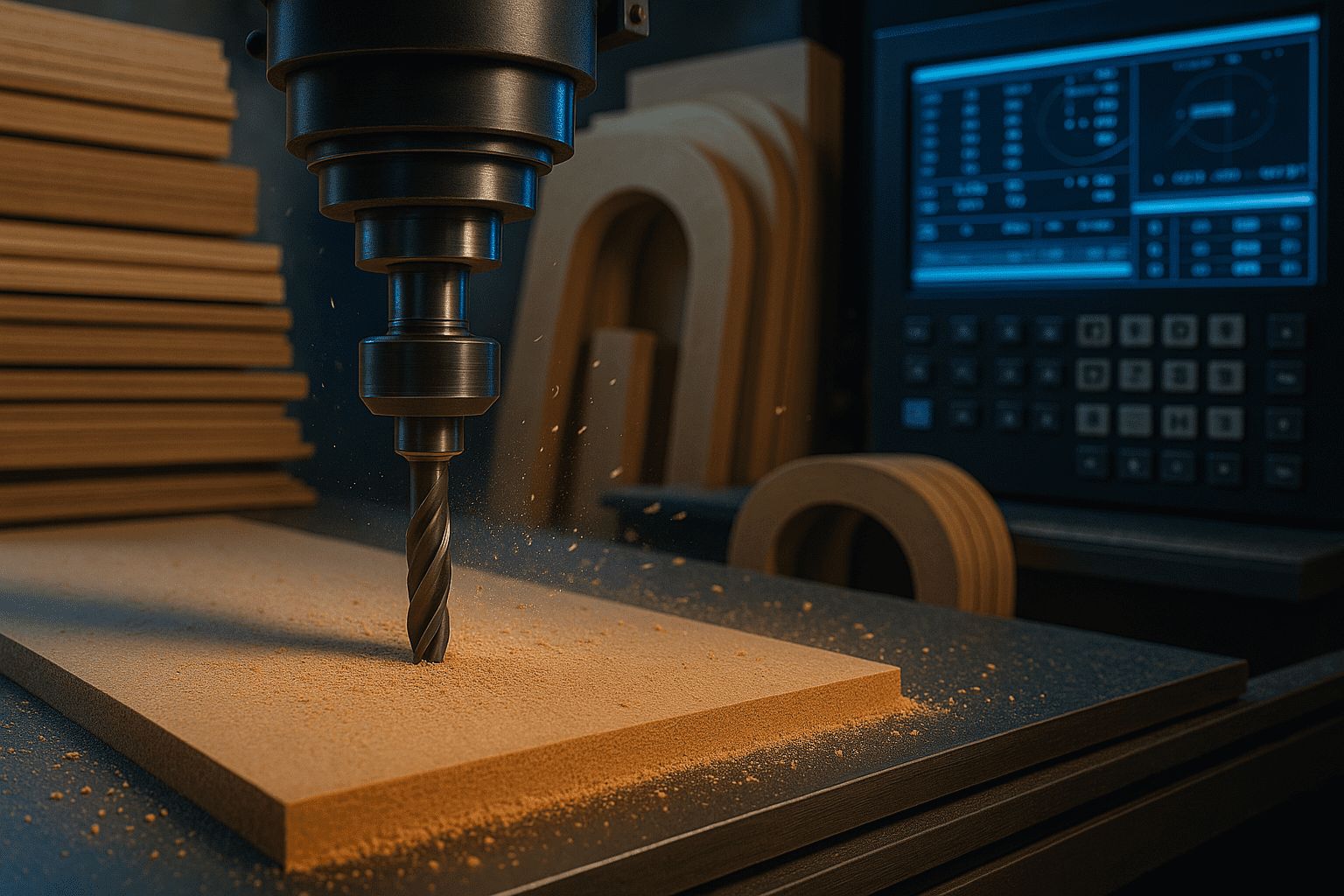
Quality rests on equipment and setup. Boring machines, including CNC ones, repeat the set hole layout without deviation — on the first part and on the hundredth. The range of materials is wide: from soft fibreboard to dense plywood and MDF. For each, its own bit and setting are chosen, so on both a loose board and a hard panel the hole comes out clean rather than torn.
The order of work is simple and repeatable. First preparation: marking from the drawing and choosing the bit for the material and diameter. Then the boring itself on a precise machine, where dimensions and depth are held stable. At the end — inspection: the diameter, depth and position of the holes are checked against the task, and burrs are removed if needed. Three steps, each of which is needed so the part reaches the customer exactly as in the drawing.
The main value of machine boring is precision with a minimum of rejects. No cracks, no chips, no hole gone sideways. In furniture, in building structures, in any products where parts must join precisely, this is decisive. Plus speed: clean machine boring saves both assembly time and the money spent fixing what would have to be redone with hand work.
Working with a production shop rather than a chance performer gives two things: predictable quality and meeting deadlines. Plus the chance to discuss a non-standard task and get a solution for it, rather than a refusal. Such flexibility is handy for the most varied industries — from furniture to fit-out — where there are hardly ever two identical orders and each demands its own approach to the hole layout.
Most often boring comes to mind in furniture, where the look and working of a product depend on the accuracy of fitting installation, and in construction — for fasteners and engineering systems. But the essence is the same everywhere: a modern machine and the right chosen tool give a hole into which everything sits as it should. That is exactly why drilling holes remains one of the basic, most sought-after operations of woodworking.
Glossary: boring terms in plain words
When drilling holes is discussed, words come up that are familiar to a furniture maker and hazy to everyone else. A short decoding will help you speak the same language as the production shop and describe more precisely what you need.
| Term | What it means |
|---|---|
| 🔩 System boring | Drilling holes for fittings and fasteners to the marking |
| 🕳️ Through hole | Passes right through the part |
| ⚫ Blind hole | To a set depth, not all the way through — for a dowel or hinge |
| 🌀 Countersink | Widening the top of the hole so the screw head sits flush |
| 📐 Jig | A template that sets the exact position of the holes |
| 🔧 Hinge cup | A large-diameter socket for a furniture hinge |
| 📍 Dowel | A wooden pin for the concealed joining of parts |
The trade word ‘boring’ deserves a separate note: in the furniture business it does not mean something added into the material, but precisely the drilling of holes for fittings to a pre-set layout. On hearing this word, do not be alarmed — it is all about the same neat drilling, just in professional jargon.
Boring for fittings: what is drilled and for what
Most orders for hole drilling are connected precisely with fittings. Each type of fastener and mechanism requires its own hole — in diameter, depth and position. A mistake here shows up at once: the hinge will not sit, the runner will skew, the handle will end up off-centre. So for standard fittings there are verified layouts, which are followed.
For furniture hinges a cup is drilled — a large-diameter blind hole, usually 35 mm, plus a couple of small ones for the screws of the mounting plate. Depth is critical here: drill a bit too deep and the hinge sinks, a bit too shallow and it will not seat fully. For confirmat screws and connectors, through holes of an exact diameter are used, so the connector holds fast but does not loosen the socket. For dowels — blind holes on both sides of the parts being joined, and they must match perfectly, otherwise the parts will not come together.
A separate story is boring for systems like drawer runners and lift mechanisms. There the holes go by the fitting manufacturer’s proprietary map, accurate to the millimetre, otherwise the mechanism will not work as intended. All of this is convenient to drill on a machine to a ready layout: the hand will not provide such repeatability on a batch, and it directly determines whether the furniture will open smoothly and without play.
The equipment that precision rests on
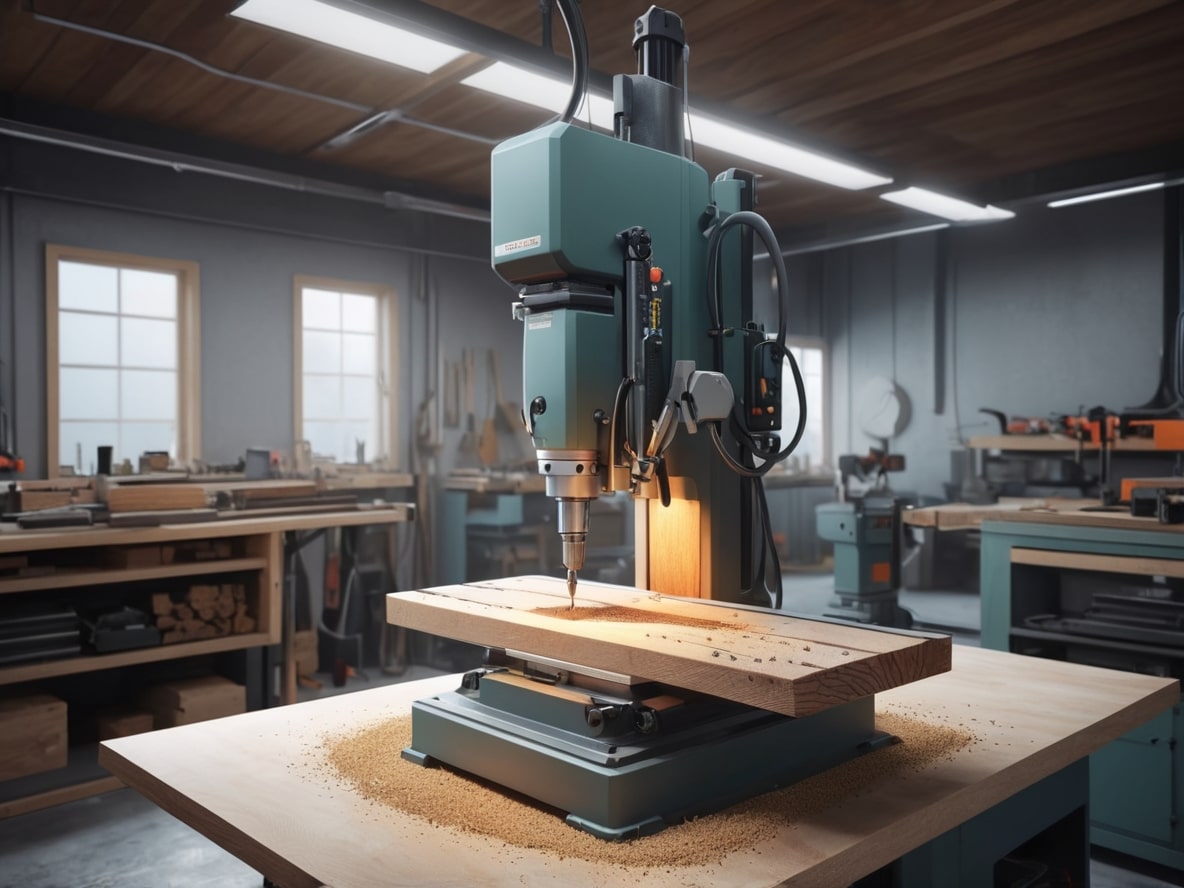
Talk of precision is empty without the machines that provide it. A hand drill will do for a single hole in place, but as soon as there are many parts or the layout is complex, boring equipment comes into play. A line-boring machine drills several holes at once at a verified spacing, which is indispensable for furniture parts with rows of sockets for shelf supports. A CNC machine goes further: it works through the whole hole map by program, repeating it on every part of the batch without deviation.
Stops and jigs play an important role. A depth stop keeps the bit from going deeper than needed — a guarantee that all blind holes come out the same. A jig fixes the bit’s position, setting exact coordinates, and removes the human factor in marking. Together these devices turn hole drilling from a craft done by eye into a predictable process, where the hundredth part is no different from the first.
The tool itself is no less important. Bits for wood and panels differ from universal ones: they have their own grind and shape, designed for a clean entry and exit without chips. For laminated materials, bits with scoring edges are used; for deep blind holes, ones with a guide centre. A blunt or unsuitable tool is the first cause of rejects, so the condition of the bits is watched as closely as the machine setting.
Materials and their behaviour under the bit
Materials deserve to be spoken about in more detail, because both the result and the cost of a mistake depend on them. Solid wood drills pleasantly, but it has character: along the grain and across it, it behaves differently, and at knots the bit can wander off to the side. An edge-glued panel is more stable than solid wood, but still demands attention to grain direction on visible parts.
Panel materials are more predictable, but each has its own trap. MDF gives a clean hole but is dusty and demands a sharp bit. Particleboard is loose inside, and in a blind hole the walls can crumble if you push too fast. MFC adds the problem of the laminated edge, prone to chipping. Plywood likes to lift the veneer where the bit exits, especially thin plywood. Knowing these habits in advance, for each material its own setting is dialled in — and then the hole comes out neat no matter what is being drilled.
Kinds of holes
To avoid confusion when ordering, it helps to picture the main types of holes. They differ by whether they pass right through the part and by purpose.
- 🕳️ Through holes — pass right through the part: for a confirmat screw, a bolt, wiring.
- ⚫ Blind holes — to a set depth: for a dowel, a hinge cup, a shelf support.
- 🔧 Fitting holes — to the proprietary layouts of hinges, runners, mechanisms.
- 🌀 Countersunk holes — with a widened top so the fastener head sits flush.
- 💡 Decorative holes — for lighting, inserts, as part of a pattern.
If you are not sure which type you need, it is enough to explain what you will insert into the hole and how the part joins the others. From these inputs the type, diameter and depth will be selected. Drilling holes at a production shop is convenient precisely because they will help draw up the layout rather than leave you to figure it out yourself.
What an order looks like in practice
So that all the above does not stay theory, here are a few typical hole-drilling orders of the kind that pass through the shop regularly. Different tasks, but the logic is the same everywhere: a precise layout, a suitable tool, inspection at the output.
A furniture shop sends a set of parts for a kitchen and a boring map: where the hinge cups go, where the holes for confirmat screws and shelf supports go. The program works through the whole layout, the parts pass one after another, and out comes a finished set that only needs assembling. Here repeatability is prized: in all the fronts the cups are strictly in place, and the hinges seat without adjustment. Such an order saves the shop the hours that would have gone on marking and hand-drilling each part.
Another case is a private craftsman who assembled a shelving unit himself but could not drill even rows of holes for shelf supports. He brings the side panels, and on the machine neat rows with exact spacing are made for them. A small task, but a telling one: what comes out crooked by hand takes minutes on a boring machine and turns out perfectly symmetrical. The shelves then sit at any height without skew.
A third example is a building crew that needs holes for fasteners in a set of plywood frame parts. Here it is not furniture delicacy that matters but the accuracy of coordinates to the drawing: the holes must match their counterparts on site. They are drilled strictly to the marking, with a check, so everything lines up at installation the first time. Three different orders — yet the tool and approach are essentially the same, only the layout changes.
Lead times and what makes up the price
The exact price and lead time for boring are quoted for the specific order, but understanding their components is useful — it makes it easier to estimate the budget and see where you can save. The main factor is the number of holes and parts: a single row for shelf supports and the full boring of a kitchen unit are different amounts of work. Next comes the complexity of the layout: standard boring for standard fittings is cheaper than a non-standard map with holes for rare mechanisms.
The material has an effect too: finicky MFC with its chipping risk demands more care than pliable MDF. Accompanying operations are added to the estimate — countersinking, deburring, cutting parts for boring. And, of course, urgency: work out of the general queue is counted separately. The simplest way not to overpay is to send a clear layout stating diameters and depths and not to order things ‘for yesterday’. Redoing work because of an imprecise map and rush deadlines is exactly what adds the extra percentages.
In terms of time, simple boring of a small batch often fits into one or two days, and small jobs are done same-day by arrangement. A large series or a complex layout is counted separately. If the order is tied to an assembly or a site handover, it is wise to get in touch in advance and leave a little slack rather than count on the last day.
A one-off order or ongoing cooperation
Hole drilling is taken both for a single part and for regular supplies. A one-off order is simple: you bring the parts and the layout, you get the finished result. No future obligations, just a specific task and a result. This suits private craftsmen and those who need boring from time to time.
Ongoing cooperation is another level of convenience for those who order boring in a stream. Furniture shops and producers come to realise over time that it is easier to keep one trusted source than to explain the requirements to a new performer every time. When the client’s specifics are already known — which fittings, which standard layouts — the work goes faster and the quality is predictable from batch to batch. Many arrive that way: from a single trial order, and stay for the long term, having seen that the parts consistently come together at assembly.
Common mistakes when ordering boring
Most hitches happen not at the machine but at the task-setting stage. Here is what most often gets in the way of getting the result right the first time.
- ❌ No coordinate reference. The diameter is given, but not from where to measure the centres — the layout reads ambiguously.
- ❌ The depth of blind holes is forgotten. Without it, it is unclear how deep to drill for a dowel or hinge.
- ❌ The type of fitting is not named. Different hinges and mechanisms need different holes.
- ❌ The sides of the part are mixed up. Mirrored boring — and the left side panel will not take the place of the right one.
- ❌ Last-minute urgency. A complex layout cannot be sped up at a snap without risk to quality.
It is no big deal if you have not accounted for some of this — that is what the dialogue before the start is for. A good shop asks these questions itself before drilling, not afterwards when fixing is already expensive. It is easier to spend five minutes clarifying the layout than to redo a batch because of a misread drawing.
Quality control and a guarantee of the result
Control is built into the process, not tacked on for show at the end. At the input the drawing, coordinates and material are checked: whether the side of the part has been mixed up, whether the stated diameter is right, whether the thickness suits a blind hole of the needed depth. Along the way, on critical layouts, an intermediate check is done. At the output the boring is checked in full — diameter, depth, position of the centres relative to the part’s datums.
If a contentious point arises, it is easier to resolve precisely because the order went through one pair of hands. There is no need to work out at whose stage the error occurred — at cutting or at drilling — responsibility is not smeared between contractors. For the customer this is the real guarantee: it is clear who to ask. And the end-to-end check itself, from drawing to finished part, removes most problems before the part even reaches assembly.
Boring in combination with other operations
Drilling holes is rarely the only operation on a part, and therein lies its convenience at a full-cycle production shop. The logical chain looks like this: first cutting the sheet to size, then edge-banding the ends, then boring to the datums of the already-finished part, and if needed routing a groove and sanding. When it all goes in sequence on one site, the part does not travel between shops, and its dimensions do not drift at the joins.
This matters more than it seems. Boring is tied to the part’s datums — to its edges and corners. If cutting and drilling are done by different performers, the slightest discrepancy in the part’s size shifts the whole hole layout too. But when a part is cut and drilled in one place to a single coordinate system, the fittings seat precisely, and the assembled product does not warp. So boring is worth ordering not separately but together with cutting and edging at once — that way the whole chain comes together without gaps.
Industries and typical tasks
To try the service on for your own field, here is a short table of typical hole-drilling requests by industry. It is not exhaustive, but it shows how varied the tasks are that one operation covers.
| Industry | What is drilled | Material |
|---|---|---|
| 🪑 Furniture | Boring for hinges, confirmat screws, shelf supports | MFC, MDF, solid wood |
| 🏗️ Construction | Holes for fasteners, utilities, frames | Plywood, OSB, solid wood |
| 🚪 Doors and windows | Sockets for locks, hinges, handles | Solid wood, MDF, plywood |
| 🛍️ Retail equipment | Holes for assembling racks and display cases | MFC, plywood |
| 💡 Decor and fit-out | Holes for lighting and inserts | MDF, plywood, solid wood |
If your task is not in the table, that does not mean it will not be taken on. Rather the opposite: a non-standard hole layout is exactly the reason for an individual approach. It is enough to describe what you need to get, and a solution will be chosen from the same set of techniques.
Delivery and repeat orders
Finished bored parts are shipped across all of Europe. They are packed so the edges and corners do not suffer in transit, and delivery terms are agreed to suit the volume and address. For a customer in another region the process looks just as simple as for a neighbouring city: the layout is agreed remotely, the parts are drilled and shipped by carrier.
A repeat order is simpler than the first. If the boring layout has already gone through the shop, its parameters are saved, and the new batch will come out exactly the same. This helps those who produce furniture or equipment in series and top up parts for already-finished items from time to time. There is no need to draw up the hole map anew — it is enough to refer to the previous order.
More questions about hole drilling
Can you drill a part that was made elsewhere? Yes, finished parts are often brought in just for boring. The main thing is a clear hole layout and understandable datums to measure from. The part is examined, the coordinates are clarified if needed, and it is drilled to your map.
What to do if there is no drawing but there is a sample? That is a workable option too. Dimensions are taken from the sample and a boring layout is drawn up, after which it is repeated on the new parts. That is often how a favourite piece of furniture is replicated or a part is restored to replace a broken one.
How precisely will paired holes match? With machine boring to a single layout — with high precision. This is exactly what is needed for dowel joints, where the holes in two parts must match perfectly. Hand drilling does not hold such precision on a batch, but a machine does.
To bring it all together: drilling holes is precise system boring for fittings and fasteners in wood and panel materials, from a single part to a serial batch. It is enough to send the layout or describe what needs to be drilled and for what — the rest will be broken into stages, checked and brought to finished parts that assemble without adjustment and serve without play.
Countersinking and finishing of holes
The hole itself is half the job; the other half is how its edge is treated. This is where countersinking comes on stage — a small conical widening at the hole’s entry. It is needed so that the head of a screw or confirmat screw sits flush with the surface rather than sticking up as a bump. On visible parts this is a matter of neatness, and on mating surfaces also a matter of function: a protruding head will not let the parts come tightly together.
Besides countersinking, the hole’s edge is sometimes cleared of burrs and fuzz, especially on plywood, where the top veneer layer likes to lift. All these are small but important operations: they are exactly what distinguishes a part ready for assembly from a blank that still needs finishing by hand. It is convenient to order the finishing right along with the boring, so as not to come back to the part a second time.
Machine vs drill: when each is appropriate
A hand drill is an indispensable thing, but it has its own niche. A single hole in place, adjustment at installation, rough work — here it has no rival. Problems start when there are many holes and they must match precisely. The hand inevitably takes the bit off vertical, depth is hard to hold by eye, and a row of holes comes out with wandering spacing. At assembly all this turns into skewed fronts and shelves sitting at a tilt.
Machine boring removes the human factor. The stop holds the depth, the jig or program the coordinates, and every hole comes out where intended, strictly perpendicular to the surface. On a batch of identical parts the difference is especially noticeable: what would take half a day by hand and still come out uneven, the machine does quickly and identically. So the rule is simple: one hole in place — take a drill; a series or a precise layout — trust it to a machine.
How to prepare a boring layout
A good hole-drilling order starts with a clear layout. The clearer the input data, the fewer the queries and the more precise the result. Putting a layout together is not hard if you keep a few points in mind.
- 📐 State the coordinates of the hole centres and which edges to measure them from.
- ⚪ Set the diameter of each hole — or name the fitting it is for.
- ⬇️ For blind holes, state the depth.
- ↔️ Note which side of the part to drill from, so you do not end up with a mirror image.
- 🧱 State the material and thickness of the part.
- 🔢 State the number of parts and whether they are identical.
You do not have to come with a perfect drawing — if something is missing, they will help bring the layout up to working shape. But the more complete the inputs at the start, the shorter the path to finished parts and the lower the risk that a hole ends up in the wrong place or at the wrong depth.
How boring saves on assembly
It might seem that drilling holes is a trifle next to cutting and routing. In reality it is precisely boring that determines what assembly turns into. When all the holes are precise, parts join quickly and without adjustment: the confirmat screw goes in the first time, the hinge seats in the cup without play, shelves sit level. The assembler spends time assembling, not correcting someone else’s inaccuracies.
Imprecise boring, on the other hand, hits the whole chain. A hole gone off by a couple of millimetres — and the front hangs crooked, the drawer catches the carcass, the dowel will not enter its mating socket. Every such part has to be finished by hand, and sometimes redone. So investment in precise machine drilling pays off where you least expect it — in the speed and quality of the final assembly.
Boring for serial production
A series is the element of machine boring. When you need not five parts but five hundred, all with the same hole layout, hand labour is out at once. A program or a set jig works through the boring map on every part identically, without accumulating error and without the fatigue that in a person inevitably tells on precision by the end of a shift. Because of this the batch comes out uniform: the last part is no different from the first, which means the whole series will assemble predictably.
For a serial customer the price per unit matters too. The larger the batch, the more favourable each part comes out: the layout is prepared once, and after that an already-set process does the work. So for furniture and retail-equipment manufacturers, outsourced hole drilling often costs less than their own boring section, which would sit idle between orders. Plus no worry about maintaining equipment or training operators — all of that stays with the contractor.
Tidiness and cleanliness at the shop
Drilling, especially of MDF, produces a lot of fine dust, and at a well-organised shop this is taken care of: extraction runs, the cut zone does not get buried in chips, and finished parts do not gather dust in a corner. For the customer this is not an abstract detail but a matter of quality: a clean workplace means no debris packs into a fresh hole, and the part’s surface arrives without a coating of sawdust. Order in the shop is almost always visible in the neatness of the finished work too.
A consultation before the order
Discussing the task commits you to nothing. You can simply describe what is needed, attach a layout, a drawing or a photo of a sample — and get a guide on price, deadlines and the way to solve it. At this stage useful details usually surface: that a specific hinge needs a cup of a certain diameter, that blind holes are more convenient to set at one depth, that the part is better cut and drilled in one place. Such a conversation saves both money and time and clears away half the questions before the work even starts.
Why precision decides everything here
In hole drilling there are no ‘minor’ deviations. Half a millimetre on one hole seems a trifle, but when there are a dozen such holes in a part and two dozen parts in a product, the errors add up and turn into a skewed front or a gap you can see the wall through. That is exactly why boring is not done approximately: coordinates, diameter and depth are held strictly, not by eye. A machine with stops and a program gives precisely the repeatability at which the whole batch assembles equally level.
There is a flip side too — saving where precision is not critical. Not every hole demands jeweller’s boring: rough frame fastening tolerates a far larger tolerance than a socket for a furniture hinge. A good contractor understands this and does not impose excessive precision where plain drilling will do. This sober approach is what sets an experienced shop apart: it spends resources where they are really needed and does not inflate the price for no reason.
How do I choose the right bit diameter for the materials?
The diameter is set not at random but to the specific fitting or fastener: one value for a hinge cup, another for a confirmat screw, a third for a dowel. The type of bit is chosen to the material — MDF, plywood and particleboard have different requirements, to avoid chips and cracks. It is easier to say exactly what you will insert into the hole, and the right bit will be chosen for you.
How long does drilling one batch of items take?
It all comes down to the volume and complexity of the layout. On a series where the program is set, one part passes in a matter of minutes. A one-off order with a complex hole map needs more time for preparation and marking. The exact time is quoted for the specific batch — that is more honest than promising ‘a couple of minutes’ for everything.
What materials can be drilled?
Almost all common materials go into work: MDF, particleboard, MFC, plywood, OSB, edge-glued panel and solid wood. For each, its own bit and machine setting are chosen so the hole comes out clean. We do not drill hard metals — that is no longer a joinery task.
What hole sizes can be drilled?
The range is wide — from small holes for furniture fittings to large ones for the fasteners of building structures. Both through and blind holes to a set depth are possible. The specific size and depth are clarified for the task at the preparation stage.
How to avoid damage when drilling?
Chips and cracks are almost always the result of a blunt bit, wrong speed or rough feed. So a sharp tool is used, the setting is tuned to the specific material, and the bit’s entry is controlled smoothly, especially on a laminated edge. With such care there is practically no damage.
Do holes need finishing after drilling?
Sometimes yes. A small burr or fuzz may remain at the hole’s edge, especially on plywood. It is removed, the edge is countersunk for the screw head if needed, or lightly sanded. This finishing is convenient to order at once, so the part arrives fully ready for assembly.
What are the features of drilling MFC?
The main difficulty with MFC is the laminated coating, which easily chips at the hole’s edge. To avoid this, a bit with scoring edges is used and eased into the board carefully, without a jolt. With the right technique the hole in MFC comes out clean, and the glossy surface around it stays intact.
How do I order the drilling service?
The simplest way is to describe the task via the form on the site or by phone: what the material is, how many parts, what the hole layout is and for what fitting. If there is a drawing or a boring map — attach it, that is quicker. No drawing — they will help draw up a layout to your dimensions.
Can I order rush drilling?
A rush order is usually realistic to fulfil, but it all depends on the batch volume and the machine’s current load. Small boring is often done same-day by arrangement. Deadlines out of the general queue are agreed separately, so it is best to say up front by what date you need the result.
What additional services can be offered?
Besides boring, cutting, routing, sanding, deburring and countersinking are usually available, as well as packing and shipping of finished parts. This is convenient: you can hand over the material whole and get back cut, drilled and machined parts ready for assembly, without piecing the order together from different contractors.
Reach us in whatever way suits you best
Call us, message us on a messenger app or reach out via social media — choose whichever way suits you
🗺️ We accept orders from customers across all of Europe
💬 Useful information and articles

Eco-friendly and safe materials for modern wood production
Eco-friendly and safe materials for modern wood production In recent years we increasingly think about what the things around us are made of. A home, furniture, a floor, a kitchen, a

How to Correctly Choose Between Plywood, MDF, Particleboard, and MFC for Different Tasks
How to Correctly Choose Between Plywood, MDF, Particleboard, and MFC for Different Tasks In the world of woodworking and furniture making, every material has its own story. Plywood, MDF, particleboard, and

Cutting sheet wood materials at different angles: why and how it is done
Cutting sheet wood materials at different angles: why and how it is done Working with wood materials is not just sawing. To get a truly high-quality and durable product, you have

Recommendations for choosing sheet materials for indoor and outdoor projects
Recommendations for choosing sheet materials for indoor and outdoor projects In woodworking, choosing the right sheet material is like laying a foundation for a builder. What you pick at the very