
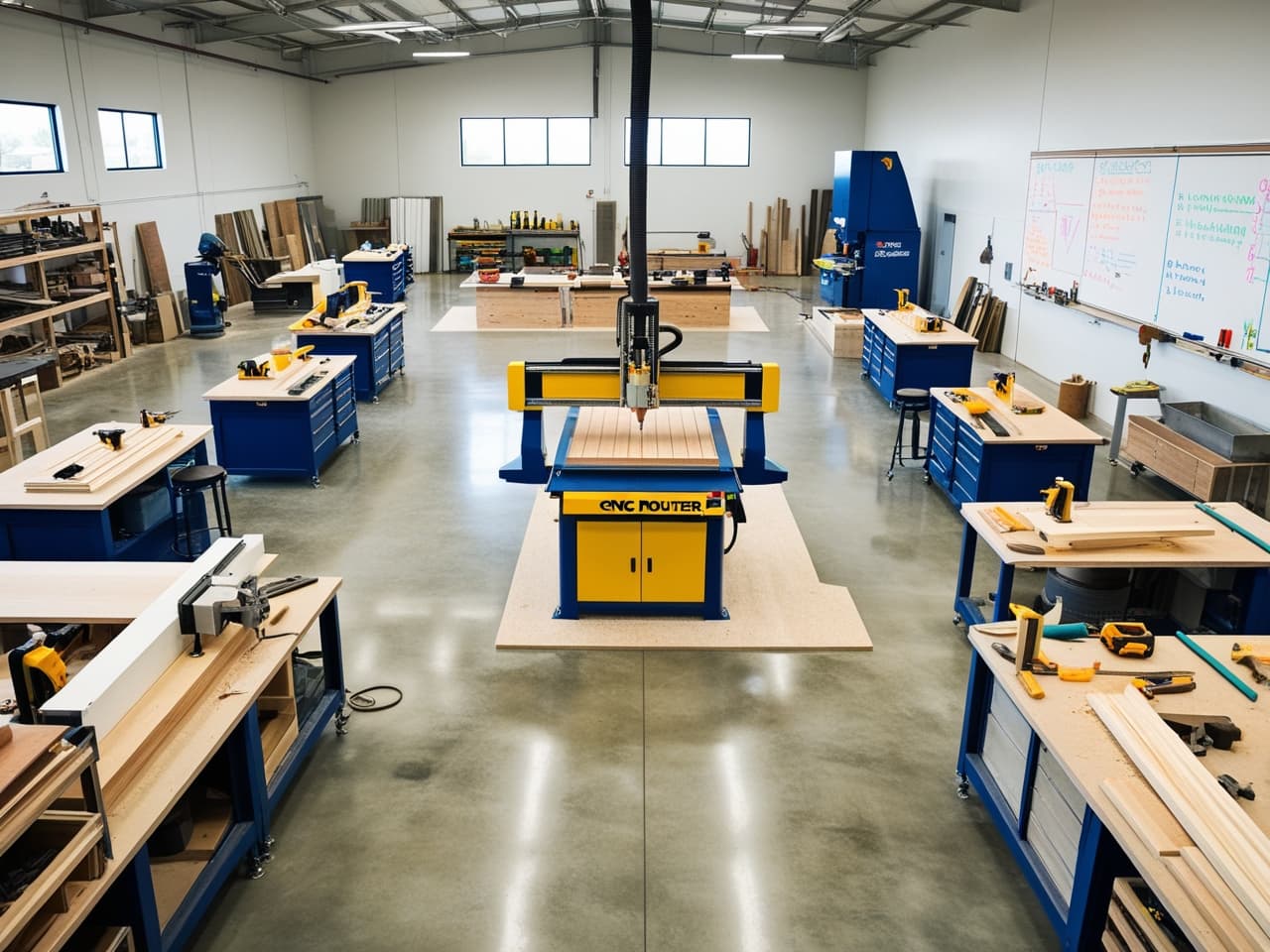
Custom joinery work
Custom joinery work is a full cycle of processing wood and sheet materials (plywood, particleboard, MFC, MDF, glued wood panel) for a specific project: design preparation, precise cutting to size, milling, drilling, sanding, assembly and finishing. The format suits furniture producers who need components and blanks, designers with interior details, and businesses with small-batch runs. Below you will find which materials go into the work, the stages the manufacture is made up of, how long it takes, who most often orders joinery, and how to place a request.
Joinery work on processing wood and sheet materials
Joinery work is a chain of operations through which a board or a sheet turns into a finished part: cutting to size, milling, drilling, sanding, assembly. Both solid wood and sheet materials go into it — MDF, particleboard, plywood, MFC, glued wood panel. The field of application is wide: furniture production, construction, interior finishing, retail equipment. In essence, it is a universal intermediary between raw material and finished item, turned to when precision is needed rather than “by eye”.
The point of joinery work is simple: to give the material the required shape and size, and then to assemble a structure from the parts — furniture, a decorative element, an assembly unit. This includes sawing and cutting to size, gluing, assembly with fasteners, sanding, fitting hardware. Some tasks are limited to a single operation, others go through the whole chain from blank to a packaged item — it depends on what the client needs.
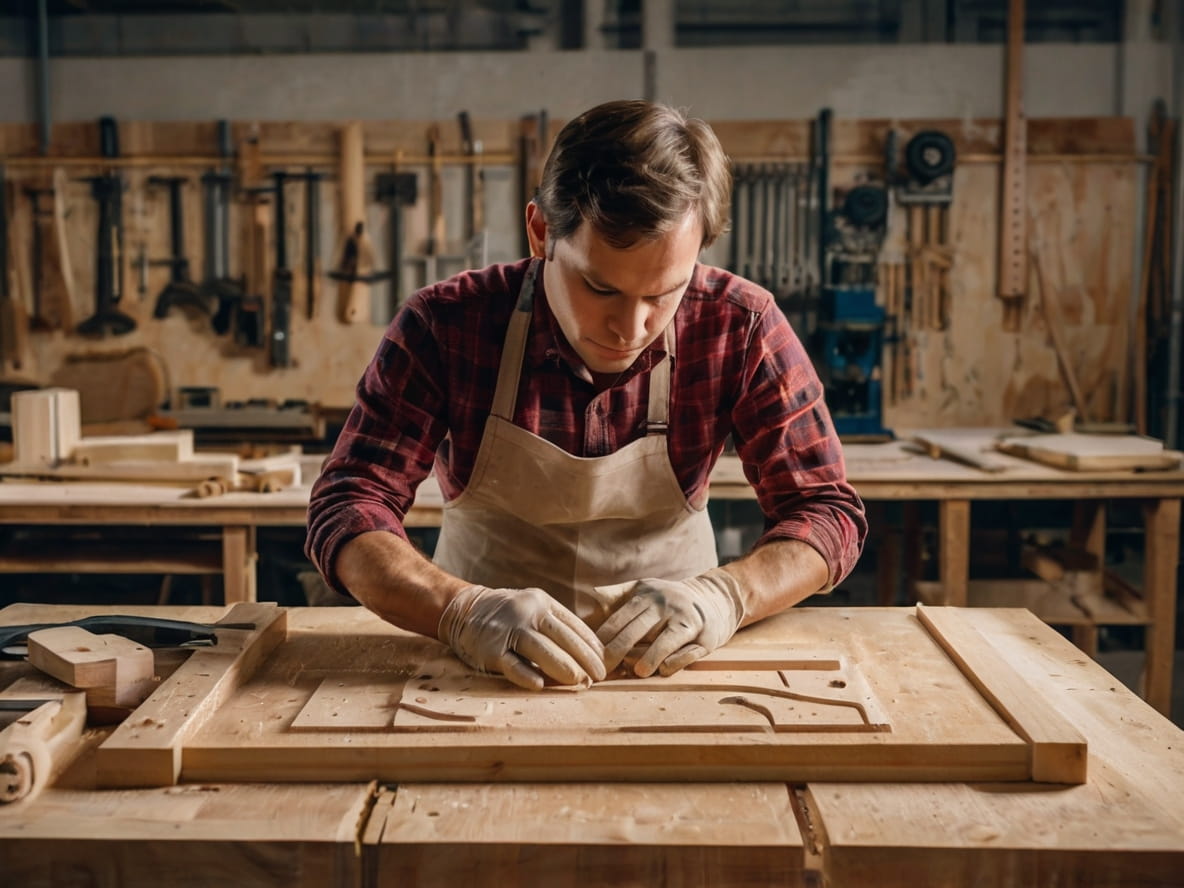
Hand tools and CNC machines coexist in the work, and this is not a contradiction but a division of labour. Where repeatability and complex geometry are needed, CNC wins; where a lively line or delicate finishing matters, the craftsman’s hand is more precise. That is exactly why joinery pulls off one-off, non-standard items that cannot be made by serial methods — from a carved panel to furniture made to individual dimensions.
The durability of an item is set even before assembly — in the choice of material, the sharpness of the tool and adherence to the technology. Put simply, a carefully made thing serves for years and does not lose its look. The range of what is done with joinery work is wide: interior objects, furniture sets, decor — door structures, staircases, shelves, wall panels. Each such part calls for its own approach, but the logic is the same — precision at the input gives quality at the output.
The benefits of working with professionals

Modern equipment
Panel saws, CNC and milling machines — precision, speed and quality guaranteed

Extensive experience and expertise
We know how to handle wood and sheet materials — reliably, precisely, professionally

Fast order fulfilment
Fast and without compromising quality. We value your time and our commitments

A full range of services in one place
Cutting to size, sawing, milling, sanding, painting, assembly — all in-house, with no middlemen
Trusted materials and consumables
We work only with quality materials, so you can be confident in the result

An individual approach to every client
We work to your drawings, create a machining program for the task and account for every detail
Features of joinery work with MDF, particleboard, plywood and other materials
Each material has its own character, and competent joinery work begins with understanding these habits. Density, thickness, structure, the presence of a coating — all of this dictates its own cutting mode, its own tool and its own care. What passes easily on MDF may chip on MFC, and plywood will call for a different approach than solid wood. Below is a short breakdown of the popular materials.
- MDF is the darling of furniture production: uniform, stable, with a smooth surface that goes perfectly under paint and relief milling. The price for this is an abundance of fine dust during machining and demands on the sharpness of the tool: a blunt cutter leaves a noticeable fuzz and a blurred edge on it.
- Particleboard and MFC are the budget basis of carcass furniture and finishing. The main headache here is the fragile laminated edge, which easily chips off with the wrong feed. A scoring saw and a sharp blade save the day: they cut through the coating first, and the cut stays clean, without tear-out along the edge.
- Plywood is a strong multi-layer material that holds fasteners and is not afraid of load, for which it is valued both in construction and in furniture. It is precisely the layers that create a nuance: with a careless cut they tend to tear up, so a sharp tool and even feed matter, and when gluing — tight clamping without voids.
- Glued wood panel is glued solid wood assembled from lamellas: it looks like solid timber but is more stable and warps less. It goes into tabletops, doors, large visible parts. Working with it is closer to working with solid wood — the grain direction is taken into account, and at the joints a clean glue-up matters, otherwise the seam will show through the finish.
A separate story is combined materials: laminated plywood, boards with a film or veneer coating. Here the properties of two materials are combined in a single part at once, and the machining becomes more complicated — you must neither tear up the layers nor chip the coating. It is precisely such nuances that separate neat joinery from work done “just to cut it”.
Stages of joinery work for timber and sheet materials
Consultation
Receiving drawings or developing a plan
Agreeing lead times and cost
Launch into production
Quality control at every stage
Finishing
Packaging and preparation for shipment
Delivery or pickup
The stages of carrying out joinery work: from idea to item
Any joinery work follows a clear scheme, and the first step here is calculation. The dimensions and shape of the future item are determined, it is estimated how the parts will lie on the sheet, the client’s wishes and the properties of the chosen material are taken into account. The more precisely this stage is calculated, the fewer surprises further on: an error in the drawing will surface during assembly, when fixing it is already expensive.
Once the project is approved, the material’s turn comes. It is chosen to suit the task — by thickness, density, texture — and this choice determines which tool to use and in what mode. Sometimes at this stage the part already gets primary processing: sanding or preparation for coating. You cannot get ahead of yourself here — the order of operations is usually strict, and rearranging the stages without loss of quality will not work.
Next comes cutting and assembly, the core of the whole job. Each part is cut strictly to size, otherwise misalignments and gaps will appear during assembly. Holes and recesses for hardware require separate attention: a hinge or a runner seated a couple of millimetres off will ruin the operation of the whole structure. This is exactly where you can see how precise joinery differs from “roughly fits”.
The assembled item goes on to the finish: sanding, painting or varnishing. The task of this stage is twofold — to make the thing beautiful and to protect it. The coating shields the wood from moisture and abrasion, and an evenly finished surface determines how the item will look up close. Saving here is pointless: any flaw in the previous stages surfaces precisely under the finish.
Everything is completed by inspection: the item is checked for strength and compared with the drawing — whether the dimensions match, whether the fit is even, whether there are any defects. Only after passing this check does the work go to the client. This end-to-end control from calculation to shipment is essentially what you pay for: a predictable result without unpleasant discoveries when unpacking.
Advantages of joinery work in processing wood and boards
The main trump card of joinery work is precision combined with an individual approach. Mass production churns out identical items and does not adapt to a specific project. Here it is the opposite: a part is made to your dimensions, your material and your task, down to the strictest requirements. That is exactly why people turn to joinery when a standard solution from the shop does not fit.
The second plus is freedom in materials. MDF, plywood, particleboard, MFC, solid wood behave differently, and this is not an obstacle but a tool: for each task the best-suited one is chosen. For office furniture the logic is one, for home decor another, for a damp room a third. The ability to work with this whole range is exactly what makes it possible to hit the client’s needs precisely, rather than fit the task to the single available material.
The third advantage is durability. An item assembled from a good material by the right technology serves for years and does not fall apart within a season. A sealed edge does not draw in moisture, a precise fit of the parts leaves no play, and a competent finish protects the surface from abrasion. As a result, a thing made conscientiously with joinery work costs less per unit of service life than a cheap replacement every couple of years.
And finally — the non-standard. Joinery copes with what is not in catalogues: furniture of a non-standard shape for a specific niche, decor to a designer’s sketch, a structure that cannot be bought ready-made anywhere. For those to whom exclusivity and a precise hit on the idea matter, this is almost the only path. The limitation here lies more in imagination than in the capabilities of the production.
Advantages of ordering joinery work for companies and shops
For companies and shops in the furniture, finishing and building-materials sphere, working with an experienced joinery contractor is above all predictability. The order is carried out to the agreed quality and on time, without surprises and emergencies. When a business depends on the supply of parts, stability matters more than a one-off low price: a missed deadline usually costs more than a small premium for reliability.
A plus is a wide range of materials under one roof. There is no need to look for one contractor for MDF, another for plywood, a third for solid wood: joinery work flexibly covers the whole spectrum, from budget MFC to glued wood panel. This makes it possible to run both standard products and unique decor within a single order, without reconciling the deadlines of several contractors.
An experienced contractor moreover saves both time and money — simply because he does not make a novice’s typical mistakes. Professional equipment speeds up the work, and a well-honed technology holds a stable quality from batch to batch. Add to this attention to the specific project, and the result comes out matching the business’s expectations rather than “broadly similar”.
Another argument for business is flexibility on deadlines. The market changes fast, demand jumps, and the ability to get a batch of parts quickly often decides the outcome of the season. A contractor who knows how to adjust to the client’s pace and prioritise an urgent order becomes not just a performer but part of the production chain that can be relied upon.








Types of joinery work: the full spectrum
Joinery work is not a single service but a whole fan of directions, each with its own specifics and field of application. Assembling carcass furniture is one thing, cutting out a decorative panel another, making a load-bearing structure a third. The choice of the right direction comes not only from how the item should look but also from what load and function it bears.
The most obvious direction is custom furniture. This includes both simple shelves and cabinets and complex sets such as a wardrobe or a kitchen, designed for a specific room. It is not enough here to make it beautiful: ergonomics matter — a convenient height, well-thought-out opening, correct depths. Furniture that is uncomfortable to live with is not saved even by perfect assembly, so design here is no less important than the joinery itself.
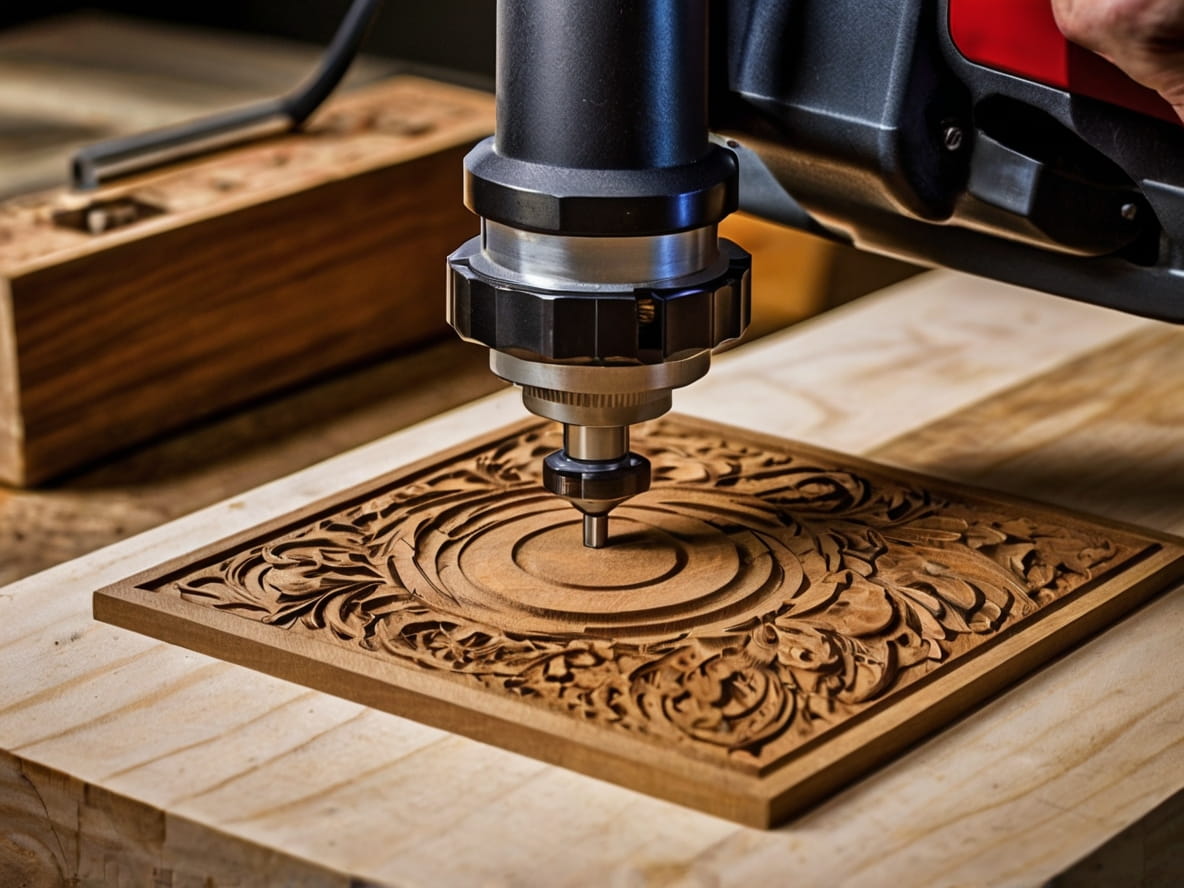
A separate direction is decorative interior elements. The range is wide: from smooth finishing panels to carved inserts and framing for walls and ceilings. Decorative joinery is almost always one-off and tied to texture and coating — the character of the surface, the play of texture, the precision of the relief matter here. It is precisely these details that turn a faceless room into a considered space with personality.
Joinery work also includes more responsible things — door structures, window frames, staircases. These items work under constant load and in plain sight, so the cost of an error is higher: here both precise dimensions and a margin of strength are critical. A sagging door or a squeaky step reminds you of itself every day, and such elements must serve for years. That is why they are designed and assembled especially carefully.
Finally, a large segment is structures from plywood and sheet materials for construction and renovation. Panels, partitions, bases, rough elements, staircase structures: here strength and precision of dimensions come first, not decorativeness. Such joinery work often goes in tandem with commercial sites, where reliable, durable parts are needed in large quantity and within tight deadlines.
Our portfolio — finished products
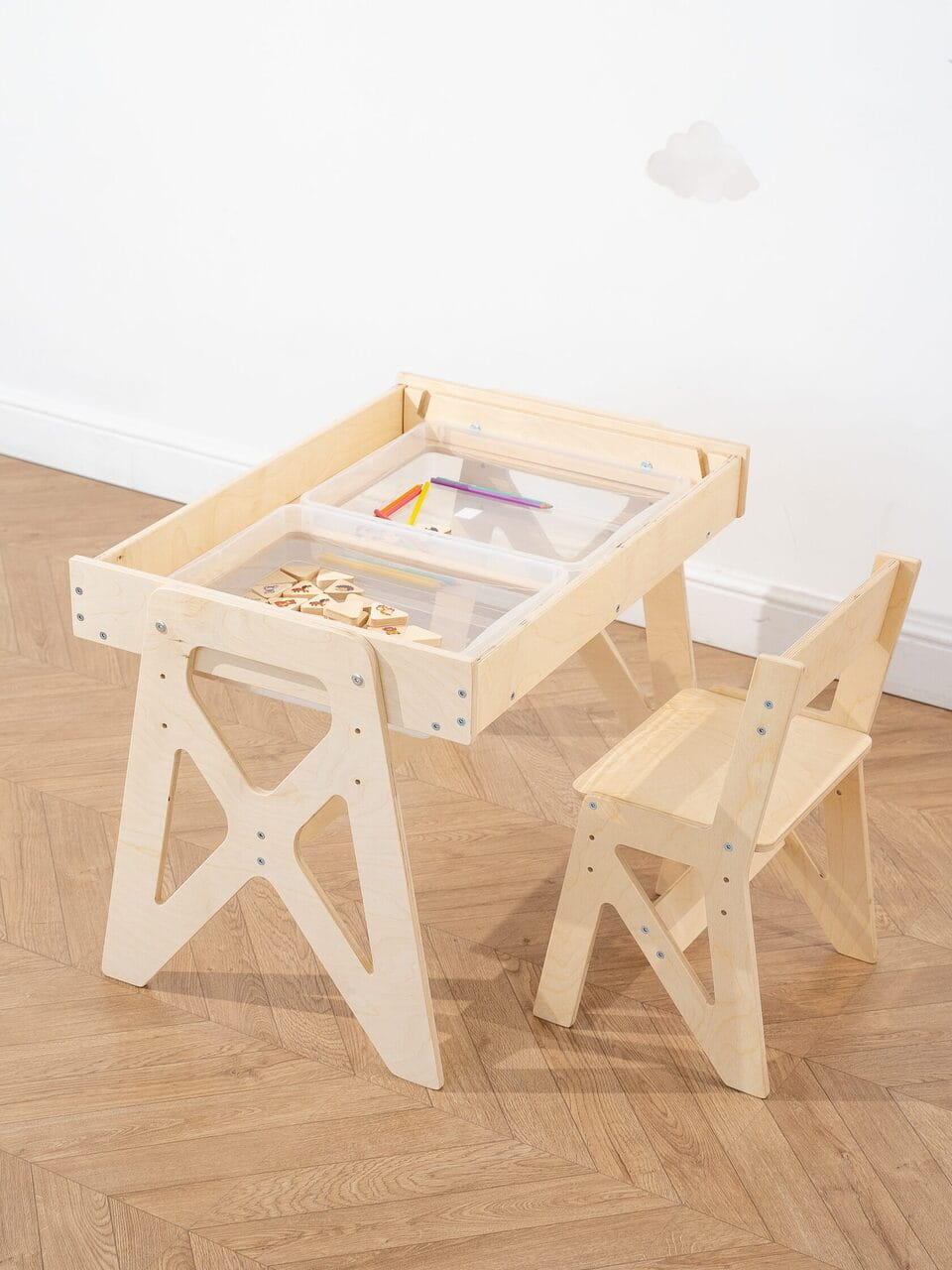


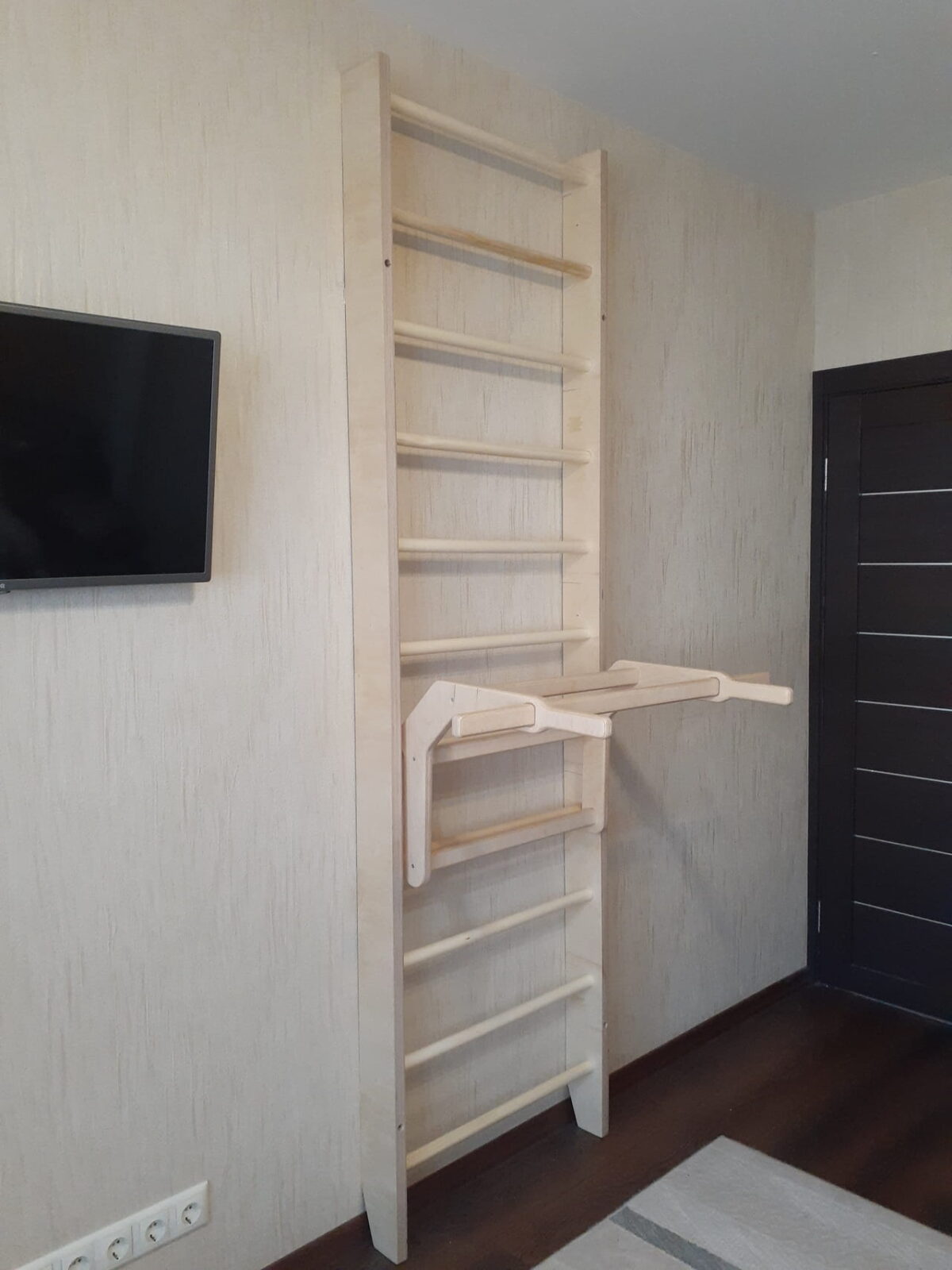
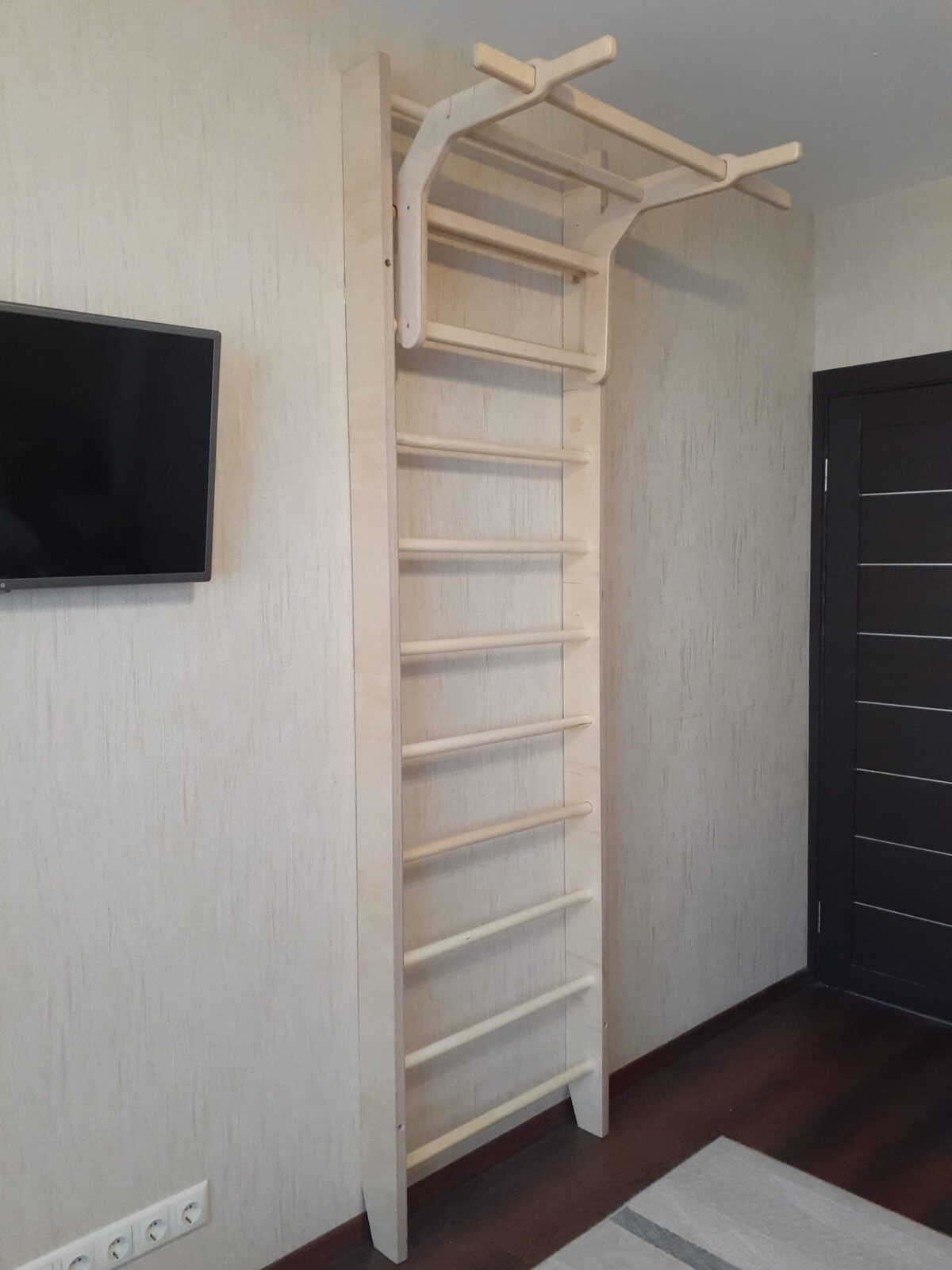
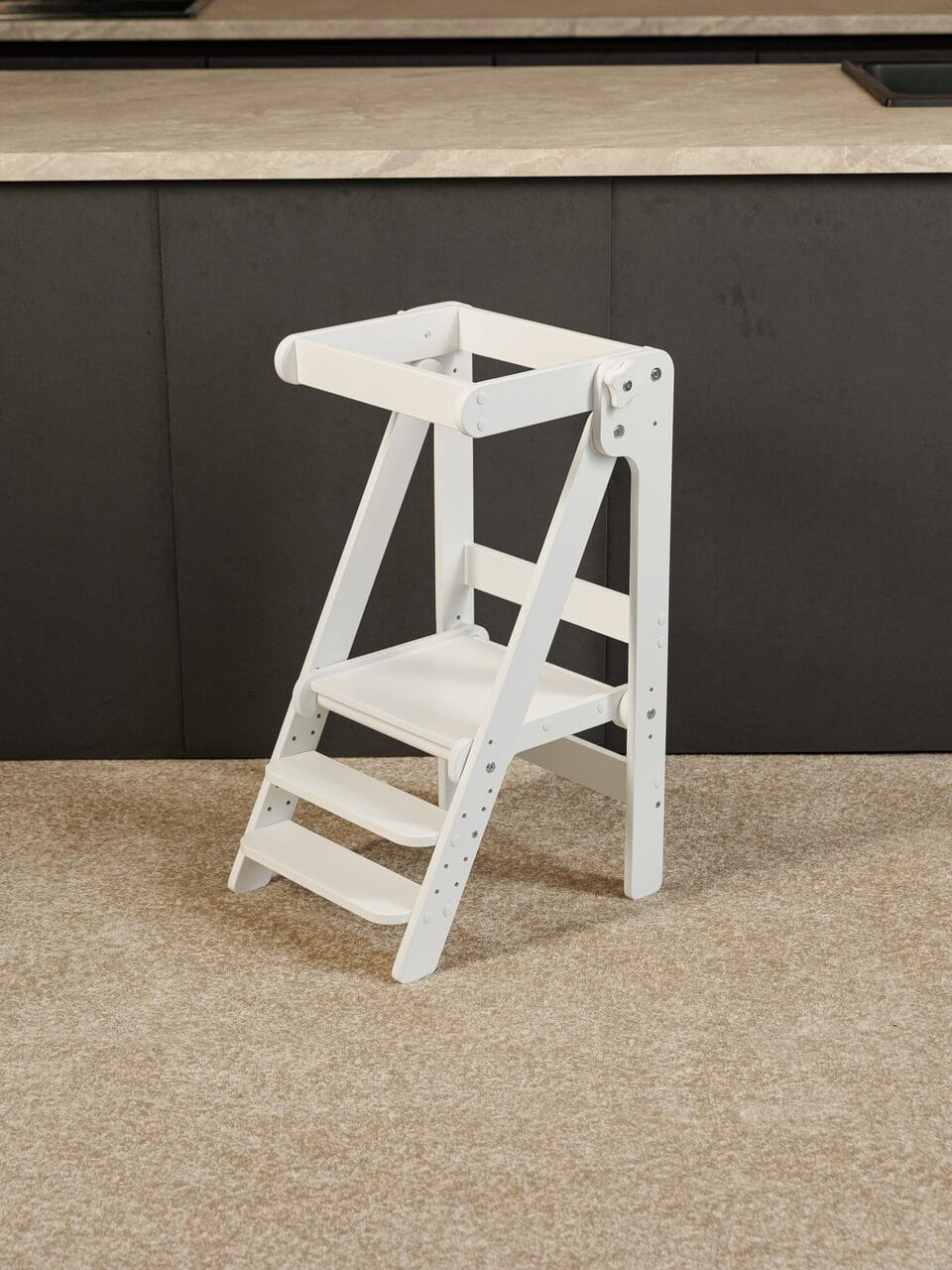


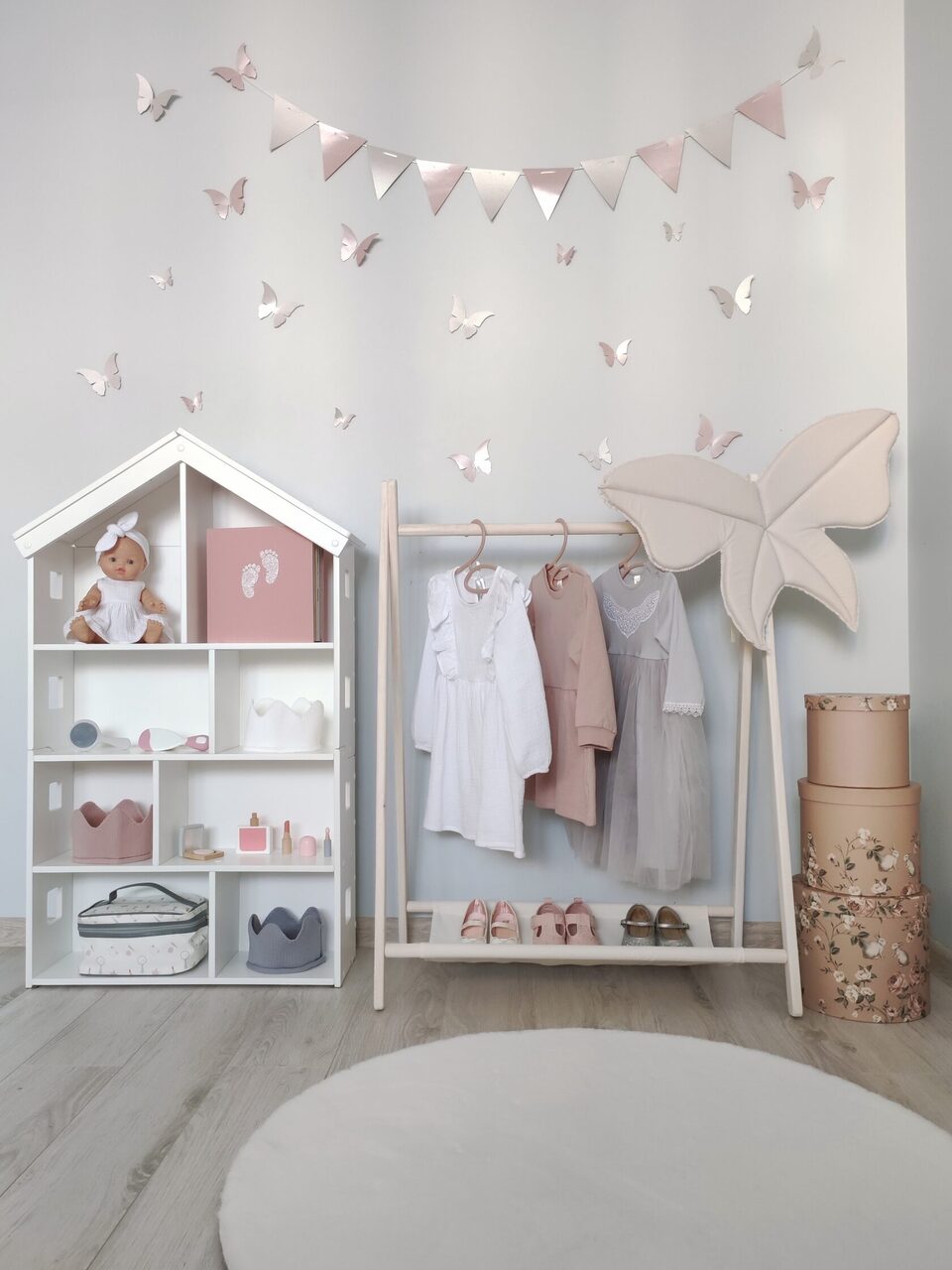

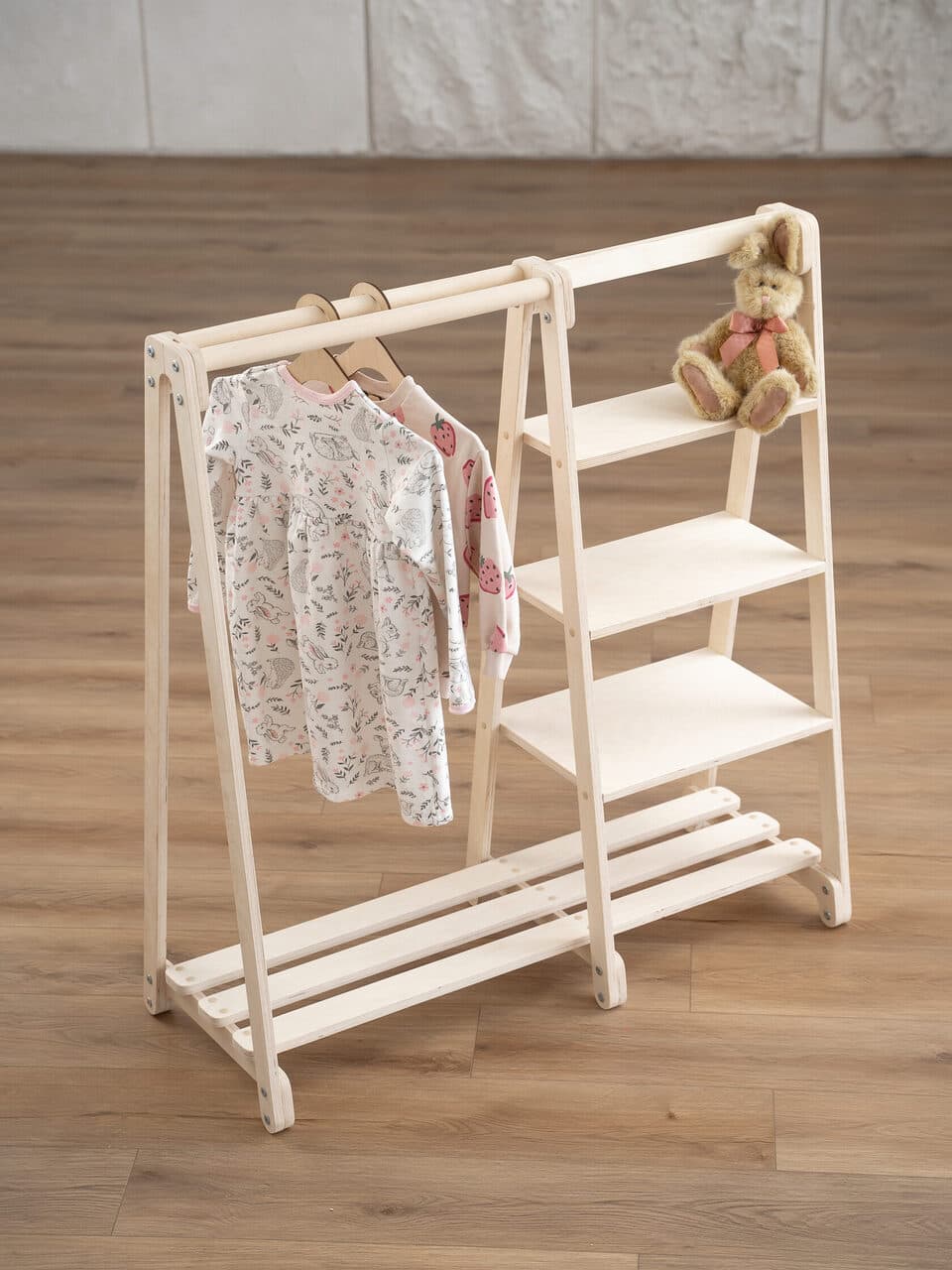
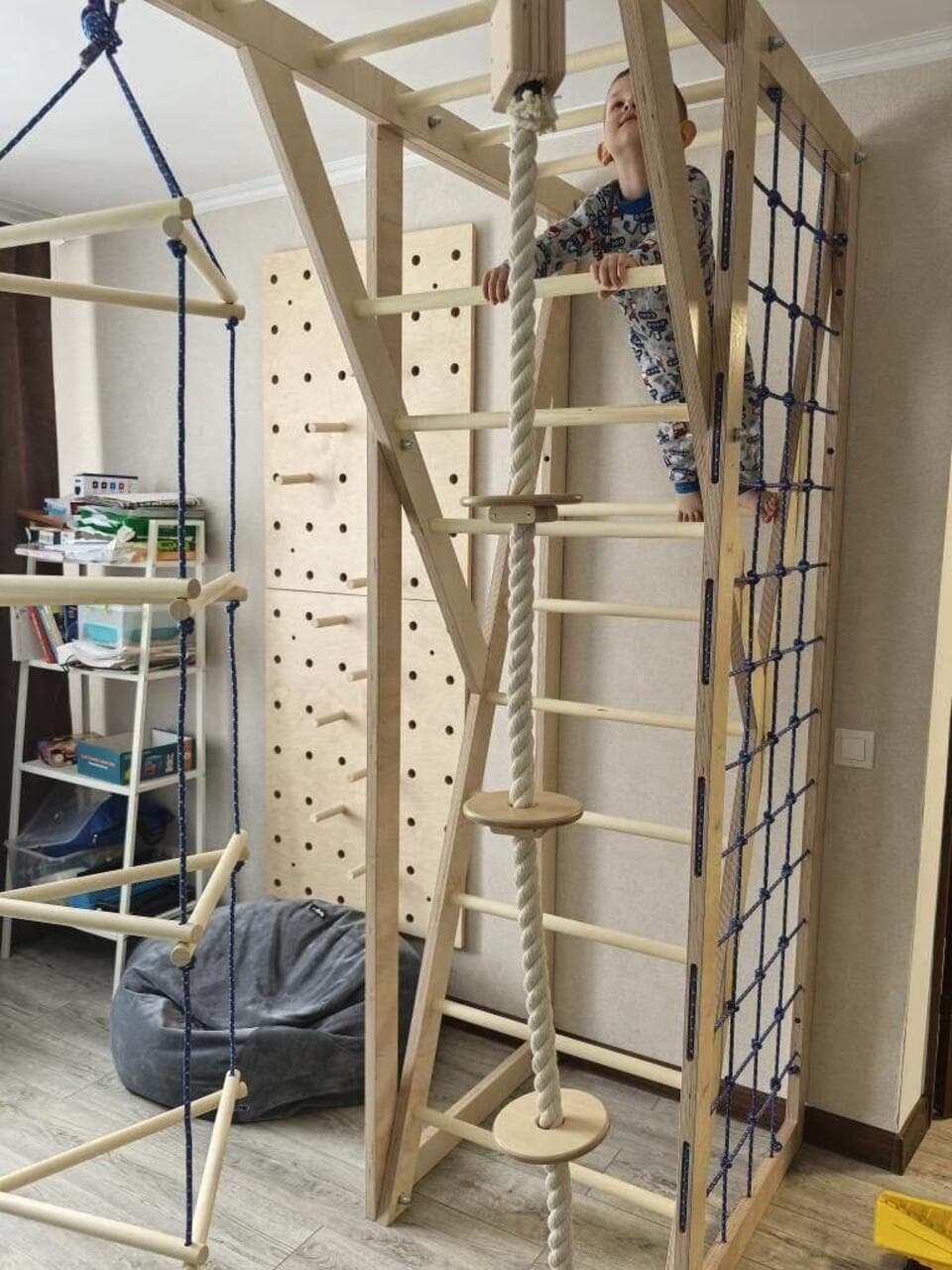
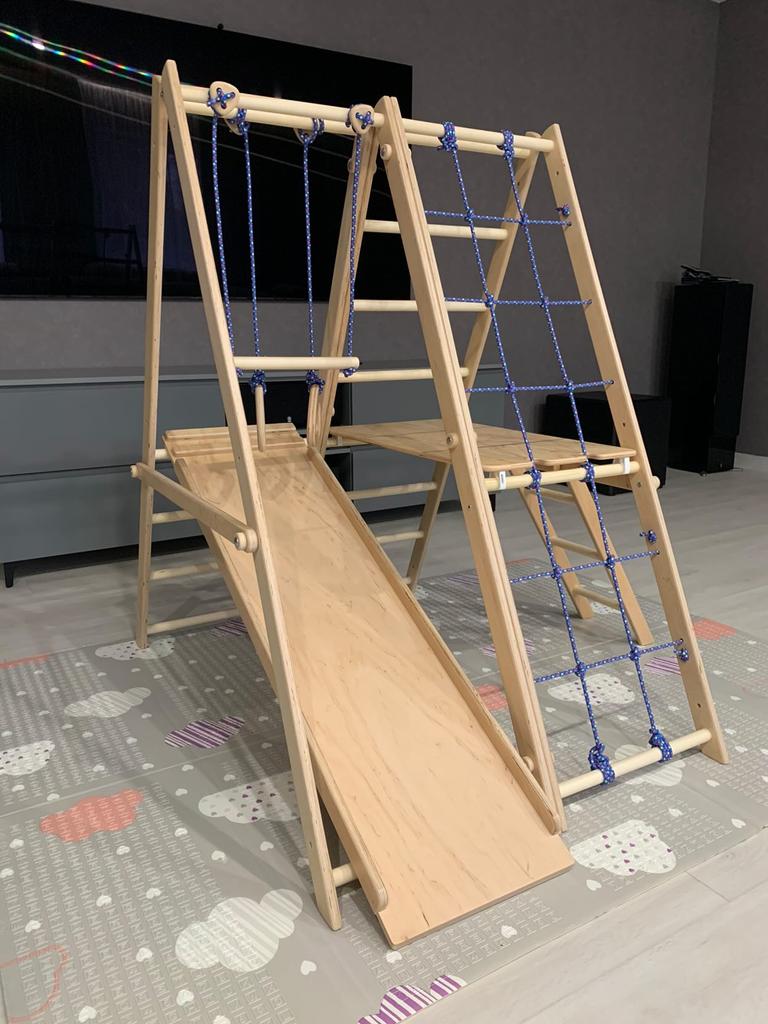

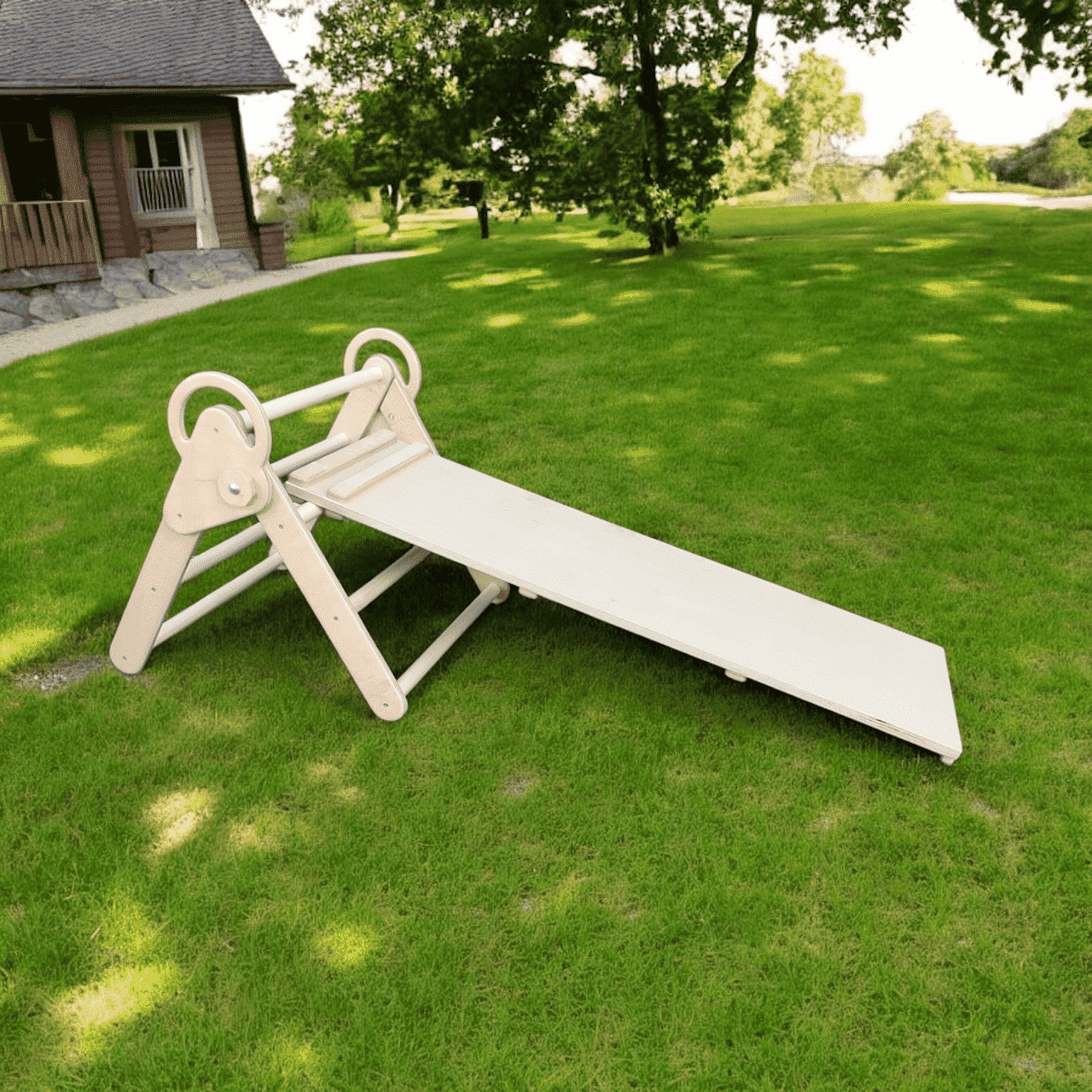

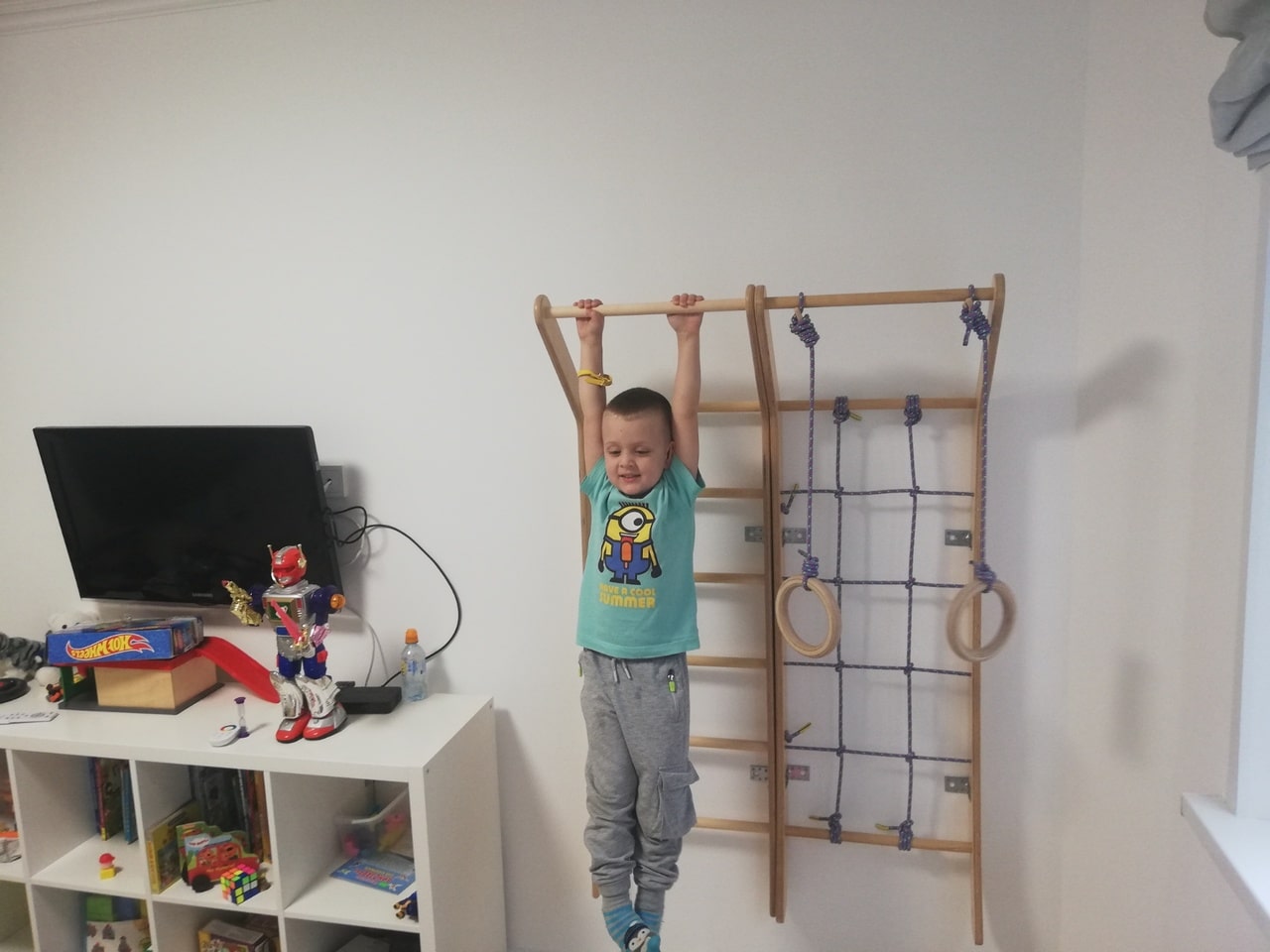


Examples of completed joinery work
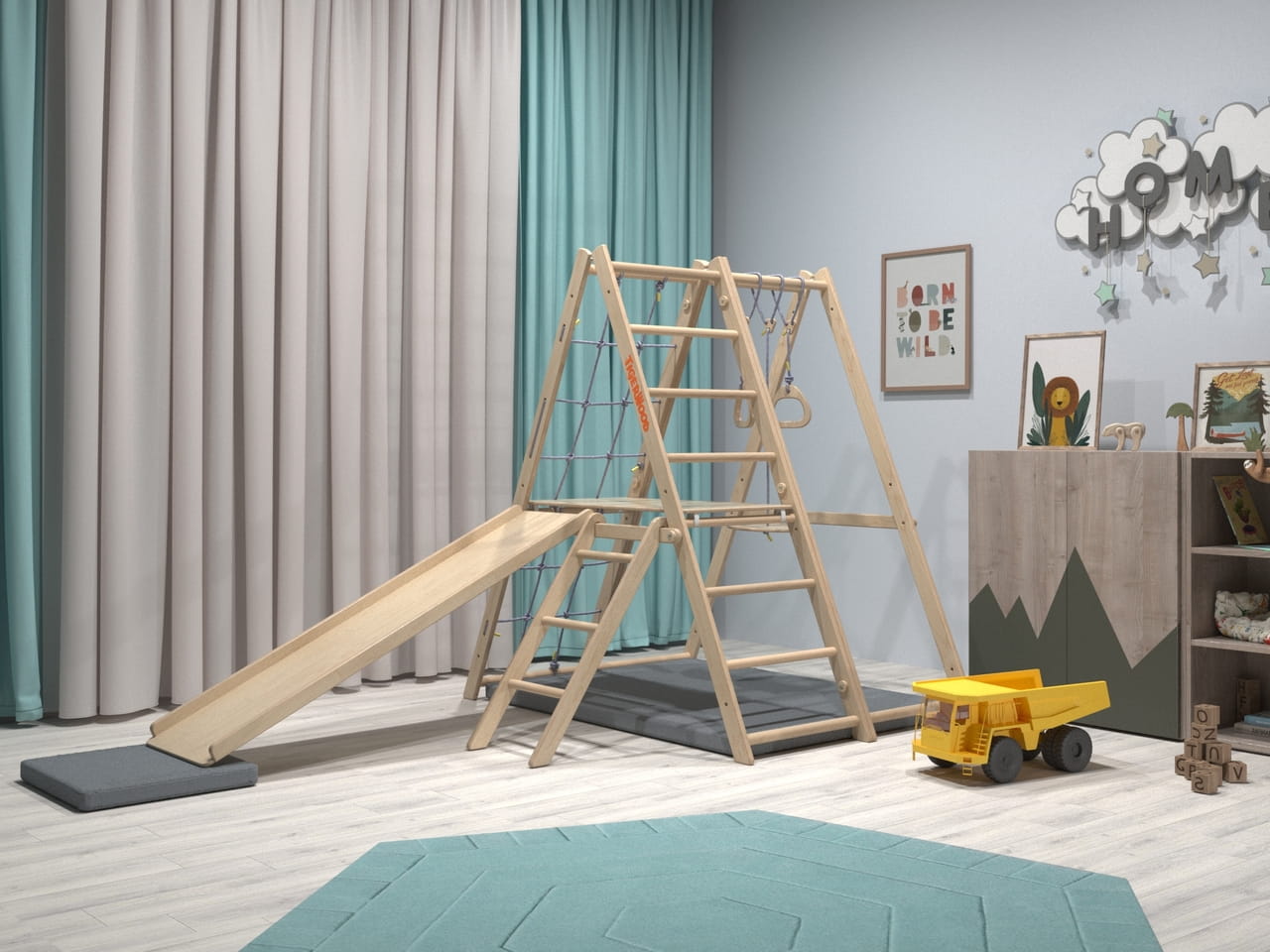
The quality of joinery work is best spoken of not by words but by finished projects. Furniture, interior elements, building structures — from a completed thing the level of execution is immediately visible: the cleanness of the edge, the precision of the joints, the evenness of the coating. That is why getting acquainted with examples usually removes half the questions even before the conversation about an order.
Among what has been done are things from the most varied materials. Furniture from MDF with glossy and matte fronts, plywood items with shaped decorative elements, carved wall panels, door structures made on modern equipment. Each such example shows its own facet of the work: in one place the perfect colour of the coating matters more, in another the cleanness of complex milling, in a third the strength of the joints.
Non-standard structures stand apart — kitchen tabletops to specific dimensions, built-in furniture fitted into an awkward niche or a slanted wall. It is precisely on such orders that you can see how joinery work pulls off individual design solutions without sacrificing either quality or convenience. Where ready-made furniture simply will not fit, a bespoke item sits perfectly.
Of particular interest are projects where joinery is built into the overall ensemble of the interior. A staircase with decorative railings in the same style as the wall panels, furniture that echoes the finishing in colour and texture. Such work is more complex than the usual: you must not merely make a part but coordinate it with its surroundings down to the details. And it is precisely these that best show what neat joinery is capable of in tandem with a considered design.
Who uses a carpentry workshop’s services

Furniture makers

Interior designers

Advertising companies

Exhibition stand builders

Art studios

Cafés and restaurants

Construction firms

Retail equipment manufacturers

Furniture factories

Private craftsmen

Custom orders

Manufacturing companies

Museums and exhibition halls

Architects

Theatres and film studios

Educational organizations

Children’s products manufacturing

Repair specialists

Online stores

Sole proprietors
Who orders joinery work
The circle of joinery clients is wide — from large organisations to private individuals. Construction companies and contractors take structural elements for their sites: panels, partitions, staircase parts. Furniture producers turn to them for components and individual items that are easier to outsource than to keep an in-house section for. Each has their own task, but they are united by the need for precise processing of wood and boards.
A separate and rewarding category is interior designers and architects. They need one-off decorative elements and finishing details that do not exist ready-made: carved panels, non-standard framing, furniture of a non-standard shape. Serial production does not cover such tasks in principle, so for their realisation they go to joiners able to translate a sketch into a precise part.
A notable segment is retail trade. Shops and chains order furniture and joinery items in batches for resale or to equip their own outlets. Adjacent to this are businesses renovating their interiors and private customers who have embarked on a renovation or a furniture replacement at home. For the latter, bespoke joinery often becomes the only way to get exactly what was conceived rather than a compromise from the nearest warehouse.
An overview of joinery work: from furniture to decor
If we bring it all together, joinery work on wood and boards is a flexible set of directions, from standard operations to highly specialised ones. This breadth is exactly what makes it convenient: under one roof both serial batches and one-off orders are covered. There is no need to look for different contractors for furniture, decor and construction — the whole spectrum is solved in one place, to uniform dimensions and standards.
From MDF, particleboard, plywood and solid wood are born things for the most varied spheres — from an apartment to a shop floor: furniture, decorative elements, building parts. Each direction has its own technology, but they are united by one thing — a demand for precision. That is exactly why a project of any complexity can be brought to a neat result, if each operation is done as it should be, not in a rush.
Well-made joinery is beautiful and functional at the same time — one not at the expense of the other. An individual project, assembled to specific requirements and wishes, equally helps both business and the private customer: where both uniqueness and durability matter, a bespoke item outperforms any standard analogue. It both fits in place more precisely and serves longer.
In essence, for every client joinery work is a way to get not “something similar” but exactly their own product, which will become part of an interior or an architectural concept. The combination of quality of execution, flexibility in approach and a large choice of materials makes it possible to select a solution for any project — from budget to premium, from a single part to a series.
What joinery work includes: the full cycle and individual operations
One of the main conveniences is that joinery work can be ordered in portions — exactly to the depth needed. Someone needs a single operation: to rip a sheet, mill grooves, sand a part for painting. Someone needs the whole path from board to an assembled turnkey item. Neither is considered a “wrong” format: a one-off cut of a single part is just as normal an order here as a series of a hundred identical elements. This spares the client the unnecessary: there is no need to pay for what is not required, and no need to buy up the missing operations elsewhere.
A full cycle looks roughly like this: calculation and cutting to size, then milling and drilling for hardware, followed by edge banding and sanding, then assembly and finish, and at the end — inspection and packaging. Each stage rests on the previous one, which is why a single site is valued: the blank passes from operation to operation without losses, and the dimensions do not “drift” at the joints. When the same steps are scattered across different contractors, it is precisely at the transitions that mismatches most often arise, surfacing already during assembly.
A glossary of terms that will come in handy when ordering
When discussing an order, words come up that are familiar to the workshop and hazy to the client. A small glossary removes misunderstandings before the start: when both sides understand the terms in the same way, there are fewer grounds for “I thought it would be different”.
| Term | What it means |
|---|---|
| ✂️ Cutting to size | Laying out the parts on the sheet and cutting to size along it |
| 🔧 Milling | Grooves, recesses, chamfers, relief, a shaped contour |
| 🎯 Boring | Drilling holes for hinges and fasteners to the markup |
| 🖇️ Edge banding | Gluing tape onto the edge against moisture and chips |
| 🌀 Grit | Coarseness of the abrasive: the higher the number, the smoother the surface |
| 📍 Dowel | A wooden pin for a hidden and precise joint |
| 🔩 Confirmat | A furniture connecting screw for assembling a carcass |
How to choose a material for the task
The choice of material is half the success, and it is worth approaching it from the conditions of use rather than from habit. For a damp kitchen or bathroom, moisture-resistant boards and a durable coating are taken, otherwise the part will swell along the edge within a season. For a dry living room or bedroom the choice is wider, and here the look comes to the fore: smooth painted MDF, warm solid wood, practical MFC in the required decor. For load-bearing and loaded elements strength matters — plywood or a thick panel, not a thin board “to economise”.
A frequent mistake is chasing an expensive material where it is not needed. Solid wood is beautiful, but no one will see it inside a closed cabinet carcass, and overpaying for it is pointless: the internal parts are easily made from MFC. And conversely — economising on visible fronts or on loaded joints is not worth it, it will come back to bite you. If the material raises doubts, it is easier to describe the task and the conditions where the part will work — a suitable option will be suggested, also estimating how it affects the price and the service life.
The equipment that quality rests on
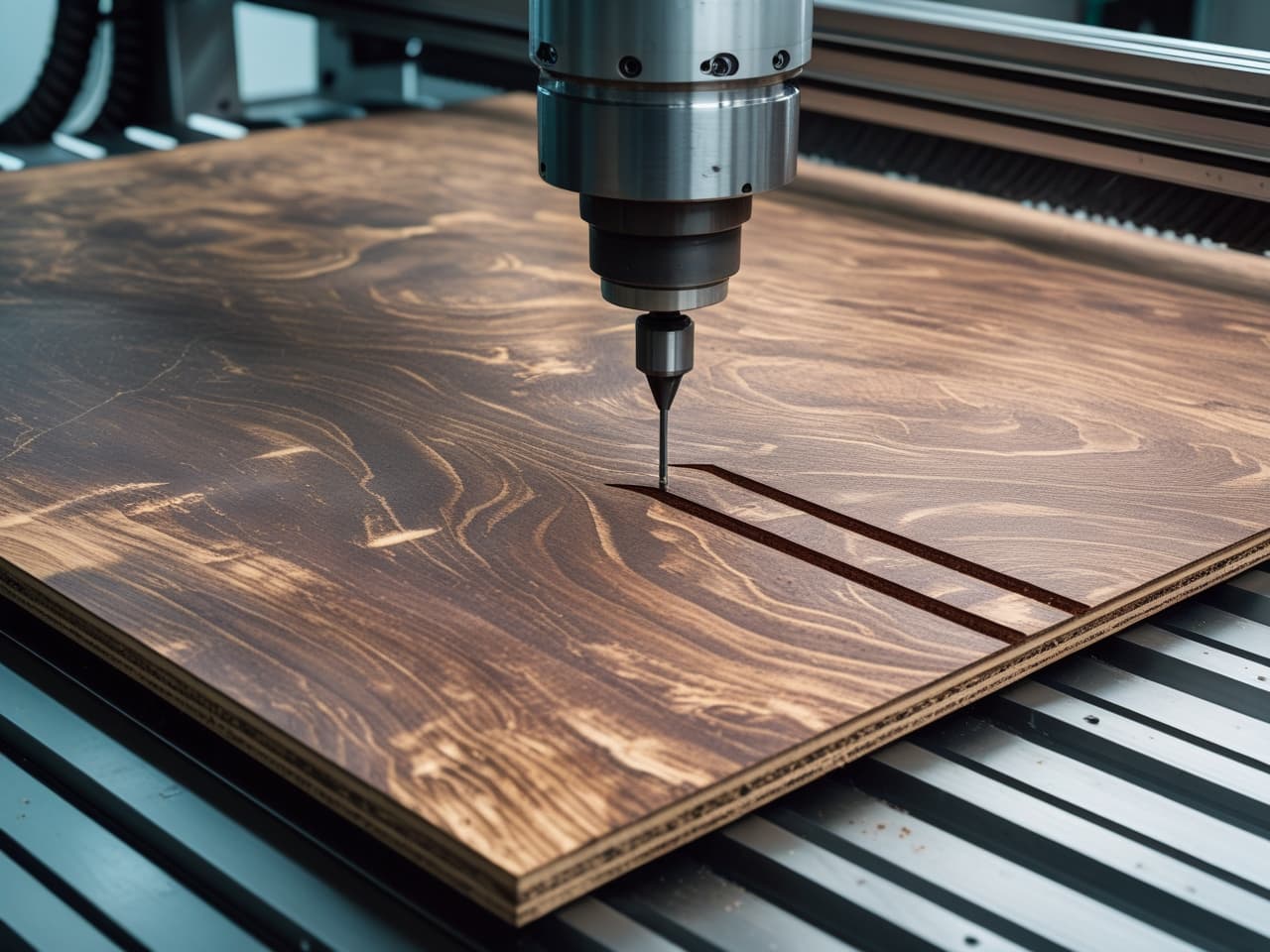
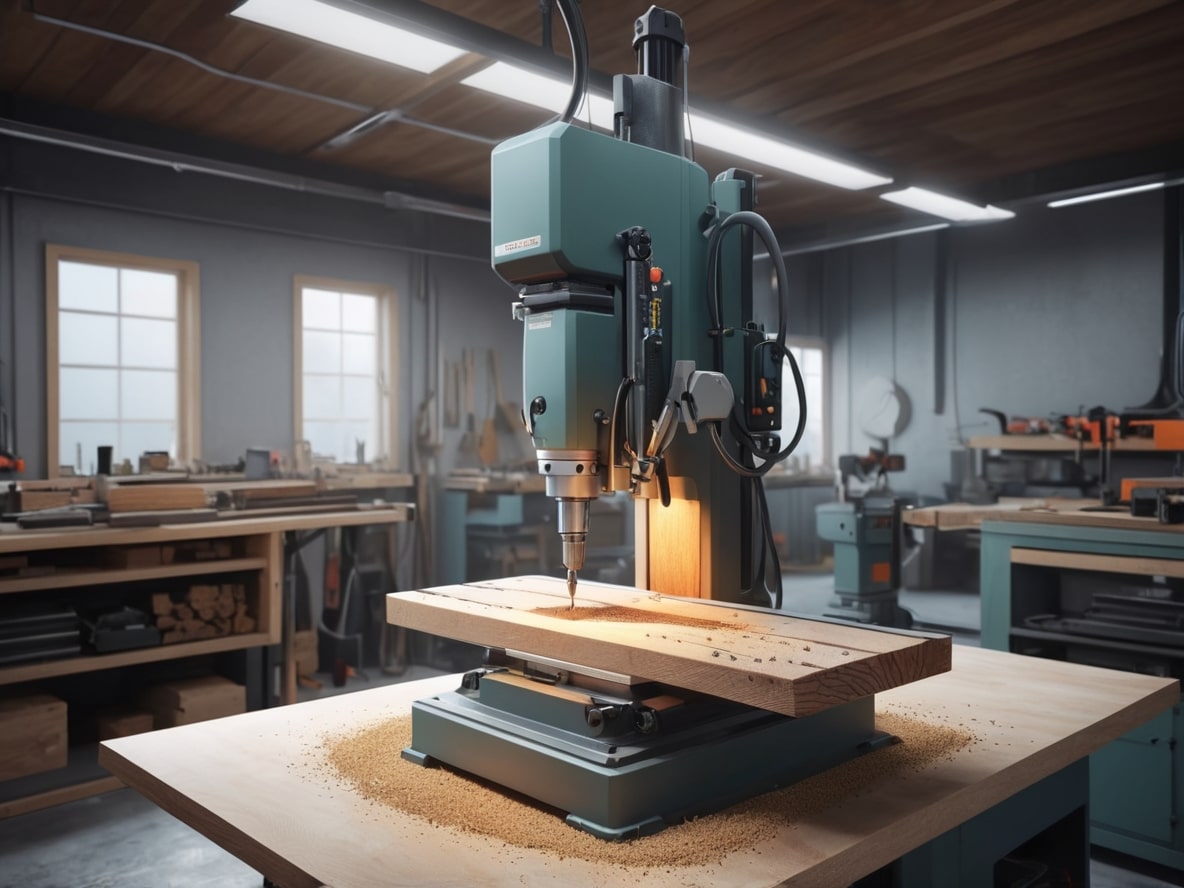
Talk of quality without machines is empty noise, because it is precisely the equipment that determines the result. A panel saw gives a clean straight cut of the sheet without chips, a scoring unit protects the laminated edge, a CNC router repeats any contour by program without deviations. Boring equipment drills holes for hardware strictly to the markup, so that hinges and runners sit evenly. A spray booth ensures an even coating and dust-free drying.
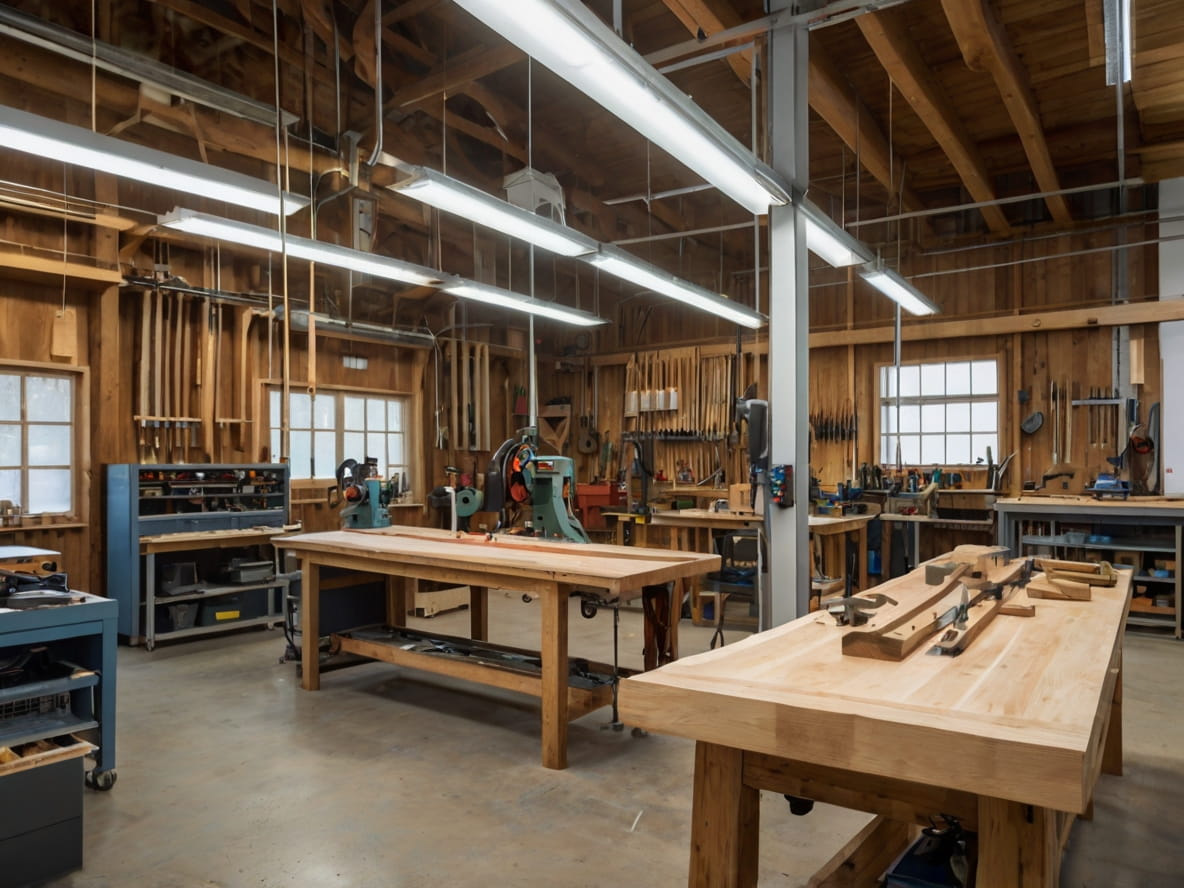
It is not the individual machine that matters but their combination. The blank passes through cutting, milling, sanding and the booth without leaving one site, and at each stage it is watched over. Joinery work differs from amateur processing “in the garage” precisely in that here there are both the right tool and a well-honed order of operations. That is exactly why the result comes out predictable: not “as luck has it” but stable from one time to the next.
Deadlines: what they depend on
The deadline is always calculated for the specific project, but the general guidelines are clear. A simple operation such as cutting to size or a few parts fits into one or two days. An item with milling, assembly and painting takes longer — here a noticeable part of the time is eaten up not by the processing itself but by the drying of the coating, which cannot be rushed without harm to quality. Serial batches are calculated separately: tooling is prepared for them, but then the parts go fast and identically.
Much depends on the client too. A clear specification, a material question settled in advance and an early request speed up the work better than any promises. And conversely — a raw drawing, changes along the way and a “needed yesterday” mode stretch out the deadlines and raise the price. If a project is tied to a date — an opening, an installation, a furniture move-in — it is more sensible to get in touch in advance and allow a small margin than to bring the task in at the last minute.
What the cost is made up of
The question “how much does it cost” without details remains without an exact answer, and that is honest, not an excuse. The price is made up of several components, and each one can be estimated in advance.
- 📐 Complexity. Simple straight parts are cheaper than shaped ones with milling and cut-outs.
- 🧱 Material. Its cost plus consumption, taking offcuts into account.
- 🔁 Run size. A single part is dearer per unit, a series works out cheaper thanks to the tooling.
- 🎨 Finish. A bare part, sanding, single-coat painting or a complex coating — different budgets.
- 🛠️ Assembly and hardware. A set of parts or a finished turnkey item — that is a difference too.
- ⏱️ Urgency. Work outside the general queue is calculated separately.
The simplest way not to be surprised by the quote is to send a neat specification and not rush the deadlines. Reworks due to inaccurate data and an emergency mode are precisely what add those percentages you wanted to avoid. A transparent calculation in advance is in the interests of both sides: both the cost and the deadline are fixed before the start, without surprises along the way.
A one-off order or ongoing cooperation
Joinery work is equally open both to those who came for a single part and to those looking for a contractor for the long term. A one-off order is simple: described the task, agreed it, collected the finished item, with no commitments for the future. This format is convenient when you need to close a specific need quickly and not overpay for what is not required.
Ongoing cooperation is another level of convenience, especially for business. Furniture workshops, design studios, retail chains become convinced over time that it is easier to keep one proven source of parts than to look for a new contractor every time and explain their requirements anew. A contractor who already knows the client’s specifics works faster: fewer approvals, a predictable quality, priority in high season. Many arrive that way — with a single trial order — and stay for years.
Common ordering mistakes
Most hitches happen not at the machine but at the task-setting stage. Here is what most often gets in the way of a first-time result — and what is easy to foresee in advance.
- ❌ Dimensions “from memory”. One wrong measurement drags a re-cut of the whole part along with it.
- ❌ Forgotten allowances. No margin for the edge or assembly — the parts do not come together.
- ❌ Misplaced economising. Too thin a board under load sags within a month.
- ❌ A “I’ll paint it myself later” finish. Without a booth and preparation, the coating often lies worse than expected.
- ❌ Last-minute urgency. Drying and complex processing cannot be sped up with a snap of the fingers.
It is no problem if you did not take some of this into account — that is exactly what the discussion before the start is for. A good contractor asks these questions himself before cutting, not after, when fixing things is already expensive. That is precisely why discussing the project is so important: five minutes of attention to detail save weeks on reworks.
Quality control and a guarantee of the result
Control is built into the process, not tacked on for show. At the input the drawing, dimensions and material are checked: the wrong decor or an extra millimetre of thickness is caught before cutting, while it still costs nothing. Along the way, intermediate measurements are taken on critical operations. At the output the item is checked in full — geometry, fit, cleanness of the surface. The client gets what was in the drawing, without “by eye” discrepancies.
If a contentious moment does arise, it is easier to resolve precisely because the order went through a single pair of hands. There is no need to find out at whose stage the problem appeared — responsibility for the result is not spread among contractors but lies with a single performer. For the client this is the real guarantee: it is clear who to hold accountable, and clear that a rework will not turn into shifting the blame.
Outsourcing joinery work for your own production
Keeping an in-house machine, operator and floor space for each operation only makes sense with constant loading. If sawing, milling or painting is needed from time to time, outsourcing it is usually cheaper than maintaining an idle section. This removes the costs of buying and servicing equipment, of floor space for a workshop, of training machine operators for rare tasks.
Flexibility is even more important. A seasonal peak is closed by an order rather than an emergency at the limit of your own capacity. Your own machine is busy or broken down — the work does not stop, because some of the operations can be quickly outsourced. That is why furniture makers, advertising producers and small workshops increasingly outsource joinery work to a contractor: it unloads their own lines and removes the risk of costly downtime.
How to place a request
A good order begins not with the machine but with a clearly stated task. The clearer the source data, the fewer clarifications and the more precise the result. Putting together a request is not difficult if you keep a few points in mind.
- 📝 Describe the task: what kind of item, where it will stand, what load it bears.
- 📐 Attach dimensions or a drawing — even by hand, but with real figures.
- 🎨 Decide on the finish: a bare part, sanding, painting, shade.
- 🔢 Specify the quantity — a single part or a batch.
- 🧱 Say whose material it is: yours or to be purchased for the project.
- 📅 Name the desired date if the order is tied to an event.
You do not have to come with a perfect technical package — half the orders begin with the words “I need something like this, help me figure it out”. The performer’s job is precisely to translate an everyday description into the language of drawings and operations. But the more input at the start, the shorter the path to a finished item.
Delivery and repeat orders
Finished items and parts are shipped across the whole of Europe. They are packed so that the edge, corners and coating do not suffer in transit, and the delivery conditions are agreed to suit the dimensions and address. For a client in another region everything looks just as simple as for a neighbouring city: the drawing is agreed remotely, and the result arrives ready-made.
A repeat order is usually simpler than the first. If the project has already gone through production, its parameters and colour are known, and an additional part or batch is fitted to what was made earlier. This helps those who assemble furniture or equipment in series and top up elements to already finished ones from time to time. That is exactly why many return to one and the same performer — it is easier to preserve a single standard this way.
More questions about joinery work
Can you reproduce a thing I liked from a photo? Most often yes — with an adjustment for your dimensions and available materials. A finished sample or a photo serves as a starting point, and then the structure is adapted to the task and budget.
Will you help with a project if there is only an idea? Yes. It is enough to describe what you need to get and where it will work — the drawing and the layout will be prepared on the spot. A ready technical package speeds up the start but is not mandatory.
Will you take on a small order? Yes, a single part is just as much an order as a batch. The only difference is the price per unit: on a series it is lower thanks to the tooling.
What about a guarantee of the result? The order passes through control at the input and output, and responsibility lies with a single performer. Contentious moments are resolved without shifting the blame, because the whole job is done in one place.
If your question is not on the list, it is easier to ask it during the discussion. Joinery work is convenient precisely in that the whole path from idea to finished item is led by a single performer — and any detail can be discussed in advance rather than after the fact.
Combined materials in a single item
Often a single item is assembled from several materials at once: a carcass from MFC, fronts from painted MDF, a back panel from hardboard, inserts from solid wood or acrylic glass. Each material is processed in its own mode, and at the output a coordinated set of parts for one thing comes out. Running such an order in one place is convenient also because there is no need to reconcile the dimensions and deadlines of different contractors. A mismatch when ordering separately easily turns into a discrepancy at the joint: one part from one batch, another from another — and now the front does not sit evenly. When the whole set is made at one site to a single specification, such a problem simply does not arise.
A separate subtlety is coated materials: film, veneer, lamination. In such a part the properties of two materials combine, and the machining requires double care: you must neither chip the base nor tear up the coating. It is precisely on such nuances that the difference is visible between considered woodwork and crude “just to cut it”. A careful performer chooses the tool and mode for the specific coating in advance, rather than trying at random on the client’s finished part.
Material thickness and what it affects
Thickness is not a secondary parameter but the thing that determines the strength of the item, its weight and its price. Too thin a part sags under load: a shelf droops, a tabletop flexes, a door warps. Too thick means excess weight and overuse of material where less would have sufficed. The optimum lies between the extremes and is chosen from the purpose: for load-bearing elements and long spans a thicker one is taken, for light overlays and decor — thinner. A mistake with thickness costs dearly because it surfaces not at once but after months of use, when it is too late to redo.
If it is difficult to work out the required thickness yourself, it is enough to describe where and how the part will work, what load it will bear. From this input a suitable option will be suggested, also estimating how it will affect the weight and cost. Such a conversation before the start of work is not a formality but a way not to overpay and not to get a flimsy item where strength is needed.
Finishing coatings: what a part is covered with
The finish determines both the look of the item and how it will survive years of service. Varnish forms a strong film, emphasises the texture and holds load well — it is taken for tabletops and furniture that is used intensively. Oil gives a natural look and a pleasant-to-the-touch surface, and moreover is easy to renew yourself, so it is appropriate for solid wood and interior joinery “in a wood look”. Paint covers the surface with a dense even colour of any shade and is indispensable for painted MDF fronts and decorative elements.
There is no universal answer here — the choice comes from the conditions. In a damp room durable protection is needed, on an abraded surface — a strong coating, for a precise shade in an interior — paint to a sample. Often the decision is made right in the conversation: you describe where the thing will stand and how it should look, and a compound is chosen to suit. Sometimes modest oil is more advantageous, sometimes there is no doing without a durable varnish — and an honest contractor will say so in advance rather than sell the most expensive by default.
What an order looks like in practice
So that all of the above does not remain theory, here are a couple of typical scenarios. A furniture workshop brings a specification for a set of carcass furniture: a dozen parts of various sizes from MFC of a single decor, some with edge banding, some with boring for hinges. The sheet is laid out on a map with minimum waste, the parts are cut to size, edge-banded, drilled for hardware. At the output is a ready set that only needs assembling, without an in-house machine section.
Another example is a designer with a sketch of a carved MDF partition for painting. The task is one-off, there is no point repeating it, but the cleanness of the lines matters. The panel is milled on the CNC along the pattern contour, sanded, primed and painted in the booth to the required shade. A third case is a retail chain that needs identical stands and shelves for the opening of a new outlet. Here serial logic comes into play: tooling, repeatability, a single standard for all shops. Three different orders — yet the logic is the same: task, drawing, processing, control, finish. Only the scale and the set of operations change.
Waste, economy and sensible consumption
The topic of waste seems boring exactly until you count the money. On a large order the difference between a considered and a careless layout easily amounts to several sheets of material, and that is a tangible sum. Precise cutting with map optimisation reduces losses to a minimum: the parts lie densely on the sheet, large offcuts go into the small elements of the same project rather than crumbling into useless shavings. For the client this is a direct saving, for the production a clean and predictable process.
Sensible consumption has a practical side beyond money too. It is clear how many sheets an order will take, and there is no need to buy up material at the last minute because of a ruined blank, missing the deadline. Less thrown away means less strain on both the budget and the environment. A trifle rarely thought of at the start, but one that over distance adds up to a noticeable saving and order in the work.
The place of joinery in the overall chain of a project
Woodworking is rarely an end in itself — more often it is a link in a large project. Parts that leave the workshop go on to furniture assembly, interior finishing, the installation of retail equipment or a building site. Understanding this changes the approach: it is important not just to make a part but to make it so that it fits conveniently into the next stage. That is why a competent performer clarifies where the blank will go and builds in the necessary allowances, bases and seating places in advance.
When the whole path from board to finished item passes under a single control, the client has fewer reasons for a headache. There is no need to dovetail several contractors, keep track of each one’s deadlines and work out whose stage let them down. One performer, one responsibility, one clear result — that is essentially what people turn to professionals for, rather than assembling a project piece by piece for the sake of an imaginary saving.
Discussing the task commits you to nothing in the process. You can simply describe what you need, attach dimensions or a photo — and get a guideline on the price, deadlines and a suitable material even before the work starts. It is at this stage that useful details come up: where to get a thicker board, that the finish is easier to do in the workshop, that a part is more convenient to split into pieces. Such a conversation saves both money and time and usually removes half the questions the client came with.
Myths that make people hesitate
Quite a few stereotypes have built up around woodworking, because of which people put off turning to specialists. One of the most persistent is that a bespoke order is necessarily expensive. In reality the price depends on the material, the complexity and the volume, and often a neat part from MFC costs less than it seems. Another myth is that there is nothing to do without a ready drawing. A description and dimensions are enough: the project will be prepared on the spot, this is part of the work rather than grounds for a refusal.
Another misconception is that CNC is only needed for large series. In fact the program pays off already on a complex one-off part that cannot be repeated evenly by hand. And, finally, the widespread “a jack-of-all-trades will do it no worse”: a private all-rounder can be flexible, but a full cycle with booth painting and stable quality is far from being available to everyone, and the result depends heavily on his workload and mood. A production with a set of machines and control at the stages delivers predictability rather than “however it turns out”.
How to tell a good contractor
If you are choosing whom to entrust an order to, there are simple signs by which a reliable performer is visible. He names the deadline and price in advance, not “after the fact”. He asks questions about the drawing before cutting, not after, when something has gone wrong. He honestly says where which material is more appropriate and does not push the most expensive by default. He shows precision in concrete figures rather than in the general words “everything will be even”. He takes both one-off parts and series, not refusing a “trifle”. And he is responsible for the whole cycle, not just for a single operation.
A sensible first step when choosing is a trial order. A small part or batch will show both the quality of the cut, the precision, and how communication is set up. This is cheaper than immediately handing a large project to an unfamiliar performer, and more reliable than any reviews. Many arrive that way — with a single test task — and then, having convinced themselves of the result, hand over the work on an ongoing basis.
Seasonality and planning an order
Woodworking has its own ebbs and flows. Before major holidays, at the height of the construction season and during a furniture boom, the queue is denser and deadlines stretch out a little. In quiet periods a simple order goes through almost without waiting. Knowing this seasonality helps with planning: if a project is tied to a date in high season, it is more sensible to get in touch in advance and book time than to count on everything being done at the last moment. Regular clients are at an advantage in this sense — they usually find it easier to get priority because their tasks are already familiar to production.
Care of finished items
A finished item will serve longer if a couple of simple rules are followed. Wood is a living material, it reacts to humidity and temperature, but with sensible handling it serves calmly for decades. It is worth avoiding sharp humidity fluctuations, from which solid wood dries out or swells, protecting surfaces from prolonged direct sun and wiping them with a soft cloth without aggressive chemicals, especially if it is an oil coating. It also does no harm not to overload shelves and tabletops beyond the design load.
These trifles are rarely spelled out when ordering, but they are precisely what determine whether the thing will please in five years just as on the first day. An oil coating is easy to renew yourself if needed, varnish lasts longer but is also harder to restore. If desired, care instructions will be suggested tailored to your item and chosen finish — this is part of the normal support of an order, not an additional service.
Why precision decides everything
In working with wood and board there are no “small” deviations. An error of half a millimetre on one part seems a trifle, but during assembly it adds up with the neighbouring ones and turns into a skewed front or a gap through which the wall is visible. That is exactly why precision here is not a marketing figure but a working necessity. On a CNC machine it is held in tenths of a millimetre, in hand processing — a little looser, and both values are chosen for the task rather than taken at random. Repeatability matters no less: when a series of identical parts is needed, it is critical that the last one differs in nothing from the first, and the machine’s program ensures this without a “tired eye”.
To bring it all together: custom joinery work is a way to get a precise item from wood or board without running around contractors, with clear deadlines, an honest price and control at every step. It is enough to describe the task and attach dimensions — the rest will be broken down into stages and brought to a finished result. It does not matter whether a single part for a specific project or a batch for a whole site is needed: the approach does not change, only the scale changes.
Safety and eco-friendliness of materials
For furniture and parts that will be in a living space or a nursery, not only the look matters but also what they smell of and what they emit. Here the board’s emission class and the quality of the coating matter: modern materials have options with low formaldehyde emission, and finishing compounds come water-based, without a harsh smell. If this is a matter of principle for you, it is enough to say so during the discussion — the material and coating will be chosen with safety requirements in mind. This is especially relevant for children’s furniture, kitchens and everything a person is in daily contact with.
Sensible consumption and careful work with material are also part of a responsible approach. A dense layout of the parts reduces the amount of waste, large offcuts go into use rather than to the dump. For a business this is not only a saving but also an argument in favour of sustainable production, which clients and partners increasingly value. So a careful attitude to material works in two directions at once — both on the budget and on the reputation.
And one more practical point at the end: joinery work is more advantageous to order straight away as a package of operations, rather than one at a time in different places. When a part passes its whole route under one roof, no time is lost on shipping between performers and small discrepancies do not pile up at the joints. The result comes out both faster and cleaner, and it can be demanded from a single contractor — and that is perhaps the main argument in favour of a single site.
Which materials are used when carrying out joinery services?
Both solid wood and all the common boards go into the work — MDF, particleboard, MFC, plywood, glued wood panel. From them both furniture parts and decor are made. The choice of material depends on the task: in one place the noble look of solid wood is needed, in another the practicality of MFC, in a third the smoothness of MDF for painting.
What kinds of work are included in joinery services?
The spectrum is wide: custom furniture, doors, window frames, staircases, decorative elements, as well as parts and structures for construction. You can order both a single operation (cutting to size or milling, for example) and a full cycle from blank to an assembled item.
What is the process of working on a project?
First the project and calculation, then material preparation, then cutting, assembly, sanding and, if needed, painting or varnishing. Before handover the item is checked for dimensions and strength. The order of stages is usually strict — rearranging them without loss of quality will not work.
What are the features of working with MDF and plywood?
MDF has a smooth surface and a lot of dust when cutting, plywood has layers that tend to tear up. Both require a sharp tool and careful feed, otherwise fuzz or tear-out appears on the edge. With the right mode both materials give a clean result.
What are the advantages of cooperating with a company in the field of joinery services?
An experienced contractor gives stable quality, work for a specific task, freedom in the choice of materials and a predictable service life of the items. Plus a saving of time and nerves: there is no need to dovetail several performers and work out who is to blame for a defect at the joint.
What projects can be carried out using joinery services?
Practically any items from wood and boards: furniture, doors, window frames, staircases, decor, as well as plywood structures for construction. If a task is non-standard and not in the catalogues — that is exactly the reason to turn to joinery work rather than look for something ready-made.
What matters more when ordering joinery services — quality or price?
It depends on the goal. For durable and prominent items quality matters more — it is not worth economising on it, a rework will cost more. But budget and deadlines count too, and a sensible compromise is often found in the choice of material: in one place MFC is enough, in another solid wood is needed. The optimum will be suggested during the discussion.
What are the deadlines for joinery services?
It all comes down to complexity. A simple order such as cutting to size or a couple of parts is done fast, within a day or two. Complex and one-off items with milling, painting and drying require more time. The exact date is named for the specific project — so that it is real rather than for show.
What kinds of finish are possible for joinery items?
The choice depends on the material and the task: sanding, painting, varnishing, oil coating, decorative and textured options. For damp rooms a durable coating is taken, for interior decor — one that emphasises the texture. A suitable finish will be chosen to suit your item.
What are the advantages of using individual joinery services?
Individual joinery work gives what is not available ready-made: an item to your dimensions, material and task. Furniture that will fit into an awkward niche, decor to a sketch, a structure for a specific site. Where a serial solution does not fit, a bespoke one sits perfectly.
Reach us in whatever way suits you best
Call us, message us on a messenger app or reach out via social media — choose whichever way suits you
🗺️ We accept orders from clients across all of Europe
💬 Useful information and articles

Eco-friendly and safe materials for modern wood production
Eco-friendly and safe materials for modern wood production In recent years we increasingly think about what the things around us are made of. A home, furniture, a floor, a kitchen, a

How to Correctly Choose Between Plywood, MDF, Particleboard, and MFC for Different Tasks
How to Correctly Choose Between Plywood, MDF, Particleboard, and MFC for Different Tasks In the world of woodworking and furniture making, every material has its own story. Plywood, MDF, particleboard, and

Cutting sheet wood materials at different angles: why and how it is done
Cutting sheet wood materials at different angles: why and how it is done Working with wood materials is not just sawing. To get a truly high-quality and durable product, you have

Recommendations for choosing sheet materials for indoor and outdoor projects
Recommendations for choosing sheet materials for indoor and outdoor projects In woodworking, choosing the right sheet material is like laying a foundation for a builder. What you pick at the very