
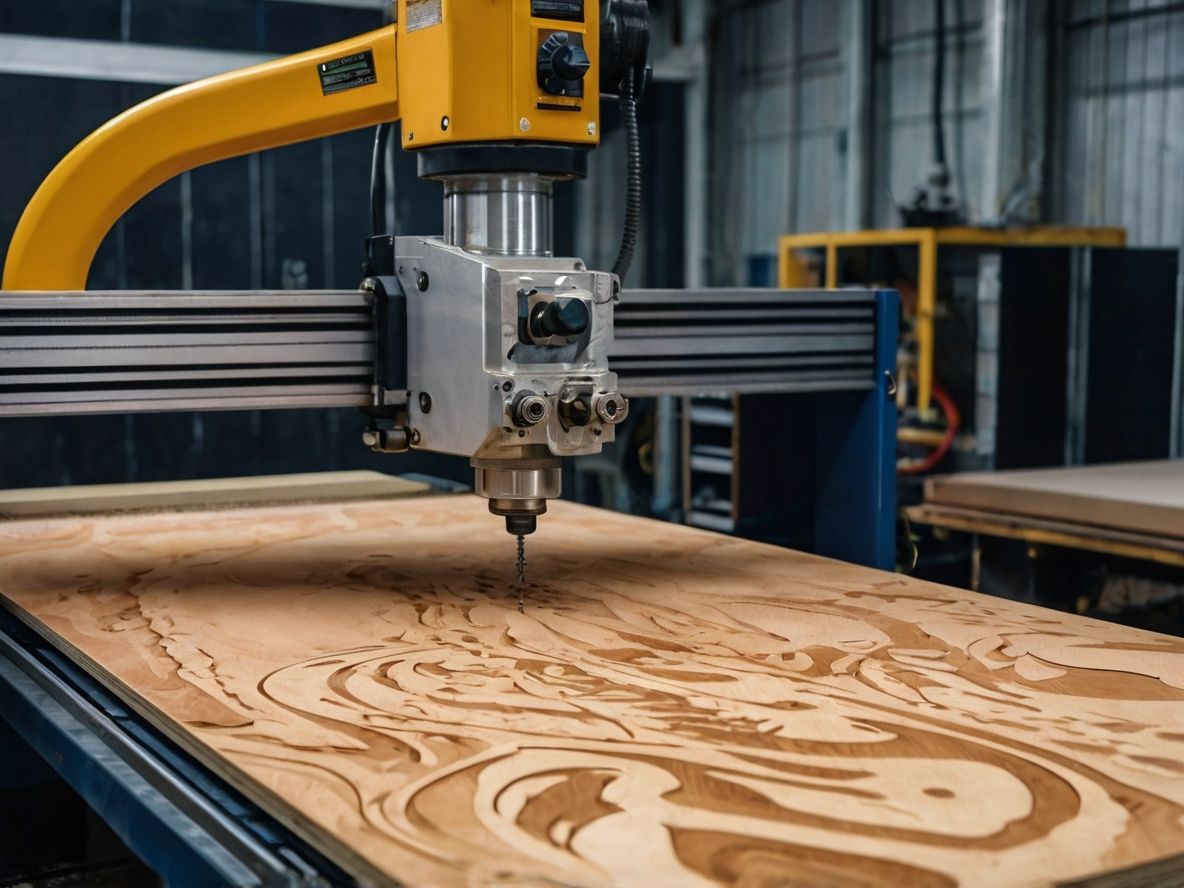
Grooving of grooves and rebates
Grooving of grooves and rebates is the precise removal of part of the material for joints, fasteners, mechanisms and decor. MDF, particleboard, MFC, plywood and edge-glued panel are machined, and the milled grooving itself follows the customer’s drawing, including flat and three-dimensional 2D and 3D elements. Below: what grooves and rebates are, which materials go into work, what stages the process consists of, how long it takes and who needs such a service most often.
Grooving of wood and sheet materials
To put it simply, grooving is when part of the material is neatly removed from a sheet or panel: a groove, a rebate, a socket, a recess for fittings. Not a through cut as in cutting, but a removal to a set depth. Most often it is sought by those who work with material in a flow: furniture makers, builders, suppliers of finishing panels. They need not one part as a test but stable grooving from batch to batch with the same result.
The tasks are sometimes simple, sometimes tricky. Sometimes an even rectangular socket for a hinge is enough, sometimes a recess for a ventilation grille, a groove for glass or a shaped recess in decor is needed. The shape, depth and precision are chosen for the specific part — somewhere a tolerance of tenths of a millimetre matters, somewhere rougher will do. In the end the material comes out already prepared for its role in the product, not a ‘raw’ sheet that still needs finishing.
Both hand tools and numerically controlled machines are in play. On a simple one-off recess it is sometimes faster to run a hand router, but a series of identical grooves or a complex 3D relief is more sensibly given to CNC — the program repeats the contour tirelessly and without a ‘blurred eye’. Not only the usual boards are taken but also capricious variants like multilayer panels or a panel of valuable species, where a mistake is immediately visible and costs dearly.
The benefits of working with professionals

Modern equipment
Panel saws, CNC and milling machines — precision, speed and quality guaranteed

Extensive experience and expertise
We know how to handle wood and sheet materials — reliably, precisely, professionally

Fast order fulfilment
Fast and without compromising quality. We value your time and our commitments

A full range of services in one place
Cutting to size, sawing, milling, sanding, painting, assembly — all in-house, with no middlemen
Trusted materials and consumables
We work only with quality materials, so you can be confident in the result

An individual approach to every client
We work to your drawings, create a machining program for the task and account for every detail
Features of grooving grooves in wood materials
Grooving demands care at every step — here haste backfires. On it depends not only the look of the part but also whether the hinge will sit in place, whether the joint will come together, whether the glass will lie in the groove without play. And this fundamentally distinguishes it from cutting: there a sheet is simply cut into parts, here a strictly defined area is removed to a set depth. The dimensions are their own for each order, and they have to be held precisely.
The difficulty of grooving grooves is that it is almost always done ‘for something’. Not an abstract recess but a socket for a specific hinge, a groove for a specific shelf, a recess for a mechanism that will then sit in it. This means each recess is cut with an eye to what will come into it: the type of fitting, the thickness of the mating part, the clearance for the fit. Without an understanding of the design and a precise machine there is no doing without — you cannot do this by eye.
The tool for grooving is also not just any — cutters of various diameters and profiles, saws with precise depth setting. On their condition directly depends the cleanliness of the cut: a blunt cutter will leave ragged edges and scorch marks. On MDF and MFC this is especially noticeable — any chip or tear-out on the groove edge immediately catches the eye and spoils the look of the finished part, and sometimes hinders the proper fit.
A separate story is materials of different density. Plywood tends to delaminate and lift the top veneer, an edge-glued panel behaves differently from uniform MDF. For each its own setting is chosen: feed speed, revolutions, direction of pass. To drive everything at ‘one setting’ is a direct path to chips and cracks. Therefore before a series a test pass is often made to make sure the material behaves as it should.
Stages of producing grooving of wood and board materials
Consultation
Receiving drawings or developing a plan
Agreeing lead times and cost
Launch into production
Quality control at every stage
Finishing
Packaging and preparation for shipment
Delivery or pickup
Stages of performing the grooving service
It all starts with preparation. It is determined where exactly on the part the recess will be, of what size and shape, to what depth. Here there is no doing without measurements and a drawing or scheme — the machine then works by them. The drawing is either brought by the customer or refined on the spot from a description and a sample. The more precise the inputs at this step, the fewer surprises further on: the groove will not end up on the wrong side and will not ‘wander off’ by a couple of millimetres.
Next — setting up the machine for the specific material. The depth and width of the recess are set, a cutter of the needed diameter and profile is chosen, a setting for the board’s density is entered. This step, invisible to the customer, largely determines the result: correctly set equipment gives a clean groove on the first pass, not after several attempts and spoiled blanks.
Then comes the grooving itself — the machine or the craftsman removes the set areas. This is the key moment where everything is decided: the groove must come out even, without chips at the edges and without a ‘wandering’ depth. In a series repeatability is especially important, so that the twentieth part matches the first. Here the precise machine and the hands that know how to guide it come together.
After grooving, the part does not go straight on — first, inspection. The recesses are measured, compared with the drawing, the cleanliness of the edges is checked. If something did not match or a defect slipped through, it is caught here, while it can still be corrected. It is cheaper to stop at one part than to discover a reject already at the assembly of the whole batch.
The finale — a final check and preparation of the part for the next step: edge treatment, sanding, painting or straight to assembly. The point is that the recesses are ready to receive what they were made for — fittings, a mating part, a mechanism — and the whole structure then comes together without fitting on site.
Advantages of the wood grooving service
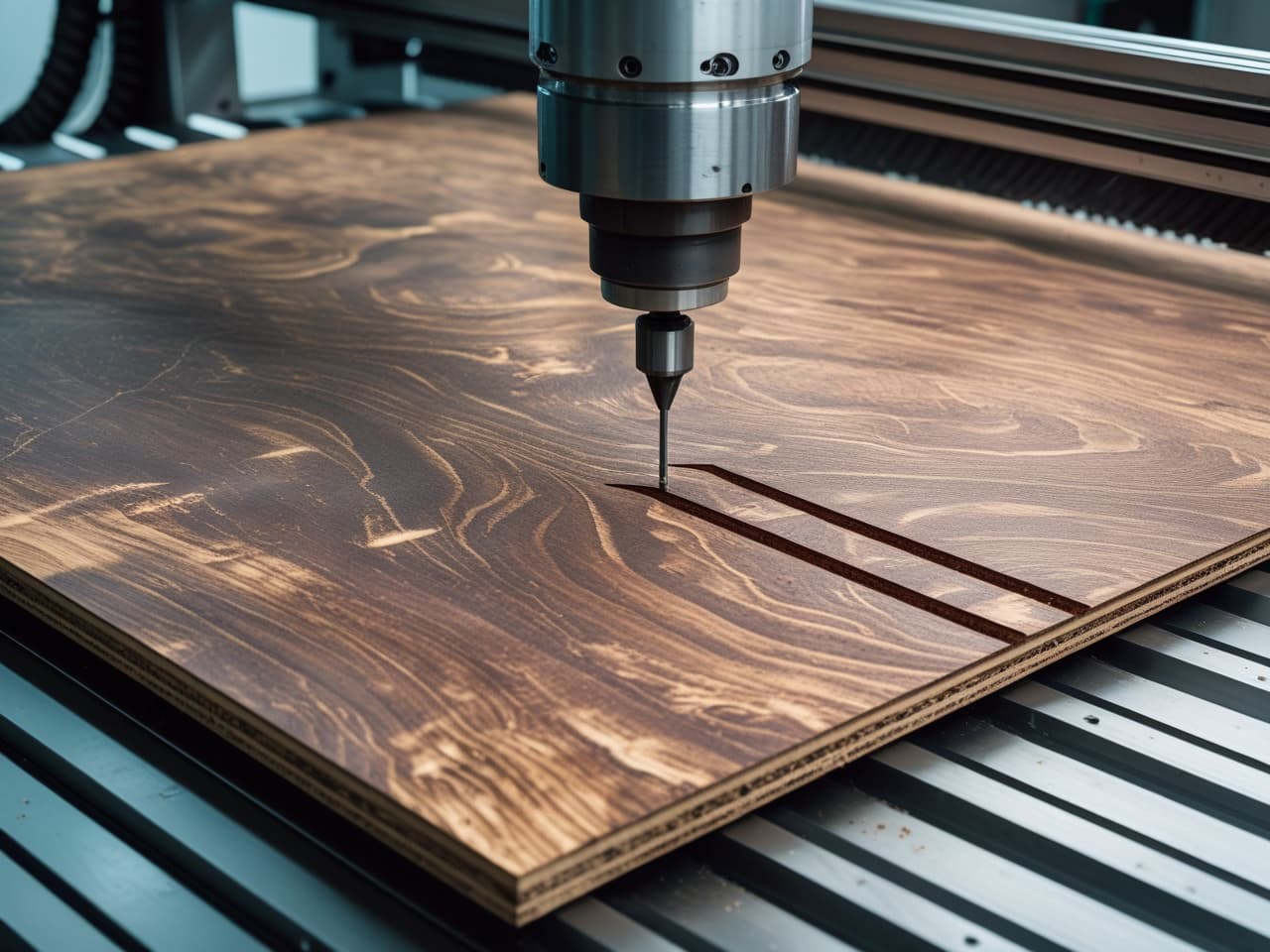
Why order grooving grooves on the side at all rather than cutting it yourself? The first and main argument is precision. The machine gives perfectly fitted sockets and grooves that then receive mating parts without gaps. On this directly depends how strong and durable the joint will come out: a loose groove means play, a squeak and a joint that has come apart within half a year.
The second plus is material saving. A thought-out layout and precise grooving let you squeeze the maximum out of a sheet and leave a minimum of offcuts. In a flow this directly affects the cost: where sloppy work sends an extra board to waste, a careful approach saves whole sheets per shift.
The third point is functionality. It is precisely grooving that lets you hide inside a part everything that makes it work: hinges, locks, runners, concealed fasteners. In furniture, window frames, doors, without precise recesses for mechanisms you simply cannot assemble a proper product. In essence, grooving grooves solves half the technical tasks even before assembly.
And one more — versatility across materials. Plywood, MDF, particleboard, MFC, edge-glued panel — for each its own approach, its own cutters and settings. The ability to machine different boards in one place is convenient where a product is assembled from several materials at once: no need to look for a separate performer for each.
Advantages of cooperation in the wood grooving service
Working with a grooving contractor also gives the customer more down-to-earth benefits. The first is a predictable result: the parts arrive exactly as in the drawing, without ‘almost matched’. For furniture and building production this is critical — there all further assembly falls apart on an imprecise recess, and one bad groove drags along the redoing of a whole unit.
The second benefit is equipment that not everyone has reason to keep. Modern milling machines and saws with precise setting give a neat cut and sharply reduce the share of rejects. To buy and maintain such a fleet for irregular tasks is not worthwhile, but to give grooving to where it already exists is reasonable both in money and in quality.
The third — experienced people. A craftsman who has made hundreds of grooves in different materials will at once point out where plywood will lift and where MFC will chip, and will offer a working solution. Such advice at the start saves both material and time: the problem is bypassed in advance, not shovelled out afterwards.
And finally — time. By giving grooving to the side, you do not have to divert your own capacity and people to a non-core operation. The order is completed within the agreed deadline and fits neatly into the overall process: while the grooving of a batch is under way, your own shop is busy with what it does best.








Range of woodworking services
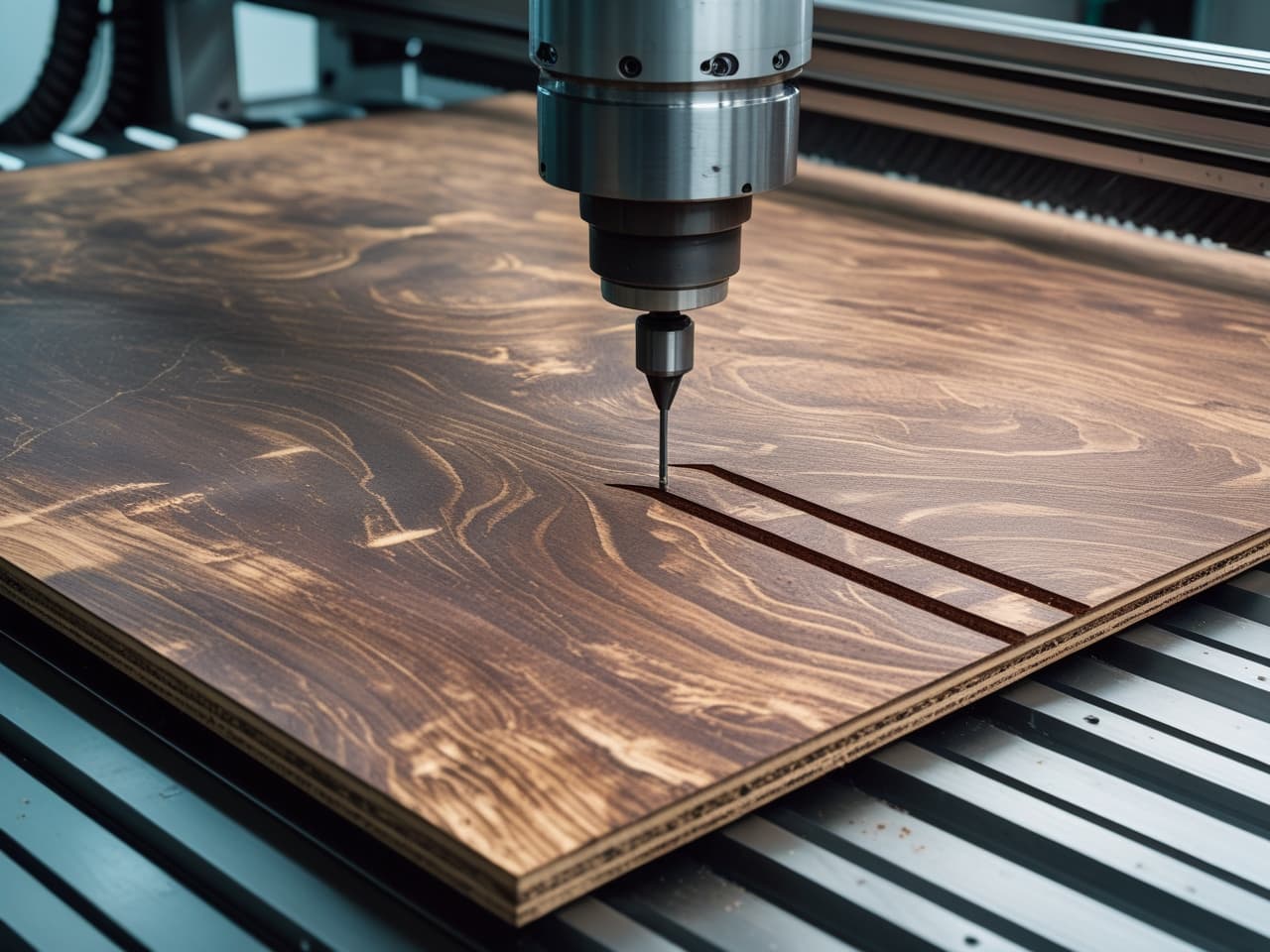
The list of services is not limited to grooving. Alongside are sanding, painting, cross-cutting, ripping, sawing and cutting, and all of it on one site. The convenience is that a part goes through several operations in a row without shuttling between performers: today the grooves were made, right here the edge was sanded and the surface closed with a coating. Fewer transports mean fewer occasions for discrepancies at the joins.
Thanks to such a set the customer gets not a semi-finished item but parts ready for their project — whether for furniture or for construction. You can take only grooving, or you can assemble a whole chain of operations turnkey. Each chooses what their task needs rather than taking excess as a package.
Our portfolio — finished products
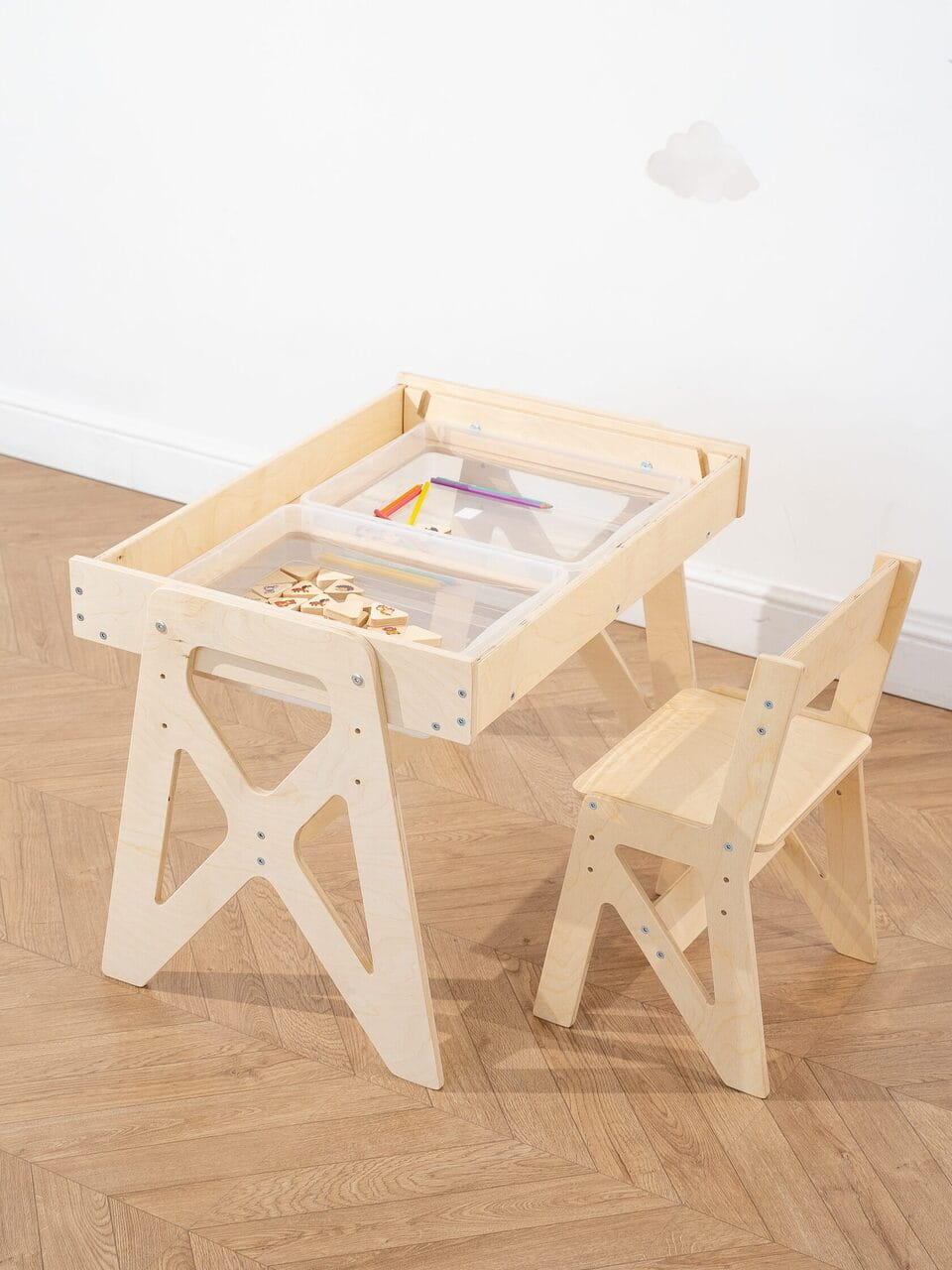


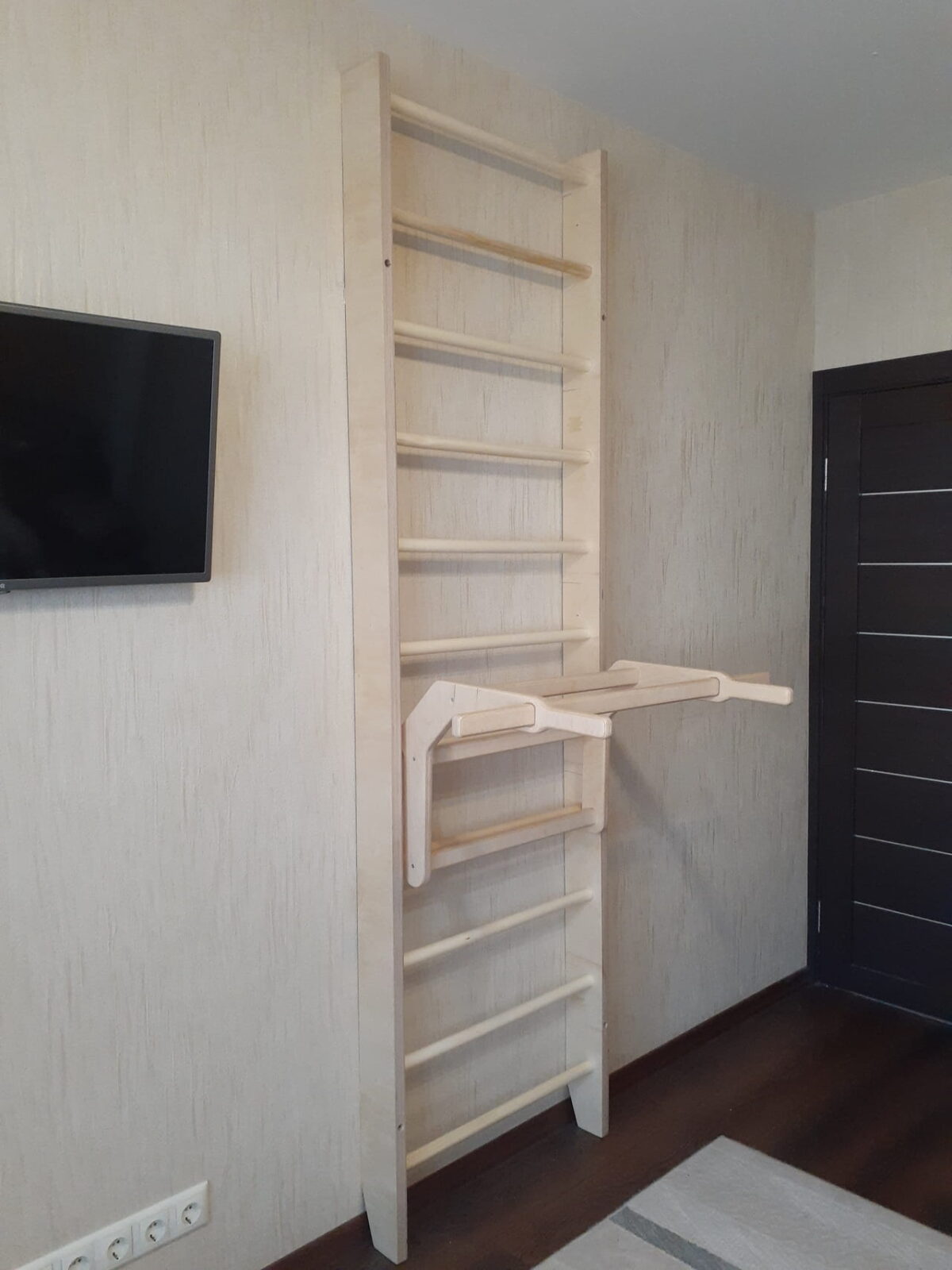
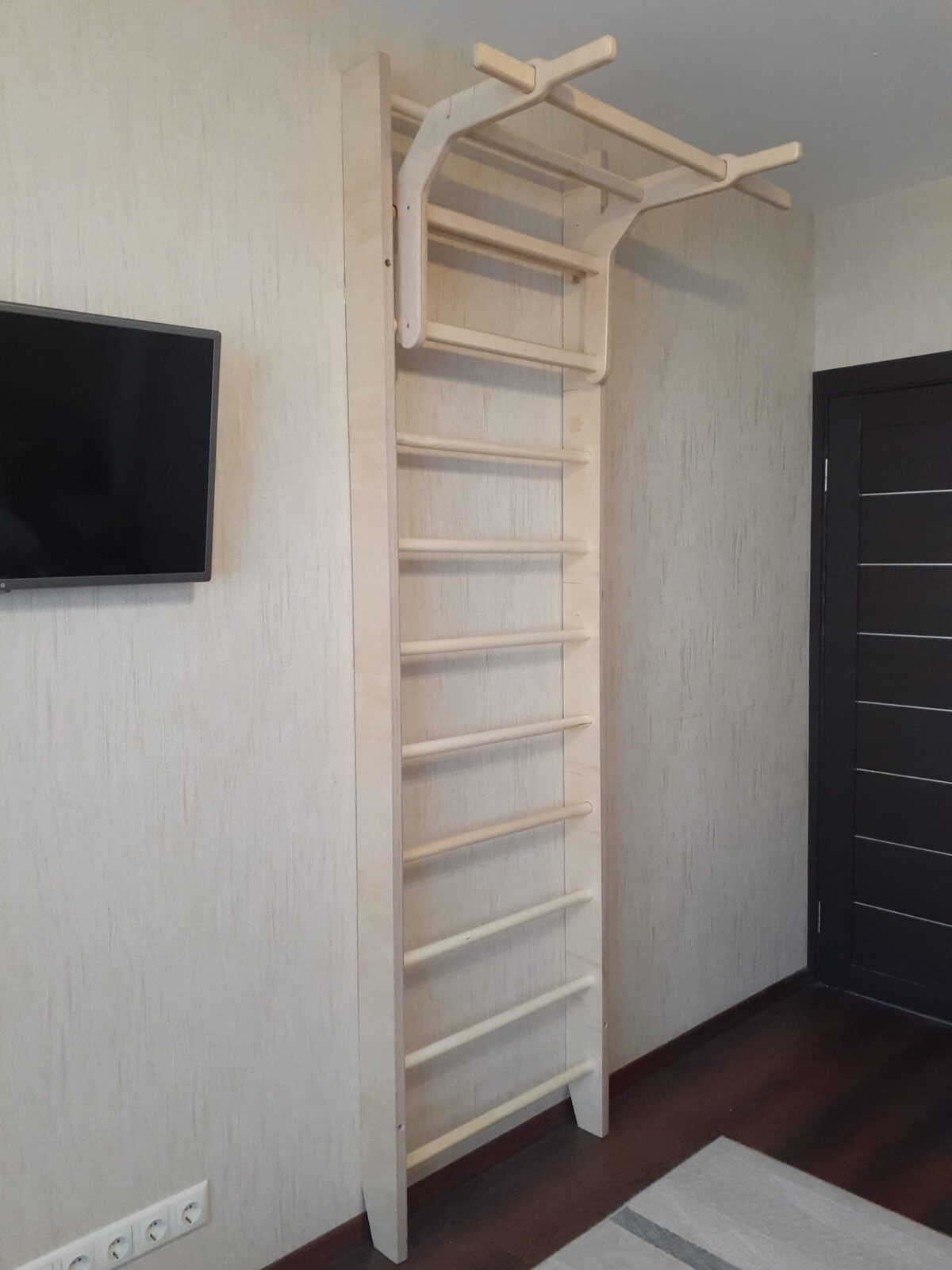
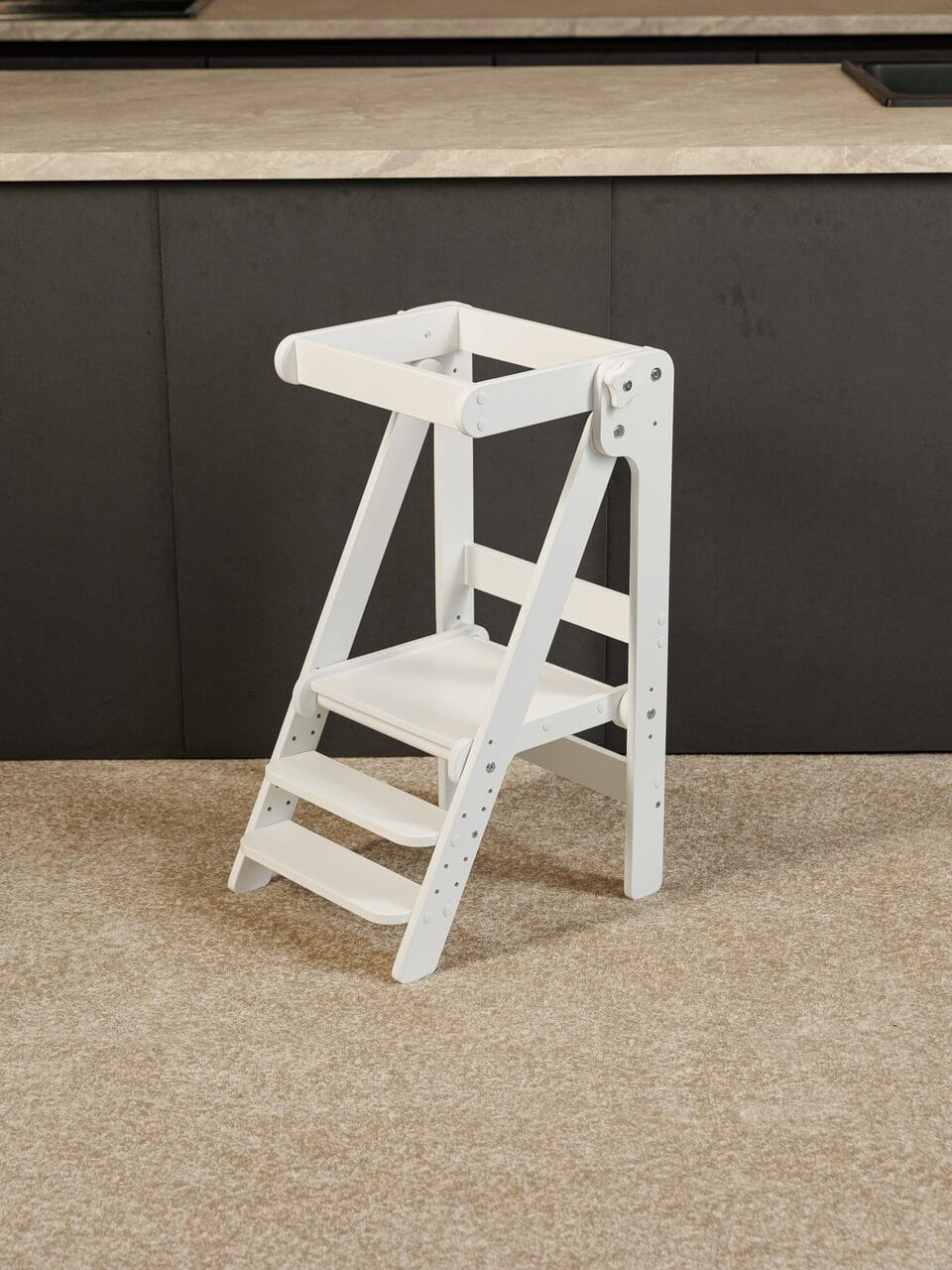
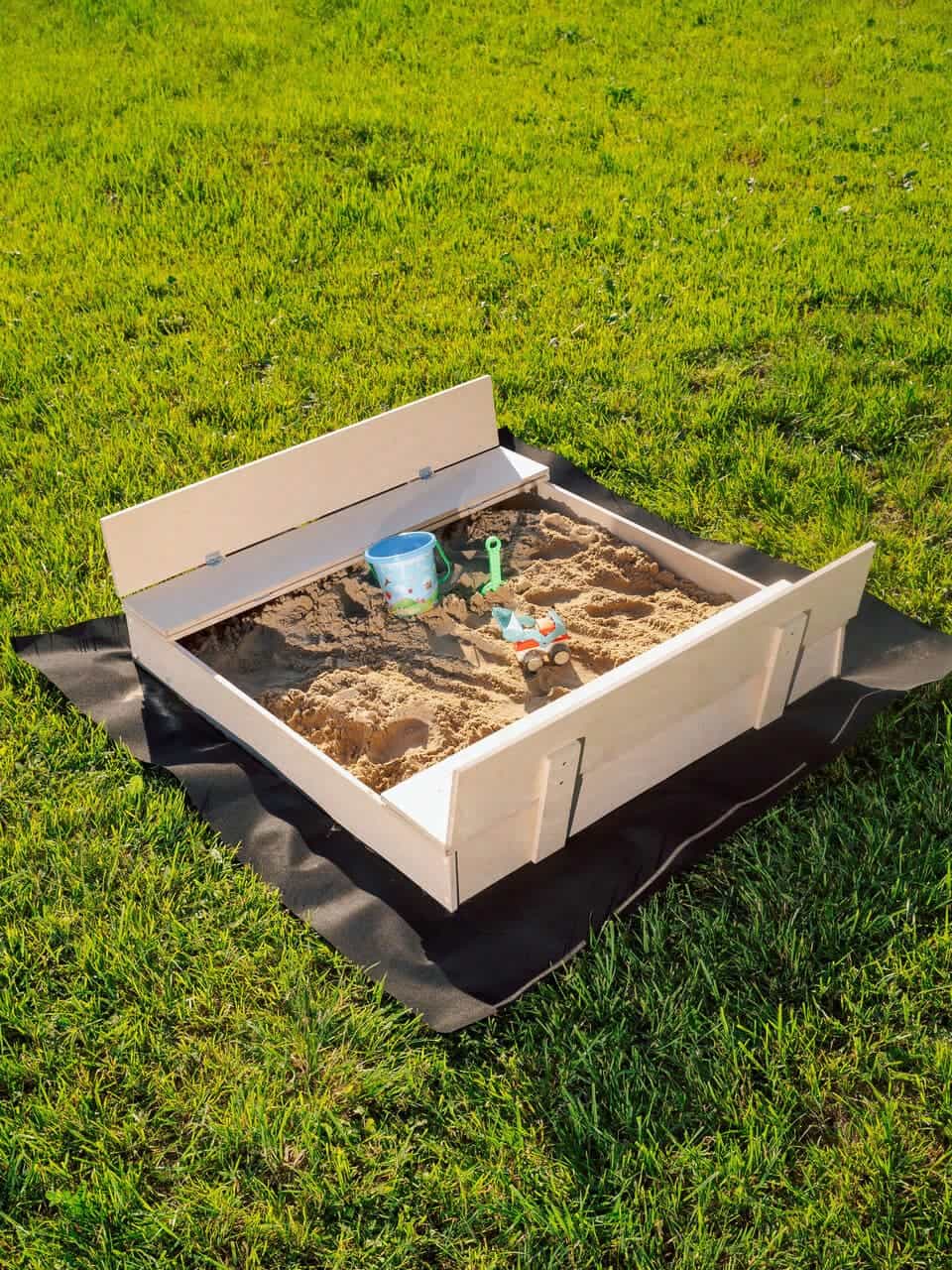



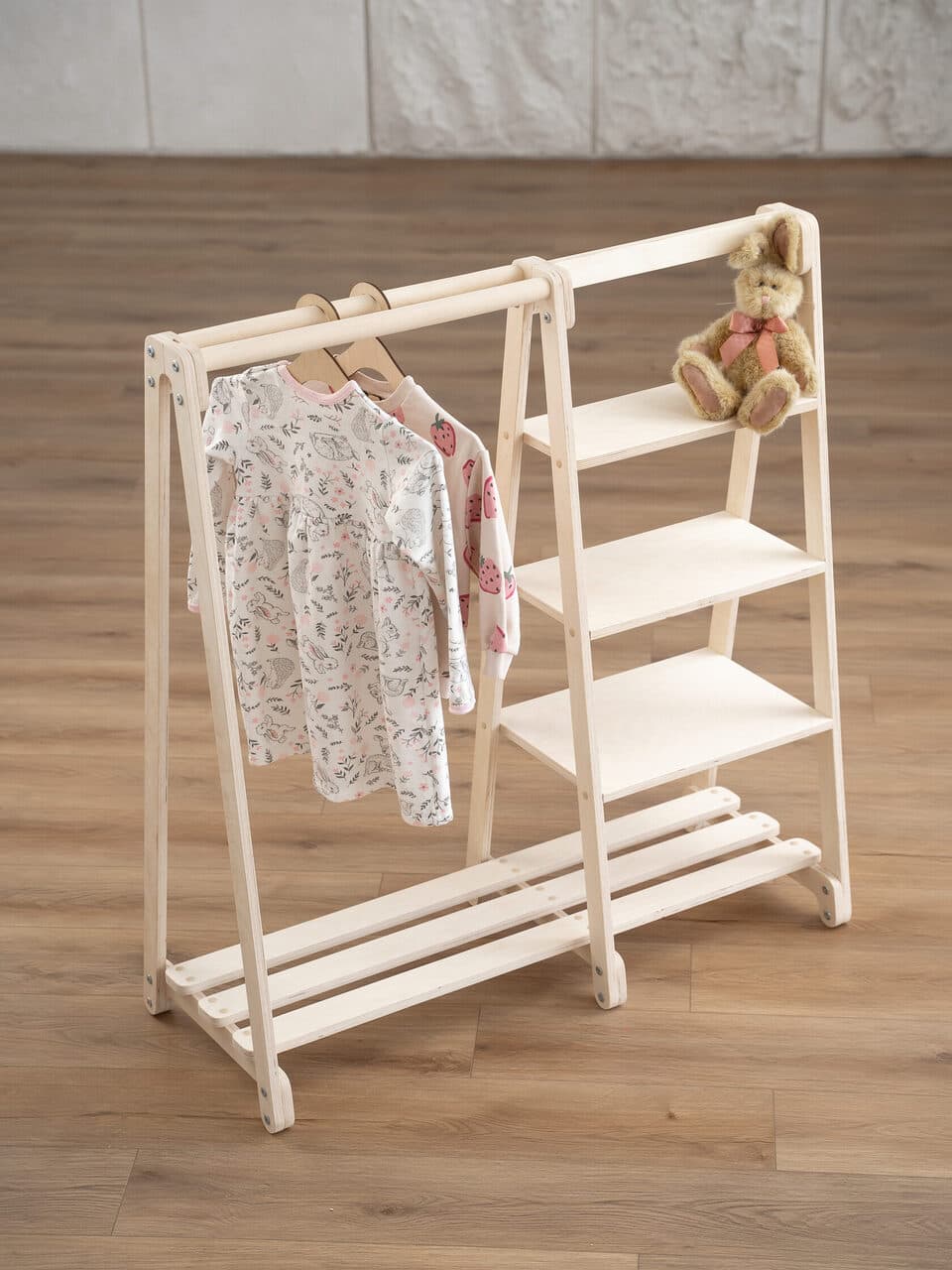
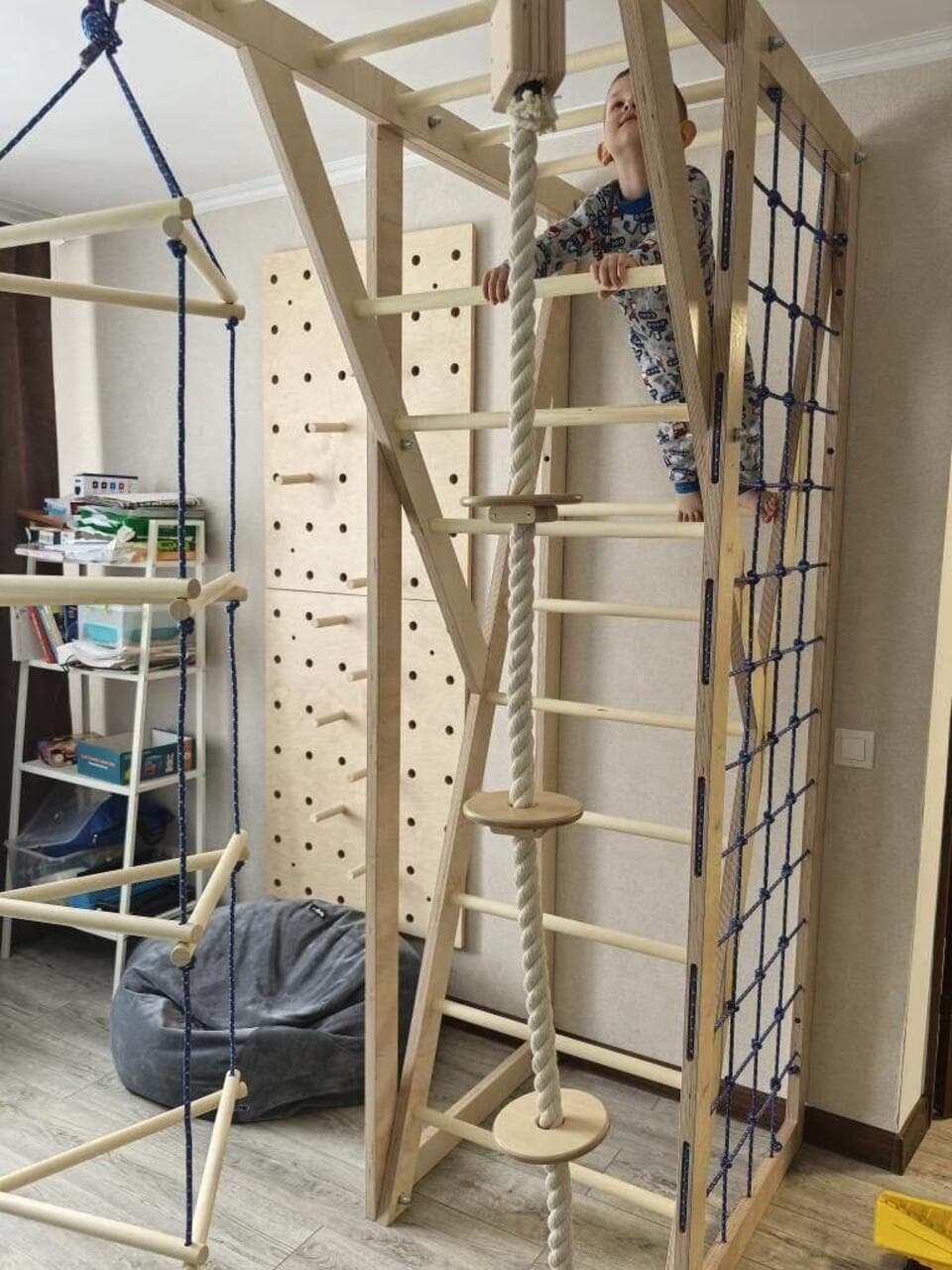
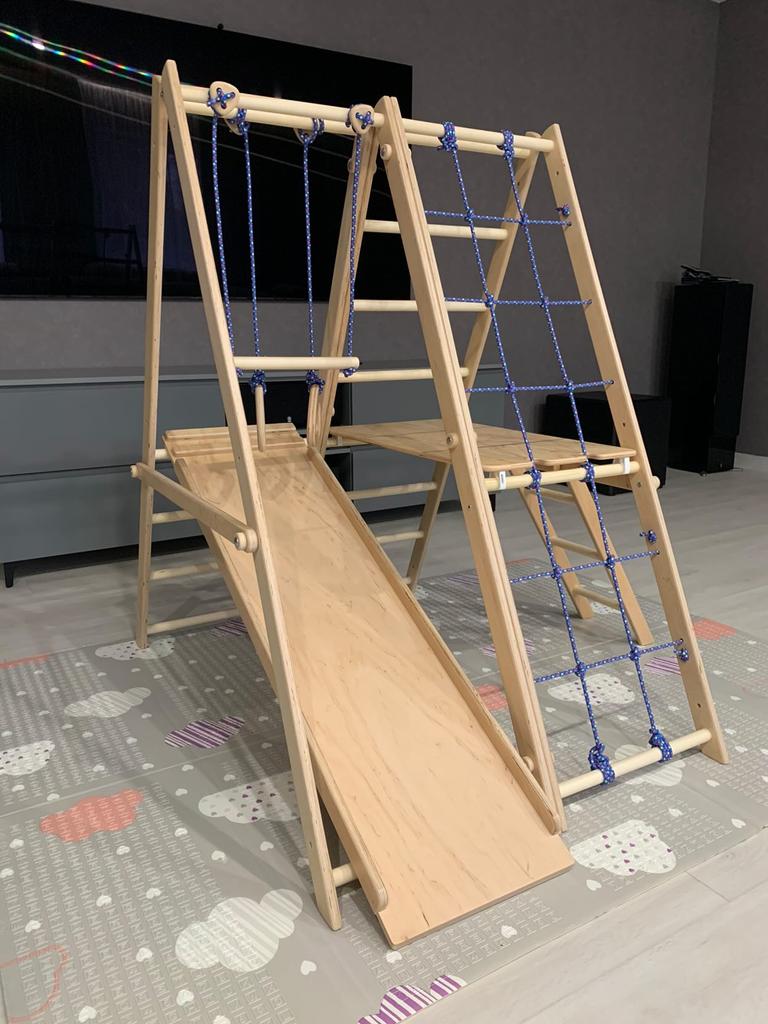

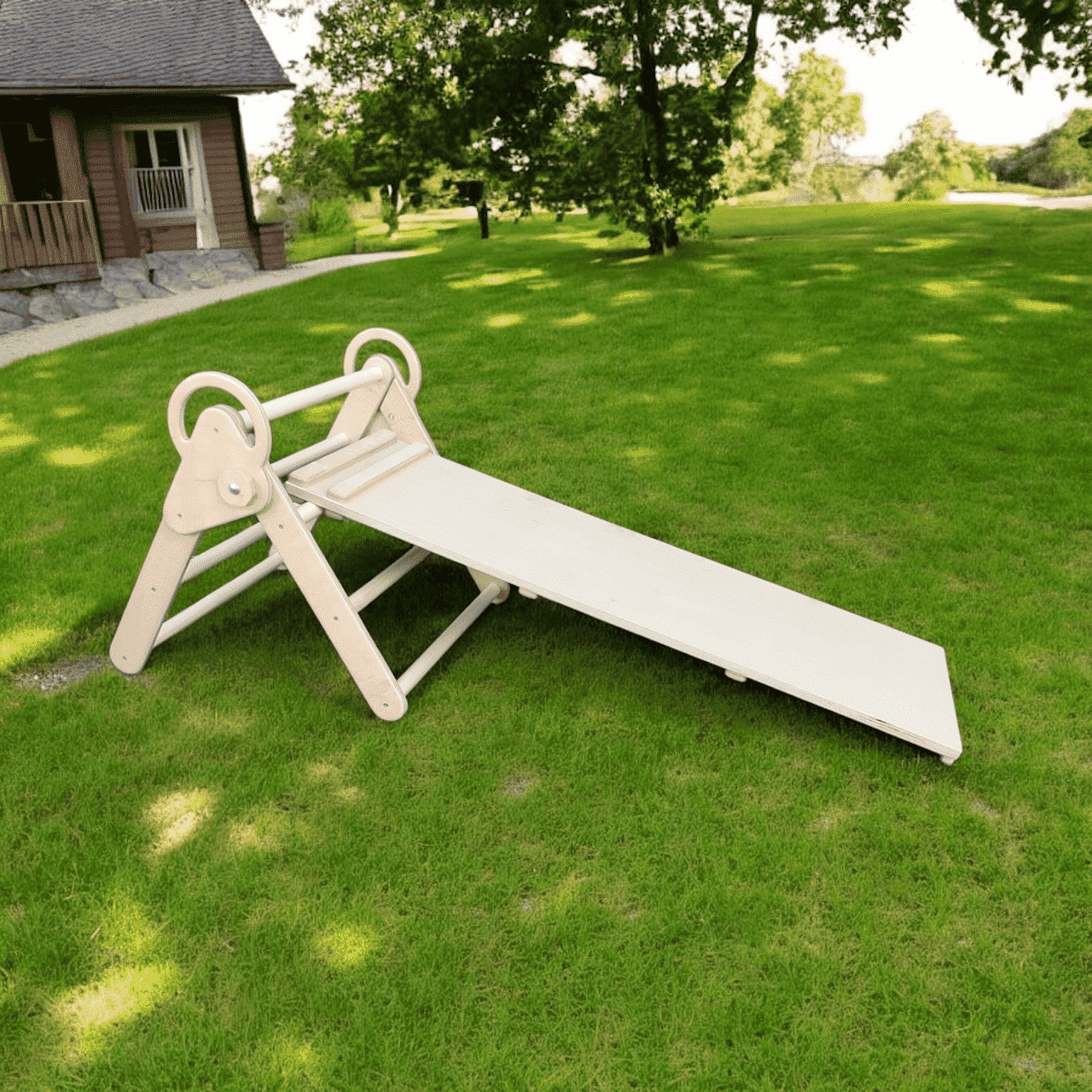

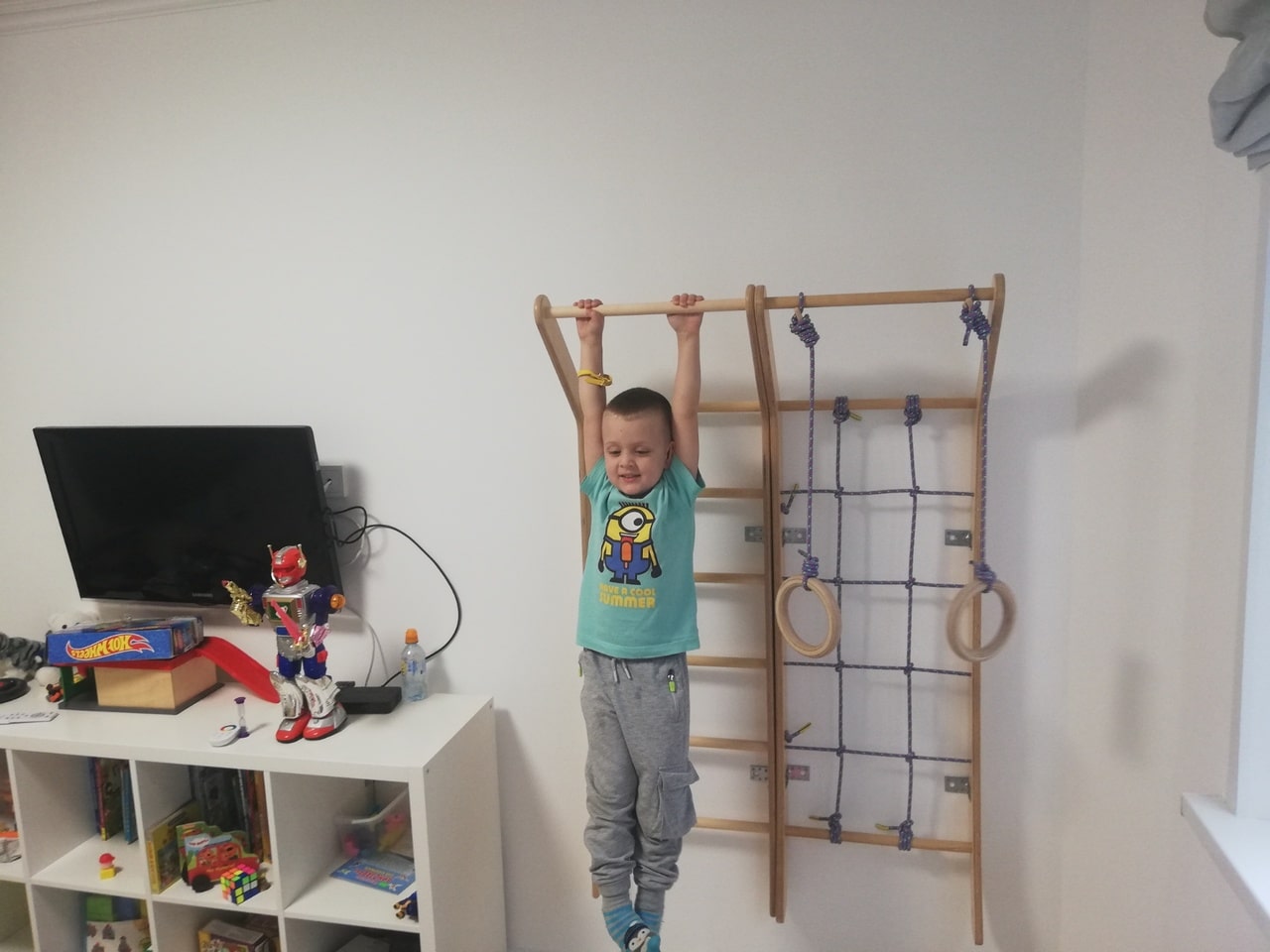


Examples of projects using grooving
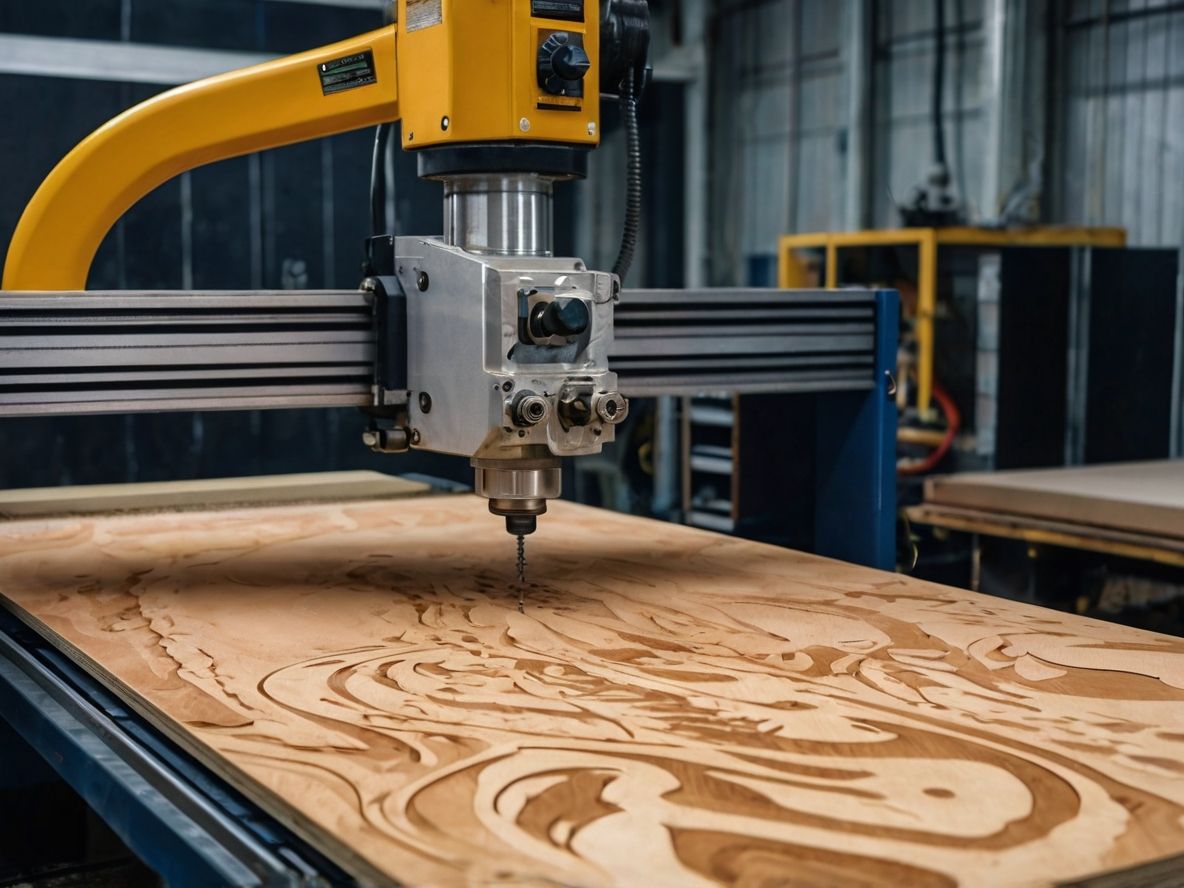
Going through the completed works, the range is wide. Furniture for retail chains, where sameness across the whole batch matters. Machining of materials for construction companies with their tolerances. Parts for production lines where the recess must precisely receive a unit. Each such project has its own specifics of grooving, and it is exactly this variety of tasks that best shows that a great deal has already passed through the hands.
In these examples it is visible how differently materials behave and how an approach is found for each: MDF, plywood, particleboard, MFC, edge-glued panel — everywhere its own nuances, but the result is one, a part with the needed parameters. And all this without missing deadlines: care matters, but it should not turn a simple order into an endless story.
Who uses a carpentry workshop’s services

Furniture makers

Interior designers

Advertising companies

Exhibition stand builders

Art studios

Cafés and restaurants

Construction firms

Retail equipment manufacturers

Furniture factories

Private craftsmen

Custom orders

Manufacturing companies

Museums and exhibition halls

Architects

Theatres and film studios

Educational organizations

Children’s products manufacturing

Repair specialists

Online stores

Sole proprietors
Who orders grooving? Large furniture manufacturers, construction companies, design bureaus, shops and retail chains — all who need a reliable partner for material machining. Often those come who buy board and want to get it already with ready grooves and recesses for subsequent finishing or installation work, rather than fussing with it themselves.
A separate category is entrepreneurs and shops trading in materials. It benefits them to offer the buyer not just a sheet but a sheet with machining for the task. A partnership with a grooving production lets them expand the service for their clients and at the same time unload their own processes.
Large retail chains come too — they need elements for retail equipment and structures where built-in parts sit in precise recesses. Here not only the grooving of grooves matters but also accounting for the features of the specific material, so that the groove bears the load and does not wear out over time.
Grooving services for wood and sheet materials: features and advantages
Grooving of grooves is one of the basic woodworking operations, though from the outside not as noticeable as sawing. The difference is fundamental: cutting divides a sheet into parts, while grooving removes material pointwise, leaving the part with ready sockets and recesses. That is exactly why it is in demand everywhere parts must join and carry fittings — in furniture, in window and door frames, in construction.
The main feature here is the cost of a mistake. A groove made with an error spoils both the look and the function of the part: the hinge will sit skewed, the shelf will lie crooked, the glass will rattle. Therefore grooving is more correctly considered not ‘cutting’ but a responsible stage on which the whole further fate of the blank depends.
The main gain from grooving is parts that assemble like a construction kit, without fitting with a file on site. This opens the road to complex functional products: furniture with concealed fittings, window frames, doors, where everything holds on precise recesses for mechanisms. And the more precise the grooving at the input, the fewer rejects and redos at the output.
There is a resource side too. Precise grooving with a thought-out layout leaves a minimum of waste, which means more useful parts come out of the same sheet. Over the long run this is a tangible saving: less discarded material — lower cost of the finished product.
The grooving itself is performed on precise equipment and goes through clear stages: material preparation, machine setup, the recess proper and quality control. Not one of them is a formality — skip the preparation, and the setup will not save you; skip the control, and the reject will drive off to the customer. Together they give that stable result for which grooving is ordered on the side.
Why choose the wood grooving service?
At the output you get parts ready for further work: with recesses of the needed shape and depth, without chips and defects. Modern milling machines give the cleanliness of cut that later turns into durability — a neat groove does not crumble at the edges and holds the joint for years, rather than loosening within a season.
There is no doing without grooving where a product is more complex than a flat panel: furniture parts with sockets for fasteners and mechanisms, decor with precise recesses and holes. By giving this operation to a specialist contractor, production unloads itself, saves time and resources and in the end raises the quality of the final product — thanks to the grooves being made by someone who specialises in them.
How does grooving affect product quality?
The role of grooving in the final quality is hard to overstate. Imprecise recess geometry — and the parts do not come together, the joint wanders, the look is spoiled. One shifted groove can devalue an otherwise good blank. A precise machine and an experienced craftsman are exactly what insure against this: at the output the parts sit into one another evenly, and assembly goes without surprises.
Grooving of grooves and rebates: a breakdown for the customer
Further on — practice without generalities. We will break down how a groove differs from a rebate and a socket, on what equipment all this is done, which materials behave capriciously, what makes up deadlines and price and which mistakes customers make most often. All of this from real work, not from a pretty brochure about ‘high-tech processes’.
Glossary: groove, rebate, socket and more
Half the misunderstandings when ordering grooving arise from terms. The customer says ‘make a recess’ but means something quite different from what the craftsman imagined. A small glossary removes this problem even before the work starts: when both sides call things the same, the groove ends up exactly where and as intended.
| Term | What stands behind it |
|---|---|
| 📏 Groove | A longitudinal channel in the body of a part for an insert or joint |
| 📐 Rebate (fold) | A step cut along the edge of a part — for glass, a panel, a joint |
| 🕳️ Socket | A local recess for a hinge, lock or dowel |
| 🔩 Fitting boring | Drilling holes for fittings by markup |
| 🪵 Biscuit | A flat dowel insert; a groove is cut for it |
| 🔻 Countersink | A widening of the top of a hole so the head sinks flush |
| ⬜ Blind groove | A recess that does not reach the edge of the part |
The difference between these words is not pedantry but money and time. To order a ‘groove’ when a rebate for glass is needed means getting a part into which the glass will not fit. Therefore when discussing it is useful not only to name the operation but also to explain what will then come into the recess: a hinge, a shelf, glass, a mating strip. On this depend the depth, the width and the profile of the cut.
What types of grooving there are
Grooving is not one operation but a whole family. The most frequent case is a longitudinal groove for joining parts or for an insert like the back wall of a cabinet. Alongside stands a rebate along the edge: it is cut for glazing, for a panel in a door or for a neat overlapping joint of two panels. Both variants are done both along the whole length of the part and locally, on a separate area.
A separate story is sockets and blind recesses. A socket for a hinge or lock does not reach the edge and requires a precise depth: too shallow — the fitting will not sit, too deep — the part is weakened. Here too belong seats for mechanisms, recesses for concealed fasteners, niches for lighting in decor. Each such element is cut with an eye to what will sit in it, so the drawing of the mating part here matters more than it seems.
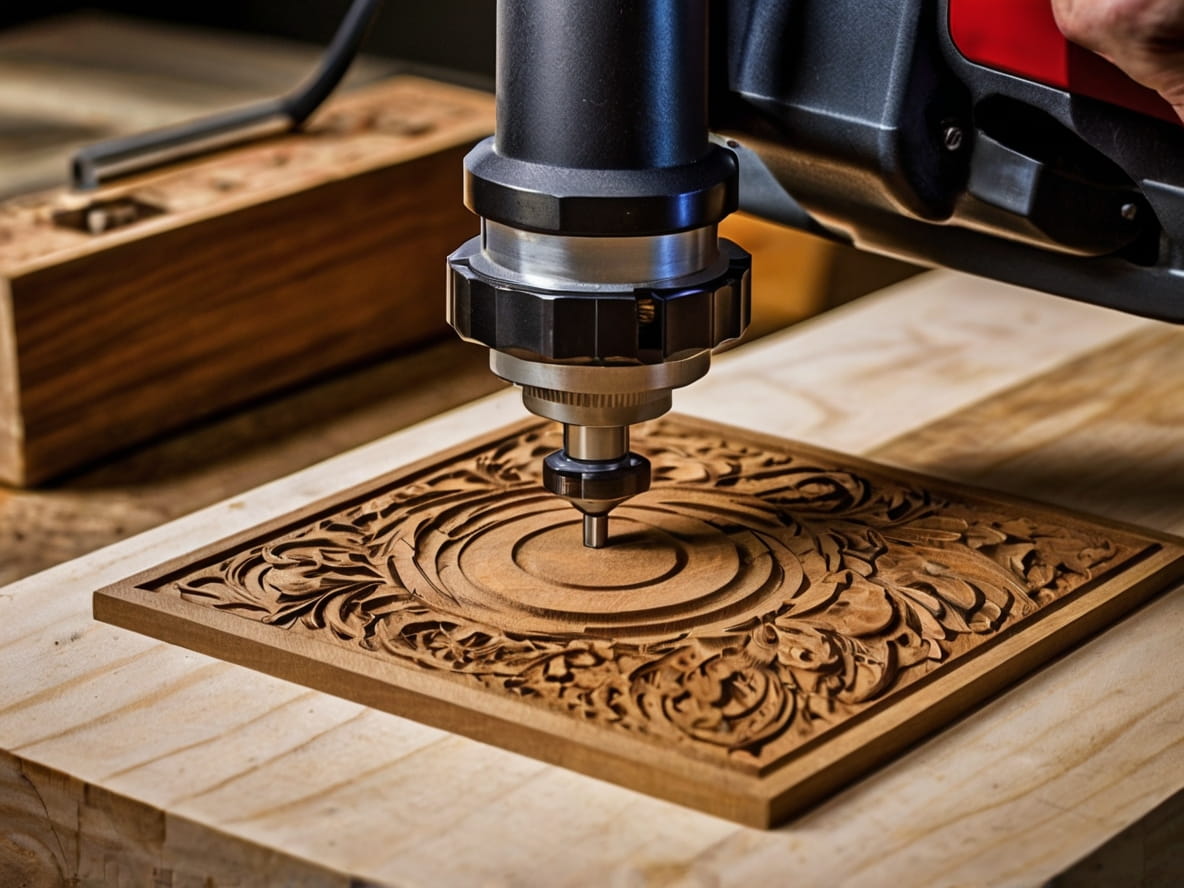
There is also decorative grooving — when the recess carries no technical function but forms relief or a pattern on the surface. Here three-dimensional 3D machining comes into play: the cutter removes material to different depths, creating smooth transitions. Such elements go into carved panels, patterned fronts, decorative parts. Technically it is the same grooving, but the task is now not ‘to hide a hinge’ but to make it beautiful and identical across the whole batch.
The equipment on which precision rests
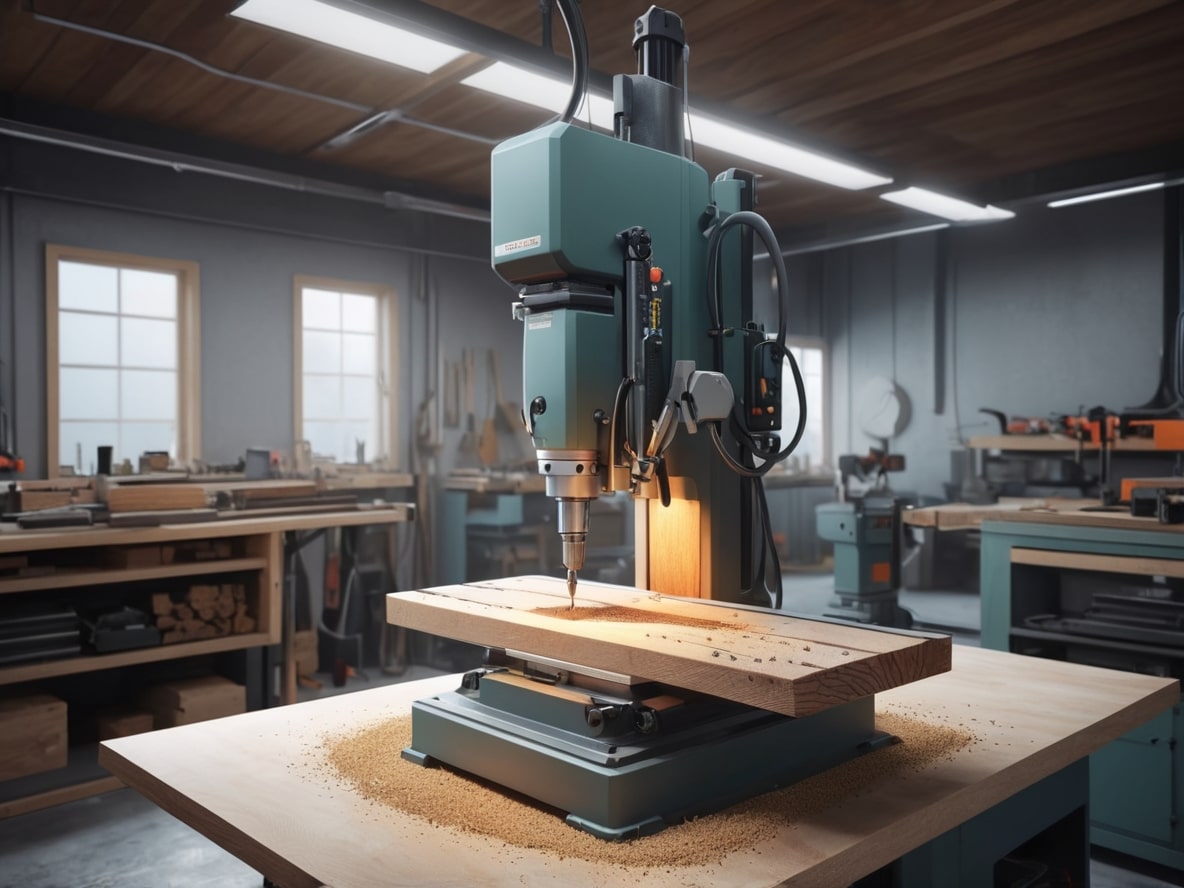
Fine words about precision are worth nothing without the machines that ensure it. The main tool for grooving is a router, hand-held or numerically controlled. With a hand router and a stop, simple grooves and rebates are made on single parts: fast, if there are enough hands and the batch is small. But as soon as there are dozens of parts, let alone hundreds, CNC comes into play.
A numerically controlled machine guides the cutter by program, holding the depth and position of the groove with a precision that a hand does not stably repeat. The twentieth part comes out the same as the first — and that is exactly what is needed in a series. The program does not tire and does not ‘blur its eye’ by the end of the shift. That is exactly why serial grooving of grooves is almost always given to CNC: there repeatability is built into the very principle of work.
Cutters deserve a separate mention. They are chosen for the task: the diameter sets the minimum groove width and the radius in the corners, the profile determines the shape of the recess. A sharp cutter leaves a clean edge, a blunt one tears the fibres and leaves scorch marks. Therefore the condition of the tool is not a trifle but a direct condition of quality, especially on MFC and MDF, where any chip on the groove edge immediately catches the eye.
Hand grooving or CNC: which and when
The question is not what is ‘better’ but what is more fitting for the specific task. Hand grooving wins on a single non-standard part, where setting up a program takes longer than simply doing it. A craftsman with a router and a stop will handle one groove faster than an operator writes a control file. Plus live correction on the spot if something did not go to plan.
CNC takes its own on volume and complexity. A series of identical parts, 3D relief, precise sockets for fittings with a tolerance of tenths of a millimetre — here the program has no rival. It pays off even on one part if the shape is such that hands cannot repeat it evenly. In practice the two approaches do not compete but complement each other: the rough and serial part is given to the machine, the fine finishing to the hands. The customer need not delve into this — a suitable method will be chosen for them, based on the part.
Materials and their behaviour under the cutter
Each material behaves under the tool in its own way, and grooving feels this keenly. MDF is the most predictable: a uniform dense structure cuts cleanly, the groove comes out even without tear-out. That is exactly why MDF is loved where a neat recess for painting matters. MFC is more complex: the hard laminated coating tends to chip at the groove edge, and there is no doing without a sharp cutter and the right feed.
Plywood adds its own trouble because of the layered structure: the top veneer is easily lifted if the cutter is driven too fast or in an unfavourable direction. A solid-wood edge-glued panel behaves like living wood — it reacts to grain direction, and a groove across the grain requires a different approach than along it. For each material its own setting is entered: speed, revolutions, depth per pass. To drive everything at one setting is a direct path to chips, so before a series a test part is often made.
Who needs grooving: industries and tasks
Grooving of grooves is in demand everywhere parts must join and carry fittings. The circle of customers is wide because of this, and the tasks are very different in scale.
| Who orders | Why grooving is needed |
|---|---|
| 🪑 Furniture makers | Grooves for back walls, sockets for hinges and fasteners |
| 🚪 Door and window production | Rebates for glazing and panels, sockets for locks |
| 🏗️ Builders | Grooves for joints, seats for units |
| 🎨 Decor and decoration | 3D relief, niches, decorative recesses |
| 🏭 Production | Recesses for built-in mechanisms and components |
One thing unites them: keeping your own grooving machine is not worthwhile if it is needed not every day. It is easier to give the operation to where the equipment already exists and is loaded. This especially concerns small and medium production, for whom buying and maintaining a milling fleet for irregular tasks simply will not pay off.
What an order looks like in practice
So that all the above does not stay theory, here are three typical scenarios. The first — a furniture maker assembles cabinets and brings a batch of side panels in which grooves for the back wall and sockets for hinges are needed. The task is serial, the parts identical, so CNC is used: the program runs the whole batch at the same depth, and at assembly nothing ‘wanders’.
The second scenario — a door manufacturer who needs rebates for glazing and precise sockets for locks and hinges. Here not so much speed as fit precision matters: the lock must sit flush, the glass must lie in the groove without play. The third case — a designer with a project for a carved panel where grooving forms the relief. The task is one-off, there is no point repeating it, but the cleanliness of lines and the same depth across the whole pattern matter. Three completely different orders — but the operation is one, only the approach changes.
Deadlines and what makes up the price
The exact deadline and price are counted for the specific order, but the logic is transparent. The time is affected by the number of parts, the complexity of the recesses and the material: a simple batch of grooves is ready quickly, three-dimensional 3D relief in a series is counted separately. To hurry deep grooving on a capricious material is harmful — better to allow an extra hour for care than to drive a batch into rejects.
- 🔢 Volume. The number of parts and recesses on each.
- 📐 Complexity. A simple straight groove or a three-dimensional relief with transitions.
- 🧱 Material. Its cost and capriciousness in machining.
- 🎯 Precision. A tight tolerance for fittings is dearer than a rough recess.
- ⏱️ Urgency. Work out of the general queue is counted separately.
The simplest way not to be surprised by the estimate is to send a clear drawing with dimensions and an indication of what will come into each recess. Redos because of imprecise inputs usually add to the bill exactly the percentages you wanted to avoid. A transparent calculation in advance is in the interest of both sides: both the cost and the deadline are fixed before the work begins.
Frequent mistakes when ordering grooving
Most hitches happen not at the machine but at the task-setting stage. Here is what most often gets in the way of a first-time result.
- ❌ No data on the mating part. The groove is made, but the fitting does not sit in it — the size did not match.
- ❌ Depth ‘by eye’. Too shallow — it does not hold, too deep — it weakens the part.
- ❌ Material not stated. The setting for MDF and MFC is different, a mistake gives chips.
- ❌ Forgotten side. It is not stated on which side the recess is — mirror parts come out identical.
- ❌ Urgency at the last moment. Careful grooving on a capricious material does not speed up at a snap.
It is no big deal if you did not account for some of this — that is what the dialogue before the start is for. A good contractor asks these questions himself before the cut, not after, when correcting is already expensive. Five minutes to clarify the drawing then save both material and a whole redo of a unit.
One-off order or ongoing cooperation
Grooving is taken both for one part and for regular deliveries. A one-off order is simple: described the task, agreed the drawing, took the finished result. No obligations for the future — only concrete work and a result. This is how private craftsmen and small projects come, needing a recess just once.
Ongoing cooperation is more convenient for those who order grooving regularly. Furniture shops and productions over time become convinced that it is easier to keep one trusted source than to explain requirements to a new performer each time. When the client’s specifics are already known, the work goes faster: fewer approvals, predictable precision, priority in the queue in the hot season. Many come exactly this way — from one trial order, and stay for a long time.
What happens to the part after grooving
Grooving is rarely the final point. More often it is a step in the middle of the chain: after it the part goes to edge-banding, sanding, painting or straight to assembly. The convenience of a single site is that the blank does not shuttle between performers — today the grooves were made, right here the edge was closed and sent to the finish. Fewer transports mean fewer occasions for discrepancies at the joins of operations.
This is especially important when a recess combines with a coating. A painted front with a groove requires that both grooving and painting be coordinated: the paint must not clog the groove and change its fitting size. When both operations go in one place under common control, such trifles are accounted for in advance rather than surfacing already at the customer’s assembly.
Quality control and a guarantee of the result
Control is built into the process, not tacked on for show. At the input the drawing, dimensions and material are compared: the wrong type of board or an extra millimetre of thickness is caught before the cut. Along the way, on responsible orders, intermediate measurements are made. At the output the part is checked in full — the depth and position of the recesses, the cleanliness of the edges, correspondence to the drawing. Such a double barrier cuts off rejects before the handover to the customer.
If a contentious point does arise, it is easier to resolve precisely because the order went through one pair of hands. There is no need to work out at whose stage the error occurred — responsibility for the result is not smeared between contractors. For the client this is the real guarantee: it is clear who to ask, and clear that the part will be made anew rather than passing the buck.
Your own material or purchase to order
Material for grooving can be brought your own or ordered together with the work. Both options are workable. If the material is yours, before milling it is inspected for fitness: geometry, moisture, absence of hidden defects are checked. A warped panel or delaminating plywood — it is more honest to learn of this before the cut, not after a spoiled part.
If the material is purchased for the project, the question of compatibility with the task is taken off the customer’s shoulders: exactly what is needed by type, density and thickness is selected. Often in conversation it turns out that expensive material is excessive in a specific case, and a simpler one will handle the recess no worse and cost less. Such selection before the start is part of normal work, not an additional service.
How to prepare an order for grooving
A good order starts not with the machine but with a clearly set task. The clearer the inputs, the fewer clarifications and redos. Gathering them is not hard if you keep a few points in mind.
- 📐 A drawing or sketch of the part with dimensions and the position of the recesses.
- 🎯 What will come into each recess: a hinge, a shelf, glass, a mechanism.
- 📏 The depth and width of the grooves, the tolerance for the fit.
- 🧱 Material and thickness: yours or to be purchased.
- 🔢 The number of parts — one or a series.
- 📅 The deadline, if the order is tied to assembly or installation.
You need not come with a perfect tech package — half the orders start with the phrase ‘I need something like this, help me figure it out’. The production’s task is exactly to translate an everyday description into the language of drawings and settings. But the more inputs at the start, the shorter the path to a finished part.
More questions about grooving grooves
Can a recess be made on an already finished part? Usually yes, if there is access to the needed spot and the part will withstand milling. Sometimes already assembled or painted parts are brought for reworking — the condition is assessed and a solution is offered.
How small a grooving can realistically be made? Fairly small — the limit is set by the cutter diameter: a very narrow groove or a sharp internal corner is rounded to its radius. If a sharp corner is essential, it is finished separately or a minimum radius is built into the drawing.
Will you repeat a recess if another batch is needed? Yes, if the work went on CNC: the program is saved, and a new batch will come out the same as the first. This helps those who from time to time top up parts for already assembled products.
Will you send finished parts to another city? Yes, shipping across all of Europe is possible. The parts are packed so that the recess edges do not suffer on the road, and the delivery terms are agreed for the volume and address.
If your question did not make the list, it is easier to ask it during discussion. Grooving of grooves is convenient at a specialised production precisely because the whole path from drawing to finished part is led by one performer, and there is someone to ask. It is enough to describe the task — the rest will be broken into stages and brought to a result to size and on time.
Grooving, cutting and milling: what is the difference
These three words are easy to confuse, but the difference between them is practical and affects what to order. Cutting divides a sheet into parts of a set size — this is about dimensions and shape. Milling in the broad sense covers all machining with a cutter, from contour to relief. Grooving, though, is its particular but important case: not a through cut and not machining of the whole surface, but pointwise removal of material to a set depth for a joint or fitting.
In practice these operations usually go as a bundle. First a sheet is cut into parts, then in these parts grooves and sockets are made, and along the edge a chamfer or profile is taken. For the customer the boundary between them is conditional — what matters is a finished set of parts, not what each pass of the cutter is called. The convenience of a specialised production is exactly that this whole chain goes in one place, without handing blanks to the side and without the risk that dimensions ‘drift’ at the join of contractors.
Precision and repeatability: why it decides
In grooving there are no ‘small’ deviations. A groove made with an error of half a millimetre seems a trifle right up to the moment of assembly. A hinge seated in an imprecise socket will sit skewed. A shelf inserted into a shallow groove will wobble. Glass in an uneven rebate will rattle at the first slam of the door. That is exactly why precision here is not an advertising figure but a working necessity: on it directly depends whether the product comes together as it should or falls apart within a season.
Repeatability matters no less than precision. When not one part but a batch is needed — twenty identical side panels, a hundred fronts — it is critical that each groove matches the others. Otherwise a lottery starts at assembly: one part fits, another does not. A numerically controlled machine solves this in principle: the program removes each recess identically, regardless of whether it is the first part of the shift or the last. Hand finishing meanwhile removes what the machine leaves — so technological quality is joined with the care of live work.
Combined materials in one product
Often one product is assembled from several materials at once: a carcass of MFC, a front of painted MDF, an insert of plywood or glass. And in each its own recess is needed for its own task — a groove for glass, a socket for a hinge, a rebate for a joint. When all this is done on one site, the parts come out coordinated with each other: the groove in one precisely receives the mating part from another, because they were grooved to a single drawing and in a single system of dimensions.
A spread across contractors is especially dangerous here. Grooving in one place, cutting in another, painting in a third — and now the groove is a bit wider, the mating part a bit thicker, and at the join a gap. A single cycle removes this problem at the root: one coordinate system, one control, one responsibility for all the parts coming together. For complex products with fittings and inserts this is often the decisive argument in favour of not fragmenting the order for the sake of an imaginary saving.
Material saving and waste
The theme of waste seems boring right up until you count the money. In grooving the material removed from the recesses goes to waste, and at first glance there is nothing to save here. But a competent layout of parts on the sheet before cutting and grooving lets you fit more blanks into the same area and leave large offcuts suitable for small items. In a flow this directly affects the cost: where sloppy work sends an extra sheet to waste, a careful approach saves whole boards per shift.
Careful work has an ecological side too. Less discarded material — less burden on both the budget and the environment. For production this is also a clean, predictable process: it is clear how much board will go on an order, and there is no need to buy material at the last moment because of a spoiled part. A trifle rarely thought of at the start, but one that on a large batch adds up to a noticeable sum and to a calm schedule without rushes.
Part thickness and recess depth
The groove depth and the part thickness are directly connected, and it is worth thinking about this in advance. Too deep a recess in a thin board weakens it: little ‘meat’ remains, and the part may crack along the groove line under load. Too shallow — it does not hold the insert or fitting. The optimum lies between these extremes and depends on what will come into the recess and what load the unit bears.
For responsible joints thicker material is taken so that enough strength remains after grooving. For decorative recesses, on the contrary, the look matters more than the load-bearing capacity, and here you can be bolder. If you doubt what thickness to choose for the needed groove depth, it is easier to describe the task and the load — a suitable combination will be suggested. Such a conversation before the start of work saves both material and a possible redo because of a cracked part.
Myths because of which people doubt an order
Around grooving several stereotypes have accumulated that get in the way of turning for help in time. Let us take apart the most stubborn.
- 💭 ‘No one will take a single part.’ They will. A one-off recess is an ordinary order, not a favour.
- 💭 ‘A groove is easier to cut yourself with a chisel.’ On a single rough task — yes, but an even groove for fittings cannot be stably held by hand.
- 💭 ‘CNC is only for big batches.’ No: the program pays off even on one complex part that cannot be repeated by hand.
- 💭 ‘Without a ready drawing there is nothing to do.’ A description and a sample are enough — the drawing will be prepared on the spot.
It is no big deal if some of these thoughts were yours too — that is what the conversation before the order is for. A good production will itself dispel doubts and offer a working solution rather than jacking up the price out of nothing.
How to tell quality grooving
Good grooving is visible by several signs, and it is worth knowing them to assess the result consciously, not ‘seems okay’.
- ✅ Clean edges of the groove without chips, tear-outs and scorch marks.
- ✅ Even depth along the whole length of the recess, without a ‘wave’.
- ✅ Precise fit of the mating part or fitting without play.
- ✅ Sameness of the recesses on all parts of the series.
- ✅ Correspondence to the drawing in dimensions and position.
If even one point limps, it is worth understanding the cause: a blunt cutter, a wrong setting, haste at the feed. It is exactly the discipline of the process, not luck, that distinguishes neat grooving from homemade. And it is exactly for the sake of this predictability that the operation is given to those who specialise in it rather than done hastily with one’s own resources.
To bring it all together: grooving of grooves and rebates is the precise removal of material with which any joint and any built-in fitting begins. It is enough to send a drawing or describe the task with a sample — the parts will be grooved to size, checked for depth and fit and handed over ready for assembly, within the agreed deadline and without needless material losses.
Three-dimensional 3D grooving and decor
Three-dimensional grooving deserves a separate conversation — when the cutter removes material to different depths and forms relief. This is no longer a technical recess for a hinge but an artistic task: carved panels, patterned fronts, decorative inserts for the interior. Here not so much the fit of the mating part matters as the smoothness of transitions and the sameness of the pattern across the whole batch. The program guides the cutter along a complex trajectory layer by layer, achieving relief that is practically impossible to repeat by hand.
Such decor is especially valued by designers and decorators: a panel with a signature ornament, a ceiling insert, a shaped frame for a specific interior. Usually these are one-off or small-batch orders where the character of the surface and precise correspondence to the sketch matter. The material for 3D grooving is chosen pliable and uniform — more often MDF, which holds fine relief without chips and takes subsequent painting well.
Your own machine or outsourcing grooving
Keeping your own milling fleet for grooving makes sense only with constant loading. A numerically controlled machine, tooling, an operator, floor space for all this — the investments are not small, and they pay off only when grooves are needed every day. But if grooving is required from time to time, for seasonal peaks or separate projects, outsourcing is almost always more profitable than your own section.
By giving the operation to the side, you do not have to freeze money in equipment, keep and train machine operators for rare tasks, allocate space in the shop. Plus it is easy to scale: a seasonal surge is closed with an order rather than an urgent machine purchase and a rush. That is exactly why small and medium productions increasingly move grooving outside the perimeter — it unloads their own capacity and removes the risk of downtime when their own router is busy or broken.
Operation of parts with recesses
A part with competently made grooving serves for a long time, but a couple of nuances of operation do exist. The open end of a groove in board material, like any board cut, is sensitive to moisture — therefore in responsible places it is closed with an edge or coating. Joints on grooves and sockets hold firmly if the fit was precise: a unit loosened by sloppy grooving over time starts to have play, squeak and loosen.
That is exactly why the quality of grooving pays off not at the moment of assembly but over the long run. A precise groove with clean edges and the right depth holds the load for years without complaint, whereas a recess skimped on for the sake of care comes out sideways already within a season. If you have questions about a specific unit and its load, it is more sensible to talk them over in advance — for a responsible joint both the depth and the way of protecting the end will be chosen so the part works for a long time.
Seasonality and deadline planning
Woodworking has its own tides. Before major holidays, at the height of the furniture and building season, the queue for grooving is naturally denser, and a simple order takes a little longer than usual. In calm periods, on the contrary, a batch of grooves will be cut almost without waiting. Knowing this seasonality helps to plan: if a project is tied to a date in the hot season, it is more sensible to get in touch in advance and book time rather than count on everything being done at the last moment.
Regular clients are winners in this sense — it is usually easier for them to get priority in the queue, because their tasks are already familiar to the production and do not require long approvals. For one-off orders a simple rule applies: the earlier the drawing is brought, the calmer the work goes. Haste in grooving is doubly harmful — on a capricious material a neat groove does not speed up at a snap, and it is better to build in a time reserve than to get chips because of a race.
Consultation before an order
Discussing the task obliges you to nothing. You can simply describe what is needed, attach dimensions, a drawing or a photo — and get a benchmark on price, deadlines and suitable material even before anything goes into work. It is at this stage that useful details surface: that the groove depth should be reduced a little for the sake of strength, that this hinge needs a different socket width, that the part is more convenient to make from a different material. Such a conversation saves both money and time and removes half the questions the customer came with.
And the last practical piece of advice: it is more profitable to order grooving right away with an eye on the whole cycle. When it is known in advance that the part will go for edge-banding, painting or assembly, the recesses are made with these operations in mind — with the needed allowances and end protection. Then the whole chain comes together without fitting on site, and the finished parts arrive exactly to size, ready to receive fittings and to stand in the product the first time.
And what if both grooving and the assembly of the whole unit are needed? This is also feasible: parts are not only grooved for fittings but also assembled into a finished unit if such a task is set. Then the customer gets not a set of blanks with grooves but an assembled element, checked for fit and for the operation of the joints. Such a format is convenient for those who value a turnkey result, without independently fitting hinges and inserts on site.
What is material grooving and why is it needed?
Grooving is the removal of part of the material to a set depth: a groove, a rebate, a socket for a fastener or mechanism. Unlike a through cut, here only the needed area is removed rather than dividing the sheet. It is needed so that parts then precisely join and receive fittings without fitting.
Which materials are suitable for grooving?
MDF, plywood, particleboard, MFC, edge-glued panel and other wood and board materials are suitable. For each — its own setting and its own cutter: what is good for uniform MDF is not fit for layered plywood, which is easily lifted.
What advantages does grooving give in furniture production?
For furniture, grooving of grooves is the ability to hide fasteners and mechanisms inside the part and achieve a precise fit. The result is strong joints without play, a neat look without protruding hardware and furniture that does not loosen over time.
Can only part of a sheet be selected for grooving?
Yes, a recess can be made on any set area of the sheet rather than across the whole area. Precision is to the millimetre, so the groove or socket ends up exactly where the drawing needs it.
How long does the grooving process take?
The deadline depends on the complexity of the recesses and the volume of the batch. A simple order is usually ready quickly, a series is counted separately. On the machine the process goes noticeably faster than by hand, and without loss of precision — time is saved not at the expense of quality.
What tools are used for grooving?
Mainly milling machines, including CNC, plus auxiliary tools for the specific task. It is exactly they that give a clean recess edge and the precise depth that cannot be stably held by hand.
How can the grooving service be ordered?
You can order through the site or by phone. You will need to describe the task: what material, where and what recesses are needed, their dimensions and depth. The fuller the inputs and drawing, the faster the deadline and cost are calculated.
What to do if problems arise with grooving?
If a defect or discrepancy is suddenly found, the part is re-checked and corrected. The main thing is to report the problem at once: the sooner it is learned of, the simpler and faster it is solved, without dragging out the project.
What kinds of products can be obtained after grooving?
After grooving you have on hand finished parts for furniture, window and door frames, decor — everything where precise grooves, sockets and holes are needed. They only remain to be assembled or finished.
What to do if grooving of a non-standard material needs to be performed?
A non-standard material is no reason for refusal. A separate setting and tooling are chosen for it, and if necessary a test pass is made to make sure the grooving goes cleanly. The solution is fitted to the specific material and the customer’s task.
Reach us in whatever way suits you best
Call us, message us on a messenger app or reach out via social media — choose whichever way suits you
🗺️ We accept orders from customers across all of Europe
💬 Useful information and articles
Eco-friendly and safe materials for modern wood production
Eco-friendly and safe materials for modern wood production In recent years we increasingly think about what the things around us are made of. A home, furniture, a floor, a kitchen, a

How to Correctly Choose Between Plywood, MDF, Particleboard, and MFC for Different Tasks
How to Correctly Choose Between Plywood, MDF, Particleboard, and MFC for Different Tasks In the world of woodworking and furniture making, every material has its own story. Plywood, MDF, particleboard, and

Cutting sheet wood materials at different angles: why and how it is done
Cutting sheet wood materials at different angles: why and how it is done Working with wood materials is not just sawing. To get a truly high-quality and durable product, you have

Recommendations for choosing sheet materials for indoor and outdoor projects
Recommendations for choosing sheet materials for indoor and outdoor projects In woodworking, choosing the right sheet material is like laying a foundation for a builder. What you pick at the very