
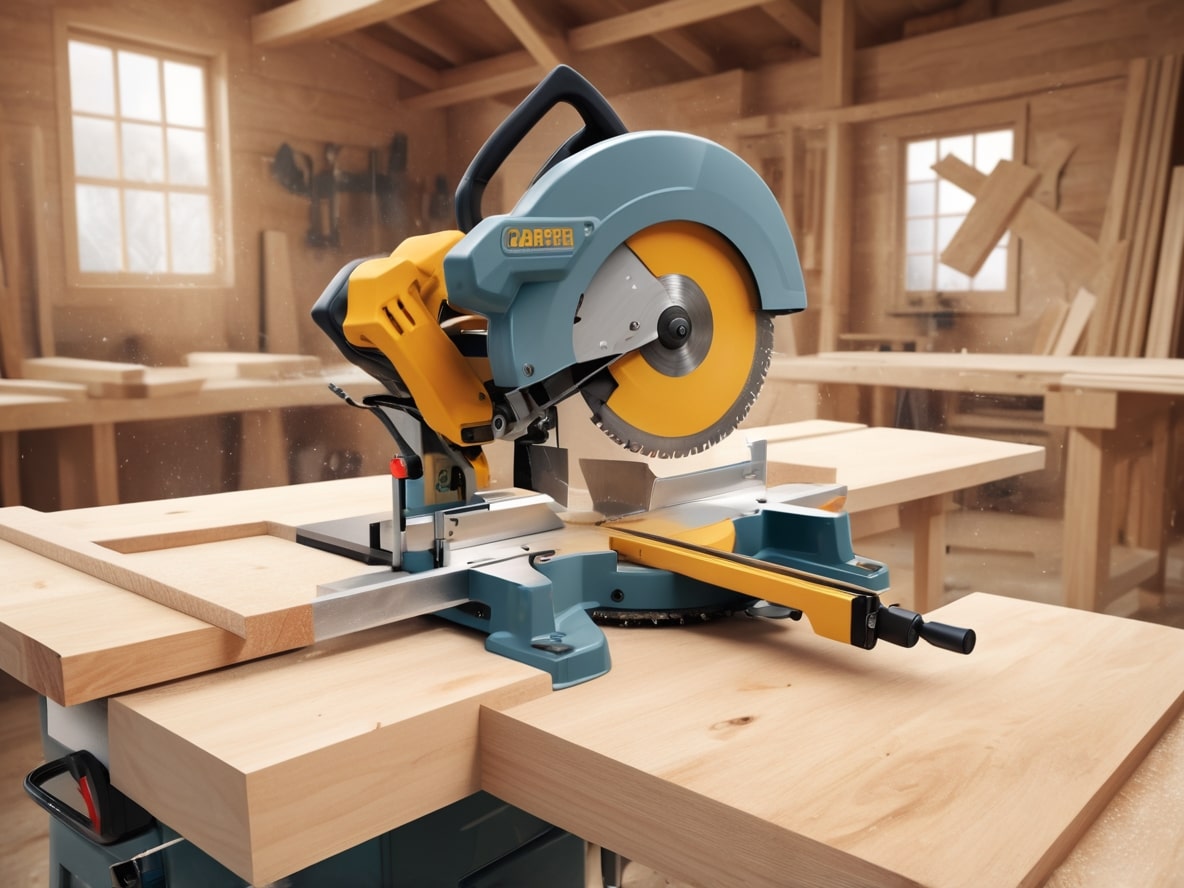
Cross-cutting of wooden parts
Cross-cutting of wooden parts is a precise cut of a blank to size at the required angle with a clean cut free of chips. Solid wood, plywood, particleboard, MFC and MDF are cut on sliding mitre saws, straight or at 45 degrees, with a precision at which parts in a series cannot be told apart. Below is which materials are cross-cut, what stages the work consists of, why an even end matters, how long an order takes and who needs this service most often.
Cross-cutting of wooden parts — precision and neatness at every stage
To put it plainly, cross-cutting parts is a cut of a blank across, to an exact length and at a given angle. It sounds simple, but it is precisely the cleanness and straightness of this cut that determine whether a frame will later come together, whether a front will sit without a gap, whether a part will fit into a groove. Solid wood, MDF, plywood, particleboard, MFC — each has its own habits at the cut, and the end affects not only the look of the finished thing, but also how it will assemble and how long it will last. The operation goes into use at various stages: in furniture, in finishing, in construction work.
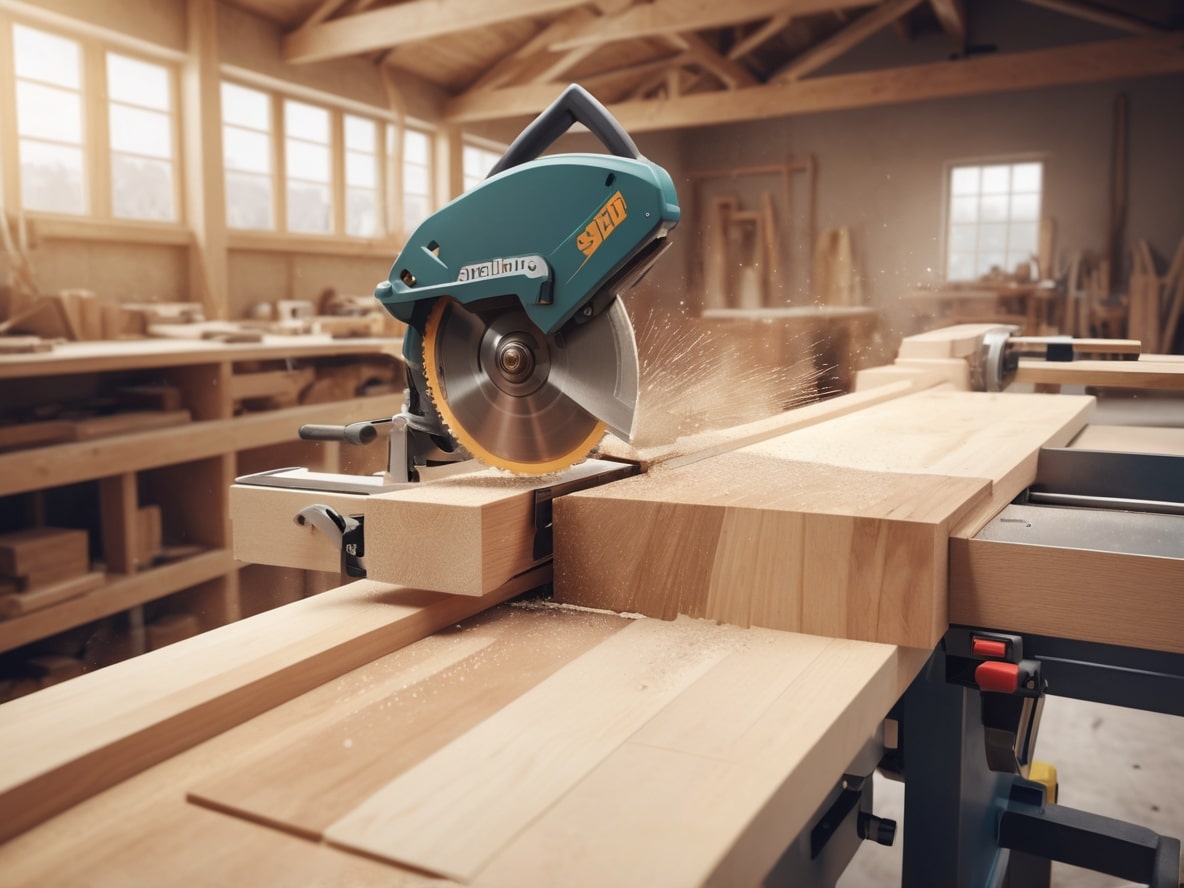
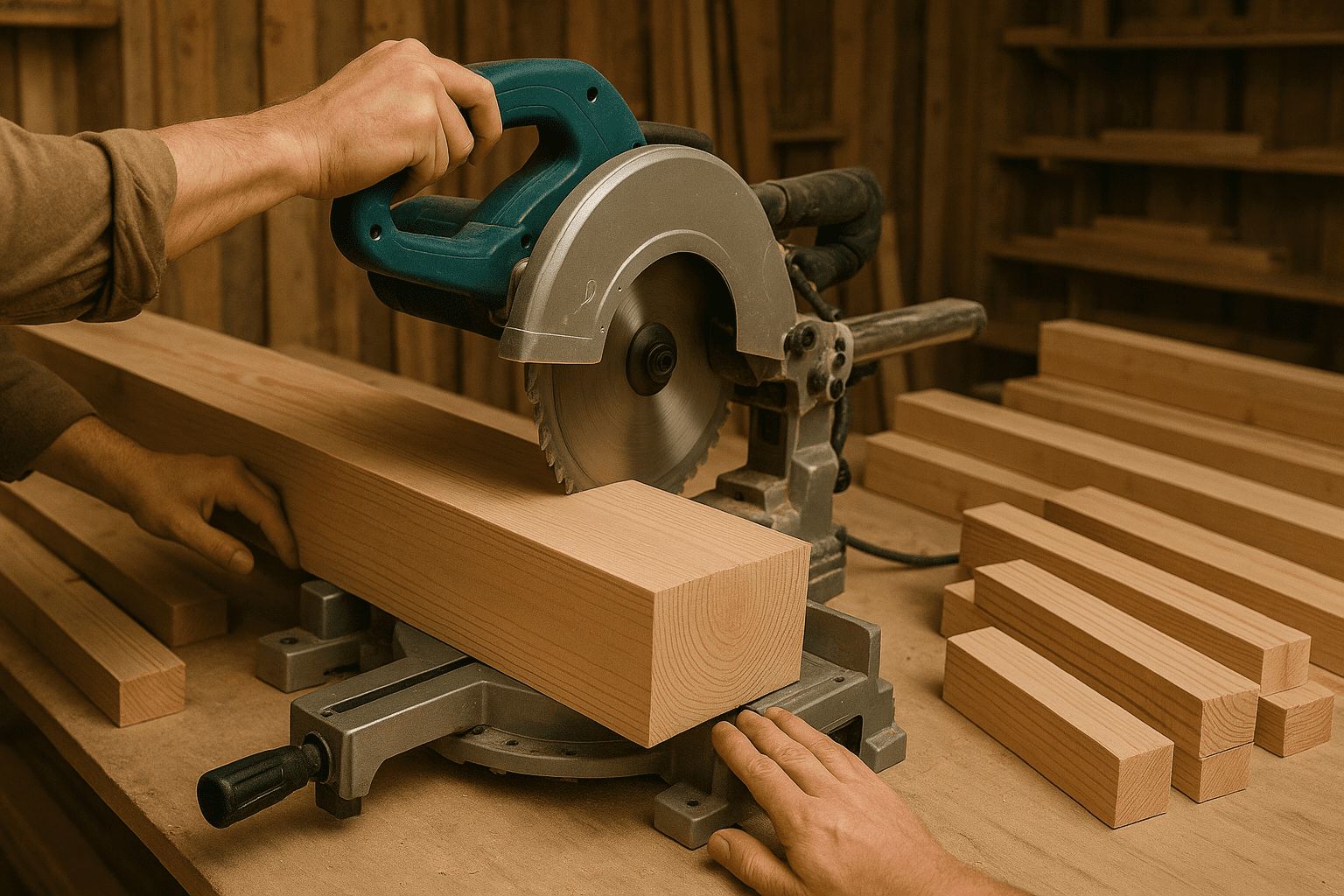
Sliding mitre saws are used — such a saw passes through the part under load and leaves a smooth cut without tear-outs, whether it is a cut at a right angle or at 45 degrees for a frame mitre. The equipment holds a single dimension on the first blank as on the hundredth, which is why furniture makers, construction companies and contractors who need both a fast result and repeatability from part to part turn to this service.
The depth of the work varies. Sometimes you just need to trim a blank to size, and sometimes — to prepare the end for the next stage: edgebanding, finishing, joining into a decorative unit. In the mitre of frames and moulding, for example, two ends at 45 degrees must meet without a gap, otherwise the corner will “drift”. So each part is cut with an eye on what will happen to it next, rather than just sawn off at a mark.
The benefits of working with professionals
Modern equipment
Panel saws, CNC and milling machines — precision, speed and quality guaranteed

Extensive experience and expertise
We know how to handle wood and sheet materials — reliably, precisely, professionally
Fast order fulfilment
Fast and without compromising quality. We value your time and our commitments
A full range of services in one place
Cutting to size, sawing, milling, sanding, painting, assembly — all in-house, with no middlemen
Trusted materials and consumables
We work only with quality materials, so you can be confident in the result
An individual approach to every client
We work to your drawings, create a machining program for the task and account for every detail
Features of the service: important aspects of cross-cutting parts
Cross-cutting has plenty of nuances, and the first of them is the material. MDF, plywood, particleboard, MFC and edge-glued panel behave differently at the cut. MFC has a fragile coating that is easy to chip with the wrong feed. Plywood tends to tear its layers. Solid wood depends on the grain direction. For each material a specific mode and a specific blade are chosen, otherwise the end comes out ragged, and all the neatness is for nothing.
The second nuance is the equipment. An even end at 90 or 45 degrees cannot be made with a hand saw: the cut will wander, the angle will “drift”. Here sliding mitre saws with stops are used, which hold the set angle and repeat it on every part. It is the machine, not the eye, that gives those very perfect lines for which cross-cutting is ordered.
The third point is exactly what kind of cut is needed. A straight end for a joint, a bevelled one for a frame mitre, with a chamfer for a rounded edge — the choice depends on where the part will go next. One and the same bar can be cross-cut for a furniture frame or for a picture frame, and these will be two different cuts. So the type of cross-cutting is agreed in advance, not decided at the machine.
And fourth — what will happen to the end afterwards. A panel’s open cut is vulnerable: it draws in moisture, crumbles, catches dirt. If the part is in view or works in a damp environment, the end is closed with an edge after the cut. This is not only about looks but also about service life — an unclosed MFC edge in a kitchen swells first. That is why cross-cutting of parts is often ordered right away together with edgebanding.
Stages of cross-cutting for wood and panel materials
Consultation
Receiving drawings or developing a plan
Agreeing lead times and cost
Launch into production
Quality control at every stage
Finishing
Packaging and preparation for shipment
Delivery or pickup
Stages of performing the cross-cutting of parts
The work goes along a clear chain, and the order in it is no accident. The first step is preparing the material. It is worked out what kind of blank it is, what thickness and where it will go: for a furniture part one logic, for moulding another, for a load-bearing element a third. At the same time it is checked whether the board has warped and whether the edge is in order — there is no sense cross-cutting a crooked blank.
Next — measuring and marking. It is precisely here that the future precision is laid in: err at the marking stage — and the part will go off size. Marking is done with precise instruments, and on a series stops are set so as not to mark each blank anew, but to run them one after another to a single size. This saves time and removes the human factor.
Then the cut itself. The blank passes through the sliding saw, and here it is important not to let the material budge: the part is firmly fixed, the feed is kept even, without jerks. On this depends whether the cut will be smooth or with tear-outs. The operator here does not just press a button — they feel the material, hear how the blade runs, and correct in time if something has gone wrong.
After the cut — inspection. Each part is checked for size and angle, the edge is examined for chips and tear-outs. On the mitre of frames it is additionally checked whether two ends meet in a clean corner without a gap. It is cheaper to catch a deviation here and re-cut one blank than to hand the customer a batch that will not come together.
The final step — edge treatment on request. The end is sanded, chamfered or closed with edge tape, so that the part acquires a finished look. For furniture and finishing this is an almost obligatory stage: a neat edge is not only prettier but also protects the cut from moisture, extending service life. A bare end in a visible spot always gives away an unfinished job.
Advantages of the cross-cutting service for business
For business, neat cross-cutting has quite monetary advantages. The first is speed. When blanks arrive already at an exact size, your own shop does not have to spend time on trimming and fitting: the parts go straight into assembly. For a furniture maker, a finisher, a seller of sheet materials, this unloads production and removes the bottleneck where a queue usually piles up.
The second advantage is less waste. A precise cut to size means the material is not cut “with a margin just in case” and does not go into the reject bin because of a crooked end. On a large volume, the saved offcuts add up to real money, and production profitability rises noticeably — especially when it comes to expensive panels like painted MDF.
The third is the quality of the end product. An even end and a neat edge are not only aesthetics: a part with a clean cut catches less, does not chip along the edge, lasts longer. In furniture this is the difference between a front that sits perfectly and one that is skewed by a millimetre and irritates every day. Cross-cutting of parts removes exactly such trifles, which together make a thing look expensive.
And the fourth — flexibility for the non-standard. You do not have to order standard parts by the bundle: for an individual project a unique blank with the required angle will be cross-cut too. Whether a batch of identical elements or a single part for a specific idea — the precision holds the same. For companies that live on individual orders, this is a chance not to fit the project to the limits of “what they can do”, but to get exactly what was intended.
Cross-cutting of parts: advantages of cooperation for business
Outsourcing cross-cutting is advantageous for several reasons, and speed is the first of them. A professional machine with stops and a trained operator run a batch of blanks through several times faster than it would come out by hand or on universal equipment. For business this means that the bottleneck in preparing parts stops slowing down the whole production flow.
The second — predictability of the result. When the end of each part is cut by one technology and checked at the output, defect and mis-sorting are reduced to a minimum. The customer gets not “roughly what they asked for” but a part exactly to specification. For assembly production this is critical: one part off size holds up the whole unit.
The third — flexibility. Cross-cutting of parts fits precisely to the specification, whether a large order for a furniture factory or a single request from a private person with a non-standard angle. There is no need to fit your project to someone else’s limits — the part will be made to the given dimensions and shape, not to what is “convenient for the machine”.
And the fourth — stability. A reliable contractor holds both quality and deadlines from order to order, not “however it turns out this time”. For someone who is themselves answerable to their own clients, this is a support: the parts arrive on time and to size, and you can build your own promises on them. Long working relationships grow from such predictability.








A broad range of services for your business
Cross-cutting rarely comes alone — usually it is part of a large processing chain. That is why cutting to size, sanding, ripping, edgebanding and sawing are always available alongside. This is convenient: a part goes through all the necessary operations at one site, without being sent between shops. In furniture, construction, finishing, it is precisely the linking of these processes that turns a sheet of material into a finished element, and each of them requires its own equipment and a practised hand.
Briefly about cross-cutting’s neighbours: cutting to size divides the sheet into parts of the required format, sanding brings the surface to smoothness, ripping cuts a large blank into narrow elements. Edgebanding closes the end with tape — and the part gets a finished look and protection from moisture. Each operation hooks onto the next: cross-cut — closed the edge — sanded, and at the output an element ready for assembly.
Each of these steps requires attention and adherence to the technology — cut at the wrong angle or overdid the feed, and the part is ruined. It is precisely discipline at all stages that gives the precision and durability for which processing is ordered from professionals, rather than sawn on the knee.
Our portfolio — finished products
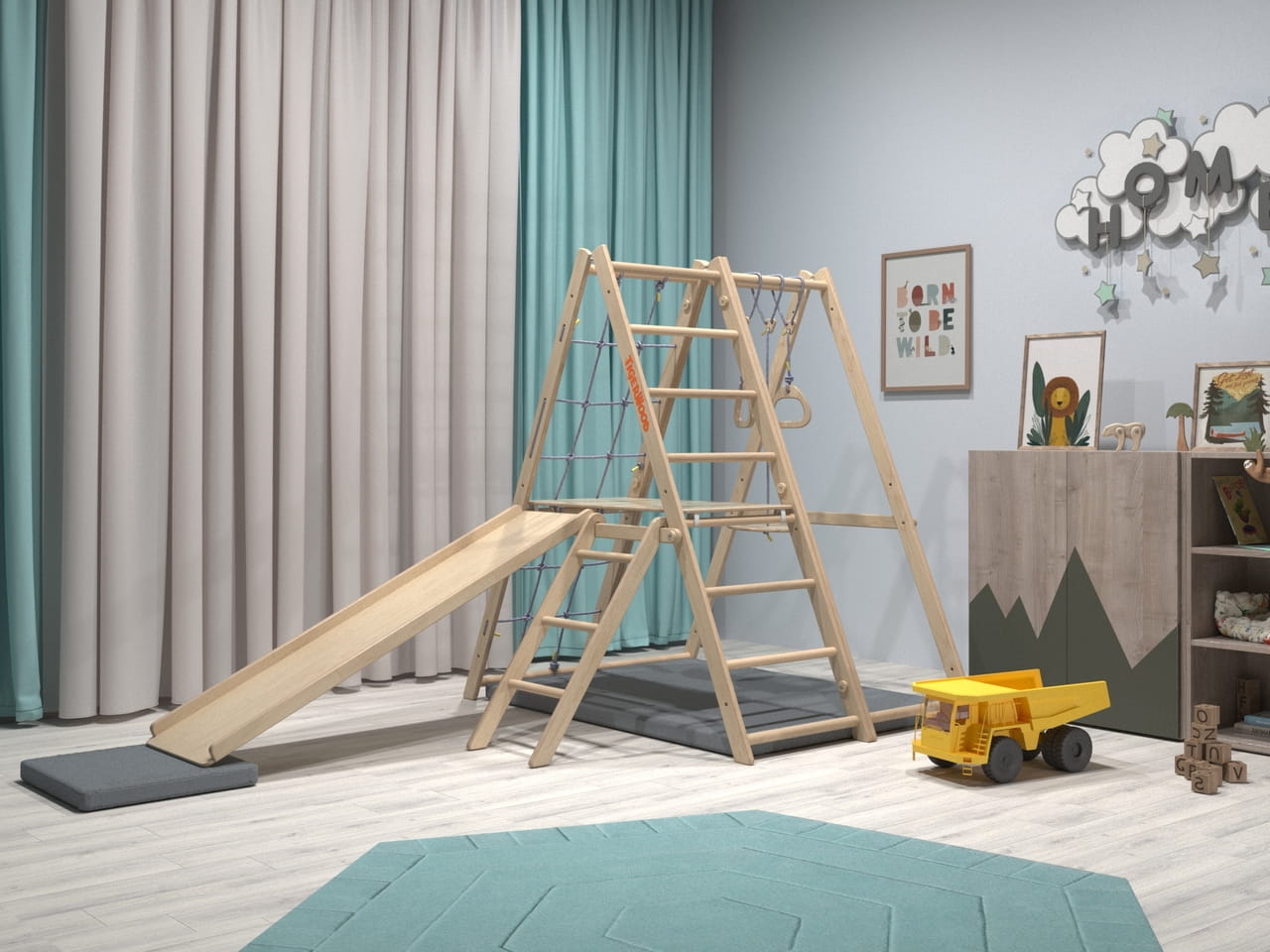
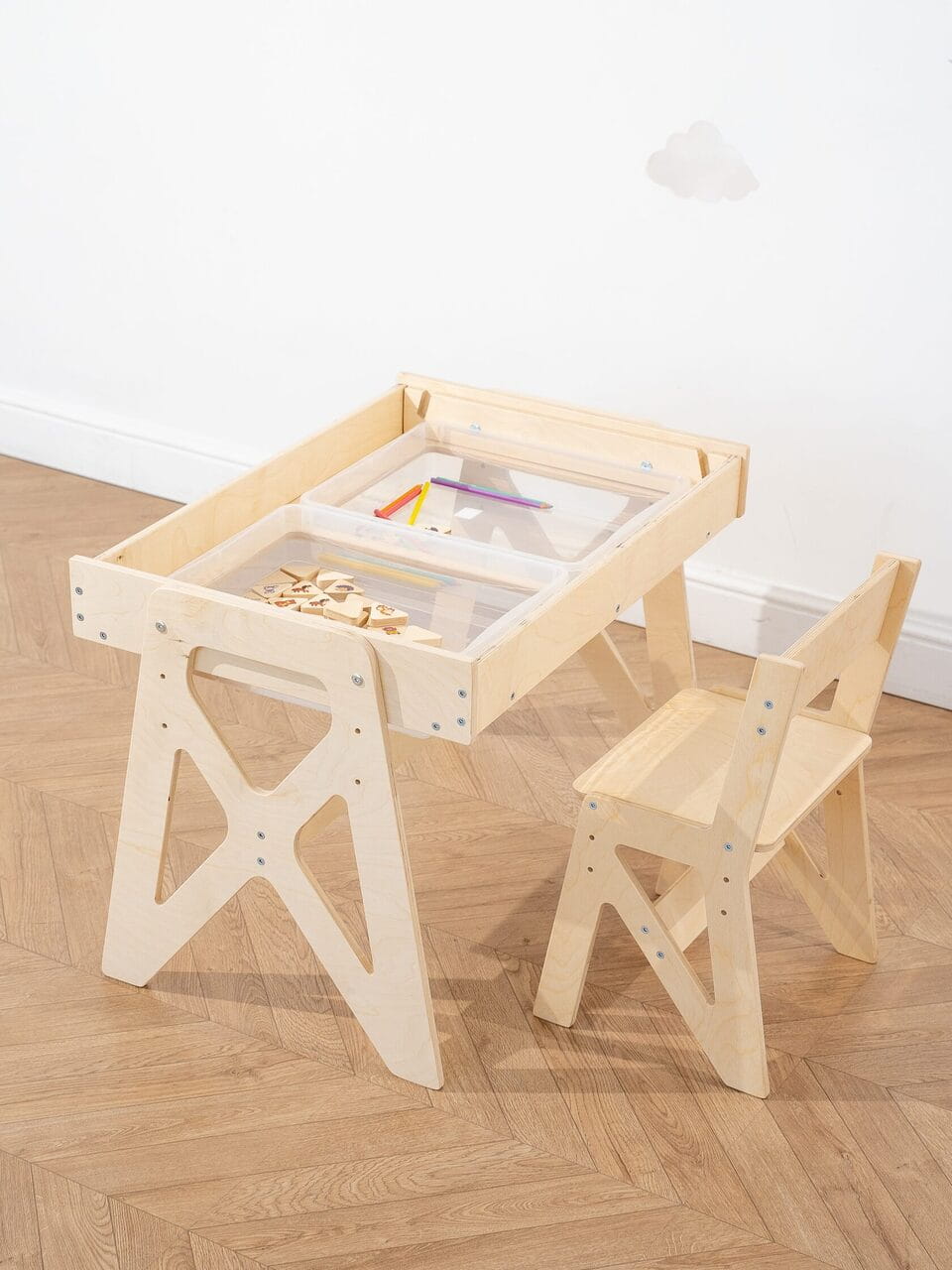


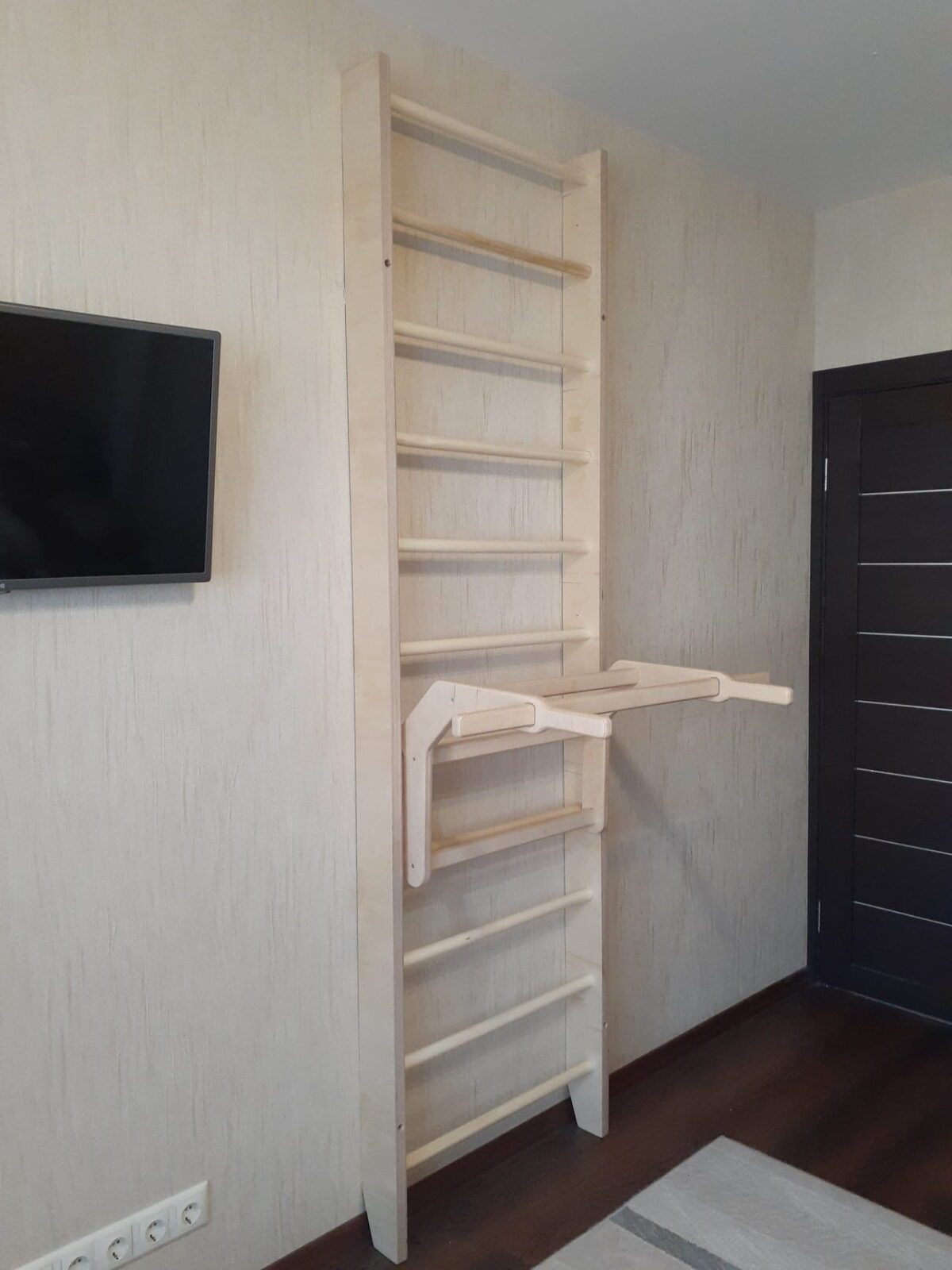
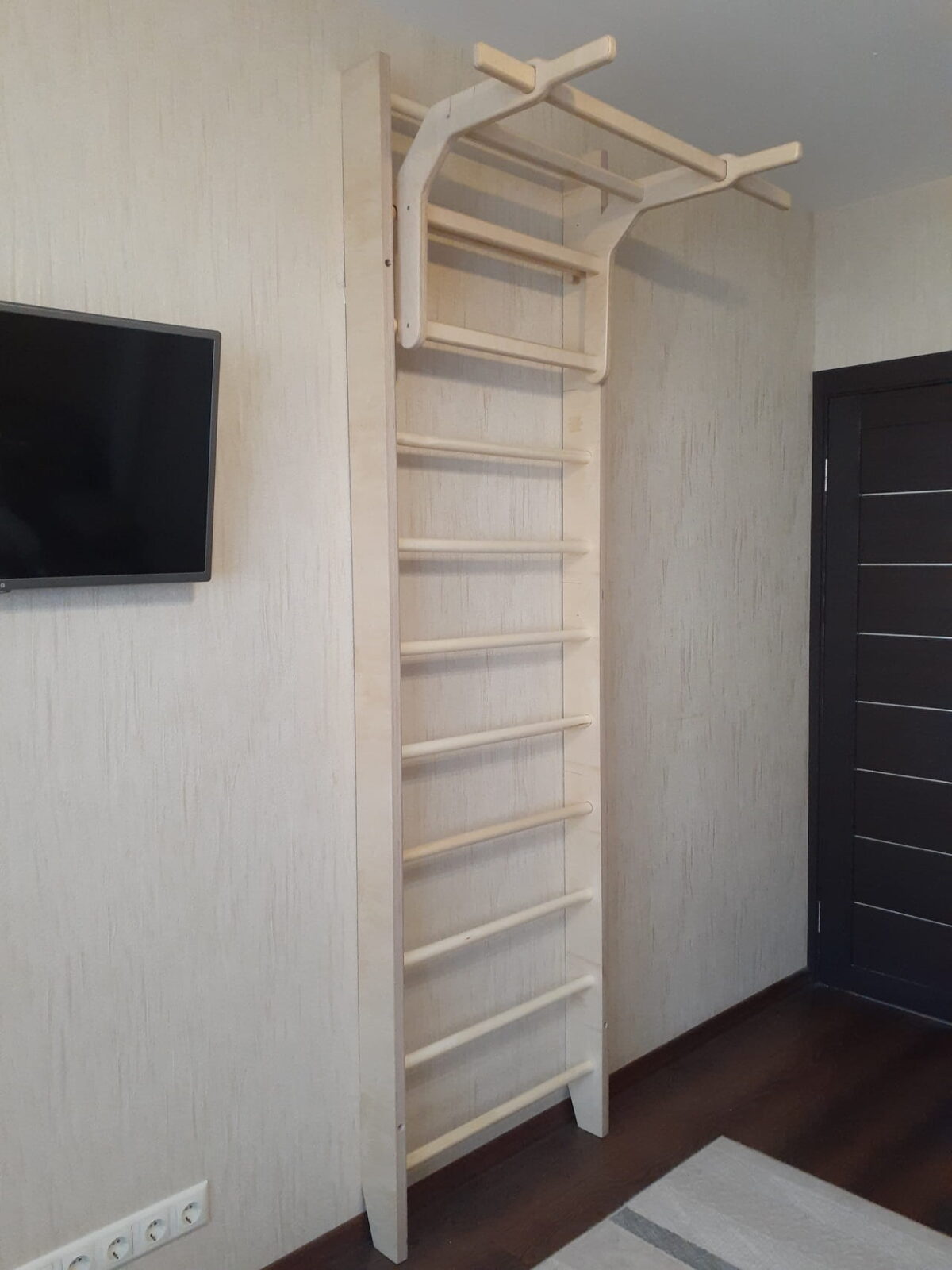
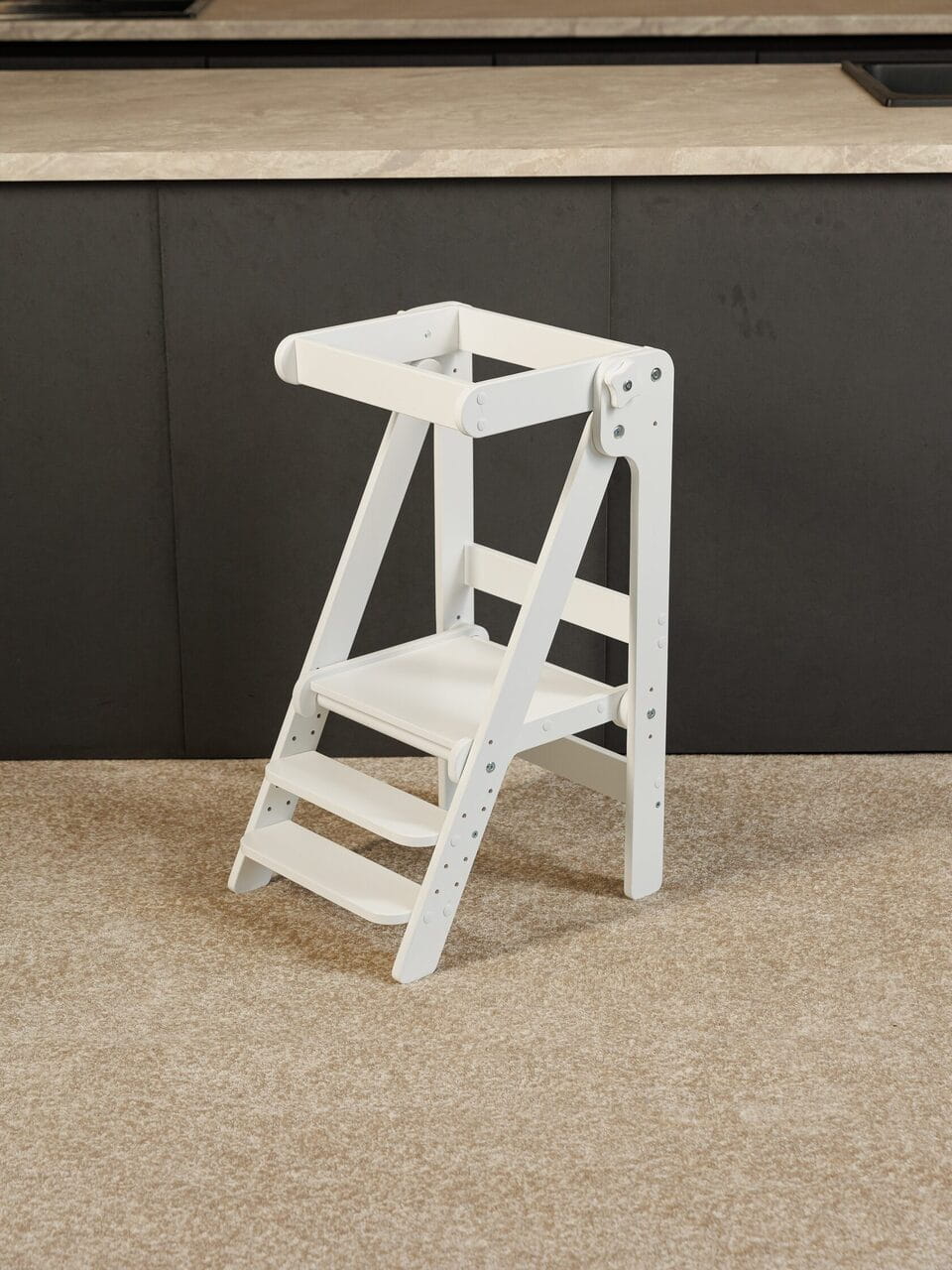


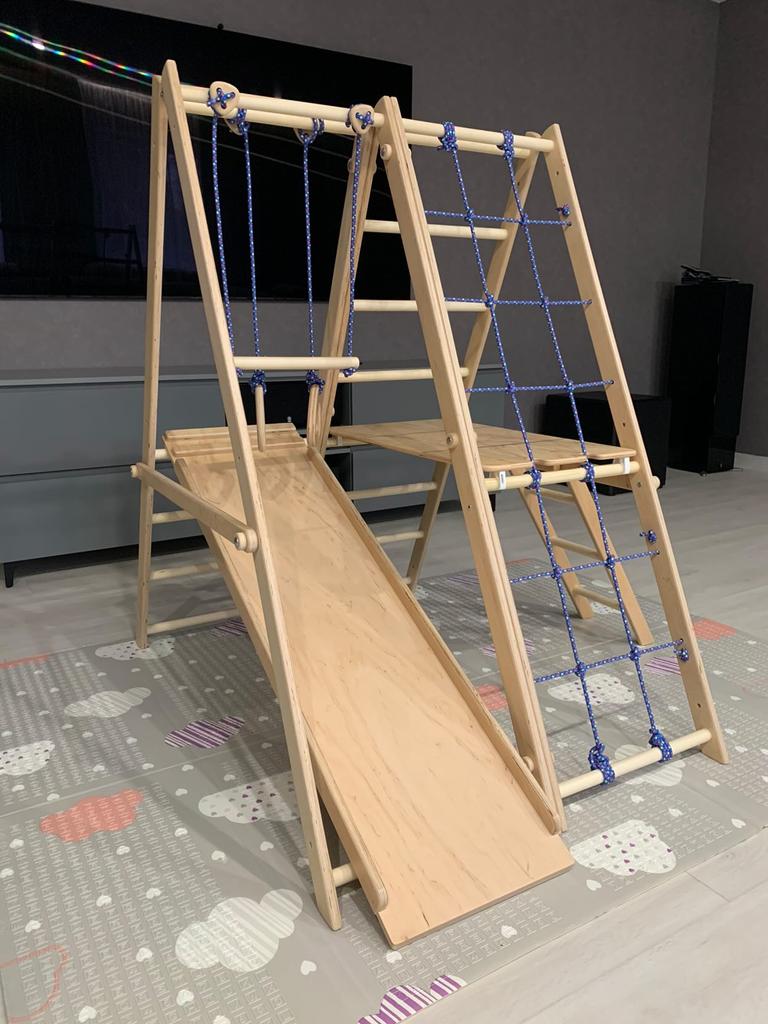

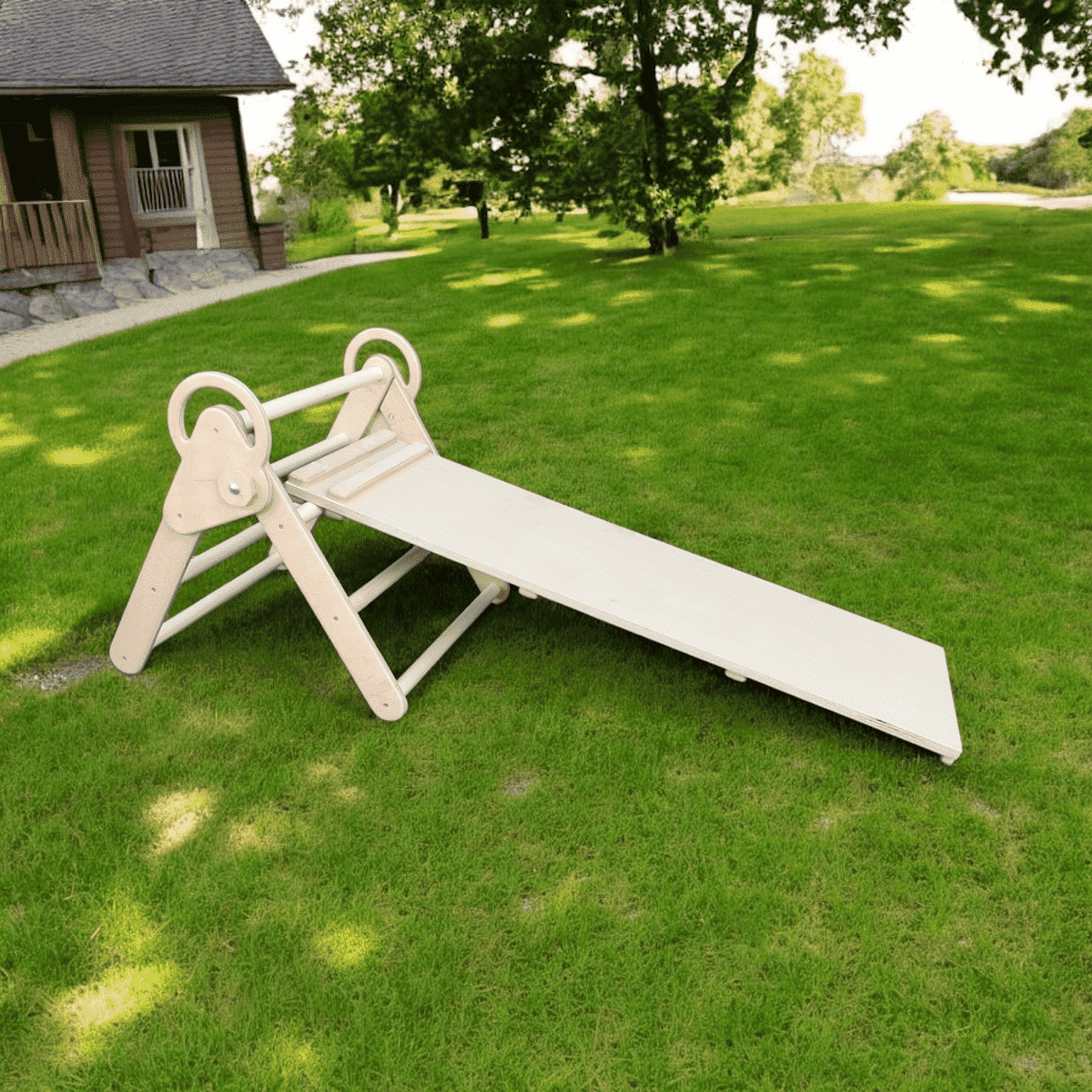

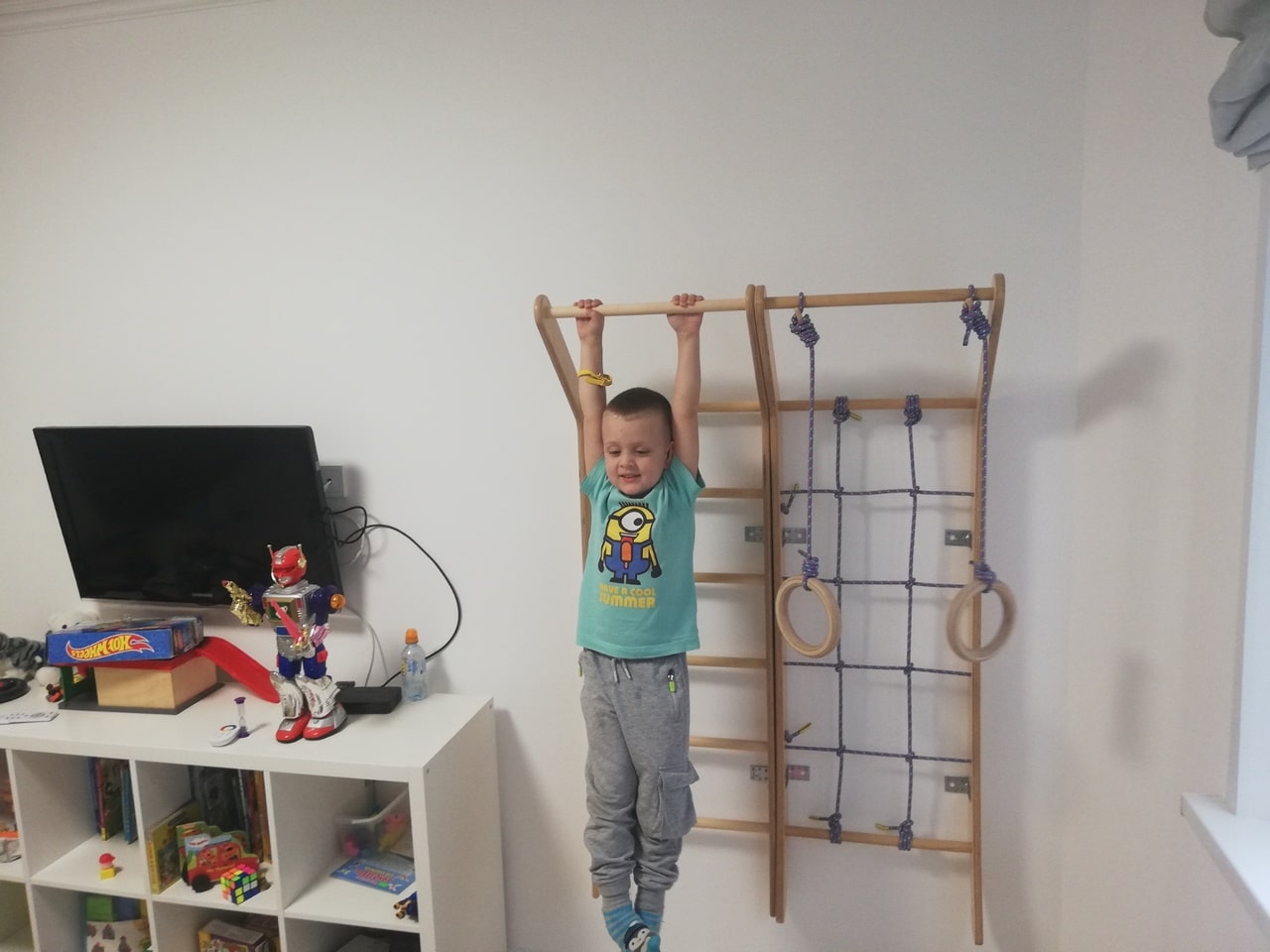


Examples of work: Proof of quality and precision
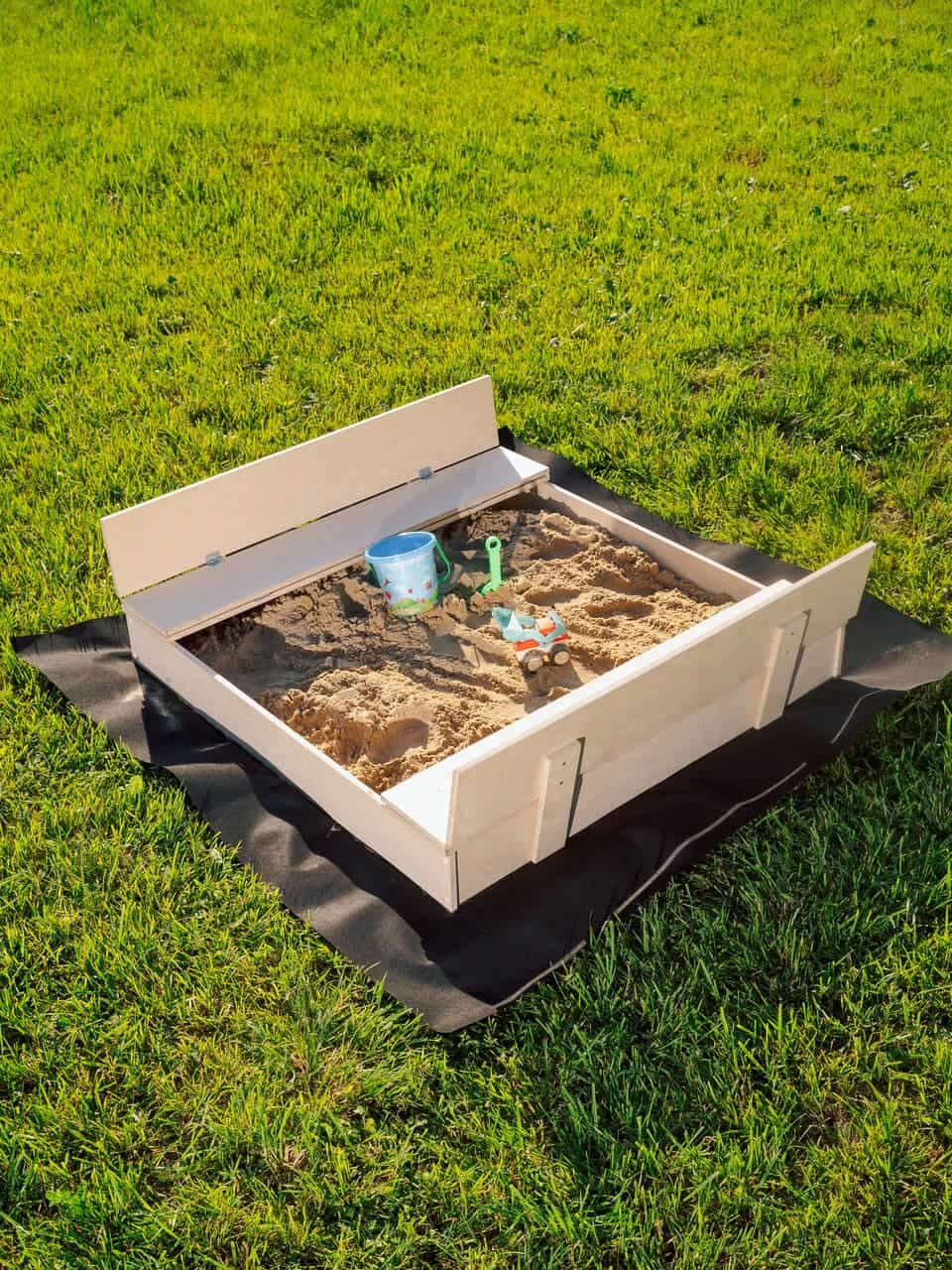
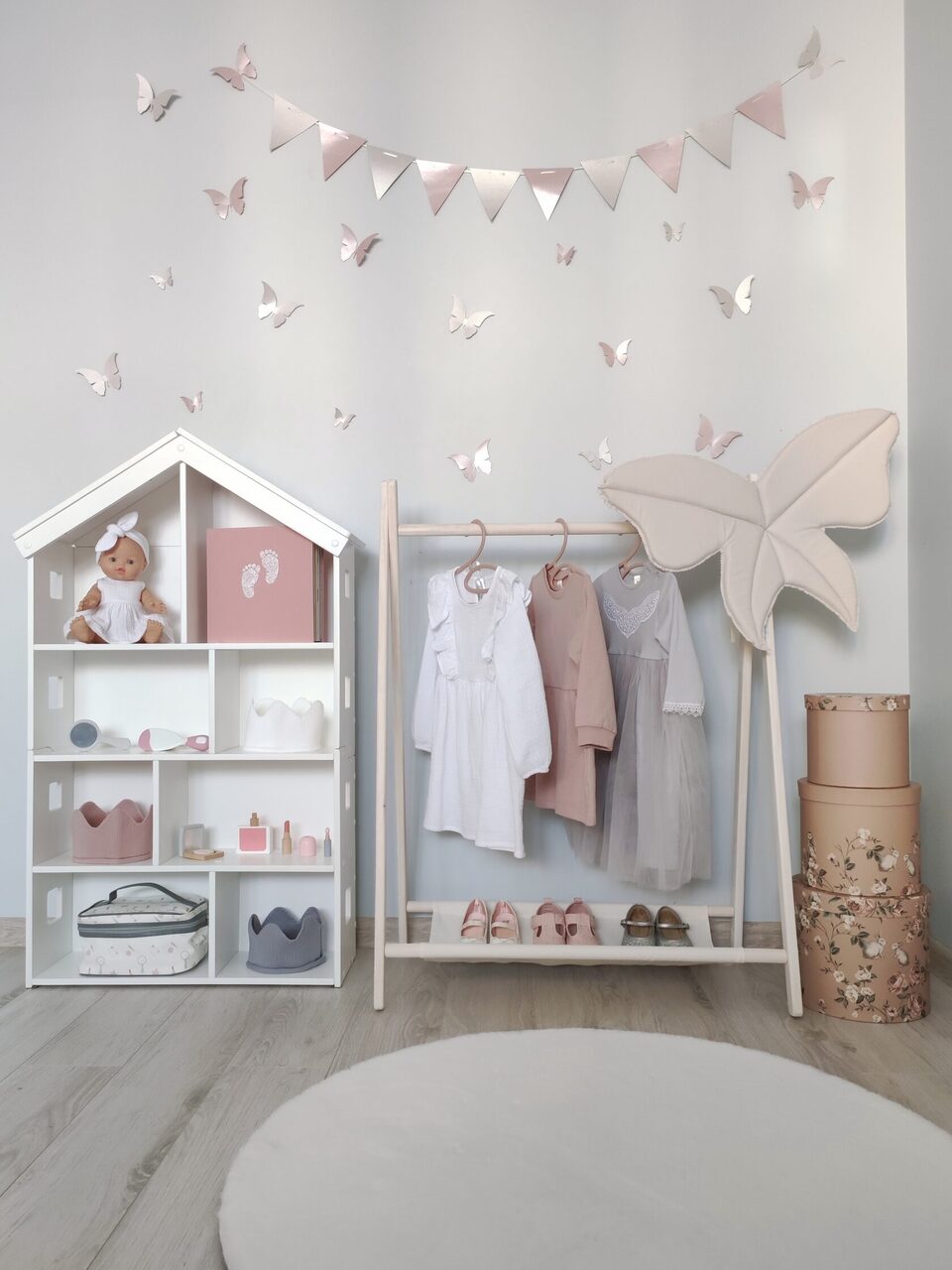
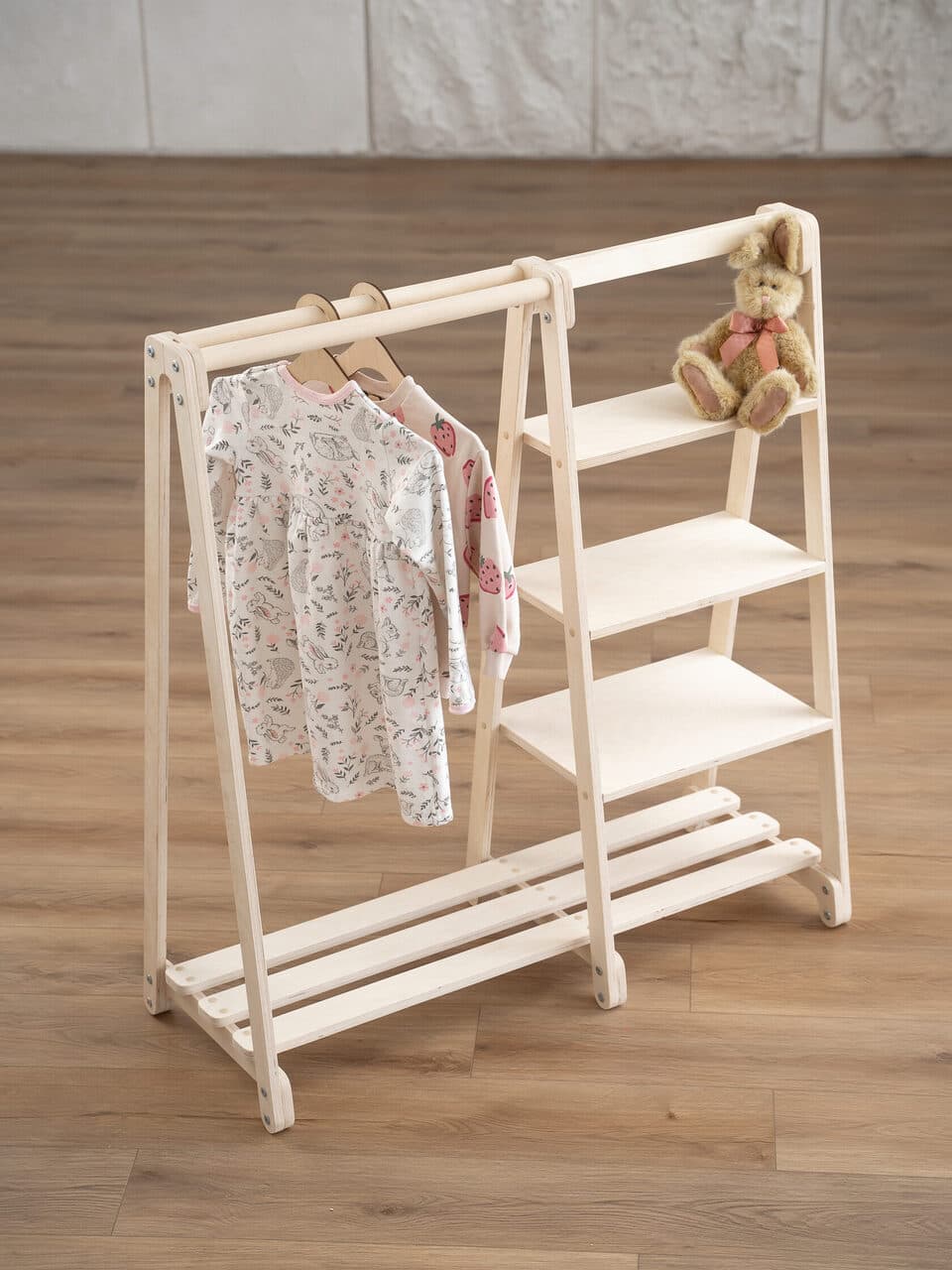
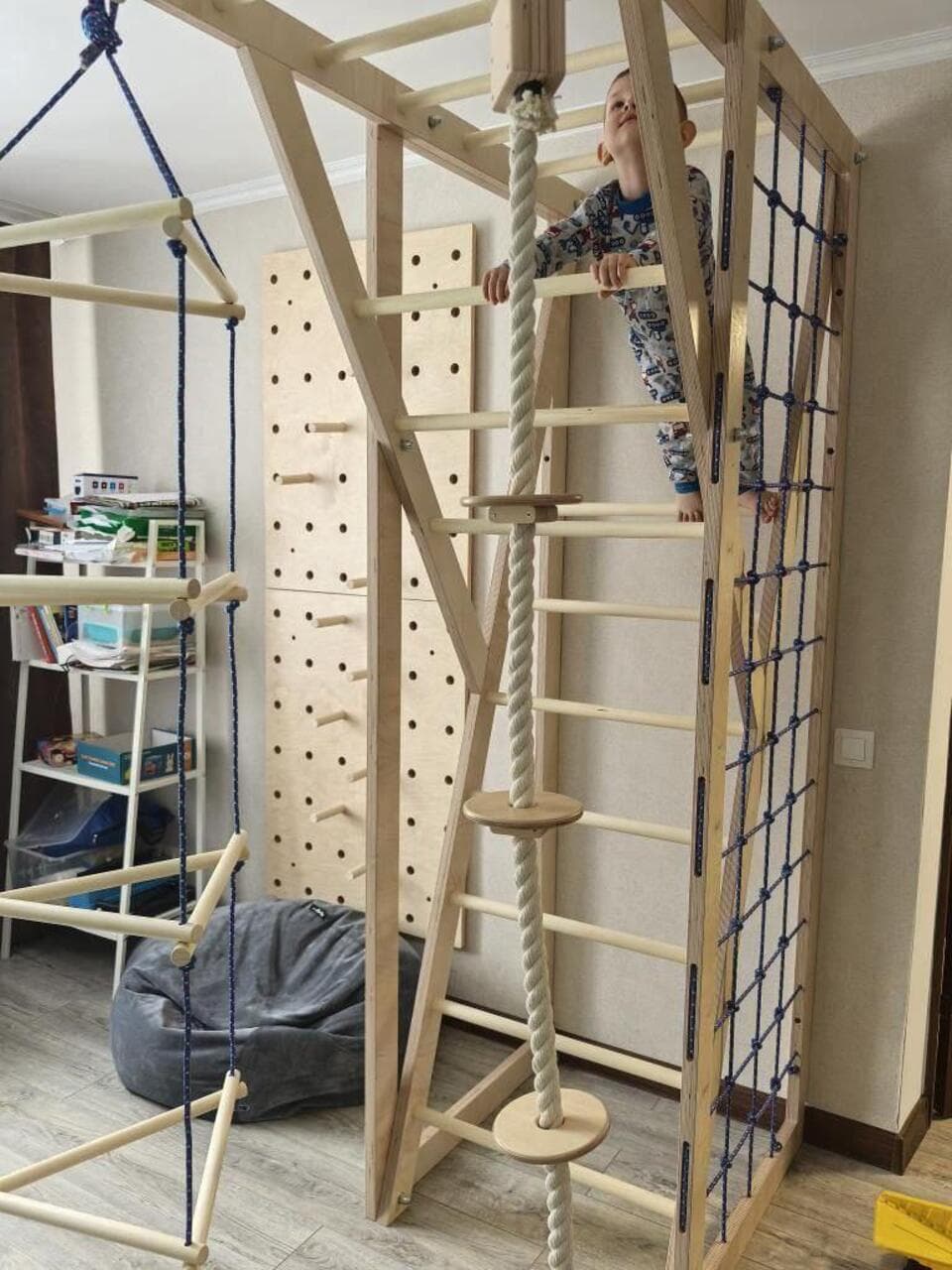
Behind cross-cutting stands quite tangible output — from furniture parts to finishing elements and construction blanks. From completed projects it is well visible how a neatly cut end affects the result: somewhere it is an even join of fronts, somewhere a frame assembled without a gap, somewhere a part that went into place on site the first time.
In furniture the role of the end is hard to overstate. Even, neat edges are both appearance and the strength of the joint. A crooked end gives itself away with a skewed door or a gap in the join that the eye snags on. A precise cut, on the contrary, gives furniture that looks expensive and holds the load for years without loosening at the joints.
In construction, cross-cutting is no less important. When elements are needed to a strict size for a specific structure, the precision of the cut determines whether they will go into place or have to be sawn to fit on site. And fitting on the building site is always lost time and a risk of weakening the part. Blanks cut in advance and precisely assemble like building blocks and hold the given strength.
In essence, every completed project is one more confirmation that precision and neatness are not empty words. Cross-cutting of parts finds application everywhere an even cut and an identical size matter: from a one-off designer piece to serial equipment for a retail chain.
Who uses a carpentry workshop’s services
Furniture makers

Interior designers

Advertising companies

Exhibition stand builders

Art studios

Cafés and restaurants

Construction firms

Retail equipment manufacturers
Furniture factories

Private craftsmen

Custom orders

Manufacturing companies

Museums and exhibition halls

Architects

Theatres and film studios

Educational organizations
Children’s products manufacturing

Repair specialists

Online stores

Sole proprietors
Who our clients are: A wide range of companies and organisations
The circle of cross-cutting customers is wider than it seems. It is not only private people with a one-off task, but also furniture producers, construction crews, repair and finishing companies, and also shops and retail points that need finished parts to size for further work. Each has their own task, but the request is common — a precise end without fussing about it themselves.
Furniture makers need a precise end so the product comes out both functional and beautiful — without it a neat carcass cannot be assembled. Construction companies take cross-cutting for finishing and structural elements, where size and durability decide everything: the part must go into place precisely and hold the load, not crack along the cut within a season.
A separate demand comes from sellers and retail chains. It matters to them to hand the buyer already-finished material at the required size, rather than a raw sheet. These can be both furniture parts and elements for finishing rooms — what the client will take and put straight to use. For a shop such a service turns an ordinary sale of a sheet into a ready solution to the request.
How cross-cutting of wood materials affects product quality
The influence of cross-cutting on the final quality is hard to overstate. Furniture, construction, finishing — everywhere an even and precise cut becomes that trifle on which the look and reliability of the whole depend. MDF, plywood, particleboard, MFC, edge-glued panel and other materials go into the work, and for each a clean end solves its own task: somewhere it is a join without a gap, somewhere a base for the next operation. It is the even cut that makes the part fit for further processing without touch-up with a file.
Cross-cutting works at various stages of production and each time drags quality along with it. First of all it is precise dimensions and shape — which means fewer errors and skews during assembly. Durability too comes from here: an even, not broken-up end wears less, does not start crumbling along the edge and better withstands impact in use. A broken-up cut, on the other hand, is the first point from which a part begins to break down.
Another effect — less waste. A precise cut lets you squeeze the maximum out of the blank, without sending pieces to reject because of crookedness. On a large series this is a noticeable saving: where a centimetre is lost on each part, a whole sheet adds up over the batch. For producers who count profitability, such a trifle turns into quite tangible money.
The pairing of good equipment and an experienced operator gives productivity too. Blanks go through processing faster, the time per batch is shortened, and quality stays even from the first part to the last. This helps both serial production, where flow matters, and those who make one-off things, where precision on each individual part matters.
And of course, cross-cutting of parts is about appearance. An even, neatly treated end in furniture and in finishing elements looks expensive and complete, while a ragged edge gives away amateur work at first glance. The end buyer today chooses not only by function: a thing must also look tidy. A clean cut is exactly one of those details that shape this impression.
Cross-cutting of parts: what a customer needs to know
Next — a breakdown for those who encounter this service for the first time and want to understand what they are paying for and what to look at. Below are gathered terms, an analysis of situations where an even end is truly critical, the question of equipment and precision, the difference between hand and machine work, and also lead times, price, common mistakes and practical examples. All of this is from experience, not from stock phrases.
Glossary: cross-cutting terms in plain words
Plenty of special words surround cross-cutting, and it is easy for a customer to get confused in them. A short decoding will help you speak the same language as the workshop and set the task more precisely, and at the same time understand exactly what will be done with your part.
| Term | What it means |
|---|---|
| 🪵 End | The transverse side of a part — what remains after a cut across the grain |
| 📐 Angle cut | Sawing not at 90 but at a given degree, most often 45 |
| 🪚 Sliding pass | The saw’s travel along the part under load — gives a smooth cut without tear-outs |
| 🔩 Stop | A limiter that fixes length and angle so the dimension repeats |
| 🖼️ 45° mitre | Two bevelled ends meeting in a right-angle frame corner without a gap |
| 🎯 Fit | How tightly the parts sit against one another in the joint |
These words will come up when discussing an order, and understanding them removes a good half of the misunderstandings. When the customer and the maker mean the same thing by “45 mitre”, the chances of getting the wrong part are noticeably lower.
Why cross-cutting is needed and where it is critical
At first glance it seems that cutting a part to size is a trivial task. In practice it is precisely the end that sets whether the product will come together as it should. As long as it is a rough blank that will still be worked on, there are not so many requirements for the cut. But as soon as the part goes into a joint, into a frame or into the face side, every tenth of a degree begins to matter.
The most telling case is the mitre of frames at 45 degrees. Moulding, a mirror, a front with framing: four parts must meet in a perfect rectangle. If even one end is cut at 44 or 46 degrees, the corner will “drift”, and a gap forms in the joint that nothing can hide any more. Here cross-cutting of parts works at the limit of precision, and there is almost no right to error.
No less important is an even end in carcass furniture. Sides, shelves, rails join with one another, and a skew on one part drags a skew of the whole box behind it. The door stops closing flush, an uneven gap wanders between the fronts, and the whole thing starts to look cheap, even if the material was expensive.
In construction and finishing a precise end saves time on site. When elements arrive already cut to size, they are assembled like building blocks, without sawing to fit in place. And any fitting on the building site is not only lost hours but also a risk of weakening the part or spoiling the edge. So where the count runs in millimetres and in days, cross-cutting is entrusted to the machine, not to a hand saw.
Equipment and precision
The main tool of cross-cutting is a sliding saw. It differs from an ordinary one in that the blade does not just lower onto the part but passes along it under load. Such travel leaves a clean cut without chips and tear-outs, and the stop system allows setting the angle once and repeating it on the whole batch. It is precisely repeatability, and not a single fine cut, that distinguishes machine work.
Precision here is measured in fractions of a millimetre and fractions of a degree. A well-tuned machine holds the angle so that frame mitres meet without a visible gap, and the length of parts in a series matches to the tenth. For a person such stability is unattainable: the hand tires, the eye “glazes over”, and by the end of the batch the dimensions begin to drift. The machine, though, knows no fatigue and puts out the hundredth part the same as the first.
The right blade decides a lot too. For a finishing cut of MFC a saw with a fine, close tooth and a scoring group is used, which scores the coating from below and does not let it chip. For solid wood — a different blade, for plastic — a third. A dull or unsuitable blade can spoil even a precisely set machine, so the state of the tool is watched no less than the settings.
One should not forget reliable fixing of the blank either. If the part budges at the moment of the cut, the end comes out uneven and the angle approximate. So short and small elements are additionally clamped, and long ones are supported along their whole length so they do not sag under their own weight. All these trifles together add up to the result for which cross-cutting is ordered from professionals.
Hand and machine cross-cutting: what is the difference
A part can be cut by hand too — with a saw in a mitre box, and the only question is what result is needed. For a single cut in place, where precision is not critical, a hand tool is quite enough. But as soon as there are several parts or a perfect angle matters, the difference between hand and machine cross-cutting becomes obvious.
Hand cross-cutting rests on the eye and the steadiness of the hand. The mitre box sets an approximate angle, but the play of the tool, uneven pressure and fatigue give a spread from part to part. On a single cut this is unnoticeable, but on a batch of twenty blanks it accumulates into a noticeable crookedness. Besides, a hand saw more often leaves chips on the MFC edge — it cannot score the coating from below.
Machine cross-cutting removes these limitations. Stops fix the angle and length, the sliding pass gives a smooth cut, and the series comes out even from the first part to the last. Plus speed: where by hand it will take half an hour for a dozen parts, the machine copes in mere minutes. So for furniture, frames and any joining units the choice is almost always in favour of the machine.
This does not mean a hand tool is useless — it has its niche in one-off household tasks. But when it comes to an order where precision, repeatability and a clean edge matter, it is more sensible to hand cross-cutting of parts to where there is a sliding saw and tuned stops. Redoing an amateur cut usually comes out more expensive than doing it right the first time.
Materials and their behaviour at the cut
Every material behaves under the saw in its own way, and competent cross-cutting begins with understanding these habits. What works excellently on solid wood may give a chip on a laminated panel, so the mode and blade are chosen for the specific blank, rather than cutting everything the same.
Solid wood cuts cleanly but requires attention to the grain direction. An end across the grain comes out even, but on a diagonal mitre the fibres may tear slightly, and then the cut is finished with sanding. Moisture plays a role too: an over-dried or, conversely, damp board behaves unpredictably, and this is taken into account in advance.
MFC is the most temperamental material at the edge. The laminated coating tends to chip where the tooth exits, especially on the underside. A sharp blade with a scoring group and a careful feed without jerks are the remedy. That is exactly why cross-cutting of MFC should not be entrusted to a random tool: one wrong pass, and a part with a ragged edge is fit only for reject.
MDF cuts predictably and evenly — a homogeneous structure without layers and knots gives a clean end in almost any mode. Plywood takes an intermediate position: its layers can tear, so a sharp tool and an even feed matter here too. Knowing these features, a specific mode is set for each material, and the end comes out neat regardless of what is on the machine.
Industries and who orders cross-cutting
The circle of cross-cutting customers is noticeably wider than it seems at first glance. Both large producers and small workshops and private people with a one-off task turn for a precise end. One thing unites them: they need an even cut to size that is hard or unprofitable to get by their own means.
The most requests come from the furniture segment. Furniture makers and assemblers order cross-cutting of carcass parts, rails, framing slats — everything that then joins into a product. For them both precision and speed matter: while the parts are cut on the side, their own shop is busy with assembly, not with trimming blanks.
Moulding and framing workshops are a separate category, for which the 45-degree mitre is their daily bread. Here cross-cutting directly determines the quality of the product: the corner comes together — the frame is perfect, it does not — the work goes to reject. Advertising producers order cross-cutting for stands and structures, builders — for finishing and frame elements, and shops selling sheet materials — to hand the buyer finished parts to size.
What an order looks like in practice
So that everything said does not stay theory, here are several typical orders of the kind that come through regularly. The tasks differ, but the logic everywhere is the same: an exact size, a clean end, the required angle.
Frames for a 45 mitre. A moulding workshop brings slats and a list of dimensions. Each part is cross-cut at 45 degrees to an exact length so that four pieces meet in a rectangle without a gap. Here the cost of error is at its highest: a difference of half a degree — and the frame will not assemble. A machine with stops puts out a batch where all angles are identical, and assembly goes without fitting.
Carcass-furniture parts. An assembler orders cross-cutting of sides, shelves and rails to an exact size for a specific cabinet. All parts must be strictly the same length, otherwise the box will skew. The blanks are cut against one stop, one after another, and at the output there is a set that assembles flush, without wandering gaps between the fronts.
Joining elements for construction. A crew needs bars and slats cut to size for a specific unit. They are cross-cut in advance, so that on site no time is spent on trimming — the parts arrive finished and go into place at once. Both hours of assembly and nerves are saved, since fitting a part at height or in an awkward spot is always harder than taking a ready one.
Three different orders — and in all cases the path is the same: dimensions, setting the stops, a cut with a sliding pass, inspection. Only the material and the angle change. It is precisely this repeatable logic that makes it possible to take on moulding, furniture and construction parts without switching to a “different mode of work”.
Lead times and what makes up the price
The exact cost and deadline are always calculated for a specific order, but it is useful to understand their components — this makes it easier to see where one can save. Simple cross-cutting of a batch to size is usually ready in a day or two, and a small order is often given the same day by agreement. Complex angle mitres and large series are counted separately.
The price is affected by several factors at once. The number of parts — a series works out cheaper per piece than a one-off blank. The complexity of the cut — a straight end is simpler and cheaper than a precise 45 mitre with a demand for a perfect fit. The material and its thickness set the mode and speed, and additional edge treatment after cross-cutting — sanding or edgebanding — is counted as a separate line.
Urgency plays a role too: work outside the general queue costs more than a calm, planned order. The simplest way to save without losing quality is to send a clear specification with exact dimensions and not rush the deadlines. Reworks due to inaccurate data and work in rush mode usually add to the estimate those percentages you wanted to avoid.
A one-off order or serial work
Cross-cutting is equally open both to those who came with one part and to those who need regular supply. A one-off order is simple: brought the blanks, named the sizes and angles, collected the finished ones. There is no minimum volume — even one bar will be cross-cut if that is what is needed.
Serial work is arranged differently and is more advantageous per part. For a batch the stops and mode are set once, after which the blanks go in a flow, one after another, to an identical size. The larger the series, the more noticeable the saving in both price and time, since the main fuss is the setup, and the cut itself is already fast.
Many customers start with a trial batch and then move on to ongoing cooperation. When the production already knows the client’s specifics and their typical dimensions, the work goes even faster: fewer approvals, predictable quality, priority in the busy season. Long working relationships often grow from one successful order this way.
Common mistakes when ordering cross-cutting
Most slip-ups happen not at the machine but at the stage of setting the task. Let us go over what most often gets in the way of getting the result the first time — forewarned is forearmed.
The first and most common mistake is dimensions “by eye” or from memory. One wrong measurement drags a recut of the whole part behind it, and if it is a frame mitre — then of the whole frame. Better to measure twice and write it down than to redo. The second trouble is forgotten allowances. If the part will go for further processing or edgebanding, the end is cut with a small margin, and this is worth saying in advance.
The third slip is silence about the angle. The customer holds a bevelled mitre in mind but in the specification indicates only the length, and the part is cut at 90 degrees. It is always worth stating explicitly where a straight end is needed and where a bevelled one, and at how many degrees. The fourth mistake is skimping on the edge where it is needed: an open MFC end in a visible spot quickly swells and loses its look.
It is no big deal if something of this was not taken into account in advance — that is what the dialogue before the launch is for. A good production asks these questions before the cut, not after, when correcting is already expensive. But the fuller the inputs from the customer, the fewer clarifications and the faster cross-cutting of parts turns into a finished set.
Quality control and result guarantee
Control here is built into the process, not tacked on for show at the end. At the input the specification, dimensions and material are checked: is the thickness mixed up, is it the right décor, are there defects on the blank that will show up after the cut. To catch a discrepancy before the machine is cheaper than after.
In the course of the work, especially on angle mitres, an intermediate check is done: a trial part is cut, offered up, one makes sure the angle meets, and only then the batch is run. At the output each part is checked for size and angle, the edge is examined for chips. Such a double barrier cuts off mis-sorting and deviations before the order reaches the client.
If a disputed point does arise, it is easier to resolve precisely because the order passed through one pair of hands. There is no need to find out at whose stage the error was — responsibility for the result is not smeared. For the customer this is the real guarantee: it is clear whom to ask, and clear that the part will be made as agreed.
Delivery and repeat orders
Finished parts are shipped across all of Europe. Cut blanks are packed so that the ends and corners do not suffer on the road — this is especially important for 45 mitres, where a damaged corner will immediately spoil the fit of the frame. For a customer in another region the process looks as simple as for a neighbouring city: the specification is agreed remotely, the parts are cut and sent by a transport company.
A repeat order usually goes faster than the first. If the specification has already been carried out, its parameters are saved, and the second batch will be produced to the same size and at the same angle. This helps those who assemble furniture or frames in series and, from time to time, buy additional parts for already finished products — there is no need to explain and measure anew, it is enough to refer to the past order.
How to prepare a request for cross-cutting
Good cross-cutting begins with a clear request. The more understandable the list of parts, the fewer clarifications and the more precise the result. Putting together such a request is not hard if you keep in mind a few points that most often raise questions with the maker.
- 📋 A list of parts with the length in millimetres and the quantity of each item.
- 📐 The cutting angle for each part: a straight end or a 45 mitre and other degrees.
- 🧱 Material and thickness — your own or to be purchased to order.
- 🖇️ Whether an edge is needed and on which sides after cross-cutting.
- 📅 The deadline, if the order is tied to an assembly or a date.
Even if the request is raw, help will be given to bring it into working shape — advising where an allowance is needed, clarifying disputed dimensions. But a neat source noticeably speeds things up: cross-cutting of parts turns into a finished set without re-questions and on-the-fly corrections.
Cross-cutting in combination with other operations
It is rare that cross-cutting is needed on its own — usually it is a link in a chain. A part is first cut from the sheet, then cross-cut to an exact size, then the edge is closed and, if necessary, drilled for hardware. When all these operations are available at one site, the blank goes through them one after another, without being sent between shops and losing time on logistics.
The combination of cross-cutting with edgebanding is especially logical. Cut the end to size — and right away closed it with tape, and the part comes out fully finished: an even cut, a protected edge, a complete look. Ordering these operations separately in different places means carting the blanks back and forth and risking that the dimensions will “drift” at the handover between contractors.
The same principle works with sanding, drilling, assembly too. A single cycle at one site is a bit more expensive in the moment than searching for the cheapest contractors for each operation, but usually wins out in the end — thanks to deadlines, the integrity of the result and one party responsible for everything. There is one party to ask for a finished part, rather than guessing who is to blame for a defect at the junction of stages.
More questions about cross-cutting
Will you cross-cut a part at a non-standard angle? Yes, not only 90 and 45. A machine with adjustable stops takes intermediate values too — for example, for a polygonal frame or a bevelled part. The main thing is to indicate the required degree in the request in advance, so it is set before the cut.
Is there a limit on the part length? Very short elements are cross-cut with an additional clamp so they are not thrown out from under the saw. Long ones are supported along their whole length so they do not sag. The size limits for your task will be advised in advance — sometimes a large part is more convenient to split into pieces.
Can I bring my own material? Yes, your own blank is accepted for work. Before cross-cutting it is inspected for suitability: the geometry, moisture and absence of hidden defects are checked. If the board has warped, it is better to find this out before the cut, not after, when the part is already spoiled.
What to do if I am not sure of the dimensions myself? It is enough to describe the task and where the part will go — help will be given to work out the dimensions and angles. Sometimes from a single drawing of the unit it is clear what end is needed, even if the customer themselves formulates it approximately.
Why an even end saves on assembly
Saving on cross-cutting often turns out to be illusory. It seems you can cut the parts by your own means and save a penny, but the real costs surface later — during assembly. A crooked end does not let the parts come together, and the assembler starts fitting: saw here, shim there, tighten harder somewhere. Every such fitting is minutes, and on a large product — hours.
With precise parts, assembly goes differently. The blanks go into their places at once, the joints meet without gaps, the corners hold the geometry. It remains for the assembler to actually assemble, not to battle with dimensions. On a series this difference is especially noticeable: where each part has to be fitted, so much time is lost that the cost of precise cross-cutting pays off many times over.
There is a hidden effect too — the quality of the result. A product assembled from precise parts lasts longer and looks more expensive. Joints forced together, on the other hand, come apart over time, crack, start to squeak. So an even end is an investment not only in the speed of assembly but also in the service life of the finished thing.
Cross-cutting for serial production
For serial production, cross-cutting of parts is one of the key stages on which the stability of the whole line depends. When furniture or frames are produced in batches, each part must be an exact copy of the previous one, otherwise chaos will begin at assembly. Here the main advantage of machine work is revealed — repeatability.
For a series the stops and mode are set once, a reference part is made, checked and the flow is launched. Then the blanks go one after another to a single size and a single angle, without accumulating error. It remains for the operator to watch the process and quality, not to re-measure each part anew. This way a batch of a hundred elements comes out as even as the first sample.
This is convenient both for furniture producers who put out standard models, and for advertising workshops with runs of stands, and for any business where uniformity of the product matters. Stable cross-cutting removes the headache of control: there is no need to check each part under a magnifier, it is enough to be sure of the machine setting and to watch the reference points.
Combined parts and complex units
Not all tasks come down to a simple cut to size. There are units where several ends must meet at one point at different angles — for example, polygonal frames, hexagonal structures, bevelled joints. Such parts require a precise calculation of each angle, otherwise the figure will not close, and here hand work is almost powerless.
A machine with adjustable stops takes on these tasks too. The angles are calculated in advance, trial parts are cut, it is checked how the unit assembles, and only then the whole batch is launched. Such an approach saves material: better to spoil one trial blank than the whole series because of a miscalculation in degrees. It is precisely on complex units that the difference between precise cross-cutting and rough sawing at a mark is visible.
To bring it all together briefly: cross-cutting of wooden parts is a way to get blanks to an exact size with a clean end at the required angle, whether a straight cut or a complex mitre. It is enough to bring the blanks and a specification with dimensions and angles — the rest will be broken down into stages and brought to a finished set that assembles without fitting and lasts a long time.
What happens to the end after the cut
The cut itself is not yet the finish. The look of the part and its durability depend on what is done with the cut next. There are several options, and the choice depends on whether the end will be in view and in what conditions the part will have to work.
The simplest path is to leave the cut as it is. This is done with parts whose end is hidden inside the structure and carries neither an aesthetic nor a protective function. But if the cut is visible, it is at least sanded, removing small irregularities and burrs, so that the edge is pleasant to the touch and does not catch.
For panel materials the end is most often closed with edge tape. This solves two tasks at once: the part gets a finished look, and the panel’s open cut stops drawing in moisture and crumbling. On solid wood, instead of an edge, a coating is used — oil or lacquer, which emphasises the texture and protects the wood. Sometimes a chamfer is taken off the end to soften the sharp edge — both for looks and for safety.
All these operations are convenient to order right away together with the cut. When cross-cutting and cut treatment go at one site, the part comes out fully finished, rather than a semi-finished item that still needs to be brought to completion by someone. This both saves time and removes the risk that something will go wrong at the junction of different contractors.
How to choose a contractor for cross-cutting
If you are choosing whom to entrust the order to, there are several signs by which you can see that before you is a contractor and not a lottery. They work both for this workshop and for any other you turn to.
The first — questions about angles and dimensions before the cut. A good performer will clarify where a straight end is needed, where a bevelled one, what allowances to lay in — rather than silently cutting at a mark. The second — an honest deadline and price in advance, without “as it turns out”. The third — work with different materials and an understanding that MFC requires a different blade than solid wood. The fourth — a readiness to take on both a single part and a series, not refusing the “small stuff”.
And the fifth — responsibility for the whole cycle, not for a single cut. When a contractor is ready not just to cut but also to close the edge, sand, assemble the unit, you get a finished result and one party responsible for it. This is more reliable than assembling a part in pieces at several performers and then finding out whose stage failed.
It is worth taking a separate look at how a contractor treats waste. Careful cutting and thought-out sawing mean the maximum is squeezed out of the blank, rather than cut “with a margin just in case”. For the customer this is a direct saving on material, and for the production a sign that the process is set up, not left to chance.
Myths that make customers hesitate
Several stereotypes have accumulated around the service that keep people from turning for help in time. It is worth dispelling them so that the decision is made on facts, not on rumours.
The first myth — “cross-cutting will only be taken on with a large batch”. In fact even one part is taken on: a one-off cut is as normal an order as a series, only the price per piece is higher. The second — “this can be done precisely at home in a mitre box too”. For a rough task, yes, but a perfect 45 mitre with a clean edge is almost unattainable with a hand tool, especially on MFC. The third myth — “you cannot bring your own material”: you can, it will only be checked for suitability before the cut.
Another common misconception is that cross-cutting is just “cut at a mark” and there is nothing to overpay for. But it is precisely the precision of the angle, the cleanness of the edge and repeatability on a series that distinguish a professional cut from an amateur one, and it is for these, not for the mere fact of cutting, that the customer pays. Saving at this stage almost always returns as extra spending on assembly.
And the last — “ordering from another city is unrealistic”. Quite realistic: parts are cut to the sent specification and shipped by a transport company, and coordination goes remotely. Distance long ago stopped being a barrier, and a customer from a neighbouring region gets the same result as a client from their own city.
The discussion of the order itself commits you to nothing. You can simply describe the task, attach dimensions and angles — and get a benchmark on price and deadline before the work even starts. At this stage useful details surface: where to lay in an allowance, whether to close the edge right away, how to split a long part. Such a conversation saves both money and time and removes half the questions the customer came with.
Cross-cutting as part of a large project
Often cross-cutting is not a standalone task but one of the steps on the path to a finished product. The customer comes not for a cut for its own sake, but for furniture, a frame, a structure, where a precise end is only a link. And understanding this changes the approach: the part is cut not abstractly “to size”, but with an eye on how it will go into the overall unit and what will happen to it next.
So it is useful to tell about the project a bit more widely than just a list of dimensions. If the maker knows that the parts will go into a cabinet or a picture frame, they will advise where to lay in an allowance, which angle to hold more precisely, what is worth closing with an edge. Such context turns a mechanical cut into meaningful work towards a specific goal — and the result assembles exactly as intended.
In the end it all comes down to the simple: the earlier and more fully the task is stated, the fewer surprises at the output. Precise cross-cutting of parts covers its part of the project reliably and predictably, and it remains for you to assemble from the finished elements the thing for which it was all started — without fitting, reworks and extra headache.
What is cross-cutting and what is it needed for?
Cross-cutting is the process of trimming the end parts of materials such as MDF, particleboard, plywood and other sheet materials. It is necessary to ensure dimensional precision, improve appearance and durability of products.
Which materials can be subjected to cross-cutting?
Cross-cutting is applied to many sheet materials, including MDF, particleboard, plywood, MFC and edge-glued panel.
What is important when choosing a cross-cutting service?
It is important to consider the precision of processing, the qualification of the specialists and the availability of modern equipment. It is also necessary to take into account the type of material to be worked with.
What effect does cross-cutting have on product quality?
Cross-cutting affects the appearance and durability of a product, minimises waste and increases productivity.
What stages does the cross-cutting process include?
The cross-cutting process includes preparing the material, marking, the processing itself using specialised saws, and quality control.
How long does the cross-cutting process take?
The completion time depends on the volume of work and the type of material, but on the whole it is a fairly fast process if modern equipment is used.
Can materials be cross-cut to individual dimensions?
Yes, cross-cutting can be performed to individual dimensions, which allows creating elements matching specific projects.
What advantages does using cross-cutting give for business?
Cross-cutting allows speeding up production processes, reducing material losses and improving product quality.
Is cross-cutting suitable for large or small production volumes?
Cross-cutting is suitable for both types of production, since it can be performed both for serial products and for unique projects.
What technologies are used for cross-cutting?
High-precision saws and equipment are used for cross-cutting, ensuring perfect straight cuts and minimal material losses.
Reach us in whatever way suits you best
Call us, message us on a messenger app or reach out via social media — choose whichever way suits you
🗺️ We accept orders from clients all across Europe
💬 Useful information and articles
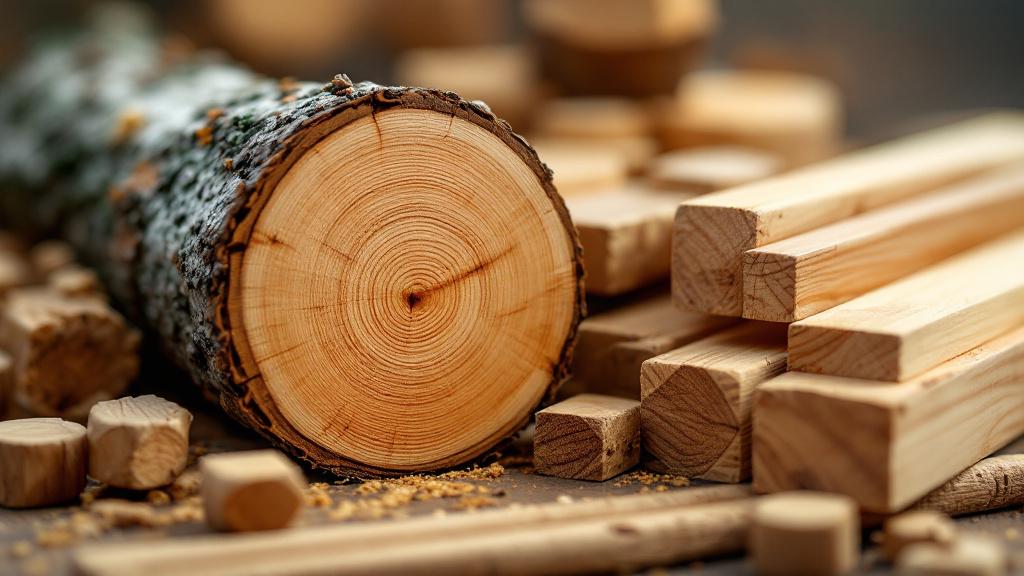
Eco-friendly and safe materials for modern wood production
Eco-friendly and safe materials for modern wood production In recent years we increasingly think about what the things around us are made of. A home, furniture, a floor, a kitchen, a

How to Correctly Choose Between Plywood, MDF, Particleboard, and MFC for Different Tasks
How to Correctly Choose Between Plywood, MDF, Particleboard, and MFC for Different Tasks In the world of woodworking and furniture making, every material has its own story. Plywood, MDF, particleboard, and

Cutting sheet wood materials at different angles: why and how it is done
Cutting sheet wood materials at different angles: why and how it is done Working with wood materials is not just sawing. To get a truly high-quality and durable product, you have

Recommendations for choosing sheet materials for indoor and outdoor projects
Recommendations for choosing sheet materials for indoor and outdoor projects In woodworking, choosing the right sheet material is like laying a foundation for a builder. What you pick at the very