

CNC milling of wood
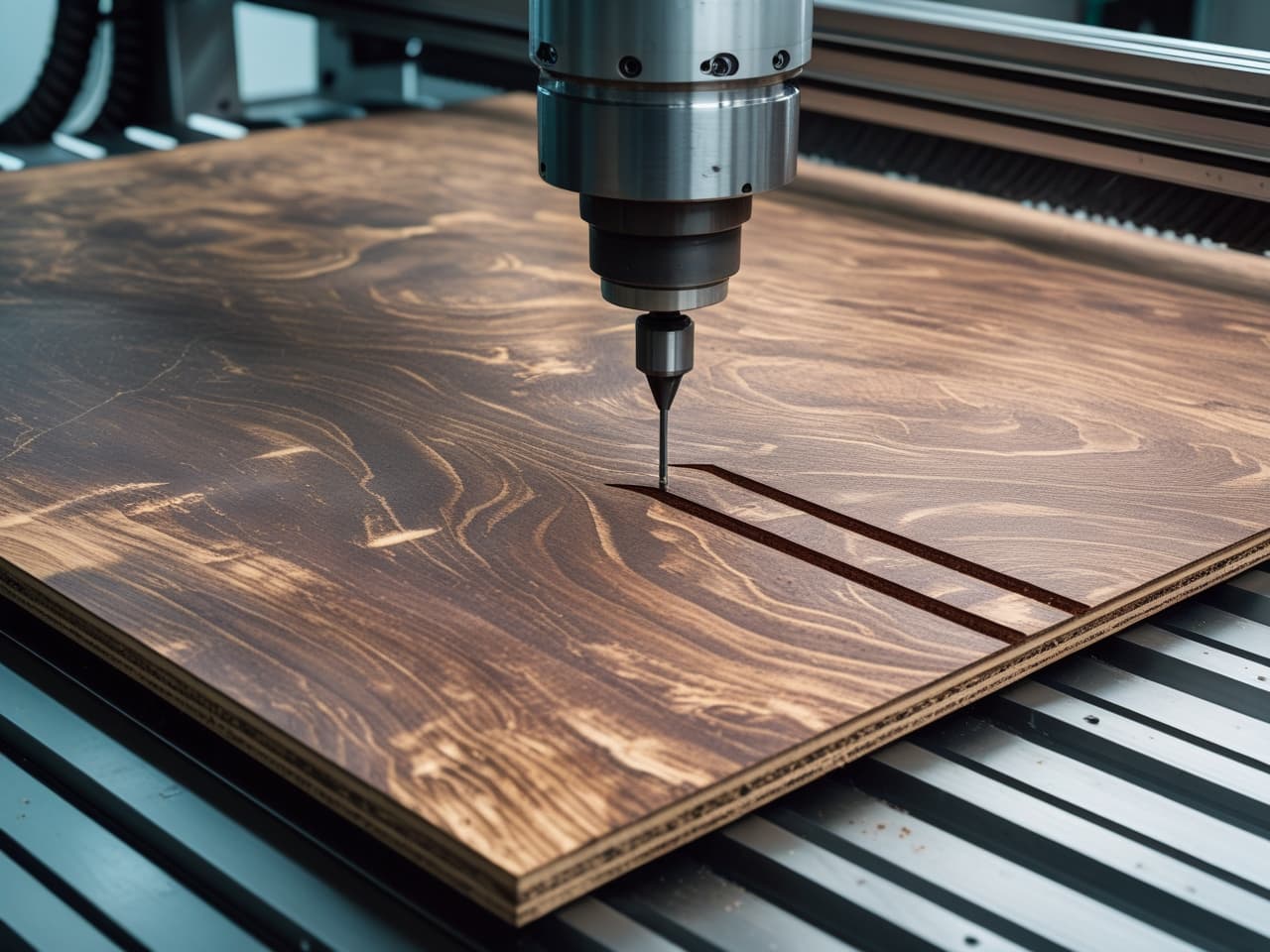
CNC milling of wood is the machining of a blank on a numerically controlled machine to a pre-written program: the machine itself guides the cutter along the contour, cuts grooves, cuts shaped parts and removes relief with an accuracy of tenths of a millimetre. Plywood, MDF, particleboard, MFC, OSB, solid wood and edge-glued panel go into the work. The format suits both a series of identical parts and a one-off order to a drawing. Below is what exactly is done on CNC, the stages the work is made up of, why it is better than hand milling, who needs the service most often and how long production takes
CNC milling of wood and board materials: a detailed description of the service
Put quite simply, CNC milling is when the tool is controlled not by a hand but by a program. The operator loads a file with the part’s contour into the machine, and then the cutter passes along the set path itself. MDF, MFC, particleboard, plywood, OSB and edge-glued panel go into the work. Thanks to numerical control the part comes out precise and identical whether in the first copy or the hundredth — something almost impossible to achieve by hand.
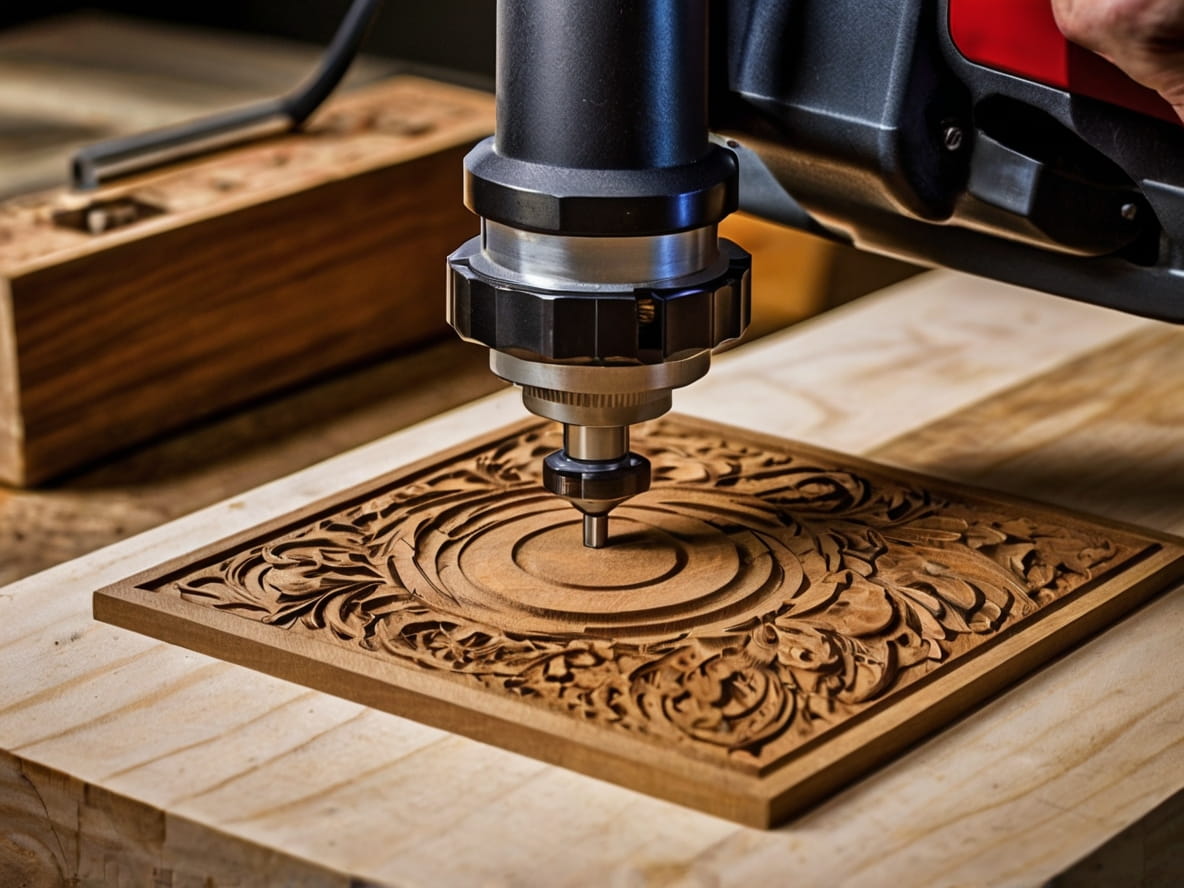
The main plus of working to a program is predictability. The machine does not tire, does not get distracted and does not “grow dull-eyed” by the end of the shift, so all parts come out looking the same. The list of operations is wide: cut out complex geometry, groove a slot or hole, remove decorative relief, prepare a part for further assembly. The same machine cuts strict technical parts in the morning and a carved front to a designer’s sketch in the afternoon.
The field of application is wide — from mass flow to one-off pieces. Need a hundred identical shelves for a furniture project — the machine will produce them without deviations. Need a single carved element for a particular interior — that will be made too. The ability to machine different materials accurately opens the door to furniture makers, builders and finishers, advertising producers, exhibition designers. In essence, wherever you look, where a precise part of wood or board is needed, CNC comes in handy.
A comparison with hand milling speaks for itself. A complex part can be made by hand, but it is long, expensive and carries the risk that the hand will falter on the last movement. The machine passes the same contour in minutes and repeats it as many times as needed without a loss of accuracy. The human factor is thereby reduced to preparing the program — while the cut itself runs steadily from part to part.
The benefits of working with professionals

Modern equipment
Panel saws, CNC and milling machines — precision, speed and quality guaranteed

Extensive experience and expertise
We know how to handle wood and sheet materials — reliably, precisely, professionally

Fast order fulfilment
Fast and without compromising quality. We value your time and our commitments

A full range of services in one place
Cutting to size, sawing, milling, sanding, painting, assembly — all in-house, with no middlemen
Trusted materials and consumables
We work only with quality materials, so you can be confident in the result

An individual approach to every client
We work to your drawings, create a machining program for the task and account for every detail
Features of CNC milling of wood and board materials
The first thing CNC is chosen for is accuracy. When a part has to meet others to within fractions of a millimetre, there is no right to “plus or minus”, and here the machine is indispensable. The second is being all-eating with material. A soft thin board and a dense thick edge-glued panel require different modes, but both tasks are closed by selecting the cutter, speed and depth of pass.
The shape and size of the blank hardly limit things either. Straight lines, smooth radii, recesses, holes for hardware, points for decor — the machine takes all of this within one program. And where character is needed, complex patterns and three-dimensional relief come into play: this is exactly how expressive furniture fronts and decorative panels are born, which are extremely hard to reproduce by hand.
The depth and shape of the cutout are set exactly as needed — this is critical when a part joins others or goes in a visible place. Before the work the habits of the specific material are taken into account: density, structure, layer direction. A thin board and the fragile edge of MFC are guided more carefully to avoid chips and warping. Such an approach is what separates a clean cut from a spoiled blank.
On large orders speed is decisive. A batch that would have to be worked by hand for weeks passes on the machine in a matter of hours or days. This is not only about deadlines: a predictable pace makes it possible to plan the workload and not miss dates when several projects are in the works at once. For the customer this means a clear deadline rather than a vague “when it’s ready”.
Stages of CNC milling for wood and board materials
Consultation
Receiving drawings or developing a plan
Agreeing lead times and cost
Launch into production
Quality control at every stage
Finishing
Packaging and preparation for shipment
Delivery or pickup
Stages of performing CNC milling for board and wood materials
Work on a CNC machine is broken into several steps, and each affects the outcome. It all starts with the material: the blank is measured, marked out, checked that the thickness and geometry match the task. This step, dull-looking as it is, actually saves time later — miss the datum at the start and the error will run through the whole cut.
Next a digital model is born. From a drawing or sketch a control program is written — the very file by which the machine will guide the cutter. Meticulousness matters here: the program must match the dimensions, shape and parameters of the part down to the details. An error at this stage is replicated across the whole batch, so the program is verified before launch, not on the go.
Once the program is ready, the machine takes on the cut itself. The cutter goes along the material strictly to the set path, removing exactly as much as needed. On complex parts the process is watched: cutouts are checked, the slightest deviation is caught at an early stage. It is cheaper to stop and correct one blank than to run the whole batch into scrap.
Once the cut is complete, control follows. It is checked whether the cutouts are made accurately, whether the dimensions and shape match the drawing. If something is on the edge of tolerance, a correction is made — the program or mode is adjusted and, if necessary, the pass is repeated. The point is simple: to hand the customer a part that matches the design, not one that “almost matches”.
After checking, the part goes further along the chain — to sanding, painting or assembly, depending on what was ordered. On a series the whole route is repeated for each batch, and thanks to a single program the elements come out identical, with minimal spread. That is exactly why CNC is so loved where repeatability matters: buying an extra missing part to add to a past order is no problem.

The advantages of using CNC milling for wood and board materials
If the benefits are laid out on the shelf, accuracy comes first. The program holds the size to fractions of a millimetre, and this is no abstract figure: whether the furniture front comes together, whether the building element fits the opening, whether the letters sit evenly on the sign depends on it. Where half a millimetre is already visible to the eye, CNC helps like nothing else.
The second trump is speed. Hand milling eats up a lot of time and effort, while an automatic machine does the same work many times faster. On large and serial orders this is critical: you have to produce many parts and not drop the quality. CNC removes precisely the eternal compromise of “either fast or neat” — here you can do both at once.
Third is shape. The machine pulls out detail that cannot be reproduced by hand: fine ornament, smooth three-dimensional relief, fretwork with small elements. Much of this cannot be made by other methods at all. For designers and decorators this is a wide field — an idea from a sketch can be transferred into material almost without losses and simplifications.
Fourth is a wide choice of materials. MDF, plywood, particleboard, MFC, edge-glued panel — the machine is friends with them all, you just need to select the mode for each. Such versatility makes the service universal: the customer does not have to fit the project to “what can be done here”. The material is chosen for the task, not the other way round.
And fifth, remembered last of all, is waste. A precise cut and a well-thought-out layout of parts on the sheet mean fewer offcuts and defects. The program lays out the elements densely, squeezing the most out of every sheet. On a one-off part the difference is pennies, but on a large batch the material saving adds up to a tangible sum.
The advantages of cooperating with a company for CNC milling
Outsourcing CNC milling is more profitable than it seems. The first thing the customer gets is a stably accurate result. A modern machine produces a part exactly to the set parameters, without the flaws that keep cropping up in makeshift machining. There is no need to hope for “getting lucky with the performer” — quality here is built into the technology itself.
Plus access to equipment that makes no sense to buy for rare tasks. A good CNC machine, tooling, a trained operator — all of this costs money and needs a workload. By outsourcing the work to a contractor, the business uses these capacities as needed and does not freeze capital in iron that stands idle half the time.
A specialised production usually works with a wide range of materials and adapts to different industries. The furniture maker needs fronts and carcass parts, the builder — precise structural elements, the advertiser — letters and shaped decor. One contractor closes all these requests, because the technology at the base is one and only the material and the program change.
And finally, money. Thanks to a well-run process and a minimum of defects, the contractor keeps reasonable prices — often lower than the same work costs done on your own, taking into account the machine, material and time. The final project costs go down, and quality does not sag. For many workshops this is the main argument for outsourcing milling.








Types of woodworking services: CNC milling in the context of other technologies
CNC milling is not the only way to work with wood and board, and it is fair to see it among its neighbours. Alongside stand laser cutting, turning, the familiar mechanical methods. Each has its own niche, and the choice depends on the task. But milling has a couple of trumps that in a number of cases make it the obvious choice.
Let us break it down simply. The laser is good on thin materials and gives a very clean line, but it cannot manage a thick board, and there are scorch marks on the edge. Turning is about the round and cylindrical — legs and balusters. And milling confidently takes on large blanks, volume and relief, holding accuracy at every stage. When the part is large and has character, the choice usually leans towards CNC.
Multi-layer and three-dimensional work stands apart — for example, relief on an edge-glued panel or a structure with complex multi-level geometry. Here milling comes fully into its own. And in combination with other methods it gives the best result: cut something with the laser, turn something, and entrust a shaped part with a many-cornered contour to the cutter. Often it is the combination that wins, not one method for everything.

Our portfolio — finished products
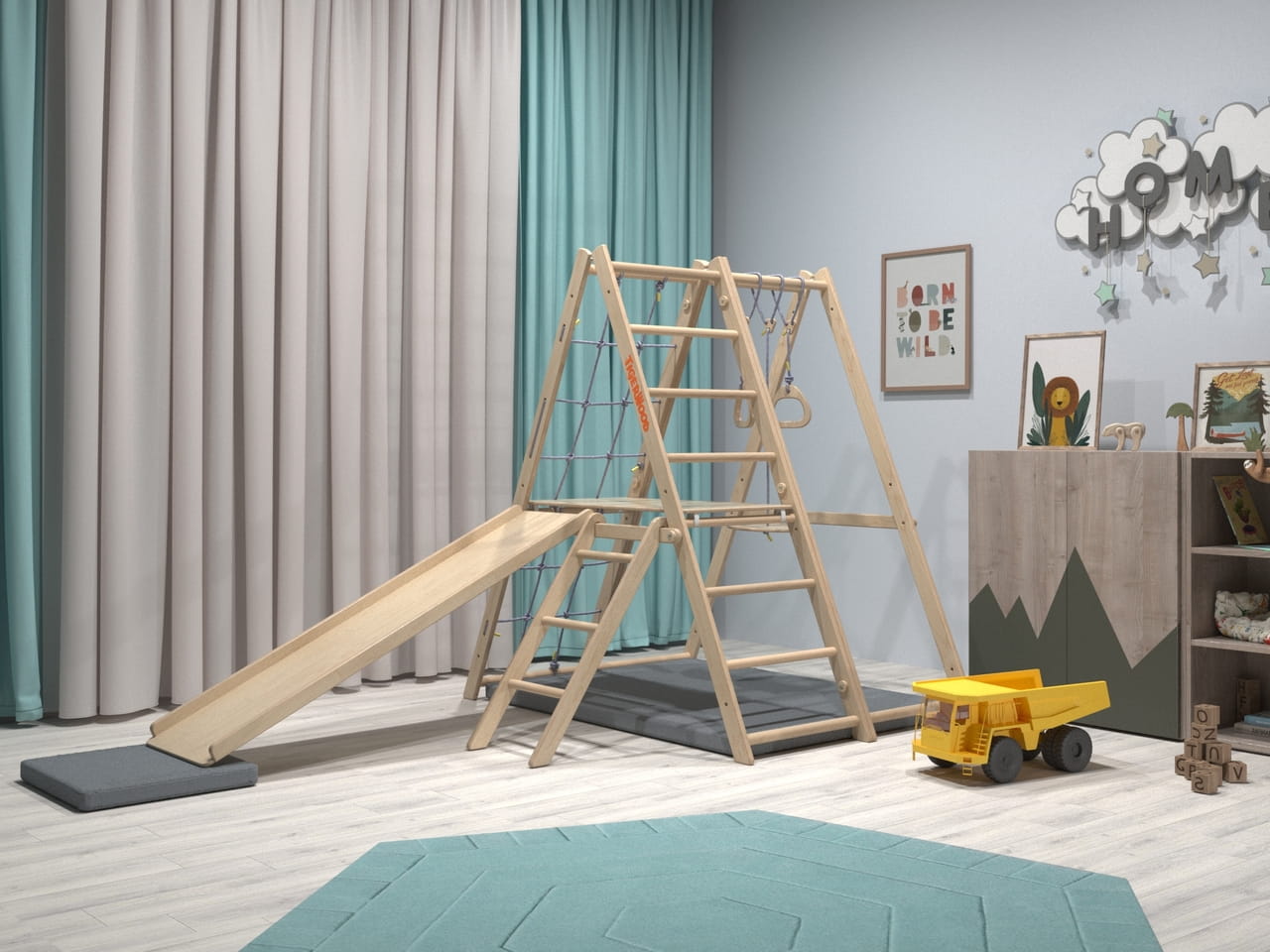
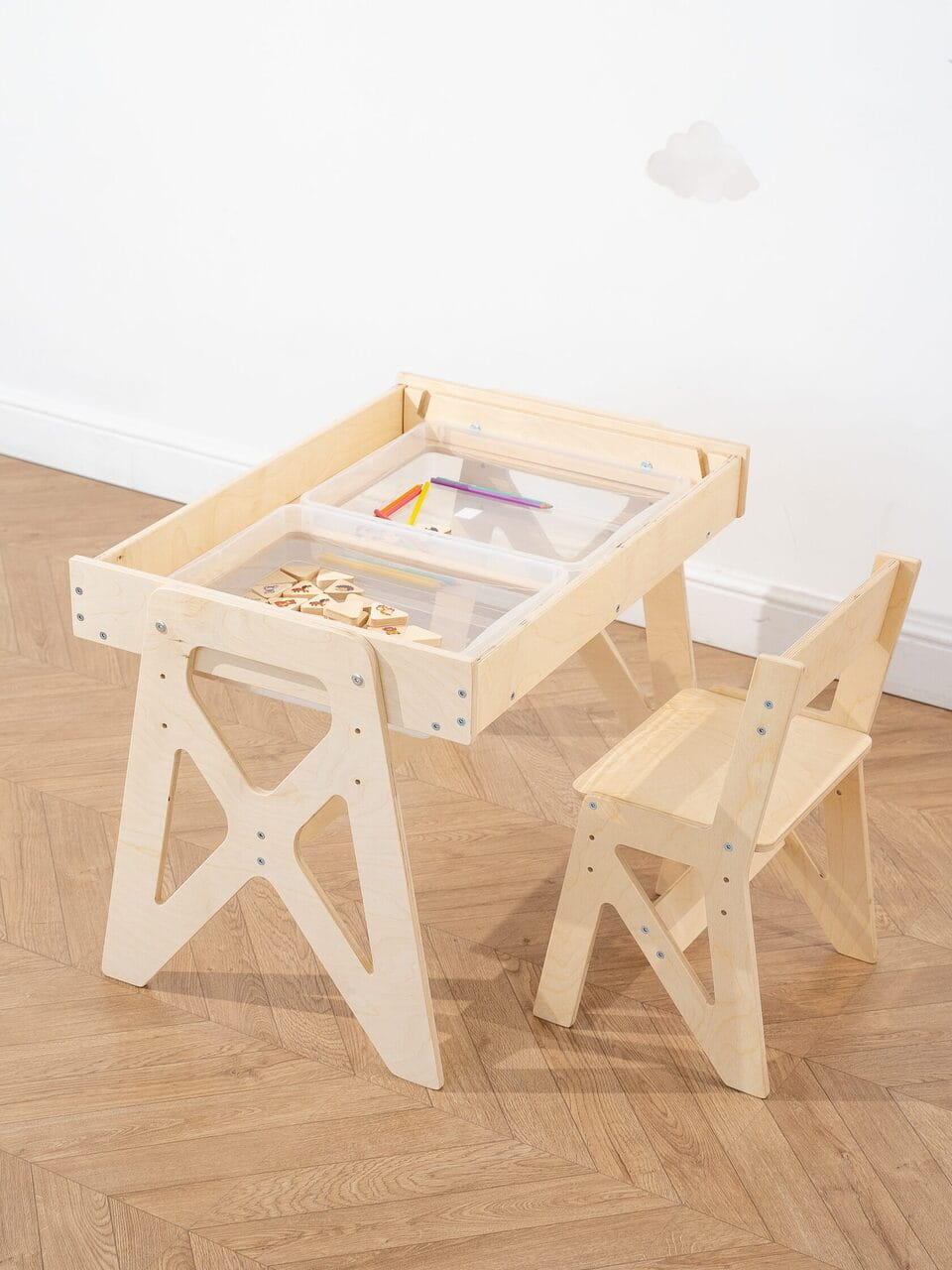


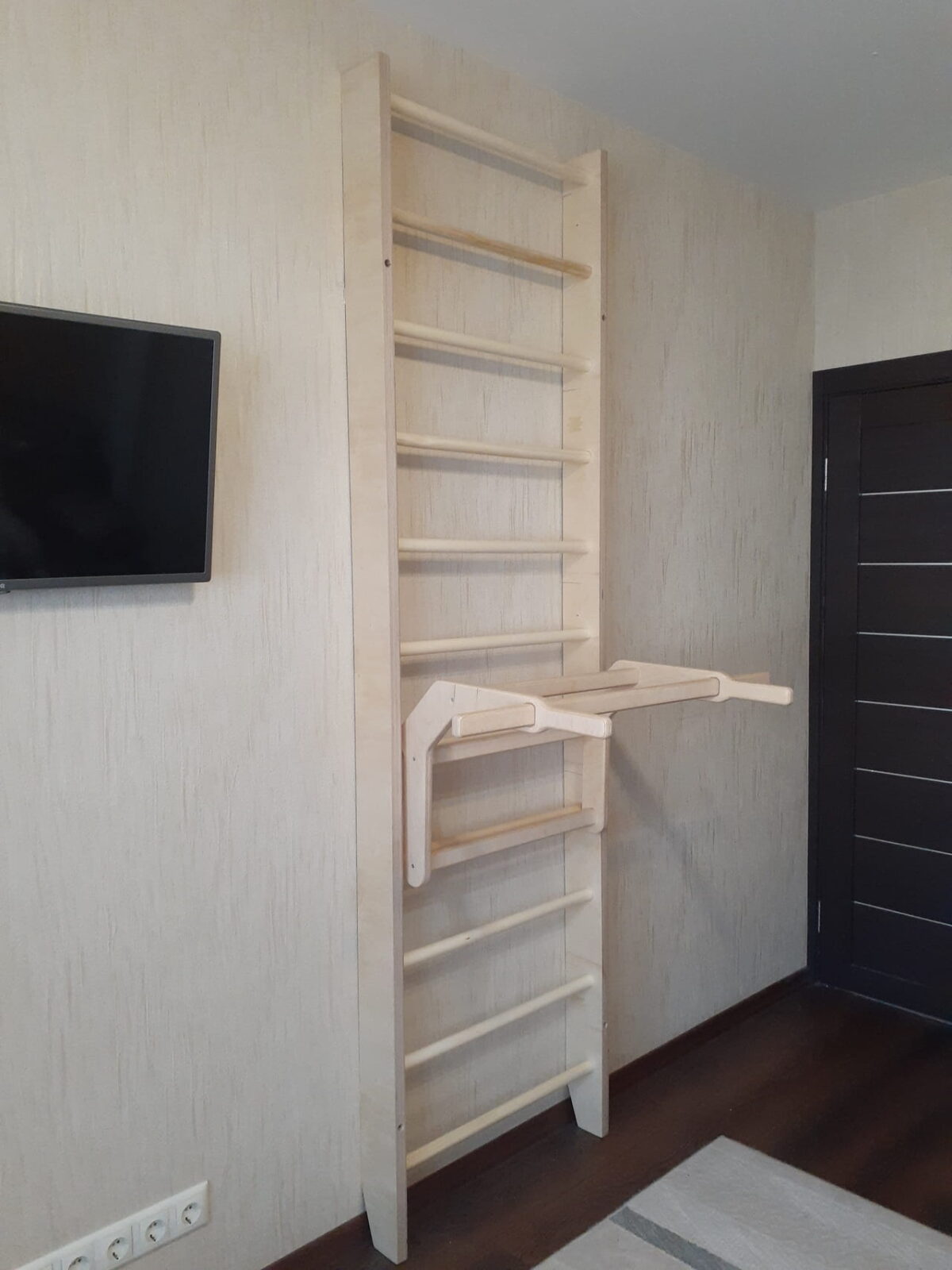
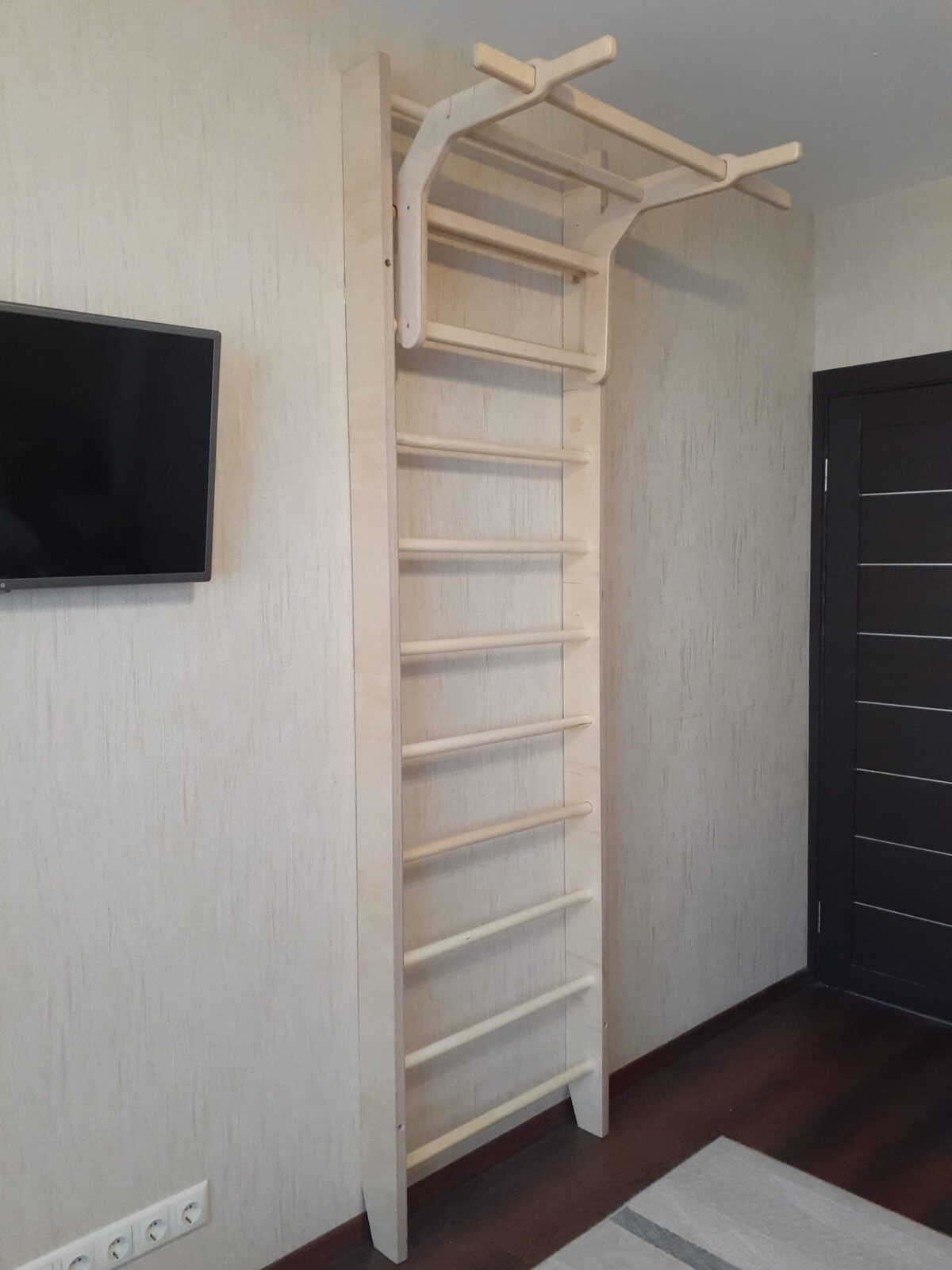
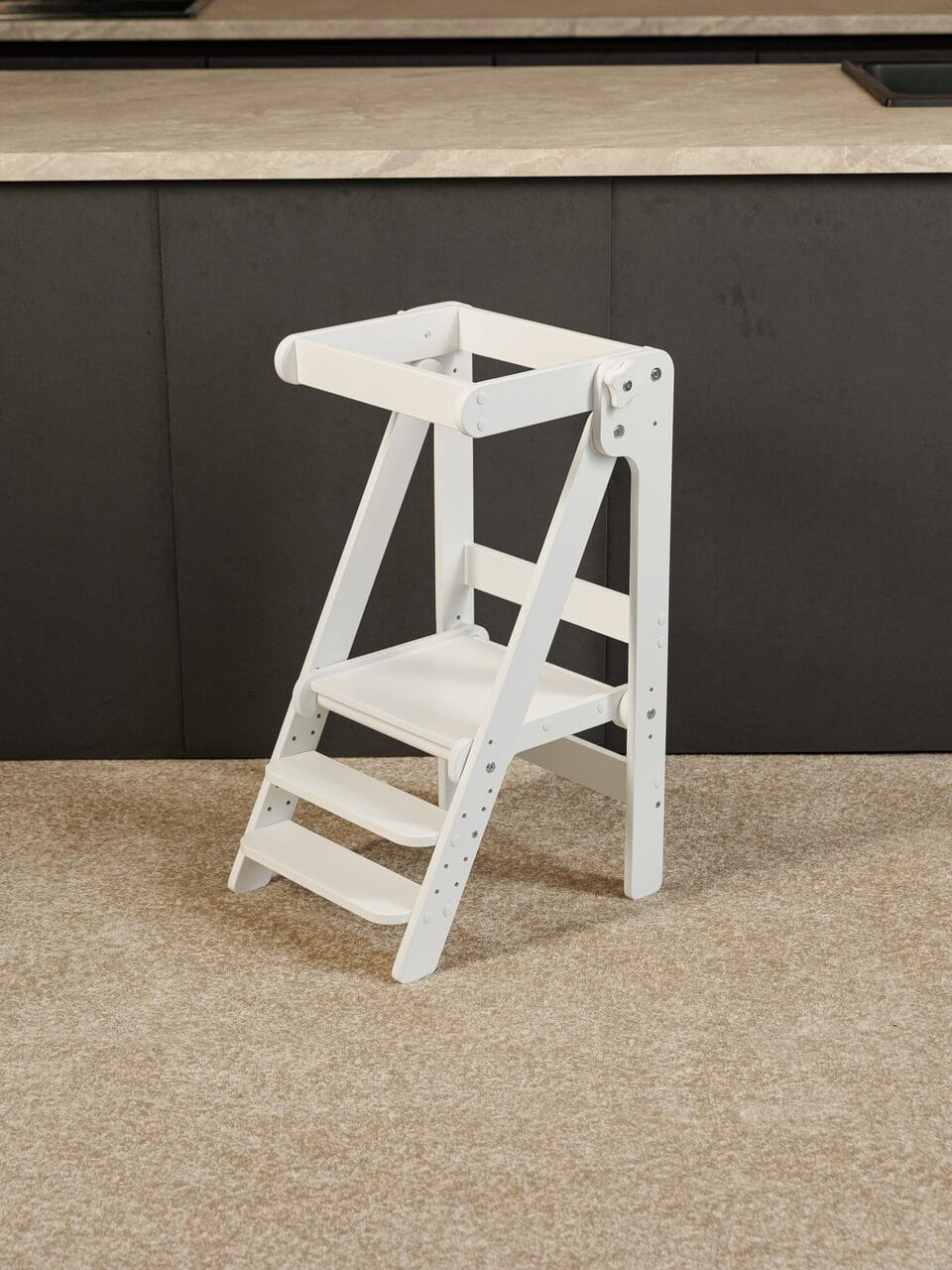
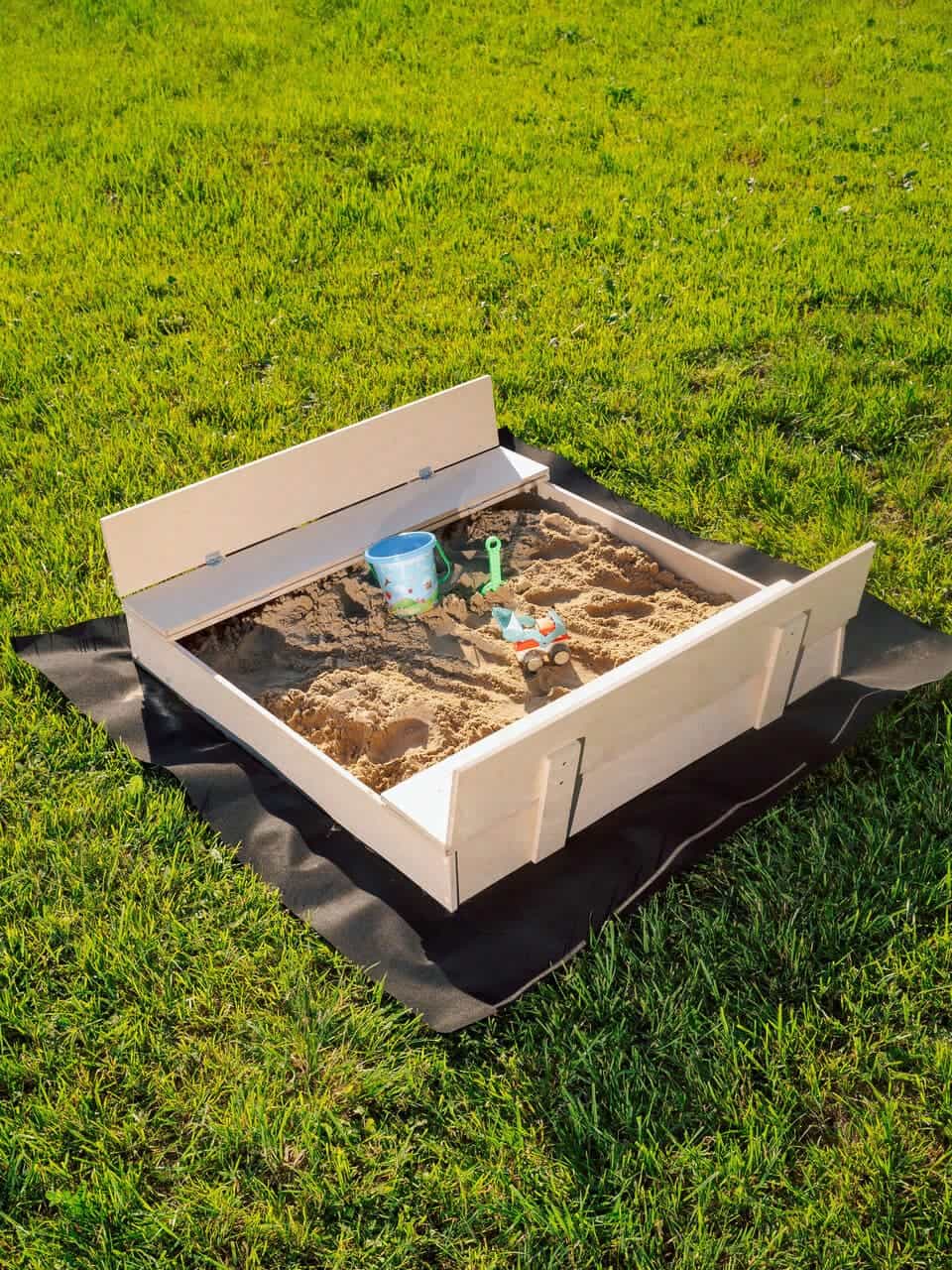



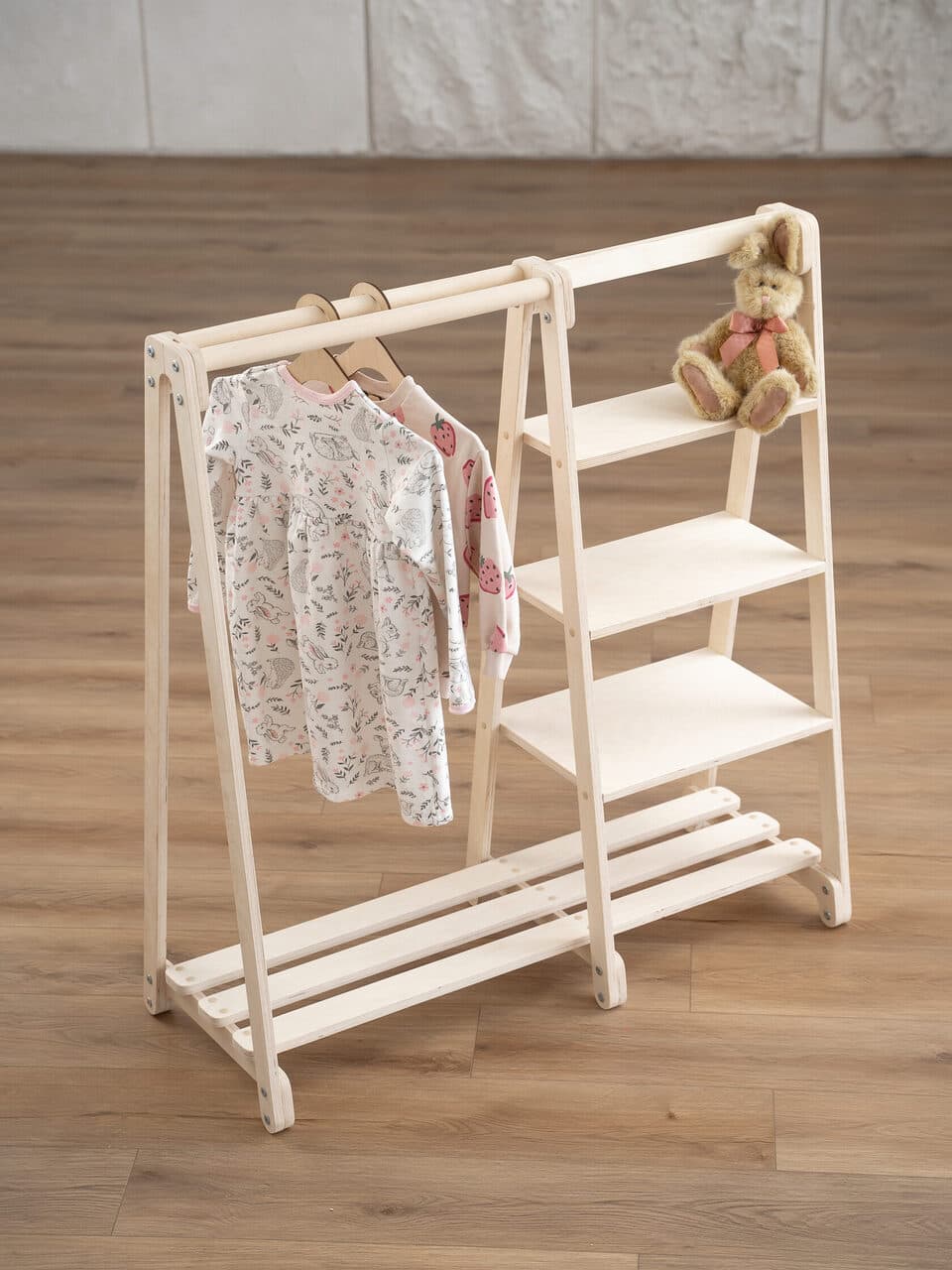
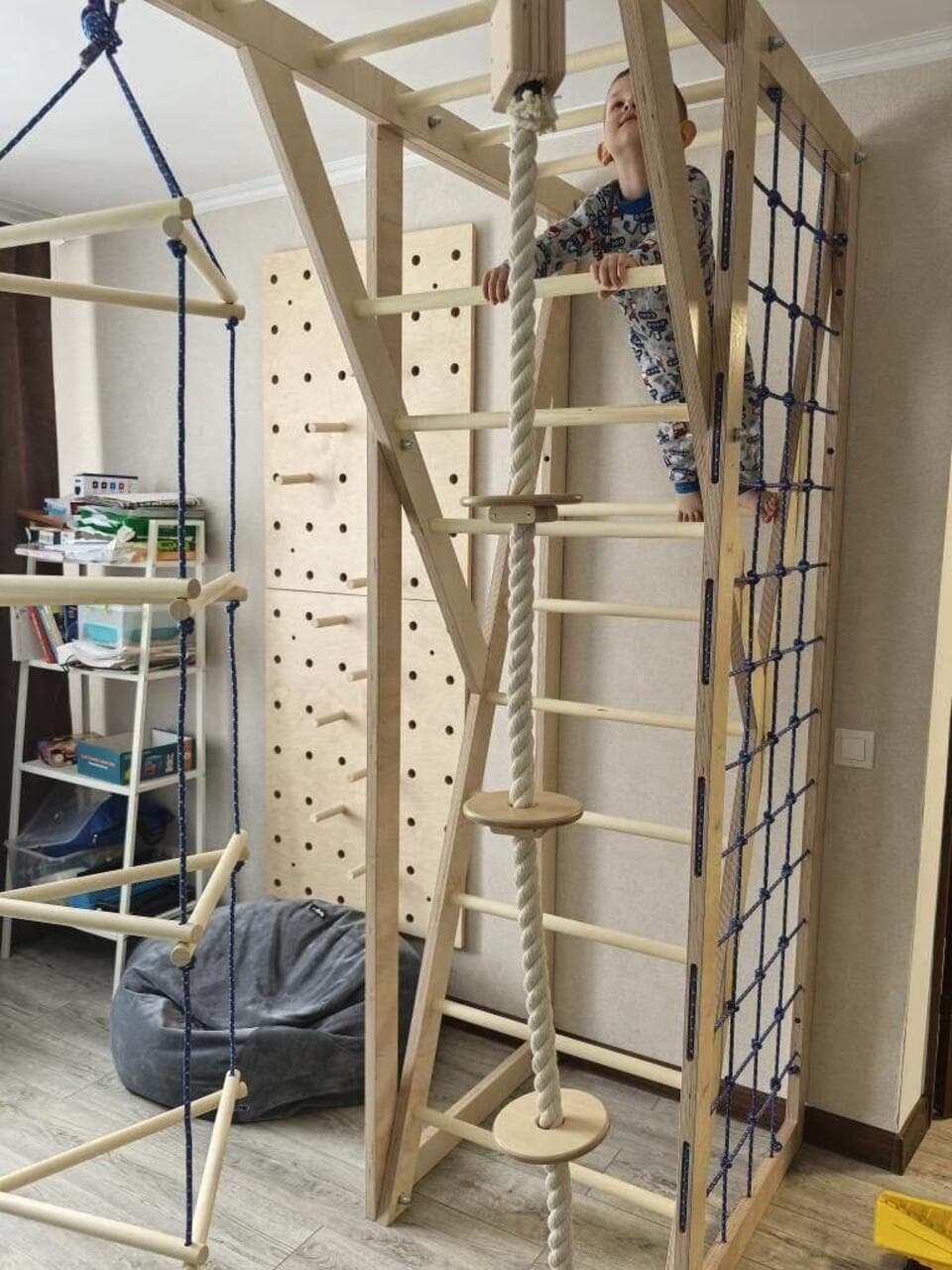
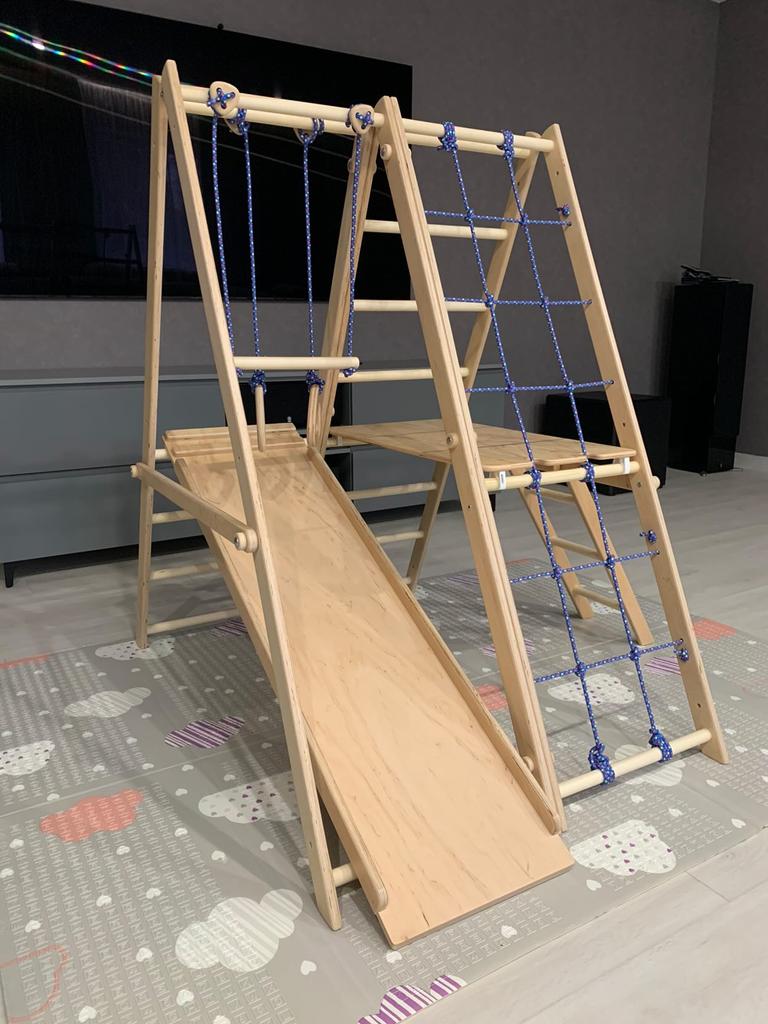

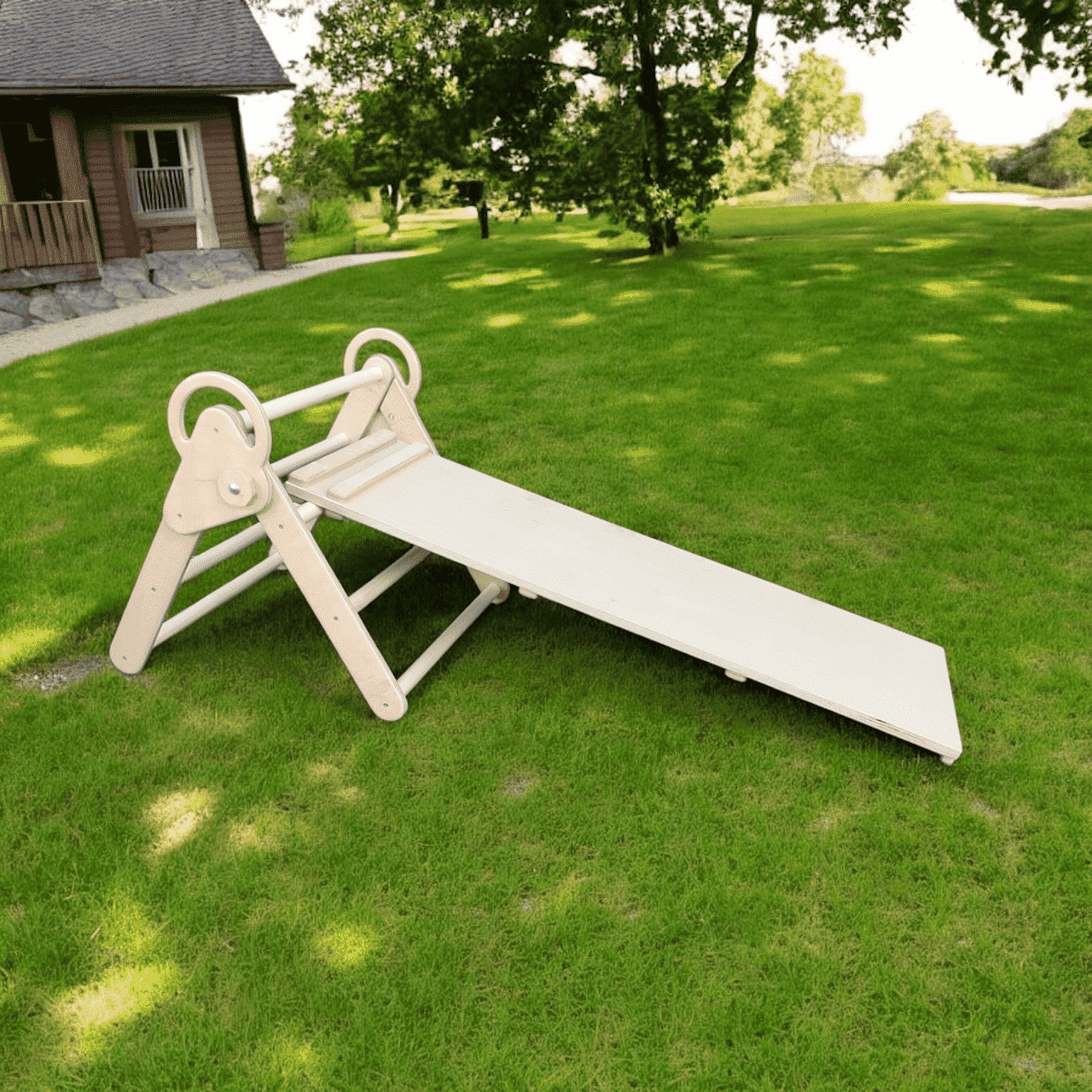

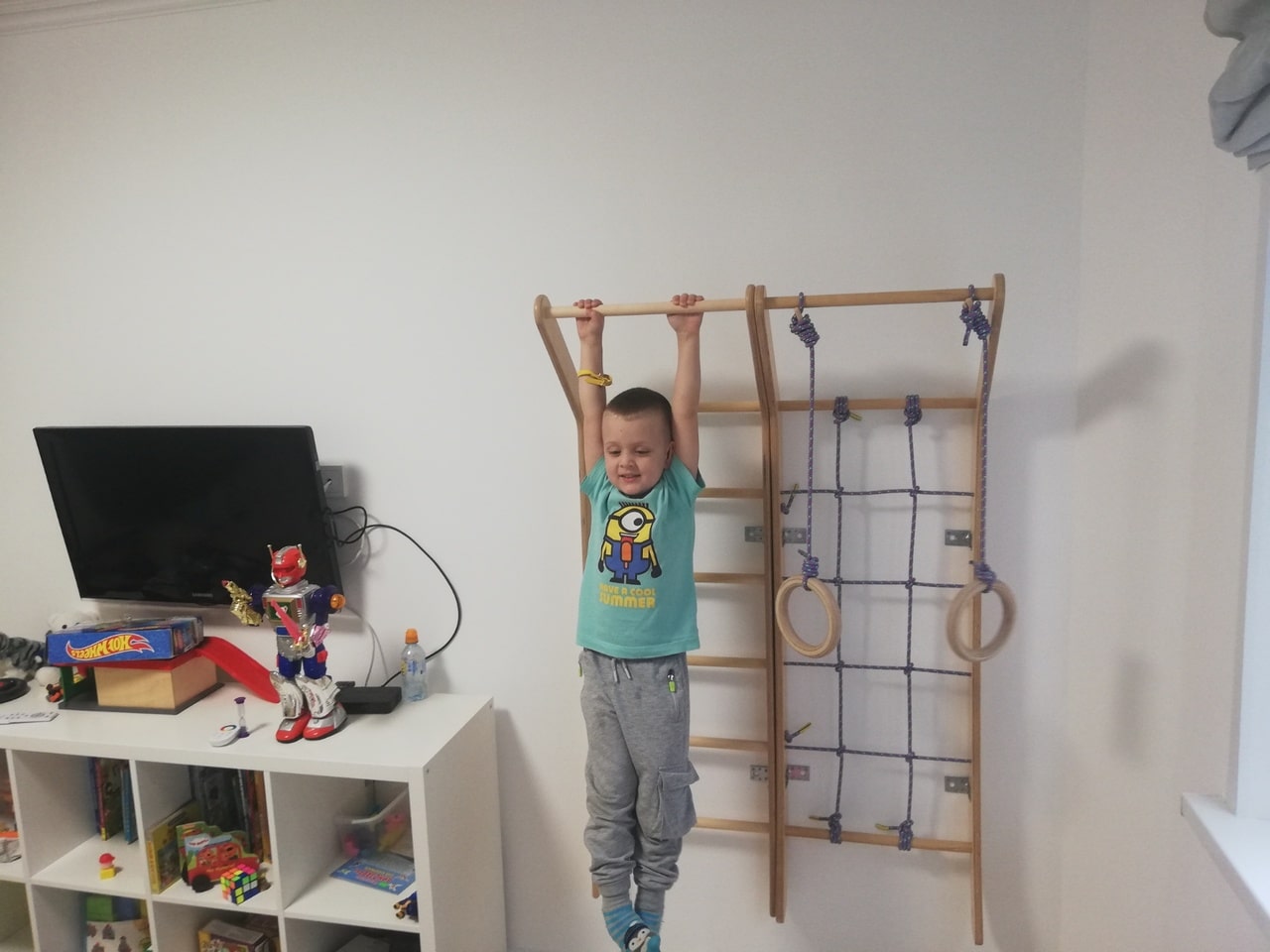


Examples of work: how CNC milling is used in practice
In practice CNC milling most often goes to furniture fronts, decorative panels, advertising structures and building parts. A telling example is made-to-order furniture, where every part is made to the client’s wishes. Here the cutter works on two fronts: it cuts both functional structural elements and decor — patterns, textured surfaces, non-standard shapes that turn an ordinary cabinet into a one-off piece.
In construction milled panels come into play — both as decor and as working elements. Doors, window frames, frame parts are made from them, where even geometry and a clear contour are needed. Here accuracy is not about beauty but about the door fitting the opening and the frame not warping — and milling provides exactly this accuracy.
Advertising is another domain of milling. Makers of signs and boards cut out three-dimensional letters, logos and graphics with precise dimensions and a clean edge. Such outdoor advertising looks more expensive and more noticeable than templated solutions: a neatly milled logo instantly shows that the brand did not skimp on presentation. A trifle, but it works on perception.
All in all, the field of application is far wider than it seems at first glance. Furniture and construction, advertising and decor, exhibition stands and souvenirs — a task for the cutter is found everywhere. In essence, as soon as a need for a precise part of wood or board arises, CNC turns out to be an apt solution.
Who uses a carpentry workshop’s services

Furniture makers

Interior designers

Advertising companies

Exhibition stand builders

Art studios

Cafés and restaurants

Construction firms

Retail equipment manufacturers

Furniture factories

Private craftsmen

Custom orders

Manufacturing companies

Museums and exhibition halls

Architects

Theatres and film studios

Educational organizations

Children’s products manufacturing

Repair specialists

Online stores

Sole proprietors
Who our clients are: who can use CNC milling services?
The most varied customers come for milling — from large productions to private individuals with a one-off task. The core is furniture factories and workshops, makers of building materials, design studios and advertising agencies. Each has their own logic for getting in touch, but all are united by the need for a precise part that they do not want to or find it unprofitable to make on their own.
Furniture makers and building-material producers take milling for fronts, carcass parts and other elements where both accuracy and uniformity matter. It is especially handy in two cases: when the part is complex and can hardly be made by hand, and when many identical parts are needed. In both, CNC pays off quickly.
Advertisers and designers come when a non-standard structure or a brand element is needed — a sign, a three-dimensional logo, a space-styling element. For them it matters that the result reproduces the layout exactly: the corporate font, the proportions, the line thickness. The cutter transfers the sketch into material precisely, without loose interpretations.
A separate category is those who make souvenirs and gifts, and organisers of exhibitions and events. The first need neat blanks and shaped forms in small batches, the second — complex but lightweight structures for styling a hall, which they assemble on site. In both cases milling comes to the rescue with accuracy and repeatability.
Details about CNC milling and its advantages
Once more, to the point, without water: CNC milling is the machining of material by a machine controlled by a numerical program. The technology gives high accuracy on MDF, particleboard, plywood, MFC and edge-glued panel. Thanks to this quality rises, lead times shorten, and the amount of defects and flaws falls — the machine does not repeat the errors typical of handwork from fatigue or haste.
The technology comes into its own most strongly on complex shapes: holes, cutouts, intricate contours, decorative patterns, three-dimensional relief. All of this comes out accurate to the millimetre — where neatness is not a wish but a requirement. Say, a seat for hardware or a mating part simply has no right to be “roughly like that”.
The machine is programmed for anything — from a simple straight cutout to multi-step machining with several depths in one pass. Such flexibility is what allows working with both wood and board and taking on individual orders, where no two parts are alike. Change the program — change the result, while the iron stays the same.
And about productivity. Hand methods eat up time and effort at every step, while the machine drives the cut fast and evenly at that. Speed does not come at the expense of quality — a rare case where one does not have to be traded for the other. Plus automation cuts waste and lowers cost price, so the economic sense of CNC is just as weighty as the technical one.
Glossary: CNC milling terms in plain words
When discussing an order, words inevitably come up that are familiar to the shop but say nothing to the customer. So as not to nod blindly, let us go over the basics. Understanding a couple of terms noticeably eases the conversation and helps to formulate more precisely what exactly you need.
| Term | What stands behind it |
|---|---|
| 💾 Control program | A file by which the machine guides the cutter; written from a drawing |
| 🧭 G-code | The command language for the machine: where to move, at what speed and depth |
| 🌀 Spindle | The unit that rotates the cutter; the speed and cleanliness of the cut depend on it |
| 🪒 Cutter | The cutting tool; its diameter sets the minimum corner radius |
| 🗻 3D relief | Three-dimensional surface machining with variable depth |
| 🔁 Repeatability | The ability to produce a series of identical parts without spread |
| 📏 Tolerance | The permitted deviation of a size from the drawing |
You do not have to know these words by heart — everything will be explained along the way when the order is taken. But when the customer understands what a tolerance is and why a sharp inner corner runs up against the cutter diameter, the discussion goes faster and expectations match the result.
What CNC gives compared to handwork
The difference between the machine and the hands is not that “the machine is better than a human”. An experienced joiner will make a beautiful thing. The point is different — in stability and scale. Where a single author’s part is needed, the master’s hand is indispensable. But as soon as it comes to dozens of identical elements or geometry that cannot be verified by eye, CNC milling comes out ahead with no alternative.
Take a simple example. You need twenty fronts with an identical milling pattern. By hand each will be slightly its own: somewhere the line is deeper, somewhere the radius wider. On a display case or in a furniture set this discrepancy immediately catches the eye. The machine, however, will repeat the pattern twenty times absolutely identically, and the batch will look like a single whole.
The second point is speed at volume. Hand grooving of a complex slot or relief takes hours of painstaking work, and by the end of the shift attention inevitably dulls. The program does not tire: the fiftieth part comes out as clean as the first. For a production where orders come in a stream, this is the difference between “made it in time” and “missed the deadline”.
Third is the very possibility of making what cannot be done by hand in principle. Fine through fretwork, three-dimensional relief with smooth transitions of depth, a repeating fine ornament — all of this is within the power of the CNC cutter and almost impossible with a hand tool. The designer draws a bold idea, and the machine transfers it into material without forced simplifications of “well, that won’t work”.
Accuracy and repeatability: what this is in figures
The word “precise” sounds nice, but behind it stand concrete values. On CNC the contour deviation is usually held within tenths of a millimetre. For furniture and decor this is more than enough — there the eye catches a difference from about half a millimetre. For mating parts and hardware seats such accuracy is just right: the seat for a hinge must sit without play and without a press fit.
Repeatability is a value of its own, and on a series it matters more than absolute accuracy. It is not enough to make one perfect part; the hundredth must be no different from the first. A numerically controlled machine passes the same path time after time with minimal spread, so the batch comes out uniform. It is precisely for this that CNC milling is valued where parts are then assembled together and any discrepancy shows.
There is also an honest limitation worth knowing about in advance. A very sharp inner corner physically does not come out sharp — it is rounded to the cutter radius. This is not a defect but a property of the tool: a round cutter cannot leave a corner sharper than itself. If a sharp corner is essential, it is either finished by hand or a minimum radius is built into the layout. Such nuances are flagged at the preparation stage so that the result does not come as a surprise.
How to prepare the file and in what format
CNC milling proceeds from a digital layout, and the result directly depends on its quality. The ideal option is a vector drawing in DXF or DWG: the control program is assembled from it fastest and without ambiguity. A PDF with dimensions will do, and even a neat hand sketch — it will just take a bit more time to prepare, because the layout has to be redrawn.
A couple of simple rules save everyone time. The contours in the layout must be closed, without breaks in the lines, otherwise the machine will not understand where the part’s boundary is. Dimensions must be to real scale and in millimetres, not “by eye in squares”. Internal cutouts are marked separately from the outer contour. And it is useful to state the material and its thickness at once: the choice of cutter and mode depends on them.
No vector and no drawing at all is no reason to put off the order. It is enough to explain what should result, attach a reference or photo, name the dimensions. Then the layout will be drawn and agreed with you before the cut. The customer does not need to master graphic editors: turning the idea into a file is already the production’s concern.
Optimisation of cutting and material saving
When there are many parts, it matters not only to cut them accurately but to lay them out on the sheet wisely. The nesting program shuffles the elements so that they sit tighter and fewer offcuts remain. On a single part the difference is imperceptible, but on a batch from a whole sheet a competent layout saves quite real money — sometimes it is an extra sheet of material that did not have to be bought.
Saving comes from the order of cuts too. A well-thought-out toolpath shortens the cutter’s idle movements and the overall machining time, and therefore the cost of the work. The customer does not see this but feels it in the final estimate. So the earlier the full list of parts and the material are known, the more efficiently the cutting can be planned and the more favourable the order comes out.
Materials for CNC milling and their character
Every material behaves under the cutter in its own way, and the choice affects the result, the price and the machining mode. MDF is the miller’s favourite: a uniform dense structure without layers or knots, so relief and carving come out clean and the surface takes paint perfectly. It is no accident that most carved fronts are made from it.
Plywood is strong and holds fasteners, but it has character: the veneer layers can tear on the cut if the cutter is a bit blunt or the feed too abrupt. With careful work it makes an excellent part for frames, curved shapes and stands. MFC and particleboard are handy for their ready coating and price, but require attention to the edge — the laminate is easily chipped, and here a sharp tool and the right mode especially matter.
Solid wood and edge-glued panel are a living and beautiful material, but one that reacts to humidity and grain direction. Milling it is pleasant and the result is refined, only the behaviour of the wood has to be taken into account already at preparation. If you are unsure which material to take for a task, it is easier to describe where the part will work — a suitable option will be suggested, often saving on the fact that expensive solid wood is not needed in that particular case.
Industries and typical products
To fit the possibilities of CNC milling to your own field, it is useful to look at typical orders by industry. The list is not exhaustive — rather it shows how varied the tasks are that one and the same set of operations closes, with only the material and the program changing.
| Industry | What is ordered | Material |
|---|---|---|
| 🪑 Furniture | Carved fronts, carcass parts, overlays | MDF, solid wood, MFC |
| 📢 Advertising | Three-dimensional letters, logos, signs | MDF, plastic, plywood |
| 🏠 Interior | Decorative and fretwork panels, partitions | MDF, plywood, solid wood |
| 🏗️ Construction | Doors, frames, precise structural parts | Solid wood, plywood, panel |
| 🎁 Souvenirs | Blanks, stands, shaped forms | Plywood, wood |
If your task is not in the table, it does not mean it will not be taken on. A non-standard request is often the most interesting thing for the machine. It is enough to describe the desired result, and the solution will be assembled from the same operations, just in a different combination and with a different program.
From file to series: how it looks in practice
A telling scenario is producing a batch of identical fronts. The customer sends a drawing of one front with a milling pattern. From it a control program is written, a trial sample is cut and shown to the client. On the sample everything is visible: the depth of relief, the cleanliness of the lines, how the coating will sit. The customer approves — and only then is the whole series launched.
This order saves money and nerves. Corrections on one sample cost pennies, while on a finished batch of fifty parts it is a rework of the whole run. Plus the program stays saved: if in six months the order needs topping up, the missing fronts will come out exactly the same, without re-approval. For furniture makers and chain owners this is a tangible convenience.
Another typical case is a one-off complex part, say a carved panel for a particular interior. Here there is no series, but the cleanliness of execution matters. The contour is cut on CNC, then the recesses and fine details are finished by hand, sanded and coated with oil to preserve the wood texture. The result is a one-of-a-kind item that cannot be bought ready-made.
One-off order or series production
CNC milling is equally open both to a one-off task and to a stream. A one-off order is simple: sent a drawing or idea, agreed it, took away the finished part. No obligations and no minimum batches — a single part is just as normal an order as a hundred. For designers, private clients and small workshops this is convenient: there is no need to “build up volume” to be taken seriously.
A series is a different story and a different economy. For a run a program is written and, if needed, tooling is prepared, and after that the price per piece drops noticeably: the main work is taken on by the once-written program. The larger the batch, the more tangible the gain in both cost and lead time compared with piece-by-piece production. Many come this way — with one trial part, and stay for ongoing serial orders.
What happens after milling
Milling is rarely the final operation. More often the part goes further along the chain, and it is convenient when the whole route passes in one place. After the cut the edge and surface are usually sanded — for painting this is a mandatory step, otherwise any roughness will show through the finish. Then, if desired, a coating is applied: lacquer, oil or paint.
The choice of finish depends on where the part will work and how it should look. Lacquer gives a durable film and gloss or matte, oil preserves the natural wood texture and is easy to refresh, paint closes the surface with a dense even colour — the ideal option for milled MDF fronts. If the milling is decorative, the finish highlights the relief; if technical — it simply protects the part.
Besides coating, the part can be glued, joined with other elements, assembled into a finished product and packed. So the customer gets not a semi-finished item but a thing ready for installation or sale. The ability to close the whole cycle under one roof is exactly what makes it convenient to order milling not as a separate operation but as part of a full process.
Quality control and guarantee of the result
Control is built into the process rather than tacked on for show at the end. On entry the program, dimensions and material are checked — the wrong decor or an extra millimetre of thickness is caught before the cut, while it still costs nothing. On complex parts an intermediate check is done right during machining. At the output the item is examined in full: geometry, cutouts, edge cleanliness and uniformity in the series.
If a contentious point does arise, it is easier to resolve precisely because the order passed through one pair of hands. There is no need to find out at whose stage the error occurred — responsibility is not smeared across contractors. For the customer this is the real guarantee: it is clear whom to hold accountable for the result. When cutting, milling and finishing live on one site, contentious junctions simply do not arise.
What the cost is made up of
The question “how much does it cost” without details stays without a precise answer, and that is honesty, not an excuse. The price is assembled from several components, each of which can be estimated in advance. Understanding this arithmetic helps you not to be surprised by the estimate and to see in advance where you can really save and where you should not.
- ➰ Complexity of the contour and relief — a straight cut is cheaper than three-dimensional 3D machining.
- 🔁 Quantity — a single part costs more per piece, a series is more favourable thanks to the program.
- 🧱 Material — its cost plus consumption including the layout on the sheet.
- 🎨 Finish — a bare part, sanding or painting give a different budget.
- ⏱️ Urgency — work out of the general queue is counted separately.
The most reliable way to save without a loss of quality is to send a clean drawing and not to rush the deadlines. Rework due to an inaccurate file and work in crisis mode are usually what add to the estimate those percentages you wanted to avoid. But saving blindly on material and finish is dangerous: a thin board will sag, and a poorly prepared surface will spoil the look of expensive milling.
How to speed up order completion
Much in the timeline depends on the customer, and a couple of simple steps noticeably speed things up. A clear layout with dimensions removes half the clarifications at the start. Material agreed in advance or already on hand saves waiting for delivery. Certainty about the finish immediately shows whether the coating’s drying, which always takes time, is factored into the timeline.
And the main thing — an early request. An order placed in advance joins the queue calmly, without haste and crisis surcharges. If the project is tied to a date — an opening, an exhibition, an installation — it makes sense to leave a small margin of time rather than bring a drawing “for the day after tomorrow”. The coating usually takes longest to dry, and rushing this stage costs more: better an extra day than runs on a finished part.
Delivery and repeat orders
Finished parts are shipped across all of Europe. Milled elements with thin bridges and a neat edge are packed carefully so that they do not suffer on the way. For a customer from another region it all looks just as simple as for a neighbouring city: the layout is agreed remotely, the parts are made and handed to a transport company.
A repeat order is a separate convenience of CNC. The control program is saved, so the second and third batch will be produced exactly the same as the first, without re-approval and reworking the layout. This helps those who order furniture, signs or decor in series and top up parts to already-finished ones from time to time. In essence, an order fine-tuned once can be repeated any number of times with the same result.
Myths about CNC milling
Several stereotypes have piled up around the technology, because of which customers either doubt or expect the wrong thing. The first persistent myth is that CNC is justified only on large batches. In fact the machine pays off already on a single complex part that cannot be reproduced by hand: here it is not about quantity but about accuracy and shape.
The second myth is that the machine does everything itself and no human is needed. The program is written and verified by a process engineer, the material is prepared and fixed by an operator, a complex cut is watched over. Automation removes routine and spread, but the specialist’s head and hands do not go anywhere — their effort simply shifts from the cut itself to preparation. The third misconception is that milling is crude and only about technical parts. On the contrary, it is CNC that pulls out the finest decor and relief.
Another common fear is that it is pointless to get in touch without a professional drawing. This is not so: an idea, dimensions and a reference are enough, the rest will be drawn on site. And the last — that ordering from another city is unrealistic. It is quite realistic: the layout is agreed remotely, and the finished parts will arrive by a transport company.
How to choose a milling contractor
If you are choosing whom to trust with an order, there is a simple checklist. A good contractor states the lead time and price in advance, not “after the fact”. Asks questions about the layout before the cut, not after. Honestly says which material is more appropriate where and does not push extras. Shows accuracy in concrete figures, not in general words. Takes both one-off parts and series, without brushing off the “small stuff”.
A separate sign of maturity is a readiness to make a trial sample before a series and to be responsible for the whole cycle, not just a single operation. If something here is lacking, it is worth being wary: most likely there will be surprises with the result too. The easiest way to test a contractor is with a small trial order — it will show both the quality of the cut and how communication is set up.
More questions about CNC milling
Can a part started elsewhere be finished? Usually yes. Blanks are brought in to mill a slot, add relief or bring out the contour. First the state of the part and the material is assessed, then a solution is proposed — sometimes it is easier to finish it, sometimes to make it anew.
How small are the elements that can realistically be cut? Fairly small — the limit is set by the cutter diameter and the material thickness. Truly tiny parts with thin bridges require a careful mode and a reliable clamping of the blank so that they are not torn off in the process. The real limits for your case will be advised at preparation.
Do you do double-sided machining? Yes, a part can be milled on two sides — for example, for through relief or machining of both faces. This is a little more complex in preparation because the sides must be aligned precisely, but it is a workable and common task.
What if the material runs short along the way? That is why volume and reserve are discussed in advance. In shaped cutting part of the sheet inevitably goes into offcuts, and a small reserve is built in at once — this is a normal part of the work, not an overpayment. Better to have a reserve than to stop the machine because of a couple of centimetres of board short.
How to place an order: step by step
For an order to go smoothly, it helps to picture its route in advance. There is nothing complicated in it, and understanding the stages helps you prepare and not waste time on unnecessary clarifications.
- 📝 Describe the task: what kind of part, where it will work, from what material.
- 📐 Attach a drawing or layout — even by hand, but with real dimensions.
- 🔢 State the quantity: a single part or a batch, this affects price and lead time.
- 🎨 Decide on the finish: bare part, sanding, painting.
- ✅ Agree the program and, for a series, a trial sample.
- 🚚 Collect the finished item or arrange delivery to your region.
The most valuable stage is agreeing the program and the sample. A few minutes of attention here save weeks of rework later. That is exactly why CNC milling always starts with a layout and, for a series, with a trial part, rather than straight with the full run.
Equipment and tooling
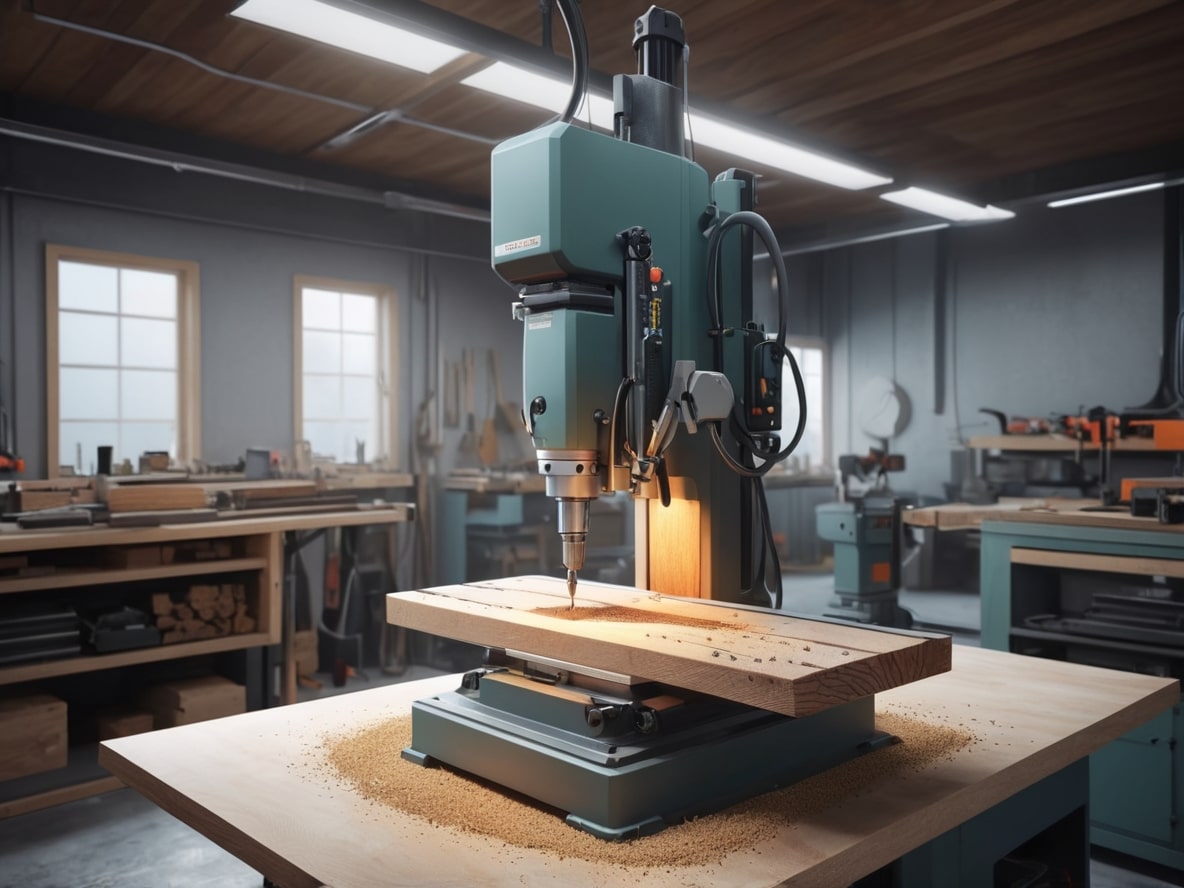
The result rests not on loud words but on concrete iron and its setup. The heart of the process is the numerically controlled machine: the table, the gantry and the spindle that rotates the cutter and guides it by the program. How clean and precise the cut comes out, especially on dense material, depends on the rigidity of the construction and the power of the spindle.
No less important is the tool. Different cutters are fitted for different tasks: some for rough material removal, others for finish machining of the contour, a third kind for fine relief. The cutter diameter determines the minimum radius it can leave, and its sharpness — the cleanliness of the edge. Timely replacement of a blunted tool is no trifle but a direct condition of quality: a blunt cutter tears the fibres and leaves chips.
The clamping of the blank stands apart. The part must be fixed dead tight, otherwise on the cut it will shift and the whole contour will drift. For small elements and thin bridges this is especially critical. So preparing the machine for work is not a formality but half the success: a correctly clamped blank and a rightly chosen cutter already half guarantee a clean result.
Common customer mistakes
Most mishaps happen not at the machine but at the task-setting stage. Knowing the typical missteps is useful — they are easy to foresee and to avoid wasting time on rework.
- ❌ A picture instead of a vector. A contour cannot be cut from a raster image — a vector layout or a drawing with dimensions is needed.
- ❌ A sharp corner in the layout. An inner corner is rounded to the cutter radius — this is worth taking into account in advance.
- ❌ Dimensions “by eye”. One wrong dimension drags the recutting of the whole part behind it.
- ❌ Too thin a material. Under load the part sags, and small elements break.
- ❌ Urgency at the last moment. Finish drying and complex machining are not sped up at the snap of a finger.
It is nothing to worry about if you have not taken something into account — that is exactly what the dialogue before launch is for. A competent contractor asks these questions themselves before the cut, not after, when fixing is already expensive. So do not hesitate to describe the task “as is”: what is unclear will be clarified, what is contentious will be advised on.
Order milling or do it yourself
The temptation to do the milling on your own is understandable, especially if you have a hand router at hand. For a simple slot or chamfer this is justified. But as soon as the shape is complex, there are several parts or repeatability matters, the arithmetic changes. A hand tool drifts, symmetry cannot be held, and making two identical parts is almost impossible.
Add time: complex relief by hand is hours of painstaking work with the risk of spoiling the blank on the last movement. CNC milling passes the same contour in minutes and repeats it without a loss of quality. It is often more profitable to hand the layout into work once than to rework spoiled material and piece the part together. This is especially true when it comes to a visible place where flaws immediately catch the eye.
To bring it all together briefly: CNC milling is a way to obtain a precise part of wood or board, from a strict technical one to fine decor, with a repeatability the hand does not give. It is enough to send a drawing or describe the idea with dimensions — the rest will be broken into stages, a program written and brought to finished parts to size and on time. One part or a series, a one-off order or ongoing cooperation — the approach does not change, only the scale does.
What affects the cleanliness of the edge
A clean edge without chips and fibre is what instantly shows the level of work. It is made up of several things. The first is cutter sharpness: a blunt tool does not cut but tears the material, leaving burrs. The second is feed rate and spindle speed: too fast a feed gives chips, too slow — scorch marks, and the balance is selected for the specific material.
The third component is the material itself. MFC has a fragile laminated coating that is easily chipped, so the edge is guided carefully, sometimes with climb and conventional passes. Plywood tends to tear its veneer layers. MDF is the most obliging in this sense — it cuts evenly in almost any mode. Understanding these nuances is what separates a clean milling from a “good enough” result.
Where perfect smoothness is needed, the edge is additionally sanded. This is especially important before painting: any roughness will show through the finish and spoil the look. So on visible parts milling and sanding go together rather than separately.
Milling in combination with other operations
Rarely is a part needed “just milled and that’s it”. More often milling is one of the links of a chain. The sheet is first cut to size, then the contour and relief are milled, then holes for hardware are drilled, sanded, painted and assembled. When all these steps pass on one site, the blank does not travel between performers, and the part comes out whole and predictable.
Such a single cycle saves both time and money. Every junction between contractors is a place where time is lost, mix-ups crop up and an argument begins over who is to blame for a discrepancy. A single route removes these risks: one performer is responsible for the result, and there is someone to hold accountable. For complex products with many parts that have to come together, this is usually the deciding argument in favour of a full cycle.
And what if a consultation before ordering is needed? The discussion commits you to nothing. Describe the task, attach dimensions or a photo — and get a guide on price, lead time and a suitable material. Useful details surface at this stage: where to build in a radius, what thickness to take, whether to finish the edge. Such a conversation saves both money and time before the very first cut.
A one-off part and a steady flow
It is worth saying separately about those who come with one task and those looking for a contractor for the long term. For a private customer or a designer it matters that a one-off part is taken on seriously and without a “hassle” surcharge. For a production with a stream something else matters more — stability time after time, predictable lead times and priority in the hot season. Both are closed by one approach: a precise program, a well-run process, control at the stages.
Often the path begins small. The customer brings one part, is convinced of the quality and lead times, and then hands over milling on an ongoing basis, no longer spending time searching for and checking new performers. For furniture workshops, advertising productions and design studios such a trusted source of parts becomes over time part of their own workflow — and that is perhaps the best recommendation of the technology.
And one more observation from practice: the clearer the customer formulates what they want, the closer the result is to expectations. A perfect drawing is not needed for this — it is enough to clearly describe the purpose of the part, show an example and name the dimensions. Everything else, from the choice of cutter to the machining mode, will be taken on by the production. In essence, all that is required of the customer is to clearly state the goal, while translating it into the language of the machine and bringing it to a finished part is the job of those who are on first-name terms with CNC.
What is CNC milling and what is it used for?
It is the machining of material on a machine controlled by a numerical program: the cutter goes along the set contour itself. This is how precise parts are made — cutouts, holes, grooves, decorative elements — from wood and board materials, whether one at a time or in a series.
What materials can be machined with CNC milling?
MDF, MFC, particleboard, plywood, OSB and edge-glued panel go into the work, as well as solid wood. For each material its own mode and cutter are selected so that the edge comes out clean, without chips.
What is the accuracy of CNC milling?
The accuracy is held within tenths of a millimetre — a level at which parts in a series cannot be told apart. This is more than enough both for complex shapes and for hardware seats. The specific tolerance is clarified for the task.
What are the advantages of CNC milling over hand machining?
The machine is faster, more accurate and more stable than the hand: it does not tire and repeats the contour as many times as needed without a loss of quality. Hand milling is good for one-off creative work, but an identical series and complex geometry are produced by CNC where the hand can no longer manage.
Which industries use CNC milling?
Furniture production, construction, advertising, interior design, exhibition styling, souvenir making — everywhere a precise part of wood or board is needed. The technology is one, but the tasks for it are very varied.
Can you work with individual orders?
Yes, and this is one of the strong sides of the technology. A one-off part to your drawing will be made just as calmly as a batch of a hundred identical elements. A program for an individual order is written separately, and for a series — saved for repeats.
What are the lead times for CNC milling orders?
The lead time comes down to the complexity of the contour and the batch volume. Simple parts are often ready in a day or two, a complex series is counted separately. At the same time the machine itself noticeably speeds things up — what would take weeks by hand passes here in hours.
Can you work with thick and dense materials?
Yes, dense and thick material such as an edge-glued panel or multi-layer plywood is machined — just with a different mode and, if necessary, in several passes by depth. Thickness and density are taken into account in advance so that the part does not warp and the cutter does not overheat.
How is the quality of CNC milling controlled?
Control stands at the entry and at the output. Before the cut the program, dimensions and material are checked, on complex parts an intermediate check is done, and the finished item is examined in full — geometry, cutouts, edge cleanliness. So a deviation is caught before handover to the customer, not after.
What additional services can be ordered together with CNC milling?
Besides the milling itself, you can order painting, laminating, gluing and assembly of parts. It is convenient when the whole path from blank to finished item passes in one place — there is no need to carry semi-finished items between performers.
Reach us in whatever way suits you best
Call us, message us on a messenger app or reach out via social media — choose whichever way suits you
🗺️ We accept orders from clients across all of Europe
💬 Useful information and articles

Eco-friendly and safe materials for modern wood production
Eco-friendly and safe materials for modern wood production In recent years we increasingly think about what the things around us are made of. A home, furniture, a floor, a kitchen, a

How to Correctly Choose Between Plywood, MDF, Particleboard, and MFC for Different Tasks
How to Correctly Choose Between Plywood, MDF, Particleboard, and MFC for Different Tasks In the world of woodworking and furniture making, every material has its own story. Plywood, MDF, particleboard, and

Cutting sheet wood materials at different angles: why and how it is done
Cutting sheet wood materials at different angles: why and how it is done Working with wood materials is not just sawing. To get a truly high-quality and durable product, you have

Recommendations for choosing sheet materials for indoor and outdoor projects
Recommendations for choosing sheet materials for indoor and outdoor projects In woodworking, choosing the right sheet material is like laying a foundation for a builder. What you pick at the very