
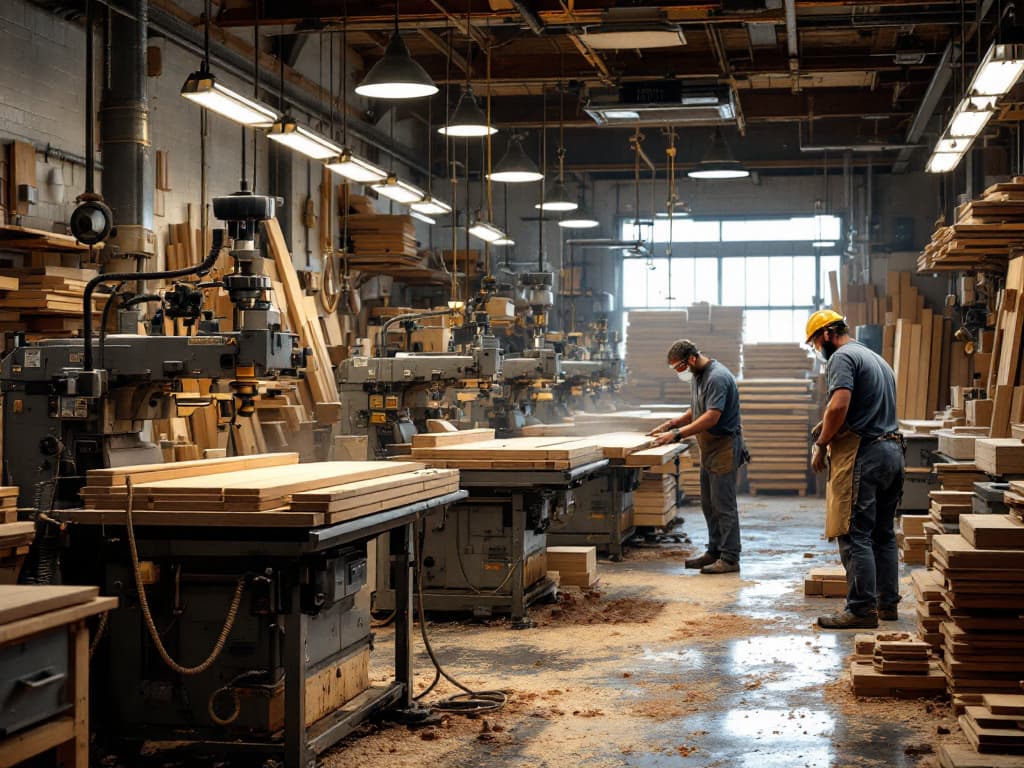
Custom wooden orders
Custom wooden orders means making products to your drawing or sketch, when no ready solution exists on the market: cutting, milling, sanding, painting and assembly for a specific task. The work uses wood, plywood, MDF, particleboard, MFC, acrylic glass and plastic. Below you will find how to place an order to a drawing, what can be made for an individual project, the stages the work goes through, how long it takes and how quality is controlled.
Manufacture of products and items to individual order
A ready solution from the shop does not suit everyone and not always. You need a wardrobe for a non-standard-width niche, a panel with a specific pattern, a part to fit an already assembled structure — and this is where custom orders help. We work with wood and sheet materials: MDF, OSB, plywood, particleboard, MFC, edge-glued board. Furniture, décor, structural elements — each order is calculated separately, to its own dimensions and requirements, rather than fitting the task to what is “in stock”.
The scale can be anything — from a single one-off item to a serial batch under contract. Some need furniture for a specific interior, some need non-standard parts for construction, some need decorative elements that cannot be found ready-made. Such orders come from shops, construction companies and interior designers alike — everyone for whom it matters not to have a generic catalogue but an item for their own task.
The main advantage of this format is freedom. The shape, size and finish are set by you, not by a hypermarket shelf. You can repeat an item you liked with an adjustment for your space, or you can realise an idea that simply is not on sale. That is exactly why people turn to custom orders most often: when the generic does not fit in size, style or construction.
The benefits of working with professionals

Modern equipment
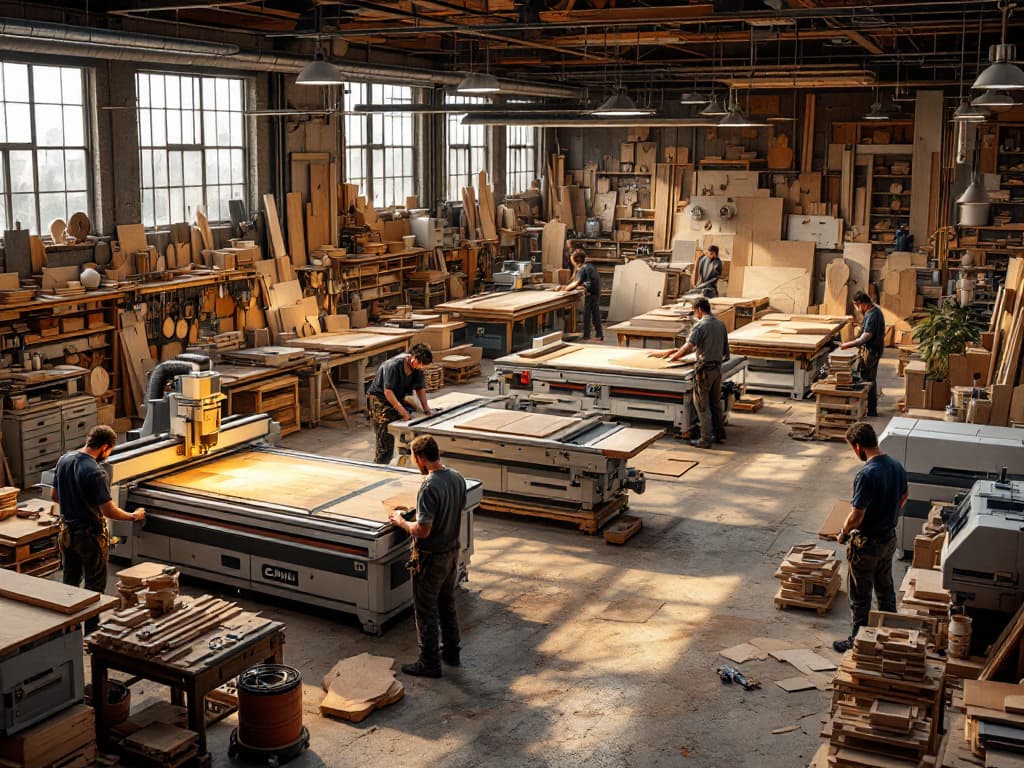
Panel saws, CNC and milling machines — precision, speed and quality guaranteed

Extensive experience and expertise
We know how to handle wood and sheet materials — reliably, precisely, professionally

Fast order fulfilment
Fast and without compromising quality. We value your time and our commitments

A full range of services in one place
Cutting to size, sawing, milling, sanding, painting, assembly — all in-house, with no middlemen
Trusted materials and consumables
We work only with quality materials, so you can be confident in the result

An individual approach to every client
We work to your drawings, create a machining program for the task and account for every detail
The advantages of a custom order
A unique result for a specific task — that is what it is all about. A production line churns out identical products to a standard, whereas here the specifics are taken into account: furniture exactly to the size of the room, a finish matching the overall style, parts with set characteristics for load or conditions of use. What is impossible on the conveyor becomes the norm in bespoke work.
The material, texture and coating are also chosen by you. Thanks to this the item comes out not only functional but also “yours” in appearance — matching the interior or the object. Technical subtleties are accounted for too: a non-standard size, a complex shape, an increased load. Everything that serial production is simply not tuned for is laid in at the project stage in a custom order.
Another argument in favour of bespoke work is control at every step. The part is checked against the drawing, the dimensions and fit are verified, deviations are caught before they carry over into the finished product. Fewer defects, fewer reworks, a longer service life — because the item is made from the outset for specific conditions of use, and not “averaged for everyone”.
Bespoke manufacture of wooden products
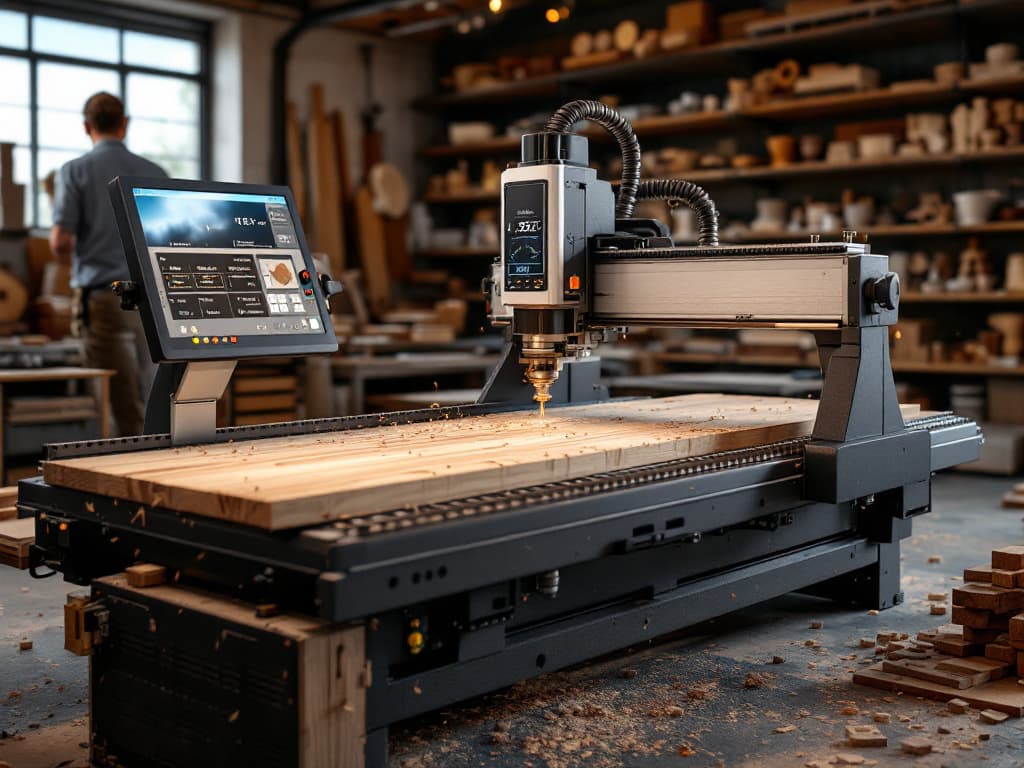
Manufacture of products to the customer’s drawings
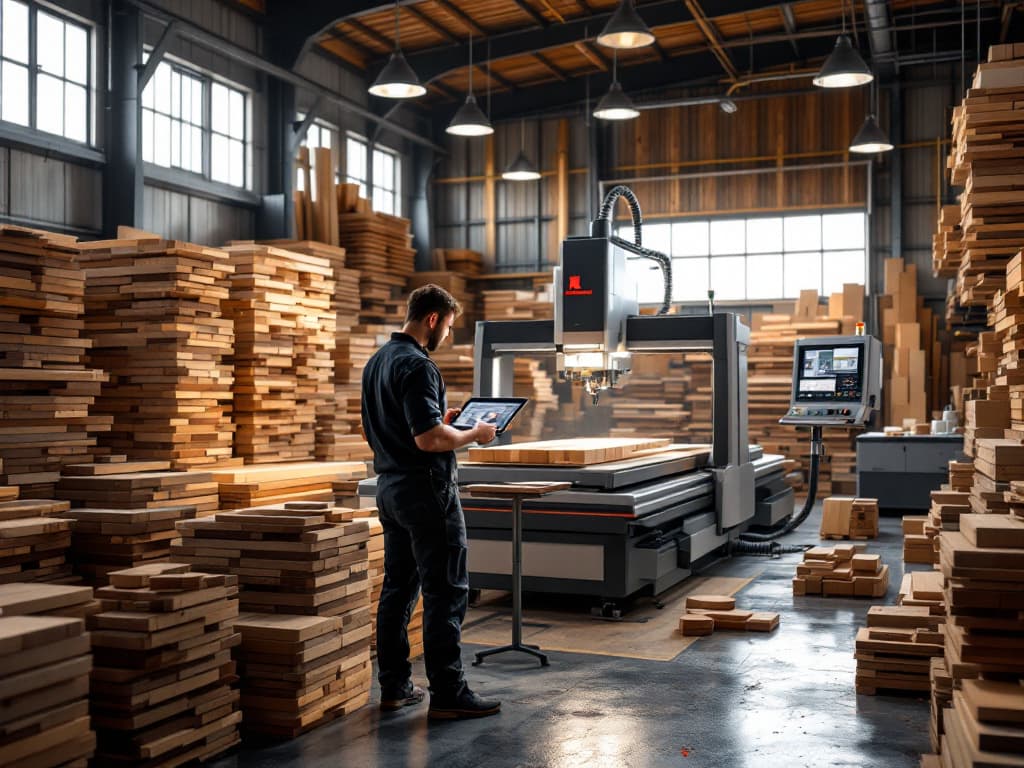
Turnkey manufacture of wooden products
Manufacture to the customer’s drawings
Work to the customer’s ready drawing is one of the most common scenarios. A scheme or drawing is reproduced exactly, and the part comes out precisely as intended in the project. It is the option for those who already have a solution on paper or in a file, but lack the machines and hands to render it cleanly in the material.
A clear drawing removes ambiguity: fewer opportunities to err both in design and in the manufacture itself. Almost any format will do — from a freehand sketch to a CAD file or a technical scheme. If something in the drawing is awkward for the machine, it is corrected at the preparation stage without breaking the original intent.
A separate common task is parts that have to fit into an already existing structure: furniture into a ready opening, a frame for a specific window, an insert into an assembled body. Here the right to error is minimal, and an accurate drawing saves time on fitting in place. On large projects this is critical: one wrong part holds up the whole assembly.
The advantages of manufacture to the customer’s drawings
Why is work to a drawing so valued? First of all, for accuracy. A drawing is an unambiguous language: it shows what the product should be, with no room for “I thought you meant something else”. Verbal descriptions and general wishes almost always leave a gap for misunderstanding, and a specific scheme closes it.
A ready plan also saves time. There is no need to design and agree anew — the work goes straight to the approved scheme. Fewer repeat clarifications, fewer corrections along the way, a faster whole cycle. On complex and large orders this is tangible: clear input at the start turns into days saved at the finish.
A drawing is also convenient for control. By it, at any stage, it is easy to verify how accurately the requirements are met — the customer has something to rely on, not just the contractor’s word. As a result the finished product matches the stated characteristics, and this can be checked objectively rather than “by eye”.
Turnkey manufacture and product development
Another sought-after format is a turnkey order. Here the project is taken as a whole: from the first consultation and the birth of a drawing to the final processing and handover of the finished product. That is, the customer does not have to assemble the project from pieces themselves — consultation, drawing, material selection and manufacture come as one package.
The point of “turnkey” is to relieve the customer of petty fuss. All questions of design and manufacture are closed within a single contract, and there is no need to keep a dozen stages in mind. Time and energy are freed up for one’s own affairs. This is especially helpful for companies that need to close a task of making products quickly and without hassle.
At the same time, “turnkey” does not mean “as long as it works”. The product has to be both functional and pleasing to look at, so the whole path from idea to realisation is led by specialists rather than left to drift. Such a holistic approach is valued by those who need a finished result with clear timing and a minimum of risks, not a set of disparate services.
The advantages of turnkey manufacture and product development
The main benefit of the “turnkey” format is convenience and saved time. One process encompasses everything: the idea, the project, the manufacture, the finished product. There is no need to coordinate several contractors, align their timing and work out at whose stage a hitch arose. When everything is in one pair of hands, there are fewer errors at the junctions, and managing the project is simpler.
A single cycle gives one more thing: all parts of the product are guaranteed to fit together and work as they should. This is especially important on complex design solutions, where there are no trifles and any mismatch immediately catches the eye. In the end the customer gets not a set of parts but a coordinated, durable item.
There is a down-to-earth saving too: when everything is done at one site, there is no need to transport semi-finished parts between contractors. And that means both money on logistics and the risk of damaging an unfinished part in transit. As a result the product comes out exactly to requirements, without extra delays and the overhead of sending things back and forth.
Our portfolio — finished products









What orders can be made individually
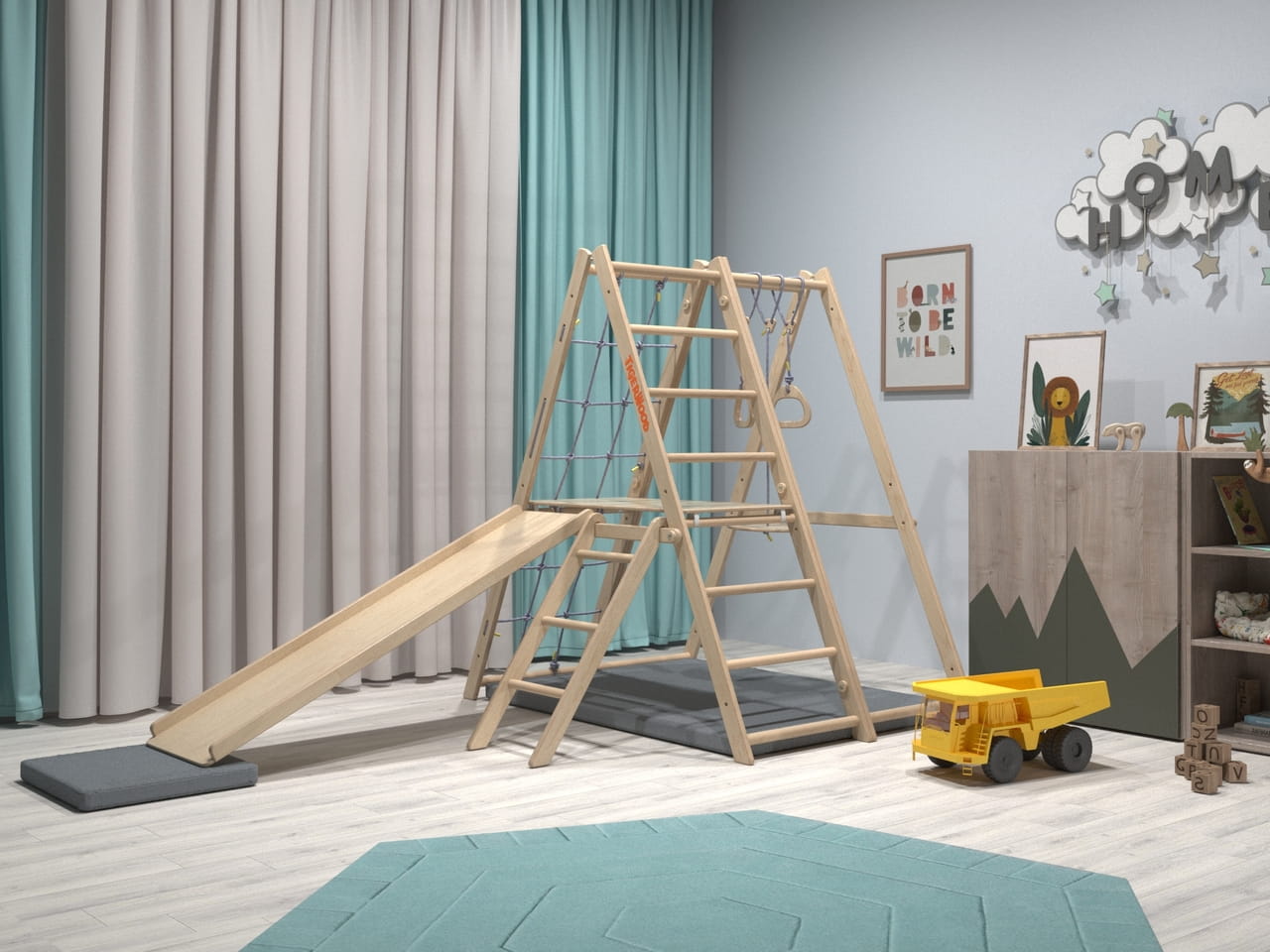
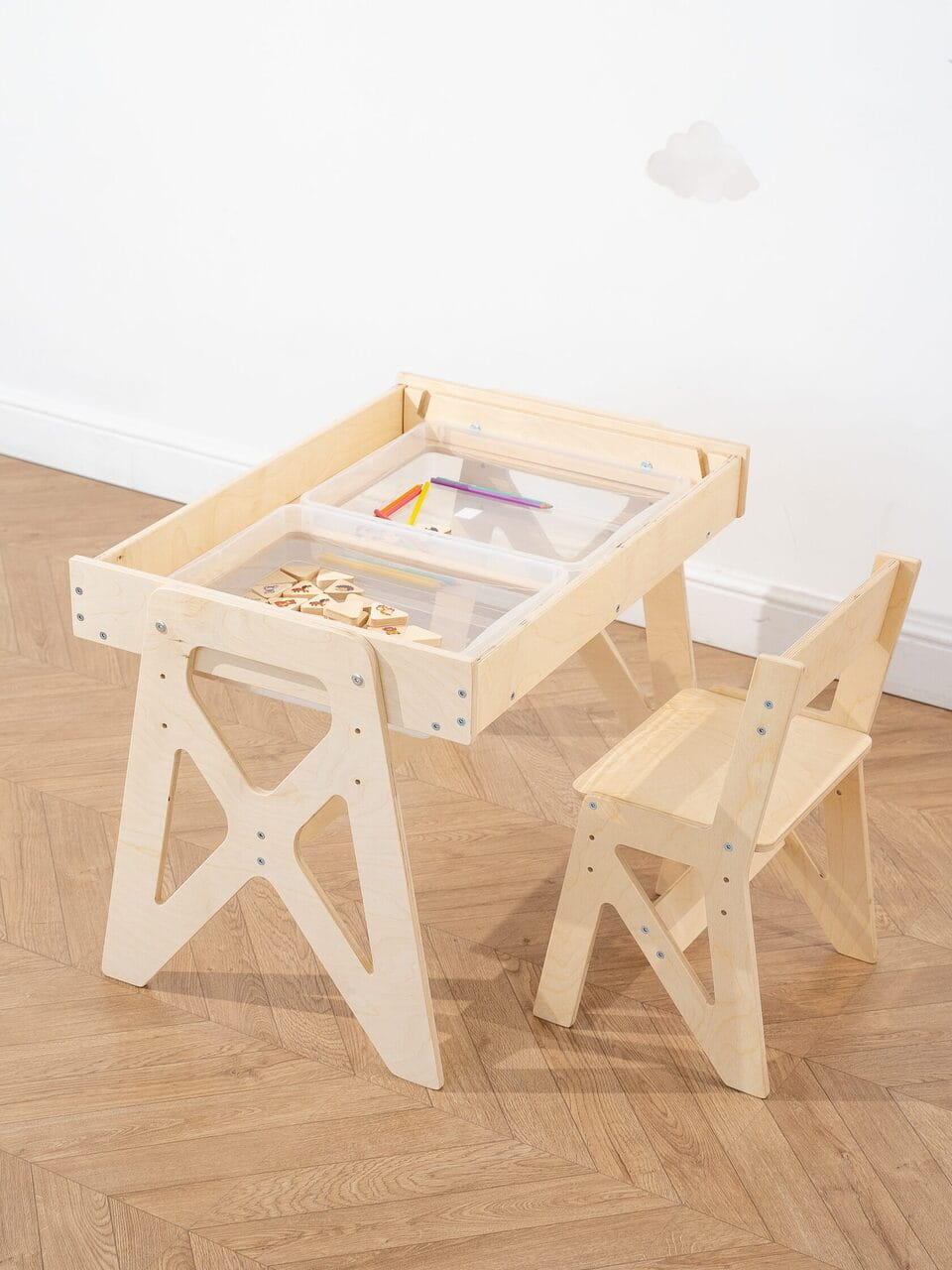
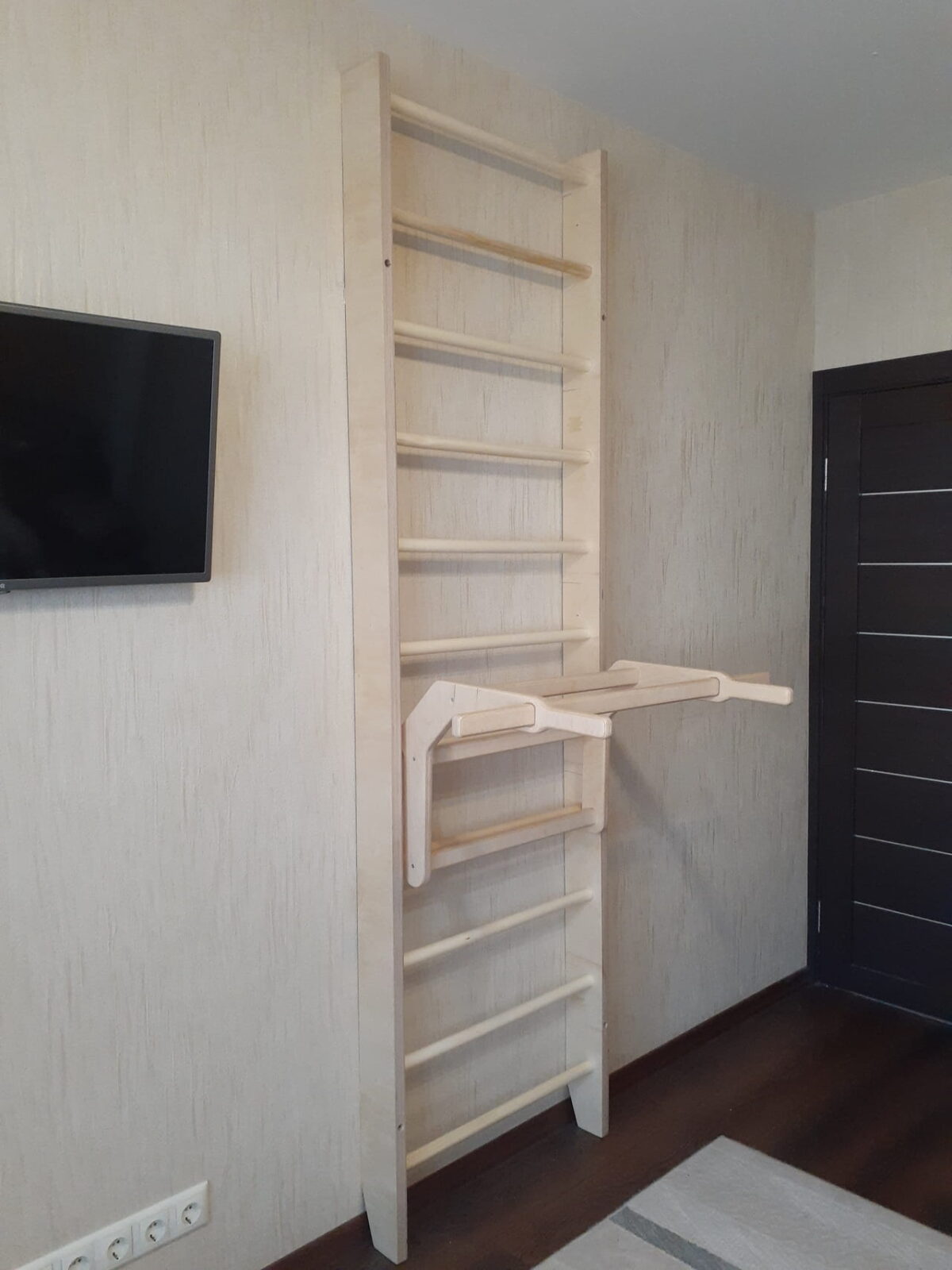
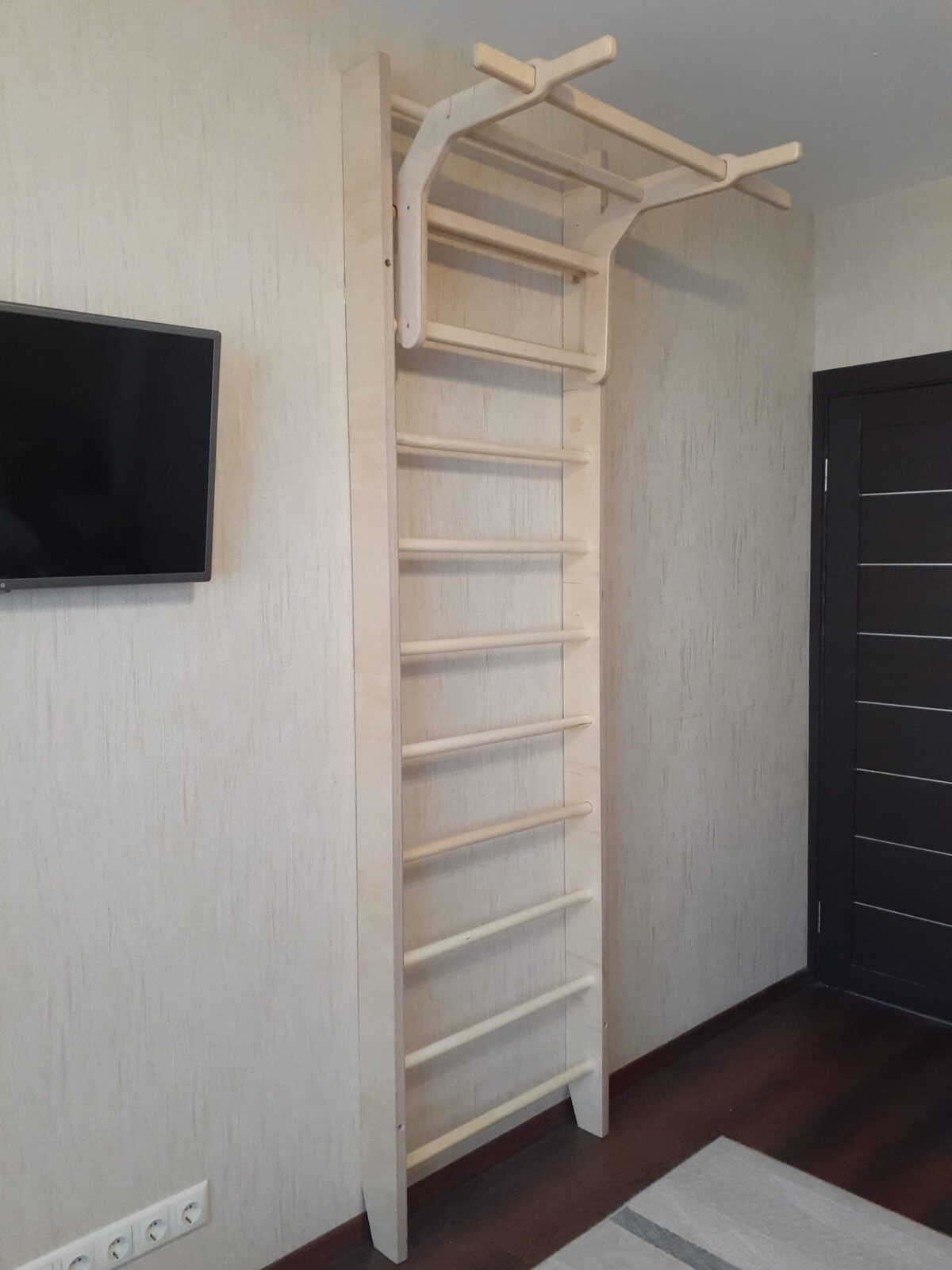
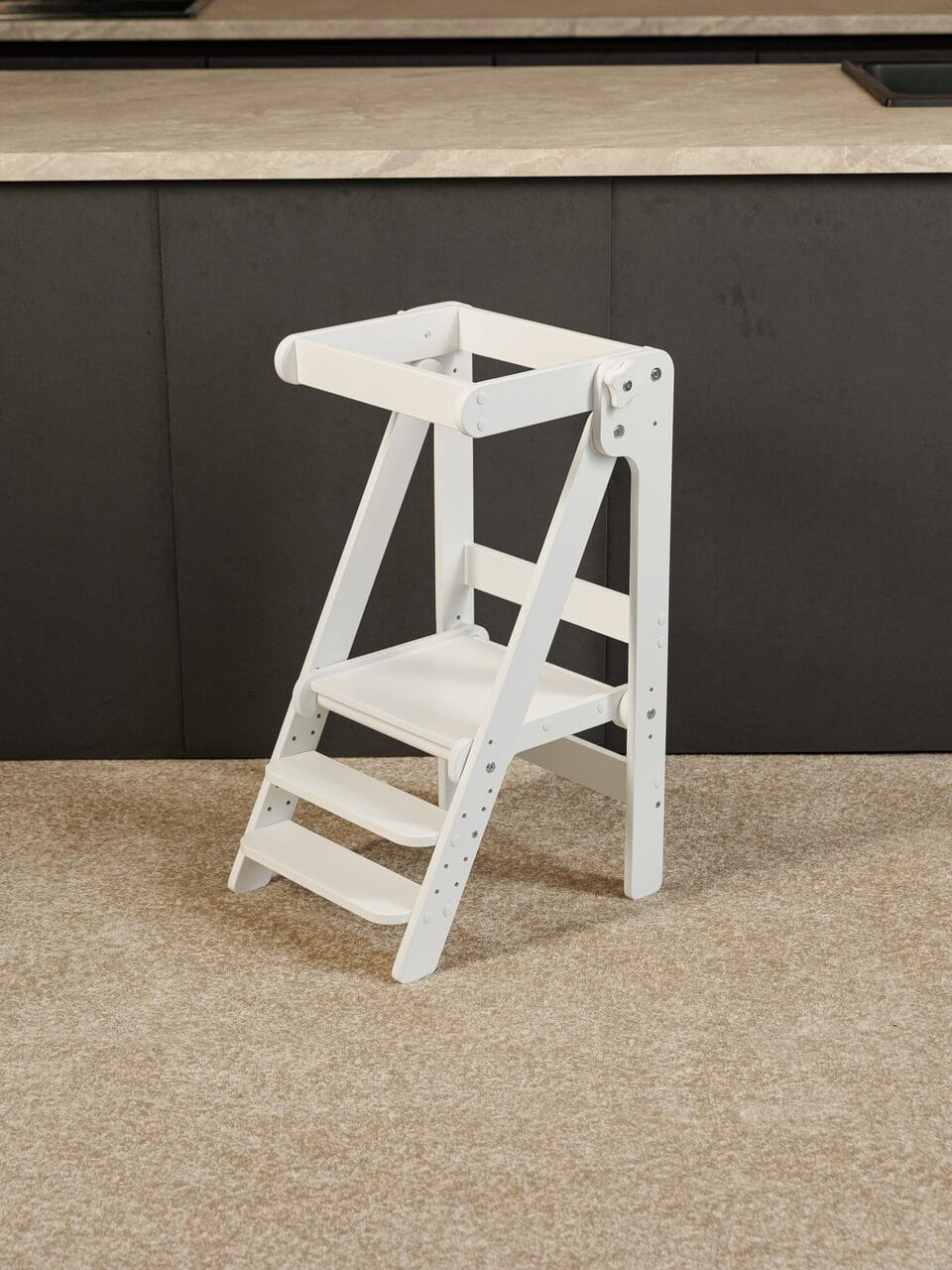
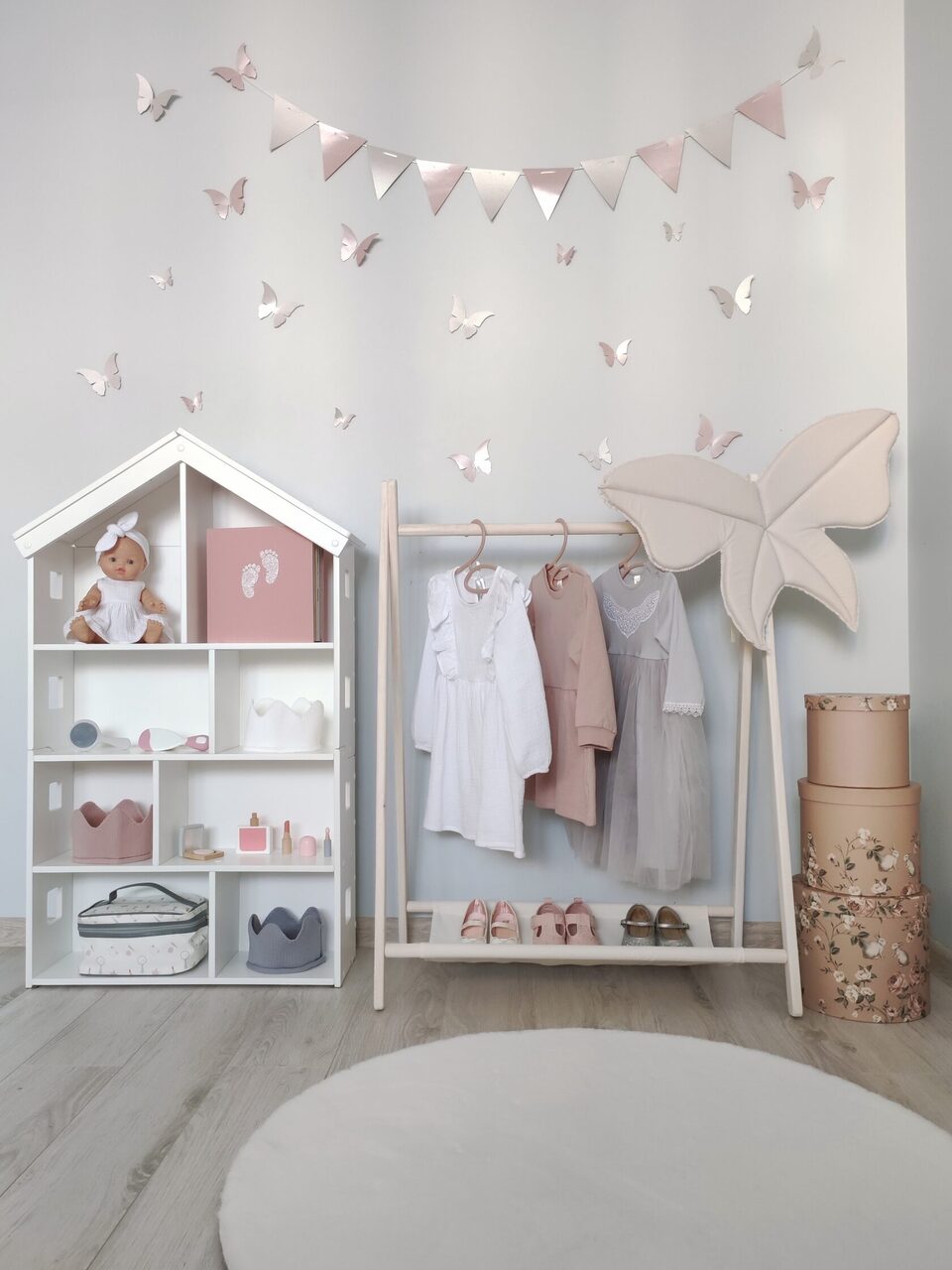
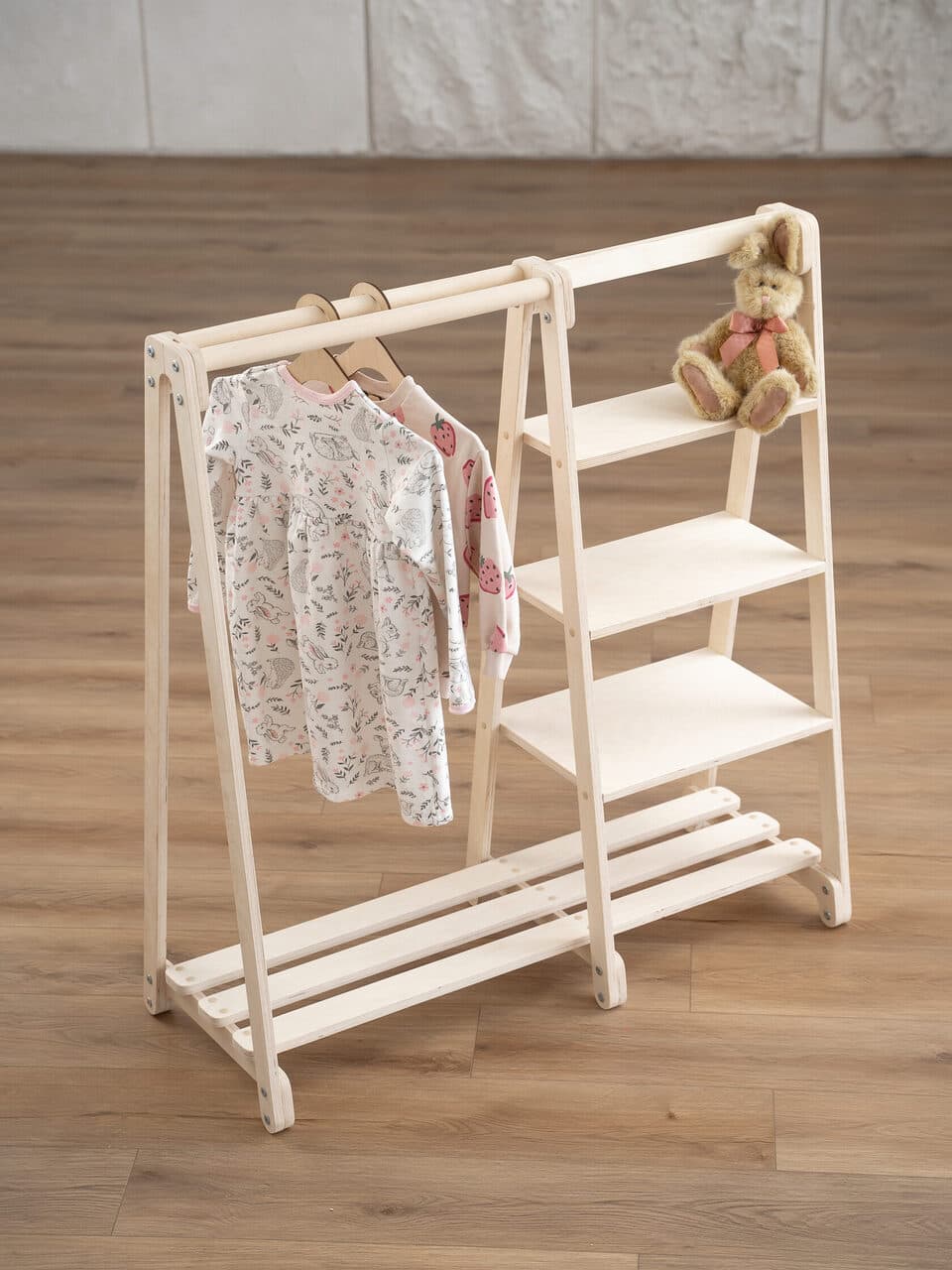
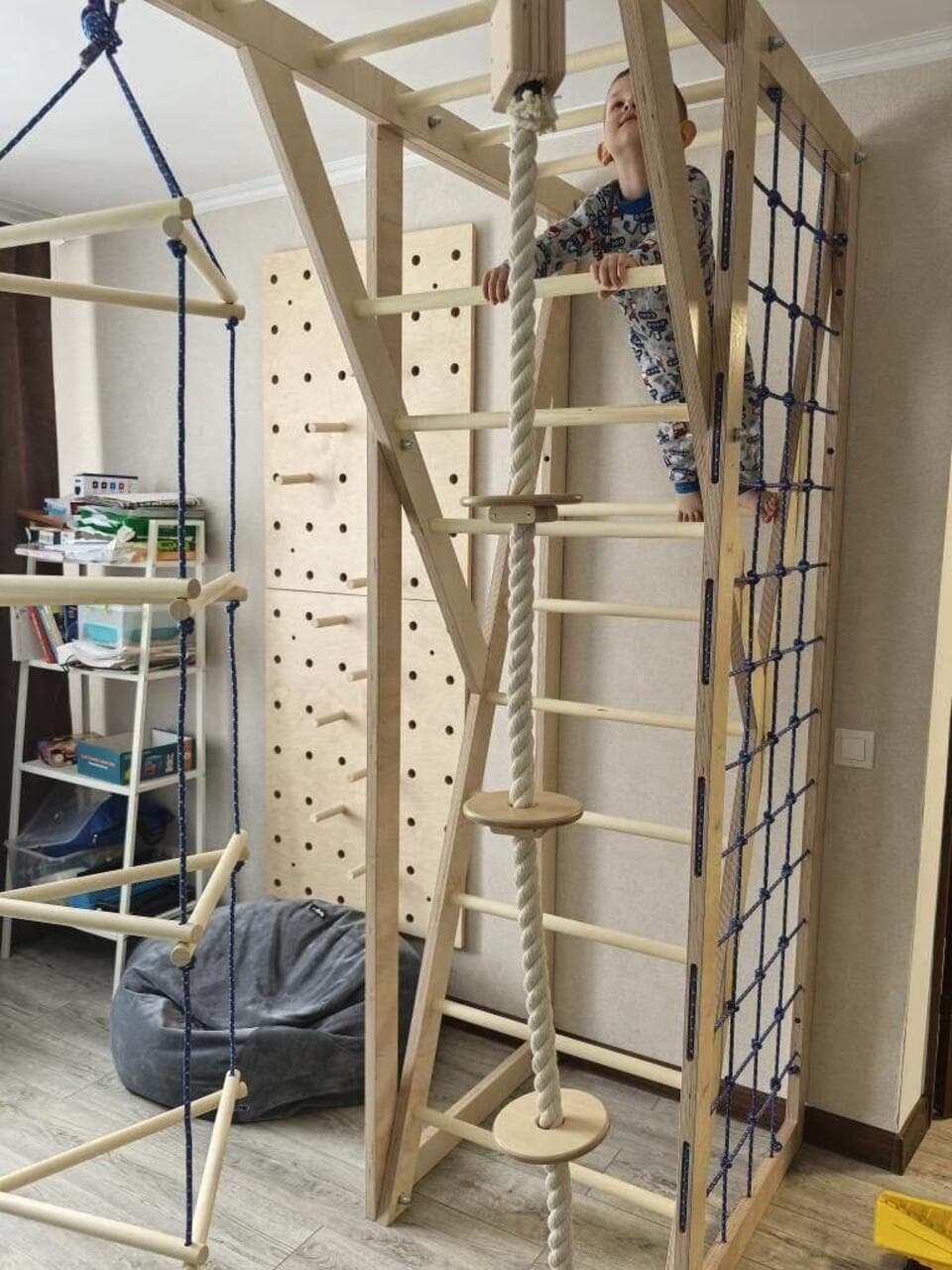
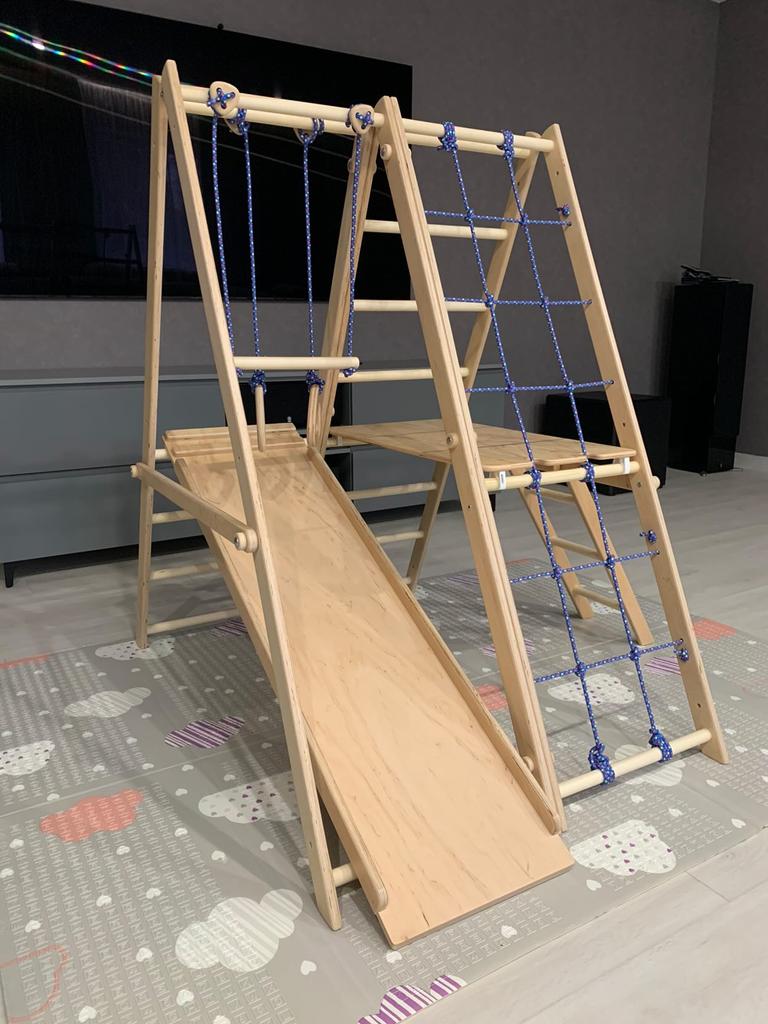
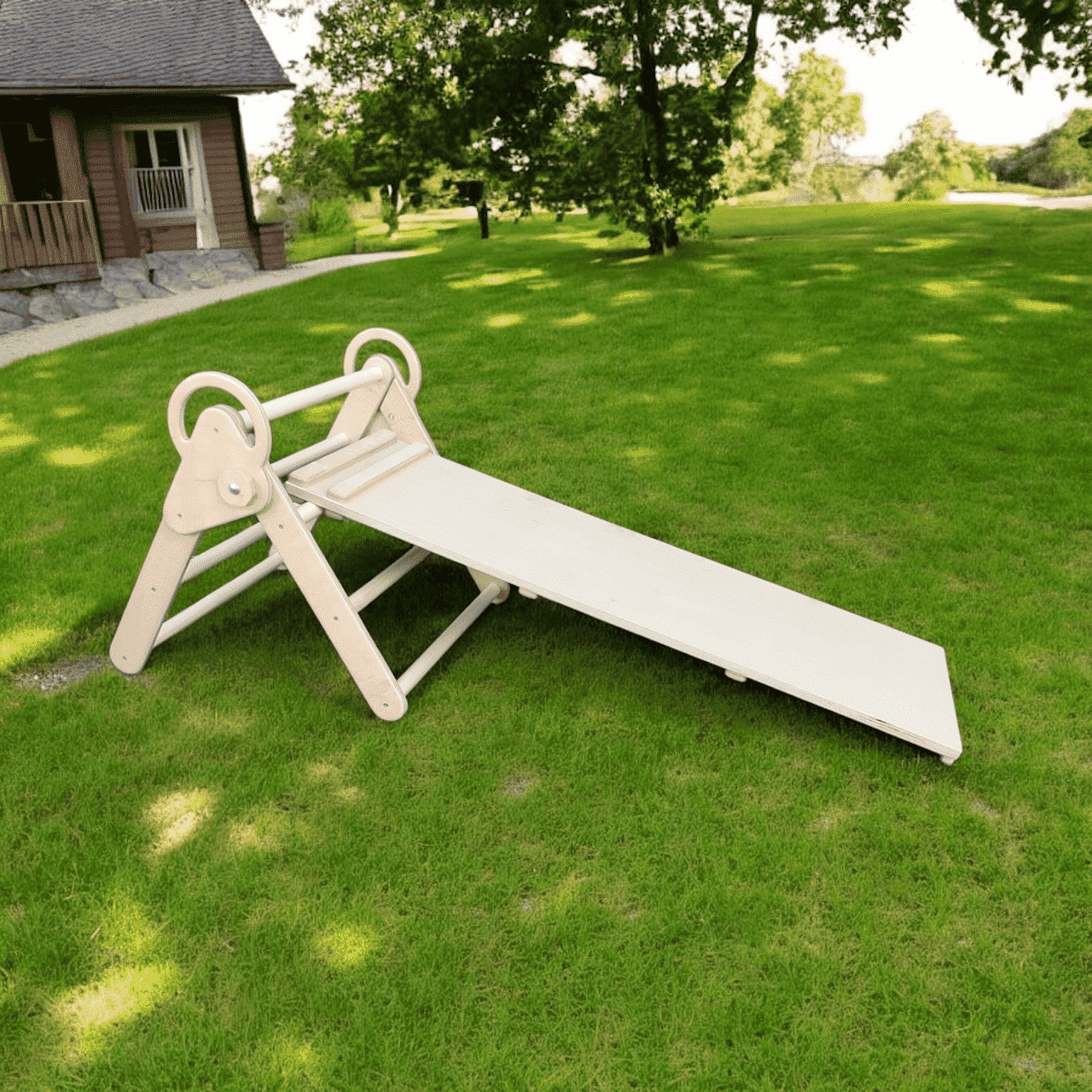
Completed works speak best about the possibilities. Every closed project is a clear confirmation of experience and the ability to handle different requests. Furniture, non-standard construction elements, décor for the interior — each has its own specifics, and it is precisely the diversity that shows custom orders are taken not by a template but for a specific task.
The portfolio features both large commercial batches and single one-off orders — this is exactly about flexibility: production calmly handles both. From the choice of material to the finish and, if needed, installation, each project is led with an eye on the customer’s wishes rather than a single averaged regulation.
Among typical works are made-to-order furniture for shops and private customers, structural elements for construction sites, one-off décor in the spirit of current interior trends. The list is not exhaustive: it rather shows how varied custom orders can be in material, scale and purpose.
Who uses a carpentry workshop’s services

Furniture makers

Interior designers

Advertising companies

Exhibition stand builders

Art studios

Cafés and restaurants

Construction firms

Retail equipment manufacturers

Furniture factories

Private craftsmen

Custom orders

Manufacturing companies

Museums and exhibition halls

Architects

Theatres and film studios

Educational organizations

Children’s products manufacturing

Repair specialists

Online stores

Sole proprietors
Customers of wooden products
The circle of customers is broad. Furniture factories, shops and showrooms, construction companies, interior designers and architects come to us. A separate category is large corporate clients who need non-standard solutions: furniture, interior elements, finishing for their own object. They are all united by one thing — they need not the generic but something made for a specific project.
Work with such customers rests on three things: meeting the requirements exactly, hitting the deadline, holding the quality. Without this the project cannot be closed. The terms are flexible — to the specifics of each order, including personal preferences and the particulars of the task. One format for everyone does not work here, and that is normal.
Private customers are no less important — those who need a one-off item for the home or a small business. Here everything is built around personal wishes: the item is fitted to a specific space or idea. A small order is led just as attentively as a large one — the difference is only in scale, not in attitude.
Manufacture of products to individual order: how it works
Bespoke work can be complex, but the pairing of experienced hands and modern machines pulls off even difficult tasks. The value of custom orders lies precisely in this: getting an item cut to specific needs rather than chosen from what has already been made for everyone at once. The complexity pays off in a result that fits the task exactly.
One-off items differ from serial ones in one thing — they can be configured: size, shape, colour, material for you. A separate and important step here is the drawing, and sometimes a prototype. They allow the future product to be seen in advance, before it goes into work, and to correct what is still easy to change on paper.
Work to a drawing is open not only for generic things but also for bold non-standard solutions — furniture exactly for its space, décor fitted into every detail of the interior. The “turnkey” format allows an idea to be both conceived and realised, even a non-trivial one. The plus is that the customer sees every stage and can make a correction while it is not too late and not costly.
Quality and accuracy of custom orders
The main requirement in manufacture to individual order is a high quality of execution. This guarantees long-term operation of the product and the satisfaction of the client’s needs. Precise dimensions, the use of quality materials, and adherence to all technical standards are the key to successful work.
For custom orders modern technologies and equipment are used, ensuring maximum accuracy. This makes it possible to create complex and detailed elements that cannot be made in mass production. An important aspect is the use of varied materials, including MDF, OSB, plywood, particleboard and MFC, which can be processed in various ways, from milling to coating with special protective layers.
Turnkey manufacture and project development
One of the key factors in successfully fulfilling custom orders is the possibility of turnkey manufacture. This approach makes it possible not only to make the product but also to fully develop the project, from the idea to the installation of the finished items. For customers working on large projects this is especially important, as it avoids the extra costs of finding contractors for separate stages of production.
Turnkey manufacture also includes design and consulting services, which eases the work process for the customer. There is no need to worry about coordinating different stages — everything is resolved in one place, which shortens timing and raises the quality of the final product.
How a custom order is placed: step by step
From the outside, bespoke production seems something complex and unpredictable, but in reality it follows a clear scheme. The first step is a conversation about the task. The customer tells what is needed: a ready drawing, a freehand sketch, a photo of a similar item or simply an idea in words. The more specific the input, the faster a plan is born, but even with a vague “I want something like this” a specialist will help sort it out. At this stage it is important to talk through not only the appearance but also where the item will stand, what load it will bear and in what conditions it will serve.
Next comes the design part. If there is no drawing, it is prepared on the spot, agreeing the geometry, joints and materials with the customer. If there is a drawing, it is checked for manufacturability — sometimes a small correction of a radius or thickness saves both money and time without harming the intent. After the project is approved, the material consumption, timing and cost are calculated, and only then does the blank come under the tool. Such an order is no accident: making a correction on paper is easy and cheap, while reworking a finished part is not.
The production stage is cutting, milling, drilling, sanding and, if needed, painting in a strict sequence. On complex custom orders intermediate control is included between operations: the part is measured, checked against the drawing, a deviation is caught before it carries on down the chain. Everything is completed by assembly, a final check and packaging. On request the product is delivered and installed on site, so the customer gets a finished result rather than a set of parts for their own tinkering.
What can be ordered for an individual project
The range of what is made to order is broader than it seems at first glance. Furniture is the most common category: carcasses, fronts, tabletops, shelving, shelves for a specific opening or niche. But it does not stop at furniture. People come for decorative elements — carved panels, overlays, framings, ceiling inserts. They order structural parts for construction and renovation, where precise geometry to already existing joints matters. A separate topic is non-standard things that are simply not on sale: holders, stands, boxes, parts for equipment.
All these requests are united by one thing: for some reason the generic solution does not fit. The wrong size, the wrong shape, the wrong material or a combination of all at once. Custom orders are exactly what closes this gap between “what is in the shop” and “what is really needed”. And it is not necessary to invent everything from scratch — often the starting point is a ready sample or a photo that is adapted to your space, budget and materials.
It is also worth dispelling the common fear that a bespoke order necessarily means something grand and expensive. Nothing of the sort. A single shelf of non-standard length is also a custom order, and it is taken on just as readily as a large project. The difference is only in the scale of the work and, accordingly, in the price and timing, while the approach to quality is the same for one part and for a series.
Materials and how to choose the right one
The choice of material largely determines the appearance, the service life and the cost of the future product. Each option has its own character. Solid wood is refined, repairable and serves for decades, but is sensitive to humidity swings and costs more. MDF is homogeneous, mills beautifully and lies perfectly under paint, so carved and coloured fronts are made from it. MFC is practical and inexpensive, comes with a ready coating, but requires care at the edge. Plywood is strong, holds hardware and behaves well in frames and bent forms.
| Material | Its strengths | Where it fits |
|---|---|---|
| 🌳 Solid wood | Look, strength, repairability | Tabletops, décor, premium products |
| 🟤 MDF | Mills evenly, ideal under paint | Carved and painted fronts, 3D panels |
| ⬜ MFC | Ready coating, inexpensive | Carcasses, shelves, budget solutions |
| 🪵 Plywood | Strength, holds hardware, bends | Frames, bent forms, stands |
| 🔲 Acrylic glass and plastic | Transparency, a clean edge | Inserts, display cases, décor |
If the choice is difficult — that is normal, and there is no need to resolve it alone. It is simpler to describe the task and the conditions of use, and a suitable material will be suggested at the discussion stage. It often turns out that expensive solid wood is superfluous in a particular case, while painted MDF will do no worse and cost noticeably less. In another case, on the contrary, only solid wood will give the required strength and look. Choosing the material wisely is part of the work, not a worry shifted onto the customer.
Project, drawing and preliminary visualisation
A drawing in a custom order is not bureaucracy but a way of agreeing on the result before it is embodied in the material. On paper or in a file the exact dimensions, the joints and the placement of hardware are visible. Customer and craftsman look at the same document and understand it the same way, with no room for “I thought it would be different”. That is exactly why serious works almost always start with a drawing rather than straight at the machine.
For complex or designer products a preliminary visualisation is useful. It allows the future item to be seen in three dimensions, to assess proportions and combinations before the first sheet is cut. At this stage it is easy and inexpensive to change the shape, the shade or the construction — far simpler than reworking a finished item. The ability to make corrections at an early stage is what distinguishes a well-thought-out custom order from work done at random, where surprises surface only upon receipt.
Equipment and achievable accuracy
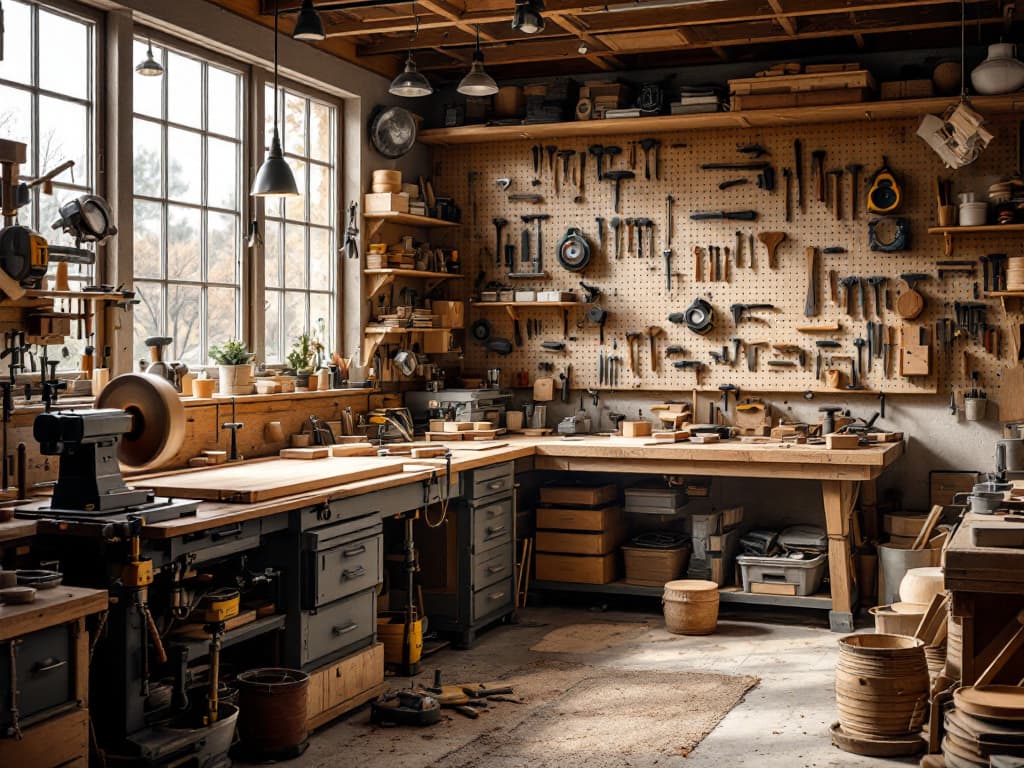
Talk of accuracy is worth nothing without the machines that ensure it. The basis is computer-numerically-controlled equipment: it leads the tool along a set program and repeats the contour without deviation, so it turns out the first part and the hundredth in a batch identically. Panel saws give a clean cut of a sheet without chips, cross-cut saws — precise angles, routers — grooves, recesses and a shaped contour. Manual finishing removes what the machine leaves, combining manufacturability with the neatness of live work.
Thanks to CNC, a one-off part gets industrial-grade accuracy — the very accuracy for which an ordinary workshop has no sense in setting up a line for a single order. This is especially important when the product has to fit into an existing structure: a frame into an opening, an insert into an assembled body, a part to replace a broken one. Here the right to error is minimal, and accuracy to tenths of a millimetre stops being a pretty figure and turns into a working necessity.
Lead times and what the price is made up of
The exact cost of a custom order cannot be named without details — and that is honest, not an excuse. The price is made up of several components, and each can be estimated in advance. It is affected by the complexity of the construction and geometry, the chosen material with its consumption, the volume (a single item or a series), the type of finish, the need for assembly and installation, and urgency. Understanding this arithmetic helps you avoid being surprised by the quote and to see in advance where you can genuinely save and where you should not.
- 📐 Complexity. A simple shape is cheaper than a shaped one with cut-outs and roundings.
- 🧱 Material. Its cost and consumption accounting for offcuts.
- 🔁 Volume. A series works out cheaper per piece than a single part.
- 🎨 Finish. A bare part, sanding, painting or a complex coating — different budgets.
- 🛠️ Assembly and installation. A set of parts or a finished “turnkey” product.
- ⏱️ Urgency. Work outside the general queue is calculated separately.
With timing the logic is the same. A simple product is made in a few days, a complex project with design, painting and installation — up to several weeks. The coating usually takes longest to dry, and here haste harms the result. If the order is tied to a date — a move, an opening, the handover of a site — it is sensible to get in touch in advance and build in a small margin, rather than bringing a drawing “for the day after tomorrow”.
A sample and prototype before a series
When it is a matter of not one item but a batch, a sample becomes a sensible step. First one example is made, the customer looks at it, touches it, tests it in action — and only after approval is the whole series launched. Such an approach catches corrections while they cost nothing: fixing one prototype is incomparably cheaper than reworking a hundred finished products. The sample almost always pays for itself, since it reveals the weak spots of the construction before money has been put into the whole run.
A prototype is also useful for complex one-off products, where it is important to assess ergonomics or fit in advance. Sometimes an item that looks perfect on the drawing requires a small adjustment in reality — a change of height, angle or thickness. A trial example lets this be caught. For designers and architects a sample often becomes a presentation tool too: it is shown to the client or used for approval before the project is put into work as a whole.
Common customer mistakes
Most mishaps in custom orders happen not at the machine but at the stage of setting the task. Going through the typical slip-ups is useful so as not to repeat them — all the more since almost all of them are easily prevented by a short conversation before work begins.
- ❌ Measuring “by eye”. One wrong dimension drags with it a re-cut of the whole part. Better to measure twice.
- ❌ Forgotten allowances and gaps. Without a margin for assembly or edging, the parts do not come together.
- ❌ Scrimping on material for no good reason. A board too thin bends under load within a month.
- ❌ Last-minute changes. Alterations at a late stage hit both timing and price.
- ❌ The absence of a drawing for a complex shape. A verbal description leaves room for differing readings.
There is nothing to worry about if you overlooked something of this — that is exactly what a dialogue before the start is for. A good contractor asks these questions before the cut, not after, when fixing is already costly. The workshop’s task is not to catch the customer out on an inaccuracy but to help bring the idea to a workable form, so clarifications at the start are a plus, not nitpicking.
Quality control and a guarantee of the result
Control is built into the process, not tacked on for show at the end. At intake the drawing, dimensions and material are verified: the wrong décor or an extra millimetre of thickness is caught before the cut, while it still costs nothing. During processing, intermediate measurements are taken at the critical operations. At the outlet the product is checked in full — geometry, fit, surface cleanliness. The customer gets what was in the drawing, without discrepancies “by eye”.
If a disputed point does arise, it is easier to resolve precisely because the order passed through one pair of hands. There is no need to find out at whose stage the error occurred — responsibility for the result is not smeared across contractors but lies with a single executor. For the client this is the real guarantee: it is clear who to hold accountable, and clear that the item was made to specific requirements rather than assembled from averaged blanks.
Corrections during the work
Bespoke production is good precisely because it leaves room for adjustments — unlike a production line, where everything is rigidly fixed. The customer can watch the stages and make changes if the idea has been clarified along the way. But honesty matters here: the later the correction, the costlier and longer it is to accommodate. To change the colour before painting is easy, after — already a rework. So all key decisions are talked through and approved at the project stage, and along the way room is left only for minor refinements.
Delivery and installation on site
A finished product can be collected in person, or delivery can be ordered — by a transport company or our own transport, depending on dimensions and address. Large items are often transported disassembled and put together on site, compact ones — finished. The packaging is chosen for the task, so that the edge and corners are not damaged in transit. For those who need a “turnkey” result, installation is also available: the item is not just brought but set up and fitted in place, so all the customer has to do is use it.
The remote format of work has long ceased to be an obstacle. The drawing is agreed online, the item is made and sent to another region — for a customer from a neighbouring town and from a thousand kilometres away the process looks the same. This is convenient for those who run projects in different places or live far from production: distance affects only the method of delivery, not the quality and approach to the custom order.
A custom order or a ready product
The choice between a bespoke order and a ready item from the shop is not always obvious, and both options have a right to exist. Ready is cheaper and faster — you take it and carry it off, if the size and look suit. But as soon as even one strict condition appears — a non-standard niche, a specific shade for the interior, an increased load, a part for an already assembled structure — the generic solution starts to lose out. Fitting the ready to such requirements is usually more expensive and worse in result than simply making it for the task straight away.
| Criterion | 🏬 Ready product | 🛠️ Custom order |
|---|---|---|
| Size and shape | From what is available | Exactly to your task |
| Material and colour | Limited choice | Free choice |
| Timing | Immediately | From a few days |
| Price | Usually lower | Depends on the project |
| Fit into a ready joint | Pot luck | Perfect |
A simple rule: if the generic suits in size, look and quality — take the ready one, do not overpay. If even one thing fundamentally does not match, a custom order pays off in that the item fits like a glove and serves longer. Often it is precisely the attempt to “fix a bought ready item with a file” that brings a person to the thought that it would have been simpler to order it made to measure from the start.
Combined materials in one product
Bespoke production is good in that it is not tied to a single material. In one product a carcass of MFC, a painted MDF front, an acrylic-glass insert and solid-wood elements coexist calmly. Each material is processed in its own mode, and at the outlet is assembled into a coordinated whole. This opens room for solutions that simply do not occur in serial production: a combination of textures, transparent parts next to wood, metal accents on a wooden base.
Importantly, when working at one site, the dimensions of different materials are guaranteed to fit together. When the front is ordered in one place, the carcass in another and the insert in a third, at the finish they often “do not come together” by a couple of millimetres, and the whole assembly stalls. A single cycle removes this problem: parts of different materials are calculated for one product from the outset and sit against each other without fitting in place.
Personalisation and branding
A distinct strong point of custom orders is the ability to make an item truly one’s own. Engraving a name or date turns a product into a gift, a logo on a part into an element of corporate identity, and carved fretwork or a non-standard colour into an interior accent. For business this is a way to stand out: branded retail equipment, furniture in corporate colours, souvenir and gift products with the company’s symbols.
Personalisation is laid in at the project stage and hardly adds to the cost of the work if thought through in advance. It is far more complex and expensive to add individual elements to an already finished product. So if you want engraving, a logo or special décor, it is worth saying so at once — then the workshop will account for it in the cutting and processing, rather than figuring out how to attach a decoration to a finished item.
Industries and typical customers
The circle of those who need custom orders is broad and varied. Interior designers and architects come for non-standard elements that are drawn in the project but do not exist ready-made. Furniture craftsmen and assemblers order precise parts so as not to keep their own machining shop. Trading companies and restaurants — for equipment and furniture for a specific space and concept.
| Who orders | What most often |
|---|---|
| 🎨 Designers and architects | Décor, non-standard elements to project |
| 🪑 Furniture makers | Precise parts, components for assembly |
| 🛍️ Retail and HoReCa | Equipment and furniture for a space |
| 🏗️ Builders | Structural parts for existing joints |
| 🏠 Private customers | Furniture and décor for a specific room |
Despite the different tasks, all these customers are united by one thing: they need not what has already been made for everyone at once, but an item for a specific situation. And it is not necessary to be a professional with a ready drawing — a private client with the idea “I want a shelf like this in this niche” is just as welcome a customer here as a studio with a full technical package.
Why a single executor is more advantageous
The temptation to assemble a custom order from the cheapest contractors is understandable: here cutting on the cheap, there milling at a discount, assembly entrusted to a third party. On paper a saving, in reality a risk. Every junction between executors is a place where time is lost, mis-sorting surfaces and a dispute begins over who is to blame for a size mismatch. On a bespoke item, where everything hinges on fit accuracy, such discrepancies are especially painful.
A single cycle at one site is slightly more expensive in the moment but usually wins out in the end — through timing, the integrity of the result and one party responsible for everything. When project, processing and assembly go in sequence under common control, dimensions do not “drift”, and the customer does not have to reconcile the work of several contractors. That is exactly why many, having once tried to assemble an order in parts, hand it over whole the next time.
A glossary of terms for the customer
When discussing a custom order, words come up that are familiar to the workshop but hazy for the customer. A small glossary will remove misreadings before the start.
| Term | What lies behind it |
|---|---|
| 📐 Allowance | A small margin of material for processing and fitting |
| 🔩 Boring | Drilling holes for hardware to a marked layout |
| 🖇️ Edge banding | Gluing tape to the edge of a part against moisture and chips |
| 🤖 CNC | A numerically controlled machine, cuts to a program |
| 🗺️ Cutting map | A layout scheme of parts on a sheet for minimum waste |
| 🧩 Joint | The place where parts connect in a structure |
The customer does not have to know all these words — it is enough to grasp the general sense. If an unfamiliar term comes up in conversation, it is always explained in plain language. The project’s task is not to bury the client in terminology but to translate their everyday description into the language of drawings and operations.
Finishing coatings: what the product is covered with
The finish determines both how the product looks and how it survives years of use. There is no universal answer — it all depends on the purpose and conditions. Varnish forms a durable film, gives gloss or matt and brings out the texture, so it is chosen for loaded surfaces like tabletops. Oil preserves the natural look and pleasant feel, is easy to refresh, but requires more careful handling. Paint gives any colour and a dense, even cover, which is indispensable for fronts and decorative elements.
For custom orders the finish is chosen for the use scenario. An outdoor part needs durable protection from moisture and ultraviolet, a kitchen one — resistance to abrasion and splashes, an interior insert — an exact shade and a pleasant surface. The coating is applied in a separate chamber, where the layer lies evenly, without runs and dust, and drying in a clean zone leaves no stuck grains. It is precisely the neatness of the finish that determines whether the item will please a year later as much as on the first day.
Accuracy and repeatability in a series
When a custom order grows into a batch, repeatability comes to the fore. Twenty identical shelves or a hundred parts have to be like twins — otherwise, during assembly or installation, misalignments and gaps will show. The program on a CNC machine does not tire or “lose focus”, so the last part of the batch comes out the same as the first. This is what distinguishes well-thought-out bespoke production from cottage-industry work, where every item comes out a little different.
Repeatability matters for the future too: if in time you need to top up an order, the parameters are already known, and an additional part will fit the existing ones without adjustment. The control program is saved, so repeating a product is simpler than making it for the first time. For those who order furniture or equipment in series and occasionally buy in extra elements, this is a tangible convenience — there is no need to reconstruct the project from scratch each time.
Care of the finished product
A wooden product serves longer if a couple of simple rules are observed. Wood is a living material, it reacts to humidity and temperature, but with sensible handling it calmly lives for decades. Sharp swings in humidity do the most harm: from them solid wood dries out or swells, so a radiator right up against it and a damp corner are equally undesirable. Surfaces are best wiped with a soft cloth without aggressive chemicals, especially if they are oil-coated.
- 💧 Avoid sharp swings in humidity — they make the wood warp.
- 🧴 Wipe with a soft cloth without caustic chemicals, especially oil coatings.
- ☀️ Protect from prolonged direct sun — it fades the colour.
- 🛠️ An oil coating is easy to refresh yourself, varnish is harder but serves longer.
- ⚖️ Do not overload shelves and tabletops beyond the design.
These little things are rarely talked through when ordering, but it is precisely they that determine how the item will age. If desired, the care conditions will be suggested specifically for your product and coating — what is allowed, what is better avoided, how to refresh the finish after a few years. A good bespoke item is designed for a long life, so a few sensible habits fully unlock its potential.
Seasonality and planning
Woodworking has its own ebbs and flows. Before major holidays, at the height of the construction and renovation season, the queue for custom orders is naturally tighter, and timing stretches a little. In quiet periods a simple project passes with almost no wait. Knowing this seasonality helps with planning: if the product is tied to a date — a move, an opening, a gift — it is more sensible to get in touch in advance and book time, rather than counting on everything being done at the last moment.
More questions about custom orders
Will you take on a small order for a single part? Yes, one part is the same kind of order as a batch. There is no minimum volume, the difference is only in the price per piece and the timing.
And what if I only have an idea and a photo, without a drawing? That is enough to start. From a description, dimensions and a reference the drawing will be prepared on the spot — the customer does not need to master graphics programs.
Can an item from the shop be repeated to my dimensions? Most often yes, with an adjustment for your space and materials. A ready sample or a photo serves as the starting point, and from there the construction is adapted.
Is it realistic to stay within a specific budget? Usually yes — through the choice of material, simplifying the construction and a sensible finish. It is enough to name a guideline on money, and a solution will be chosen for it rather than presenting you with a fait accompli.
In short: custom wooden orders are a way to get exactly what you need, without compromises on size, shape and material. It is enough to describe the task or send a drawing — the rest will be broken into stages, designed, made and, if needed, delivered and installed, within the agreed time and with control at every step.
Work with a ready project and from scratch
Custom orders start from two different points, and both work. The first option — the customer already has a ready project or drawing. Then the workshop’s task is to embody it accurately and neatly: check it for manufacturability, choose the material, make it to size. This is the path of those who think in drawings — design studios, engineers, furniture makers with their own developments. The second option — there is only an idea, a wish and perhaps a couple of photos. In this case the project is born on the spot, in dialogue, and the customer takes part in it exactly as much as they want.
Neither path is worse than the other — they are simply different starting conditions. What matters is that even with the rawest request “I want something like this, but I don’t know exactly” you will not have to leave empty-handed. The idea will be helped into a specific solution, the material, shape and budget estimated. In essence, part of the work on a custom order is the translation of a vague wish into the language of exact dimensions and operations, and this translation is done by a specialist, not the customer.
Ecology and rational material consumption
The topic of waste seems dull right up until you count the money. Precise cutting and a well-thought-out layout of parts on a sheet mean that less material goes into offcuts. On a bespoke item this is not so noticeable, but on a series the difference between a neat and a careless layout easily adds up to several sheets, and that is a tangible sum. Software optimisation of the cutting map is exactly what brings losses to a minimum.
Rational consumption also has an ecological side: less discarded material means less burden on both the budget and the environment. Large offcuts, moreover, are not always rubbish — they are often put to small parts of the same project, shelves, inserts, templates. Such a thrifty approach to material distinguishes production that counts both its own and the client’s money from one where a sheet is cut any old way.
Project documentation and approval
For large and complex orders, not only the item itself matters but also the documentation accompanying it. An approved drawing, a specification of materials, an assembly scheme — all of this fixes the agreements and protects both sides from differing readings. The customer knows exactly what they will get, and the executor — exactly what needs to be done. On sites where several contractors work, such documentation also helps to fit the custom order together with the rest of the project’s elements.
Approval before the start saves nerves on both sides. Five minutes of attention to the drawing at the project stage spares weeks of rework later. That is exactly why serious work on a custom order always begins with paper rather than straight at the machine: while the product exists only in the project, anything in it can be changed, but reworking a finished item is already a very different story in money and time.
Outsourcing manufacture for business
Keeping one’s own shop for custom orders makes sense only with constant workload. If non-standard parts are needed from time to time, bespoke production on the outside usually works out cheaper than one’s own facility. There is no need to buy and maintain machines, keep space for a shop and warehouse, hire and train machinists for rare tasks. Furniture workshops, advertising producers and small brands increasingly hand part of the work to a contractor for exactly this reason.
Such outsourcing unloads one’s own capacity and removes the risk of downtime when one’s own machine is busy or broken. In a seasonal peak an external executor covers the surge of orders that would otherwise turn into a rush job or missed deadlines. At the same time industrial CNC accuracy is available even on a one-off part, so quality does not sag compared with in-house production — and often wins out thanks to specialised equipment.
How to start an order
Starting is simpler than it seems. It is enough to describe the task: what kind of product, where it will stand, what task it solves, whether there is a tie to a date and an approximate budget. To attach dimensions or a drawing, even freehand, and if there are none — a photo of a similar item or simply a verbal description. This is enough to estimate the construction, material and timing. Everything else is clarified along the way, and the discussion itself commits you to nothing.
It is precisely at this first conversation that the most useful details usually surface: where to get sturdier material, which finish is more appropriate, whether it is worth splitting the item into parts for convenient transport. Such a dialogue saves both money and time and removes half the questions the customer came with. Custom orders are convenient precisely in that they adapt to your scenario rather than the other way round — you only have to state the goal, and the path to it will be chosen by specialists.
It is worth mentioning separately the trust that builds up over a first successful order. Many come with a single small trial task — a shelf, a part, a sample — to assess in person both the quality of execution and the accuracy and how communication is set up. Having become convinced that the item comes to size and on time, they then hand over custom orders calmly and on a regular basis. For the workshop this is convenient too: when a client’s specifics are known, each subsequent project goes faster and with fewer approvals. Thus a one-off request often grows into a long cooperation, where the customer is confident of the result in advance, and the executor — that they understand the task correctly.
What materials are used for custom orders?
The work uses wood and sheet materials: MDF, plywood, particleboard, MFC, edge-glued board. Plus decorative coatings and auxiliary materials — plastic, thin metal, acrylic glass. The specific set is chosen for the task: somewhere strength matters more, somewhere the look, somewhere moisture resistance.
How can products be ordered for an individual project?
It all begins with a discussion of the task. Then either a drawing is prepared, or your ready project is taken into work. After approval, production is launched — cutting, processing, assembly — and at the outlet you get a finished product.
Is it possible to order products with non-standard dimensions?
Yes, that is exactly what custom orders exist for. A non-standard size, an unusual shape, a complex construction — all of this is laid in at the project stage and calmly goes into work.
How long does manufacture to a custom order take?
The timing depends on the complexity, volume and type of product. A simple item is made in a few days, a complex project with design and finish — up to several weeks. An exact date is named after the task is clear.
How is quality control ensured?
Control is in place at every stage: the drawing is verified, the material is checked at intake, the part is measured during the work. Before dispatch the product undergoes a final check — for dimensions, fit and cleanliness, so that what leaves for the customer is what was stated.
Can I get a consultation on product design?
Yes, a consultation on the project is a normal part of the work. A specialist will help choose a good solution for the task: suggest the material, thickness and construction, point out the weak spots of the idea before it goes into production.
How is the finished product delivered?
Delivery is organised by agreement — by a transport company or our own transport, depending on dimensions and address. The product is packed so that it arrives without damage.
Can changes be made to the project during production?
Corrections can be made along the way, but it is worth honestly remembering: changes at a late stage can shift the timing and price. The earlier the correction, the simpler and cheaper it is to accommodate.
How can I track the fulfilment of my order?
Yes, the progress of the order can be tracked. The manager keeps you informed by stages, so you understand what phase the project is at and when to expect the finished product.
Is it possible to order the design and installation of products?
Yes, the “turnkey” format covers exactly this: design, manufacture and installation of products on site. It is convenient when you need a finished result rather than a set of parts for self-assembly.
Reach us in whatever way suits you best
Call us, message us on a messenger app or reach out via social media — choose whichever way suits you
🗺️ We accept orders from clients across all of Europe
💬 Useful information and articles

Eco-friendly and safe materials for modern wood production
Eco-friendly and safe materials for modern wood production In recent years we increasingly think about what the things around us are made of. A home, furniture, a floor, a kitchen, a

How to Correctly Choose Between Plywood, MDF, Particleboard, and MFC for Different Tasks
How to Correctly Choose Between Plywood, MDF, Particleboard, and MFC for Different Tasks In the world of woodworking and furniture making, every material has its own story. Plywood, MDF, particleboard, and

Cutting sheet wood materials at different angles: why and how it is done
Cutting sheet wood materials at different angles: why and how it is done Working with wood materials is not just sawing. To get a truly high-quality and durable product, you have

Recommendations for choosing sheet materials for indoor and outdoor projects
Recommendations for choosing sheet materials for indoor and outdoor projects In woodworking, choosing the right sheet material is like laying a foundation for a builder. What you pick at the very