
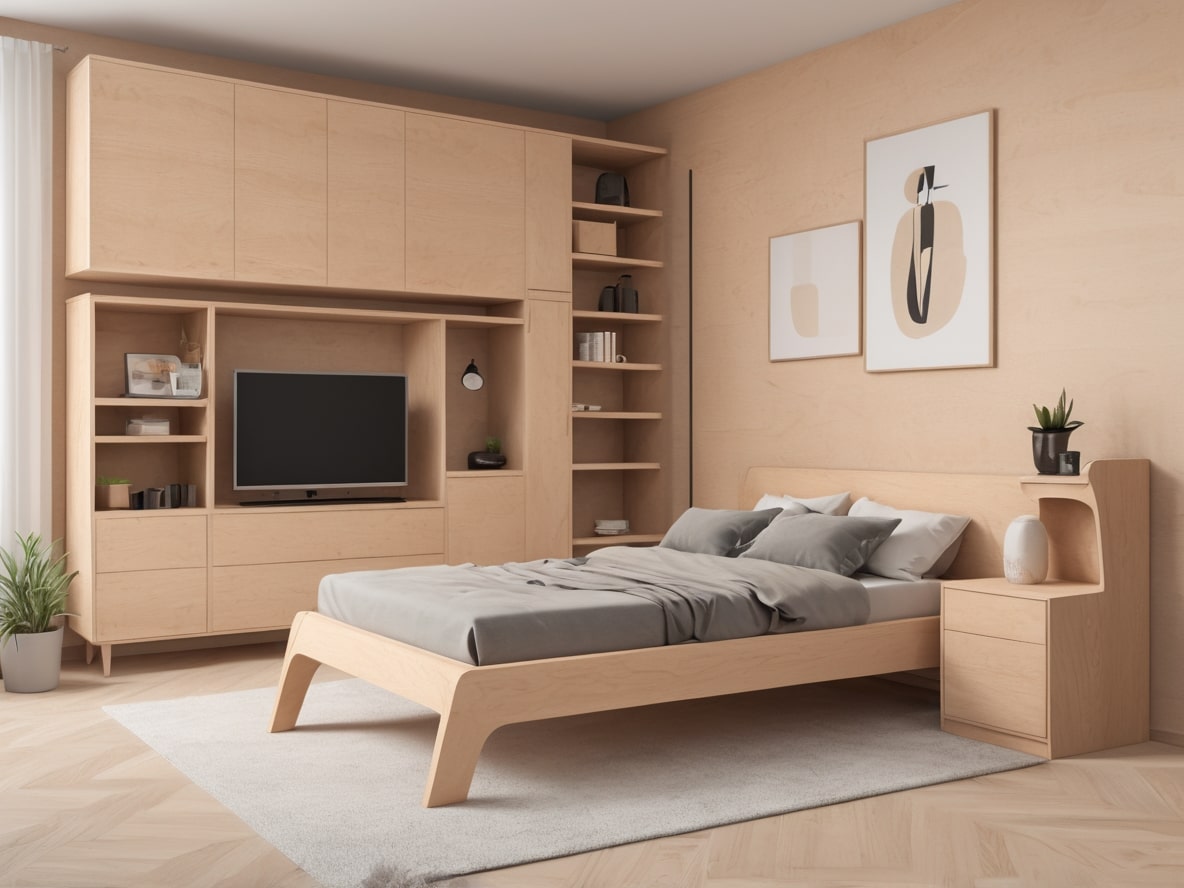
Custom furniture
Custom furniture means the manufacture of items from wood, plywood, MDF, MFC and particleboard to your dimensions and drawing, as a full cycle: from design and cutting to assembly, painting and packaging. This format suits both business (retail, cafés, offices, furniture brands, marketplace sellers with series and small-series batches under contract and a brief) and private customers for a specific space. Below: what categories of furniture we make, from which materials, how production runs, how long it takes and what the price depends on.
Custom furniture: versatile solutions for different market segments
Behind the word “furniture” hides a very varied list: office desks and shelving, children’s cots and lockers, kitchen units, seating for cafés and restaurants, warehouse racking, garden benches, retail equipment for shops. All of it is made from wood and board materials and solves two tasks at once — to fit out a space for work and at the same time look presentable for more than one season. Custom furniture differs from shop-bought precisely in that it is fitted to a specific space and a specific task, and not the other way round.
The main trump card of this format is flexibility. The project is reshaped to the customer’s requirements rather than squeezed into a ready catalogue. Need a simple shelving unit to a non-standard height — it will be made. Need a designer display case with a curved front — that too is a solvable matter, only the complexity and timeline change. Style, dimensions, material, colour — all of it is a variable, not a constant. Plus the material itself: wood and quality boards give the item durability and a living look that cheap plastic cannot.
The path from idea to finished item goes through several stages — from drawing to assembly. And here is what should be understood from the outset: identical furniture “in general” does not exist. A kitchen front and a warehouse shelf live in different worlds. A kitchen and café seating are constantly in contact with moisture and grease, so there you need boards with a moisture-resistant coating and an edge that will not swell. Office furniture wears out in its own way — it is rubbed, rolled and loaded with equipment every day, which means a scratch-resistant coating and sturdy hardware matter more. The same workshop makes both, but by different recipes.
Two things are built in already at the design stage — comfort and a strength reserve. Miss the ergonomics and it will be uncomfortable to sit at the desk, the shelf will end up at the wrong height. Skimp on strength and within a year the joints work loose. So ergonomics and durability are calculated together, not on a leftover basis.




Features of manufacturing wooden furniture: how to account for every nuance across different categories
Custom furniture is made up of a mass of small details, and all of them are tied to where the item will work. The purpose dictates the material, the machining method and the finish. Children’s, office, warehouse, garden — each has its own set of requirements, and swapping one for another will not work: a garden bench cannot be built by the logic of an office desk, it simply will not survive the first winter. Below we take these categories apart one by one.
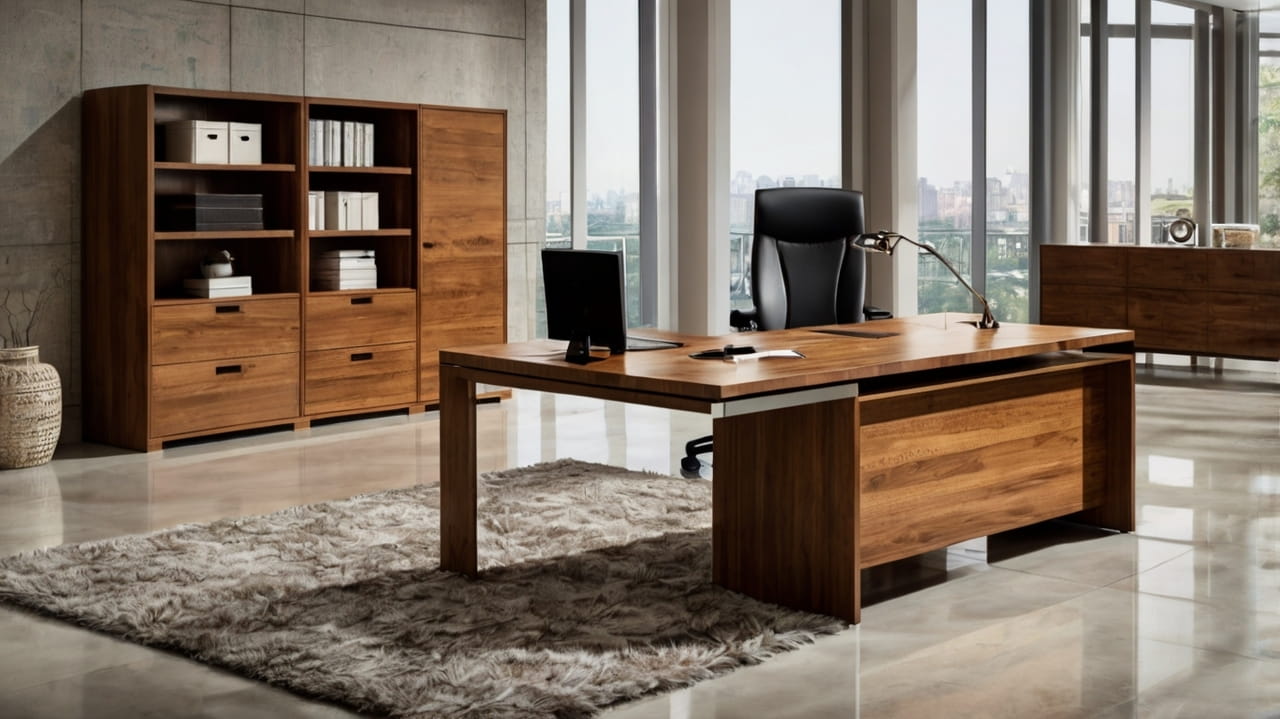
The office is about wear. Desks, chairs, shelving and cabinets here are used every day for eight hours, so a scratch-resistant coating and a material that is easy to wipe down come to the fore. But the matter is not limited to practicality alone: the furniture must fit the corporate style and not clash with the overall look of the office. A comfortable workplace directly affects how a person spends their day — so comfort here is not a luxury but part of the task.
With children’s furniture everything revolves around safety, and that is no formality. Rounded corners instead of sharp ones, no small parts to snag on, a stable structure that cannot be tipped over. Materials and coatings — only free of toxic chemistry: a child touches the furniture, gnaws on it and leans on it for days on end. Plus a strength reserve, because children test furniture for endurance far more harshly than adults.
The warehouse is the territory of brute force. Here furniture is expected not for beauty but for the ability to hold weight and not fall apart under daily loading and unloading. Shelving and shelves are built from dense plywood and MDF — materials that endure both heavy boxes and constant load and do not fear knocks during goods handling. Neatness of finish gives way to reliability of fastening and thickness of the shelf.
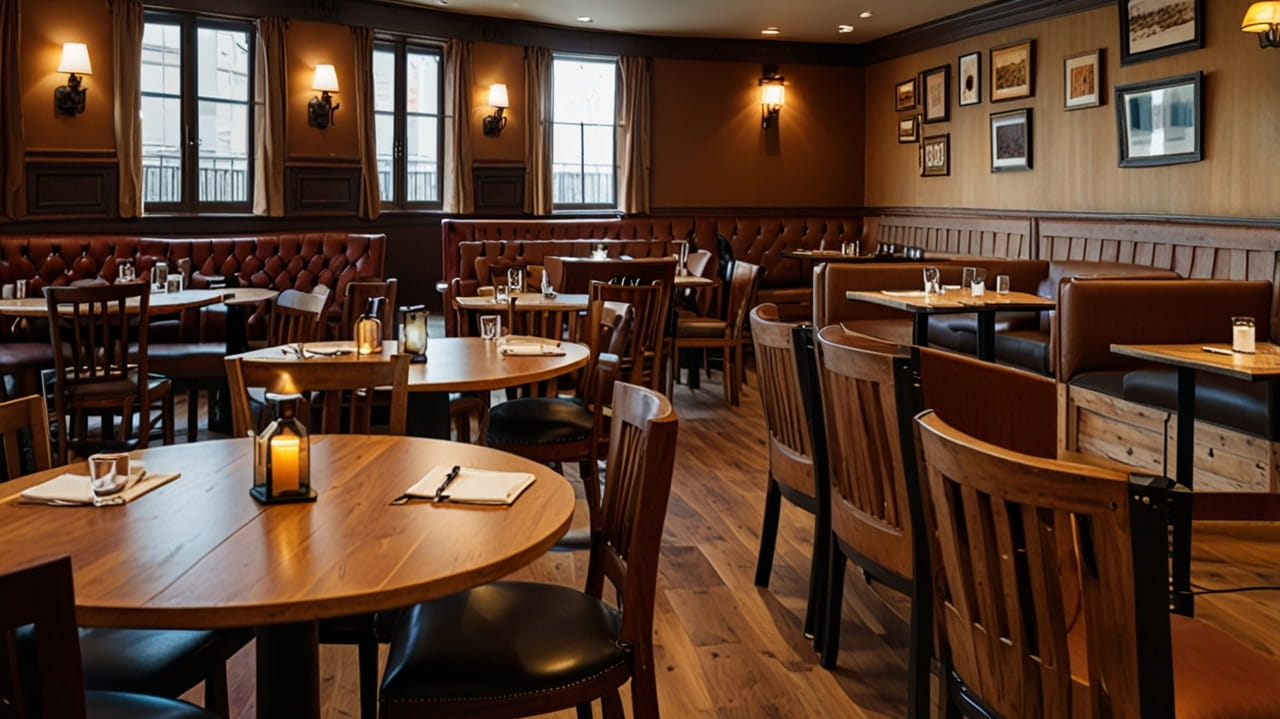
In a café and restaurant furniture works on two fronts at once. On one hand, tables and chairs must survive the flow of guests, spilled coffee and daily cleaning. On the other, it is largely they that create the very atmosphere people come back for. So here both a durable, easy-to-clean material and an appearance that fits the venue’s concept matter. Dull seating can spoil the impression even of good cuisine.
Garden furniture lives under the open sky, and that means rain, sun, swings from heat to frost. Ordinary wood will not survive this — you need a more resistant species and mandatory protective treatment. Impregnations against moisture and rot, coatings against fading in the sun — without them a bench will go grey and crack within a couple of seasons. Here protection against the environment matters most of all.
The conclusion is simple: each category has its own set of requirements, and it is built in even before the first cut — in the choice of material, in the project, in the assembly scheme. That is exactly why a sound conversation about an order always starts with the question “where will it stand and how will it be used”, not with “what colour do you want”. Half the technical decisions depend on the answer.
How wooden products are manufactured
Stages of making custom furniture: from idea to finished item
Custom furniture is not born in one sitting — it passes through a chain of stages from the idea in the customer’s head to boxes on their doorstep. No step can be skipped: miss a small detail on the drawing and it will surface during assembly. Below is how it looks in order, with nothing left out.
The first step is the project. The customer brings what they have: wishes in words, a sketch, a photo of similar furniture or a ready drawing. From this, working drawings and process schemes are born, by which the shop will then proceed. It is here that all parameters are fixed — dimensions, shape, materials, finish. The more precisely you agree on the shore, the fewer surprises later: to argue over the drawing is cheaper than to redo the finished item.
Next the material is chosen, and this choice is no accident. For the office MFC is more often taken — practical, inexpensive, a rich choice of décors. For a café you need a board or wood with a moisture-resistant finish that will survive a wet cloth ten times a day. The warehouse calls for thick plywood, the nursery for an eco-friendly material free of harmful resins. The logic is the same: the material must carry its load — mechanical, moisture, decorative — and not just be on hand.
Then the blanks are made — and this is the core of the whole process. Boards are ripped, parts are milled, holes for fasteners and hardware are drilled, edges are machined. In essence, all the future parts of the cabinet or table are born here from the board. Precision at this step is decisive: if every part comes out exactly to size, the item assembles without adjustment. An error of a couple of millimetres on several parts — and during assembly the fronts stop lining up.
When all components are ready, assembly begins. The parts are joined into a whole item, hardware is fitted, and where needed a finish is added — sanding, painting, varnish. Here the reliability of the joints matters: a loose joint over time turns a sturdy cabinet into a creaky structure. Well-assembled furniture holds both its shape and its appearance for years, without needing tightening every six months.
The finale is packaging and delivery. The finished furniture is protected from knocks and scratches on the way: corners, glass and fronts are especially vulnerable during transport. The goal is simple — for the item to reach the customer exactly as it left the shop, not with a scuffed corner or a chip on the edge. For large batches and fragile elements the packaging is thought through separately.
Each of these steps has its own specifics, and sloppiness at any of them tells in the end. Project, material, blanks, assembly, packaging — the chain holds exactly as firmly as its weakest link. Adherence to the technology at every stage is what distinguishes furniture that serves for years from furniture that is asking to be replaced after a single season.
Unique offerings in wooden furniture manufacturing: how custom furniture helps a business
The main plus of working directly with production is an individual approach without the quotation marks. For an office, a nursery or a café, a bespoke solution is designed rather than the nearest ready one selected. That means custom furniture is made to your dimensions and for your task: a non-standard niche, an atypical height, a specific front shade — all of this stops being a problem. The catalogue here is not a ceiling but merely a starting point.
The second point is modern equipment. CNC machines deliver a precision that cannot be repeated by hand: parts come out strictly to size, with no millimetres drifting by eye. This is especially helpful where an error is unacceptable — for example, in furniture with built-in appliances, where the opening for an oven or fridge must be to the millimetre, or in items with complex pull-out mechanisms.
And the third is control at every step, not just at the output. Blanks are checked against the drawing, joints are tested for strength, the finished item is inspected as a whole. Such end-to-end control is what delivers the very reliability that is easy to write about in advertising but is visible only in the finished furniture. The process is watched by people who know where flaws usually hide — so they do not reach the customer.
The benefits of working with professionals

Modern equipment
Panel saws, CNC and milling machines — precision, speed and quality guaranteed

Extensive experience and expertise
We know how to handle wood and sheet materials — reliably, precisely, professionally

Fast order fulfilment
Fast and without compromising quality. We value your time and our commitments

A full range of services in one place
Cutting to size, sawing, milling, sanding, painting, assembly — all in-house, with no middlemen

Trusted materials and consumables
We work only with quality materials, so you can be confident in the result

An individual approach to every client
We work to your drawings, create a machining program for the task and account for every detail
The benefits of cooperating with a manufacturing company for businesses in the furniture industry
For those who sell furniture or create interiors, working directly with production is about money and nerves. The flexibility of the process allows the project to be fitted to any inputs: change the batch size, adjust the construction, select a different décor without lengthy approvals. An intermediary in this chain only adds a markup and time, while direct contact with the shop removes both.
On top of that — a clear material. When production works with proven suppliers of boards and hardware, the customer gets predictable quality rather than a lottery with obscure particleboard from the market. Good equipment adds even machining at every stage. In sum this is confidence: a batch shipped today will be the same as the one that left a month ago.
A separate benefit for a brand is the ability to make exclusives. Your own model, which competitors do not have, sets the product apart on the shelf and in the catalogue. For a seller or retailer this is a direct argument in the fight for the buyer: not yet another generic cabinet but a recognisable item under one’s own mark. And a satisfied end client returns and recommends — that is how a market position is strengthened.


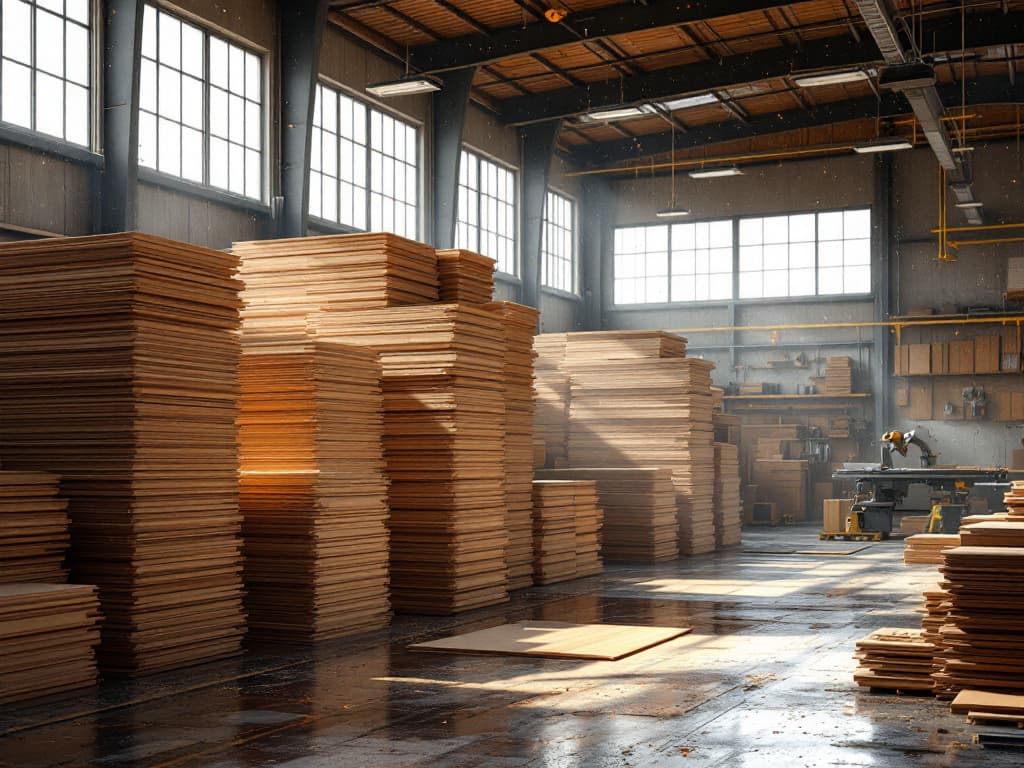

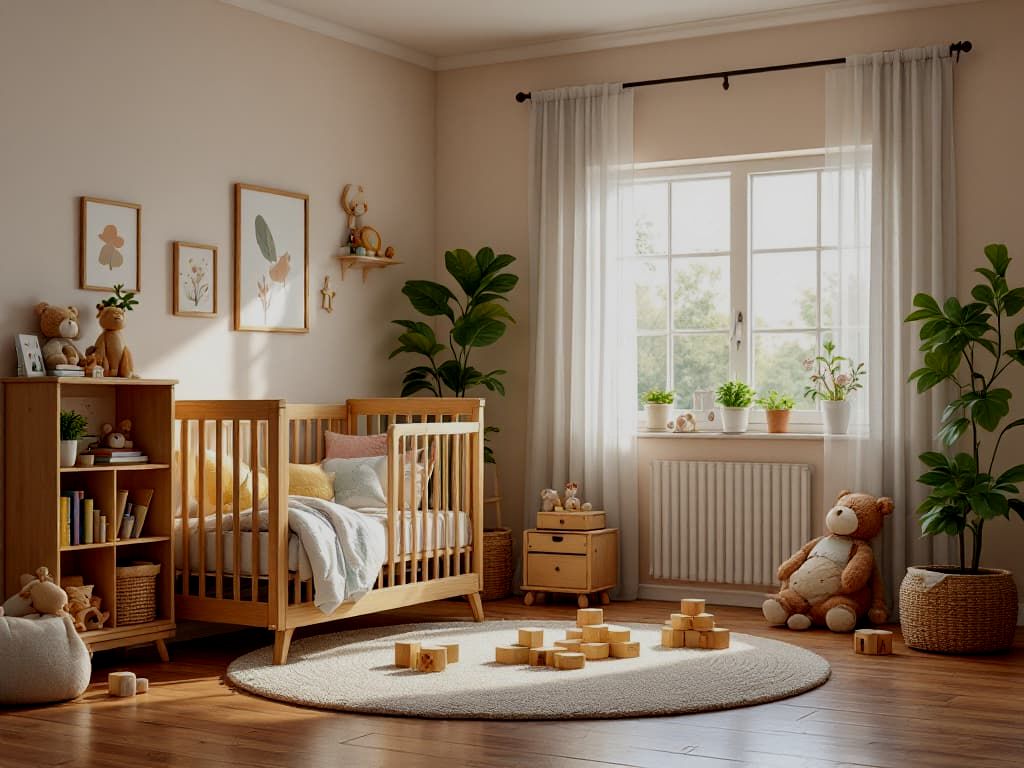
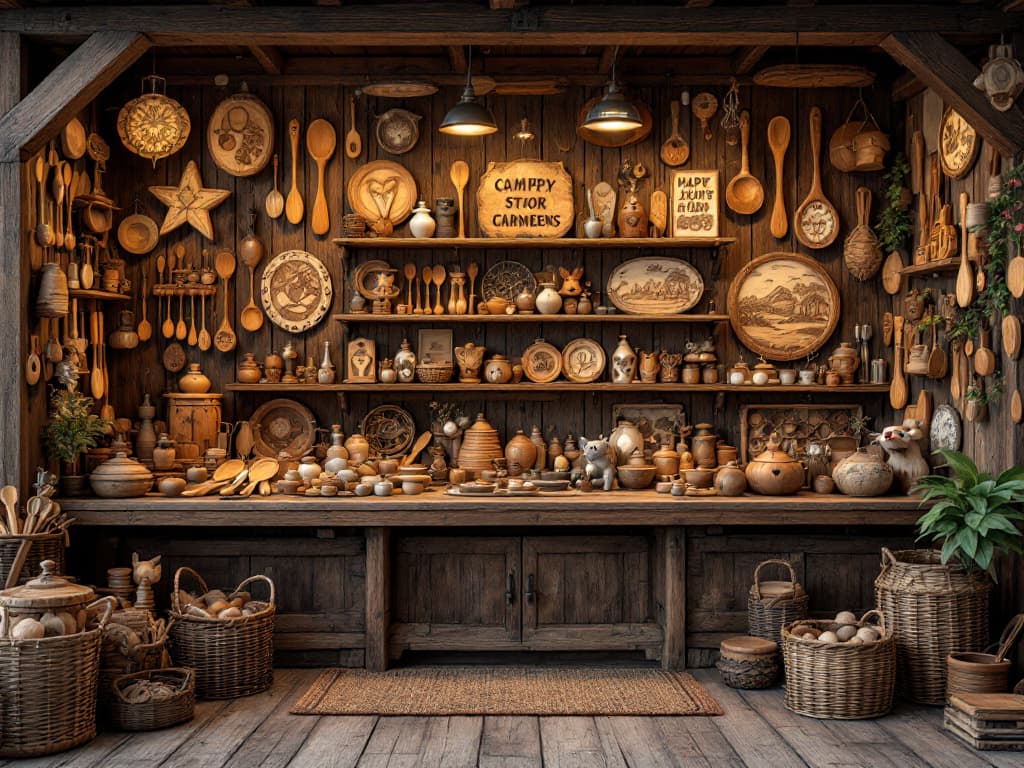

Categories of custom furniture: from office to garden
The range of custom furniture is broad, and each category lives by its own rules. What comes to the fore — aesthetics, wear resistance, safety or bare functionality — depends on how the item will be used. Office, nursery, café, garden, warehouse, shop: each scenario has its own approach both in the project and in production. Let us go over the main directions in a little more detail.
The office set is usually desks, chairs, cabinets and shelving. They are expected to be comfortable to work with and to look right for the corporate style — a meeting room with mismatched furniture looks unserious. But the main thing here is endurance: office furniture is under daily load, moved about, loaded with equipment on the worktop, doors opened and closed hundreds of times. So sturdy hardware and a durable coating matter more than decorative flourishes.
Children’s furniture is the category where safety stands above all. No sharp corners, no toxic materials, mandatory stability so the cabinet does not tip over if climbed on. At the same time the construction must withstand active “use”: children jump, hang, test furniture for strength every day. Coatings are chosen eco-friendly, free of harmful varnishes and resins — what a child touches constantly must not harm their health.
For cafés and restaurants it is tables, chairs, sofas, bar counters. They need to combine strength with a pleasant look — a guest sees this furniture up close and touches it with their hands. The key requirement is a material that is easy to wash and does not fear frequent moisture: spilled drinks, wet cleaning several times a day, grease from the kitchen. So the wood is taken with protective treatment, and surfaces are chosen where a stain wipes off rather than soaking in forever.
Garden furniture — benches, tables, loungers, gazebo sets — is constantly under the open sky. That means resistance to the environment comes first: moisture, sun, temperature swings from plus thirty to below zero. The wood necessarily undergoes protective treatment — against rot and against fading under UV. Without this even a beautiful set will quickly lose its look, while with sound impregnation it will serve for many seasons in a row.
Warehouses and shops bank on strength and functionality. Shelving, shelves, containers, display cases work under the weight of goods and in a mode of constant loading and unloading. Here it is not elegance that is valued but the ability to hold a load and organise the space conveniently: so that goods are to hand, shelves do not sag, and the structure itself serves for years without repair. Retail equipment must also present the goods to advantage.
Any way you look at it, each direction requires its own approach to material, technology and design. That is exactly why custom furniture wins over the standard kind: it is designed for a real task rather than averaged out “to suit everyone”. As a result the item not only performs its function but also serves long, because it was made for its conditions from the start.
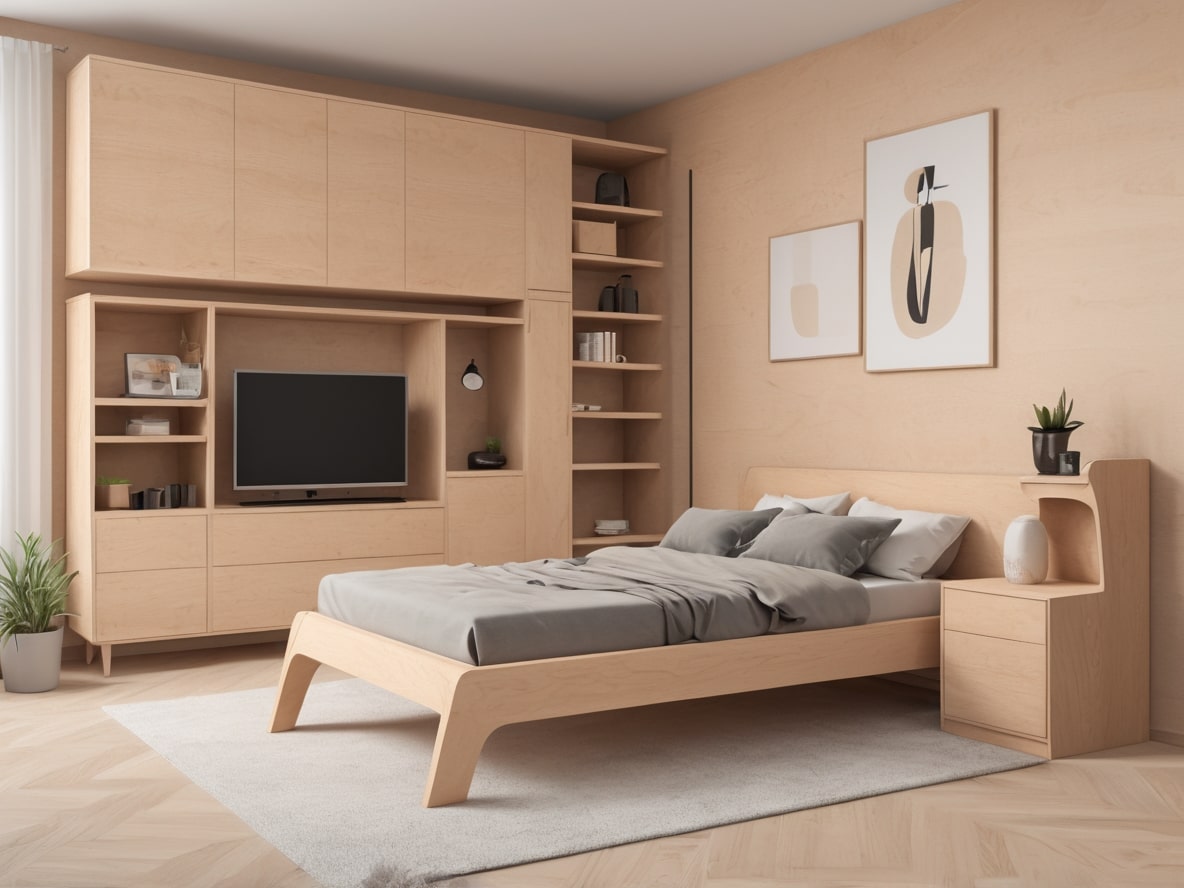
Our portfolio — finished products
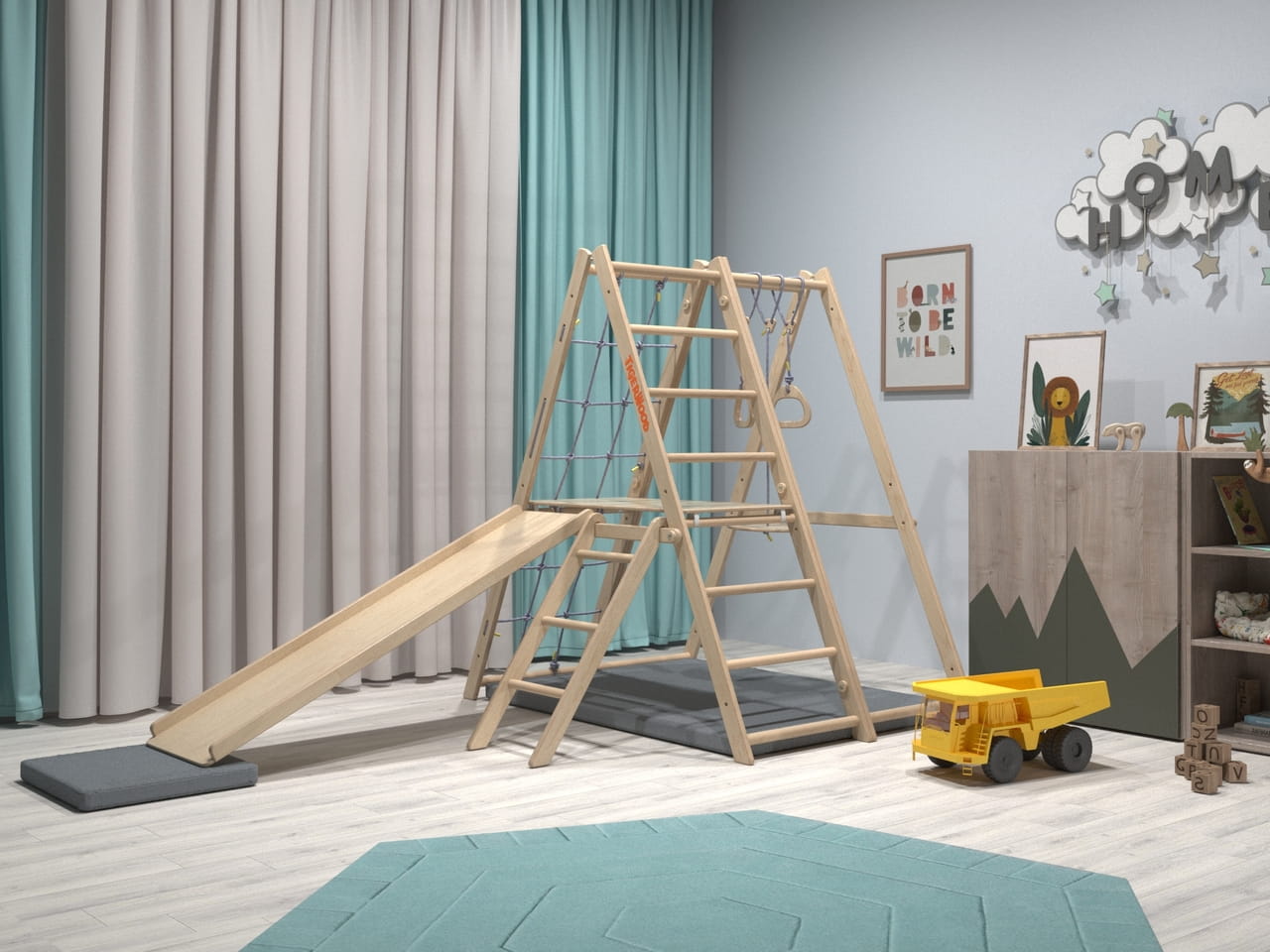
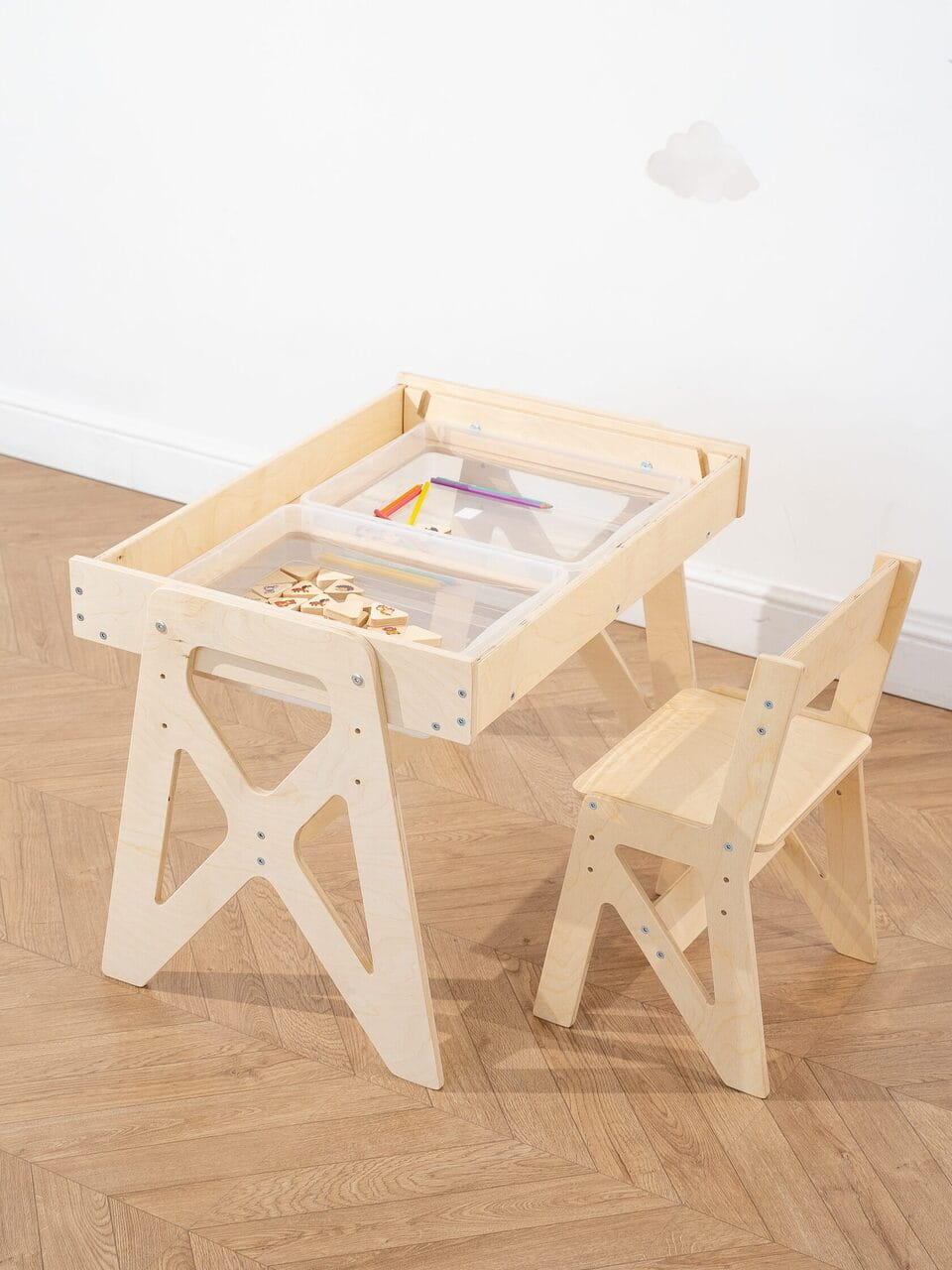


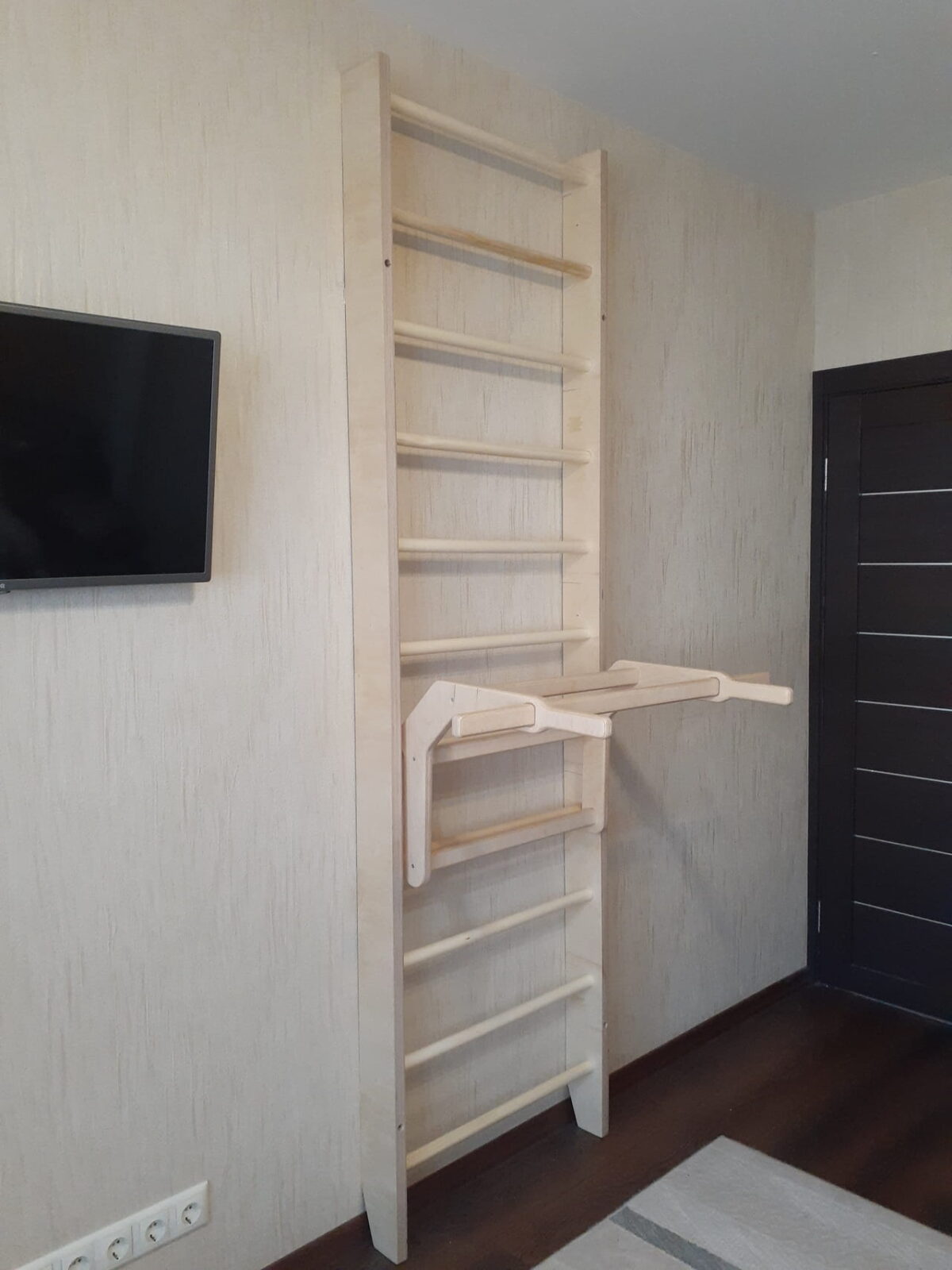
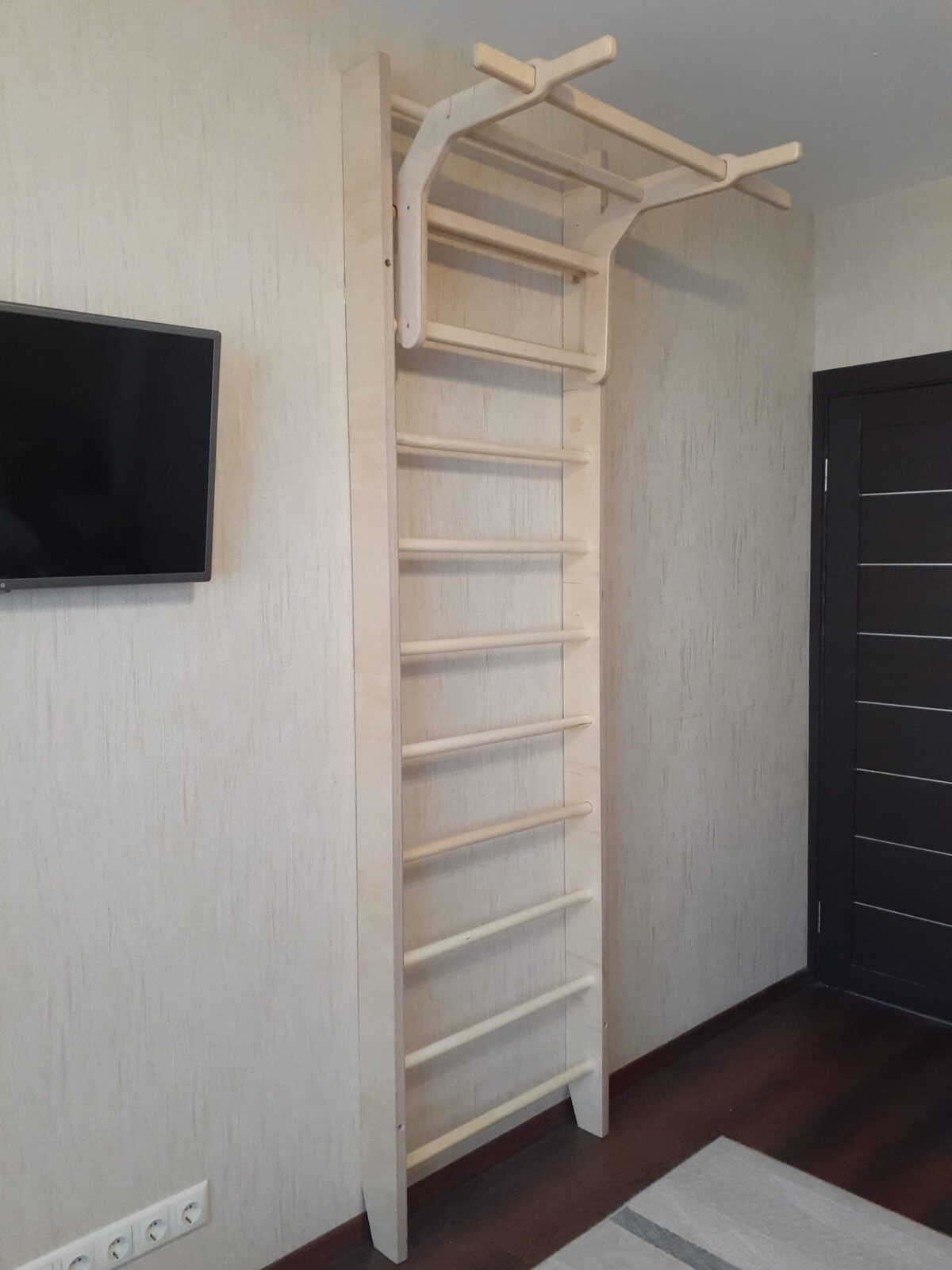
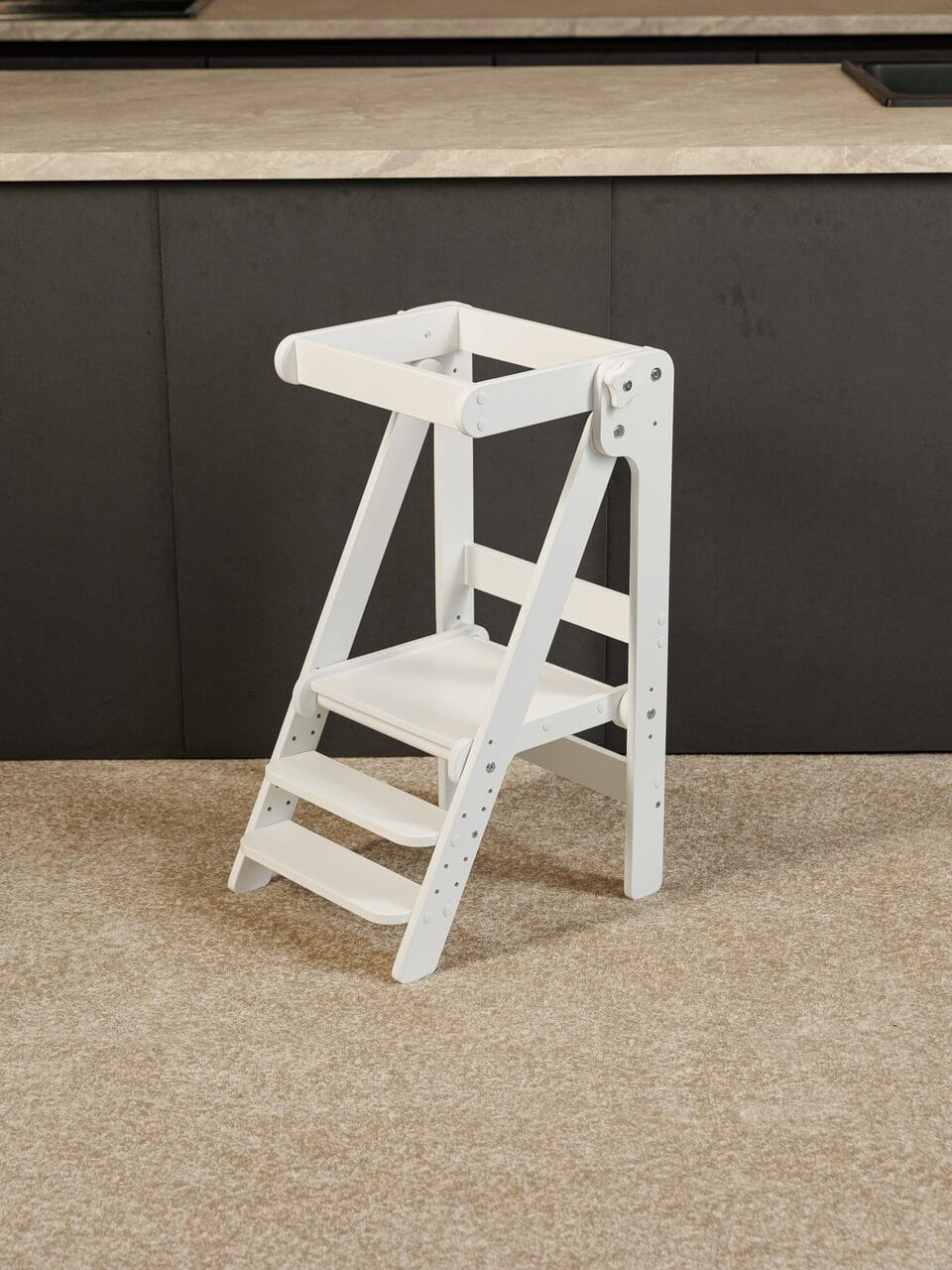
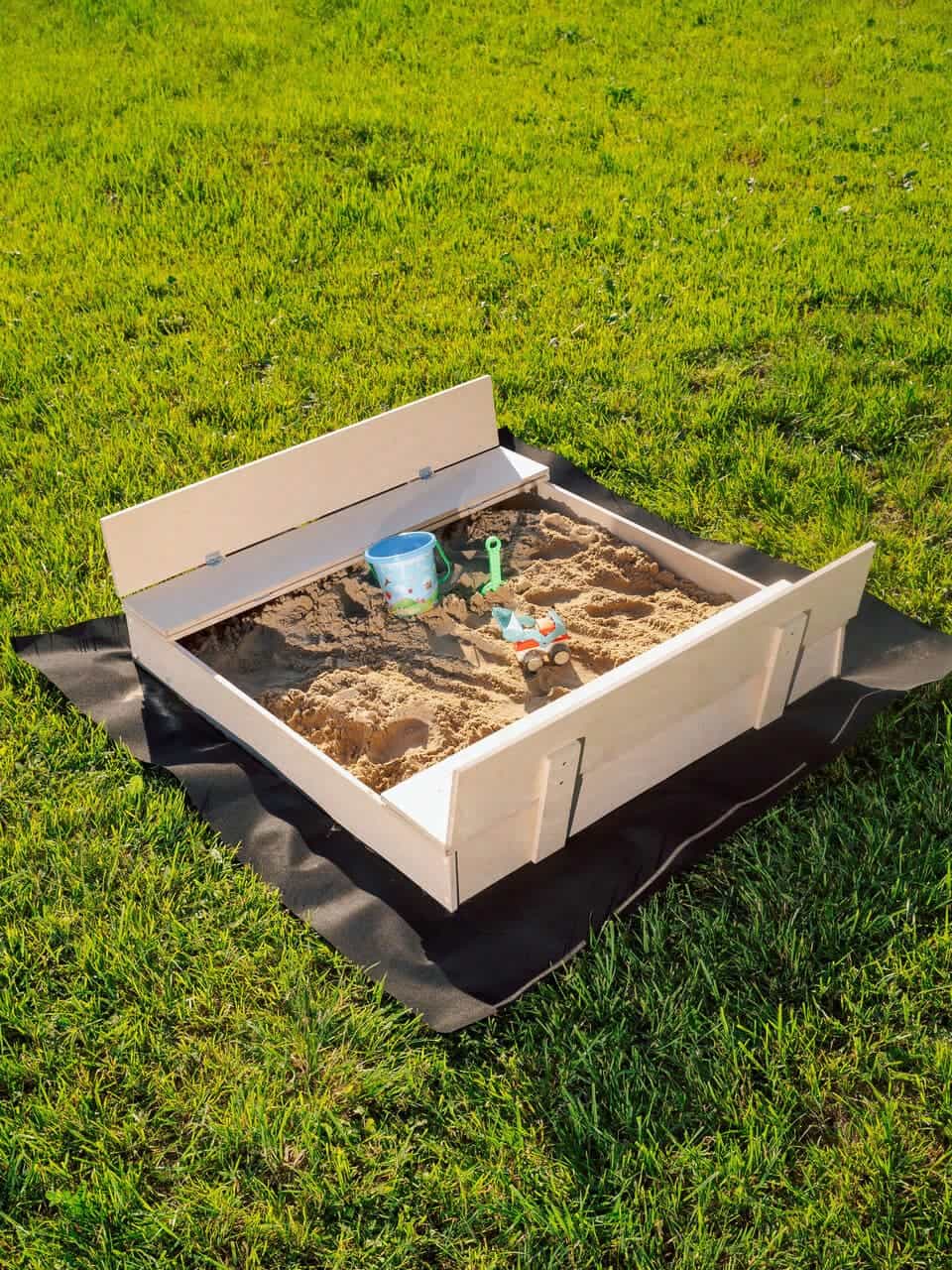

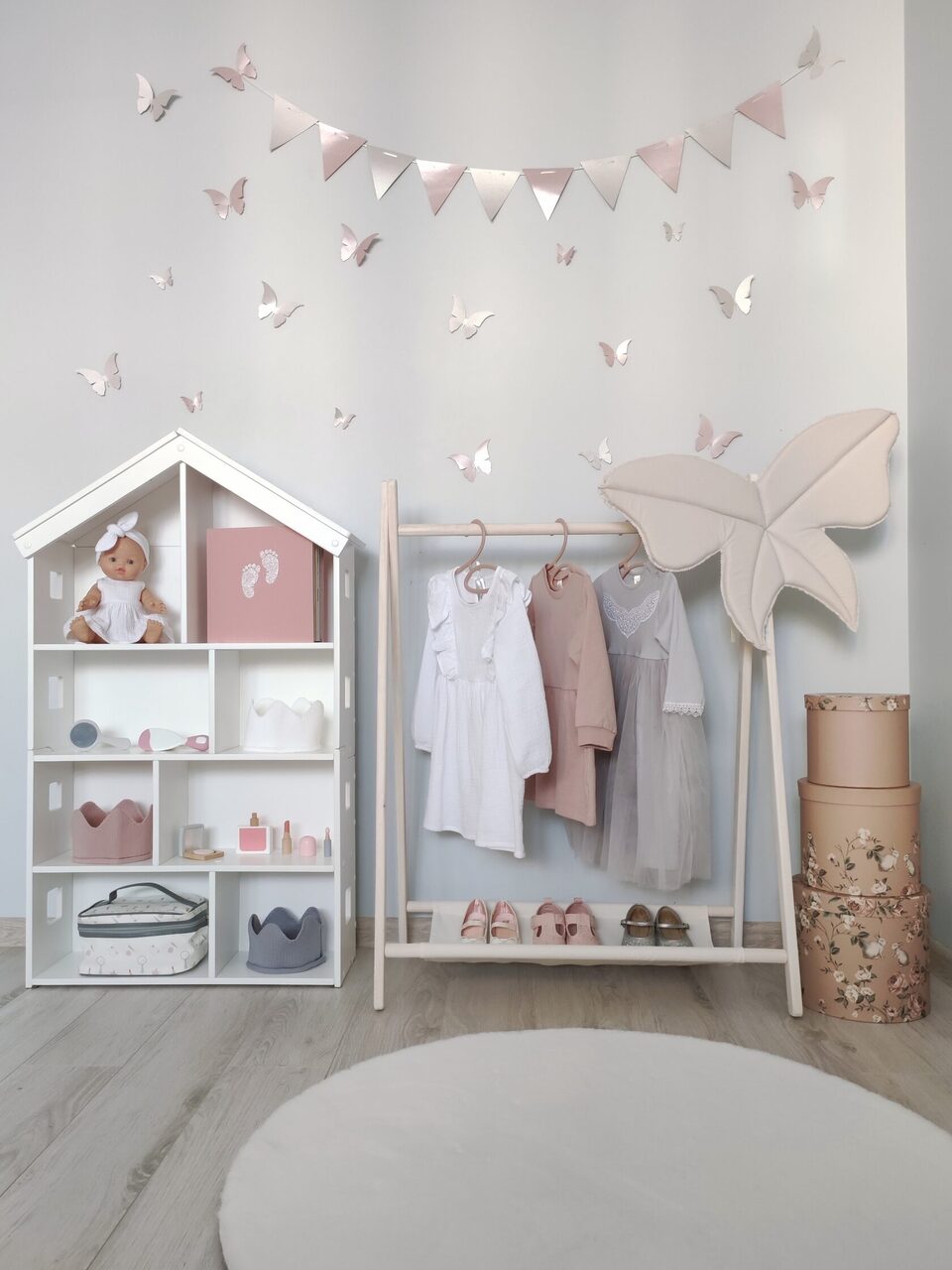

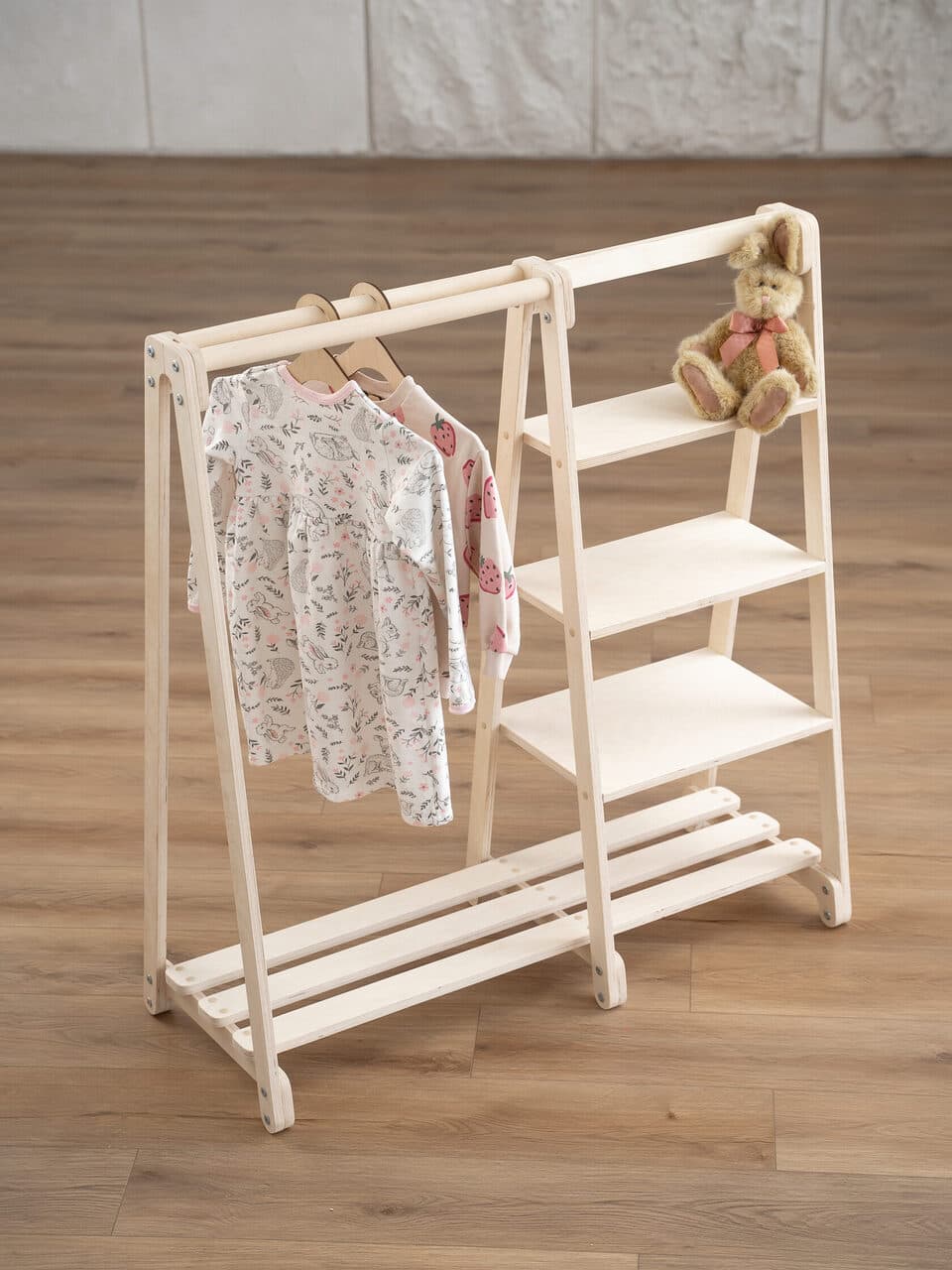
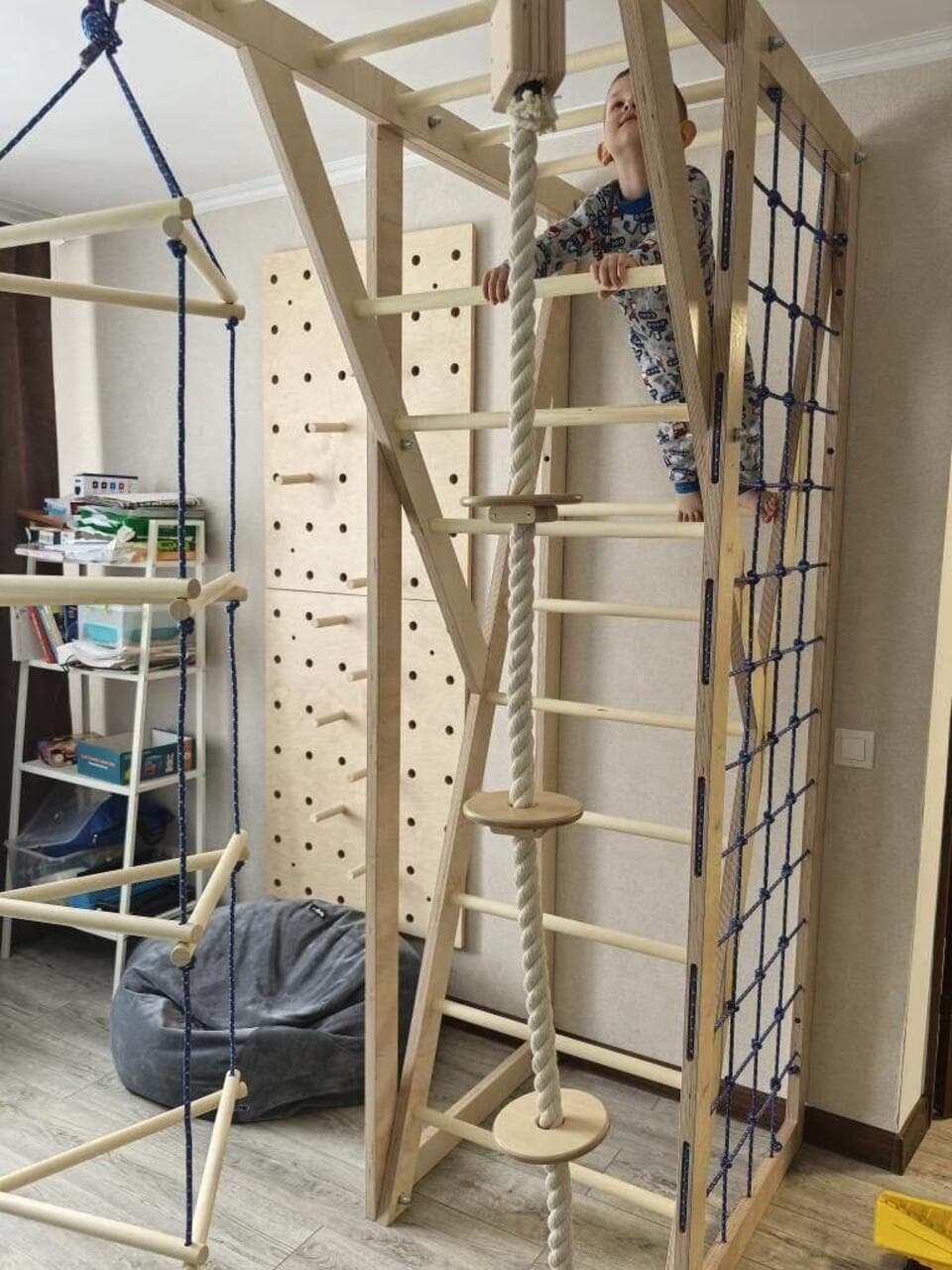
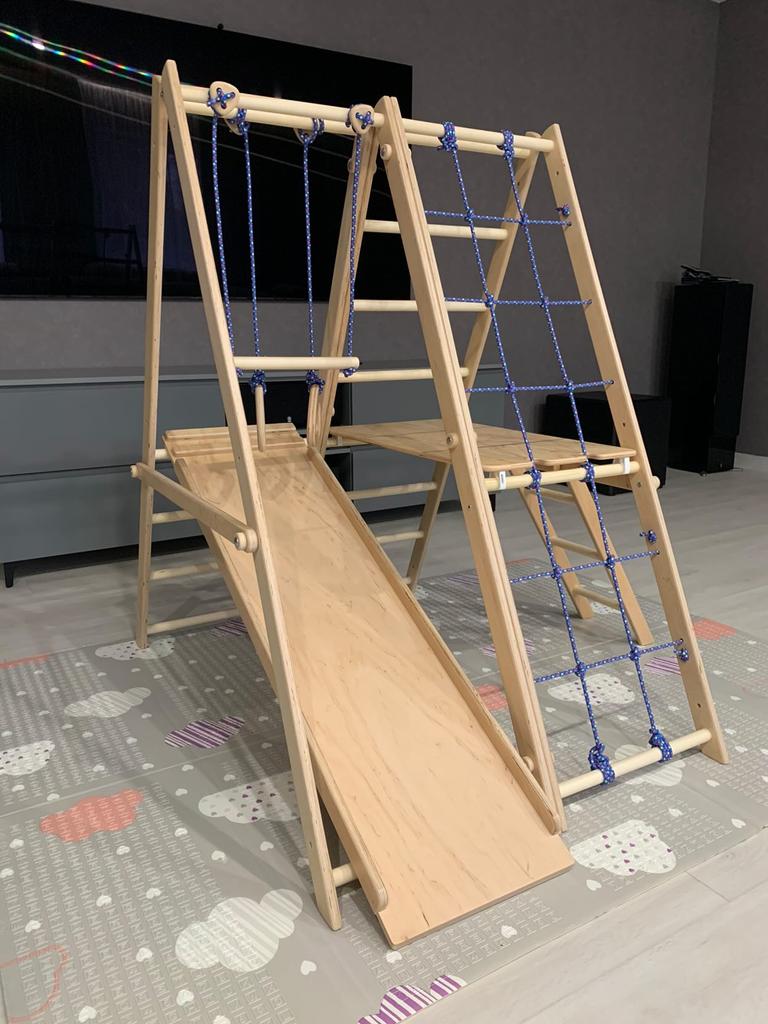

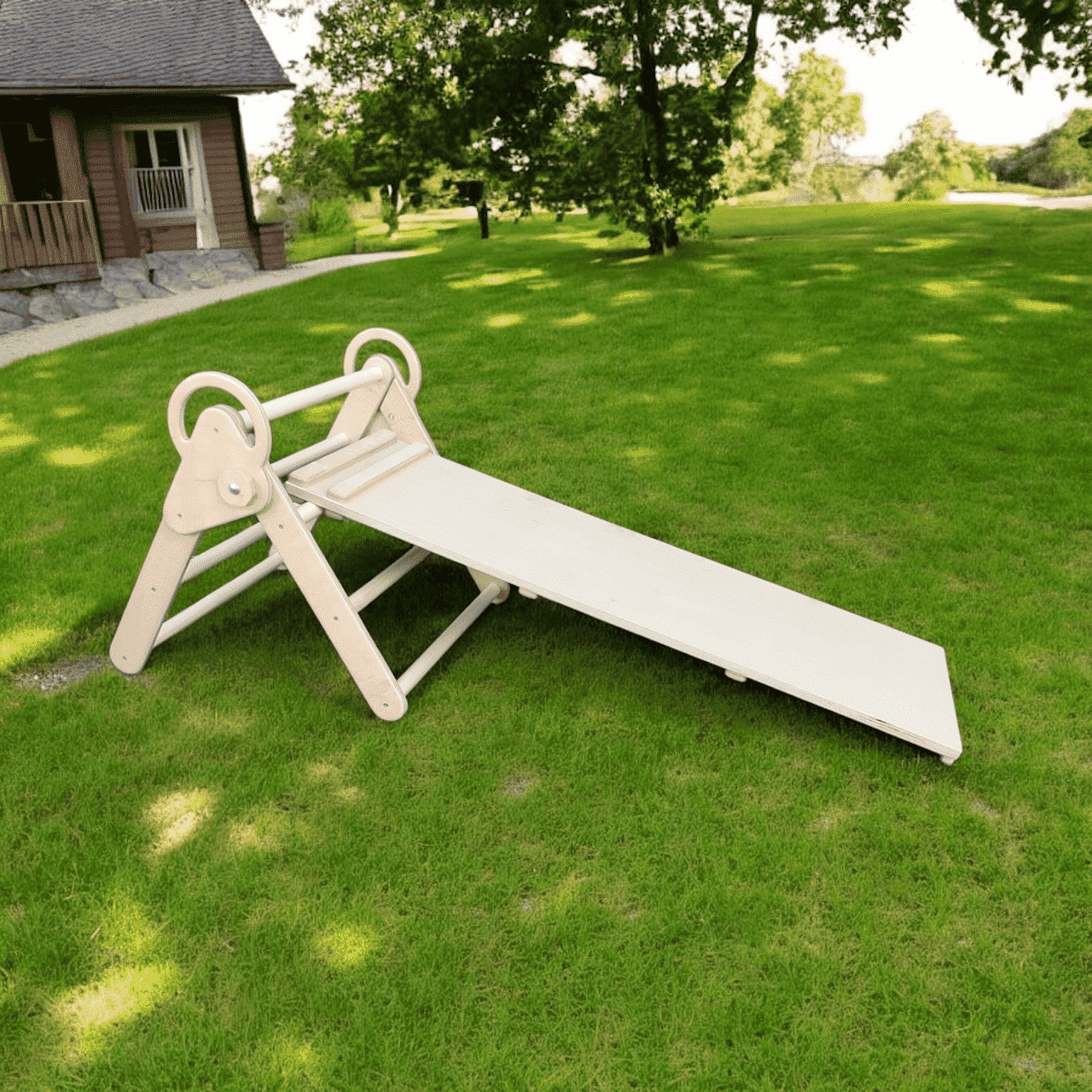

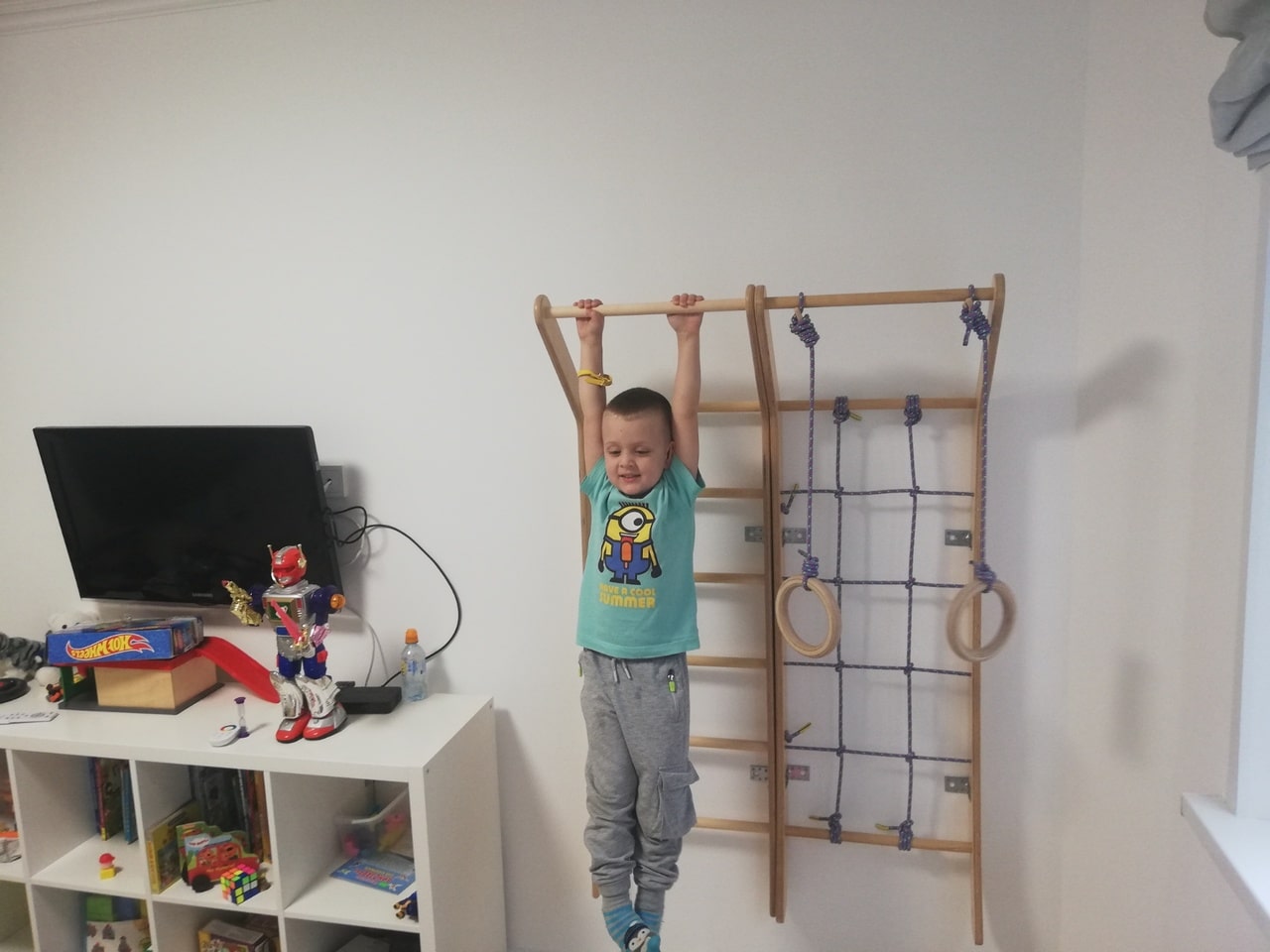


Examples of work: real projects and achievements in wooden furniture manufacturing
Behind us are both standard orders and one-off projects where everything had to be calculated from scratch for specific requirements. A couple of examples show better than any generalities what stands behind the phrase “custom furniture”. The projects vary in scale — from restaurant seating to fitting out a kindergarten and a warehouse complex — but one thing unites them: precise execution and hitting the customer’s task.
For a large restaurant we made a set of tables and chairs for a specific interior — so that the furniture did not clash with the layout of the hall but worked on the atmosphere. Every element was calculated for both strength and safety: restaurant seating withstands a flow of guests daily. As a result the furniture kept a presentable look for a long time rather than getting worn out by the end of the first season, as happens with hastily chosen tables.
For a children’s educational institution we assembled a set where safety, comfort and eco-friendliness went hand in hand. Desks, chairs, cabinets — all from natural materials free of harmful substances, with rounded corners and ergonomics thought through for a child’s height. Plus a strength reserve: children’s furniture in a kindergarten or school is tested for endurance by dozens of children daily, and it has to be calculated for exactly that load.
A separate line is office sites, where furniture must be both stylish and a workhorse at once. Desks and shelving for such spaces were made with high load and easy care in mind: wipe it down and it’s tidy, no complex chemistry. In a dynamic office environment, where furniture is not spared, it is precisely these qualities that come to the fore and decide whether a set serves three years or ten.
What unites all these cases: the scale differs but the approach is the same — professional at every step, from concept to manufacture and installation. A custom order is good precisely because it lets you make exactly what the client needs, with no compromises of the “there’s something similar, take that” kind. That is exactly why people bring non-standard tasks to those ready to calculate a project from scratch.
Who uses a carpentry workshop’s services

Furniture makers

Interior designers

Advertising companies

Exhibition stand builders

Art studios

Cafés and restaurants

Construction firms

Retail equipment manufacturers

Furniture factories

Private craftsmen

Custom orders

Manufacturing companies

Museums and exhibition halls

Architects

Theatres and film studios

Educational organizations

Children’s products manufacturing

Repair specialists

Online stores

Sole proprietors
Who is the client of a wooden furniture manufacturing business
People come for custom furniture from the most varied fields. One of the main customers is offices and corporate organisations that need to equip workplaces. Here desks, chairs, cabinets and shelving are in demand, and the requirements are predictable: practicality, comfort, durability. Companies often take furniture in batches for a whole floor or department at once, so both uniformity of items and the ability to buy exactly the same later matter.
Next come cafés, restaurants and hotels, where quality goes hand in hand with style. Furniture here is not just furniture but part of the venue’s image: it must be comfortable for the guest and fit the concept, be it loft, Scandinavian minimalism or classic. So they order not only tables and chairs but also bar counters, sofas, reception areas, decorative elements — everything that forms a unified atmosphere in the hall.
A separate large segment is shops and retail premises. Display cases, shelving, counters, stands work non-stop and hold the weight of displayed goods. Here functionality, practicality and a strength reserve are valued: retail equipment is used intensively, and a weak structure gives up fast. Plus presentation matters — the furniture must show the goods to advantage, not hide them.
Garden furniture is ordered by owners of country houses and dachas, as well as landscape design companies that fit out plots turnkey. In demand are tables, chairs, benches, loungers and terrace sets. The requirement is clear: to be practical and to take the weather’s punch — rain, sun, frost. Landscapers, moreover, often take furniture in a single style with the rest of the plot’s design, so that everything looks like one ensemble.
Finally, warehouse furniture — the request of logistics companies and retail chains with large storage volumes. Here it is all about strength and durability: shelving and shelves hold tonnes of goods and work for years with no right to slack. A well-designed warehouse system additionally saves space and speeds up the staff’s work — goods are easier to find and reach. For a business this is no trifle but a direct saving of time on every shipment.
An overview of wooden furniture manufacturing
Custom furniture is not “knocked together and handed over” but a bundle of design, material selection, machining and assembly. Each category has its own set of requirements, and swapping one for another is pointless. Office furniture needs both functionality and a look to match the corporate style — the working atmosphere depends on it. Children’s furniture must meet the strictest norms of safety and eco-friendliness, because a child’s health directly depends on it, not some abstract “quality”.
Garden furniture stands apart — its entire construction is subordinated to resistance to weather and moisture. Warehouse furniture pulls its own weight of strength: to hold a load, serve long and be convenient where there is a constant flow of goods. Different poles of one and the same craft — and both are covered if each is approached by its own measure rather than tarred with one brush.
Any item — a table, a chair, a cabinet — is assembled with an eye to both safety and function. The material is chosen so that it will not give out within a year: not warp, not delaminate, the coating not crack. The bundle of modern equipment and people who understand wood is what delivers at the output that stability of quality for which people turn to production rather than assembling furniture on the knee.
It all starts with the drawing, then comes material, machining, assembly, installation. Attentiveness is needed at every step: a neatly machined part assembles without gaps, while a careless one drags the whole item into misalignment. And this whole chain comes down in the end to one thing — for the finished furniture to match what the customer imagined, right down to the shade of the front and the glide of the drawer.
Custom furniture: a practical breakdown for the customer
Next, the specifics with no generalities: which material to choose from, what the price is made up of, how long to wait for different item types and what customers most often trip up on. This is the part it is useful to read before placing an enquiry, so the conversation with production goes to the point.
Materials for custom furniture
The material determines almost everything: price, weight, look, service life. There is no universal “best” option — there is one suited to a specific task. Solid wood is dearer and nobler, MFC is more practical and cheaper, MDF is indispensable for painting, plywood holds load and fasteners. The short cheat sheet below helps you get your bearings before the conversation about an order.
| Material | Pluses | Where it is used |
|---|---|---|
| 🌳 Solid wood | Strength, a noble look, repairability | Worktops, premium fronts, nursery |
| ⬜ MFC | Ready coating, inexpensive, many décors | Carcasses, office, cabinets, shelves |
| 🟤 MDF | Even structure, ideal for milling and paint | Painted fronts, 3D panels, décor |
| 🪵 Plywood | Holds fasteners and weight, bends | Frames, warehouse, bent forms |
| 🟫 Particleboard | Budget-friendly, suits hidden elements | Back panels, drawer bottoms, base |
It is often more worthwhile to combine: a carcass from MFC, a painted front from MDF, loaded shelves from plywood. Such a mix keeps the budget in check while not sacrificing strength where it is really needed. If in doubt — it is easier to describe the task, and the material will be selected for it.
What the price depends on
The exact price of custom furniture is calculated per project, but its components are clear in advance. Knowing them, it is easier to estimate the budget and see where you can save without harm to the result and where saving will backfire.
- 🧱 Material. Solid wood is dearer than board, and MFC décors also carry different price tags.
- 📐 Construction complexity. A straight carcass is cheaper than curved fronts and non-standard geometry.
- 🔩 Hardware. Simple hinges or premium-class soft-close — a noticeable difference.
- 🎨 Finish. Edge, painting, varnish add to the cost, but also to the service life.
- 🔁 Run size. A series per item is cheaper than a single specimen.
- 🚚 Delivery and assembly. Depend on dimensions and address.
The most common overpayment arises not from the material but from inaccurate inputs: rework in the end eats up more than a careful preparation of the drawing at the start would have cost.
Manufacturing times by furniture type
Times depend on complexity and volume, but guides can be given. They help with planning — for example, to understand whether a batch will make it in time for the opening of an outlet or a move into an office.
| Order type | Lead-time guide | Example |
|---|---|---|
| 📦 Simple item | from a few days | Shelving, shelf, cabinet |
| 🚪 Carcass furniture | 1–3 weeks | Wardrobe, kitchen unit |
| 🎨 With complex finish | 2–4 weeks | Painted fronts, décor |
| 🏭 Series batch | by agreement | Fitting out a chain or site |
If the order is tied to a date, it is sensible to get in touch early and allow a margin: the coating usually takes longest, and rushing it means risking the quality of the finish.
Custom furniture or ready-made from a shop
Ready-made furniture is cheaper and available at once — those are its strong points. But it dictates its own dimensions and forces you to adapt the space to it. Custom furniture works the other way round: it adapts to the niche, the layout and the task. It costs more and needs time to make, but it uses the space without waste and serves longer thanks to a well-thought-out construction. Put simply: standard — when the norm fits and you need it urgently; custom — when precise dimensions, non-standard shapes or a unified style matter.
Common mistakes when ordering
- ❌ Measurements “by eye”. One wrong dimension — and the unit does not fit into the niche.
- ❌ Skimping on hardware. Cheap hinges and runners are the first to give up.
- ❌ Ignoring the conditions of use. Ordinary MFC by the kitchen sink quickly swells along the edge.
- ❌ No margin on timing. A complex finish and drying do not speed up on command.
- ❌ Choosing by price alone. The cheapest option often turns out to be the dearest in the long run.
How to prepare for an order
- 📏 Take the dimensions of the room or opening, better twice.
- 🖼️ Gather examples of what you like — photos or links.
- 🎯 Decide on the purpose and conditions: humidity, load, who uses it.
- 🎨 Choose the desired material and colour, at least roughly.
- 🔢 Specify the quantity: a single item or a batch.
- 📅 Name the deadline if the order is tied to an event.
A perfect technical package is not required — much becomes clear in dialogue. But the more data at the start, the shorter the path to the finished furniture and the more precise the final estimate.
Hardware: unnoticed but decisive
Hardware is remembered last, and that is a pity — it is precisely what determines how the furniture feels in everyday use. Hinges, drawer runners, soft-close mechanisms, handles work many times a day, and their lifespan decides whether in a couple of years the cabinet opens smoothly or with a jerk and a squeak. People skimp on hardware most often, and regret it most often too. The sensible approach is to fit reliable mechanisms at least where the load is highest: on heavy drawers and frequently opened doors.
To bring it all together: custom furniture wins where precise dimensions, one’s own style and durability under specific conditions matter. It is enough to describe the task clearly and take the measurements — design, material, manufacture and assembly will be taken on. The result is not a compromise from a shop but an item made exactly for your space and your task.
Styles of custom furniture
Style is not only about beauty but also about whether the furniture will fit into an already existing interior. A custom order is good in that it adapts to any direction rather than imposing its own. Below are the most popular reference points people usually start from.
- 🕊️ Minimalism. Smooth handleless fronts, calm colours, nothing superfluous.
- 🧱 Loft. Wood paired with metal, a rough texture, dark tones.
- 🌿 Scandi. Light wood, simple forms, plenty of air.
- 🏛️ Classic. Milled fronts, panelling, noble species.
- 🎨 Modern. Bold colours, non-standard geometry, accent details.
There is no need to name the style with a term — it is enough to show a couple of references. From them the front, colour and hardware will be selected so that the furniture looks like a single whole with the rest of the space rather than an insert from another opera.
Kitchen furniture: what to look at
The kitchen is the most demanding order in furniture. Here everything comes at once: moisture by the sink, steam and grease by the hob, constant opening of doors, the weight of crockery on the shelves. So the carcass material is taken moisture-resistant, the edge dense so it does not swell, and the hardware with a lifespan reserve, since drawers in the kitchen run more often than anywhere in the home. A separate matter is precision for built-in appliances: the opening for an oven or dishwasher must match to the millimetre, or the appliance will not sit straight.
Saving on the kitchen almost always backfires precisely because of the conditions of use. An ordinary board without moisture protection in the sink zone swells within months, cheap runners begin to jam under the weight. So with kitchen furniture it is more logical to invest in material and mechanisms, and to save, if need be, on decorative details.
Batches and configuration for business
For a business, custom furniture is most often not a single item but a batch to a single standard. A coffee-shop chain orders identical seating for all its outlets, an office fits out a whole floor, a seller launches a series under their own brand for a marketplace. In such cases three things matter: uniformity of items in the batch, meeting the shipment deadline and the ability to repeat the order later with the same parameters. Tooling and a well-tuned process are exactly what ensure this — the second batch does not differ from the first.
Work under contract and strict adherence to the brief and dimensions are the norm for such orders. A business needs to plan: to know the exact deadline, the exact cost and to get precisely what was agreed, with no surprises at the last moment. The series and small-series format lets you keep the cost price under control, while direct contact with production removes the extra markups of intermediaries.
Eco-friendliness and safety
A topic it is especially important not to skip in the nursery and in living spaces. Quality boards and coatings meet the norms for the emission of harmful substances, while natural wood is eco-friendly from the outset. For the nursery and bedroom, materials with minimal formaldehyde emission and safe water-based varnishes are taken. This is not marketing but a real difference: what surrounds a person at home around the clock must not quietly poison the air.
Selecting material for the room
So as not to guess, here is a guide to which material is appropriate in different conditions. The table is not dogma, but it shows the logic of choice: a dry room forgives almost anything, while a damp zone requires protection.
| Room | Recommended material | Features |
|---|---|---|
| 🍳 Kitchen | Moisture-resistant MFC, MDF | Dense edge, durable hardware |
| 🛏️ Bedroom, nursery | Solid wood, eco-boards | Safe coatings, rounded corners |
| 💼 Office | MFC | Wear resistance, easy care |
| 🌳 Outdoors, garden | Treated solid wood | Protection against moisture and UV |
| 📦 Warehouse | Plywood, thick particleboard | Load, sturdy fastening |
Myths about custom furniture
- 💭 “It’s always expensive”. Not always: a sound choice of material often keeps the price on a par with good ready-made furniture.
- 💭 “A long wait”. Simple items are ready in a matter of days; only complex projects take long.
- 💭 “You need a ready design project”. Dimensions and a couple of references are enough, the rest will be worked out.
- 💭 “They won’t take a small order”. A single item is ordinary practice, not an exception.
Case study: fitting out a coffee shop turnkey
A small example of what a comprehensive order looks like. A coffee shop with 30 seats needed everything at once: a bar counter, tables, shelving for coffee and crockery, a service area. We started with measuring the space and references in a scandi-loft style. Then a project where everything was calculated for the real dimensions of the hall, to pass between the columns and not block the aisles. Materials were selected for the load: moisture-resistant worktops, a sturdy counter, shelving for the weight of bags of beans. The batch was manufactured, painted a single shade, assembled and installed on site by the agreed opening date. The owner got not scattered furniture but a ready setting working as a single ensemble.
This format is a typical story for a business: one enquiry instead of a dozen performers, one agreed style and one deadline. It is precisely for this convenience that those who care about opening on time and without the hassle of fitting random furniture into a non-standard hall come to custom furniture.
Project and visualisation before the start
A good order starts with the project, not the cut. At this stage the furniture already exists — for now in drawings and, if desired, in a 3D visualisation. This is the moment when it is cheap and not too late to change something: move a shelf, add a drawer, adjust the proportions of the front. Having seen the item in advance, the customer avoids the disappointment of “it looked different on paper”. So the more attentively you approach the approval of the project, the fewer questions will arise about the finished thing.
The edge: a small detail, a big meaning
The edge is rarely thought about when ordering, and that is a pity — it is precisely what takes the first blow in everyday use. The open edge of the board is vulnerable to moisture and chips, and without a proper edge MFC in the kitchen begins to swell literally from the edges. A dense edge protects the edge, gives a neat look and noticeably extends the item’s life. The difference between a cheap thin edge and a quality thick one is not visible at once, but after a year of use it becomes obvious. On loaded and damp areas it is definitely not worth saving on it.
Coatings and colour
Colour and coating decide how the furniture will look and how it will survive use. A painted MDF front gives an even shade of any tone — from pastel to deep matt. Film and plastic on MFC imitate wood or give a plain surface cheaply. Solid wood is coated with varnish or oil: varnish is more durable, oil is more natural and easy to refresh. The choice depends on what matters more — resistance to load, a natural look or a specific colour for the interior. All of this is talked through at the project stage, so the result matches the expectation rather than turning out “almost the one”.
Delivery and installation
It is not enough to make finished furniture — it needs to be transported and assembled without losses. Large items and fragile elements are packed separately, corners and fronts are protected from knocks on the way. On-site assembly relieves the customer of wrangling with the oversized load and guarantees that everything sits level: a specialist will account for unevenness of floor and walls, adjust fronts and drawers. For out-of-town customers and for a business this is especially valuable — the furniture arrives and is installed by the performer, and the receiving side is left only to check the result.
How to extend the furniture’s service life
- 💧 Keep the humidity under control — wood and board like neither damp nor over-dry air.
- 🧽 Wipe up spills at once, especially at the edge and joints.
- 🔧 Once a year tighten the hardware — hinges and runners loosen over time.
- ☀️ Protect fronts from long direct sun so the colour does not fade.
- ⚖️ Do not overload shelves and drawers beyond the calculated load.
These simple habits extend the furniture’s life by years and keep its look close to the original. A quality item forgives much on its own, but it too serves longer when minimally cared for. When ordering, the care conditions will be advised for the specific material and coating.
A glossary of furniture terms for the customer
When discussing custom furniture, the salesperson and the craftsman toss around words that bury the essence. A short explanation will save you from misunderstanding and help describe more precisely exactly what you want to get.
| Term | What it is |
|---|---|
| 🚪 Front | The face door or panel of a cabinet — what is visible from outside |
| 📦 Carcass | The frame of the item: sides, bottom, top, shelves |
| 🔗 Rail | A horizontal crossbar between the legs of a table or frame |
| 🔩 Confirmat screw | A furniture connecting screw for assembling the carcass |
| 📍 Dowel | A wooden pin for a precise and concealed joint of parts |
| 🎯 Boring | Drilling holes for hinges and fasteners by layout |
| 🖇️ Edge | The tape sealing the board’s edge against moisture and chips |
Types of fronts: what to choose from
The front largely sets both the price and the appearance of custom furniture. There are several options, and each has its niche — from budget practicality to a premium look.
| Type of front | Why it’s good | Where it fits |
|---|---|---|
| ⬜ MFC | Cheap, practical, many décors | Cabinets, budget kitchens, office |
| 🎨 Painted MDF | Any colour, a smooth surface, relief | Kitchens, nursery, modern style |
| 🌳 Solid wood | A noble look, repairability | Classic, premium interior |
| 🪞 Foil-wrapped MDF | Milling and the look of wood cheaply | Classic kitchens, patterned fronts |
More questions about custom furniture
Do you come out to measure? Precise dimensions are half the success, so measuring the space is discussed separately. If you take the measurements yourself, it is important to do it by the rules: accounting for skirting boards, pipes, sockets and unevenness of walls.
What if the ready furniture doesn’t fit in place? That is exactly why custom furniture starts with a project and precise measurements: the item is designed for a specific space rather than forced into place during installation. Contentious joints are agreed in advance.
Is hardware included in the order? Yes, hinges, runners, handles and lift mechanisms are selected and fitted. The quality of the hardware determines how quietly and how long the doors and drawers will work — it is not worth saving on it.
Do you assemble at the customer’s or hand it over dismantled? Both options are possible. Large items are more convenient to bring in parts and assemble on site, compact ones — ready-assembled. The terms of assembly and delivery are agreed for the specific project.
Can a favourite shop model be reproduced? Most often yes — adjusted for your dimensions and materials. A ready sample or photo serves as a starting point, and then the construction is adapted to the space and budget.
How long does custom furniture last? With reasonable use — many years. A carcass from quality board with a sealed edge does not fear household moisture, and good hardware withstands tens of thousands of opening cycles.
If your question is not on the list, it is easier to ask it when discussing the project. Custom furniture differs from a box from a hypermarket precisely in that every joint can be talked through in advance — and you get exactly what your space needs.
How ordering furniture goes: step by step
So that the process does not seem a black box, here is the usual route from the first contact to an assembled item. Understanding the stages helps with planning your time and not wondering why everything is arranged just so.
- 📞 Discussing the task: what kind of furniture, for which space, within what budget.
- 📐 Measurement and dimensions — the foundation, without which the project cannot start.
- ✏️ Project and layout: construction, materials, hardware, estimate.
- ✅ Approval: revisions are made here, while it costs nothing.
- 🪚 Manufacture: cutting, edging, boring, painting.
- 🚚 Delivery and assembly on site or hand-over dismantled.
The most valuable stage is the approval of the project. Five minutes of attention to the drawing saves weeks on rework. That is exactly why custom furniture always starts on paper rather than straight at the machine.
Do you make batches for business and marketplaces? Yes, small-series and series production is ordinary practice. Tooling is prepared for a run, the parts come out identical, and the configuration and packaging are fitted to the requirements of the platform or chain.
Can I save without losing quality? Usually yes — through a sensible choice of material and front. Painted MDF where solid wood is not needed, MFC for internal parts, a well-thought-out layout on the board. What is not worth saving on — hardware and the edge.
How precisely is the colour reproduced? When painting, the colour is matched by a sample or catalogue and kept across the whole batch. Small nuances of perception depend on the lighting, but within a single order the parts will be one tone.
What to do if I later need to add to the set? Easier if the order has already been through production: the parameters and colour are known, and an additional module will be fitted to the existing one. That is why many come back to the same performer.
How is it best to start the conversation about an order? With the task and the space: what kind of furniture is needed, where it will stand, roughly what budget and whether there is a tie to a date. Even without a ready project this is enough to estimate the construction, materials and timeline. Everything else is clarified along the way — custom furniture is built precisely around your scenario, not the other way round.
Which materials are used for manufacturing wooden furniture?
Various species go into it — pine, oak, ash — plus board materials: MDF, plywood, MFC, particleboard. What to take is decided by the purpose and load: for a light shelf and a loaded table the material differs. For example, MDF is handy for painted fronts, MFC for the carcass, plywood or solid wood for loaded elements.
Can I order furniture to an individual project?
Yes, this is the main format. Custom furniture is made precisely to an individual project — to your dimensions, configuration and finish. It is enough to bring a drawing, a sketch or even a photo with dimensions, and a solution will be prepared taking all wishes into account rather than fitted to a ready template.
Which types of furniture are most in demand for offices?
Most often these are desks, chairs, shelving and cabinets. The main requirements are comfort in daily work, strength under constant load and a look that fits the corporate style. They are often taken in batches for a whole department at once, so that the furniture is uniform and can be bought later.
What care does wooden furniture require?
Care is not complicated but regular: protect it from excess moisture and dirt, wipe with a soft cloth free of aggressive chemistry. Items with an oil coating should be refreshed periodically with a protective compound — this noticeably extends the service life and preserves the look of the wood. Varnished surfaces make do with careful cleaning.
How long does wooden furniture last?
With reasonable use and simple care, wooden furniture serves for decades, losing neither strength nor appearance. Much depends on the quality of the assembly and material at the start: a well-made item survives more than one rearrangement and stays sturdy where a cheap equivalent would long since have worked loose.
What features does furniture for cafés and restaurants have?
It works on two fronts: it withstands the flow of guests and forms the venue’s atmosphere. Hence the requirements — wear resistance, easy cleaning and resistance to moisture and food. Spilled coffee, wet cleaning several times a day, grease from the kitchen must leave no traces, so materials and coatings are taken precisely for such conditions.
Can furniture be ordered with delivery and assembly?
Yes, delivery and on-site assembly are arranged — this relieves the customer of wrangling with the oversized load and self-installation. It is especially convenient for a business and out-of-town clients: the furniture arrives and is assembled by the performer, and you are left only to accept it. Terms depend on the volume and address.
What features does garden furniture manufacturing have?
The key thing is weather resistance. Garden furniture is made from a suitable wood species and necessarily treated with protective compounds: against moisture and rot, as well as against fading in the sun. Without such protection the item quickly goes grey and cracks; with it, it calmly survives more than one season under the open sky.
What advantages does furniture for shops and warehouses have?
The main pluses are strength and functionality. Shelving, shelves and display cases hold the weight of goods and work in a mode of constant loading, so the construction is calculated with a reserve. Plus a well-thought-out organisation of space: conveniently arranged goods are found and reached faster, and that is a direct saving of the staff’s time on every shift.
How long does furniture manufacturing take?
The timeline comes down to complexity and volume. Simple items are ready faster, large batches and furniture of complex construction — longer: usually the range is from a few weeks to a couple of months. An exact date is named after assessing the project, so that it is real rather than approximate. On series orders tooling helps — it speeds up the output of same-type items.
Reach us in whatever way suits you best
Call us, message us on a messenger app or reach out via social media — choose whichever way suits you
🗺️ We accept orders from clients across Europe
💬 Useful information and articles

Eco-friendly and safe materials for modern wood production
Eco-friendly and safe materials for modern wood production In recent years we increasingly think about what the things around us are made of. A home, furniture, a floor, a kitchen, a

How to Correctly Choose Between Plywood, MDF, Particleboard, and MFC for Different Tasks
How to Correctly Choose Between Plywood, MDF, Particleboard, and MFC for Different Tasks In the world of woodworking and furniture making, every material has its own story. Plywood, MDF, particleboard, and

Cutting sheet wood materials at different angles: why and how it is done
Cutting sheet wood materials at different angles: why and how it is done Working with wood materials is not just sawing. To get a truly high-quality and durable product, you have

Recommendations for choosing sheet materials for indoor and outdoor projects
Recommendations for choosing sheet materials for indoor and outdoor projects In woodworking, choosing the right sheet material is like laying a foundation for a builder. What you pick at the very