

Furniture for cafes and restaurants
Furniture for cafes and restaurants means tables, chairs, bar counters, bench sofas, display cases and reception desks from solid wood, plywood, MDF, particleboard and MFC, designed for a flow of visitors and daily cleaning. Manufacturing is done to the format of the specific establishment: from standard items to non-standard solutions by drawings, with a fine finish, hardware and packing for transport. Below: which materials take the load, what stages an order consists of, how long production takes and what to look at when choosing a contractor. Delivery across Europe.
The subtleties and specifics of producing wooden furniture for cafes and restaurants
Furniture for an establishment works in a completely different mode than home furniture. A chair in a cafe withstands dozens of sit-downs a day, the countertop is wiped with aggressive chemicals several times a shift, and the bar counter is bumped, leaned on and has hot items set on it. That is why the requirements for materials and assembly here are tougher than for domestic furniture. A beautiful appearance matters, but it goes hand in hand with strength: a wobbly chair or an edge swollen from moisture hit both the budget and the guest’s impression. Comfort here is two-sided — both the visitor at the table and the waiter who moves the furniture between shifts must be comfortable.
Everything rests on a well-chosen material. Wood and panels must withstand constant load and impacts, not fear moisture and temperature changes — and in an establishment they can be sharp: a draft and cold by the entrance, heat and steam by the kitchen. A panel that would suit a dry living room without question can warp its edge within a couple of months in such conditions. That is why every item is calculated for its specific place: a bar stool is designed differently from a chair at a table, and furniture for a summer terrace differently from furniture for the hall. The interior style, the layout and how densely the tables are set are all taken into account.
Attention to detail pays off twice over: the furniture lasts longer and adjusts more easily to the task. A small coffee shop needs compactness and cosiness, a large restaurant needs strength and easy rearrangement for a banquet. A separate but important topic is cleaning and sanitation: smooth surfaces without extra gaps where dirt gets stuck, rounded corners, resistance to disinfectants. In catering this is not a nitpick but a condition for normal operation: furniture that is hard to wash or fears chemicals turns into a daily headache.

Chairs

Tables

counters
Partitions
Trays

Menus
Shelves
Decor
Reception desks
The distinctive features of furniture for cafes and restaurants — the specifics of producing wooden items
Manufacturing such furniture is always a compromise between three things: strength, practicality and appearance. A bias in any direction backfires. A beautiful but fragile chair will soon be in for repair; a strong but bulky table will spoil the atmosphere. The key point is materials that do not lose their look under daily load and cleaning. This immediately narrows the choice: far from every species of wood and every method of machining is suitable for catering, and they are selected with an eye to real operating conditions, not to a picture from a catalogue.
For load-bearing elements, dense and strong wood is used — most often solid hardwood like oak, beech or ash. Where an even surface for painting or budget matters more, MDF and MFC with a quality coating are used. On top, durable protective layers are applied: lacquer, enamel or oil, which shield the wood from moisture, coffee and wine stains, scratches from dishes. In a hall with heavy footfall it is precisely the coating that takes the brunt of the wear, so it is not skimped on — redoing the finish later is more expensive than doing it well the first time.
A separate requirement is resistance to cleaning chemicals. In catering, surfaces are wiped with disinfectant compounds several times a day, and a coating that clouds or peels from them will not last long. The construction is thought through for stability: the centre of gravity is chosen so that a chair or table does not tip over from an accidental push. Ergonomics is on the list too — the height of seats and countertops for comfortable seating, a weight at which the furniture is easy to rearrange for a party of guests, convenient access to the surface.
A useful detail that practitioners value is quick assembly and disassembly. Establishments often change the layout: they push tables together for a banquet, take part of the furniture out onto the terrace in summer, put it back in winter. Furniture that is easy to assemble and disassemble without damaging the fasteners saves the staff’s time and extends its own life. All together — loads, moisture, chemicals, ergonomics, mobility — is what makes furniture for cafes and restaurants a genre of its own, where experience matters, not just the ability to put a table together.
How wooden products are manufactured
The connection of furniture for cafes and restaurants with other custom wooden products
Furniture for the hall is only part of an establishment’s equipment, and it is closely tied to other wooden products. Within a single production a wide range of items is made that complement each other and allow an interior to be assembled in a unified style rather than from random elements bought in different places.
Besides the usual tables, chairs and bar chairs, display cases, counters, modular storage systems and partitions of wooden materials go into work. From them the work and guest areas are assembled: a display case with desserts by the till, a partition dividing the hall into cosy nooks, shelving for dishes behind the bar. Transformer models are especially handy — tables that slide into a common banquet row, or partitions that are easy to rearrange for a new layout.
It is worth mentioning separately the entrance and reception area — what the guest sees first. A host stand, a bench or chairs for waiting set the tone before a person even sits down at a table. These items are made to the same standards of quality and in the same style as the main hall furniture, so the entrance does not stand out from the overall picture with a cheap detail.
In essence, furniture for cafes and restaurants is part of a large system of wooden solutions for commercial premises. And it is more convenient when all its elements come from one site: then they are guaranteed to match one another in material, colour and style.
The process of creating wooden furniture for cafes and restaurants — the production stages
The path from request to finished furniture is made up of several stages, and each influences the outcome. It all starts with the technical specification: here the customer’s dimensions and requirements, the features of the premises and the establishment’s concept are entered. A loft, Scandinavian minimalism and a classic restaurant require different furniture, and this needs to be understood before, not after, the cut.
Next the design and drawings are born: the construction is worked out, materials are selected for the load and suitable hardware is chosen. Then — material preparation: sawing, edge machining, sanding and applying protective layers. This stage, invisible to the guest, largely determines how long the furniture will serve in the hall.
Once the parts are ready, assembly begins — with an emphasis on fasteners and stability, because it is here that it is decided whether the chair will wobble in a month. The assembled item goes through a final check: it is rocked, loaded, the finish is inspected. It is cheaper to catch a weak spot at this stage than to get a complaint from the hall at the height of the season.
The finale is packing and preparation for shipment. The furniture is packed so that corners and coating are not damaged on the road and in storage, which is especially important for large batches, where damaging one item out of a hundred means delaying the opening of the whole hall. This approach is what makes it possible to deliver furniture for cafes and restaurants to its destination in the same condition in which it left the workshop.

The benefits of working with professionals

Modern equipment
Panel saws, CNC and milling machines — precision, speed and quality guaranteed

Extensive experience and expertise
We know how to handle wood and sheet materials — reliably, precisely, professionally

Fast order fulfilment
Fast and without compromising quality. We value your time and our commitments

A full range of services in one place
Cutting to size, sawing, milling, sanding, painting, assembly — all in-house, with no middlemen

Trusted materials and consumables
We work only with quality materials, so you can be confident in the result

An individual approach to every client
We work to your drawings, create a machining program for the task and account for every detail
Why furniture for cafes and restaurants is ordered turnkey
Ordering furniture for cafes and restaurants turnkey gives the establishment several tangible advantages — in reliability, quality and speed. The main one is a comprehensive approach: the project is led as a whole, from measurement to shipment, taking into account the features of the specific hall rather than forcing it to fit a standard catalogue.
At the output the customer gets furniture that meets the requirements of quality and safety — and in catering these are not empty words, there are sanitary standards there. Strength and durability are ensured by proven wood-machining technologies, not by experiments on a live order.
The second advantage is flexibility. The furniture is made to specific wishes and technical requirements rather than chosen from a ready-made row, while delivering the needed volume on time. For chains and large customers this is critical: it matters to them that a chair in the tenth coffee shop of the chain is exactly like the one in the first, and that supplies run predictably, without disruptions to the opening schedule.
Separate attention goes to the eco-friendliness of materials and the safety of the finished furniture: for an establishment where people eat, this is an ever more weighty argument when choosing a supplier. This approach is what turns a one-off order into a long cooperation: establishments come back to where they once got a practical and quality result without surprises.

Division of the range: other furniture categories
The range of wooden products spans different directions, and this allows business tasks to be covered comprehensively. Besides furniture for cafes and restaurants, products for shops, offices, residential premises and children’s institutions go into work. Each category has its own requirements and standards, but the approach to strength and durability is the same everywhere — the specifics change, not the level of quality.
For shops these are trade stands, display cases, shelving and counters — ergonomic and adjustable to the range and the layout of the hall. Office furniture bets on functionality and a comfortable workspace. Children’s furniture — on safety and hygiene, calculated for the fact that children use it. All have one thing in common: the same culture of wood machining as in furniture for catering.
The machining and finishing technologies are shared, but for each category they are tuned in their own way — this is how quality is kept and the demands of different segments are covered. For a customer with several directions this is a direct benefit: furniture for a cafe, a shop and an office can be taken from one pair of hands. One logistics, one person responsible, fewer costs and approvals than when working with three different contractors.

Our portfolio — finished products


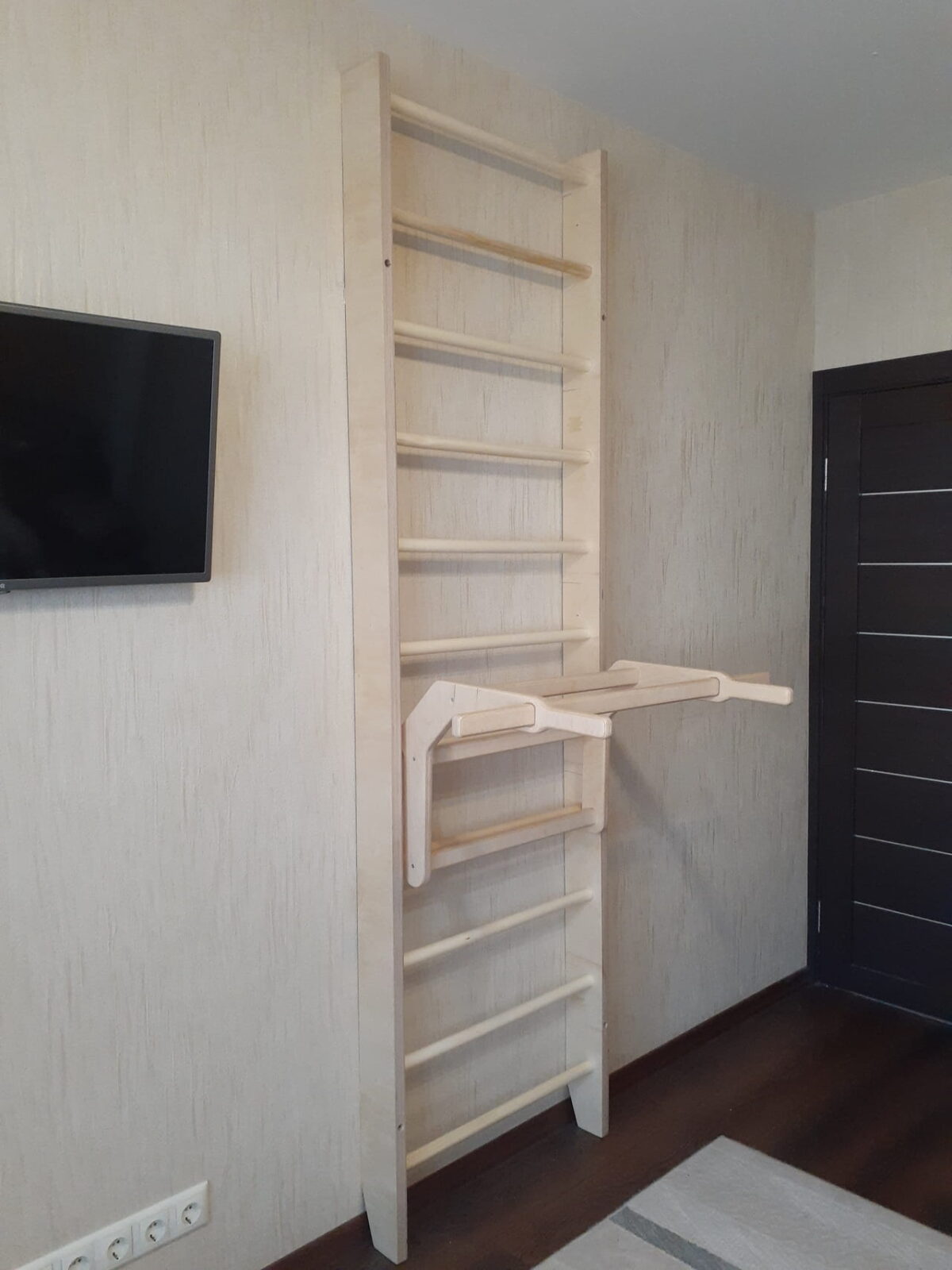
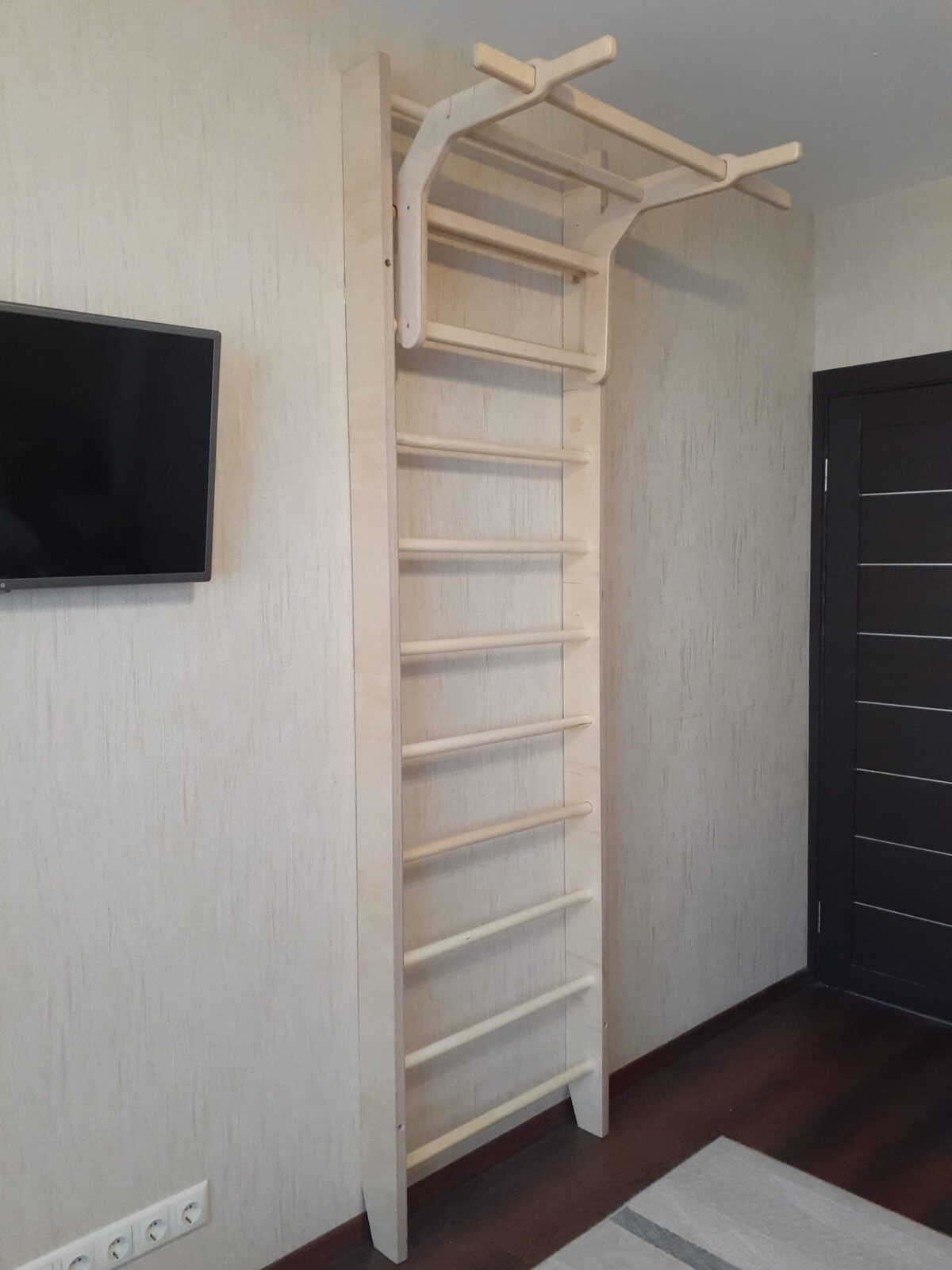
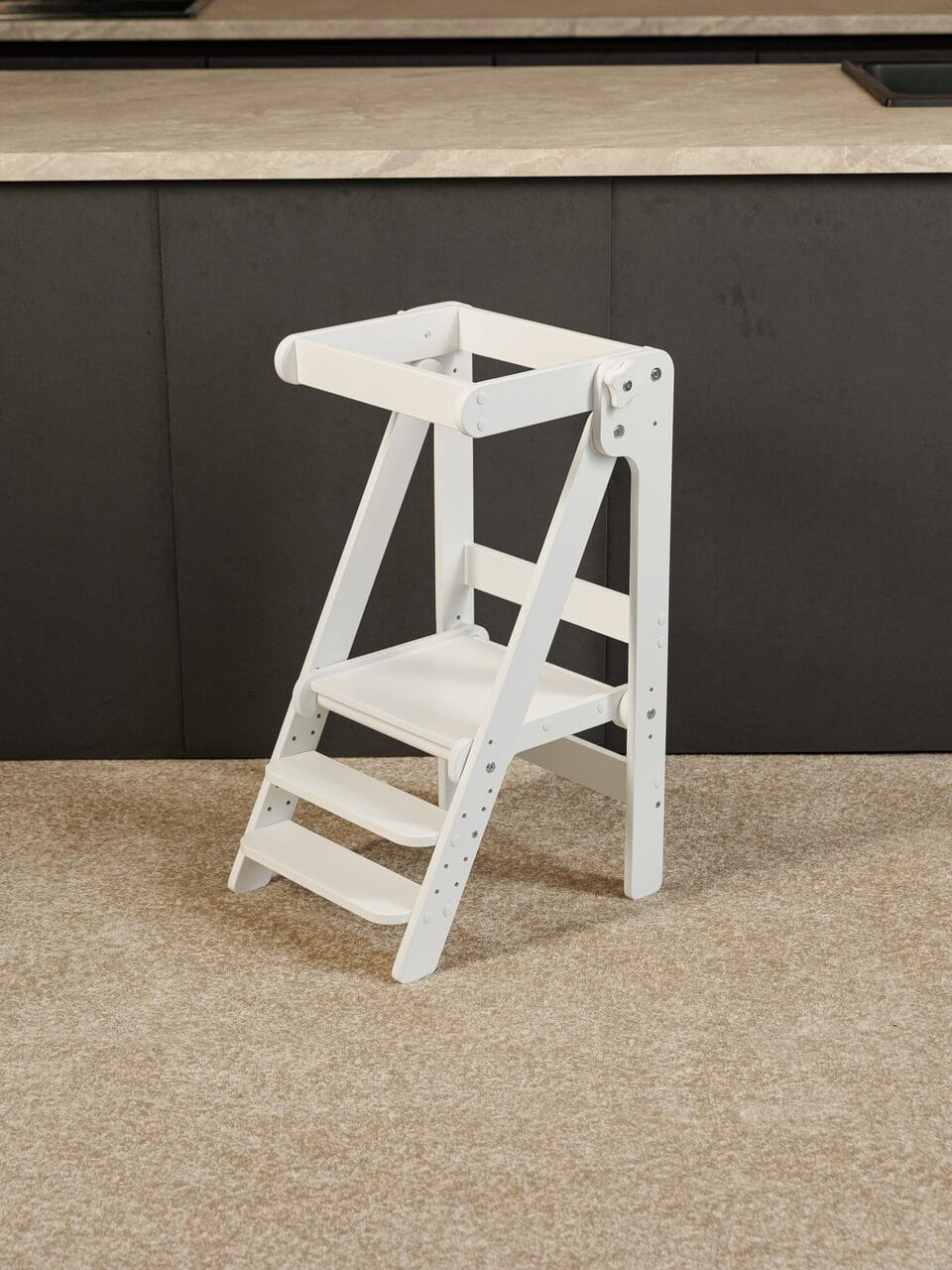
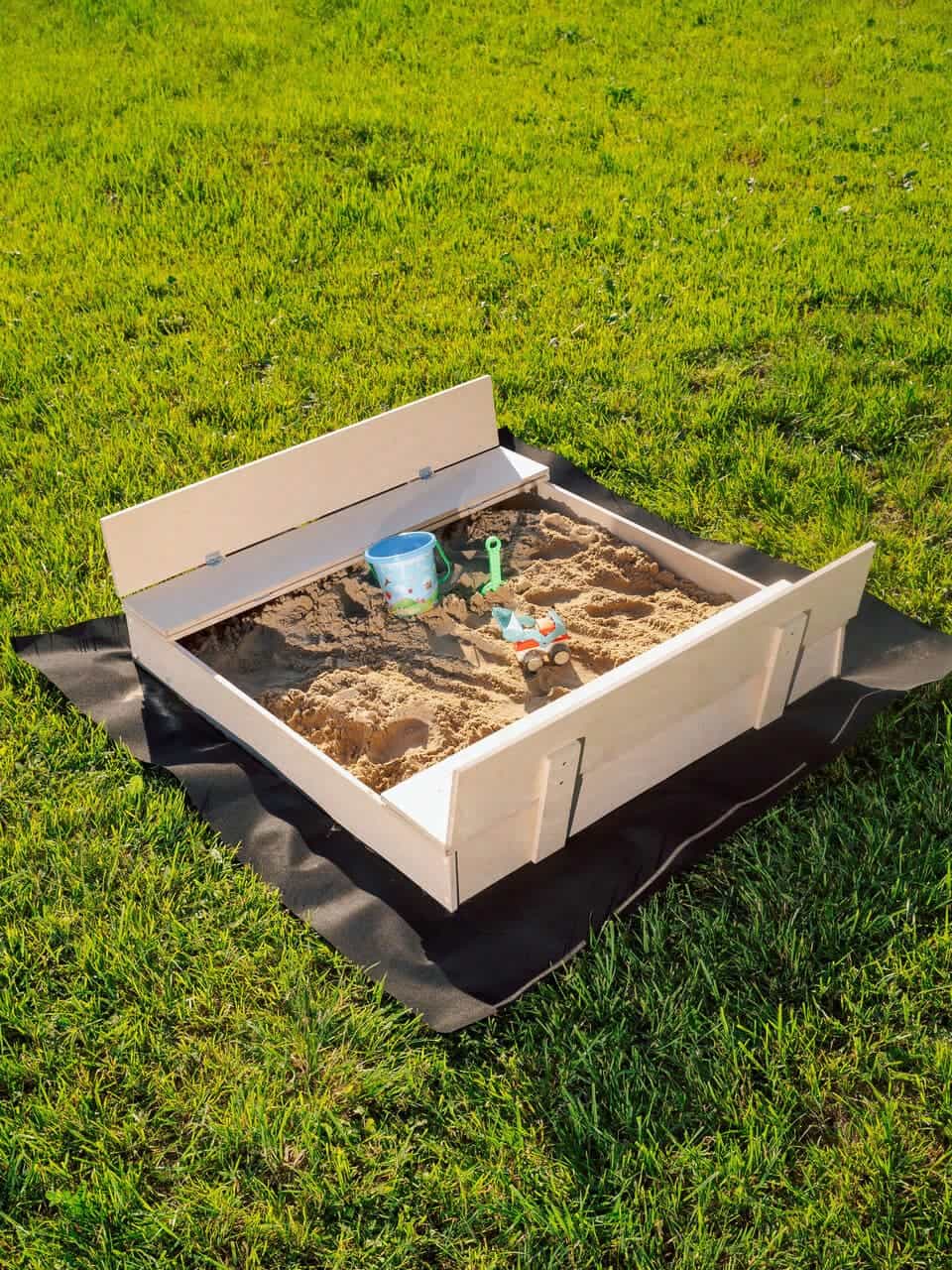

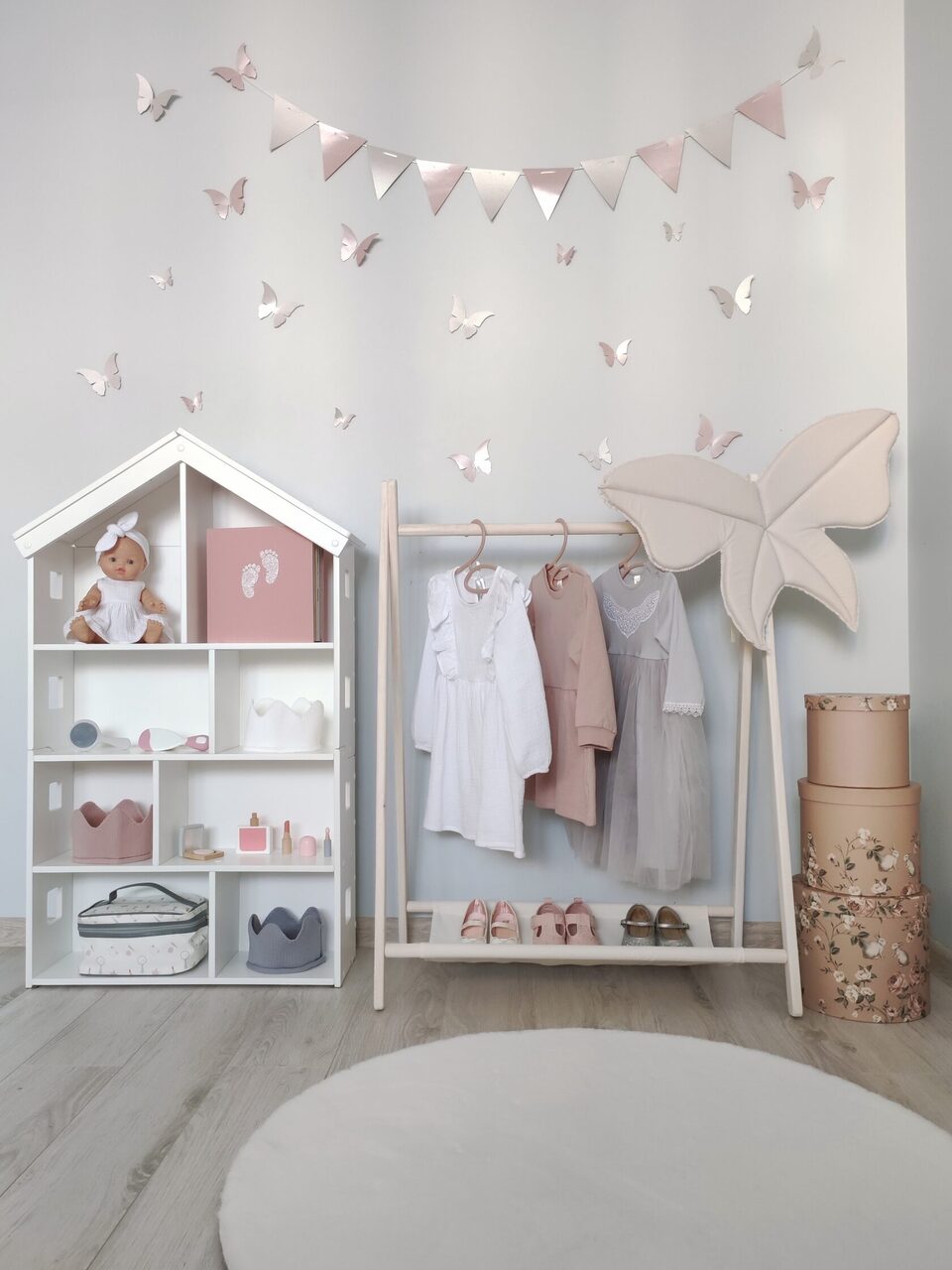

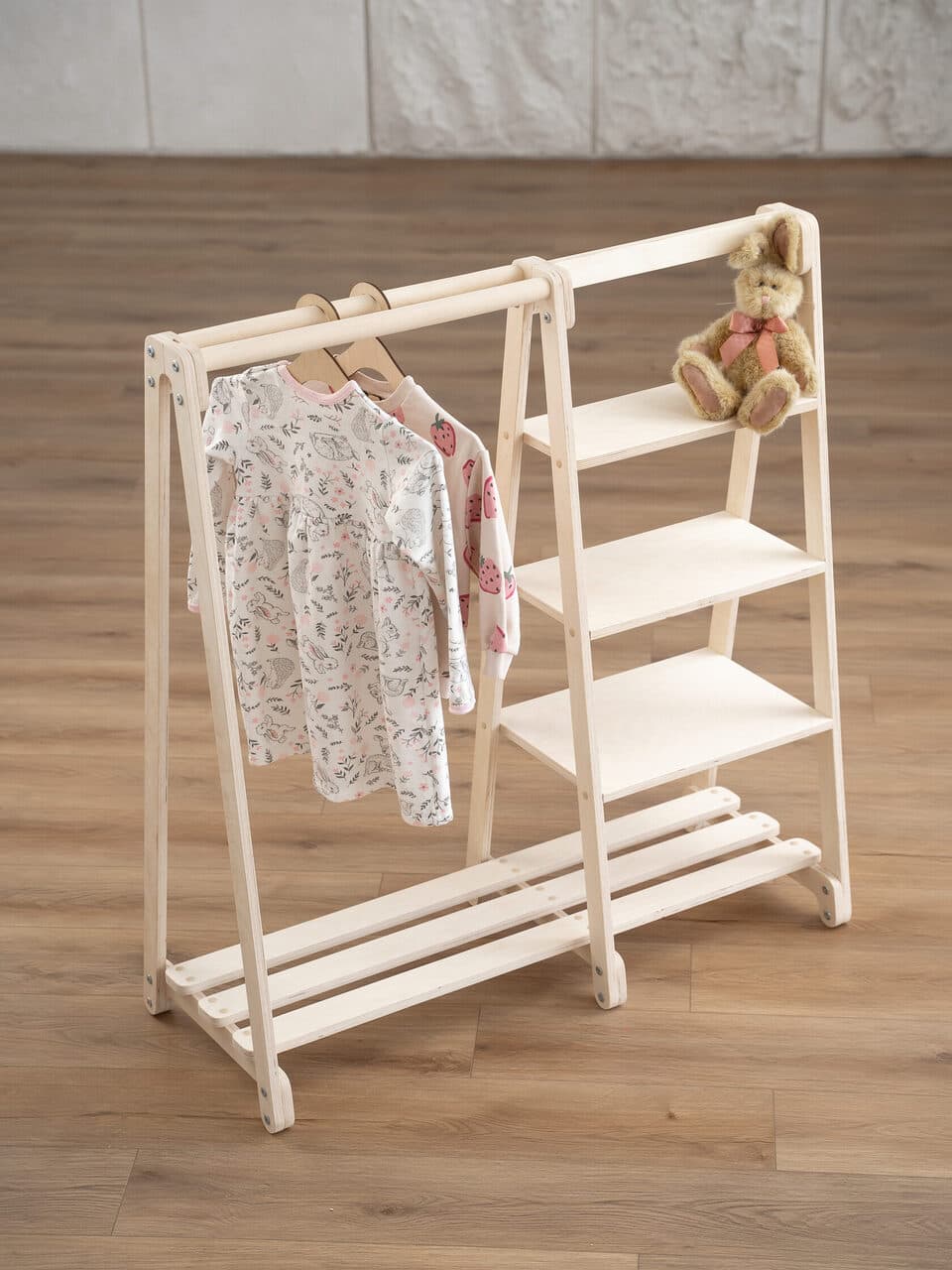
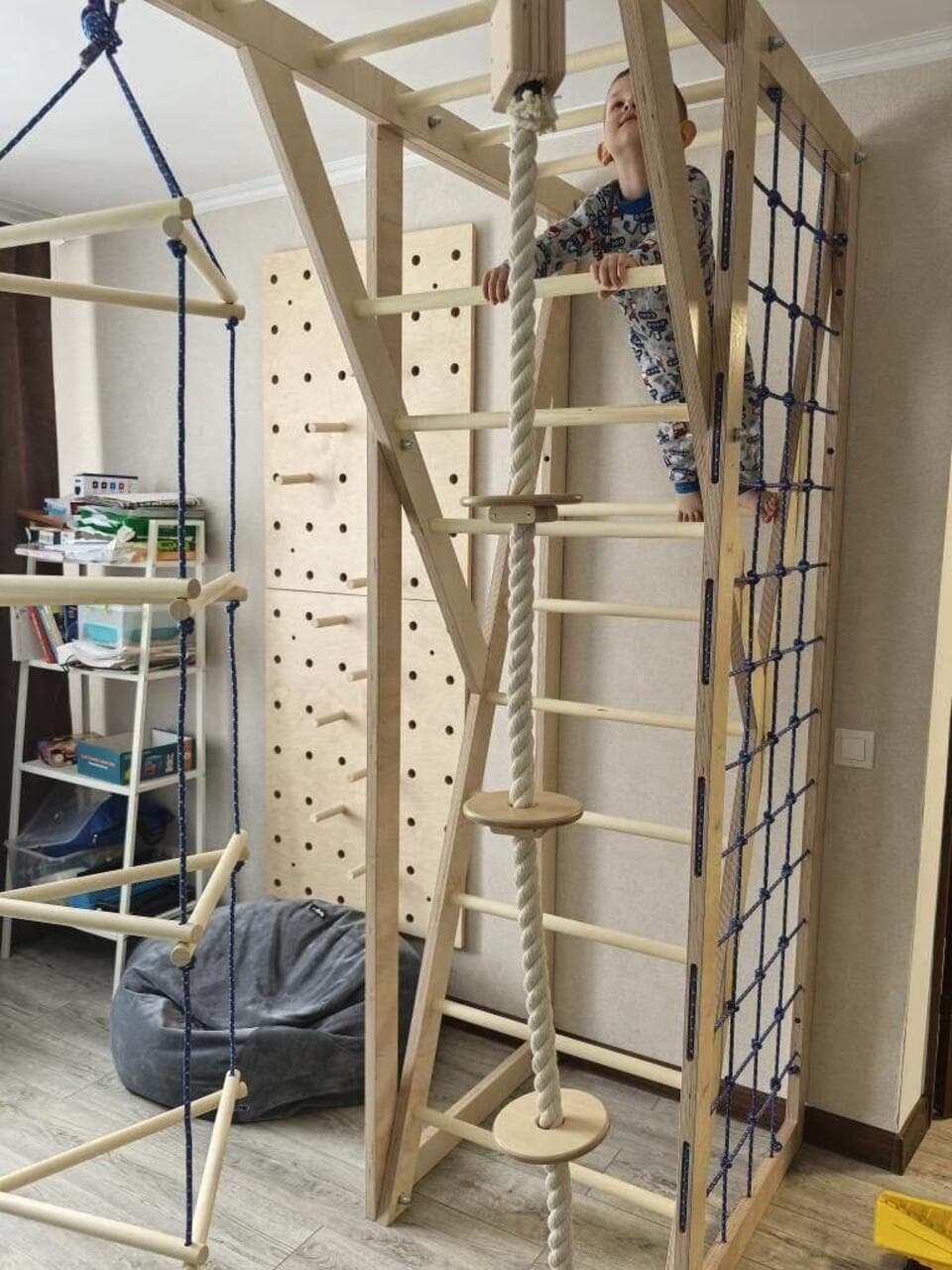
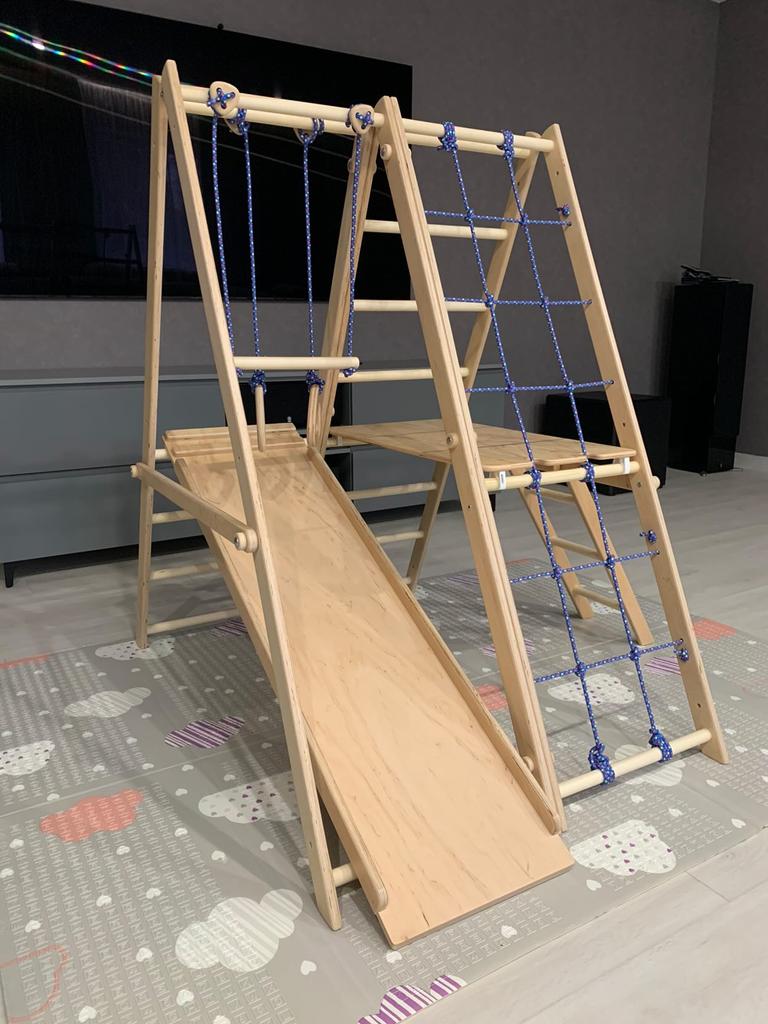




Examples of completed furniture projects for cafes and restaurants
The production has a good number of furniture projects for cafes and restaurants behind it, and they show well the spread of tasks. Each item is calculated for the specific interior and request, so two establishments even with a similar concept end up getting different furniture — for their floor area, guest flow and character.
At one pole are sets for small coffee shops, where every centimetre counts and the furniture must move easily. At the other are large restaurants with a hundred or more seats, with their own demands on design and materials. In both cases three things are the priority: guest comfort, strength and ease of care — without them a catering establishment will not last long.
A combination of different species of wood, the mixing of natural and panel materials, modern machines — all of this gives furniture that hits the current demands of the market. A flexible approach allows items to be fitted into any style: warm classic with solid wood and carving, strict minimalism with smooth fronts, brutal loft with rough texture.
Each project is accompanied by technical documentation and care recommendations. This is not a formality: proper use noticeably extends the life of the furniture and keeps its look presentable, which means the establishment does not have to refresh the hall before its time.
Who uses a carpentry workshop’s services

Furniture makers

Interior designers

Advertising companies

Exhibition stand builders

Art studios

Cafés and restaurants

Construction firms

Retail equipment manufacturers

Furniture factories

Private craftsmen

Custom orders

Manufacturing companies

Museums and exhibition halls

Architects

Theatres and film studios

Educational organizations

Children’s products manufacturing

Repair specialists

Online stores

Sole proprietors
Who chooses furniture for cafes and restaurants
Such furniture is ordered by entrepreneurs from the catering and hotel business, as well as chains of cafes and restaurants across all of Europe. The circle is varied: young projects that need a reliable manufacturer for the launch of their first hall, and experienced establishments that periodically update the interior or replicate a successful format at new locations.
A separate group is shops and distributors, companies for the comprehensive fitting-out of restaurants and design bureaus selecting furniture for their projects. Each has its own request and its own pace, and such a motley set of partners demands service, flexibility and the ability to adapt to the specific task rather than working to a single template.
It is also important that both large and small orders are taken, keeping the same quality on a single chair as on a batch of two hundred items. It is precisely this that makes the production a convenient partner for those who need not a one-off stroke of luck but stability and professionalism for the long term.
A look at the production and wholesale of wooden furniture for cafes and restaurants
Manufacturing furniture for cafes and restaurants is a multi-layered process, where attention to detail is needed at every step. At its core is the choice of materials that endure intensive use and at the same time look worthy of a modern establishment. Special attention is paid to the quality of the wood and the subtleties of machining, because it is precisely they that determine whether the furniture will stay strong and presentable after two or three years of active operation.
Much of the success is laid down in the design, where ergonomics is tied to design. Dining and bar furniture must be comfortable and functional — but at the same time hit the overall concept of the hall. A chair a guest is uncomfortable in scares them off no less than a chair that clashes with the interior, so these things are worked out together, not separately.
The cycle itself includes material preparation, milling, sanding, assembly and protective coatings. All of this runs on modern machines, which reduces the share of errors and keeps quality stable from item to item. At the same time the production stays flexible: the same line is re-tuned for different formats — today a set for a small coffee shop, tomorrow a batch for a large restaurant hall.
The wholesale direction is geared to long-term work with companies, shops and distributors. A flexible price and the ability to make large series give partners a clear benefit: purchasing is easier to plan, and quality stays even from batch to batch, without unpleasant jumps between supplies.
The approach to the customer is comprehensive: support runs at every stage — from consultation on models and materials to logistics and after-sales service. The point is simple: to take the worries about furniture off the establishment, so that its owner deals with the kitchen, the guests and growth rather than figuring out why a chair leg has come loose and whom to go to about it.
Furniture for cafes and restaurants: a breakdown for the establishment owner
Next — practice without generalities: which items are usually ordered, what materials they are made of, how furniture is adjusted to the concept, how much all of this takes in time and money, and which rakes people most often step on when ordering. All of this is from real work with establishments, not from an advertising brochure.
What furniture for cafes and restaurants includes
An establishment’s hall is not only tables and chairs, although it all starts with them. Full equipping is made up of several groups of items, and it is more convenient when they all come from one workshop in a unified style. Below — what is usually ordered and what is looked at in doing so.
| Item | What it is responsible for | What is looked at |
|---|---|---|
| 🪑 Tables and chairs | The main seating area | Strength, stability, comfort |
| 🍸 Bar counters | The centre of attraction and the bartender’s work | Moisture-resistant countertop, edge wear |
| 🛋️ Bench sofas | Cosy zones by the walls | Frame, upholstery, ease of cleaning |
| 🚪 Host stand | The first impression at the entrance | Appearance, match to the style |
| 🗄️ Display cases and counters | Showing desserts, the till | Visibility, hygiene |
| 🌳 Terrace furniture | Summer seating outdoors | Moisture, sun, mobility |
Furniture for a summer terrace has its own logic: it works in the harshest conditions — rain, dew, direct sun, night damp. Here not only durable coatings matter but also weight: tables and chairs must be stable enough not to tip over in the wind, yet they are taken in for the night or for the winter, which means they cannot be immovable. The compromise between these requirements is what distinguishes well-thought terrace furniture from the kind that falls apart in one season.
How furniture is adjusted to the concept
Furniture for cafes and restaurants is part of an establishment’s image, not just objects to sit on. A cosy coffee shop, a noisy gastropub, a quiet fine-dining restaurant and a family cafe with a children’s area require completely different furniture, even if formally it is all “a table and a chair”. In a coffee shop the bet is on compactness and ease of rearrangement: the tables are small, easily pushed together for a party. In a restaurant, on the contrary, solidity and the comfort of long seating matter more — there a guest spends not twenty minutes but two hours.
The interior style sets the materials and finish. Scandinavian minimalism pulls along light wood, simple shapes and matte coatings. Loft loves rough texture, dark wood and metal. A classic restaurant calls for solid wood, carving, deep tones and gloss. The production’s task is not to impose a standard solution but to translate the designer’s concept into concrete furniture that will withstand use and at the same time keep the intended look. That is exactly why the work almost always starts with a discussion of the concept rather than a choice from a ready catalogue.
The layout matters too. A dense arrangement of tables in a small hall requires furniture that does not steal extra centimetres and lets the waiter pass between the rows. A large hall, on the contrary, gives freedom for formats — from sofa zones to transformer banquet tables. Good furniture for cafes and restaurants accounts for this geometry in advance, rather than it turning out after the fact that the chairs do not tuck under the table or the sofa blocks the passage.
Materials: what withstands the flow of guests
The choice of material for catering is a balance between strength, appearance and price. Solid hardwood serves longest and is repairable: a scratched oak countertop can be re-sanded and re-coated, restoring its look. MDF for painting gives a smooth surface and any colour, and suits fronts of a bar counter and decorative elements well. MFC is economical and practical where the surface is covered by a ready-made coating and does not carry a big load. The short cheat sheet below will help you get your bearings.
| Material | Pros for catering | Where it fits |
|---|---|---|
| 🌳 Solid wood (oak, beech, ash) | Strength, repairability, appearance | Countertops, chairs, bar counters |
| 🟤 MDF for painting | Smoothness, any colour, shape | Fronts, decor, reception desks |
| ⬜ MFC | Practicality, ready-made coating, price | Frames, hidden surfaces |
| 🪵 Plywood | Strength, curved shapes | Seats, frames, designer shapes |
It is not only the panel itself that decides but also the coating. In an establishment it is precisely the finish layer that takes on coffee, wine, grease, disinfectant chemicals and hundreds of touches a day. For countertops, durable lacquers and oils with hard wax are used, which do not fear moisture and are easy to renew. The edge of panel materials is sealed reliably, because an open or poorly banded edge is the first place where furniture in catering starts to break down from moisture and cleaning. Saving on the coating and the edge almost always turns into an early replacement of the furniture.
Wear resistance and hygiene
Furniture for catering lives in a mode that domestic furniture never dreamed of. A chair goes through as many sit-downs in a year as a home one in ten years. A table is wiped with aggressive chemicals several times a shift. The bar counter is constantly bumped, has hot items set on it, drinks spilled on it. So wear resistance here is not a marketing word but a working necessity: a wobbly chair or a swollen edge not only spoils the look, they create a risk for the guest and extra repair costs at the height of the season.
Hygiene is the second half of the same coin. Sanitary standards in catering are strict, and the furniture must meet them: smooth surfaces without extra gaps and joints where dirt gets stuck, rounded corners, resistance to disinfectants. A well-thought construction lets you quickly wipe a table without taking half a chair apart to clean crumbs out of a groove. This saves the staff’s time every shift and helps pass inspections without stress.
Stability is thought through separately. The centre of gravity of chairs and tables is chosen so that the furniture does not tip over from an accidental push or when a guest leans on the edge. For tall bar furniture this is especially critical. Such details are not visible in a catalogue, but it is precisely they that distinguish furniture designed for catering from reworked domestic furniture, which does not last long in a hall.
Equipping a chain: a single standard
A separate story is furniture for a chain of establishments. Here repeatability comes to the fore: the guest must recognise the brand at any location, which means a chair in the tenth coffee shop must be exactly like the one in the first — in shape, colour, height. Achieving this with one-off manufacturing is hard, so tooling and templates are prepared for a series that guarantee the sameness of parts across the whole run. This also speeds up production and lowers the price per unit.
For a chain the predictability of supplies also matters. The opening of a new location is tied to a date, and furniture that arrives a week late derails the launch and hits the budget. So chain customers are worked with by specification with fixed lead times and stable quality from batch to batch. The ability to reorder exactly the same furniture at any time for a new location or as a replacement is what chains keep one proven manufacturer for instead of seeking a new one each time.
Branding and corporate style
Furniture is an underrated carrier of corporate style. A logo milled on the back of a chair or on the edge of a bar counter, the brand colour of the fronts, a recognisable table shape — all of this works for the establishment’s image no worse than a sign. Wood takes both engraving and painting in a corporate shade well, so furniture for cafes and restaurants is often made with branding elements. This sets the establishment apart and at the same time turns its interior into a backdrop for guests’ photos, which means free advertising on social media.
Branding is thought through at the project stage, not stuck on afterwards. The engraving is built into the drawing, the colour is agreed against a sample swatch so it matches the rest of the decor. This approach gives a coherent picture: furniture, walls, dishes and menu sound in one key rather than looking assembled from different sets.
Lead times and what makes up the price
The exact lead time and cost are calculated for the specific order, but the benchmarks are clear. On average, manufacturing takes from two to four weeks — more for complex projects with individual design and painting, less for standard items. If the opening of an establishment is tied to a date, it is reasonable to allow a margin and get in touch in advance: coating drying and assembly do not speed up at the snap of a finger, and working in emergency mode almost always comes out more expensive.
- 📐 Complexity of construction. A simple table is cheaper than a bar counter with milling and lighting.
- 🧱 Material. Solid wood is pricier than panel, but also lasts longer.
- 🎨 Finishing. Painting in several layers and a complex finish raise the price.
- 🔁 Run size. A batch for a chain, per item, is more advantageous than a single order.
- ✂️ Branding. Engraving and a brand colour are a separate option.
- ⏱️ Urgency. Expedited manufacturing outside the general queue is charged separately.
The most reliable way to stay within budget is to settle on the concept in advance and give a clear technical specification. Reworks because “we looked at it on site — not what we wanted” and changes after the fact usually add to the estimate the very percent you wanted to avoid. A transparent calculation before the start is in the interest of both parties.
Common mistakes when ordering
Most problems arise not in production but at the stage of choosing and setting the task. Here is what most often lets establishments down.
- ❌ Domestic furniture in the hall. A beautiful home chair falls apart in catering within a season — the operating mode is different.
- ❌ Saving on the coating. A cheap finish clouds from chemicals, and the furniture loses its look within months.
- ❌ Forgot about cleaning. Carved gaps and complex relief are beautiful, but you will be worn out scrubbing them every shift.
- ❌ Did not account for the layout. The chairs do not tuck in, the sofa blocks the passage — and it turned out only after delivery.
- ❌ Ordering at the last moment. Furniture for an opening “the day after tomorrow” is a direct route to a missed date.
There is nothing wrong if you did not account for something on this list — that is what the dialogue before the start is for. An experienced manufacturer asks these questions themselves before the cut, not after, when fixing things is already expensive.
Quality control and warranty
Control in the production of furniture for catering is built into the process, not tacked on for show. On intake the material is checked: species, moisture, absence of hidden panel defects. During assembly the fasteners and stability are watched — it is here that it is decided whether the chair will wobble in a month. At the output the item is tested: it is rocked, loaded, the finish is inspected. Such end-to-end control cuts off defects before shipment, which for an establishment matters more than a beautiful acceptance of a single sample.
The finished furniture comes with a warranty covering manufacturing and material defects. In catering, where the load is higher than domestic, this is not a formality but the customer’s insurance. And warranty matters are easier to resolve when the whole order went through one pair of hands: responsibility for the result is not smeared between contractors, and it is clear whom to ask.
Delivery, assembly and care
The finished furniture is shipped across Europe through proven transport companies. It is packed with transport in mind, because damaging one item from a large batch means delaying the opening of the whole hall. Large items are more convenient to bring disassembled and put together on site, compact ones — to deliver ready. The terms of delivery and installation are agreed for the specific order and address.
Furniture lasts longer if cared for properly, and that is not hard. Surfaces are wiped with mild agents without harsh abrasive chemicals that scratch the coating. Spills are wiped immediately, not letting moisture penetrate a joint or under the edge. The oil coating of countertops can be easily renewed yourself when needed, which restores their fresh look. Each order comes with care recommendations for the specific materials and coating — this noticeably extends the service life and keeps the hall presentable.
Glossary of terms for the customer
When discussing an order, words come up that are familiar to production but hazy for the establishment owner. A short glossary will clear up any misreadings before the start.
| Term | What it means |
|---|---|
| 🌳 Solid wood | Whole timber, not a panel of shavings |
| 🖇️ Edging | Tape covering the panel edge from moisture and chips |
| ✨ Finish | The final coating: lacquer, oil or enamel |
| 🎨 Colour swatch | A colour sample on the material for agreeing the shade |
| 🔩 Hardware | Fasteners, hinges, supports, adjustable feet |
| 📋 Tech spec | A technical specification with dimensions and requirements |
How to place an order
For the furniture to come out just right for your establishment, a little preparation helps. The clearer the inputs, the fewer clarifications and reworks.
- 📞 Describe the concept: the format of the establishment, the interior style, the atmosphere.
- 📐 Give the hall dimensions and layout — at least a rough plan.
- 🪑 Define the list: how many tables, chairs, what else is needed.
- 🎨 Choose the materials and colour, or ask for them to be selected to match the style.
- ✂️ Mention branding if a logo or a brand shade is needed.
- 📅 Name the opening date, so a realistic lead time can be allowed.
You do not have to come with a ready project — many orders start with the words “we’re opening a coffee shop, help us with the furniture”. The production’s task is precisely to translate the concept into concrete drawings and materials. But the more details at the start, the shorter the path to a finished hall.
More questions about furniture for cafes and restaurants
Can furniture be ordered to an already finished design project? Yes, manufacturing to a designer’s drawings is a common practice. The project is taken as the basis, clarifying if needed the joints that matter for strength and use in catering.
What to choose for a summer terrace? Moisture-resistant species and UV-resistant coatings, plus a construction that is easy to take in for the night or the winter. Outdoor furniture wears faster than hall furniture, so protection is not skimped on here.
Is it realistic to update only part of the furniture? Yes, reordering individual items to match the existing interior is possible. If the furniture has already gone through production, repeating it in the same colour and shape is easier — the parameters are known.
How resistant is the furniture to cleaning chemicals? With the right coating — quite: countertops and surfaces are designed for regular treatment with disinfectants. The specific resistance is selected for the intensity of cleaning in your establishment.
If your question is not on the list, it is easier to ask when discussing. Furniture for cafes and restaurants is convenient to order turnkey precisely because the whole path from concept to an assembled hall is led by one contractor, and there is someone to hold accountable for the result.
Solid wood or panel: what to choose for the hall
An eternal question when ordering furniture for cafes and restaurants is whether to take solid wood or make do with panel materials. There is no single answer, it all depends on the item and its role in the hall. Solid oak or beech is irreplaceable where furniture takes the main load and must serve for years: countertops, chair frames, the edges of a bar counter. It is repairable — a worn surface is re-sanded and re-coated, restoring its look, whereas a panel with a damaged coating more often has to be replaced entirely. The price for this is cost and weight: solid wood is pricier and heavier.
Panel materials win where an even surface, colour and budget matter more. Painted MDF gives smooth fronts of any shade and takes milling well, so decorative elements, reception desks and bar-group fronts are made from it. MFC is economical and practical for hidden surfaces and frames that are not on display and do not carry a high load. In practice, well-made furniture is almost always combined: load-bearing and visible elements from solid wood, auxiliary ones from panel. Such a mix gives both strength and a reasonable price, and the guest does not even notice the difference in materials.
Combined solutions and materials
Modern furniture for establishments is rarely made of one material. Wood is combined with metal, glass, rattan, soft upholstery — and this is not only about beauty but also about function. A metal underframe adds stability to a heavy countertop, glass visually lightens a display case, a soft seat makes long seating comfortable. The production’s task is to join these materials so that the joint is reliable and neat and the construction does not loosen from daily load. Wood here usually acts as the base that sets the character, while the other materials complement it for the specific task.
It is convenient to combine within a single order too: tables of solid wood, benches with a wooden frame and a soft seat, a bar counter with a wooden countertop and a painted front. When all of this is made at one site, the elements are guaranteed to match in colour and style. Assembling such a set from different sources is a risk of getting a mismatch of wood shades, which in a finished hall stands out more than it seems at the ordering stage.
A one-off order or ongoing cooperation
Furniture for cafes and restaurants is taken in different ways. A one-off order is the equipping of one hall for an opening or an interior update: described the concept, agreed the project, got the set. A clear format with no obligations for the future. It suits small establishments and those opening their first location who do not yet know what the project will grow into.
Ongoing cooperation is a story for those who are growing. Chains, franchises, restaurateurs with several projects come over time to be convinced that it is easier to keep one proven manufacturer than to seek a new one each time and explain the requirements for strength, hygiene and style anew. When the customer’s specifics are already known, new locations are equipped faster, quality is predictable, and reordering for replacement or expansion does not turn into a quest. Many come this way — from one hall, and stay for several projects in a row.
One supplier or several contractors
The temptation to assemble a hall’s equipment from the cheapest sources is understandable: tables from one, chairs from another, order the bar counter on the side. On paper it is savings, in reality it is risk. Different contractors give a different shade of wood, different coating quality and different lead times, and bringing this into a coherent interior by the opening date is not easy. Plus every join between makers is a place where time is lost and disputes surface about who is to blame for the colour not matching.
Ordering furniture for cafes and restaurants from one pair of hands is a touch more expensive at the moment but usually wins in the end — thanks to a unified style, predictable lead times and one party responsible for the whole result. When tables, chairs, the bar group and the reception desk come from one site to a single specification, the hall comes out assembled rather than composed of random elements. For an establishment where the interior is part of the impression and a reason for guests’ photos, this is a tangible difference.
What an order looks like in practice
So that all of the above does not remain theory, here are a couple of typical scenarios. A small coffee shop with twenty seats: the customer brings a photo of an interior they liked and the room’s dimensions. For them, compact tables that easily push together for a party are designed, light chairs of solid wood with a strong frame and a bar counter by the window. The material is light wood in the Scandinavian style, the coating matte and coffee-resistant. In two or three weeks the establishment gets a finished set ready for assembly.
Another example is a restaurant with a hundred seats and an individual design project. Here the task is larger in scale: different types of tables for the hall’s zones, sofa groups along the walls, a massive bar counter with a milled logo, a host stand at the entrance. The materials are combined, the coating in deep tones for a classic look. Such a project takes longer in development and manufacturing, but at the output there is a coherent hall where every item plays into the overall image. Both scenarios are covered by a single production, only the scale and depth of development change.
Seasonality and planning
The production of furniture for establishments has its seasons. In spring, before the opening of summer verandas, demand for terrace furniture naturally grows, and the queue is tighter. The peak of new establishment openings also creates a load, and lead times in such periods stretch slightly. Knowing this seasonality helps with planning: if a launch is tied to a date in the high season, it is reasonable to get in touch in advance and book time rather than count on a set of fifty seats being made in a matter of days. Regular customers are at an advantage in this sense — it is easier for them to get priority.
Planning also concerns the budget. By breaking the order into stages in advance, it is easier to see where you can save without losing quality: take panel where solid wood is not needed, drop excess decor, combine items into one batch for a better price. Such sober calculation at the start is almost always cheaper than haste and reworks right before the opening.
Ecology and material safety
For an establishment where people eat, material safety is not an abstraction but an ever more weighty argument. Wood is itself an eco-friendly material, and the coatings for catering furniture are chosen so that they do not release harmful substances and are permissible for places with people. This applies to lacquers, paints and glues. A guest rarely thinks about the composition of a chair, but sanitary requirements and the establishment’s reputation make this point important for the owner, and therefore for production.
The eco-friendly side also lies in the very approach to the material. Precise cutting and a well-thought layout of parts reduce the amount of waste, and durable furniture that does not have to be replaced every couple of years means less load on both the establishment’s budget and the environment. Quality furniture for cafes and restaurants serves long precisely because the right material, a durable coating and a well-thought construction are built into it.
To sum it all up: furniture for cafes and restaurants is not just tables and chairs but a working tool of the establishment, on which the guest’s impression, the staff’s convenience and the costs for years ahead all depend. It is enough to describe the concept and the task — the rest will be broken into stages, materials will be selected for the load, and it will be taken through to a finished, assembled hall on the agreed date.
Soft elements and upholstery
Many items for the hall combine wood with soft elements — bench sofas, chairs with seats, banquettes. Here the question of upholstery is added to the wooden frame, and for catering it is no less important than the strength of the frame itself. The fabric or eco-leather must withstand intensive use, be easy to clean and not fear stains from food and drinks. So for catering, wear-resistant materials with a high abrasion rating are used, and light, easily soiled options are used cautiously and where the load is lower.
The construction of the soft part is thought through too: removable covers or upholstery that can be locally replaced if a section has worn through or got a stain that will not come out. This is cheaper than replacing the whole sofa and extends the furniture’s life several times over. The wooden frame here remains the base that sets the shape and strength, while the soft part is a replaceable element designed for regular renewal. This approach distinguishes furniture designed for the real operation of an establishment from a pretty picture that loses its look in a season.
Restoration and interior renewal
Furniture of solid wood is also good in that it can be renewed rather than thrown away. After years of active operation the countertops get worn, the coating dulls, but the solid wood itself stays sound. Re-sanding and a new coating return a fresh look to the furniture for a fraction of the cost of replacement. For establishments that periodically freshen up the interior, this is a real saving: renewing proven furniture is often more advantageous than buying new, especially if it was originally made of quality material.
Renewal also concerns style. A change in the establishment’s concept does not always require a full replacement of the furniture — sometimes it is enough to repaint the bar-group fronts a new colour, replace the upholstery or add a few new accent pieces to the existing ones. When furniture for cafes and restaurants is originally made soundly, it has a reserve for such transformations, and this is an extra argument in favour of quality at the start.
The easiest way to start is with a conversation. It is enough to describe the establishment, show the premises or the project — and get a benchmark for the composition, lead times and budget before anything goes into work. At this stage useful details surface that save both money and time and remove half the questions the customer came with.
Furniture and the overall atmosphere of the hall
Furniture does not exist in the hall on its own — it works in tandem with the light, the walls and the dishes. Warm wood reveals itself beautifully under soft yellow light and gets lost under cold fluorescent light, so the shade of the coating and the character of the lighting are thought through together. The texture of the surface matters too: matte wood absorbs glare and creates cosiness, gloss adds ceremony and suits more formal establishments. These nuances seem trivial at the ordering stage, but it is precisely they that add up to the very feeling for which a guest returns.
Well-thought furniture also helps zone the space without major partitions. A sofa group marks off a cosy nook, a tall bar zone separates the active part of the hall from the quiet one, a shelving-partition divides the flow of guests without blocking the view. Wood in this role works more softly than cold metal or glass: it is warmer, more alive and fits into most concepts better. That is why furniture for cafes and restaurants is often designed not as a set of separate objects but as a system that at the same time organises the space itself.
Is it worth ordering furniture before the final renovation? Discussing the project — yes, it is worth doing in advance to allow for lead times. But the final measurements are more accurate taken on finished walls and floors: a couple of centimetres of uneven floor can spoil the seating of bar stools or an even row of tables. The optimum is to combine: design in parallel with the renovation, exact dimensions — timed to its completion.
What types of wood are used for cafe and restaurant furniture?
Hardwoods are used — beech, oak, ash, which hold the load well, as well as MDF and MFC with quality coatings where an even surface and budget matter. Such a combination gives strength and wear resistance, critical for furniture in a hall with a large flow of guests.
Can furniture be made to an individual project?
Yes, manufacturing is done to the customer’s technical documentation — for the specific premises and design. If there is no ready project, a drawing will be helped along, starting from the hall’s dimensions, the concept and the wishes.
How is furniture quality control carried out?
Control stands at every stage — from checking incoming material to the finished item. The furniture is tested for strength and resistance to loads, so that a chair or table does not let you down at the height of a shift rather than only looking beautiful at acceptance.
What production lead times are standard?
The lead time comes down to complexity and volume: on average from two to four weeks. If needed, expedited manufacturing is possible, but it is better agreed in advance, especially if the opening of the establishment is tied to a date.
Is there a warranty on the furniture?
All furniture comes with a warranty covering manufacturing and material defects. This is an important point precisely for catering, where the load on the furniture is noticeably higher than domestic.
Can material samples be obtained before ordering?
Yes, samples of wood and coatings are provided in advance — to assess the colour, texture and quality of the finish in person before launching the whole batch, rather than relying on a photo.
What are the delivery terms for the furniture?
Delivery is arranged across Europe through proven transport companies. The furniture is packed with transport in mind, so the order arrives without chips or scratches.
Are design services provided?
Yes, there is support at the design stage: help with technical documentation and design selection, so the furniture fits precisely into the interior and meets the establishment’s request.
Can a full furniture set be ordered?
Yes, a full set can be ordered — tables, chairs, bar counters and additional elements in one style. This way the whole hall comes out consistent in material and colour, without inconsistency.
What is the minimum order volume?
The minimum volume is discussed individually — for the customer’s needs and the production load. Both a small order for one location and a large series for a chain are taken.
Reach us in whatever way suits you best
Call us, message us on a messenger app or reach out via social media — choose whichever way suits you
🗺️ We accept orders from clients across all of Europe
💬 Useful information and articles
Eco-friendly and safe materials for modern wood production
Eco-friendly and safe materials for modern wood production In recent years we increasingly think about what the things around us are made of. A home, furniture, a floor, a kitchen, a

How to Correctly Choose Between Plywood, MDF, Particleboard, and MFC for Different Tasks
How to Correctly Choose Between Plywood, MDF, Particleboard, and MFC for Different Tasks In the world of woodworking and furniture making, every material has its own story. Plywood, MDF, particleboard, and

Cutting sheet wood materials at different angles: why and how it is done
Cutting sheet wood materials at different angles: why and how it is done Working with wood materials is not just sawing. To get a truly high-quality and durable product, you have

Recommendations for choosing sheet materials for indoor and outdoor projects
Recommendations for choosing sheet materials for indoor and outdoor projects In woodworking, choosing the right sheet material is like laying a foundation for a builder. What you pick at the very