

Custom-made office furniture
Custom-made office furniture means desks, pedestals, cabinets, shelving units, reception counters and partitions built from wood and board materials, sized to the room and the format of the business. The workshop works with wholesale and corporate clients: batches for open-plan spaces, executive offices, meeting rooms and reception areas, with shipping across Europe. Below is what office furniture is made from, which species and materials go into it, how production is organised step by step, how long manufacturing takes and who this format suits.
Custom-made wooden office furniture — an overview of production and the product range
Wooden office furniture stands apart among cabinet products: here looks and endurance matter equally. A desk or a reception counter is touched by dozens of hands every day for years, so cheap imitation gives itself away fast — loose hinges, swollen edging, a worn surface. This kind of furniture is made for corporate clients, retailers and wholesalers who need not a one-off pretty picture but predictable quality across the whole batch. Desks for open-plan offices, executive offices, meeting rooms, reception areas and lounge corners — each zone has its own logic and its own load.
An office is a demanding environment: drawers are yanked open a hundred times a day, equipment sits on the worktops, shelving units are packed with folders to the brim. That is why the technology here tolerates no shortcuts — every step is calibrated for daily use, not for a one-time photo shoot. The range includes strict classics, modern models and one-off projects for a specific interior. Ergonomics is kept in mind from the very start: desk height, pedestal depth, easy access to equipment — the small things that add up to an employee’s working comfort.
The range is broad: desks, pedestals, document cabinets, shelving units, conference tables, reception counters. All of this can be ordered not by the piece but as a complete set for the whole office in a single style — that way the space looks coherent rather than assembled from random items. Every joint is designed for the long haul: reinforced fixings where the load is, closed edging on the ends, reliable hardware. Design, material selection and finishing go hand in hand rather than separately, so the finished custom-made furniture comes out consistent in dimensions and colour.

Desks

Chairs
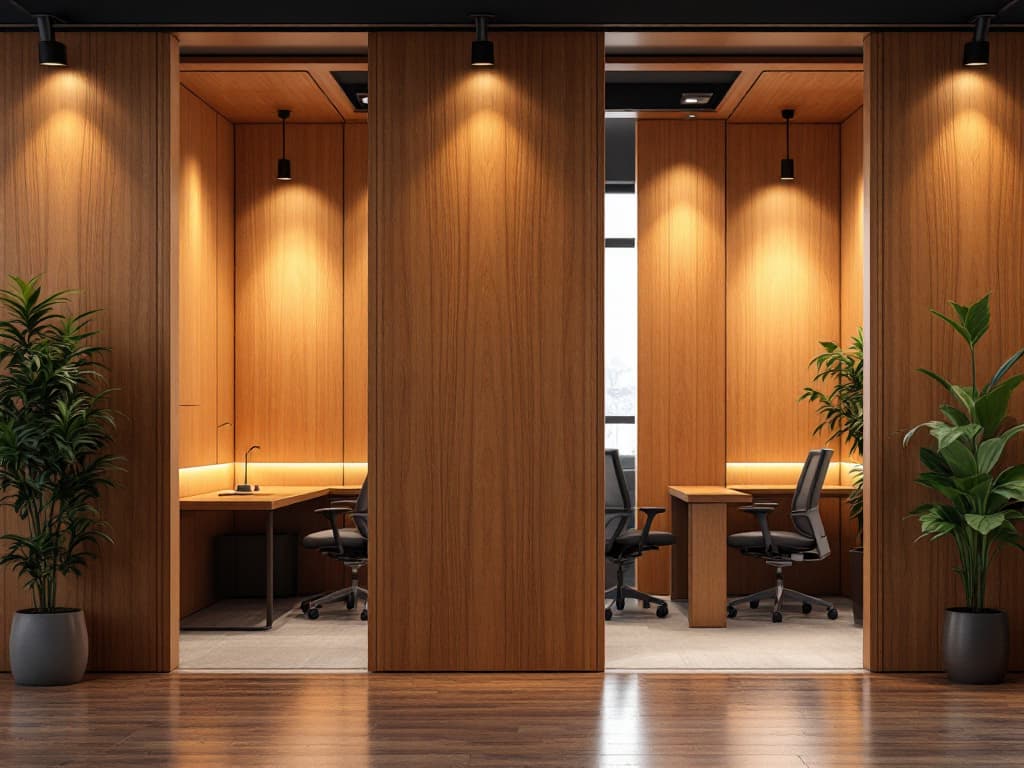
Partitions
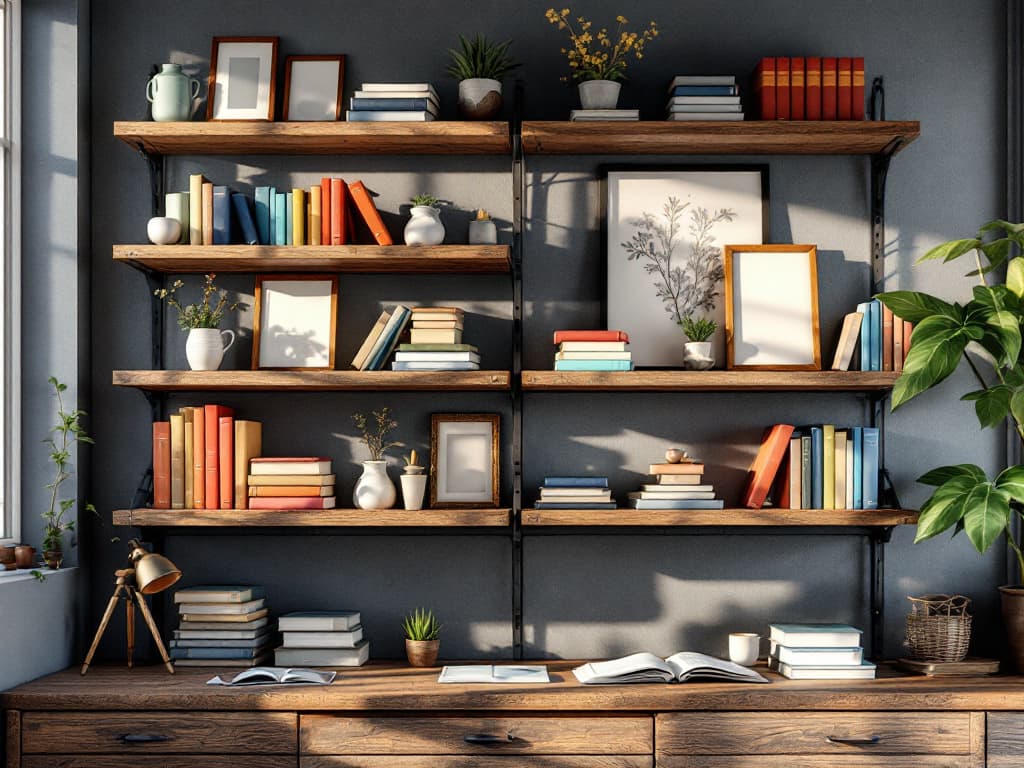
Shelving units
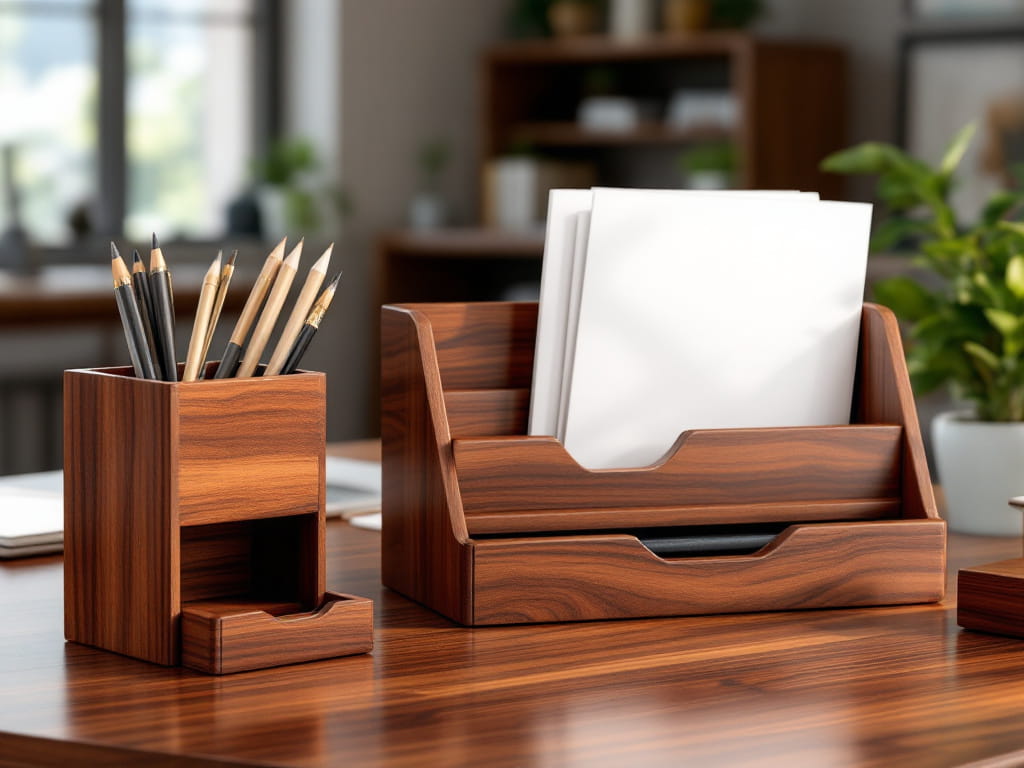
Stands
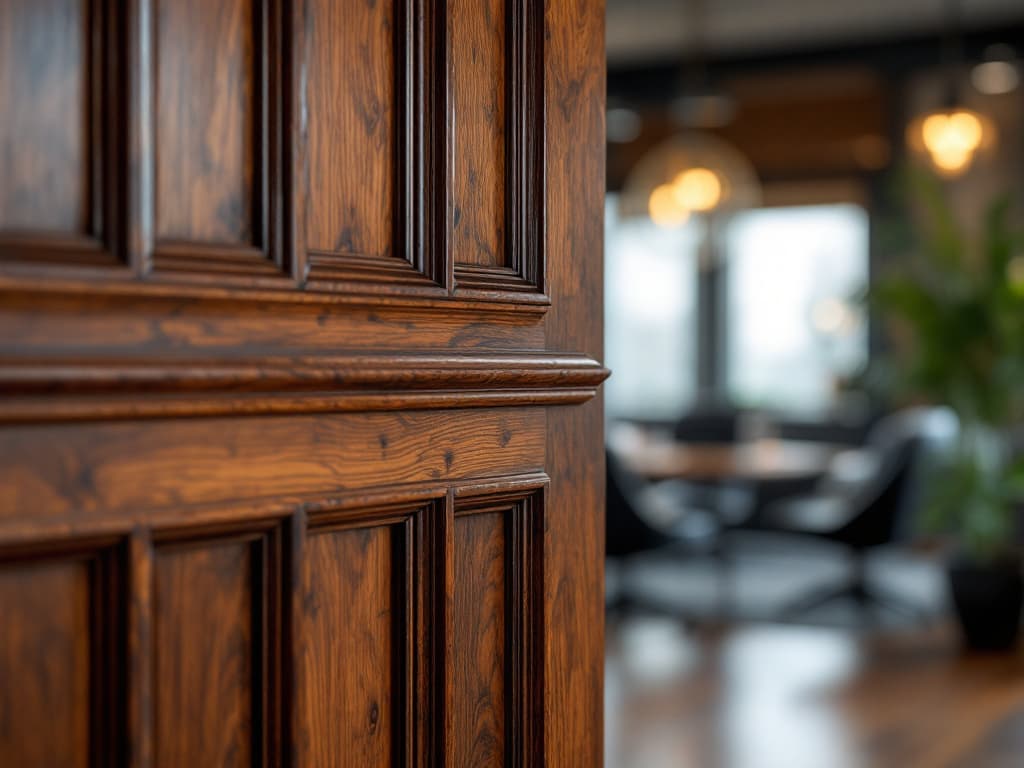
Decorative panels

Drawers

Cabinets

Reception counters

Screens
Features of custom-made office furniture production
The manufacture of office furniture has a couple of traits that set it apart from mass-market goods. The first is the technical base: modern machines and well-tuned woodworking deliver repeatability, where the hundredth part in a batch is no different from the first. The second is working to the task rather than to a single template for everyone. A batch is tailored to a specific office: to the size of the rooms, to the corporate colour, to the habits of the team. Mass production cannot do that — there you get whatever came off the conveyor.
Office furniture is expected not only to look good but to work without surprises: so a door does not sag after a month and a worktop does not warp from a cup of coffee. That is why control runs along the whole chain — from the incoming raw material to the assembled product. Quality material warps and cracks less, and a well-thought-out structure holds the load without wobbling. Safety is a subject of its own: in a room where people spend eight hours, it matters that materials and coatings do not poison the air.
Flexibility is another trump card. One client orders a dozen identical workstations for a call centre, another a complex system for a meeting room with cable channels and niches for equipment, a third an executive office suite. All of it is made at one workshop; only the complexity of the project changes. Plus a well-run process: the fewer unnecessary movements on the shop floor, the shorter the lead time and the fairer the price — without cutting corners on the furniture itself.
How wooden products are manufactured
The range of wooden office furniture — a wider choice for wholesale clients
From the office line you can put together a complete set for any workspace — from a single desk to fitting out an entire floor. There are standard solutions that are faster and cheaper, and there is bespoke development for a specific task when the standard does not fit. The latter is especially valued by large wholesalers and trading companies: they have their own requirements for dimensions and styling. Different models and finish options let you hit both the interior style and the budget — from budget MFC to executive solid wood.
Besides desks, cabinets for documents and office odds and ends are in demand, along with pedestals with drawers and mobile shelving units on castors — the things that help clear out the space and keep you from drowning in paper. Conference tables are made in various configurations: from compact ones for four to large boat-shaped meeting tables. Reception and the waiting area are a story of their own. This is the face of the company, by which a visitor forms a first impression, so the approach to them is stricter in both design and finish quality.
The range is not limited to the office. Alongside it, furniture for shops, children’s furniture, kitchen furniture and furniture for cafés and restaurants are also made. For a partner this is convenient: several categories can be covered with a single manufacturer, without piecing supplies together from different workshops. Such coverage makes it possible to offer clients ready-made solutions for various commercial and public spaces — and this is a noticeable advantage over narrow suppliers.
Working with materials in the production of wooden office furniture — key principles and approaches
The quality of office furniture is set in the material — you cannot fix it later. Sturdy species go into the work: birch, oak, beech — those that combine a decent look with wear resistance and do not give up under daily load. Board materials are chosen to suit the task and the budget. Every batch of raw material is inspected for defects before cutting: a knot in the wrong place or a warped board is caught in advance rather than surfacing in the finished product, when reworking is expensive.
It all starts with preparing the timber: drying to the right moisture content, sanding, treatment with protective compounds. Without this, wood lives a life of its own — it dries out by the radiator in winter and swells in the damp, and offices differ greatly in climate. Next come quality hardware and fasteners: it is precisely they that determine whether drawers will run smoothly and whether the structure will stay tight after a year. The finish — lacquer or a protective coating — gives the furniture a finished look and at the same time protects the surface from scratches and stains.
The work combines hand craft and CNC machines — milling, precise cutting, automated machining of parts. The machine delivers what the hand cannot repeat: uniformity across the whole batch, when the twentieth desk matches the first to the millimetre. Hand finishing removes what the machine leaves behind. A side benefit of this combination is less waste and higher speed, and that feeds directly into both the price and the delivery times for office furniture.
Stages of custom-made office furniture production
The path from order to finished batch is made up of several stages, and the first is the most underrated: developing and approving the documentation. Here the client’s wishes, the room dimensions and ergonomic requirements come together on paper. Five minutes of attention to the drawing at this step saves weeks of rework later. The more precisely the project is agreed at the start, the fewer surprises during the installation of the finished furniture.
Next comes cutting the material into parts. The machine’s accuracy decides everything here: let the dimensions drift by a couple of millimetres and, during assembly, the cabinet will skew and the doors will not meet. Then the parts are sanded, milled and sealed with protective coatings. At this step the product gains not only its technical guts but also its looks — an even surface, a neat edge, a pleasant texture to the touch. In essence, this is where a blank turns into furniture you would not be ashamed to put in an office.
Assembly is done on reliable hardware and fasteners — they determine whether the structure will hold up under years of use. After assembly the product is checked in full: geometry, joint strength, appearance. The final step is packaging and preparation for shipping across Europe, packed so that corners and edges do not suffer in transit. Every stage is built for a balance of speed, quality and price — on wholesale batches this balance is especially important, since a mistake is replicated across dozens of items.

The benefits of working with professionals

Modern equipment
Panel saws, CNC and milling machines — precision, speed and quality guaranteed

Extensive experience and expertise
We know how to handle wood and sheet materials — reliably, precisely, professionally

Fast order fulfilment
Fast and without compromising quality. We value your time and our commitments

A full range of services in one place
Cutting to size, sawing, milling, sanding, painting, assembly — all in-house, with no middlemen
Trusted materials and consumables
We work only with quality materials, so you can be confident in the result
An individual approach to every client
We work to your drawings, create a machining program for the task and account for every detail
The advantages of cooperation in wooden office furniture
Working with an office furniture manufacturer gives the wholesaler and the partner several tangible pluses. The main one is turnkey production: the technical brief is carried out precisely, and the product is fitted to the specific task rather than handed over as “whatever was in stock”. As a result, the client gets furniture that fits neatly into their project — in dimensions, style and budget. For anyone reselling or fitting out sites, this removes half the headache.
The second plus is scale. The workshop takes on both a small batch for a dozen workstations and a large volume for a whole chain or a corporate client with equal ease. For the client this means flexibility: no need to search for different contractors for small and large orders. This all-round capacity makes it possible to respond quickly to market demand and hold favourable terms even in season.
The third factor is geography. Shipping goes across all of Europe, so distance is no obstacle to working: a batch will travel both to a neighbouring city and several thousand kilometres away with the same quality. For a business that values steady supply without failures, this is a weighty argument. Plus order support from enquiry to shipment and attention to quality — the stuff from which long business relationships grow rather than one-off deals.




The variety of other wooden product categories — expanding opportunities for partners
Office furniture is only part of the range. Alongside it run categories that broaden the opportunities for wholesalers and sellers: several lines can be covered with a single manufacturer. This is handy when you need to fit out not only an office but also a sales floor, a café or a public space. The list includes furniture for shops, for cafés and restaurants, as well as solutions for the home and for institutions. One supplier instead of five means fewer approvals and more predictable quality.
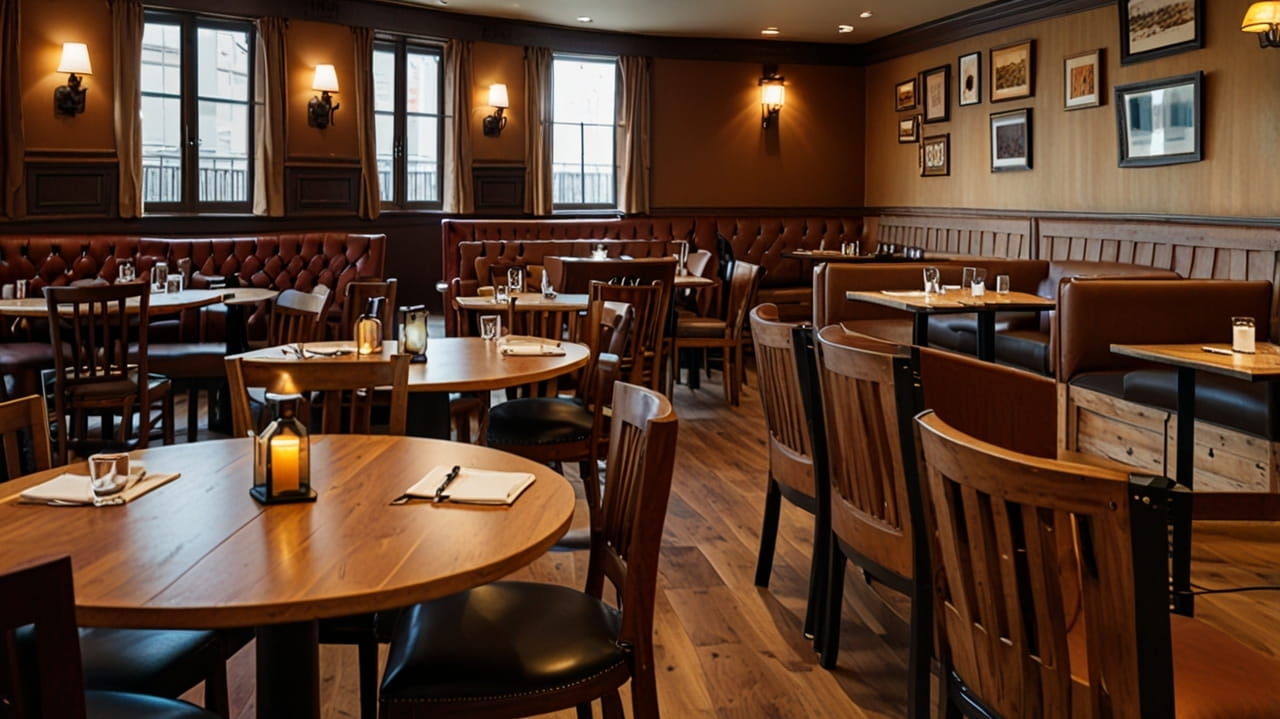
Furniture for shops means retail shelving, counters and display cases: sturdy and thought out so that goods are easy to lay out and easy for the shopper to examine. Furniture for cafés and restaurants is made with a heavy flow of guests in mind: tables and counters that keep their cosiness yet are not afraid of intensive use. The kitchen line rounds out the set — reliable, practical, resistant to moisture and temperature swings. Together they make it possible to fit out a site in full rather than piecemeal.
All in all, this is a wide choice on which a partner can build their own range and cover the demands of different market segments with a single supplier. The broader a manufacturer’s line, the easier it is to offer clients comprehensive solutions — and the stronger the cooperation, because it is tied not to a single product but to a whole category.

Our portfolio — finished products


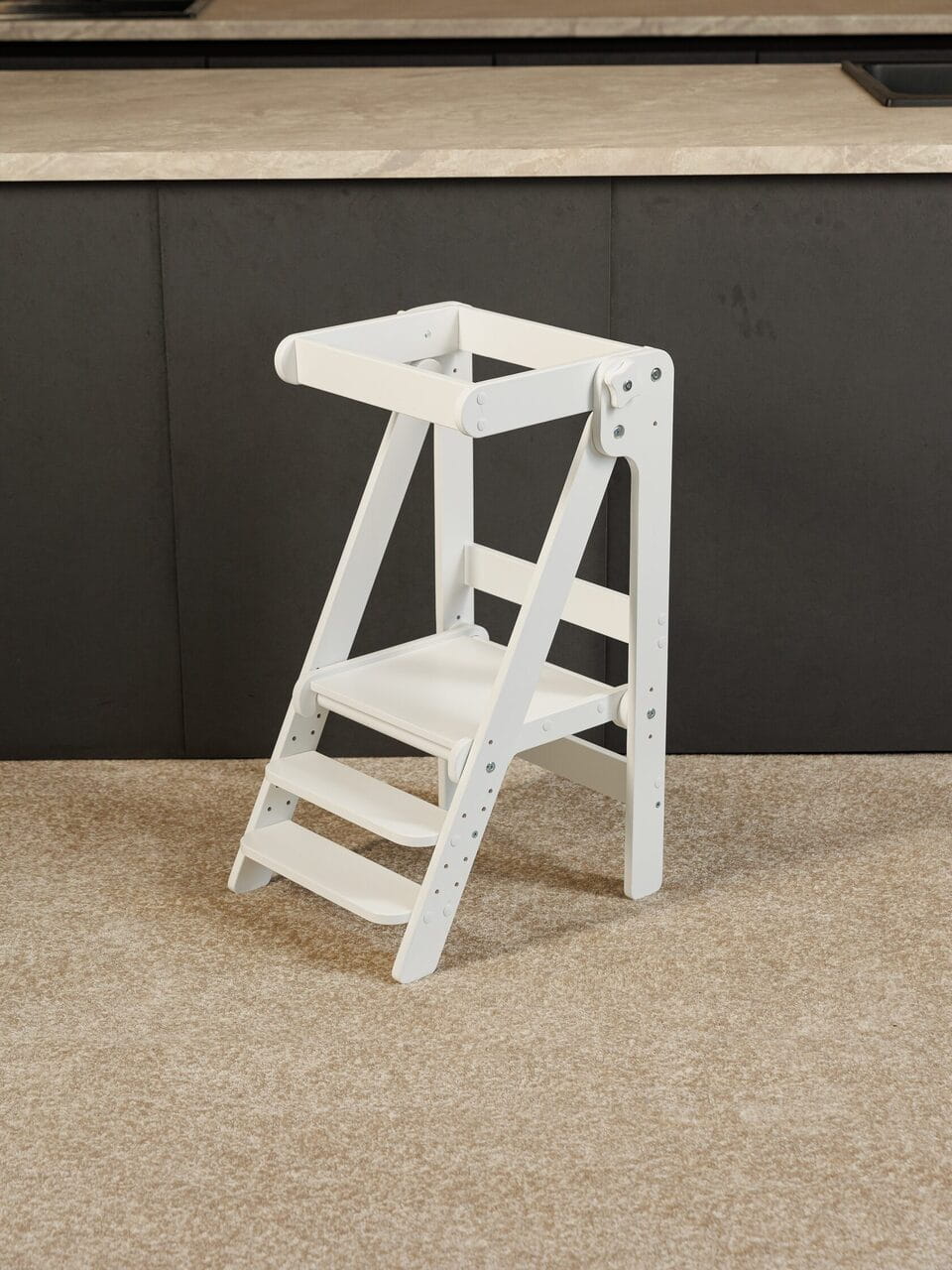
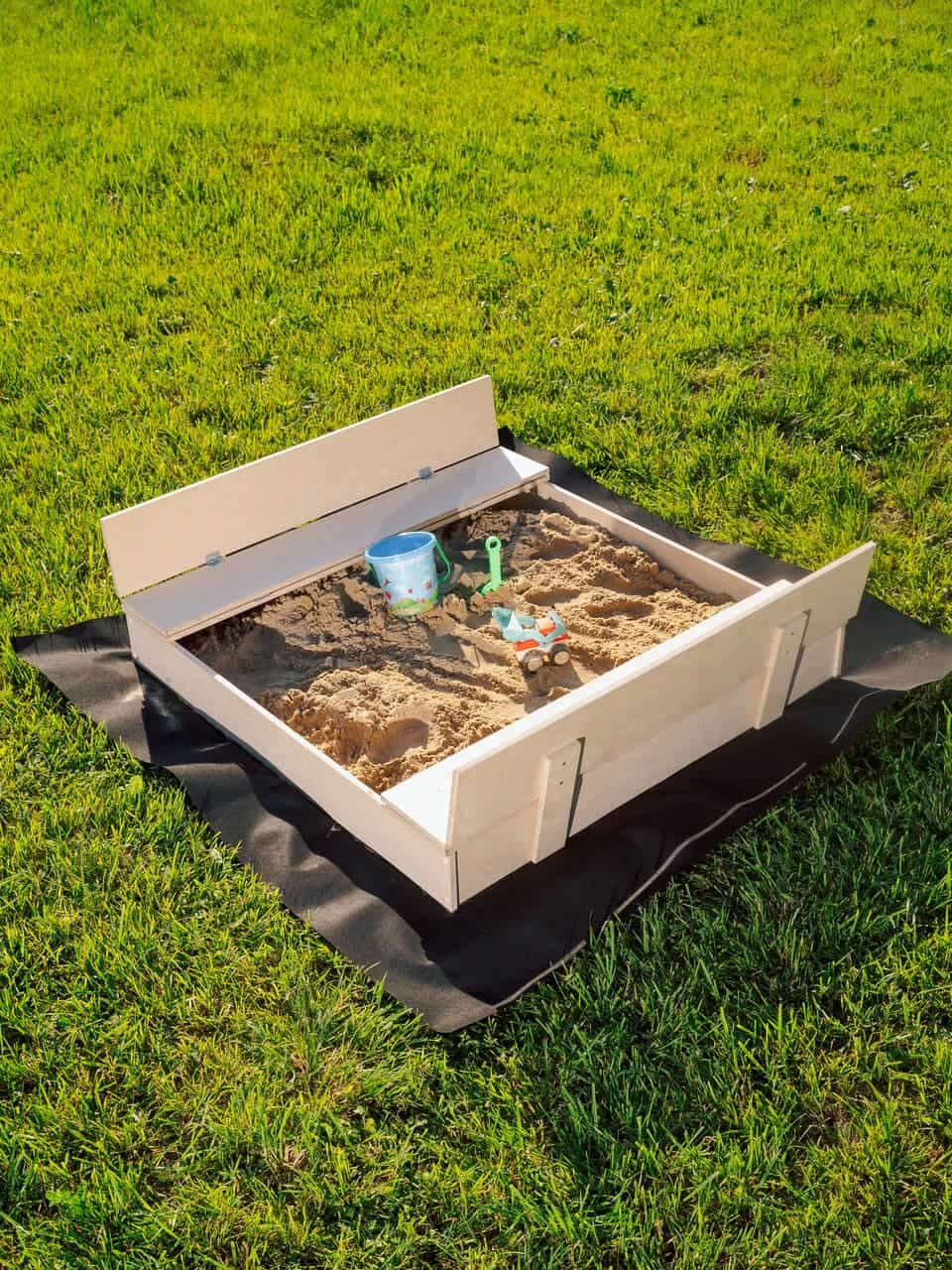

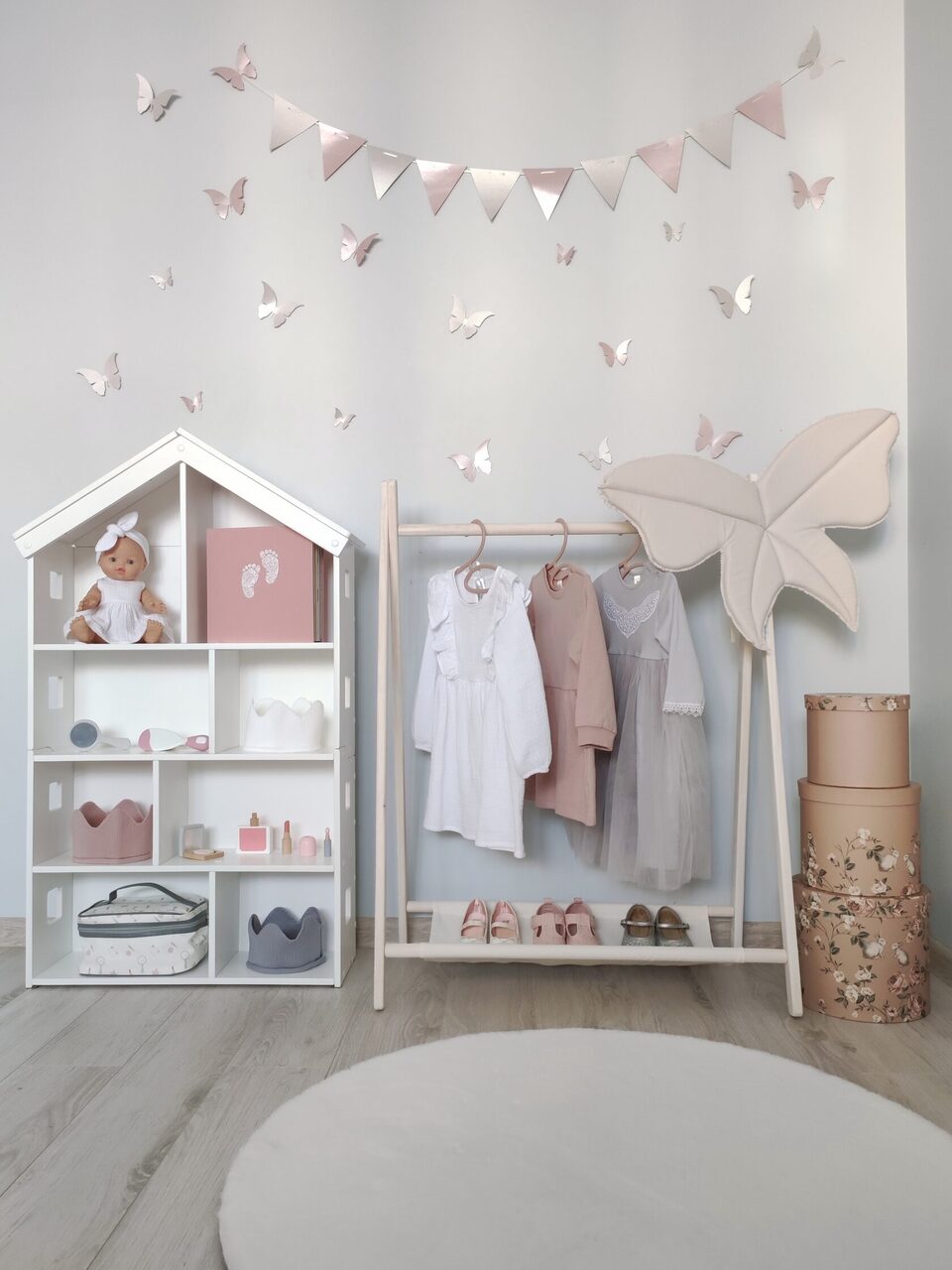

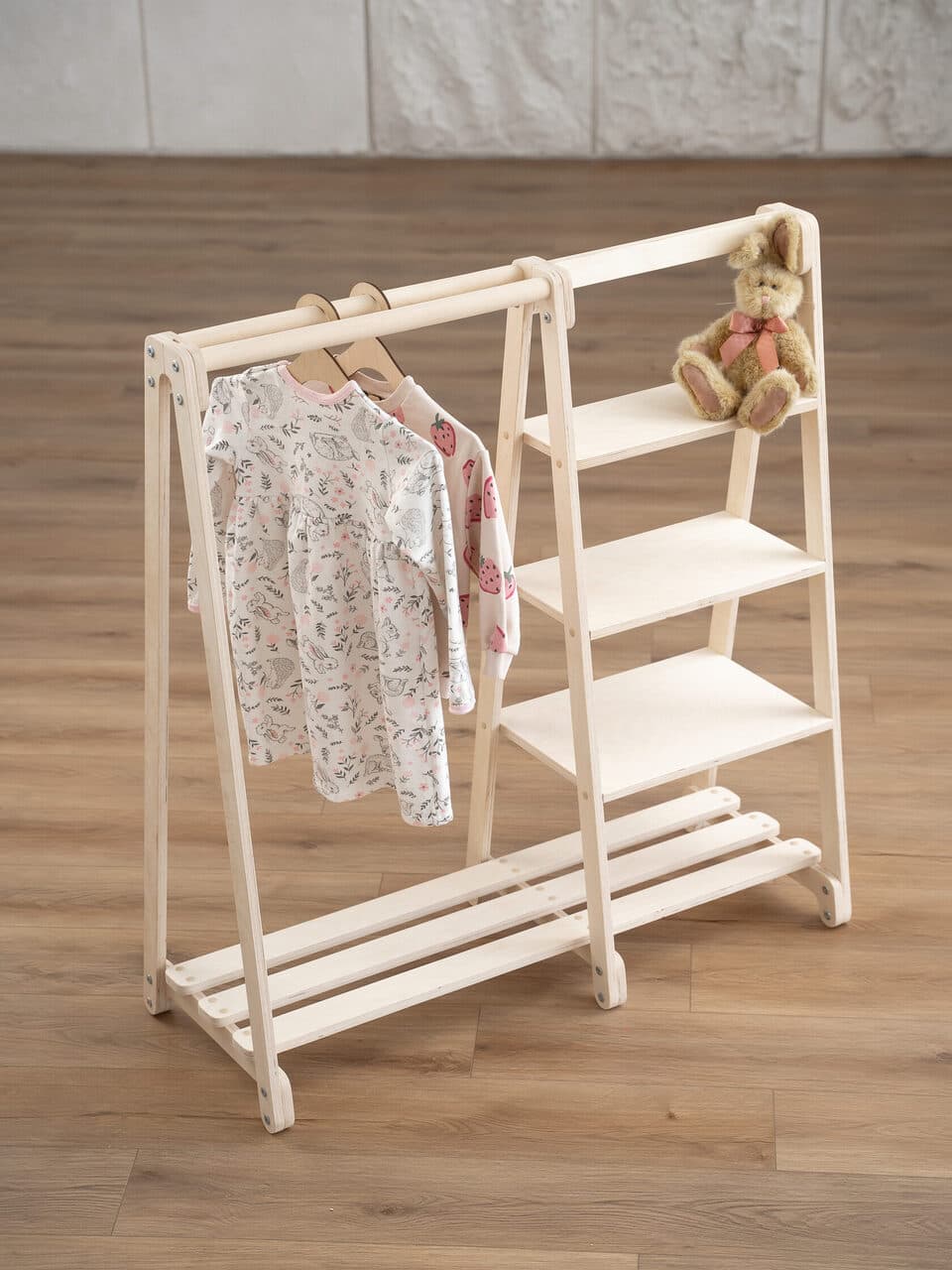
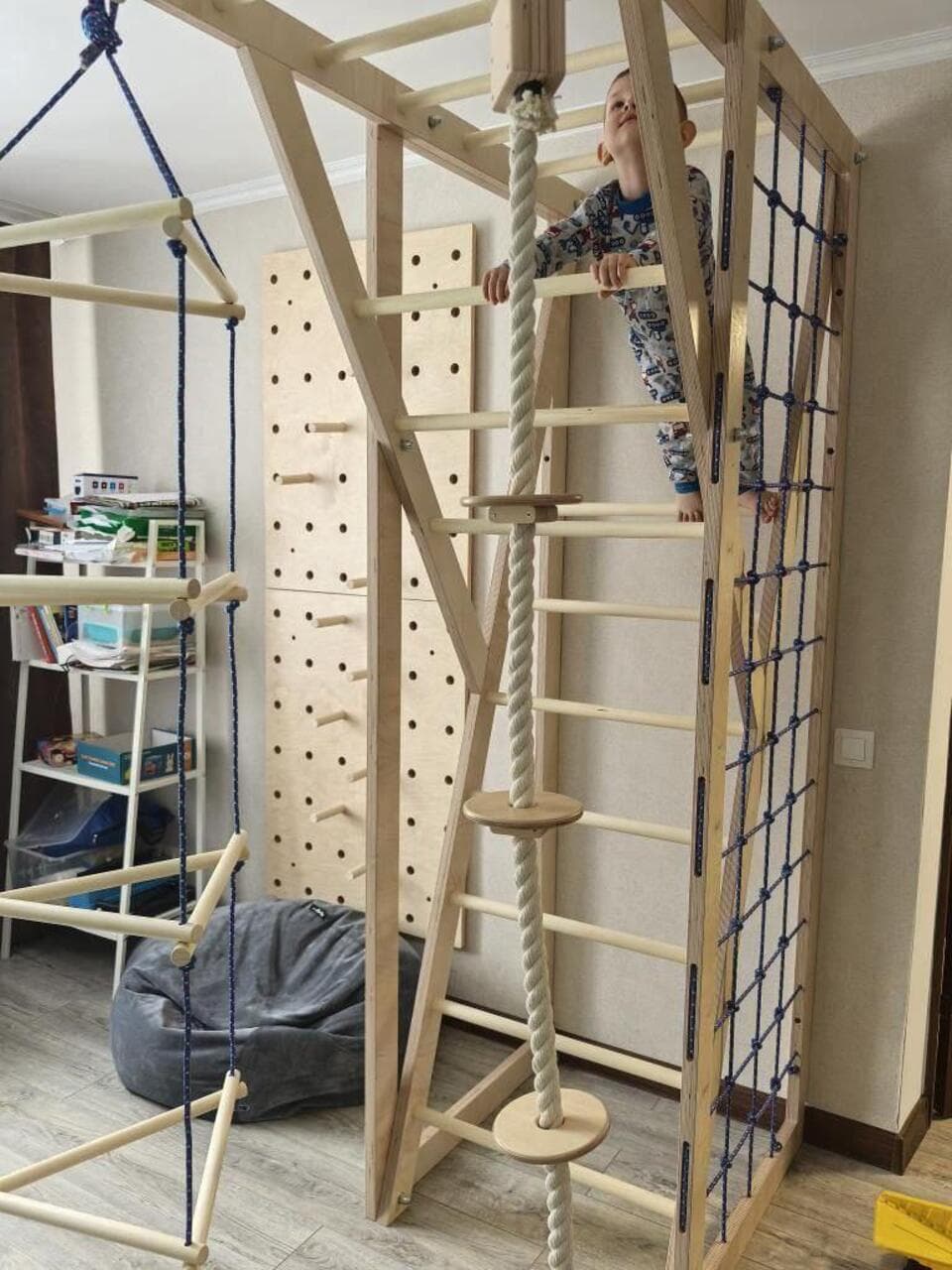
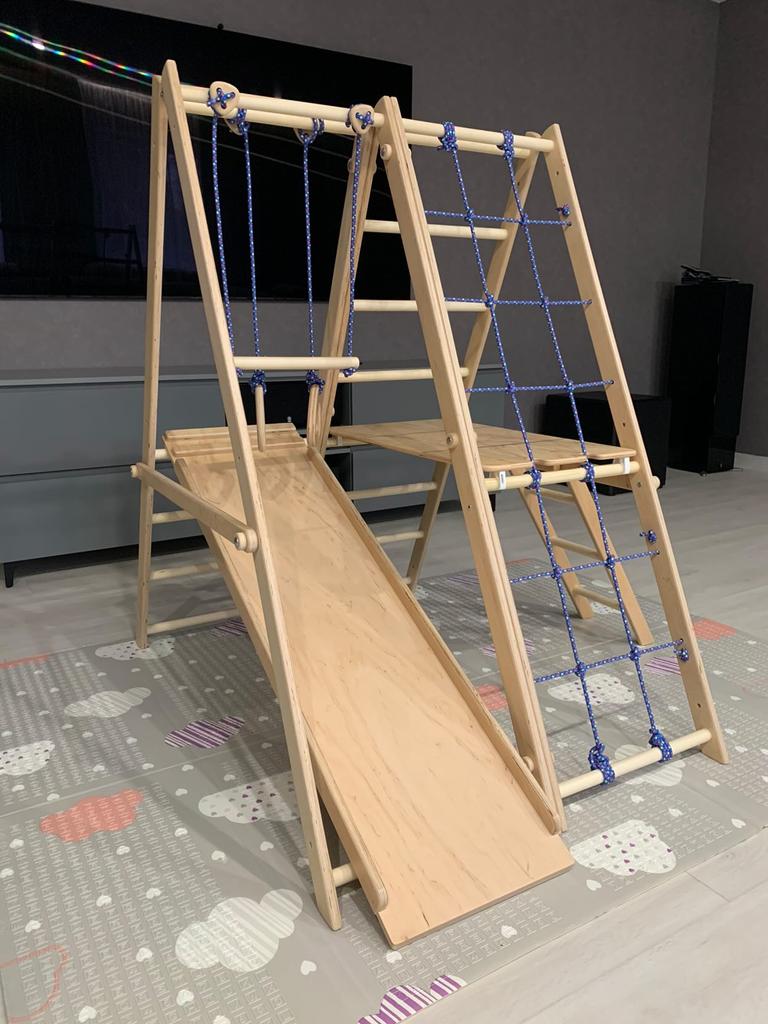

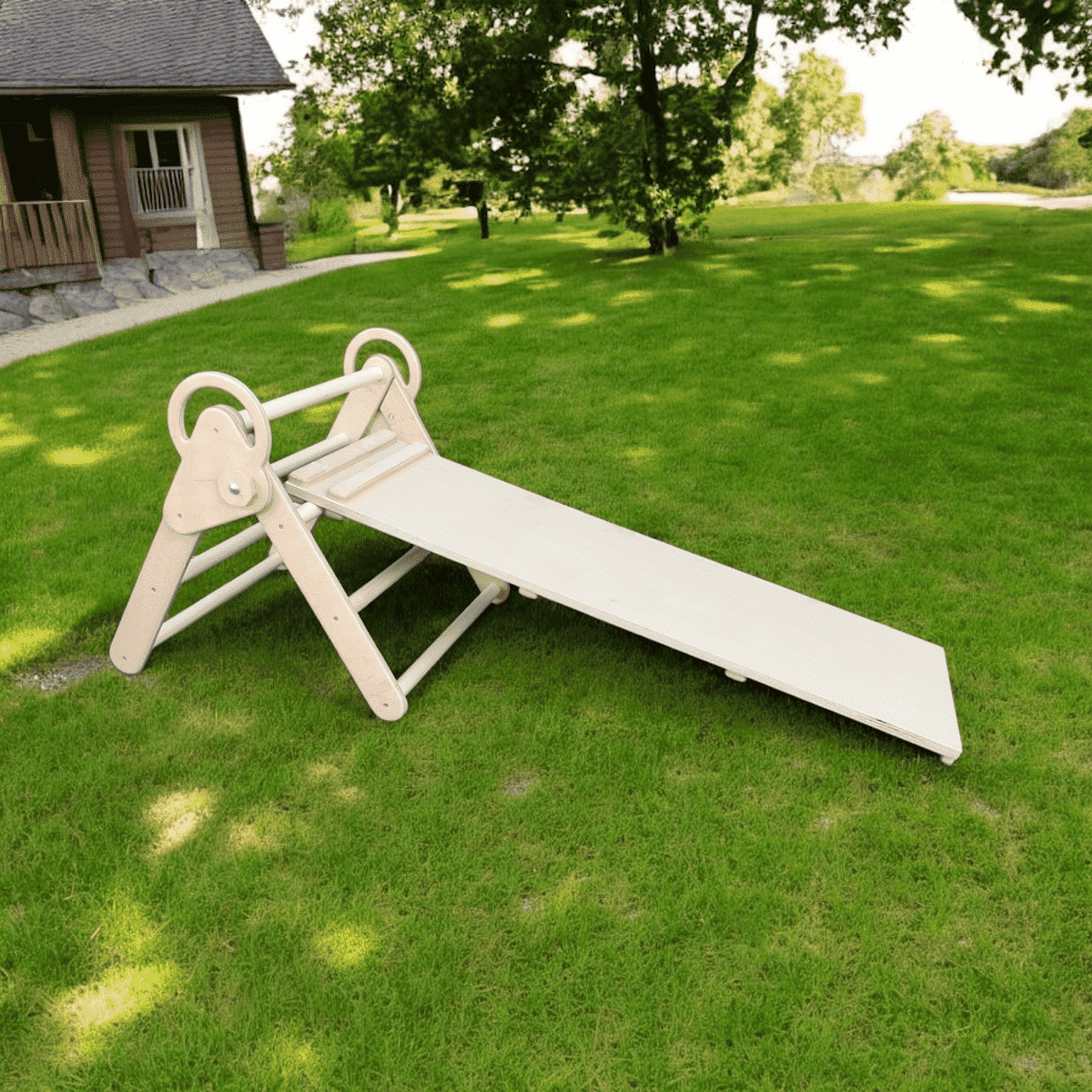

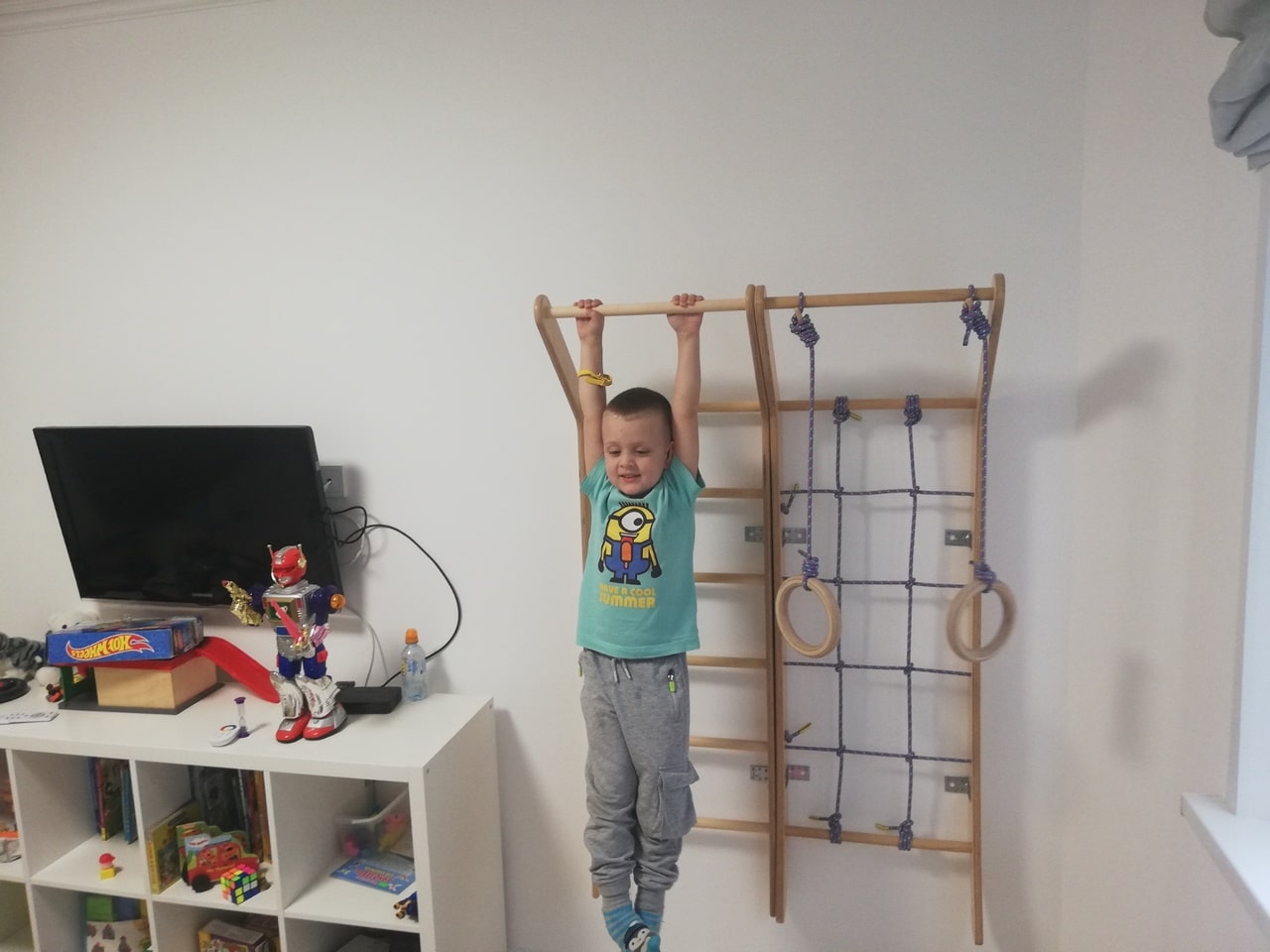


Bringing ideas to life — examples of completed wooden office furniture projects
How flexible the product is is best seen in completed projects. Behind us are offices of every scale: from a cramped room for a five-person startup to the floors of a large corporation. In both cases the starting point is the same — the client’s specific requirements, the features of the space and the tasks the furniture has to solve. A startup cares about price and speed, a corporation about a unified style and prestige; the solution is chosen accordingly.
The portfolio holds strict functional classics side by side with designer pieces of unconventional shape and finish. A separate frequent case is conference tables made to the required meeting-room size, including large and shaped ones you cannot buy off the shelf. Plus lounge and meeting zones, where the furniture works not for strictness but for comfort. The material for each project is chosen so that it both looks worthy and lasts a long time — the compromise between looks and wear resistance is key here.
Good examples show a simple thing: office furniture works not only for the process but also for the company’s image. A solid-wood reception counter and neat meeting rooms say more about a firm than a line in a presentation. Such details strengthen its reputation in the eyes of partners and clients, and at the same time create an environment where it is pleasant for employees to work and for visitors to be. Here furniture is part of the image, not just a piece of the furnishings.
Who uses a carpentry workshop’s services

Furniture makers

Interior designers

Advertising companies

Exhibition stand builders

Art studios

Cafés and restaurants

Construction firms

Retail equipment manufacturers
Furniture factories

Private craftsmen

Custom orders

Manufacturing companies

Museums and exhibition halls

Architects

Theatres and film studios

Educational organizations

Children’s products manufacturing

Repair specialists

Online stores

Sole proprietors
Who chooses wooden office furniture
The circle of clients is varied: wholesale companies, retail chains, furniture suppliers, large clients from business and government institutions. Some need volume and stability, others complex one-off projects, others compliance with strict procurement requirements. The fact that they all find what they need at a single manufacturer is precisely what speaks to its flexibility: orders come in simple and complex, small and large, with no dividing clients into “awkward” ones.
Each has their own reason to come. Wholesalers and sellers look first of all at supply stability and price — for them it matters that goods arrive on time. Shops refresh their range and restock with proven products. Large corporate clients need bespoke projects: furniture that reflects the company’s style and adds up to a recognisable interior. Production adapts to each of these requests rather than bending everyone to a single format.
The very diversity of clients is a sign that wooden office furniture is in broad demand and that production knows how to adapt to the market. From this grows a stable base for long relationships: when a contractor covers both standard and non-standard requests, clients come back rather than looking for a new one for every project.
Wooden office furniture — a comprehensive overview of the key aspects of production and wholesale
The production of wooden office furniture is made up of several strands, and it all starts with the material. It is precisely the material that sets both the look and the service life: the species is selected for strength, resistance to load and the ability to hold a presentable look for years, not a couple of months. A mistake here drags everything else along with it — you cannot build sturdy furniture on a weak base, however hard you try at the later stages.
The next most important stage is design. The designer brings together three things: function, ergonomics and appearance. A good design is when the employee is comfortable and the space is used without waste: no extra corners, no dead zones. And here too flexibility is needed — the ability to quickly recut a solution to a different layout or a new request, because two identical offices are rarely met.
Technology here is a blend of hand craft and automation. Machines deliver precision and consistency, hand work the neatness where the machine is powerless. Together they keep the quality even and reduce defects to a minimum. Control, moreover, is not a one-off but end-to-end: raw material, parts, assembly, finish — every stage is checked. That is how you get a predictable result that matches what the client saw in the project.
Wholesale does not work without logistics — it is not enough to produce, you have to deliver on time and in one piece. Supplies go across all of Europe, with lead times and terms a partner’s business can rely on when planning. The way of working is flexible: the specifics of the region, the volume and the method of delivery are taken into account, and terms are chosen so that the cooperation is beneficial to both sides, not just on paper.
Boiled down, wooden office furniture covers three requests at once: it is functional, reliable and looks decent. Such furniture both underlines the company’s status before guests and creates an atmosphere in which the team is calm and comfortable working day after day. In essence, this is an investment not only in the furnishings but also in how the firm is perceived from the outside and the inside.
What custom-made office furniture includes
The words “office furniture” hide more than just a desk. A full set usually includes desks and side pedestals, cabinets for documents and clothing, open and closed shelving units, conference tables, reception counters and partitions that zone the open-plan space. Each item solves its own task: a pedestal hides equipment and cables, a shelving unit keeps folders at hand, and a partition separates a noisy zone from a quiet one. When all of this is ordered as a set rather than piece by piece, the office comes together into a single ensemble — in colour, texture and logic, not a collection of items bought at random from different shops.
Reception deserves separate attention. It is the first thing a visitor sees, and by it they subconsciously judge the whole company. That is why the counter is often made one-off: with a corporate colour, lighting and a neat load-bearing worktop. Meeting rooms follow a similar logic — a large table sets the tone of the meeting, and a cheap, wobbly structure here immediately catches partners’ eyes. That is exactly why custom-made office furniture is chosen where ready-made mass-market solutions from a hypermarket fit neither the room dimensions nor the desired image.
Materials: what office furniture is built from
The choice of material determines the price, the looks and the service life. Solid wood — birch, oak, beech — goes where a presentable look and durability matter: executive offices, reception, premium meeting rooms. MFC covers the bulk of workstations: inexpensive, practical, a huge choice of decors, a ready-made coating. MDF is chosen for painted fronts and milled elements, when colour or a soft shape is needed. Veneer makes it possible to get the look of natural wood on a board base for reasonable money. Most often materials are combined within a single project: solid wood on the visible parts, board on the hidden ones — that way you fit the budget without losing quality where it is on show.
The edge plays no small role either. In an office where furniture is rubbed and knocked daily, an exposed board end soon swells and crumbles. That is why visible cuts are sealed with edge banding in a matching or contrasting colour — it is both protection from moisture and a neat, finished look. A small thing rarely thought of at purchase, but it is precisely what tells furniture that lasts for years from furniture that loses its looks in a couple of seasons.
Workstation ergonomics
Ergonomics in the office is not a buzzword but a direct saving on employee fatigue. Worktop height, the depth under the keyboard, legroom, access to sockets and cable routing — all of this affects how a person feels by the end of the eighth hour at a desk. Custom furniture wins over ready-made here: dimensions are fitted to real tasks and to specific people, not averaged for an abstract user. Cable management is a headache of its own in any office, and it is planned into the project in advance: grommets in the worktop, channels in the legs, niches in the pedestals. Cables stop tangling underfoot, and the workstation looks tidy.
For meeting rooms and shared areas ergonomics is counted differently — what matters is walkways, capacity, ease of connecting equipment. The table must seat the required number of participants, leaving room for laptops and papers, and there must be enough space around it to push a chair back without bumping a neighbour. These nuances are worked out at the design stage, before anything goes into production — reworking a finished batch because of an awkward height is far more expensive.
Batches for open-plan spaces and office networks
Fitting out an open-plan space or a network of offices is always about sameness. Fifty workstations should be like twins: the same shade, the same height, the same hardware. Hand-crafted one-off work does not guarantee such repeatability, whereas production on CNC machines does. The cutting program does not tire and does not “lose focus”, so the fiftieth desk comes out the same as the first. For a company with several offices in different cities this is especially valuable: the furnishings look like a single corporate standard rather than gathered piecemeal.
A serial batch is also more cost-effective in price. For a production run, tooling and templates are prepared that speed up the work, and the cost per item drops compared with piece-by-piece manufacture. The larger the order, the more noticeable this saving. Plus a single batch is easier to service: if in a year you need to add a couple of workstations, repeating them from the saved parameters is easy, and the new desks will not stand out from the rest.
Branding and corporate identity
Furniture is an underrated carrier of corporate identity. A reception counter in the corporate colour, a logo milled or engraved on a panel, fronts in the brand’s shade — all of this works for recognition no worse than a sign. Custom production makes it possible to hit the corporate palette exactly: the colour is matched to a sample rather than chosen from what happens to be in stock. For companies to whom image matters, this is a way to make the office an extension of the brand rather than a neutral background.
Branding need not be loud. Sometimes it is a barely visible logo on the end of a reception counter or a single shade of wood in all the meeting rooms — details that are read subconsciously and create a sense of a thought-out, coherent space. Such accents are planned in at the design stage and hardly add to the cost, yet noticeably raise the order in the eyes of both employees and guests.
Lead times and what makes up the price
The exact price of office furniture is worked out per project, but its components are clear in advance. The cost is affected by the material and how much of it is used, the complexity of the structure, the batch size, the type of hardware, the finish and the presence of branding. Solid wood is dearer than board, a painted front dearer than a laminated one, an executive office dearer than a standard workstation. The lead time depends on the same factors plus the production workload: a simple set is ready faster, a complex project with painting and installation takes more time, mainly because of coating drying.
- 🪵 Material — solid wood, MFC, MDF or a combination of them, taking usage into account.
- 🔧 Structural complexity — a simple desk or a system with niches and cable channels.
- 🔁 Batch size — a run works out cheaper per item than piece-by-piece work.
- 🎨 Finish and colour — lamination, painting, branding.
- 🚚 Delivery and installation — self-collection, shipment to the region, on-site assembly.
The simplest way not to overpay is a clear technical brief and a reasonable margin on the deadlines. Rework because of inaccurate dimensions and working in emergency mode are exactly what add the extra percentages to the estimate. If a project is tied to a moving-in or office-opening date, it is worth getting in touch in advance, leaving time for approval and unhurried production.
How an office furniture order proceeds
So that the process does not seem like a black box, here is the usual route from the first call to the assembled office. Understanding the stages helps you plan your time and not be surprised at why everything is arranged the way it is.
- 📞 Discussing the task: how many workstations, which zones, budget, deadlines.
- 📐 Measuring the room and the layout — the foundation, without which the project cannot begin.
- ✏️ Design and estimate: configuration, materials, colour, hardware.
- ✅ Approval: changes are made here, while it costs nothing.
- 🪚 Production: cutting, edging, drilling, painting, assembly.
- 🚚 Delivery and on-site installation or handover of the batch to the wholesaler.
The most valuable stage is approving the project. Five minutes of attention to the drawing saves weeks of rework, especially on a large batch, where a mistake is replicated across dozens of items. That is exactly why custom-made office furniture always starts with paper and measurements, not straight from the machine. The fuller the inputs at the start, the shorter and calmer the path to the finished result.
Common mistakes when ordering
Most slip-ups happen not on the shop floor but at the stage of setting the task. Here is what most often gets in the way of getting the office of your dreams on the first try.
- ❌ Measuring “by eye”. One wrong dimension and the cabinet does not fit the niche, while the desk runs up against the radiator.
- ❌ Forgotten utilities. Sockets, pipes, ducts — they were not accounted for, and the furniture blocks access.
- ❌ Cutting corners on hardware. Cheap runners are the first to fail, and drawers start to jam.
- ❌ No single style. Furniture is bought in batches at different times, and the shades do not match.
- ❌ Last-minute urgency. Coating drying and installation do not speed up at the click of a finger.
It is no disaster if something of this was not taken into account — that is exactly what a dialogue before the start is for. A competent contractor asks these questions himself before cutting, not after, when fixing is already expensive. That is why a detailed discussion at the start is not a formality but a way to save money and nerves.
Quality control and warranty
Control is built into the process, not tacked on for show at the end. On arrival the material and its thickness are checked, during machining the geometry of the parts, at the exit the assembled product is inspected: how the drawers run, whether the doors sit evenly, whether there are any skews or chips. Such an end-to-end approach is especially important on wholesale batches: catching a problem on one part is cheaper than sending the client fifty defective desks and then redoing everything.
Warranty obligations confirm that the furniture is made to the technology and designed for long service. If a disputed point does arise, it is easier to resolve because the order passed through one pair of hands: there is no need to work out at whose stage the mistake happened. Responsibility is not smeared between contractors, and the client is clear on whom to hold accountable for the result.
Delivery and installation
Finished furniture is shipped across all of Europe. Large items are more convenient to transport disassembled and to assemble on site — that way there is less risk of damaging them in transit and it is easier to carry them into the room. Compact items may travel assembled. Packaging is designed for transport: corners, edges and fronts are protected so that the batch arrives in the same state it left the workshop. The method of delivery and the need for installation are discussed for the specific order and region.
On-site installation is a separate service that saves the client time and effort. An experienced crew will assemble the furniture faster and more neatly than an office manager working from instructions, and will immediately spot whether everything fits in place. For wholesalers who resell or fit out sites turnkey, this is a convenient option: to receive not boxes of parts but a finished, assembled and checked workspace.
Caring for wooden office furniture
Office furniture lasts longer with a minimum of care. Wood and board materials dislike sharp swings in humidity and direct sun, and the coating is afraid of aggressive chemistry. A few simple habits extend the service life by years and preserve the presentable look, which for an office that receives guests is no small matter.
- 🧴 Wipe surfaces with a soft cloth, without abrasives or solvents.
- 💧 Do not leave puddles or wet objects on the worktops — water finds the joints.
- ☀️ Protect the fronts from prolonged direct sun so the colour does not fade unevenly.
- 🔧 Once a year tighten the hardware — hinges and runners loosen over time.
- ⚖️ Do not overload shelves and drawers beyond their rated capacity.
These little things are rarely spelled out at the time of ordering, but they are precisely what determine whether the furniture will look as worthy in five years as on the first day. On request, care recommendations can be given for the specific coating and material — oiled solid wood and a laminated board have different nuances.
A glossary of terms for the client
When discussing an order, words come up that are familiar to a furniture maker and hazy to everyone else. A small glossary will remove misreadings before the start — when the parties understand the terms the same way, there is less occasion for “I thought it would be different”.
| Term | What it stands for |
|---|---|
| 🚪 Front | The face door or panel of a cabinet, pedestal or counter |
| 📦 Carcass | The frame of the product: sides, bottom, top, shelves |
| 🖇️ Edge banding | The tape sealing the board end against moisture and chipping |
| 🔩 Drilling | Holes for hardware and fasteners along the marked-out layout |
| 🧵 Cable channel | A niche or duct for the neat routing of cables |
| 🗄️ Open-plan | An open workspace without solid partitions |
A one-off order or ongoing supply
Production is equally open both to those who need to fit out a single office and to those who buy furniture regularly. A one-off order is simple: discussed, project approved, finished set received. No commitments for the future — just the work and the result.
Ongoing cooperation suits wholesalers, chains and companies that are growing and periodically buy more furniture. When the client’s specifics are already known, the work goes faster: fewer approvals, predictable quality from batch to batch, priority on deadlines in the hot season. Many come this way — from a single trial order, and stay for the long term, having seen for themselves that the desks arrive on time and to size.
Custom-made office furniture for the furniture business
A separate category of clients is furniture companies themselves, marketplace sellers and contractors who fit out sites turnkey. For them, production works as a reliable back-up: it takes on the manufacturing, while the partner handles sales and clients. This is more cost-effective than running one’s own workshop for unstable workloads — no need to invest in machines, floor space and a staff of machine operators for orders that come and go.
This format removes the production risks from the partner and allows scaling without capital investment. A seasonal spike in demand is covered by ordering a batch, not by a rush on one’s own site. Plus a single quality standard: the partner’s clients get equally solid custom-made office furniture, and the seller’s reputation rests on a stable result rather than luck with a particular delivery.
What it looks like in practice
An open-plan space for fifty. An IT company is moving to a new office and orders a single set: identical desks with cable channels, pedestals on castors, low partitions between working groups. All in one shade to match the corporate identity. The batch is made serially, thanks to which the deadlines and the price per workstation come out predictable, and the furnishings look like a single corporate standard rather than a mixed bag.
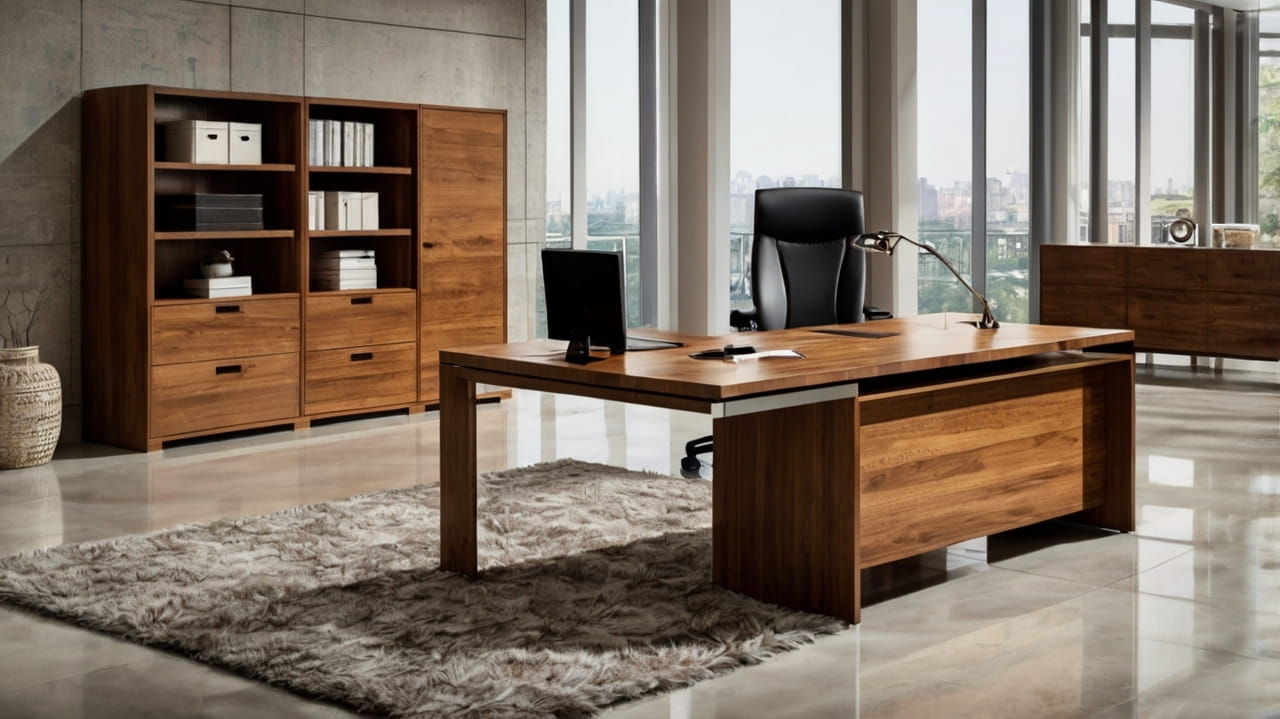
An executive office. The client needs a manager’s office with a solid, high-status look: a massive oak desk, a wall unit for documents and books, a side zone for meetings. Here the material and finish come to the fore rather than the run — the product is one-off, with hand finishing and a matched coating. The result works not only for comfort but also for the company’s image before guests.
Reception and the waiting area. A clinic chain needs identical reception counters for several branches: a corporate colour, a logo on the front panel, a comfortable working zone for the administrator. The set is manufactured as a batch to a single design and distributed among the cities. A patient at any branch sees one and the same recognisable image — which is exactly what the client was after.
Custom-made office furniture or ready-made from the shop
Ready-made furniture from a hypermarket seems cheaper and faster — until you start fitting it to a real room. A standard cabinet does not fit the niche by a couple of centimetres, a desk of the wrong depth runs up against the walkway, and the right shade is simply not in stock. As a result the space is used inefficiently, and the office is assembled from compromises. Custom furniture removes this problem at the root: it is designed for specific walls, sockets and tasks, not the other way round. This is especially noticeable in non-standard rooms — with columns, sloping walls, niches — where ready-made solutions are powerless.
There is also a difference in horizon. Ready-made furniture is easier to buy today, but you cannot assemble a run of fifty identical workstations at a shop — the shades and batches will differ. Custom production, on the contrary, is strong precisely in runs and uniformity. Plus service life: custom-made office furniture is usually made from more hard-wearing materials designed for daily load, whereas budget ready-made products are more often designed for gentle home use. For an office where drawers are yanked hundreds of times a day, this difference shows up within a year.
Eco-friendliness and material safety
In a room where people spend eight hours, material safety is not an abstraction but a matter of the team’s well-being. Cheap boards of a low emission class can release formaldehyde, especially in a warm, closed office, and this directly affects the air employees breathe. That is why office furniture uses materials with confirmed safety, and coatings are chosen that do not poison the air after drying. Solid wood in this sense wins over many board materials — it is a natural raw material that, with proper processing, is absolutely safe.
Eco-friendliness is also about durability. Furniture that serves ten years, per year of service, saves both budget and resources more than cheap furniture that goes to the tip after a couple of seasons. Sensible material usage in production, neat part nesting and minimal waste complete the picture. For companies to whom a responsible stance matters, all of this adds up to an argument no worse than price.
Why a single supplier is more cost-effective
The temptation to assemble office fit-out from the cheapest sources is understandable: desks from one, cabinets from another, reception from a third. On paper a saving, in practice a mismatch. The wood shades do not match, the hardware differs, the delivery times are out of sync, and instead of a coherent space you get a motley set. A single supplier who makes the whole set to one design removes this problem: colour, material and style are coordinated across all the items, and one party is responsible for the result.
There is a benefit in logistics too. One delivery instead of five means fewer approvals, one lot of packaging, one installation, one contact for questions. If something needs to be added later, repeating it from the saved design is easier than searching for a long-discontinued model at a third-party seller. For wholesalers and companies fitting out sites turnkey, a single manufacturer also means the predictability on which their own reputation before clients rests.
More questions about office furniture
Can a model I like be reproduced? Most often yes — with adjustments for your dimensions and materials. A finished sample or a photo serves as a starting point, and from there the structure is adapted to the room and the budget. Sometimes it even comes out better than the original, because real operating conditions are taken into account.
Is it realistic to keep within a modest budget? Yes, through a sensible choice of materials. Where solid wood is not needed, MFC or painted MDF works, and the visible representative zones are made dearer than the hidden technical ones. A smart allocation of the budget lets you get a decent office without overpaying for what is out of sight anyway.
What to do if the office is going to expand? This is worth mentioning in advance. The project can be laid out with growth in mind: choose materials and models that are easy to repeat, and keep the parameters for future batches. Then new workstations will fit organically into the existing ones rather than standing out from the row.
How to start an order? With a description of the task and the room: how many people, which zones, roughly what budget and whether there is a tie to a moving-in date. Even without a ready project this is enough to estimate the composition, materials and lead time. Everything else is clarified as you go — custom-made office furniture is built precisely around your scenario rather than the other way round.
Materials for different office zones
One and the same office is rarely made from a single material — each zone has its own logic. Representative areas call for solid wood or veneer, workstations are covered by practical MFC, painted fronts come from MDF. The short cheat sheet below helps you gauge what fits where by the balance of looks, price and wear resistance.
| Material | Where it fits | What it is good for |
|---|---|---|
| 🌳 Solid wood | Offices, reception, meeting rooms | High-status look, repairability |
| ⬜ MFC | Workstations, shelving units, pedestals | Practical, inexpensive, many decors |
| 🎨 MDF | Painted fronts, shaped parts | Any colour, smooth surface |
| 🪞 Veneer | Representative zones on a budget | The look of wood on a board base |
Combining materials is the norm, not a compromise. Solid wood on the manager’s worktop and MFC on the hidden parts of the same office is a sensible solution that both looks worthy and does not blow up the estimate. This combination can be chosen at the design stage, working from what is on show for you and what is hidden.
Seasonality and planning lead times
Furniture production has its peaks. Before the start of the business year, in the season of relocations and corporate refits, the queue is denser and lead times stretch a little. In the quiet months a simple order goes through with almost no wait. Knowing this seasonality helps with planning: if an office relocation is tied to a specific date, it is wiser to get in touch in advance and book a slot rather than count on a large batch being assembled in the last week. Regular clients win here — it is usually easier for them to get priority, because their tasks are already familiar to production.
Preparation on the client’s side also speeds up the order: accurate measurements, readiness on colour and material, a layout agreed in advance. The fewer clarifications at the start, the faster the project goes into work. The longest to dry is usually the coating of painted fronts — here haste harms the result, and it is better to allow an extra day than to get an uneven coat. That is why for projects with painting and installation a margin of time is especially appropriate.
Discussing the task commits you to nothing. It is enough to describe the room, the number of employees and the rough budget — and to get a bearing on the composition, materials and deadlines. At this stage useful details surface: where to save without losing quality, what is worth making in solid wood and what in board, how to allow for the possibility of expansion. Such a conversation saves both money and time and removes half the questions before production even starts.
Partitions and zoning of the space
An open office is good for its flexibility, but without zoning it quickly turns into a noisy anthill where it is hard to concentrate. Wooden partitions solve this task more gently than solid walls: they separate working groups, dampen part of the noise and at the same time preserve the sense of space and light. Height and depth are chosen to suit the task — low desk screens simply demarcate places, while full-height partitions create proper semi-enclosed offices. Material and colour are matched to the rest of the furniture so the zoning looks like part of a single project rather than screens propped up in haste.
Thought-out zoning directly affects productivity. Quiet zones for focused work, separate corners for calls and meetings, a common area for team discussion — all of this can be laid into the custom office furniture project at the layout stage. When partitions, desks and storage systems are designed together, the space works as a single organism: every employee has their own place, and the team has zones for different work formats. This is the case where furniture does not just fill a room but helps build work processes.
Storage systems and order in the office
Storage is what there is never enough of in an office until you plan it in advance. Documents, stationery, equipment, employees’ personal belongings — everything needs its own place, otherwise the desk turns into a dump and the shelves sag under folders. Thought-out storage systems are laid into the project from the very start: cabinets for the archive, pedestals with drawers at every workstation, closed sections for what should not be on show, open shelving units for what is needed at hand. Custom production makes it possible to fit the depth and height to specific folders and equipment, rather than adapting work processes to the random dimensions of a ready-made cabinet.
Smart storage saves not only space but also time: when every thing has an address, employees do not spend minutes searching, and the office looks tidy even at the height of the working day. For companies that receive clients, this is also a matter of image — open shelves with chaotic papers make a different impression than neat closed sections. That is why storage systems are designed together with the rest of the furniture, so they are both roomy and unobtrusive and of a single style with the whole space.
What timber is used for production and how resistant is it to loads?
Sturdy species go into the work — oak, beech, birch. They withstand the daily load of an office and keep their look for years rather than wearing out in a season. The specific species is chosen to suit the task and the budget: somewhere representative solid wood is needed, somewhere a sturdy board with quality edging is enough.
The possibilities of making furniture to individual order?
Yes, this is the main format. Furniture is designed to your dimensions, layout and style — from the colour of the fronts to the configuration of the conference table. It is enough to describe the task and the room; if needed, the project is drawn up and approved before it goes into work.
Lead times and production volumes?
Both small batches and large volumes for a chain or a corporate client are taken on. The lead time depends on the volume and the complexity of the project and is named for the specific task — without a vague “roughly”. On a run, thanks to a well-run process, it is predictable from batch to batch.
How is supply across Europe organised?
Shipping goes across all of Europe. Furniture is packed so that corners, edges and fronts do not suffer in transit. The method and cost of delivery depend on the volume and the address, so the terms are discussed for the specific order.
Is there a warranty on the products?
Yes, the products are covered by warranty obligations. They confirm that the furniture is made to the technology and designed for long service. The specific terms are agreed when placing the order.
What hardware and components are used?
The hardware and components used are of good quality — hinges, runners and fasteners of proven types. It is precisely they that determine whether the drawers will run smoothly and whether the structure will loosen over the years. The materials applied are certified, which matters for a healthy environment in the room.
How is quality control carried out?
Control is end-to-end: the raw material is checked on arrival, the parts during machining, the finished product at the exit for geometry, strength and appearance. Such a double barrier catches defects before shipment, which is especially important on wholesale batches, where a mistake is replicated.
Is there the possibility of cooperation with wholesalers and what terms are offered?
Yes, wholesalers are worked with gladly and offered terms to suit the volume. For regular partners this also means predictability: familiar specifics, stable quality and priority on deadlines. The details of cooperation are discussed individually to suit the client’s tasks.
Is it possible to get product samples to assess quality?
Yes, on request you can get samples of materials and finishes, as well as catalogues with models and specifications. This helps assess quality in person and settle on a choice before placing a large order.
Does the company support project development and consultations?
Yes, support at the design stage is part of the work. We will help select a solution to suit the room and the budget, prepare and approve the technical documentation. There is no need to come with a ready drawing — it is enough to describe the task, the rest will be brought to working form.
Reach us in whatever way suits you best
Call us, message us on a messenger app or reach out via social media — choose whichever way suits you
🗺️ We accept orders from customers all across Europe
💬 Useful information and articles

Eco-friendly and safe materials for modern wood production
Eco-friendly and safe materials for modern wood production In recent years we increasingly think about what the things around us are made of. A home, furniture, a floor, a kitchen, a

How to Correctly Choose Between Plywood, MDF, Particleboard, and MFC for Different Tasks
How to Correctly Choose Between Plywood, MDF, Particleboard, and MFC for Different Tasks In the world of woodworking and furniture making, every material has its own story. Plywood, MDF, particleboard, and

Cutting sheet wood materials at different angles: why and how it is done
Cutting sheet wood materials at different angles: why and how it is done Working with wood materials is not just sawing. To get a truly high-quality and durable product, you have

Recommendations for choosing sheet materials for indoor and outdoor projects
Recommendations for choosing sheet materials for indoor and outdoor projects In woodworking, choosing the right sheet material is like laying a foundation for a builder. What you pick at the very