
Custom wooden blanks
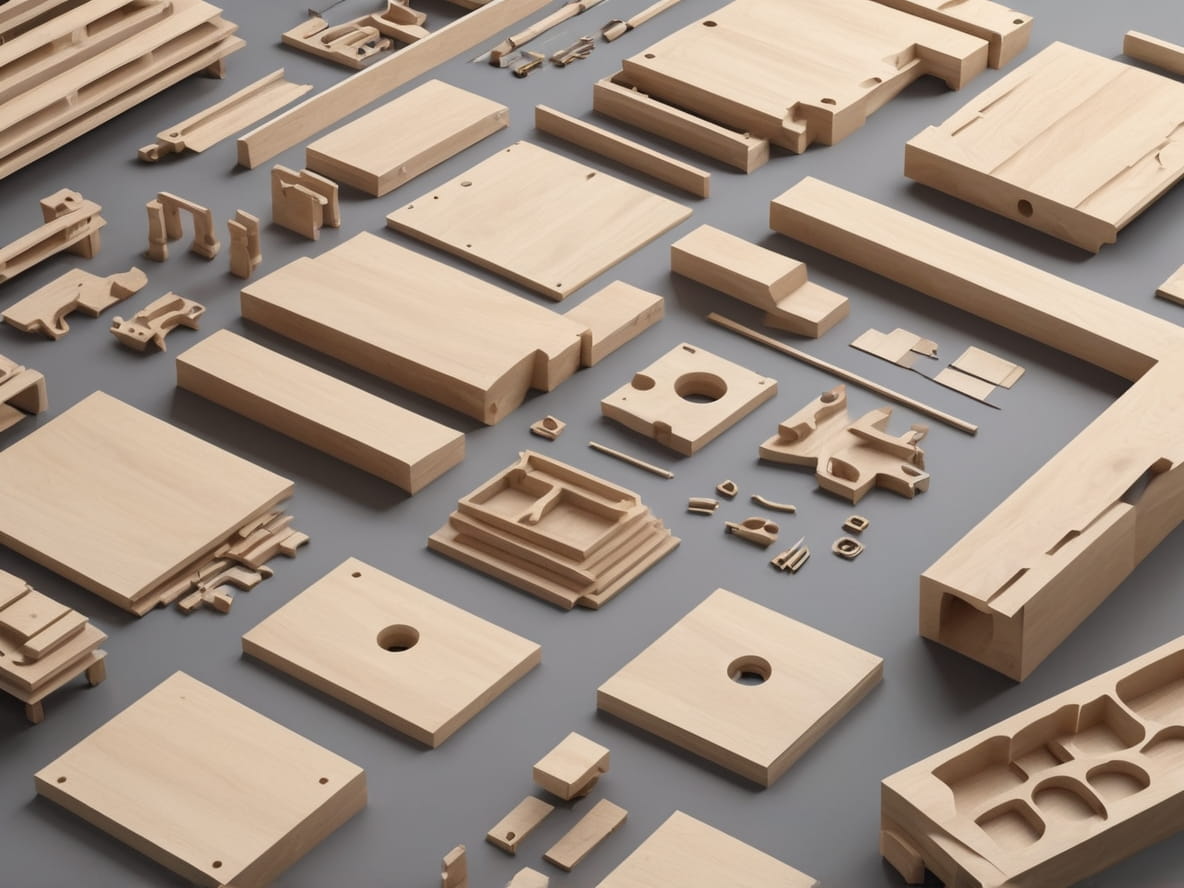
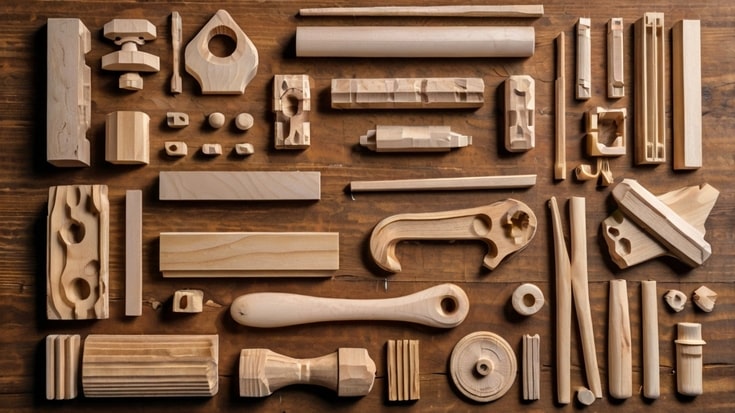
Custom wooden blanks are finished parts and components made of solid wood, MDF, plywood, MFC and particleboard, manufactured for a specific project: handles and round rods, battens and frame elements, frames, side panels, panels with holes. Precise geometry, repeatability from part to part, full-cycle processing — cutting, sanding, drilling, quality control. Below: what blanks are made of, how the process works, who orders them, how long manufacturing takes and how to order a batch to your own dimensions.
Wooden blanks and components: category description
A blank is, in essence, a semi-finished product: a part that has already been cut and processed but is yet to become part of something bigger. A furniture maker receives ready battens and panels and doesn’t waste time on sawing, a builder gets frame elements for log cabins and partitions, a tool maker gets even round handles. Wooden blanks stand at the very start of the chain: furniture, stands and interior decor are later assembled from them. And the more precisely they are made, the less fuss at the next stage — the parts simply come together rather than being filed to fit.
There are no trifles here. An error of a couple of millimetres on one blank seems trivial, but during assembly it adds up with the adjacent parts and shows up as a misalignment or a gap. That’s why every batch undergoes a check of geometry and dimensions rather than being shipped “by eye.” The field of application is wide: the same battens are equally needed at a furniture factory, on a construction site and in a workshop making interior decor. A single standard element covers several fields at once — only what is assembled from it further changes.
The strength of wooden blanks lies in the variety of shapes. A simple round handle and a panel with an intricate pattern of holes are the two ends of one range, and almost everything fits between them: battens, frames, side panels, frame elements, contoured overlays. Each part is calculated for a specific request rather than taken from a limited “what’s in stock” catalogue. Thanks to this, a blank fits into the project without reworking — there’s no need to trim it or ream out holes on site for it to finally fit.
Another point: blanks use not one species but a whole set, and the choice here is not random. For loaded elements hardwood is used, for light ones soft and inexpensive wood is enough. The parts themselves can be extremely simple or ones where fractions of a millimetre count. The set of operations for all this is standard but combined in different ways: cutting to size, sanding for smoothness, drilling holes and grooves, assembling frames. It’s from these building blocks that a specific blank is put together — from a batten in a minute to a contoured panel over several passes.
Handles
Round rods
Parts
Products
Fronts
Frameworks

Frames
Battens
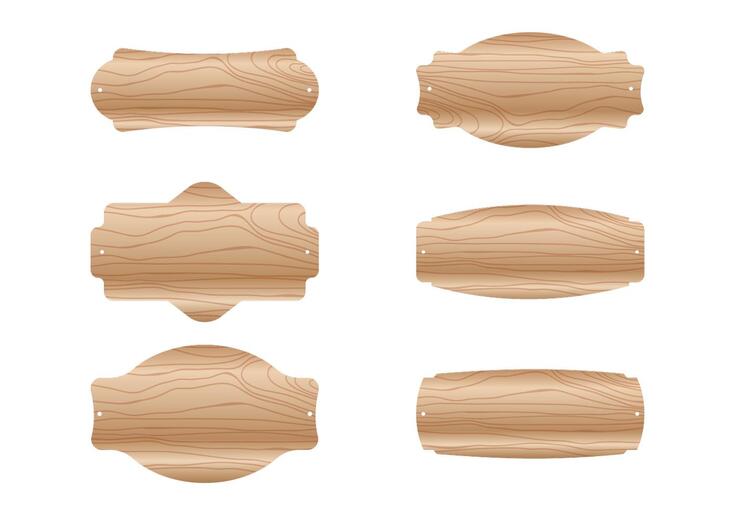
Blocks
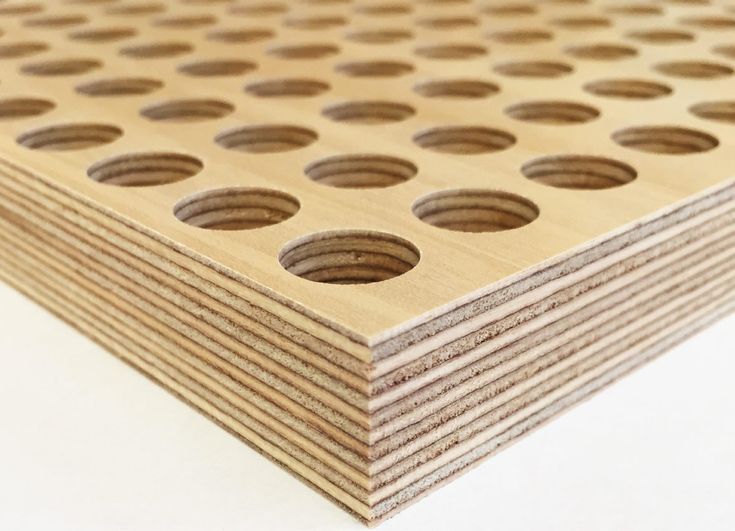
Panels with holes

Supports
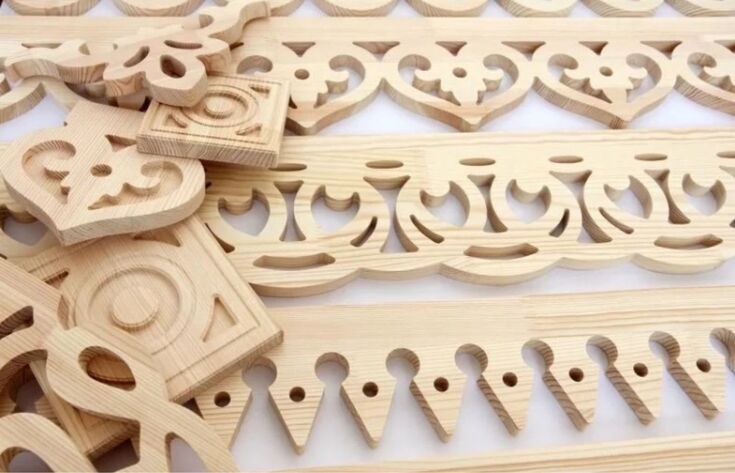
Decorative elements

Lids
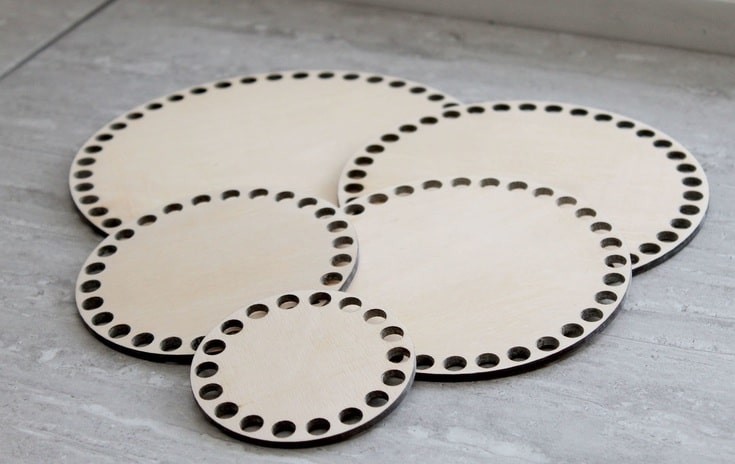
Bottoms
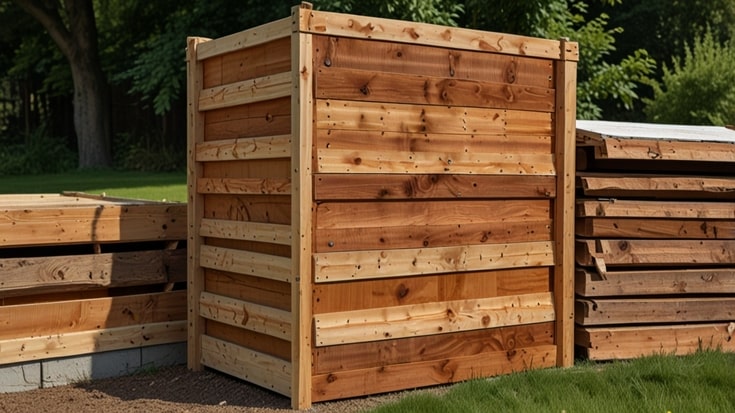
Side panels
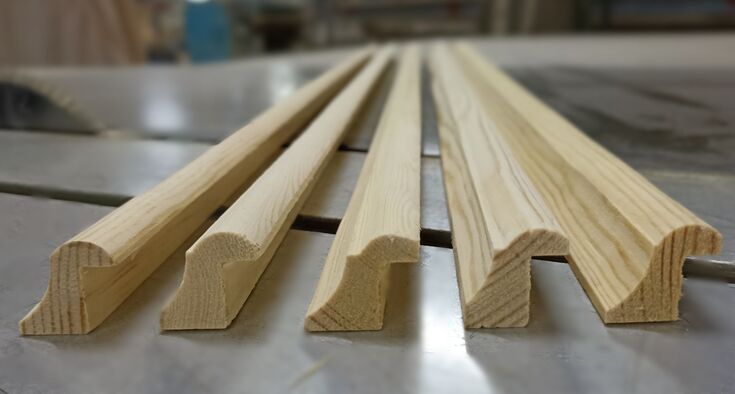
Grooved blanks
Specifics of manufacturing wooden blanks, parts and components
Blanks have their own specifics that set them apart from ordinary one-off machining. It all starts with the raw material. A part that will go into use as the basis for something else forgives no defects: a crack or a large knot in an unfortunate spot can negate all the precision of the cut. That’s why the board is first selected and only then put to work. Good raw material is not about beauty but about the blank not warping in six months and honestly serving its term in the finished product.
The second feature is a strict tie to dimensions. A framework, frame, block or batten doesn’t exist on its own but as part of a future structure, and it must fit into it without gaps. The “give or take, it’ll do” logic doesn’t work here: if a batten is a millimetre wider than the groove, it simply won’t fit, and if it’s narrower, it will be loose. That’s why the geometry is held strictly, with an eye to where the part goes next — into furniture, a log cabin or a decorative panel.
The technology consists of several steps, and their order is not accidental. First the wood is cut to size, then it’s sanded — the surface is brought to a smoothness with which one can already work further or paint. Then, as needed, come additional operations: drilling holes, grooving, chamfering. Each step is tied to the previous one, so improvising on the fly is impossible — you need both well-set-up equipment and a person who understands that a poorly sanded part will later show through the varnish, while a misplaced hole will ruin the whole assembly.
It’s worth mentioning the range of products separately. It’s not limited to the standard “handles and battens from stock” assortment: for a specific order, non-standard elements that you can’t buy ready-made anywhere are also made. If you need a panel with a unique pattern of holes for a specific shelf, exactly that one will be made rather than offering the closest similar one. Hence the broad geography of application: the same facilities today produce a batch for construction, tomorrow parts for furniture, the day after decor for an interior project.
There is also an environmental side, which clients increasingly ask about. Certified wood goes into the work — this is a guarantee that the material is safe for health and sourced without harming the forest beyond the norm. For kids’ products, furniture and everything that comes into contact with people in daily life, this is not a formality but a quite practical question: what exactly the part that ends up in the home is made of.
How wooden products are manufactured
Stages of manufacturing wooden blanks and components
The path from board to finished wooden blank goes through several stages, and none of them can be skipped without loss of quality. What follows is step by step, so it’s clear what an order consists of and why it takes exactly as long as it does.
The first step is selecting the wood. The species is chosen for the task: pine for light and inexpensive parts, oak or beech where strength and wear resistance are needed. This choice determines both how the material behaves under the tool and how long the finished part will last. Moisture is looked at separately: an over-dried board cracks, while too damp a one “breathes” and changes size after the cut. That’s why material with unsuitable moisture does not go into the work — otherwise the precision the whole thing was undertaken for is lost at the very first stage.
Next the material is prepared for work. The board is inspected and levelled, sections with knots and cracks are cut out — everything that could later spoil the part. This stage is often underestimated, and in vain: it is here that defects are weeded out while they still cost nothing. It’s far cheaper to remove a problem section at the very start than to discover a crack in a blank already finished and sent to the client. A clean, even base is half the success in all subsequent operations.
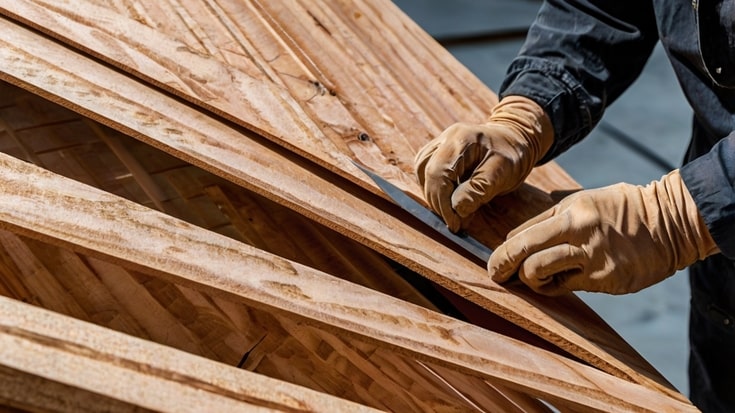
Then comes the main part — cutting and shaping. Wooden blanks are cut to size, cut out for frameworks, frames and other elements. Here it’s not just cutting that matters but repeatability: if there are a hundred parts in the batch, they must all come out identical, otherwise inconsistency will start at assembly. Next the surface is sanded — roughness is removed, it’s prepared for the finish or for joining with other parts. A smooth edge is needed not only for looks: it makes the structure easier and more precise to assemble.
After that it depends on the situation. One part needs only sanding, another needs holes for fasteners, grooves for joining or seats for hardware. These operations turn a simple blank into an assembly-ready element: a panel with holes goes straight into place, a batten with a groove joins the adjacent one without fitting. What exactly is to be finished depends on where the part goes — into furniture, construction or decor.
The final stage is quality control. Every blank is checked against the drawing: geometry, dimensions, cleanliness of machining. A batch is not shipped until it’s confirmed that the parts match the brief rather than being “roughly similar.” On request, a finishing coat — varnish or antiseptic — is applied here too. This is not just about appearance: the protective layer shields the wood from moisture and fungus, which means the blank holds its shape longer and doesn’t deteriorate either in the warehouse or in the finished product.
Advantages of manufacturing wooden blanks and components
The first thing wooden blanks are ordered externally for is the quality of the source material. A good board costs money and requires experience in selection, and keeping this process in-house for the sake of a few orders isn’t worthwhile. It’s easier to get a part where the raw material is already selected and the geometry checked. Repeated control along the way cuts off defects before they reach the client — and in the end the blank honestly serves where it was placed rather than falling apart after a season.
The second advantage is working to custom dimensions. There’s no need to adjust the project to what’s in stock: blanks are made exactly as the design requires. For a furniture maker this is a matter of survival — their product is assembled from dozens of parts, and if even one is the “wrong” width, the whole assembly suffers. The ability to order the exact size and shape removes this headache: parts arrive to the drawing and fall into place without fitting.
The third is automation that works in favour of the price. Modern machines make blanks faster and more precisely than manual labour, especially on batches where uniformity matters. A machine doesn’t tire or “lose its eye” on the hundredth part, so the run comes out even from start to finish. And the less time and waste in manufacturing, the lower the final cost. As a result, precise blanks become affordable not only for large factories but also for small workshops with a limited budget.
Another argument is flexibility in volume. One client needs a standard batch of handles, another a dozen non-standard panels for a specific interior, and both requests are covered by the same facilities. There’s no need to choose between “cheap, but standard only” and “custom, but at triple the price.” Modern processing methods keep quality even both on a run and on a single part — only the preparation changes, not the final neatness.
And finally, eco-friendliness — an argument once considered a nice bonus and now increasingly a requirement. The materials meet recognised environmental standards, meaning they are safe for people and do no undue harm to the environment. For blanks from which children’s furniture, toys or household items will later be assembled, this is fundamental: it matters not only how a part is made but also what it’s made of.
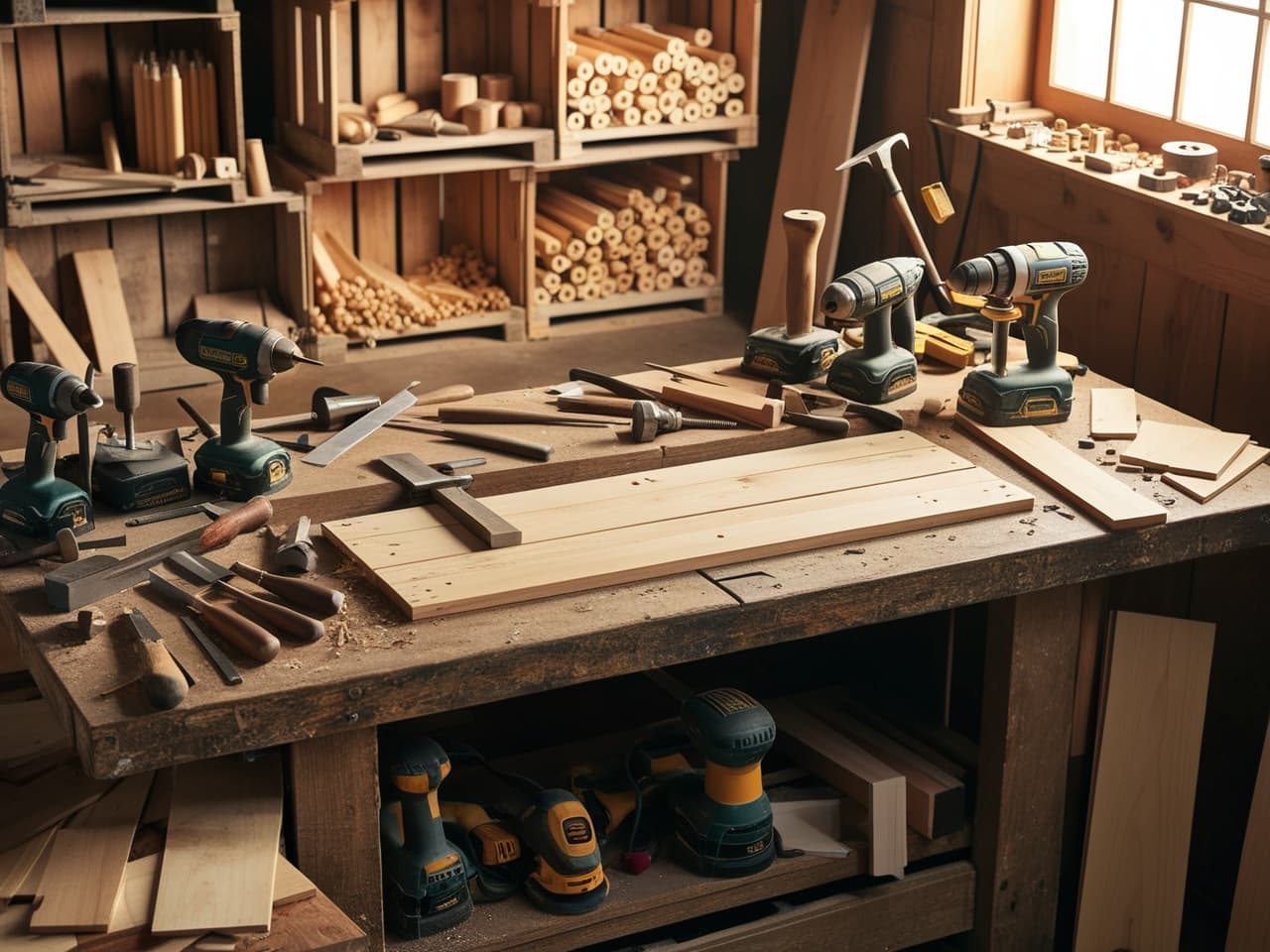
The benefits of working with professionals

Modern equipment
Panel saws, CNC and milling machines — precision, speed and quality guaranteed

Extensive experience and expertise
We know how to handle wood and sheet materials — reliably, precisely, professionally

Fast order fulfilment
Fast and without compromising quality. We value your time and our commitments

A full range of services in one place
Cutting to size, sawing, milling, sanding, painting, assembly — all in-house, with no middlemen

Trusted materials and consumables
We work only with quality materials, so you can be confident in the result

An individual approach to every client
We work to your drawings, create a machining program for the task and account for every detail
Benefits of cooperation in manufacturing wooden blanks and components
For a business, working with an experienced blank manufacturer is above all a headache taken off your shoulders. There’s no need to select the board yourself, set up machines and keep staff for it: a finished part of the required quality arrives, already having passed control. Consistency matters more here than a one-off stroke of luck — when every batch is predictable and meets the technical requirements, planning your own production becomes much easier.
Speed is the second key factor. Even a large batch arrives on time rather than “whenever it works out,” and this allows you to build your own plans without fear that assembly will stall due to a shortage of parts. For those who resell blanks or put them into further processing, this is especially sensitive: a missed deadline at the supplier drags along missed deadlines with their own clients. Reliable supply breaks this chain of problems at the very start.
Add to this flexibility in product range — and the picture comes together. However specific the parts for a specific project, they can be ordered to your own parameters rather than seeking a compromise among what’s ready-made. This spares you the typical situation of having to simplify the project to fit what you managed to get hold of. Here it’s the other way around: first the task, then the blank for it.


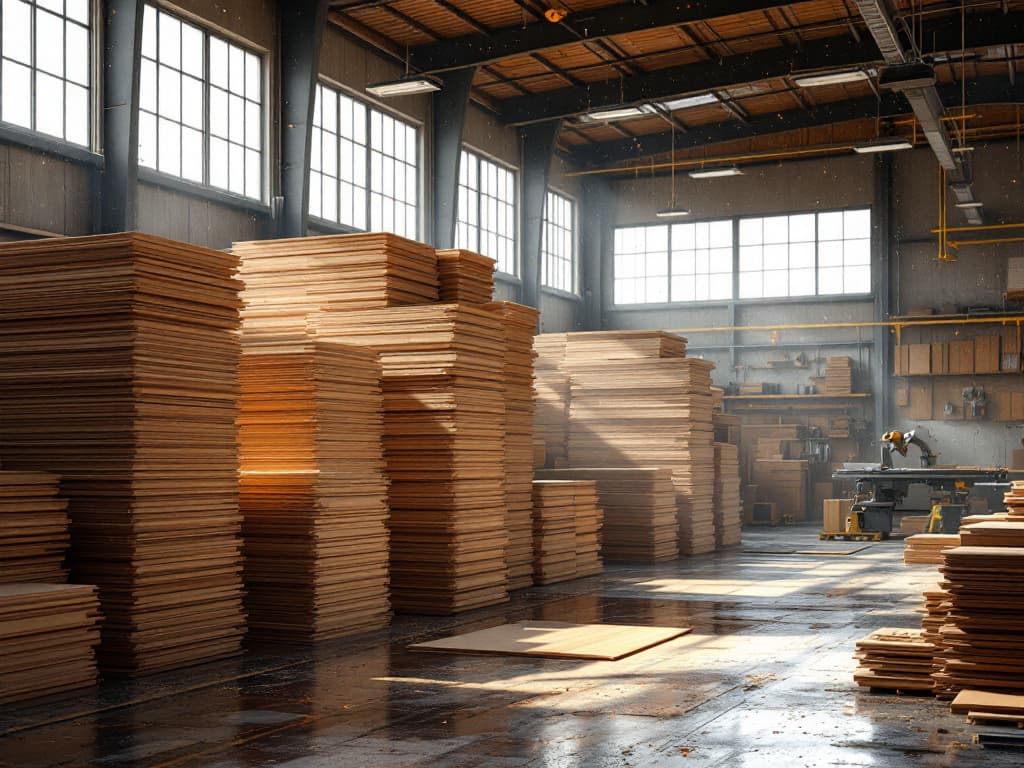


Wooden blanks: types and product categories
Wooden blanks differ greatly in shape and purpose, and each group has its own production logic. Handles and round rods, frame battens, furniture parts, decor and panels with holes are different stories, even though they’re all “blanks.” It’s one thing to turn an even round handle, quite another to cut a panel with a precise pattern of holes for a specific shelf. That’s why each category is made with its own set of operations, and a part is always tailored to exactly where it will work.
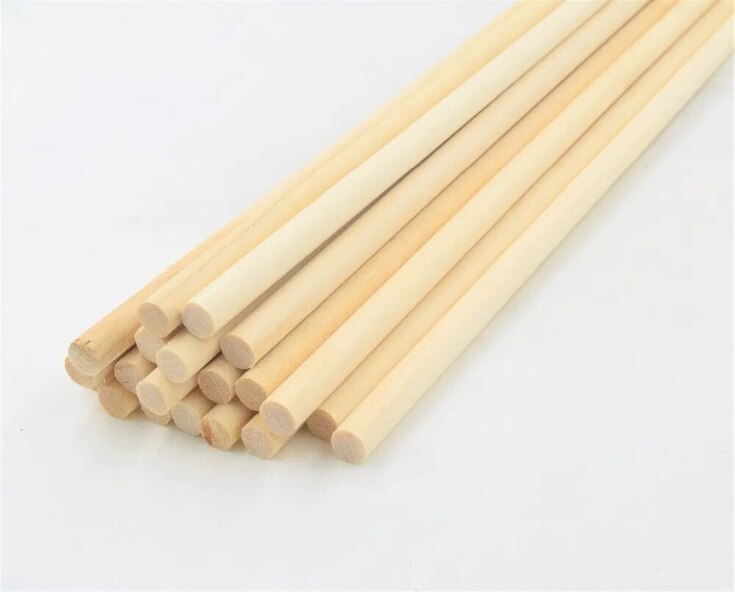
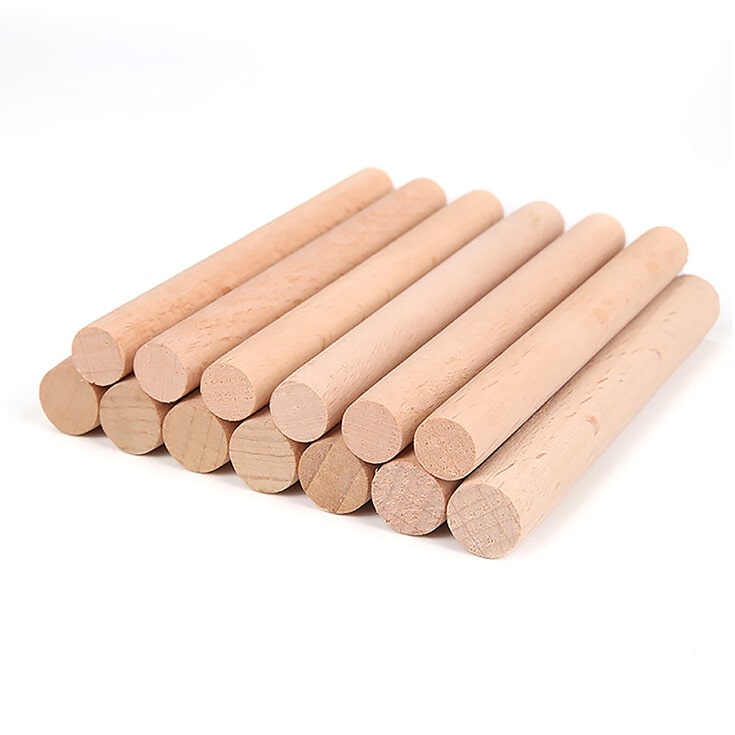
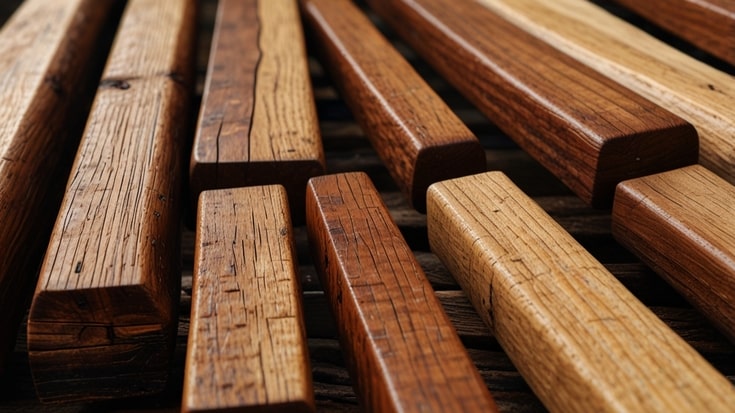
Take handles and round rods — seemingly the simplest thing, yet demand is steady: agriculture, construction, handles for shovels, rakes and other tools. Here it’s not complexity that matters but straightness and strength — a handle that cracks or bends is of no use to anyone. Frame battens and blocks play a different role: the base of furniture is assembled from them, both large parts and small internal elements. Whether a cabinet stands straight or ends up “twisted” depends directly on their precision.
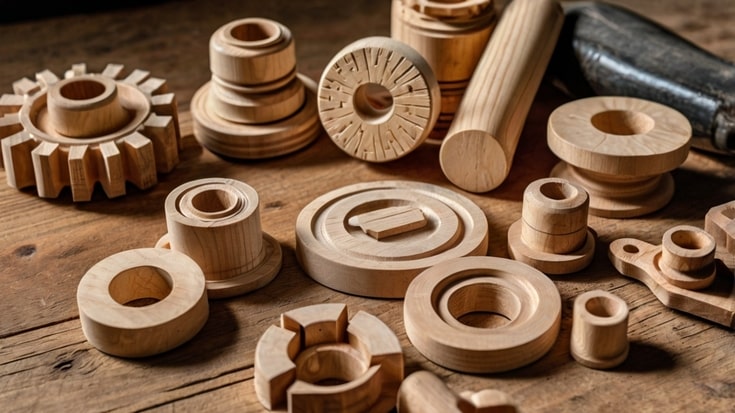
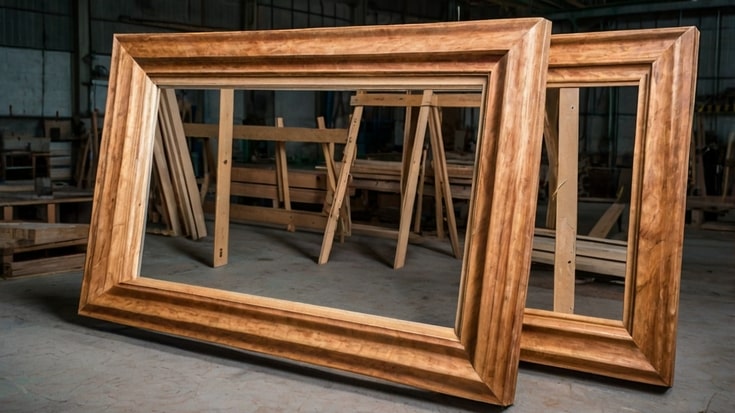
Decor is a separate category with its own requirements. Frames, lids, bottoms and side panels go to furniture makers and to companies engaged in interior finishing, and here appearance comes to the fore: a neat edge, an even surface, repeatability of the pattern. Panels with holes are an even more practical item: they’re installed in furniture, on stands, in display cases and on walls, and the precision of hole placement is critical here — shelves, hardware or other elements are later fastened by them.
The species for all this is chosen by load rather than by the “whatever’s pricier” principle. Where a part bears weight or rubs, hardwood is used — oak, beech, ash: it’s dense, wear-resistant and holds its shape for a long time. Where there’s no load, soft species like pine or spruce are more sensible — they’re lighter, cheaper and easier to machine. There’s no point overpaying for oak on a part no one loads, and a sensible choice of species is exactly what saves the budget without loss of reliability.
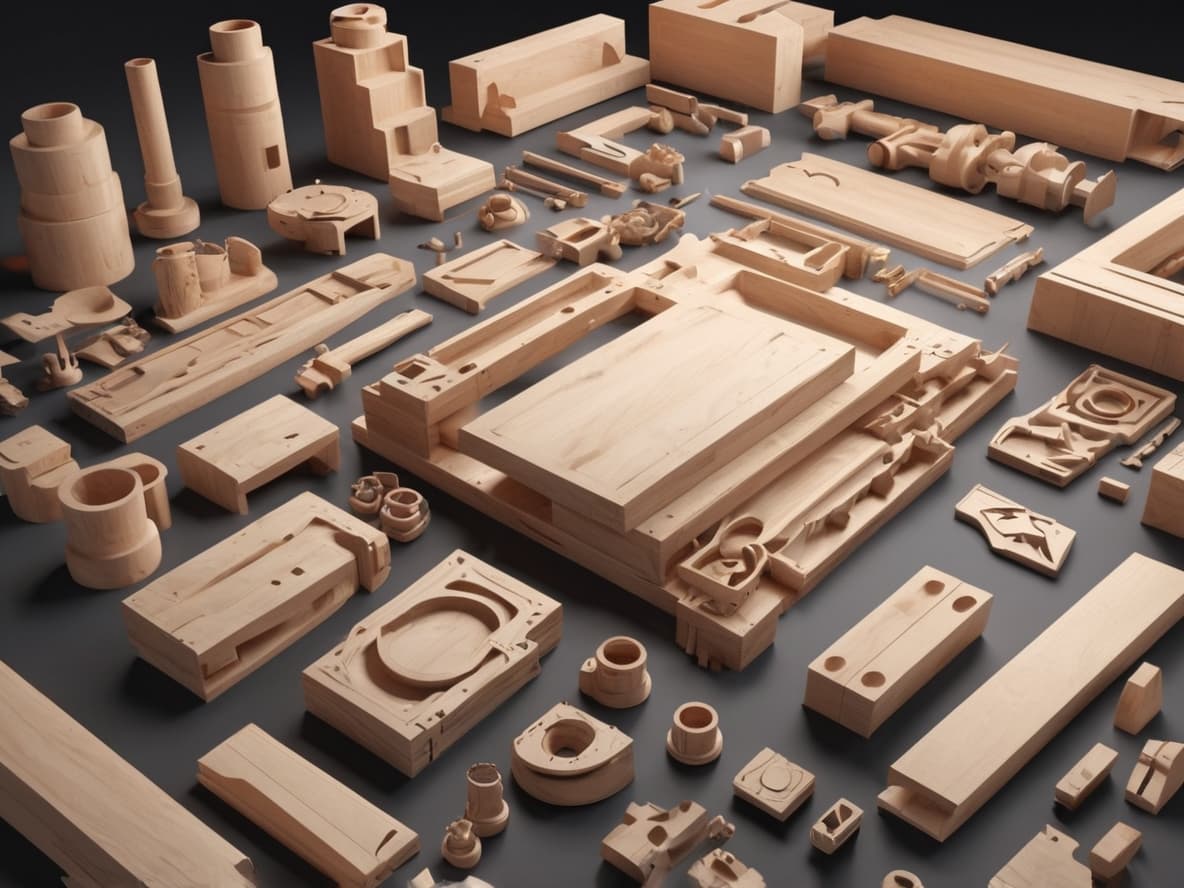
Our portfolio — finished products
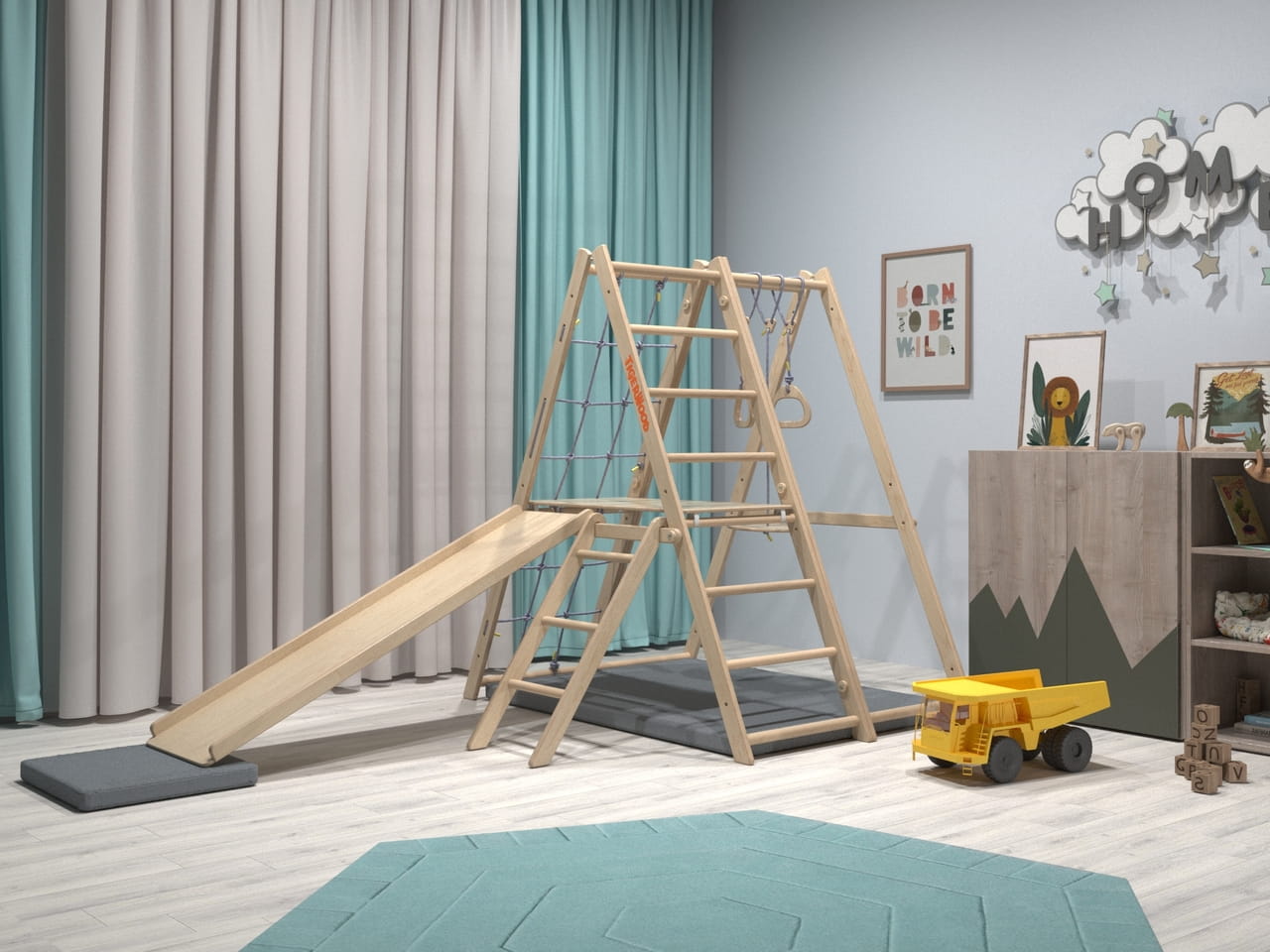
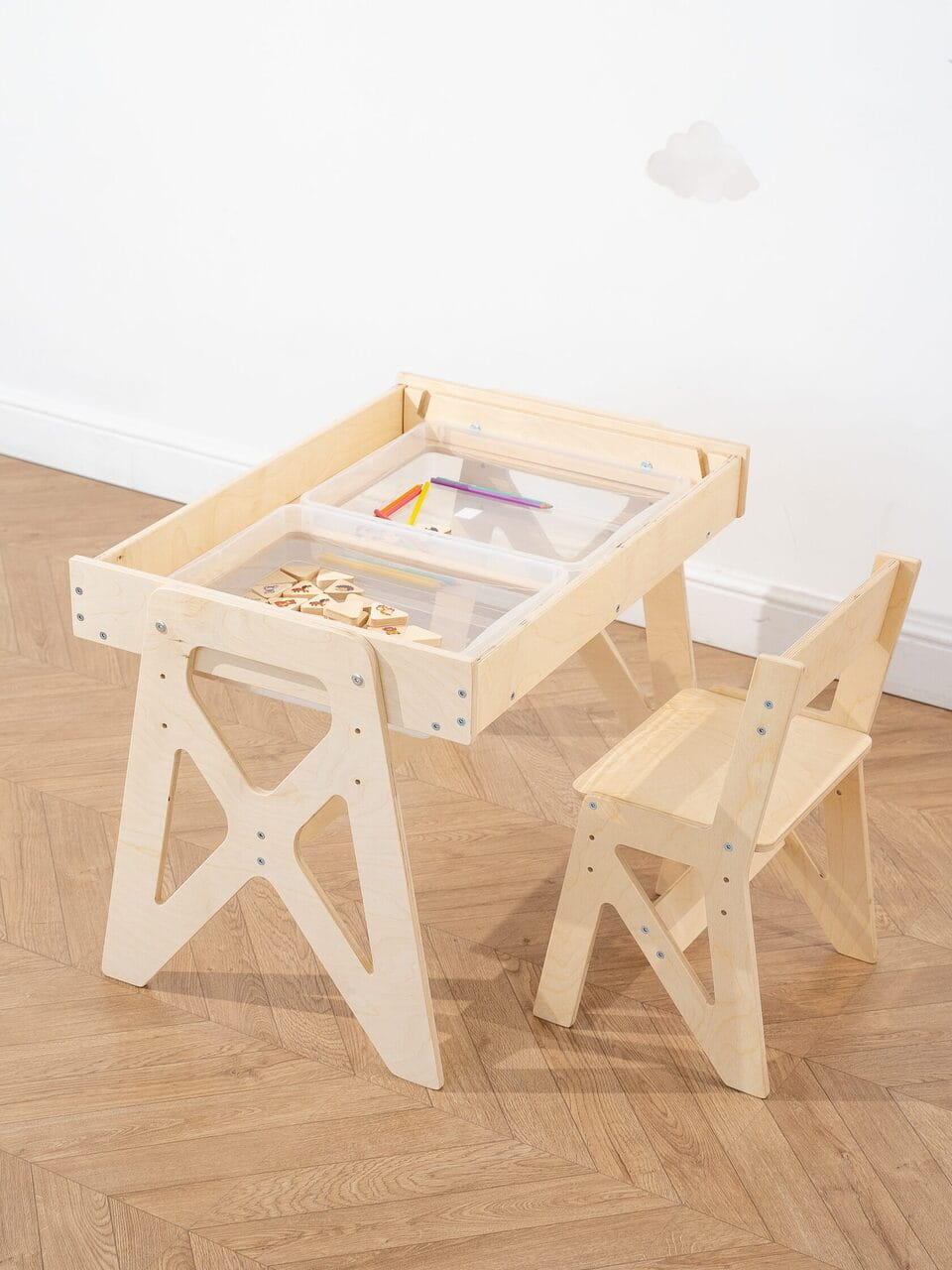


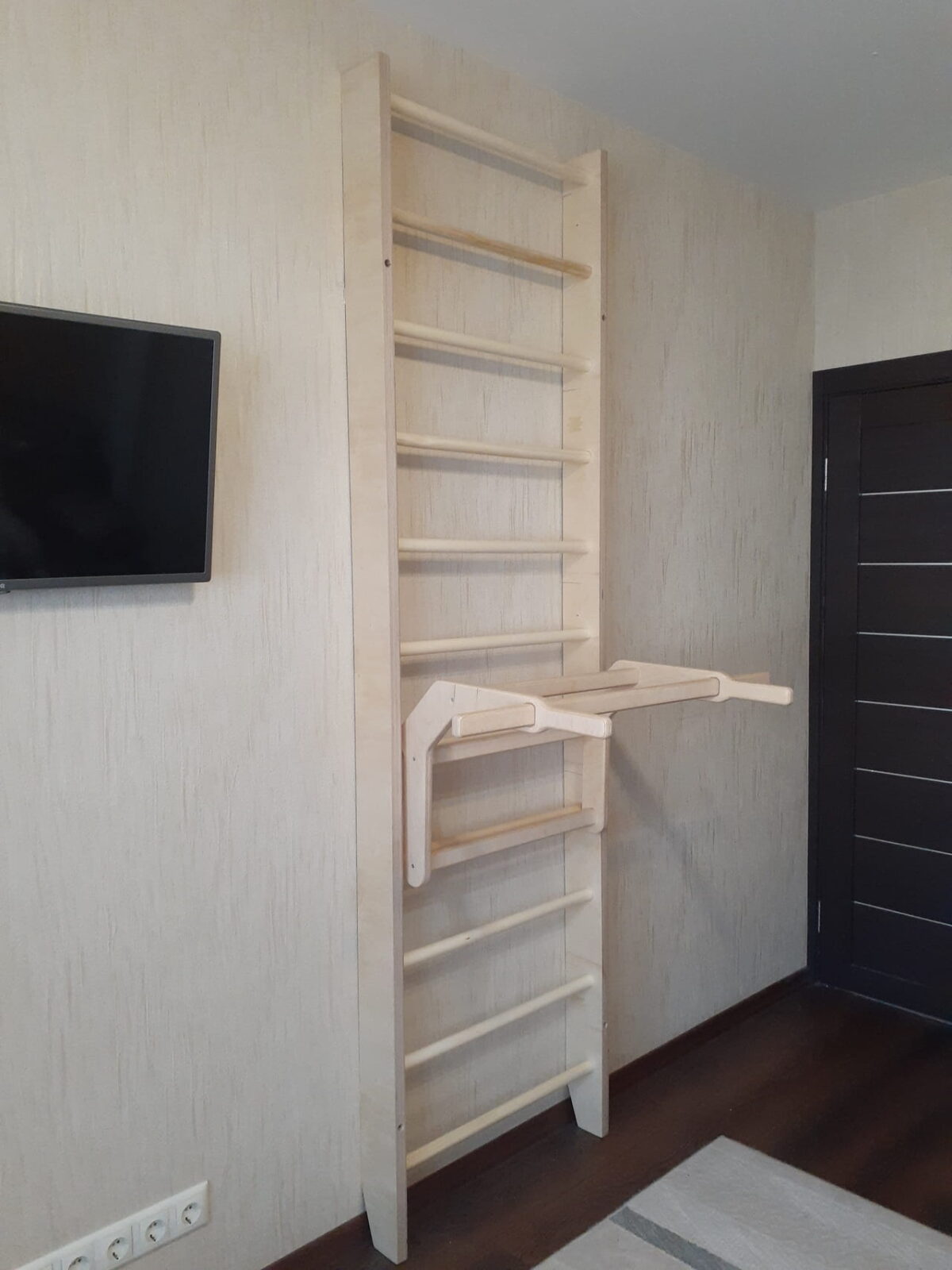
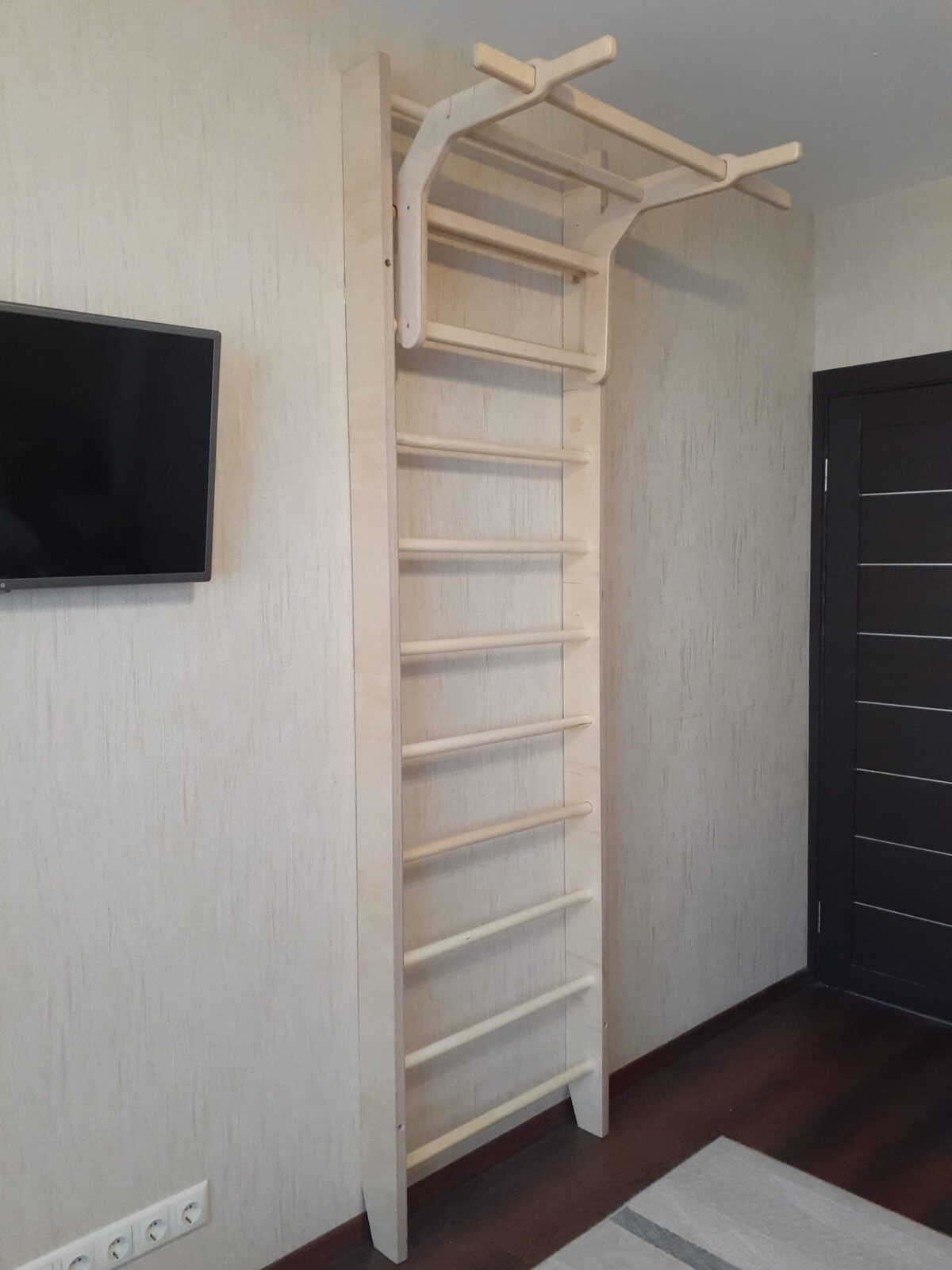
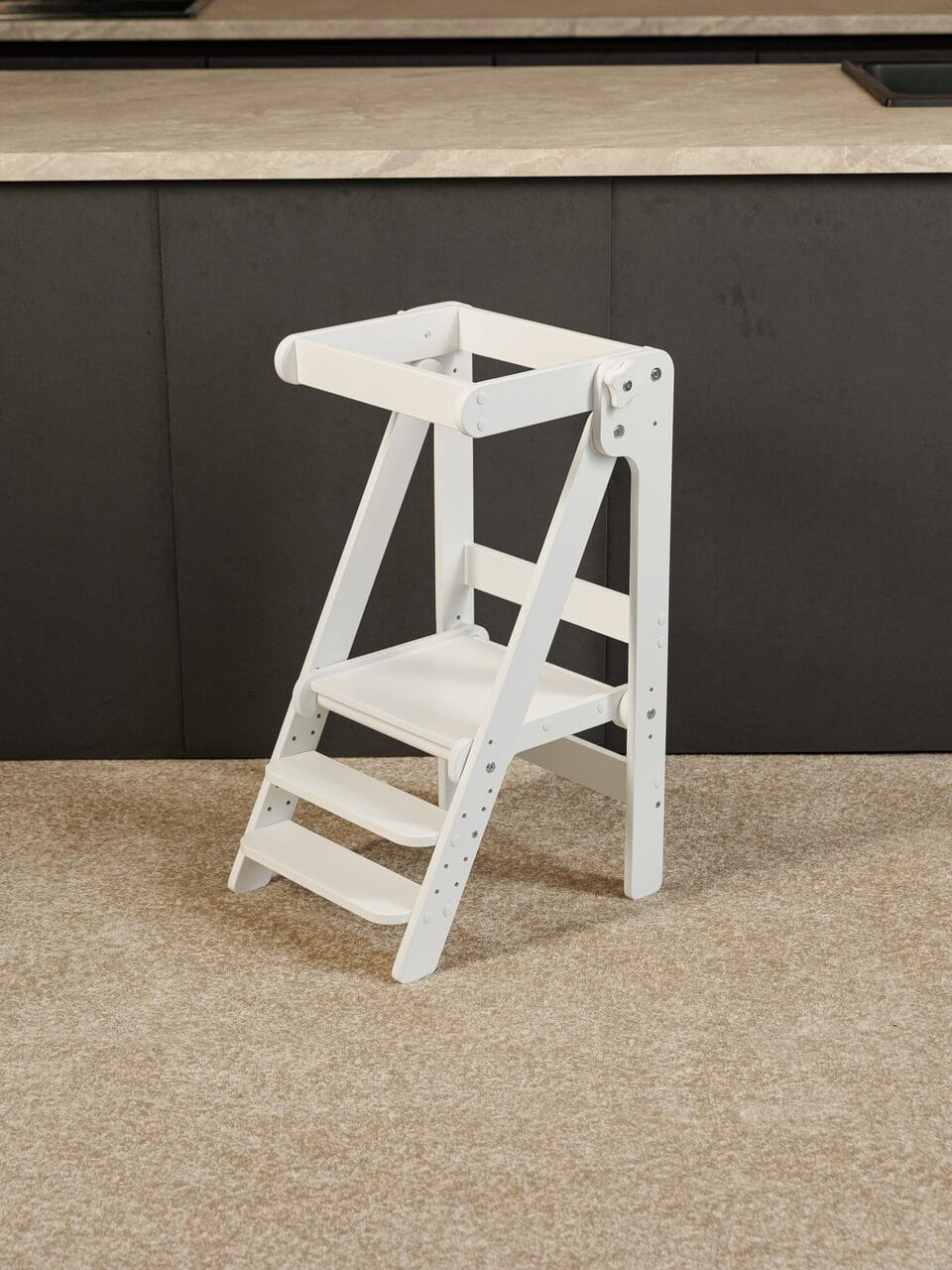




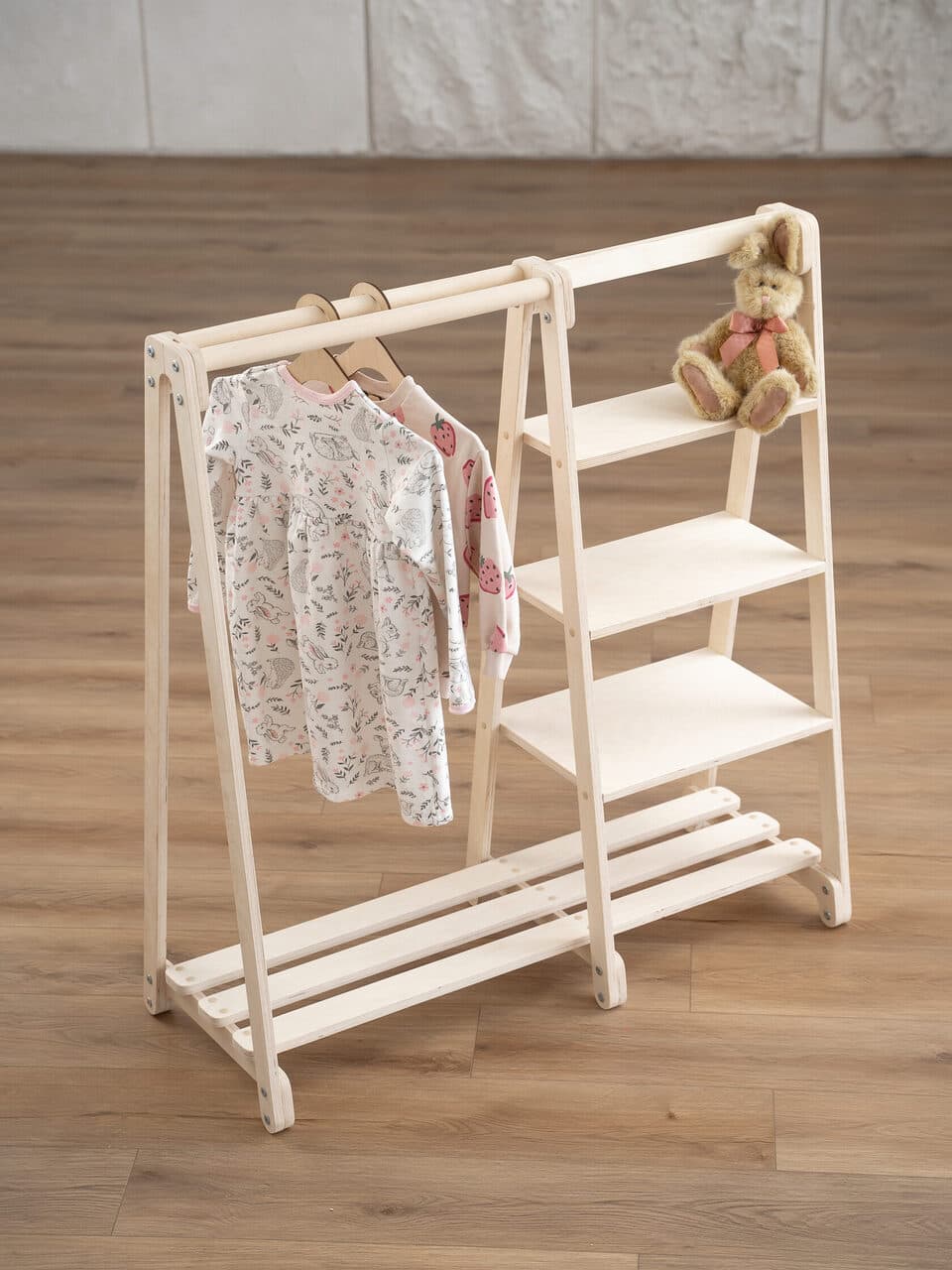
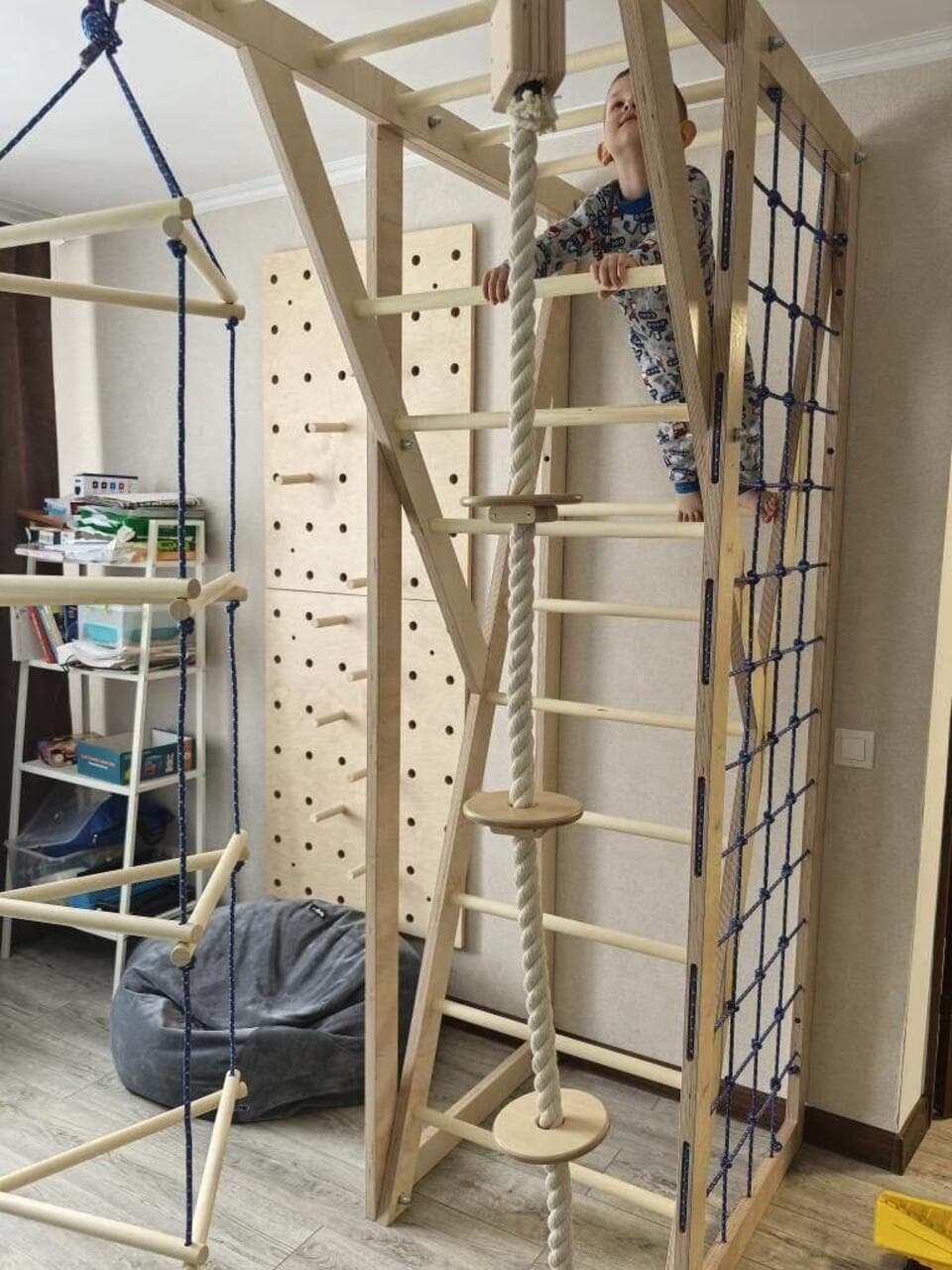
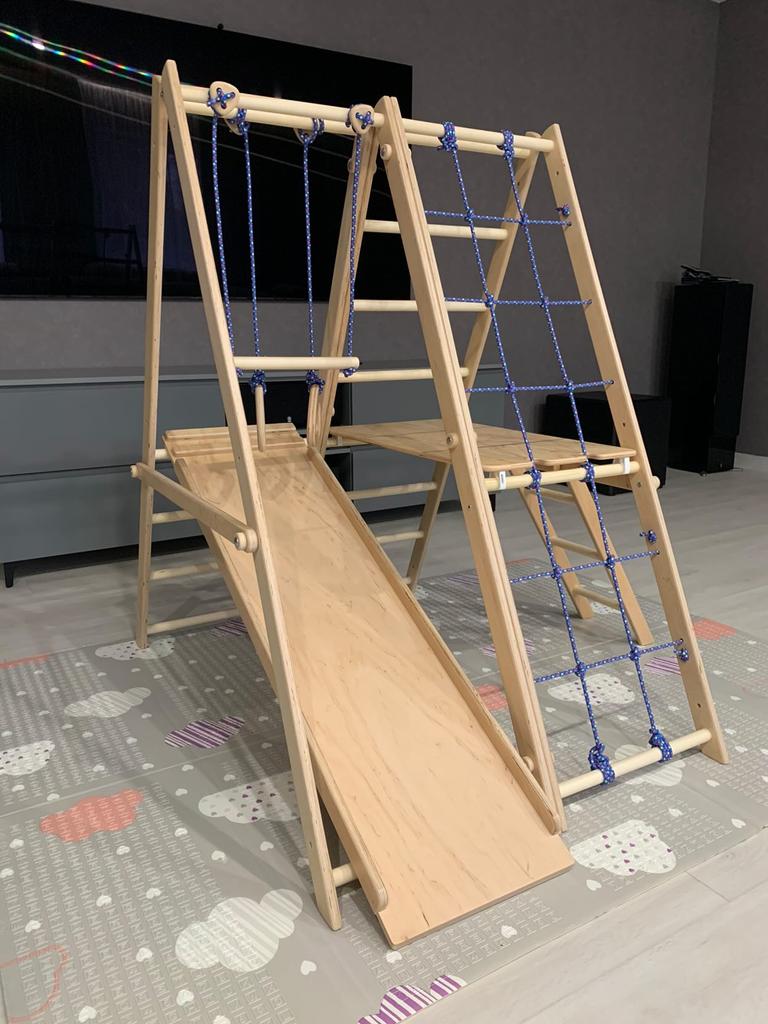

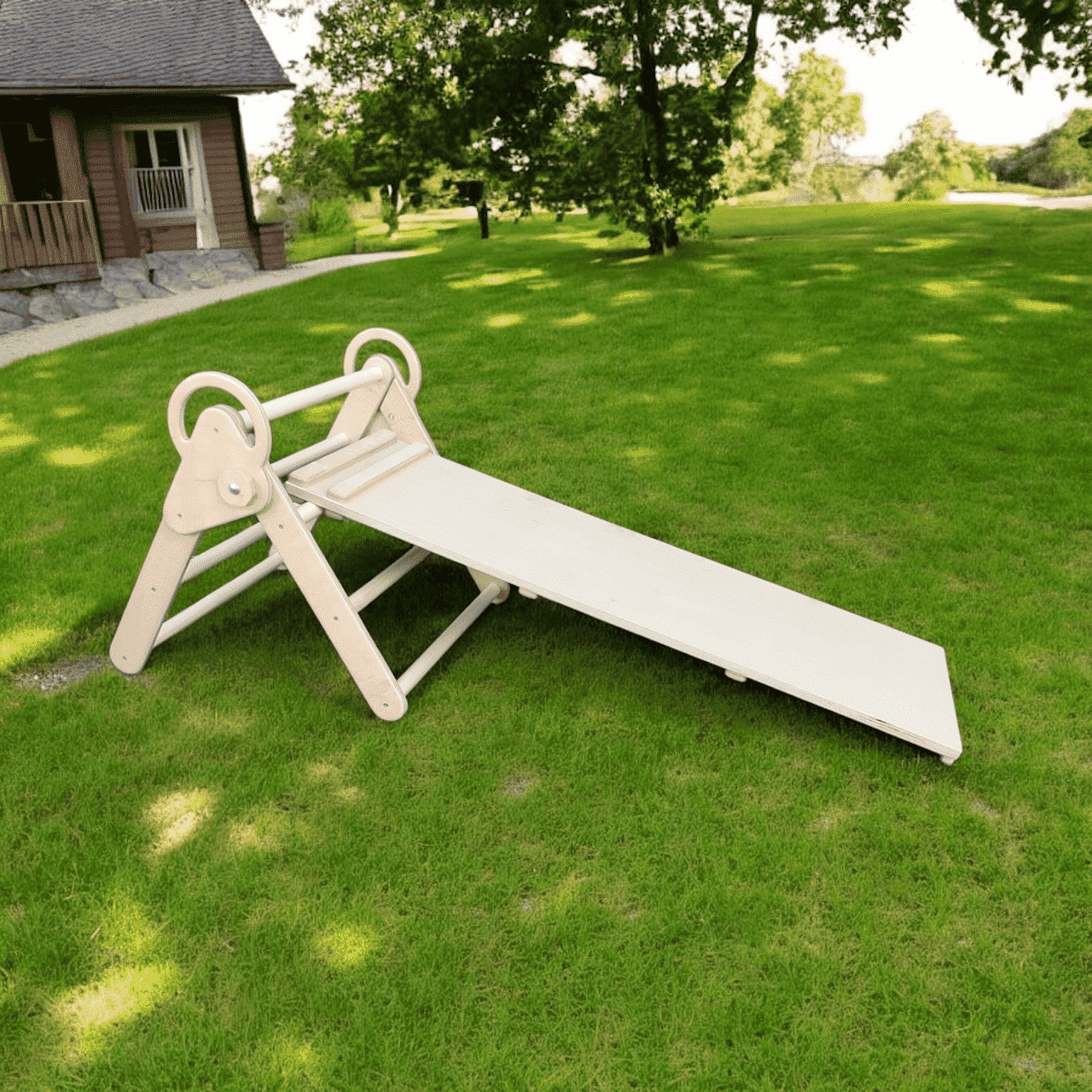

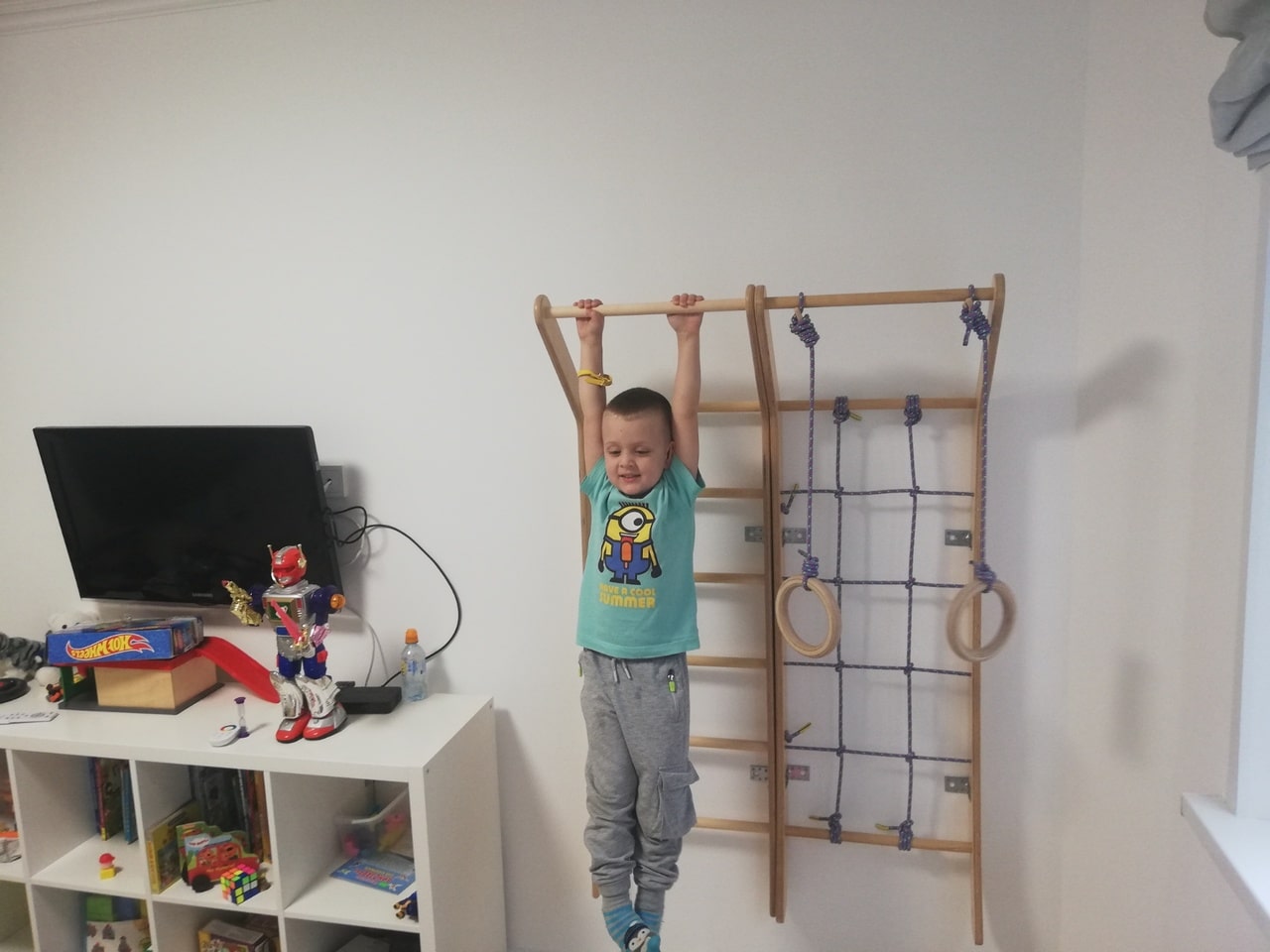


Examples of work: successful projects in blanks and components
Descriptions speak of the work less than specific orders do. Simple handles in batches, frame elements for furniture and one-off decor have all passed through the production, and these examples show both the level of workmanship and the flexibility of the approach. Below are a few cases from practice, different in task but identical in logic: a precise part made for a specific purpose.
A telling case is components for a large furniture factory. Regular batches of frame battens and panels with holes allowed the factory to noticeably speed up assembly: parts arrived finished and to exact size, so the assemblers didn’t have to fit anything on site. The gain turned out to be twofold — faster and better quality at once. When every part fits as it should, the defect rate at assembly also drops, and that is already a direct saving noticed both at the factory and by its clients.
Another order was decorative frames and side panels for furniture finishing. Here everything revolved around design: the parts were made for the project’s specific solutions rather than to standard patterns, and went into furniture for hotels and restaurants, where the requirements for appearance are special. The task was not just to reproduce the drawing but to preserve the designer’s idea in wood — so that the part both looked beautiful and honestly performed its function. Working to individual wishes is exactly what made it possible to bring form and purpose together.
The general conclusion from these stories is simple: flexibility wins. Today parts for children’s toys are ordered, tomorrow elements of a furniture structure, the day after decor, and in all cases the approach is the same. The task changes, but not the attitude to precision and quality. That’s exactly why people come back for blanks: once you’re convinced that a part arrives even and on time, there’s no reason left to look for another provider.
Who uses a carpentry workshop’s services

Furniture makers

Interior designers

Advertising companies

Exhibition stand builders

Art studios

Cafés and restaurants

Construction firms

Retail equipment manufacturers

Furniture factories

Private craftsmen

Custom orders

Manufacturing companies

Museums and exhibition halls

Architects

Theatres and film studios

Educational organizations

Children’s products manufacturing

Repair specialists

Online stores

Sole proprietors
Who the main clients are in the manufacturing of blanks and components
The range of clients for wooden blanks is broad, and one thing unites them — they need precise parts for their projects. The furniture industry, construction firms, equipment manufacturers, decor and interior design studios: each has its own task, but everyone needs the blank to arrive even and to size. Below is more detail on who turns to us most often and for what.
Furniture factories are the number-one client. They need frame elements, battens, panels with holes, decor — almost the whole spectrum at once. The logic is simple: the more precisely and cleanly the blanks are made, the faster and cheaper the assembly goes. A finished part that fits the first time saves the assembler minutes on each unit, and on a production line these minutes add up to hours and to reduced defects. That’s why factories prefer to receive verified blanks rather than sawing everything themselves.
In construction, handles and frame elements are used — wooden structures are assembled from them: log cabins, partitions, frame walls. The requirements here are their own and quite strict. A construction part bears a load and works for years in conditions that aren’t always hothouse-like, so strength and durability come first. You can’t put a weak or warped blank into a framework — it will fail at the most inopportune moment. Hence the heightened requirements for the quality of the raw material and the precision of machining.
Design studios and finishing companies are another notable group. They need one-off, often non-standard parts: frames, side panels, decorative panels from which unique interiors are assembled. Here it’s rarely a case of “give me a hundred identical ones” — more often these are small batches with their own geometry for a specific site. Such a client values not serial production but the ability to reproduce exactly what the designer drew, without free-and-easy “that’ll do” simplifications.
A separate category is trade: sellers of building and finishing materials take blanks for resale. For them, consistent quality and predictable supply matter, since it will be them who have to answer to the buyer next. And finally, manufacturers of toys, playgrounds and children’s complexes — here both standard and custom parts are used, but the requirements for safety and edge finishing are especially high: children come into contact with these products.
A summary overview of manufacturing wooden blanks and components
Putting it all together, the role of blanks turns out to be far more noticeable than it seems at first glance. Furniture, construction, decor, finishing — everywhere at the base lie these parts, invisible in the finished product. A handle, a round rod, a frame batten, a frame, a decorative element or a panel with holes — every little thing is made with an aim for precision, because it’s from such little things that everything else is later assembled.
The key idea in all this is working to a specific request. Blanks are made to exact dimensions and shapes, which means they match from the outset what’s needed for further assembly, without intermediate fitting. For a business this is not an abstract plus but a quite measurable benefit: less time on reworking, fewer defects at the joints, lower cost of the finished product. Custom wooden blanks essentially shift part of the production load elsewhere — and make the client’s own process simpler and cheaper.
To run briefly through the route: selecting the wood, preparing the material, cutting, sanding, drilling and finishing. Between these steps and at the end is quality control, which catches defects before shipment. Skip any stage and you get a part that will fail either at assembly or already in service. That’s why the chain is gone through in full, not selectively.
The bottom line: blanks open doors to the most varied clients. A framework for furniture, decor for an interior, components for a construction structure — for any of these tasks you can get a part that will fit precisely into the project. From the initial processing of the board to the finished part, the process is set up so that precision and quality hold at every step. All that’s left is to describe what’s needed and send the dimensions — then the blank will be brought to a finished state and delivered on time.
Custom wooden blanks: what’s important to know
What follows is a breakdown without fluff for those ordering wooden blanks for the first time who want neither to overpay nor to get the wrong thing. Below are the types of blanks and what they’re made of, how to choose the species, what makes up the price, how long to wait and what mistakes clients most often make. All of this is from practice, not from a marketing brochure.
Types of wooden blanks and their purpose
Behind the word “blank” hides a whole set of different products, each with its own role in the future project. Some go into use almost without reworking, others face several more operations before assembly. A short table will help you get your bearings on what is usually made of what and where it goes.
| Type of blank | What it is | Where it goes |
|---|---|---|
| 🪵 Handles, round rods | Even turned rods | Tools, agriculture, construction |
| 🧱 Battens, blocks | Rectangular frame elements | Furniture, partitions, frameworks |
| 🖼️ Frames, side panels | Framings and decorative parts | Furniture, interior finishing |
| 🕳️ Panels with holes | Panels for fasteners and shelves | Furniture, stands, display cases |
| 🎿 Contoured parts | Blanks of complex shape | Toys, decor, sports equipment |
If your task isn’t in the table, it doesn’t mean it won’t be taken on. Rather the opposite: a non-standard part is the most interesting of all. Just describe what should come out and where the part will work — the suitable type of blank and the way to make it will be matched to your specific project.
How to choose the species and material
Choosing the material for a blank is not about “pricier is better” but about matching the task. Solid wood is good where strength, repairability and a noble look matter: oak, beech and ash bear the load and don’t wear out for a long time. Pine and spruce are lighter and cheaper, sensible to take for parts that don’t bear weight. Panel materials — MDF, plywood, MFC, particleboard — win where stable geometry and a flat plane are needed, for example for panels and side panels. Each has its niche, and a sensible choice saves the budget without sacrificing reliability.
It’s worth keeping moisture and operating conditions in mind separately. A part that will stand outdoors or in a damp room requires both a durable species and a protective coating, otherwise it will quickly lose its shape. For a dry interior the requirements are softer. If you’re unsure of the choice, that’s normal: it’s easier to describe the part’s purpose and the expected load, and the species and thickness will be suggested. It often turns out that expensive solid wood is excessive in a particular case, while pine or panel material will cope no worse and cost noticeably less.
The equipment that precision rests on
Talk of blank quality is worthless without the machines that ensure that quality. A precise cut to size is given by panel-saw and sawing equipment, an even smooth surface by sanding machines, and holes and grooves to layout by drilling and milling units. On complex and repeating parts, numerical control comes into play: the program guides the tool along a set path without deviation, so both the first and the hundredth part of the batch come out identical. Manual labour doesn’t give such repeatability for all its effort — a person inevitably tires and “loses their eye.”
It’s precisely repeatability across a run that distinguishes industrial blank manufacturing from handmade sawing. When a furniture maker needs a hundred identical battens, it’s critical that the last one not differ from the first by a single millimetre — otherwise inconsistency, misalignments and gaps will start at assembly. A set-up stop and the machine’s program make it possible to hold the size serially, without manually fitting each part. For the client this means predictability: they know in advance that they’ll get an even set, not a collection of “roughly similar” parts.
What makes up the price of blanks
The question “how much does it cost” without details usually goes without a precise answer, and that’s honest, not an excuse. The price is made up of several components, and each can be estimated in advance. Understanding this arithmetic helps you not be surprised by the estimate and see in advance where you can really save and where you shouldn’t.
- 🧱 Material. Species and thickness plus consumption including offcuts.
- 📐 Part complexity. A simple batten is cheaper than a contoured panel with holes.
- 🔁 Batch size. A single part costs more per unit; a run is more cost-effective thanks to the set-up.
- 🛠️ Set of operations. Cutting only, or cutting plus sanding, drilling, finishing.
- ✨ Coating. A bare part, varnish or antiseptic — different budgets.
- ⏱️ Urgency. A standard queue is cheaper than work off-schedule.
The simplest way to save without loss of quality is to send a clear specification and not rush the deadlines. Rework due to imprecise data and working in crunch mode are exactly what add to the estimate the percentages you wanted to avoid. A transparent calculation in advance is in both parties’ interest: both the cost and the deadline are fixed before the start, with no surprises along the way.
How to prepare an order for blanks
A good order starts not with the machine but with a clearly stated task. The clearer the input data, the fewer clarifications, reworks and surprises in the bill. A little preparation on the client’s side saves both parties time and nerves. Ideally you need a list of parts with dimensions in millimetres and the quantity of each item, an indication of the species or material, and notes on where holes, grooves or a finishing coat are needed. If a part is visible, it’s worth specifying the grain direction — for furniture and decor this affects the appearance of the finished product.
You don’t have to come with a perfect technical package — half of orders start with the phrase “I need something like this, help me figure it out.” The manufacturer’s job is precisely to translate an everyday description into the language of drawings and operations: to clarify dimensions, suggest a species, advise a sensible thickness. But the more inputs at the start, the shorter the path to finished wooden blanks and the lower the risk that a part will have to be remade because of a misunderstanding.
Your own material or purchase to order
The material for blanks can be brought yourself or ordered along with the work — both options work, the difference is in convenience and control over quality. If the material is yours, before the start it’s inspected for suitability: geometry, moisture, the absence of cracks and large knots are checked. This is an honest step, not nitpicking: if the board has warped or the plywood is delaminating, it’s better to find out before the cut, not after, when time and money have already been spent. A blank made from covertly defective raw material will fail either at assembly or in service.
If the material is purchased for the project, the client is relieved of the question of selecting the raw material and its compatibility with the task. Exactly what’s needed in terms of species, thickness and quality is chosen, and responsibility for the material rests with the manufacturer. For those who don’t want to get into wood grades and risk the purchase, this is more convenient: a finished part of the required quality arrives rather than a set of problems from a dubious board. Which path to choose depends on whether you have verified material and the desire to deal with it.
A one-off order or ongoing cooperation
The manufacturing of blanks is equally open both to those who came for a single batch and to those looking for a supplier for the long term. A one-off order is simple: you describe the task, agree on the specification, collect the finished parts. No future obligations, no subscription fee — just work and result. This is convenient when you need to quickly cover a specific need, for example to buy the missing parts for a current project.
Ongoing cooperation is a different level of convenience, especially for a business. Furniture workshops, construction firms and material sellers over time become convinced that it’s easier to keep one verified source of blanks than to look for a new provider each time and explain their requirements anew. Once the manufacturer already knows the client’s specifics, the work goes faster: fewer approvals, predictable quality, priority in the queue in the busy season. Many arrive exactly this way — with a single trial batch — and stay for years, because a stable supply spares them the constant search for and vetting of new suppliers.
Common client mistakes
Most mishaps happen not at the machine but at the task-definition stage. The most common is dimensions “from memory” or taken in a hurry: one wrong measurement drags along a recut of the whole part. The second most frequent is forgotten allowances: if a part will go for further processing but no margin is provided for it, the finished blank will turn out smaller than needed. The third is ill-judged saving on material: too thin or weak a part sags under load and fails within a month.
Another typical mistake is not specifying the part’s purpose. When the manufacturer doesn’t know where the blank will go and what load it will bear, they’re forced to guess at the species, thickness and finish. It’s far more reliable to explain what the part is for — then it will truly be made for the task. And finally, last-minute urgency: coating drying and complex machining can’t be sped up on command, so an order “for yesterday” ends up either more expensive or worse in quality. It’s no big deal if you’ve missed some of this — that’s what the dialogue before the start is for. A good manufacturer asks these questions themselves before the work, not after.
Lead times and seasonality
The exact date is always calculated for the specific order, but from experience there are clear benchmarks. Standard wooden blanks — battens, handles, simple panels — are usually ready in a few working days. Complex parts with contoured machining, holes and a finishing coat are calculated separately, because there are more operations and some of them require drying time. Large and serial batches are agreed in advance so that the date is realistic. The coating takes the longest to dry, and here haste harms the result: it’s better to allow an extra day than to end up with runs or undried varnish.
It’s worth remembering seasonality too. Before major holidays, at the height of the construction season and during a furniture boom, the queue for making blanks is naturally denser, and lead times stretch a little. In quiet periods a simple order goes through almost without waiting. If a project is tied to a date — furniture assembly, the opening of a site, the delivery of a batch — it’s sensible to get in touch in advance and leave a small time buffer rather than bringing the specification at the last minute. Regular clients win in this sense: it’s usually easier for them to get priority, because their tasks are already familiar to the production.
Quality control and a guarantee of the result
Control here is built into the process rather than tacked on for show at the end. At intake the raw material is checked: the wrong species, excess moisture or a hidden defect are cut off before the cut, while it still costs nothing. During machining, intermediate measurements are made at critical operations to catch a deviation at an early stage rather than sending the whole batch to scrap. At the output each part is checked against the drawing — geometry, dimensions, surface cleanliness. A batch is not shipped until it matches the brief rather than being “roughly similar” to it.
If something does raise a question, it’s easier to resolve precisely because the whole order passed through one pair of hands. There’s no need to figure out at whose stage the problem arose — responsibility for the result isn’t spread across contractors but rests with a single manufacturer. For the client this is the real guarantee: it’s clear who to hold accountable, and the guarantee itself confirms that the part is made to the drawing and from the declared material. Such transparency is especially valuable for a business where an order failed on quality drags along problems with its own clients.
Combined materials in a single order
Often a single project is assembled from different materials at once: a framework of battens, side panels of MFC, a decorative insert of solid wood, a back wall of plywood. It’s convenient to run the making of such a set in one place — each material is machined in its own mode, and the output is a coordinated set of parts for a single item. There’s no need to split the order across different contractors and then reconcile their deadlines and dimensions, risking that parts from different batches won’t come together.
This is especially valued by those who assemble furniture or equipment turnkey. A mismatch of materials in a split order easily turns into a discrepancy of dimensions at the joint: one part from one workshop, another from another, and now the front doesn’t sit straight. When the whole set of wooden blanks is made at one site to a single specification, such a problem simply doesn’t arise — all parts are coordinated with one another and designed for joint assembly.
Delivery and repeat orders
Finished blanks are shipped across Europe. Parts are packed so that edges, corners and machined faces don’t suffer in transit, and the delivery terms are agreed for the volume and address. For a client in another region everything looks just as simple as for a neighbouring city: the specification is agreed remotely, the parts are made and sent off by a freight company. Distance affects the delivery method but not the quality or the approach to the work.
A repeat order is usually simpler than the first. If a specification has already passed through the production, its parameters are saved, and the new batch will come out the same as the previous one. This helps those who assemble furniture or structures in series and from time to time buy additional parts for already finished ones. There’s no need to explain dimensions and requirements anew — just refer to the past order. That’s exactly why many, having once received an even set on time, come back to the same manufacturer again.
Finishing of blanks
A blank doesn’t always stay bare — often it’s also protected or brought to the required state. The choice of coating depends on where the part will work. Varnish forms a durable film, emphasises the texture and protects against abrasion — it’s used for loaded and visible surfaces. Oil gives a natural look and repairability, a texture pleasant to the touch — it suits solid wood and interior joinery. Antiseptic and protective impregnations are needed where a part will meet moisture: for outdoor and construction blanks this is not a luxury but a necessity, otherwise the wood will quickly lose its shape and begin to rot.
If it’s unclear in advance which finish to choose, just describe the part’s purpose and the conditions where it will stand — a suitable solution will be suggested. It often turns out that an expensive multi-layer coating is excessive in a particular case, while a simple impregnation will cope no worse and cost less. This sensible selection is what distinguishes a well-thought-out order from working at random: the blank gets exactly the protection it needs, without overpaying for the excess and without the risk of being left unprotected where it matters.
Order blanks or make them yourself
The temptation to saw the parts yourself is understandable, especially if there’s a tool at hand. But for batches and precise parts the arithmetic is rarely in favour of doing it yourself. A precise cut of a dozen identical blanks by hand is hours of fuss and fitting, and without the right equipment both the geometry and the cleanliness of the edge suffer. Selecting quality raw material also requires experience: an unluckily bought board with internal stress will warp the finished part right after machining. Add the risk of ruining the material without a cutting plan — and the saving from not ordering externally turns out to be illusory.
For one or two simple parts a home tool will do. But as soon as there are many and precision matters, making blanks on professional equipment saves time, material and nerves at the subsequent assembly. It’s often more advantageous to order an even set once than to redo your own and lose days to fitting. In essence, you pay not only for the cutting but for predictability: the size, quality and deadline are known in advance rather than emerging along the way, when something has already gone wrong.
More questions about wooden blanks
Can I order a trial part before a run? Yes, for a production run this is a sensible step. First one sample is made, you examine and approve it, and only then is the whole batch launched. This catches revisions while they cost nothing, rather than after the whole run has been made.
Will you help with a drawing if I only have an idea? Yes. Just describe what should come out and where the part will work — the dimensions and layout will be prepared here. A ready technical package speeds up the start but isn’t mandatory: many orders start with a hand sketch and a couple of photos.
Do you make parts for kids’ products? Yes, and here there’s special attention to safety: rounded, burr-free edges, a smooth surface, certified material and safe coatings. For toys and children’s furniture this is fundamental, so such blanks undergo especially careful control.
What if I need to top up an order? It’s easier if the batch has already passed through the production: the parameters and material are known, and the additional parts will be matched to the existing ones. That’s why it makes sense to keep the data of the past order — repeating or supplementing it will be faster and more precise.
To sum it all up briefly: custom wooden blanks are a way to get precise parts from wood and panel materials for your project, without your own machine or the fuss of selecting raw material. Just describe the task and send the dimensions — the rest will be broken down into stages, checked at every step, and the finished parts delivered on time, precisely for your assembly.
A glossary of terms useful when ordering
When discussing an order, words come up that are familiar to the workshop and vague to the client. A short breakdown will clear up misreadings before the start — when the parties understand the terms the same way, there’s less occasion for “I thought it would be different.” The face is the wide flat side of a board or panel; it’s the one most often sanded for the finish. Drilling for hardware means drilling holes for fasteners and fittings to layout. Grooving is the removal of part of the material for a groove, a rebate or a joint socket. An allowance is a small margin in size left when a part faces further processing.
A couple more concepts that come up often. Material moisture is a parameter that determines whether a part will warp after machining; for precise blanks it’s critical. Hardwoods and softwoods are the division of wood by density and wear resistance, which determines where a part can be placed. A cutting plan is a scheme of laying out parts on a sheet or board with minimal waste. Understanding these words helps you phrase the order more precisely and read the estimate adequately rather than guessing what exactly you’re paying for.
Why the precision of blanks saves money
In production there are no “minor” deviations. An error of half a millimetre on one blank seems trivial, but during assembly it adds up with the adjacent parts and turns into a skewed front or a gap through which you can see the wall. That’s exactly why precision is not a marketing figure but a working necessity, which is, in essence, what the client pays for. An even part that fits the first time saves the assembler time on each unit, and on a production line these minutes add up to hours and to a reduced defect rate.
A separate topic is waste. Precise cutting and a well-thought-out layout of parts on the sheet mean that less material goes into offcuts. For the client this is a direct saving, and for the production a clean, predictable process: it’s clear how much raw material a batch will take, and there’s no need to buy more material at the last moment because of a spoiled blank. On a large order a sensible layout easily saves a whole sheet or several boards, and that’s already a tangible sum. A trifle rarely thought of at the start, but one that over time adds up to a noticeable benefit and order in the work.
Industries where blanks are indispensable
If you look around, wooden blanks turn out to be at the base of far more than is commonly thought. In furniture production, cabinets, frames and fronts are assembled from them; in construction, log cabins, partitions and frame walls; in advertising and display, bases for stands and display cases; in interiors, carved decor and panels. A separate large niche is kids’ products, toys and sports complexes, where the requirements for safety and edge finishing are special. In all these fields a blank stays invisible in the finished product, but it’s precisely its precision that determines whether everything stands straight and serves for a long time.
Versatility here is the main convenience: the same facilities today cover an order for a furniture factory, tomorrow for a construction crew, the day after for a design studio. The task changes, but the approach to precision and quality stays the same. So whatever industry you work in, a part can be ordered to your own dimensions and purpose without adjusting the project to what you managed to get ready-made. Just describe the task — and the blank will be brought to the required state for your specific assembly.
What materials are used to make blanks?
Most often pine, oak, beech and ash are used — the specific species is chosen for the part’s purpose and the client’s requirements. For loaded elements hardwoods are used, for light ones soft pine is enough. Panel materials are also worked with: MDF, plywood, MFC, particleboard.
Can I order blanks to custom dimensions?
Yes, this is the main format of work. Blanks are made to your dimensions and shapes — from a drawing, sketch or sample. If there’s no ready drawing, the part will be worked out here, starting from where and how it will be used.
How is quality control carried out at each stage of production?
Control is end-to-end: at intake the raw material is checked, along the way the geometry and dimensions, at the output the finished part is checked against the drawing. This way defects are caught at an early stage rather than being discovered at the client’s. A batch is not shipped until it matches the brief.
What are the order lead times?
The lead time comes down to volume and complexity. Standard blanks are usually ready in a few working days; large and complex batches are calculated separately and agreed in advance so that the date is realistic rather than “for luck.”
Do you provide delivery services for finished products?
Yes, delivery is arranged to any region across Europe, within the agreed deadlines. The method and cost depend on the dimensions, the batch volume and the address, so the terms are discussed for the specific order.
Can I order small batches of blanks?
Yes, both small batches and large runs are taken on. A small order is just as normal a matter as a production run; the difference is mainly in the price per unit, which on a run comes out lower thanks to the set-up.
What is the minimum order batch?
There’s no hard minimum — it depends on the type of blanks and their size. It’s easier to indicate what and in what quantity you need, and the terms will be quoted for that. Sometimes it’s more advantageous to take a slightly larger volume if the difference in price per unit is noticeable.
What quality guarantees are provided for the products?
The products come with a guarantee of conformity to the technical requirements and standards. In essence this is confirmation that the part is made to the drawing and from the declared material — and there’s someone to hold accountable for the result, since the whole cycle runs under a single control.
Reach us in whatever way suits you best
Call us, message us on a messenger app or reach out via social media — choose whichever way suits you
🗺️ We accept orders from clients across Europe
💬 Useful information and articles
Eco-friendly and safe materials for modern wood production
Eco-friendly and safe materials for modern wood production In recent years we increasingly think about what the things around us are made of. A home, furniture, a floor, a kitchen, a

How to Correctly Choose Between Plywood, MDF, Particleboard, and MFC for Different Tasks
How to Correctly Choose Between Plywood, MDF, Particleboard, and MFC for Different Tasks In the world of woodworking and furniture making, every material has its own story. Plywood, MDF, particleboard, and

Cutting sheet wood materials at different angles: why and how it is done
Cutting sheet wood materials at different angles: why and how it is done Working with wood materials is not just sawing. To get a truly high-quality and durable product, you have

Recommendations for choosing sheet materials for indoor and outdoor projects
Recommendations for choosing sheet materials for indoor and outdoor projects In woodworking, choosing the right sheet material is like laying a foundation for a builder. What you pick at the very