

Cutting wood and materials
Cutting wood and sheet materials is the cutting of blanks of the needed shape and size from plywood, MDF, MFC, particleboard and solid wood to your drawing. On CNC machines the cut follows the contour precisely, including complex and shaped geometry, without hand adjustment and needless chips. Below: which materials are cut, what precision is achievable, what stages the work consists of, how long an order takes and who needs such a service most often.
Cutting wood and panel materials: about the service in detail
Work with wood and panels almost always starts with cutting — it is the first step on which everything else depends. Cut a blank crooked and it will not come together at assembly, will not fit the opening, will spoil the look. The service is needed anywhere something is made from sheet: furniture shops, builders, interior decorators. MDF, particleboard, plywood, MFC, edge-glued panel and solid wood go into work, and each material demands its own care so the part can safely move on — to assembly, finishing or installation.
Tasks can be simple or not so. Sometimes it is enough to rip a sheet or board to size, and sometimes an angled cut is needed, along a curve or along a contour with rounds and internal cut-outs. For each material its own tool: what cuts plywood well will leave a chip on MFC. Complex geometry and repeatability are handled by CNC: the machine goes strictly by program and holds the cut with minimal error, not ‘by the operator’s eye’. That is exactly why automated wood cutting is so prized where there are many parts and all must be identical.
So behind the simple word ‘cutting’ stands a chain of several steps, decent equipment and the experience of a person who knows how a specific board will behave. Put it all together and out come parts you can trust: they will fit precisely into furniture, a structure or an interior and will not let you down at the next stage.
The benefits of working with professionals

Modern equipment
Panel saws, CNC and milling machines — precision, speed and quality guaranteed

Extensive experience and expertise
We know how to handle wood and sheet materials — reliably, precisely, professionally

Fast order fulfilment
Fast and without compromising quality. We value your time and our commitments

A full range of services in one place
Cutting to size, sawing, milling, sanding, painting, assembly — all in-house, with no middlemen
Trusted materials and consumables
We work only with quality materials, so you can be confident in the result

An individual approach to every client
We work to your drawings, create a machining program for the task and account for every detail
Features of cutting wood and panel materials
Cutting has several nuances without which a beautiful result will not come out. Let us start with the tool: for each material it is its own. MDF, particleboard and plywood have different density and structure, so saw blades and cutters are chosen separately. The right tool gives a cut without chips and cracks — and that is not only appearance but also the part’s service life: a chip on the edge turns into delamination over time.
The second nuance is precision. In furniture and building structures it decides everything. A part must hit the set dimensions and angles, otherwise the dancing starts at assembly: fronts do not meet, gaps appear, the cabinet stands skewed. One extra millimetre on one part adds up with the neighbours and shows as a noticeable defect of the whole structure.
The third — there are many types of cut, and that is a plus. A straight line, an angled cut, a circle, a shaped contour to a sketch — all these are different technologies for different tasks. For carcass furniture a precise straight cut is more often needed; for decor and interior fit-out — a shaped curved one. The rightly chosen method gives the part the needed look and makes it convenient in further work.
And one more point often forgotten: with MFC, plywood and MDF the edges after cutting often ask for finishing — remove a burr, correct the edge. These materials have a decorative coating on top, and it is easy to damage with a careless cut or wrong feed. So they are cut with an eye to this: carefully, at the right speed, so the part comes out with a clean edge and an intact surface, not with the film lifted along the contour.
Stages of cutting for wood and panel materials
Consultation
Receiving drawings or developing a plan
Agreeing lead times and cost
Launch into production
Quality control at every stage
Finishing
Packaging and preparation for shipment
Delivery or pickup
The stages of cutting wood and sheet materials
Cutting goes step by step, and each matters. The first is preparation. The panels are inspected, quality is checked, they are marked, and dimensions are adjusted for the task if needed. Sheets differ in thickness, density and coating, and this determines which tool to fit and how to set the machine. Skipping this step means risking a chip or a wrong size on the very first cut.
Next — the cut itself. Depending on the material and complexity of the task, panel saws or CNC work. Here everything rests on parameters: feed speed, type of saw or cutter, angle, depth. Step away from the setting and you get burns, chips or tear-out. Hold it and the part comes out with a clean edge, ready to go into work without extra sanding.
The next step is checking. Each cut is compared with the set dimensions: place it, measure, make sure the part is within tolerance. The point is simple — catch a deviation here and now, before it travels further down the chain. Redoing one blank is cheap, but a cabinet assembled from defective parts is quite another story.
When all the cuts are done, the part’s edges are put in order. Burrs are removed, the edge is levelled — and the look becomes neat, and such a part is safer to hold. The method is chosen by material: somewhere light sanding is enough, somewhere edge tape is needed to close the open edge of MFC and protect it from moisture.
At the finish the part is once more compared with what the customer asked for — by dimensions, shape, edge cleanliness. If the project needs additional machining or painting, protective or decorative coats are applied right here. As a result the client gets not a semi-finished item but a part ready for assembly or installation that will not need finishing by hand.

Advantages of cutting wood and panel materials
Professional cutting has plenty of pluses — both for the private customer with one part and for the shop that runs volume. The most obvious is precision and cleanliness of the cut. Modern machines give geometry you cannot repeat by hand, and in furniture and carcass structures that is exactly what is needed: all parts exactly to size and at the right angle, without ‘almost matched’.
The second plus is a wide list of materials: MDF, MFC, particleboard, plywood, solid wood. Each has its own character, and the ability to work with all at once is worth a lot — no need to look for a separate performer for each sheet. Hence the variety: from simple ripping to size to shaped curved cutting. One service covers both routine and non-standard tasks.
The third plus is speed without loss of precision. CNC cuts fast and does not ‘smear’: the error stays minimal on the first part and on the three-hundredth. For large production this is critical — when deadlines and volumes are at stake, a hand pace simply will not pull a batch off in time, while the automatics manage without haste and rejects.
And cutting also saves money, though this is not thought of at once. Precise cutting and smart nesting of parts on the sheet mean fewer offcuts in the bin. On one board the difference is pennies, but on a large batch the saved material adds up to a noticeable sum. Plus time saving: finished parts go straight into assembly, without redoing.
Why it pays to entrust wood cutting to professionals
Handing wood cutting to professionals is usually more profitable for a business than tinkering yourself. An experienced crew leads the part through all the steps — from preparing the sheet to the finishing edge — and leaves no weak points at the joins. Fewer rejects, fewer redos, fewer missed deadlines. For someone making products for sale or for a building site, this is direct saving of nerves and reputation.
The second argument is equipment. Keeping a decent panel saw and CNC for one-off tasks does not pay: the machines sit idle while the money is tied up in them. At a contractor they are loaded constantly, serviced and set up. Hence higher precision and shorter lead times — the order does not wait for someone to free up the only saw in the shop.
The third argument is flexibility. Need a couple of parts — they will make a couple; need a large batch — they will adjust to the volume. The process is fitted to the client, not the other way around. You do not have to fit your project to someone else’s schedule or a minimum order ‘from a hundred pieces’ — they take both small and large, holding to both deadlines and quality.
And the last — comprehensiveness. A good contractor does not stop at cutting. Right there they will do edge-banding, sanding, painting if needed — the part leaves you already finished, not half-done. This is convenient and profitable: one contract, one responsible party, one deadline instead of running between three different performers with their queues and markups.








A range of services in the machining of wood and panel materials
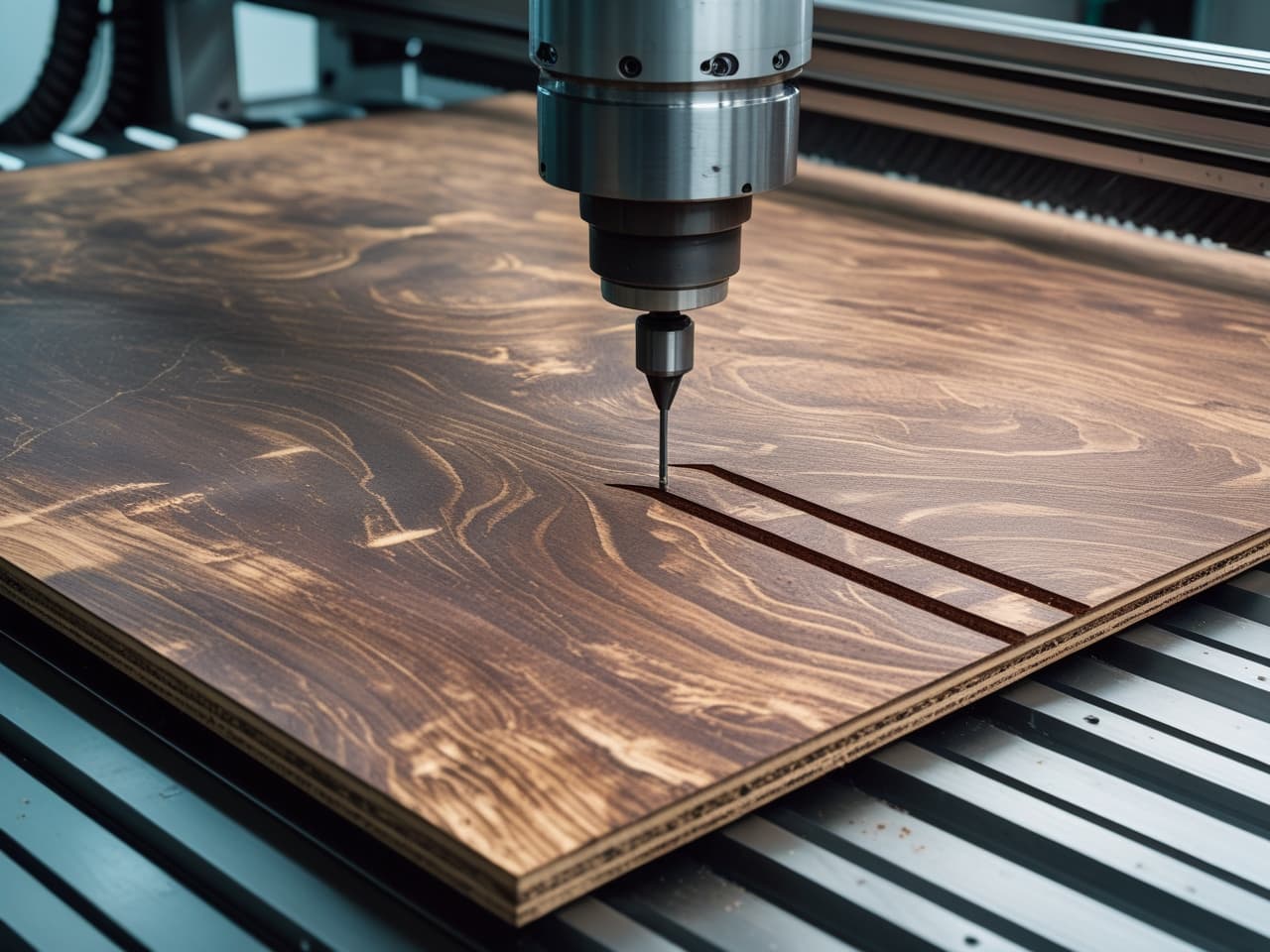
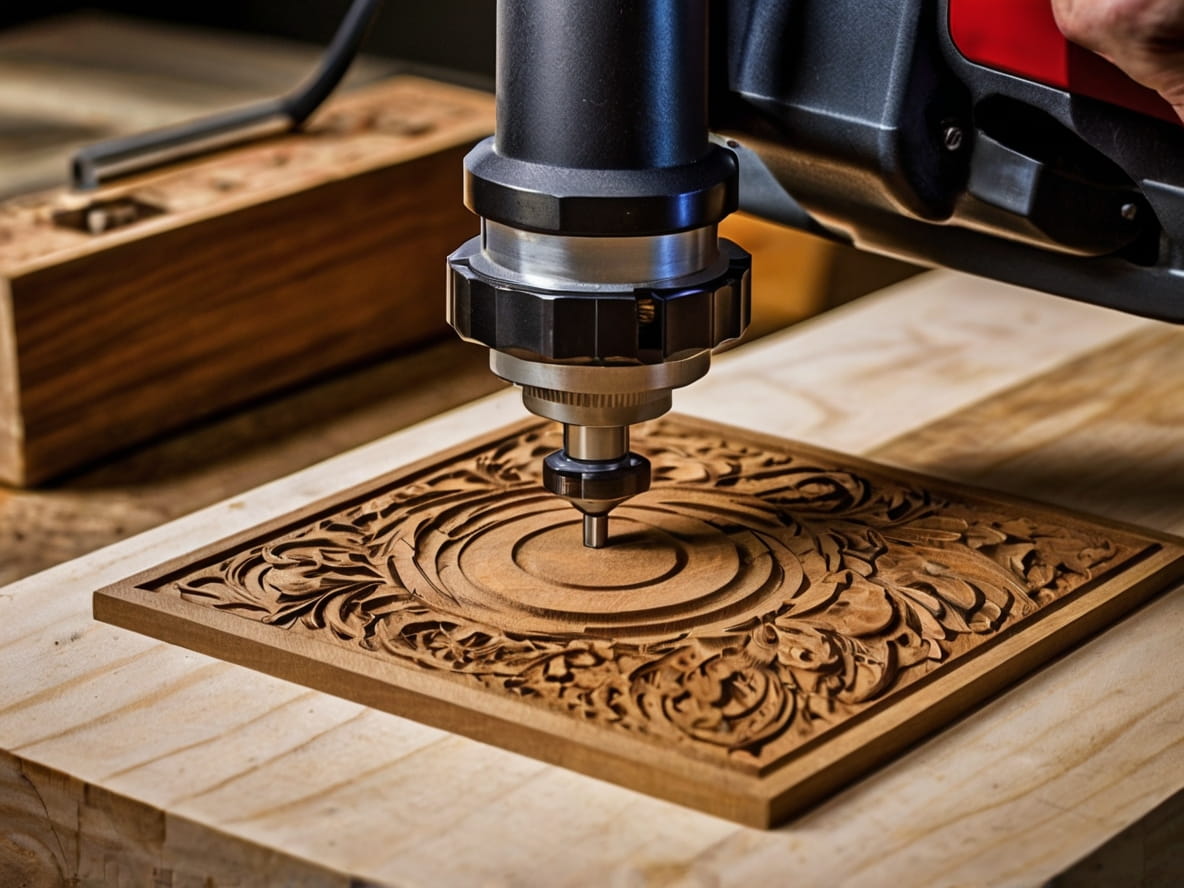
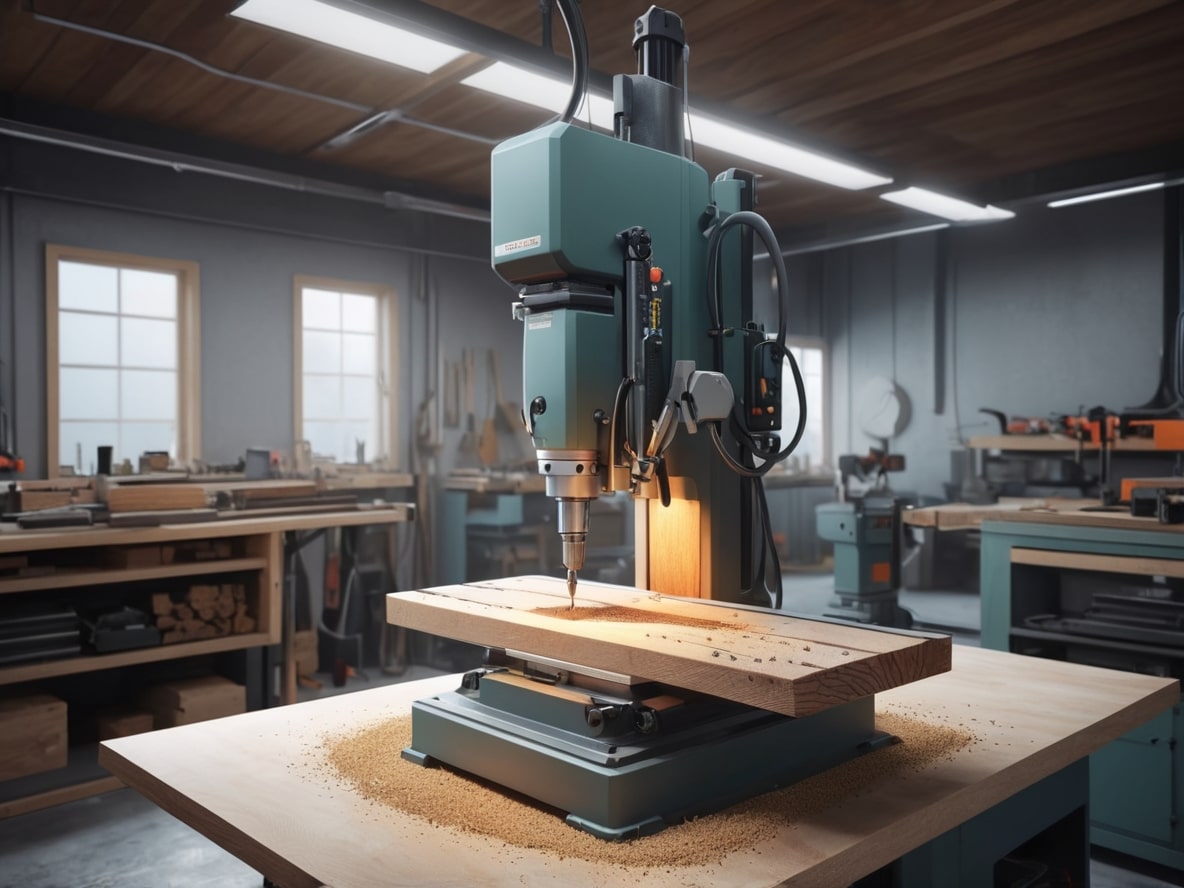
Cutting rarely lives on its own — other operations almost always go alongside. Machining wood and panels is a whole set of services for different industries, and cutting is just one of them, if a basic one. Often ordered together with it are routing, drilling, sanding, edge-banding, corner machining. Each adds functionality or looks to the part, and together they turn a raw sheet into an element ready for use.
Routing and drilling are responsible for recesses and holes: sockets for fittings, grooves, holes for fasteners or wiring. In furniture there is no doing without them — hinges, shelf supports, connectors hold on them. In fit-out and interior they add both convenience and outward order to the part, whether it is a furniture front or a decorative wall panel.
Sanding and edge-banding make edges smooth and safe — and that matters where furniture is used every day and up close. It is easy to cut yourself on an untreated MFC edge, and it also looks untidy. The edge band closes the open end, sanding removes roughness. At the same time both stages extend the product’s life: a closed edge does not draw moisture and does not delaminate.
And if a special look or additional protection is needed, the part is coated with decorative compounds, lacquer, paint or a special film. So the material gets both an appearance to the concept and resistance to moisture, abrasion, sun. The same sheet can be left working and inconspicuous, or turned into an accent element of the interior — it is only a matter of the finish.

Our portfolio — finished products
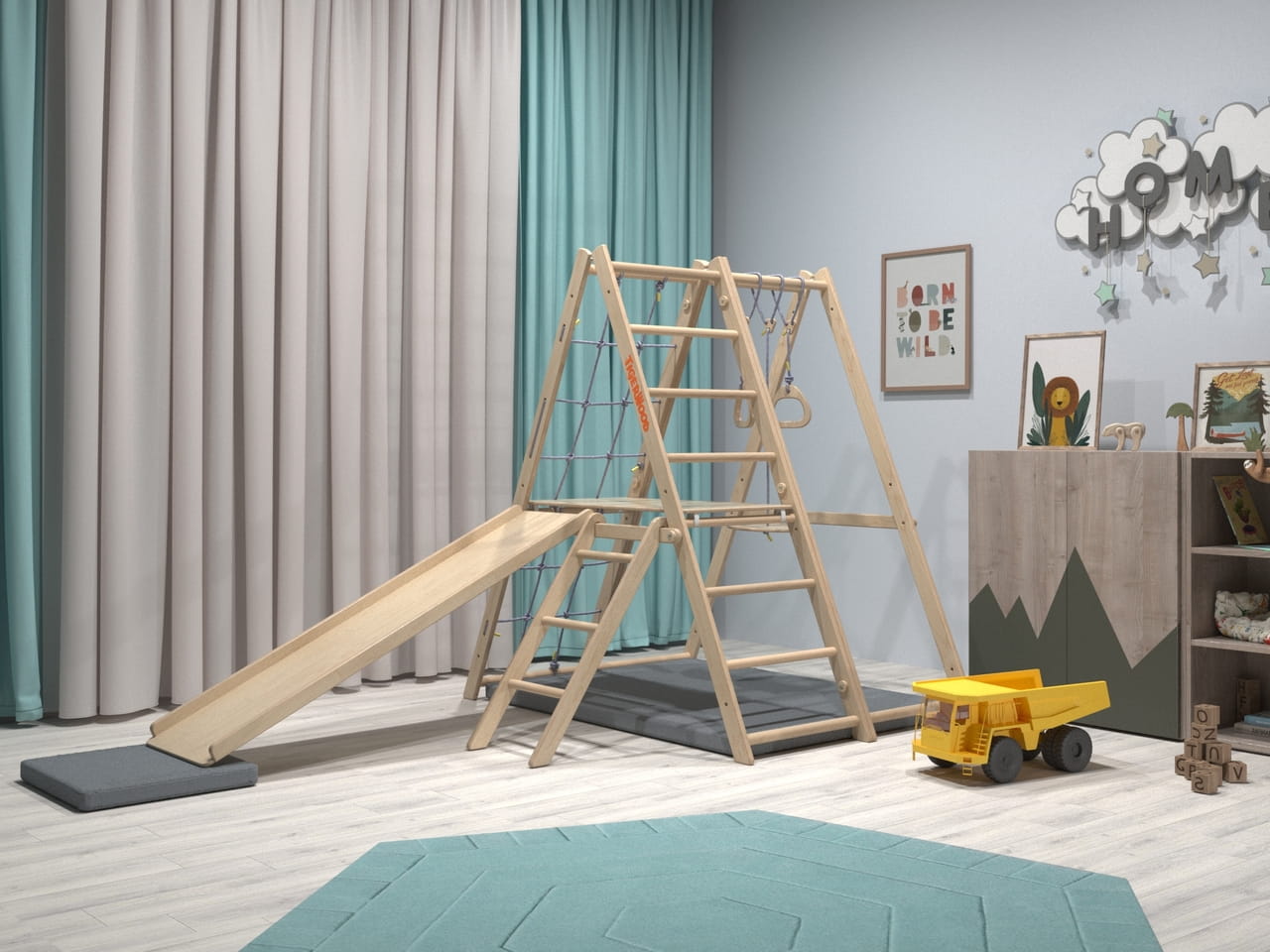
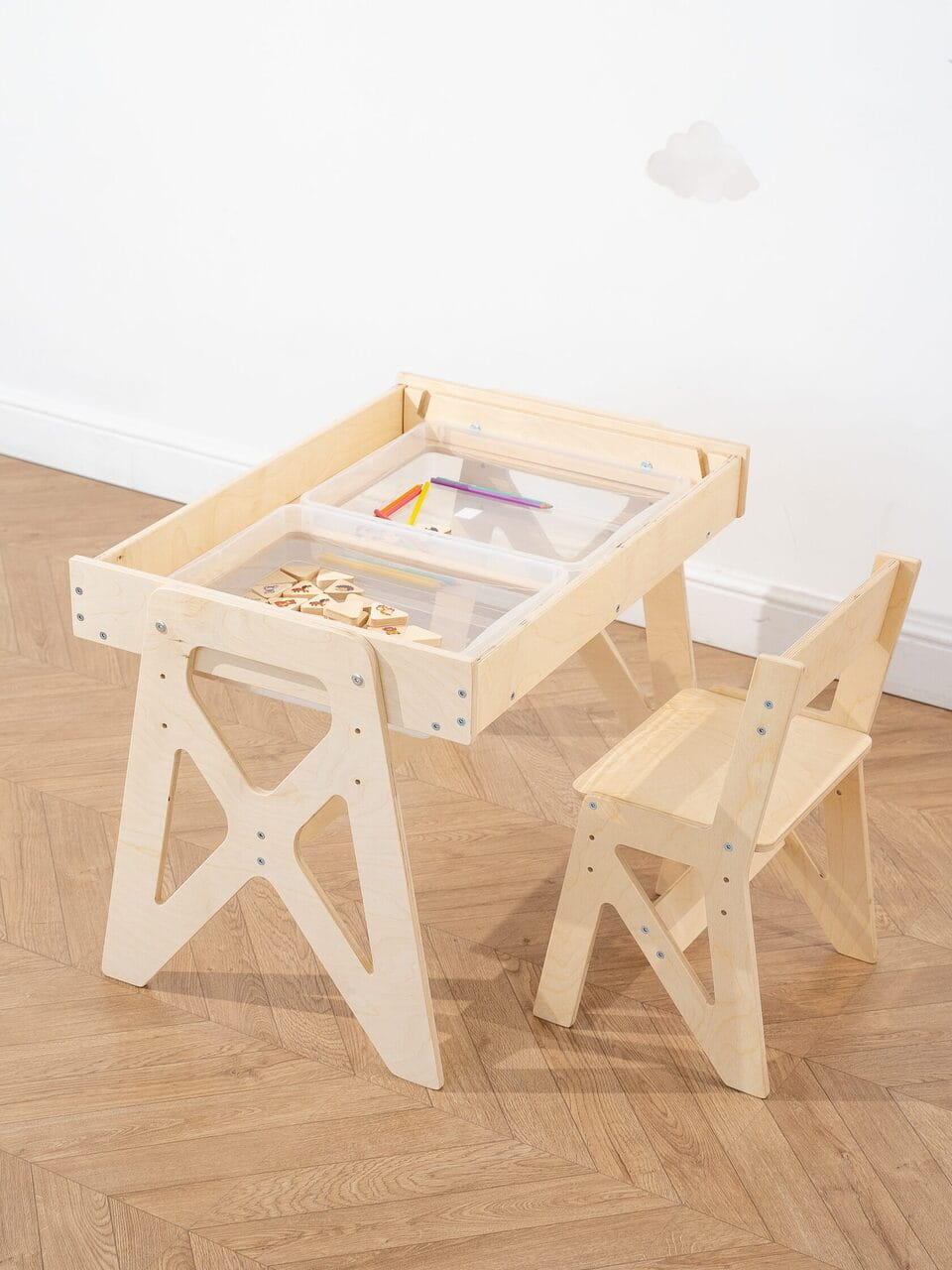


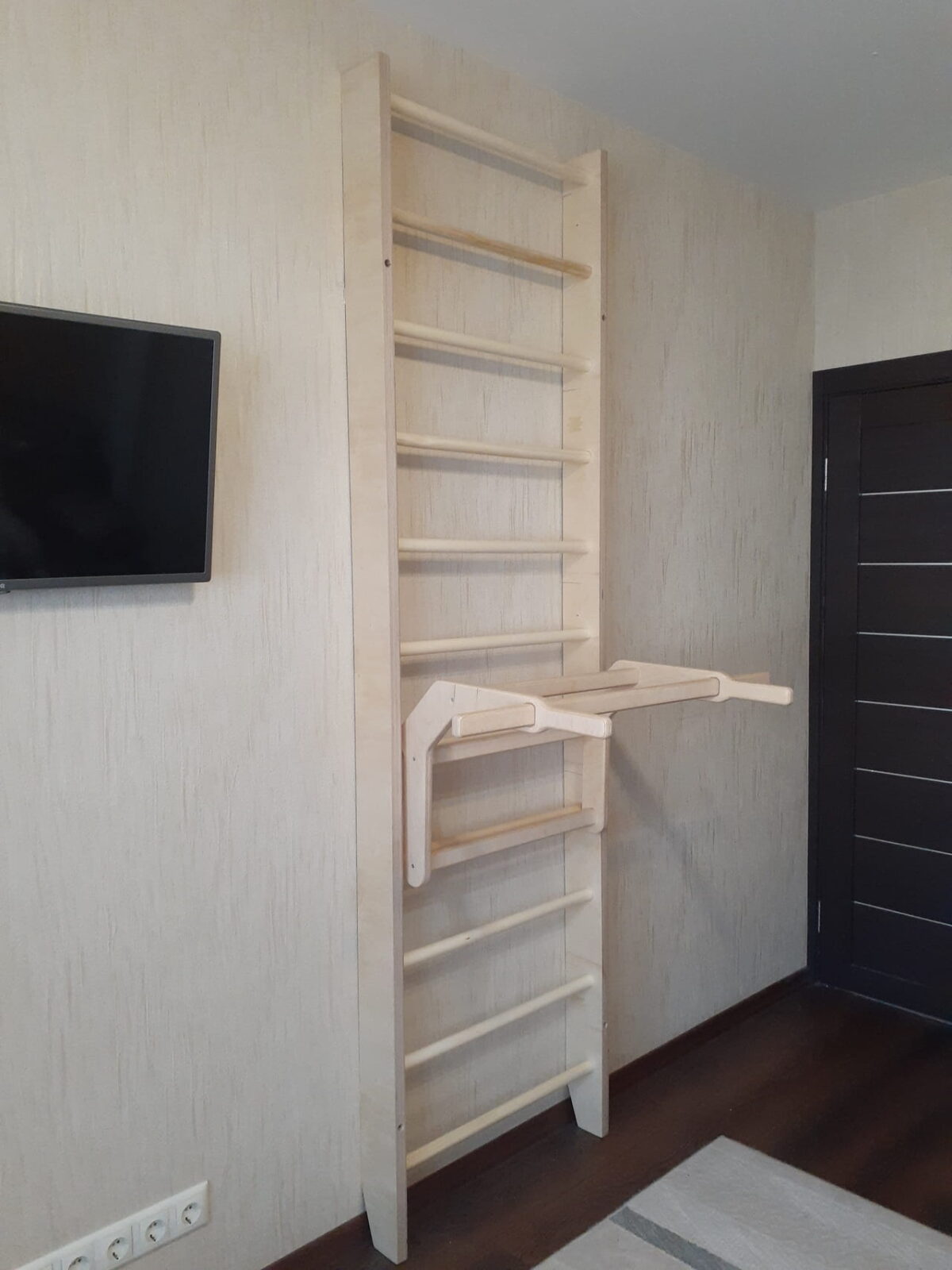
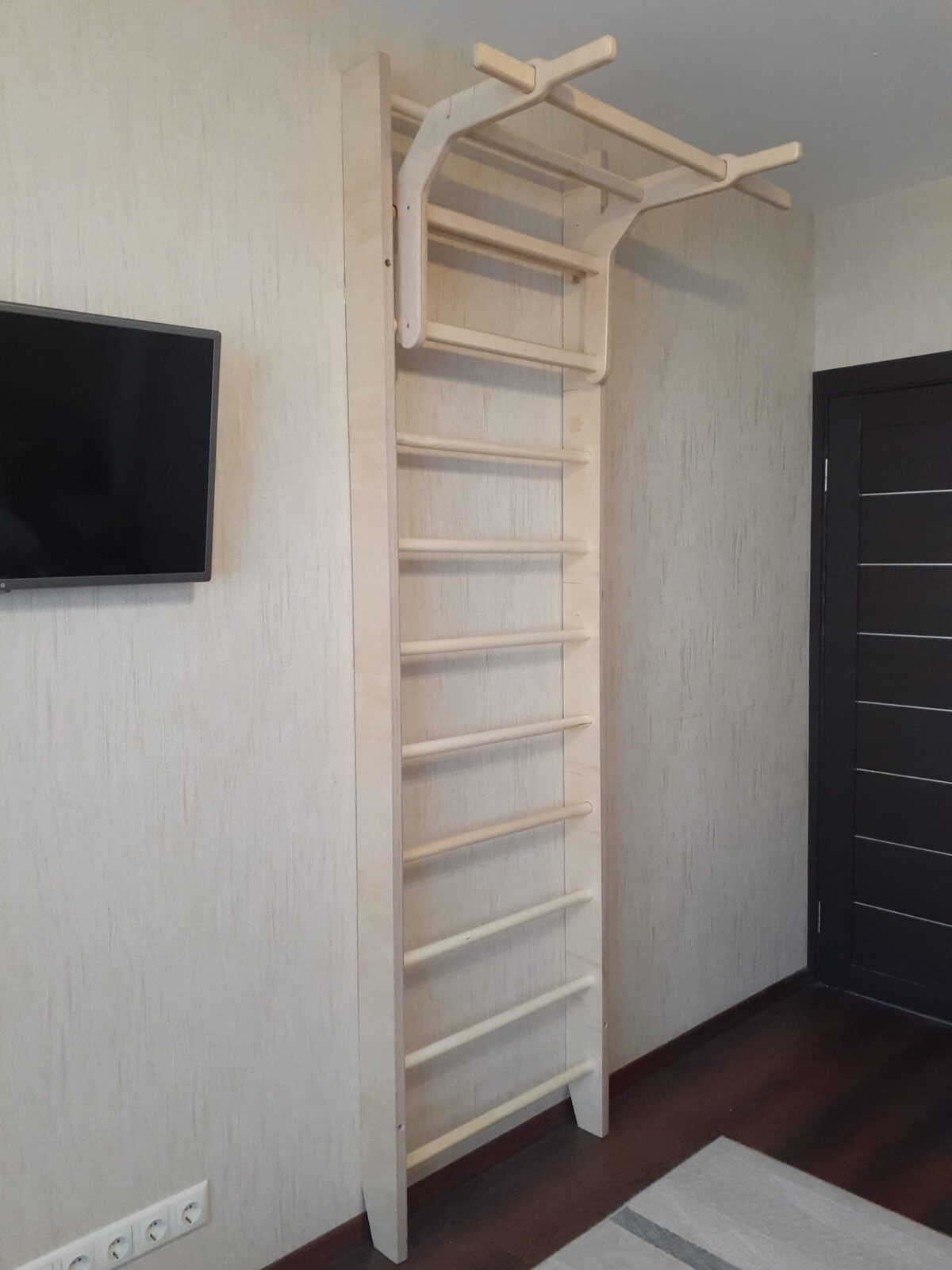
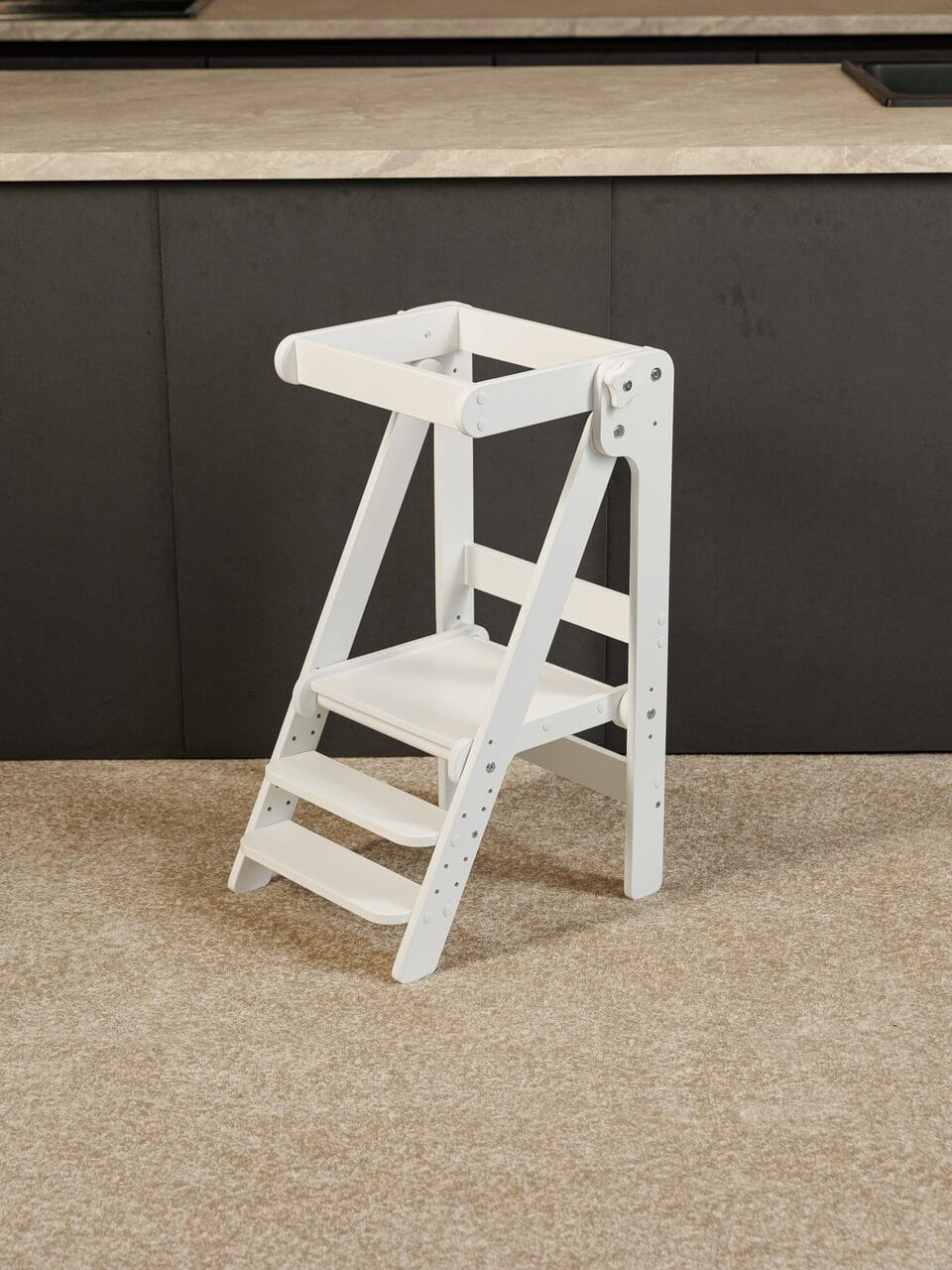
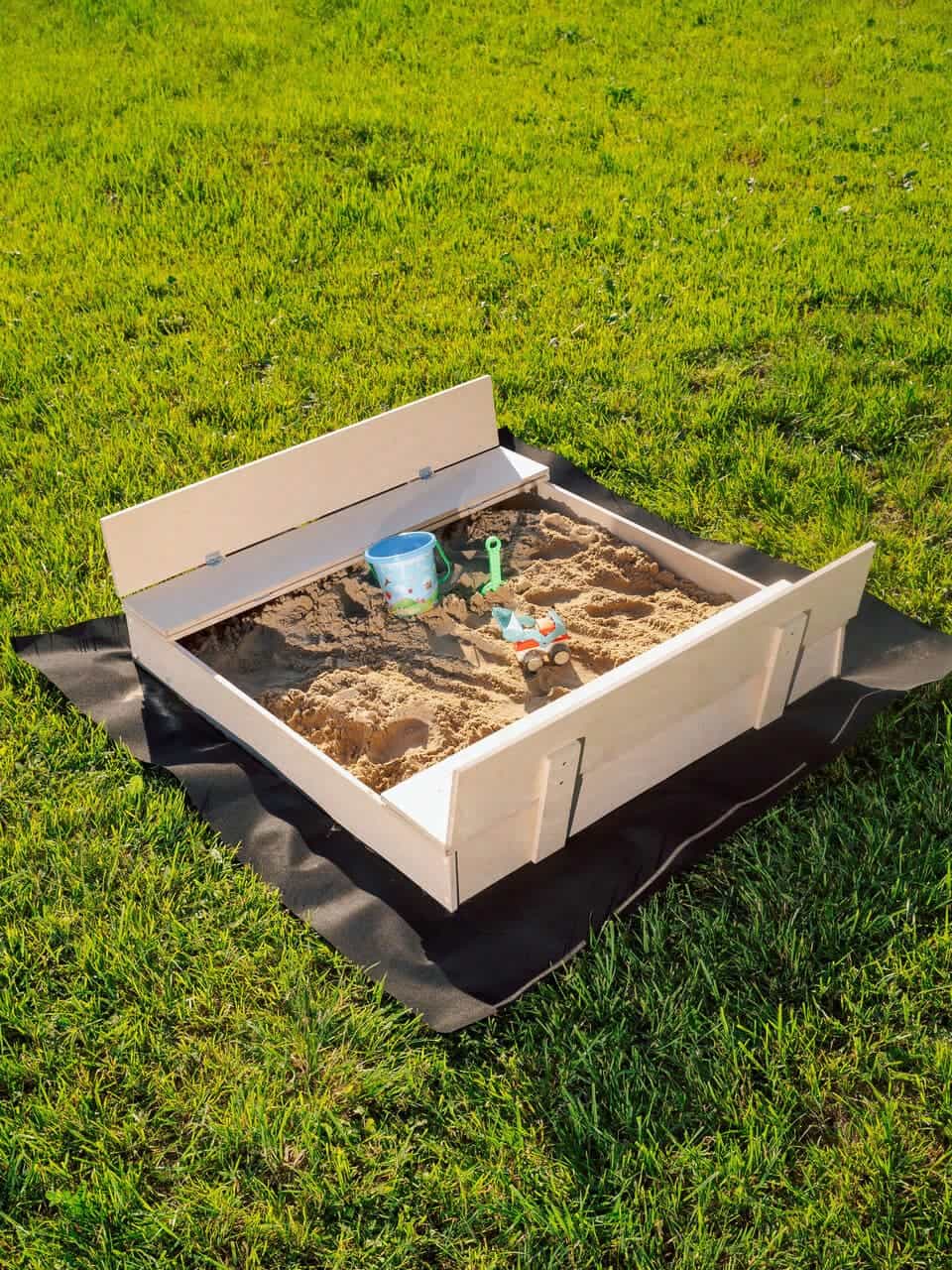



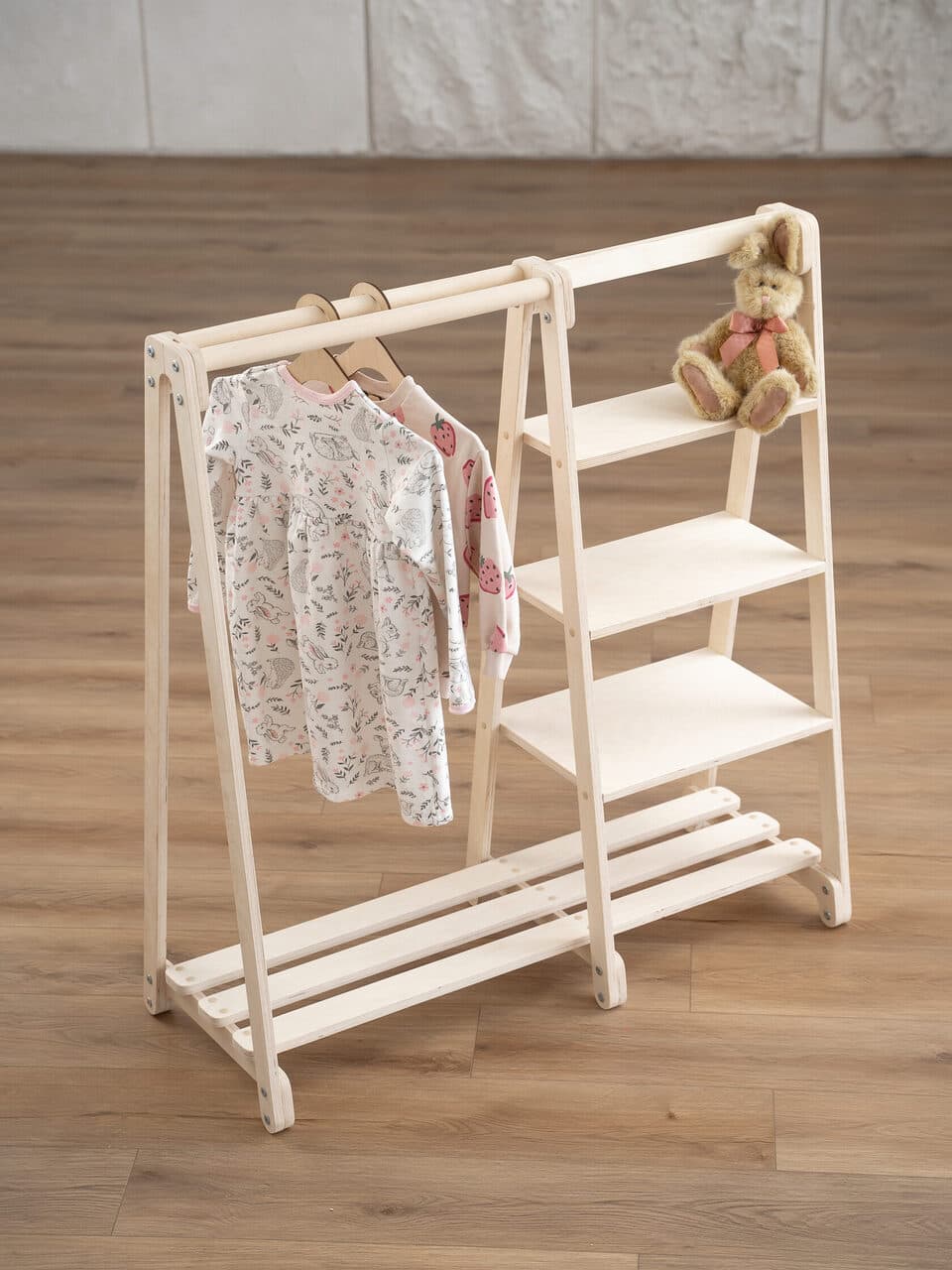
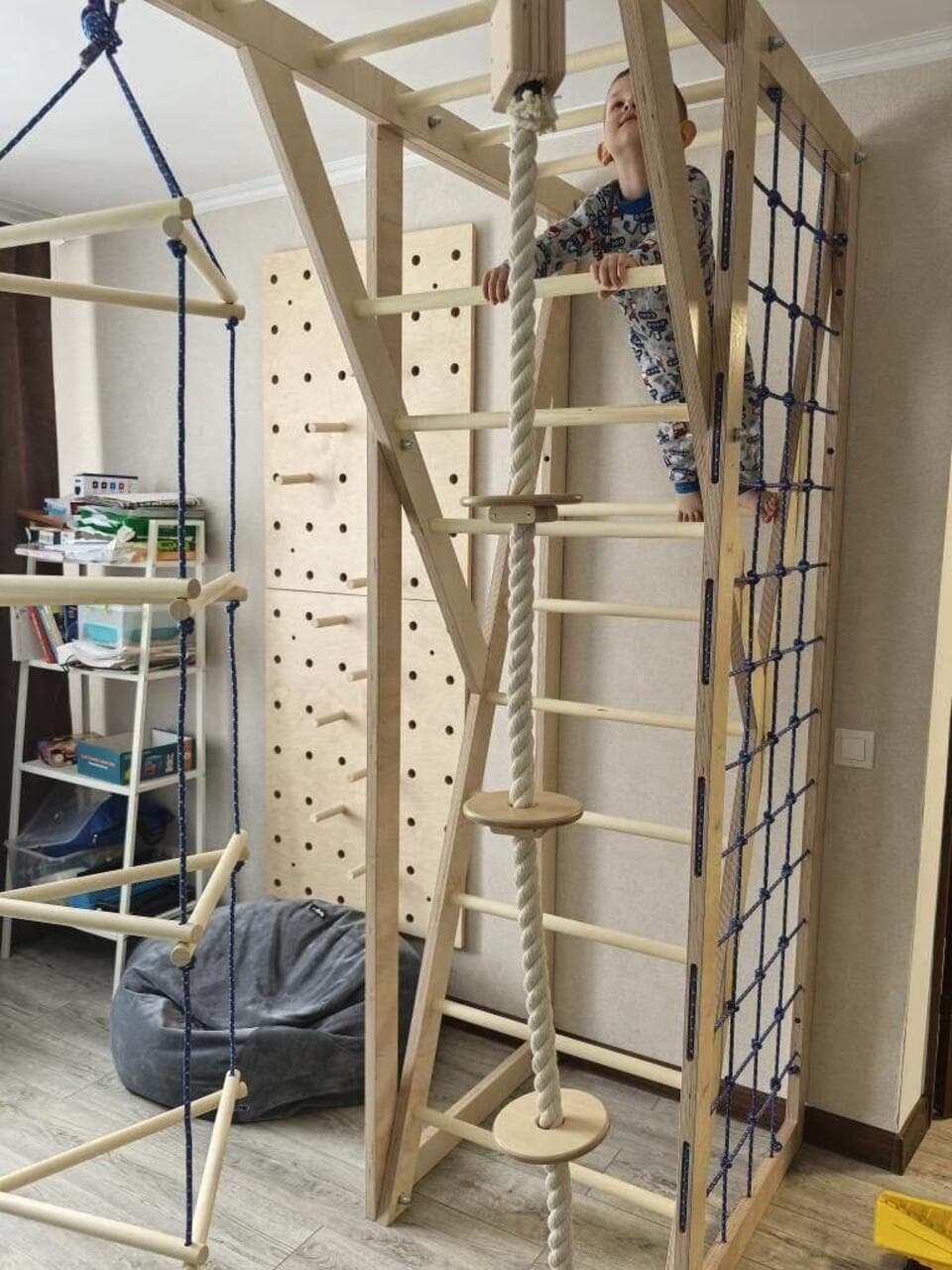
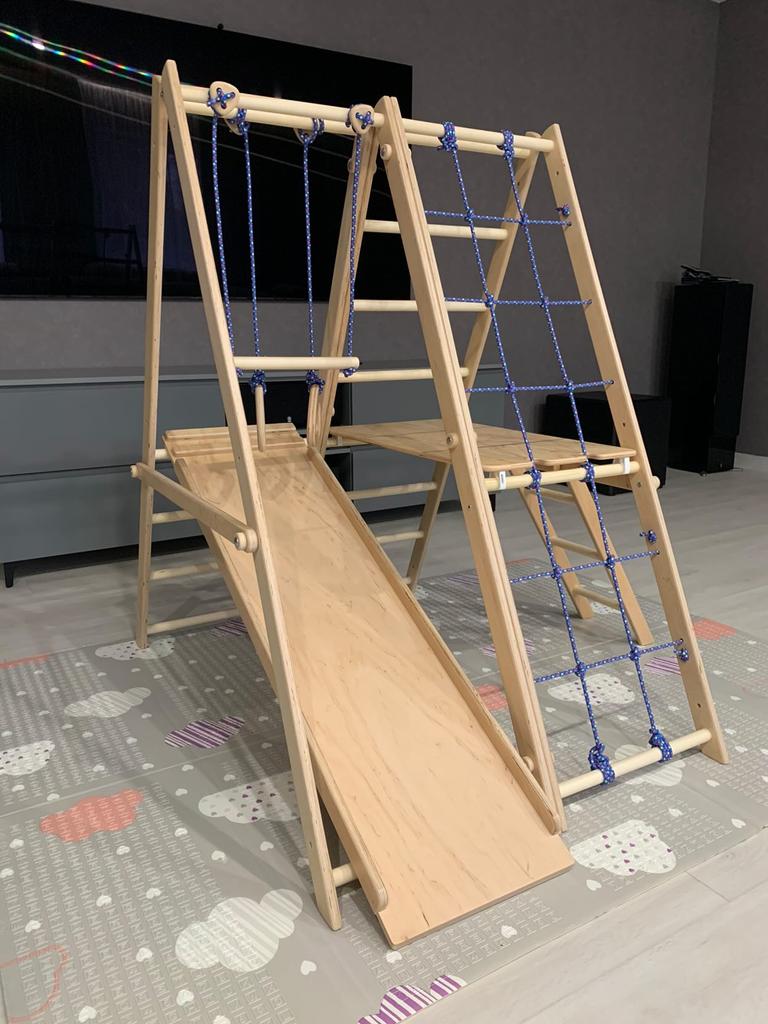

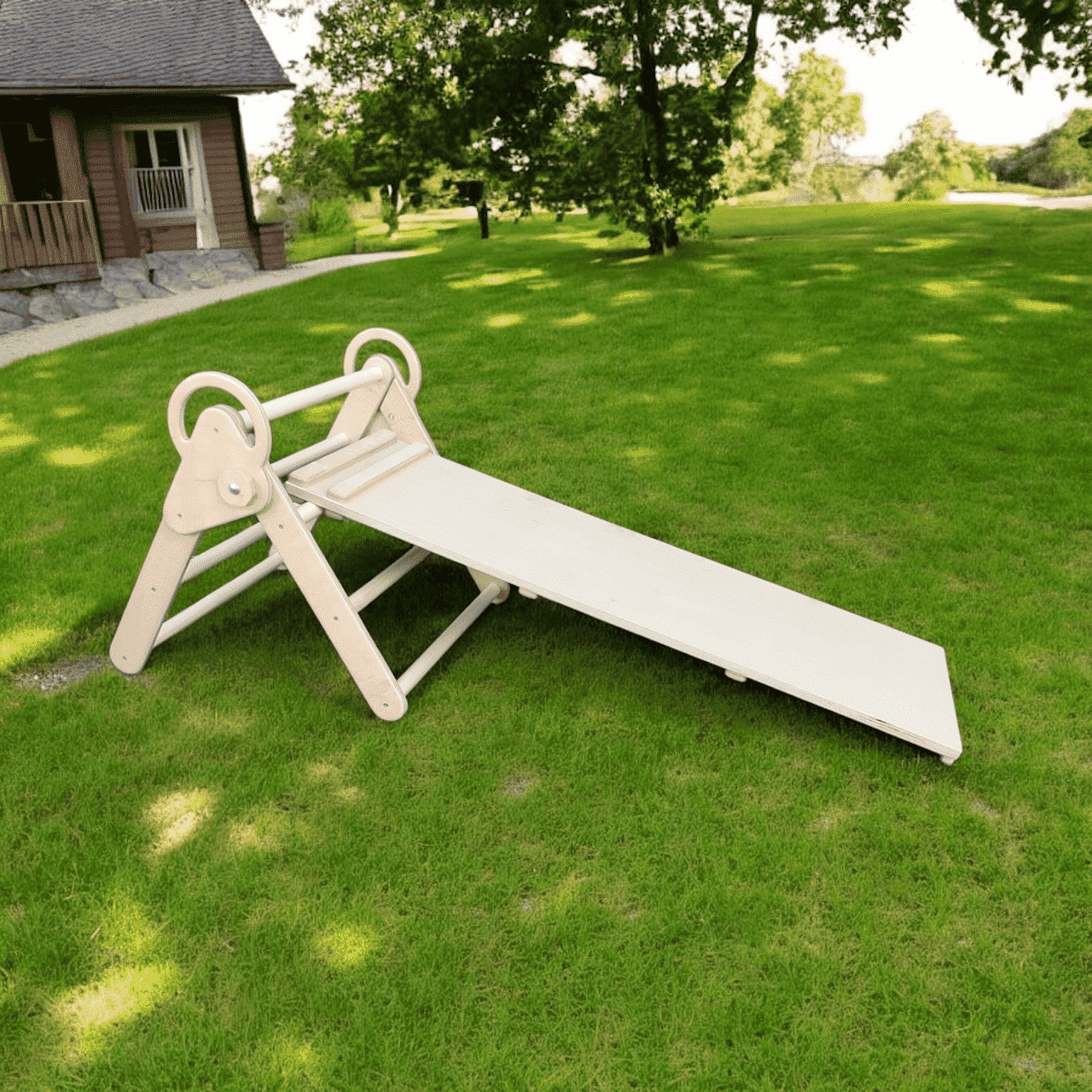

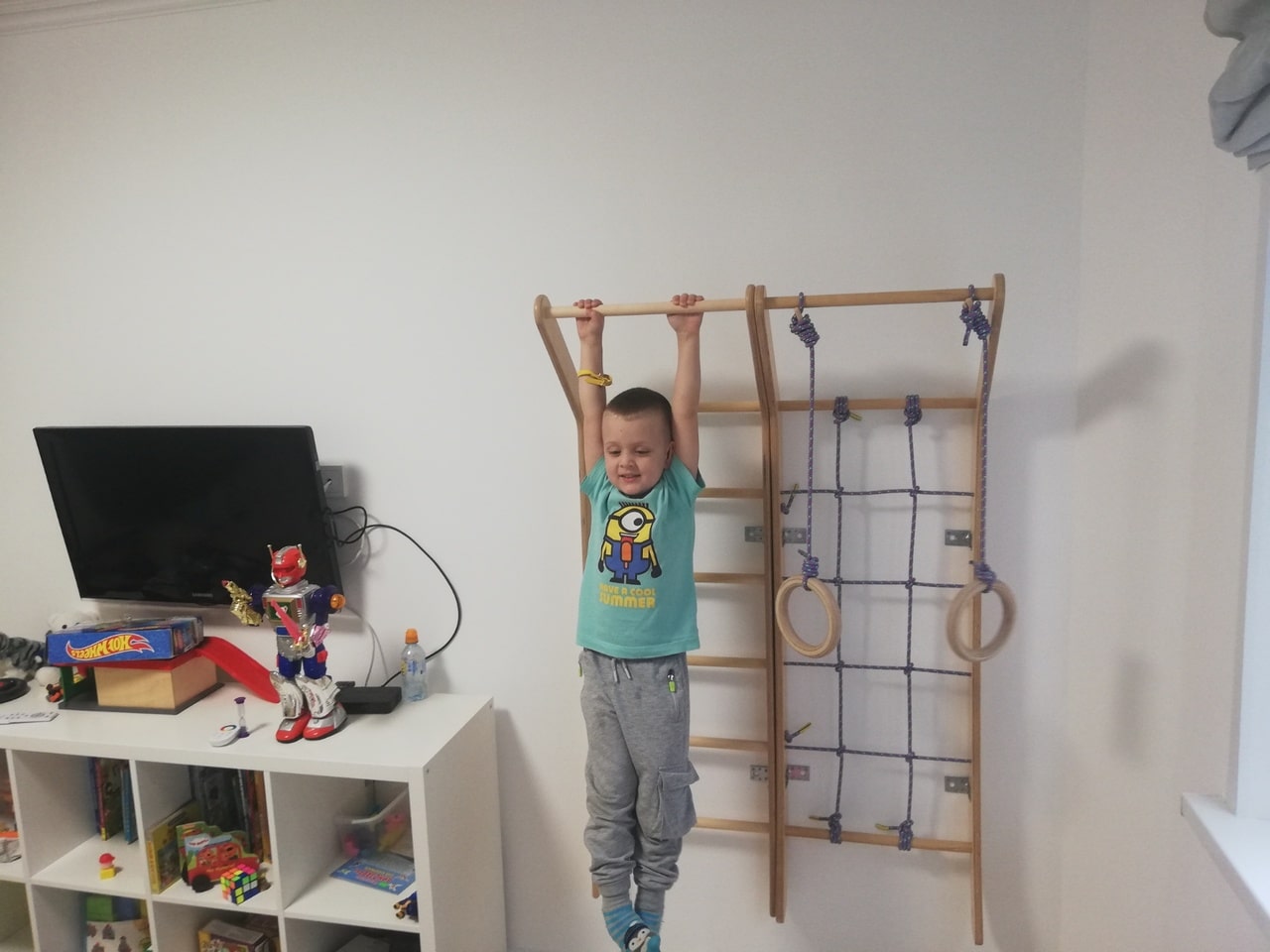


Examples of work and results of machining materials
From finished works it is easy to see how an ordinary sheet turns into a part that only needs putting in place. Behind every such order is precision and hitting exactly what the client asked for. People often come with the non-standard: parts of unusual sizes, complex contours, one-off shapes. Here it is not enough just to switch on the machine — you need both experience and equipment that can handle such geometry.
Take, for one, cutting MDF for furniture. Here two things matter at once: precise geometry so parts meet at assembly, and a clean edge so the front looks expensive, not homemade. MDF cuts and routs well but demands a careful feed — otherwise fuzz appears on the edge. Do it right and the part fits perfectly into the set and serves for years.
Another frequent example is MFC for cabinets and doors. Here the cut is adapted to the material itself: thickness, the decorative coating that must not be lifted, resistance to load are taken into account. Precise dimensions and a neat edge here are not a whim — on them depends whether the cabinet will stand level and serve long or start to loosen up within a season.
In the end even the trickiest order yields parts from which a quality thing is assembled — one you are not ashamed to give a client and that will survive a strict acceptance. Different materials, different shapes, but the principle is one: a precise cut, a clean edge, hitting the size. On this rests trust in wood cutting as a service.
Who uses a carpentry workshop’s services

Furniture makers

Interior designers

Advertising companies

Exhibition stand builders

Art studios

Cafés and restaurants

Construction firms

Retail equipment manufacturers

Furniture factories

Private craftsmen

Custom orders

Manufacturing companies

Museums and exhibition halls

Architects

Theatres and film studios

Educational organizations

Children’s products manufacturing

Repair specialists

Online stores

Sole proprietors
Who is a client of cutting services for wood and panel materials
Wood cutting is needed by so many different people that it is easier to list who does not need it. The base of orders is furniture factories, construction and finishing firms, companies that produce and sell building materials. They all seek one thing: a contractor to rely on for both quality and deadlines. A missed delivery of parts stalls their whole project, so reliability is valued here above a low price.
Trading companies often turn to it too — those who sell panels wholesale and retail. Their client often wants to buy not a whole sheet but parts already cut to their sizes, and with an edge band as well. For a shop this is a way to sell more and dearer: rip a sheet to the buyer’s order, add edge-banding — and the product becomes more convenient and valuable than a bare panel off the shelf.
A separate category is designers and architects with individual projects. For them the ability to order a part of exact size and unusual shape matters: a shaped partition, a carved screen, a non-standard insert. You will not buy such a thing ready in a shop, and for a specific interior it is needed exactly as in the sketch. Cutting to drawing is exactly what turns their idea into a real part.
It turns out that wood cutting is equally needed by a large conveyor and a one-off designer project. Only the scale and requirements change: somewhere the main thing is volume and speed, somewhere a unique shape and a perfect edge. And the service itself remains a universal point that people come to with the most varied tasks.
Advantages and features of cutting wood and panel materials
Cutting is the foundation of woodworking, from which almost any production starts. To make a product from MDF, particleboard, MFC, plywood, edge-glued panel, you first need to cut the material precisely. And here it is not enough just to hit the size: it is important not to damage the part so it serves long. A flaw at this first step runs through the whole chain and shows in the finished product, when it is too late to fix.
Modern CNC machines reduce the error to a minimum and at the same time work fast. The program does not tire and does not get distracted, so precision is high and the order does not drag on for weeks. Whatever is required — simple ripping, an angled cut or an intricate shaped contour — the result comes out within tolerances. The client gets predictable quality, not ‘however it turns out this time’.
Each material has its own temper, and for it both the tool and the cutting setting are chosen. With MDF the edge cleanliness is watched, so no fuzz is left. With MFC and plywood the decorative coating is protected: one wrong pass and chips run along the edge, spoiling the whole look. An experienced operator knows these habits in advance and sets the machine so the specific board comes out without surprises.
The advantage of professional cutting is not only in neatness but also in money. Smart cutting lays parts on the sheet densely, and less goes to waste. On the purchase of raw material this is a noticeable saving, especially when there are many sheets. Plus rejects are reduced — and every spoiled part is a discarded piece of material and wasted time. In sum the process turns out more economical than it seems at first glance.
And speed: with a ready cutting plan production goes noticeably faster and fits the appointed deadline. For large factories that turn big volumes this is fundamental — there a two-day idle means a knocked-off schedule across the whole line of orders. Fast and precise cutting removes this bottleneck at the very start of the chain.
Cutting wood and materials: what is important to know before ordering
So the conversation about an order goes concretely, below is the main thing gathered: which materials and how they are cut, what types of cut there are, what makes up the price and lead time, where customers most often err. All to the point, without empty words.
Materials and features of cutting them
Each material behaves under the tool in its own way. One gives a clean edge on the first pass, another tends to chip, a third demands protecting the decorative coating. The short cheat sheet below will help you understand in advance what to expect from your board.
| Material | Feature when cutting | What is cut from it |
|---|---|---|
| 🟤 MDF | Uniform, cuts cleanly, but gives fuzz — a careful feed is needed | Fronts, decor, parts for painting |
| ⬜ MFC | A brittle edge and a coating easy to lift | Carcass furniture, cabinets, shelves |
| 🪵 Plywood | Layers can lift, a sharp tool matters | Frames, bent shapes, boxes |
| 🌳 Solid wood | Grain direction and moisture are taken into account | Countertops, edge-glued panel, decor |
| 🔲 Acrylic and plastic | Require speed and a setting without burns | Display cases, signs, inserts |
| 🩶 Thin aluminium | A clean cut without burrs with the right cutter | Profiles, frames, decoration |
Not sure which material to choose for the task — that is normal. It is enough to describe where the part will stand and what load it bears, and then a reasonable option will be suggested. Often it turns out that expensive solid wood is not needed in a specific case, and MFC or MDF will cope no worse and cheaper.
Types of cut and when each is needed
The word ‘cutting’ hides several different operations. Understanding which is needed helps both to describe the order more precisely and not to overpay for extra complexity.
- ➖ Straight cut. Ripping a sheet to size — the fastest and cheapest option, the basis of furniture cutting.
- 📐 Angled cut. For mitring frames, joints, bevelled edges — needed for neat connections.
- 🌀 Shaped contour cut. Curves, rounds, internal cut-outs to drawing — a job for CNC.
- ⭕ Round and radiused parts. Countertops, shelves, decor with rounded edges.
- 🔤 Cutting to a sketch. Letters, logos, silhouettes for advertising and decoration.
A straight cut can be made on a panel saw too, but complex geometry only CNC can pull — there the contour is set by program and repeats without deviation. So shaped wood cutting almost always goes through numerical control, especially when many identical parts are needed.
What makes up the price
No one will honestly name an exact sum without details, and that is not an excuse. The price is assembled from several understandable components — knowing them, it is easy to estimate the budget in advance and understand where you can really save.
- 📐 Complexity of the cut. Straight ripping is cheaper than a shaped contour with rounds and cut-outs.
- 🧱 Material. Its cost plus consumption allowing for offcuts — dense nesting saves the sheet.
- 🔁 Quantity. A batch per part comes out cheaper than a single piece.
- 🪚 Finishing. Edge-banding, sanding, holes — each operation is added to the price of the cut.
- ⏱️ Urgency. Work out of turn ‘for yesterday’ is always dearer than the standard schedule.
The most reliable way to save without loss of quality is to bring a clean drawing with real dimensions and not rush the deadlines. Redos because of imprecise data and a rush mode are exactly what add to the estimate the percentages you wanted to avoid.
Lead times by type of order
Lead times are always counted for the specific task, but there are guidelines. They help you plan: will cutting manage to prepare parts for furniture assembly or for the date everything hinges on.
| Type of order | Guideline lead time | Example |
|---|---|---|
| ✂️ Straight cutting | 1–2 days | Ripping MFC for a cabinet |
| 🌀 Shaped cut on CNC | 2–4 days | Parts with rounds and cut-outs |
| 🪚 Cut with edge-banding | 3–5 days | Finished furniture parts with an edge band |
| 📦 Serial batch | by arrangement | A set of parts for production |
If the order is tied to a date, it is wise to get in touch in advance and build in a little slack. Especially when additional machining follows the cut — it adds time, and it is better not to schedule it right to the wire.
Common customer mistakes
Most hitches happen not at the machine but still at the task-setting stage. Here is what most often gets in the way of a first-time result — and what is easy to foresee.
- ❌ Dimensions ‘from memory’. One wrong measurement — and the whole part is up for recutting. Better to measure twice.
- ❌ Forgotten allowances. No gap for the edge band or assembly — the parts do not meet.
- ❌ No data on the coating. If you do not say the MFC has a valuable coating, it is easy to get a chip in a visible spot.
- ❌ Skimping on quantity. Order just enough without a spare — and one spoiled part stalls the whole assembly.
- ❌ Last-minute urgency. A complex shaped cut and finishing cannot be sped up at a snap.
It is no big deal if something of this is not accounted for — that is what the conversation before the cut is for. A good performer asks these questions himself in advance, not after the part is already spoiled.
How to prepare an order for cutting
A little preparation on the customer’s side saves time for both sides and removes half the queries. Here is what is worth gathering before getting in touch.
- 📝 Describe the part: what it is, where it will stand, what load it bears.
- 📐 Attach dimensions or a drawing — even by hand, but with real figures.
- 🧱 State the material and its thickness — your own or to be purchased for the order.
- 🔢 State the quantity: one part or a batch.
- 🪚 Specify the finishing: whether an edge band, sanding, holes are needed.
- 📅 State the desired date if the order is tied to an event.
A perfect tech package is not required — many orders start with the phrase ‘I need something like this, help me figure it out’. But the more inputs, the shorter the path to finished parts and the lower the chance of a redo.
CNC cutting or hand tool
Sometimes there is a temptation to saw a sheet yourself, at home, with a hand saw or jigsaw. For a rough task this is sometimes justified, but where precision and looks matter, the difference from CNC becomes obvious.
| Criterion | 🔨 Hand tool | 🤖 CNC cutting |
|---|---|---|
| Precision | Depends on the hand | To fractions of a millimetre |
| Repeatability | Each part slightly different | All parts identical |
| Shaped contour | Hard and slow | Easy by program |
| Edge cleanliness | Often needs finishing | An even cut right away |
| Volume | Suits single pieces | Handles a series too |
The conclusion is simple: for one rough part a hand cut will do, but for furniture, a series or shaped elements CNC wins. It gives precision, sameness and a clean edge without extra sanding — what is hard to repeat by hand and almost impossible at volume.
An order example: from drawing to finished parts
So all this does not stay theory, here is an ordinary order from practice. A furniture maker brings a drawing of a carcass wall unit: several dozen MFC parts of different sizes, some with rounded corners. First a cutting plan is drawn up, where the parts are laid densely on the sheets so fewer offcuts are left. Then the straight elements are cut on the panel saw, and the rounds and shaped parts go to CNC.
After cutting, the open edges are closed with an edge band so the panel does not draw moisture and looks finished. Each part is compared with the drawing by dimensions. At the output the customer takes a finished set that only needs assembling — without cutting to fit on site and trips for missing parts. The whole path takes several days, and most of it is careful cutting and edge treatment, not waiting.
What is done with the edge after cutting
After the cut a part has an open edge, and something almost always needs doing with it. This especially concerns MFC and MDF: a bare cut not only looks unfinished but also draws moisture, because of which the panel swells at the edge over time. There are several treatment options, and the choice depends on the material and where the part will stand.
- 🎗️ Edge tape (PVC, melamine). Closes the edge of MFC, protects from moisture and gives a finished look.
- 🌀 Sanding. Smooths the edge of solid wood and plywood, removes roughness and burrs.
- 🎨 Painting or lacquer. For MDF and solid wood — closes the edge and makes the part uniform in colour.
- 📐 Edge routing. A round or chamfer, if a soft, safe edge is needed.
If cutting and edge treatment go in one place, the part leaves for the customer fully finished. You do not then have to look for someone to close the edges and cart the semi-finished item somewhere else — it is all done in one go.
How the cutting plan helps save material
Few think about it, but smart cutting starts even before the machine — with the cutting plan. This is the scheme by which parts are laid on the sheet. Lay them densely and cleverly — fewer offcuts remain, and more parts come from one sheet. Lay them any-old-how — half the panel goes to the bin.
On one sheet the difference is pennies, but on a batch of dozens of panels it adds up to noticeable money. So on a large order the cutting plan is optimised by software: the algorithm picks a layout of parts with minimal waste. At the same time this speeds up the work — the machine follows a thought-out route rather than darting about the sheet. For the customer this is two pluses at once: saving on material and a shorter lead time.
Cutting for different industries
To try the service on for your own field, here is a table of typical requests by industry. It is not exhaustive, but it shows how varied the tasks are that one set of operations covers.
| Industry | What is cut | Common material |
|---|---|---|
| 🪑 Furniture | Carcass parts, fronts, shelves | MFC, MDF, solid wood |
| 🛍️ Retail | Display cases, shelving, racks | MFC, plywood, acrylic |
| 📢 Advertising | Letters, signs, stands | Plastic, acrylic, MDF |
| 🏠 Interior | Panels, partitions, decor | MDF, plywood, solid wood |
| 🏗️ Construction | Frames, large elements | Plywood, OSB, solid wood |
If your task is not in the table — it does not mean it will not be taken on. It is enough to describe what you need to get, and a solution will be chosen from the same operations, just in a different combination.
Myths about wood cutting
Around the service several stereotypes have piled up, because of which customers sometimes hesitate. Let us take apart the most stubborn.
- 💭 ‘They will not cut a single part.’ They will. A one-off cut of a single blank is a common thing.
- 💭 ‘CNC is only for big batches.’ No. The program already pays off on a complex single shape.
- 💭 ‘You cannot bring your own sheet.’ You can. It will be checked and put into work.
- 💭 ‘They will cut cleanly only in a straight line.’ CNC cuts a shaped curved contour just as precisely.
- 💭 ‘You will have to close the edge yourself.’ Edge-banding is done right there, together with the cutting.
How to tell quality cutting
If you are choosing whom to entrust the order to, here is a simple checklist. By these signs you can see you are dealing with a contractor, not a lottery.
- ✅ Names the deadline and price in advance, not ‘after the fact’.
- ✅ Clarifies the material and coating before the cut.
- ✅ Makes a clean edge without chips and offers edge treatment.
- ✅ Shows precision in figures, not in general words.
- ✅ Takes both a single part and a series.
- ✅ Optimises the cutting plan to save your material.
In short: cutting wood and sheet materials is precise blanks of the needed shape without chips and with a ready edge, made to your drawing within a clear deadline. It remains to describe the task and attach the dimensions — the rest will be broken into stages and brought to finished parts.
Glossary: cutting terms without jargon
Cutting wood and panels has grown professional words, and it is easy for a customer to get lost in them. A short decoding will help you speak the same language as production and describe the task more precisely.
| Term | What it means |
|---|---|
| ➰ Contour | The line along which the part is cut — straight or shaped |
| 🧩 Internal cut-out | A hole or window inside the part, not at the edge |
| 🎯 Radius | A rounding of a corner of a set size |
| 🗺️ Vector file | A vector file with the contours of the future parts |
| 💥 Chip | A tear-out of the coating or fibres at the cut edge |
| 🪒 Cutter | The CNC cutting tool; its diameter affects the minimum radius |
| 🔁 Repeatability | The ability to produce a series of identical parts |
Materials and features of cutting them
Different materials cut differently, and on this depend both the edge cleanliness and the choice of setting. A guide to popular materials is in the table below.
| Material | How it cuts | What is watched |
|---|---|---|
| 🟤 MDF | Evenly, ideal for a shaped contour | Dust, a clean edge for painting |
| 🪵 Plywood | Well, but layers can lift | A sharp cutter, a careful feed |
| ⬜ MFC | Requires care at the edge | Risk of chipping the coating |
| 🔲 Acrylic | Gives a clean, transparent cut | A setting without overheating |
| 🌳 Solid wood | Depends on grain direction | Final finishing of the contour |
More questions about wood cutting
How complex a contour can really be cut? Practically any: letters, logos, openwork patterns, parts with internal cut-outs. The limit is set by the cutter diameter — a very sharp internal corner is rounded to its radius.
Can a single part be cut? Yes, wood cutting is taken from one piece. For a single shaped part CNC pays off even without a series — by hand such a shape cannot be repeated precisely.
Will the edge stay clean? With a sharp cutter and the right setting — yes. Where perfect smoothness is needed, the contour is additionally finished by sanding.
Will you repeat a part if more is needed? Yes, the program is saved, and a second batch will come out the same as the first. This is convenient for series of signs, letters or decorative elements.
What is most often cut
Cutting wood and sheet materials covers surprisingly varied tasks — from a strict technical part to one-off decor. To try the service on for your own field, here is a table of typical products by industry.
| Industry | What is cut | Material |
|---|---|---|
| 📢 Advertising | 3D letters, logos, signs, stands | MDF, plastic, acrylic |
| 🏠 Interior | Openwork panels, partitions, decor | MDF, plywood, solid wood |
| 🛍️ Retail | Display cases, price-tag holders, rack elements | Acrylic, MFC |
| 🎭 Exhibitions | Display structures, shaped inserts | Plywood, plastic |
| 🪑 Furniture | Shaped fronts, overlays, parts with cut-outs | MDF, solid wood |
| 🎁 Souvenirs | Blanks, stands, decorative shapes | Plywood, wood |
If your task is not in the table — it does not mean it will not be taken on. Rather the opposite: a non-standard shape is exactly the most interesting for CNC. It is enough to describe what you need to get, and a solution will be chosen from the same operations.
Shaped cutting and small parts
A separate strong side of CNC is small and openwork elements that are almost impossible to make by hand. Thin bridges, a repeating ornament, a scattering of identical parts on one sheet. The machine leads the cutter by program, so the hundredth element comes out as neat as the first.
There is a nuance worth knowing in advance: a very sharp internal corner is physically rounded to the cutter radius. This is not a defect but a property of the tool. If a sharp corner is essential, it is either finished by hand or a minimum radius is built into the layout — this will be pointed out at the preparation stage.
For quite thin materials and delicate patterns a gentler setting is chosen: less feed, a sharper tool, a thought-out clamping of the blank so small parts are not torn off. All this distinguishes clean shaped cutting from crude sawing ‘by eye’.
How to prepare a file for cutting
CNC cutting goes by a vector layout, and the result depends on its quality. A few simple rules will help get the part right the first time.
- 🗺️ Vector format: DXF, DWG or clean vector — not a raster image.
- 📏 Real scale: contours in actual dimensions, in millimetres.
- ➰ Closed contours: the cut lines must be continuous, without breaks.
- 🧩 Internal cut-outs marked separately from the outer contour.
- 🧱 Material and thickness stated — the setting depends on them.
No vector — no problem: a sketch with dimensions will do too, the layout will be drawn on the spot. But a ready clean file noticeably speeds up the start and removes the risk of discrepancy between what is drawn and what gets cut.
Cutting, sawing and routing: what is the difference
These three words are often confused, but the difference between them is practical and affects which service to order. In short: sawing is about straight cuts to size, routing is about surface machining and grooves, and cutting is about cutting a part out along a contour, including a complex one.
| Operation | What it is about | Typical result |
|---|---|---|
| 🪚 Sawing | Straight cuts, dividing the sheet | Rectangular parts to size |
| ➰ Cutting | A contour of any shape, cut-outs | Letters, shapes, parts with windows |
| 🔧 Routing | Grooves, rebates, relief, chamfers | A machined surface and edge |
In practice these operations often go together. The part is first cut out along the contour, then a groove is routed and a chamfer taken, and finally the edge is sanded. The convenience is that the whole set is available at one production shop — no need to cart the blank between performers.
How to tell quality cutting
Good cutting is visible by several signs, and it is worth knowing them to assess the result consciously, not ‘seems okay’.
- ✅ A clean edge without chips and tear-outs of the coating.
- ✅ A precise contour, matching the layout down to the details.
- ✅ Even rounds without facets and steps.
- ✅ Sameness of parts in a series — all as one.
- ✅ Absence of scorch marks and melting at the edge.
If even one point limps, it is worth understanding the cause: a blunt tool, a wrong setting, haste at the feed. It is exactly the discipline of the process, not luck, that distinguishes neat wood cutting from homemade sawing.
What happens to the edge after the cut? On request it is finished: sanded smooth, chamfered or closed with edge tape if it is a panel. For decorative parts a light sanding is often enough, for furniture ones — full edge-banding.
Your own material or purchase for the order
Material for cutting can be brought your own or ordered together with the work. Both options are workable, the difference is in convenience and control.
If the material is yours, before cutting it is inspected for fitness: geometry, moisture, absence of hidden defects are checked. This is an honest step — a warped panel or delaminating plywood is better found out before the cut, not after. If the material is purchased for the project, the question of quality and suitability for the task falls away: exactly what is needed by thickness and type is selected.
Lead times: what they depend on
Wood cutting gets an exact lead time for the specific order, but there are clear guidelines. Several factors affect the time at once.
- 🔢 Number of parts — a single piece or a series.
- ➰ Complexity of the contour — a simple shape or openwork with cut-outs.
- 🧱 Material and thickness — affect the setting and speed.
- 🖇️ Edge finishing — whether sanding or a chamfer is needed.
- 📅 Workload — how tight the queue is at the moment.
A simple order is often ready in a day or two; a complex shaped series is counted separately. If the work is tied to a date — an exhibition, an opening, an installation — it is wise to leave a little time slack and get in touch in advance.
Delivery of finished parts
Finished parts are shipped across all of Europe. Shaped and thin elements are packed carefully so the edge and small bridges do not suffer in transit. For a customer in another region the process looks just as simple as for a neighbouring city: the layout is agreed remotely, the parts are made and go by carrier.
And if you need to repeat the order after a while? Simpler than the first time: the layout and parameters are saved, a repeat batch will be produced exactly the same. This helps those who order letters, signs or decor in series and top up to what is already made from time to time.
A one-off order or ongoing cooperation
Cutting is equally open both to those who came for one part and to those seeking a contractor for the long term. A one-off order is simple: you described the shape, agreed the layout, took the finished result. No obligations for the future.
Ongoing cooperation is another level of convenience. Advertising producers, design studios, furniture makers come to realise over time that it is easier to keep one trusted source of parts than to look for a new performer each time and explain the requirements anew. When production already knows the client’s specifics, the work goes faster: fewer approvals, predictable quality, priority in the hot season.
Order cutting or saw it out yourself
The temptation to cut a part out with a jigsaw at home is understandable, but for a shaped contour the arithmetic is rarely in favour of hand labour. Here is what is worth weighing.
- ⏱️ Time. Neat openwork by hand is hours of painstaking work.
- 🎯 Precision. The jigsaw wanders, the contour drifts, symmetry cannot be held.
- 💥 Edge. A hand cut leaves chips and burrs.
- 🔁 Repeat. Making two identical parts by hand is almost impossible.
- 🧩 Small details. Thin bridges often break during hand cutting.
For one simple cut-out a home tool will help out. But as soon as the shape is complex or there are several parts, CNC wood cutting saves time, material and nerves. Often it is more profitable to hand the layout into work once than to redo a spoiled blank.
Material thickness and what it affects
Thickness is no trifle. On it depend the part’s strength, the cutting setting and the appearance. Too thin a material bends under load and vibrates when cutting small elements; too thick is extra weight and money where less would do. The optimal thickness is chosen for the task: for 3D letters one logic, for an openwork panel another, for a load-bearing part a third.
If you doubt what thickness to take — it is enough to describe where and how the part will work. A suitable option will be suggested, at the same time estimating how it will affect the price and weight of the finished product.
Quality control and a guarantee of the result
Control is built into the process, not tacked on for show. At the input the layout, dimensions and material are checked. Along the way, on complex shaped orders, an intermediate check is done. At the output the part is examined in full: contour, edge cleanliness, correspondence to the layout and sameness in a series.
If a contentious point arises, it is easier to resolve precisely because the order went through one pair of hands. There is no need to work out at whose stage the error occurred — responsibility is not smeared. For the customer this is the real guarantee: it is clear who to ask for the result.
How to estimate the cost of cutting
The exact price is counted for the layout, but understanding its components is useful — it makes it easier to see where you can save.
- ➰ Length and complexity of the contour — the more cuts and cut-outs, the higher the price.
- 🔢 Number of parts — a series per piece is more favourable.
- 🧱 Material — its cost and consumption allowing for nesting.
- 🖇️ Finishing — edge sanding, chamfer, painting.
- ⏱️ Urgency — work out of the general queue is counted separately.
The simplest way to save without loss of quality is to send a clean vector layout and not rush the deadlines. Redos because of an imprecise file and work in a rush mode usually add to the estimate the percentages you wanted to avoid.
In short: cutting wood and sheet materials is a way to get a part of any shape, from a strict technical one to openwork decor, with a precise contour and a clean edge. It is enough to send a layout or a sketch with dimensions — the rest will be broken into stages and brought to finished parts to size and on time.
Do you cut combined parts from different materials? Yes, within one product, say, a wooden base and an acrylic insert are often combined. Each material is cut in its own setting, and then the elements are joined at assembly — that is how composite signs, display cases and decorative panels come about.
What to do if there is only an idea without a layout? Describe what should come out, attach a reference or a sketch — and the layout will be drawn on the spot. Wood cutting is convenient precisely because it does not require the customer to master graphics programs: it is enough to explain the task in words and dimensions.
And the last thing to the point: the earlier the project is discussed, the calmer the work will go. At the start useful small things surface — where to build in a radius, what thickness to take, whether to finish the edge. Such a conversation saves both money and time and removes most questions before the cut.
How small a part can really be cut? Quite small — it is a matter of the ratio of size, thickness and cutter diameter. Very miniature elements with thin bridges require a careful setting and a reliable clamping of the blank so they are not torn off in the process. The real limits for your material will be pointed out at the layout preparation stage: sometimes a part is slightly enlarged or small pieces are combined on one field so wood cutting goes cleanly and without losses.
It is also worth remembering the material spare. In shaped cutting part of the sheet inevitably goes to offcuts — especially if there are few parts and they are scattered over the field. Smart nesting reduces losses, but on a single complex contour a spare is still built in. This is a normal part of the work, not overpayment: better to have a small reserve than to stop cutting for lack of a couple of centimetres of panel.
What materials can be machined by cutting?
MDF, particleboard, MFC, plywood, edge-glued panel, solid wood and other panel materials are cut — everything that goes into furniture, construction and finishing. Hard metals like steel are not taken into work: that is already another, metalworking story.
What cutting precision can be achieved?
On CNC machines precision reaches fractions of a millimetre. For parts with high geometry requirements — for example, for furniture assembly — this is exactly what is needed: all elements come out identical and fit precisely into place.
What services are provided besides cutting?
Besides cutting, routing, drilling, sanding, edge-banding and application of decorative coatings are available. This lets you take a part already finished — with treated edges and holes for fittings, not just cut.
What are the order lead times?
The lead time depends on complexity and volume. Simple cutting is usually ready in 1–2 days, parts with additional machining — longer. The exact date is named for the specific order, so it is real, not ‘by luck’.
What material sizes can be cut?
Sizes depend on the machine and your task — from small parts to large elements. If the product is bigger than the working field, it is simply divided into parts that are then joined at assembly. So both small and large fit within the capabilities.
How is cutting quality control carried out?
Control goes at every stage: the part is compared with the set dimensions and parameters to catch any deviation at once. Plus the automatics themselves hold stable precision — so quality comes out even from the first part to the last.
How to choose the right type of cutting for your order?
The simplest is to describe the task and material — and a suitable cutting method will be suggested. A straight cut, an angled one or a shaped contour is chosen by the board’s structure and by what the finished element should be like. There is no need to guess yourself.
Which material is best for cutting?
There is no single ‘best’ — it all depends on the task. MDF, MFC and plywood are the most common and convenient to machine, but for specific needs solid wood, edge-glued panel or another material will suit. The choice is made by where the part will work.
What are the features of cutting MFC?
MFC has a decorative coating on top, and the main difficulty is not to lift it during the cut. So a suitable tool and a careful feed setting are used: that way the edge stays without chips, and the coating keeps both its look and protective properties.
Can custom sizes and shapes of materials be ordered?
Yes, parts are cut to individual sizes and shapes — either to a ready drawing or to a sketch. For furniture and non-standard structures this is a key point: you will not buy the needed geometry ready, it is made exactly for your project.
Reach us in whatever way suits you best
Call us, message us on a messenger app or reach out via social media — choose whichever way suits you
🗺️ We accept orders from customers across all of Europe
💬 Useful information and articles
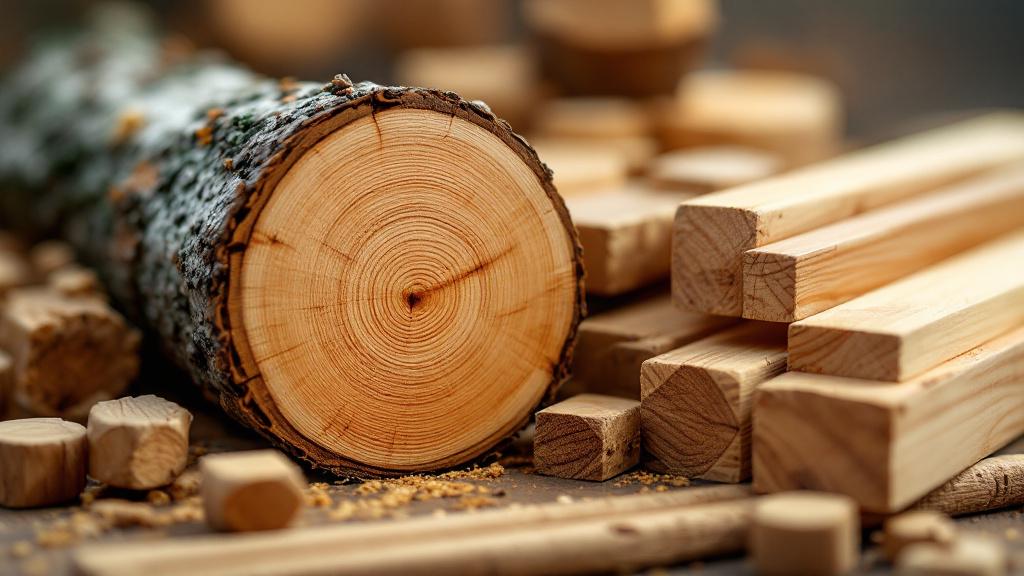
Eco-friendly and safe materials for modern wood production
Eco-friendly and safe materials for modern wood production In recent years we increasingly think about what the things around us are made of. A home, furniture, a floor, a kitchen, a

How to Correctly Choose Between Plywood, MDF, Particleboard, and MFC for Different Tasks
How to Correctly Choose Between Plywood, MDF, Particleboard, and MFC for Different Tasks In the world of woodworking and furniture making, every material has its own story. Plywood, MDF, particleboard, and

Cutting sheet wood materials at different angles: why and how it is done
Cutting sheet wood materials at different angles: why and how it is done Working with wood materials is not just sawing. To get a truly high-quality and durable product, you have

Recommendations for choosing sheet materials for indoor and outdoor projects
Recommendations for choosing sheet materials for indoor and outdoor projects In woodworking, choosing the right sheet material is like laying a foundation for a builder. What you pick at the very