
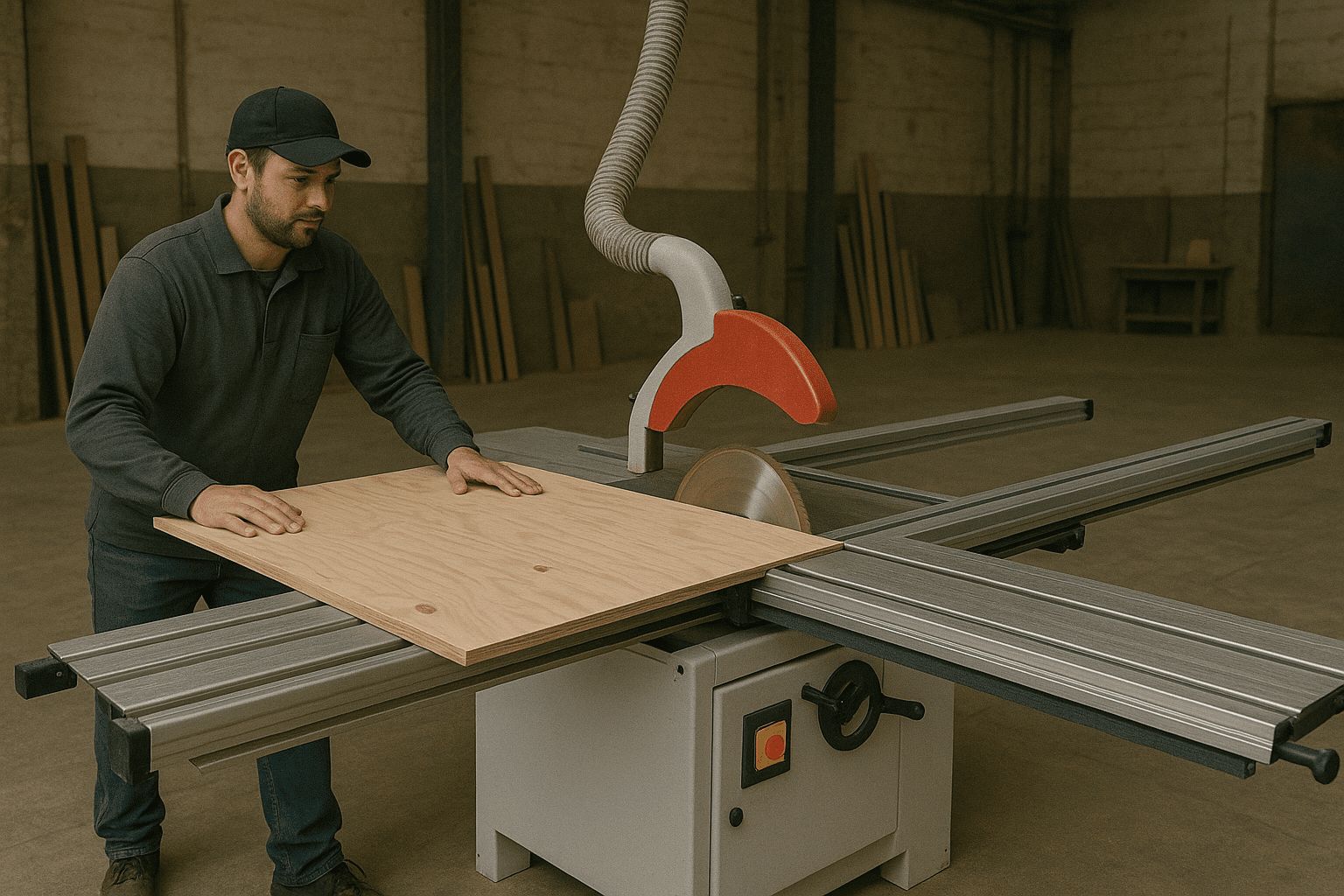
Ripping of wood and panels
Ripping of wood and panels is the longitudinal and cross division of large sheets and blanks into parts of a given size: plywood, particleboard, MFC, MDF, OSB and edge-glued panels are cut to exact dimensions to your drawings or specification. The work is done on panel saws and band saws, so the edge comes out clean and deviations stay within a millimetre, whether on a single part or a serial batch. Below is which materials are ripped, what stages the work consists of, how long it takes, what makes up the price and who needs this service most often.
Ripping of wood and panels for any task
Ripping is that very first step from which almost any product made of panel or board begins. A large sheet of MDF, plywood, particleboard, MFC, OSB or an edge-glued panel is divided into parts of the required size, and from these furniture, stands and finishing elements are then assembled. It sounds simple, but it is precisely the accuracy of this stage that determines whether everything will fit together later during assembly. The service is needed everywhere sheet material is used: furniture shops, builders and finishers, décor makers — they all, one way or another, start with ripping.
The point is to turn a bulky sheet into a set of parts that are easy to transport and easy to work with. A full-size panel will not always fit into a car, and you cannot rip it cleanly by hand on site. The machine does this quickly and with a minimum of offcuts — material does not go to waste by the bundle. The result is finished blanks for furniture, wall finishing or construction that only need to be put to use.
Equipment is not chosen at random for the task. Every material has its own character: MFC chips at the edge if cut with the wrong blade, plywood tends to tear its layers, solid wood behaves differently along and across the grain. That is why a specific tool and mode are chosen for each panel — so the part comes out with a clean edge and does not lose strength. This small detail ultimately determines how long the finished product will last.
The benefits of working with professionals

Modern equipment
Panel saws, CNC and milling machines — precision, speed and quality guaranteed

Extensive experience and expertise
We know how to handle wood and sheet materials — reliably, precisely, professionally

Fast order fulfilment
Fast and without compromising quality. We value your time and our commitments

A full range of services in one place
Cutting to size, sawing, milling, sanding, painting, assembly — all in-house, with no middlemen

Trusted materials and consumables
We work only with quality materials, so you can be confident in the result

An individual approach to every client
We work to your drawings, create a machining program for the task and account for every detail
Features of ripping wood and panels: how to divide sheets cleanly
Ripping is not all the same — density and thickness of the sheet decide a lot. MDF and MFC are worked more carefully: they have a decorative coating and a homogeneous structure that is easy to damage with the wrong feed or a dull blade. Plywood and OSB are more forgiving in this respect — they are stronger and more tolerant of load during cutting. So the machine settings for MFC and for OSB will differ, and an experienced operator takes this into account before switching on the saw.
Another plus is flexibility in dimensions. You can take a standard cutting plan for serial furniture, or order non-standard parts for a specific joinery or construction project where off-the-shelf solutions do not exist. The main thing is that the equipment delivers a clean cut without chips or waviness along the edge. A clean edge is not about beauty for its own sake: a chipped part fits together worse, edgebands poorly and ultimately spoils the look of the whole product.
Accuracy in ripping is held within a millimetre, and this is not about perfectionism. When parts are assembled into a cabinet or a kitchen, every extra millimetre adds up with the next one — and suddenly the front is skewed and the door will not close. Plus, a sensible layout of parts on the sheet saves material: the software packs them tighter, fewer offcuts remain, which means the sheet is used more rationally.
Stages of ripping wood and panel materials
Consultation
Receiving drawings or developing a plan
Agreeing lead times and cost
Launch into production
Quality control at every stage
Finishing
Packaging and preparation for shipment
Delivery or pickup
How ripping of wood proceeds: stages of the work
Ripping breaks down into several steps, and skipping any of them means catching a problem later. It all starts with receiving the sheet. Before cutting, the panel is inspected: are there cracks, delamination, warping, coating blisters. It seems a trifle, but a defective sheet is better rejected at once, not after parts for the whole order have been cut from it.
Next, the machine is selected to suit the dimensions and type of material. There is no universal “one for everything”: for delicate MDF and MFC, precise saws are used that give a clean edge without chips; for stronger plywood, a circular cut will do. The right tool is half the success, because even a perfect drawing will not help if the blade leaves a ragged edge.
Then comes the ripping itself — the sheet is cut into parts to the given dimensions. Focus matters here: haste turns into extra offcuts and spoiled material. Each blank must match the drawing, because even a small error will show up later during assembly. A part a couple of millimetres too short — and the shelf will not seat, the connector will not align, and it has to be redone.
The final step is inspection. Finished parts are checked against the cutting plan, dimensions and cleanness of the cut are verified. If needed, finishing is added: the edge is trimmed, the end is sanded, the part is prepared for edgebanding. Such an outgoing inspection cuts off mis-sorting before the blanks leave for the customer — and catching an error in the shop is always cheaper than on site.
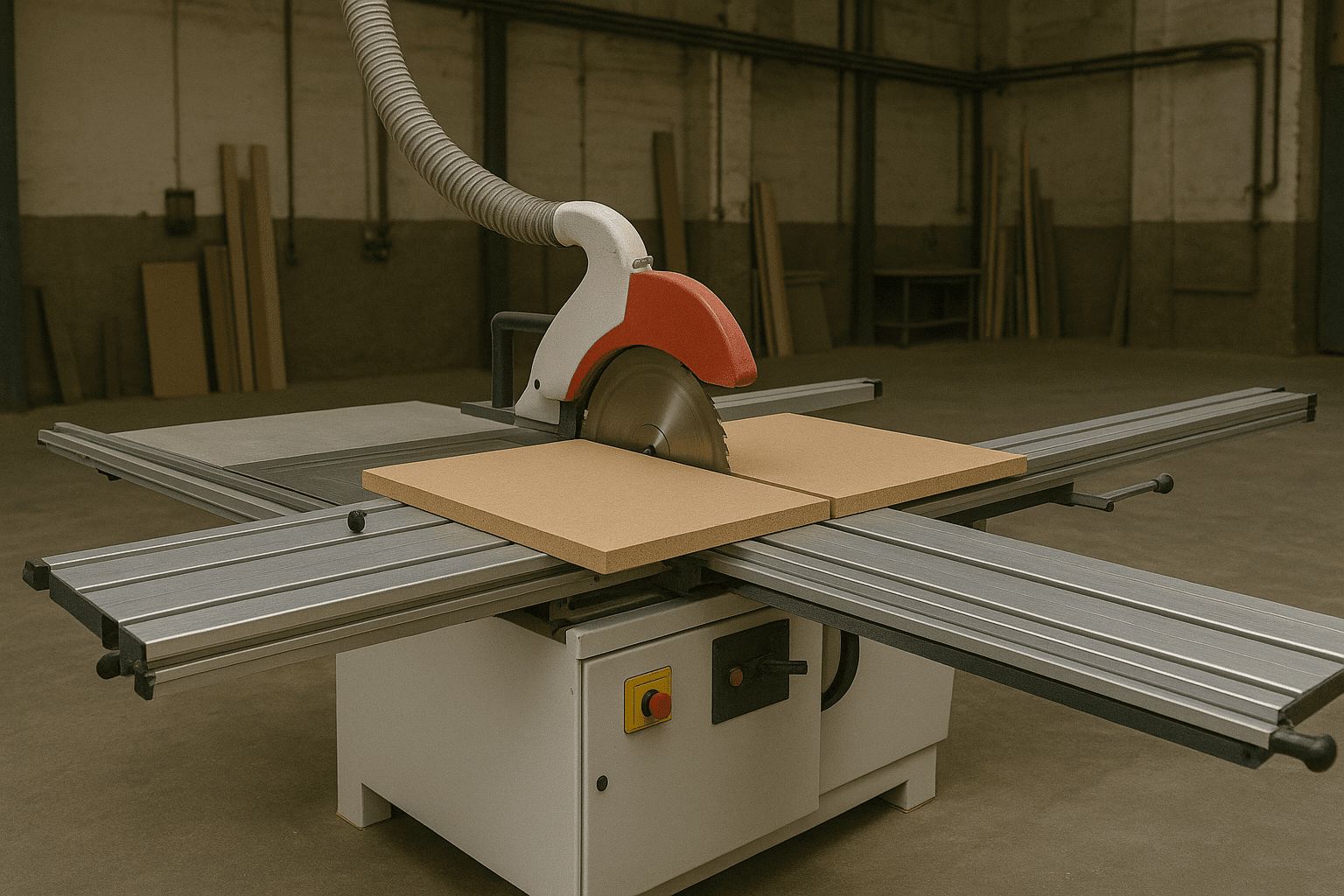
Advantages of ripping wood and panels
Professional ripping has several advantages, and the first is accuracy. The sheet is divided into parts exactly as intended, without drifting dimensions. In furniture this is critical: everything holds together on the fact that the blanks matched to the millimetre. In finishing and construction it matters too: a panel of the wrong length leaves a gap that has to be covered with something. A precise cut simply removes this headache at the root.
The second advantage is careful treatment of the material. A well-thought-out layout of parts on the sheet leaves fewer offcuts, and on large volumes this is no longer pennies but real savings of whole panels. For large production, where the count runs to dozens of sheets a day, every saved percent adds up to a noticeable sum by the end of the month.
The third point is freedom in choosing the material. Ripping handles MDF, plywood, and particleboard with MFC equally well, so you do not have to fit the project around “what they can cut here”. Need a budget option — MFC goes in; need strength — plywood; need a front for painting — MDF. Such flexibility saves both time on finding a contractor and money, and ultimately gives a part exactly suited to the task.
For furniture and construction companies the benefit is especially clear. Outsourcing ripping means not keeping a machine, an operator and space for cutting on your own premises, but getting finished parts on time. Production speeds up, quality is more consistent, and the end product comes out more competitive simply because the basic operation was done cleanly and on time.
Advantages of cooperation: why choose this contractor for ripping
A reliable ripping contractor spares you a whole class of problems. First, stable accuracy: blanks match the dimensions and specifications time after time, rather than “however it turns out this time”. Where the whole assembly depends on accuracy, this is worth a lot — there is no need to re-measure every part and redo what did not fit.
Second, modern machines and software layout reduce waste and speed up the work. Less time on preparation, less material in the bin, a shorter order lead time. For a business that needs parts “yesterday”, speed without loss of quality is often the main argument in favour of a proven contractor.
Third, behind the machine stands a person with experience, not just a button-pusher. They will advise how best to lay out the parts, where to allow for margins, which blade to use for a specific panel. Experience working with different customers — from furniture factories to builders — helps them read the task quickly and offer a solution, rather than sending the blank round in circles of clarifications.
All in all, working with a professional on ripping means precise parts without surprises and a smooth process at all subsequent stages. Less defect, fewer reworks, a predictable result. And when the base is done properly, both assembly and finishing go noticeably easier.


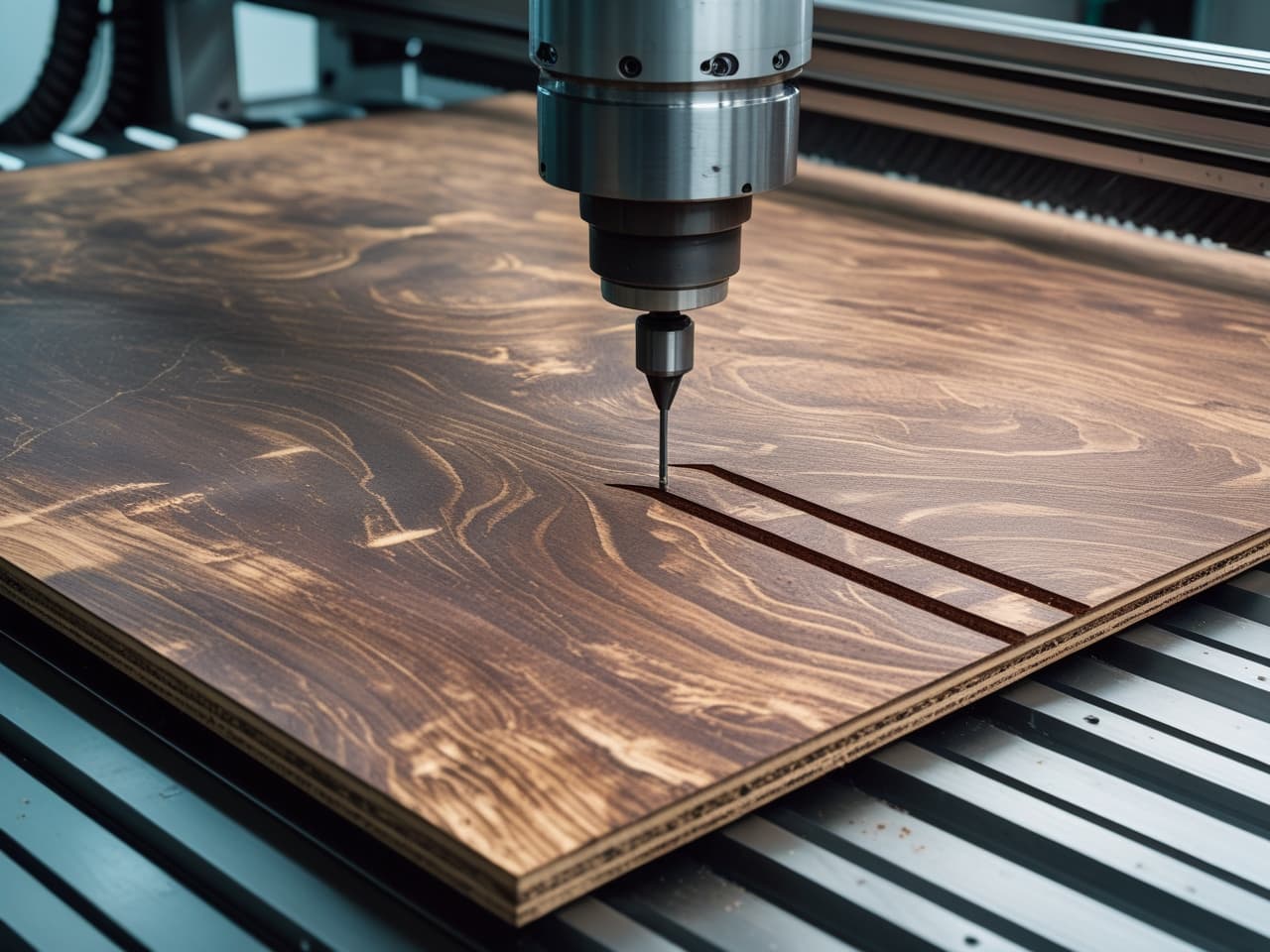


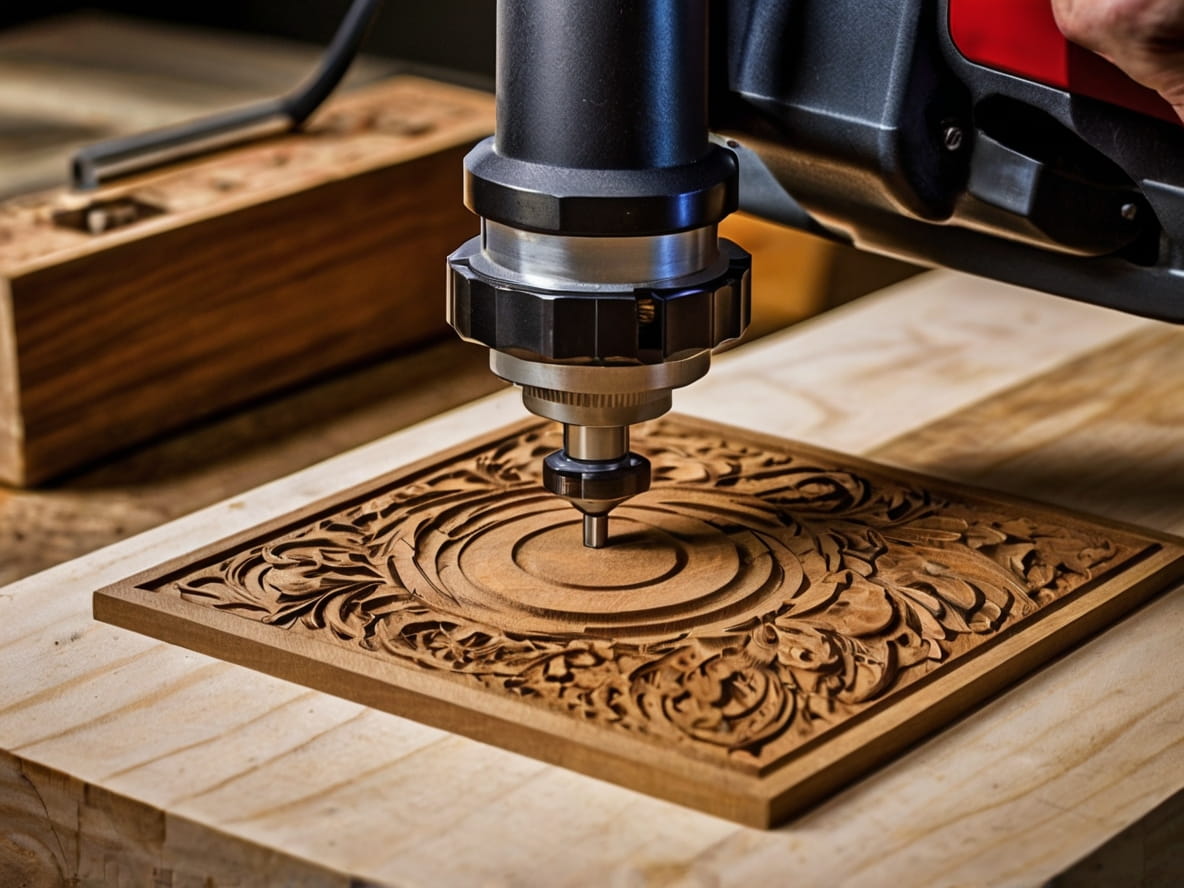


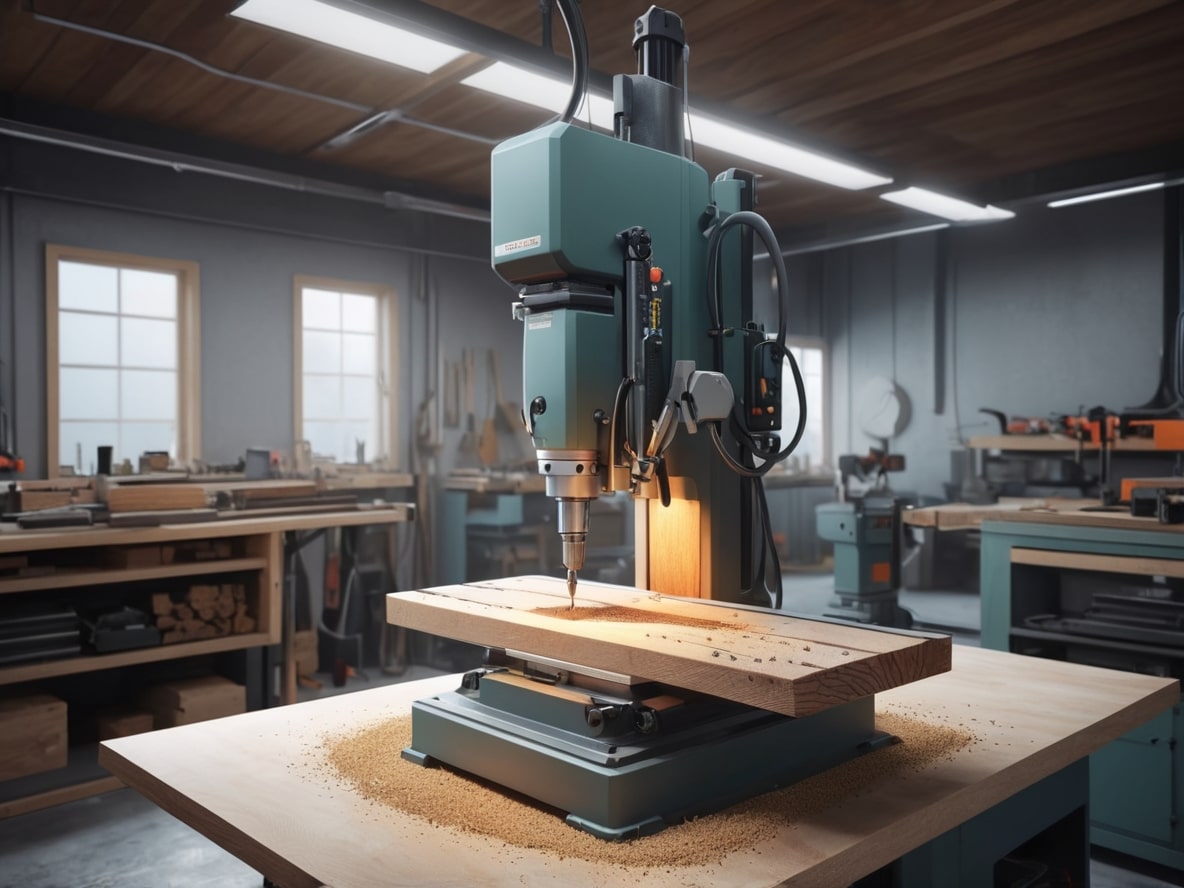


A variety of wood-material processing services
Ripping is rarely needed on its own — usually other operations follow it, and it is convenient when they are all available in one place. Besides ripping, this workshop also handles cutting to size, sanding, edgebanding and other processing. The idea is simple: a part goes through the whole chain under one roof, without being sent between contractors. For furniture makers and builders this saves both time on coordination and nerves at the handovers.
Sanding, for example, removes irregularities and brings the surface to smoothness — the part is ready for painting or lacquer. Cutting to size is responsible for precise sizing, and edgebanding closes the open panel end with tape. The latter is not only about looks: an unclosed MFC edge draws in moisture and crumbles over time, and edgebanding removes this problem.
Each operation covers its own task, and together they add up to a finished result: parts that go straight into use — into furniture, finishing, construction. There is no need to look for who will sand, who will edgeband, who will cut — all of it is handled within a single order.

Our portfolio — finished products
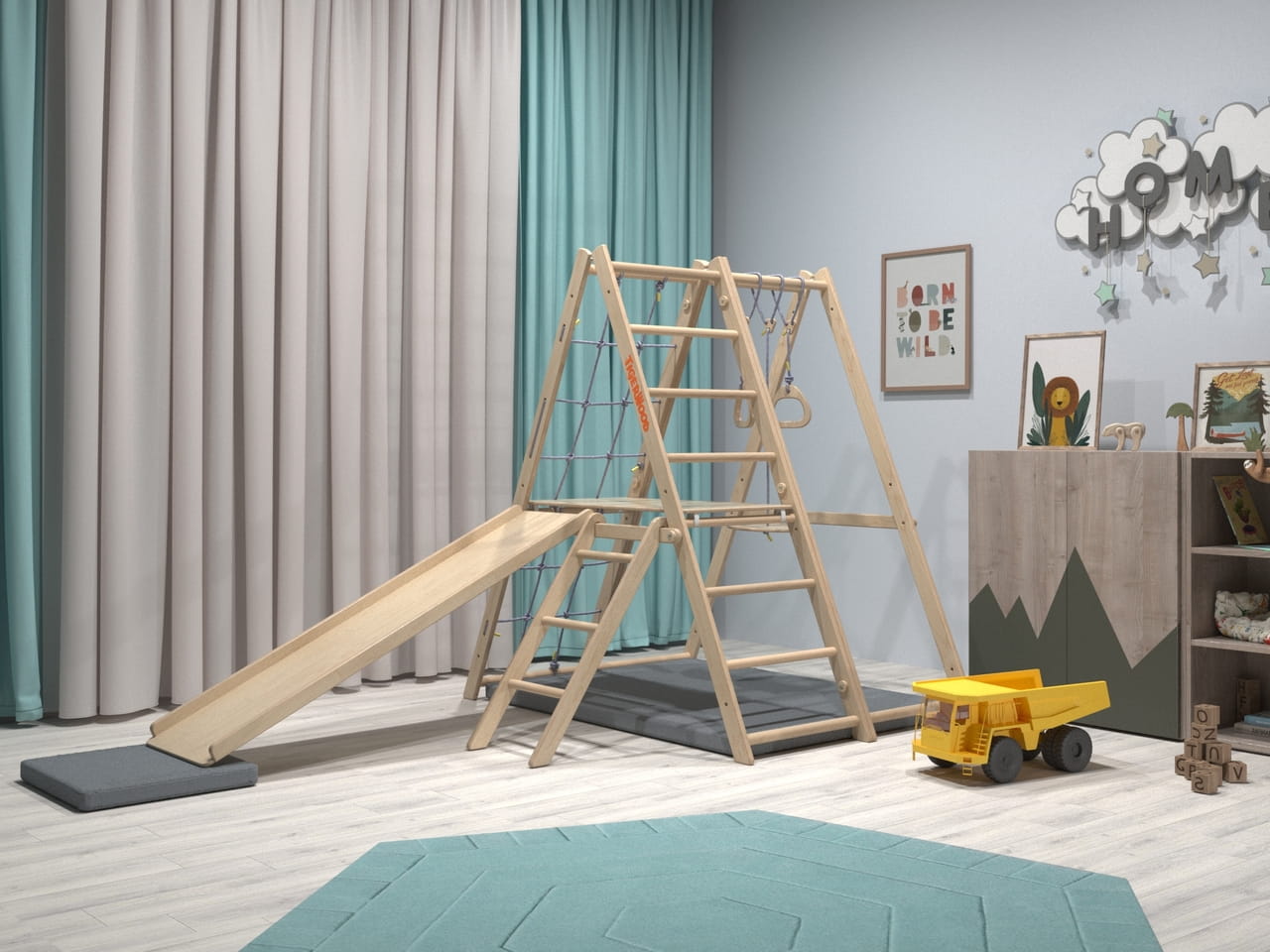
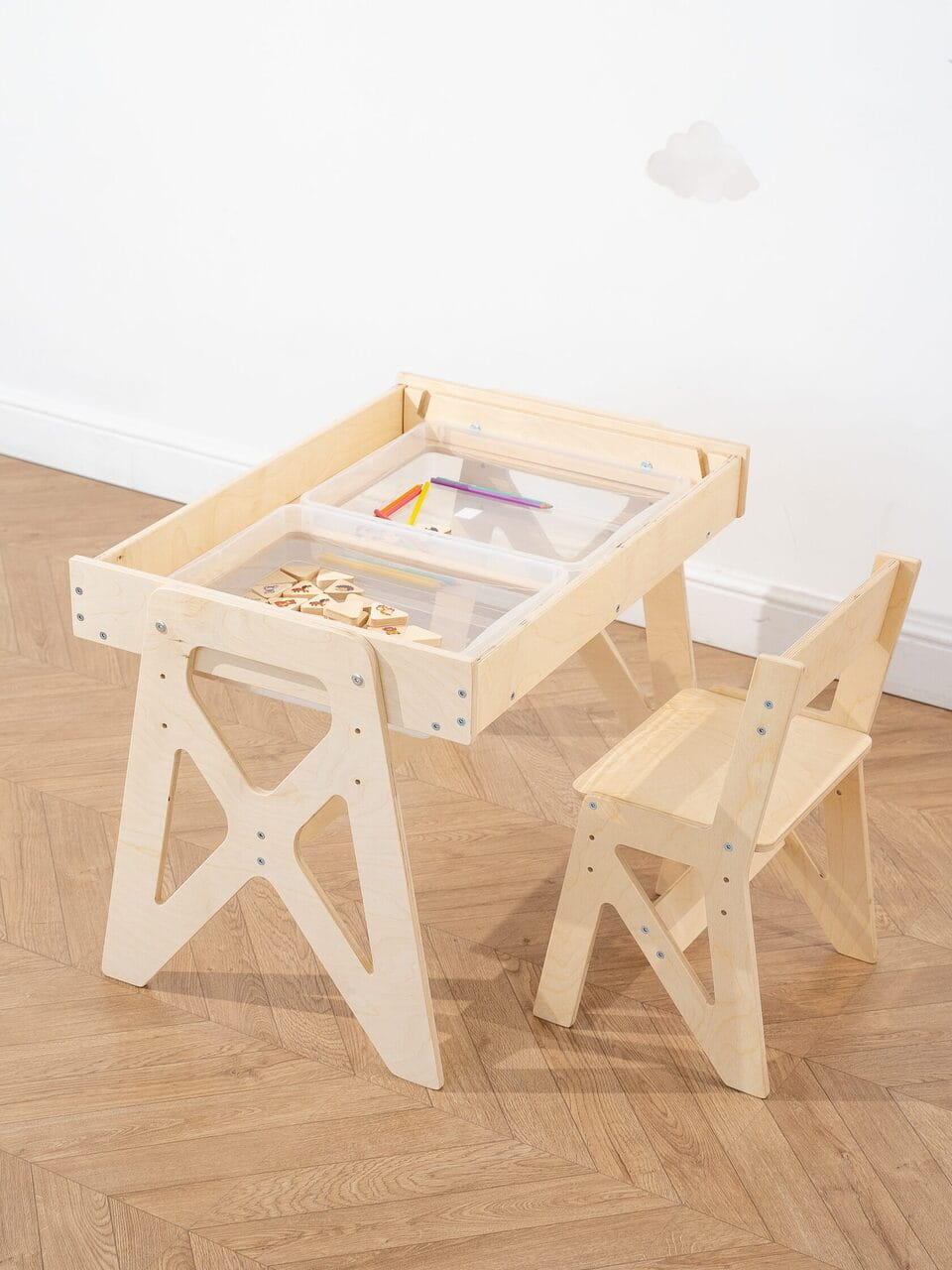


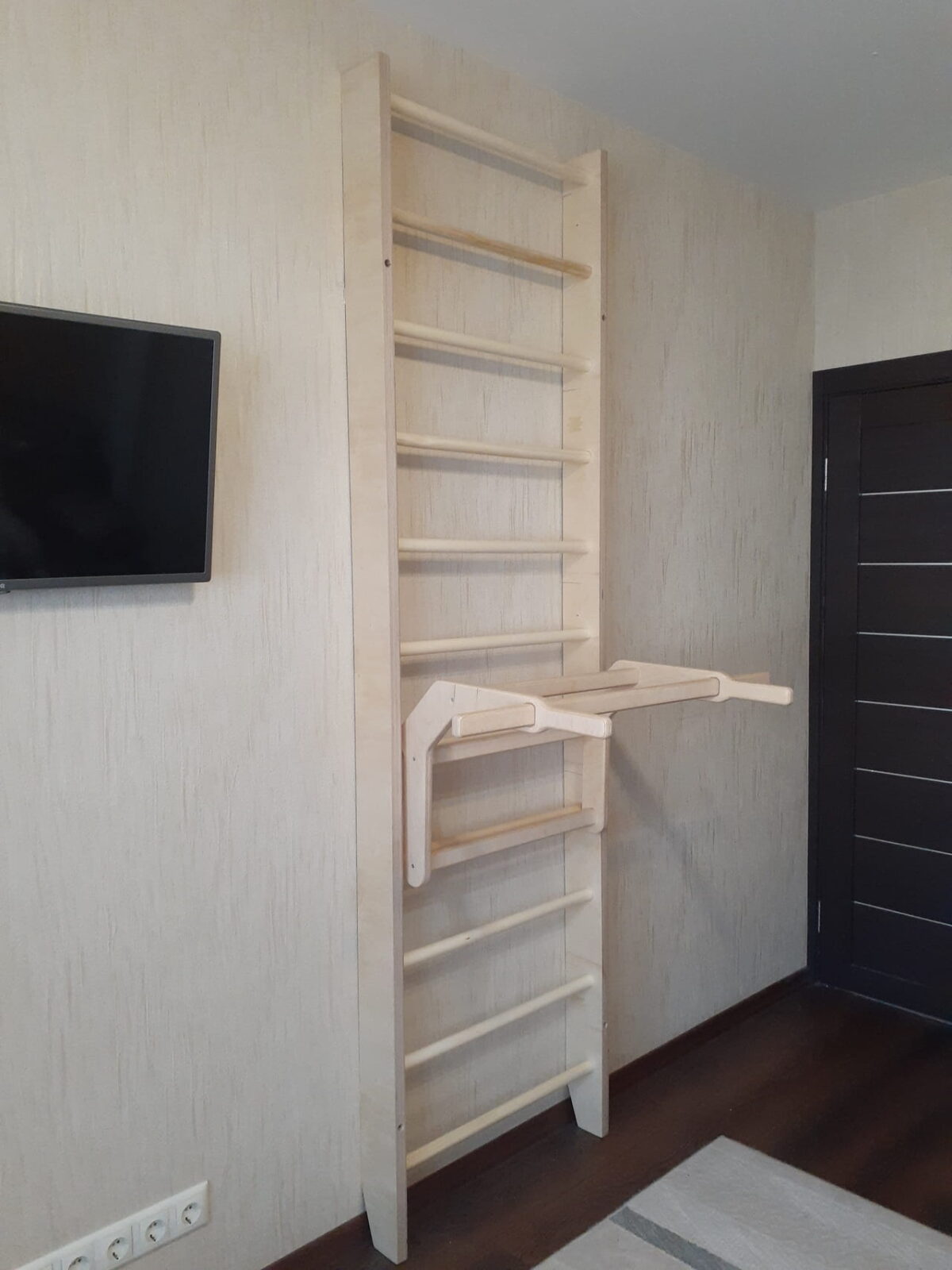
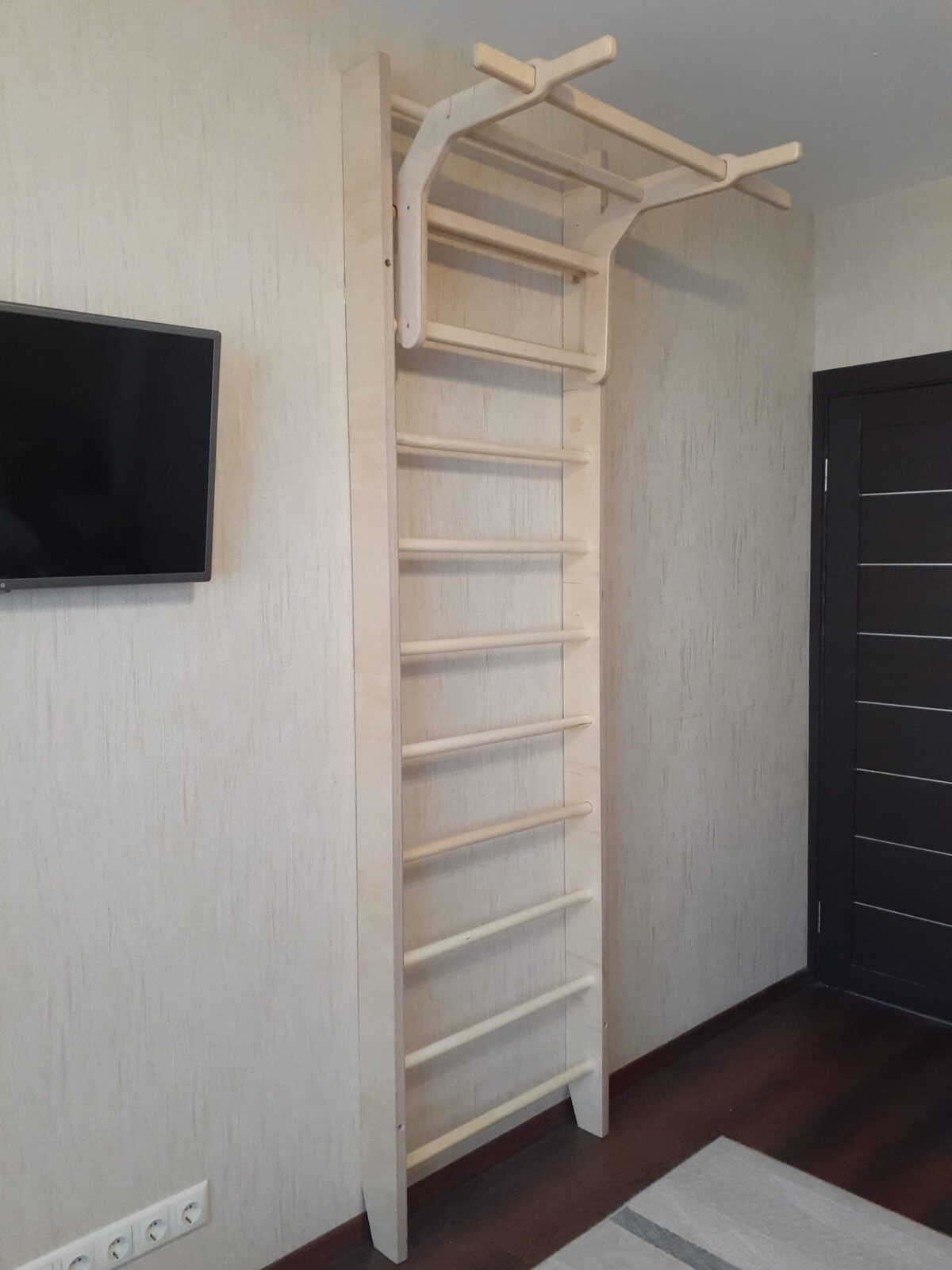
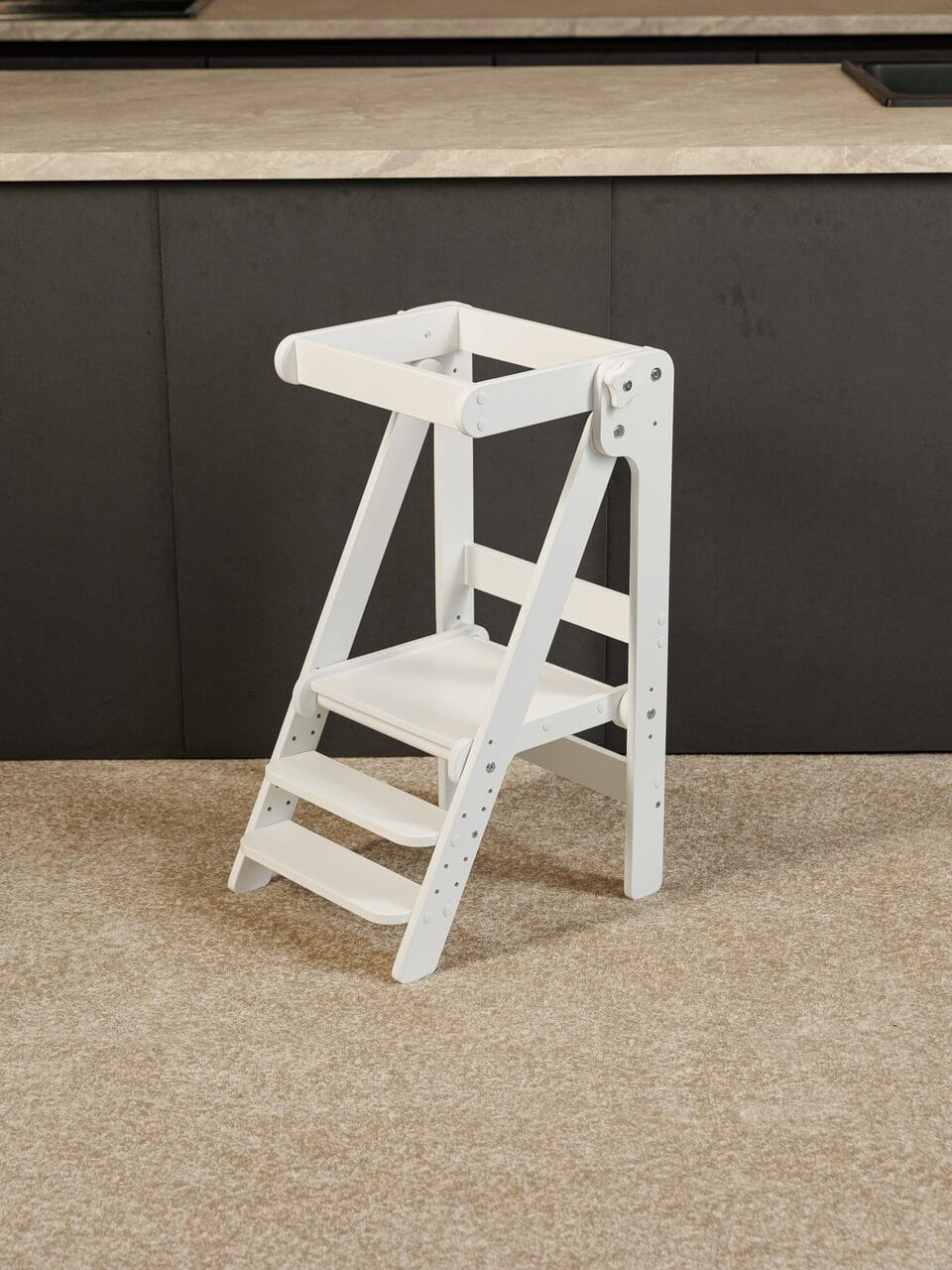





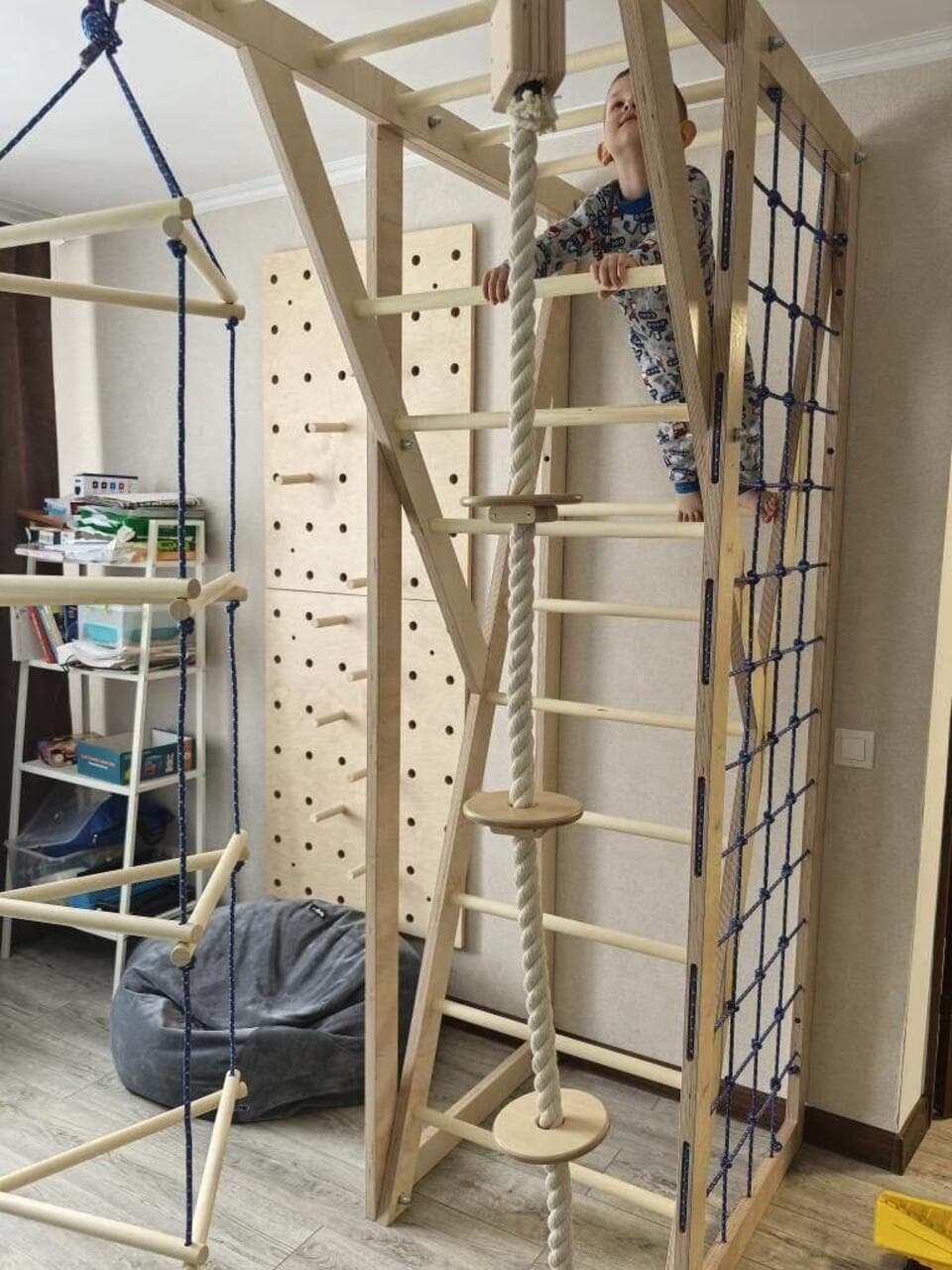
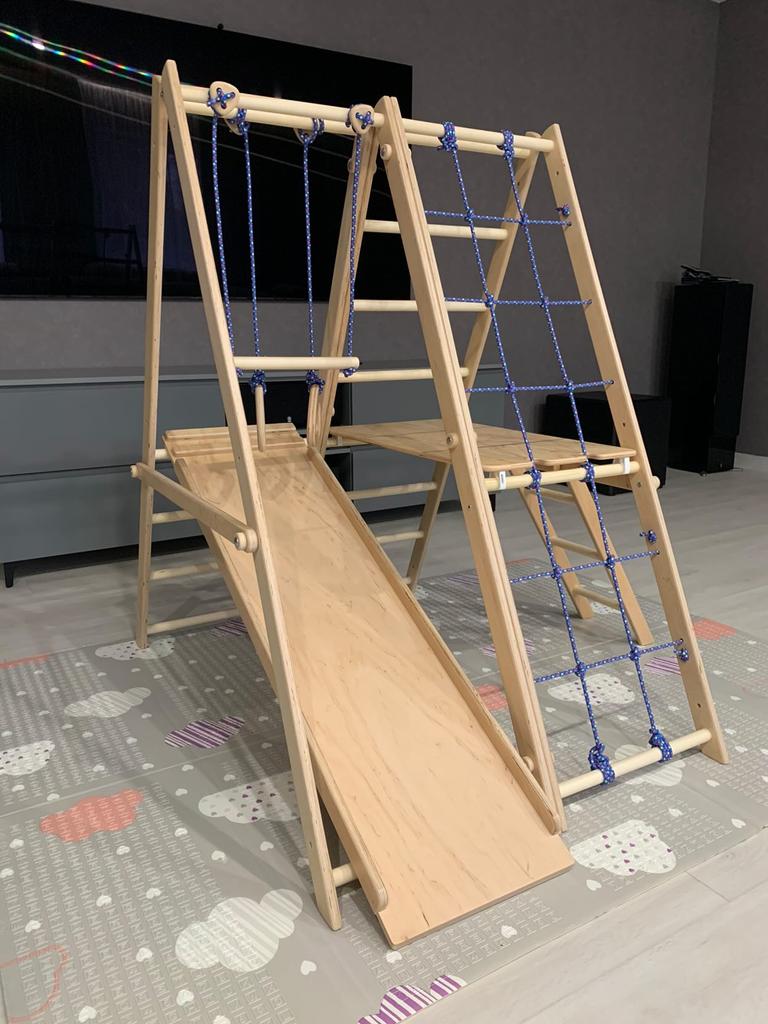





Projects where ripping of wood and panels is used
The field of application for ripping is wide — from furniture to finishing and construction. For large furniture producers it is a basic operation altogether: without a precise division of the sheet you cannot assemble either a cabinet or a kitchen. The factory gets parts exactly to its dimensions, with a minimum of offcuts, and puts them straight into assembly without being distracted by its own cutting.
Builders are frequent customers too: ripping prepares the material for finishing rooms. Wall panels, door inserts, floor elements and other structures are made from evenly cut sheets. On site such parts simply go into place, rather than being fitted with a jigsaw in a cloud of dust — faster and neater.
A separate topic is décor for interiors. A precise cut allows making one-off parts for a specific style and room: window frames, decorative panels, furniture elements. Here ripping often becomes the first step, followed by milling and painting — and it all begins with the sheet being neatly divided into blanks of the required size.
Who uses a carpentry workshop’s services

Furniture makers

Interior designers

Advertising companies

Exhibition stand builders

Art studios

Cafés and restaurants

Construction firms

Retail equipment manufacturers

Furniture factories

Private craftsmen

Custom orders

Manufacturing companies

Museums and exhibition halls

Architects

Theatres and film studios

Educational organizations

Children’s products manufacturing

Repair specialists

Online stores

Sole proprietors
Serving different types of customers
Ripping customers are very diverse. There is the large furniture producer that needs precise cutting and stable material for assembly, and the construction company preparing sheets for finishing. Private and individual orders stand apart — when dimensions are non-standard, the shape is bespoke, and there are simply no ready solutions for such a task. For each case there is its own approach.
Material sellers come too. It is profitable for them to offer not just a sheet, but parts already cut to the client’s needs — this makes it easier to meet the requests of buyers who need material to an exact size rather than a full-format panel. Ripping here works as an additional service that makes the offer more convenient and saves everyone’s time.
Another notable segment is designers and companies that work with interiors. For them ripping provides the basis for quality décor and finishing: even parts from which panels, inserts and design elements are assembled to strict project requirements. When it comes to design, the accuracy of the basic cutting is visible to the naked eye.
Ripping of wood materials — quality, precision and savings
In essence ripping is the foundation on which all further work with the panel stands. Construction, furniture, décor — everywhere it goes first and sets the tone for the rest. The point is not only to cut the sheet: it is important to hold all dimensions to the millimetre, because that is exactly what determines whether the project comes together in the end or falls apart on mismatches.
Quality and precision here directly affect how long the finished product will last and how it will perform. Modern machines deliver both precision and minimal waste at the same time — one not at the expense of the other. For a business this is a double benefit: savings on material and time plus less defect, which means lower final costs and higher return on every working hour.
Ripping is not tied to one material — MDF, plywood, particleboard, MFC and edge-glued panels all go into the work. But there is no universal approach: each has its own density, its own risk of chipping, its own requirements for blade and feed. Correctly chosen equipment and mode are exactly what keep the process under control, rather than sawing everything on “general settings” hoping it works out.
Individual orders deserve a separate mention. Ripping adapts easily to non-standard sizes and shapes, so it suits both serial production and a one-off task for a specific room. One part or a batch — the principle does not change: first it is clarified what is needed, then the sheet is cut exactly to that, without trying to squeeze the order into a ready-made template.
And once more about savings — which is also ecology. Fewer offcuts mean both less money thrown to the wind and less waste to the landfill. A modern layout lets you squeeze the maximum of useful parts out of the sheet. For large production such thrift at every stage adds up to a noticeable reduction in costs by the end of the month — at the same output quality.
Ripping of wood and panels: a breakdown for the customer
Next — practice without generalities: which materials are ripped and what is taken into account, how the types of ripping differ from one another, what makes up the price, how long to wait and which mistakes customers make most often. All of this is from real work, not from a brochure.
Materials for ripping and their features
The material determines the cutting mode, the risk of chipping, and the final price. Solid wood lives and breathes, a panel is more stable but temperamental at the edge. A short cheat sheet will help you get your bearings before ordering.
| Material | Feature in work | Where it is used |
|---|---|---|
| 🟤 MDF | Homogeneous, clean cut, ideal for painting | Fronts, décor, painted parts |
| ⬜ MFC | Ready coating, fragile edge | Carcass furniture, shelves, cabinets |
| 🪵 Plywood | Strong, holds fasteners, layers tear | Frames, stands, bent forms |
| 🧱 Particleboard | Inexpensive base, requires care | Internal parts, rough elements |
| 🌳 Edge-glued panel | Look of solid wood, sensitive to grain | Countertops, shelves, fronts |
| 🟫 OSB | Strong, coarse structure | Construction, rough substrates |
If you are unsure of the choice, it is easier to describe the task and the conditions the part will work in — the suitable material will be suggested. It often turns out that an expensive panel is not needed in a particular case and a simpler option will cope just as well.
Types of ripping
Ripping varies by direction and task, and this determines how the parts are laid out on the sheet.
- ➡️ Longitudinal — along the long side of the sheet or board, most often for slats and long parts.
- ⬇️ Cross — across, to size along the length of the blank.
- 📐 At an angle — when the part is needed with a bevelled edge for a joint or frame.
- 🗺️ By cutting plan — a complex layout of many parts on one sheet with minimal waste.
In practice these options often go together: one sheet is cut both lengthwise and crosswise to get a full set of parts for a product. The order of cuts is planned in advance — this means fewer offcuts and a neater edge.
What makes up the price of ripping
The question “how much does it cost” without details stays without an exact answer — and that is honest. The price is made up of several components, and each can be estimated in advance.
- 📊 Volume — the number of cuts and parts.
- 🧱 Material — its cost and consumption accounting for offcuts.
- 📐 Complexity of the layout — a simple straight cut or a dense cutting plan.
- 🖇️ Additional operations — edgebanding, sanding, end trimming.
- ⏱️ Urgency — work outside the general queue is counted separately.
The simplest way to save without losing quality is to send a clean specification and not rush the deadlines. Reworks due to inaccurate data and a rush mode are usually what add extra percentages to the estimate.
Lead times by order type
The exact date is calculated per order, but there are clear benchmarks. They help with planning — for example, to understand whether ripping will make it in time for furniture assembly or for a date on site.
| Order type | Lead-time benchmark | Example |
|---|---|---|
| ✂️ Simple ripping | 1–2 days | Ripping MFC sheets for a cabinet |
| 🗺️ Cutting by plan | 2–3 days | A set of parts for a kitchen |
| 🖇️ With edge and finishing | 3–5 days | Parts for assembly with edgebanding |
| 📦 Large batch | by agreement | A serial set for production |
If the order is tied to a date, it is sensible to get in touch in advance and leave a small buffer, rather than bringing a specification “for the day after tomorrow”. Then ripping and the accompanying operations make it in time without haste at the expense of quality.
Common mistakes when ordering ripping
Most slip-ups happen not at the machine but at the stage of setting the task. Here is what most often gets in the way of getting the result right the first time.
- ❌ Dimensions “from memory”. One wrong measurement drags a recut of the whole part behind it.
- ❌ Forgotten allowances. No margin for the edge or assembly — the parts do not fit together.
- ❌ Grain direction not specified. For visible parts this matters, otherwise the pattern will “drift”.
- ❌ Skimping on thickness for no reason. Too thin a panel sags under load.
- ❌ Urgency at the last moment. A dense cutting plan and edgebanding do not speed up at the snap of a finger.
It is no big deal if something was not taken into account — that is what the dialogue before the start is for. A good contractor asks these questions before the cut, not after, when correcting is already expensive.
How to prepare a specification for ripping
Good ripping begins with a clear specification. The more understandable the list of parts, the fewer clarifications and the more precise the cut. Putting it together is not hard if you keep a few points in mind.
- 📋 A list of parts with dimensions in millimetres: length × width and the quantity of each.
- 🧭 Grain direction, if it matters for the appearance of the product.
- 🖇️ Where the edge is needed and on which sides — this affects the final size of the part.
- 🧱 Material and thickness: your own or to be purchased to order.
- 📐 Allowances, if the part will go for further processing.
Even if the specification is raw, help will be given to bring it into working shape. But the neater the source, the faster ripping turns into finished parts without re-questions and on-the-fly corrections.
Optimising the layout and saving material
Ripping is not only cutting but also a sensible layout of parts on the sheet. It directly determines how much material goes into use and how much into offcuts. On a large order the difference easily runs to a whole sheet, and that is real money.
Software optimisation lays out parts more tightly than a human and at the same time works out the order of cuts — so there is both less waste and faster work. For the customer this is a double benefit: savings on material and a speeded-up process without loss of quality. It is especially noticeable on series, where the same sheet is repeated dozens of times.
Offcuts, by the way, are not always rubbish. Large remnants often go into small parts of the same project — shelves, inserts, templates. A sensible approach to cutting takes this into account too, so that the useful area of the sheet works to the maximum.
Edge and end treatment after ripping
After ripping the part’s end stays open, and something is usually done with it next. For panel materials this is critical: an unclosed cut of MFC or MDF draws in moisture and over time swells or crumbles.
- 🖇️ Edgebanding — gluing the end with matching or contrasting tape; it protects and gives a finished look.
- 🌀 Sanding — for solid-wood parts, where smoothness for a coating matters.
- 📐 Chamfering — a neat bevel of the edge for looks and safety.
- 🎨 Painting the end — where a solid colour without a visible tape is needed.
It is convenient that all these operations are available right after ripping in one place. There is no need to take parts for edgebanding to another contractor — the chain forms without breaks, and dimensions do not “drift” at the handover between contractors.
Ripping, sawing and cutting to size: what is the difference
Three similar words that are often confused. The difference is practical and affects how you set the task.
| Operation | What it is about | Typical result |
|---|---|---|
| ➡️ Ripping | Longitudinal division of a board or sheet into narrower ones | Slats, lamellae, narrow blanks |
| 🪚 Sawing | Sawing to size, more often straight cuts | Parts of a given length and width |
| 🗺️ Cutting to size | Layout of a set of parts on the sheet | A full set of parts for a product |
In practice these operations often go together: the sheet is first ripped into strips, then cut to size and laid out by plan. That is precisely why they are convenient to order in one place — the boundary between them is conditional for the customer, what matters is the finished set of parts.
Your own material or purchase to order
Material for ripping can be brought by you or ordered together with the work. Both options work; the difference is in convenience and control over quality.
If the material is yours, it is inspected before cutting: the geometry, the moisture content, the absence of hidden defects are checked. A warped board or delaminating plywood — it is more honest to find out before the cut, not after. If the material is purchased for the project, the question of compatibility with the task disappears: exactly what is needed by type and thickness is selected.
Who needs ripping: industries and tasks
Ripping is in demand where precise blanks for further work need to be made from a sheet or board. The circle of customers is wide.
| Who orders | What for |
|---|---|
| 🪑 Furniture makers | Blanks for carcasses, shelves, fronts |
| 🏗️ Builders | Slats, battens, frame elements |
| 📢 Advertising and décor | Bases for stands and structures |
| 🏭 Manufacturers | Components and blanks for assembly |
| 👨🔧 Private craftsmen | A precise cut without their own machine |
One thing unites them: they need a precise cut to size and even blanks that are convenient to work with further. Keeping your own machine for this is unprofitable if ripping is needed from time to time — it is easier to outsource.
A one-off order or ongoing cooperation
Ripping is taken on both for a single board and for regular supplies of blanks. A one-off order is simple: material was brought or ordered, ripped by specification, collected. No future obligations.
Ongoing cooperation is more convenient for those who order blanks regularly. Furniture shops and producers come, over time, to be convinced that it is easier to keep one proven source than to explain the requirements to a new contractor every time. When the client’s specifics are already known, the work goes faster, and quality is predictable from batch to batch.
Order ripping or saw it yourself
The temptation to rip a board on your own is understandable, especially if you have a circular saw. But on long cuts and batches the arithmetic is rarely in favour of doing it yourself.
- ⏱️ Time. Ripping a dozen blanks evenly by hand is slow and tiring.
- 📏 Accuracy. A hand tool wanders, the width of the strips drifts.
- 💥 Edge. Without the right blade the cut comes out with burrs and chips.
- 🧱 Waste. Without a cutting plan it is easy to spoil extra material.
- 🪚 Safety. A longitudinal cut of a long blank on your own is a risk.
For a couple of simple strips a home tool will do the job. But as soon as there are many blanks and accuracy matters, ripping on a machine saves time, material and nerves during subsequent assembly. It is often cheaper to hand the board over once than to redo your own work.
Common misconceptions about ripping
Several persistent myths surround the service, because of which customers either overpay or get the wrong thing.
- 💭 “Ripping and sawing are the same thing.” Close, but not the same: ripping is longitudinal division, sawing is cutting to size in general.
- 💭 “The edge can be left open.” An open panel end draws in moisture and crumbles.
- 💭 “The thinner the strip, the cheaper.” Too narrow parts are harder to guide evenly, sometimes it is more expensive.
- 💭 “Offcuts are not my concern.” A sensible layout saves material precisely at your expense.
Quality control and result guarantee
Control stands at the input and at the output. At the input the specification, dimensions and material are checked: the wrong décor or an extra millimetre of thickness is caught before the cut. At the output the blanks are checked for dimensions and cleanness of the edge. Such a double barrier cuts off mis-sorting before handover to the customer.
If a disputed point arises, it is easier to resolve precisely because the order passed through one pair of hands. Responsibility for the result is not smeared between contractors — there is someone to ask. For the client this is the real guarantee.
Delivery and repeat orders
Finished blanks are shipped across all of Europe. They are packed so that the edge and corners do not suffer on the road, and the terms are agreed to suit the volume and address. For a customer in another region everything looks as simple as for a neighbouring city.
A repeat order is simpler than the first: if the specification has already gone through ripping, the parameters are saved, and the new batch will come out the same. This helps those who assemble furniture or structures in series and, from time to time, buy additional blanks for already finished parts.
More questions about ripping
Can a single board be ripped? Yes, ripping is taken on from a single blank. There is no minimum volume — even one board will be ripped to your dimensions.
How precisely is the strip width held? On a machine the deviation is minimal, the strips come out identical. The exact tolerance is agreed for the task at the preparation stage.
Will you close the edge right away? Yes, edgebanding is convenient to order right after ripping — the end is closed with tape against moisture and chips. This is a separate operation in the same place.
How to know how much material is needed? By the cutting plan: the blanks are laid out on the sheet or board with allowances taken into account, and the consumption and the remainder in offcuts are seen at once.
If your question did not make the list, it is easier to ask it during the discussion. Ripping is convenient precisely because the whole path from board to finished blanks is led by one contractor, and there is someone to ask.
The equipment on which precision rests
Clean ripping is impossible without the right machines, and talk of quality without them is empty noise. A longitudinal cut of a long blank requires rigid fixing and a precise guide, otherwise the strip is inevitably pulled aside, and the width at the end of the board differs noticeably from the start. A panel saw is exactly what solves this task: the blank runs on a carriage along a fixed blade, and the cut line stays strictly straight along the whole length. Where a shaped or complex cut is needed, CNC equipment is brought in, which guides the tool along a set program without human hesitation.
The scoring unit plays no small role either. A small blade passes along the underside of the laminated panel first and scores the coating, so the main cut leaves no chips on the edge. That is precisely why clean ripping of MFC is not luck but a consequence of the right tooling and a tuned mode. A dull blade, the wrong feed rate or a jerk while guiding the blank instantly make themselves known with tear-outs and burrs that then have to be covered with an edge or sanding.
Repeatability deserves a separate mention. When you need to rip not one board but a batch of identical blanks, it is critical that the twentieth strip matches the first to fractions of a millimetre. A stop and machine setting make it possible to hold the dimension serially, without hand-fitting each part. For furniture production or on-site assembly this is a key point: a discrepancy in blank width shows up later as skews and gaps in the finished product.
Material thickness and what it affects
The thickness of the blank is not a secondary detail but a parameter on which the strength of the future product, the cutting mode, and even the price depend. Too thin a strip sags under load and over time droops, especially if it is a shelf or a horizontal element. Too thick is extra weight, extra material consumption and money spent where less would have sufficed. The optimum always lies between these extremes and depends on where and how the part will work.
For load-bearing elements and long spans a thicker material is taken to rule out sagging. For decorative overlays and light parts, on the contrary, a thin blank is more sensible — it is both lighter and cheaper. If you are unsure which thickness to choose, it is easier to describe the purpose of the part and the expected load: the suitable option will be suggested, along with an estimate of how it will affect the weight and cost of the finished product. Such a conversation before starting work saves both money and subsequent reworks.
What an order looks like in practice
So that everything said does not stay theory, here is a typical scenario. A furniture maker is assembling a cabinet and brings a specification: sides, shelves, bottom, top — a dozen parts of different sizes made of MFC of one décor. The sheet is laid out by plan so as to fit the maximum of parts and leave the minimum of offcuts. Then comes ripping into strips, cutting to size, and after that edgebanding of the visible ends. As a result the customer gets a finished set that only needs to be assembled — without their own machine and without hours of fussing with a hand saw.
Another example is a construction crew that needs identical slats for battens. The task is simpler in geometry, but speed and uniformity matter: a hundred laths of one width, cut in a single day. Here ripping on a machine is indispensable — by hand you cannot make such a batch evenly no matter how hard you try. A third typical case is a private person who has bought a sheet of plywood and wants to divide it into neat blanks for their own project without buying a tool for a one-off. All three tasks are covered by one and the same service, only the scale changes.
What happens to the blanks next
Ripping is rarely the end point — more often it is the first step of a long chain. The resulting strips and blanks go on for further processing: they are milled, drilled for hardware, sanded, painted and assembled into a finished product. The convenience of a single site is precisely that the part does not need to be carted between contractors. It passes from one operation to another without loss, and the dimensions do not “drift” at the joints, as happens when ripping is ordered in one place and assembly in another.
For the customer this means predictability. When the whole path from board to assembled product goes under one control, there are fewer grounds for defect and for disputes about whose stage the problem arose at. That is why ripping is often ordered not on its own, but straight away with an eye on the following operations — this way the whole work adds up to a single route rather than a set of disparate services.
Waste, ecology and sensible consumption
The topic of waste seems boring right up until you count the money. On a large batch the difference between a thought-out and a careless layout easily amounts to several sheets of material, and that is a tangible sum. Precise ripping with cutting-plan optimisation reduces losses to a minimum: parts lie on the sheet tightly, offcuts stay large and suitable for small elements rather than crumbling into useless sawdust.
Careful cutting has an ecological side too. Less discarded material means less strain on both the budget and the environment. For production it is also a clean, predictable process: it is clear how many sheets an order will take, and there is no need to buy material at the last moment because of a spoiled blank. A trifle rarely thought about at the start, but which over the distance adds up to noticeable savings and order in the work.
To bring it all together: ripping is a precise longitudinal cut with which most projects in wood and panel materials begin. It is enough to send a specification or describe the task — the blanks will be ripped to size, the edge closed if needed, and handed over ready for further work, within the agreed deadline and without unnecessary loss of material.
A glossary of terms useful when ordering
When discussing ripping, words come up that are familiar to the workshop and hazy to the customer. A small glossary removes discrepancies before the start — when the parties understand the terms the same way, there are fewer grounds for “I thought it would be different”.
| Term | What lies behind it |
|---|---|
| ➡️ Longitudinal cut | Sawing along the long side of a board or sheet |
| 📐 Allowance | A small margin of material for further processing |
| 🎯 Reference edge | The even side from which all measurements are taken |
| 🗺️ Cutting plan | A layout scheme for parts on the sheet with minimal waste |
| 🖇️ Edgebanding | Gluing the end with tape against moisture and chips |
| 💥 Chip | An edge defect — a tear-out of coating or fibres at the cut |
How to speed up the completion of an order
Lead times are largely in the customer’s hands, and a couple of simple things speed up the work noticeably. First — a clear specification with dimensions: when the list of parts is understandable right away, no time is spent on clarifications and re-questions. Second — the material question settled in advance: if it is yours and already brought or agreed for purchase, ripping does not have to be postponed while awaiting delivery. Third — an early request: an order queued without haste goes smoothly, whereas work “for yesterday” always goes harder and more expensively.
Deciding on the end finishing separately is worth it. If it is clear from the start that the parts need an edge or sanding, these operations are planned together with ripping, and the blank goes through the whole route without pauses. But when the requirements surface only after the cut, the parts have to be returned for additional processing, and that is extra time. So the fuller the picture of the task at the start, the shorter the path to the finished result.
Panel saw or CNC: what and when
For a straight longitudinal cut to size the main tool is a panel saw. It is fast, gives a clean edge and copes excellently with standard ripping of a sheet into strips. When there are many parts and they are simple in geometry, this is the most efficient path: minimum time on setup, maximum speed.
CNC equipment is brought in where not a straight line is needed but a complex contour, a shaped cut or a combination of operations right in the course of cutting. CNC guides the tool by program, so it repeats any trajectory without deviation and puts out the first part the same as the hundredth. The choice between these paths is made based on the task: where a panel saw suffices there is no sense in over-complicating, and where geometry is needed the program wins. The customer does not have to delve into this — the suitable method will be chosen for them.
Combined materials in one order
Often one project is put together from different materials at once: a carcass of MFC, inserts of MDF for painting, a back panel of hardboard, shelves of an edge-glued panel. Ripping and cutting of such a set is convenient to run in one place — each material is ripped in its own mode, and the output is a coordinated set of parts for one product. There is no need to spread the order among different contractors and then bring their deadlines and dimensions together.
This is especially appreciated by those who assemble furniture or equipment turnkey. A mix of materials in a separate order easily turns into a mismatch of dimensions at the joint: one part from one batch, another from another, and suddenly the front does not seat evenly. When the whole set is ripped at one site by a single specification, such a problem simply does not arise — all parts come out coordinated with one another.
Consultation before ordering
Discussing the task commits you to nothing. You can simply describe what is needed, attach dimensions or photos — and get a benchmark on price, deadlines and the suitable material. At this stage useful details usually surface: where to take a thicker panel, that the edge is easier to close right away, that a part is more convenient to split into pieces or, on the contrary, to combine. Such a conversation saves both money and time, and removes half the questions the customer came with.
And a final practical piece of advice: ripping is more advantageous to order straight away with an eye on the next stage. When it is known that the blank will go for edgebanding, drilling or assembly, the cut is made at once with the required allowances and reference edges. Then the whole chain forms without fitting, and the finished parts arrive exactly to size and on time, ready for further work.
Seasonality and production load
Woodworking has its own ebbs and flows. Before major holidays, at the height of the construction season and during a furniture boom, the queue for ripping is naturally denser, and lead times stretch a little. In quiet periods, on the contrary, a simple order goes through almost without waiting. Knowing this seasonality helps with planning: if a project is tied to a date in the hot season, it is more sensible to get in touch in advance and book time, rather than count on the blanks being cut the same day. Regular clients are the winners in this sense — it is usually easier for them to get priority in the queue, because their tasks are already familiar to the production.
Why a single site is more advantageous in the end
The temptation to assemble a project from the cheapest contractors is understandable: ripping is cheaper here, an edge with a discount there, assembly entrusted to a third party. On paper it is savings, in practice — a risk. Every joint between contractors is a place where time is lost, mis-sorting surfaces, and an argument begins over who is to blame for a dimension mismatch. A blank ripped in one place, edgebanded in another and assembled in a third too often “does not fit” at the finish, and the rework eats up the whole difference in price plus extra days.
A single cycle at one site is a bit more expensive in the moment, but usually wins out in the end — thanks to deadlines, the integrity of the result and one party responsible for everything. When ripping, edge treatment and subsequent operations go one after another under common control, the dimensions do not “drift”, and the customer does not have to bring together the work of several contractors. That is precisely why many, having once tried to assemble a project in pieces, hand it over whole the next time.
How to estimate the cost in advance
The exact price of ripping is calculated for the specification, but its components are clear, and you can estimate the order of magnitude yourself. The basis is the number of cuts and parts: the more of them, the higher the volume of work. Then comes the material accounting for consumption and offcuts, the complexity of the layout, the need for end finishing and urgency. The simplest way not to be surprised by the estimate is to send a neat specification and not rush the deadlines. Reworks due to inaccurate data and work in rush mode are exactly what add those percentages you wanted to avoid. A transparent calculation in advance is in the interest of both parties: both cost and deadline are fixed before the start, without surprises along the way.
Finishing the blanks after ripping
A ripped blank rarely stays in its original state — more often it is brought to the required condition. For panel materials this is first of all the edge that closes the open end, and for solid wood and edge-glued panels — sanding and a protective coating. The choice of finish depends on where the part will work: a damp kitchen, a dry living room and an outdoor structure require different approaches. An outdoor blank needs durable protection against moisture and UV, an interior one — a surface pleasant to the touch and a precise shade. All this is convenient to plan straight away, together with ripping, so that the part goes through the whole path without pauses and unnecessary transport.
If it is unclear in advance which finish to choose, it is enough to describe the purpose of the part — a suitable solution will be suggested. It often turns out that an expensive coating is excessive in a particular case, and a simple impregnation or edge will cope just as well and cost less. Such sensible selection is what distinguishes a thought-out order from work at random: the blank gets exactly the treatment it needs, without overpaying for the excess.
Another question worth clarifying in advance is the grain direction on visible parts. For furniture fronts and elements that will be in view, it matters that the pattern runs in one direction and the parts look like a single whole. During ripping this is taken into account by laying out the blanks on the sheet with regard to the grain, not only to area savings. If the pattern direction is fundamental for your project, it is enough to indicate this in the specification — then the finished set will come together into a neat, visually whole thing without a “scattering” pattern.
Finally, it is worth remembering about a material reserve. During cutting, part of the sheet inevitably goes into offcuts, especially if there are few parts and they are of different sizes. A small reserve of material is normal insurance, not overpayment: it is better to have a buffer than to stop ripping over a shortage of a couple of centimetres of panel and wait for a new delivery. A sensible layout reduces losses to a minimum, but on a complex set a small reserve is still laid in in advance.
What is ripping of wood materials?
Ripping is the division of large sheets (MDF, plywood, particleboard, MFC and others) into parts of the required size with millimetre precision. In essence, it is the basic first step: without it you cannot start furniture assembly, finishing or construction — the product is then assembled from the finished blanks.
Which materials can be ripped?
Practically the whole range of common sheet material is ripped: MDF, plywood, particleboard, MFC, OSB and edge-glued panels. Each material has its own approach and its own tool: what is good for strong plywood is not suitable for delicate MFC with its fragile edge.
What technologies are used for ripping?
The work uses precise saws and machines with a clean cut — panel saws and band saws. Such equipment holds the dimension, leaves a clean edge without chips and allows parts to be laid out tightly on the sheet so that there are fewer offcuts.
What are the advantages of ripping for business?
For business, ripping saves both time and money: production goes faster, there is less waste, parts arrive finished and precise. There is no need to keep your own machine and operator for cutting — the basic operation is outsourced, and your own capacity is freed up for assembly.
How to choose the right equipment for ripping?
The machine is selected to suit the material, its thickness and the required cutting accuracy. For thin coated MFC the logic is one thing, for thick plywood — another. The customer does not need to think about this: the suitable tool will be chosen on the spot, based on what needs to be produced and from what.
How is the cost of the ripping service calculated?
The price is made up of volume, type of material and complexity of the cutting. Plus additional operations are taken into account if they are needed — sanding, edgebanding, end trimming. The exact sum is named per specification, before the work begins, so that there are no surprises in the process.
Can ripping be ordered with individual dimensions?
Yes, ripping to individual dimensions is a routine matter. Parts are cut exactly to your drawing or specification, including non-standard dimensions for a specific project. Ready-made templates are not imposed here — you set the size.
What warranty obligations are provided for the ripping service?
The work comes with a quality guarantee: the dimensions and specifications of the parts correspond to those declared. Simply put, you get exactly what was in the specification — with a clean edge and to the exact size, not “roughly what you ordered”.
Reach us in whatever way suits you best
Call us, message us on a messenger app or reach out via social media — choose whichever way suits you
🗺️ We accept orders from clients all across Europe
💬 Useful information and articles

Eco-friendly and safe materials for modern wood production
Eco-friendly and safe materials for modern wood production In recent years we increasingly think about what the things around us are made of. A home, furniture, a floor, a kitchen, a

How to Correctly Choose Between Plywood, MDF, Particleboard, and MFC for Different Tasks
How to Correctly Choose Between Plywood, MDF, Particleboard, and MFC for Different Tasks In the world of woodworking and furniture making, every material has its own story. Plywood, MDF, particleboard, and

Cutting sheet wood materials at different angles: why and how it is done
Cutting sheet wood materials at different angles: why and how it is done Working with wood materials is not just sawing. To get a truly high-quality and durable product, you have

Recommendations for choosing sheet materials for indoor and outdoor projects
Recommendations for choosing sheet materials for indoor and outdoor projects In woodworking, choosing the right sheet material is like laying a foundation for a builder. What you pick at the very