

Cutting MFC and MDF to Size
Cutting MFC and MDF to size is the precise cutting of sheet panels into parts of a set dimension with a clean edge, following your drawings or specification. We work with MFC, MDF, plywood, particleboard, OSB and edge-glued board; cutting is done on panel saws and CNC machines with millimetre accuracy, from a single part to a full production batch. Below: which materials are cut, what stages the work involves, how long it takes, how to calculate the number of sheets, and who needs this service most often.
High-Precision Cutting of MFC and MDF
Cutting MFC and MDF to size, along with plywood, particleboard, OSB and edge-glued board, is the very first step from which almost any product begins: furniture, retail equipment, decor, a building structure. The idea is simple: a large sheet is turned into a set of parts of the required size, ready for assembly or further processing. It sounds routine, but it is precisely this step that determines whether everything else will fit together later. The work runs on CNC and panel-saw equipment, which is where the accuracy, the speed and the low waste percentage all come from.
The accuracy of the cut determines the entire downstream chain. Parts cut to size, and assembly goes like clockwork, joints with no gaps, fronts flush. A cutter off by a couple of millimetres, and the furniture maker later makes up for it with shims and on-site trimming. That is why accurate cutting of MFC and MDF saves not only material but also nerves at the following stages: the more even the blanks, the fewer surprises during installation.
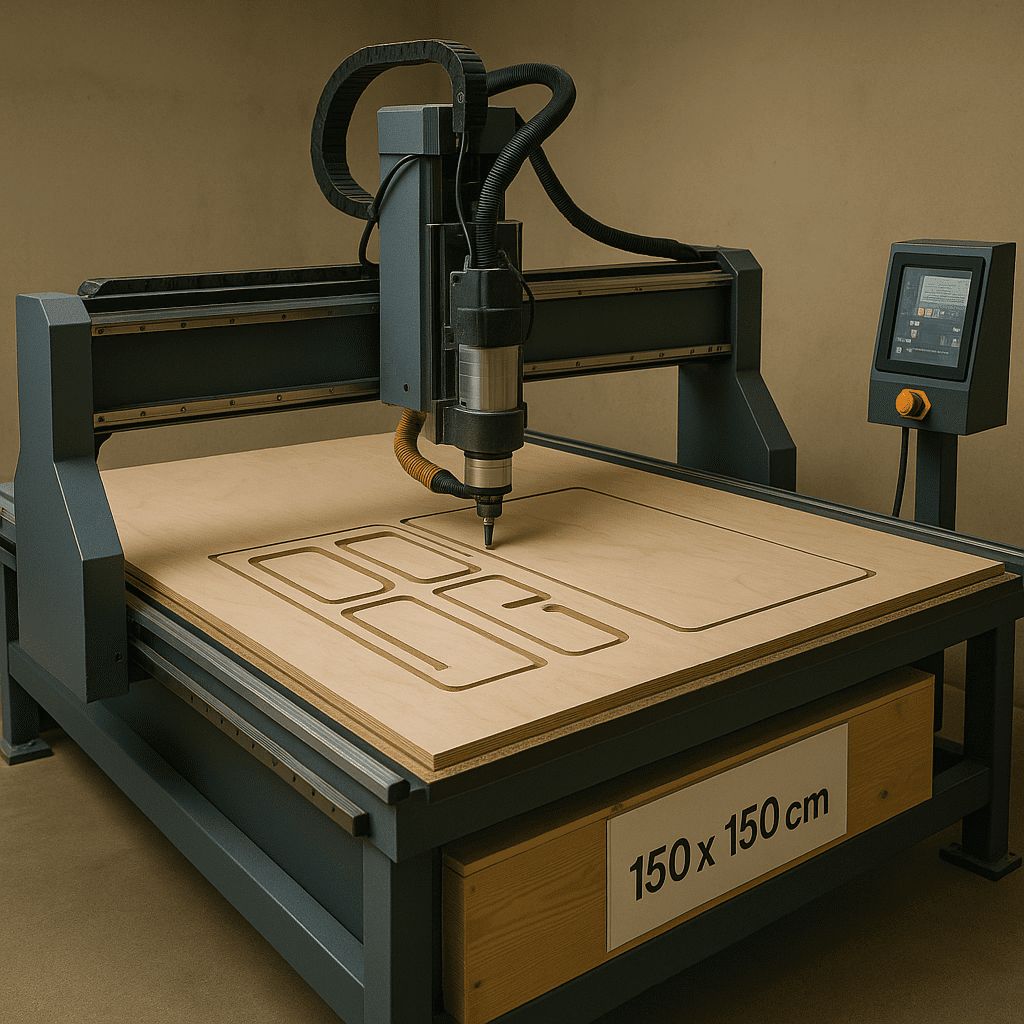
Cutting is not limited to a straight line. Straight and angled edges go without saying, but when needed a sheet is cut along a curve, a complex contour is cut out, internal openings are made. A simple rectangle for a shelf and an intricate part for an interior go through the same equipment, just with a different program. And the material dictates no limits: inexpensive particleboard, MFC that is fussy on the edge, smooth MDF ready for painting, layered plywood, each is given its own cutting mode and tool.
Customers come from the most varied fields. Furniture makers order sheet cutting into parts, fronts, shelves, worktops, cabinet sides; for them it is a daily routine that is easier to outsource than to keep their own machine. Builders order cutting for partitions, wall panels, frames and rough structures. Designers order it for non-standard decor. Each has their own task, but they all share one thing: they need precise parts cut to size, not pieces of a sheet that are only “roughly similar”.
The benefits of working with professionals

Modern equipment
Panel saws, CNC and milling machines — precision, speed and quality guaranteed

Extensive experience and expertise
We know how to handle wood and sheet materials — reliably, precisely, professionally

Fast order fulfilment
Fast and without compromising quality. We value your time and our commitments

A full range of services in one place
Cutting to size, sawing, milling, sanding, painting, assembly — all in-house, with no middlemen
Trusted materials and consumables
We work only with quality materials, so you can be confident in the result

An individual approach to every client
We work to your drawings, create a machining program for the task and account for every detail
Features of the sheet-material cutting service: accuracy, quality and speed
A good result rests on several things, and the first of them is accuracy. It seems, what is one extra millimetre? In reality it adds up with the neighbouring ones, and when assembling a cabinet it shows up as a misaligned door or a gap you can see the wall through. That is why cutting is done on equipment that holds the dimension steadily without slowing down: both accurate and fast. One without the other is of little use to anyone, the customer needs both even parts and a reasonable lead time.
The second point is that every material has its own character, and cutting MFC and MDF proceeds differently. Plywood is strong but likes to chip on the edge if the blade is dull or the feed is jerky. MDF is smooth and uniform, ideal for painting and milling, but it is easy to leave a mark when cutting it, so the equipment is set up more carefully. MFC and particleboard are the cheapest and most common, but MFC’s decorative coating is fragile: without a scoring saw the edge chips out. Knowing these habits is what separates a clean cut from a “that will do”.
Geometry is a separate story. It is not enough to hold the length and width; right angles and parallel sides matter too. A part can be cut to size but come out as a “rhombus” instead of a rectangle, and that shows up immediately during assembly. Angled cuts are especially critical: here an error of half a degree on a long edge shifts the joint noticeably. That is why squareness and angles are watched just as closely as the millimetres.
Often the cut is not yet the end. After cutting, the panel edge often needs to be closed off: MFC’s exposed edge draws in moisture and crumbles, plywood’s layers stick out. So edge banding, sanding or a protective coating follows. For thin, delicate sheets such as MDF or plywood this is especially important, otherwise a fine part will start to fray along the edge within six months. It is convenient when all of this can be ordered in the same place as the cutting.
Stages of cutting wood and panel materials
Consultation
Receiving drawings or developing a plan
Agreeing lead times and cost
Launch into production
Quality control at every stage
Finishing
Packaging and preparation for shipment
Delivery or pickup
Stages of the cutting service: from feeding the material to the finished product
Cutting breaks down into several stages, and the first is taking the order. The customer brings a specification: what parts, in what sizes, from which material and how many. Right there the details are talked through, whether an edge is needed, where the grain should run in one direction, what allowances to build in. The more specific the input, the fewer re-checks later. No ready list, we will help put one together, as long as the dimensions are clear.
Next comes preparing the material. The sheets are inspected: any cracks, swelling, chips, has the panel warped. A defective sheet is better rejected right away than driven into the cut to get a defective output. In parallel a cutting map is drawn up, a scheme of how to lay out the parts on the sheet so that less offcut remains. When everything checks out, the sheet is placed on the machine table and the cut itself begins.
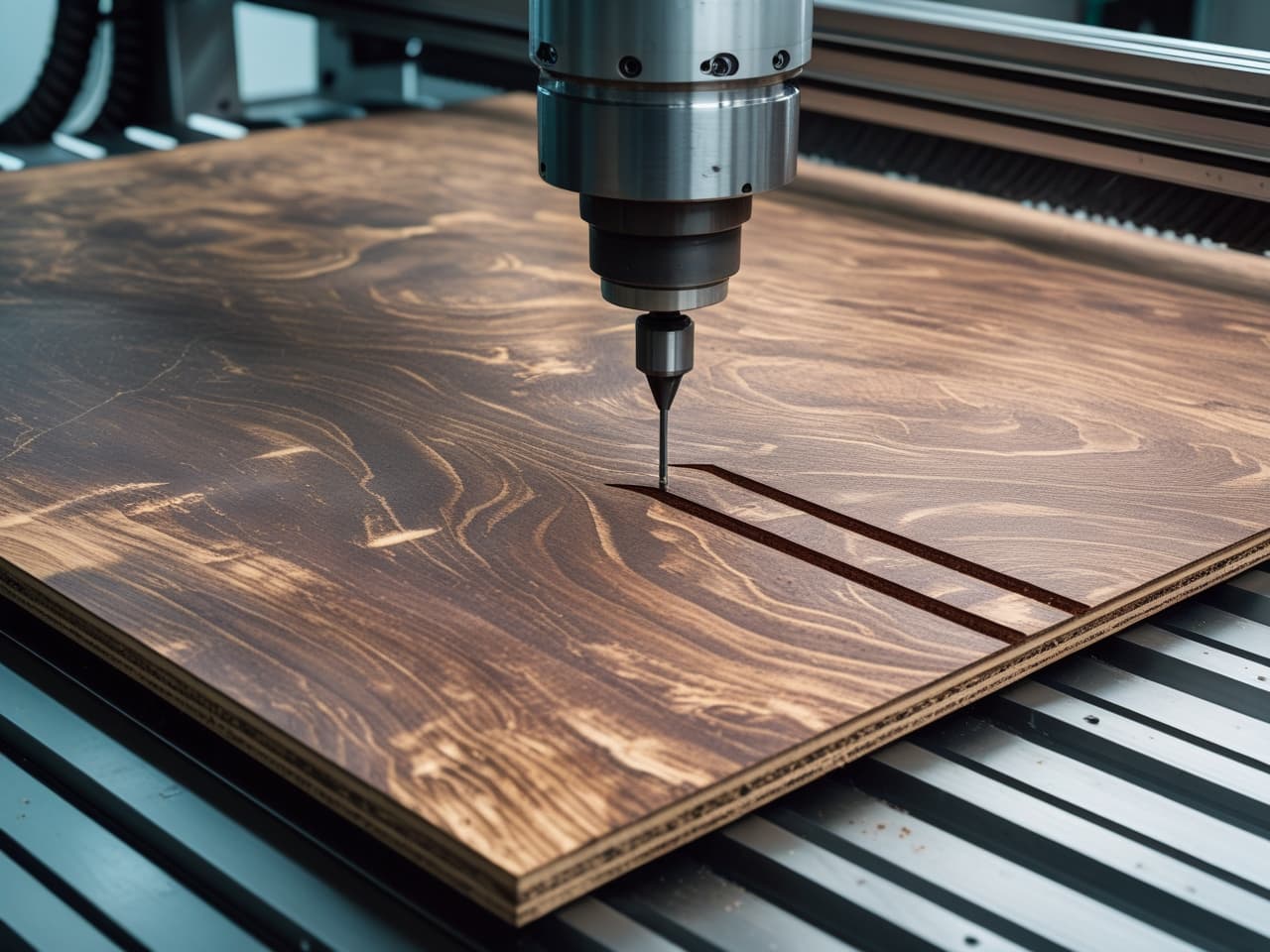
The cut itself runs on high-precision equipment that holds the dimension and leaves minimal waste. The method is chosen to suit the task. A panel saw with a scoring blade makes a straight cut of a sheet fastest and cleanest. Where a shaped contour, internal cutouts or complex geometry are needed, a CNC router comes into play. For plywood and MDF this is usually sawing and milling, not anything exotic, what matters is not the name of the technology but a sharp tool and the right mode.
When the parts are ready, they are checked. Each is compared against the sizes and shape from the specification: will it fit for assembly, has the geometry drifted. This is where the odd defective part is caught before it reaches the customer along with the whole batch. If needed, the edge or a problem area is reworked, burrs are removed, a minor chip is dealt with, it is sanded. Only after that are the parts packed and handed over.

Sheet-material cutting services: high quality and precision
Why do people go to a production shop for cutting rather than sawing it themselves? There are several reasons, and the first is accuracy. CNC equipment holds the dimension where a hand tool already wanders. For assembly and installation this is decisive: parts sit together without adjustment, nothing has to be trimmed on site. Once you have received an even set, you no longer want to go back to homemade sawing.
The second reason is speed. A machine gets through a sheet in minutes and does not tire on the hundredth part. A batch that would take a day by hand is cut several times faster by the equipment. For those working to tight deadlines, a furniture shop before a kitchen install, a store before opening, this is not an abstract convenience but the very possibility of making it in time.
The third reason is material savings. The program lays out the parts on the sheet more tightly than can be done by eye, and less goes into offcuts. On a single panel the difference is unnoticeable, but on a batch of fifty sheets a smart layout saves several whole sheets, and that is real money. For those working in large volumes, such optimisation pays off quickly.
And cutting also simplifies everything that follows. When the parts are already at the exact size and correct shape, edge banding, drilling and assembly go without a hitch, nothing has to be finished off or adjusted. Fewer manual operations mean fewer chances to make a mistake, and therefore higher quality of the finished product. In essence, precise cutting sets the tone for the whole project.
Advantages of working with us: why you should choose this service
Working with a production shop rather than a hobbyist “in a garage” pays off for several reasons. The first is predictable quality. High-precision equipment removes the human factor: the result does not depend on whether the operator got enough sleep or whether their hand trembled. For a project where the parts simply must fit, this consistency from one time to the next matters more than a one-off stroke of luck.
The second is savings of time and money. The customer gets parts cut to size with minimal waste, and does not need to keep their own cutting section, buy a machine, pay an operator and set aside floor space for it all. This is especially handy when cutting is not needed every day: it is easier to outsource it than to run idle equipment.
The third is flexibility. Both a large volume and a small series are taken, as well as a one-off order for a couple of parts. Nobody turns a client away with the words “come back with ten sheets or more”. Want to cut one sheet for a shelf, one sheet will be cut. Need a batch for a whole project, a batch will be made. The format adapts to the task, not the other way round.
Taken together, these things are what make cutting MFC and MDF at a production shop a sensible choice for everyone who values accuracy, a clean edge and a predictable lead time, rather than a lottery with an unclear result.








All types of woodworking services: unlocking possibilities for different material types
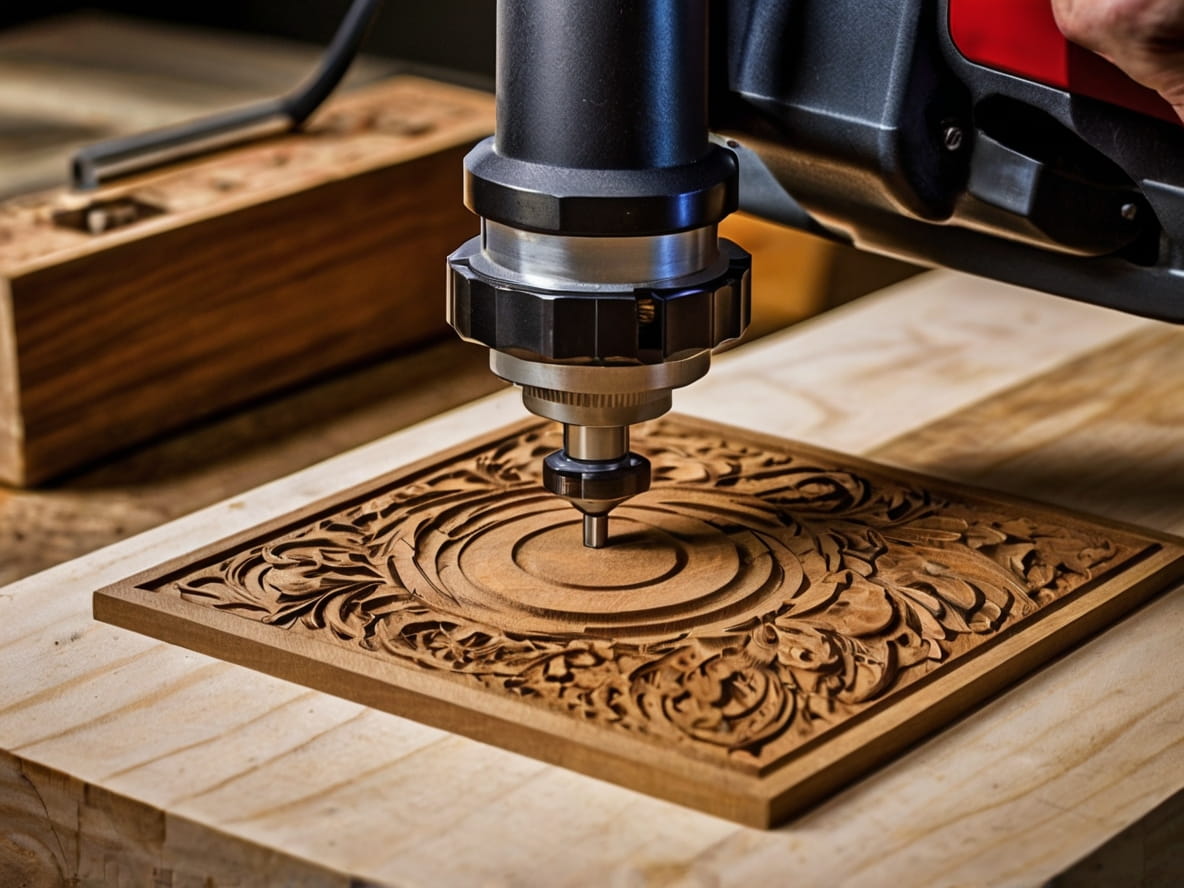
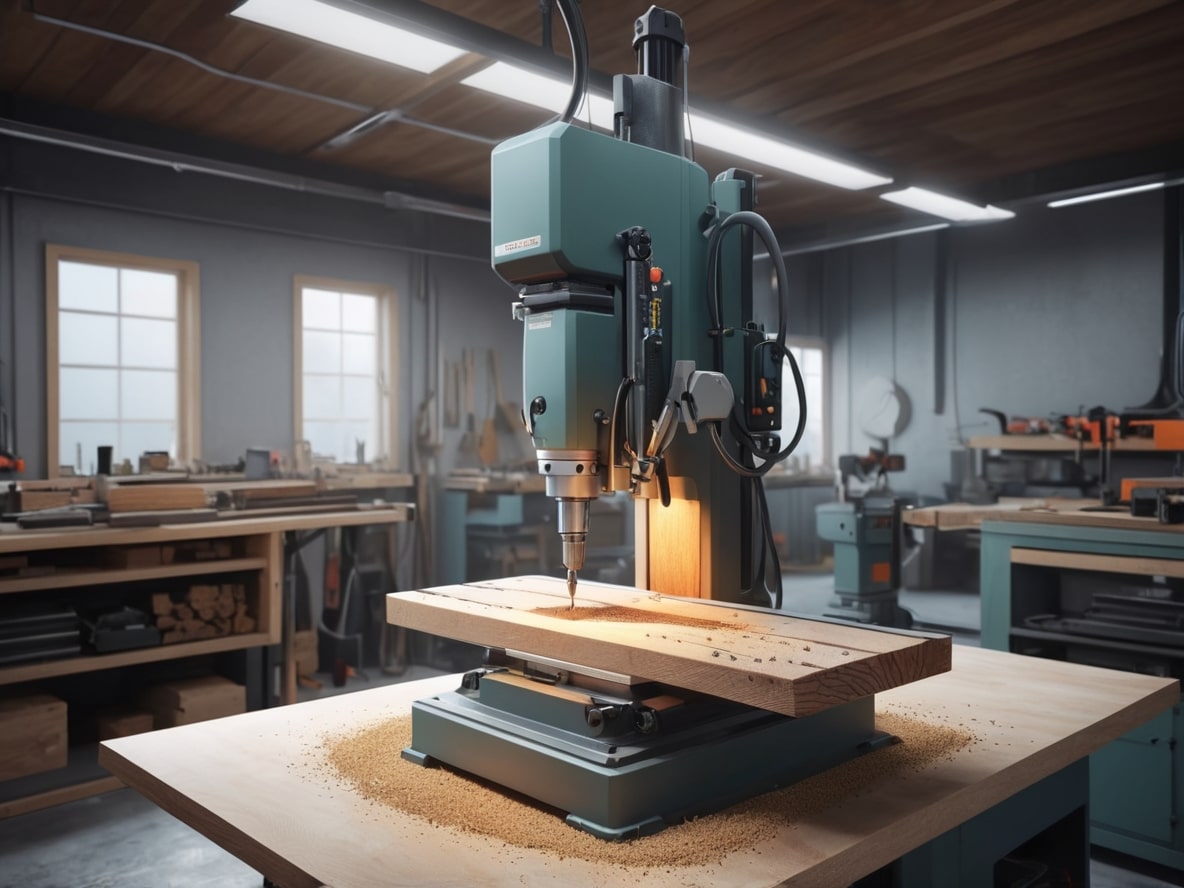
The matter does not end with cutting. Alongside it runs a whole set of operations that bring a part to a finished look: edge banding, milling, drilling for hardware, sanding, painting. And all of this on the same materials, plywood, MDF, particleboard, MFC, OSB, edge-glued board. Each has its own tool and mode, but they all live in the same production shop. The convenience is that you do not need to haul semi-finished parts between workshops: a sheet arrives whole and leaves as a finished set of parts.
Let us run through the typical requests. For MDF and MFC the most common ask is edging and milling: a closed-off edge and a neat groove turn a bare part into one ready for assembly. Plywood in construction sometimes needs extra preparation, for load-bearing elements both the thickness and the fixing method matter. Edge-glued board for a worktop almost always goes with sanding and a coating. In other words, each material builds up its own typical route.
Edge-glued board deserves a separate mention. It is used to make worktops, shelves, large visible parts, where you want the living texture of wood rather than a film. After cutting, the board is usually sanded and coated: with varnish, oil or paint, depending on the look required and where the part will stand. A kitchen worktop and a shelf in a dry living room need different protection, and this is taken into account when choosing the coating.
The main thing is that a tailored solution is chosen for each material and task rather than lumping everything together. This is exactly what makes the service universal: it is equally comfortable for a furniture shop, a builder, and a private customer who dropped by to cut a couple of sheets for a homemade shelving unit.
Our portfolio — finished products
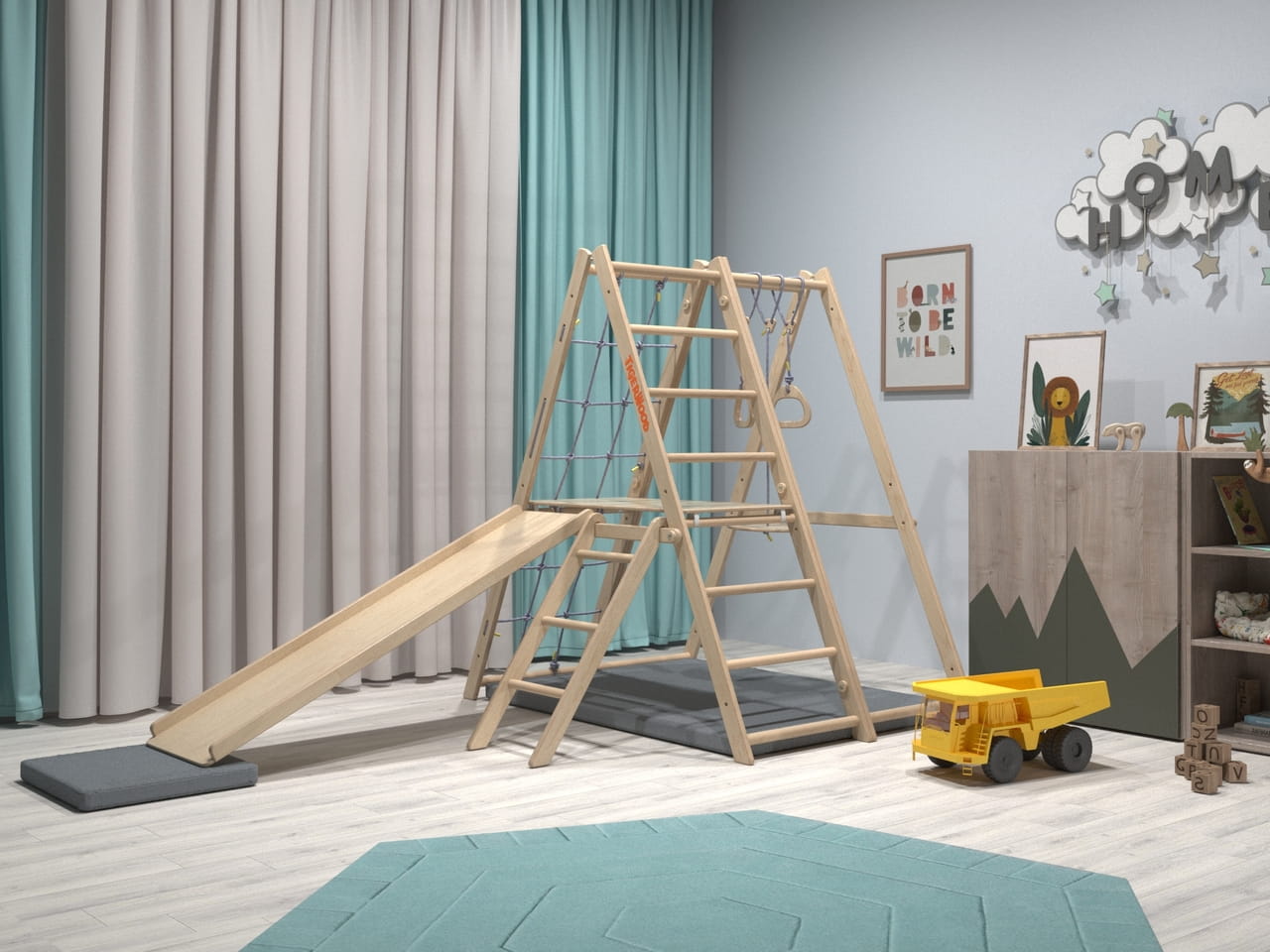
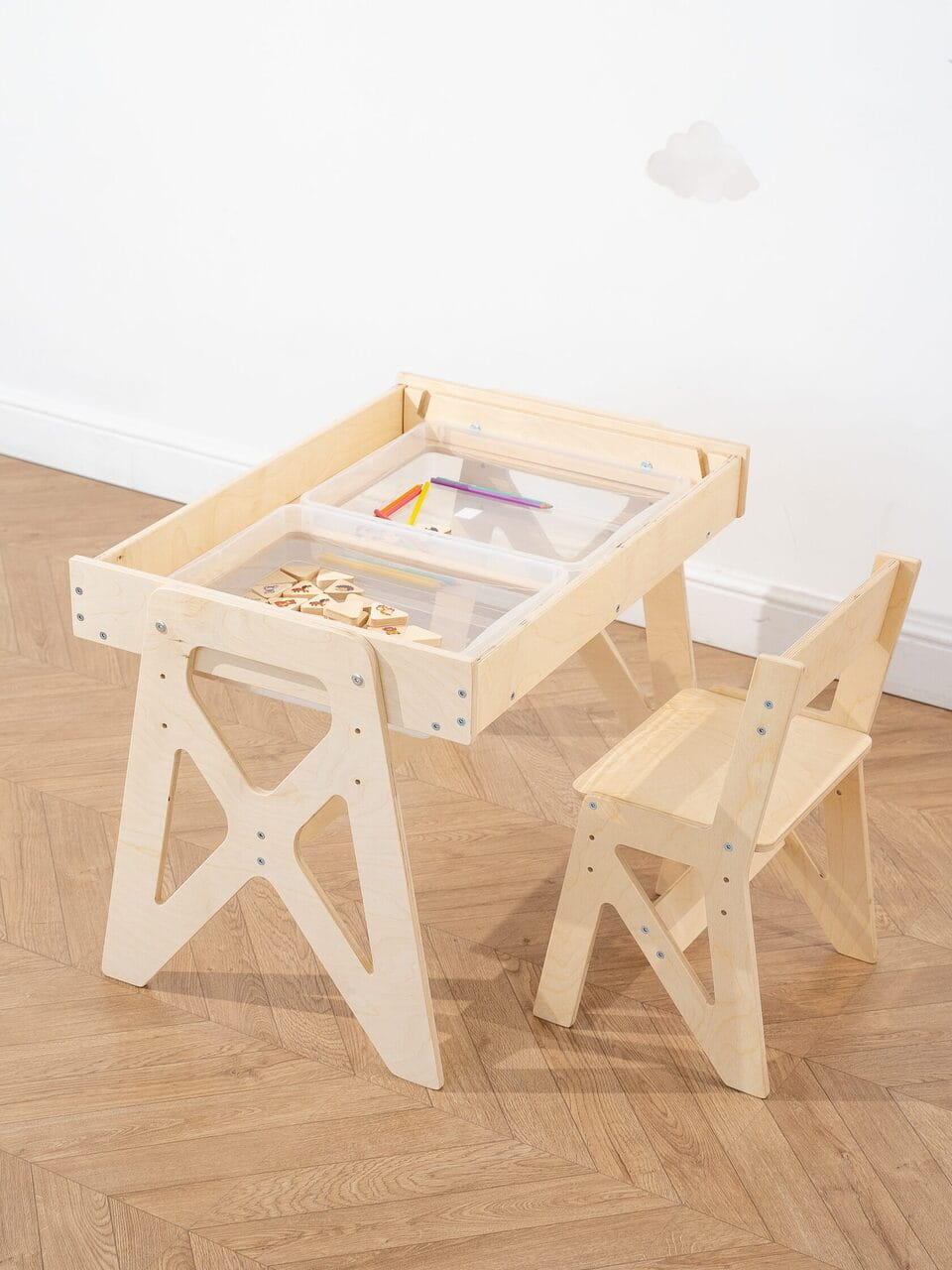


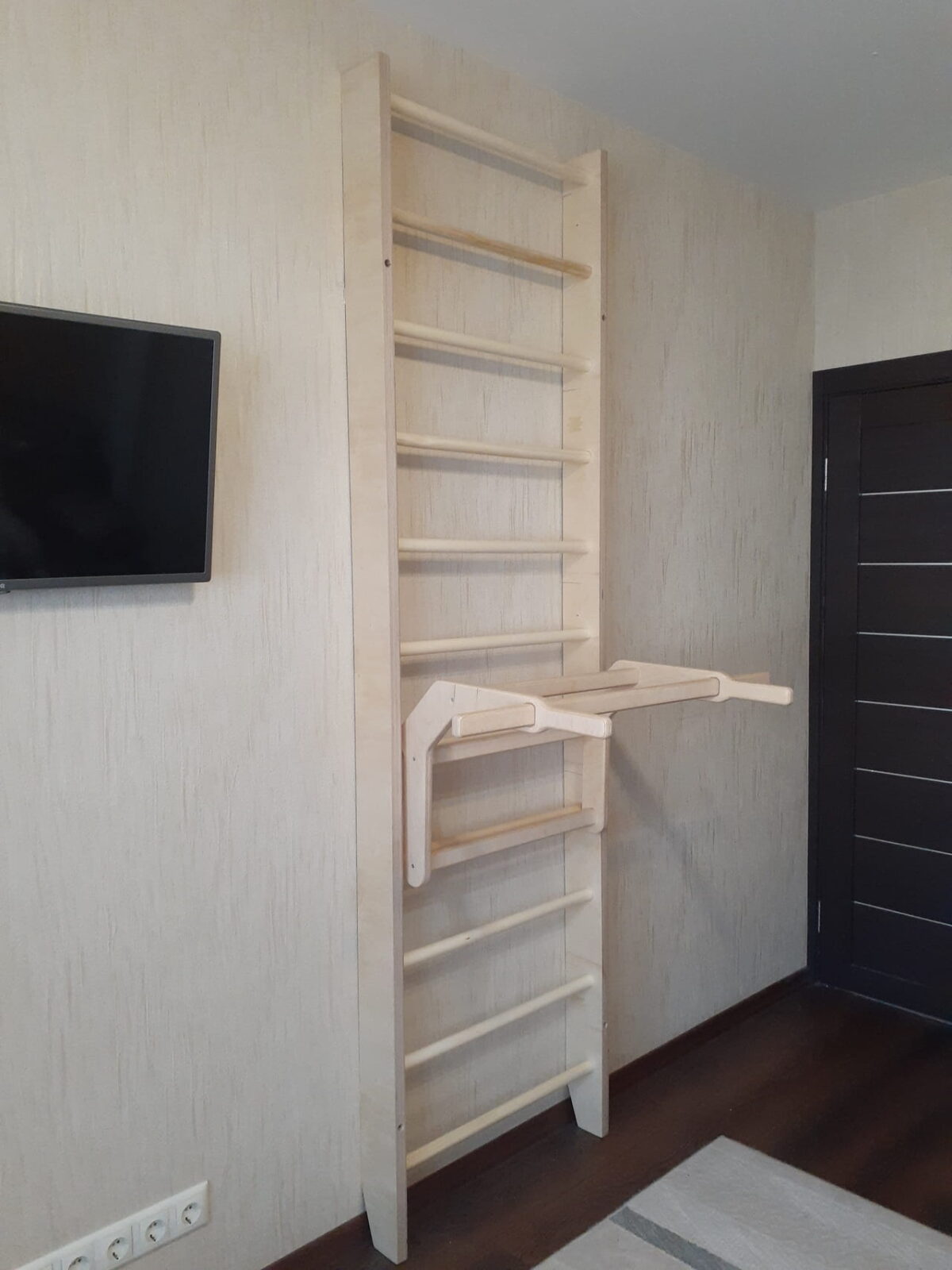
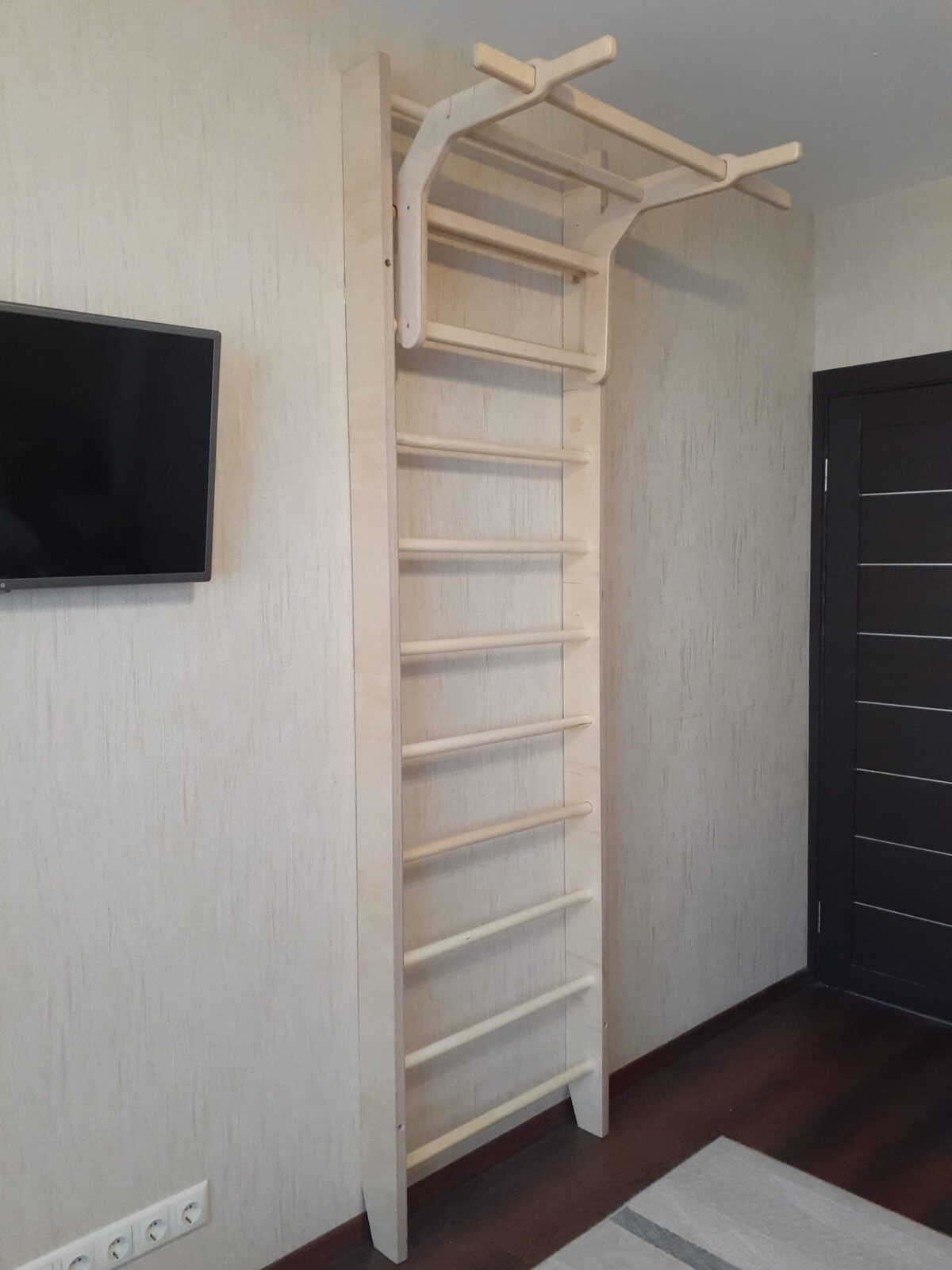
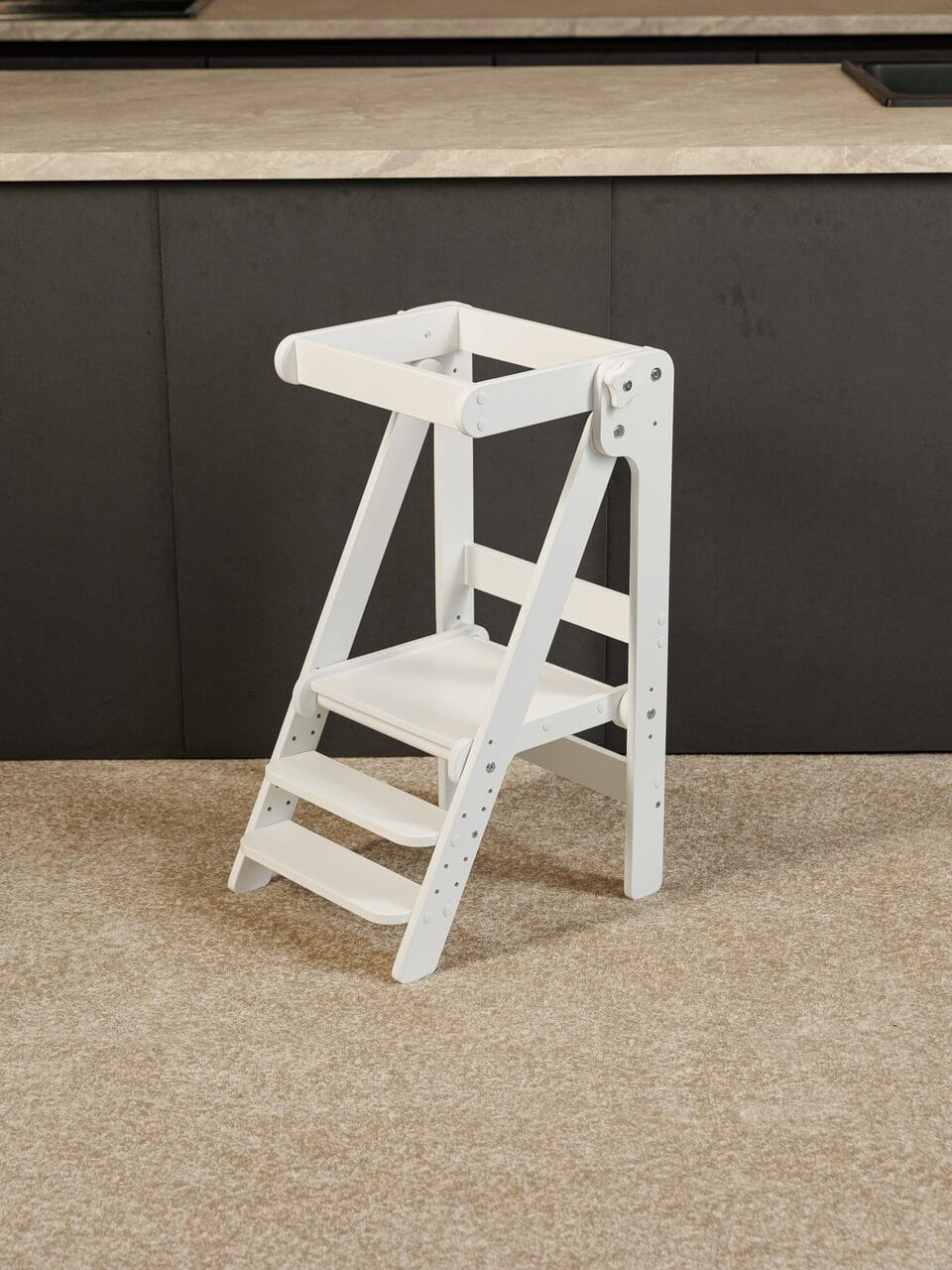




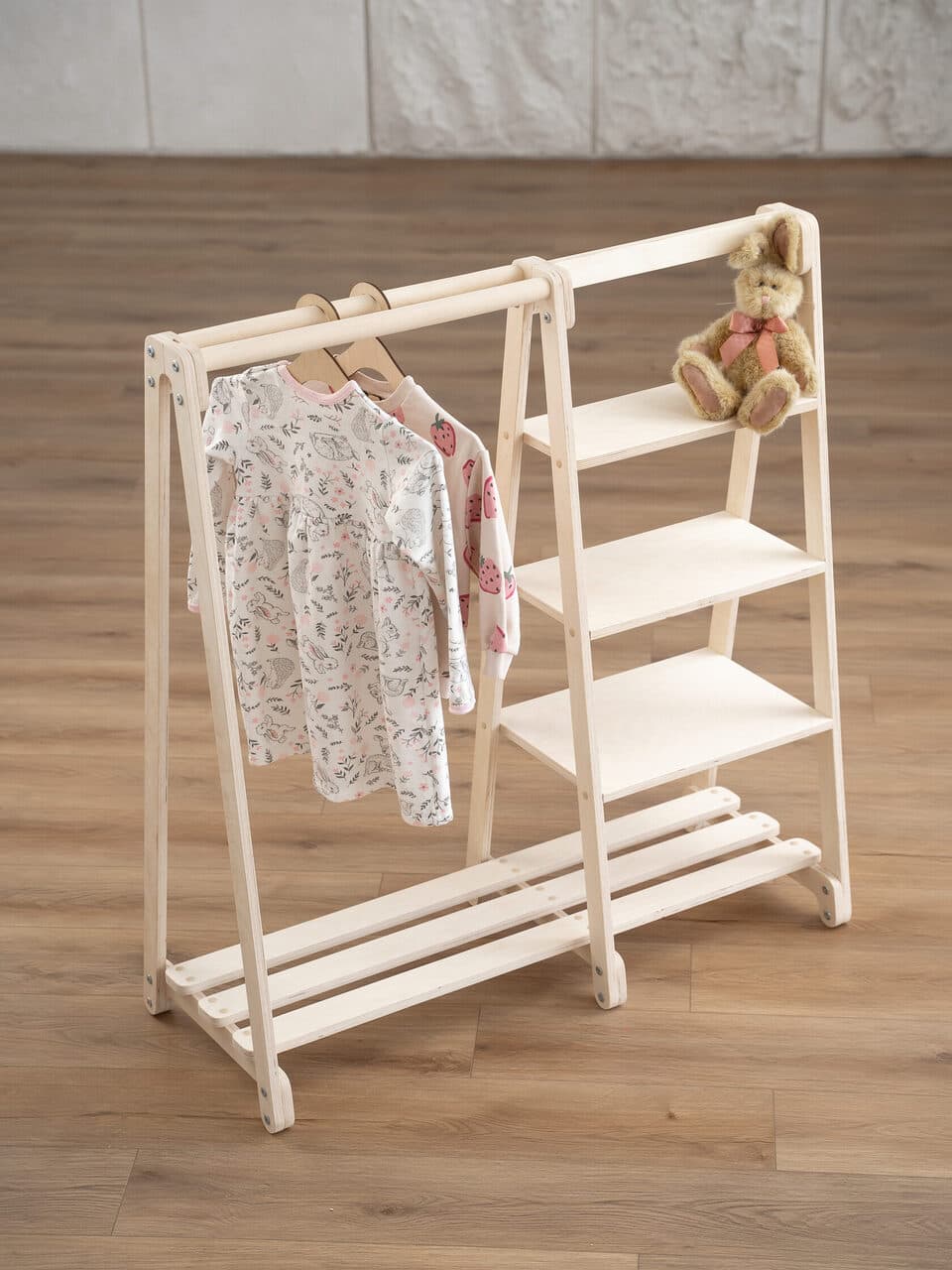
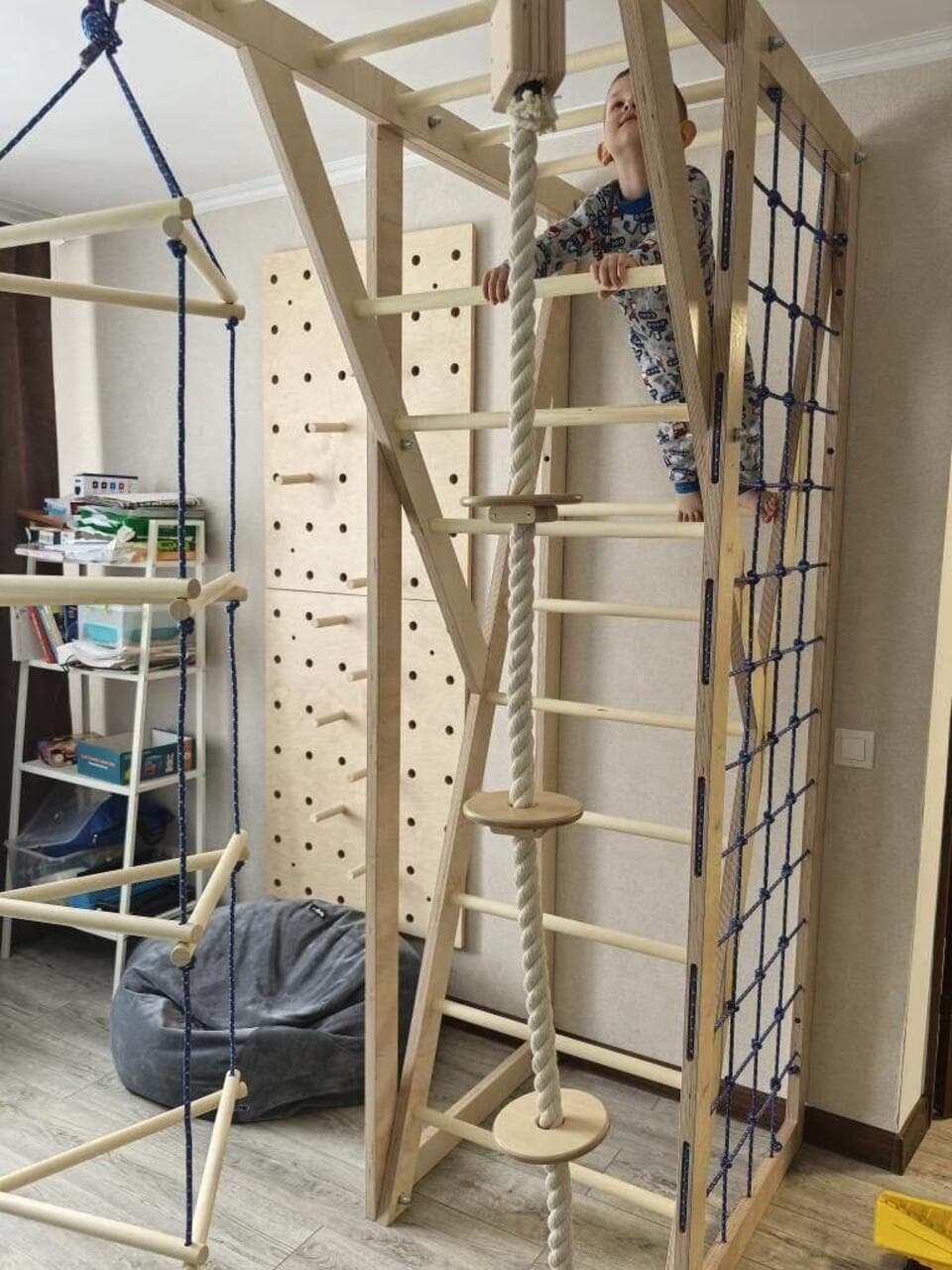
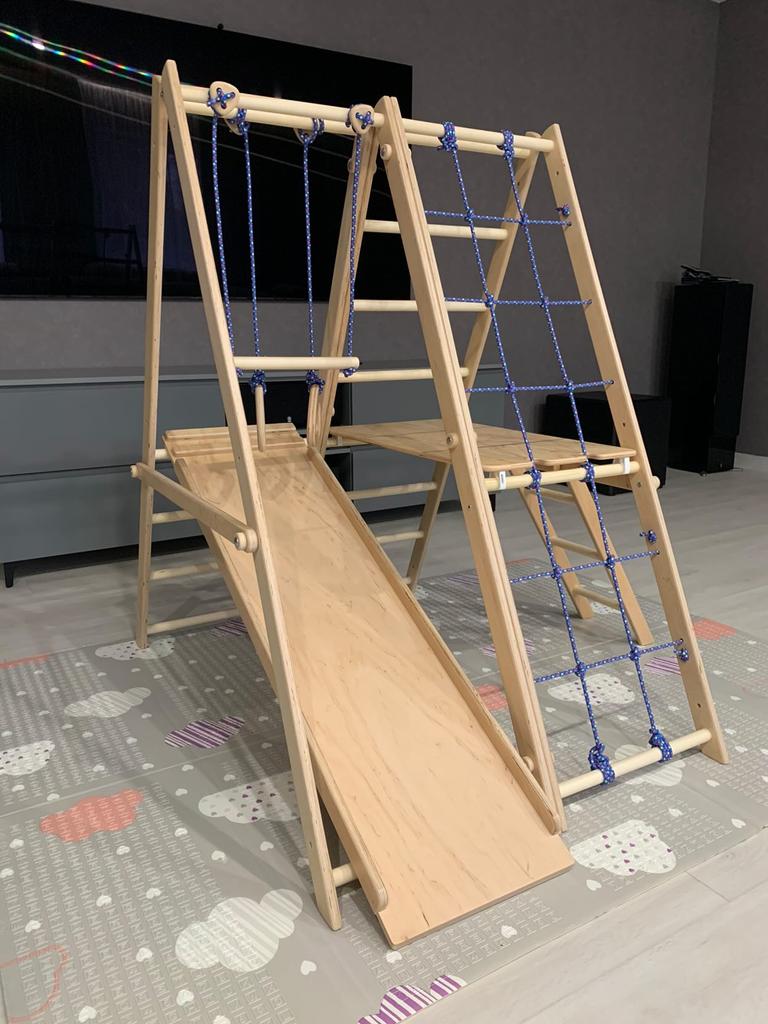

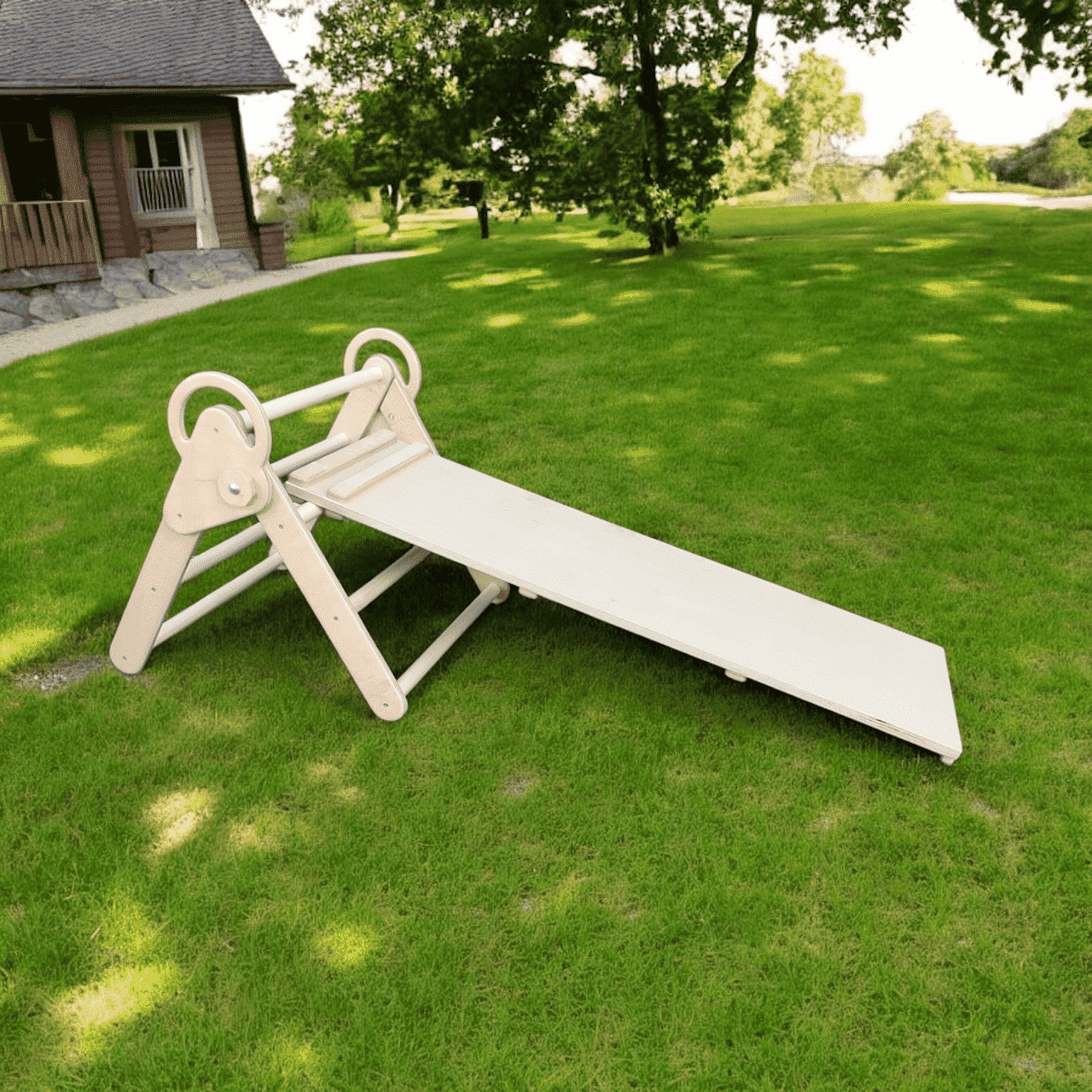

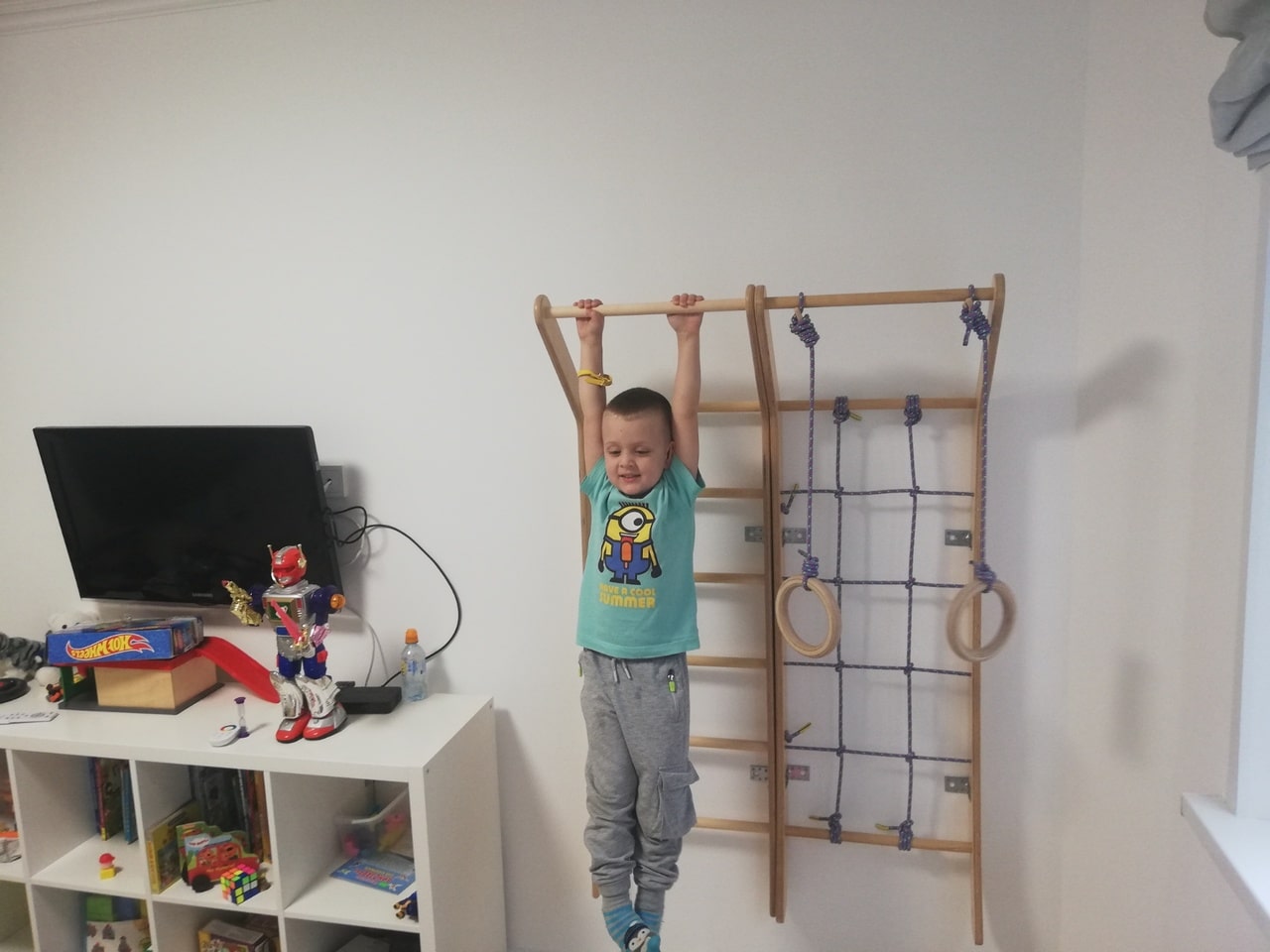


Examples of our work: how cutting accuracy turns materials into finished products
To avoid being unsubstantiated, a couple of typical examples from practice. Furniture production: a request comes in to cut MFC and MDF for a kitchen set, fronts, carcasses, worktop, doors. Here the accuracy of each cut is worth its weight in gold: the parts of one cabinet must fit each other and the neighbouring modules, and any deviation shows up as a crooked front or a gap. Such orders are the bread and butter of the cutting section.
Another example is construction. A building crew needs to cut a large volume of sheets for partitions, rough wall panels, frame sheathing. Here two things come to the fore: minimal waste over a large area, and speed, because the whole site is waiting for these parts. A tight layout saves on sheets, and a fast cut does not hold up the installation.
A third example is interior decor. A designer orders cutting for a wall panel, an openwork partition, shaped overlays. Here aesthetics is added to accuracy: it matters not only to hit the dimension but also to keep a beautiful surface free of chips and scratches. After cutting, MDF and plywood are often milled or decorated as well. The output is a one-off piece for a specific space that you cannot buy off the shelf.
Who uses a carpentry workshop’s services

Furniture makers

Interior designers

Advertising companies

Exhibition stand builders

Art studios

Cafés and restaurants

Construction firms

Retail equipment manufacturers

Furniture factories

Private craftsmen

Custom orders

Manufacturing companies

Museums and exhibition halls

Architects

Theatres and film studios

Educational organizations

Children’s products manufacturing

Repair specialists

Online stores

Sole proprietors
Who our clients are: companies and organisations that value quality and precision
The circle of customers is wide: furniture makers, construction and finishing crews, design studios, stores selling finished products and components. Each has their own priorities, but three things matter to everyone, accuracy, speed, and the fact that MFC, MDF and plywood can all be cut in one place. There is no need to look for different contractors for different materials.
Furniture makers and carpentry workshops are the most frequent visitors. Cutting is the first step of any order for them, and everything depends on its accuracy: how the hardware sits, how the finished furniture looks, and how long it lasts. Plus deadlines: a shop has its own production schedule, and if cutting is delayed the whole line stalls. So they need a contractor who both cuts evenly and does not miss dates.
Builders and finishers take cut sheets for structural work, partitions, sheathing, bases. There is a specific character here: volumes are large and deadlines are tight, since the parts are needed right on site. So they expect from a contractor not only accuracy but also the ability to run a large area quickly without losing quality.
Design studios are a separate category. They order cutting for non-standard decor: wall panels, partitions, shaped interior elements. Here the dimension matters, but the surface matters no less: a scratch or chip in a visible spot would negate the whole idea. So such parts are cut especially carefully, and often reworked after cutting as well, so that the look is flawless.
Cutting MFC, MDF and other panels for different tasks
Looking more broadly, cutting is the foundation on which almost any sheet-based production stands. For a furniture maker and a builder it is literally the first stage: until the sheet is broken down into parts, there is nowhere to go next. An error at this step runs through the whole chain, whereas accuracy, on the contrary, unburdens all the following operations. That is why cutting is treated not as a trifle but as the basis of the entire order.
The main list of materials is familiar: MDF, plywood, particleboard, MFC, OSB and edge-glued board. Each has its own niche. MDF and MFC are mostly furniture: fronts, carcasses, shelves. Plywood and OSB more often go to construction and finishing, where strength and the ability to hold fasteners matter. Edge-glued board goes to large visible parts, worktops, wide shelves, stair treads, where natural wood is wanted. Knowing this makes it easier to choose the material for the task from the start.
When cutting, it matters not only to hit the dimension but also not to damage the sheet itself. Thin and delicate materials such as MDF or plywood are easy to spoil with the wrong feed, a chip, a tear-out, a melted edge will appear. On top of that, cutting is done so as to leave less waste: a well-thought-out layout of parts on the sheet is both material savings and less mess in the shop. Two tasks are solved at once.
And again about the cut not being the end of the road. Cut parts are often still sanded, edged or coated with a protective compound. These steps are best kept in mind from the very start: if you know in advance that a part will be painted or that hardware will go into it, the cut is made right away with the necessary allowances and reference edges. Then the whole chain comes together without rework, and the finished product turns out both neat and durable.
Cutting MFC and MDF: a glossary of terms
When discussing an order, words come up that are familiar to the shop but obscure to the customer. A short breakdown removes misreadings before the start, when both sides understand the terms the same way, there are fewer chances of getting something other than what was intended.
Cutting map is a scheme of how to lay out the parts on the sheet. It determines how much goes into offcuts: the tighter the layout, the less waste. Allowance a small margin left on the dimension if the part will go on for further processing. Reference edge the even side of the sheet from which all measurements are taken, so as not to accumulate error.
Scoring saw a small blade that scores the laminated coating from below and keeps the edge from chipping. Its presence is often exactly what separates a clean MFC cut from a ragged one. Chip a tear-out of the coating or fibres on the edge, the main enemy of a neat part. Ripping the lengthwise division of a board or bar into narrower blanks; it is often confused with cutting to size, though these are different operations.
Knowing these words helps to set the task more precisely. For example, the phrase “I need MFC cut with an edge on the long sides and an allowance for milling” saves a dozen clarifying questions and immediately sets a clear result.
The equipment that precision rests on
Fine words about accuracy are worth nothing without the machines that deliver it. Two main types of equipment work in cutting, and each covers its own part of the tasks. The panel saw is the workhorse of the straight cut. It divides a sheet along a straight line quickly and cleanly, and the scoring saw leaves the edge free of chips even on fussy MFC.
Where a shaped contour, internal cutouts or complex geometry are needed, the CNC router joins in. It guides the tool by a program and repeats any line without deviation, be it a rounding, an openwork pattern, or a scatter of identical parts on a single sheet. For a series this is indispensable: the hundredth part comes out just like the first, because the program does not tire and does not lose its eye.
It is not so much the brand of machine that matters as the condition of the tool and the mode. A dull blade or the wrong feed speed will negate any expensive equipment, chips, tear-outs and scorch marks will appear. So the sharpness of the tool and the setup are watched constantly: accurate cutting is first and foremost a discipline of process, not the magic of the machinery.
Optimising the cutting map and saving material
One and the same specification can be laid out on a different number of sheets, it all depends on how the parts are arranged. A well-drawn cutting map packs them more tightly, rotates and combines them so that less offcut remains. On a single sheet the difference is unnoticeable, but on a batch of several dozen sheets the savings add up noticeably, sometimes it is several whole panels, that is, real money.
There is one nuance worth remembering: if the direction of the grain or pattern matters for the parts, there is less freedom in the layout. A panel with a pronounced decor is not turned any which way, otherwise the stripes on the finished furniture will run out of alignment. This slightly increases consumption, but the product looks whole. Such things are flagged in advance, so the customer understands where the material consumption comes from.
Software optimisation is especially helpful on large orders. When there are hundreds of parts, laying them out by hand with minimal waste is almost impossible, whereas the algorithm runs through the options and finds a tight layout in seconds. For production this is both raw-material savings and predictability: it is known in advance how many sheets the order will take.
Edge and end-face treatment after cutting
The cut leaves an exposed edge, and something almost always needs to be done with it. For MFC an unclosed edge is a weak spot: it draws in moisture, swells and crumbles, especially in a kitchen or bathroom. So the edges are closed off with edge banding, a thin strip matching the panel colour, glued onto the edge. This is both protection and a neat appearance.
The band comes in different thicknesses and materials. Thin PVC edging is cheaper and suits internal parts, thick edging is stronger and better withstands impact on visible edges, doors, worktops. For edge-glued board and solid wood, sanding the edge and coating it often takes the place of banding, there, on the contrary, the beauty of the wood is something to show, not to hide under plastic.
The convenience is that edge banding can be ordered together with the cutting straight away. Then the part leaves already finished, there is no need to find a separate contractor for the edge and haul semi-finished parts to them. For a furniture maker this saves a whole logistics loop.
Your own material or purchase to order
The material for cutting can be brought in yourself or ordered together with the work. Both options work, the difference is in convenience. If the panel is yours, it is inspected before cutting: the geometry, moisture and the absence of swelling and chips are checked. This is an honest step, if a sheet has warped or the edge is delaminating, it is better to find out before the cut, not after, when the material is already spoiled.
When the material is bought for the project, the customer is relieved of worry about its quality and availability. Exactly what is needed is selected: the right MFC decor, the correct thickness, a moisture-resistant option for wet zones. Sometimes this even works out cheaper, a production shop has its own supply channels, and an extra sheet does not have to be bought at retail at an inflated price.
There is no single right answer here. If you have a ready panel of the right decor, bring your own. If there is no time to look for material or a quality guarantee matters, it is easier to entrust the purchase. In any case, everything is agreed before cutting, so as not to cut a “pig in a poke”.
Panel thickness and what it affects
Thickness is not a trifle but a parameter that pulls a lot along with it. The strength of the part, its weight, its price, and how the fasteners will sit all depend on it. Too thin a shelf will sag under load within a month, too thick is extra weight and overpayment where less would have sufficed. The optimum is chosen to suit the task: one logic for a cabinet door, another for a load-bearing side panel.
The common panel thicknesses are 16 and 18 mm for carcass furniture, thinner for back panels and inserts, thicker for worktops and loaded elements. If you are unsure which to take, it is enough to describe where and how the part will work, and a suitable option will be suggested, along with an estimate of how it will affect the weight and cost of the finished product.
Finishing the blanks after cutting
MFC arrives with a ready decorative coating, and it is usually left untouched, it is enough to close off the edge. But MDF, plywood and edge-glued board often require finishing after cutting. MDF goes for painting: its smooth uniform surface takes primer and enamel beautifully, which is why painted fronts of any colour are made from it. Plywood and board are often coated with varnish or oil to emphasise the wood texture and protect against moisture.
Finishing is not only about beauty. Exposed wood absorbs moisture, darkens and can crack, while wood closed under a coating lasts for years. So for parts that will stand in a kitchen, bathroom or outdoors, protection is especially important. The choice of compound depends on the conditions: an outdoor part needs sturdy protection against water and sun, an interior insert needs a pleasant-to-touch surface and a precise shade.
It is convenient that painting and coating can be ordered right after cutting, in the same place. Then the blank passes through the whole chain under one roof and leaves finished rather than as a semi-finished piece that still has to be hauled somewhere and entrusted to someone for the finishing.
Combined materials in one order
Often different materials come together in one product, and cutting handles this calmly. A kitchen is a carcass of MFC, painted MDF fronts and, say, a worktop of edge-glued board. A display case is an MFC frame and clear inserts. Each material is cut in its own mode, but to one specification and in one place, so the parts are guaranteed to fit together.
The plus of this approach is consistency. When all the parts of a project are cut on the same equipment to a single specification, there is no discrepancy in dimensions, which inevitably crops up if the carcass was sawn in one place and the fronts ordered in another. For complex products of several materials this is especially valuable: fewer joints where something might not fit.
A one-off order or ongoing cooperation
Cutting is equally open both to those who came for a single part and to those looking for a long-term contractor. A one-off order is simple: send the specification, agree it, pick up the finished parts. No obligations, no subscription fee, only the work and the result. This suits a private customer who builds something for the home once a year.
Ongoing cooperation is another level of convenience. Furniture shops and assemblers come to realise over time that it is easier to keep one trusted source of parts than to look for a new contractor each time and explain their requirements for the edge, allowances and packaging all over again. When the production shop already knows a client’s specifics, orders go faster: fewer approvals, predictable quality, priority in the busy season. Many arrive exactly this way, from one trial order, and stay for years.
Lead times and the seasonality of orders
Simple cutting to size is usually ready in a day or two, and a small batch is often handed over the same day by arrangement. Complex shaped work or a large volume is quoted separately. The exact date is named for a specific specification, it depends on the number of parts, the need for edging and the current workload.
It is worth being honest about workload: cutting has a seasonality. Before the start of the building season and in the pre-holiday months, when furniture makers are swamped with orders, the queue is denser and lead times stretch out. In summer and in the off-season, on the contrary, it is freer. So if a project is tied to a date, a kitchen install, a store opening, a fitting, it is wise to get in touch early and allow a little buffer, rather than bringing a specification for “the day after tomorrow” at the very peak.
How to estimate the cost of cutting
The exact price is calculated for the specification, but it is useful to understand its components, that way it is easier to see where you can really save and where saving is not worth it. The cost is made up of several clear parts, and each can be estimated in advance.
- 📐 Number and length of cuts. The more parts and the more complex the contour, the higher the cost of the work.
- 🧱 Material. Its cost plus consumption including offcuts, a tight layout saves the sheet.
- 🖇️ Edging. Edge banding is charged by the running metre and the type of band.
- 🔧 Additional operations. Drilling, milling, sanding and painting are added separately.
- 🚚 Delivery. Depends on the dimensions, weight and address.
- ⏱️ Urgency. Work outside the general queue costs more than standard.
The simplest way to save without losing quality is to send a clean, well-considered specification and not rush the deadlines. Rework due to inaccurate dimensions and working in emergency mode are usually what add to the estimate the percentages you wanted to avoid. But skimping on the edge of visible parts and on the quality of the material is short-sighted: it will show up later.
Sawing, cutting to size and ripping: what is the difference
These three words are often used as synonyms, although there are differences, and they affect how to word the order. Sawing is the general name for cutting to size, dividing a blank into parts. Cutting to size is the layout of parts on the sheet and then cutting to that scheme, with an eye to minimal waste; most often it is said precisely of sheet materials such as MFC and MDF. Ripping is the lengthwise division of a board or bar into narrower blanks.
In practice these operations often go together: the sheet is first cut to the map, individual parts are ripped if needed, and the ends are cross-cut to a clean size. The customer does not have to juggle the terms, it is enough to describe what needs to be produced, and the specialist will choose the right operation themselves. But a general understanding helps to explain the task more precisely.
Quality control and a guarantee of the result
Control is built into the process rather than tacked on for show at the end. On intake, the specification, dimensions and material are checked: the wrong MFC decor or an extra millimetre of thickness is caught before the cut, while it still costs nothing. Along the way, intermediate measurements are taken on demanding orders. On output, each part is checked for dimensions and geometry, and the edge for chips.
If a disputed point does arise, it is easier to resolve precisely because the order went through one pair of hands. There is no need to work out at whose stage the error occurred, responsibility is not smeared across contractors. For the customer this is the real guarantee: it is clear who to hold to account, and clear that the set of parts will fit together at assembly just as intended in the specification.
Delivery and repeat orders
Finished parts are shipped across all of Europe. Cut sheets and small parts are packed so that the edge and corners do not suffer on the road, and the method and cost of delivery are chosen to suit the dimensions, weight and address. For a customer in another region everything looks just as simple as for a neighbouring city: the specification is agreed remotely, the parts are made and leave with a transport company.
Repeat orders deserve a separate mention. If a specification has already gone through cutting, repeating it is quick and precise, the parameters are saved, and the second batch will come out just like the first. This helps those who assemble furniture or equipment in series and from time to time buy additional parts for already-finished products. There is no need to recalculate everything and re-explain the requirements.
Common mistakes when ordering cutting
Most mishaps happen not at the machine but at the specification stage. Here is what most often gets in the way of getting the parts right the first time, and what is easy to foresee.
- ❌ Dimensions “from memory”. One wrong measurement leads to re-cutting the part. Better to measure twice.
- ❌ Forgotten allowances. No margin for the edge or milling, and after processing the part comes out of size.
- ❌ Grain direction not specified. The decor stripes on the fronts run out of alignment, and it catches the eye.
- ❌ Skimping on the edge. An exposed MFC edge swells from moisture within a season.
- ❌ Too thin a panel. The shelf sags under load, even though on paper the saving seemed reasonable.
It is nothing to worry about if some of this was not taken into account, that is exactly what the dialogue before the start is for. A good contractor asks these questions themselves before the cut, not after, when it is already expensive to fix. But the more accurate the original specification, the fewer the clarifications and the faster cutting turns into finished parts.
More questions about cutting
Can a part of a complex shape be cut, not just a rectangle? Yes, a CNC router cuts along any contour, roundings, internal cutouts, shaped parts. The only limit is set by the cutter diameter: a very sharp internal corner is rounded off to its radius.
What to do if there is no exact specification, only a sketch? Bring the sketch with dimensions, we will help draw up the specification and cutting map on the spot. The main thing is that the dimensions of the parts and their quantity are clear, the rest will be brought to a workable form.
How to know how many sheets an order will take? By the cutting map. The parts are laid out on a standard sheet allowing for the allowances, and it is immediately clear how much material is needed and how much will be left in offcuts. This is calculated before the start, so there are no surprises with consumption.
Will you cut a material of non-standard thickness? Within the capabilities of the equipment, yes. The thickness is clarified in advance, because the cutting mode and choice of tool depend on it. Completely non-standard panels are discussed separately.
How to prepare a cutting request
A good request saves time for both sides and removes most questions before the cut. Putting it together is not hard if you keep a few points in mind.
- 📋 A list of parts with dimensions in millimetres: length x width and the quantity of each.
- 🧱 Material and thickness, your own or to be purchased to order.
- 🖇️ Where an edge is needed and on which sides, this affects the final dimension.
- 🧭 Grain direction, if the pattern must run in one direction.
- 📐 Allowances, if the parts will go on for further processing.
- 📅 The desired date, if the order is tied to assembly or installation.
Even if the request is raw, we will help bring it to a workable form, that is part of the ordinary work, not a reason to refuse. But the neater the original, the shorter the path from specification to finished parts, and the lower the risk that something is understood wrongly.
Order cutting or saw it yourself
The temptation to cut a sheet by your own efforts is understandable, especially if a circular saw is at hand. But in practice the arithmetic is rarely in favour of self-cutting. A hand tool wanders, misalignments crop up during assembly. Without a scoring saw the MFC laminate chips, and the part loses its look. A full-size panel is hard and unsafe to guide along a straight line alone. And without a cutting map it is easy to spoil an extra sheet.
For a couple of simple cuts a home tool will do. But as soon as there are many parts and accuracy matters, cutting MFC and MDF on a machine saves time, material and nerves at assembly. It is often more profitable to give the sheet over for the work once and get an even set than to redo your own later and adjust parts on site.
How to tell a quality cut
A good cut is visible by several signs, and they are worth knowing in order to assess the result knowingly. First, a clean edge with no chips or coating tear-outs, especially on the visible sides. Second, dimensional accuracy: the part matches the specification, not is “roughly similar”. Third, right angles and even sides with no “rhombus”. Fourth, uniformity of the parts in a batch: all as one, with no spread.
If even one sign is lacking, it is worth working out the cause: a dull tool, the wrong mode, haste in feeding, the absence of a scoring saw on MFC. It is precisely the discipline of the process, not luck, that separates accurate cutting from a rough saw-job of “just cut it off”. A quality result is made up of small things that are noticeable exactly at assembly.
Myths about cutting to order
Several stereotypes have accumulated around the service, because of which customers either overpay or get the wrong thing. Let us examine the most persistent.
- 💭 “No one will cut a single part.” They will. A one-off order is an ordinary matter, not a favour.
- 💭 “The edge can be left uncovered.” An exposed MFC edge draws in moisture and crumbles, the edge banding extends the service life.
- 💭 “Cutting on a machine and sawing with a jigsaw are one and the same.” The difference in accuracy and edge cleanliness is enormous.
- 💭 “Offcuts are not my concern.” A smart layout saves a whole sheet on a large order, and that is your money.
- 💭 “The thicker the panel, the better, always.” Not always: extra thickness is weight and overpayment where less will do.
To bring it all together: cutting MFC and MDF means precise parts cut to size, with a clean edge and minimal waste, ready for assembly or further processing. It is enough to send a specification or a sketch with dimensions, the rest will be broken down into stages, the material calculated and brought to a finished set. Once you have received even parts, you no longer go back to homemade sawing.
Who needs cutting: industries and tasks
To fit the service to your own field, here is a short summary by industry. It is not exhaustive, rather it shows how varied the tasks are that one and the same cutting closes.
| Industry | What is cut | Material |
|---|---|---|
| 🪑 Furniture | Fronts, carcasses, shelves, worktops | MFC, MDF, edge-glued board |
| 🏗️ Construction | Partitions, panels, frame sheathing | Plywood, OSB, particleboard |
| 🛍️ Retail | Counters, display cases, shelving units | MFC, plywood |
| 🏠 Interior | Wall panels, partitions, decor | MDF, plywood, solid wood |
| 📢 Advertising | Bases for stands and signs | MDF, plywood, plastic |
If your task is not in the table, that is no reason to think it will not be taken on. It is enough to describe what needs to be produced, and the cutting will be adapted to the specific project, whether it is a single non-standard part or a production batch for a whole manufacture.
Panel saw or CNC
Two types of equipment solve different tasks, and the choice between them is determined by the geometry of the parts. For a straight cut of a sheet into rectangular parts a panel saw is faster and more economical: it gives a clean straight cut and high throughput on a run. When there are many parts and they are all rectangular, this is the optimal tool.
The CNC comes in where a shape more complex than a rectangle is needed: roundings, internal cutouts, a shaped contour, holes and grooves right in the course of cutting. It is more versatile but overkill on a simple straight cut. In practice both machines work in tandem: the main bulk of straight parts goes on the panel saw, and everything shaped and complex on the CNC. The customer does not need to think about this, the method is chosen to suit their specification.
Waste and material savings
Accurate cutting and a well-thought-out layout map mean that less material goes into offcuts. For the customer this is a direct saving, for the production shop a clean and predictable process. On a large batch the difference in the approach to layout adds up to whole sheets, and therefore to a tangible sum.
Useful large offcuts are usually not thrown away, they go to small parts, inserts, back panels. This is another reserve of savings: what at first glance seems like waste often comes in handy in the same or the next order. A sensible attitude to material remnants is a sign that cutting is taken seriously, and not “cut it off and forget it”.
Can cutting be entrusted without a site visit or a personal call? Yes, the whole process runs calmly at a distance: the specification and agreement by correspondence, manufacture, dispatch of the parts by a transport company. Personal presence is not required, accurate dimensions and a clear description of the task are enough.
Cutting for edge banding and drilling
When it is known that a part will go further down the chain, the cut is made right away with an eye to the next step. For edge banding, the correct size is set allowing for the thickness of the band, so that after gluing the part fits exactly into the opening. For drilling, reference edges are marked from which the holes for hardware are then drilled, then the hinges and runners will sit evenly, without wandering gaps.
This coordination of operations is exactly the main plus of a full cycle. When cutting, edging and drilling go one after another at one production shop, the parts do not lose their reference edges between stages and do not accumulate error. The furniture maker gets a set that assembles without adjustment, and that is both assembly speed and the absence of gaps and misalignments on the finished product.
Cutting for series and marketplaces
A separate popular topic is series cutting for small-series production and marketplace sellers. Here two things matter: uniformity of parts from batch to batch and a predictable cost price. For a series, the layout and parameters are fixed once, and then each new batch comes out identical to the previous one, with no spread of dimensions.
For a seller this is convenient because you can scale up calmly: demand picked up, ordered another batch to the same specification, and the goods will not “drift” in dimensions or appearance. And since cutting MFC and MDF, the edge and the drilling are done in one place, the set arrives ready for assembly or already packed for dispatch, nothing has to be reworked again.
And what if I need to change a dimension in the next batch? Not a problem: the specification is corrected, and cutting proceeds by the updated data. The saved parameters of the previous order remain the point of reference, so making an adjustment is faster than calculating everything from scratch.
How to estimate the quantity of material
A frequent question before an order is how many sheets it will take. You can estimate it yourself, but the exact figure is always given by the cutting map. The rough logic is this: you add up the total area of all the parts, add 10-15% for offcuts and the cut, and divide by the area of a standard sheet. You get a benchmark to work from when purchasing.
But this is exactly a benchmark. The real consumption depends on how the parts lie on the sheet: long and narrow ones lay out more economically, large and differently-sized ones leave more unused areas. Plus the grain direction already mentioned, it limits the freedom of layout and slightly increases consumption. So the final figure is named after the map is drawn up, and it is usually more accurate than a back-of-the-envelope estimate.
The point of calculating in advance is simple: to understand the budget and not buy material blind. If cutting and purchasing are handled in one place, this calculation is done for you, you immediately see how many panels are needed and what the order will cost, even before the work begins.
What happens to the parts before dispatch? They are counted against the specification, the edge and geometry are checked, and then they are packed with transport in mind, the corners are padded, they are strapped into stacks, the visible surfaces are protected. So the set reaches the customer in the same condition in which it left the shop, without chips or scuffs on the road.
Where to start if you have never ordered cutting before? With something simple: put together a list of parts with dimensions and decide what material is needed. Even an approximate table is enough to get a benchmark for the price and lead time. Then you will be advised where to leave an allowance, what thickness to take and whether to close off the edge. The first order always seems harder than it is, in reality it is enough to explain what and in what quantity needs to be produced, and the technical part is taken on by the contractor. That is exactly why cutting MFC and MDF at a production shop is chosen both by experienced furniture makers and by those facing the task for the first time.
What materials can be cut on your equipment?
We work with MDF, plywood, particleboard, MFC, OSB and edge-glued board. Each material requires its own approach and equipment setup: what suits dense plywood is no good for the fragile edge of MFC. Sturdy metals, meanwhile, are not cut, that is no longer a carpentry task.
What is the cutting accuracy?
On CNC machines the cutting holds high accuracy, deviations from the set dimension are minimal, and the parts of a batch come out identical. The exact tolerance for a specific order is agreed at the preparation stage.
What material sizes can be cut?
Sheets of standard formats are cut, and the maximum size is limited by the dimensions of the machine and the work table. A large part is divided into pieces if necessary, which are then joined at assembly.
How quickly is cutting carried out?
The lead time depends on the volume and complexity: simple cutting to size is usually ready in a day or two, a large or shaped batch is quoted separately. High-precision equipment helps not to stretch the timeline even on large volumes.
Can non-standard shapes be cut?
Yes. Besides straight cuts, complex contours, roundings, internal cutouts and shaped parts are available, cut out by a CNC router to a set template.
What additional services are offered after cutting?
After cutting, a part can be brought to a finished look: close off the end with an edge, sand it, coat it with a protective compound, drill holes for hardware. All this is done in the same place, without sending blanks off elsewhere.
Is there a minimum order volume?
There is no hard minimum. Both a large batch and a one-off order for a couple of parts are taken, cutting one sheet for a shelf is just as normal a task as cutting a hundred sheets for a project.
How to place a cutting order?
It is enough to send a specification with dimensions and state the material. Then a manager will get in touch, clarify the details, whether an edge is needed, what allowances, where and when to deliver, and quote the price and lead time before the work begins.
What guarantees are there on the quality of the work?
Each part undergoes control for dimensions and geometry, the edge is checked for chips. Such output control cuts off defects before handover to the customer and guarantees that the set will fit together at assembly.
What are the delivery terms for materials after cutting?
Delivery of cut parts is possible across all of Europe. The parts are packed so that the edge and corners do not suffer on the road, and the method and cost of delivery are agreed to suit the dimensions, weight and address.
Reach us in whatever way suits you best
Call us, message us on a messenger app or reach out via social media — choose whichever way suits you
🗺️ We accept orders from clients across all of Europe
💬 Useful information and articles
Eco-friendly and safe materials for modern wood production
Eco-friendly and safe materials for modern wood production In recent years we increasingly think about what the things around us are made of. A home, furniture, a floor, a kitchen, a

How to Correctly Choose Between Plywood, MDF, Particleboard, and MFC for Different Tasks
How to Correctly Choose Between Plywood, MDF, Particleboard, and MFC for Different Tasks In the world of woodworking and furniture making, every material has its own story. Plywood, MDF, particleboard, and

Cutting sheet wood materials at different angles: why and how it is done
Cutting sheet wood materials at different angles: why and how it is done Working with wood materials is not just sawing. To get a truly high-quality and durable product, you have

Recommendations for choosing sheet materials for indoor and outdoor projects
Recommendations for choosing sheet materials for indoor and outdoor projects In woodworking, choosing the right sheet material is like laying a foundation for a builder. What you pick at the very