

Joinery services for wood
Joinery services for wood and sheet materials cover the full set of operations on a single production base: sawing and cutting to size, edge banding, milling, drilling, chamfering, sanding, assembly and packaging. We work with plywood, particleboard, MFC, MDF, OSB and edge-glued panel — from ready-made files, sketches or a technical brief, strictly to dimensions. This format suits furniture factories, marketplace sellers, design studios, builders and startups. Below: which materials we machine, what stages the work involves, who orders most often and how quality control is handled.
Technological capacity for wood: sheet-material woodworking services on our own production base
Sheet materials stopped being an afterthought long ago — furniture manufacturing, fit-out and packaging all rely on them. MDF, particleboard, plywood, OSB, MFC, edge-glued panel: no factory or workshop gets by without this set. But every board has its own temperament, and rough handling shows up straight away as a chipped edge or a wavy cut. That is why joinery services for such material are not a matter of “sawed it and handed it over” but of precision, proper equipment and an understanding of how a specific board will behave.
An in-house production base delivers what you cannot piece together from scattered contractors — a full cycle under one roof, from taking in the board to releasing the finished part or blank. The machining mode is matched to the material. MDF likes careful milling and edge protection against chipping. Particleboard and MFC are primarily about edge banding and a clean cut with no chipping of the decorative layer. Edge-glued panel calls for gentle sanding and precise joint fitting, otherwise the seam shows. A small thing? On a finished product enough of these “small things” add up to define its whole appearance.
When the shop floor has panel saws, edge banders, routers and drilling machines, precision stops being a matter of luck. Operators work with modern software, so setup and calibration do not eat up a whole day even on a small run, while on large batches consistency holds — the hundredth part comes out just like the first. It is precisely this predictability that people turn to joinery services for, rather than trying to build a line of their own.
Flexibility is the second argument. Work can proceed to a standard technical brief, to the customer’s drawing, or to a submitted cutting file. The same goes for finishing blanks, custom packaging, applying marks and layout lines, punching holes, milling shaped elements. In essence this is full-scale outsourcing: part of the operations moves off-site while the client’s internal costs drop noticeably — there is no need to keep machines, staff and floor space for something that is easier to order.
Finished goods can be shipped in batches or as project deliveries — whatever suits the task. Before release, every order is checked on two fronts: technical parameters are verified and the parts are inspected by eye against the drawing. The base has no seasonal downtime, so work can realistically be planned year-round — both for a steady flow and for a spike in demand ahead of a trade show or a new product launch.
The benefits of working with professionals

Modern equipment
Panel saws, CNC and milling machines — precision, speed and quality guaranteed

Extensive experience and expertise
We know how to handle wood and sheet materials — reliably, precisely, professionally

Fast order fulfilment
Fast and without compromising quality. We value your time and our commitments

A full range of services in one place
Cutting to size, sawing, milling, sanding, painting, assembly — all in-house, with no middlemen

Trusted materials and consumables
We work only with quality materials, so you can be confident in the result

An individual approach to every client
We work to your drawings, create a machining program for the task and account for every detail
A reliable partnership: why people choose to cooperate in woodworking
Partnership in woodworking rests on reliability — a missed deadline here hits the customer’s entire chain. Most often those who turn to joinery services are the ones with no machine park of their own, or without enough of one: capacity maxed out, a seasonal peak, the launch of a new project. Outsourcing board machining is cheaper than buying expensive equipment and hiring people for a task that comes and goes.
Large furniture manufacturers move part of their operations off-site quite deliberately — this is no longer plugging gaps but a strategy. Especially at the launch of a new model, when their own capacity is not yet retooled for it. Board cutting, edge banding, drilling, milling are long operations that require skill, and handing them to a trusted contractor is often more profitable than running your own line in crisis mode.
Sellers and online shops come for machining when they release goods under their own brand: decorative panels, furniture elements, packaging. A pretty picture on the product card is not enough here — the part must repeat its geometry from batch to batch, hold a single shade and have clean edges. A buyer who receives a crooked shelf will leave a review that costs more than what was saved on machining.
Construction companies and design studios order machining for non-standard items: decorative panels, façade overlays, bespoke partitions. Here speed is added to precision. When several contractors work on a site at once, one link falling behind shifts everyone’s schedule — and a part that is “almost ready” is in fact holding up the whole build.
For startups joinery services are convenient for a different reason. The run is small, the budget is limited, and the idea needs testing fast — setting up a workshop of your own for that makes no sense. A production partner closes the question: you can put out a trial batch, show it to the market and only then decide whether to scale or change the concept. A cheap mistake at the start beats expensive certainty.


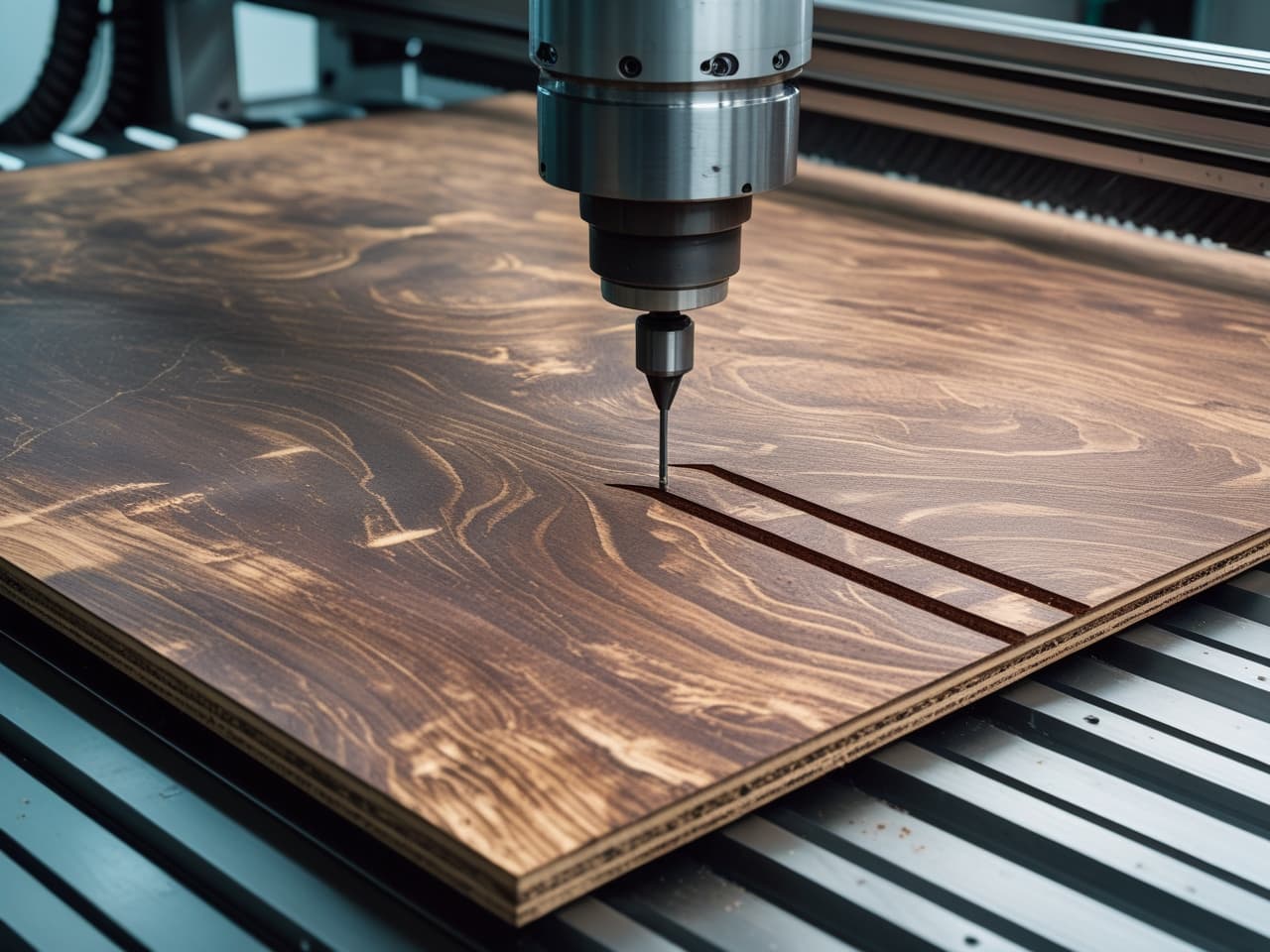


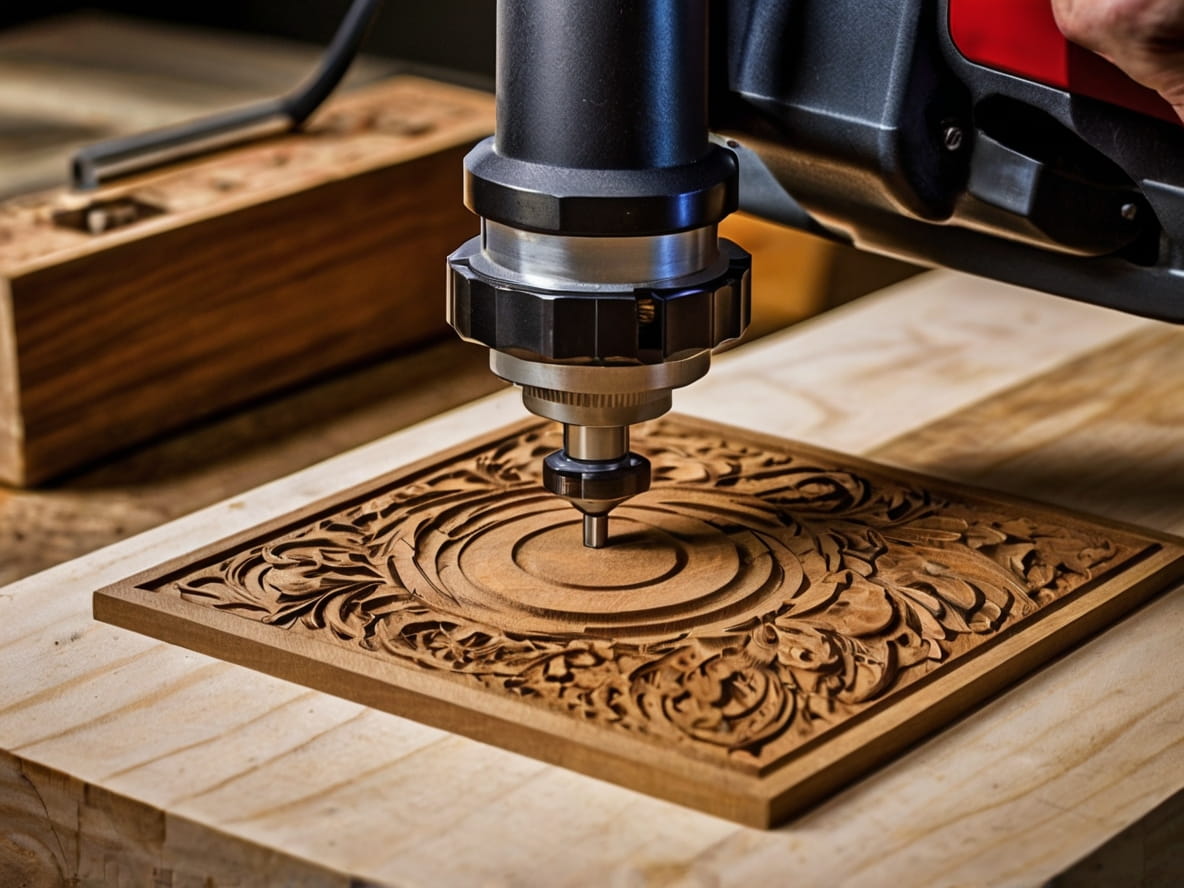


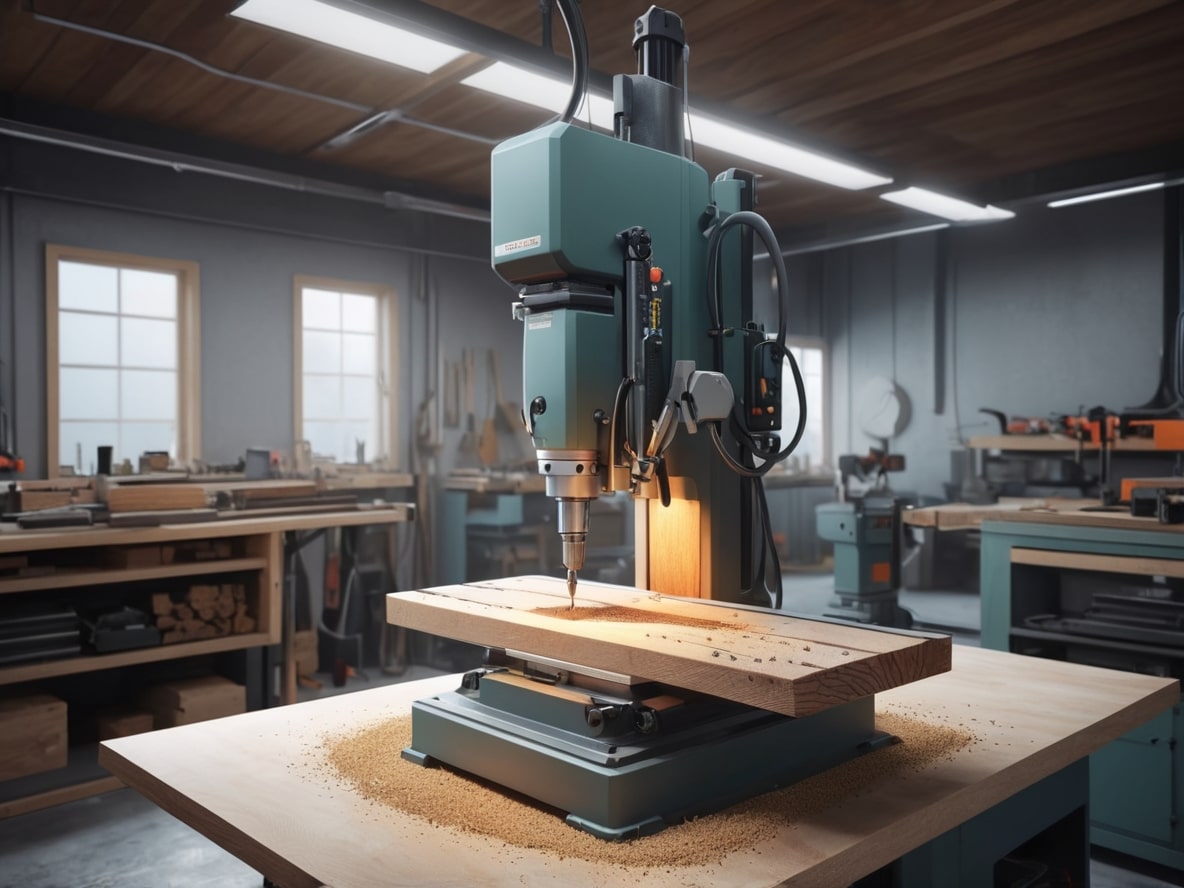


A variety of directions: an overview of production categories from sheet material
Exactly what gets made from sheet materials depends on the part’s purpose and the properties of the board itself. Every material has its own character and its own machining requirements, so the choice is no formality. The right board determines the product’s service life, its look and its reliability. Get it wrong at the input, and expensive painting will land on a material that warps within six months.
MDF is a board of uniform density, and therein lies all its strength. It goes into décor, façades, internal partitions, furniture panels. It mills, paints and laminates beautifully and holds fine relief without chipping. MDF is usually where complex forms are made that need a smooth surface and crisp detailing — where particleboard would simply crumble along the edge of the pattern.
Plywood is strong and stable, and that is why it is loved. Carcass furniture, packaging, structural work, cladding — it is used everywhere. Thickness ranges from 3 to 30 mm, so the material is chosen to match the load. During machining you reckon with the grain direction and the glued layers: the wrong feed and the top veneer tears. Yet plywood forgives a lot: it drills, cuts and glues well and takes almost any finish.
Particleboard and MFC are the workhorses of series furniture, exhibition stands and retail equipment. MFC already carries a decorative coating, and that is where care is needed: any chip or crumbling along the edge instantly spoils the look, and unlike MDF you cannot paint over it. So everything comes down to precise machine calibration and the operator’s hand — here experience is literally visible on the cut.
OSB is a structural material, its element is construction: cladding, frames, decking. Strength is high but its character is on the rough side — fasteners need to be reinforced and the edges ask for protection, otherwise they draw moisture. It cuts in the standard way and, where needed, gets additional treatment for moisture resistance or fire resistance. OSB is no beauty, but it honestly carries the load where no décor is required.
Edge-glued panel is solid wood glued up from separate lamellas, and essentially the most “noble” of the sheet materials. It goes into face elements, worktops, shelves — wherever the wood grain shows. The panel calls for gentle sanding, matching lamellas by pattern and careful cross-cutting so the joint does not catch the eye. It is most often prepared for painting or varnish, and here any surface flaw will show through the finish.
The general conclusion is simple: each material dictates its own technology. Machining mode, tooling, cutting plan, control points — all of it is chosen separately, and it is the sum of these decisions that determines whether the customer ends up satisfied or not. There is no universal “same for everyone” in joinery services.

Every facet of woodworking: categories and directions of the products we make
Products of the most varied categories are created from sheet material. These can be large furniture parts as well as small decorative elements. Production is geared to both series output and individual projects.
- 🪑 Furniture panels — probably the most high-volume category. Full cycle: cutting, drilling for hardware, edge banding, boring. MFC, MDF and edge-glued panel go into it. The customer receives either a ready kit for assembly or separate parts for built-in solutions.
- 🎨 Decorative panels and milled elements — from MDF or plywood. Here aesthetics are added to precision: patterns, cut-throughs, engraving. Such parts go into interior design, onto wall and furniture façades — wherever visual effect matters.
- 📦 Packaging products — crates, boxes, pallets, fastening elements from plywood, OSB and panel. What matters here is strength, precise geometry and reliable joints: such packaging travels halfway across the continent and must arrive intact. It is ordered for logistics, export and storage.
- 🏗️ Boards and panels for construction — large-format parts for cladding, decking and battening from particleboard, OSB and plywood. Here you need precise cutting to size, clear marking and layout by scheme, so nobody on site has to guess what goes where. Volumes are usually large, so speed matters too.
- 🛍️ Stands, partitions and exhibition structures — one-off items for fitting out spaces, from MDF and MFC. Here everything comes down to the finish, precise size calculation and hitting the design layout: a stand is usually made for a specific date, and there is almost no room for error.
The list could go on — the range of products is limited only by the request and the project. But the principle is the same everywhere: machining is done with regard to the part’s purpose and the conditions it will serve in. Damp room, outdoor use, heavy load — each case has its own mode. What the customer gets in the end is a part that matches the requirements not “roughly” but in fact.
Stages of woodworking: how orders are carried out
Consultation
Receiving drawings or developing a plan
Agreeing lead times and cost
Launch into production
Quality control at every stage
Finishing
Packaging and preparation for shipment
Delivery or pickup
Competitive features: what sets apart joinery services for machining sheet material
Joinery services for machining boards are not a single operation but a whole complex: from a simple cut to complex milling and final assembly. And here is what often gets overlooked: the machines themselves decide nothing. Far more important is how the processes are built — the sequence, the handover of a part between stages, the control. Two identical shops with the same equipment yield different results precisely because of the organisation.
On an unstable market, speed sometimes matters more than price. The ability to retool quickly for a new run or format turns into a real advantage: while the competitor is still warming up, the customer has already shipped. Sellers, startups and designers feel this especially, as they need to bring a product out fast and with precise parameters at that, not “however it turned out”.
Flexibility means taking on both large orders and small batches. This helps when you need to test a product, prepare samples or launch a seasonal collection in a small run. There is no rigid minimum threshold of “a hundred pieces and up” — which means you do not have to overpay for surplus and clog the warehouse with what may not sell.
An integrated approach — from material to packaging — saves the customer time and cuts the number of errors. When a part’s whole journey happens on a single site, there is no need to shuttle blanks between shops, it is easier to track compliance with requirements and keep quality under control. And there is one party to hold accountable for the result, rather than working out at whose stage it all went wrong.
Standards and precision are not bureaucracy but the very thing that determines whether the product will assemble and how it will look years from now. An extra millimetre on a part turns into a misalignment during assembly. Industrial equipment, well-tuned processes and a check at every stage are exactly what deliver that repeatability for which joinery services are ordered from professionals rather than cobbled together on the knee.
Our portfolio — finished products
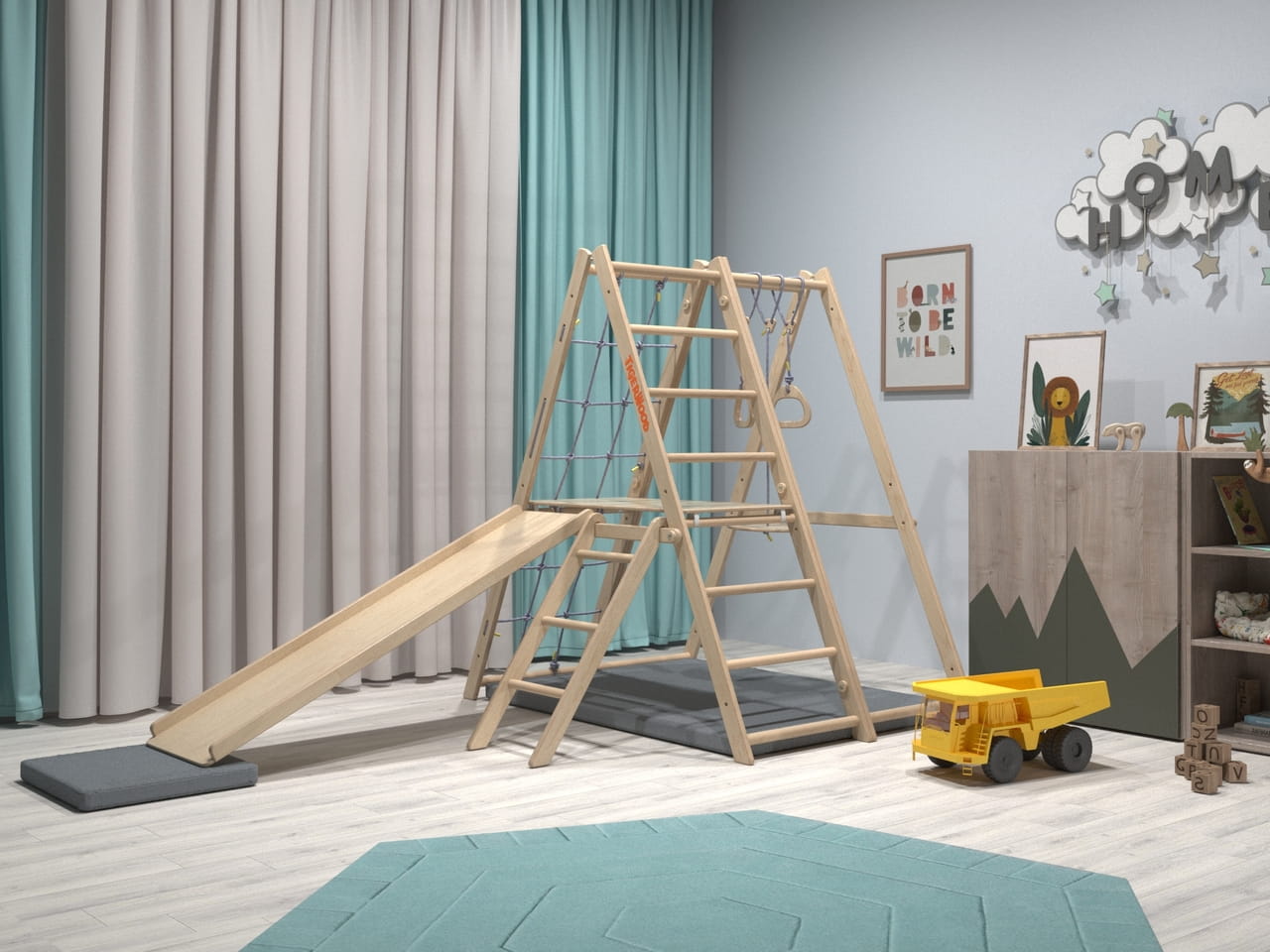
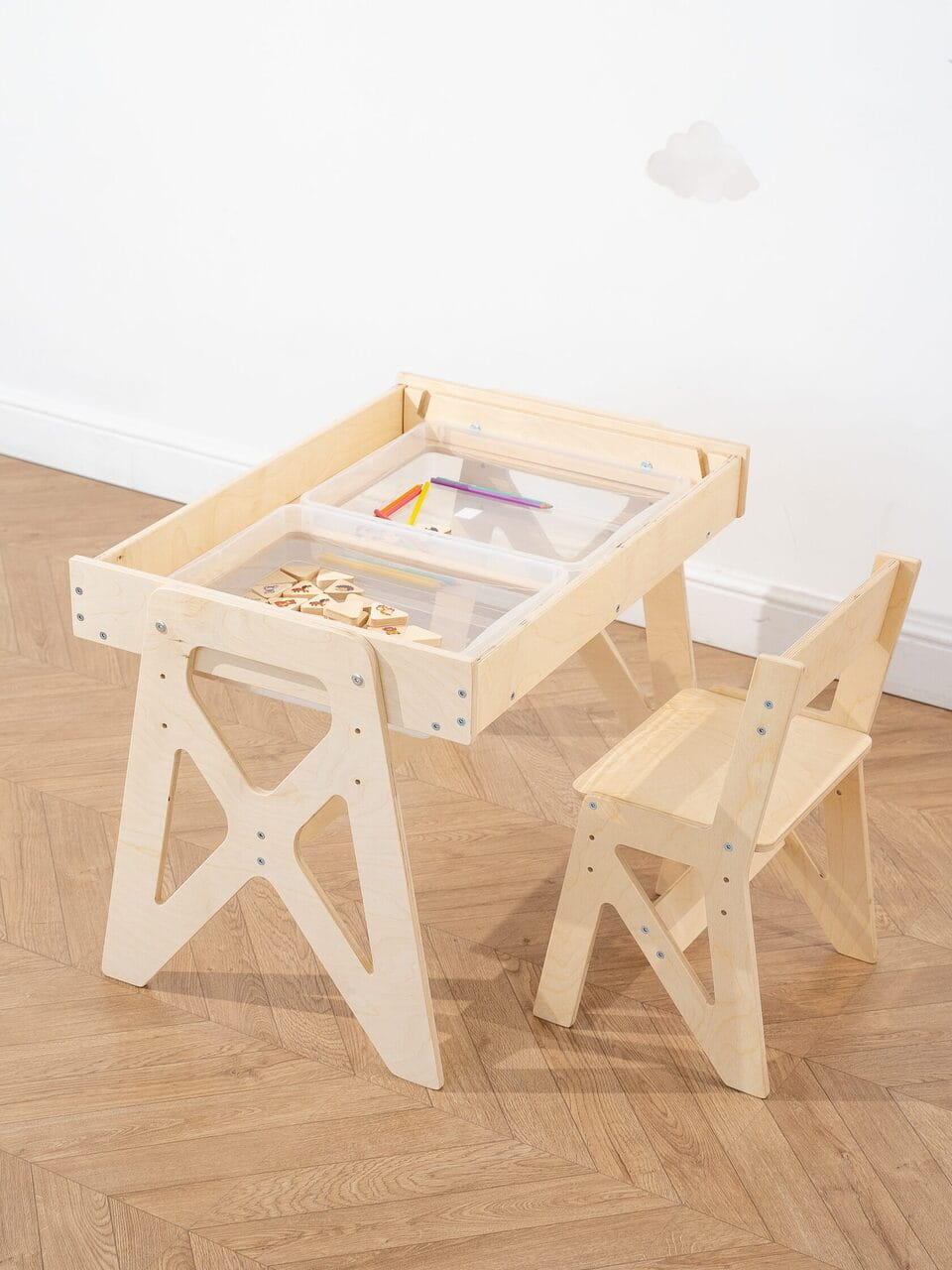


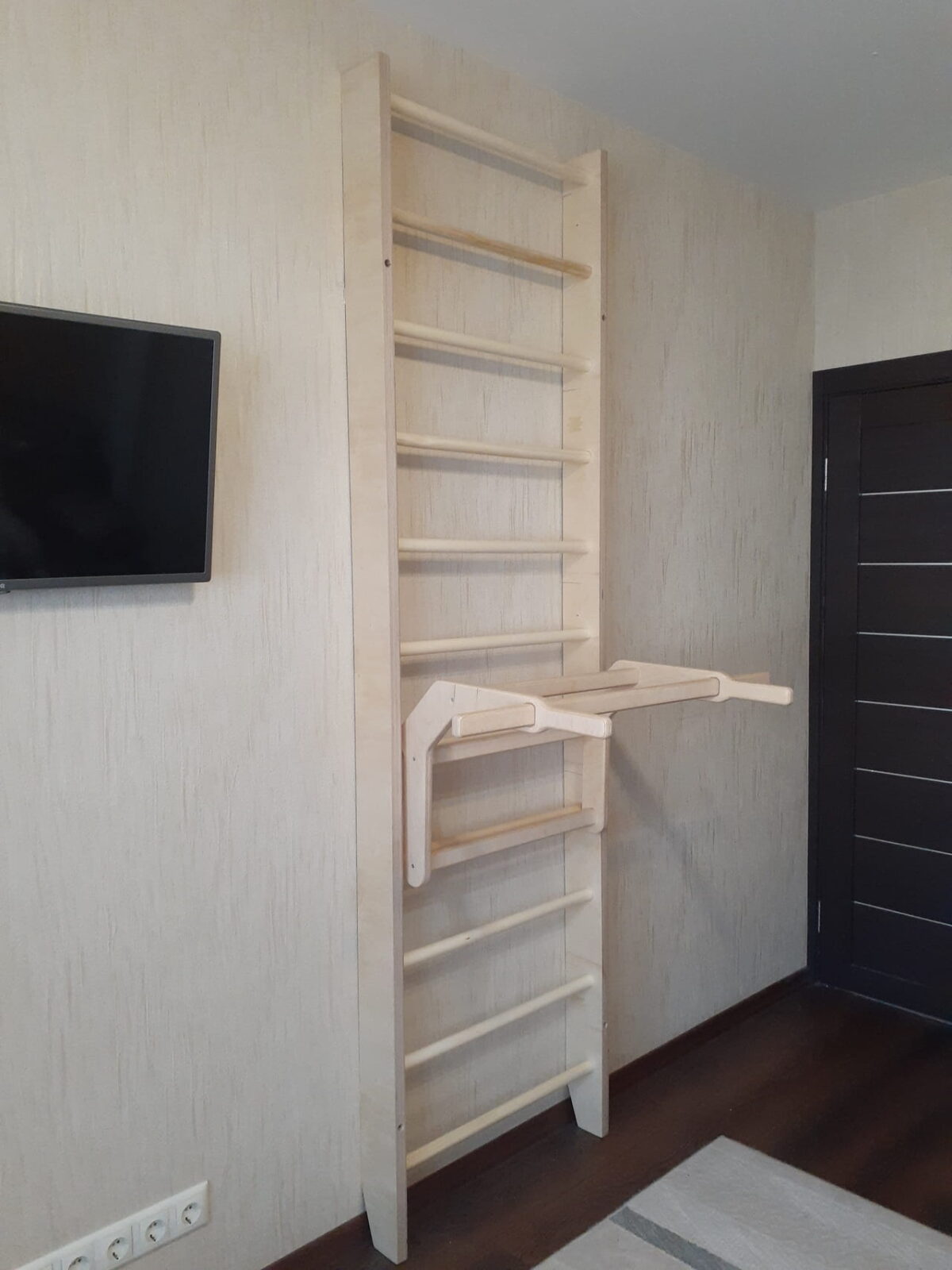
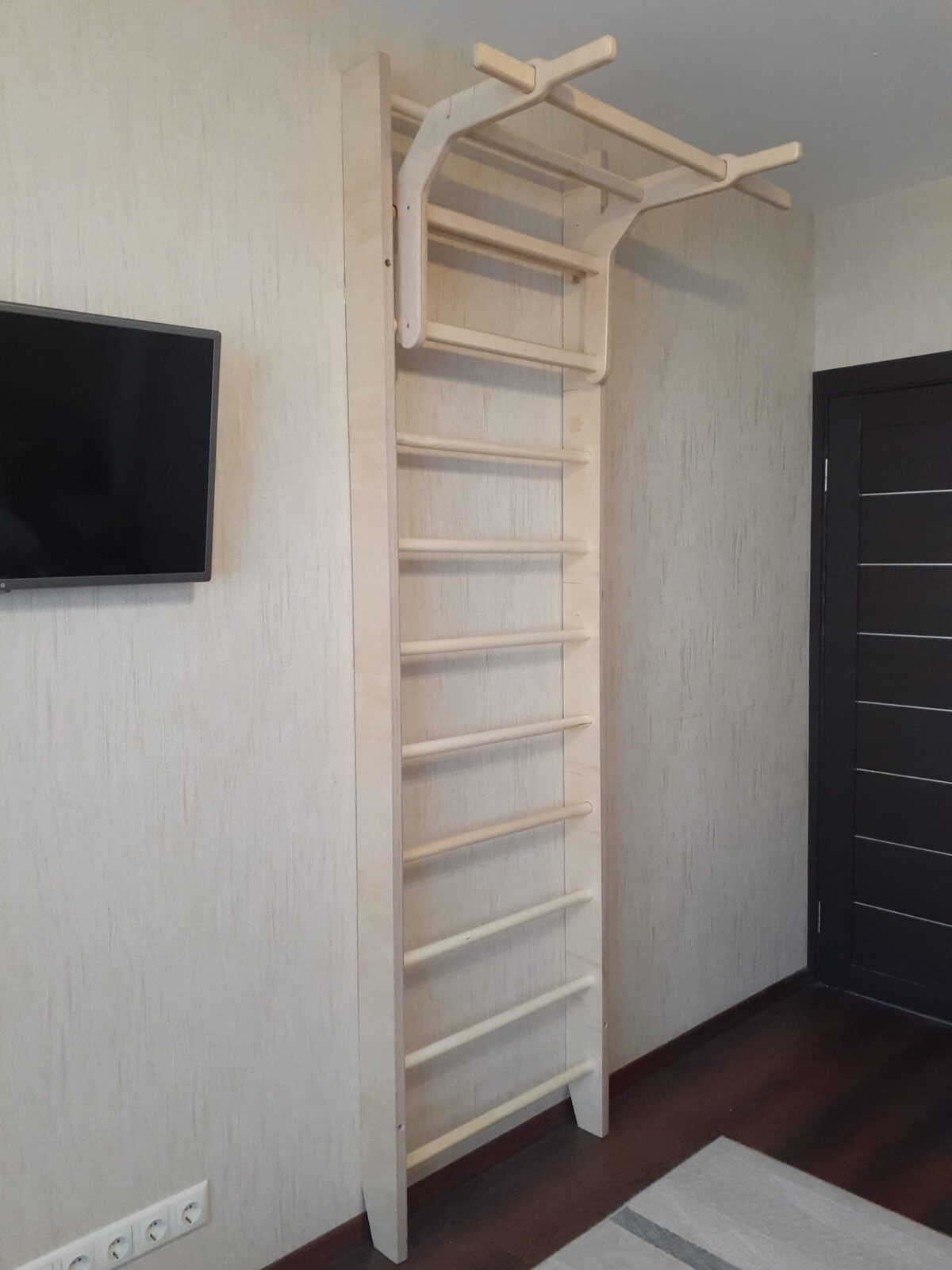
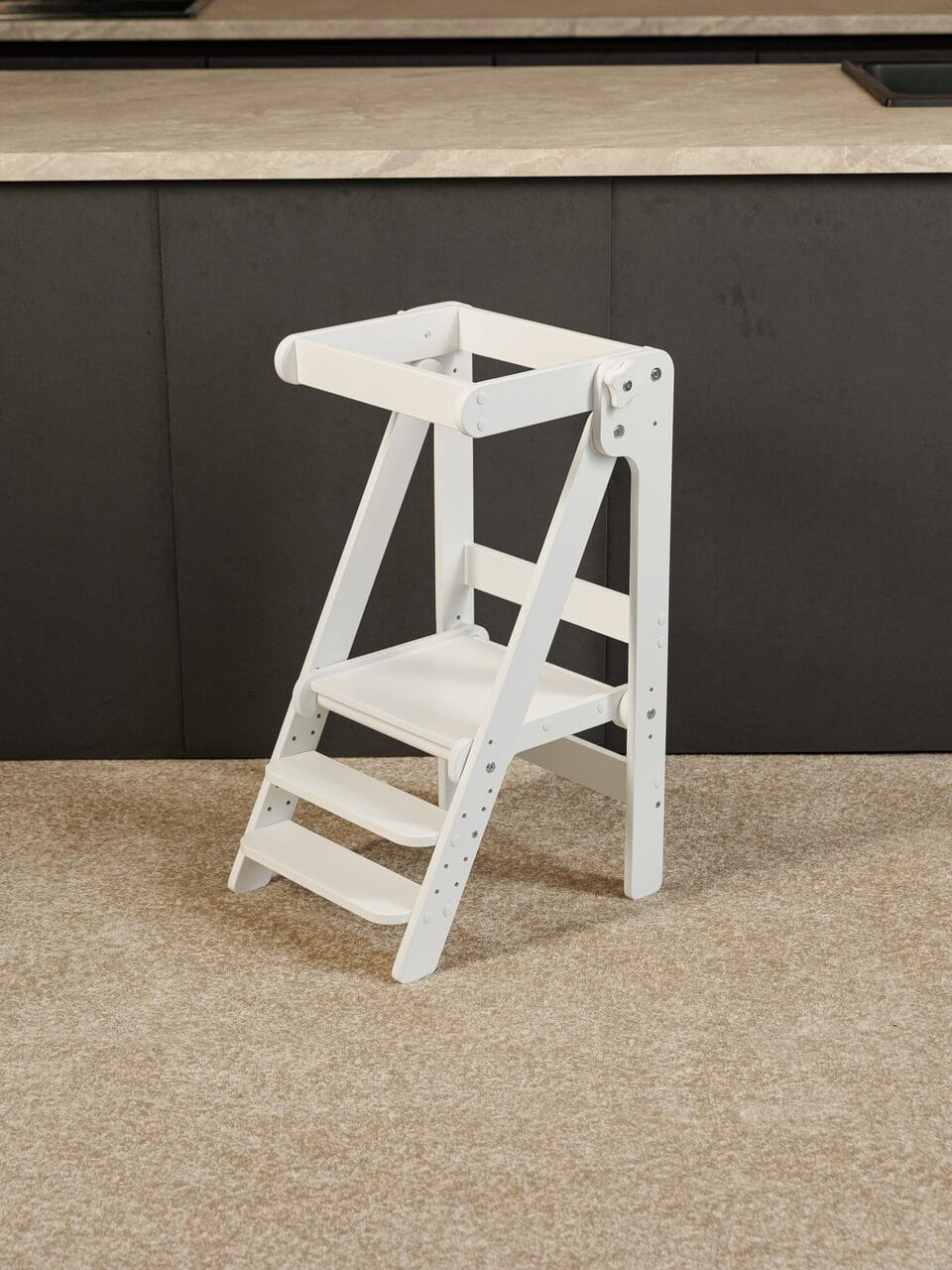


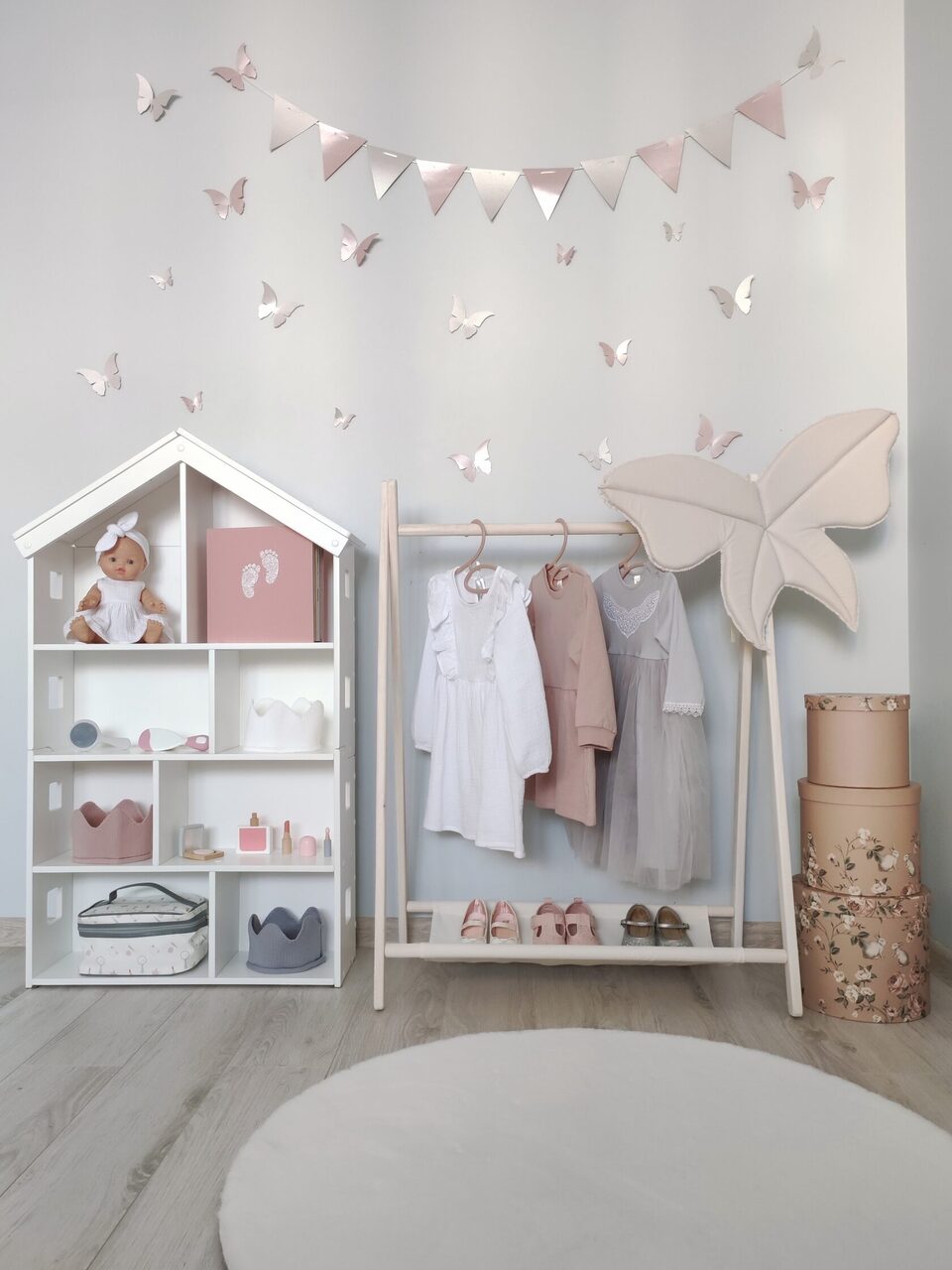

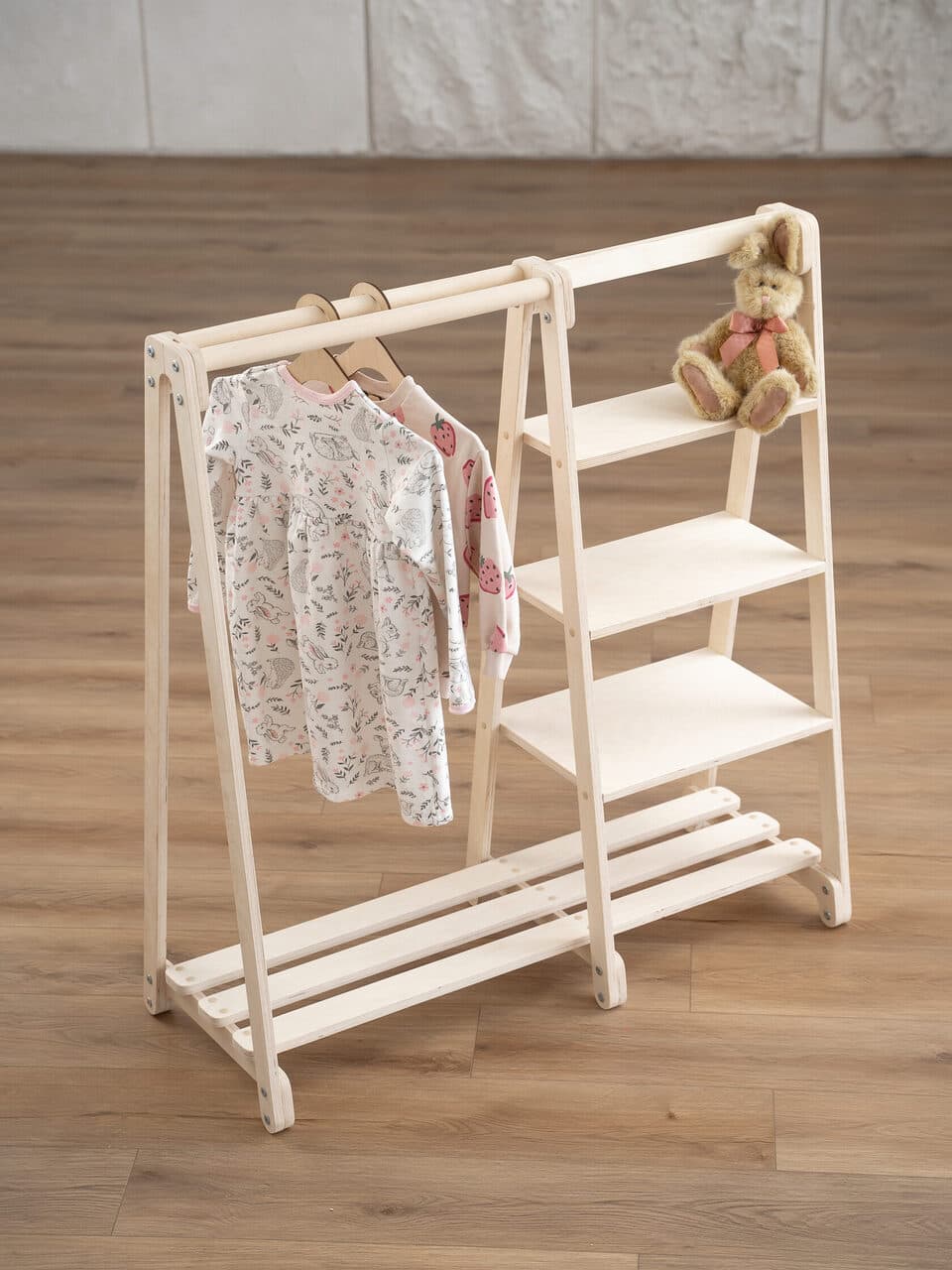
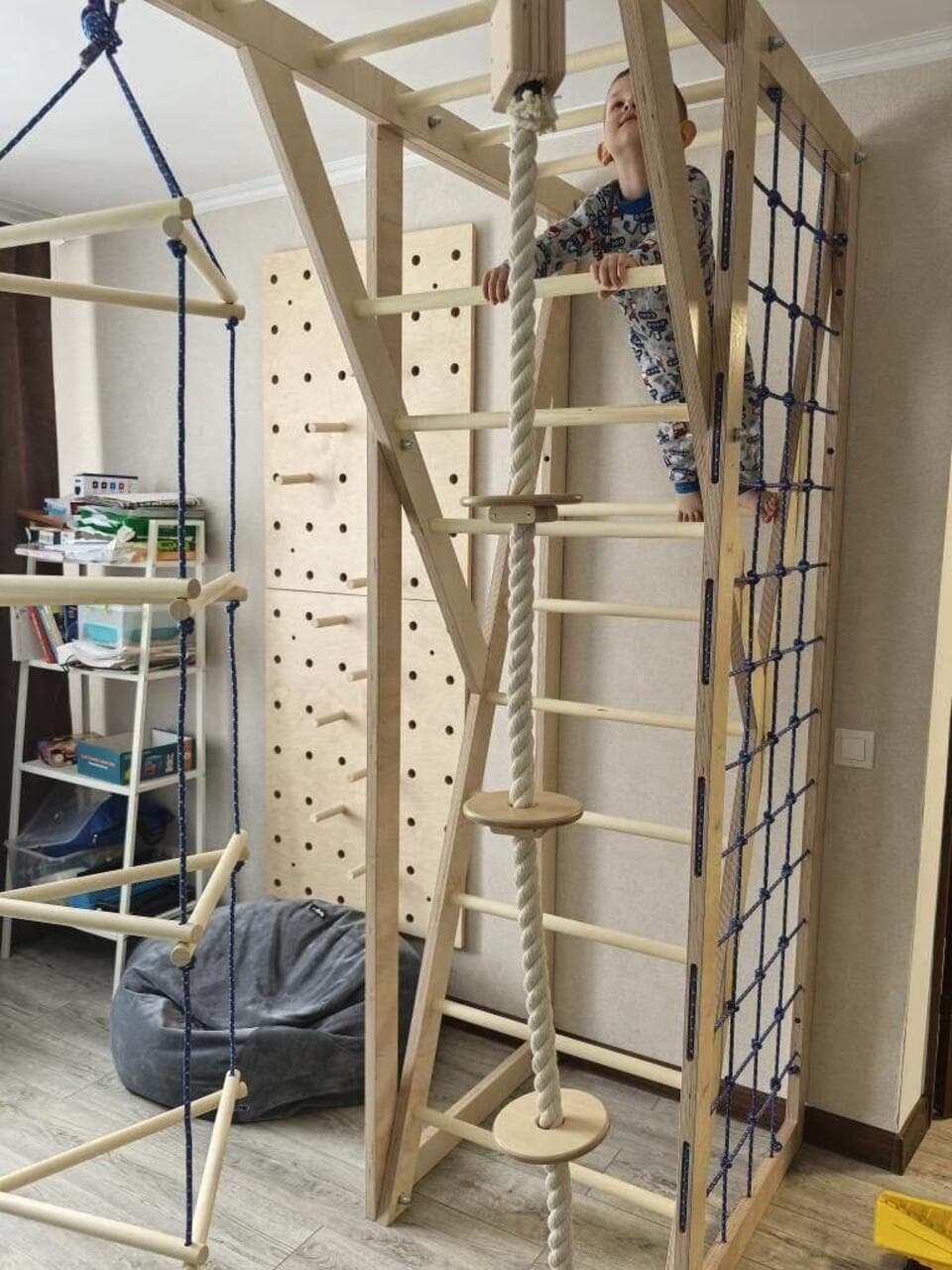
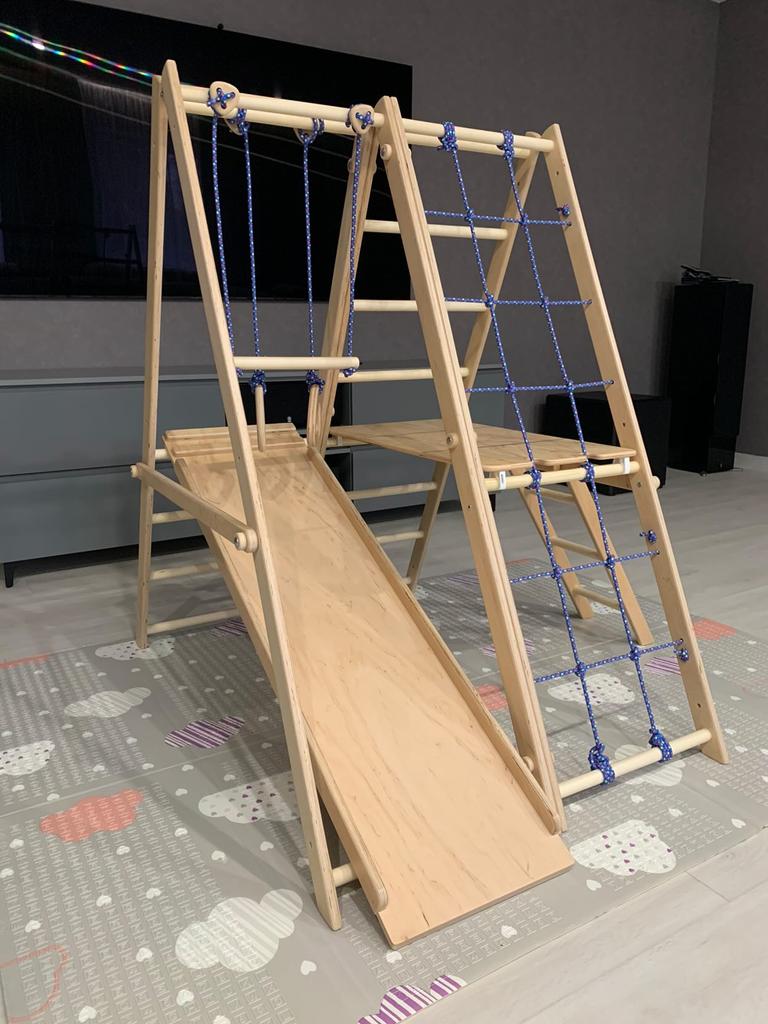

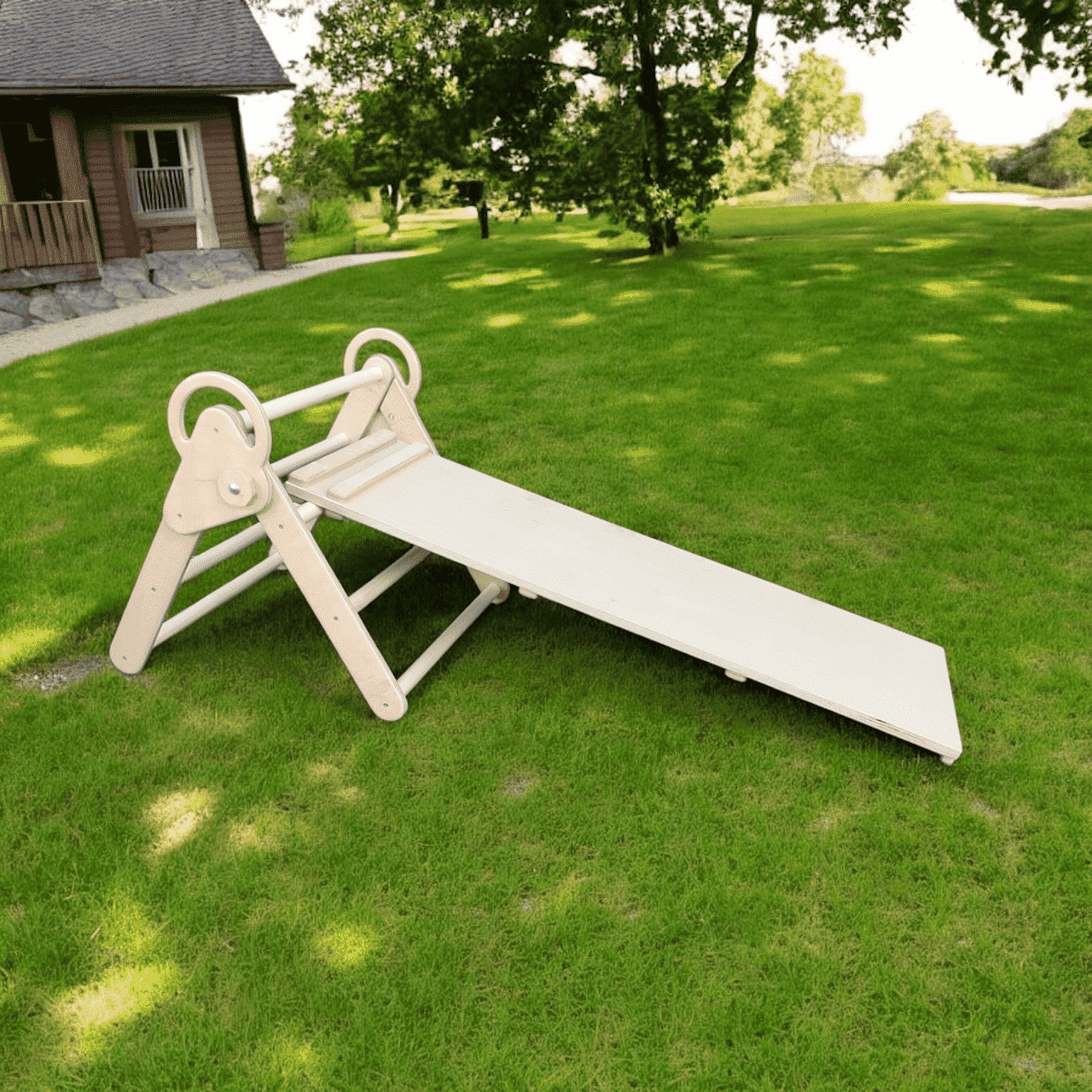

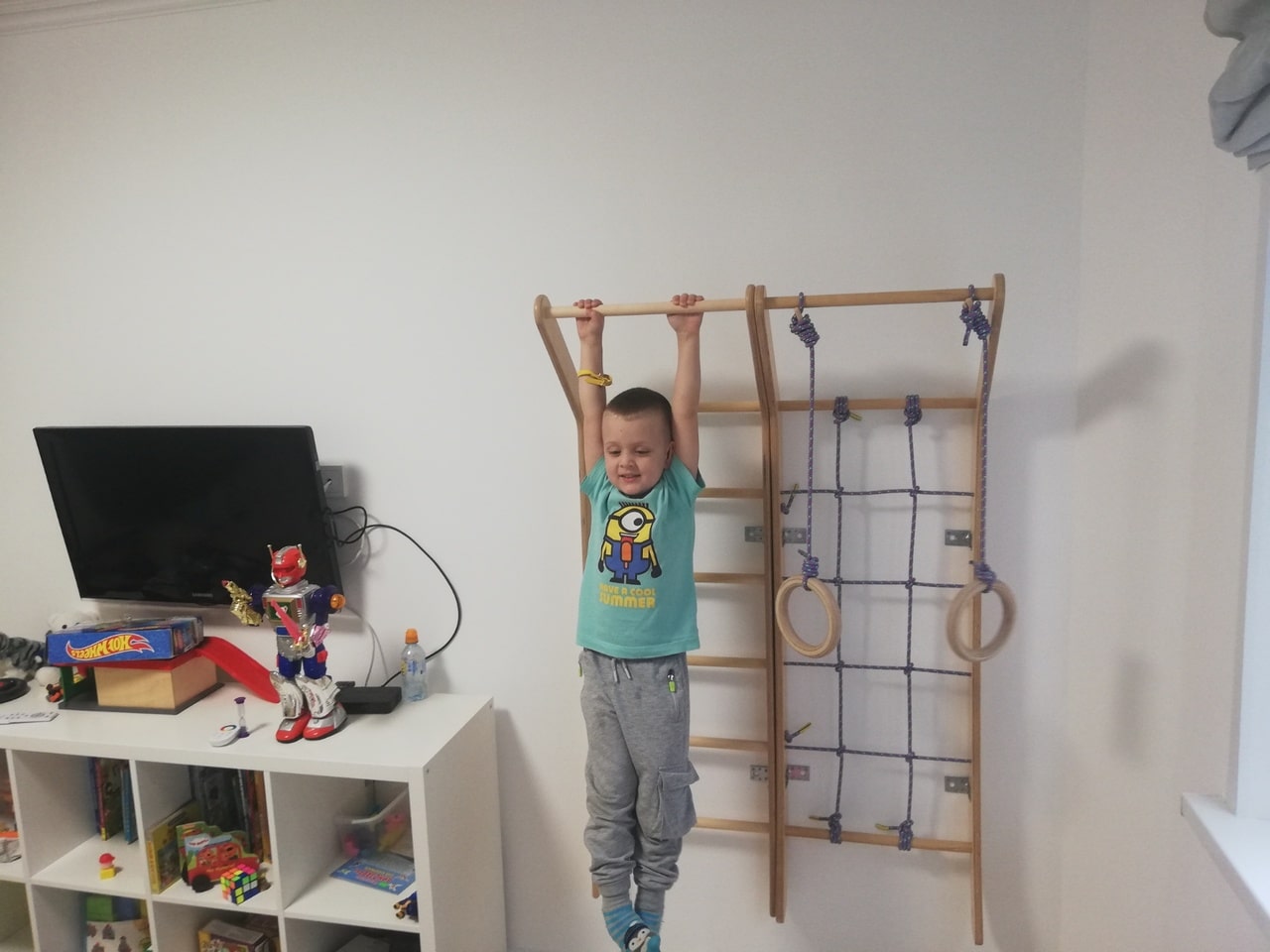


Examples of work: a variety of projects using sheet material
So as not to drift into generalities, here is what joinery services look like on real projects. The classic is custom furniture: cutting MFC or MDF for façades, shelves, worktops. Here every order has its own requirements — in one place a precise fit to a niche is critical, in another the look of the façade, in another the worktop’s strength reserve for daily load.
A frequent guest is stands for trade shows and shops with decorative elements in MDF: milled logos, three-dimensional lettering, patterns. Such a product works on the brand’s image, so a flaw catches the eye at once. You need both machining precision and the right tooling — otherwise instead of a crisp logo you get a blurred outline that is easier to redo than to justify.
Another layer is packaging for transporting oversized goods. Here plywood and OSB come into play: crates, containers, pallets. The key word is strength: the crate must survive loading, shaking and jolts without falling apart along the way. At the same time everything is cut to a precise size and assembled for a specific cargo, not to a universal template — a crate made “by eye” either rattles about or will not close.
Another direction is construction and finishing materials: panels for internal partitions, overlays for building façades, interior décor elements from plywood or MFC. Here surface quality, dimensional precision and material stability come to the fore — a part that “moves” after installation ruins both the look and the reputation. That is why such orders are machined with particular attention to the finish.
Who uses a carpentry workshop’s services

Furniture makers

Interior designers

Advertising companies

Exhibition stand builders

Art studios

Cafés and restaurants

Construction firms

Retail equipment manufacturers

Furniture factories

Private craftsmen

Custom orders

Manufacturing companies

Museums and exhibition halls

Architects

Theatres and film studios

Educational organizations

Children’s products manufacturing

Repair specialists

Online stores

Sole proprietors
Who orders joinery services: different businesses that need woodworking
Customers of joinery services are companies from utterly different fields. In first place are furniture factories and workshops: they need machining of MDF, MFC and edge-glued panel for carcass and built-in furniture. For them precise cutting, a neat edge and deadlines matter most — a delay in parts derails the assembly of the whole project, so they hold on tight to a proven contractor.
Next come architectural and design studios. Their projects are home to non-standard interior elements, decorative panels, partitions, one-off furniture and accessories. The requirements match: a flawless finish and precision on complex shaped elements. A designer draws a line and expects exactly that, not an approximate “in the same direction” — and joinery services must hit the sketch precisely.
A separate group is construction companies engaged in fit-out, installation and structural assembly. Their materials are OSB, plywood, particleboard: partitions, structures for walls and floors. The point of outsourcing here is direct: to get ready elements cut to precise size and not slow the build with your own cutting. The crew arrives — the parts are already cut and marked, all that is left is to assemble.
And, of course, entrepreneurs from retail and marketing. Their orders are retail stands, advertising structures, exhibition displays. Decorative elements in MDF go in for looks and load-bearing parts in MFC for stability. Such a structure must both draw the eye and calmly withstand the flow of people on site — the combination of beauty and strength is a must here.
Key stages in manufacturing wooden products: how quality is ensured at every step
It all starts with the choice of material, and this is no throwaway stage. It is here that it is decided which board will form the basis of the product. MDF, particleboard, plywood, MFC, OSB — each has its strengths and weaknesses, and the choice follows the requirements: in one place you need strength, in another flexibility, in another a flawless look, in another moisture resistance. A miss at this step carries through all the machining that follows.
Next comes cutting: the boards are ripped to the required sizes. High-precision machines are at work, holding geometry and at the same time laying out the parts on the board so that fewer offcuts remain. On a large batch this material saving adds up to a tangible sum, so cutting is calculated, not cut at random.
After cutting, the edges are dealt with — this is edge banding. An important step, especially for MFC and MDF: the open edge of the board is vulnerable to chips, moisture and knocks, while a banded edge damps all that. The edge is applied from various materials, most often PVC, and it solves two tasks at once — it protects the edge and makes the part look finished. A bare edge shows at once that the product is unfinished.
Milling and drilling come next. They make the holes for hardware, recesses, grooves and shaped elements. A modern router pulls off both precision and complexity — in essence the only limit is the designer’s imagination. The same machine drills hinge borings in the morning and cuts a decorative pattern into a façade in the afternoon.
The finale is assembly, packaging and delivery. It should not be underestimated: a product can be machined perfectly and ruined at the packaging stage if it arrives with scratches or chips. So the parts are carefully protected and shipped exactly as agreed with the customer. And end-to-end quality control at every step is precisely what cuts off defects before shipment, not after a client complaint.
Joinery services and manufacturing: an overview and the benefits
Put it all together, and joinery services for sheet material are a broad set of operations for products from MDF, particleboard, MFC, plywood, OSB and edge-glued panel. Demand for these materials comes from the most varied industries: furniture, construction, fit-out, advertising. Each has its own characteristics, and a sound choice directly affects how long a product will last and how it will look.
The process itself is a chain of several key stages, and each demands precision, technology and proper equipment. Material choice, cutting, edge finishing, milling and drilling, assembly and packaging are links of one chain. Drop one and the whole result sags. So each stage is run with an eye on both the customer’s requirements and quality standards, not on the principle of “it’ll do”.
A production base with modern equipment keeps both dimensional precision and finish quality at a high level. And a flexible approach makes it equally easy to serve a large manufacturer with a series of thousands of parts and a private customer with a single non-standard item. Neither ends up an “inconvenient client” — only the scale changes, not the attitude.
Besides precision and quality there is also promptness, valued no less. Deadlines, readiness to take on a small run, the ability to react quickly to a project revision — all this is what makes a partnership work. Especially for retail and marketing, where everything hinges on the dates of promotions and openings, and for designers whose layout changes on the fly.
Working with wood and sheet materials tolerates no sloppiness — it takes both skill and attention to detail. The right technology plus modern machines deliver a consistent result time after time, and it is on consistency that a customer’s trust is built. One good order is chance, but ten equally good ones are already a reputation.
Turnkey joinery services: a breakdown for the customer
Next, the practical part with no fluff: the full list of operations, what goes into the price, how long to wait for different order types and what mistakes people most often make at the task-setting stage. This will help you estimate budget and timeline before getting in touch, not after the fact.
Full list of operations
Joinery services are not a single “make it nice” button but a set of separate operations. Each can be ordered on its own or as a bundle within a full cycle. The table shows what follows what and on which materials it is most often applied.
| Operation | What it does | Common materials |
|---|---|---|
| ✂️ Sawing and cutting to size | Cuts the board to a precise size, sets the geometry of the parts | MFC, MDF, plywood, OSB |
| 🪵 Edge banding | Seals the edge against moisture and chips, completes the look | MFC, MDF |
| 🔧 Milling | Grooves, recesses, shaped contour, décor and relief | MDF, plywood, solid wood |
| 🕳️ Drilling and boring | Holes for hardware and joints | MFC, MDF, plywood |
| 🌀 Sanding | Brings the surface up ready for coating | Edge-glued panel, solid wood |
| 🎨 Painting and finishing | Protection and décor — varnish, paint, oil | MDF, panel, plywood |
| 🪑 Assembly and packaging | Assembles the product and prepares it for transport | Any |
There is no need to order everything at once. Some need only cutting with edging, others a full cycle up to an assembled product. The set of operations is put together for the task, like building blocks.
What the cost of joinery services is made up of
A price without the order details is always “a shot in the dark”, and it is more honest to name the factors than to invent an average figure. Here is what really affects the estimate.
- 🧱 Material. Its price plus consumption including offcuts — a tight cutting layout saves board.
- 📐 Complexity. A straight cut is cheaper than shaped milling and boring for hardware.
- 🔁 Run size. A single part costs more per piece; on a series, tooling kicks in and the price drops.
- 🪵 Edge and finish. A bare edge, a PVC edge, single-coat painting or a complex coating — different budgets.
- 🪑 Assembly. A kit of parts or a turnkey finished product — a difference too.
- ⏱️ Urgency. Out-of-turn work always costs more than the standard schedule.
The easiest way to save is to hand over a clean drawing and not force the deadline into a crisis. Rework due to inaccurate data usually eats up the very difference the saving was meant to achieve.
Lead times by order type
An exact date is calculated for the specific order, but rough guides from experience look like this. They help you understand whether the parts will make it in time for furniture assembly or for the opening date of an outlet.
| Order type | Lead-time guide | Example |
|---|---|---|
| ✂️ Cutting with edging | 1–2 days | MFC parts for a wardrobe |
| 🔧 Parts with milling and boring | 2–4 days | MDF façades with recesses |
| 🎨 Product with painting | 4–7 days | A painted façade or stand |
| 🪑 Turnkey assembly | from 5–7 days | A finished display case, counter |
| 📦 Series batch | by agreement | A kit for a retail chain |
The coating usually takes longest to dry, and rushing it is harmful — better to allow an extra day than to chase runs. So for a project tied to a date it is sensible to get in touch early and with some margin.
Materials: a short comparison
So that the choice of material does not turn into a lottery, here is a cheat sheet on the main sheet materials — where each is most appropriate and what to watch for during machining.
| Material | Strong point | Where it is used |
|---|---|---|
| 🟤 MDF | Ideal for milling and painting | Façades, décor, 3D panels |
| ⬜ MFC | Ready coating, inexpensive | Carcass furniture, stands |
| 🪵 Plywood | Strength, holds fasteners | Frames, packaging, bending |
| 🟫 OSB | Structural strength | Construction, cladding, decking |
| 🌳 Edge-glued panel | The look of natural wood | Worktops, shelves, face parts |
Common mistakes when ordering
Most slip-ups happen not at the machine but at the task-setting stage. Here is what most often gets in the way of a right-first-time result.
- ❌ Dimensions “by eye”. One wrong measurement — and the whole part is remade.
- ❌ Forgotten allowances. No clearance for the edge or assembly — the parts do not fit together.
- ❌ Misplaced thrift. A board too thin sags under load within a month.
- ❌ “I’ll paint it myself later”. Without a booth and preparation the coating goes on worse than expected.
- ❌ A last-minute rush. Drying and complex machining do not speed up on command.
It is no big deal if something has been overlooked — that is what the talk before the cut is for. A decent contractor asks these questions in advance rather than throwing up their hands afterwards.
How to place an order
The clearer the inputs, the fewer clarifications and reworks. A little preparation on the customer’s side saves both sides time.
- 📝 Describe the product: what it is, where it will stand, what load it bears.
- 📐 Attach dimensions or a drawing — a file works, and so does a sketch with real figures.
- 🧱 State the material and its thickness, or ask us to select one for the task.
- 🎨 Decide on the edge and finish — colour, type of coating.
- 🔢 Give the quantity — a single part or a batch.
- 📅 Tell us the desired date if the order is tied to an event.
A perfect technical package is not required. Half of orders start with the words “I need something like this, help me figure it out” — the contractor’s job is precisely to translate that into the language of drawings and operations.
Outsourcing machining: when it pays off
Outsourcing machining is not always worthwhile — but in a number of cases it is the obvious solution. An in-house line is justified with a constant large flow of identical parts. With uneven loading, however, keeping machines, staff and floor space for them costs more than ordering joinery services as needed.
Simple arithmetic: a panel saw with an edge bander, a trained operator, shop rent, extraction, tooling — these are serious fixed costs that keep dripping even during downtime. If orders come in waves, such equipment sits idle half the time. Outsourcing turns these fixed costs into variable ones: you pay exactly for what is done, and exactly when it is needed.
What an order looks like in practice: three examples
A furniture factory in season. Ahead of the peak in orders, the factory does not have enough of its own capacity for cutting. Part of the MFC parts with edging and boring go off-site — the factory receives ready kits and does not miss deadlines for its clients, without buying a second machine for the sake of two hot months.
A seller with their own brand. An online shop launches a line of decorative MDF panels with a milled pattern. The run is a trial, it is early to set up their own shop. The machining and painting are ordered in full: a finished batch arrives ready for a photoshoot and sale, while the money for equipment stays in circulation.
A design studio for a site. For handing over an interior, non-standard partitions and overlays in plywood are needed precisely to drawing. The studio hands over the files, receives the parts to size with a clean finish and mounts them on site — with no risk that “the carpenter from the market” will reinterpret the idea in their own way.
Three different businesses, three different tasks — and in every case joinery services close exactly the slice of work that is unprofitable or there is no time to do yourself. The material and volume change, but the logic stays: a clear drawing, precise machining, control and a clear deadline.
The equipment on which joinery services rest
Quality does not come from thin air — behind it stands a specific park of machines. Each covers its own part of the work, and the value is precisely in the combination: a part passes from stage to stage without losses under a single control.
- 📏 Panel saw. A clean cut of the board with no chips — the basis of cutting MFC, MDF, plywood.
- 🪵 Edge bander. Neatly applies the edge to the edge, protecting and completing the part.
- 🤖 CNC router. Shaped contour, grooves, boring and décor by program — with repeatability on a series.
- 🕳️ Drilling and boring equipment. Precise holes for hardware and joints.
- 🌀 Sanding machines. Bring the surface up ready for paint and varnish.
- 💨 Paint booth. Even application and dust-free drying.
No single machine makes the whole product on its own. That is exactly why a full cycle in one place beats a patchwork of different contractors: there are no seams at the junction of stages, where precision is usually lost.
Quality control by stage
Control is built into the process, not tacked on at the end for show. It is easier to show this step by step — exactly where and what is checked.
| Stage | What is checked | Why |
|---|---|---|
| 📥 Material intake | Type, thickness, décor, moisture, defects | Catch the wrong or faulty board before the cut |
| ✂️ Cutting | Dimensions, geometry, absence of chips | Do not let an inaccurate blank into the work |
| 🔧 Machining | Edge, boring, milling to drawing | Intermediate control on complex parts |
| 📤 Release | Appearance, fit, completeness | Cut off a defect before shipment to the customer |
A double barrier at the input and the output costs less than sorting out a claim after the fact. Plus, when the whole order has passed through one pair of hands, there is no need to work out at whose stage the problem arose — responsibility is not smeared around.
Who most often needs joinery services
To size up the possibilities for your own field, here is a summary by industry and typical requests. The list is not exhaustive, but it shows how varied the tasks are that one set of operations covers.
| Who orders | What is needed | Materials |
|---|---|---|
| 🪑 Furniture factories | Cutting, edging, boring for carcass | MFC, MDF, panel |
| 🛍️ Trade and retail | Stands, display cases, counters | MFC, MDF, plywood |
| 📢 Advertising and marketing | Letters, panels, exhibition structures | MDF, plastic, acrylic |
| 🏠 Design studios | Décor, partitions, non-standard | MDF, plywood, solid wood |
| 🏗️ Builders | Cladding, partitions, large cuts | OSB, plywood, particleboard |
| 🚀 Startups and sellers | Trial batches, samples | MDF, plywood, MFC |
If your task is not in the table, it does not mean it will not be taken on — the non-standard is the most interesting part. It is enough to describe the desired result, and a solution will be put together from the same operations in a different combination.
Myths about outsourcing woodworking
Stereotypes have piled up around ordering machining off-site, and because of them companies drag out the decision. Let us take apart the most persistent ones.
- 💭 “It’s only for large volumes”. No. Both trial batches and single parts are taken on.
- 💭 “They won’t make my sizes precisely”. They will — the work goes strictly by the customer’s drawing.
- 💭 “Outsourcing is always dearer than your own shop”. With uneven loading it is the other way round — cheaper than keeping machines idle.
- 💭 “Only their material”. Your own material is accepted, after checking it for suitability first.
- 💭 “Can’t order from another region”. The parts will be made and sent by a shipping company.
Working with customers across Europe
Distance is no obstacle: orders are accepted from all over Europe. The drawing is agreed remotely, the parts are made and sent by a shipping company. For a client in another city everything looks just as simple as for a neighbouring one — the only difference is the delivery method.
This is especially convenient for those running projects across several locations. A chain orders identical retail equipment to a single standard for all its shops. A furniture maker builds out a site in another region from ready parts and keeps no cutting of their own. With a clear drawing the result is predictable regardless of geography.
Finishing coatings: what a part is covered with
The finish affects both the appearance and the service life. There is no universal answer — it all depends on where the part will stand and what result is needed. A short comparison will help you get your bearings before ordering.
| Coating | What it gives | Where it fits |
|---|---|---|
| ✨ Varnish | A durable film, gloss or matt, emphasises the texture | Worktops, furniture under load |
| 🫒 Oil | A natural look, repairability | Solid wood, panel, “woody” interiors |
| 🎨 Paint | Any colour, dense coverage | MDF façades, décor, advertising |
| 📄 Lamination / edge | A ready, hard-wearing coating | Carcass furniture from MFC |
Often the decision is born right in conversation: you describe the conditions — humidity, abrasion, the shade needed — and a coating is chosen to suit. Sometimes a modest oil is enough, sometimes there is no getting by without a durable varnish.
How to choose a contractor for joinery services
If you are choosing whom to give the order to, here is a simple checklist. It works for any performer — by these signs you can tell a contractor from a lottery.
- ✅ Names the deadline and price in advance, not “after the fact”.
- ✅ Asks questions about the drawing before the cut.
- ✅ Works with different materials and honestly advises where each fits best.
- ✅ Shows precision in figures, not in generalities.
- ✅ Takes on both one-off parts and series.
- ✅ Is responsible for the whole cycle, not just a single operation.
Quick answers on materials
Which is stronger — plywood or particleboard? Plywood. It holds fasteners and load better, so it goes into frames and structural work, whereas particleboard more often works in carcass furniture without heavy loads.
What to make a painted façade from? MDF. Its uniform dense structure gives a smooth surface under paint and holds milled relief with no chips along the edge.
Does MFC need an edge? Absolutely. The open edge of MFC draws moisture and chips easily, so it is sealed with a PVC edge — that means both protection and a finished look.
Waste and material saving
Precise cutting with a well-thought-out layout on the board means fewer offcuts to the bin. For the customer this is a direct saving, especially on a large batch, and for production it is a clean, predictable process. A small thing rarely considered at the start, but on a series of hundreds of parts it adds up to a tangible sum. That is why cutting is calculated by program, not cut by eye wherever it lands.
To sum it all up in one thought: full-cycle joinery services are a way to get precise parts and finished products from wood and sheet materials without a shop of your own, with a clear price, real deadlines and control at every step. All that is left is to describe the task — the rest will be broken into stages and carried through to the result.
A glossary: joinery services without the jargon
Joinery services are described with a set of words familiar to the shop that tell the customer little. A short explanation will help you understand exactly what you are ordering and what you are paying for.
| Operation | What it does |
|---|---|
| ✂️ Cutting to size | Lay out the parts on the board and cut them to size |
| 🪚 Sawing | Sawing a board or panel to a set size |
| 🔧 Milling | Grooves, recesses, chamfers, relief and shaped contour |
| 🖇️ Edge banding | Sealing the board edge with tape against moisture and chips |
| 🎯 Boring | Drilling holes for hardware by layout |
| 🌀 Sanding | Bringing the surface to the required smoothness and finish |
| ✨ Painting | Varnish, oil or paint in a booth with clean drying |
One operation or a package
Joinery services are flexible: they are taken on both by the piece and as a bundle. Below are the typical request formats, to size them up against your own task.
| Order format | When it suits |
|---|---|
| 🔹 One operation | You need only cutting, only milling or only painting |
| 🔸 Several operations | The part goes through a chain: cut → edge → boring |
| 🔶 Full cycle | From material to an assembled and packaged product |
| 🔁 Series to a brief | A batch of identical parts to a contract and specification |
More questions about joinery services
Can I order just a single operation? Yes. Joinery services do not have to be taken as a package — if you need only sawing a board or only sanding, that is where it stops. No one imposes extra stages.
Do you work with legal entities under contract? Yes, with paperwork and to a technical brief. For a business this is convenient: a clear specification, fixed terms, consistent quality from batch to batch.
Does this suit as outsourcing for one’s own shop? That is exactly how many operate. When their own production is overloaded in season, part of the operations goes off-site — this is cheaper than downtime or an urgent machine purchase.
Will you take on an urgent order? Simple work is often done the same day by agreement. Urgency out of the general queue is discussed separately, but there is little that is impossible here — it is a matter of planning.
Will you calculate the cost in advance? Yes, from the task description and specification the price and deadline will be named before the work begins. A transparent estimate is in both parties’ interest — that way no disputes arise along the way.
What to clarify before ordering the service
So that joinery services come out exactly as intended, it is useful to clear up a few points in advance. This is a short checklist that removes most misunderstandings right at the start.
- 🎯 Result. What should come out in the end and where it will work.
- 📐 Dimensions. Precise figures or a drawing, even a freehand one.
- 🧱 Material. Yours or to be purchased to order, what thickness and décor.
- 🖇️ Finish and edge. Whether painting is needed, where to seal the edges.
- 🔢 Volume. A single part or a batch — this affects the price per piece.
- 📅 Deadline. Whether there is a tie to an assembly or installation date.
There is no need to come with a ready technical package — half of enquiries start with the words “I need something like this, help me figure it out”. The performer’s job is precisely to translate that into a drawing and a set of operations. But the more inputs, the shorter the path to a finished part.
Why outsourcing operations is often more profitable
Keeping your own machine, operator and floor space for each operation makes sense only with constant loading. If sawing or milling is needed from time to time, joinery services off-site usually work out cheaper than a section of your own.
- 💰 No costs for buying and maintaining equipment.
- 🏭 No floor space needed for a shop and material storage.
- 👥 No need to keep and train machine operators for rare tasks.
- 📈 Easy to scale: a seasonal peak is covered by an order, not a crisis.
- 🎯 Industrial CNC precision is available even for a one-off part.
That is why furniture makers, advertising producers and small shops increasingly hand part of the work to a contractor. This unloads their own capacity and removes the risk of downtime when their own machine is busy or broken.
Warranty and what to do in case of a defect
A question rarely asked aloud but kept in mind: what if something goes wrong? Joinery services with clear control are distinguished precisely by the fact that responsibility for the result is not smeared around.
Control stands at the input and the output. At the input, the drawing, dimensions and material are verified — the wrong décor or an extra millimetre of thickness is caught before the cut. At the output the product is checked as a whole: geometry, fit, surface cleanliness. Such a double barrier cuts off most problems before handover to the customer.
If a disputed point does arise, it is easier to resolve precisely because the order passed through one pair of hands. There is no need to work out at whose stage the error occurred — there is someone to ask. For the client this is the real warranty: a clear zone of responsibility instead of contractors shifting the blame between themselves.
Which materials we work with
Joinery services cover a wide list of materials, and the choice affects both the price and the machining method. A short guide is in the table.
| Material | Typical use |
|---|---|
| 🌳 Solid wood | Worktops, décor, premium parts |
| 🪵 Plywood | Frames, bent forms, stands |
| 🟤 MDF | Painted façades, 3D panels, carving |
| ⬜ MFC | Carcass furniture, shelves, wardrobes |
| 🔲 Acrylic and plastic | Display cases, signs, fit-out |
And what if I’m unsure about the material? It is enough to describe the task and the conditions the part will work in — a suitable option will be suggested. It often turns out that expensive solid wood is not needed in a specific case, and painted MDF will cope no worse and cost less.
Will you send an order to another city? Yes, finished parts are packed and sent by a shipping company across Europe. For a customer in another region everything looks just as simple as for a neighbouring one — the only difference is the delivery method.
If a task goes beyond the typical, it will still be broken down into clear operations and carried through to the result. That is precisely the convenience of full-cycle joinery services: instead of searching for five performers, it is enough to describe the goal to one.
How to speed up order completion
Deadlines are largely in the customer’s hands. A couple of simple things noticeably speed up the work and remove any reason for delay.
- 📝 A clear specification with dimensions — fewer clarifications at the start.
- 🧱 Material on hand or agreed in advance — no waiting on supply.
- 🎨 Certainty on the finish — it is immediately clear whether coating will need drying.
- 📅 An early enquiry — the order joins the queue without haste and crisis.
The coating usually takes longest to dry — here haste harms the result. If a project is tied to a date, it is sensible to get in touch early and allow a small margin rather than bring a drawing “for the day after tomorrow”. Then joinery services have time to do their work without compromising quality.
What does the customer get in the end? Not a set of promises but finished parts or a product, made exactly to size and by the agreed deadline. One performer runs the order from enquiry to shipment, and that removes the very headache people turn to professionals to be rid of.
Why are off-site joinery services better than a “jack of all trades”? Above all, predictability. With a private all-rounder the result depends heavily on their workload and mood, and a full cycle with booth painting is far from everyone’s offering. Production with a set of machines and stage-by-stage control delivers consistent quality time after time, not “however it turns out”.
Can I start with a trial order? A sensible approach. A small part or batch will show both the quality of the cut and the precision, and how communication is set up. Many come this way — with one test task, and then hand over joinery services on a permanent basis, once satisfied with the result.
The bottom line is simple: you describe the task — you get finished parts to size and on time. Everything else, from material selection to finish, is taken on by the performer, and all that is left for you is to state the goal and collect the result.
And what if I need a consultation before ordering? Discussing the task commits you to nothing. You can simply describe what is needed, attach dimensions or photos — and get a guide on price, timing and a suitable material. At this stage useful details usually surface: where to get a thicker board, that a finish is easier to do in the shop, that a part is more convenient to split into pieces. Such a conversation saves both money and time and removes half the questions the customer came with.
And one more practical piece of advice at the end: joinery services are more profitable to order as a package all at once rather than one operation at a time in different places. When a part travels its whole route under one roof, no time is lost shuttling between performers and no small discrepancies pile up at the junctions. The result comes out both faster and cleaner, and there is a single contractor to answer for it.
Which materials can be machined on your equipment?
All the main sheet materials: MDF, particleboard, MFC, plywood, OSB, edge-glued panel. Each has its own worked-out machining mode, so the selection is made for the specific task, not “however it comes”.
How quickly can an order be completed?
The timeline depends on complexity and volume. Simple cutting is ready in a day or two, products with milling and finish take longer. An exact date is named at ordering, and we try to hold it without slippage rather than feed you promises.
Can I order machining of small batches of material?
Yes, both large runs and small batches are taken on. There is no rigid minimum — you can order even a trial batch of samples to test a product before a series.
Do you provide packaging services for finished products?
Yes, packaging is part of the services. The format is chosen for the task — retail for sale or dense transport packaging for shipping, so the part arrives without chips or scratches.
What advantages are there in working with you?
The main one is machining precision on modern equipment plus flexibility and speed. Both one-off parts and series are taken on, and the whole cycle happens on one base, so one contractor answers for the result rather than five.
How is quality control carried out in production?
Control stands at the input and the output: the material and dimensions are verified before the cut, and finished parts undergo both a visual inspection and a technical measurement. That way a defect is caught before shipment rather than surfacing at the customer’s end.
Can I order individual dimensions and shapes of products?
Yes, the work goes by individual drawings and dimensions. If there is no ready drawing, the part will be prepared from a sketch or description — the file format does not matter, and if necessary it will be converted into a working form.
Which materials are used for edge banding?
Various materials are used for the edge, most often PVC. Such an edge seals the edge against moisture and chips and makes the part look finished — its thickness and colour are matched to the specific product.
Do you provide delivery services for finished products?
Yes, delivery is arranged. The method and timing depend on dimensions, weight and address, so terms are agreed for the specific order — from self-collection to shipping by a transport company to another region.
What payment methods are available to clients?
Various payment methods are available, including bank transfer and work on prepayment. The specific arrangement is discussed at ordering — the settlement scheme may differ for legal entities and private individuals.
Reach us in whatever way suits you best
Call us, message us on a messenger app or reach out via social media — choose whichever way suits you
🗺️ We accept orders from clients across Europe
💬 Useful information and articles
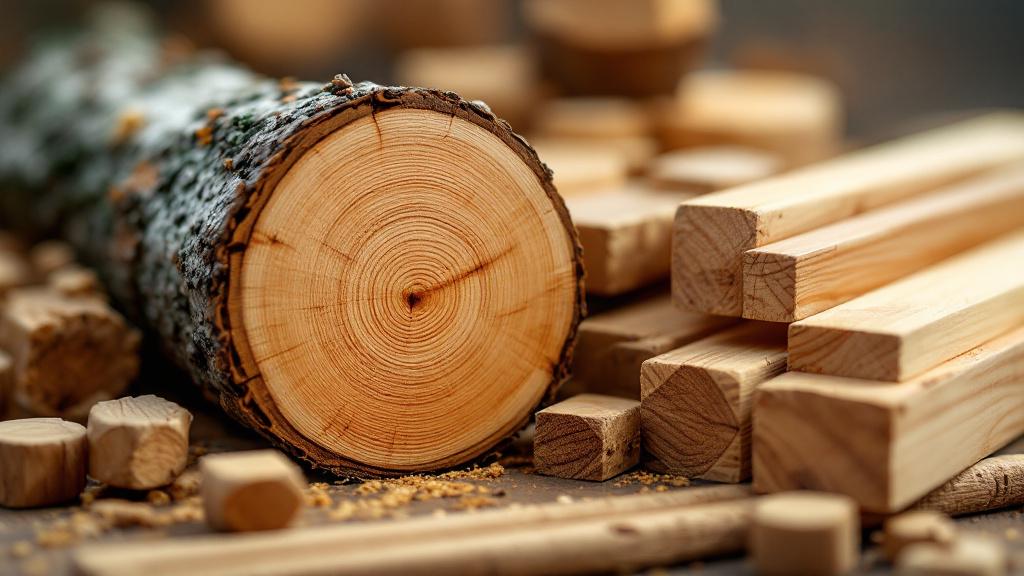
Eco-friendly and safe materials for modern wood production
Eco-friendly and safe materials for modern wood production In recent years we increasingly think about what the things around us are made of. A home, furniture, a floor, a kitchen, a

How to Correctly Choose Between Plywood, MDF, Particleboard, and MFC for Different Tasks
How to Correctly Choose Between Plywood, MDF, Particleboard, and MFC for Different Tasks In the world of woodworking and furniture making, every material has its own story. Plywood, MDF, particleboard, and

Cutting sheet wood materials at different angles: why and how it is done
Cutting sheet wood materials at different angles: why and how it is done Working with wood materials is not just sawing. To get a truly high-quality and durable product, you have

Recommendations for choosing sheet materials for indoor and outdoor projects
Recommendations for choosing sheet materials for indoor and outdoor projects In woodworking, choosing the right sheet material is like laying a foundation for a builder. What you pick at the very