
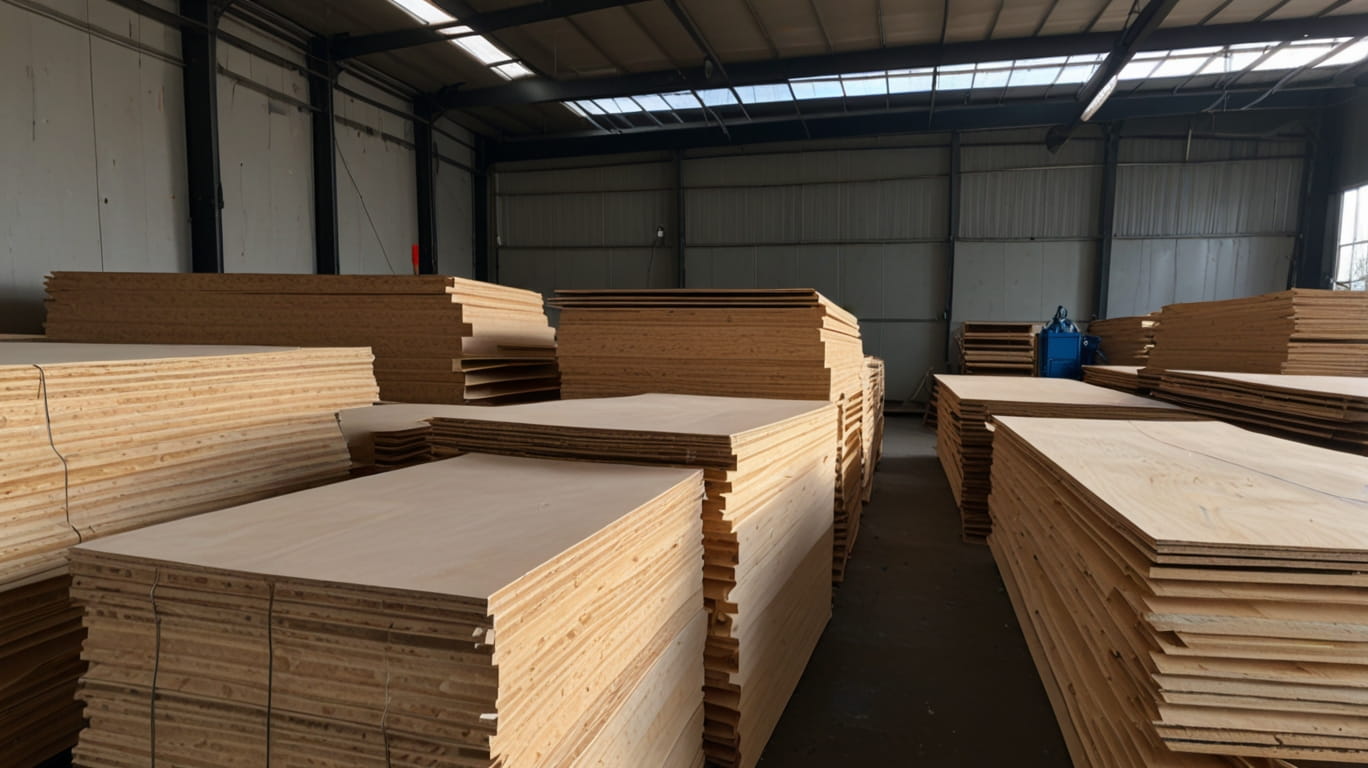
Materials
Materials are the foundation of every product we make: MFC and particleboard, MDF and HDF, plywood, OSB, edge-glued panels and solid wood, plus boards and beams. We work with both sheet panels and natural timber, and we handle panel cutting to size, edge banding, milling and painting — as single pieces and in batches. Below is an overview of the materials we work with, the tasks they suit, the sheet formats, thicknesses and grades available, and how to match a material to your product, budget and operating conditions.
Materials: the materials we work with
Materials are the foundation on which every product begins: from cabinet furniture to trim and structures. We work with sheet panels — MFC and particleboard, MDF and HDF — plywood in various grades and thicknesses, OSB, edge-glued panels and solid wood, plus boards and beams. The same material moves easily into furniture, retail fixtures and construction alike — only the thickness, grade and finish change.
A well-chosen material wins on more than price. It determines a product’s strength, weight, moisture resistance and appearance — from budget cabinet furniture to a premium solid-wood front. Materials and cutting are more often ordered not by individuals buying a single sheet, but by businesses: furniture manufacturers, brands and construction companies. They need a supplier who holds stable grades and thicknesses and won’t let them down on lead time.
The range of applications is broad. MFC and particleboard go into carcasses, shelves and fronts; MDF and HDF into milled fronts, decor and back panels; plywood into strong and curved parts; OSB into bases and structures; solid wood and edge-glued panels into countertops and premium products. And for all its utility, every sheet must be free of delamination, chipping and thickness variation — otherwise the part fails at assembly.
Since we are talking about batches, consistency comes to the fore: the hundredth part must fit exactly like the first. Hence the requirements for the materials — flat sheet geometry, consistent thickness, a clean cut with no chipping, a neat edge. Some orders are made to custom sizes and cutting maps. But whatever the material, it must suit the product and its operating conditions — the whole point is for the product to serve for a long time, not to add problems.

MFC and particleboard

MDF and HDF
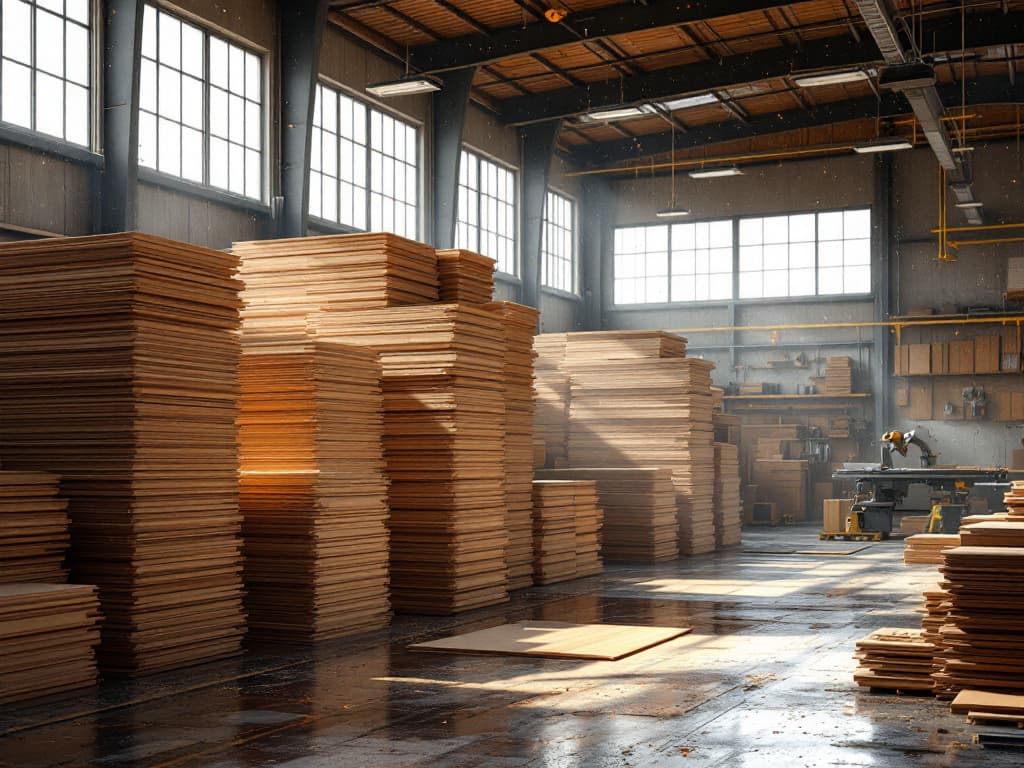
Plywood

OSB

Edge-glued panels and solid wood
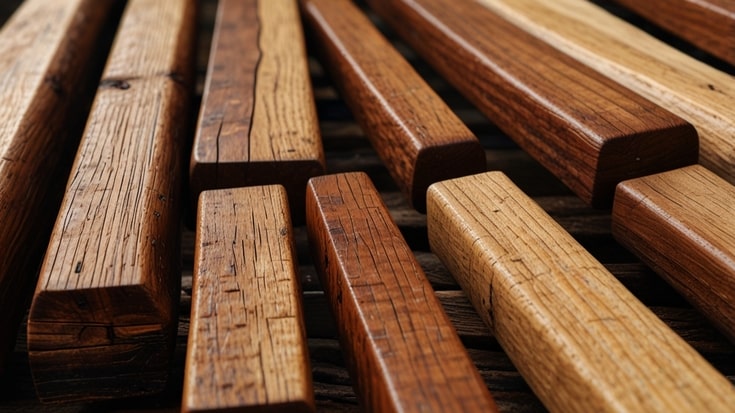
Boards and beams
Material properties and their applications
Behind a sheet’s outward simplicity hides considerable variety. A single panel comes in different thicknesses (from 3 to 38 mm), in various decors, moisture-resistant and standard, sanded and laminated — and each task calls for its own choice. It’s the same story with plywood: the grade, the number of plies, the type of glue and the wood species determine where the part will perform. That is why “just supplying a material” is almost never simple.
Material is not chosen at random. Most often the work calls for MFC and particleboard for carcasses, MDF and HDF for milling and painting, plywood for strong parts, OSB for structures, and solid wood and edge-glued panels where density and a refined look are needed. Each material has its own character: one is cheaper and easier to cut, another bears loads, a third takes paint more beautifully. This choice determines both how machining will go and how long the product will last.
Machining rests on precision and stable settings. Panel cutting, milling and drilling are done on CNC — that is the only way for an entire batch of parts to come out identical. Edge banding is a topic of its own: the edges of MFC and MDF are sealed with PVC or melamine edging so the panel doesn’t draw in moisture or crumble. For products that contact water and food, materials with a safe emission class and durable coatings are used.
Finishing decides half the impression. MDF is primed and painted in any color from the catalog, MFC comes with a ready-made decor, and solid wood and edge-glued panels are coated with oil or lacquer. Decoration is a request of its own: milling, patina, tinting, matte and gloss enamels. An MDF front often becomes the face of the whole product, and then any carelessness in the paintwork hurts the result — cleanness of execution is a must here.
In essence, working with materials is about selection and precision. The skill of matching the panel, grade and thickness to a specific task, holding dimensions to the millimeter, and sacrificing neither strength nor appearance. It is precisely at this junction of practicality and care that the quality of the finished product rests.
How wooden products are manufactured
How we select and prepare material: the stages
The order path is split into stages, and none can be skipped without a loss in quality. It all starts with the task: what the product is, where it will work, what load and conditions it faces. Here the material, grade and thickness are chosen, a cutting map is drawn up, and the edging and finish are agreed. The more specifically things are settled up front, the fewer surprises later — this is the case where five minutes of agreement saves a day of rework.
Next comes cutting. Panels and plywood are cut on a panel saw or CNC strictly to the map: be off by a couple of millimeters and you get a defect at assembly. Parts go on to edge banding and calibration, and this step matters more than it seems. Especially for visible parts — there, any chip on the edge or thickness variation will be both seen and felt.
Then, if needed, parts are milled and drilled for hardware. For furniture parts, confirmat screws, dowels and cam locks come into play — they hold more firmly and look neater. For MDF fronts, pattern milling and paint preparation are added. Precision decides everything here — a millimeter of skew and the part won’t fit into the carcass.
The prepared parts go on to finishing. Painting MDF, lamination, edging, oil or lacquer for solid wood — the choice depends on where the part will serve and how it should look. After painting, the surface is dried in a chamber so the enamel sets properly. And right at the end, decor or marking is applied if needed.
The final step is packaging, and it should not be underestimated. Carefully cushioned parts arrive without chips on the edges, while carelessly stacked ones arrive with them. This is especially critical over long distances, when a batch travels across the whole country or throughout Europe. Packaged materials and blanks are either shipped straight to the customer or placed in the warehouse for dispatch.
Materials for business needs
The main advantage of working with materials through a single supplier is being able to close out a whole bundle of tasks in one place. For a furniture manufacturer seeking a stable source of panels and cutting, this is especially valuable. An order isn’t a random sheet of “whatever was in stock” but exactly the material, grade and thickness that suits the specific product. Need a premium front — we’ll use solid wood or painted MDF; need a budget carcass — MFC.
The second trump card is flexibility on volume. A couple of sheets for a small order and a batch of panels for serial production are handled equally well. So materials adapt easily to scale: one customer needs ten parts cut, another needs thousands of identical fronts. Both help to produce items consistently, with no downtime and no mismatched stock.
A material is rarely “just a sheet”: it determines a product’s look, its price and its service life. Hence the value of sound selection — a moisture-resistant base by the sink, dense MDF for milling, FSF for wet zones. Add to this eco-friendliness: E0/E1 emission-class panels and safe coatings are increasingly a requirement rather than a customer’s wish.

The benefits of working with professionals

Modern equipment
Panel saws, CNC and milling machines — precision, speed and quality guaranteed

Extensive experience and expertise
We know how to handle wood and sheet materials — reliably, precisely, professionally

Fast order fulfilment
Fast and without compromising quality. We value your time and our commitments

A full range of services in one place
Cutting to size, sawing, milling, sanding, painting, assembly — all in-house, with no middlemen

Trusted materials and consumables
We work only with quality materials, so you can be confident in the result

An individual approach to every client
We work to your drawings, create a machining program for the task and account for every detail
Why materials are worth ordering from the maker of the products
Choosing a materials supplier is a decision not for a single order but for the long term, if serial production is planned. The key thing sought here is stability of grades and thicknesses. For a furniture workshop it isn’t enough that a panel simply exists; from batch to batch it must match in decor, thickness and geometry. A supplier who can hold that standard saves the customer far more than the difference in price per sheet.
The second critical point is batch-to-batch precision. If a material “drifts” in thickness or decor, the whole chain breaks: parts don’t match, don’t fit into the carcass, returns pile up. That’s why sheet geometry, edge-banding quality and timber moisture are all kept under control. Add to this checks for delamination and warping — it is precisely these dull-looking things that determine whether a product serves for years or warps within a month.
Another argument in favor of an experienced supplier is the ability to scale up volume quickly. Ahead of a seasonal peak or a new range launch, material supply and cutting can be ramped up without losing quality or rhythm. For a growing production this is fundamental: it’s a relief when the raw material keeps pace with your growth rather than becoming a bottleneck that stalls output.




Materials for different areas of production
Materials are the foundation for every area of our full-cycle production. Customers often need both cutting and finished products from different materials in the same place, and that’s convenient: one supplier, one quality standard, one logistics chain. Here’s a quick look at how materials work across different tasks.
Interiors and furniture — this is where MFC and MDF are used most often: carcasses, fronts, shelves, slatted panels and partitions. Economical carcasses are built from MFC, while fronts and decor that set the look of a space are made from milled and painted MDF. Furniture workshops, cafés, showrooms and shops choose such materials.
Advertising and signage — signs, dimensional letters, stands and panels are more often made from MDF and plywood. MDF mills and paints well, plywood holds its shape and load. All of this lives in branded interiors, on stands and at retail points, where both cutting precision and a neat surface matter.
Structures and construction — here OSB, FSF plywood, boards and beams come into play. OSB and moisture-resistant plywood bear loads and moisture, while lumber forms frames and bases. They are chosen where strength and predictable material behavior under load are valued.
Premium products and countertops — here edge-glued panels and solid wood come to the fore. Glued panels and solid timber go into countertops, fronts, windowsills and one-off products, where natural texture and repairability matter, not just price.
Each area has its own requirements for the material, but one principle binds them: the right panel, grade and thickness is chosen for the task. This is exactly why it’s convenient to source materials in one place — with cutting, edge banding and finishing — rather than assembling them from different suppliers.

Our portfolio — finished products
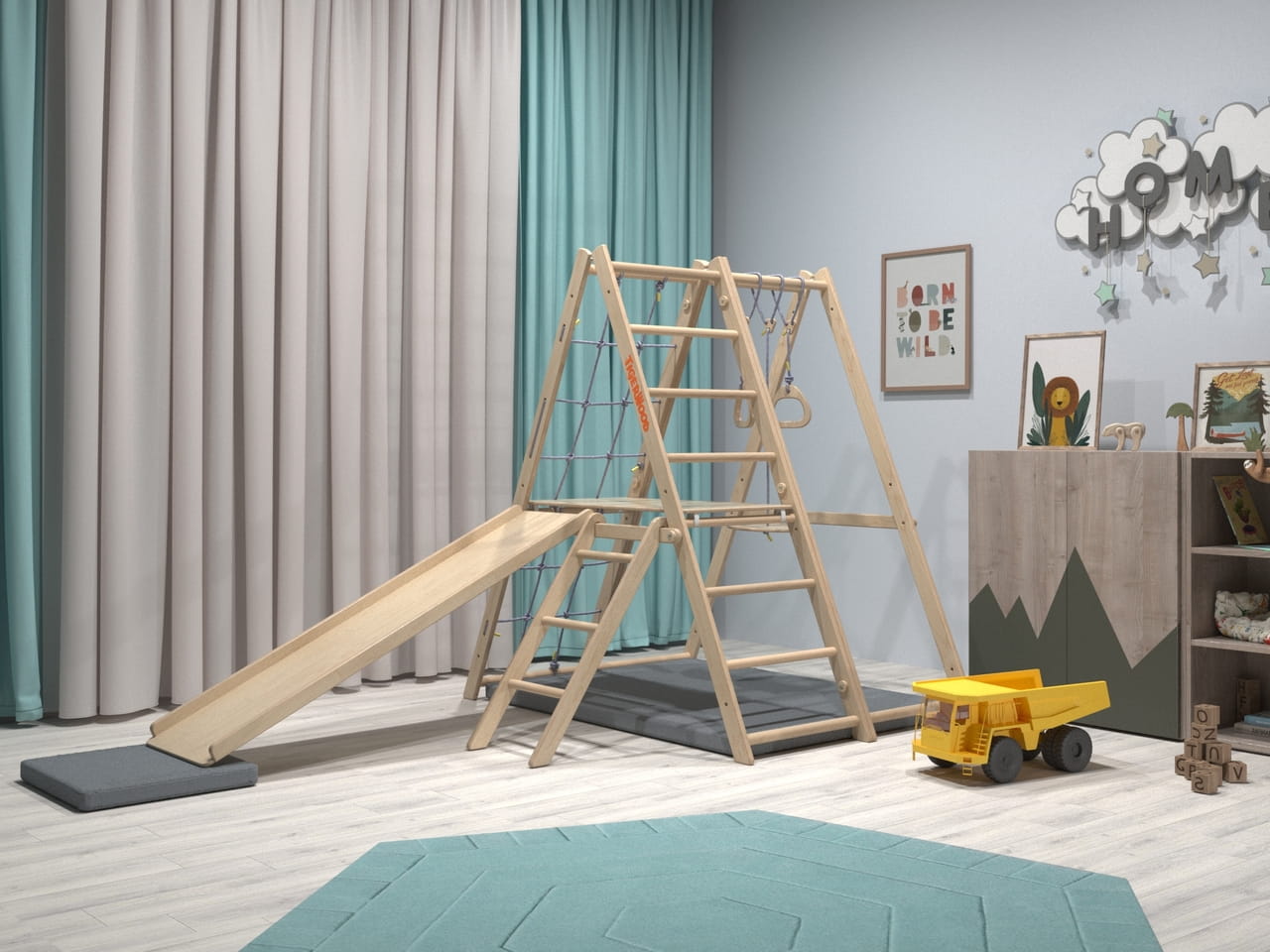
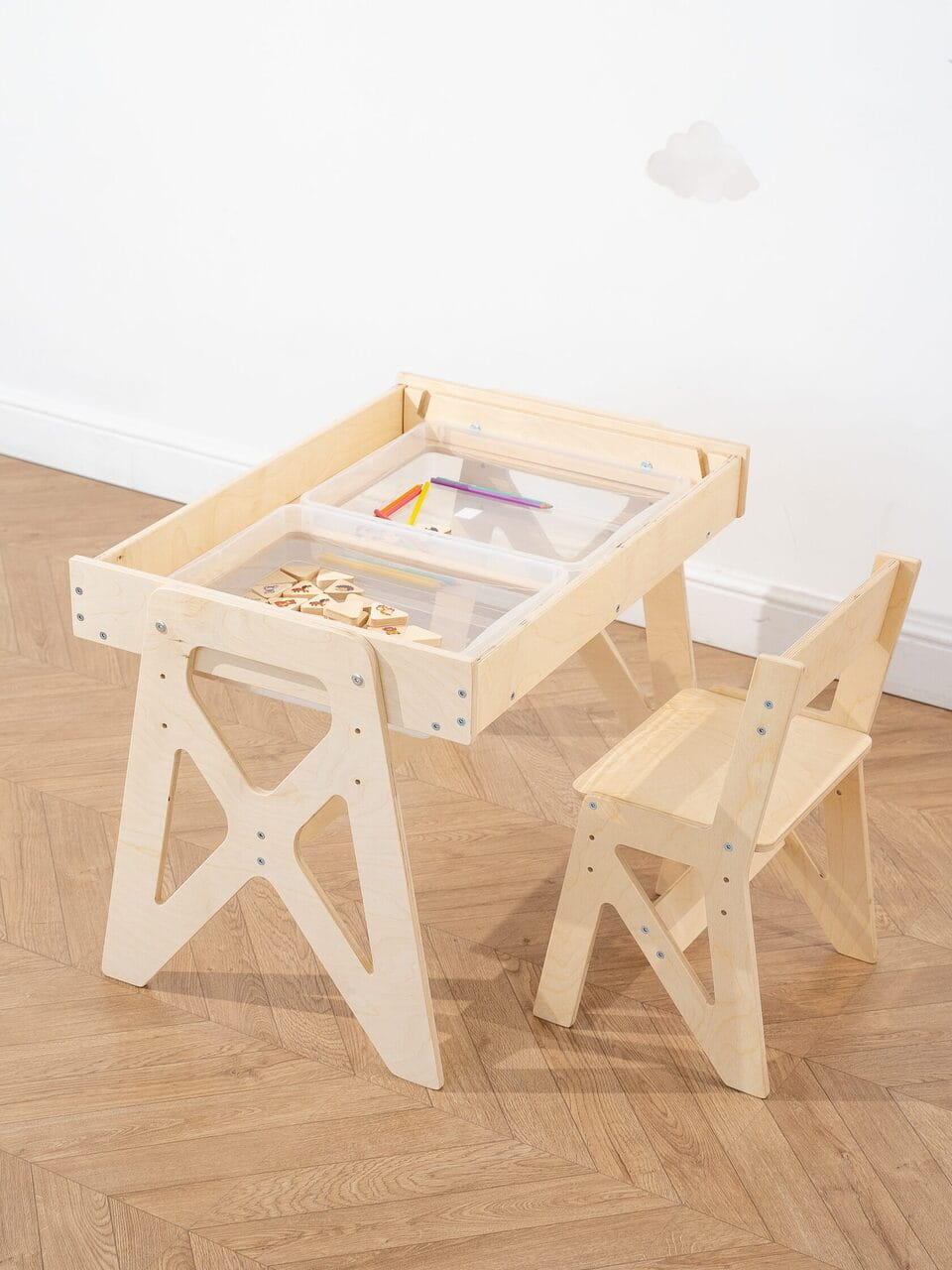


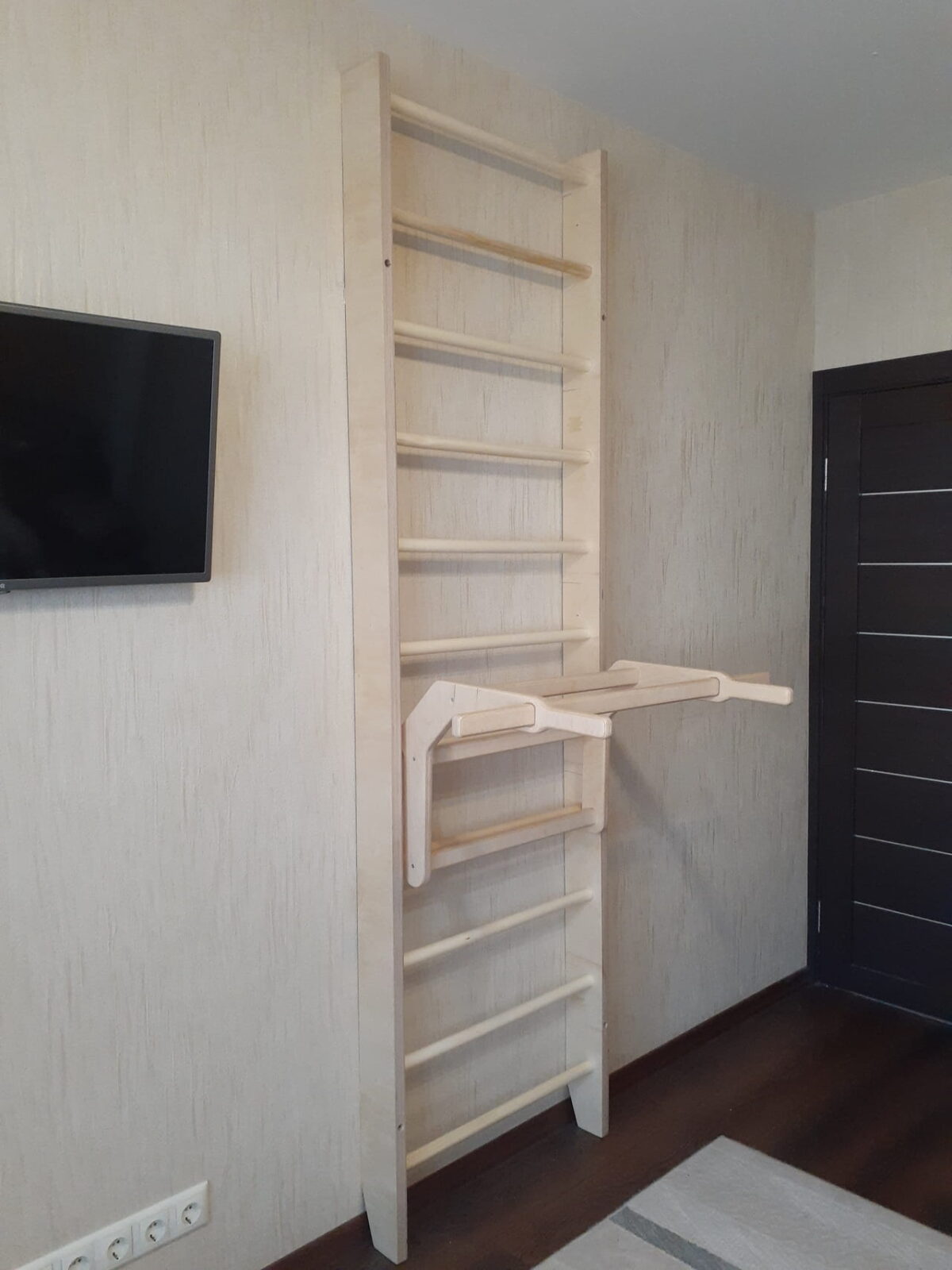
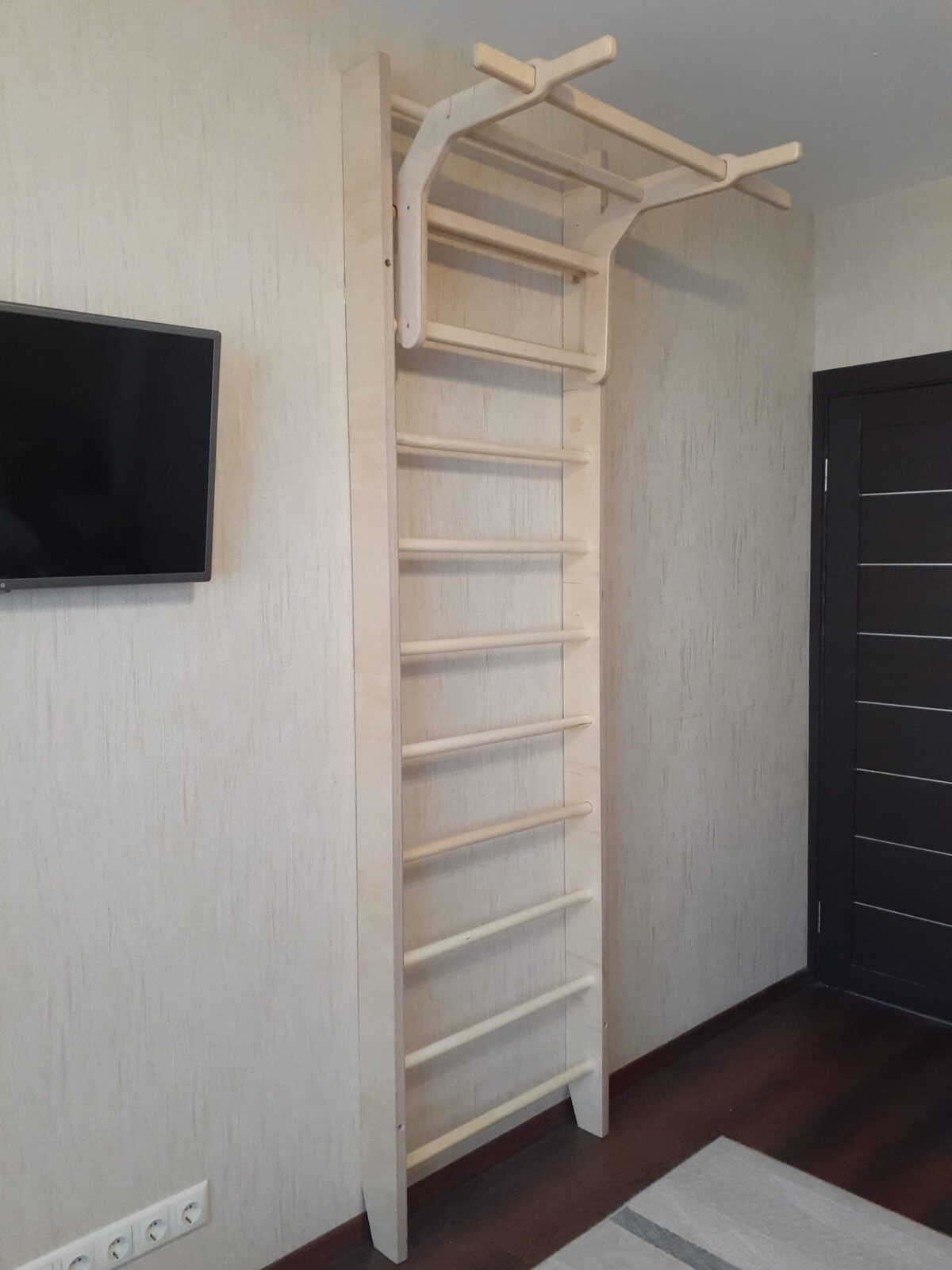
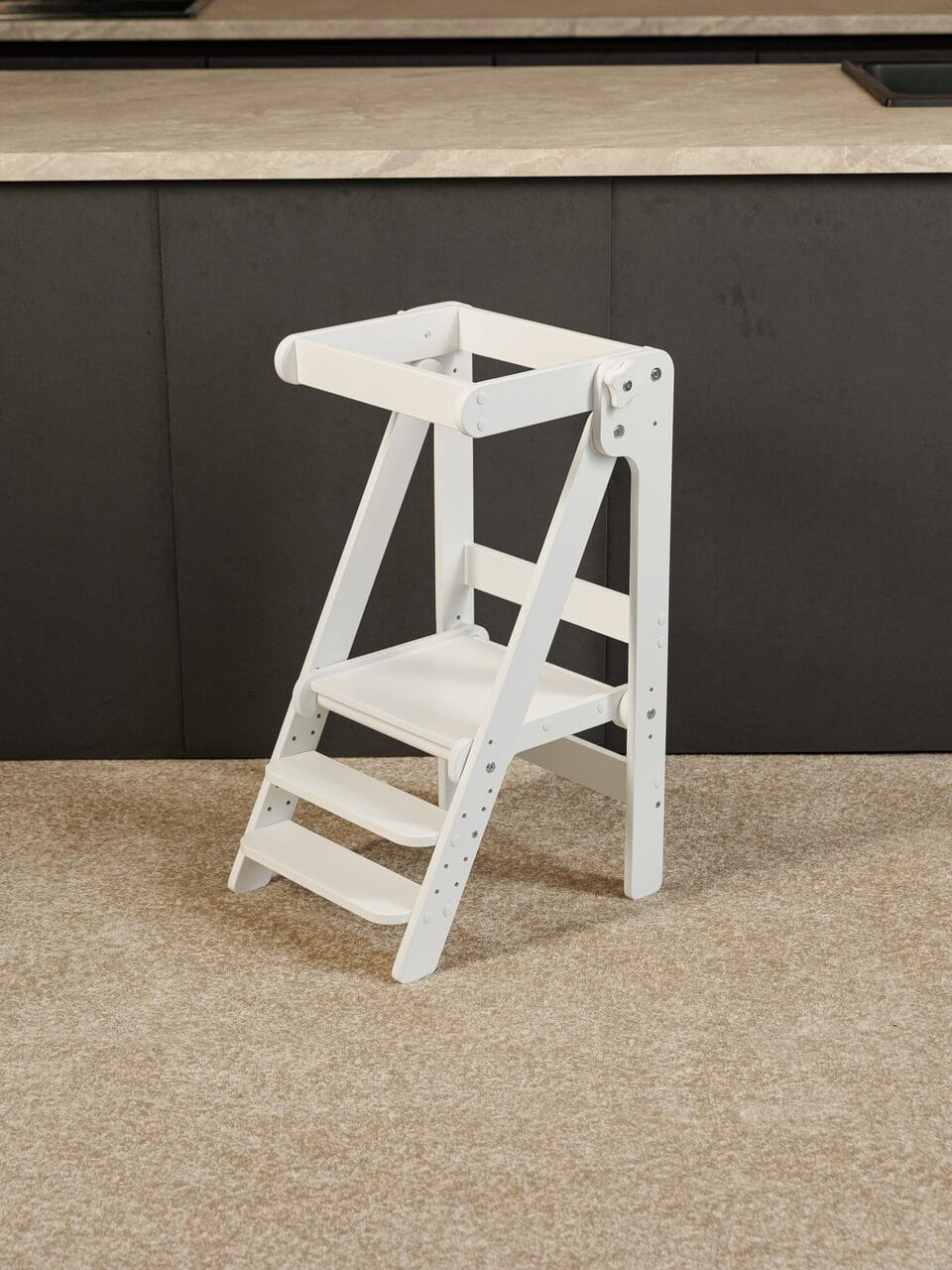




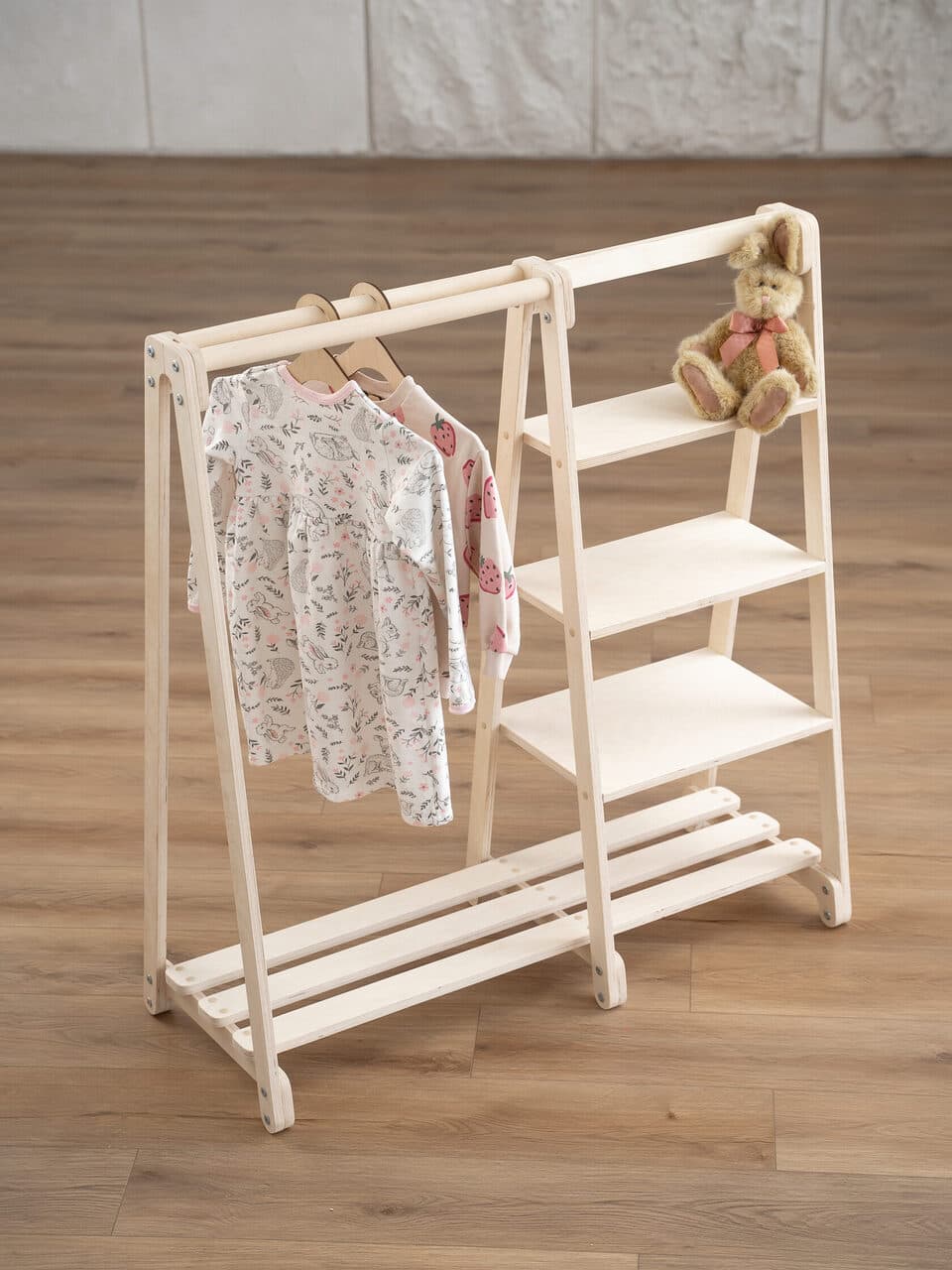
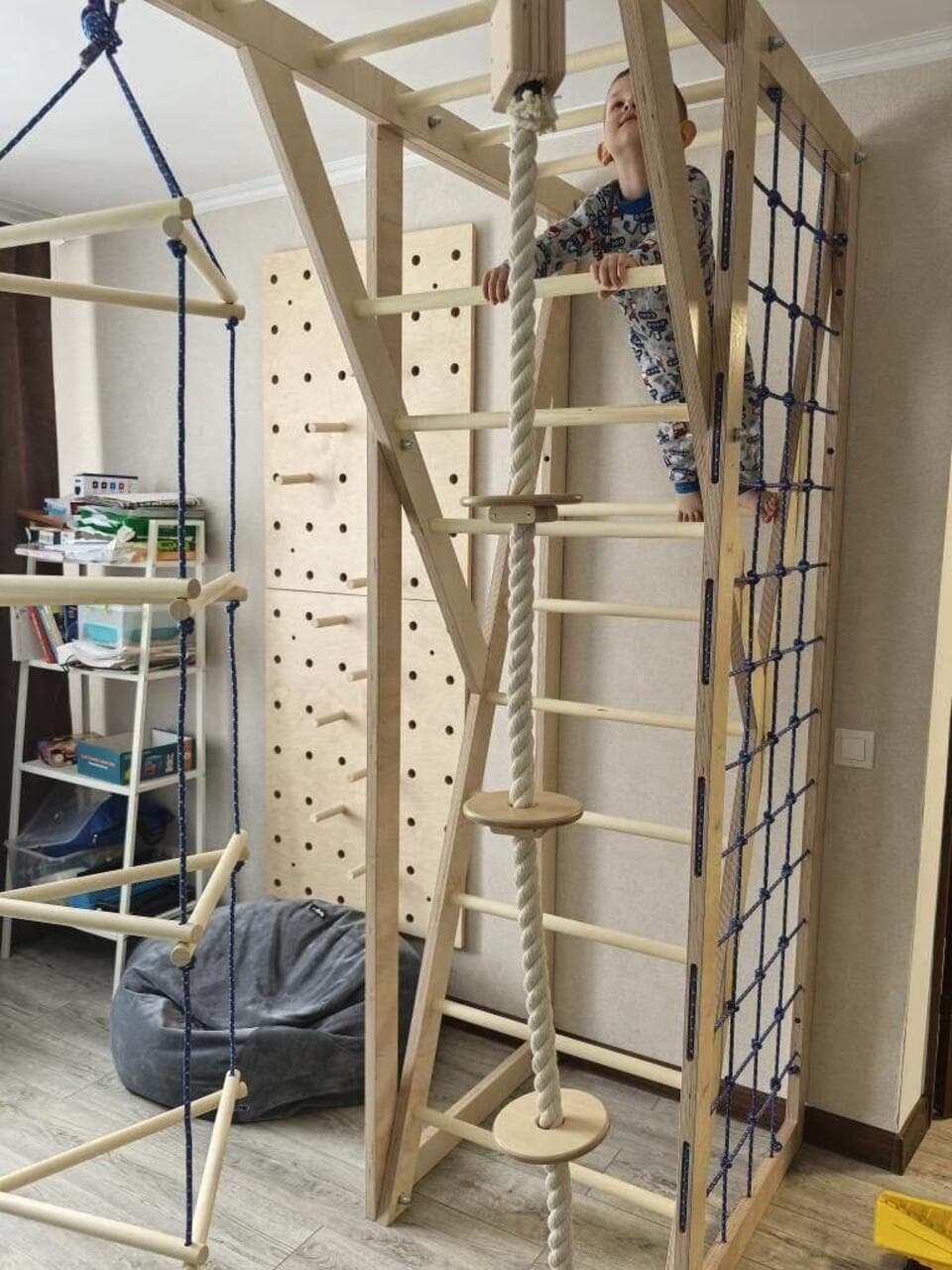
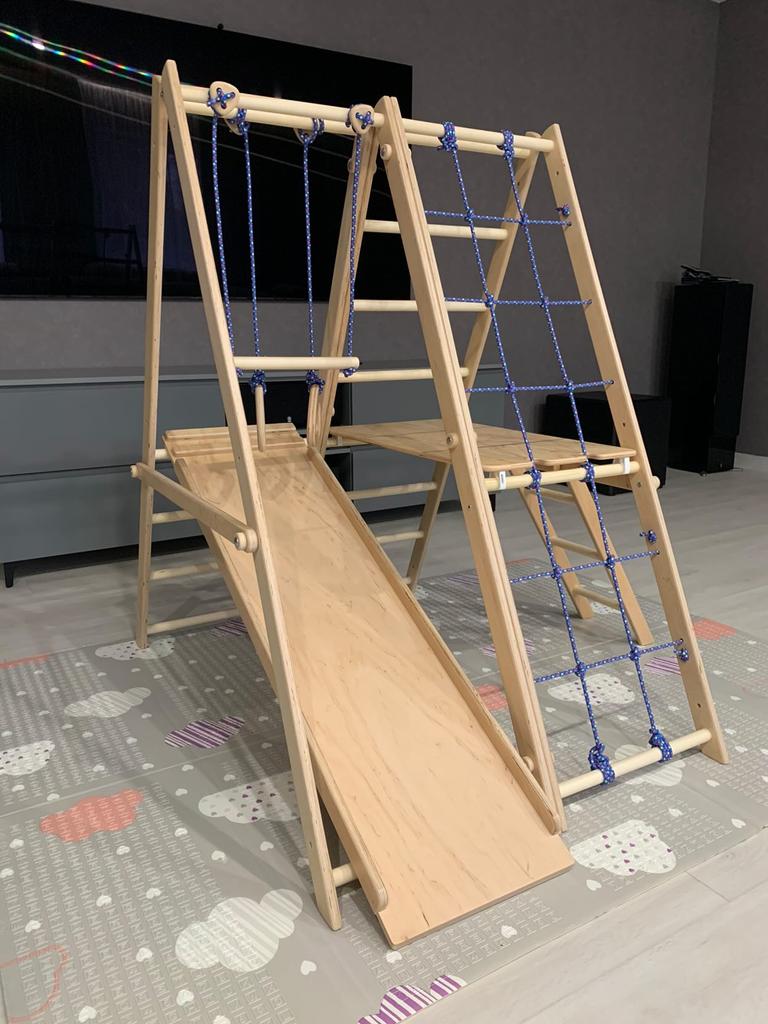

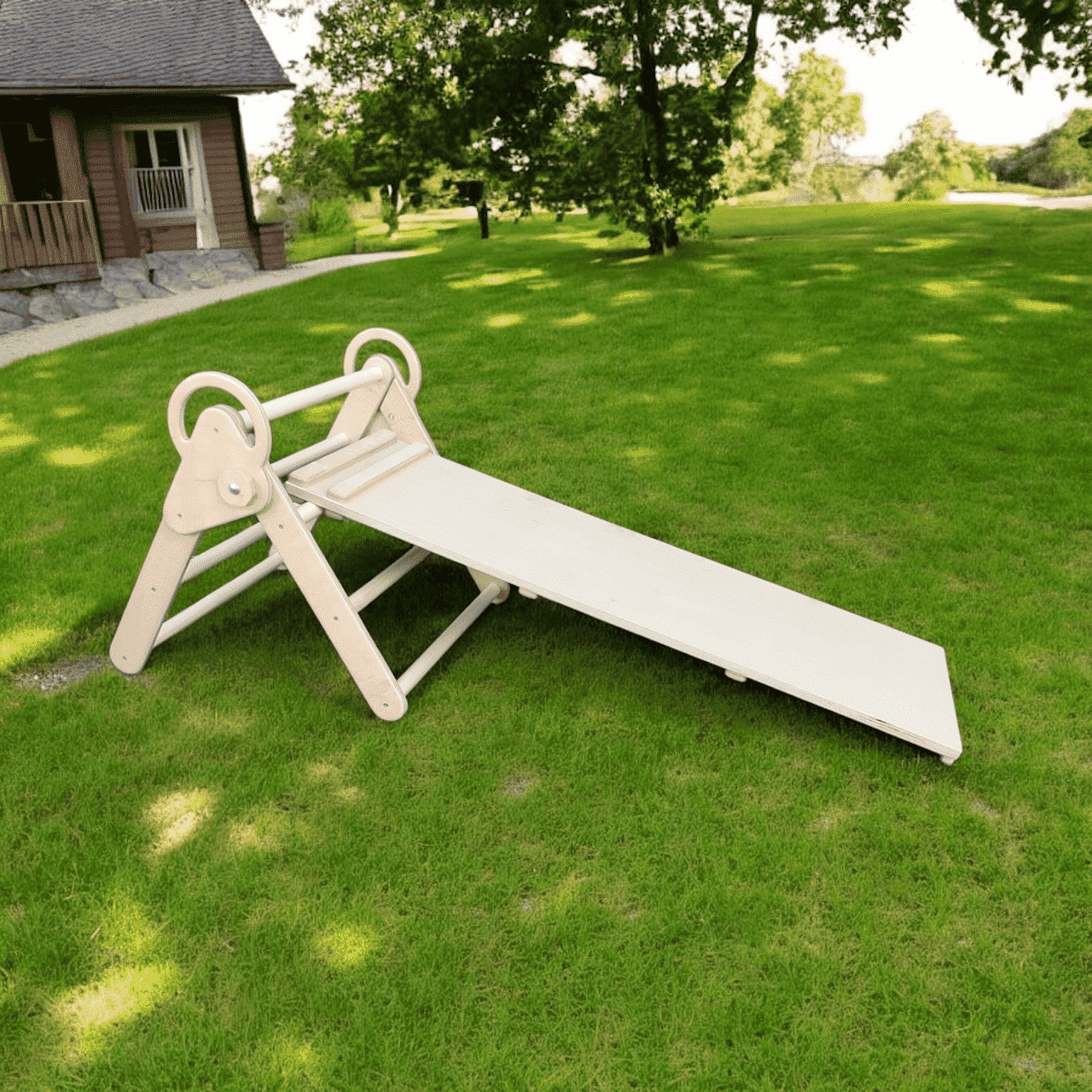

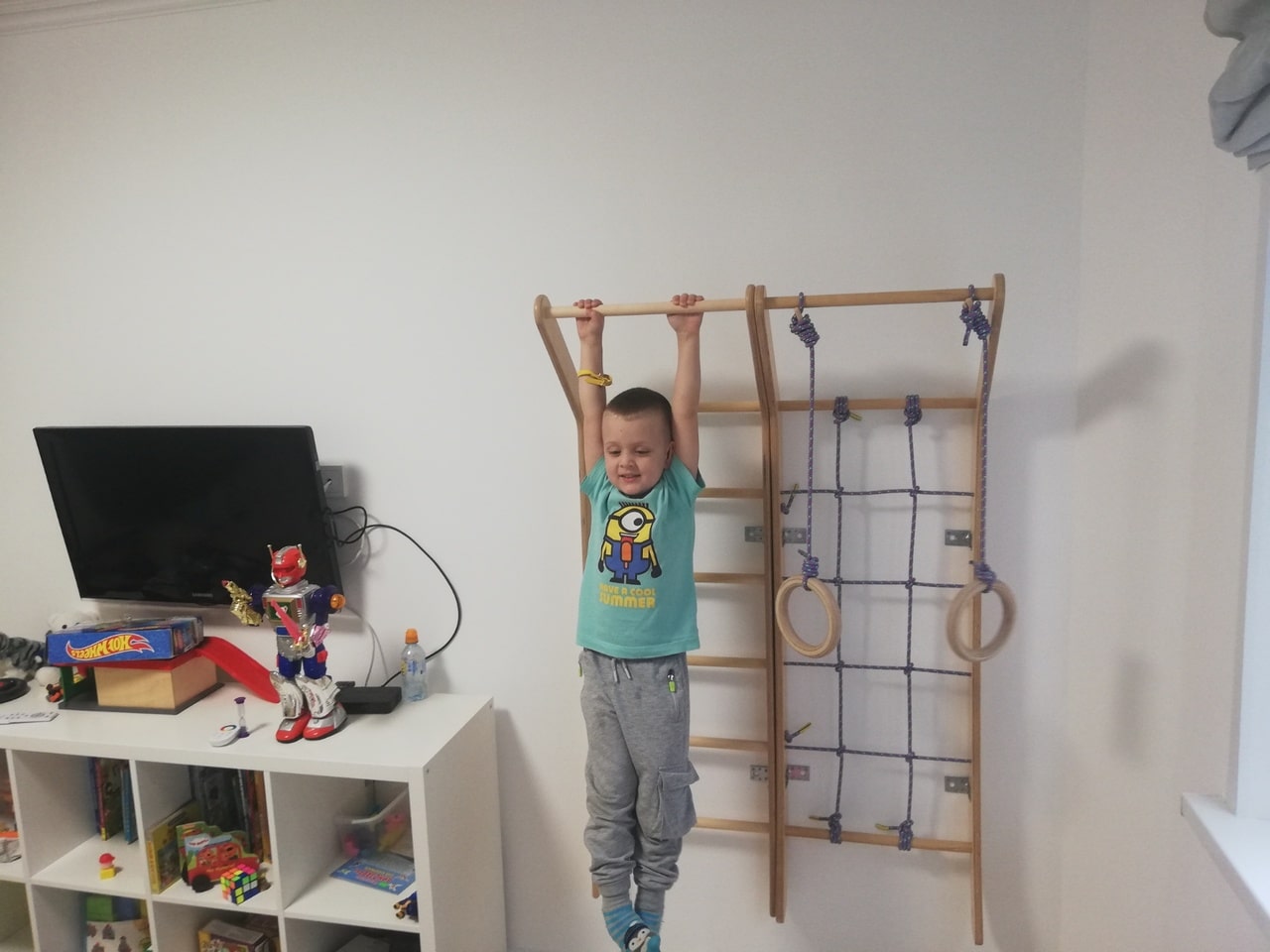


What we make from these materials
The easiest way to show materials is through finished parts. A common example is carcasses and shelves in MFC with PVC edging, which go into cabinet furniture. Not far behind are milled and painted MDF fronts: furniture brands and kitchen manufacturers love them, where the very presentation of the product works on the image.
Strong parts and crates in plywood go where load matters: furniture frames, boxes, bases. OSB blanks are also popular — bases, partitions, structural elements. They are often ordered cut to size for a specific project, so the part fits without adjustment.
Countertops and fronts in edge-glued panels and solid wood are a request of their own, especially in kitchens and premium furniture. They are made with moisture-resistant treatment and considered geometry so the wood doesn’t warp while the product still looks expensive. Alongside them, orders often include boards, beams and slats for frames and trim.
Finishing varies: some want the natural texture of solid wood, others painted MDF in a catalog color. White, black, gray, matte and gloss, MFC decors imitating wood and stone — the palette is wide. It is precisely the material and its finish that turn a set of parts into a finished, modern product.
Who uses a carpentry workshop’s services

Furniture makers

Interior designers

Advertising companies

Exhibition stand builders

Art studios

Cafés and restaurants

Construction firms

Retail equipment manufacturers

Furniture factories

Private craftsmen

Custom orders

Manufacturing companies

Museums and exhibition halls

Architects

Theatres and film studios

Educational organizations

Children’s products manufacturing

Repair specialists

Online stores

Sole proprietors
Who orders products made from our materials
Materials customers come from a wide range of fields. First place goes to furniture manufacturers and workshops, who constantly need panels, cutting and edge banding. MFC, MDF, plywood and hardware parts work for them as daily raw material, on which the quality of the finished furniture directly depends.
Brands producing bespoke furniture and products source materials for their own range. A stable panel, a consistent decor and precise cutting let them hold quality from batch to batch — and that is exactly why the buyer comes back. Here the material is part of the product, not a consumable.
HoReCa and retail — cafés, restaurants, shops — order materials for furniture, bar counters and retail fixtures. Here both look and durability matter: a moisture-resistant base, a strong edge, paintwork that withstands daily use and washing.
Workshops, small producers and craft brands order materials and cutting so they don’t have to keep a machine and warehouse of their own. Ready-cut parts in MFC, MDF and plywood save them time: all that’s left is to assemble the product, rather than saw and edge-band by hand.
A separate category is large and construction customers. They need large volumes of panels, plywood and lumber, stable grades and delivery for a specific project: whether it’s a furniture range, a batch of parts or structural material for construction.
Materials: the essentials in brief
A material for every task
Materials are the foundation of any product, where strength, appearance and price come together. The right choice of panel, grade and thickness helps to build reliable furniture, neat trim and a sturdy structure — everything that makes up the quality of the finished product.
For the product and the budget
Material is matched to the required product, budget and conditions: a dry interior, a wet zone or an exterior. The task is the starting point, but the choice can still be refined — if it turns out along the way that a different thickness or grade would be stronger or cheaper.
Materials with character
The work involves MFC and particleboard, MDF and HDF, plywood, OSB, edge-glued panels, solid wood and lumber. Every material goes through cutting, edge banding or calibration and, if needed, painting, which protects against moisture and wear. Thanks to this, parts are built to serve for a long time in a range of conditions.
Flexible runs and deliveries
Materials and cutting are supplied both in small volumes for a local task and in large batches for production. Established logistics allows orders to be shipped across all of Belarus and throughout Europe, so the customer’s location barely matters.
Clear timelines and standards
Every stage — from material selection to packaging — proceeds under specialist supervision. Lead times are stated in advance, and specifications and cutting maps are compiled precisely for the project, with no discrepancies. This way the customer knows in advance what they will get and when, rather than guessing along the way.
Catalog: which materials we keep in use
There are many materials, so it’s easier to show them through specifics. Below are the main groups with a brief note on where each usually works. This isn’t the full range, but rather a map by which it’s convenient to size up a material for your task.
| Material | Where it’s most often used |
|---|---|
| 🟫 MFC and particleboard | Cabinet furniture, shelves, fronts, retail fixtures |
| ⬜ MDF and HDF | Milled fronts, decor, back panels, painting |
| 🪵 FK/FSF plywood | Strong parts, furniture, crates, CNC cutting |
| 🟨 OSB | Bases, structures, construction elements |
| 🟤 Edge-glued panels and solid wood | Countertops, fronts, premium products |
| 🌲 Boards and beams | Frames, structures, trim |
| ➰ PVC/melamine edging | Edge treatment for MFC and MDF |
Each of these groups brings dozens of variations in its wake. A panel comes in different thicknesses, decors and moisture resistance; plywood in different grades, species and numbers of plies. It is precisely this variety that makes materials a flexible tool: for almost any task there’s a suitable panel or species, and if not — we’ll find an equivalent.
Wood species, panels and what comes out of them
Choosing a material isn’t a matter of taste but an engineering decision. It determines strength, weight, price and how the part will hold up over the years. MFC is cheaper and comes with a ready-made surface but is vulnerable at an exposed edge; MDF is denser and mills well; solid wood is more expensive but serves for decades and can be repaired. Below is a short guide — without it, an order discussion often stalls.
| Material | Character | Typical application |
|---|---|---|
| 🟫 MFC | Ready-made decorative surface, economical | Cabinet furniture, shelves, fronts |
| ⬜ MDF | Uniform, dense, ideal for milling and painting | Curved and painted fronts, decor |
| ▫️ HDF | Thin, high-density | Back panels, drawer bottoms |
| 🪵 FK/FSF plywood | Strong, stable, moisture-resistant (FSF) | Load-bearing parts, crates, CNC |
| 🟨 OSB | Strong in bending, structural | Bases, construction elements |
| 🟤 Solid wood / edge-glued panel | Natural, strong, repairable | Countertops, premium fronts |
If you’re unsure what to make it from, it’s enough to describe where and how the part will live. Constant moisture, heavy load, food contact, outdoor conditions — each scenario has its own optimal panel or species and its own finish. It often turns out that expensive solid wood is overkill in a given case, while MFC or painted MDF will do just as well and noticeably cheaper.
Edge banding and finishing: what and why
An exposed panel edge is vulnerable right up to its first contact with moisture. That’s why edge banding isn’t decoration but protection that directly determines service life: PVC or melamine edging seals the edges of MFC and MDF against water and chipping. Finishing handles the rest: painting MDF gives color and texture, oil and lacquer preserve the look of solid wood. For products that meet water and food, materials with a safe emission class are used.
The choice of finish is tied to the operating conditions. A part for a dry zone will do with simple edging, while something washed and scrubbed daily needs a moisture-resistant base and a strong edge. Color is a topic of its own: white, black, gray, decors imitating wood and stone, matte and gloss enamels. All of this is matched to the product or brand book so the part doesn’t stand out from the overall picture.
What makes up the price
The question “how much does it cost” hangs in the air without the details — and that’s honesty, not evasion. The price of the material and the work is made up of several components, and each can be estimated in advance so you’re not surprised by the quote and understand where you can really save.
- 🧱 Material. MFC and particleboard are cheaper than MDF, solid wood and moisture-resistant FSF plywood; consumption is calculated including offcuts.
- 📐 Complexity. A straight cut is simpler than milling a front or bending MDF.
- 🔁 Volume. A sheet is more expensive per part; a batch is more economical thanks to optimal nesting.
- ➰ Edge banding and finishing. No edging, PVC edging, painting MDF — different budgets.
- 📦 Packaging. Simple transport packaging or edge protection for a long haul.
- ⏱️ Urgency. Work outside the general queue is priced separately.
The most reliable way to save without losing quality is to send a clear specification and cutting map and not to rush the timeline. Rework due to inaccurate dimensions and a crunch-mode schedule usually add to the bill the very percentages you wanted to avoid.
Lead times by order type
The exact date is always calculated for the specific batch, but experience gives clear benchmarks. They help with planning — for example, to work out whether cutting will make it in time for furniture assembly, a range launch or a project handover.
| Order type | Benchmark | Example |
|---|---|---|
| 📐 Cutting and edge banding | 3–7 days | MFC parts with PVC edging |
| 🎨 Milling and painting | 7–15 days | Painted MDF fronts |
| 🧩 Complex set | from 10–15 days | Furniture parts in plywood and edge-glued panels |
| 🏭 Large run | by arrangement | A batch of panels and blanks for production |
The longest step is usually painting MDF and drying the enamel — here rushing hurts the result, and it’s better to allow an extra day than to get an undried surface. If the order is tied to a date, it’s sensible to reach out early and leave some slack, rather than bringing in a specification “for the day after tomorrow.”
Materials for interior and exterior
Materials are divided by the conditions in which they will work. For a dry interior, standard MFC, particleboard and MDF are suitable — carcasses, fronts, shelves. For wet zones and outdoors, moisture resistance comes to the fore: MFC on a moisture-resistant base, moisture-resistant MDF, FSF plywood and treated solid wood, which don’t swell or warp from humidity swings.
A special zone is the exterior and wet rooms, and there the requirements for the material are strictest of all. Constant moisture and temperature swings quickly ruin an unprepared panel, so FSF plywood, moisture-resistant panels and durable species are used, and the edges are always protected with edging or coating. This is exactly what determines whether a product serves for years or warps within a season.
Edge-glued panels and solid wood: countertops and fronts
Edge-glued panels and solid wood deserve a separate discussion, because here the demands on the material are the highest. A countertop or front in solid wood works in plain view and under load, which means the species, the quality of the panel glue-up and the timber moisture all matter. The surface is calibrated and sanded, and the edges are neatly finished so the product looks expensive and serves for a long time.
For furniture and interiors, edge-glued panels and solid wood are also about looks. Countertops, windowsills, fronts and overlays work on the impression no worse than hardware. So both practicality and appearance matter here: an even tone, a neat edge, natural texture and a durable oil or lacquer. Such a part noticeably lifts the perception of the whole product.
Painting and decorating MDF
Painting turns an ordinary MDF panel into an expressive front, and here it shows especially clearly. Primer and enamel give an even color from the RAL catalog, matte or gloss; milling adds a pattern; patina and tinting add depth. The finishing method is chosen for the material, the task and the desired effect.
The value of finishing lies not in the color itself but in the coherence of the product. When fronts, carcasses and visible parts are held to one decor and tone, the product reads as neat and high-quality — and that’s already about trust in the brand. So serious customers agree the decor and finish in advance and demand repeatability from batch to batch, so the color doesn’t “drift.”
Common customer mistakes
Most slip-ups happen not at the machine but at the stage of choosing the material and framing the task. Here’s what most often gets in the way of a first-time-right result — and what’s easy to plan for.
- ❌ Eyeballed dimensions. Especially if parts have to fit into a finished carcass or niche.
- ❌ The wrong material for the conditions. MFC by the sink without a moisture-resistant base quickly swells at the edge.
- ❌ Forgotten moisture resistance. Wet zones and exteriors need FSF, moisture-resistant MDF or solid wood.
- ❌ No edge banding on the edges. An exposed particleboard edge draws in moisture and crumbles.
- ❌ Last-minute urgency. Painting MDF and drying can’t be sped up at the snap of a finger.
It’s no big deal if some of this hasn’t been accounted for — that’s exactly what the pre-order conversation is for. A capable supplier asks these questions themselves before the cut, not after, when fixing it is already expensive.
Quality control across the whole batch
In serial orders, what’s critical isn’t how one lucky part looks but how consistently the whole batch came out. So control is built into the process: on intake, the material, decor and moisture are checked; along the way, dimensions and edge-banding quality; on output, the paintwork, the absence of chips and conformity to the reference sample. Deviations are caught before packaging, not after delivery, when the cost of an error is returns and damaged trust.
Timber moisture and protection against warping are watched separately. Under-dried solid wood or a board warps within a week, the edging peels, the part loses its look. It is precisely these seemingly imperceptible parameters that determine whether a batch serves for years or starts coming back as complaints. And there’s someone to hold accountable for the result: when the whole path runs under a single control, responsibility isn’t smeared around.
One-off order or regular supply
The form of cooperation is flexible. A one-off order is simple: you send a specification, agree the material and cutting, receive the parts — with no future commitment. This is a convenient way to test a new product, cover a seasonal spike or top up material for a specific project.
Regular supply is another level of convenience for those who run production year-round. When the supplier already knows the client’s specifics, their materials, decors and standards, each new batch goes faster and more predictably: fewer approvals, stable quality, priority in the busy season. Many arrive this way — starting from a single trial order, and staying for years.
MFC, MDF or solid wood: what to choose
Each material has its own niche, and a head-on “which is better” comparison is out of place here. MFC is the cheapest of all and comes with a ready-made surface, but it doesn’t tolerate an exposed edge or deep milling. MDF is more expensive, but it’s uniform, mills and paints excellently — the choice for fronts and decor. Against the backdrop of budget, MFC wins in carcasses, and MDF where looks matter.
With solid wood the comparison is subtler. Solid wood and edge-glued panels are more expensive than panels and more demanding on moisture, but they give a natural texture, strength and repairability that panels lack: the surface can be re-sanded and refreshed. So a choice in its favor is more often a bet not on cheapness but on service life and a premium product look. For wet zones and load, FSF plywood and OSB stand out separately.
Ecology and sensible use of material
The topic of waste in serial cutting only seems dull. On a large batch, a well-thought-out nesting of parts across the sheet saves whole panels, and that’s direct money. Optimizing the cutting map keeps losses to a minimum: offcuts stay large and go into small parts rather than into waste. For the customer it’s cheaper, for the environment it’s gentler.
Eco-friendliness in materials is above all about safety. E0 and E1 emission-class panels release minimal formaldehyde and suit furniture, including children’s and kitchen furniture. For brands that build their messaging around conscious consumption, this isn’t an abstract plus but a concrete argument: certified material and safe coatings.
Glossary of terms
When discussing an order, words come up that are familiar to the workshop and hazy to the customer. A short glossary of materials will clear up any misunderstandings before the start.
| Term | What it means |
|---|---|
| 🟫 MFC | Melamine-faced chipboard with a ready-made surface |
| ➰ Edge banding | Sealing a panel edge with PVC or melamine edging |
| 💧 Emission class E0/E1 | The level of formaldehyde release — an eco-friendliness indicator |
| 🪵 Plywood grade (FK/FSF) | Type of glue and veneer quality: FK — interior, FSF — moisture-resistant |
| 📐 Panel cutting | Precise cutting of a sheet into parts by a cutting map |
| 🌀 Calibration/sanding | Bringing an edge-glued panel or board to the required thickness and smoothness |
How to place an order
For the material and cutting to come out exactly as intended, it helps to clarify a few things in advance. This is a short route from idea to finished parts.
- 📝 Describe the product or part: what it is, where it will work, what load it bears.
- 📐 Give dimensions or a cutting map — even by hand, but with real figures.
- 🧱 Decide on the material, thickness and grade (or leave the selection to us).
- ➰ Specify edge banding and finishing: edging, painting, decor.
- 🔢 State the volume — it affects the price per part and the lead time.
- 📅 Indicate the date if the order is tied to an event or season.
You don’t have to come with a ready cutting map — half of orders start with the phrase “I need something like this, help me figure it out.” The supplier’s job is precisely to translate that into a specification, material and parts. But the more input at the start, the shorter the path to a finished result.
More questions about materials
Can I order a trial cut before a production run? Yes, and it’s a sensible step. First a trial batch of parts is made, you inspect the material, decor and edge, and only then is the run launched. This way corrections are caught while they cost nothing.
Will you repeat an order in six months? Yes, if the material and decor are still in the range: the thickness, grade and shade are preserved, and the additional batch will come out the same. This is exactly why materials are convenient to work with over the long term.
Is the material suitable for wet zones and the kitchen? For wet areas, moisture-resistant panels, FSF plywood and treated solid wood are used, and the edges are sealed with edging. This way the part doesn’t swell and withstands washing and steam.
If your question didn’t make the list, it’s easier to ask it during the discussion. Materials are convenient precisely because one contractor runs the whole path from sheet to a cut and packaged batch, and there’s someone to hold accountable for the result.
The equipment that repeatability rests on
Fine words about quality are worth nothing without the machines that deliver that quality. In working with materials, everything comes down to repeatability: the twentieth part must fit exactly like the first, or assembly falls apart. A panel saw and CNC cut to a program, repeating the contour without human wavering, so the parts in a batch come out like twins. An edge-banding machine seals the edges with even edging, and a calibrating-sanding machine brings the thickness and smoothness of edge-glued panels and solid wood to spec.
A separate link is the paint area with a drying chamber. Applying enamel to MDF isn’t enough; what matters is that the coating goes on evenly and sets properly, rather than collecting dust from the workshop. Drying in a clean chamber is exactly what ensures this. It is the combination of these operations, not any single magic machine, that yields a neat, uniform batch of parts at the end.
Packaging and delivery of batches
A well-cut batch easily loses its whole appearance on the last meter if it’s carelessly packaged. Panels are vulnerable to chips on the edges and scratches on laminated and painted surfaces, so parts are cushioned, secured and their corners protected — especially for painted fronts, where damage means rework. The longer the route, the more serious the packaging: a batch traveling across the whole country or throughout Europe requires far more attention than an order for the next street over.
Delivery is arranged across all of Belarus and throughout Europe, and for a customer from another region the process looks just as simple as for a local one: you agree the specification remotely, we cut, we ship via a carrier. Terms are matched to the batch’s dimensions, weight and volume. This is especially helpful for those who supply several production sites and want to receive identical material to a single standard.
What an order looks like in practice
To make the theory clearer, here are a couple of typical scenarios. A furniture workshop launches a batch of kitchens and orders a complete set: MFC carcasses, painted MDF fronts, HDF back panels — all in one decor, with edge banding and drilling. The order is assembled as a set, and all the workshop has left to do is assembly, rather than cutting and facing by hand.
Another example is a cabinet furniture maker who needs a stable panel for a range. MFC in one decor and thickness, precise cutting and an even edge make it possible to produce items with no mismatched stock: a thousand fronts must be identical, or the discrepancy will surface at assembly. A third case is a private craftsman who needs a single sheet of moisture-resistant plywood for a specific part. All three tasks are closed by one supplier — only the scale changes.
Storing and cutting materials
Material will serve noticeably longer if it’s stored and cut correctly. Wood and panels are a living material: they react to humidity and temperature, but with sensible handling they wait their turn without loss of quality. A few simple rules extend the life of any sheet and any piece of lumber.
- 💧 Store panels and lumber in a dry room — moisture warps particleboard and MDF and buckles boards.
- 📚 Keep sheets horizontal on a level pallet so there’s no sagging.
- ➰ Seal exposed edges of particleboard and MDF with edging — it’s protection against moisture and chipping.
- ☀️ Keep solid wood and edge-glued panels away from direct sun and radiators — they dry out and warp the timber.
- ⚖️ Let lumber acclimatize in the room before cutting and assembly.
These small things are rarely spelled out at ordering, but they are exactly what determines whether the material reaches assembly without defects. If you like, we’ll advise you directly for your material on how best to store it, cut it and plan a reserve.
One contractor or several
The temptation to build supply from the cheapest suppliers is understandable: a cheaper panel here, discounted cutting there. On paper it’s savings; in reality it’s a risk. Every junction between suppliers is a place where time is lost, mismatches in decor and thickness surface, and arguments start over who’s to blame for the defect. This is especially painful in runs where uniformity matters: parts from different batches and different makers rarely match perfectly.
When material, cutting, edge banding and finishing run on a single full-cycle site, this problem simply doesn’t arise. The standard is unified, responsibility isn’t smeared around, and logistics is simpler: one order, one contact, one deadline. In the moment it’s sometimes a bit more expensive, but in the end it usually wins — through predictability and the nerves saved on reconciling the work of several contractors.
Seasonality and supply planning
Demand for materials has its own seasonality, and it’s worth keeping in mind when planning. Ahead of the high furniture season and at the peak of construction, demand grows for MFC, MDF and plywood; for a new collection launch, furniture workshops buy material in advance. In peak periods the cutting queue is tighter, and lead times naturally stretch out.
The conclusion is simple: if a batch is tied to a season or a date, it’s wiser to build in some time slack and reach out early rather than at the last minute. Regular clients win here — their materials and standards are already familiar, and it’s usually easier for them to get priority in the busy season. Planning supply ahead removes most of the crunch-mode risks.
Scaling for marketplaces and chains
Volume is a topic of its own. For a production scaling up its output, it isn’t enough to receive one good batch of material once; it needs confidence that supply will support the growth and won’t become a bottleneck. Materials are convenient here in that serial cutting scales up easily: for a run, cutting maps and templates are prepared that speed up the work and hold parts to a single standard. The larger the batch, the lower the price per part and the more predictable the lead time — exactly the economics needed for stable sales.
It’s also important that control isn’t lost as volume grows. CNC and the edge-banding machine don’t tire or “lose focus,” so the hundredth part comes out just like the first, and at assembly everything fits without adjustment. For serial production this is critical: a discrepancy in thickness or decor instantly surfaces during installation and hits the timeline harder than you’d expect.
Combined materials in a single product
Often a product is assembled not from a single material but from a combination: an MFC carcass and a painted MDF front, a plywood frame and a solid-wood countertop, an HDF back panel. Such a combination makes it possible to achieve both the required look and practicality where one material would be excessive or not strong enough. Each material is machined in its own regime and then assembled into a single product, making sure the parts match in thickness and don’t conflict under humidity swings.
The convenience of a single site is precisely that a combined order doesn’t have to be split among suppliers. MFC, MDF, HDF, plywood and related materials are handled in one place to a common specification, and the result is a coordinated set of parts, rather than an assortment that still has to be reconciled with itself.
How to choose a contractor
If you’re choosing whom to entrust your material and cutting to, here’s a simple guide. These signs show you’re dealing with a reliable supplier, not a lottery where the result depends on whatever happened to be in stock.
- ✅ States the lead time and price in advance, not “after the fact.”
- ✅ Keeps the main materials, thicknesses and grades in stock.
- ✅ Controls cutting, edge banding and timber moisture.
- ✅ Works with different materials and honestly advises where each is most appropriate.
- ✅ Takes both single-piece orders and large batches, without turning down the “small stuff.”
- ✅ Is responsible for the whole cycle — from cutting to packaging — rather than a single operation.
To bring it all together in brief: materials are MFC and particleboard, MDF and HDF, plywood, OSB, edge-glued panels, solid wood and lumber, which are matched to a specific product, cut, edge-banded and, if desired, painted. It’s enough to describe what you need and state the volume — the rest will be broken down into stages and brought to finished parts, neatly packaged and shipped on time.
Cutting and reworking to fit the product
Another advantage of working with made-to-order materials is the flexibility of rework. A finished part rarely has to be made from scratch: a panel can be re-cut to a smaller size, milling or drilling added, the edging replaced, and solid wood and edge-glued panels re-sanded and their coating refreshed. For a production this means the material is used rationally, and for a private customer that a part can be adjusted to the task rather than ordered all over again.
This is especially helpful with painted fronts and one-off parts, into which both labor and money have gone. Refreshing the coating or trimming a part is almost always cheaper than ordering the material and cutting anew. So when choosing a material and finish, it’s worth thinking right away not only about the start but also about how easy the part will be to rework later.
Finally, it’s worth saying something about the order conversation itself — it commits you to nothing. It’s enough to describe the task and attach dimensions or a photo — and even at this stage useful details surface: which material to use for a wet zone, what thickness will bear the load, whether it’s worth making a trial cut. Such a preliminary conversation saves both money and time. And after that, all that’s left is to choose the material, agree the volume and receive finished parts exactly to size and on time.
It’s also worth remembering the material reserve when cutting: part of the sheet inevitably goes into offcuts, especially on small and varied parts. A small reserve is normal insurance, not overpayment: it’s better to have it on hand than to halt assembly over a shortage of a couple of panels and wait for a new delivery. Sound nesting keeps losses to a minimum, but on a complex set a reserve is still built in ahead of time, so the timeline doesn’t slip over something trivial.
Which materials do you work with?
We work with MFC and particleboard, MDF and HDF, plywood (FK and FSF), OSB, edge-glued panels, solid wood, and boards and beams. Exactly which to use depends on the product and conditions: in some cases price and a ready-made surface matter more, in others strength, moisture resistance or looks. For furniture, E0/E1 emission-class panels are used.
How does MFC differ from MDF?
MFC is particleboard with a ready-made laminated decor: cheaper, ready straight for assembly, but it doesn’t tolerate an exposed edge or deep milling. MDF is denser and more uniform: it mills, bends and paints excellently, so it’s used for fronts and decor. In short: MFC — for carcasses, MDF — for painted and milled parts.
What panel thicknesses are available?
Thicknesses depend on the material: MFC and particleboard — usually 8, 10, 16, 18, 22, 25 mm; MDF — from 3 to 38 mm; HDF — 3–5 mm; plywood — from 3 to 30 mm; OSB — 9–22 mm. We match the required thickness to the load and purpose of the part.
Can you cut material to my cutting map?
Yes, cutting to your map or specification is routine. No ready map — we’ll build the cutting from dimensions, a sketch or a sample and optimize the nesting to reduce waste.
How do FK and FSF plywood grades differ?
They differ in the type of glue and moisture resistance. FK is bonded with urea glue — plywood for dry rooms, furniture and interiors. FSF, on phenol-formaldehyde glue, is moisture-resistant and suits wet zones, exterior and structural tasks. The grade (1–4) is chosen by appearance requirements.
Do you deliver materials beyond the region?
Yes, shipping across all of Belarus and throughout Europe. Materials and parts are securely packed, edges and edging protected so they arrive undamaged, and accompanied by the necessary documentation.
Can MDF be painted in a specific color?
Yes, MDF is primed and painted with enamel in any color from the RAL catalog — matte, satin or gloss, with patina if desired. Even painting is possible precisely thanks to MDF’s uniform structure; MFC, on the other hand, comes with a ready-made decor and isn’t painted.
Is OSB suitable for furniture?
OSB is above all a structural material: bases, frames, rough elements. For visible furniture it’s of limited use due to its coarse texture, but it’s used in loft furniture and as a load-bearing base. Where a smooth surface and an edge are needed, MFC, MDF or plywood are better.
Which materials are moisture-resistant?
Moisture-resistant options exist in almost every group: MFC and MDF on a moisture-resistant base (usually with a green marker), FSF plywood, OSB and treated solid wood. They are used for kitchens, bathrooms, wet zones and exteriors; exposed edges are always sealed with edging or coating.
Which is more eco-friendly and safer — what emission classes?
A material’s eco-friendliness is shown by its formaldehyde emission class. E1 is safe for furniture and living spaces, E0 is even lower in emissions and suits children’s and kitchen furniture. We work with E0/E1 panels and safe coatings.
Reach us in whatever way suits you best
Call us, message us on a messenger app or reach out via social media — choose whichever way suits you
🗺️ We accept orders from clients across all of Belarus
💬 Useful information and articles

Eco-friendly and safe materials for modern wood production
Eco-friendly and safe materials for modern wood production In recent years we increasingly think about what the things around us are made of. A home, furniture, a floor, a kitchen, a

How to Correctly Choose Between Plywood, MDF, Particleboard, and MFC for Different Tasks
How to Correctly Choose Between Plywood, MDF, Particleboard, and MFC for Different Tasks In the world of woodworking and furniture making, every material has its own story. Plywood, MDF, particleboard, and

Cutting sheet wood materials at different angles: why and how it is done
Cutting sheet wood materials at different angles: why and how it is done Working with wood materials is not just sawing. To get a truly high-quality and durable product, you have

Recommendations for choosing sheet materials for indoor and outdoor projects
Recommendations for choosing sheet materials for indoor and outdoor projects In woodworking, choosing the right sheet material is like laying a foundation for a builder. What you pick at the very