
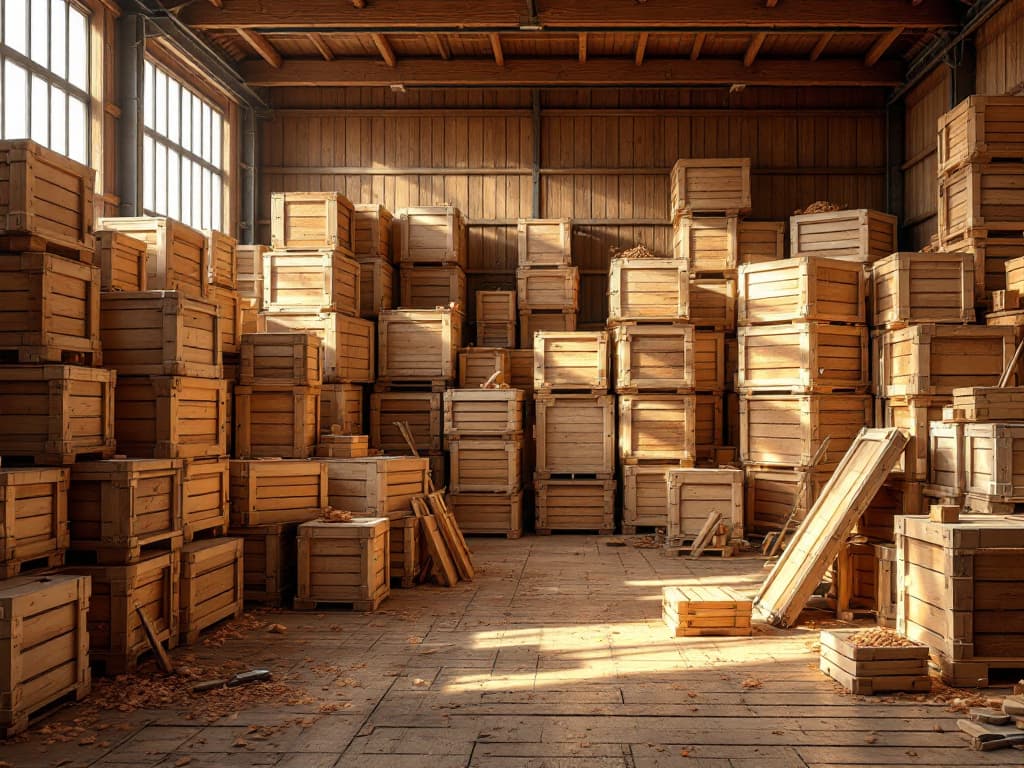
Made-to-order warehouse furniture
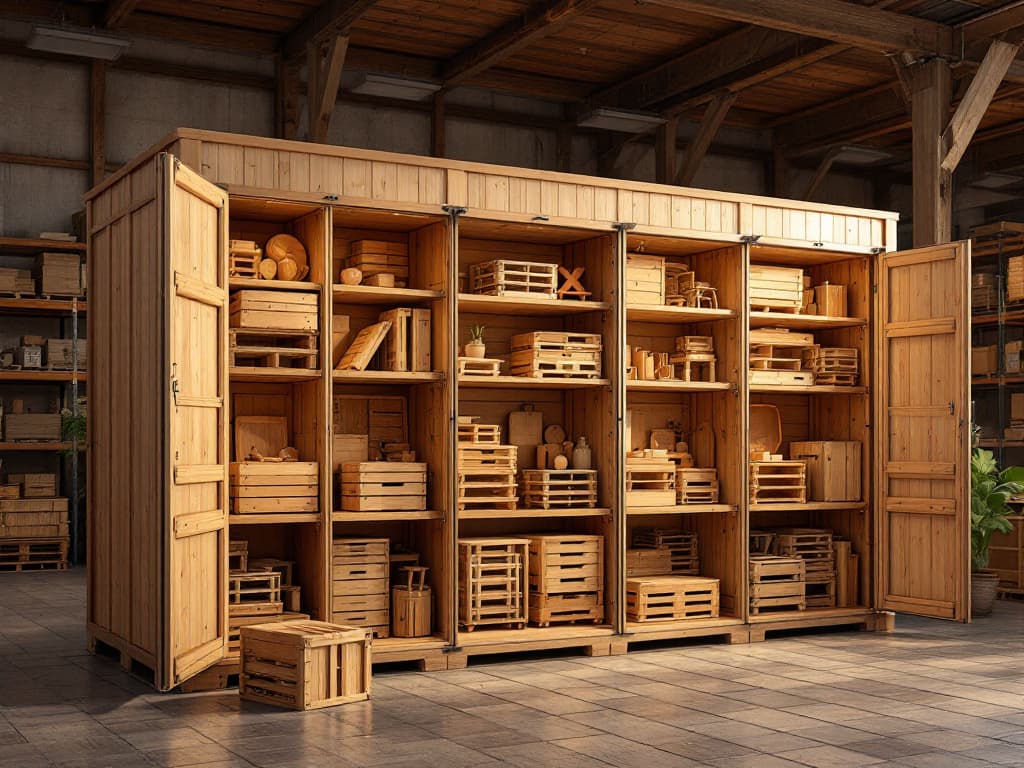
Made-to-order warehouse furniture means shelving units, cabinets, workbenches and storage modules from wood and board materials, sized for the load of a specific warehouse and its dimensions. We work with MFC, particleboard, MDF, plywood and solid wood, and manufacture is possible both one piece at a time and in series batches for wholesale supply. Below: what types of warehouse furniture we make, what makes up strength and price, how long production takes and who needs such structures most often.
Manufacture of wooden warehouse furniture — a broad range of solutions for business
A warehouse without proper equipment quickly turns into chaos of boxes on the floor. Shelving units, cabinets and workbenches are exactly what bring order: they lift the goods off the floor, give quick access to what is needed and save the square metres that are always worth their weight in gold in a warehouse. Made-to-order warehouse furniture differs from domestic furniture above all in its strength margin — it is designed for constant load, dozens of loading and unloading cycles a day and years of work without joints working loose.
The main request here is not a single shelf but a systematic fit-out for the task: rows of shelving units to one standard, a set of workbenches for a workshop, a batch of cabinets for a chain of outlets. That is why production is geared to wholesale and repeat orders, where stable quality from batch to batch and predictable deadlines matter. Wood and board win in this role through cheap repair and flexibility: the structure is easily fitted to a specific ceiling height, aisle width or format of the stored goods.
The range stretches from a simple wall shelf to complex modules with drawers, partitions and mounts for a specific product. And here lies a nuance: the heavier the load and the more intensive the work, the more serious the requirements for material and joints. A shelf for documents and a shelving unit for boxes of fasteners mean different board thicknesses, different hardware and a different deflection calculation. That is why choosing the material for the load is not a formality but what determines whether the structure will stand for one year or ten.
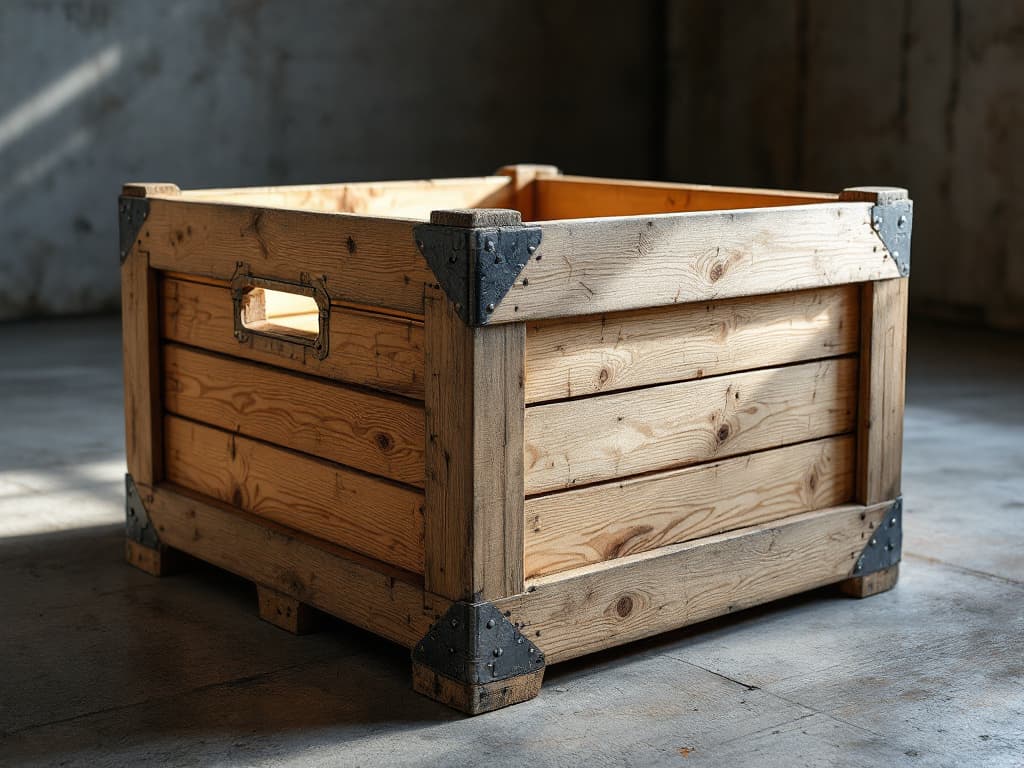
Boxes
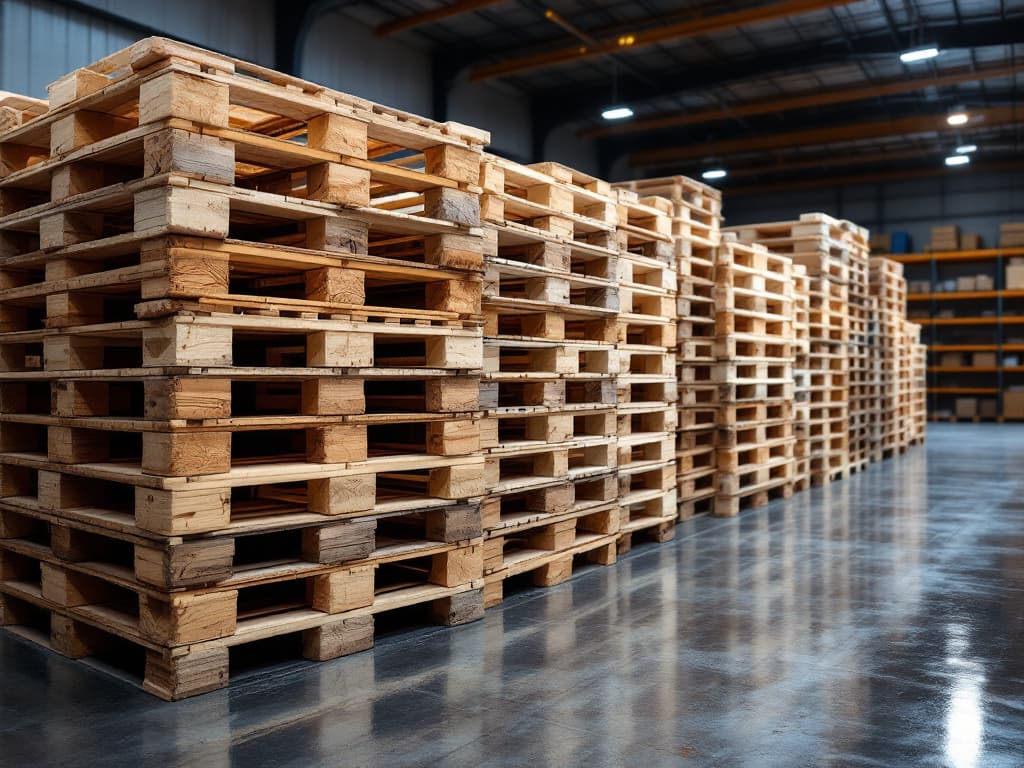
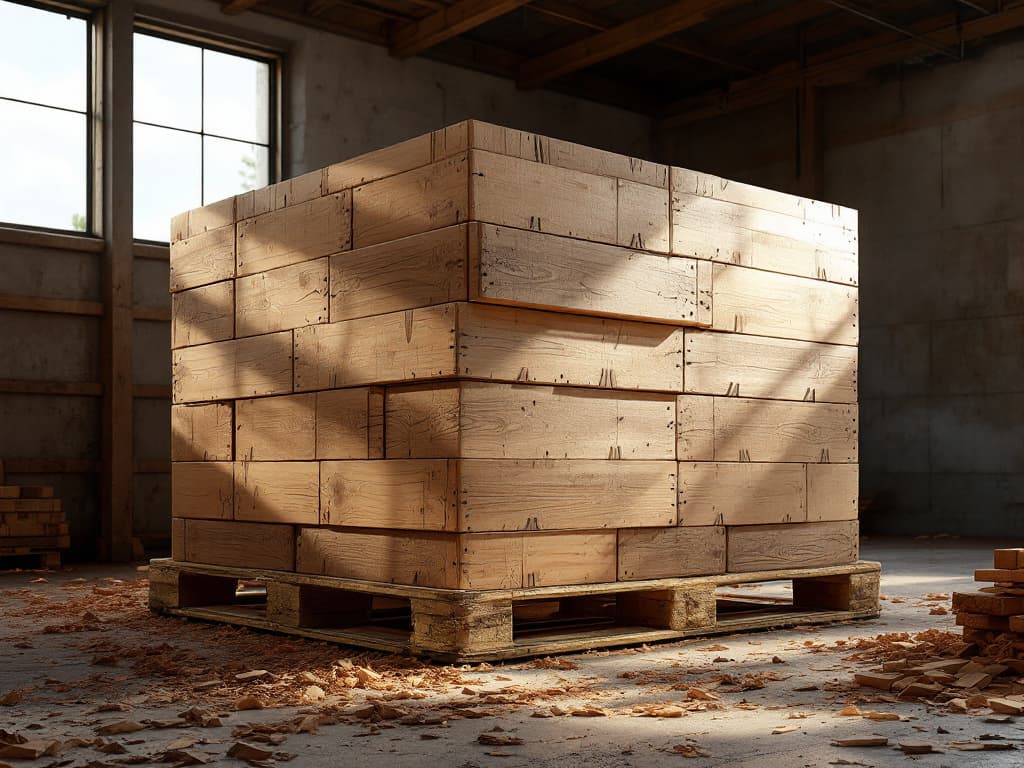
Pallets
Cartons
Packaging
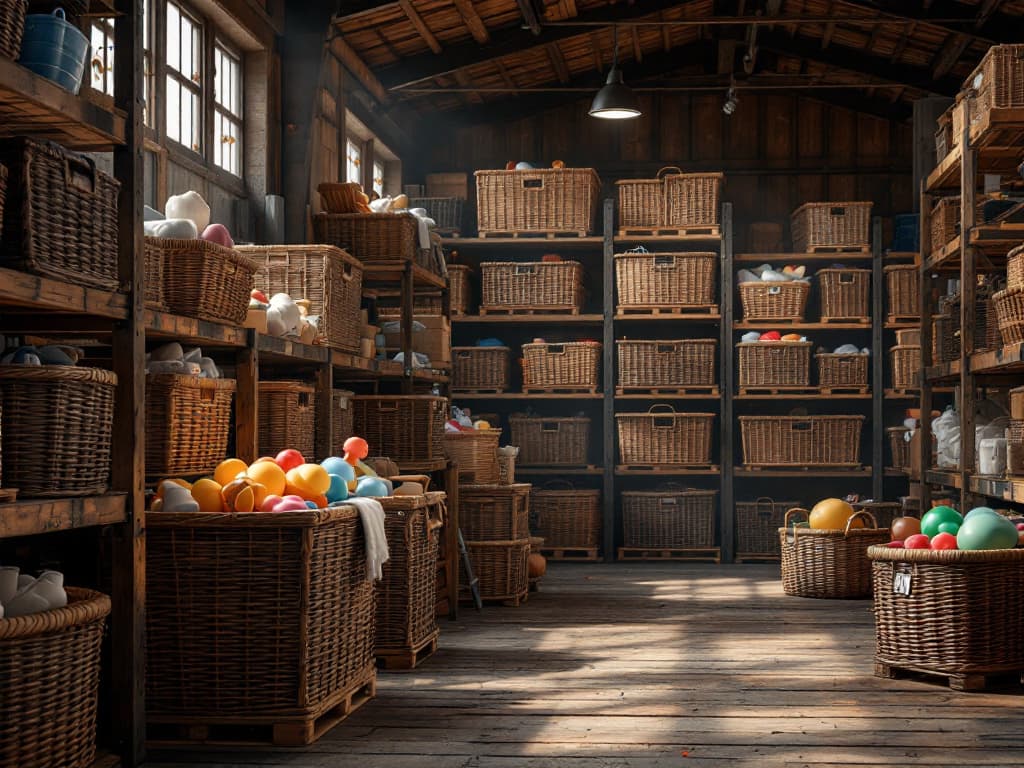
Baskets
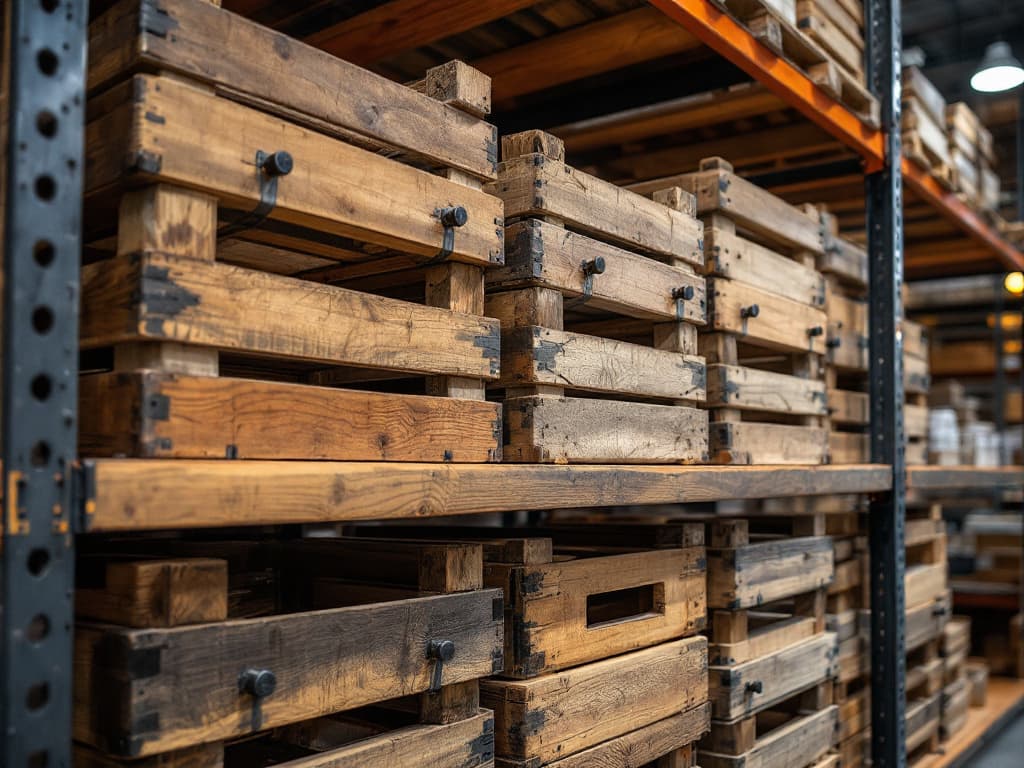
Trays
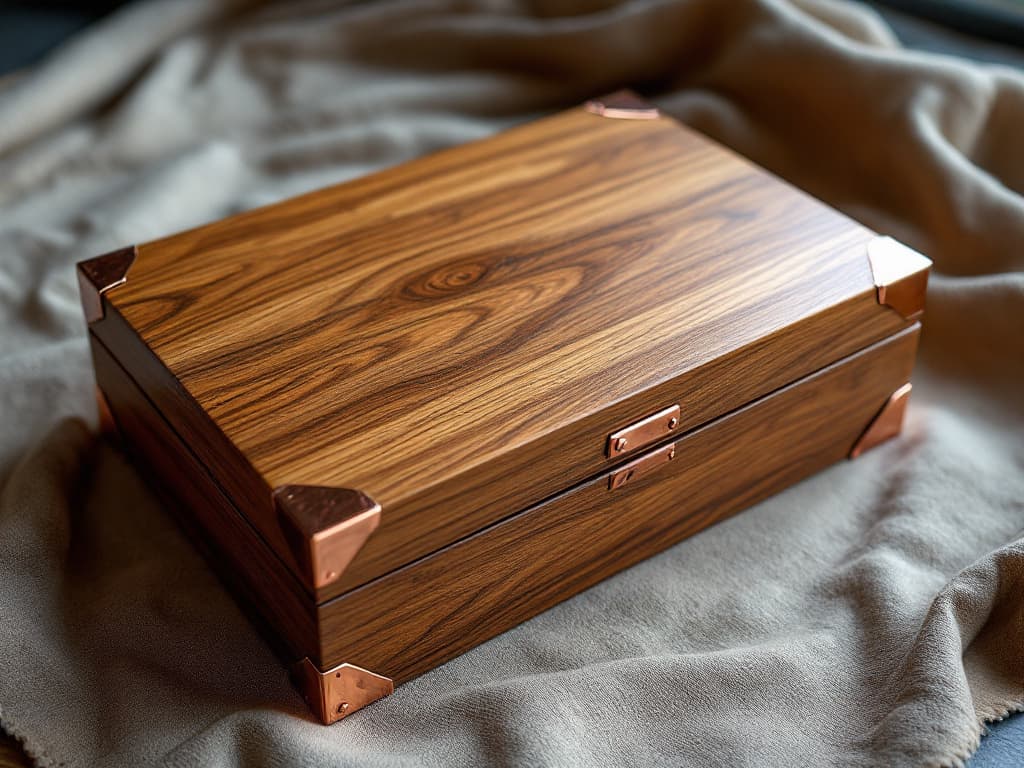
Cases
The finer points of making wooden warehouse furniture — features of the process
When making warehouse furniture, several things have to be reckoned with, and the first is the material. Which board or wood species goes into the work directly determines whether the shelf will bear the stated weight and whether the upright will warp within six months. Conditions in a warehouse are harsher than in an office: humidity swings, accidental knocks from a trolley, constant load. The material is chosen precisely for this, not for the beauty of the grain.
The main requirement for warehouse furniture is to bear the load and not lose its geometry for years. A sagging shelf or a skewed shelving unit is not just ugly but dangerous: the load can slide off. That is why strong boards of sufficient thickness go into the loaded nodes, and where needed, reinforcement with ribs and spacers. Machining also plays a role: properly dried material does not “breathe” and does not twist the structure when the seasons change.
The weak point of any shelving unit is the joints. It is they that first work loose from vibration and constant load. That is why the nodes are drawn together with reliable fasteners rather than set on two nails, and the responsible joints are additionally reinforced. Separately, the ability to assemble and disassemble the structure is built in: a warehouse is a living organism, shelving units are rearranged, extended and moved, and furniture that cannot be neatly taken apart quickly becomes a burden.
A separate topic is protection from the environment. An unheated warehouse, damp by the gates, temperature swings — all of this slowly kills untreated wood. So that the structure does not swell and rot, the surfaces are sealed with protective compounds and the material is dried in advance. As a result, the shelving unit calmly withstands both humidity and temperature swings, keeping both its strength and its look.
Variations of wooden warehouse furniture
Made-to-order warehouse furniture is not a single standard shelving unit but a whole family of structures for different tasks. The main groups: shelf units for open storage, closed cabinets for what needs protecting, work surfaces and workbenches for operations with the load, and also special modules with drawers and cells. From this set the fit-out of a specific warehouse is assembled.
Shelf units are the workhorse of any warehouse. The height and depth are chosen for the goods and for the premises: one geometry for light boxes, another for heavy crates, with reinforced shelves and a smaller pitch. Closed cabinets solve a different task — to hide from dust, moisture and prying eyes what calls for it: tools, documents, valuable components. Doors give both protection and order, concealing the contents from outsiders.
Workbenches and work tables — where something is done by hand in the warehouse: orders are assembled, packed, labelled, minor repairs are made. The requirements for them are special: stability without wobble, a sturdy worktop that survives knocks and weight, sometimes rims or shelves for tools. A flimsy table does not live long in a warehouse, so such surfaces are made with a clear strength margin.
When a standard shelving unit is not enough, special modules for a specific product come into play: cells for fasteners, inclined trays, drawers of various depths, partitions, mounts for tools or roll materials. Such furniture is designed not “in general” but for exactly what will be stored and how it is worked with. This is what distinguishes made-to-order warehouse furniture from ready-made: it sits under the process, rather than the process being fitted to it.
How wooden products are manufactured
The production cycle of wooden warehouse furniture — stages and quality control
The path from request to finished shelving unit is made up of several clear stages. It all starts with the material: it is chosen for the calculated load, checked and prepared for work. This step is invisible to the customer, but it is exactly what sets the strength margin — save at the input, get sagging shelves at the output. So the raw material is taken for the task, not “whatever is cheaper”.
Next the material is cut and sawn to size on machines — precision here matters not for beauty but so that the parts come together without gaps and skews during assembly. Then the structure is assembled, drawing the nodes together with fasteners and reinforcing the loaded joints. The care of this stage determines whether the shelving unit will stand rock-solid or start to wobble under weight.
The finale is surface machining and a protective coating. The edges are sealed, the surfaces are sanded and coated with a compound that protects the wood from moisture and abrasion. It is applied evenly, without gaps, otherwise destruction begins precisely at the weak spot. The finished structure is checked as a whole: does it bear the stated load, is the geometry even, are there no burrs and chips you could hurt yourself on.
Control stands not only at the end but at every step — from material intake to packaging. That way a problem is caught where it arose, and not when the whole shelving unit is already assembled and the defect shows up under load. For warehouse furniture this is fundamental: the cost of a mistake here is not cosmetic but a question of whether the structure holds the load or not.
Features of wood machining for warehouse furniture — the company’s approach
Preparing the material for warehouse furniture is a stage that decides more than it seems. A warehouse uses furniture harshly, so the wood and board are prepared for intensive work: with a calculation for load, humidity and constant mechanical stress. Proper preparation at the input pays off in that the structure does not dry out, twist or lose strength within a season.
The wood is always dried to the required moisture content — raw material later warps, cracks and twists the whole structure. Plus antiseptic treatment: in a warehouse, especially an unheated or damp one, unprotected wood risks rotting or becoming a home for insects. This pair of steps at the start adds years of service to the furniture that it would not otherwise have.
The surfaces are sanded and sealed with a protective compound — this is both a barrier against moisture, protection against abrasion and plain safety: you will not cut yourself on a smooth edge or tear the goods’ packaging. Under constant load and in contact with the load, such a coating noticeably prolongs the life of the furniture and keeps its tidy look, rather than turning it into shabby junk within a year.
Another point that is built in advance is ease of assembly and rearrangement. A warehouse rarely stands still: the goods change, volumes grow, the layout is reworked. Furniture that can be quickly assembled, disassembled and moved adapts to this without extra fuss. That is why the structures are designed to be knock-down and clear to install, rather than as an unliftable monolith.
The benefits of working with professionals

Modern equipment
Panel saws, CNC and milling machines — precision, speed and quality guaranteed

Extensive experience and expertise
We know how to handle wood and sheet materials — reliably, precisely, professionally

Fast order fulfilment
Fast and without compromising quality. We value your time and our commitments

A full range of services in one place
Cutting to size, sawing, milling, sanding, painting, assembly — all in-house, with no middlemen

Trusted materials and consumables
We work only with quality materials, so you can be confident in the result

An individual approach to every client
We work to your drawings, create a machining program for the task and account for every detail
Advantages of cooperation in the wooden warehouse furniture segment
Working with a single manufacturer in the warehouse-furniture segment gives a business a couple of tangible pluses. The first is stability: orders of various volumes are fulfilled within predictable deadlines, without surprises or schedule failures. The second is flexibility: both a one-off batch for a specific warehouse and regular supply for a growing chain are covered at one site.
The range adapts to the task: some solutions for small goods, others for heavy crates, others again for a damp warehouse. Material and technology are chosen with an eye to intensive use, because warehouse furniture works hard, it does not stand for show. Reliability here is not a pleasant bonus but a direct saving: what does not break does not have to be redone and replaced.
Live communication counts for a lot too: when the customer’s requirements are heard and taken into account, the result is furniture for a specific warehouse rather than an averaged option. For a wholesale buyer who orders not once and not twice, this matters more than a momentary discount — a predictable partner who remembers the specifics and does not make you explain everything from scratch each time saves a great deal of time.
In sum, this gives the customer products that are convenient to work with and on which one can build one’s own business: set up storage, speed up order assembly, bring order to the floor space. And order and speed in a warehouse convert directly into a satisfied end client, whose order was shipped on time and without errors.




Expanding the range: other categories of wooden furniture
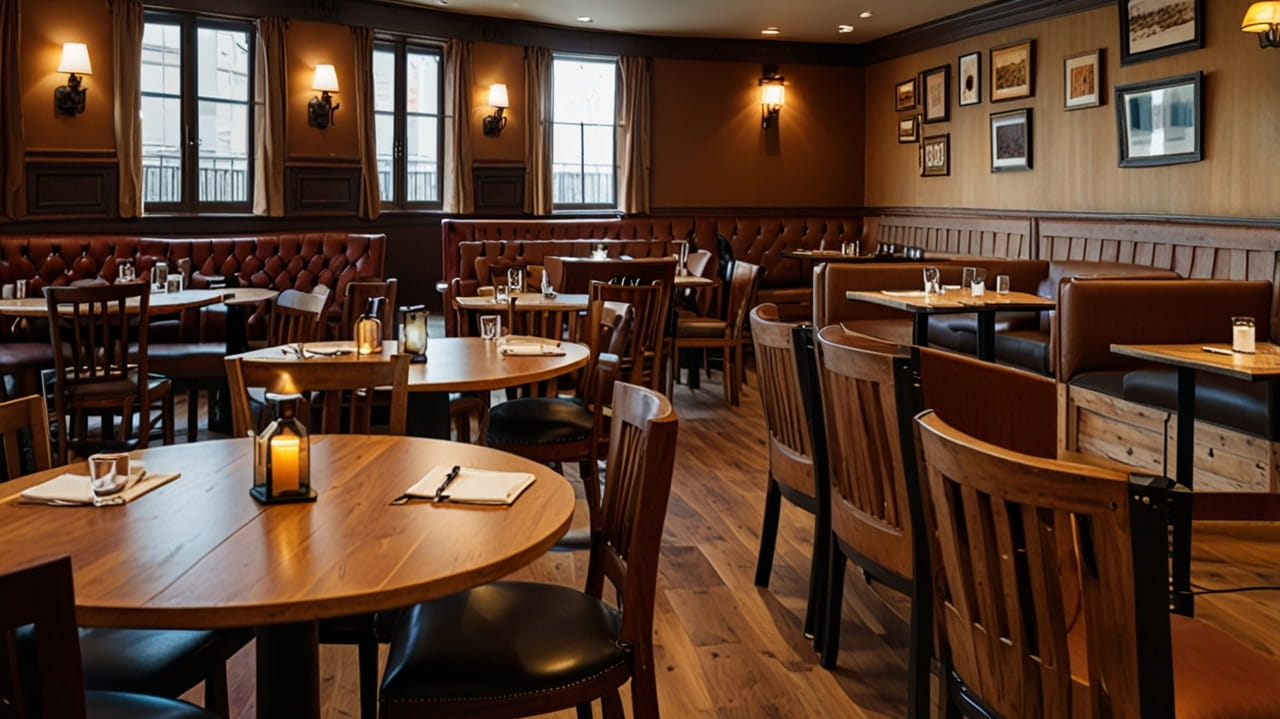
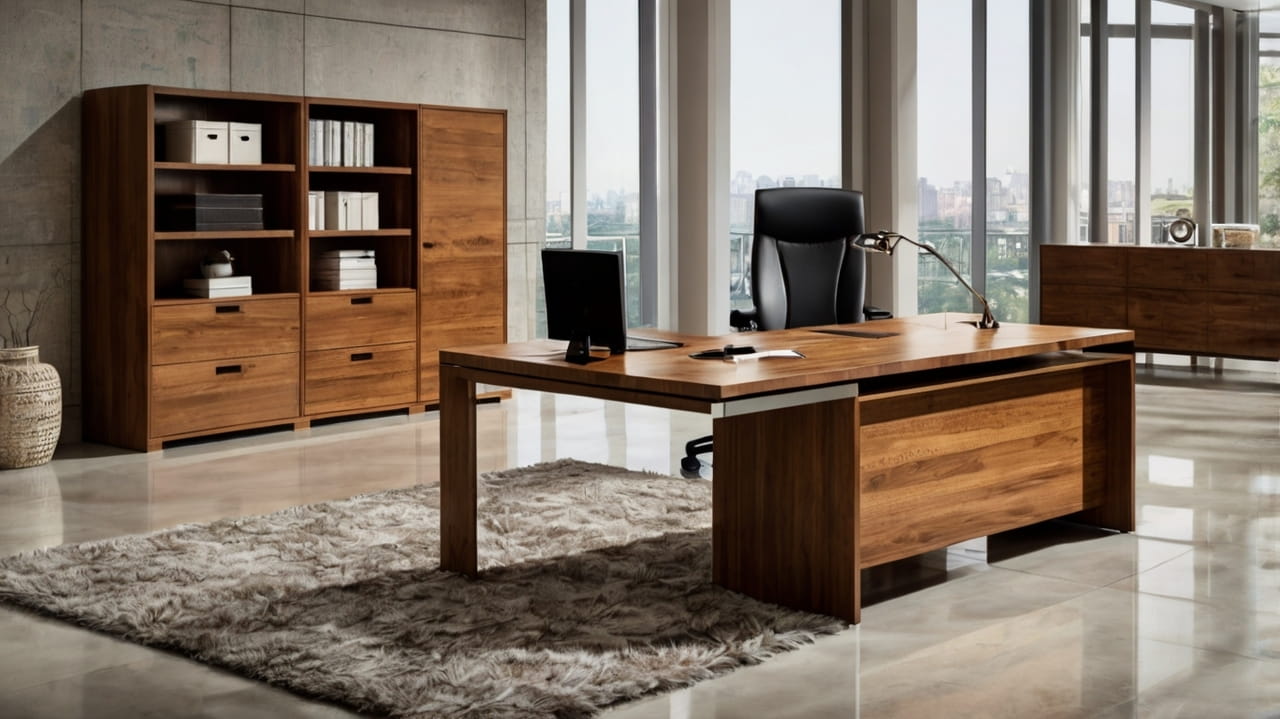
Besides warehouse furniture, other categories are made here too, so a comprehensive fit-out can be covered in one place. Among the directions are office furniture, garden and outdoor, furniture for hotels, cafés and restaurants. For a business this is convenient: both shelving units for the warehouse and furniture for the office at that same warehouse are ordered from a single contractor, without scattering between suppliers.
Office furniture is tables, cabinets, shelving units and workspaces where a tidy look is added to strength — after all, it is looked at every day. The garden and outdoor line is designed for outside, with an eye to rain, sun and temperature swings, so the emphasis is on moisture resistance and durability. Each category has its own logic, but the common denominator is a calculation for real operating conditions.
Furniture for hotels, cafés and restaurants is a story of its own, where looks and comfort are added to strength: the guest must see a tidy thing and sit at it in comfort, and the establishment must not replace it every season. And yet any category, from warehouse to restaurant, is made by the same principles: sound material, precise machining, a calculation for long service.
The bottom line is simple: one contractor covers furniture for several business tasks at once. This simplifies procurement and removes the headache of coordinating deadlines between different suppliers — there is no need to reconcile five schedules and then work out who delayed the shared project. Everything goes through a single point of responsibility.
Our portfolio — finished products
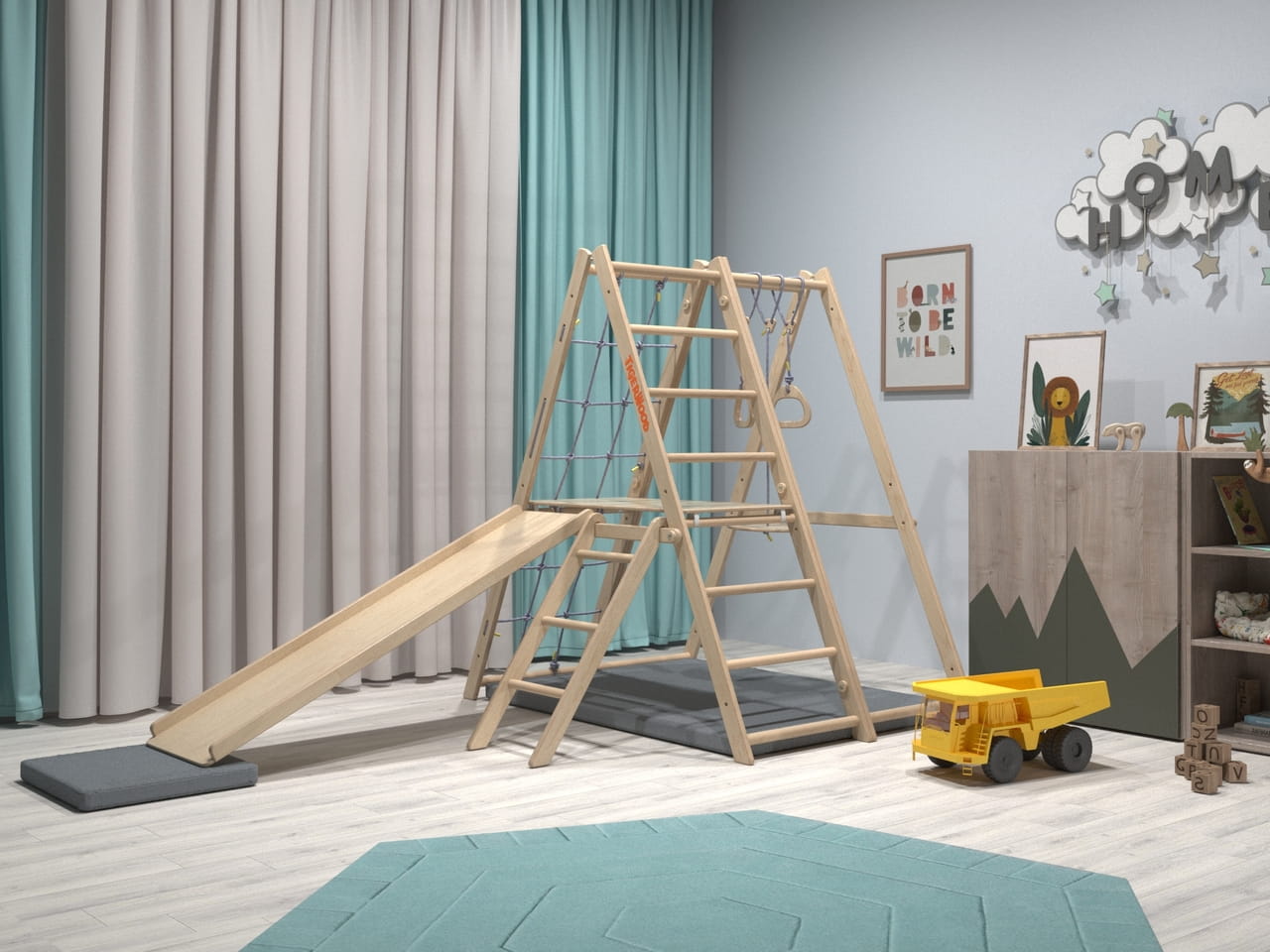
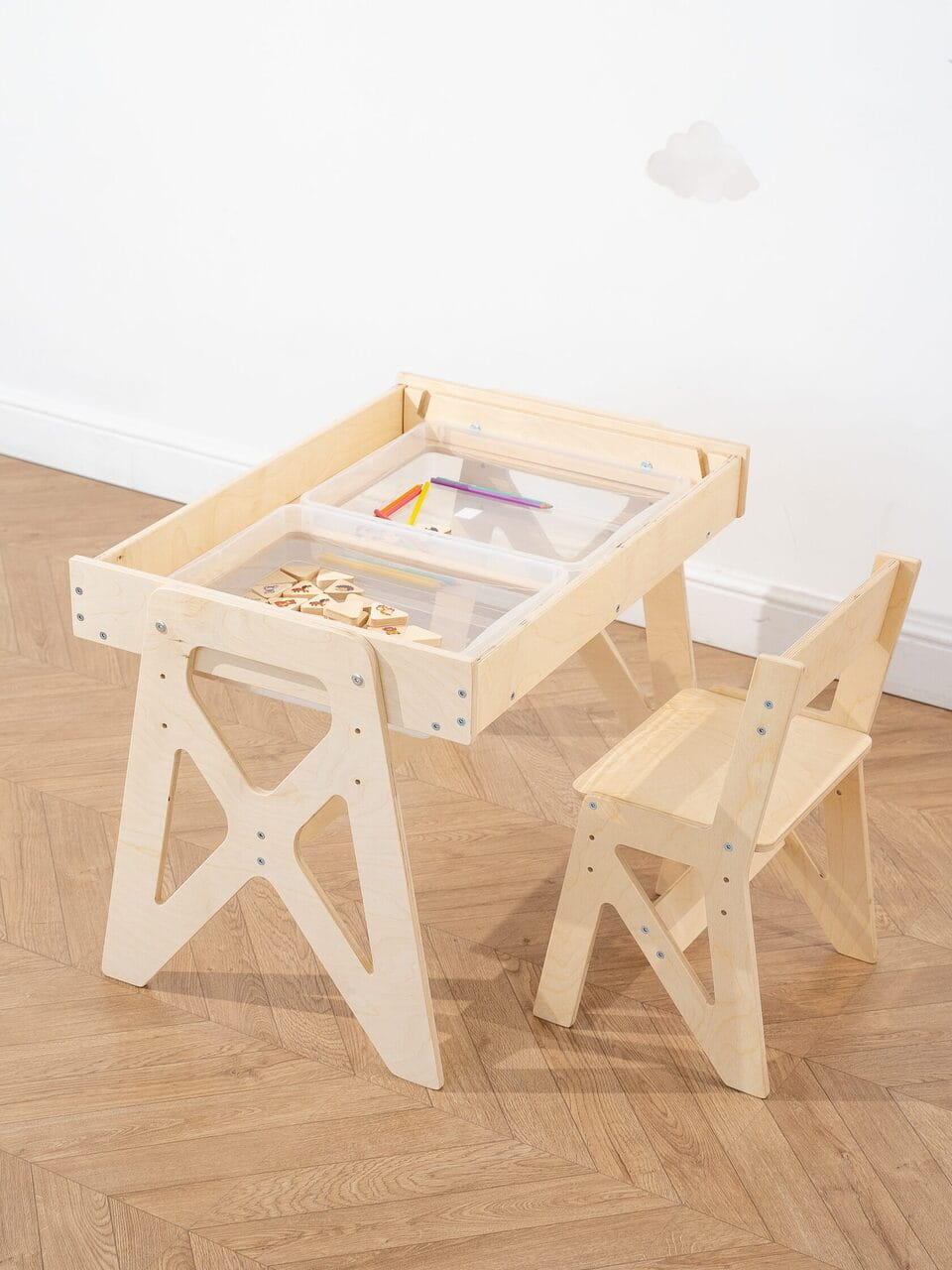


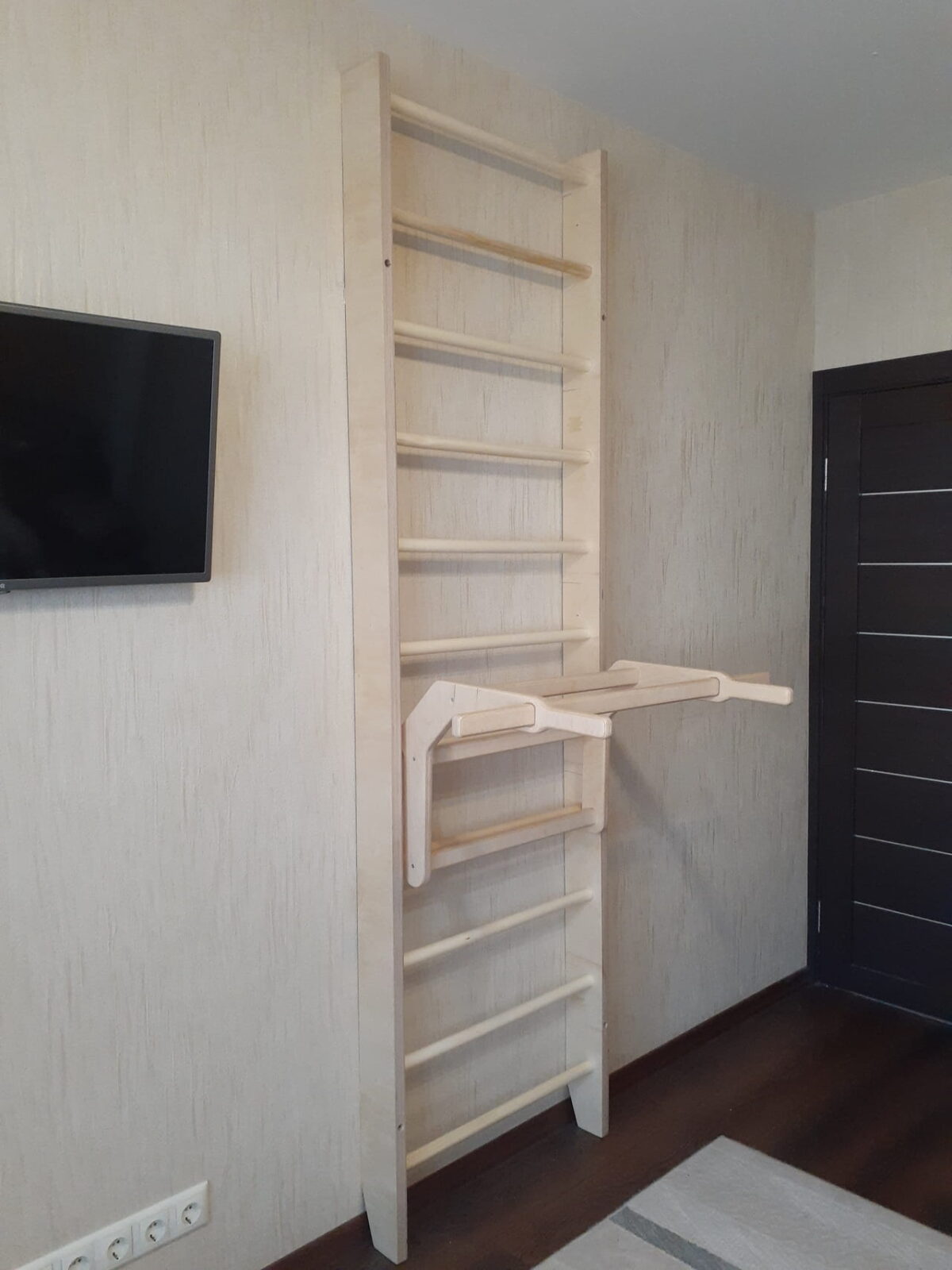
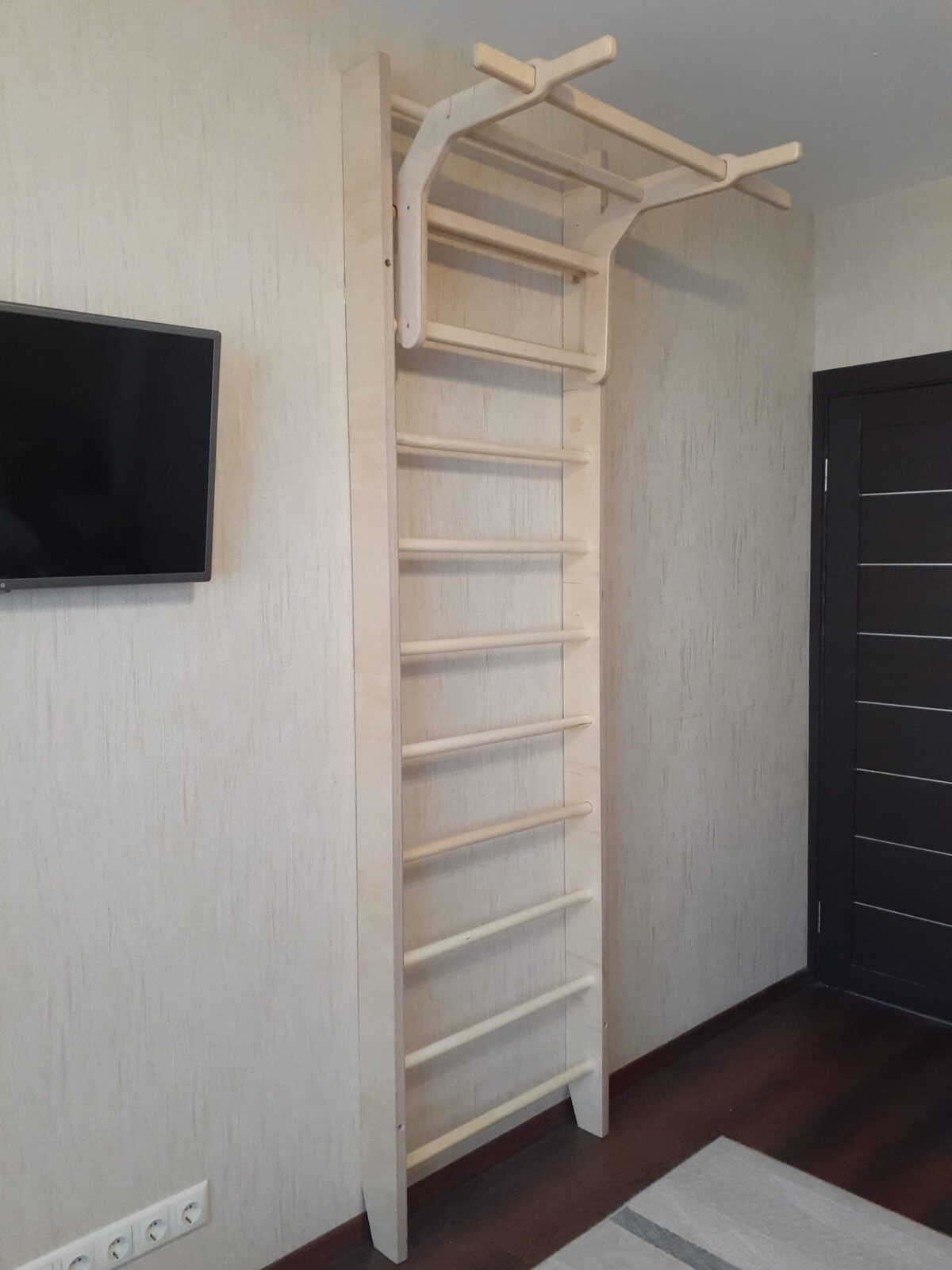
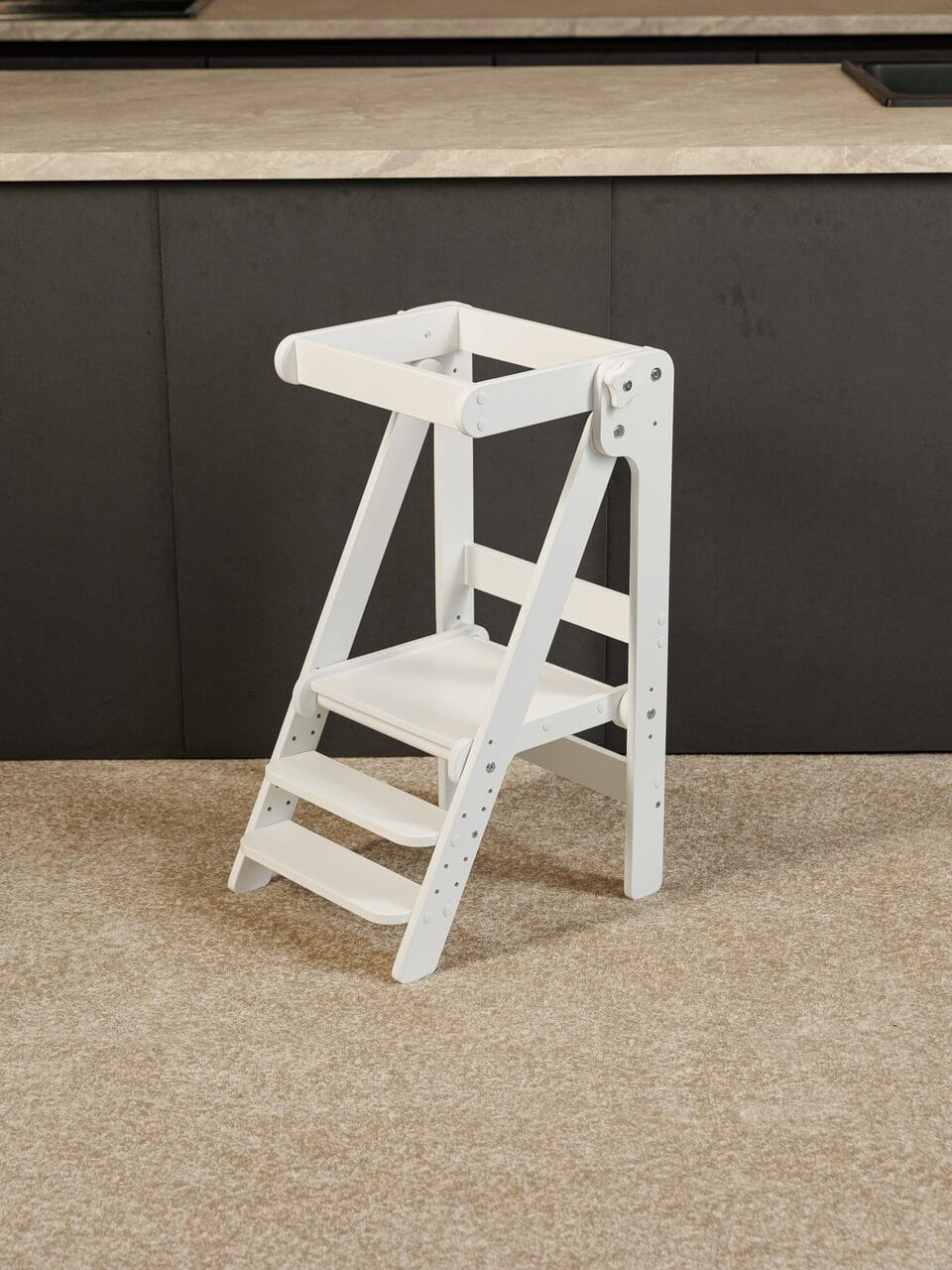
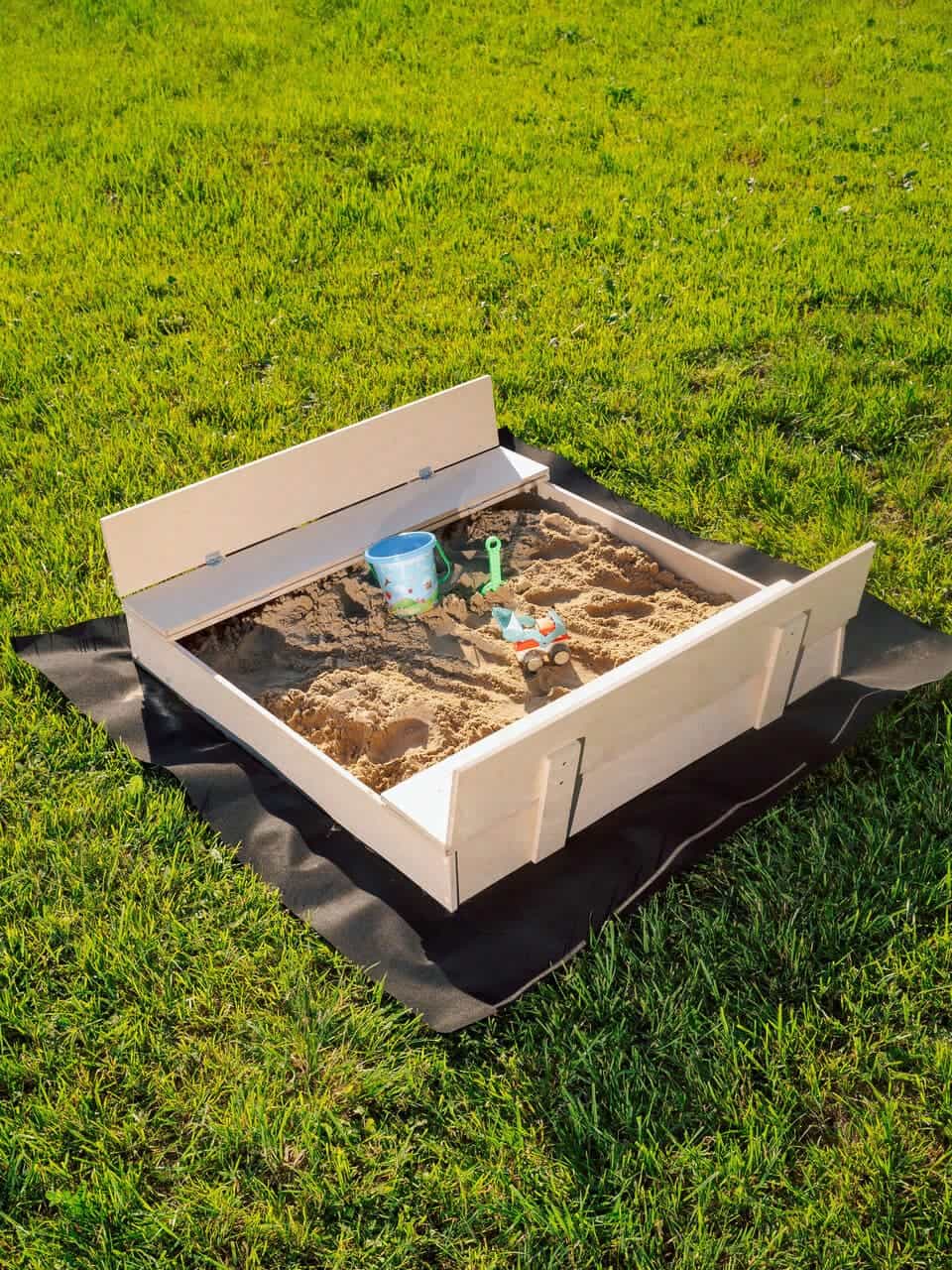

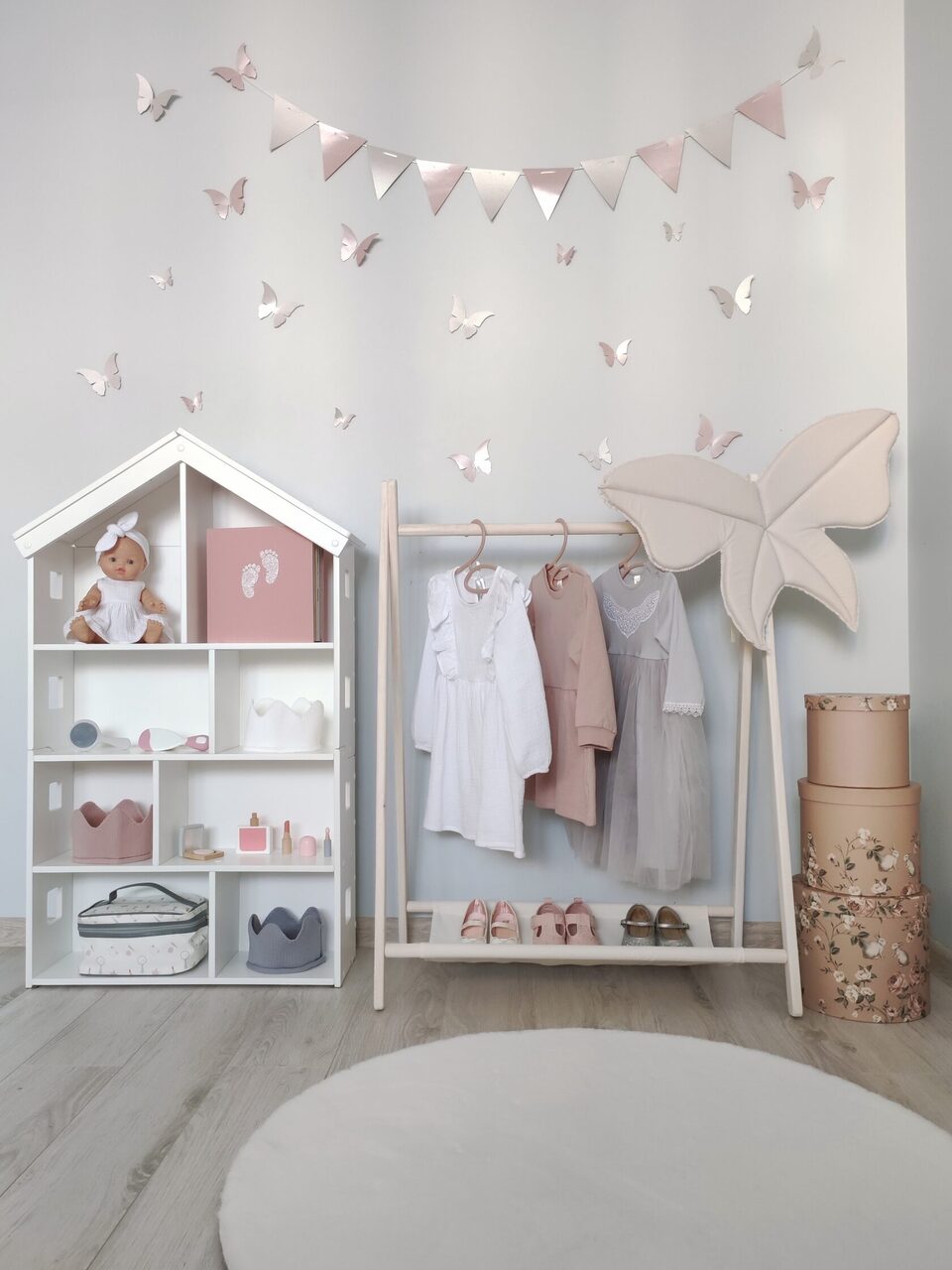

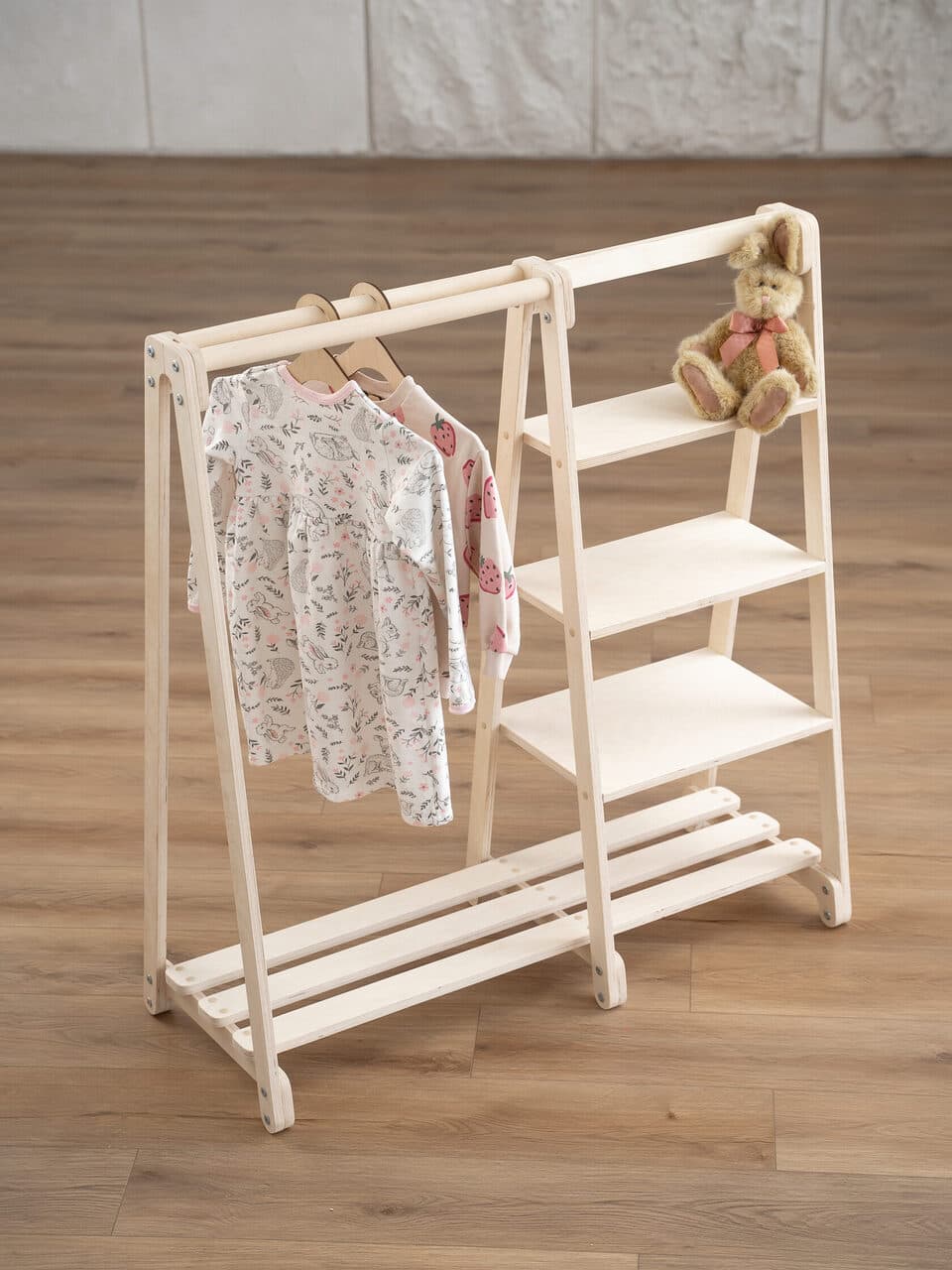
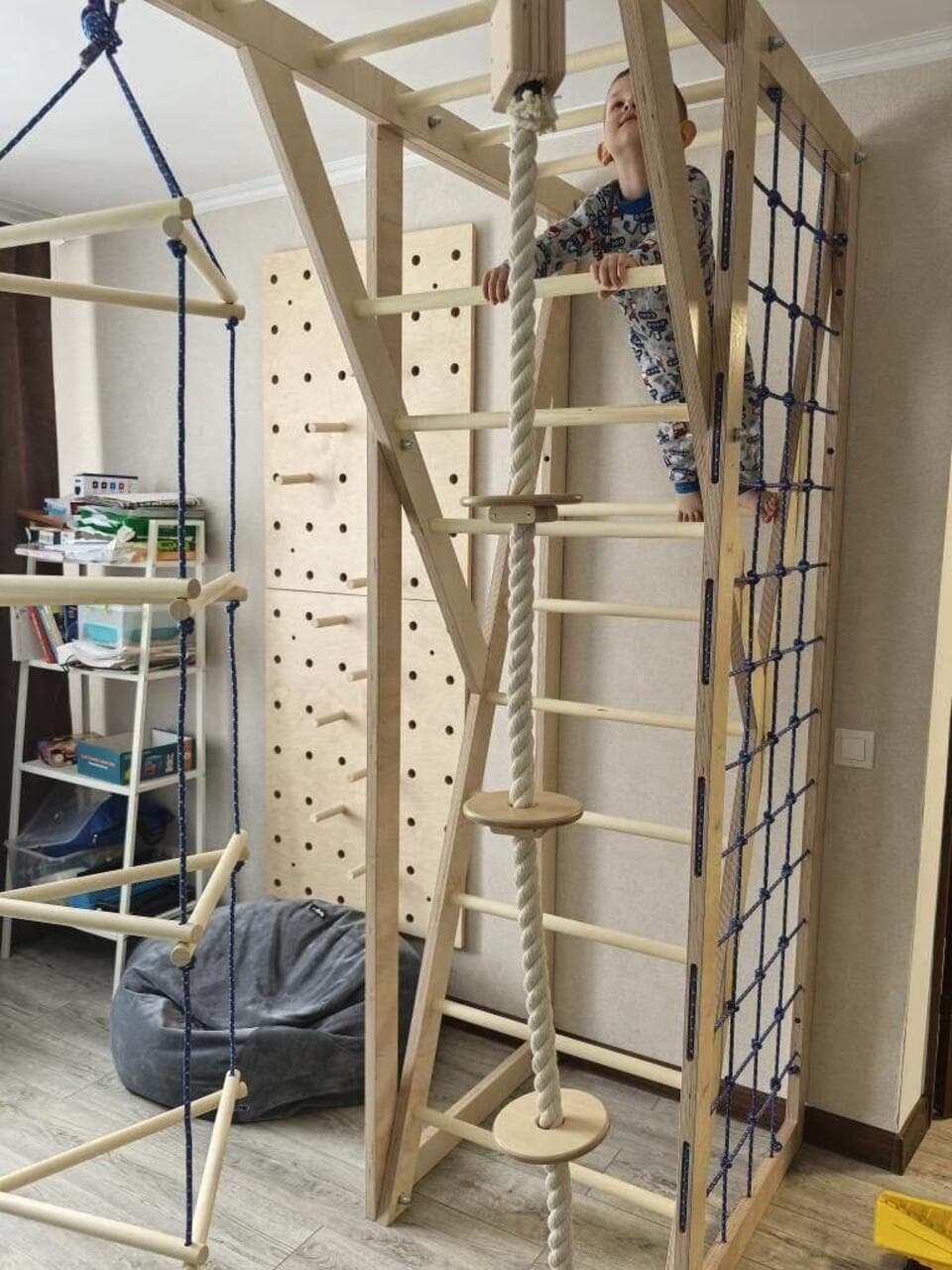
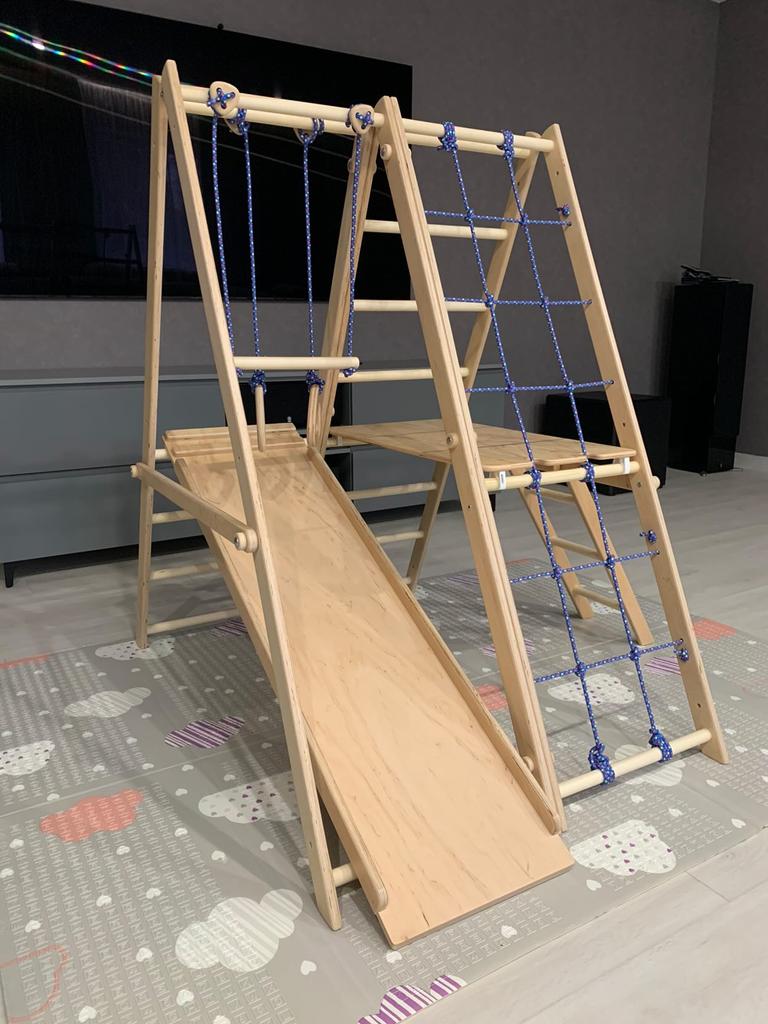

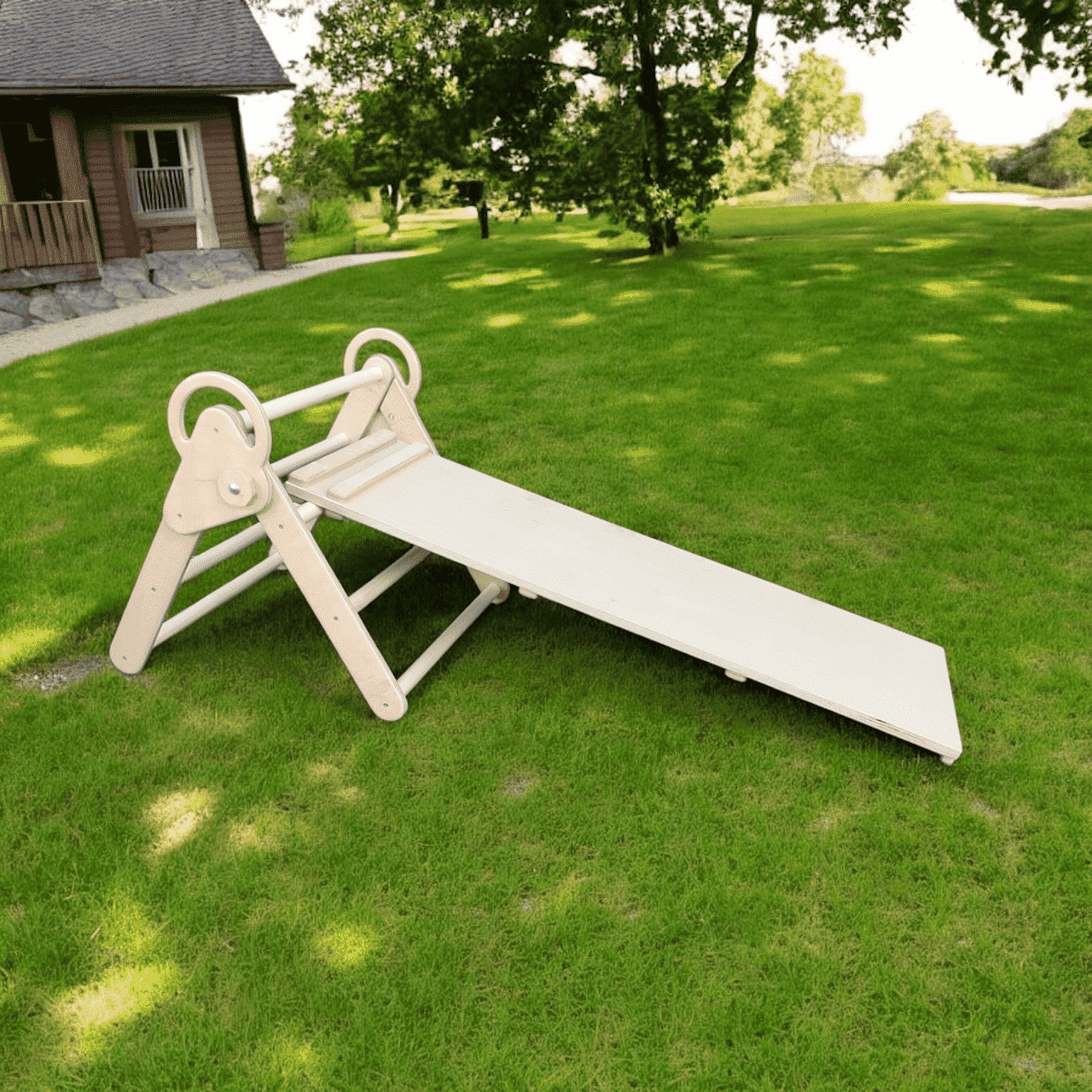

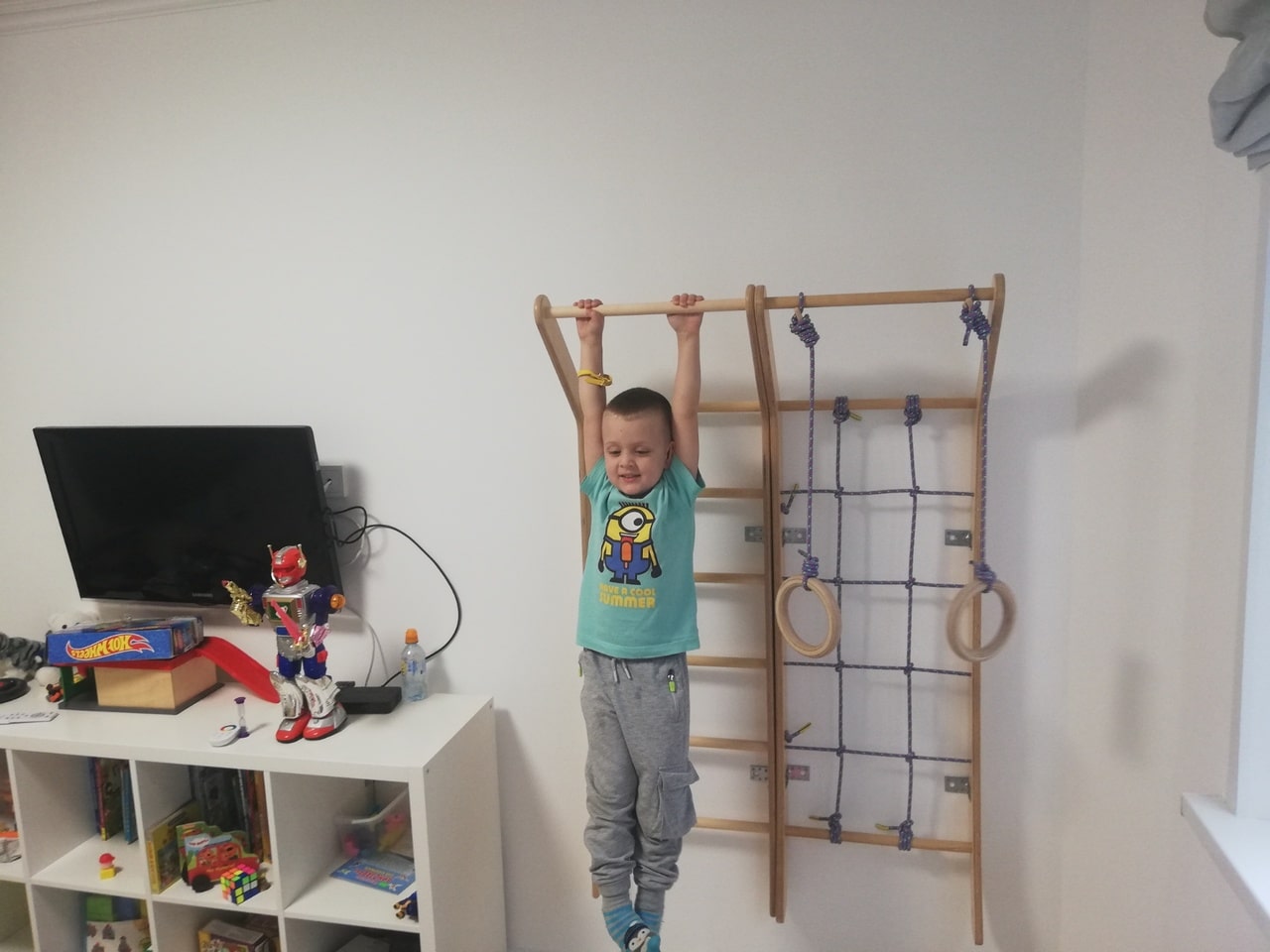


Examples of wooden warehouse furniture — a demonstration of quality and variety
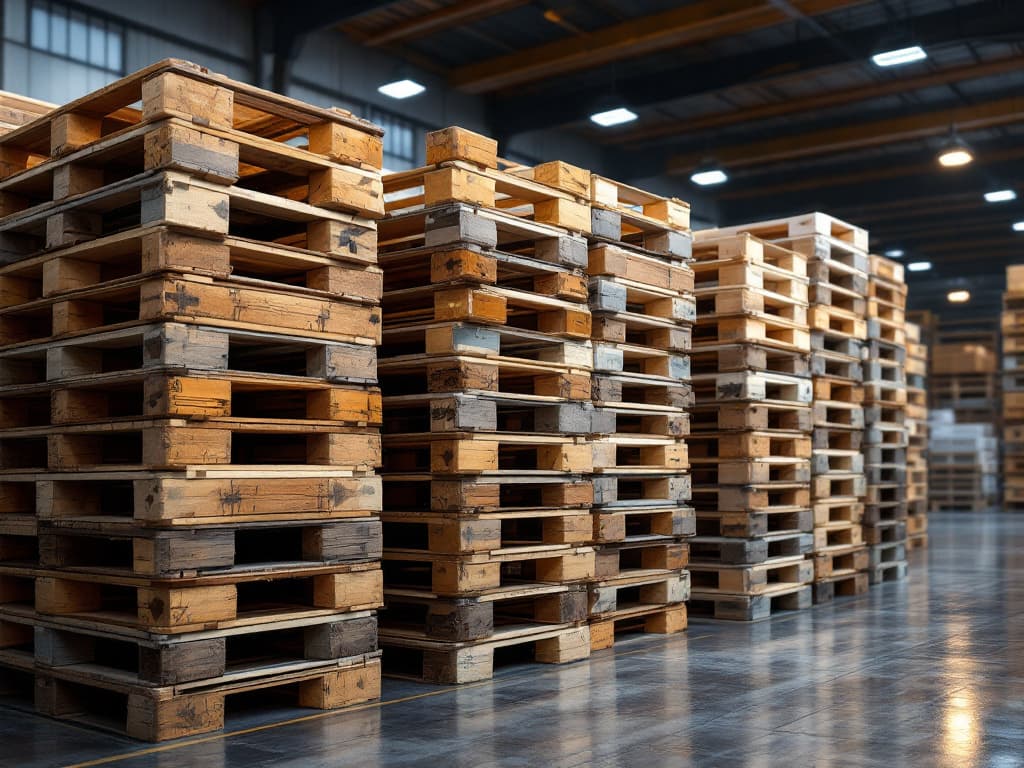
Behind us are quite a few completed warehouse-furniture projects for customers across Europe. Living examples of the pieces say more than any descriptions: from them you can see how varied the forms, sizes and design solutions can be, and it is easier to gauge what will suit your own warehouse. Photos of finished work are, in essence, a catalogue of possibilities.
In the gallery are shelving units of various heights and configurations, closed cabinets with hinged and other door options, work surfaces from solid material with a tidy finish. It is clear that even utilitarian warehouse furniture can look neat: even edges, clean joints, well-thought-out geometry. Function comes first here, but appearance is not sacrificed either.
Finished examples help the customer decide: having seen a similar structure in the flesh, it is easier to understand whether it will suit one’s tasks and what to pay attention to. At the same time, the works show the level of production — the cleanness of execution and the working-through of details immediately reveal how carefully the work is approached here. That is more honest than any loud words about quality.
Who uses a carpentry workshop’s services

Furniture makers

Interior designers

Advertising companies

Exhibition stand builders

Art studios

Cafés and restaurants

Construction firms

Retail equipment manufacturers

Furniture factories

Private craftsmen

Custom orders

Manufacturing companies

Museums and exhibition halls

Architects

Theatres and film studios

Educational organizations

Children’s products manufacturing

Repair specialists

Online stores

Sole proprietors
Customers in the wooden warehouse furniture segment
The circle of warehouse-furniture customers is wide. These are large distributors and wholesale stores, logistics companies with their eternal fight for every metre of space, manufacturing enterprises where the warehouse is part of the conveyor, and retail chains needing uniform fit-out for all their outlets. Each has its own storage specifics, but the request is shared — reliable equipment that will not let them down under load.
Working with such customers tolerates no botching: a missed deadline or a defective batch hits not one shelf but the client’s whole warehouse process. That is why the bet is on long relationships rather than a one-off deal — meeting deadlines, stable quality and readiness to help with the technical side when it is necessary to calculate the load or select a configuration for a non-standard space.
Understanding how the warehouse of different businesses is arranged makes it possible to fit the furniture to real conditions rather than issue a single template for all. For one, ceiling height is critical, for another narrow aisles, for another reinforced shelves for heavy goods. In a market where everyone fights for shipping speed and storage density, such tuning to a specific process turns into a tangible advantage.
Wooden warehouse furniture — a detailed guide to choosing and ordering
In warehouse furniture there are no trifles — everything works for strength at once: the quality of the material, discipline at every stage, and the experience that tells where to build in reinforcement and where the standard is enough. Here there is a full cycle — from raw-material selection to finished structure, taking into account the requests of customers across Europe. Below is a practical breakdown of how to choose and order warehouse furniture so as not to overpay and not to miss on strength.
Behind the words “warehouse furniture” hides a whole set of items for storing and organising space: shelving units, cabinets, work surfaces, modules for a specific product. Each is developed with an eye to the conditions in which it will work — from a dry archive to a damp building-materials warehouse. Thanks to this, the same types of structure find use in the most varied industries.
When choosing, it is worth looking first of all at durability, because warehouse furniture pays off precisely through its service life. The material undergoes treatment that closes off the three main threats: moisture, insects and mechanical wear. A structure protected from all this calmly serves for years without loss of strength, rather than turning into a line of regular replacement expenses.
Ordering from a manufacturer gives furniture that hits the technical requirements exactly, rather than “roughly fitting”. Into the calculation go not only standard parameters but also the particulars of the specific warehouse: the height of the premises, the width of the aisles, the weight and dimensions of the goods. From this are born solutions for a specific site that are not to be found among ready-made shelving units from a catalogue.
Quality control is kept at all stages — from material intake to packaging of the finished batch. Such an end-to-end approach cuts off defects before they reach the customer’s warehouse and show up under load. As a result, the furniture serves long and without surprises, keeping both the strength and the geometry for which it was, after all, ordered.
When choosing, it is worth starting from your own tasks and storage specifics: what we store, in what volumes, how often we take it, in what conditions the warehouse stands. The range covers the main types of premises and scenarios, so selecting a configuration for a specific case is realistic without compromises. Well-chosen made-to-order warehouse furniture quickly brings order, raises safety and makes storage genuinely convenient.
Ultimately, warehouse furniture is not just “shelves on a wall” but a working tool on which the speed and quality of warehouse operations depend. A well-thought-out combination of strength, convenience and correct geometry speeds up order assembly, reduces losses and eases the burden on staff. Good equipment pays off not all at once but every day — in minutes saved, undamaged goods and order that keeps itself.
Made-to-order warehouse furniture: a breakdown for business
Next — practice without general words: what types of warehouse furniture there are and what each is for, how strength and load are calculated, what makes up the price, how long to wait for a batch and which mistakes when ordering cost the most. All from real work, not from an advertising brochure.
Types of warehouse furniture and what each is for
One shelving unit is not like another, and the first step to a successful order is to understand what exactly is needed. An open-type shelf unit is good for goods that are taken often: everything is in view, access from any side, nothing in the way. A closed cabinet solves the opposite task — to hide from dust, moisture and other people’s eyes what calls for it. A workbench and a work table are needed where something is done by hand with the load. And special modules with cells, trays and partitions cover the storage of small items that turn into a mess on an ordinary shelf.
A separate group is structures for pallets and oversized goods. Here it is not access convenience that comes to the fore but load capacity and frame rigidity: such shelving units hold hundreds of kilograms per tier and have no right to wobble. Between these extremes lies a mass of intermediate solutions, and the right choice depends on what, how often and in what volume you store. There is no universal “best” shelving unit — there is one suitable for a specific warehouse.
| Type | For what | Key point |
|---|---|---|
| 📚 Shelf unit | Fast-moving goods, boxes | Open access, flexible height |
| 🚪 Closed cabinet | Valuable, fragile, documents | Protection from dust and moisture |
| 🛠️ Workbench | Assembly, repair, packing | Sturdy worktop, stability |
| 🗄️ Module with cells | Small items, fasteners, tools | Order, quick search |
| 📦 Pallet structure | Heavy oversized goods | High load capacity |
Loads and strength: what to look at
Strength is not an abstract word but concrete figures worth gauging before ordering. The key parameter is the load per shelf: how many kilograms a tier must hold without deflection. Underestimate the weight of the goods — and within a month the shelves sag into an arc, or even break under the load. Overestimate — and you have paid for extra board thickness and reinforcement that are not needed. That is why an honest load calculation at the start saves both money and nerves.
Not only the shelf thickness works for strength but the whole structure as a whole. Frame rigidity, the quality of the joints, the presence of a back panel or diagonal braces — all this determines whether the shelving unit will stand rock-solid or start to sway when the upper tiers are loaded. Tall structures are always calculated for stability and, where necessary, fixed to the wall, because a toppled loaded shelving unit is not only spoiled goods but a real danger to the people nearby.
Load distribution also matters. The heavy is placed at the bottom, the light at the top, and the furniture is designed with this logic in mind: the lower tiers are reinforced, the upper ones made lighter. If the goods are expected to be of varying sizes, the structure is designed with a margin for the heaviest scenario. This is exactly what distinguishes made-to-order warehouse furniture from domestic shelves, which do not live long under warehouse load.
Materials: how they differ and what to choose
The choice of material is a balance of price, strength and warehouse conditions. MFC is cheaper and convenient with ready décors, but it is afraid of open moisture on the edge and yields in bending strength. Plywood is stronger and holds fasteners better, calmly bears load and is not so fussy about damp. Solid wood is the strongest and most repairable option for loaded nodes and workbenches, but also the most expensive. Often the optimum lies in a combination: frame and shelves from one, responsible parts from another.
| Material | Pluses | Where it fits |
|---|---|---|
| ⬜ MFC | Inexpensive, ready finish | Dry warehouse, light and medium goods |
| 🪵 Plywood | Strength, holds fasteners, moisture-resistant | Loaded shelves, damp zones |
| 🌳 Solid wood | Maximum strength, repairability | Workbenches, heavy structures |
If you are in doubt about the choice, it is easier to describe the conditions: a dry warehouse or a cold hangar with damp, what weight and dimensions the goods are, how intensively the work goes. From these inputs the material will be selected for the task. Often it turns out that expensive solid wood is needed only for the workbenches, and the shelving units are calmly covered by plywood or MFC — and the budget shrinks noticeably without loss of reliability.
Furniture to the dimensions of a specific warehouse
The main advantage of made-to-order furniture over ready-made is that it sits under your premises, not the other way round. A ready-made shelving unit from a catalogue almost always leaves dead zones: half a metre of emptiness to the ceiling, no room to pass a trolley in the aisle, or a standard upright that simply does not fit under a hangar’s sloping roof. Made-to-order furniture is designed to real dimensions: the height of the premises, the width of the aisles, columns, windows and everything else that does not fit on a standard shelf.
This translates directly into money. Every unused metre of height or centimetre of aisle is space you pay rent for but which does not work. Shelving units designed for a specific warehouse lift storage up to the ceiling and leave exactly the aisles the equipment needs, without extra losses. Over the distance, such optimisation pays back the price difference between made-to-order and ready-made furniture, and often exceeds it.
Batches and series production
Warehouse furniture is rarely ordered one piece at a time — more often it is a batch of identical structures for a whole warehouse or for a chain of sites. Series manufacture here is more advantageous in every sense: tooling is prepared for the run, the parts come out identical to the millimetre, and the per-unit price is noticeably lower than with one-off work. For chains it is also a single standard: the shelving units at all sites are the same, which means interchangeable and predictable in servicing.
At the same time, series production does not mean giving up fitting to the task. A batch is designed for the customer’s specific conditions, and then the already verified structure is replicated. This approach combines two pluses at once: an individual calculation for the warehouse and the economy of mass production. That is exactly why the wholesale format is the main one for this segment, and a one-off order is usually taken for non-standard or trial solutions.
What makes up the price
The question “how much does it cost” without details stays without a precise answer, and that is honest, not an excuse. The price of warehouse furniture is made up of several clear components, and each can be gauged in advance.
- 🧱 Material — the type and thickness of the board, consumption for the calculated load.
- 💪 Strength — reinforcements, shelf thickness, load-capacity requirements.
- 📐 Complexity of the structure — a simple shelving unit or a module with drawers and mounts.
- 🔁 Run size — a series works out cheaper per unit than a one-off item.
- ✨ Finishing — edging, protective and moisture-resistant coatings.
- 🚚 Delivery and assembly — batch volume, region, installation on site.
The simplest way not to overpay is to describe the task precisely and not to overstate the requirements where it is not needed. Reinforced pallet shelves for light boxes are money down the drain, as is expensive solid wood where plywood would do. A competent calculation for the real load saves tangibly, especially on a large batch, where overpaying per unit is multiplied by dozens of structures.
Deadlines and how not to miss them
The exact deadline is calculated for the specification, but the general logic is simple: standard shelving units are made faster, complex modules and large batches take longer. The time is affected by the order volume, the complexity of the structures, the need for protective coatings and the current production workload. If the warehouse fit-out is tied to a date — a move, a launch, a seasonal peak — it is sensible to get in touch early and build in a margin, rather than counting on the batch being assembled in a couple of days.
Good preparation on the customer’s side speeds things up: a clear task, known premises dimensions, certainty about material and load. When all this is there at the start, the project does not stall on clarifications, and production moves straight to work. A vague “we need some sort of shelving units” inevitably drags questions and approvals behind it that stretch out the deadline.
Common mistakes when ordering
Most problems with warehouse furniture are laid down not in production but at the stage of setting the task. Here is what most often goes wrong.
- ❌ Underestimating the load. Shelves calculated “by eye” sag under the real weight of the goods.
- ❌ Measuring without accounting for equipment. Forgot about the trolley’s passage width — and the aisles turned out cramped.
- ❌ Cutting corners on protection. Untreated wood in a damp warehouse quickly loses its look and strength.
- ❌ Betting on ready-made at any cost. A catalogue shelving unit not suited to the premises leaves dead zones.
- ❌ Everything at the last moment. A large batch under a deadline cannot be assembled without haste.
It is no disaster if you did not account for some of this — that is exactly what the dialogue before the start is for. A competent contractor asks these questions in advance itself: about the weight of the goods, about the equipment, about the warehouse conditions. Such a conversation before ordering removes most future problems, when fixing them is already dear and slow.
Quality control and guarantee
For warehouse furniture, control is not a formality but a matter of safety. Checking goes at every stage: material intake, cutting precision, node quality and a final check of the finished structure for load and geometry. A weak joint or an underestimated shelf in a warehouse turns not into a cosmetic defect but into the risk of a loaded shelving unit collapsing, so end-to-end control here is especially justified.
A product guarantee is, in essence, a commitment that the structure will serve out the stated life without loss of strength. And since the whole order passes through one pair of hands, responsibility for the result is not smeared: if a question arises, it is clear whom to go to, and there is no need to work out whose stage failed. For a wholesale customer such certainty often matters more than a momentary price.
Delivery and on-site assembly
Warehouse furniture is bulky goods, so it is usually transported disassembled and put together on site. This is convenient in every way: more compact in transport, easier to carry into the premises through ordinary doors, cheaper logistics. The structures are designed to be knock-down and clear to assemble, with sensible fasteners, so that installation does not turn into a puzzle. If needed, help with assembly is discussed separately.
Being knock-down is useful for the future too. A warehouse changes: volumes grow, the layout is reworked, the business relocates. Furniture that can be neatly disassembled, moved and reassembled survives these changes without losses, whereas a monolithic structure would have to be thrown away. Delivery is organised across Europe, and the terms are agreed to the batch volume and address.
Glossary of terms
When discussing an order, words come up that are familiar to production and vague to the customer. A short glossary removes any misreadings.
| Term | What it means |
|---|---|
| 📊 Load per shelf | The weight a tier holds without deflection |
| 🏗️ Tier | One level of shelves in a shelving unit |
| 🔩 Reinforcement | Ribs and spacers that increase strength |
| 🖇️ Edging | A band sealing the end of a board from moisture |
| 📦 Pallet storage | Storing goods on pallets on tiers |
More questions about warehouse furniture
Can a shelving unit be extended later? If the structure is modular from the start, yes — sections or tiers are added to the existing ones. So at the first order it is worth mentioning plans for growth: a compatible system will be built in for them, and expansion will go without reworking the whole warehouse.
Is wood suitable for a damp warehouse? Yes, with proper preparation. The material is dried, treated with moisture-resistant and antiseptic compounds, the edges are sealed. For frankly damp zones, plywood and reinforced protection are chosen. Bare untreated wood in damp will of course not last long — but a treated structure serves for years.
How is made-to-order furniture more advantageous than ready-made? It uses the space more precisely, is calculated for your goods and load and serves longer thanks to the right material. A ready-made shelving unit is cheaper in the moment but leaves dead zones and often does not take the warehouse weight. Over the distance, made-to-order furniture usually wins on total return.
Where to start the order? With a description of the warehouse and the goods: the dimensions of the premises, what and how you store, what volumes and loads, whether there is a deadline. Even without a ready project, this is enough to gauge the structure, material and price. The rest is clarified along the way — made-to-order warehouse furniture is built precisely around your process.
A one-off order or ongoing cooperation
Made-to-order warehouse furniture is taken both one-off and on an ongoing basis. The one-off format suits when you need to close a specific task here and now: fit out a section, replace shelving units that have worn out, make a non-standard module for a new product. It is all simple — described, agreed, received. No commitments for the future.
Ongoing cooperation is a different level for those who are growing or running a chain. Logistics operators, retail chains and manufacturers over time become convinced that keeping one proven source of equipment is more convenient than searching for a new contractor each time and explaining their requirements from scratch. When the specifics are already known, new batches go faster, the standard is maintained at all sites, and in the hot season a regular customer usually gets priority. Many come exactly this way — from a trial order, and stay for years.
Who most often needs warehouse furniture
The circle of customers is wide, and each has its own logic. For logistics complexes, storage density and access speed are critical: every extra metre of aisle is multiplied by thousands of square metres. Manufacturers need the warehouse as part of the conveyor — with workbenches, cells for components and a clear system so that a part is not searched for half an hour. Retail chains take a single standard of fit-out for all outlets, so that the storerooms are everywhere the same and predictable.
A separate category is wholesalers and distributors, for whom the warehouse is the heart of the business, and its efficiency hits profit directly. There are also small companies, workshops and stores with storerooms that need to make competent use of a modest space. The request differs for everyone in scale, but is the same in essence: to get reliable equipment that will bear the load and bring order. That is exactly why solutions are designed for a specific scenario rather than issued as a template for all.
What an order looks like in practice
So that all of the above does not remain theory, here is a typical scenario. A company rents a new warehouse and comes with a plan of the premises and a list of goods: boxes of various weights, some on pallets, an assembly zone by the gates. From these data a configuration is calculated — where to place loaded pallet shelving units, where light shelf units for small goods, what width to leave the aisles for the equipment. Then the project is agreed, the batch is manufactured and assembled on site. As a result, the warehouse turns from an empty hangar into a marked-out, working space.
Another example — a manufacturer needing workbenches and cellular modules for components. Here it is not pallets that come to the fore but workplace ergonomics: a convenient worktop height, strength for the tools, cells for small items at hand. A third case — a retail chain ordering identical shelving units for the storerooms of a dozen stores as a single batch. Three different tasks, but one logic: break the customer’s process down into details and assemble the furniture for it, rather than fitting the warehouse’s work to ready-made shelves.
Finish and protective coatings
A coating for warehouse furniture is not about beauty but about the structure surviving in harsh conditions. The open edge of a board is the first to soak up moisture and start to crumble, so the ends are sealed. The surfaces are coated with a compound that takes the hit: it protects against moisture, abrasion and minor damage in contact with the load. In a damp or unheated warehouse, reinforced moisture-resistant treatment is added to this, otherwise the material gives up sooner than one would like.
The choice of finish depends on the conditions. For a dry heated warehouse, standard protection is enough; for a cold hangar with condensation, something more serious is needed. If you are in doubt, it is easier to describe exactly where the warehouse stands and what happens in it — a suitable coating will be selected. A sensible selection saves both from overpaying for excess protection where it is not needed and from premature wear where it was cut wrongly.
Ergonomics and organisation of space
Good warehouse furniture works not on its own but as part of a well-thought-out warehouse scheme. The height of the tiers is fitted to the height of the staff and the equipment: what is taken by hand is at a convenient level, the heavy at the bottom, the rare at the top. The width of the aisles is calculated for trolleys and forklifts, so that there is neither cramping nor extra space eating up floor area. Correct geometry speeds up order assembly and reduces people’s fatigue, and that directly affects productivity.
Small things decide a lot here: inclined trays so the goods slide to the edge by themselves, cell labelling, dividers that keep small items from mixing. All of this is built in at the project stage, if the customer has explained how their process is arranged. Made-to-order warehouse furniture is valuable precisely because it adapts to a specific goods flow, rather than forcing people to adapt to inconvenient shelves.
How to extend the service life
Even a strong structure serves longer with sensible handling, and the rules here are not complicated. The main thing is not to exceed the calculated load per shelf: the temptation to “chuck on a couple more crates” over time turns into deflection and material fatigue. It is also worth watching the evenness of loading, not creating skews where one side of the shelving unit is piled up and the other stands empty.
- ⚖️ Do not overload shelves beyond the calculated weight.
- 🧭 Put the heavy at the bottom, the light at the top.
- 🔩 Periodically check the tightness of joints on loaded shelving units.
- 💧 Watch the humidity in the zone and do not allow direct leaks onto the wood.
- 🛠️ Renew minor coating damage without waiting for moisture to reach the material.
These simple habits noticeably stretch out the service life and push back the moment of replacement. Treated and properly used warehouse furniture calmly serves out years of intensive load, remaining both strong and safe.
Consultation before ordering
Discussing the task commits you to nothing but saves the most. It is enough to describe the warehouse and the goods, attach a plan of the premises or the dimensions — and get a guide on the configuration, material, price and deadlines. At this stage, useful details surface: where to lift storage up to the ceiling, where to reinforce shelves for heavy goods, what width to leave the aisles for the equipment. Such a conversation before ordering cuts off poor solutions in advance, when fixing them still costs nothing.
To bring it all together: made-to-order warehouse furniture is a way to fit out a warehouse for a specific process, rather than fitting the work to ready-made shelves. Shelving units, cabinets, workbenches and modules are designed for your dimensions, goods and load, manufactured as a batch with a single standard and serve for years under sensible use. It remains to describe the task — the rest will be broken into stages and brought to assembled, working equipment.
Combined solutions and non-standard work
Not every warehouse fits into standard shelving units, and here combined solutions come to the rescue. In a single project, different materials can be combined: strong plywood for loaded shelves, MFC for light tiers, solid wood for a workbench. Sometimes wood is combined with metal elements where special frame rigidity is needed. Such a flexible approach makes it possible to hit the right balance of strength and price, without overpaying for excess and without cutting corners on the responsible nodes.
Non-standard tasks here are more the norm than the exception. A shelving unit under a hangar’s sloping roof, a narrow module in the space between columns, a structure for the specific dimensions of an atypical product — all of this is designed to order. That is exactly why made-to-order warehouse furniture exists: where a ready catalogue throws up its hands, the task is broken down into clear elements and solved for the specific premises.
Your own production or ordering externally
Keeping your own joinery section for fitting out a warehouse makes sense only with a constant large flow. For most companies this is unprofitable: it needs machines, space, people and material that sit idle between tasks. Ordering warehouse furniture externally removes these costs — you pay for the result, not for maintaining production. This is especially noticeable on one-off and seasonal tasks, where your own equipment simply would not have time to pay off.
Outsourcing also gives flexibility on volume: a peak need is covered by an order rather than an urgent purchase of machines and hiring of people for a short surge. At the same time, industrial quality and precision are available even on a small batch. That is why both growing companies and large chains increasingly hand warehouse fit-out to a contractor, keeping their core tasks for themselves rather than a joinery workshop on top.
Safety and order in the warehouse
Warehouse furniture directly affects the safety of people and the integrity of the goods. A stable, correctly calculated shelving unit does not topple under load and does not drop the load onto passers-by. Smooth machined edges do not tear packaging or injure staff during fast work. Tall structures are fixed to the wall, and the load is distributed so that the centre of gravity stays low. All of this is built in at the project stage, rather than being solved after the fact, when the shelving unit is already swaying.
Order is the second tangible effect of competent fit-out. When every product has its place and the cells are labelled, order assembly speeds up, and losses and mis-sorting come to nothing. Well-thought-out made-to-order warehouse furniture turns a chaotic space into a system where no time is spent searching and no one trips over boxes stacked on the floor. In the end, the speed of work, the staff’s nerves and the accuracy of shipments all win.
What materials are used in the manufacture of wooden warehouse furniture?
At the base are strong board materials (MFC, particleboard, MDF, plywood) and hardwood for loaded nodes. The material is additionally treated: dried, coated with protective and antiseptic compounds against moisture and insects. The thickness and type are chosen for the calculated load of the specific structure.
Can warehouse furniture be ordered in non-standard dimensions?
Yes, this is the core format. Furniture is designed for your dimensions, the height of the premises, the width of the aisles and the specifics of the goods. Non-standard sizes, reinforced shelves, special modules — all of this is built in at the project stage so that the structure sits exactly under your warehouse.
How is the durability of wooden warehouse furniture ensured?
Durability is the job of a combination of measures: drying the material to the required moisture content (so it does not warp and crack), antiseptic against rot and insects, a protective coating of the surfaces against moisture and abrasion. Plus reinforced joints that do not work loose under constant load.
How quickly are the furniture manufacture and delivery carried out?
The deadline comes down to the batch volume and the complexity of the structures. Standard shelving units are made faster, complex modules and large batches are counted separately and agreed in advance. The exact date is named for a specific specification, so that it is real and not “on a wing and a prayer”.
Is assembly of the furniture possible at the customer’s site?
The structures are designed to be knock-down and clear to assemble, so putting them together on site is not hard. If needed, help with assembly is discussed separately. Being knock-down is also convenient for the future: a shelving unit is easy to move or reconfigure for a changed warehouse.
How is product quality controlled?
Control goes at every stage: material intake, cutting precision, node assembly quality and a final check of the finished item for load, geometry and surface cleanness. Such an end-to-end approach cuts off defects before shipping.
What guarantees are given on wooden warehouse furniture?
Yes, a guarantee is given on the products, confirming their reliability and conformity to the stated characteristics. The terms are agreed for the specific order. In essence, it is a commitment that the furniture will serve out the stated life without loss of strength.
Can wholesale batches of warehouse furniture be ordered?
Yes, wholesale batches are the core format. For a run, more favourable terms apply thanks to series manufacture, and supply is organised across Europe. For chains and logistics companies, this is a chance to fit out several sites at once to a single standard.
What additional services does the company offer?
Besides manufacture, help is given at the project stage: developing a structure for a specific warehouse, calculating the load, advising on the optimal configuration for your goods and budget. Such a consultation before ordering usually saves the most — it cuts off poor solutions in advance.
Which business sectors most often order wooden warehouse furniture?
Most often warehouse furniture is ordered by logistics companies, manufacturing enterprises, retail chains and wholesale suppliers. What unites them all is a need for reliable, standardised equipment that will bear intensive use and simplify storage.
Reach us in whatever way suits you best
Call us, message us on a messenger app or reach out via social media — choose whichever way suits you
🗺️ We accept orders from customers all across Europe
💬 Useful information and articles

Eco-friendly and safe materials for modern wood production
Eco-friendly and safe materials for modern wood production In recent years we increasingly think about what the things around us are made of. A home, furniture, a floor, a kitchen, a

How to Correctly Choose Between Plywood, MDF, Particleboard, and MFC for Different Tasks
How to Correctly Choose Between Plywood, MDF, Particleboard, and MFC for Different Tasks In the world of woodworking and furniture making, every material has its own story. Plywood, MDF, particleboard, and

Cutting sheet wood materials at different angles: why and how it is done
Cutting sheet wood materials at different angles: why and how it is done Working with wood materials is not just sawing. To get a truly high-quality and durable product, you have

Recommendations for choosing sheet materials for indoor and outdoor projects
Recommendations for choosing sheet materials for indoor and outdoor projects In woodworking, choosing the right sheet material is like laying a foundation for a builder. What you pick at the very