
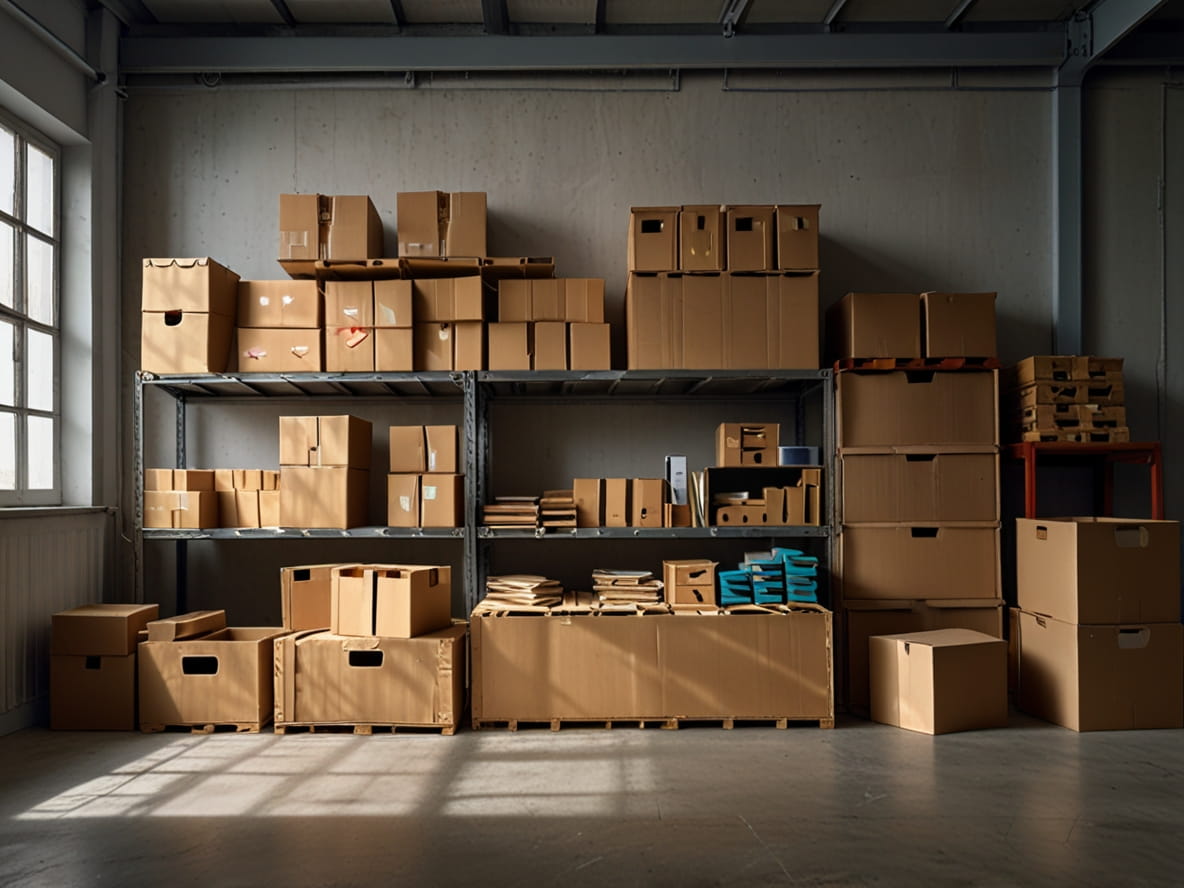
Wooden Household Goods
Wooden household goods are practical everyday utensils and storage fittings made to order: dish racks, hangers, boxes and crates, organisers, stands, shelves and cutting boards. Work is done both to standard models and to a custom drawing, by the piece or in a series, from solid wood, plywood and MDF, with moisture-resistant coating and the option of branding. Below is a look at what exactly is made in this category, from which wood, how the process works, how long it takes and who usually needs such products.
Wooden household goods: what the category covers
Wooden household goods are a huge layer of everyday small items that no home, shop or warehouse can do without. This includes dish racks and stands, hangers, boxes and crates, display boxes, organisers, desktop small items and all kinds of storage fittings. One and the same item is easily found in a café kitchen, in a shop’s back room and in a residential flat — only the size and finish change.
Wood here wins on more than looks. It lives long, is not afraid of daily loads and fits into almost any interior — from an eco-café to a strict office. Such items are ordered most often not by private customers one at a time but by business: retail chains, brands, online shops, distributors. They need a contractor who will consistently repeat a batch and not let them down on the deadline, whether it is a marketplace series or a one-off project for a specific concept.
The range of applications here is very wide. Wooden hangers in a boutique work not as a hook but as part of the shop window and the brand’s style. Crates and boxes hold up all the display and order in a warehouse. Dish racks go to cafés and restaurants, stands and organisers — to designers, to stationery shops, to craft workshops. And for all its utility, each item must look neat, leave no splinters and hit today’s tastes of the buyer — otherwise it will lose on the shelf.
Since we are talking about batches, repeatability comes to the fore: the hundredth dish rack must sit like the first. Hence the requirements for wooden household goods — precise milling, clean sanding without tear-out, an even coating and the ability to apply a logo. Some models are made to individual dimensions and the chain’s corporate style. But whatever the finish, the construction must remain strong and stable — for the whole point of the category is to ease storage, movement and order, not to add trouble.
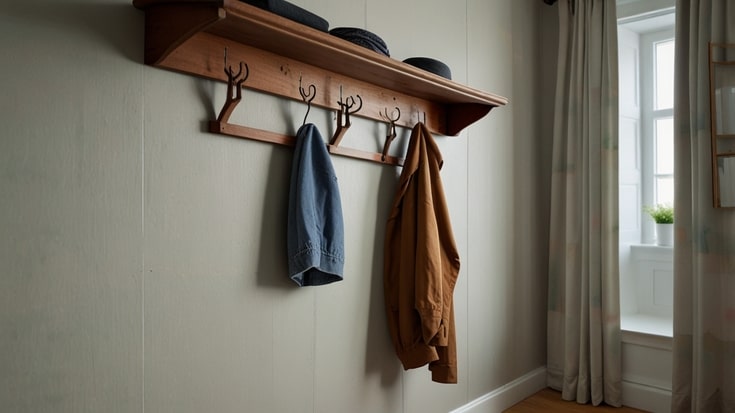
Hangers
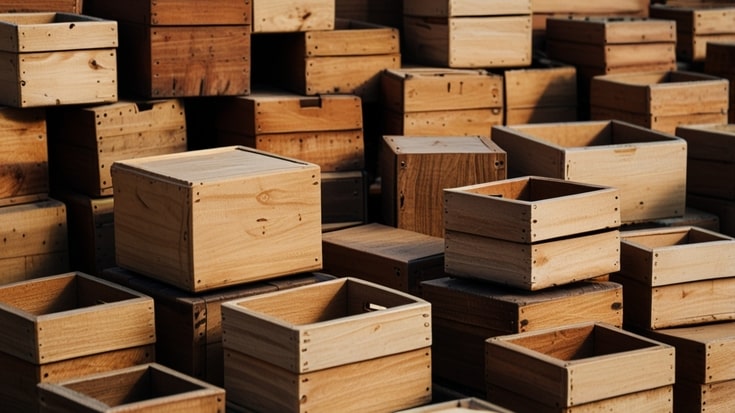
Boxes
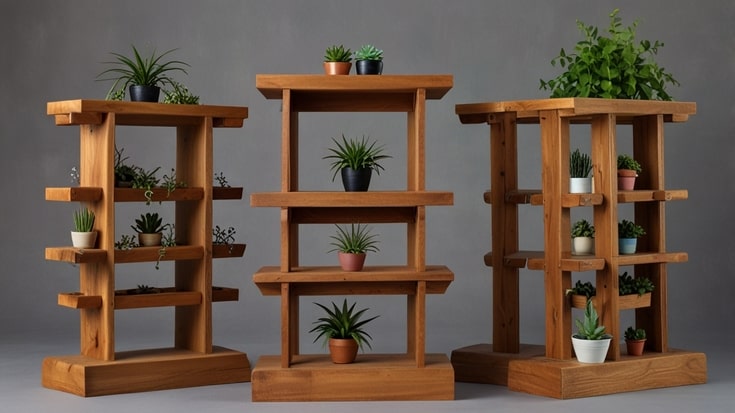
Stands
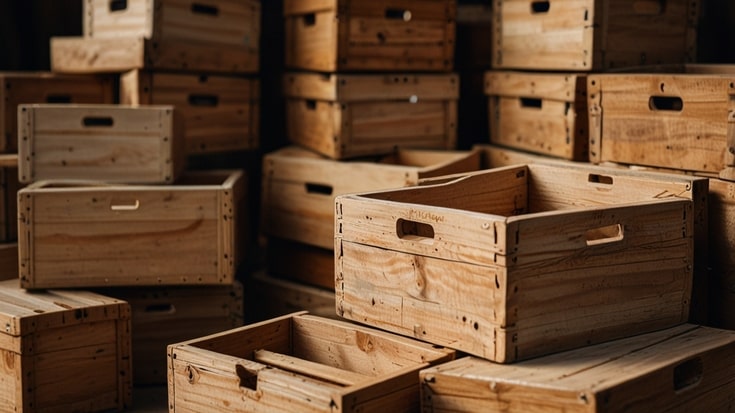
Drawers
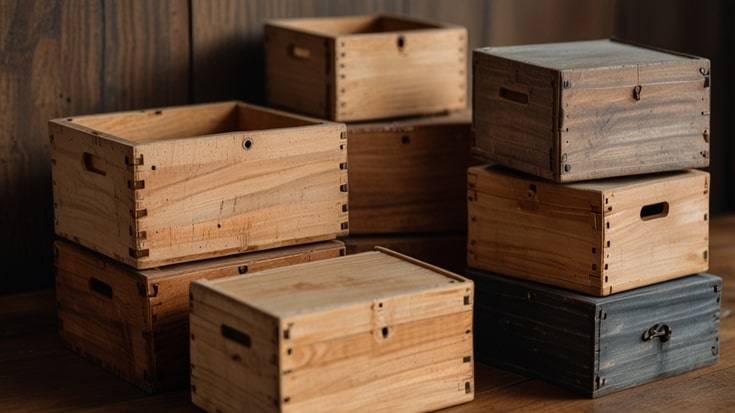
Crates
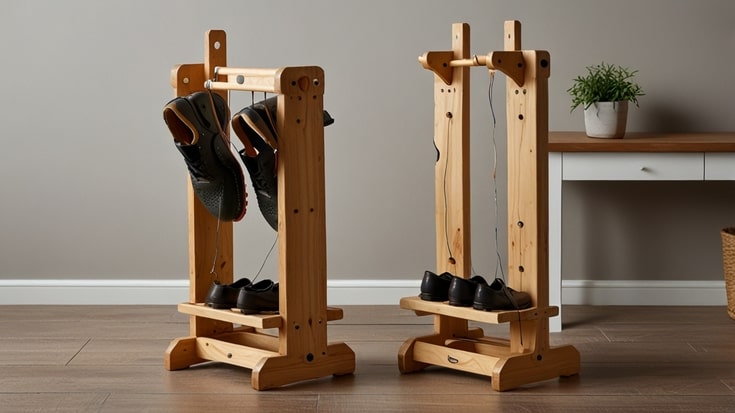
Dish racks
Materials and construction of wooden household goods
Behind the outward simplicity of household goods hides considerable design variety. A single crate alone comes open and with a lid, with handles and without, solid-sided and slatted, smooth and engraved — and each variant has its own layout of parts. It is the same story with hangers: in one place a faceless standard batch is needed, in another a decorative model fitted to the interior of a specific boutique or coffee shop. So “just make a crate” is almost never just simple.
The wood species is not chosen at random. Most often pine, birch and alder go into the work, less often ash or oak, when density and a noble look are needed. Where lightness and price matter more, plywood and MDF come to the rescue, especially on mass decorative small items. Each species has its own character: one is easier to cut, another holds a load, a third takes stain more beautifully. This choice determines how the processing will go and how long the item will live in real use.
Processing rests on precision and stable settings. Cutting, milling and sanding are carried out mechanically — only this way does the whole batch come out uniform. If the order is by the piece, the craftsman’s hand comes to the fore: smoothness of lines, neat roundings, clean joints. A separate topic is items that come into contact with water and food, such as dish racks and boards. Here only safe impregnations and coatings are used, which keep the wood from swelling and absorbing dirt and at the same time do no harm to what touches them.
The finish decides half the impression. Some items are lacquered, some tinted, and some left in natural wood — depending on the purpose and the client’s taste. A separate request is branding: laser engraving, logo burning, painting in the corporate colour. Often a wooden crate or tag becomes part of a brand’s identity, and then any sloppiness hits the image — cleanness of execution and precise conformity with corporate requirements are here not a whim but an obligatory condition.
In essence, the production of wooden household goods is about flexibility. The ability to adapt the construction to a specific task, to hold dimensions to the millimetre and to drop neither the strength nor the look. It is precisely at this junction of practicality and neatness that the whole category lives.
How wooden products are manufactured
How wooden household goods are made: the stages
The path of an item is broken into stages, and none of them can be skipped without a loss in quality. Everything starts with the brief: the client brings it or it is assembled on the spot from general wishes. Here the drawings are born, the species is chosen, the dimensions, construction, decor and coating are agreed. The more concretely you agree at the outset, the fewer surprises later — this is the case where five minutes of agreeing saves a day of reworking.
Next is the preparation of the material. Solid wood and plywood are cut on a CNC or a band saw, strictly to size: err by a couple of millimetres here and you get a defect at assembly. The blanks go to sanding, and this step matters more than it seems. Especially for items that remain in natural wood without coating — there any roughness and burr will be both visible and palpable to the touch.
Then the parts are joined into the item. A drawer is assembled, the parts are glued, tightened with screws or set on nails — as the situation requires. For hangers and dish racks, dowels and grooved joints are often used: they hold more firmly and look neater, with no protruding metal. Precision here decides everything — a millimetre of misalignment and a hanger stands crooked, a dish rack wobbles.
The assembled item goes to finishing. Lacquer, oil, wax, paint, tinting — the choice depends on where the thing will serve and how it should look. If a deep wood shade is needed, staining is applied. After application, the coating is dried in a chamber so that it sets properly and the item does not stick to the hands. And only at the very end, if the order is branded, is the logo applied: by engraving, stencil or a corporate sticker.
The final step is packaging, and it should not be underestimated. A neatly packed item will arrive without chips and scratches, while one carelessly tossed into a box arrives with them. This is especially critical on long hauls, when a batch travels across the whole country or into Europe. The packed products either go straight to the client or are placed in storage for later shipment.
Wooden household goods for business tasks
The main plus of custom wooden household goods for business is the chance to close a whole bunch of tasks with a single contractor. For a seller looking for a stable supplier for their line, this is especially valuable. An order is not a faceless “same as everyone” batch but exactly the models, dimensions and finish that suit the specific brand and its segment. Want a premium eco image — you get one thing; need a budget high-turnover product — another.
The second trump card is flexibility in run size. A small series for a boutique, showroom or restaurant and a large batch for a chain, marketplace or logistics operator are equally in the works. That is why wooden household goods adapt easily to scale: one needs twenty branded stands, another needs ten thousand display crates. Both help expand the range, put storage in order and make the product more noticeable on the shelf.
Wooden utensils are rarely “just a thing”: they work as packaging, as window props and as a standalone product. Hence the value of branding — a logo turns a crate or tag into part of the corporate style, which matters where recognisability is prized. Add to this the eco image: against a backdrop of plastic and metal, wood is perceived as a conscious, “warm” choice, and this increasingly wins the buyer over.
The benefits of working with professionals

Modern equipment
Panel saws, CNC and milling machines — precision, speed and quality guaranteed

Extensive experience and expertise
We know how to handle wood and sheet materials — reliably, precisely, professionally

Fast order fulfilment
Fast and without compromising quality. We value your time and our commitments

A full range of services in one place
Cutting to size, sawing, milling, sanding, painting, assembly — all in-house, with no middlemen
Trusted materials and consumables
We work only with quality materials, so you can be confident in the result

An individual approach to every client
We work to your drawings, create a machining program for the task and account for every detail
Why wooden household goods are ordered from a contractor
Choosing a contractor is a decision not for one order but for the long run, if you plan to develop a line and supplies. The key thing sought here is the ability to adapt to the client. For retail it is not enough that the product simply exists; it must hit the brand standards down to the shade and the radius of the rounding. A contractor who can do such fitting saves the client far more than the difference in price per piece.
The second critical point is precision from batch to batch. If wooden household goods “drift” in size, the whole chain breaks: they do not fit the packaging, do not match the shelves, returns fly and trust falls. That is why both dimensional stability and cleanness of processing and neatness of packaging are under control. Add to this control of wood moisture and protection against cracks and warping — it is precisely these dull-looking things that determine whether an item serves for years or cracks in a month.
Another argument for an experienced contractor is the ability to scale volume up quickly. Ahead of a seasonal peak or the launch of a new line, output can be raised without losing either quality or the rhythm of supply. For a growing business this is fundamental: it is pleasant when production stretches to follow your growth rather than becoming a bottleneck that causes orders to fall through.




From wooden household goods to interior decor
Wooden household goods are only one branch of a large full-cycle production. Often the client needs neighbouring categories at the same place, and that is convenient: one contractor, one quality standard, one logistics. Briefly about the adjacent lines.
Interior decor is decorative panels, screens, slatted lamellas, partitions and other elements that set the look and structure of a room. Such things are ordered by cafés, restaurants, salons and shops, where it is important not just to decorate a wall but to divide the space into zones intelligently.
Wooden advertising products are signs, 3D letters, pointers, plaques, stands and panels. All of it lives in branded interiors, on exhibition stands and in retail outlets, where the wood texture adds solidity and warmth to the styling.
Wooden sports goods are gymnastic rings, wall bars, push-up handles, balance boards and similar gear. They are taken by fitness clubs, sports schools, children’s institutions and owners of home sports corners, where strength and a natural, non-“plastic” look are valued.
Souvenir and gift products are boxes, caskets, stands, decorative small items and things with individual design. Such wood goes into premium packaging, gift sets and corporate souvenirs, where what matters is not the function but the impression left on the recipient.
Each line has its own specifics and its own design requirements, but what binds them is natural wood — a material that is at once eco-friendly, strong and versatile. That is exactly why adjacent categories are convenient to run under one roof rather than collecting them from different contractors.
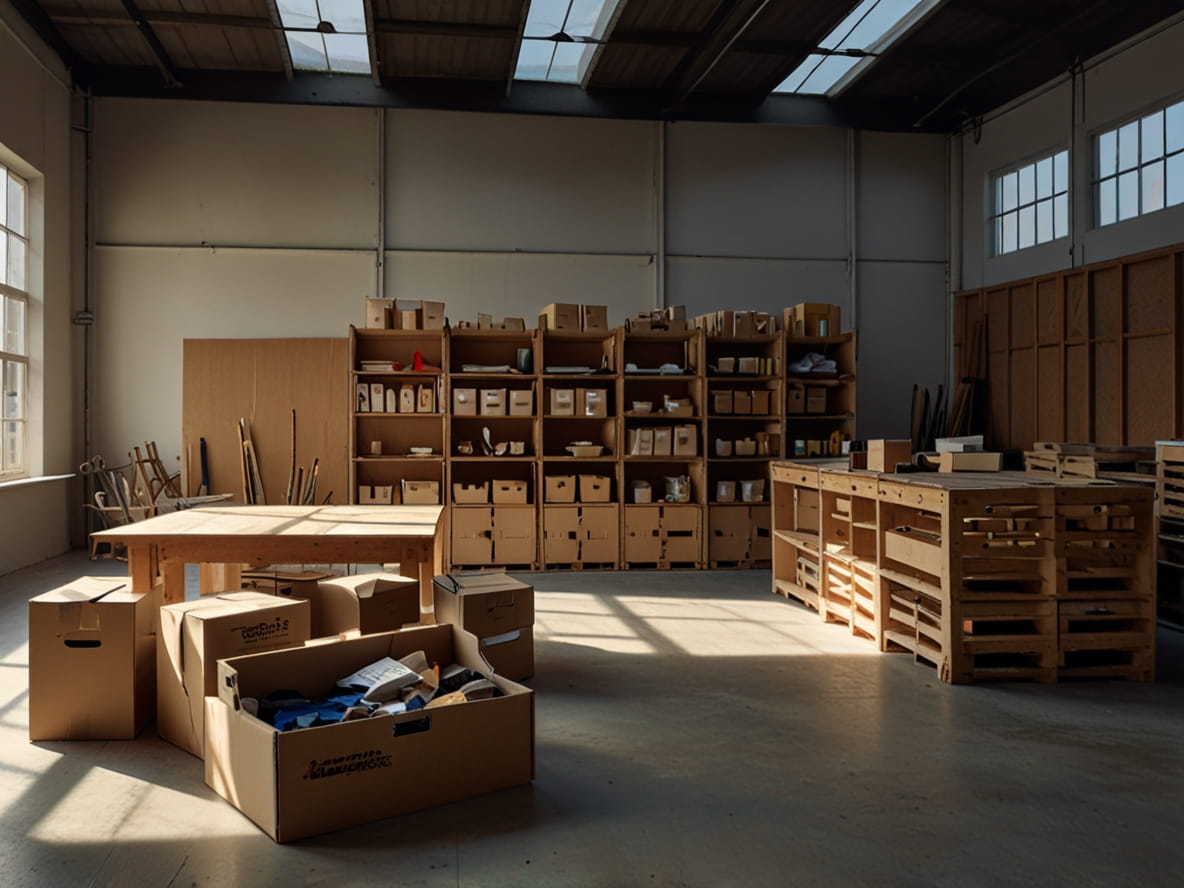
Our portfolio — finished products
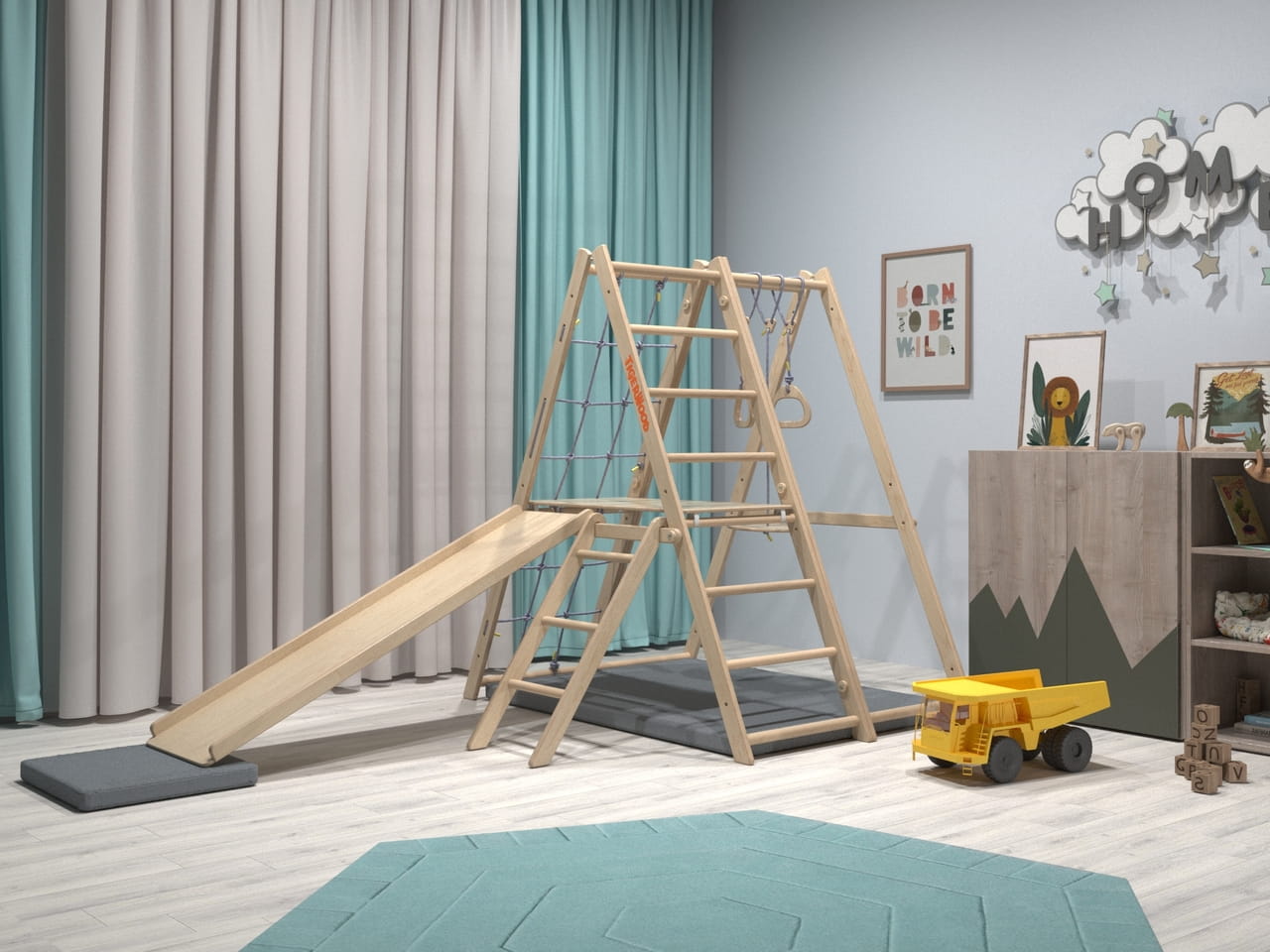
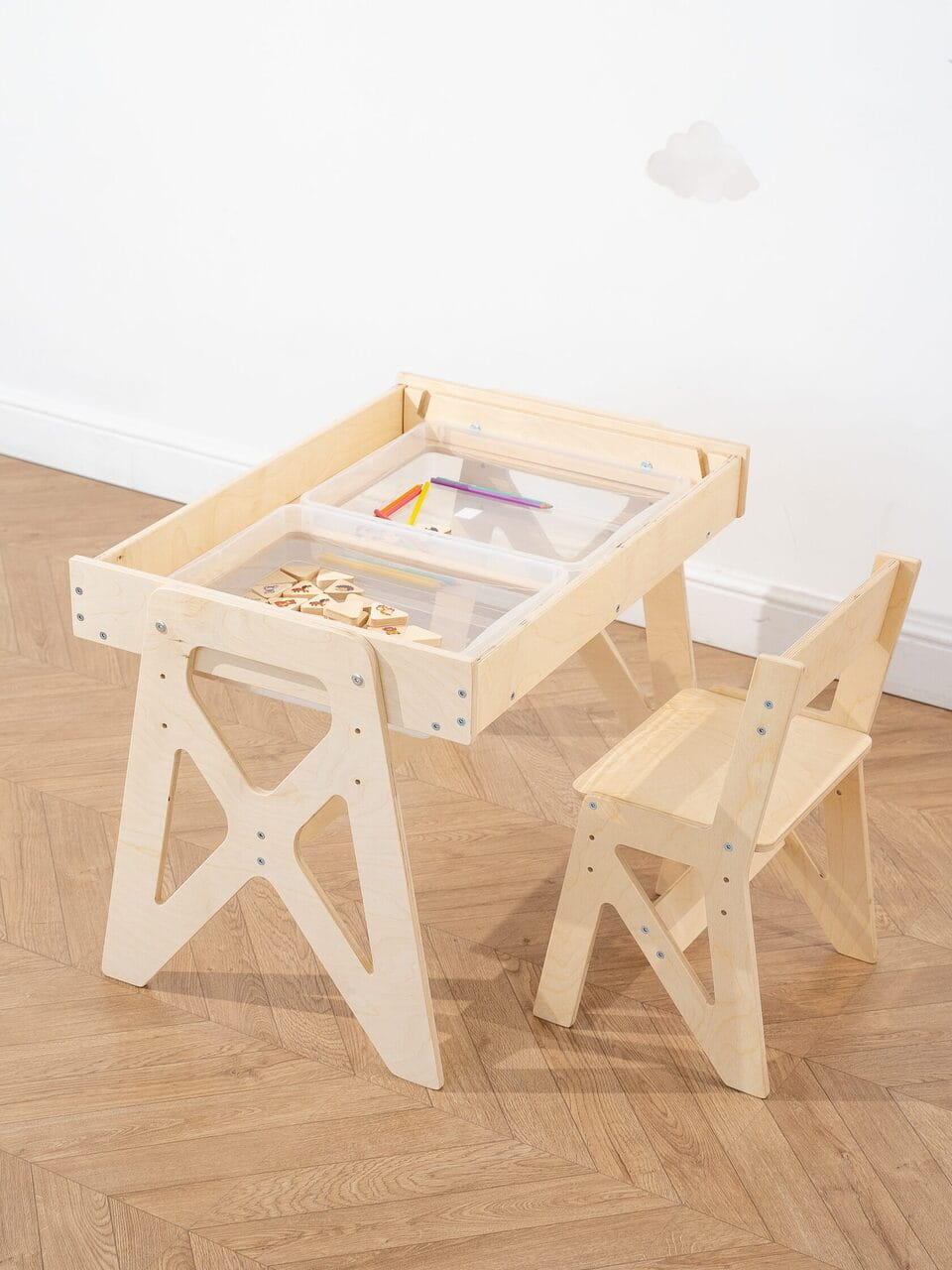


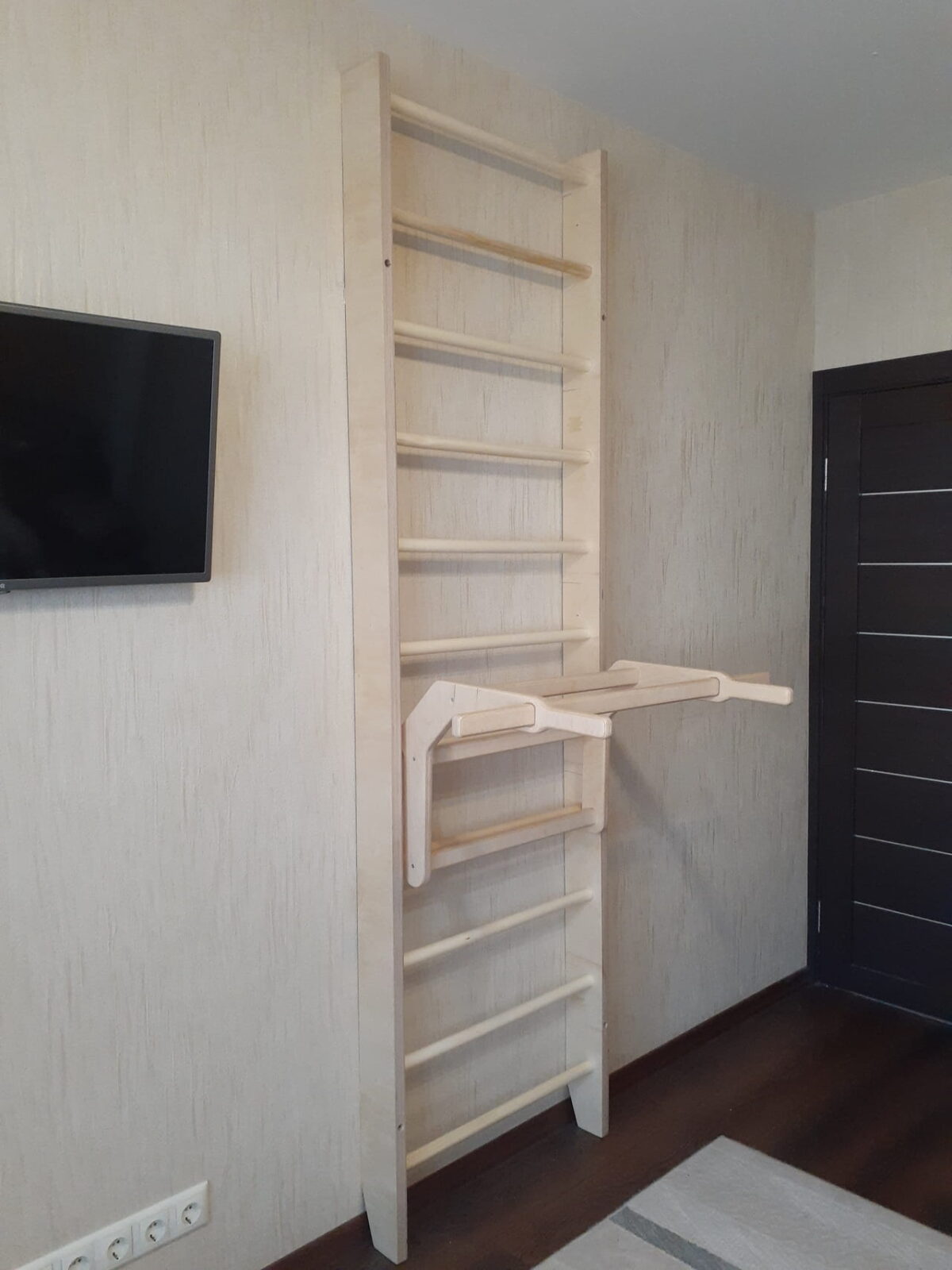
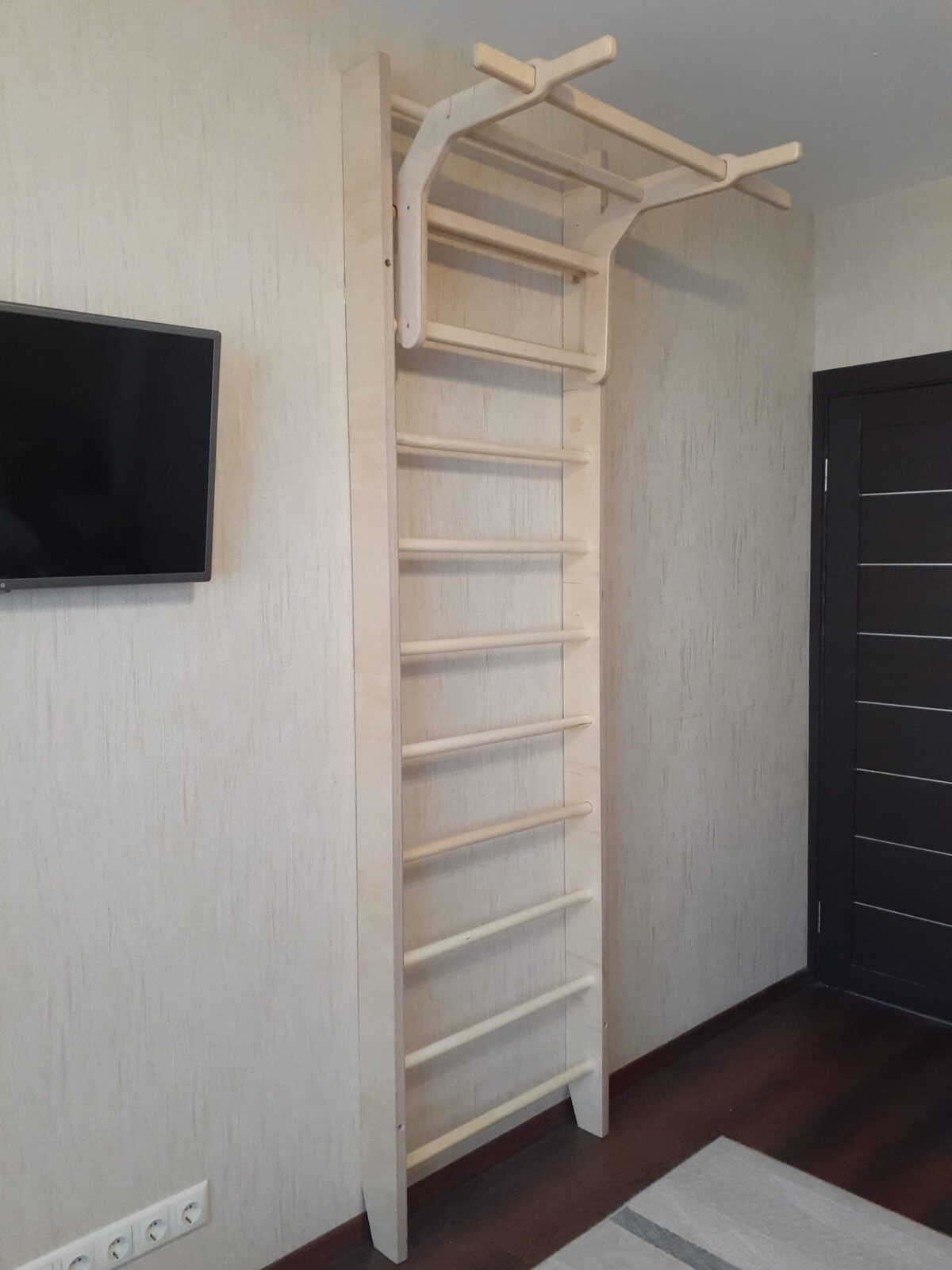
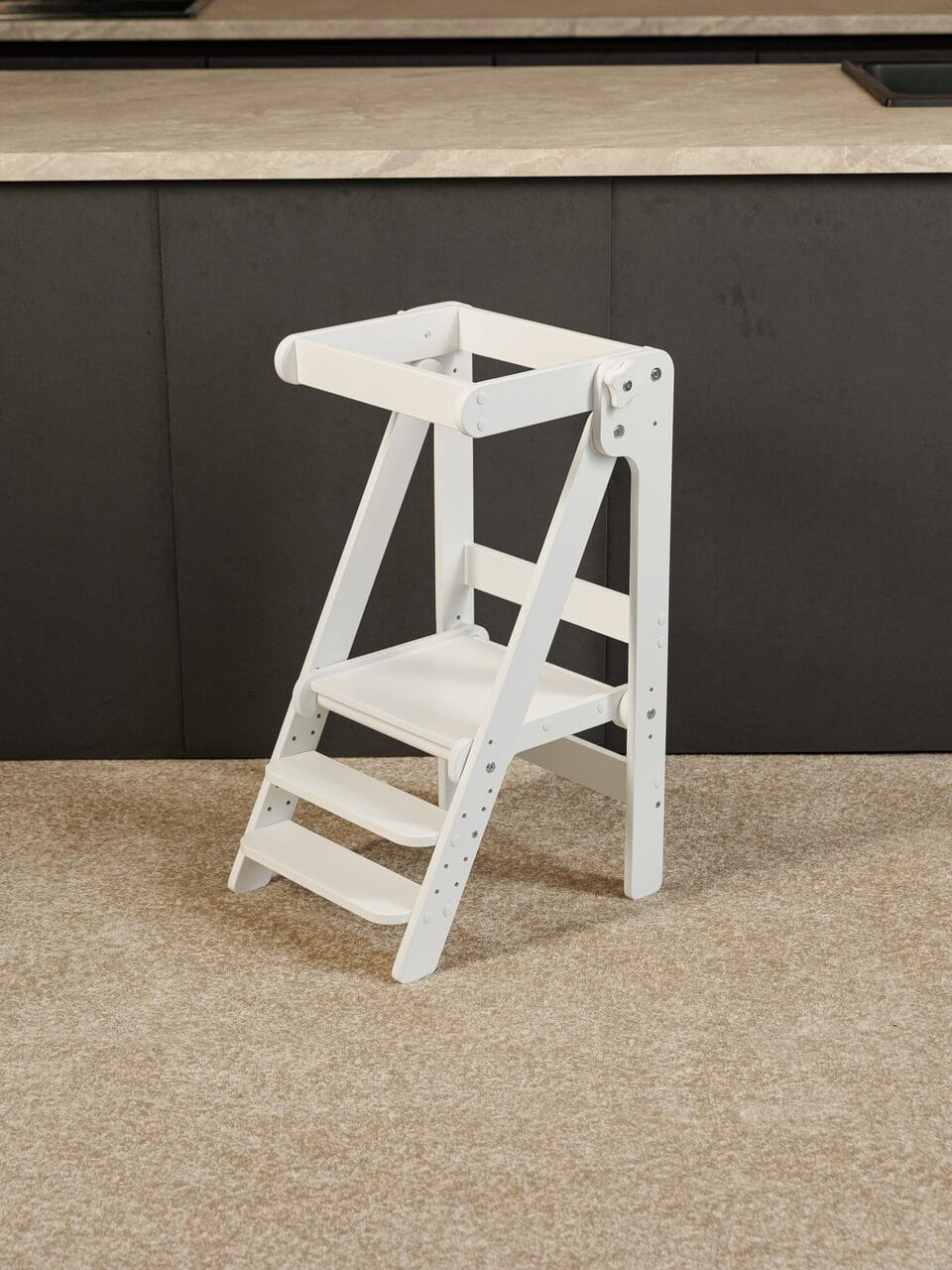
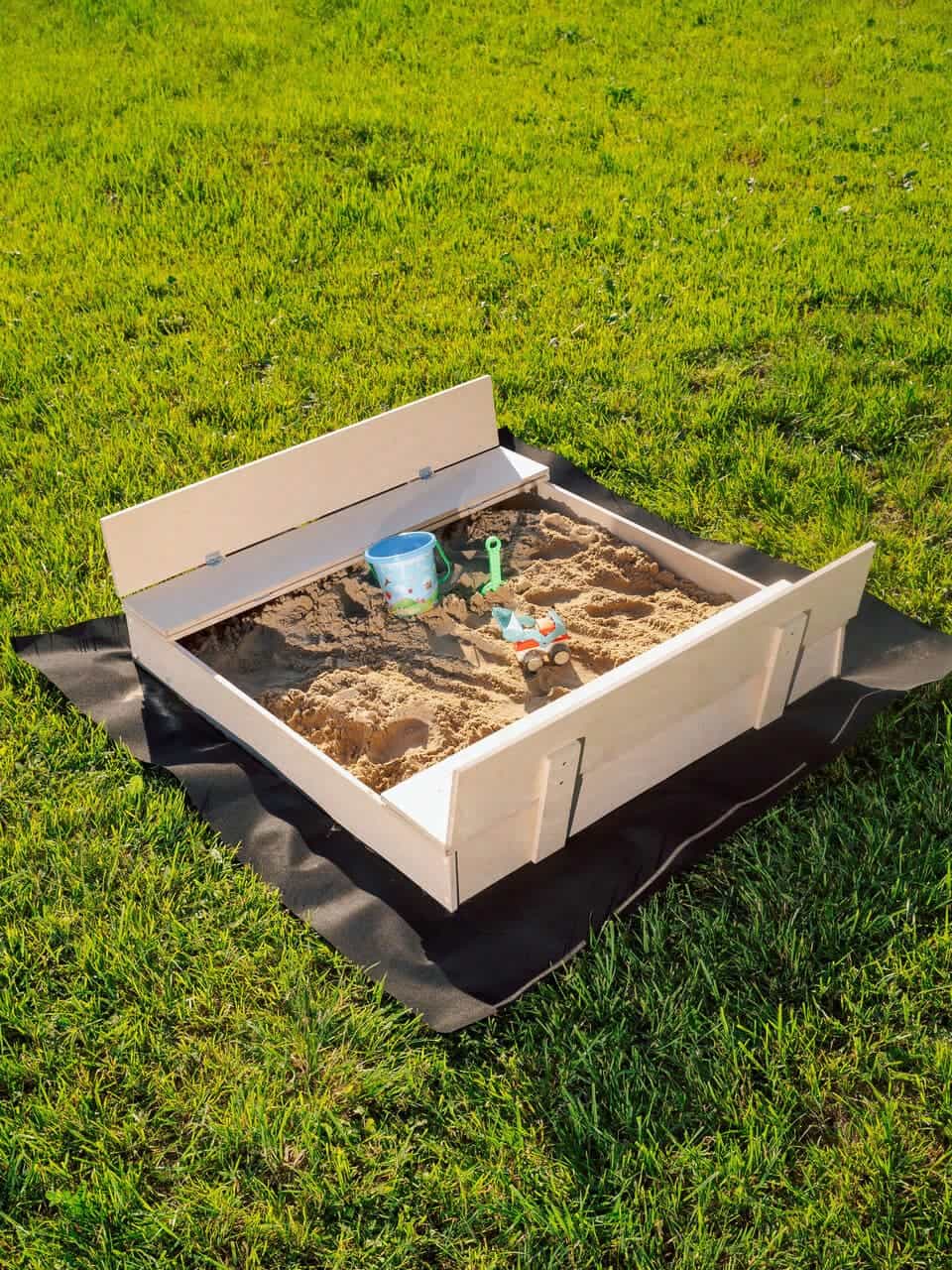

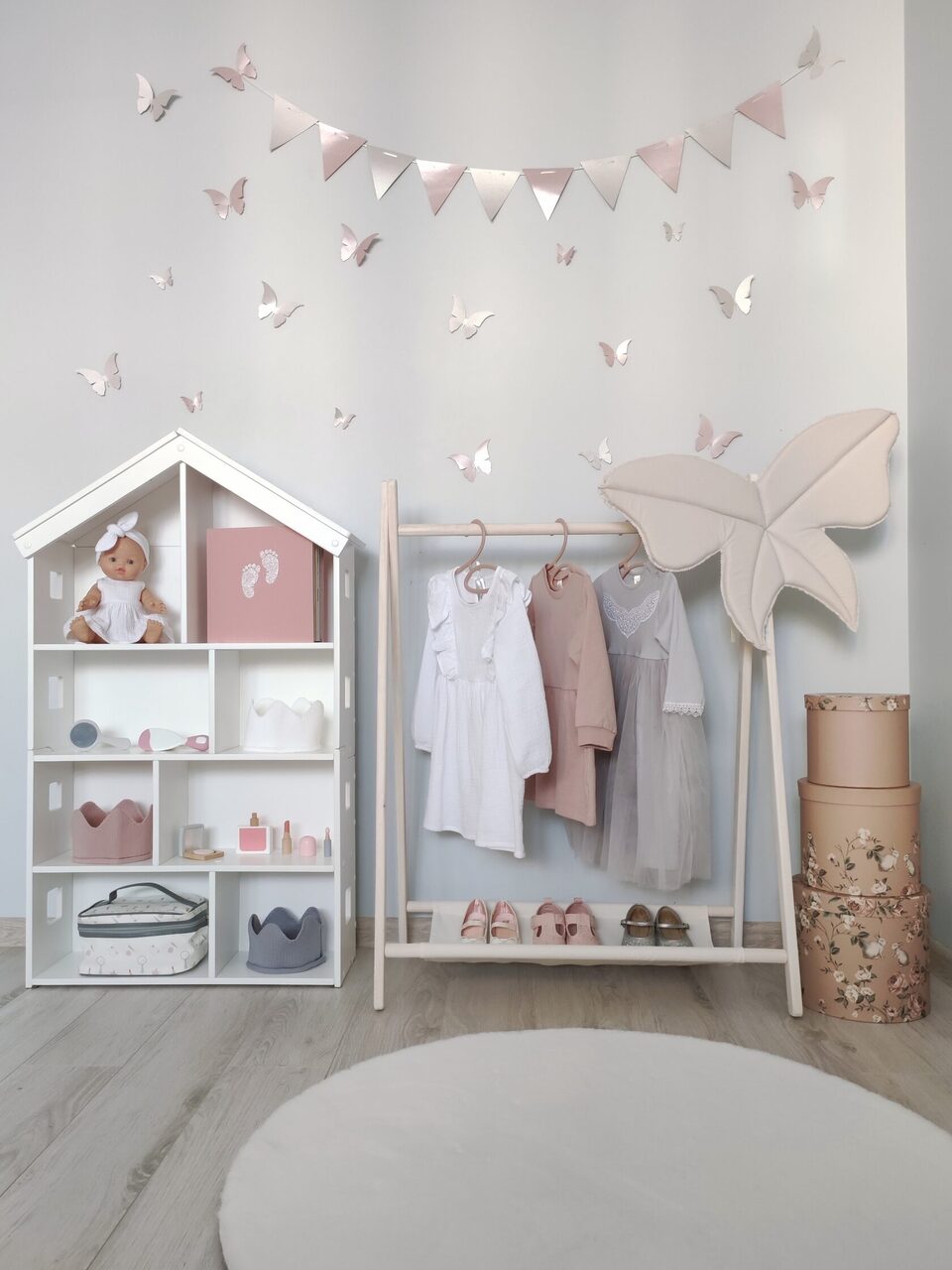

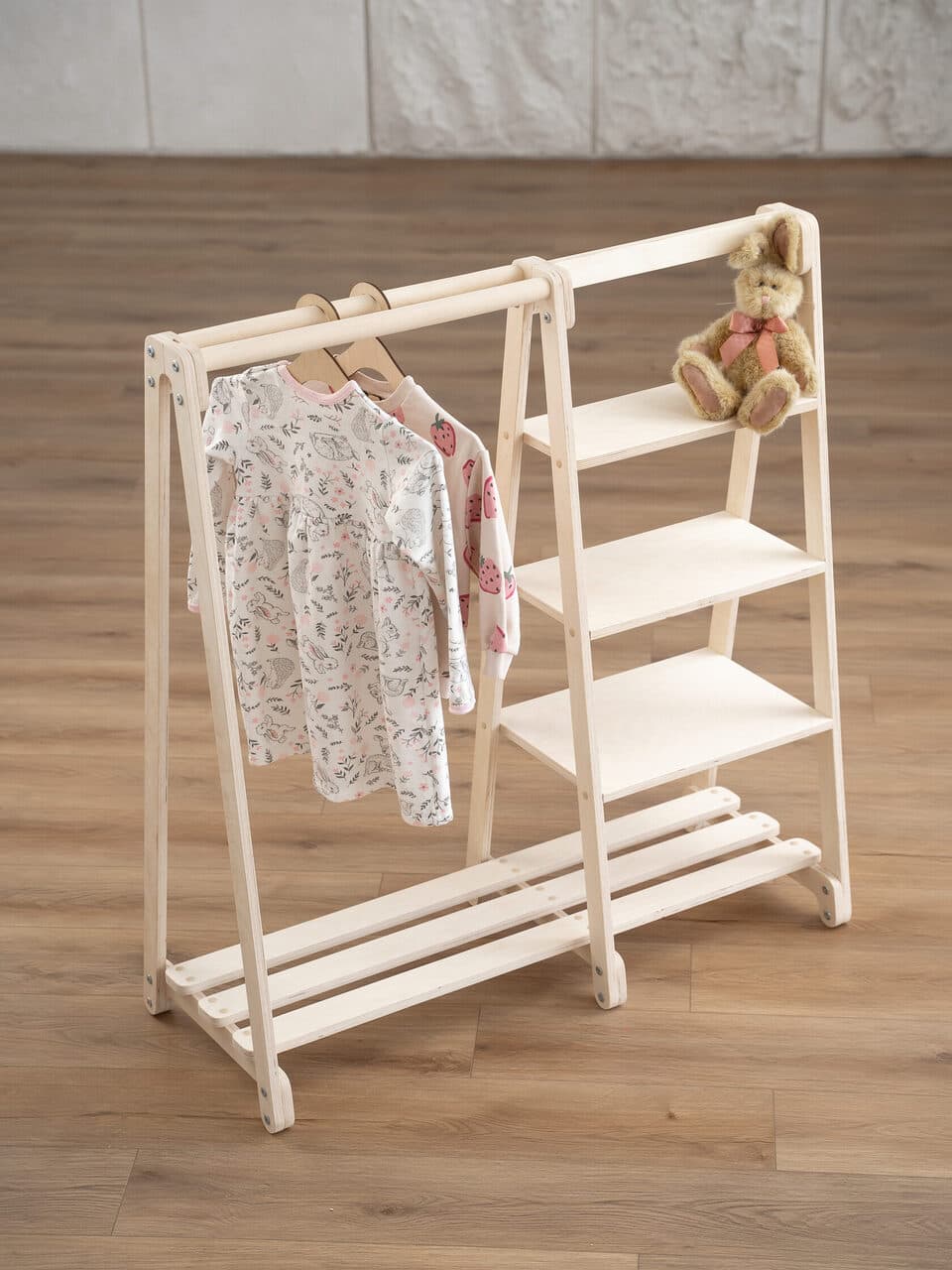
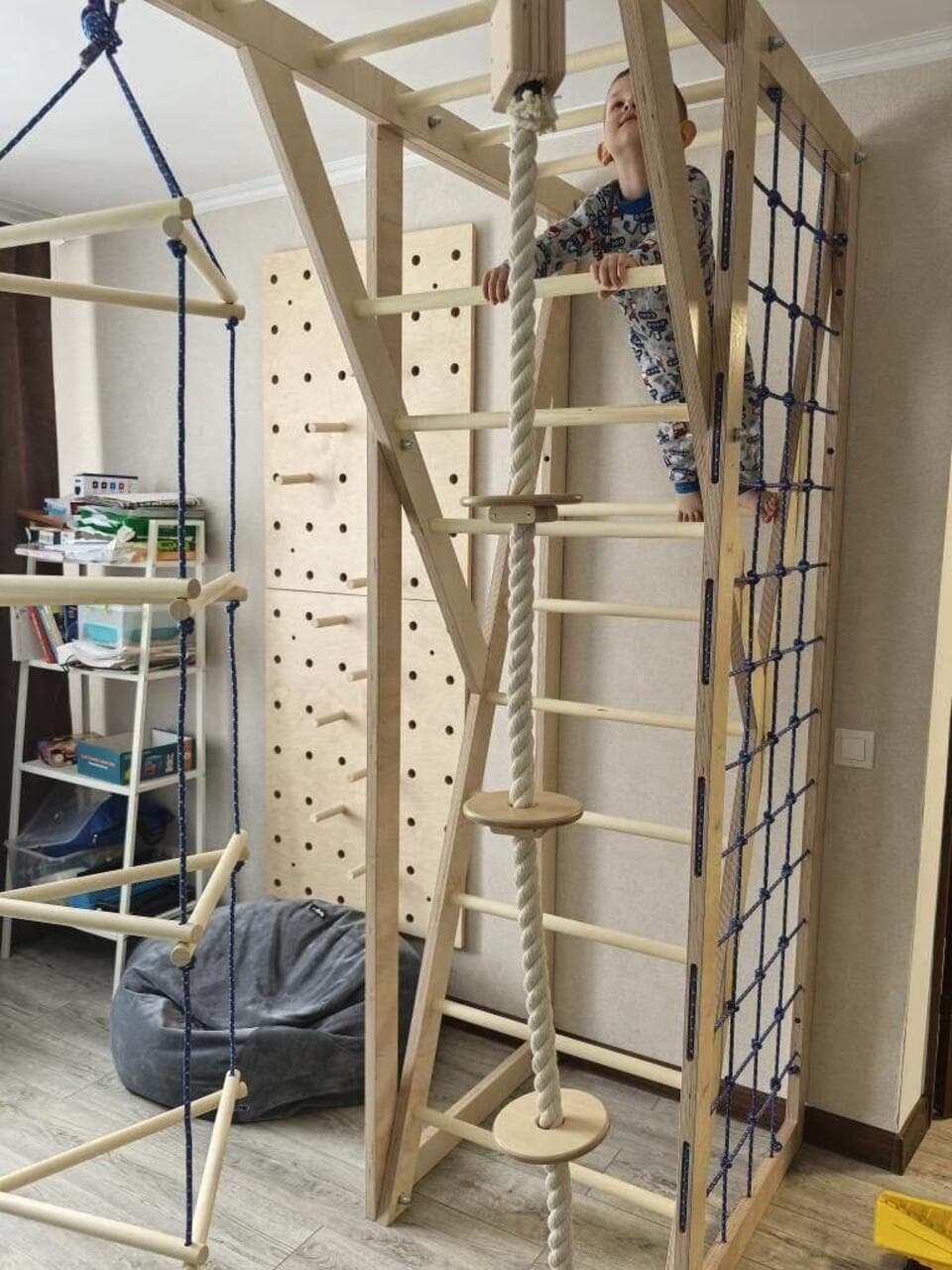
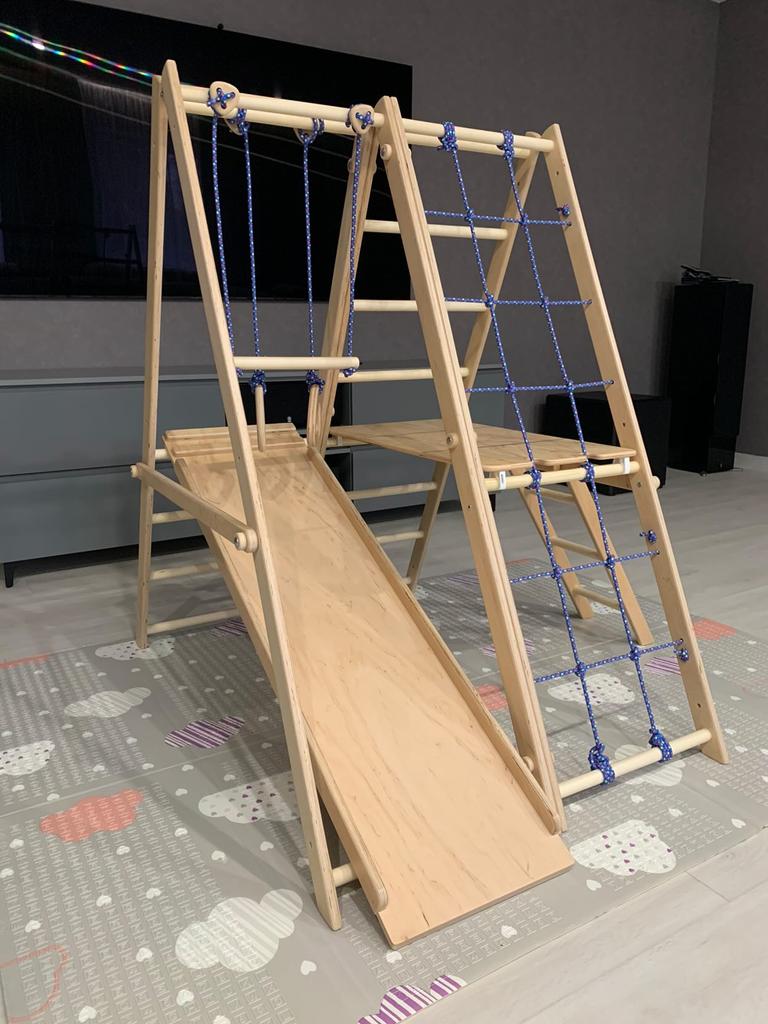

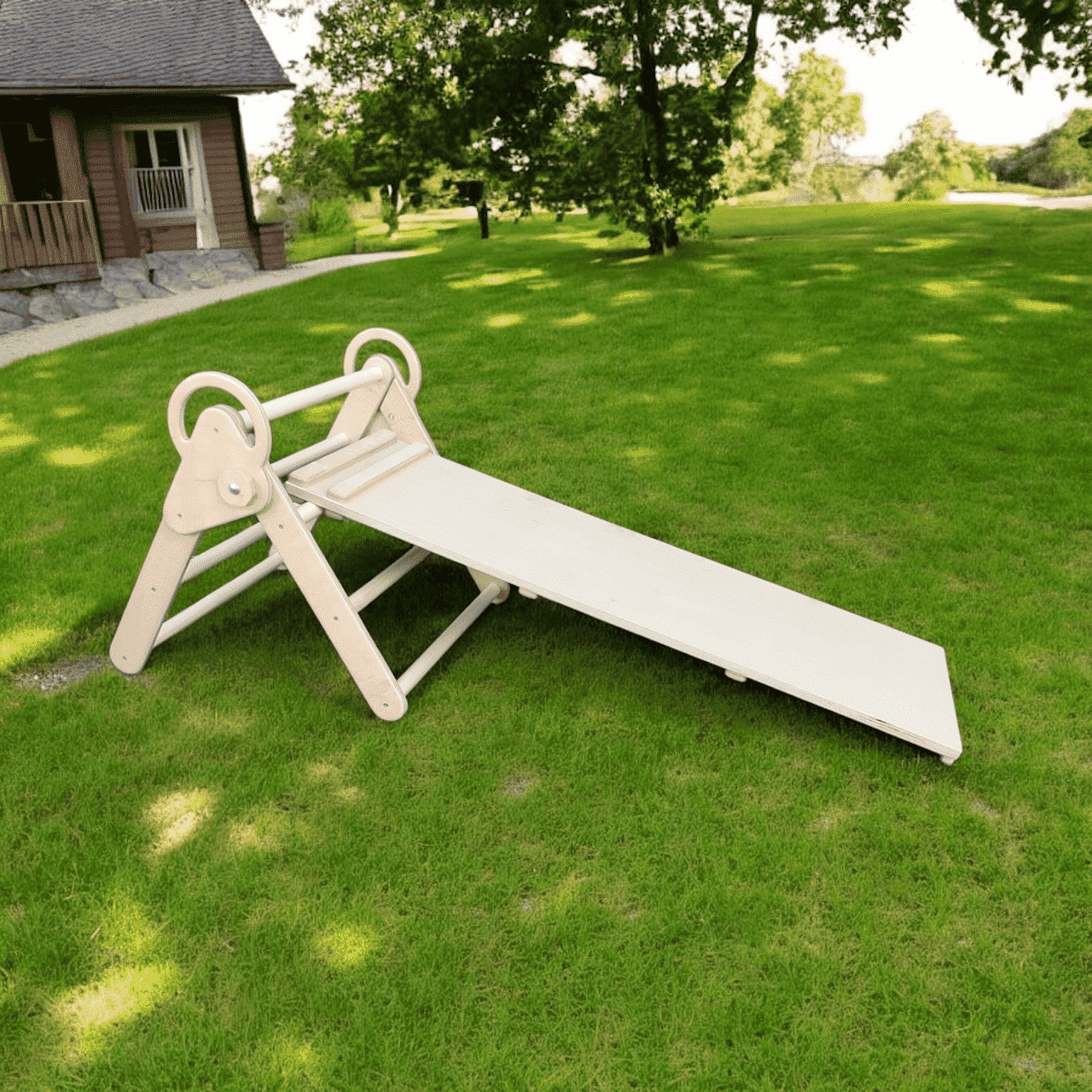

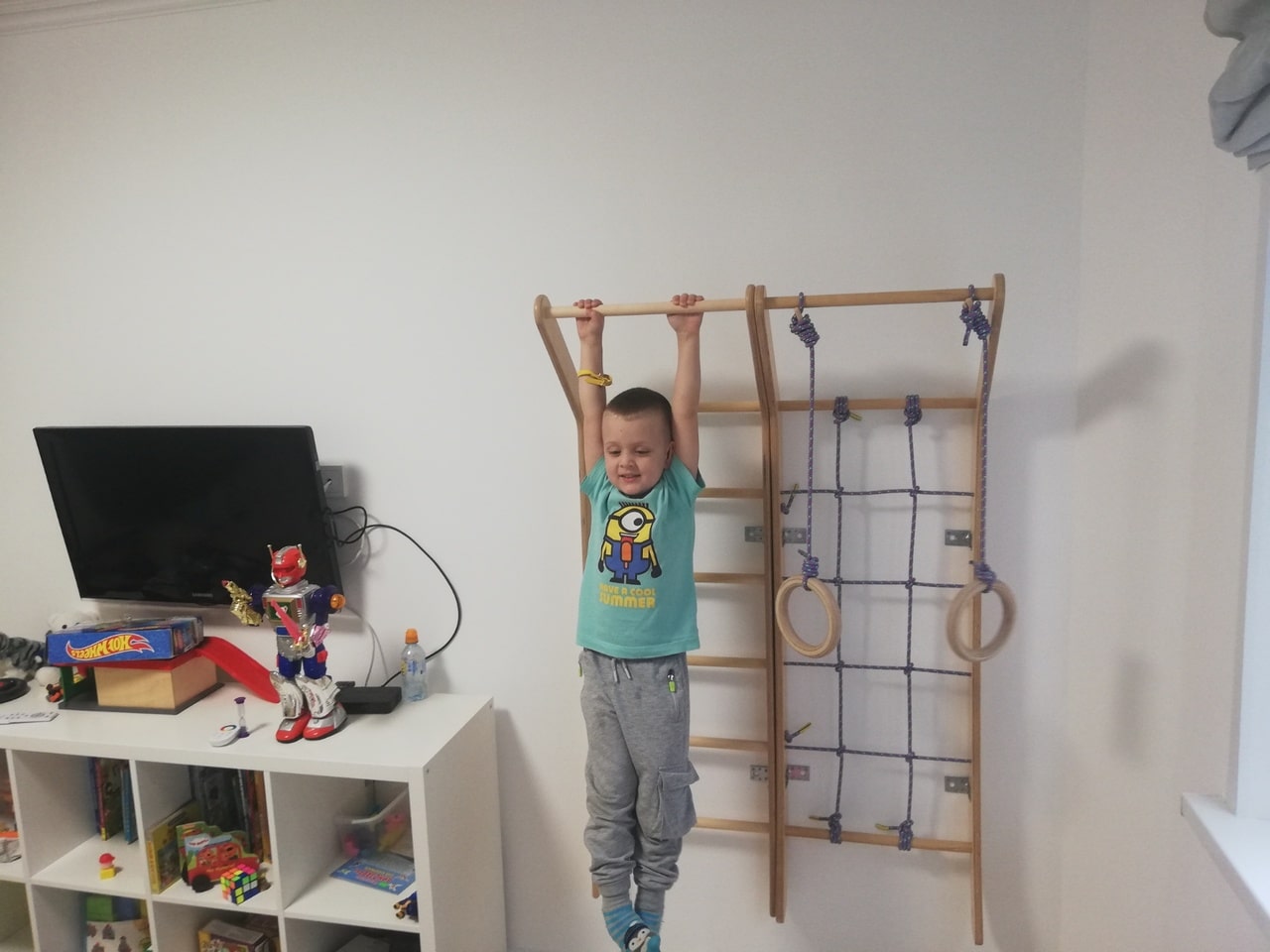


Examples of finished wooden household goods
The easiest way to assess the category is by finished items. A common example is clothes hangers with a smooth polish and a corporate engraving, which go to boutiques and showrooms. Not far behind are slatted crates with handles and a laser logo: they are loved by gastronomic shops, farmers’ markets and eco-retail, where the very presentation of the product works for a “natural and honest” image.
Storage crates, with and without lids, go to warehouses, coffee shops and workshops — where not only capacity but the neat look of the shelves is valued. Stands are popular too: for spices, kitchen utensils, stationery. They are often ordered in a single style with the interior, so that the small items do not stand out from the overall picture but support it.
Dish racks are a separate hit, especially in cafés and restaurants. They are made with water protection and a considered design, so that water drains off and the wood does not swell, while the item does not fall out of the kitchen or self-service area interior. Alongside them, orders often include organisers, trays, serving trays and containers with compartments for all kinds of small items.
The finish varies: one wants honest natural wood, another a decorative coating. White, black, grey, vintage distressing, deep staining — the palette is wide. It is precisely these visual details that turn simple utensils into a finished, modern thing you would not be ashamed to put in a prominent place.
Who uses a carpentry workshop’s services

Furniture makers

Interior designers

Advertising companies

Exhibition stand builders

Art studios

Cafés and restaurants

Construction firms

Retail equipment manufacturers

Furniture factories

Private craftsmen

Custom orders

Manufacturing companies

Museums and exhibition halls

Architects

Theatres and film studios

Educational organizations

Children’s products manufacturing

Repair specialists

Online stores

Sole proprietors
Who orders wooden household goods
Customers for wooden household goods come from the most varied spheres. In first place — retail chains and shops, which constantly need fittings for display and storage. Boxes, crates, stands and hangers work for them in two roles at once: as a working logistics tool and as part of the sales-floor styling that the buyer reads in a second.
Brands trading on marketplaces take wooden utensils as packaging and a way of presentation. A crate, organiser or box in which the product arrives adds premium quality to the order and that very eco touch for which the buyer sometimes chooses precisely this listing out of a hundred similar ones. Packaging here is part of the product, not a consumable.
HoReCa — cafés, restaurants, bars, hotels — uses wooden stands, crates, organisers and dish racks every day. Wood here is not only about convenience: it holds the atmosphere and emphasises the establishment’s concept. You will agree that a craft coffee shop with wooden stands and the same coffee shop with plastic ones are two different impressions.
Workshops, small productions and artisan brands order wooden household goods to put order into their work and to present themselves beautifully. Organisers, crates and trays both keep a system at the workplace and, at a fair or in a showroom, turn a product display into a neat, considered exhibition.
A separate category is corporate customers. They need large volumes, branding and serial production for a specific project: be it outfitting a chain, a batch for an event or a large run of corporate packaging.
Wooden household goods: the essentials in brief
Practicality in every detail
Wooden household goods are a standalone line where usefulness, a pleasant look and the ability to adapt to business come together. Such items help build a storage system, style a shop window, organise the workspace and the sales floor — all the things that make up order and a first impression.
Tailored to the business
Any item is made in the required dimensions and colour, personalised for the brand. A brief is taken as the basis, but the construction can be refined for the specific project along the way — if it turns out it will be more convenient or stronger that way.
Materials with character
Solid wood, plywood and MDF go into the work, and each material undergoes drying, sanding and coating treatment that protects against moisture and knocks. Thanks to this the items are designed for long service in different conditions — from a dry office to a humid kitchen area.
Flexible runs and supplies
Wooden household goods are made both in a small series for a local task and in a mass run for chains and marketplaces. Well-established logistics allows orders to be shipped across all of Europe, so the customer’s geography plays almost no role.
Clear deadlines and standards
Every stage — from drawing to packaging — runs under the supervision of specialists. Deadlines are named in advance, and documentation and specifications are put together exactly for the project, with no discrepancies. This way the client knows in advance what they will get and when, and does not guess as they go.
Catalogue: which wooden household goods are ordered most often
The category is so wide that it is easier to show through concrete examples. Below are the high-turnover groups of items with a short explanation of where each usually works. This is not the whole list but rather a map by which it is convenient to try the category on for your task.
| Item | Where it works most often |
|---|---|
| 🧺 Dish racks | Café kitchens, self-service areas, home |
| 👕 Hangers and coat hangers | Boutiques, showrooms, wardrobes |
| 📦 Drawers and crates | Product display, warehouse, eco-retail |
| 🗄️ Organisers and stands | Spices, stationery, workplace |
| 🔪 Cutting boards | Kitchen, dish presentation, HoReCa |
| 🪜 Ladders and stepladders | Home, country house, sales floor |
| 🧴 Shelves and storage modules | Bathroom, pantry, shop window |
Each of these groups brings dozens of variations in its wake. A crate comes slatted and solid-sided, with a lid and without, stackable and standalone. A hanger — a standard “coat hanger” and a status model of solid wood with engraving. It is precisely this variability that makes wooden household goods a rewarding category: for almost any request there is a suitable configuration, and if there is not — it is designed.
Wood species and what comes out of them
The choice of species is not a matter of taste but an engineering decision. On it depend the strength, the weight, the price and how the item survives the years. Pine is cheaper and lighter but softer and dents; birch is denser and cleaner on the cut; oak and ash are dear but serve for decades and look solid. Below is a short guide, without which a conversation about an order often stalls.
| Material | Character | Typical use |
|---|---|---|
| 🌲 Pine | Light, inexpensive, soft | Drawers, crates, budget batches |
| 🌳 Birch | Dense, clean cut | Hangers, stands, kitchen |
| 🪵 Alder | Even, pleasant texture | Decor, souvenir utensils |
| 🟤 Oak / ash | Strong, noble, expensive | Premium items, boards |
| 🪵 Plywood | Light, stable, economical | Mass and decorative parts |
| ⬜ MDF | Uniform, ideal for painting | Painted and milled elements |
If you are unsure what to make it from, it is enough to describe where and how the thing will live. Constant moisture, heavy loading, contact with food, outdoor conditions — each scenario has its own optimal species and its own coating. It often turns out that expensive oak is excessive in a particular case, while birch or painted MDF will cope no worse and noticeably cheaper.
Coatings: what is applied and why
Bare wood is beautiful right up until the first spilled tea. So a coating is not embellishment but protection, on which the service life directly depends. Lacquer creates a strong film and takes a knock, oil preserves the natural look and is easily renewed, wax gives a soft tactility, stain and paint solve the question of colour. For dish racks, boards and everything that meets water and food, only safe compounds are used, unafraid of moisture and free of a chemical smell.
The choice of coating is tied to the conditions of use. An item for a dry shelf will do with light oil, while one that is washed and scrubbed every day needs a durable lacquer film. A separate story is colour: white, black, grey, vintage antique distressing. All of it is matched to the interior or the brand book, so that the utensils do not stand out from the overall picture but support it.
What makes up the price
The question “how much does it cost” hangs in the air without details — and that is honest, not evasive. The price is assembled from several components, and each can be estimated in advance so as not to be surprised by the quote and to understand where you can really save.
- 🧱 Material. Pine and plywood are cheaper than oak; consumption is counted with offcuts in mind.
- 📐 Complexity. A smooth crate is simpler than a milled organiser with compartments.
- 🔁 Run size. A single piece is dearer per unit; a series is cheaper thanks to tooling.
- 🎨 Coating and branding. Bare wood, lacquer, painting, engraving — different budgets.
- 📦 Packaging. Simple transport or presentable for retail.
- ⏱️ Urgency. Work outside the general queue is counted separately.
The most reliable way to save without losing quality is to send a clear specification and not rush the deadline. Reworks due to imprecise dimensions and an emergency regime usually add exactly the percentage to the bill that you wanted to avoid.
Lead times by order type
The exact date is always calculated for the specific batch, but from experience there are clear guidelines. They help with planning — for example, to understand whether a batch will make it to an outlet’s opening, a seasonal sale or an exhibition.
| Order type | Guideline | Example |
|---|---|---|
| 📦 Simple batch | 5–10 days | Crates or stands without painting |
| 🎨 With coating and engraving | 7–15 days | Branded hangers for a boutique |
| 🧩 Complex construction | from 10–15 days | Modular dish racks, organisers with compartments |
| 🏭 Large run | by arrangement | Supply to a chain or marketplace |
The longest part is usually the drying of the coating — here haste harms the result, and it is better to allow an extra day than to get a sticky surface. If the order is tied to a date, it is wise to get in touch early and leave a buffer, rather than bring a specification “for the day after tomorrow”.
Household goods for the home, country house and sauna
Besides business, wooden utensils also live densely in private everyday life, just with different accents. At home people value things that combine usefulness and cosiness: cutting boards, trivets, organisers for small items, hall hangers. At the country house endurance comes to the fore — crates for the harvest, shed shelves, stepladders, tool boxes that one does not mind using hard.
A special zone is the sauna, and there the demands on wood are the strictest. Constant moisture and temperature swings quickly wear out unprepared material, so resistant species and special coatings are used, and the constructions are thought through so that water drains off and does not stagnate. Benches, stands, ladles, duckboards — all these small things determine how comfortable and durable the sauna will be.
Cutting boards and kitchen utensils
Kitchen wood deserves a separate conversation, because here the strictest demands are placed on the material and processing. A board, spatula or stand is in daily contact with food and water, which means there must be no toxic chemistry in the coating — only food-grade oils and waxes. A dense species is chosen so that the surface is cut less by the knife and takes on less moisture, and the end is often rounded to make it easier to hold and wash.
For establishments, kitchen utensils made of wood are also about presentation. Boards for steaks and cheese platters, trays, compartment dishes work on the guest’s impression no worse than the dish itself. So here both practicality and look matter: an even tone, a neat edge, and if desired an engraving of the establishment’s logo. Such a detail imperceptibly but tangibly raises the perception of the whole presentation.
Branding and corporate style
A logo turns a utilitarian thing into a brand carrier, and in wooden household goods this works especially organically. Laser engraving gives a neat, durable imprint that does not rub off or peel; burning adds a handmade feel; stencil printing and painting solve the question of a colour logo. The method is chosen to suit the material, the run and the desired effect.
The value of branding is not in the logo itself but in the wholeness of the impression. When the crate in which the product arrives, the tag on it and the stand in the shop window are kept in one style, the buyer reads neatness and attention to detail — and that is already about trust in the brand. That is why serious customers agree the corporate elements in advance and demand repeatability from batch to batch, so that the style does not “drift”.
Common customer mistakes
Most hitches happen not at the machine but at the task-setting stage. Here is what most often prevents getting the result the first time — and what is easy to foresee.
- ❌ Dimensions “by eye”. Especially if the item must fit into a ready niche or box.
- ❌ Saving on the coating. Bare wood by a sink or outdoors quickly darkens and cracks.
- ❌ Forgotten humidity of the conditions. Material for a sauna and for a dry shelf are different.
- ❌ No tolerances for the batch. In a series repeatability matters, not the perfection of a single sample.
- ❌ Last-minute urgency. The drying of the coating does not speed up at the click of a finger.
It is no disaster if some of this is not accounted for — that is exactly what the dialogue before the launch is for. A sensible contractor asks these questions himself before the cut, not after, when fixing things is already costly.
Quality control across the whole batch
In serial wooden household goods, what is critical is not how one lucky sample looks but how evenly the whole batch came out. That is why control is built into the process: on intake the material and the wood moisture are checked, along the way the dimensions and cleanness of processing, on output the coating, the absence of chips and conformity with the reference. Deviations are caught before packaging, not after delivery, when the price of the error is returns and undermined client trust.
Moisture and protection against warping are watched separately. Under-dried wood warps in a week, the coating cracks, the item loses its look. It is precisely these parameters, imperceptible at first glance, that determine whether a batch serves for years or starts coming back as complaints. And there is someone to answer for the result: when the whole path is walked under a single control, responsibility is not smeared between contractors.
One-off order or regular supplies
The format of cooperation is flexible. A one-off order is simple: you describe the task, agree the sample, receive the batch — with no obligations for the future. This is convenient for testing a new product, closing a seasonal spike or assembling fittings for a specific event.
Regular supplies are another level of convenience for those who keep wooden household goods in their line all year round. When production already knows the client’s specifics, their dimensions, materials and standards, each new batch goes faster and more predictably: fewer approvals, stable quality, priority in the hot season. Many come this way — from a single trial order — and stay for years, because an established supply channel is worth more than a one-off gain.
Wood versus plastic and metal
Plastic utensils are cheaper in the moment, and there is no arguing with that. But wood has what plastic cannot buy: tactility, warmth, an “honest” natural look and an eco image that today really influences the buyer’s choice. Against the eco agenda, a wooden crate or stand is perceived as a conscious decision rather than a consumable, and this works for the brand’s image.
With metal the comparison is subtler. Metal is stronger and appropriate where the loads are extreme, but it is cold to the touch, noisy and far less cosy in the interior of a café or home. Wood, with skilled processing, serves for a long time, is easier to repair and always adds softness to a space. So the choice in its favour is more often a bet not on cheapness but on the impression and character the item leaves.
Ecology and reasonable use of material
The topic of waste in serial production only seems dull. On a large batch, a considered layout of parts on the sheet or board saves whole units of material, and that is direct money. Precise cutting minimises losses: offcuts stay large and go to small parts rather than crumbling into useless shavings. For the client this is cheaper, for the environment more careful.
The eco-friendliness of wooden household goods is in fact twofold. On one hand, the material itself is renewable and, with proper processing, safe. On the other, such utensils replace disposable plastic with things that serve for years. For brands that build their communication around conscious consumption, this is not an abstract plus but a concrete argument in the conversation with the buyer.
Glossary of terms
When discussing an order, words come up that are familiar to the workshop and murky for the client. A short glossary removes discrepancies before the start.
| Term | What lies behind it |
|---|---|
| 📍 Dowel | A wooden pin for a hidden, strong joint |
| 🎯 Staining | Giving the wood the required shade before coating |
| 💧 Water-resistant coating | A compound protecting against water and swelling |
| 🔥 Burning | Applying a logo or drawing by a thermal method |
| 📐 Slatted side | A crate side of slats with gaps for ventilation |
| 🌀 Finish sanding | Bringing the surface to smoothness before coating |
How to place an order
For wooden household goods to come out exactly as intended, it helps to clarify a few things in advance. This is a short route from idea to finished batch.
- 📝 Describe the item: what it is, where it will work, what load it bears.
- 📐 Give the dimensions or a drawing — even a hand-drawn one, but with real figures.
- 🧱 Decide on the material and coating (or entrust the selection to us).
- 🎨 Clarify the branding: whether a logo is needed and in what form.
- 🔢 Name the run size — it affects the price per piece and the deadline.
- 📅 Indicate the date, if the order is tied to an event or season.
You do not have to come with a ready tech pack — half of orders start with the phrase “I need something like this, help me figure it out”. The contractor’s task is precisely to translate this into a drawing and a batch. But the more input at the start, the shorter the path to finished items.
More questions about wooden household goods
Can I order a single sample before a series? Yes, and it is a sensible step. First a reference item is made, you look at it and approve it, and only then is the run launched. This way corrections are caught while they cost nothing.
Will you repeat an order in six months? Yes, if the batch has already been through production: the dimensions, material and shade are saved, and an additional series will come out the same. That is exactly why wooden household goods are convenient to work with over the long term.
Is your material suitable for contact with food? For kitchen items only safe food-grade oils and waxes are used, and a dense species is chosen. This way a board or stand does not absorb odours and is not afraid of washing.
If your question is not on the list, it is easier to ask it during the discussion. Wooden household goods are convenient precisely because the whole path from board to packed batch is led by a single maker, and there is someone to answer for the result.
The equipment that keeps repeatability going
Fine words about quality are worth nothing without the machines that ensure that quality. In serial wooden household goods everything comes down to repeatability: the twentieth crate must sit like the first, otherwise both the packaging and the shelf display fall apart. A CNC machine is precisely what solves this task — it cuts and mills by a program, repeating the contour without human wavering, so the parts in a batch come out like twins. Where solid wood or plywood needs cutting to size, panel and band saws work, and the finishing smoothness is brought out by sanding machines and hand finishing in hard-to-reach spots.
A separate link is the painting zone with a drying chamber. Applying lacquer or paint is not enough; what matters is that the coating lies evenly and sets properly rather than gathering dust from the workshop. Drying in a clean chamber is exactly what ensures this. It is precisely the combination of these operations, and not some single magic machine, that yields at the output a neat, uniform batch you would not be ashamed to send to a chain or a marketplace.
Packaging and delivery of batches
A well-made batch easily loses all its marketable look on the last metre if it is packed carelessly. Wood is afraid of chips on the edges and scratches on coated surfaces, so the items are interleaved, fixed and their corners protected — especially for branded things, where a damaged logo means a write-off. The longer the route, the more serious the packaging: a batch that travels across the whole country or into Europe requires far more attention than an order for the next street.
Delivery is arranged across all of Europe, and for a customer from another region the process looks as simple as for a local one: the specification is agreed remotely, the goods are made, and shipped by a transport company. The terms are matched to the batch’s dimensions, weight and volume. This especially helps those who supply outlets in several cities and want to receive identical goods to a single standard rather than collecting them from various local workshops.
What an order looks like in practice
To make the theory more vivid, here are a couple of typical scenarios. A coffee shop opens a second outlet and wants a unified look: wooden cup stands, boxes for beans, compartment dishes for desserts and plaques with an engraved logo. The order is assembled as a set — one species, one shade, one engraving style — and the establishment gets not disparate objects but a whole set that works on the atmosphere from day one.
Another example is a marketplace brand that needs presentable packaging. Wooden crates with slatted sides and a burnt logo, in which the product arrives to the buyer, raise the perception of the product and add premium quality. Here the run size and repeatability matter: a thousand crates must be identical, otherwise the mismatch will catch the eye in reviews. A third case is a private customer who needs a single quality cutting board of dense wood with food-grade oil. All three tasks are closed by one production; only the scale and the accents change.
Care of wooden utensils
A finished item will serve noticeably longer if a couple of simple rules are followed. Wood is a living material: it reacts to humidity and temperature, but with reasonable handling it comfortably serves for years and even grows more beautiful with age. A few simple habits extend the life of any wooden utensils.
- 💧 Do not leave items in water for long — this makes the wood swell and crack.
- 🧴 Wipe the surfaces with a soft cloth without aggressive chemistry, especially oil coatings.
- 🫒 Renew kitchen boards and utensils with food-grade oil from time to time — this restores the protection.
- ☀️ Protect from long direct sun and radiators — they dry out and fade the wood.
- ⚖️ Do not overload shelves and crates beyond the rated load.
These small things are rarely spelled out when ordering, but it is precisely they that determine whether a thing will please in five years as much as on the first day. If desired, care recommendations will be suggested exactly for your item and its coating.
One contractor or several
The temptation to assemble supply from the cheapest performers is understandable: cutting cheaper here, painting at a discount there. On paper a saving, in practice a risk. Every seam between contractors is a place where time is lost, mismatches surface and an argument begins over who is to blame for the defect. This is especially painful in series, where uniformity matters: parts from different batches and different craftsmen rarely match perfectly.
When wooden household goods are made at a single full-cycle site, from cutting to coating and packaging, such a problem simply does not arise. The standard is unified, responsibility is not smeared, and logistics is simpler: one order, one contact, one deadline. In the moment this is sometimes a touch more expensive, but in the end it usually wins — thanks to predictability and the nerves saved on bringing the work of several performers together.
Seasonality and supply planning
Demand for wooden household goods has its own seasonality, and it is useful to keep in mind when planning. Ahead of the New Year holidays demand grows for gift and packaging themes, in spring and summer the country house and outdoor format revives, and for the launch of seasonal collections retail orders fresh fittings for shop windows. In peak periods the queue is tighter and lead times naturally stretch.
The conclusion is simple: if a batch is tied to a season or a date, it is wiser to allow a time buffer and get in touch early rather than at the last moment. Regular clients are at an advantage here — their tasks are already familiar to production, and it is usually easier for them to get priority in the hot season. Planning supplies ahead removes most of the emergency risks and almost always costs less than urgent out-of-queue orders.
Scaling for marketplaces and chains
A separate conversation is about volume. A brand entering a marketplace or supplying a network of outlets is not content to receive one good batch once; it needs confidence that production will handle growth and not become a bottleneck. Wooden household goods are convenient here in that serial output is easily scaled up: tooling and templates are prepared for the run, speeding up the work and keeping the parts to a single standard. The larger the series, the lower the price per piece and the more predictable the deadline — exactly the economics needed for stable sales.
It is also important that control is not lost in scaling. Tooling does not tire or “blur its eye”, so the hundredth unit comes out like the first, and the buyer on the marketplace gets exactly what they saw in the photo. For the product listing and the brand’s reputation this is critical: a mismatch in a batch instantly surfaces in reviews and hits the rating harder than one might expect.
Combined materials in a single item
Often an item is assembled not from a single material but from a combination: a wooden crate body and metal handles, a solid-wood base and a plywood insert, a stand with a transparent element of acrylic glass. Such a combination lets you achieve both the required look and practicality where pure wood would be excessive or, conversely, not strong enough. Each material is processed in its own regime and then assembled into a whole item, taking care that the joints are neat and the elements do not conflict with one another under humidity swings.
The convenience of a single site is precisely that a combined order does not have to be split among different performers. Wood, plywood, MDF and accompanying elements are run in one place to a common specification, and the output is a coordinated set rather than a collection of parts that still have to be made to get along.
How to choose a contractor
If you are choosing whom to trust with a series, here is a simple guide. By these signs you can see that before you is a reliable production rather than a lottery where the result depends on mood.
- ✅ Names the deadline and price in advance, not “after the fact”.
- ✅ Is ready to make a sample before launching the run.
- ✅ Holds repeatability and controls the wood moisture.
- ✅ Works with different species and honestly advises which is more suitable where.
- ✅ Takes both single-piece orders and large batches, not refusing the “small stuff”.
- ✅ Is responsible for the whole cycle — from cutting to packaging — rather than for a single operation.
To bring it all together briefly: wooden household goods are practical everyday utensils and fittings made for a specific task from solid wood, plywood or MDF, with a protective coating and, if desired, branding. It is enough to describe what you need and name the run size — the rest will be broken into stages and brought to a finished batch, neatly packed and shipped on time.
Repair and renewal of items
Another quiet advantage of wood over plastic is repairability. A worn or shabby-looking wooden thing rarely has to be thrown out: the surface can be re-sanded, the oil or lacquer renewed, a parted joint re-glued, the hardware replaced. For business this means that branded fittings serve longer and do not require yearly batch replacement, and for a private customer that a favourite board or crate lives for years rather than heading to the dump at the first scratch.
This especially helps with branded and one-off things, into which both design and money have been invested. Renewing the coating and returning a fresh look to an item is almost always cheaper than ordering it all anew. So when choosing the material and coating, it is worth thinking right away not only about the start but about how easily the thing will be kept in order later.
Finally, a word about the conversation about an order itself — it commits you to nothing. It is enough to describe the task, attach the dimensions or a photo — and already at this stage useful details surface: where to get a denser species, which coating will survive washing, whether to make a sample before the run. Such a preliminary dialogue saves both money and time and removes half the questions the client usually comes with. And then all that remains is to choose the model, agree the run size and receive a finished batch exactly to size and on time.
It is also worth remembering the material reserve when cutting: part of the sheet or board inevitably goes into offcuts, especially on small and varied parts. A small reserve is normal insurance, not an overpayment: it is better to have it at hand than to halt a batch over a lack of a couple of boards and wait for a new delivery. A skilled layout minimises losses, but on a complex set a reserve is nonetheless allowed for in advance, so that the deadline does not slip over a trifle.
What materials are used in making wooden household goods?
The basis is solid softwood and hardwood, plywood and MDF. What exactly to use depends on the purpose: in one place strength matters more, in another lightness or look. For items that come into contact with water and food, only environmentally safe coatings are used.
Is it possible to customise items for a corporate style?
Yes, branding is available: laser engraving, burning, stencil printing, painting in the corporate colour. An item can also be made entirely to individual design, not only have a logo applied to a standard model.
What run size is considered the minimum?
The minimum run is discussed for the task. It is realistic to make both a single item for a trial launch and a large batch for mass retail — there is no hard lower limit.
Can an item be developed from the customer’s drawing?
Yes, work to your drawing or brief is routine. No ready drawing — the project will be put together from a sample, a photo or simply a description of the idea.
How is the quality of the items ensured?
Control runs at assembly and finishing: the dimensions, the absence of chips and defects, the evenness of the coating and conformity with the agreed standards are checked. Deviations are caught before shipment, not after.
Do you deliver products outside the region?
Yes, shipment across all of Europe. The items are securely packed to arrive without damage and are accompanied by the necessary documentation.
What coatings can be used?
Lacquers, oils, waxes, stains and paints go into the work. The specific coating is chosen to suit the item’s function and the desired look — water-resistant for a dish rack, decorative for a souvenir.
How long does the production of one batch take?
The deadline comes down to the item’s complexity and the batch size. On average basic batches are ready in 5–15 working days; complex and large orders are counted separately.
Which items are most popular?
Most often ordered are hangers, drawers, boxes, dish racks and stands. Demand for them is steady in retail, catering, logistics and craft business — they are the workhorses of the category.
Is packaging included?
Yes, packaging is included in the order. It protects the items from chips and scratches during transport and storage, which is especially important on long routes.
Reach us in whatever way suits you best
Call us, message us on a messenger app or reach out via social media — choose whichever way suits you
🗺️ We accept orders from clients across Europe
💬 Useful information and articles
Eco-friendly and safe materials for modern wood production
Eco-friendly and safe materials for modern wood production In recent years we increasingly think about what the things around us are made of. A home, furniture, a floor, a kitchen, a

How to Correctly Choose Between Plywood, MDF, Particleboard, and MFC for Different Tasks
How to Correctly Choose Between Plywood, MDF, Particleboard, and MFC for Different Tasks In the world of woodworking and furniture making, every material has its own story. Plywood, MDF, particleboard, and

Cutting sheet wood materials at different angles: why and how it is done
Cutting sheet wood materials at different angles: why and how it is done Working with wood materials is not just sawing. To get a truly high-quality and durable product, you have

Recommendations for choosing sheet materials for indoor and outdoor projects
Recommendations for choosing sheet materials for indoor and outdoor projects In woodworking, choosing the right sheet material is like laying a foundation for a builder. What you pick at the very