
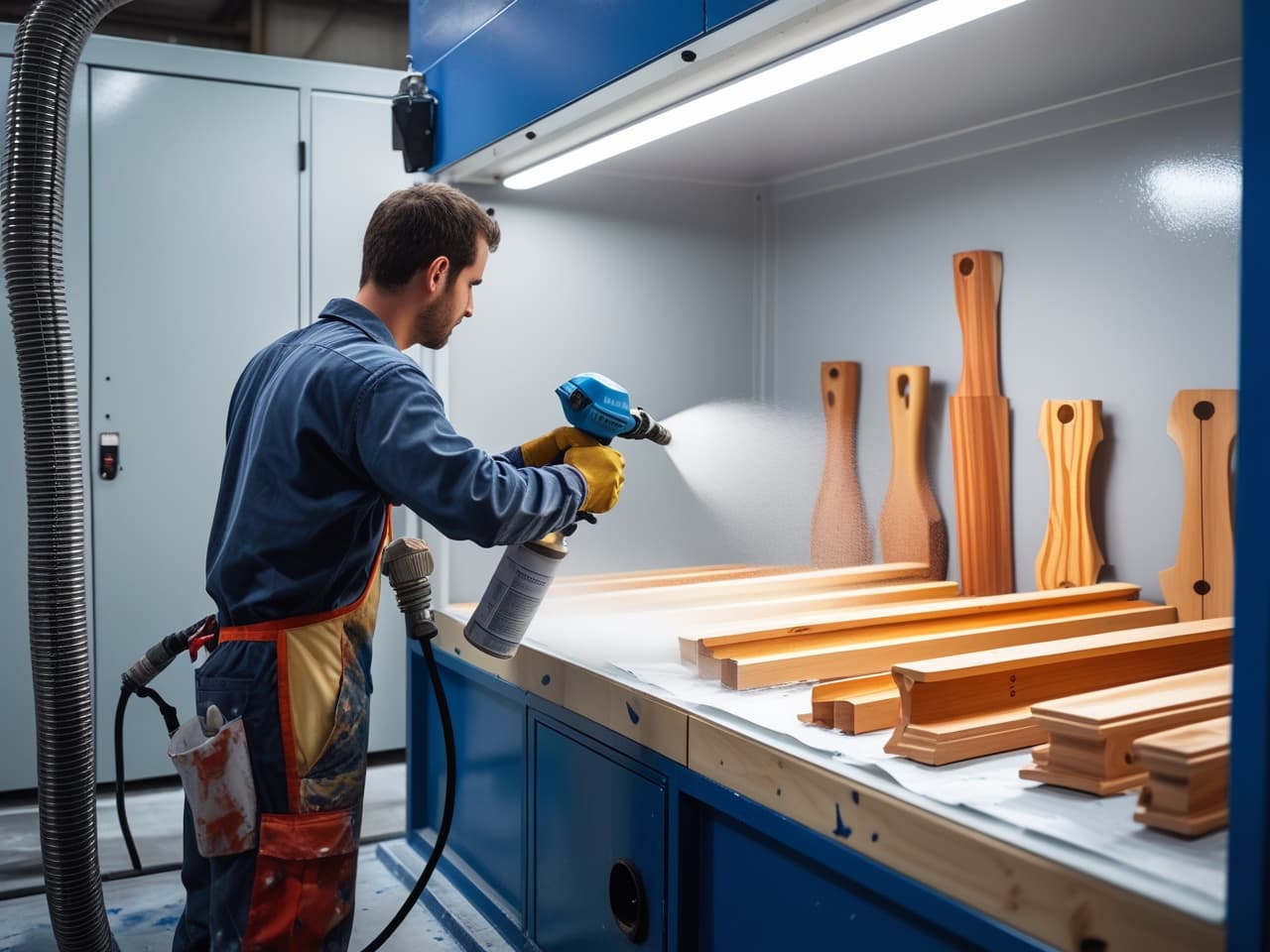
Painting of wooden products
Painting wooden products means applying a protective-decorative coating to parts made of solid wood, plywood, MDF, particleboard and MFC — an even film, an accurate colour and resistance to moisture, UV and wear. Lacquer, enamel or oil is applied in one or several coats, by hand or in a dedicated booth, matched to a sample or the RAL catalogue, whether it is a single part or a production batch. Below you will find what coatings exist, which stages the work is made up of, how long it takes, which materials get painted and who the service is for.
Painting of wooden products and sheet materials
Painting wooden products and board materials — MDF, plywood, particleboard, MFC, edge-glued panels — is the stage at which a blank turns into a finished item. It is not just “a coat of paint for looks”: the film seals the surface against moisture, UV and minor damage, and at the same time sets the final appearance. The service is equally useful for furniture makers, builders and anyone doing fit-outs. Much depends on the pairing of the right paint and the right application technology — they determine whether the coating lies evenly and how it behaves a year later.
One can of good paint is not enough. Half of the result is born before painting even begins — during preparation: the surface is cleaned, sanded, and where needed filled and primed. Skip this step and any roughness will show through the finish. Then come the coats and the final touch-up, right up to polishing. And the coating works for more than looks: sealed wood draws in less moisture, is less prone to warping and cupping, and holds its original appearance longer.
The benefits of working with professionals
Modern equipment
Panel saws, CNC and milling machines — precision, speed and quality guaranteed

Extensive experience and expertise
We know how to handle wood and sheet materials — reliably, precisely, professionally

Fast order fulfilment
Fast and without compromising quality. We value your time and our commitments

A full range of services in one place
Cutting to size, sawing, milling, sanding, painting, assembly — all in-house, with no middlemen
Trusted materials and consumables
We work only with quality materials, so you can be confident in the result
An individual approach to every client
We work to your drawings, create a machining program for the task and account for every detail
Service specifics: the advantages of painting sheet materials
Painting sheet materials has its own specifics, and that is exactly what makes the service so much in demand. Every material behaves differently under paint. MDF and particleboard take enamel well — it lies in an even, dense film and covers the surface completely. For plywood and edge-glued panels, coatings are more often chosen that do not hide but highlight the wood grain: a tinted lacquer or oil. So the approach is matched to the specific board rather than painting everything the same way.
A separate task of painting is protection against moisture. For a kitchen front, a countertop or bathroom trim this is no small thing: an unsealed board swells and warps in damp conditions. A dense coating keeps moisture out, extends the part’s service life and makes it more pleasant to look at into the bargain. In other words, beauty and practicality come here in one package.
Painting is also about the character of the surface. Want a mirror gloss — you get gloss; need a calm matt — it will be matt; keen to emphasise the texture — a textured coating or a patina will do the job. There is plenty of room for design. And the film does not only decorate: it also takes on the minor scratches and dirt that would otherwise fall to bare wood.
Stages of painting wood and board materials
Consultation
Receiving drawings or developing a plan
Agreeing lead times and cost
Launch into production
Quality control at every stage
Finishing
Packaging and preparation for shipment
Delivery or pickup
Stages of carrying out the service: how the painting process goes
Painting wooden products breaks down into several stages, and each one affects the outcome. Skip or rush any of them and the defect will surface on the finished part. Below, step by step, is how it works in practice.
The first step is preparation. The surface is cleaned of dust, dirt and old coating, because paint will not lie properly on dirt. Scratches and unevenness are removed by sanding, deep flaws are filled with putty. Primer is often applied: it improves adhesion and evens out absorbency, so that the finish coat lies uniformly, without patches or dull spots.
Next comes the first coat. It is laid on thin and even: overload the paint and runs will appear. Once dry, the surface is lightly sanded again to remove raised fibres and small specks. Then the second coat — it both evens out the colour and adds that protection. Sometimes there are more coats; it all depends on the coverage density needed and the depth of the tone.
The finale is the touch-up. The surface is polished and, where necessary, sealed with a protective lacquer that adds durability and a finished look. Rushing here is harmful: every coat needs time to dry, and trying to speed the process up ends in streaks and stuck-on dust. It is precisely the care taken at the finish that separates a smooth factory coating from a backyard job.
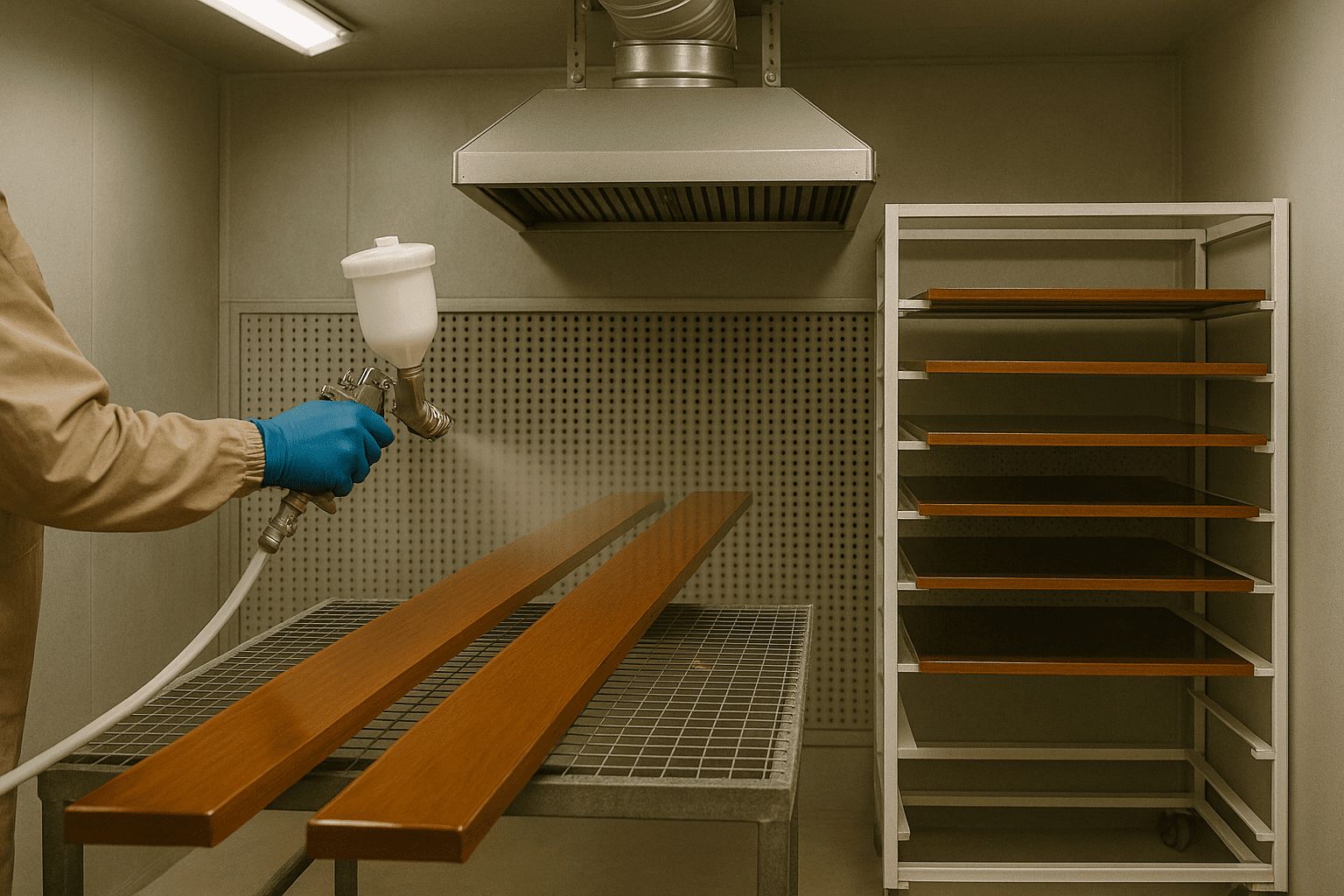
Advantages of the painting service: why painting matters for material quality
Painting has plenty of upsides, which is why it long ago became an indispensable link in a wide range of productions. The first thing that catches the eye is appearance: a neat colour and an even surface turn a plain blank into a finished product. For furniture and everything on show in an interior, this is half the value of the item.
The second is protection. A good coating shields wood from moisture, sun and minor knocks. Moisture is enemy number one here: it makes solid wood and board swell, warp and crack. So for everything that lives in damp conditions — kitchens, bathrooms, parts near the sink — a durable coating is not a luxury but a necessity, otherwise the item will quickly lose its shape.
The third is service life. A part sealed with a coating simply lasts longer: it wears less, is not afraid of household chemicals, does not fade so fast. And painting also opens up room for design — a colour to suit the interior, gloss or matt, an antique patina. One and the same blank can be taken toward strict classic or bright modern.
And the fourth thing, often forgotten, is money. A painted part needs repair and replacement less often, which means it hits the budget less often. For a business, painting is an investment that pays off through service life and the marketable look of the product: an item sells for more, sells longer and comes back less often as a defect.
Why the painting of wooden products is worth entrusting to professionals
The difference between “painted it myself in the garage” and professional painting of wooden products is obvious at once. A pro has a booth, proper spraying, proven paints and primers — and, most importantly, hands that know how each material will behave. Hence the result: an even film with no dust or runs, durability, colour that repeats from part to part. There is far less left to chance in such a process.
Control runs at every step — from preparation to the final polish. That is exactly how the typical ills of painting are caught: an uneven film, bubbles, orange peel, unpainted corners. The more carefully each stage is worked through, the smaller the chance the coating will peel or crack in service, and the longer the item pleases its owner.
Another argument in favour of professionals is safety. Modern paints and lacquers can be low-toxic, water-based, with minimal odour, and for a nursery or a kitchen this matters. Following the technology and drying correctly means the finished item does not “reek” of solvent, and the coating is safe both for people and for the environment.
And in terms of time, professional painting wins out in the end. Fewer mistakes and reworks mean the finished batch comes out faster. For a production line this is a direct gain in throughput: parts do not get stuck in endless corrections but move on through the cycle.


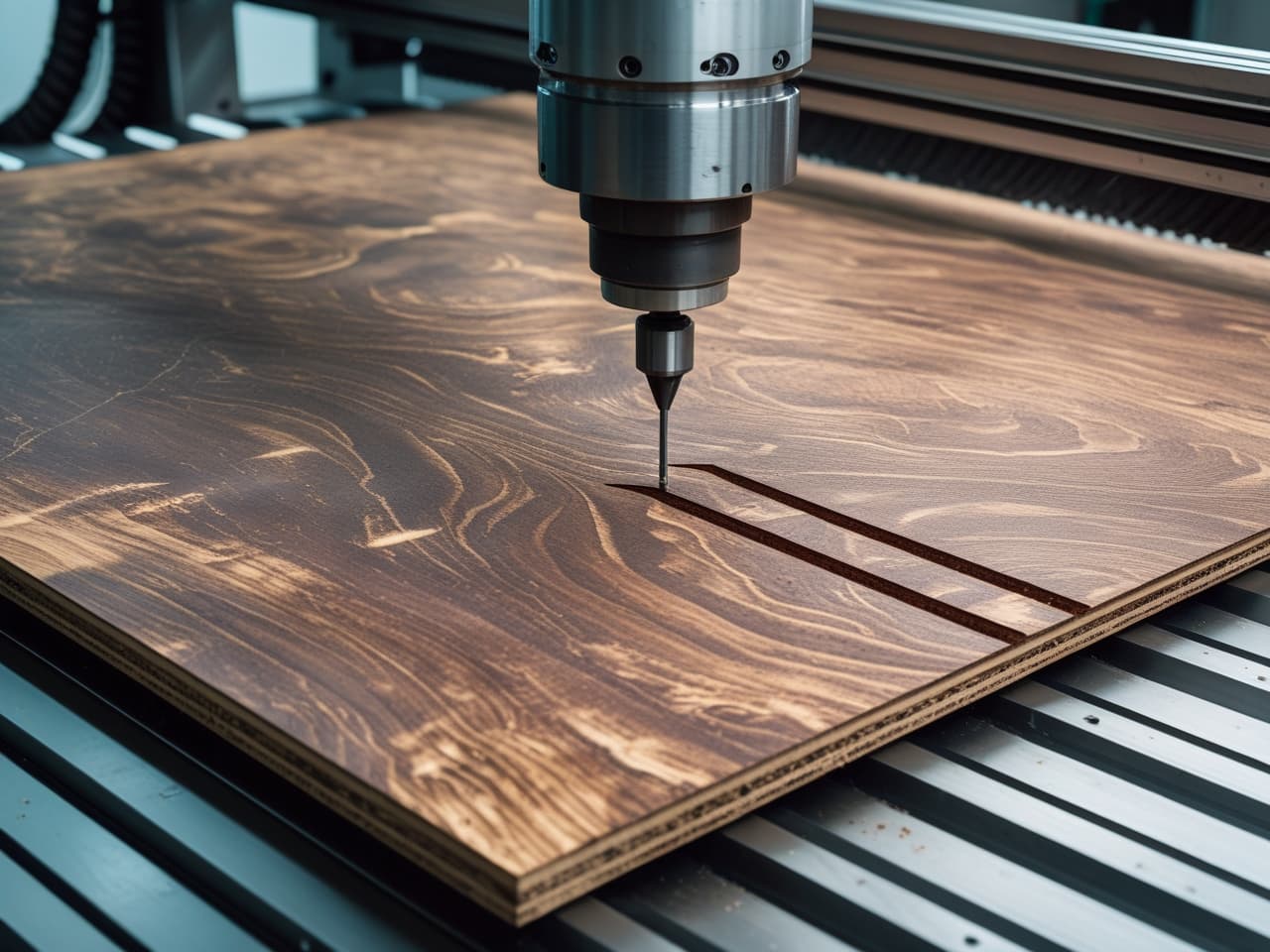


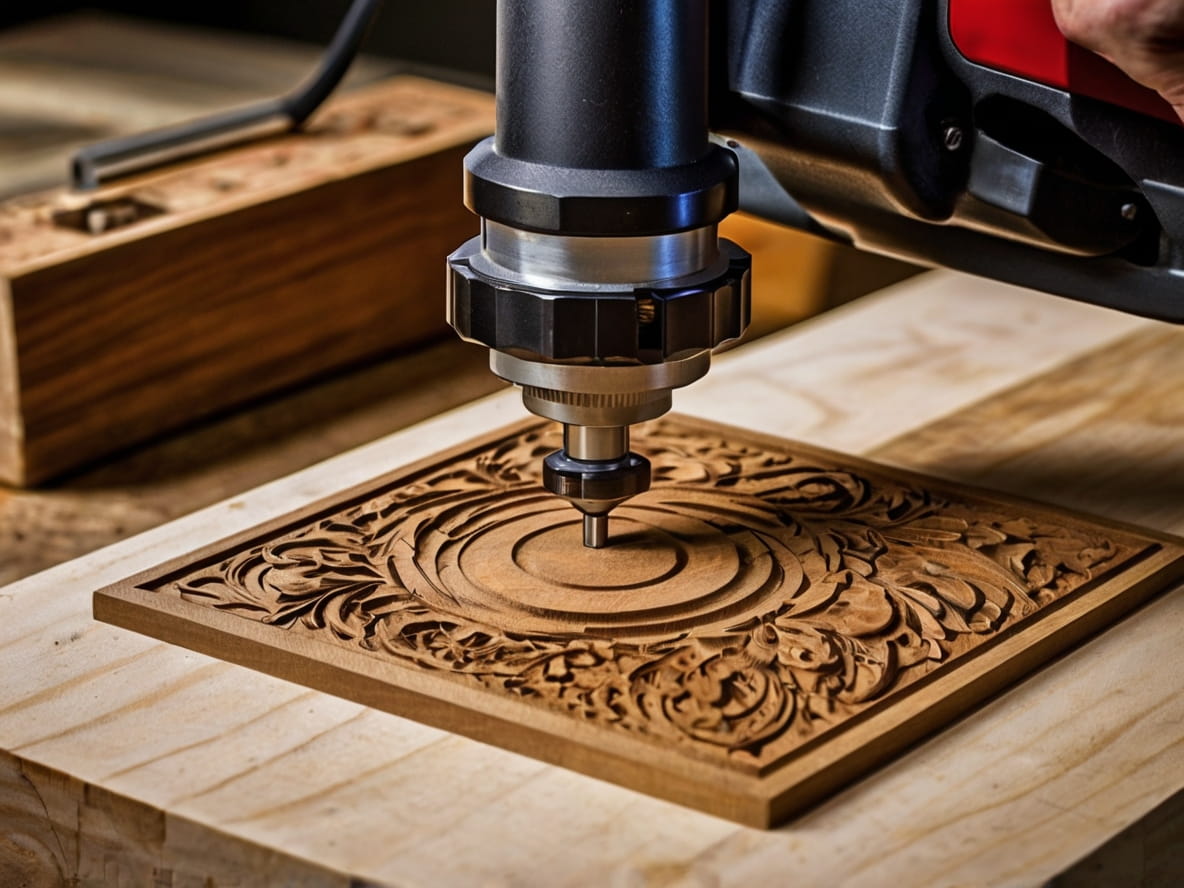


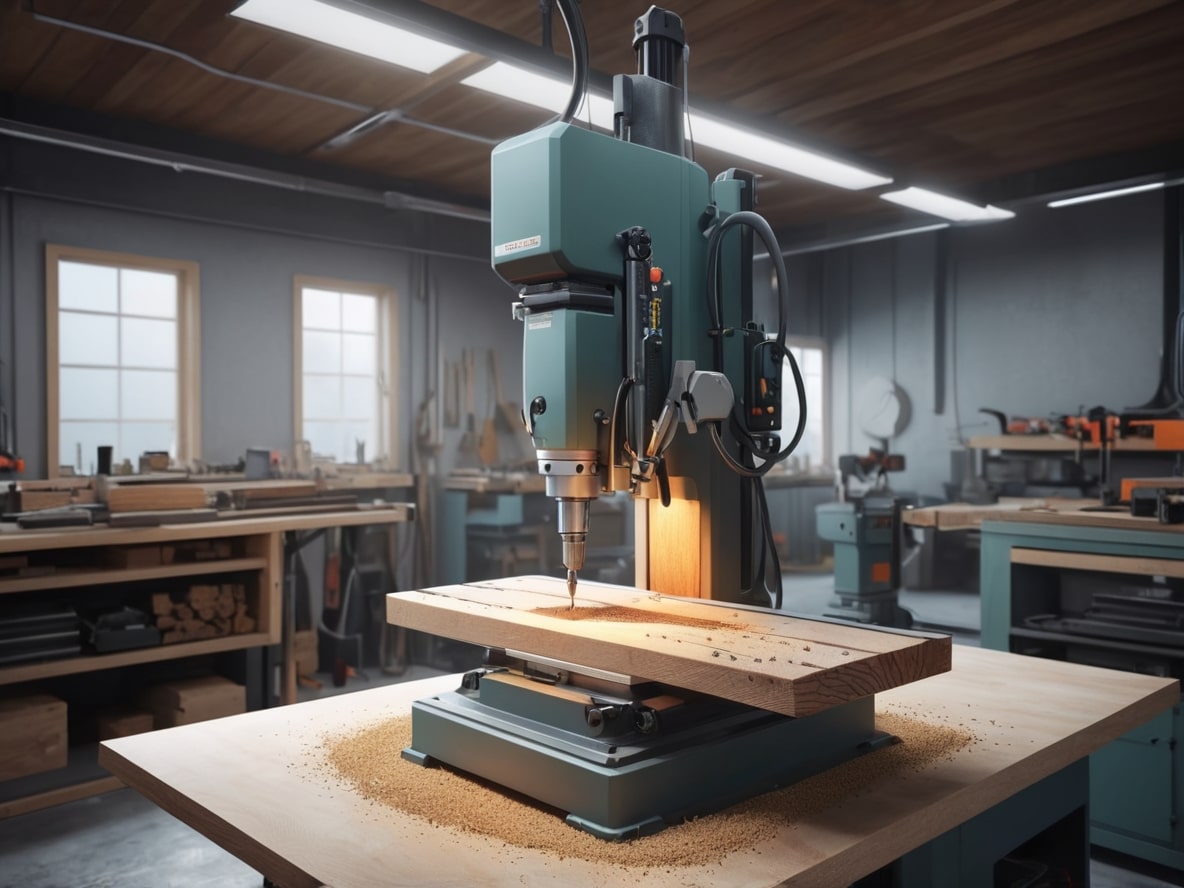


Overview block on all types of services: woodworking and material painting services
Painting is rarely needed on its own — usually it is part of a longer chain. Alongside it, cutting, cutting to size, sanding, cross-cutting and lacquering are available. All these operations work together: it is from them that a finished item for furniture, fit-out or construction is assembled. The convenience is that the part goes through the whole journey in one place rather than travelling between different contractors.
When painting goes hand in hand with the rest of the processing, the result comes out coherent. A simple example: sanding right before painting removes the tiniest unevenness, and the paint lies evenly, without patches. Split these two stages between contractors and the seam between them becomes the place where defects are most often born.
Cutting to size and cross-cutting give the part an exact size and prepare it for painting, while sanding brings the surface to a state where paint lies as it should. In essence, each preceding operation works for the next. So it makes sense to order them together — then the finish coat gets a base ideally prepared for it.
All in all, an integrated approach saves both time and money: parts are not shuttled between different shops, dimensions do not “drift” at the joints, and a single party is answerable for the result. For the final quality this counts for a lot.
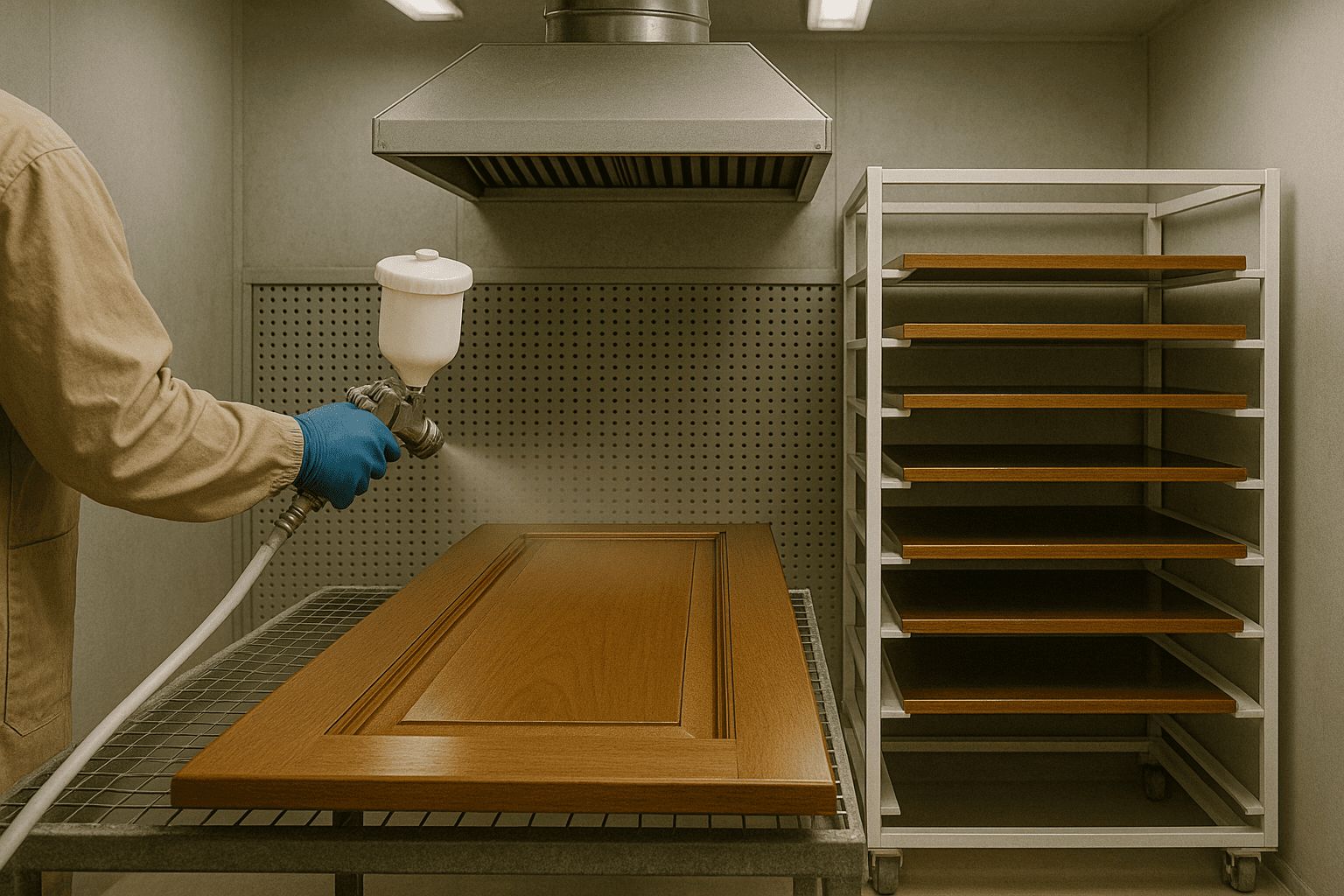
Our portfolio — finished products
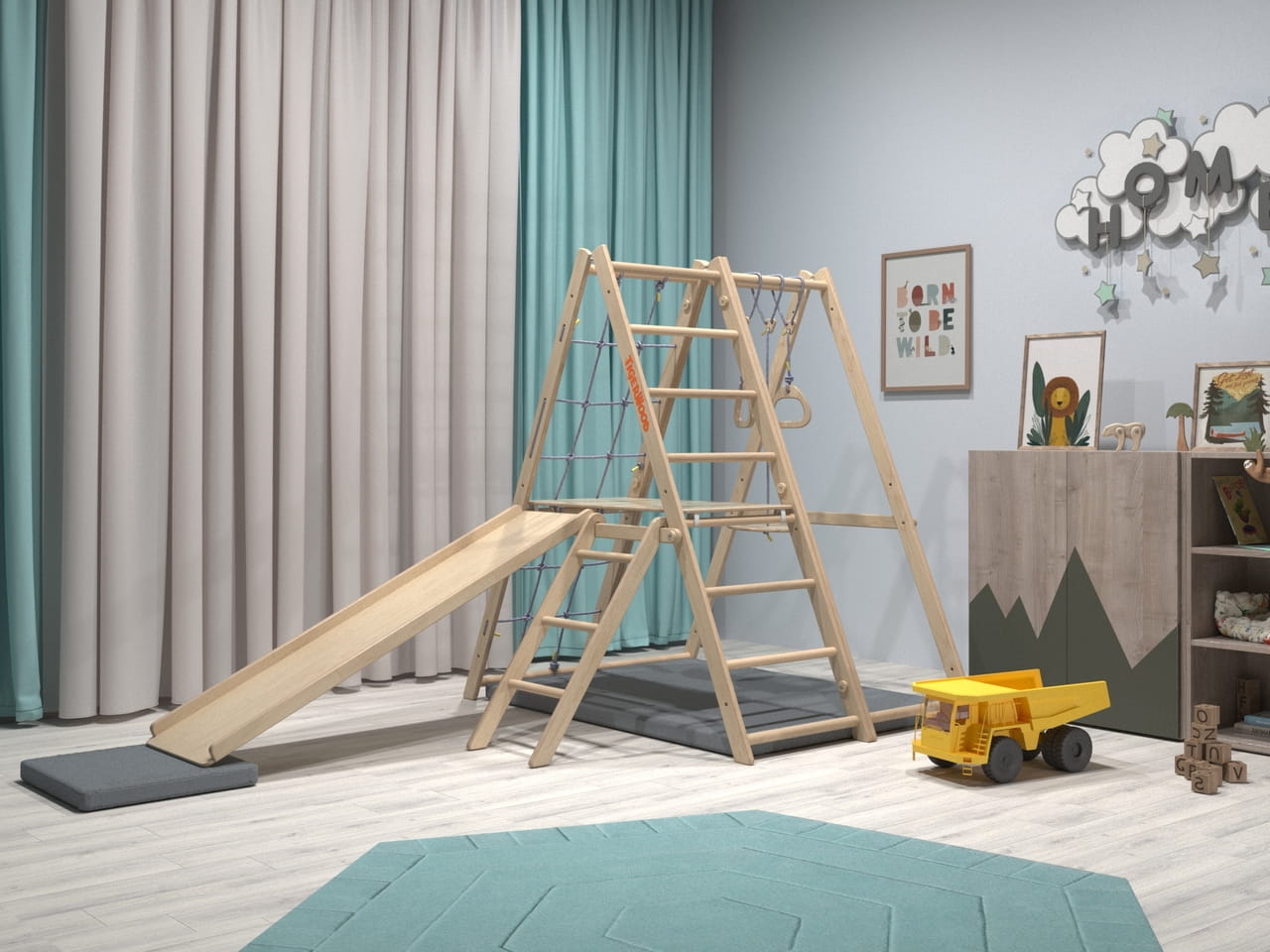
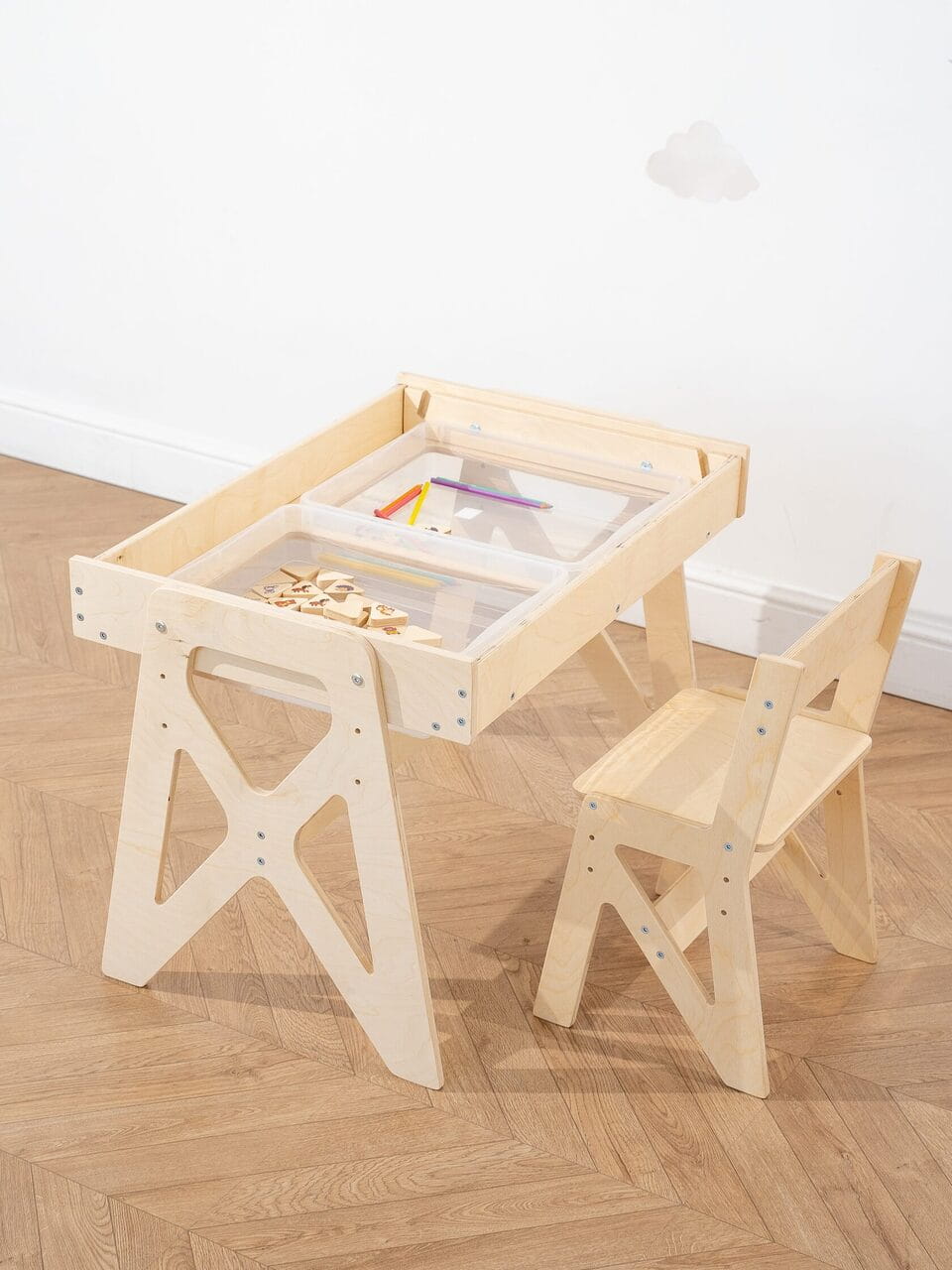


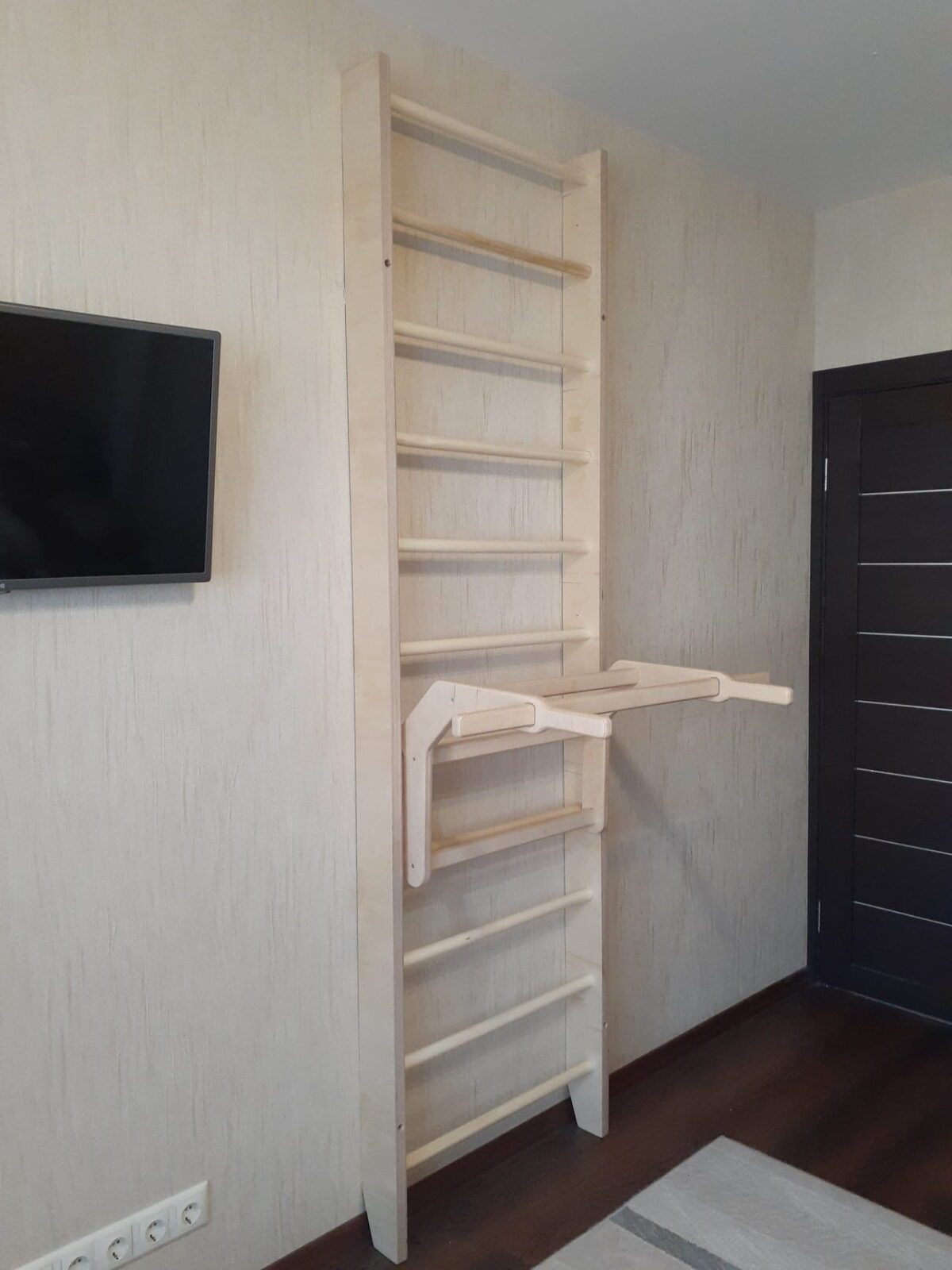
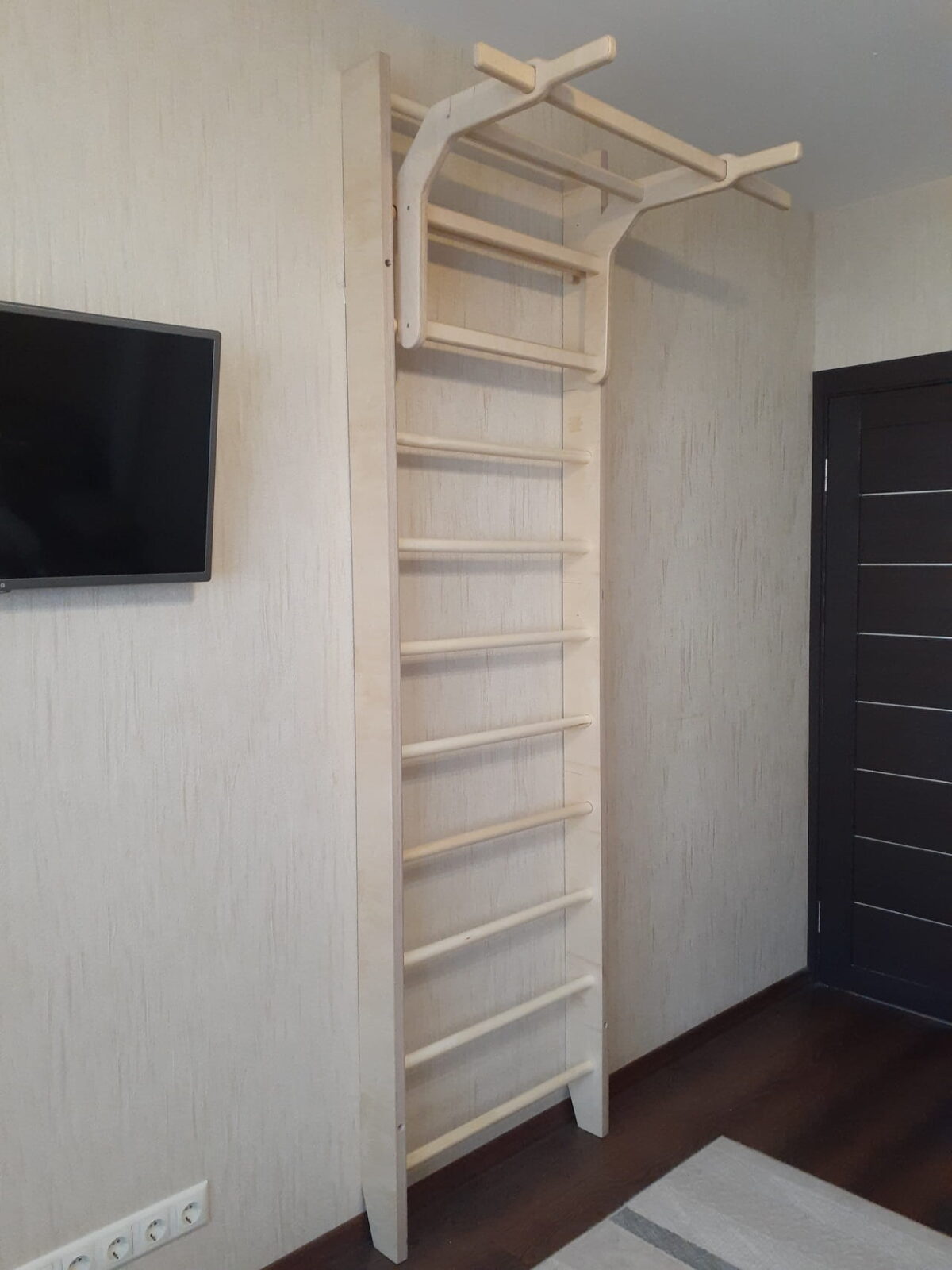
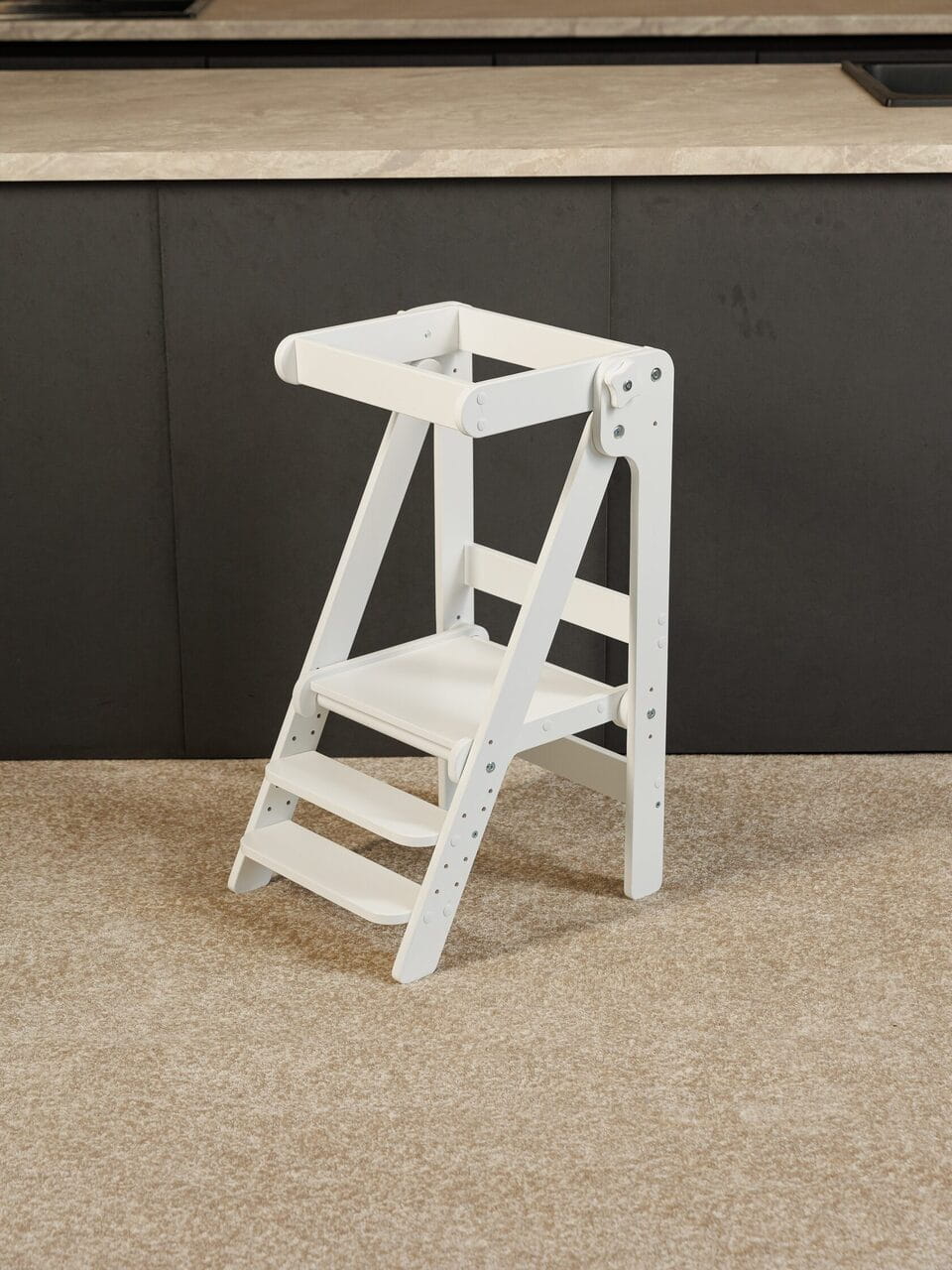
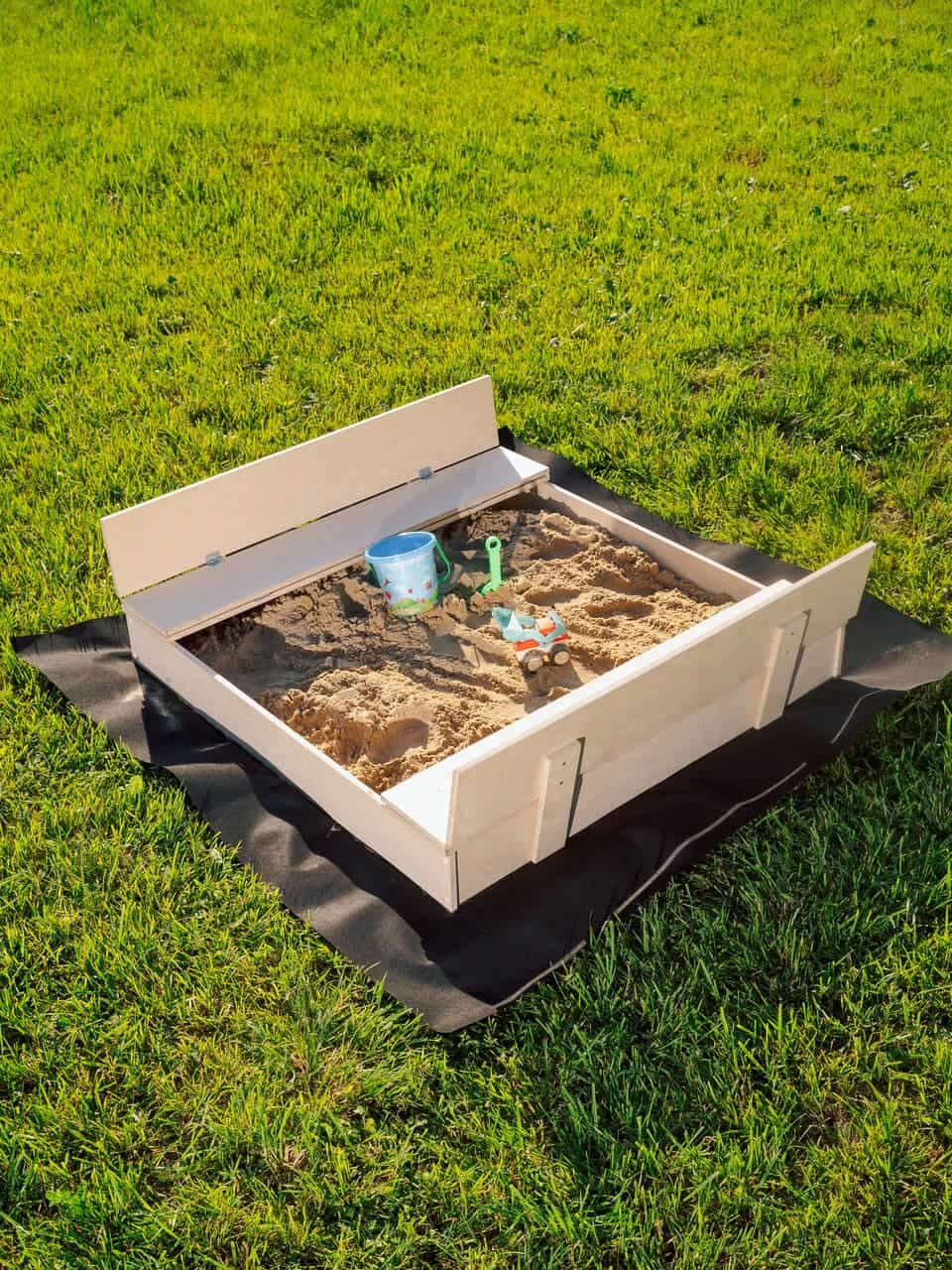

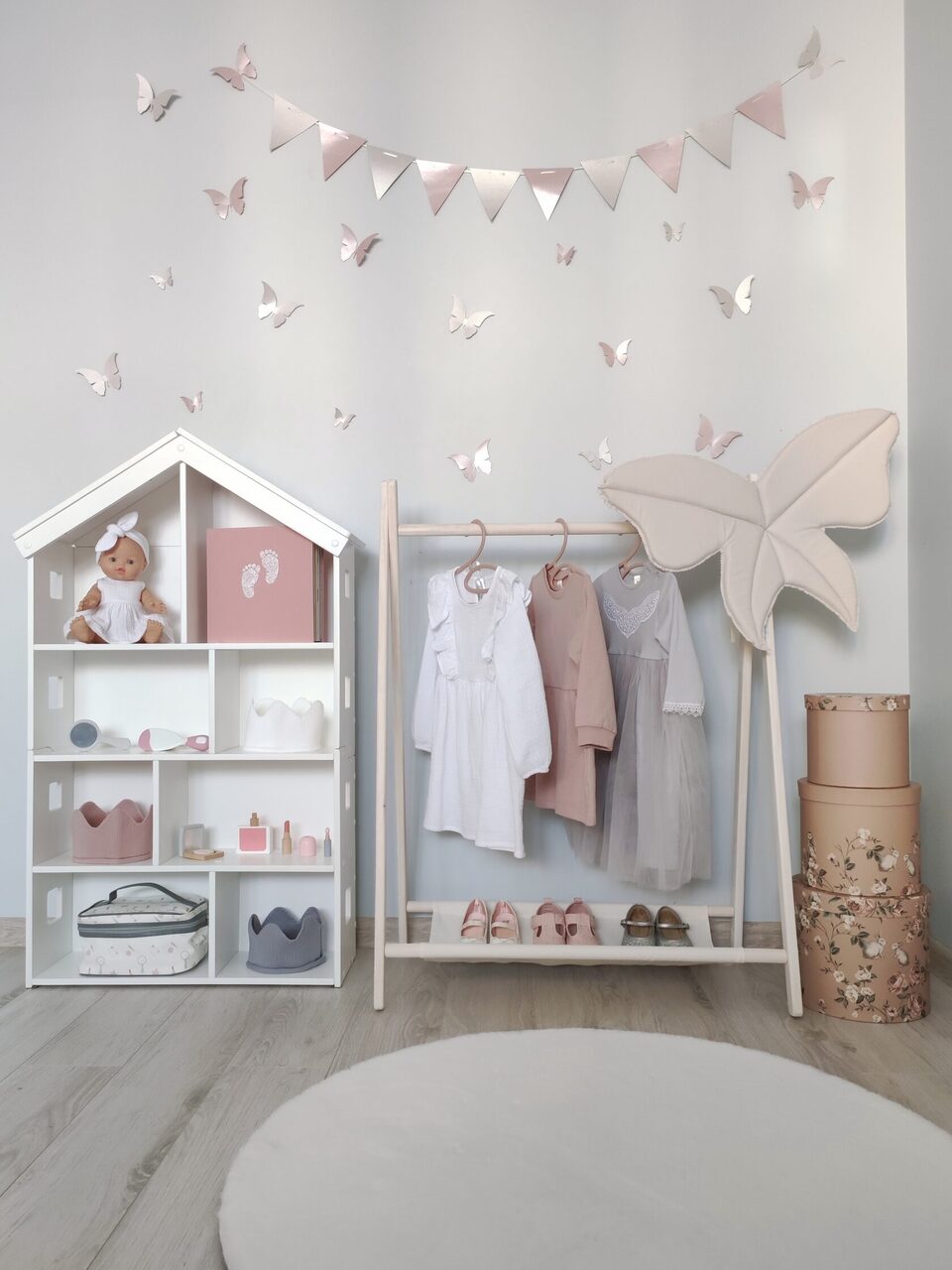

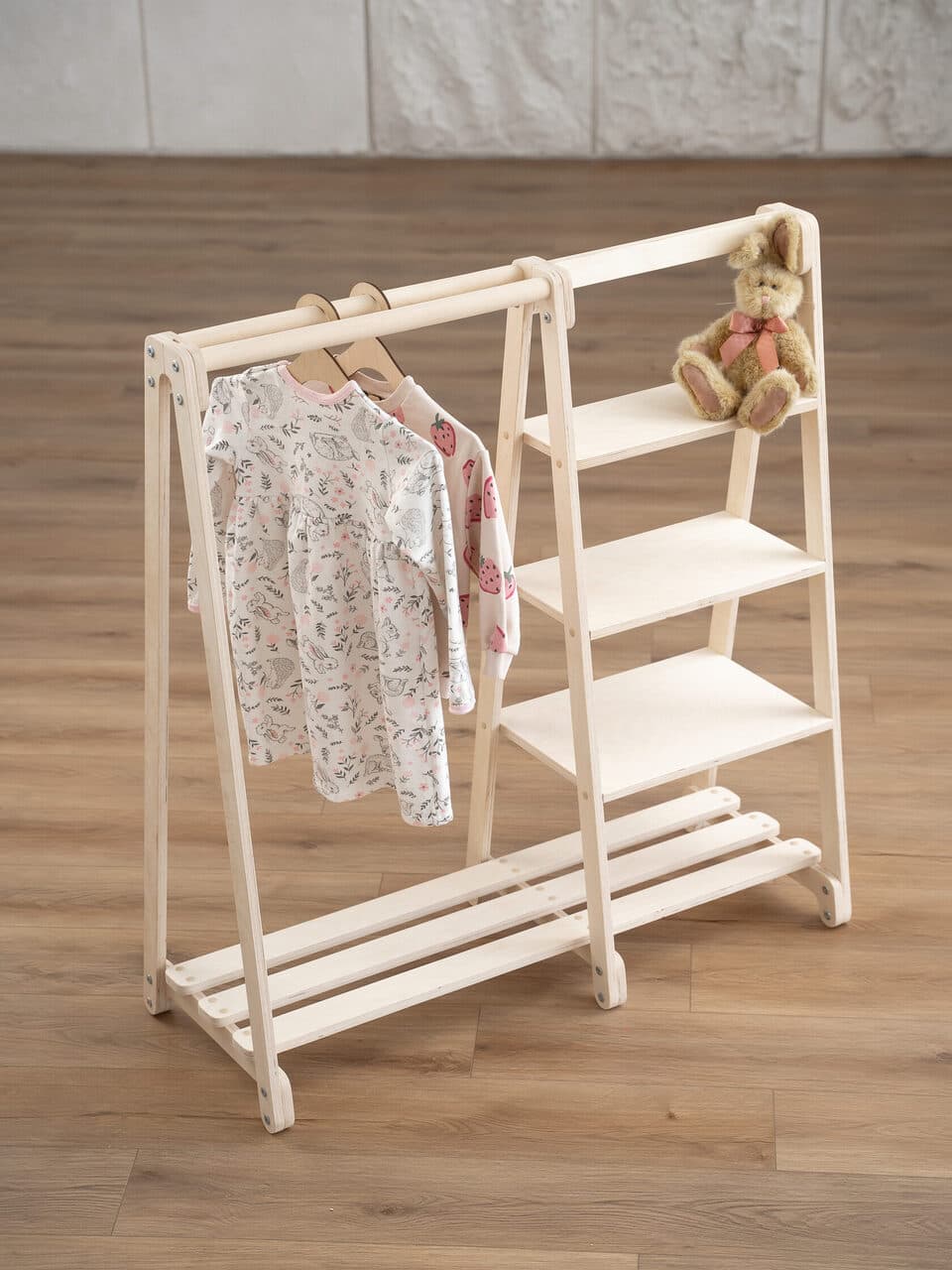
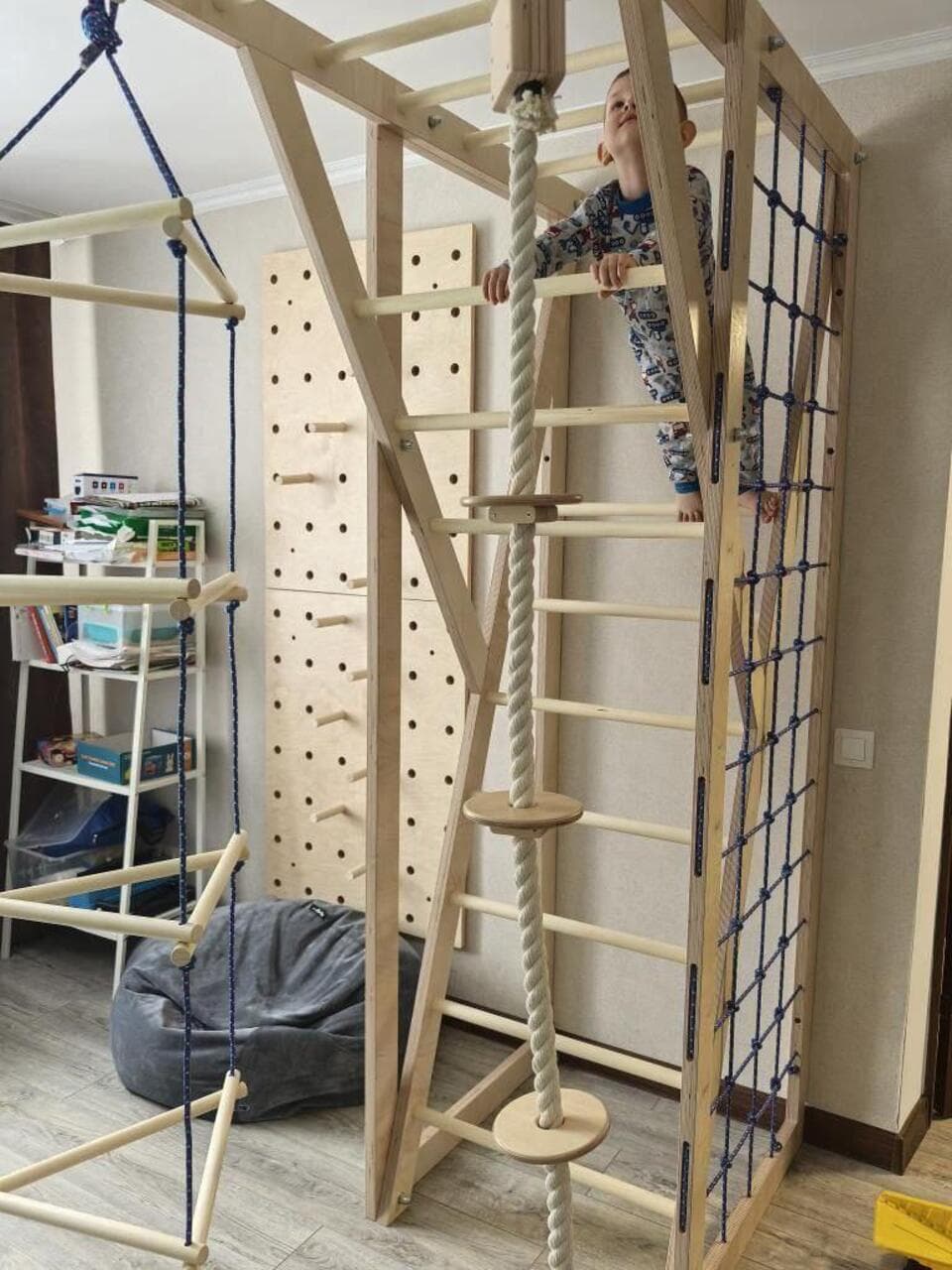
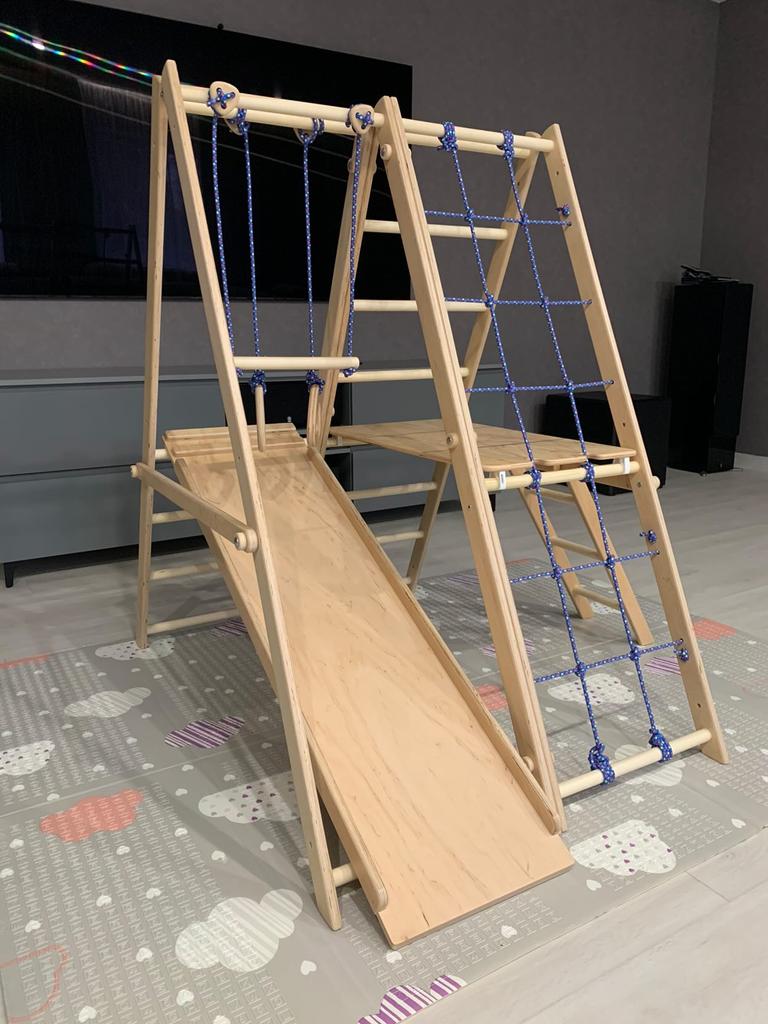

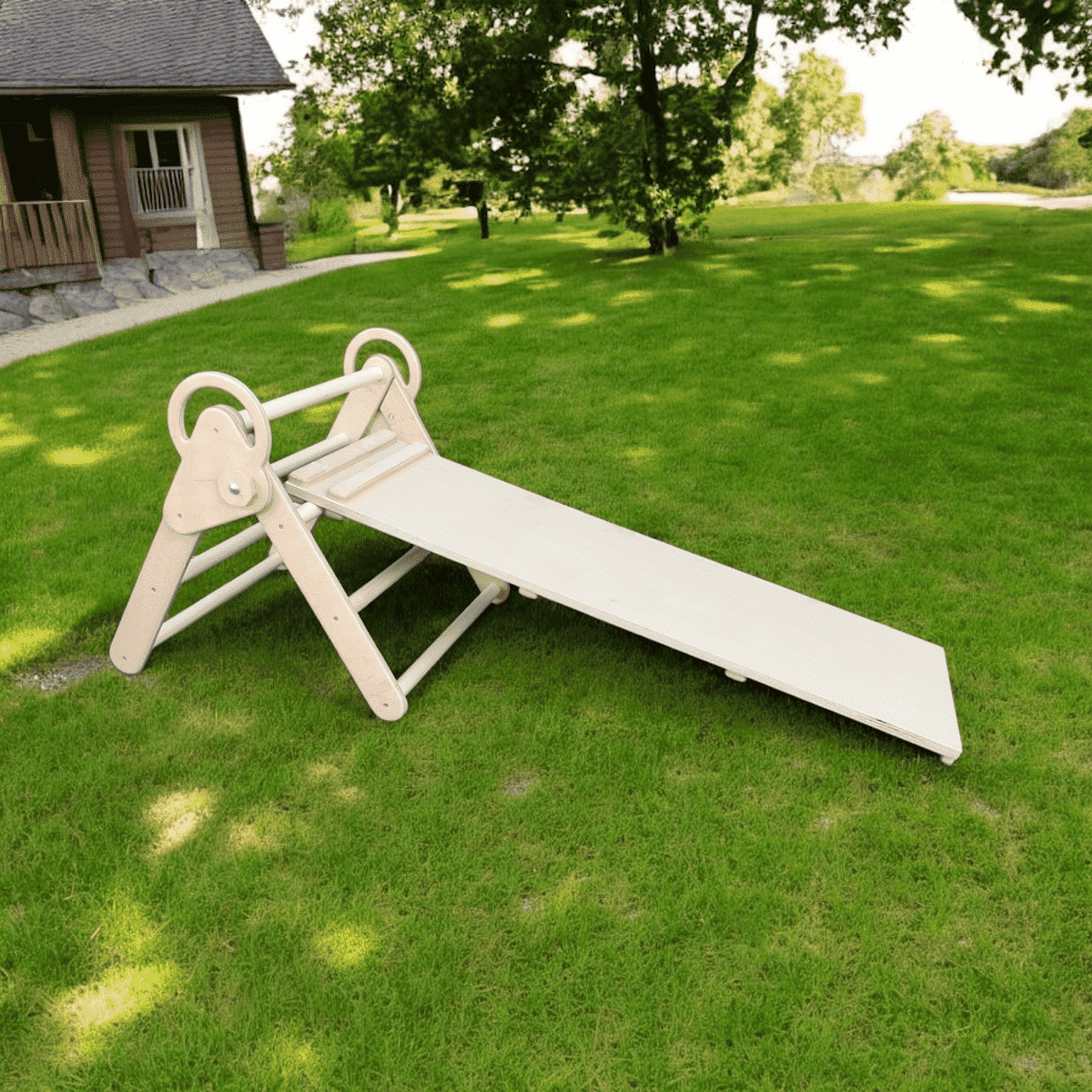



Examples of work: the results of quality material painting
The easiest way to show the value of painting is through real orders. There was, for instance, a batch of edge-glued panels and particleboard for a large furniture manufacturer: it was important to hold a single tone across the whole series and to meet the deadline. A well-honed technology produced an even coating with minimal defects, and the colour stayed identical from the first part to the last.
Another order was plywood façade panels for outdoor use. Here it is not enough to paint prettily: the coating has to withstand rain, wind and temperature swings without cracking or peeling. A durable paint was selected and the application technology observed — and the panels calmly endured outdoor service, lasting far longer than they would have without protection.
A separate story is doors and window frames. They are constantly touched, knocked and washed, so the coating had to be abrasion-resistant and durable. Here everything came down to the right choice of paint and application mode: the coating turned out hard and wear-resistant, not the kind that peels off at the first touch.
All these cases are about one thing: competent painting of wooden products does not merely add beauty but genuinely extends the life of the product. The difference between “painted” and “painted properly” shows up not on handover day but a year or two into service.
Who uses a carpentry workshop’s services

Furniture makers

Interior designers

Advertising companies

Exhibition stand builders

Art studios

Cafés and restaurants

Construction firms

Retail equipment manufacturers
Furniture factories

Private craftsmen

Custom orders

Manufacturing companies

Museums and exhibition halls

Architects

Theatres and film studios

Educational organizations

Children’s products manufacturing

Repair specialists

Online stores

Sole proprietors
Who the painting services for wood materials are for
Painting of wooden products is needed by the most varied customers. These are furniture manufacturers, construction companies, stores selling finishing materials, and private clients who need to paint a couple of parts to suit an interior. For a large plant the service covers peak load; for a small firm it replaces an in-house paint shop that would be unprofitable to keep.
A separate and frequent category is furniture factories. They need painting of panels, particleboard and MDF fronts in series, with a guarantee that the whole run comes out in a single tone and with equal durability. A colour mismatch or a peeling coating means direct losses and returns for them, so they are especially exacting about quality here.
Construction and fit-out companies are another notable customer, especially when it comes to exterior finishing. Here moisture resistance and strength come to the fore: the material must survive rain, sun and frost. For such tasks paints and lacquers designed specifically for outdoor use are selected, not for a sheltered interior.
Retailers turn to us too — stores that need neatly painted materials to suit their buyers’ requests. And no two orders are practically ever the same: each has its own material, colour, volume and operating conditions. So the solution is matched to the specific task rather than issued to a single template.
Painting of wooden products: what matters for the customer to know
Putting it all together: painting wooden products and boards — MDF, plywood, particleboard, MFC, edge-glued panels — affects three things at once: appearance, service life and how the part holds up in use. Wherever the material is used — in furniture, construction or fit-out — the coating works both for beauty and for protection, extending the life of the item.
The process itself is made up of preparation, several coats of paint, intermediate sanding and a final touch-up. Each material has its own recipe. MDF and particleboard are usually covered with enamel: it covers the surface evenly. Plywood is trickier and more interesting — there lacquer or oil is often used, to draw out the wood grain rather than hide it under a dense colour.
The main practical point of a coating is protection. A layer of paint or lacquer keeps out moisture, UV, mechanical wear and dirt. This is especially helpful where conditions are harsh: a kitchen, a bathroom, an outdoor façade. In such places bare wood does not last long, whereas wood sealed with a coating serves for years and stays neat-looking.
There is a financial side to it too. A well-painted part needs repair and replacement less often — and every such case is expense and downtime. A reliable coating cuts the frequency of reworks and ultimately makes owning the item cheaper, even if at the outset the painting added to the price.
And finally: painting is convenient to take as a package with cutting to size, cutting, sanding and cross-cutting. When a part goes through the whole chain in one place, each operation prepares the surface for the next, and the technology is maintained from start to finish. That is how you get a result free of minor defects — not because you got lucky, but because preparation and application are matched to each other.
Types of coatings: what exactly you paint with
The word “painting” hides several different formulations, and the choice affects appearance, durability and price. There is no universal coating — each task has its own. Enamel gives a dense, opaque colour and lies well on MDF and particleboard. Lacquer works transparently: it protects while showing the wood grain, and comes glossy or matt. Oil soaks into solid wood, leaving the surface natural to the touch, and is easily refreshed without a full repaint. Primer is not a finish but a base: it evens out absorbency and improves the adhesion of the coats that follow.
| Coating | What it gives | Where it fits |
|---|---|---|
| 🎨 Enamel | Dense colour, even coverage | MDF and particleboard fronts, parts in a solid colour |
| ✨ Lacquer | Protection + visible grain, gloss/matt | Solid wood, plywood, countertops |
| 🫒 Oil | Natural look, repairability | Solid wood, natural-wood interiors |
| ⚪ Primer | Adhesion and base levelling | Preparatory coat under the finish |
These formulations often work together: primer, then enamel, then a protective lacquer on top. It is this “layer cake” that ensures durability. If you are unsure what to choose, it is easier to describe where the item will stand and what look you want — a suitable scheme will be matched to the task.
Gloss, matt and patina: how the finish looks
One and the same colour can look completely different depending on the degree of sheen. Gloss makes the surface dressy and visually cleaner, but mercilessly shows dust, streaks and any unevenness of the base — so it calls for particularly thorough preparation. Matt is calmer, more pleasant in everyday life and forgives minor flaws, which is why it is loved in modern interiors. Semi-matt is a compromise between these extremes. A separate story is patina and textured effects: they deliberately emphasise the relief or artificially age the surface for a classic look.
The choice of sheen is not only taste but also practicality. On a kitchen front that is constantly touched, gloss will show every fingerprint, whereas matt keeps its neat look longer. So the degree of sheen is chosen not abstractly for “prettier” but with an eye to how the item will be used.
Painting in a booth or by hand
There are two fundamentally different ways to apply a coating. In a paint booth the formulation is sprayed and settles as a thin, even cloud, and drying takes place in a clean, dust-free zone. This is exactly how a smooth factory surface is achieved, with no brush marks or debris in the film. Applying by hand with a brush or roller is appropriate where texture, spot touch-ups or work on a part of complex shape is needed, which is hard to reach by spraying.
The difference between a garage paint job and work in a booth is obvious at once and shows especially over time. At home dust almost always settles into the film, and swings in temperature and humidity interfere with even drying. A booth removes these factors, so the coating comes out cleaner, more even and lasts longer. For production batches and critical items this is the decisive moment.
Surface preparation: half the result
An experienced painter will tell you that painting is ninety per cent preparation and only ten per cent the application itself. And that is not far from the truth. First the surface is dedusted and degreased, otherwise the paint will not bond as it should. Then it is sanded, working up through the grits from coarse to fine: first the large irregularities are removed, then smoothness is achieved. Deep chips and dents are filled with putty and sanded flush again.
The edges of MDF and the board edges call for particular attention — they absorb paint more than the flat face, and without proper preparation dark stripes or orange peel appear on them. They are additionally primed, sometimes in several passes. All this fuss is invisible on the finished item, but it is precisely what separates an even coating from one that goes patchy in a month. To economise on preparation is to guarantee a ruined finish.
Materials and their quirks under paint
Every material behaves in its own way under a coating, and competent painting of wooden products begins with understanding these habits. MDF is the most convenient for enamel: its dense, uniform structure gives a perfectly smooth surface, which is why painted fronts are most often made from it. Solid wood is beautiful but alive: it reacts to humidity, and the coating must leave it the ability to “breathe” a little, otherwise the film will crack as the wood moves.
Plywood has a layered structure and a veneer pattern that many want to keep — here transparent formulations come into play. MFC already has a factory coating, and usually not the face itself but the cut edges after cutting are painted. Understanding these differences is what makes it possible to select the formulation and mode so the result holds rather than peeling in six months. There simply is no universal “one paint for everything” recipe here.
Why drying must not be rushed
The most common cause of a ruined coating is haste during drying. Every coat needs time to set and build hardness, and that time depends on the formulation, the coat thickness, the temperature and the humidity in the room. Applying the next coat over an under-dried previous one is a sure way to get wrinkles, streaks and cloudiness. Putting a part into service before its time means collecting dust on a tacky surface and leaving dents from the very first touch.
So in an order’s schedule drying takes more time than the application itself, and that is normal. Professional drying in a separate zone with controlled conditions gives a predictable result, whereas trying to speed the process up almost always ends in rework. If an item is needed by a specific date, it is wiser to allow a margin than to rush and then repaint.
Colour: how to achieve the tone you need
The colour is matched to the RAL catalogue, to the customer’s sample, or to existing furniture whose tone must be hit. There is a subtlety here: one and the same shade looks slightly different on gloss and on matt, on a large flat area and on a narrow part, in daylight and in artificial light. So on critical orders a test panel is made first — a small sample that the customer approves in person, not from a picture on a screen.
For production batches, repeatability matters separately: every part of the run must come out in a single tone, otherwise the assembled item will be a patchwork. This is achieved by an exact mixing recipe and working with one batch of paint. A colour mismatch is one of the most galling mistakes, because it surfaces during assembly, when reworking is expensive.
How long painting takes: rough guides on timing
The exact time is calculated for the specific order, but clear guides help with planning. The bulk of the time is eaten not by application but by preparation and drying between coats.
| Type of order | Rough timing |
|---|---|
| 🪵 Simple part in a single colour | 2–3 days |
| 🚪 Fronts with primer and lacquer | 4–6 days |
| 🎨 Complex finish, patina, effects | from a week |
| 📦 Production batch | by arrangement |
If the project is tied to a date — a kitchen move-in, an opening, a project handover — it is wise to get in touch in advance and leave a margin for drying. Painting of wooden products does not like rush jobs: it is where people hurry that defects most often appear.
What the price is made up of
The cost of painting is put together from several clear components, and each can be estimated in advance.
- 📐 Area and shape. A flat part is cheaper than an item with complex relief and many facets.
- 🎨 Type of coating. A simple single coat of enamel and a multi-coat finish with lacquer are different budgets.
- 🧱 Preparation. A clean, even blank takes less work than a part with chips and old coating.
- 🔢 Run size. In a series the price per piece is lower thanks to a well-honed process.
- 🌈 Colour and effects. Patina, metallic and an exact tone match add to the labour.
- ⏱️ Urgency. Work outside the general queue is counted separately.
The simplest way not to overpay is to bring a clean, prepared part and not to rush the deadline. Reworks caused by haste and work on an uneven base are exactly what add extra to the estimate.
Common mistakes when ordering painting
Most problems arise not at the machine but at the task-setting stage and from trying to economise in the wrong place. Here is what most often gets in the way of an even result.
- ❌ Skimping on preparation. Painting over an unsanded base is guaranteed to surface as defects.
- ❌ Rushing the drying. Early use means dust in the film and dents.
- ❌ Colour “from a picture on the screen”. The shade differs in real life — a test panel is needed.
- ❌ Interior paint used outdoors. Without an outdoor formulation the coating will soon come off.
- ❌ Ignoring edges and cut edges. It is precisely on them that stripes and orange peel most often appear.
It is no big deal if you did not take some of this into account — that is exactly what the conversation before starting is for. A good contractor asks these questions before painting, not after, when correcting is already expensive.
Care for a painted surface
A coating will last longer if a couple of simple rules are followed. A freshly painted part is given time to build full hardness — this usually takes from a few days to a couple of weeks, depending on the formulation, and during this period it is handled more gently. In everyday use the surface is wiped with a soft cloth without aggressive chemicals or abrasives, which scratch and dull the finish. Oil coatings can easily be refreshed by yourself if desired, while lacquer coatings last longer but are harder to restore.
These little things are rarely spelled out at the time of ordering, but they are exactly what determine whether the item still looks fresh a few years on. Where needed, care conditions will be suggested for the specific coating — enamel, lacquer and oil each have their own quirks in use.
Quality control and what to do about defects
Control is built into the process, not tacked on for show. The base is checked before painting: evenness, cleanliness, quality of sanding. Along the way, the application and drying of each coat are watched. At the output the item is inspected in full — colour uniformity, the absence of dust, runs, unpainted spots and orange peel. Such end-to-end control cuts out most defects before the item is handed to the customer.
If a disputed point does arise, it is easier to resolve precisely because the order passed through a single pair of hands. There is no need to work out at whose stage the mistake occurred — responsibility is not smeared across contractors. For the client this is real assurance: it is clear who to hold to account for the result.
A one-off order or ongoing cooperation
Painting is taken on both for a single part and for regular supplies. A one-off order is simple: the blank is brought in, the colour and coating are agreed, the finished item is collected. Ongoing cooperation is more convenient for producers who need painting as a steady stream: furniture shops, sign-making workshops, joinery sites. When a client’s specifics are already known — their materials, usual colours, requirements — the work goes faster and more predictably, and in the busy season it is easier to get priority in the queue.
Glossary of painting terms
A short glossary so that the conversation with the contractor speaks one language.
| Term | What it means |
|---|---|
| ⚪ Primer | A preparatory coat for adhesion and levelling |
| 🎯 Test panel | A colour sample for approval before the main painting |
| 🌫️ Orange peel | A defect resembling “orange peel” on the surface |
| 🧩 Coverage | A paint’s ability to hide the base in fewer coats |
| 🎨 RAL | An international catalogue of standard colours |
| ✨ Semi-matt | A middle degree of sheen between gloss and matt |
More questions about painting wooden products
Can you paint an already finished piece of furniture rather than a blank? Yes, repainting existing items is a routine task. The old coating is stripped or sanded off, the surface is prepared afresh and painted. Sometimes this is a cheap way to renew an item whose colour has grown tiresome but whose construction is still sound.
My own material, or do you only paint your own? The customer’s material is accepted for the job. Before painting it is inspected: it is important that the surface is fit for a coating, with no unknown old layers that new paint will not get along with.
How accurately will you match the colour on a repeat order? If an order has already been through painting, the recipe and parameters are known, and an additional batch is matched to the existing one. So adding the missing parts to already finished ones is usually no problem.
Do you paint combined items? Yes, one piece often combines, for example, painted MDF and lacquered solid wood. Each element is processed in its own mode, and the finished parts are then assembled — that is how items with a considered mix of textures come about.
If your question is not on the list, it is easier to ask it during discussion. Painting of wooden products is convenient precisely because the whole journey from preparation to a finished painted part is led by a single contractor, and there is someone to ask.
The equipment that quality rests on
An even factory coating is impossible without the right kit, and talk of quality without it remains just words. The core is a paint booth with supply-and-exhaust ventilation: it keeps out dust, draws off solvent vapours and holds a stable temperature, so the film lies and dries predictably. Paint is applied with a spray gun, not a brush, so the cloud comes out fine and even, with no fibre marks or streaks. For different formulations, different pressures and nozzles are selected — what atomises a thin lacquer well will not suit a thick enamel.
A separate zone is set aside for drying. Here parts stand in cleanliness until the coating builds hardness, and it is precisely the cleanliness of this zone that determines whether dust settles onto the film. Sanding between coats is done both on machines and by hand, matching the grit to the stage. It is this whole chain of equipment that makes it possible to repeat the result time after time, whereas in garage conditions every attempt is a lottery with an unpredictable outcome.
Painting, film and veneer: what the difference is
The task of “making a front coloured” is solved not only by painting. There is film coating, where PVC film is pressed onto MDF, and there is veneering, where the surface is faced with a thin slice of natural wood. Each method has its own niche. Film is cheaper and faster, but it fears the heat by the hob and over time can peel at the edge. Veneer gives real wood texture, but it costs accordingly.
Painting occupies the golden mean and wins where an exact colour, a seamless surface of complex shape and repairability are needed. A painted front can be locally touched up or fully repainted in a different colour after a few years — you cannot do that with film or veneer. Plus painting follows any relief and milling without seams or joints, which is decisive for carved and shaped parts. So the choice between the methods is made for the specific task, not on the principle of “whatever is cheaper”.
Painting complex shapes and carving
Almost anyone can paint a flat door panel, but a carved front, a baluster or a part with deep milling is already a test of skill. In hollows and on facets, paint tends to gather into a run or, on the contrary, to not paint fully. Here spraying at the right angle helps, as does breaking the work into several thin coats instead of one thick one, and patient drying. It is precisely on complex geometry that the difference shows between neat painting and a surface hastily flooded with paint.
Painting of wooden products with complex relief is valuable also because it follows the shape seamlessly. No joints or creases, which are inevitable when facing with film on radii and in internal corners. So decorative elements, carved panels and shaped fronts are almost always painted rather than faced — it is the only way to get an even colour on a living, non-flat surface.
Restoration and repainting
Painting is not only about new parts. An item that is sound in construction but tiresome or worn is often cheaper to repaint than to replace. The old coating is stripped or sanded down to the base, the surface is levelled, chips are filled where needed and it is painted afresh — either the same colour or a completely different one. This is how kitchen fronts, doors and chests of drawers get a second life when they are morally outdated but physically still strong.
Economically this is often more advantageous than buying new, and from an ecological standpoint it is more sensible, because the item does not go to landfill. There is a nuance: repainting requires an honest assessment of condition. If the base has dried out or the coating is peeling off in sheets, sometimes it is simpler to make a new part. Which is more advantageous in a given case is usually clear after an inspection, and you will be told about it honestly in advance.
Industries and typical tasks
To try the service on for your own field, here is a short breakdown by industry. It is not exhaustive, but it shows how varied the tasks are that one and the same painting covers.
| Industry | What gets painted | What matters |
|---|---|---|
| 🪑 Furniture | Fronts, carcasses, countertops | Accurate colour, durability, repeatability |
| 🏠 Interior | Panels, inserts, carved décor | Even tone on relief |
| 🚪 Doors and windows | Leaves, frames, casings | Coating wear resistance |
| 🏢 Façades and outdoors | Panels, trim elements | Moisture and UV resistance |
| 📢 Advertising | Stands, letters, signs | Bright colour, neat finish |
If your task is not in the table, that is no reason to think it will not be taken on. A non-standard request is broken down into clear operations and a formulation is selected for the operating conditions. It is enough to describe what the item is and where it will work.
Ecology and coating safety
The question of coating safety concerns more and more customers, and rightly so. Modern paints and lacquers can be water-based, with a low content of volatile substances and a faint odour. For children’s furniture, kitchens and living spaces generally this is an important argument: after full curing such a coating is inert and gives off no harmful vapours. Correct drying plays a key role here — it is what ensures the solvent leaves fully rather than staying in the film.
Ecology also concerns production as a whole. Careful use of material, the collection and disposal of painting waste, work in an equipped booth with filtration — all this reduces the load on the environment. For a business that itself holds a bar on safety before its own clients, it matters that the painting contractor shares the same approach. So the coating’s formulation and its safety are discussed in advance, not after the fact.
How to prepare a painting order
So that painting goes smoothly and without repeated questions, it is useful to clarify a few things in advance. This is a short checklist that removes most misunderstandings at the start.
- 🎨 Decide on the colour — by RAL, a sample or existing furniture.
- ✨ Choose the degree of sheen: gloss, semi-matt or matt.
- 🧱 Specify the material of the parts and their current condition.
- 📍 Say where the item will stand: interior, wet area or outdoors.
- 🔢 State the quantity — a single part or a batch.
- 📅 Name the date if the order is tied to one, with a margin for drying.
You do not have to come with a perfect brief — half of the orders start with the phrase “need to paint this, help with the colour”. The contractor’s job is precisely to translate the wish into a specific coating scheme. But the more inputs there are at the start, the shorter the path to a finished painted part.
Compatibility of painting with other operations
Painting almost always stands at the end of the technological chain, and the result depends on what came before it. A part is first cut to size, milled, drilled and sanded, and only then painted — otherwise the subsequent machining would damage the finished coating. So it makes sense to plan painting together with the preceding stages straight away, so that the surface reaches it prepared for the specific formulation.
When all the operations run on a single site, this is especially convenient. Sanding is done with the future paint in mind, edges are prepared for the coating, and the stage timings are matched to each other. Break this chain between different contractors and at the joints you get now a size mismatch, now a surface poorly prepared for painting. A single route from blank to painted item removes these risks.
Another example from practice
A telling order was a batch of carved decorative panels for a restaurant interior. The task was not simple: deep relief with many internal corners and a requirement for a matt coating in a deep dark tone, on which any unpainted spot or run stands out at once. You cannot face such a shape with film, so the choice was unequivocally in favour of painting.
The panels were primed in several passes, with particular attention to the edges and hollows, then enamel was applied in thin coats with intermediate drying and sealed with a matt lacquer. The result came out even across the whole complex surface, the tone matched on all the panels, and the coating calmly withstands the regular cleaning of a public place. Orders like this show that neat painting of wooden products is capable of what other finishing methods cannot reach.
To bring it all together: painting of wooden products is a finishing stage that gives an item its appearance, its protection and its service life. It is enough to bring a part or blank and describe the desired result — colour, sheen, operating conditions — and the contractor will take on the preparation, the choice of formulation, the application and the drying, and at the output you will get an even, durable coating within the agreed time.
Special effects: metallic, pearl, ageing
Beyond plain colour, painting can deliver effects that turn a part from ordinary into an accent piece. Metallic and pearl add depth and a soft shimmer that changes with the angle of light. Patinating and artificial ageing emphasise the relief and create the noble look of an antique. There are also textured formulations that leave a slight relief on the surface, like stone or orange peel. Such coatings are harder to execute and require experience, but they make the item one of a kind.
It is important to understand that effect coatings are more capricious in preparation and application: any flaw in the base is more noticeable on them, and repeating a complex effect exactly across a large batch is harder. So such orders always begin with a test panel and a discussion, so that the customer sees the result in person before the run starts. But the payoff is higher too — a front with patina or a part with a pearl finish stands out at once against an ordinary flat colour.
Coat thickness and why it matters
It seems logical that the thicker the coat of paint, the better the protection. In reality it is the opposite: several thin coats are more reliable than one thick one. A thick coat dries unevenly for longer, is prone to runs, wrinkles and internal stresses that later cause cracking. Thin coats with intermediate drying build the same coverage density but lie evenly and last longer. So quality painting is almost always work done in several passes, not an attempt to flood everything in one go.
The number of coats affects both the final look and durability. For a simple interior part a primer and a couple of coats of enamel are enough. For a loaded surface like a countertop or an outdoor façade there are more coats, plus a protective lacquer on top. The optimal scheme is matched to the task — it directly affects both the service life and the price, so it is discussed in advance.
The conditions under which painting is done
Painting is sensitive to temperature and humidity, and this is not fussiness but physics. In cold, paint thickens and sprays poorly; in high humidity condensation may appear on the surface, causing the coating to cloud and lose adhesion. So work is done within a certain range of conditions, not “however it turns out”. It is precisely the control of the microclimate in the booth that separates a predictable result from a backyard paint job, where even the weather outside affects the outcome.
This same factor explains why painting is hard to do well on site or at home. In an unprepared room it is impossible to guarantee clean air, a stable temperature, or the absence of draughts carrying dust. A separate equipped zone removes these variables, and the coating lies as intended rather than as the conditions allowed.
Outsourcing painting for a furniture business
Keeping your own paint shop makes sense only with steady workload. A booth, ventilation, a trained painter, consumables, compliance with fire-safety and ecological norms — all this costs money and space. For a small furniture shop or joinery workshop it is often more advantageous to outsource painting than to maintain this setup for the sake of occasional orders. That removes both the capital load and the headache of meeting requirements.
Outsourcing painting is convenient for its flexibility too. In the season, when your own capacity is short, some orders go to a contractor and production does not stall. In a lull there is no idle shop that still costs money. For a growing business this is a way to scale without major investment in equipment, handing the finish to those who have it running as a steady stream.
Do you paint the edges and cut edges of MFC separately? Yes, this is a frequent request. After cutting MFC, the face remains in its factory coating while the cut edges are exposed — they are covered with paint or edgebanding. A cut edge painted to match the face looks neat and protects the cut against moisture.
Can I get a front to match an existing kitchen? Usually yes. From a sample or an existing part the tone and sheen are matched so that the added element does not stand out from the overall ensemble. Small nuances of perception depend on the lighting, but within a single room the parts will look like a unified whole.
Seasonality and scheduling
Painting has its own periods of workload. Before major holidays, at the height of the renovation season and during a furniture boom the queue is denser, and deadlines naturally stretch. In quiet months a simple order goes through almost without waiting. Understanding this rhythm helps with planning: if painted parts are needed by a specific date in the busy season, it is wiser to book time in advance rather than counting on everything being done at the last moment. Regular clients have it easier in this sense — they usually find it easier to get priority, because their tasks are already familiar to the production.
Once more about a time margin: drying is the stage that cannot be sped up without loss of quality. So every painting deadline has a pause for the coats to set built into it, and it is the longer the more complex the coating. Allowing an extra day for the finish is almost always more advantageous than getting a part with runs due to haste and sending it for rework.
And a final practical tip: painting is worth discussing not at the very end but back when the whole processing of the part is being planned. Then sanding, edge preparation and the choice of material are adjusted to suit the future coating, and the finish lands on an ideally prepared base. Such an advance conversation removes half the questions and almost always saves both time and money.
Samples deserve a separate mention. On critical orders, before the main painting it makes sense to make a trial panel on a piece of the same material: it shows how the specific tone will lie on your particular surface, how the chosen degree of sheen performs and whether the material gives an unexpected reaction. Five minutes to approve a sample save you from disappointment when it is the whole batch that turns out to be painted. So a test panel is not an extra stage but an insurance that saves both nerves and money, especially if the colour is non-standard or the item is expensive.
What is the painting of wood materials and why does it matter?
Painting of wooden products is the application of a protective-decorative coating to parts made of MDF, particleboard, plywood, solid wood and edge-glued panels. It solves two tasks at once: it makes the item beautiful and seals the material against moisture and minor damage. Without a coating, wood soils faster, draws in moisture and loses its look.
Which materials can be painted?
Solid wood, MDF, plywood, particleboard, MFC and edge-glued panels are painted. Each material has its own approach and its own paint: what lies perfectly on dense MDF will not always suit porous plywood, so the formulation and mode are matched to the specific blank.
What effect does painting have on products?
Painting gives two things at once: a neat look with the required colour and texture, and a protective layer against moisture, sun and mechanical wear. Thanks to this the item both looks better and lasts noticeably longer than an untreated one.
How long does the painting process take?
The time depends on the volume and the material. Usually from a couple of days to a week — and most of the time goes not on the painting itself but on preparing the surface and drying each coat. Rushing the drying ends in streaks, so it is best not to hurry it.
Can materials with unevenness be painted?
Yes, but the unevenness is removed first. Scratches and chips are dealt with by sanding, deep flaws are filled with putty. There is no sense in painting straight over the defects — they will all show through the coat of paint and become even more noticeable.
Which paints are used when painting materials?
Enamels, acrylic paints and lacquers are used, and for solid wood, often oil. The choice depends on the material and the conditions where the part will work. They all give good adhesion to the surface and a durable coating, each simply for its own task.
Can materials be painted to order in custom colours?
Yes, the colour is matched to order — whether by the RAL fan deck or by your sample. On a series order the shade is kept identical across the whole batch, so the parts do not differ from one another.
How does painting affect the cost of materials?
Yes, painting adds to the price of a part — but in return it gives durability and a marketable look. Over the distance this is more often a saving than an expense: a painted item lasts longer and needs repair or replacement less often.
Can painted materials be used outdoors?
Yes, this is feasible outdoors, but with a caveat: both the material and the paint are taken as outdoor grades — moisture-resistant, resistant to UV and to temperature swings. An ordinary interior coating will not last long outdoors, so the formulation is matched to exterior service.
What are the advantages of painting compared with other types of processing?
Unlike purely mechanical operations, painting gives a finish: both appearance and protection in one layer. The part becomes not only neater but also more resilient to moisture, light and wear — that is, noticeably more functional and durable.
Reach us in whatever way suits you best
Call us, message us on a messenger app or reach out via social media — choose whichever way suits you
🗺️ We take orders from clients across all of Europe
💬 Useful information and articles
Eco-friendly and safe materials for modern wood production
Eco-friendly and safe materials for modern wood production In recent years we increasingly think about what the things around us are made of. A home, furniture, a floor, a kitchen, a

How to Correctly Choose Between Plywood, MDF, Particleboard, and MFC for Different Tasks
How to Correctly Choose Between Plywood, MDF, Particleboard, and MFC for Different Tasks In the world of woodworking and furniture making, every material has its own story. Plywood, MDF, particleboard, and

Cutting sheet wood materials at different angles: why and how it is done
Cutting sheet wood materials at different angles: why and how it is done Working with wood materials is not just sawing. To get a truly high-quality and durable product, you have

Recommendations for choosing sheet materials for indoor and outdoor projects
Recommendations for choosing sheet materials for indoor and outdoor projects In woodworking, choosing the right sheet material is like laying a foundation for a builder. What you pick at the very