

Wood milling
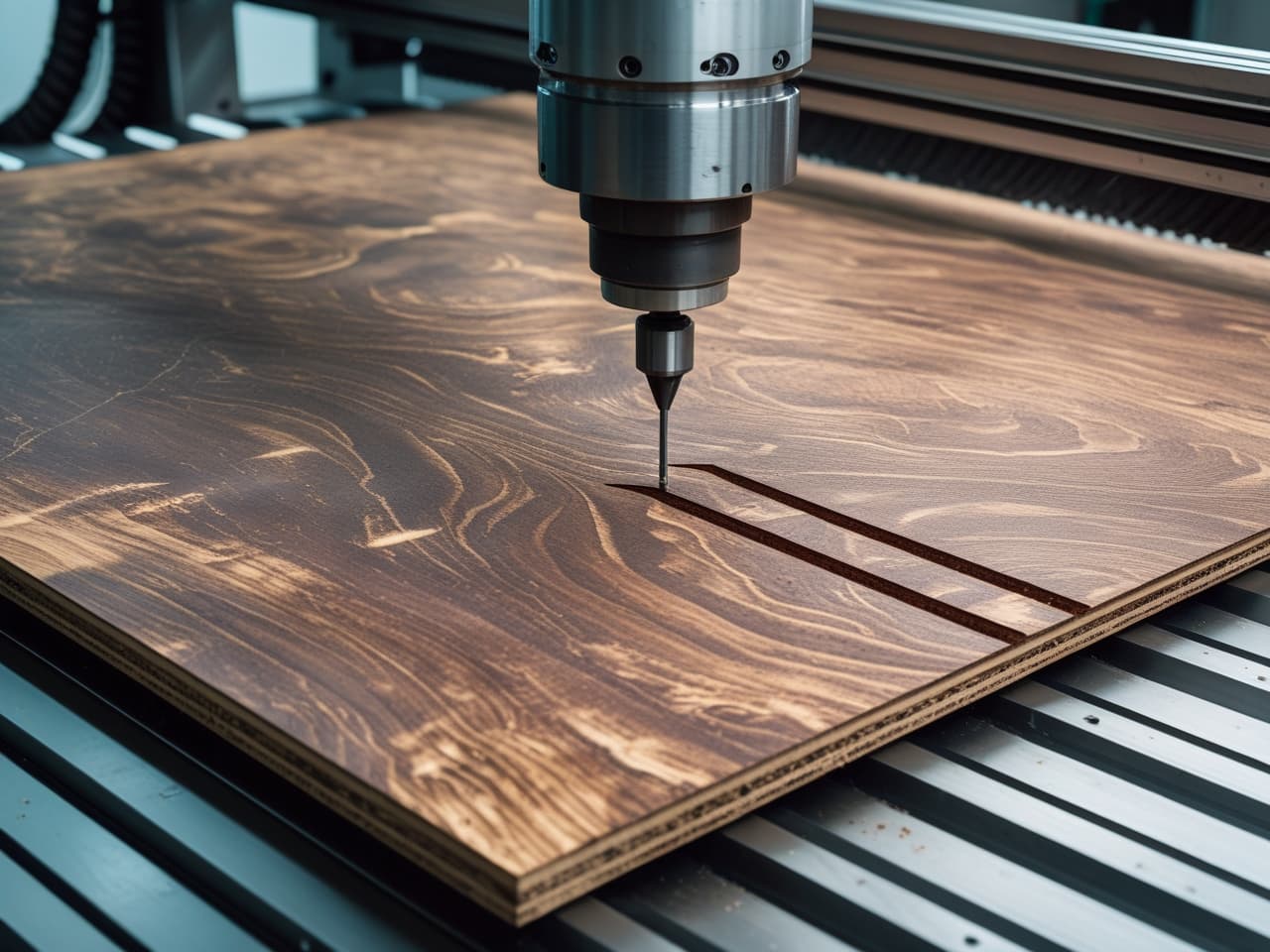
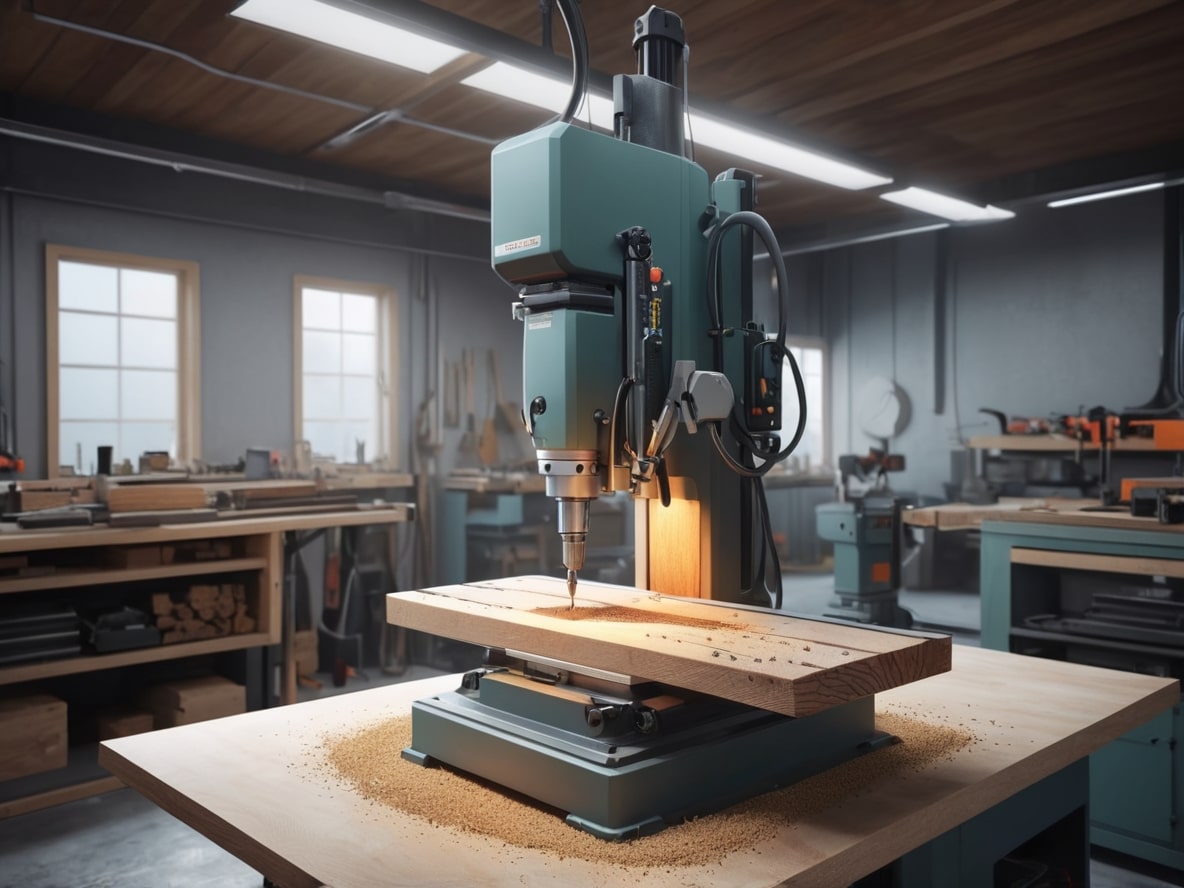
Wood milling is the machining of a workpiece with a rotating cutter that removes material along a set path and creates grooves, recesses, chamfers, seats for hardware, profiled outlines and three-dimensional relief. The work is done on CNC machines from a drawing, a 3D model or a ready-made template, accurate to tenths of a millimetre — on a single part or a whole series. Plywood, particleboard, MFC, MDF, edge-glued panel and solid wood all go into machining. Below is what can be milled, which shapes are available, what stages an order involves, how long it takes and who needs this service most often.
Precision machining of materials: milling of wood, wood-based boards and panels
Milling is just about the most flexible way to machine wood and boards. One and the same machine produces both the purely technical part and pure decoration. The principle is simple: a rotating cutter removes material along a set path, moving in two or three planes. Hence the wide arsenal — recesses, hollows, grooves, slots, chamfers, ornaments, profiled outlines. The key advantage is that dimensions stay stable across the whole batch: the hundredth part comes out just like the first, something rarely achievable with a hand tool.
The materials suitable for milling are highly varied: MDF, particleboard and MFC, plywood, edge-glued panel, solid wood. The list of products is no shorter: fronts and worktops, seats for hardware, decorative inserts, furniture carcasses, parts for construction tasks. A separate big topic is advertising and identity: three-dimensional letters, logos, stands, stencils, non-standard profiled elements ordered as one-offs for a specific project.
Shapes can be anything — straight lines, arcs, corners, through slots and blind recesses. You can work from a ready template or from a bespoke drawing. The main strength of the approach is that the digital design is transferred straight onto the material: the machine cuts exactly what is drawn in the file. This removes discrepancies between intent and result and reduces manual reworking almost to nil — the part comes out to size right away.
Where near-jeweller precision is needed, wood milling is especially helpful: furniture parts for gap-free assembly, decorative panels, interior elements. At the same time, one and the same operation applies to different materials — the only thing that matters is choosing the right speed, cutter diameter and depth of pass. Get the mode wrong on MFC and you get chipping; get it right and you get a clean edge. This selection is precisely the part of the work the customer does not see, yet it is exactly what determines the result.
The benefits of working with professionals

Modern equipment
Panel saws, CNC and milling machines — precision, speed and quality guaranteed

Extensive experience and expertise
We know how to handle wood and sheet materials — reliably, precisely, professionally

Fast order fulfilment
Fast and without compromising quality. We value your time and our commitments

A full range of services in one place
Cutting to size, sawing, milling, sanding, painting, assembly — all in-house, with no middlemen
Trusted materials and consumables
We work only with quality materials, so you can be confident in the result
An individual approach to every client
We work to your drawings, create a machining program for the task and account for every detail
Unique features of milling wood-based and sheet materials
Milling has several features that make it indispensable. The first is that you can mix geometry within a single part: a groove here, a hinge seat there, a lock recess next to it — and all of it tied into a single logic. This is especially valuable when marking out for hardware and for complex locking joints, where everything must come together at assembly to within fractions of a millimetre.
The second feature is working with any thickness. Thin 4-millimetre MFC and a solid 40 mm edge-glued panel are machined with equal confidence. The material does not crumble, crack or lose its structure — provided the speed, feed rate and depth per pass are set correctly. A thick workpiece is usually done in several passes, taking off layer after layer rather than trying to take everything at once.
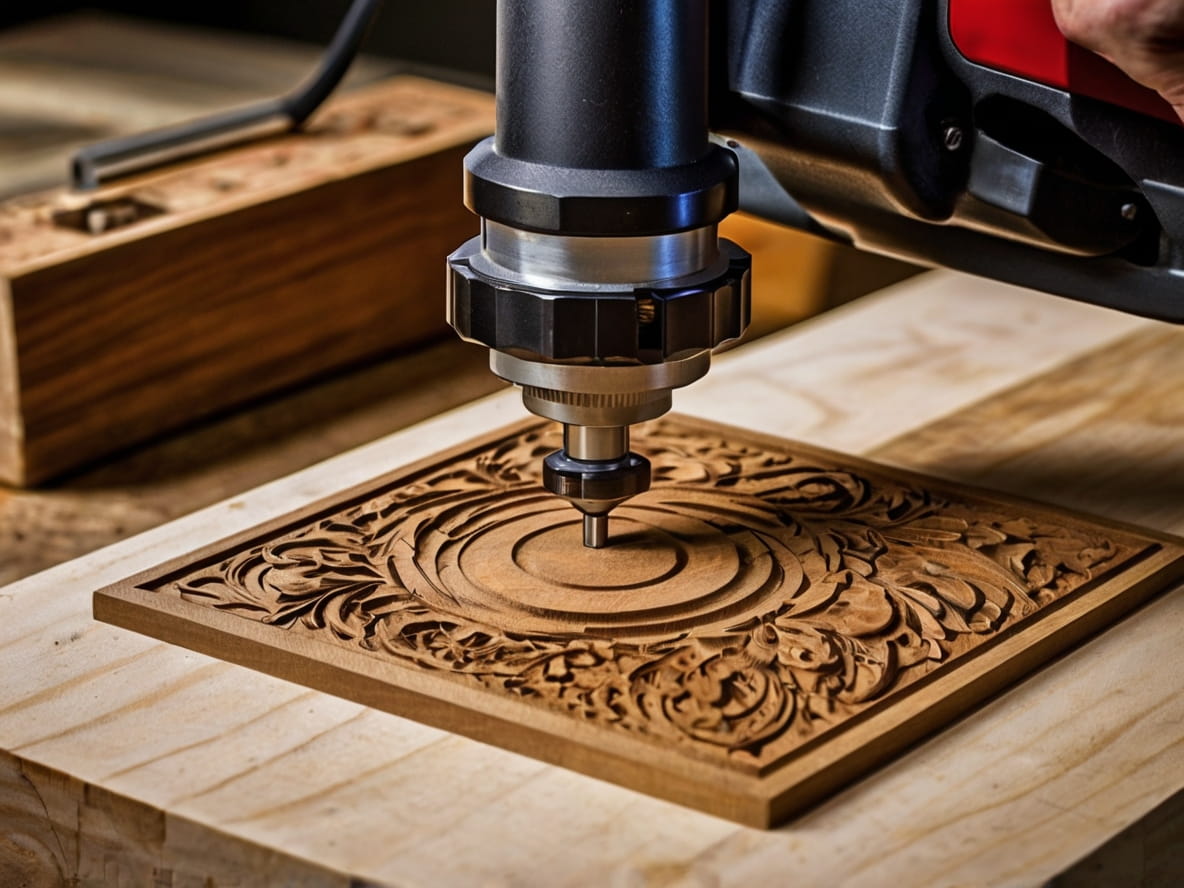
A topic of its own is the decorative potential. Complex patterns, geometric compositions, brand marks — all the things that plain cutting simply cannot produce. For relief a V-shaped cutter is often used: it leaves a sharp shadow in the groove and makes the design look three-dimensional against the light. On a flat panel this creates a 3D effect, and sometimes a convincing imitation of classic hand carving — only faster and with a repeatability a carver cannot match.
Technically it all rests on precision to tenths of a millimetre — thanks to which parts fit one another without adjustment. And scale is no obstacle: a series of a thousand blanks is made just as calmly as a single part for a specific project. For companies that live on bespoke orders, this is the main value — there is no need to choose between precision and flexibility.
Milling rarely goes solo. More often it sits alongside sanding, painting and cross-cutting — and that is logical: after material is removed, the surface is brought up to standard and prepared for lacquer, oil or paint. The milled zone is lightly sanded, the fuzz is removed, and then it is sealed with a protective or decorative layer. That is how a blank becomes a truly finished part rather than a semi-finished one.
Stages of milling wood and board materials
Consultation
Receiving drawings or developing a plan
Agreeing lead times and cost
Launch into production
Quality control at every stage
Finishing
Packaging and preparation for shipment
Delivery or pickup
Step-by-step execution of milling work
The work is split into stages, and each affects the outcome. It all starts with the material, chosen to suit the part’s purpose. For fronts, MDF is more common — it is uniform and mills beautifully. For technical tasks plywood is used, for load-bearing products an edge-glued panel. The workpiece is inspected in advance: an internal crack or delamination will surface at the machine and ruin the part, so such defects are screened out at the intake.
Next a digital model is prepared — from the customer’s drawing or brief. Special software converts the scheme into control code for the machine: it sets the cutter’s travel paths, the cutting depth, the number of passes. This stage is invisible to the client, but it is exactly where the result is laid down. A well-thought-out program means clean machining, minimal waste and no surprises once the cutter has started into the material.
When the program is ready, the workpiece is fixed to the machine table. Reliable fixing is no trifle: the slightest vibration or shift and the line drifts, sending the part to scrap. Then the milling itself starts: the tool follows the path, removing material exactly where needed. On a complex part several cutters of different diameter and shape come into play — a large one takes off the main volume, a small one works into fine details and corners.
After machining, the part goes through inspection — both by eye and by measurement. They check whether the dimensions came out right, whether the edges are clean, whether there are chips on the edge. If painting or lacquer follows, the milled zone is lightly sanded so the coating lies evenly. Finished products are packed and, if necessary, labelled — especially when a batch has several part types that must not be mixed up at assembly.

The practical benefit of milling in material machining
Milling markedly expands the possibilities of a simple blank without requiring either expensive technology or lengthy manual fiddling. The result is a part that does not need to be fitted in place. And that is a direct saving: less time and fewer hands are spent in the workshop, the warehouse, the sales floor. In serial output this saving multiplies: where every minute per part affects the overall timeline, an assembly-ready element is worth a great deal.
Another trump card is standardisation. A design drawn once is just as good for one part as for a thousand. All products come out identical, without errors accumulating from piece to piece. For production this means discipline and predictability: the defect rate falls, and planning output becomes easier because the result of each run is known in advance.
Non-standard shapes and sizes are also a job for milling. Where a saw or a hand tool falls short, the machine calmly cuts a complex outline with high precision. And this concerns not only the structural side but also design: a bold designer idea can be realised without an astronomical budget. In essence, wood milling turns a sketch into a finished element almost without losses on the way from file to material.
Milling also helps save material. A well-thought-out cutting path and dense nesting of parts on the sheet reduce the share of waste — and on an expensive board or edge-glued panel every extra offcut hits the budget. Plus the cleanliness of machining: in many cases the edge comes out so neat that additional sanding is simply unnecessary, and one stage drops out of the chain.
Reliability in partnership: benefits for the professional segment
For business, milling is especially attractive where precision, speed and repeatability matter. Manufacturing companies, furniture factories, marketplace sellers, trading firms, architectural bureaus — all of them can outsource part of the process without sacrificing the quality of their own product. This frees up their own capacity and removes the risk of downtime when their machine is busy or in for servicing.
Moreover, the contractor covers not only the machining itself but also storage, logistics and packaging — part of the operational routine is lifted off the customer’s shoulders. For chain clients with steady repeat orders this is a noticeable relief. The scheme is built end to end: the customer sends files and receives finished products back at their address — without intermediate links that have to be coordinated by hand.
Milling is also good for trialling new products — pilot batches, test elements, parts for prototypes. For those developing new furniture, interior solutions or retail equipment, it allows an idea to be checked in the material, not just on screen. You get a part quickly, turn it over in your hands, spot a weak point — make a change to the file and launch the next version. It is cheaper to make a mistake on a prototype than on a whole series.
A separate category is those who work on resale. Marketplace sellers, online shops, wholesalers, regional outlets take already-milled products that only need assembly kitting and dispatch to the end buyer. There is no need to keep your own production, which means lower costs and faster time to market. For this format stability matters: order again — receive exactly the same as last time.








Comprehensive machining of wood-based boards: the full range of services
Milling is only one of the areas in machining boards and wood. Alongside it goes a whole set of full-cycle operations, and each can be ordered either separately or in combination with the others. It is precisely the combination that is most often needed: a part rarely stops at a single operation, usually it passes through several hands in a row.
Sawing precisely divides sheets into the required sizes for a specific project. Neither furniture parts nor structural elements nor blanks for further machining get by without it. MDF, MFC, particleboard, plywood, OSB and edge-glued panel all go into the work. And right after sawing it is convenient to send the part on for cross-cutting or sanding — all in one place, without moving between workshops.
Cross-cutting gives even, clean edges — without burrs or chips. It is ordered both as preparation for edge banding and simply for the look. It is especially needed where a part is on show in an interior or must fit exactly in place: a crooked end immediately betrays amateur work, while a neat one makes a product look tidy even without expensive finishing.
Sanding levels the surface, removes roughness and prepares the part for painting or a decorative coating. After it the material becomes smooth and predictable — primer, paint and film for laminating all lie evenly on such a base. Skip this step before painting and any scratch will show through the finish, so cutting corners on it costs you more.
Painting boards and wooden blanks means primer, base and finish coats. The method is chosen to suit the material and the task: spraying in a booth in one case, another method elsewhere. The colour is matched individually, from a sample or a catalogue, and the texture can be anything — matt, gloss, with emphasised grain. It is largely the finish that determines how a part will look and how long it will last.
Grooving is the targeted removal of material on part of the surface: seats, hollows, mounting positions for hinges, hardware, fasteners. Without it you cannot assemble decent furniture — a hinge must sit flush, not stick out. Grooving is also used in decoration and in non-standard designs where a niche or recess of precise shape is needed.
Any of these operations is taken on individually or as part of a comprehensive order together with milling. The point is that the client collects a fully finished product rather than a set of semi-finished parts. This both lowers costs and simplifies logistics: one contract, one contractor, one deadline — instead of a chain of subcontractors that have to be matched up with one another.
Our portfolio — finished products
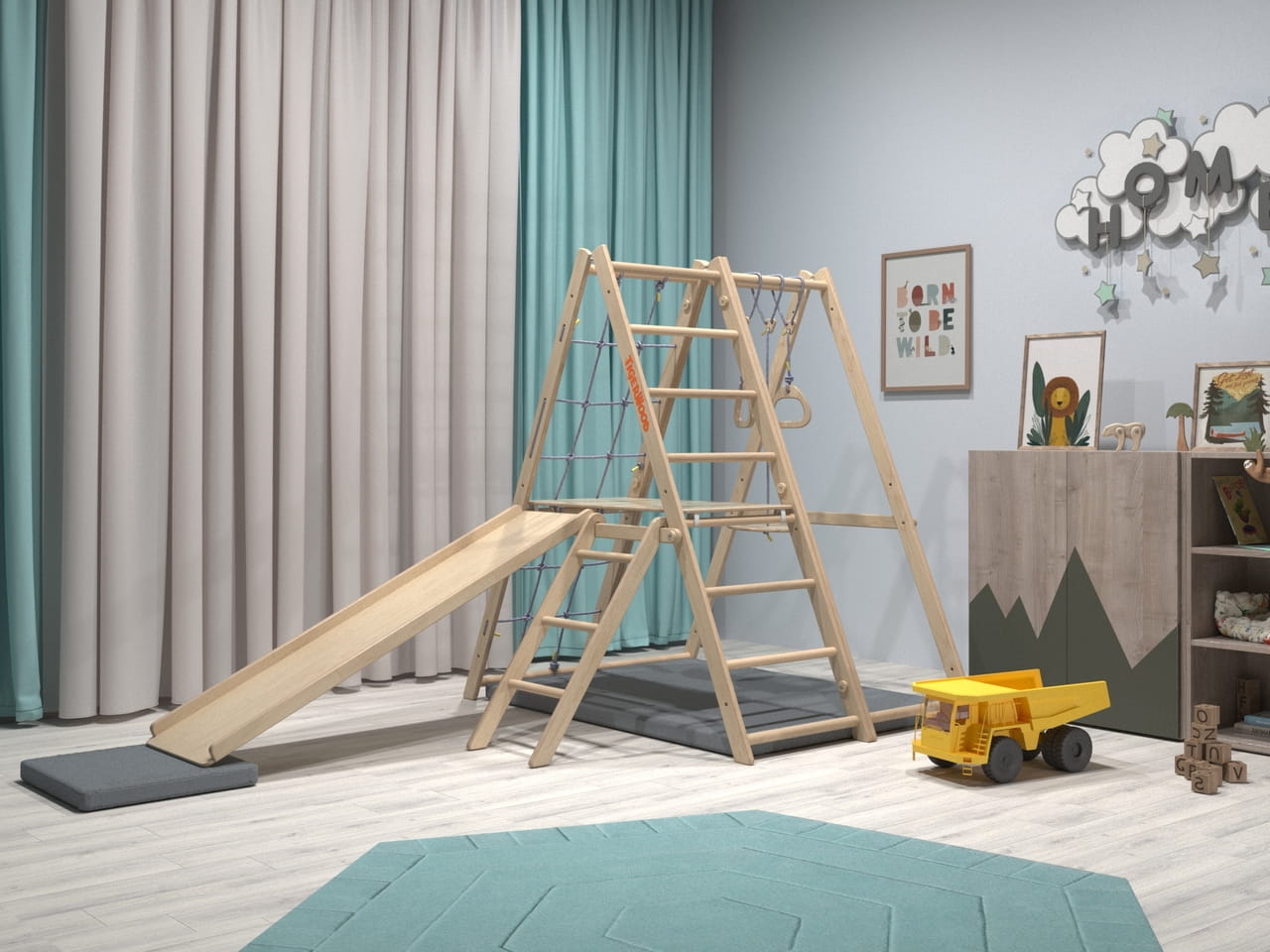
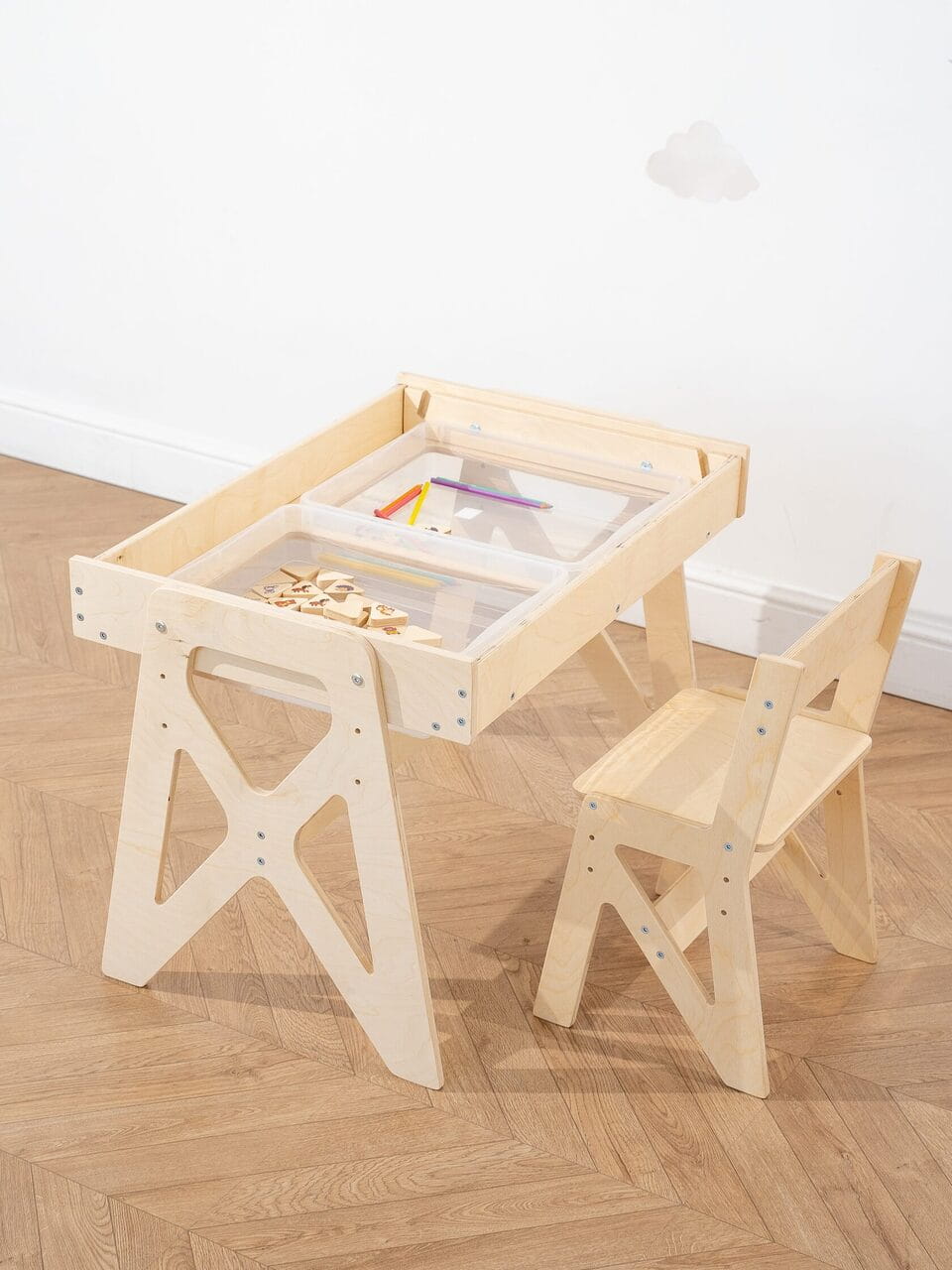


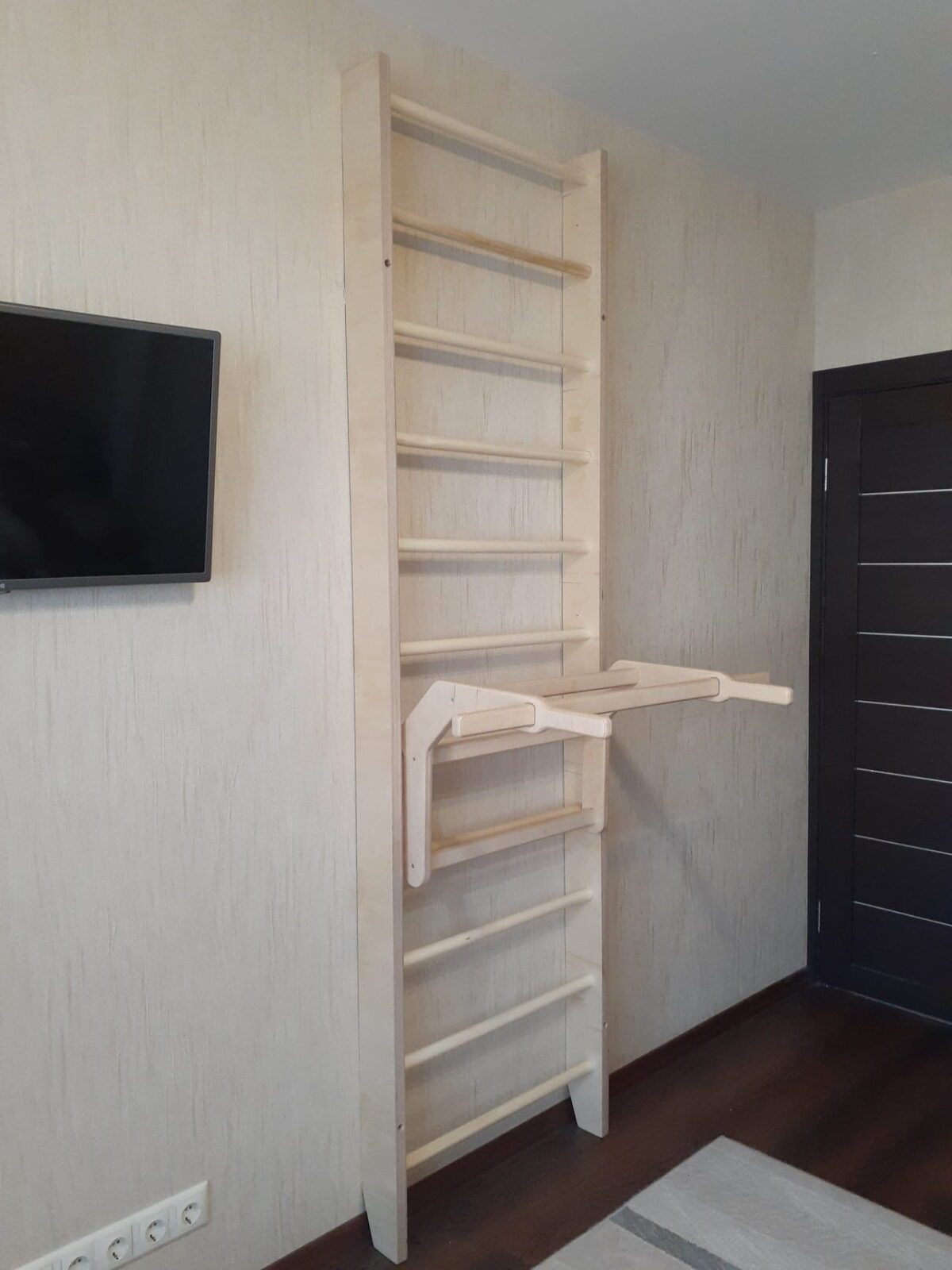
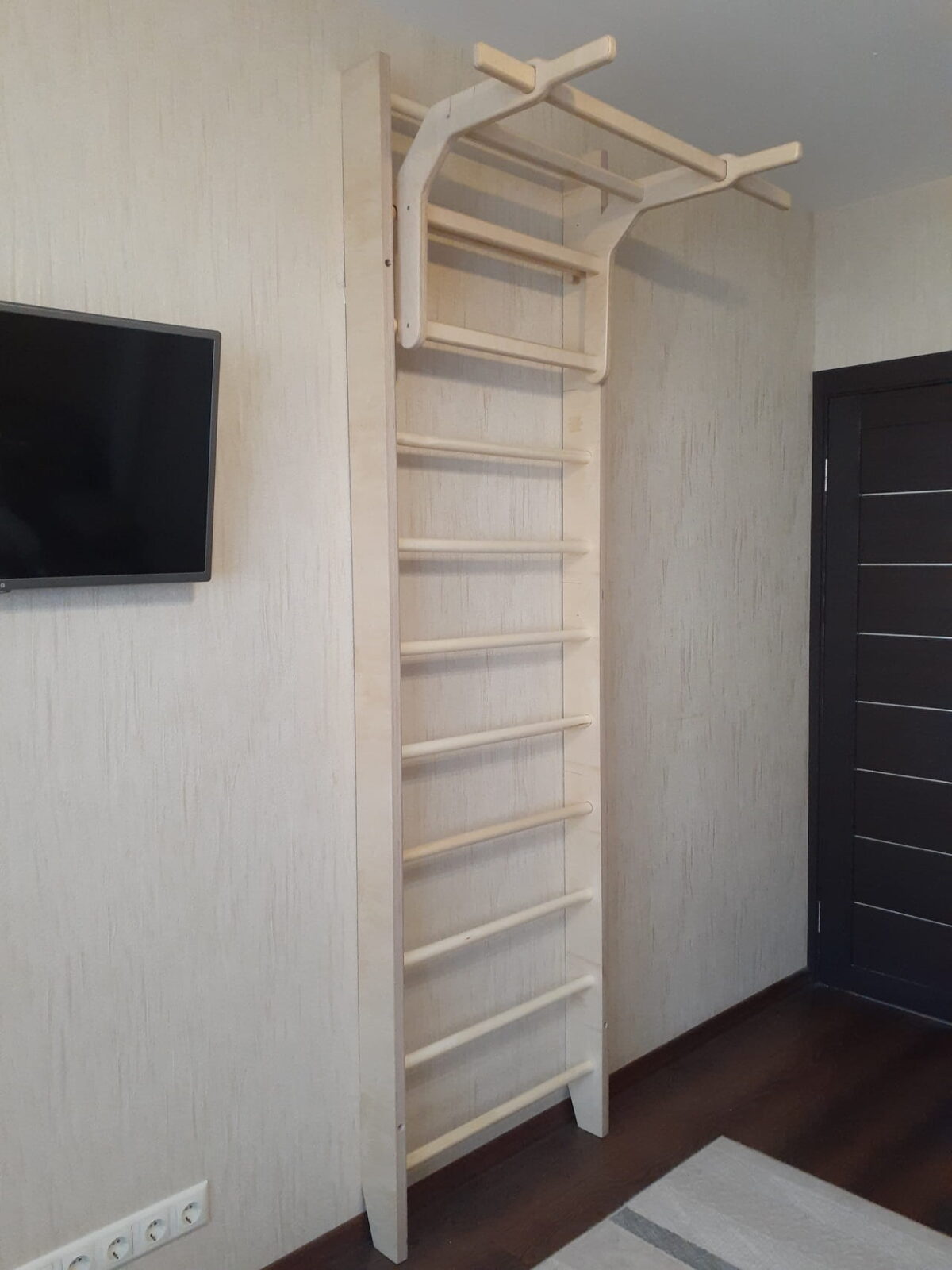
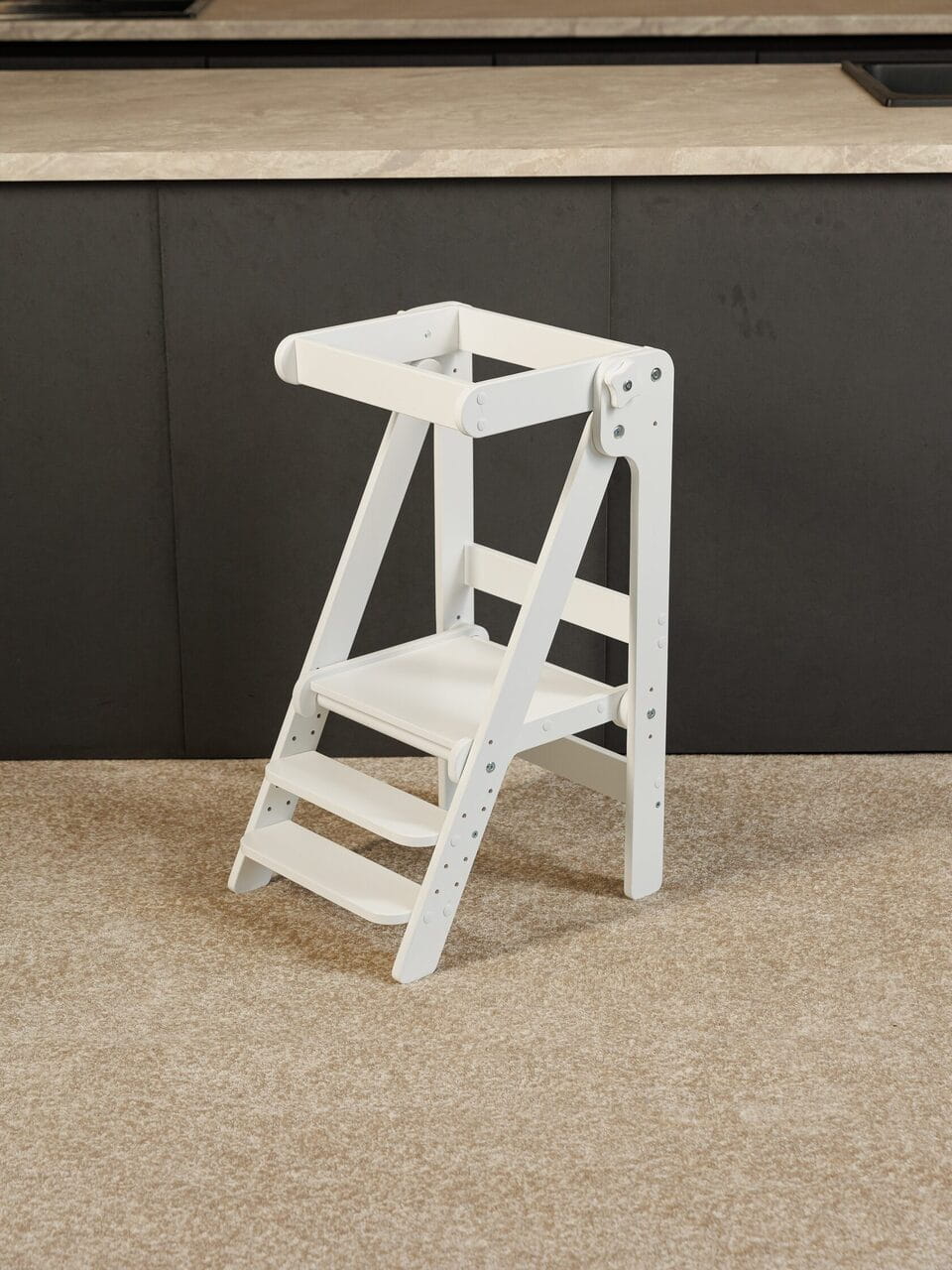
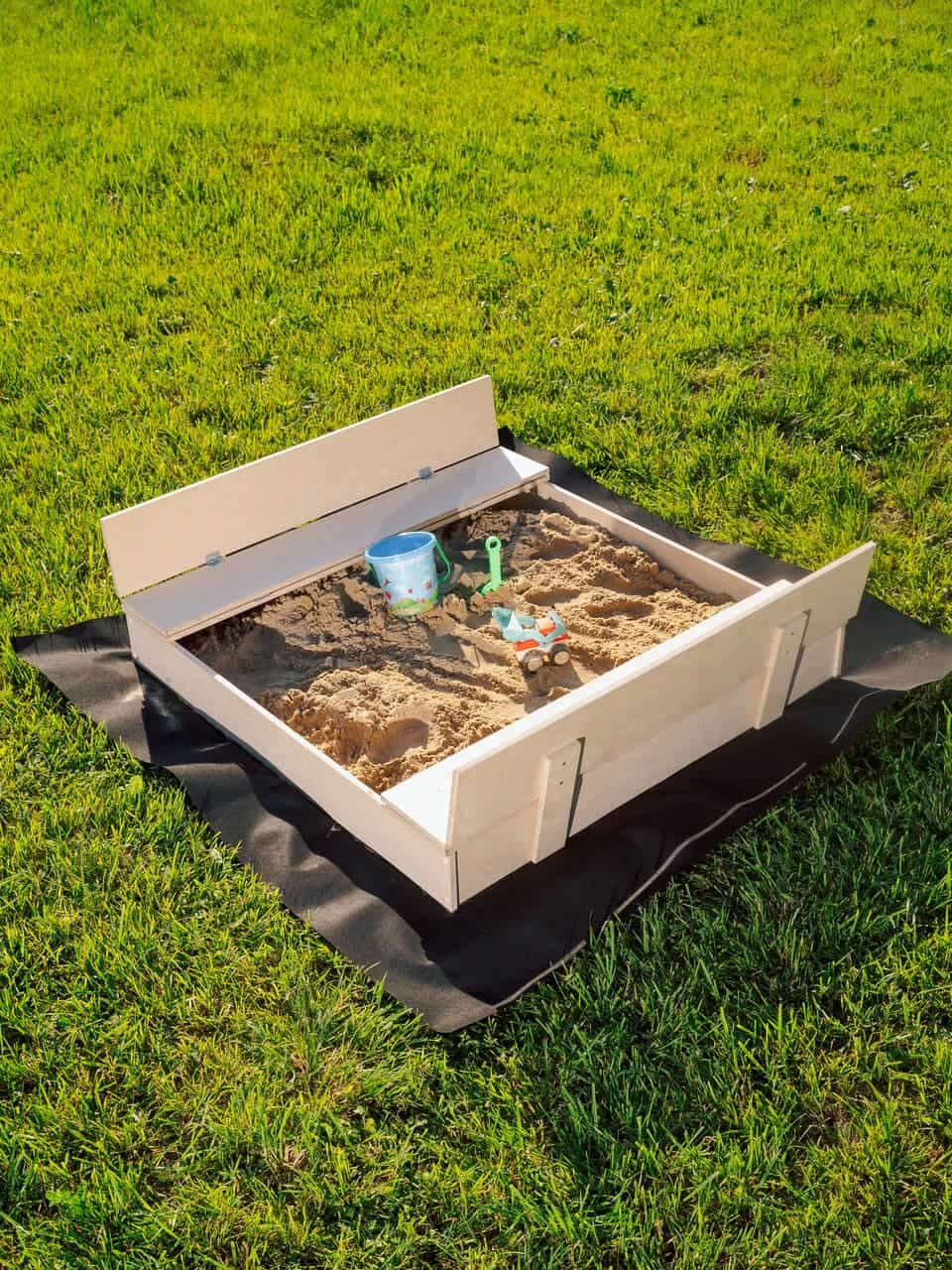

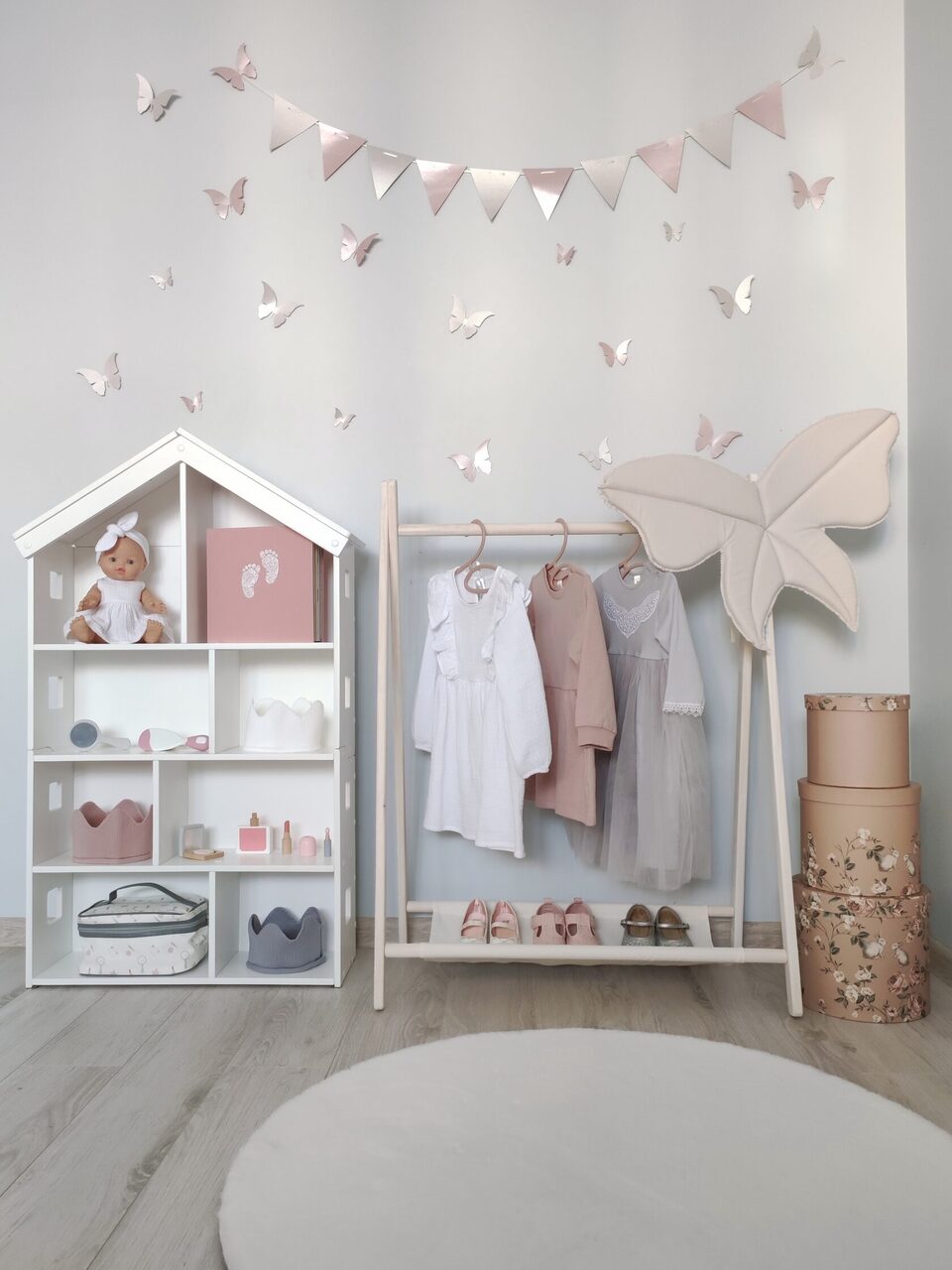

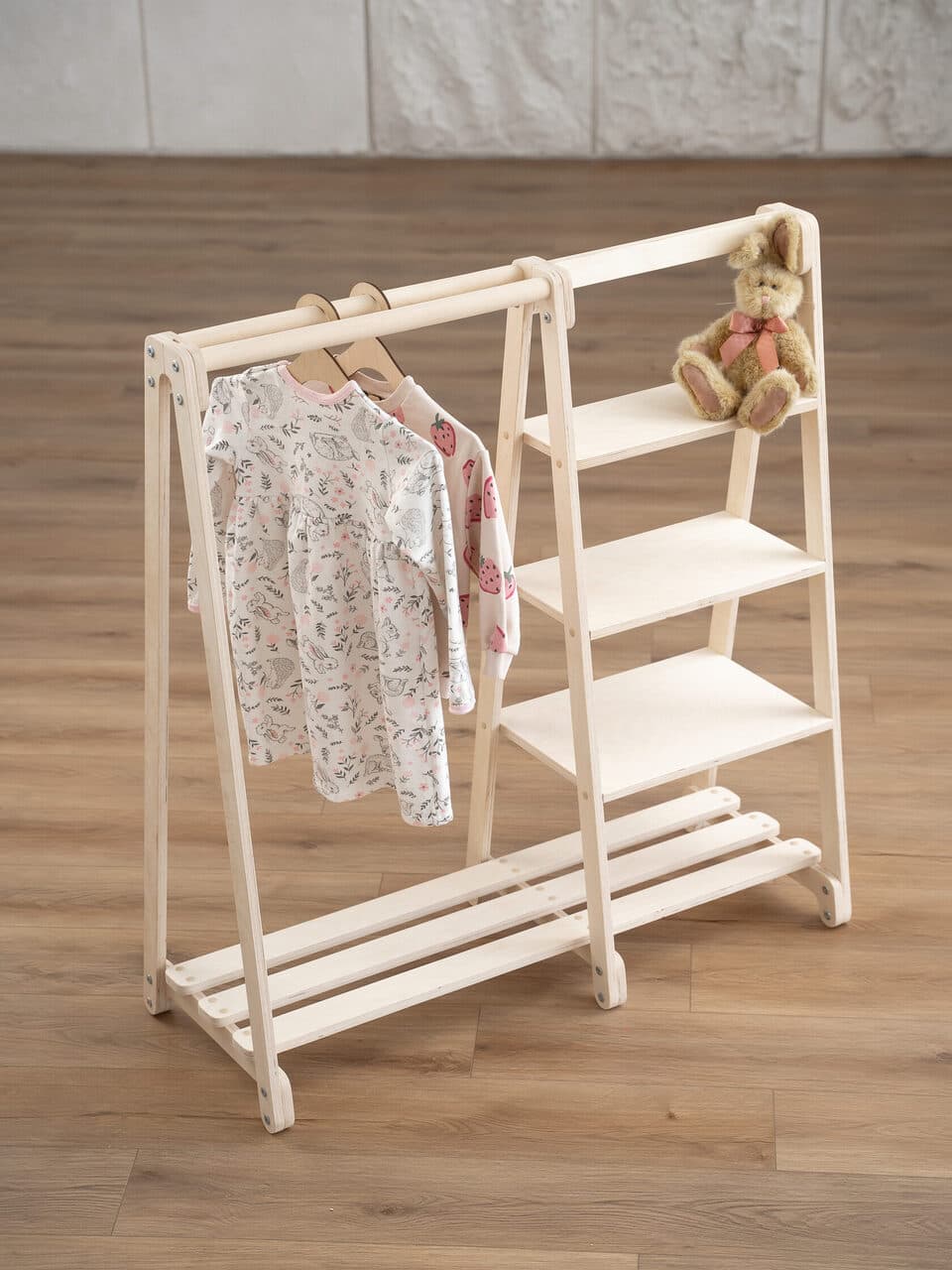
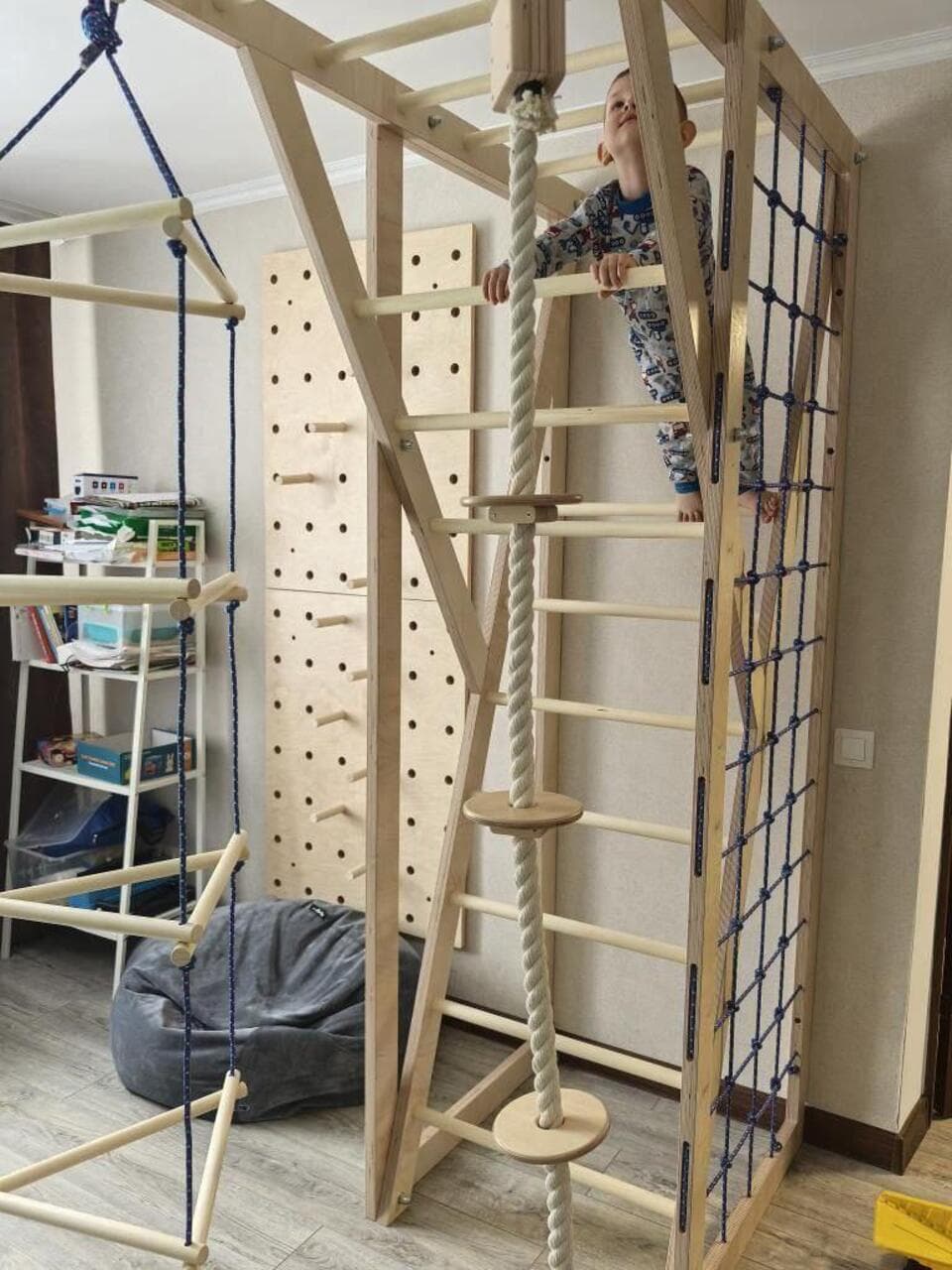
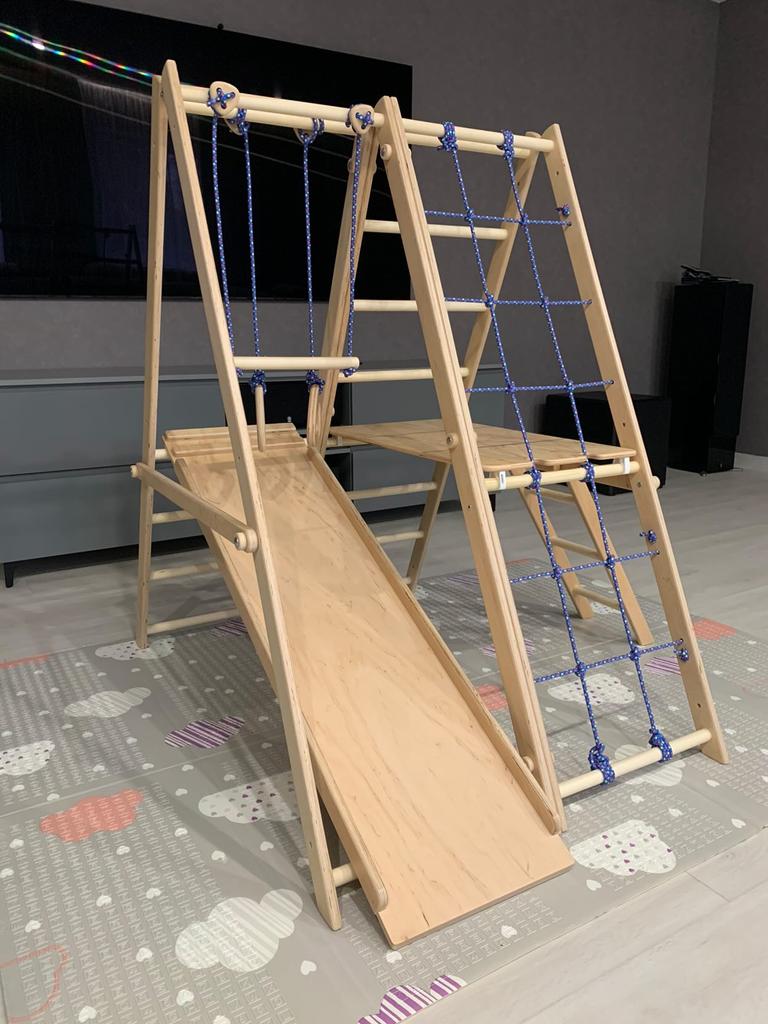

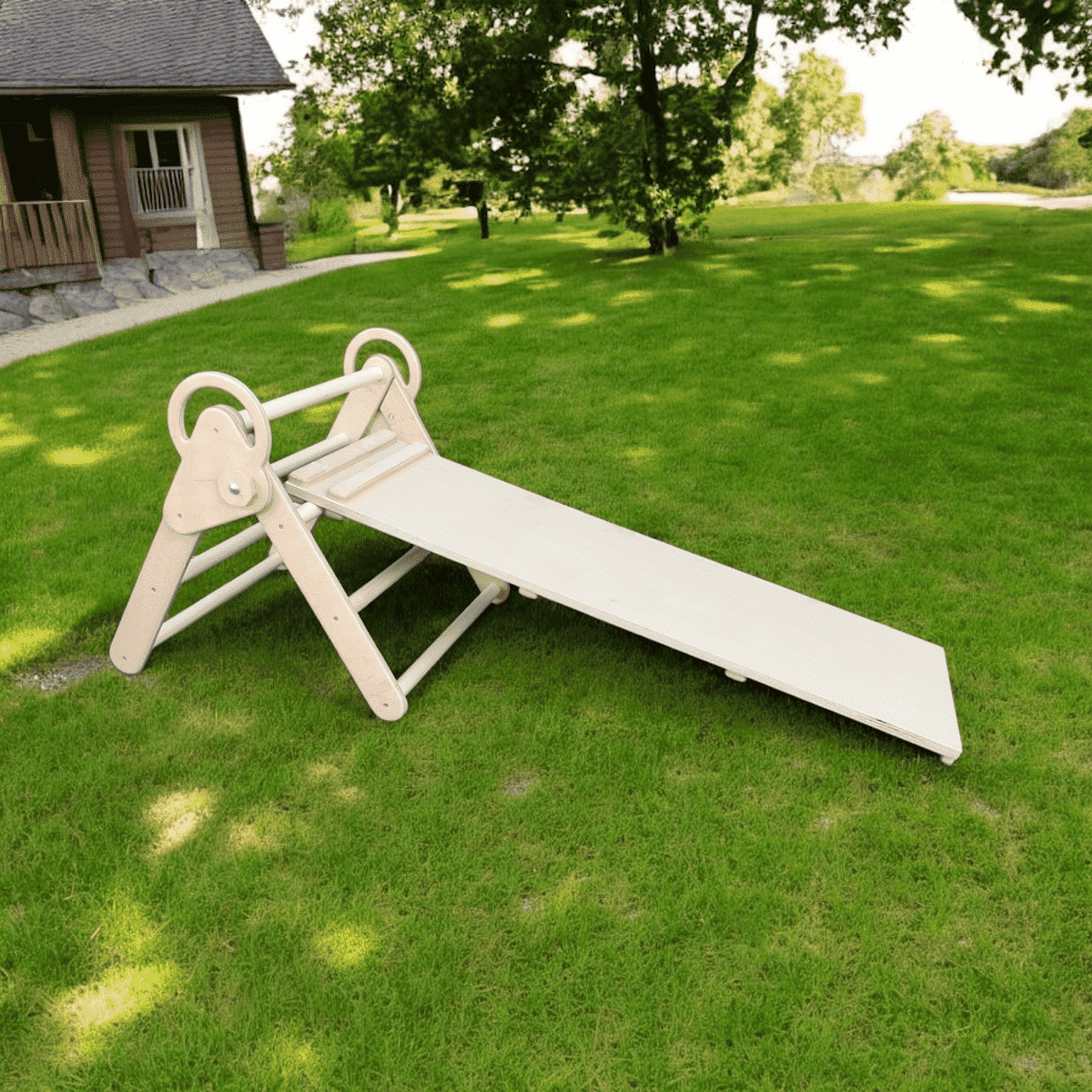



Milling of wood-based boards: completed jobs
Applications stretch from industry to the fit-out of shops and flats. The most popular area is furniture fronts. Milling draws decorative recesses, frames, waves and imitation classic carving on them. Such fronts are equally at home in a classic interior with its mouldings and in modern projects that prize clean geometry and graphic relief.
Advertising and exhibitions are the second big area. Stands, logos, three-dimensional letters and wall panels are cut from plywood, MDF and OSB. Often the request is to engrave a brand mark, prepare a part for painting or for built-in backlighting. Here what is especially valued is that milling holds a clean edge and crisp geometry even on an intricate shape — on a display window any sloppiness leaps to the eye.
In retail equipment, milling makes the fastening joints, seats for locks and handles, and display-case elements. Precision decides everything here: parts arrive on site and assemble like a construction kit, without filing in place. For installers this is hours saved, and for the customer a guarantee that a shelving unit or display case will stand true and without gaps.
Builders are frequent customers too. Plywood parts with milling go into formwork, partitions and mounting bases. The machine neatly cuts openings for sockets, ventilation, pipes and cables — exactly on the marking, not “roughly there”. On site this speeds up installation and removes the issue of crooked cut-outs made by hand with a jigsaw in a hurry.
And, of course, interior design. Panels with a 3D effect, wall compositions, decorative ceilings, made-to-order furniture — wood milling gives that play of depth and relief that cannot be achieved with flat printing or simple film wrapping. Precise geometry plus volume — and the result is an expressive element that sets the character of the whole room and works better than any ready-made decor from a shop.
Who uses a carpentry workshop’s services

Furniture makers

Interior designers

Advertising companies

Exhibition stand builders

Art studios

Cafés and restaurants

Construction firms

Retail equipment manufacturers

Furniture factories

Private craftsmen

Custom orders

Manufacturing companies

Museums and exhibition halls

Architects

Theatres and film studios

Educational organizations

Children’s products manufacturing

Repair specialists

Online stores

Sole proprietors
Customers for milling services of wood-based and sheet materials
Milling customers are a very varied bunch. Large producers take it for serial output — furniture, building materials, decorative panels. What matters most to them is repeatability, speed and quality that does not drift from batch to batch. For such a client predictability is worth more than a one-off eye-catching part: they plan deliveries months ahead.
Online shops and marketplace sellers order milling under their own brand: decor, furniture components, parts for self-assembly kits. The main plus for them is turning an idea into a finished product quickly, without setting up their own workshop. Think up an item, hand over the file, get a batch — and the listing is on the platform tomorrow. Such speed to market is often the deciding advantage over competitors.
Interior designers come for bespoke projects: panels, 3D fronts, partitions for zoning. For them milling is a way to carry a beautiful picture from the layout into a real object without losing detail. What looks striking in a render must look the same in the room — and that is possible only with an exact transfer of geometry from screen to material.
Trading companies order exhibition stands, branded structures, logos and other elements of visual design. Everything here is tied to dates: a presentation, an exhibition, an event will not budge. That is why both precision and a predictable deadline matter — the stand must be ready and assembled by the opening, not a day after it.
Construction companies take milling to prepare boards for installation: openings, marking, special cut-outs for engineering services. Finished parts arrive on site in the required form, and the crew does not spend time on fitting. Fewer manual operations on site means a lower chance of an error, which in the cramped conditions of a building site is always more expensive to fix.
And the list also includes furniture workshops, architectural bureaus, regional shops, retailers, developers and private contractors. In essence, milling is needed by everyone who faces the task of turning a drawing or an idea into a precise part of wood or board — from a one-off craft item to a constant flow of orders.
A comprehensive account of milling: everything about the technology and its possibilities
What wood and board milling delivers
Milling does not merely change the shape of a material — it turns an ordinary blank into a functional element with a finished look. Thanks to precision, a variety of shapes and depths, the result is one that simply cannot be obtained by other means. And the range is huge: from a banal hinge recess to a complex geometric pattern across a whole panel. One technology covers both the rough and the artistic parts.
Technological flexibility and versatility
Materials range from soft boards to dense solid wood. MDF, MFC, particleboard, plywood, edge-glued panel, OSB: each has its own structure, and it is machined with its character in mind. For a given material the speed, cutter and depth of pass are selected so that there is no chipping, overheating or warping. There is no universal one-mode-for-everything — and it is precisely this careful selection that separates neat milling from crude.
Capability for serial and bespoke production
Milling adapts easily to volume. For a series, templates and jigs are prepared that speed up each run and keep parts to a single size. For a one-off order a separate design is drawn and realised with maximum precision. It turns out that one and the same machine works both as a “conveyor” and as a “jeweller” — the only difference is in the preparation, and this makes the service convenient for both a factory and a private individual.
Reliability of the result
After milling a part usually needs no touching up. Corners, cut-outs and recesses match the set parameters, and elements join together without gaps. On serial assembly this is critical: there even a small deviation on one part accumulates and shows up as skew across the whole structure. An assembly-ready part saves the crew both time and nerves.
Scaling possibilities
The scale of milling is flexible — from a single part to industrial volumes. You can start with a trial batch, assess demand and quality, and then increase the run without any loss in the result. This path is convenient when launching a new item or entering an unfamiliar market: first you test the idea at little cost, and then scale up with confidence rather than at random.
Wood milling: a detailed breakdown for the customer
A glossary of terms in plain words
When discussing an order, the specialist rattles off words that are everyday for the workshop but leave the customer baffled. A short explanation removes misunderstandings before the start: when both sides understand the terms the same way, there are fewer occasions to hear “I thought it would be different”. Below are the most common notions that come up as soon as milling is mentioned.
| Term | What it means |
|---|---|
| 🔧 Groove | A lengthwise channel for an insert, shelf or joint |
| 🕳️ Grooving (recess) | Removal of part of the material for a seat, niche or hardware |
| 📐 Chamfer | A bevelled edge of a part — for looks and safety |
| ➰ Radius | Rounding of a corner or outline to a set size |
| 🪒 Cutter | The cutting tool; its diameter sets the minimum radius |
| ✍️ Engraving | Shallow milling of a design or lettering on the surface |
| 🏔️ 3D relief | Three-dimensional machining with variable depth for a carving effect |
Types of milling: flat, three-dimensional, artistic
The word “milling” hides several essentially different tasks, and it is useful to understand how they differ. Flat, or 2D, machining works along an outline and at a constant depth: grooves, cut-outs, slots, hardware seats. It is the workhorse of furniture production — inconspicuous, yet it is exactly what holds the assembly together.
Three-dimensional milling changes the depth as the cutter moves and sculpts genuine relief. This is how fronts with a wave, decorative panels and imitation carving are made. The workpiece is gone over in several layers: first a large cutter takes off the main volume, then a small one works into the fine details. It takes longer, but the result is three-dimensional and alive.
Artistic milling is already about beauty in its pure form: ornaments, monograms, complex compositions, logo engraving. Here what matters is not so much function as the cleanliness of the line and the play of light in the groove. Such parts often go into advertising, interiors and souvenir products, where the item must catch the eye.
The equipment and where precision comes from
Fine words about precision are worth nothing without a machine that delivers it. The foundation of modern milling is numerically controlled equipment. The cutter travels along coordinates set by the program and repeats the outline without the wavering of a human hand. Hence the stable tenths of a millimetre and the sameness of parts in a series.
The result is affected not only by the machine itself but by the tooling: how the workpiece is fixed, whether the cutter is sharp, whether the speed and feed are set correctly. A poorly clamped part starts to vibrate and the line “drifts”; a blunt tool tears the fibres and leaves fuzz. So behind the fine word “precision” there is in fact the discipline of small details, not the magic of expensive equipment.
Hand milling or CNC
A hand router is also used, and it has its own niche. It helps out on a single simple operation, on fitting in place, on a non-standard part that there is no point programming. But where repeatability and a complex outline are needed, manual labour loses out: two identical parts are almost impossible to make by hand, and over time the eye gets “worn in”.
CNC takes on everything that requires precision and volume. The program does not tire, holds the geometry and produces the hundredth part just like the first. In practice the two approaches often complement each other: the machine does the main work, and the fine touch-up in a hard-to-reach spot is handled by the master’s hand. The small table below suggests what is best entrusted to which.
| Task | Hand router | CNC |
|---|---|---|
| A single simple part | Suitable | Overkill |
| A series of identical parts | Hard | Ideal |
| Complex outline and 3D | Almost impossible | Easy |
| Fitting in place | Convenient | Not made for it |
Material thickness and cutter choice
The thickness of the workpiece and the cutter diameter are directly linked to what comes out at the end. A thin sheet is no good for deep relief — it cuts right through; a board that is too thick where a lighter panel would do is extra weight and money. The optimal thickness is chosen for the specific part: three-dimensional letters follow one logic, an openwork panel another, a load-bearing element a third.
It is the same story with the cutter. A large tool takes off volume quickly but will not get into a small corner; a thin cutter brings out the details but goes more slowly and is afraid of overload. There is also a physical rule: a sharp internal corner is always rounded to the cutter’s radius — this is not a defect but a property of the tool. If a sharp corner is essential, the part is finished by hand or a minimum radius is built into the layout in advance.
What happens to the part after milling
Milling is rarely the final step. More often it is the middle of the journey, followed by finishing. After material is removed, a light fuzz remains on the edge and in the grooves, especially on MDF and plywood, and it is removed by sanding. This step seems a trifle, but it is exactly what determines whether the paint lies evenly or gathers into grains in the recesses of the design.
Then, if desired, comes the coating. A painted front is sealed with primer and paint, a decorative solid-wood panel with oil to preserve the wood grain, an advertising part in a brand colour or for backlighting. A relief surface is harder to paint than a flat one: the material must lie evenly both on the raised parts and in the depth of the groove, so it is applied carefully, in several thin coats.
Sometimes a milled part is deliberately left uncoated — for example, when the honest texture of bare wood matters or when the customer plans to paint it themselves. In any case this choice is discussed in advance: it affects both the surface preparation and the final timeline, since coating drying is almost always the longest stage in the chain.
Optimisation and material saving
On a large order the price of the material easily outweighs the cost of the machining itself, so a sound layout of parts on the sheet is not a trifle but a direct saving. The nesting software strives to place elements more densely so that fewer offcuts remain. On an expensive board or edge-glued panel, a saved sheet turns into a tangible sum even on a medium batch.
A well-thought-out cutter travel path also saves. Extra idle passes are machine running time and tool wear, so the route is built so the cutter does not dash about the workpiece to no purpose. The customer does not see this, but it is exactly such details that make up both the timeline and the final price. A clean, short route is beneficial to both sides.
There is also a flip side, which is more honest to state upfront: on profiled cutting part of the sheet inevitably goes to waste, especially when the parts are few and scattered across the field. A small material reserve is allowed for in advance — this is a normal part of the work, not an overcharge. It is better to have a reserve than to halt the milling for want of a couple of centimetres of board.
Who orders milling and why
If you look closely at the flow of orders, the picture turns out to be a colourful one. Furniture makers take milling for fronts, hardware boring and decorative elements — what matters most to them is the precision of joints and repeatability across a series. For them a gap-free part means fast assembly and no complaints from their own clients.
Advertising producers and design studios come for letters, logos, stands and relief panels. Here cleanliness of line and appearance come first: the item will go on a display window or an exhibition, where any sloppiness leaps to the eye. Such orders are often one-offs, with a unique layout that lives for exactly one project.
A separate category is marketplace sellers and online shops. For them milling makes it possible to release a product under their own brand quickly, without setting up their own production. Think up an item, send the file, get a batch — and the listing is already on the platform. For them speed and stability are decisive: a repeat order must arrive exactly like the first.
Builders and installers order boards with openings for engineering services, cut-outs and marking, so as not to saw all of that by hand on site. And private clients come for one-off items — a wall panel, a decorative insert, a gift piece. An order for a single item is just as normal here as an industrial batch.
Case study: from sketch to finished part
To make the theory tangible, here is a typical order journey. A designer sends a sketch of a carved panel for a wall in the living room — a beautiful picture without a single dimension. The first thing is to translate it into a working drawing: clarify the dimensions for the specific wall, the depth of the relief, the thickness of the board. Already at this step questions surface that are best resolved before cutting rather than after.
Next the control program is prepared and cutters are selected: a large one for rough volume removal, a thin one for the fine lines of the pattern. The MDF panel is gone over in several layers, removing material gradually so as not to chip the thin webs. After the machine the part is sanded, the fuzz is removed from the recesses, and it is painted to the required shade in a booth, letting the coating dry properly.
The result is a one-of-a-kind panel assembled precisely for this interior. The whole journey from picture to finished item took place in one place, without passing the workpiece between contractors. If the designer needs a second one like it for another project, repeating it is easy: the layout and parameters are saved, and the copy will come out indistinguishable from the original.
How to prepare the file and layout
Milling follows a vector layout, and the result depends directly on its quality. Ideally the outlines are drawn in DXF, CDR, AI or SVG at real scale and in millimetres. The cutting lines must be closed and whole, without accidental breaks, and internal cut-outs marked separately from the outer outline — otherwise the program will read the drawing differently from how the author intended.
A raster image — a photo or a scan — is not understood by the machine directly: it is first converted into a vector, and here it is easy to lose small details. So the cleaner the source, the closer the result to the intent. It is useful to state the material and thickness right away: they determine the machining mode and the choice of cutter, and hence how the finished part will look.
If there is no vector, that is no reason to put off the order. A sketch with dimensions or even a clear description is enough — the layout will be drawn on the spot, this is a normal part of the preparation. It is just that the path from idea to machine is a bit longer in that case, but the output is still a part rather than a set of “what did you mean?” questions.
A one-off order or ongoing cooperation
Milling is equally open to those who have come for a single part and to those looking for a contractor for the long term. A one-off order is simple: describe the task, agree the layout, collect the finished item. No commitments for the future and no subscription fee — only work and a result for a specific need.
Ongoing cooperation gives a different level of convenience. Furniture workshops, advertising agencies and retail chains come over time to be convinced that it is easier to keep one trusted source of parts than to look for a new contractor each time and explain the requirements anew. When the production already knows the client’s specifics, the work goes faster: fewer approvals, predictable quality, priority in the queue in the busy season.
Many arrive that way — with a single trial order, and stay for years. A small part or batch immediately shows both the quality of the machining, the precision, and how communication is set up. If everything suited, milling is then handed over as a steady flow, freeing up one’s own resources for what matters more.
Quality control and a guarantee of the result
Control is built into the process, not tacked on for show at the end. At the intake the layout, dimensions and material are checked — the wrong board decor or an extra millimetre of thickness is caught before cutting, while it still costs nothing. On complex relief orders an intermediate check is added right during machining, so as to catch a deviation in time.
At the output the part is looked at as a whole: agreement with the drawing, cleanliness of the edge, absence of chips, sameness across the series. It is cheaper to stop and correct one blank than to send the customer a batch with a common defect. Such a double barrier at intake and output cuts off most problems before dispatch.
If a contentious point does arise, it is easier to resolve precisely because the order passed through one pair of hands. There is no need to find out at whose stage the error occurred — responsibility is not smeared across contractors. For the client this is the real guarantee: it is clear whom to ask for the result, and clear that reworking will not turn into passing the blame around.
Delivery and repeat orders
Finished parts are shipped across all of Europe. Profiled and thin elements are packed carefully so that the relief and fine webs do not suffer in transit. For a customer from another region the process looks just as simple as for a neighbouring city: the layout is agreed remotely, the parts are made and go off by a transport company.
A repeat order is almost always simpler than the first. The layout, modes and parameters are already saved, so the second batch comes out faster, cheaper and identical to the previous one. This helps those who work in series and occasionally buy extra parts for already-finished products — for example, adding modules to an existing furniture range or reprinting advertising elements for the season.
Common customer mistakes
Most slip-ups happen not at the machine but at the task-setting stage. The most common is dimensions taken “by eye” or measured carelessly. One wrong measurement drags a re-cut of the whole part along with it, and instead of a saving you get double the work. Rechecking the figures before sending the layout is almost always cheaper than remaking the blank.
The second most frequent slip is a picture instead of a drawing. A beautiful render contains no exact dimensions and no internal logic of the part, which means it will have to be converted into a working form anyway, losing some of the small details. A third story is trying to save on too thin a material: under load or with deep relief it flexes and cracks, and the saving turns into a defect.
Another typical scenario is a last-minute rush. Complex relief, multi-layer machining and especially coating drying do not speed up at the snap of a finger. There is nothing terrible if something of this was not allowed for in advance: that is exactly what the dialogue before launch is for. A good production asks these questions itself before cutting, not after, when correcting is already expensive.
Myths that cause doubt
A few persistent misconceptions have built up around milling. The first is that CNC is needed only for large batches. In fact the program pays for itself already on a single complex part that cannot be repeated by hand: you pay for precision and a clean outline not with volume but with complexity of shape.
The second misconception is that milling is expensive by definition. The cost is made up of the complexity of the design, the material, the run size and the finish, and for many tasks reasonable painted MDF with a simple relief comes out far from sky-high. The third myth is that there is nothing to be done without a ready drawing; in practice a sketch and dimensions are enough, and the preparation takes on the rest.
Finally, many are sure that ordering a single part is inconvenient or unprofitable for the maker. That is not so: a one-off single part is an everyday matter, not a favour. Sometimes it is precisely with it that a long cooperation begins, when the customer is convinced of the quality on a small task.
More questions about milling
Can a part started elsewhere be milled? Usually yes. Workpieces are often brought in for reworking — to add a groove or recess or finish off relief. First the condition of the material and whether the new machining is compatible with what has already been done are assessed, and then a solution is proposed.
Will cutter marks remain on the surface? With the right mode and a sharp cutter the surface comes out clean. Where perfect smoothness is needed, the milled zone is additionally sanded. Light tool marks are most often removed at exactly this step.
Is it realistic to make a very fine pattern? Up to a certain limit — yes, the question is the cutter diameter and the strength of the webs. Truly miniature elements require a careful mode and reliable fixing of the workpiece so they are not torn off. The real limits for your material will be advised during layout preparation.
Where to start if you have not ordered milling before? With a simple description of the task and dimensions, even approximate ones. The rest will be clarified in discussion: they will suggest the material, propose the type of machining, name the deadline and price. The first order always seems harder than it is — in reality it is enough to explain what should come out in the end.
What the cost is made up of
The “how much does it cost” question without details usually stays without an exact answer — and that is honest, not an excuse. The price is assembled from several components. The complexity of the design and the cutting length: a simple groove is cheaper than three-dimensional relief with many transitions. The material: its cost plus consumption taking the layout into account. The run size: a single part is more expensive per piece, a series comes out more favourable thanks to the tooling.
The finish also adds to the estimate — a bare part, sanding or full painting give different budgets. Urgency has an effect too: work out of the general queue is counted separately. Understanding this arithmetic helps you not to be surprised by the price and to see in advance where you can genuinely save. Most often people save on a sensible choice of material and a clean layout, not on the quality of the machining.
The most common way to reduce the cost without loss of quality is to send a neat vector file and not rush the deadline. Reworks due to an inaccurate layout and work in emergency mode are usually what add the very percentages you wanted to avoid. A calm order prepared in advance almost always comes out cheaper than a rush.
Milling or laser cutting
Sometimes milling is compared with laser, but they have different strengths. Laser is good on thin sheets and gives a very fine cut, but it leaves a characteristic dark scorch along the edge on wood and does not create volume. Milling works both on thick material and in depth: it takes off volume, sculpts relief, cuts grooves and seats — things the beam simply cannot reach.
So the choice depends on the task. Need through openwork from thin plywood without volume — sometimes laser is more logical. Need relief, a chamfer, a groove, a hardware seat or a clean edge without scorch marks — that is milling’s territory. In practice, for each part the method is chosen that gives the required result, not the one that simply happens to be on hand.
Why it is convenient when everything is in one place
Milling rarely lives on its own: alongside it sawing, cross-cutting, sanding and painting are almost always needed. When all these operations are available at one site, the part goes through the whole journey without being sent between contractors. This is shorter on timelines and calmer on the nerves: no time is lost on logistics and no mix-up crops up at the join between different makers.
For the customer this is also a single point of responsibility. There is one party to ask for the result, rather than finding out whose stage let things down. Plus a saving on communication: one manager runs the order from file to dispatch, instead of coordinating deadlines with several parties at once and pulling them together by their own efforts.
Combined parts from different materials
It is not rare for several materials to come together in one product — for example, a wooden base and an insert from a board of a different colour, or a transparent accent. Each element is milled in its own mode, taking into account its density and behaviour under the tool, and then the parts are joined at assembly. This is how composite signs, display cases and decorative panels with a play of textures come about.
Such orders require a bit more coordination at the start: it is important that the parts fit one another exactly. But the result is markedly more interesting than a uniform one: a combination of warm wood and a smooth painted surface, or a contrast of matt and gloss zones, looks more expensive and more alive than a part from a single material.
How to plan an order by deadlines
Deadlines are largely in the customer’s hands. The earlier the project is discussed and the cleaner the layout, the more calmly the work proceeds. If a part is tied to a date — an opening, an exhibition, an installation — it is sensible to allow a small reserve and not bring the file in “for the day after tomorrow”. The coating usually takes longest to dry, and this stage does not like a rush: better to add a day than to get runs on the finish.
The matter is also sped up by settling the material question in advance: if it is already on hand or agreed, there is no need to wait for a delivery. Certainty about the finish also saves time — it is clear straight away whether there will be drying. In essence, all the preparation comes down to leaving no open questions at the machine by the time of the start, so the cutter goes straight to work.
If you are in doubt whether the task fits the required deadlines, that is exactly the reason to discuss it in advance. At the start useful details surface: where to simplify the design without loss of appearance, what thickness to take, whether to split a large part into pieces. Such a conversation saves both money and time and removes most questions before cutting.
It is also worth keeping seasonality in mind. Before big sales and at the height of the renovation season the queue for machining is denser, and what is done in a couple of days in a quiet month may take a little longer. Regular clients are the winners in such periods: their orders usually go with priority. But even a one-off customer only needs to get in touch in advance to comfortably meet their deadlines without a rush and without overpaying for urgency.
To bring it all together: wood milling is a way to turn a drawing or an idea into a precise part of wood or board, with clean machining, a predictable deadline and control at every step. It is enough to send a layout or a sketch with dimensions — the rest will be broken down into stages and brought to a finished result, whether it is a single panel for an interior or a serial batch for business.
What can be milled from wood-based boards?
MDF, MFC, particleboard, plywood, edge-glued panel and OSB all go into the work. The main thing is that the structure is uniform and the thickness suits the task — a thin sheet is no good for deep relief, and one that is too thick is not needed where a smaller panel will do.
What is the maximum workpiece size possible for milling?
The maximum comes down to the machine’s working field, but usually these are sheets of standard formats up to 2800×2070 mm. A larger part is simply split into pieces that are then joined at assembly, so size rarely becomes a real obstacle.
How complex can the shapes realised be?
Practically any shapes are available. Milling follows bespoke drawings — complex geometry, decorative patterns, three-dimensional 3D relief, recesses for hardware. The only limit is set by the cutter diameter: a very sharp internal corner is rounded to its radius, and this is taken into account in advance.
Can milling be combined with other services?
Yes, milling is easily combined with sawing, sanding, painting, cross-cutting and grooving. A chain assembled from these operations gives a fully finished product rather than a semi-finished one — you can collect straight away what will go to assembly or on display.
How do I hand over a project for milling?
To start you need a file with a drawing or a brief. Vector formats are accepted — DXF, AI, CDR, SVG and others. No ready file? No problem: the layout will be drawn from your sketch or a description with dimensions, this is part of order preparation.
Is there a minimum run size?
There is no minimum run: both a single part and a large batch are taken. The approach adapts to the task — for a series, tooling and templates are prepared, for a one-off order a separate design is drawn. A single piece here is just as normal an order as a hundred.
What machining precision is achieved?
With correct machine setup the tolerance stays within 0.1 mm. Such precision is enough for parts that must come together at assembly without gaps — from furniture carcasses to hardware seats.
How long does completing an order take?
The timeline depends on the volume, the complexity of the design and the current workload. On average it is 1–5 working days. A simple batch is often handed over faster, and complex multi-layer relief is counted separately. If the order is tied to a date, it is better to get in touch in advance.
Is production from a template possible?
Yes, working from a template speeds up machining and lowers the price on a series. A ready template is saved, so a repeat order comes out faster and cheaper, and the parts will match the previous batch one to one — handy when you need to buy extra for something already finished.
Can already-painted material be machined?
A painted part can be milled, but with a caveat: along the edges of the cut the coating will be broken, and these zones will have to be sanded or touched up. So where possible milling is done before painting rather than after — that way the finish comes out cleaner.
Reach us in whatever way suits you best
Call us, message us on a messenger app or reach out via social media — choose whichever way suits you
🗺️ We accept orders from clients across all of Europe
💬 Useful information and articles
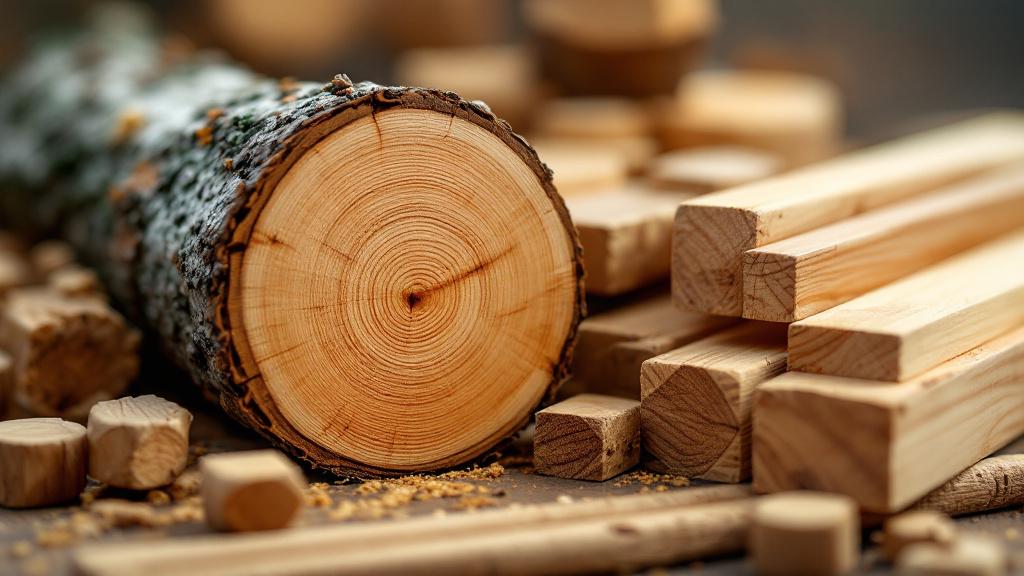
Eco-friendly and safe materials for modern wood production
Eco-friendly and safe materials for modern wood production In recent years we increasingly think about what the things around us are made of. A home, furniture, a floor, a kitchen, a

How to Correctly Choose Between Plywood, MDF, Particleboard, and MFC for Different Tasks
How to Correctly Choose Between Plywood, MDF, Particleboard, and MFC for Different Tasks In the world of woodworking and furniture making, every material has its own story. Plywood, MDF, particleboard, and

Cutting sheet wood materials at different angles: why and how it is done
Cutting sheet wood materials at different angles: why and how it is done Working with wood materials is not just sawing. To get a truly high-quality and durable product, you have

Recommendations for choosing sheet materials for indoor and outdoor projects
Recommendations for choosing sheet materials for indoor and outdoor projects In woodworking, choosing the right sheet material is like laying a foundation for a builder. What you pick at the very