Ideas and tips for using plywood and MDF in decorative interior elements: the tools of professional woodworking
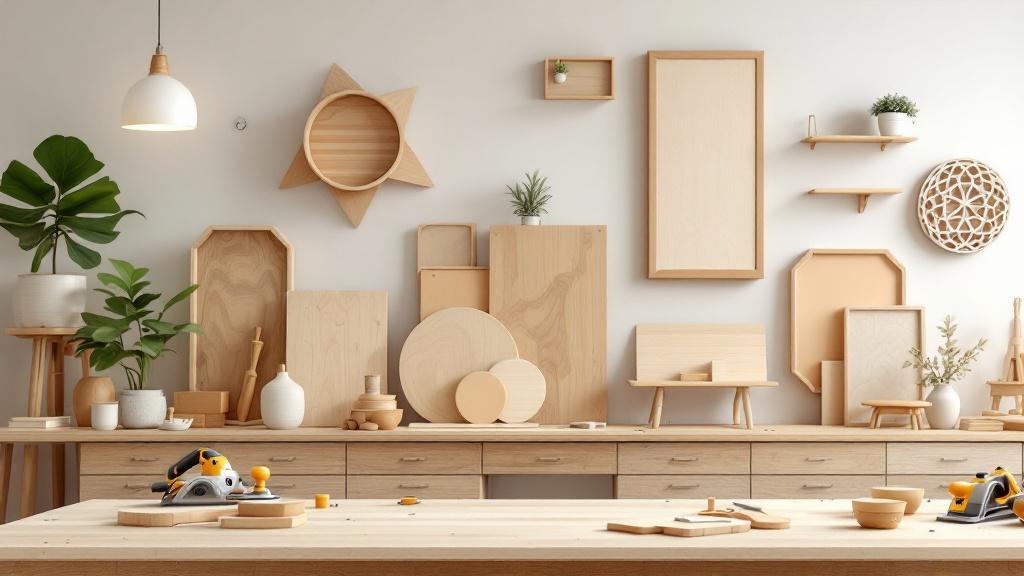
The use of wood-based sheet materials such as plywood and MDF (medium-density fibreboard) has become a fundamental basis of modern furniture production and interior design. These materials, originally developed as more economical and stable alternatives to solid wood, have over recent decades proven their unique value in creating high-quality, aesthetic decorative elements. For a woodworking company offering product-manufacturing services, understanding and professionally exploiting the potential of plywood and MDF is a key success factor. These materials make it possible to realise complex design solutions that would be difficult or impractical using solid wood alone.
The choice between plywood and MDF for decorative applications depends on many factors: the required strength, service conditions, complexity of milling and, of course, the finish. Plywood, a layered glued veneer, has high structural strength and a pronounced end-grain pattern that can itself serve as a decorative element in a “Scandinavian minimalist” or “industrial loft” style. MDF, uniform in structure and density, is an ideal base for deep milling, for creating three-dimensional panels and for subsequent painting or facing, providing a flawlessly smooth surface.
The aim of this article is to examine in detail the practical and technological aspects of using plywood and MDF in decorative interior design, drawing on the capabilities of professional woodworking and product manufacturing. We will analyse specific ideas, from complex wall panels to unique furniture fronts and lighting elements, highlighting how the right choice of material and machining technology makes it possible to achieve the maximum aesthetic and functional result. A professional approach to working with these boards opens up unlimited possibilities for creating a unique, durable and functional interior.
Decorative wall panels and cladding: using plywood and MDF to create texture and depth
Decorative wall panels are one of the most striking ways to use plywood and MDF in an interior. These elements make it possible to radically change the perception of a space, add texture, depth and zoning, while maintaining a high degree of workability and predictability of the result. The use of sheet materials in this field is driven by their stability and large formats, which is critically important for cladding significant areas.
Plywood, particularly birch plywood with its clearly defined layers, is often used to create panels in a minimalist style. Untreated or clear-lacquered plywood shows a natural, slightly industrial look that is valued for its honesty and rawness. Professional processing of plywood sheets, including precision cutting and sanding, makes it possible to create a “seamless” effect or, conversely, to emphasise the joints, using them as part of a decorative pattern.
MDF, thanks to its uniform structure, is an ideal base for making milled 3D panels. Deep milling on CNC machines makes it possible to cut complex geometric patterns, waves, reliefs or imitations of classic mouldings. The possibilities for milling MDF are practically limitless, which makes it an indispensable material for creating accent walls in any style, from Art Deco to hi-tech. After milling, the panels can be painted any colour or covered with PVC film, veneer or enamel to achieve the desired finishing effect.
The process of making MDF wall panels involves several key stages, each requiring high skill. First a vector drawing for CNC milling is developed, then precise cutting and profiling, and finally thorough surface preparation before applying the finish. The quality of the milling directly affects the adhesion of the paint and the durability of the coating.
When designing panels, it is important to consider not only aesthetics but also the practical aspects of installation. Panels can be made with an integrated fastening system, such as concealed brackets or interlocking joints, which simplifies installation and ensures a perfectly flush fit to the wall. This aspect is part of the comprehensive approach in woodworking, where the product is supplied fully ready for final installation.
One popular solution is the use of slat panels. Plywood or MDF is ripped into thin, identical slats that are then mounted on a base with small gaps. This adds vertical or horizontal dynamics to an interior. For MDF the slats can be painted in contrasting colours, while for plywood they can be left with a visible texture.
Plywood and MDF thus provide woodworking companies with a reliable and versatile toolkit for creating high-quality decorative wall panels. The choice of material determines not only the appearance but also the technical feasibility of realising the intended design, whether a complex relief or a minimalist smooth surface.
Where sound insulation or the integration of services is required, wall panels made of sheet materials can be manufactured as multi-layer structures with an internal filling. Plywood provides structural rigidity, while MDF provides the ideal outer surface for finishing.
Lattice partitions and screens: the precision of laser and CNC cutting
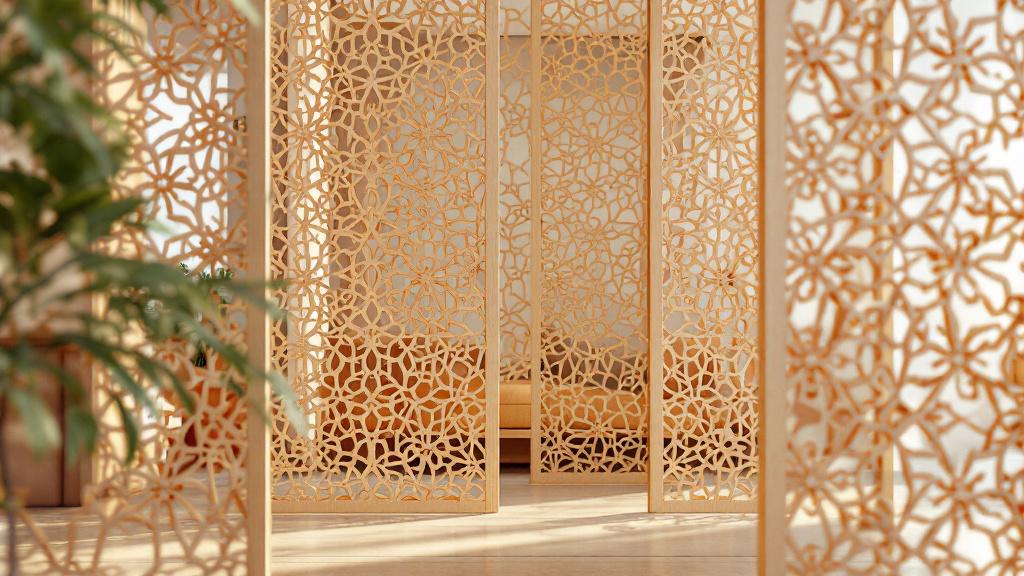
Lattice (or openwork) partitions and screens are an elegant and functional way to zone a space that does not impede the passage of light and air. Plywood and MDF are practically the only alternative materials for making such structures, because they make it possible to achieve the necessary precision and repeatability of complex geometric patterns.
The use of CNC (computer numerical control) machines or laser cutting is key in the production of openwork partitions. It is precisely these technologies that make it possible to cut the finest details and thin lines without chipping or deforming the material. MDF, thanks to its dense and uniform structure, is ideal for very fine and detailed patterns. A milling machine can produce a neat cut that requires minimal additional sanding.
Plywood is also widely used for lattice structures, especially when the natural wood tone needs to be emphasised. With plywood, the edges after cutting have a characteristic multi-layer look that is often deliberately left visible as a decorative element. Here it is important to use high-quality plywood to minimise the risk of knots falling out and delamination as the cutter passes.
Making the partitions begins with the modelling stage. The design drawing is converted into a vector file format, which is then optimised for the CNC machine. At this stage the thickness of the connecting elements is determined to ensure sufficient strength of the whole structure. Professional woodworkers always take into account the minimum permissible tolerances for the chosen material.
After cutting, the elements of the partition require thorough finishing. All sharp corners and edges are rounded or sanded to give tactile smoothness and safety. This is especially important for products that will be in direct contact with the user.
The finishing of openwork MDF partitions most often involves painting with enamels or lacquers. Painting must be done in several coats with intermediate sanding to ensure complete coverage of all internal corners and edges of a complex pattern. For plywood, tinting oils, wax or clear lacquer are usually used to keep the texture visible.
Lattice screens can be made either as fixed (floor- or ceiling-mounted) or mobile (on hinges or castors). In the latter case, plywood, as a lighter material that is stronger in bending, is often preferable to MDF.
The production of such items demonstrates a high level of a company’s technological equipment, since it requires not only powerful machinery but also deep knowledge of how the material behaves under high-precision machining. A finished partition made of MDF or plywood becomes not just a functional element but a central art object of the interior, created through digital woodworking.
Decorative furniture fronts: the technology of milling and facing MDF
Furniture fronts are the calling card of a piece of furniture, and it is precisely in this area that MDF shows its best technological qualities. The possibility of deep, precise milling makes MDF indispensable for creating fronts with profiling that imitates a classic panel, as well as for realising modern, complex geometric shapes.
The uniform structure of MDF provides a perfectly smooth surface after milling, which is critically important for a subsequent high-quality finish, especially when using gloss enamels. Unlike solid wood, MDF has no grain or direction, which eliminates the risk of chipping and makes it possible to create curved lines and radiused elements with a high degree of detail.
The process of making milled fronts begins with choosing a profile and creating a program for the CNC router. Modern equipment makes it possible to mill not only across the face but also along the edges, creating integrated handles or a complex contour. It is important to calculate the depth and shape of the profile precisely to ensure sufficient strength of the thin webs.
One of the most sought-after finishes for MDF fronts is multi-layer enamel painting. This process involves priming, intermediate sanding and layer-by-layer application of enamel, often followed by lacquering and polishing to achieve a high gloss or matt effect. An enamel coating not only gives an aesthetic appearance but also provides high moisture resistance, which is especially important for kitchens and bathrooms.
An alternative to painting is facing with veneer or PVC film. Veneering MDF fronts makes it possible to obtain an appearance identical to solid wood while retaining the stability and affordability of the board. For veneering, specialised presses and adhesives are used that provide a durable and reliable bond. PVC films, in turn, make it possible to imitate various textures and colours, including gloss and metallic finishes.
Plywood is also used for furniture fronts, but generally in a more minimalist design where the emphasis is on the visible edges. Plywood fronts are often treated with clear or tinting lacquers that protect the surface but do not hide the multi-layer structure. This is a popular solution for furniture in Scandinavian and loft styles.
An important direction is the creation of combined fronts, where MDF is used as the main frame or base and plywood or other materials as inlays. This approach makes it possible to combine the smoothness of milled MDF with the texture of plywood veneer or other decorative materials.
The main advantages of using MDF for decorative fronts:
- An ideal base for milling: Provides the ability to create complex profiles and 3D designs.
- Dimensional stability: The material does not warp or crack under the influence of moisture and temperature changes.
- A wide range of finishes: From high-gloss enamel to natural veneer.
Professional woodworking, including high-precision cutting, milling and quality multi-layer finishing, guarantees that MDF fronts are not only aesthetically attractive but also highly reliable in service.
Making lighting elements: plywood and MDF luminaires using laser cutting
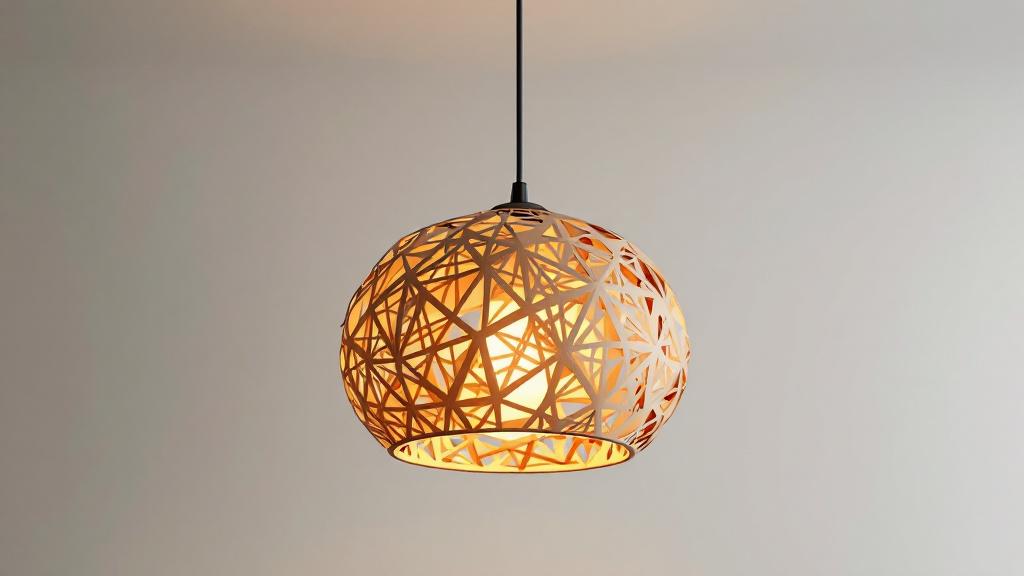
Decorative lighting elements such as lampshades, diffusers and luminaire housings represent an interesting niche for the use of plywood and MDF, requiring high precision and a creative approach to design. Sheet materials make it possible to create complex geometry that would be impossible using traditional methods of working with solid wood.
In this category, plywood is often the preferred material, especially for luminaires where light needs to pass through thin, precisely cut openings. Laser cutting of plywood makes it possible to create very fine, repeating patterns that imitate natural motifs or geometric ornaments. Birch plywood, thanks to its light colour, diffuses light well.
The use of laser cutting in woodworking for luminaires is critically important, because it makes it possible to minimise waste and ensure a perfect fit between parts. Many plywood luminaires are made on a construction-kit principle: numerous flat parts cut by laser are assembled without glue using slot or interlocking joints, creating a three-dimensional, openwork structure.
MDF is also used for lighting elements, especially where an opaque, painted housing or base is required. MDF can be milled into massive bases for floor lamps or wall sconces, which are then painted in matt or gloss colours. The uniformity of MDF prevents the wood texture from showing through the paint, which is important for achieving an absolutely smooth surface.
The technological aspects of working with plywood and MDF when making luminaires include mandatory compliance with fire-safety measures. When designing, it is necessary to take into account the minimum permissible distance from the heat source (lamp) to the wooden surface. LED light sources, which emit a minimal amount of heat, are often used for this.
The processing after laser or milling cutting is also very important. The edges of plywood after laser cutting may have slight scorching that requires careful hand or mechanical sanding. The finish is usually water-based clear lacquer or special fire-retardant impregnations that protect the material and increase its safety.
Plywood and MDF luminaires can be used to create a unique atmosphere in an interior. For example, pendant luminaires with openwork diffusers made of thin plywood cast beautiful, moving shadows on the walls, which is an additional decorative effect.
Tips for making luminaires from sheet materials:
- Choosing the thickness: Use thin plywood (3–6 mm) for lampshades to ensure lightness and good light transmission.
- Joining: Use slot joints for quick, strong assembly without visible fasteners.
- Moisture protection: For luminaires in rooms with high humidity (for example, a bathroom), use moisture-resistant MDF and plywood and quality moisture-resistant lacquers.
Making luminaires is an example of how professional woodworking, combining traditional knowledge of the material with modern CNC technologies, can create high-tech and aesthetically valuable products.
Integrated shelves and niches: functional decor from MDF and plywood
Integrated shelves, shelving units and niches that look like a natural continuation of a room’s architecture are an important element of modern design. Plywood and MDF are ideal for creating such structures thanks to their stability, strength and the ability to be precisely fitted to complex dimensions.
MDF is often used to create the carcasses of built-in furniture and niches, especially when painting is required. Its uniform structure makes it possible to obtain a perfect, smooth surface that, after finishing, is indistinguishable from a painted wall. This creates an effect of monolithic integration. The technology of joining boards “on a mitre” (at 45 degrees) combined with quality joint finishing makes it possible to achieve practically invisible joints.
Plywood, thanks to its high load-bearing capacity, is an excellent material for making long, cantilevered shelves that must bear significant load without sagging. The use of plywood with an exposed edge in such structures becomes a design statement in its own right. The thickness and number of veneer layers directly affect the strength of the shelf, which is always taken into account during design.
Designing built-in structures from sheet materials requires high precision in measurement and calculation, since errors can make installation impossible. Professional manufacturing includes the use of CNC cutting to obtain parts accurate to fractions of a millimetre, which is necessary for a perfect fit to walls and ceiling.
When making shelving units from plywood, a modular principle is often used. The elements are cut on a CNC machine so that they assemble into a single structure using slots and tenons, without visible hardware. This approach emphasises the purity of the material and the quality of the workmanship.
For finishing integrated shelves and niches made of MDF, laminating or veneering is actively used in addition to painting. Laminate provides high wear resistance and ease of care, which is important for open shelves subject to frequent contact. Veneer makes it possible to blend the structure harmoniously into an interior with natural-wood elements.
Practical tips for working with boards for integrated structures:
- Load calculation: Always calculate the strength of shelves, especially cantilevered ones, taking into account the type of material used (MDF or plywood) and its thickness.
- Edge treatment: For MDF, high-quality sealing of the edges before painting is critically important to prevent moisture absorption.
- Concealed fasteners: Use concealed mounting systems such as dowels, cam locks or special cantilever brackets to preserve the clean, minimalist look of the structure.
Integrated elements made of plywood and MDF make it possible to optimise the space and give the interior a finished, harmonious look. They are an example of how functionality and decor can be combined thanks to the precision of woodworking production.
Decorative covers for doors and radiators: concealment and aesthetics
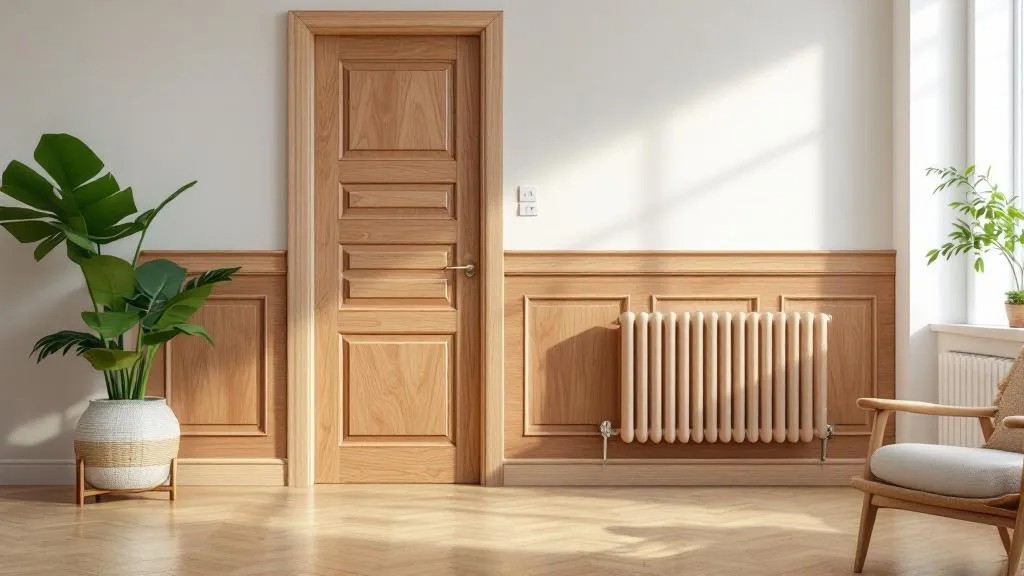
Decorative covers used to conceal heating radiators and technical niches or to give individuality to interior doors are important, though often underestimated, elements of decor. MDF and plywood are ideal materials for making such items thanks to their stability, ease of machining and the ability to create ventilation openings or complex carving.
MDF is most often used for these purposes, especially for radiator covers. Covers perform two key functions: they conceal an unattractive radiator and allow the free circulation of warm air. MDF makes it easy to mill or CNC-cut numerous openings or geometric patterns that serve as ventilation grilles.
When making radiator covers, dimensional accuracy and material choice are critical. It is necessary to use MDF of a thickness sufficient to ensure the rigidity of the structure but not excessive, so as not to take up useful space. The grille design must provide the maximum open cross-sectional area for effective heat dissipation.
Heat-resistant enamel is often used to finish such covers, since they are constantly exposed to heat. Multi-layer painting of MDF ensures durability and prevents the coating from cracking. Covers can be finished in the wall colour so as to “dissolve” completely into the interior or, conversely, become an accent element.
Door covers are another form of decorative application. Decorative frames, mouldings or applied panels can be milled from MDF and fixed to the smooth surface of a door, imitating, for example, a classic solid-wood door. This is an economical and technological way to refresh or style standard door leaves.
Applications for decorative covers:
- Radiator covers: Milled MDF covers with various lattice patterns.
- Decorative boxing: Using plywood to make light but strong boxing to conceal pipes or service risers.
- Door covers: Milled MDF elements, veneered or painted, to style smooth door leaves.
When working with plywood for decorative covers, pierced-carving techniques are often used. Plywood, thanks to its layered structure, makes it possible to create an effect of depth and volume in the carving. After cutting, the plywood is coated with clear lacquer to emphasise its layered edge.
Making covers and screens is work that demands precision and attention to detail, since they must fit perfectly into existing openings and contours. This demonstrates a woodworking company’s ability to carry out complex and bespoke orders, not limiting itself to standard furniture.
Three-dimensional decorative panels and art objects: sculptural precision
Creating three-dimensional decorative panels and unique art objects is the pinnacle of using plywood and MDF, where the technological capabilities of CNC machines combine with creative design. These materials make it possible to create complex, multi-layered or sculptural compositions that serve as the central elements of an interior.
MDF is an ideal material for sculptural milling. Using 3D milling, it is possible to create panels with variable relief depth that imitate waves, dunes or abstract geometric shapes. The uniformity of MDF allows the tool to work at great depth without the risk of a change in density or structure, which is a problem when working with solid wood.
The process begins with 3D modelling of the object. The designer creates a digital model, which is then converted into a control program for a five- or three-axis milling machine. The machine’s precision is critical, since it determines the surface quality and the level of detail of the relief. After milling, the panels require careful manual finishing and sanding to remove tool marks.
Plywood, in turn, is used to create multi-layered, layered art objects. A panel is assembled from numerous plywood parts of various shapes cut by laser or CNC. The different thicknesses of the parts and their placement at different levels create an effect of depth and volume. The visible edge of the plywood, thanks to its layers, itself becomes part of the decor.
One popular direction is the creation of acoustic decorative panels. MDF or plywood is milled with a particular pattern or perforation and then mounted with an acoustically absorbent material behind it. Such panels combine the aesthetics of complex decor with the function of improving room acoustics.
Stages of creating a sculptural MDF panel:
- 3D modelling: Creating a precise digital model of the relief.
- CNC programming: Generating the tool path taking into account feed rate and cutting depth.
- Milling: Multi-pass machining of the material, often using different types of cutter.
- Sanding and finishing: Final surface treatment and application of a coating (enamel, wax, lacquer).
For art objects, a combined finish is often used. For example, part of a panel may be painted with gloss enamel and another part faced with natural veneer or covered with a patina to emphasise the contrast of textures and volumes.
Such complex decorative elements demonstrate the high skill of a woodworking company, its ability to work with modern digital technologies and to provide clients with unique, personalised products.
Worktops and work surfaces: combining strength and decorative appeal
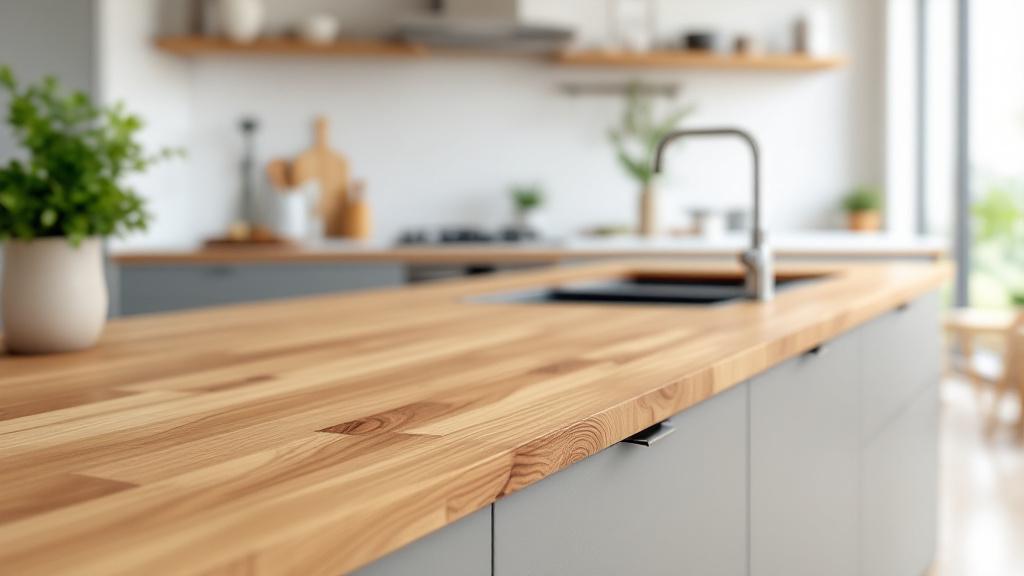
The use of plywood and MDF for worktops and work surfaces, especially in a decorative context, requires a special approach aimed at increasing wear resistance and moisture protection. Although these materials are more often used as a base, their visible decorative qualities can be brought to the fore with the right processing.
Moisture and mechanical load are the main factors to consider when making worktops. That is why moisture-resistant MDF or plywood of increased moisture resistance (FK, FSF, and sometimes FOF — phenolic-film-faced plywood) is used for kitchens and bathrooms.
MDF, with its perfectly smooth surface, is an excellent base for facing with high-quality materials such as natural or artificial stone, high-strength plastic (HPL laminate) or thick veneer of valuable wood species. Using MDF as a substrate ensures a perfectly flat surface and stability, which can be difficult to achieve with solid wood.
Plywood is used for worktops when the multi-layer edge needs to be emphasised. Plywood of great thickness (for example, 30–40 mm) with a carefully sanded and clear-lacquered edge is a popular solution for tables in loft, Scandinavian or industrial design. In this case the top surface is often covered with HPL laminate or a thin layer of veneer to provide wear resistance.
The process of making worktops from sheet materials includes the following stages:
- Precise cutting of the material.
- Edge treatment (chamfering, rounding).
- Application of a finish or high-pressure facing (for HPL).
- Particular attention is paid to sealing the edges and technological cut-outs (for example, for a sink or hob) to prevent moisture ingress.
For decorative worktops in less heavily used areas (for example, desks, consoles), MDF can be fully painted with high-strength enamels in a matt or gloss finish. This makes it possible to realise bold colour solutions that would be difficult or impossible with natural wood.
Ideas for the decorative design of work surfaces:
- Inlaid worktops: Milling recesses in MDF for subsequent inlaying with another material (metal, leather, contrasting veneer).
- “Sandwich” worktops: Combining two thin sheets of plywood with a coloured interlayer between them (for example, coloured plastic) visible on the edge.
- Radiused elements: Making worktops of a complex, curved shape, which is easily achieved with MDF.
Professional processing and the right choice of finish guarantee that worktops made of plywood and MDF will serve for a long time, combining practicality with a high level of decorative appeal.
Furniture handles and hardware: small forms with high detail
Decorative elements in an interior are not limited to large panels and fronts; small forms such as furniture handles, legs or decorative hardware overlays can also be made from plywood and MDF, adding individuality to the finished item.
Making handles from plywood or MDF is a practical and aesthetic way to move away from standard metal hardware. Handles can be integrated (a recess milled into an MDF front) or applied. Applied plywood handles cut on a CNC machine can have a complex anatomical shape and show a beautiful layered edge.
For making applied handles, plywood 12–20 mm thick is often used. The handles are cut with high precision to provide a comfortable grip. After cutting they are carefully sanded and coated with a wear-resistant lacquer or oil, which is important for elements subject to frequent contact. Using various plywood species (birch, softwood) makes it possible to vary the shade and texture.
MDF makes it possible to create handles that can be fully integrated into the design of a front. Milling concealed handles into an MDF front, with subsequent painting of the whole front, creates a clean, minimalist look where the handle is part of the surface itself. This approach is especially popular in modern kitchens and cabinets.
In addition to handles, decorative furniture legs are made from MDF and plywood, especially for small chests of drawers, cabinets and side tables. A milling machine can give the legs a complex, turned shape, and they can then be painted to match the furniture or in a contrasting colour.
Technological aspects of making hardware:
- Strength: For handles and legs, strength in bending and compression is critical, so plywood is often preferable.
- Fastening: A reliable fastening system must be devised, using internal studs or screws to avoid visible fasteners.
- Finish: The most wear-resistant coating — two-component polyurethane lacquers that provide protection against abrasion and moisture.
Decorative floors and podiums: creating accent zones

The use of plywood and MDF as decorative flooring or for creating accent podiums is a non-standard but effective technique for zoning and giving an interior a unique texture.
Plywood, thanks to its high strength and stability, can be used to create modular flooring. Small modules or tiles of thick plywood (for example, 15–20 mm), cut with high precision, can be laid on a parquet or terrace principle. The visible layered texture of the plywood, coated with a wear-resistant polyurethane lacquer, creates a unique, warm and slightly raw effect. This option is especially suited to loft or eco-minimalist interiors.
MDF, although less resistant to abrasion, is actively used to create podiums and multi-level structures. Podiums make it possible to zone a space, create concealed storage systems or raised relaxation areas. MDF is an ideal material for cladding a podium frame, since it is easy to bend (using thin sheets and a kerf-cutting technique) and to paint.
Examples of decorative use of boards on a floor:
- Accent zone: Plywood floor tiles laid out as artistic parquet (for example, in a herringbone pattern).
- Multi-level podium: A frame of timber clad with MDF, with milled decorative elements around the perimeter.
- Integrated lighting: Using MDF panels to create podiums with integrated LED backlighting around the perimeter.
Key requirements for flooring materials:
- Wear resistance: Mandatory use of high-strength, wear-resistant lacquers for a plywood floor.
- Moisture resistance: Use of moisture-resistant grades of plywood and MDF.
- Geometric precision: High-precision CNC cutting for a perfect fit of the flooring modules.
The use of plywood and MDF in floor structures is a technological solution that makes it possible to create durable and visually accentuated zones.
Interior display cases and stands: complex assembly and finishing
Interior display cases, exhibition stands and retail equipment are an important part of commercial interiors. In this field plywood and MDF are indispensable thanks to their ability to realise complex, non-standard structures and to allow multi-level finishing.
MDF is actively used for making display cases where a smooth, painted surface is required that does not distract attention from the goods on display. Carcasses, shelves, back panels and decorative friezes are made from MDF. The uniformity of the material ensures flawless quality of painting in any colour, which is critical for maintaining a corporate style.
Plywood, thanks to its high strength, is often used for making load-bearing frames as well as for creating display cases in an eco-style. For example, retail shelving made entirely of birch plywood with an exposed edge and coated with clear lacquer looks modern and natural.
Technologies used in making display cases:
- Slot-and-tenon systems: For quick, strong assembly without visible fasteners.
- Light integration: Milling channels in MDF to embed LED strips, which requires high precision.
- Radiused elements: Making curved display cases by bending thin MDF or plywood over a template.
A bulleted list of ideas for display cases:
- Modular plywood display cases: Items consisting of several identical blocks that can be rearranged and combined.
- MDF display cases with gloss enamel: Carcasses painted in a bright gloss for premium-segment shops.
- Display cases with complex geometry: Using CNC milling to create polygonal or asymmetrical structures.
Ceiling decorative structures and coffers: lightness and precision of installation
The ceiling is the fifth wall, which offers extensive possibilities for the decorative use of plywood and MDF. Decorative ceiling structures such as coffers, decorative lattices or complex three-dimensional elements are easily realised with sheet materials.
A coffered ceiling, which was traditionally made of solid wood, is now often executed using MDF. The elements of the coffers (beams, rosettes) are milled from MDF, assembled into modules and then mounted on the ceiling. Using MDF ensures a light structure compared with solid wood and an ideal base for painting or veneering.
Plywood is used to create slatted ceilings or suspended acoustic panels. Light plywood slats can be mounted on a suspended frame, creating the effect of a textured surface that at the same time conceals services and provides sound diffusion.
Designing ceiling structures requires taking into account the weight of the material and the reliability of the fastening. MDF and plywood, for all their strength, are significantly lighter than solid wood, which simplifies installation and increases safety.
Technical tips for ceiling structures:
- Weight: Always use the minimum necessary material thickness to reduce the load on the slab.
- Edge treatment: For MDF coffers, flawless treatment and painting of the edges is critically important to imitate a massive profile.
- Humidity control: Moisture-resistant MDF and plywood must be used in rooms with possible fluctuations in humidity.
Conclusion: a professional’s view of plywood and MDF
Plywood and MDF have long ceased to be mere inexpensive substitutes for solid wood. They have established themselves as independent, high-tech materials that, in the hands of a professional woodworking company, become tools for creating complex, durable and aesthetically valuable decorative interior elements.
The possibilities of CNC milling, laser cutting and high-quality finishing (enamels, veneer, HPL) make it possible to realise projects of any complexity — from thin, openwork partitions to massive, sculptural panels and wear-resistant worktops.